
- Chinese
- French
- German
- Portuguese
- Spanish
- Russian
- Japanese
- Korean
- Arabic
- Irish
- Greek
- Turkish
- Italian
- Danish
- Romanian
- Indonesian
- Czech
- Afrikaans
- Swedish
- Polish
- Basque
- Catalan
- Esperanto
- Hindi
- Lao
- Albanian
- Amharic
- Armenian
- Azerbaijani
- Belarusian
- Bengali
- Bosnian
- Bulgarian
- Cebuano
- Chichewa
- Corsican
- Croatian
- Dutch
- Estonian
- Filipino
- Finnish
- Frisian
- Galician
- Georgian
- Gujarati
- Haitian
- Hausa
- Hawaiian
- Hebrew
- Hmong
- Hungarian
- Icelandic
- Igbo
- Javanese
- Kannada
- Kazakh
- Khmer
- Kurdish
- Kyrgyz
- Latin
- Latvian
- Lithuanian
- Luxembou..
- Macedonian
- Malagasy
- Malay
- Malayalam
- Maltese
- Maori
- Marathi
- Mongolian
- Burmese
- Nepali
- Norwegian
- Pashto
- Persian
- Punjabi
- Serbian
- Sesotho
- Sinhala
- Slovak
- Slovenian
- Somali
- Samoan
- Scots Gaelic
- Shona
- Sindhi
- Sundanese
- Swahili
- Tajik
- Tamil
- Telugu
- Thai
- Ukrainian
- Urdu
- Uzbek
- Vietnamese
- Welsh
- Xhosa
- Yiddish
- Yoruba
- Zulu
- Kinyarwanda
- Tatar
- Oriya
- Turkmen
- Uyghur






komatsu pc150 parts
When you type 'komatsu pc150 parts' into a search, you're not just looking for a bolt or a seal. You're likely in a bind, machine down, and need a solution that balances cost, availability, and, crucially, reliability. The immediate assumption many make is to chase pure OEM from Komatsu dealers. That's the safe play, sure, but it's not always the smartest or even the most practical one, especially if you're operating in regions where the official supply chain is thin or painfully slow. The real game is knowing what you can substitute, what you absolutely shouldn't, and where to find parts that don't compromise the machine's backbone.
The OEM Promise vs. On-Ground Reality
Let's be clear: for critical components like the main hydraulic pump, the swing circle, or the engine's ECU, genuine Komatsu parts are non-negotiable. I've seen too many compatible pumps fail within 500 hours, taking out other hydraulic components with them. The cost-saving turned into a $15k repair bill. The metallurgy, the tolerances—OEM gets it right. But here's the rub: for a machine like the PC150, which has had several iterations, not every single part on it needs that gold-plated treatment. Think about bucket teeth, linkage pins, bushings, hydraulic hoses, even some sensors. The wear-and-tear items.
This is where the landscape gets interesting. You have the official channel, then you have a whole ecosystem of suppliers claiming OEM quality. Some are legitimate; many are junk. I remember sourcing a set of track rollers from a local supplier at half the dealer price. They looked identical, even had similar packaging. They lasted eight months under moderate use before the seals blew and the bearings disintegrated. The downtime and replacement labor wiped out any savings. It was a lesson in superficial similarity.
That's why a company's positioning matters. A supplier like Jining Gaosong Construction Machinery Co., Ltd. presents a hybrid model that makes sense in certain contexts. They state they're an OEM product supplier within the Komatsu system and a third-party sales company. In practice, this often means they have access to genuine lines for some components and manufacture or source high-quality aftermarket for others. Their stated goal of solving parts supply challenges in certain countries rings true. If your operation is in, say, Southeast Asia or Africa, waiting 6 weeks for an official air freight shipment for a simple control valve isn't feasible. A reliable third-party with OEM ties can cut that to a week.
Identifying the Safe Non-Genuine Parts
So how do you decide? It comes down to function and stress. Grease fittings, filters (if they meet spec), seals and O-rings from reputable brands, steel lines (not hoses), and even some cylinders can be sourced from quality aftermarket providers without sweating too much. The key is the provider's reputation. I've had good luck with certain non-genuine undercarriage parts for the PC150-6 model, but only from suppliers who specialize in undercarriage and can provide metallurgical reports.
Electrical components are a minefield. Relays, sensors, switches—stick to OEM or branded alternatives like Bosch or Panasonic if you can cross-reference. A faulty aftermarket pressure sensor on the PC150 can cause the engine to derate or the hydraulics to act erratically, leading to hours of futile diagnostics. It's not worth the $50 saved.
One area often overlooked is the cab. Interior parts, knobs, plastic covers, seat cushions. For these, aftermarket is perfectly fine. No need to pay the OEM premium for a sun visor. I've ordered these kinds of interior and exterior trim pieces from third-party suppliers like the one mentioned, Jining Gaosong, and the fit and finish were acceptable. It got the machine back to a presentable, functional state for the operator without the core systems being touched.
The Supplier Relationship is a Tool in Your Kit
You don't just buy parts; you buy from a supplier. Their technical knowledge is as valuable as their inventory. A good test is to call them with a specific problem. Instead of just asking for a part number, describe the symptom: My PC150-8 is walking slow to the left, but the right track is fine. A parts clerk will sell you a final drive. A knowledgeable tech might ask you to check the pilot pressure first, potentially saving you a $10k mistake.
This is where the value of a specialized third-party comes in. Their entire business is often built on supporting specific models like the Komatsu PC150 across its generations. They've seen the common failures—the prone-to-fail proportional solenoid valves on the -7 series, the weak points in the joystick wiring harness on the -5. They can bundle parts for common repairs. I've found that browsing a site like https://www.takematsumachinery.com can sometimes give you a clearer picture of what fails and what the repair package looks like than the official parts catalog.
Building a relationship with such a supplier means they might flag a known bad batch of components or suggest an updated part number that supersedes the one you're using. It turns them from a vendor into a partner in uptime.
When Compatible Doesn't Mean Interchangeable
A major pitfall is assuming parts are interchangeable across PC150 series machines. The -3, -5, -6, -7, -8, and -10 models have significant differences. A hydraulic pump from a -5 will not bolt onto a -7. Even something as simple as a filter can have different bypass valve settings. I learned this the hard way early on by installing an aftermarket hydraulic filter meant for a -5 on a -6. The pressure drop was different, and it triggered a fault code.
Always, always provide the full machine model and serial number. A serious supplier will demand it. If they don't, that's a red flag. The serial number is the key to the exact build specification. This is another area where a supplier with OEM system knowledge has an edge—they understand these nuances and can cross-reference correctly.
For instance, the swing motor seal kit. The basic design might be similar, but a slight change in the groove depth or seal material compound between serial number breaks can lead to a premature leak. A generic kit might work for a while, but it won't last the full service life. It's these subtle details that separate a parts supplier from a parts solution provider.
Cost vs. Value: The Real Calculation
The final decision always circles back to total cost. The price of the part is just the entry fee. You have to factor in downtime cost, installation labor, the risk of collateral damage if it fails, and the expected lifespan. For a critical, hard-to-reach component, the math almost always favors genuine or the highest-quality alternative you can find.
But for a fleet of older PC150s used in low-intensity work, running a mix of OEM for the heart and trusted aftermarket for the limbs is a sustainable strategy. It's about managed risk. You might run aftermarket cylinder rods but use genuine Komatsu seal kits inside them. You might use a third-party bucket but genuine pins and bushings.
The goal with searching for Komatsu PC150 parts shouldn't be to find the cheapest option or to blindly insist on 100% OEM. It's to build a layered sourcing strategy. Have your official dealer for the mission-critical items. Then, have a vetted, knowledgeable third-party partner like Jining Gaosong Construction Machinery Co., Ltd. for the support components, the wear items, and for those situations where the official channel hits a wall. They fill a specific, necessary niche in the ecosystem, especially when geography or urgency is a factor. Your parts strategy needs to be as robust and adaptable as the machine itself.
Related Products
Related Products

Best Selling Products
Best Selling Products-
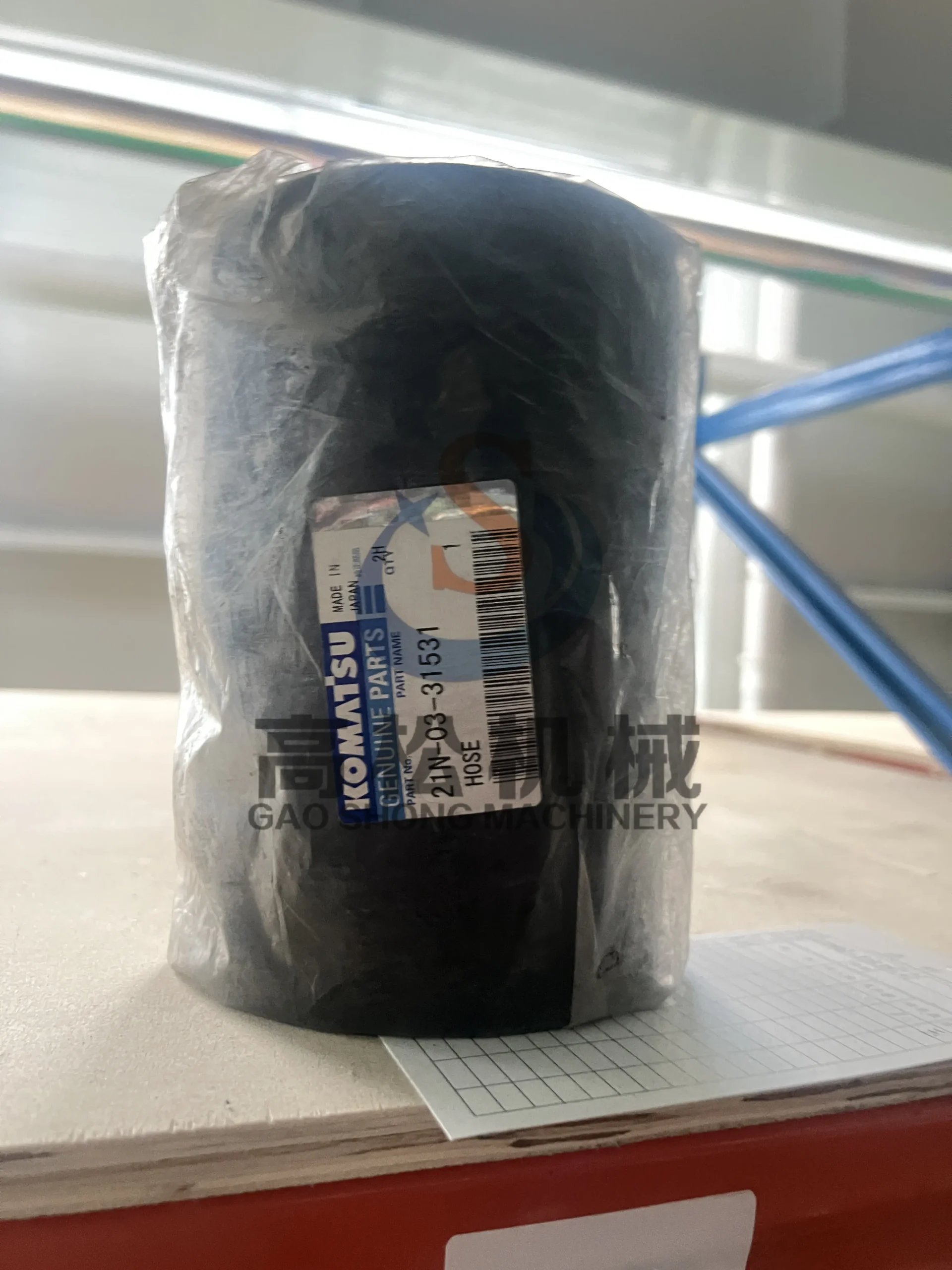 HOSE 21N-03-31531 – KOMATSU
 -
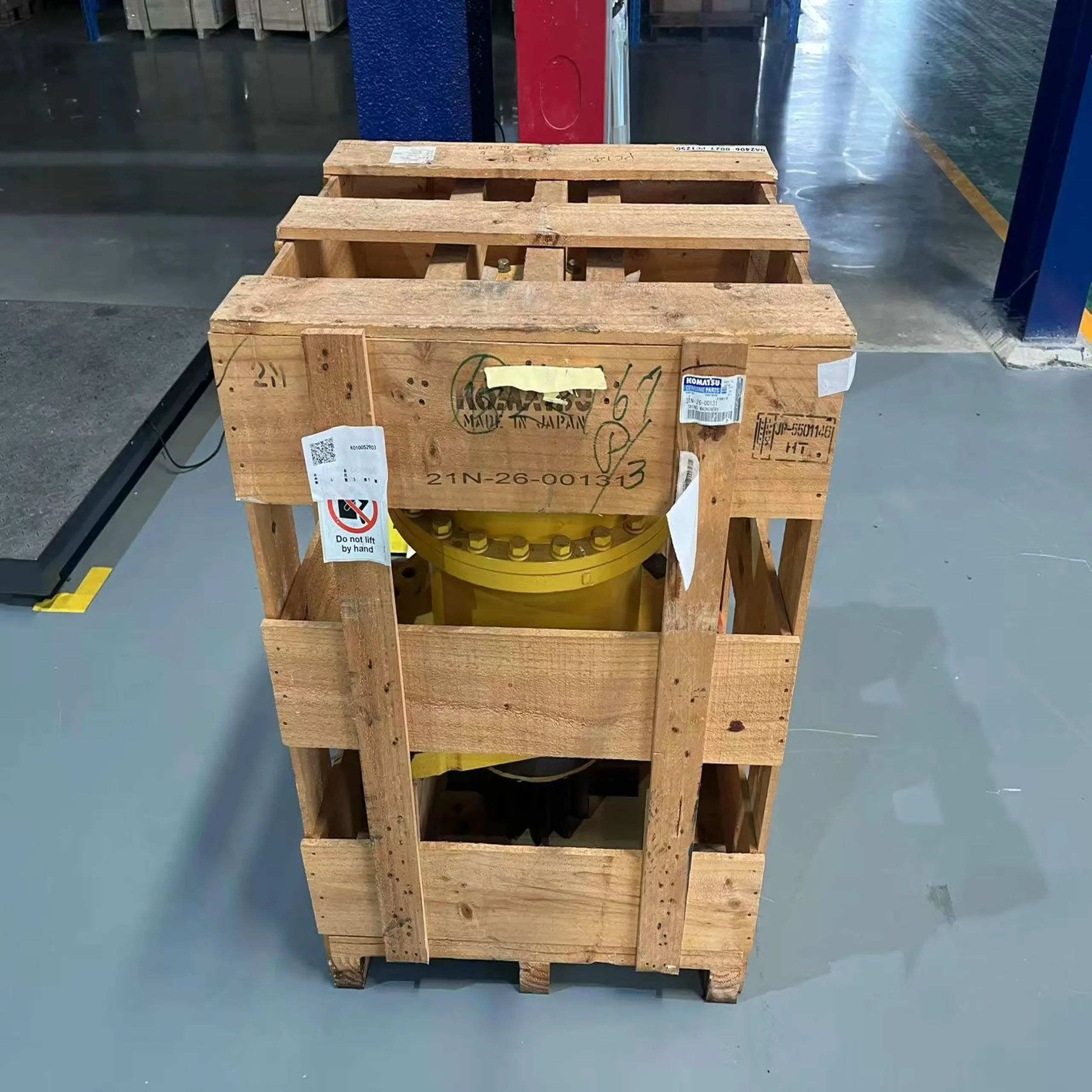 21N-26-00131 Rotary reducer, suitable for PC1250-11 #komatsu #komatsuparts #PC1250 #komatsurotaryreducer
 -
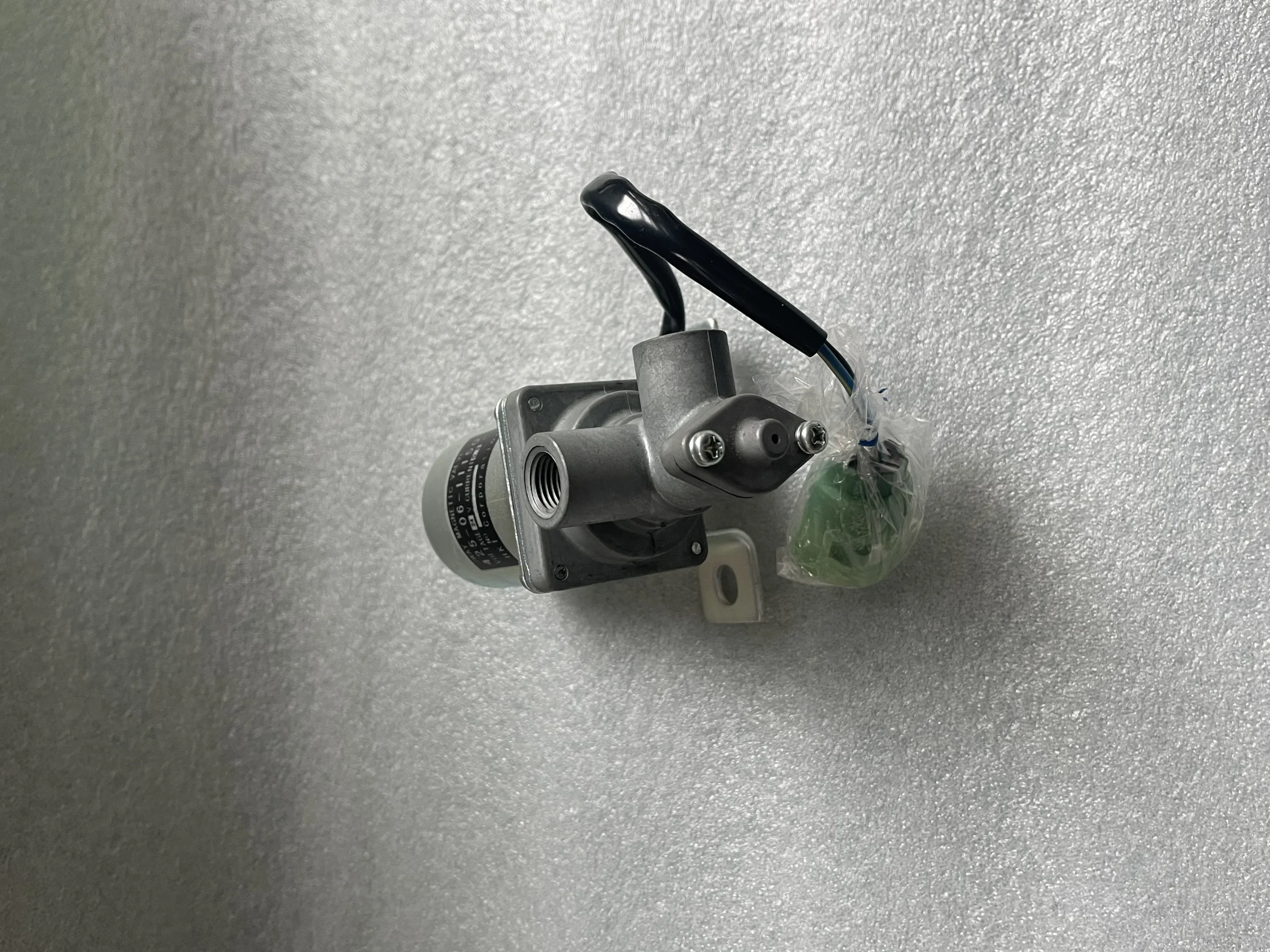 Valve,Parking brake425-06-11150
 -
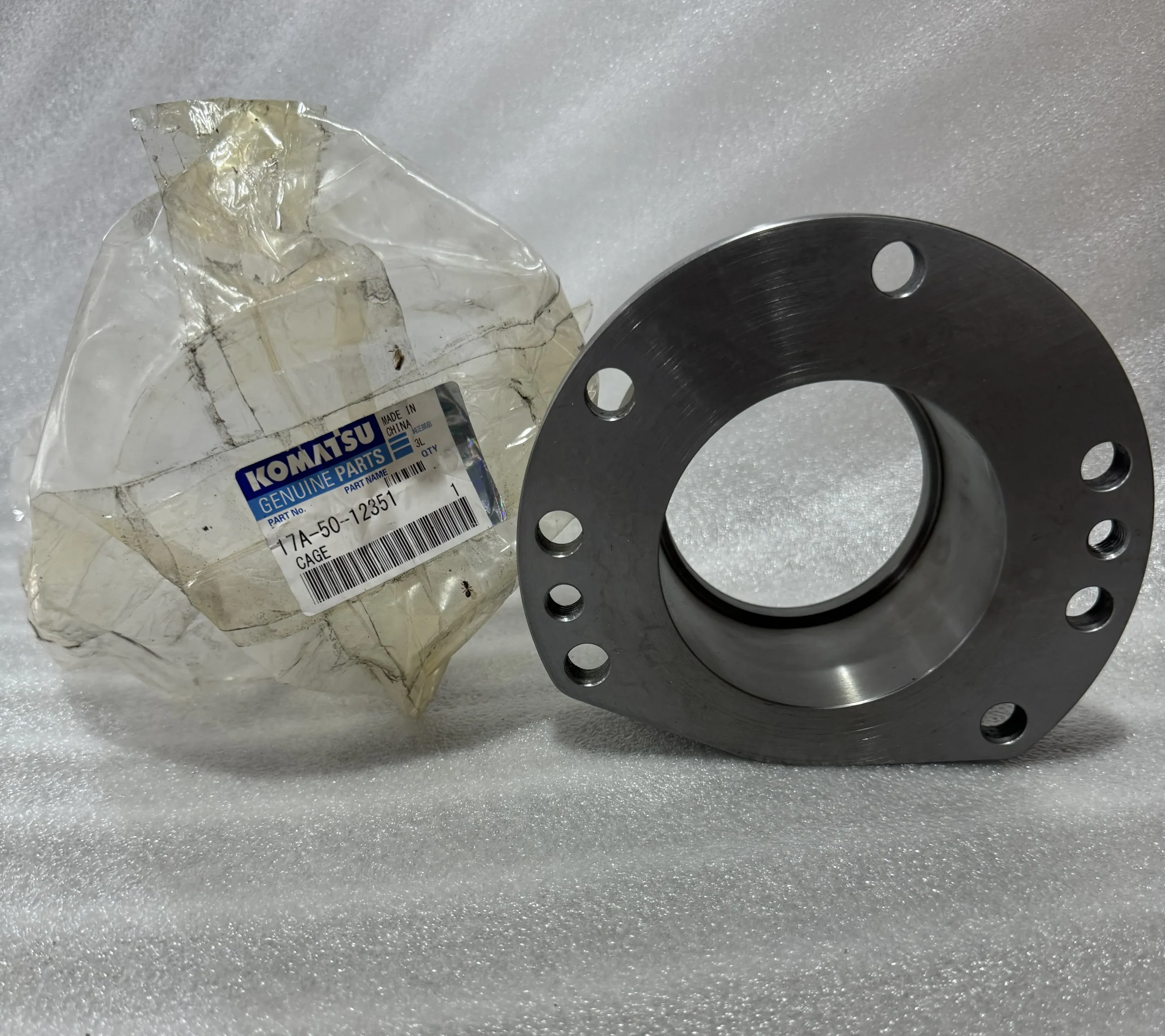 D155AX-3 Bearing Housing 17A-50-12351
 -
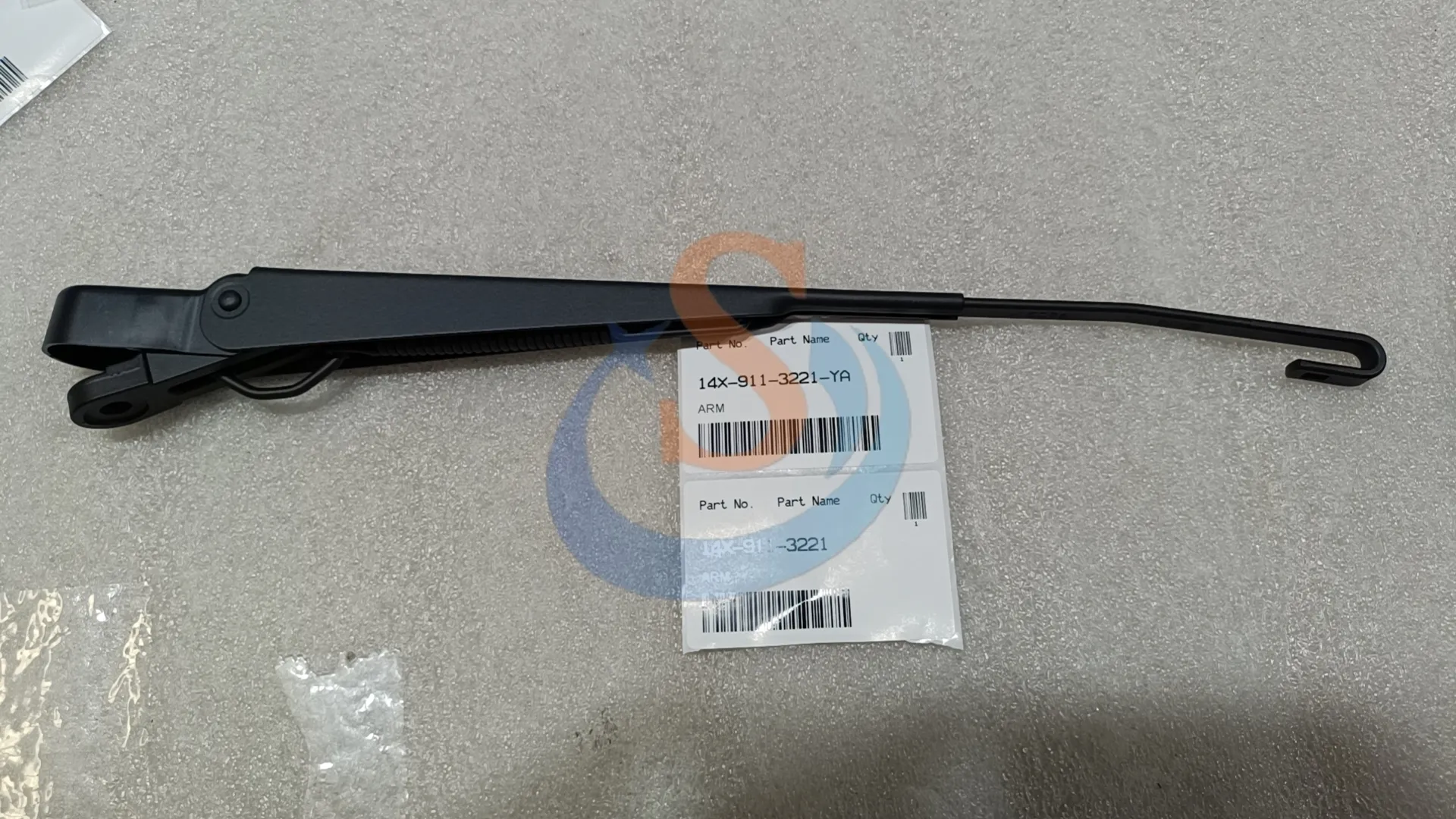 14X-911-3221,ARM,D155AX,D375A,D475A
 -
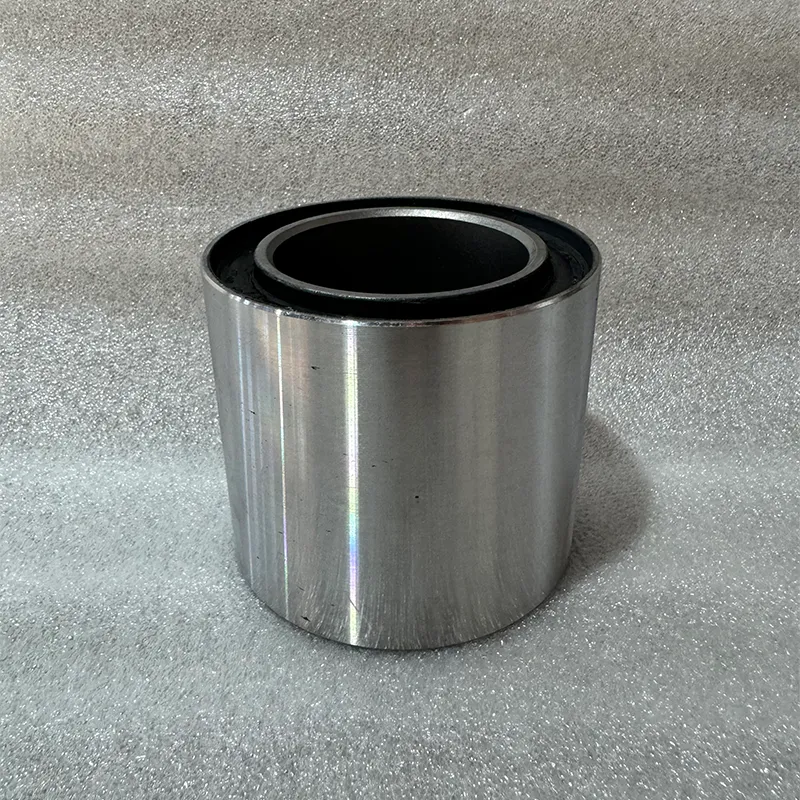 Original komatsu WA900-3 pad 569-14-41130
 -
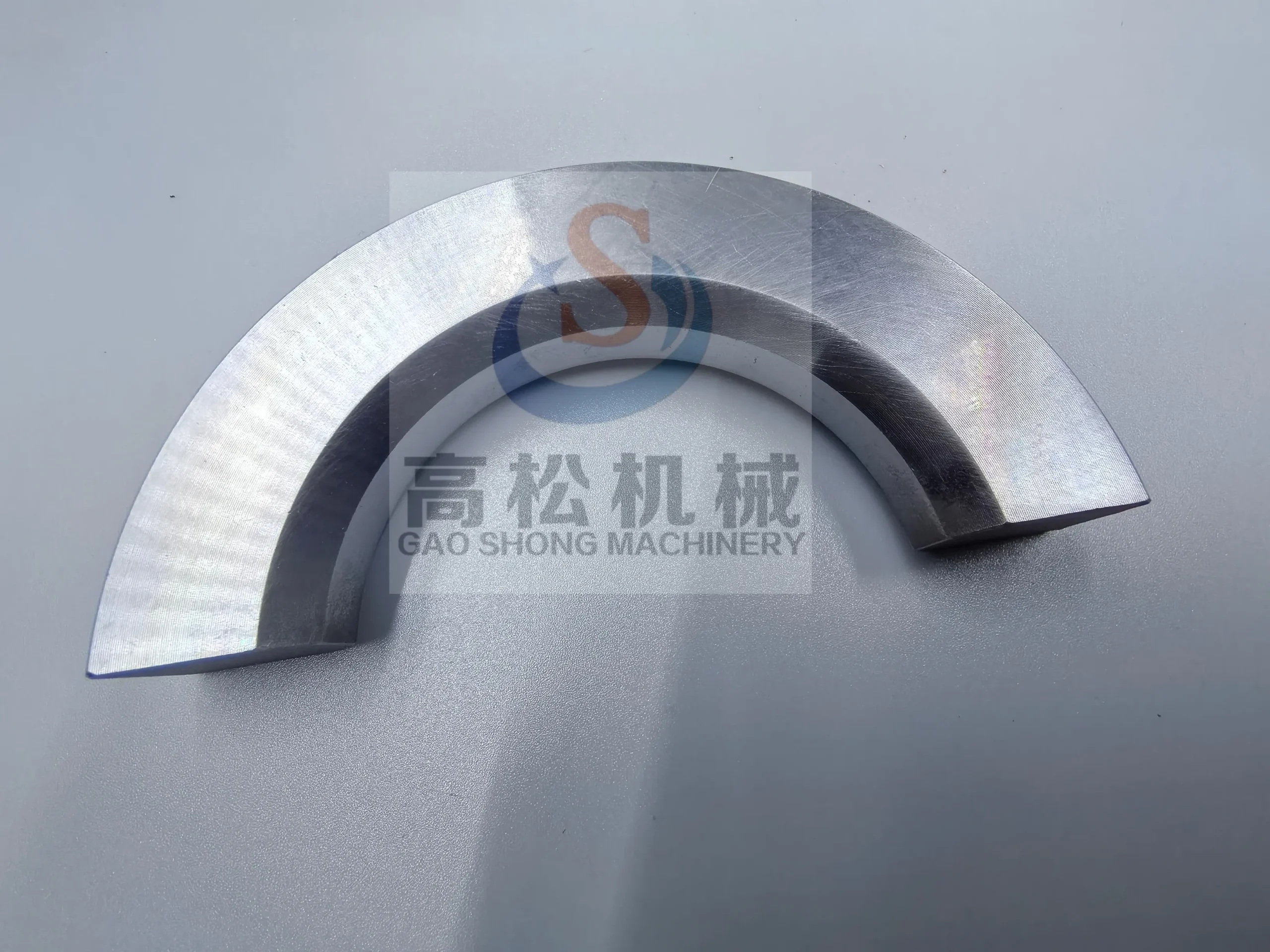 14X-30-13241 Spacer (Komatsu)
 -
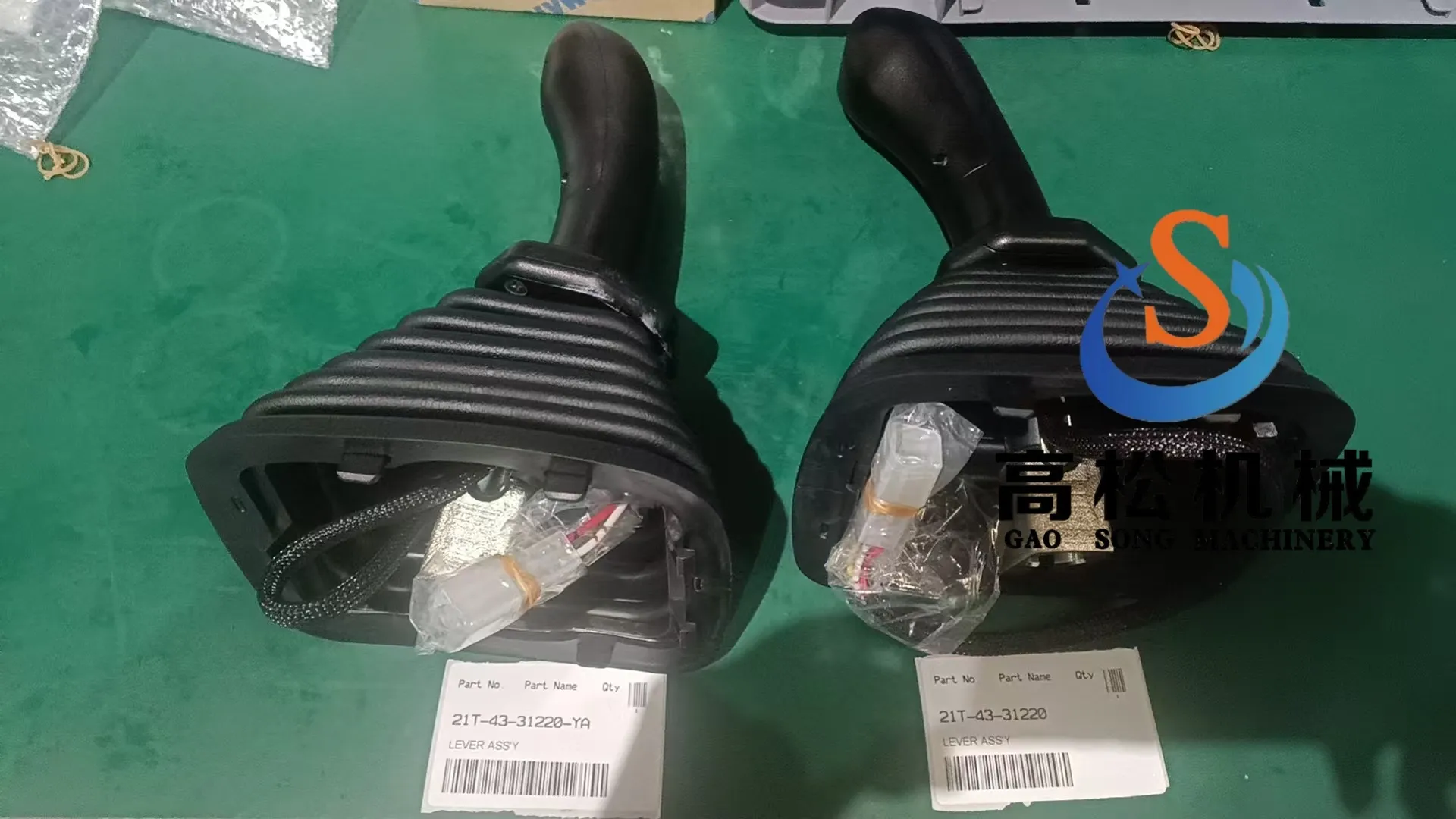 21T-43-31220 komatsu LEVER ASS’Y-PC2000-8
 -
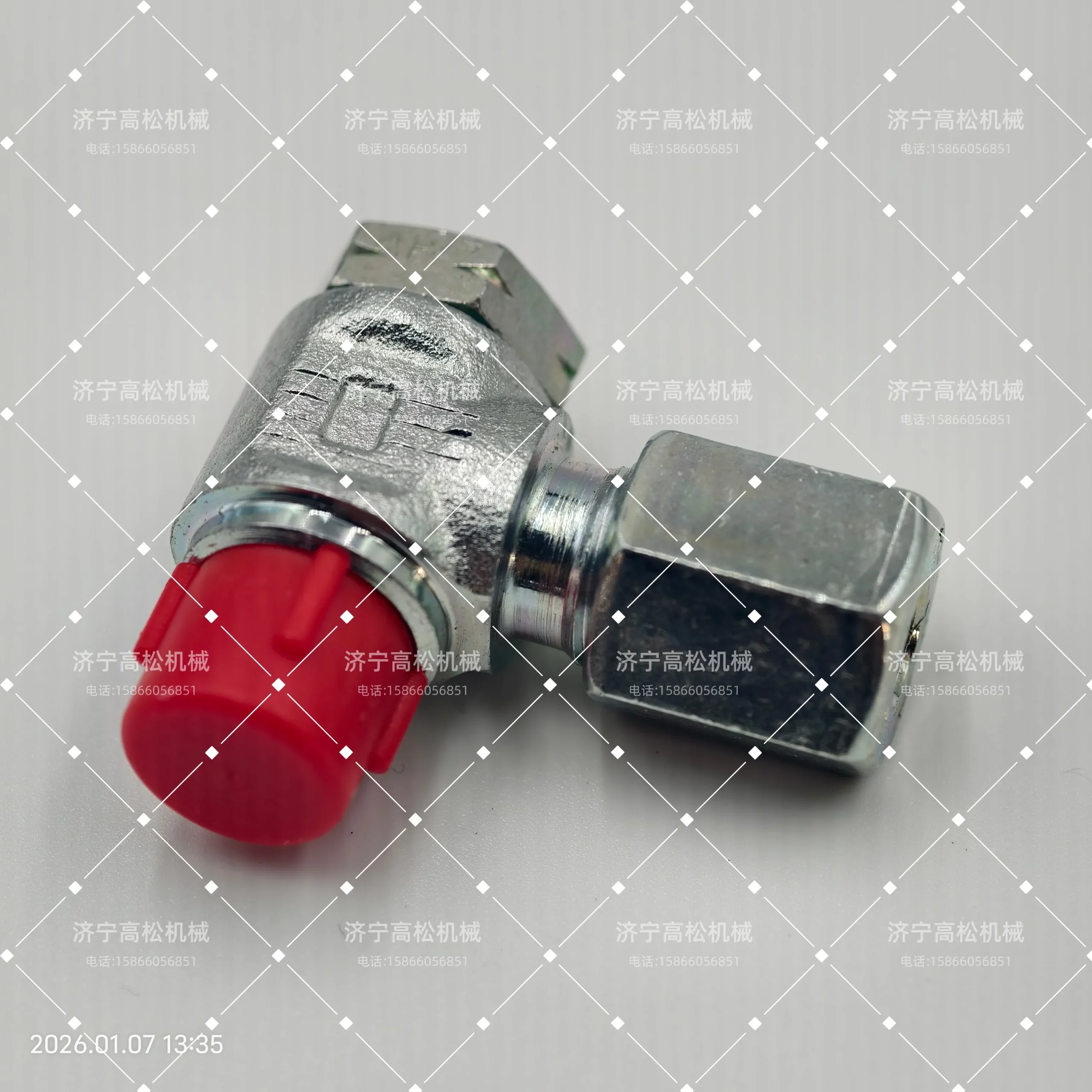 569-95-63520 – Connector fits KOMATSU
 -
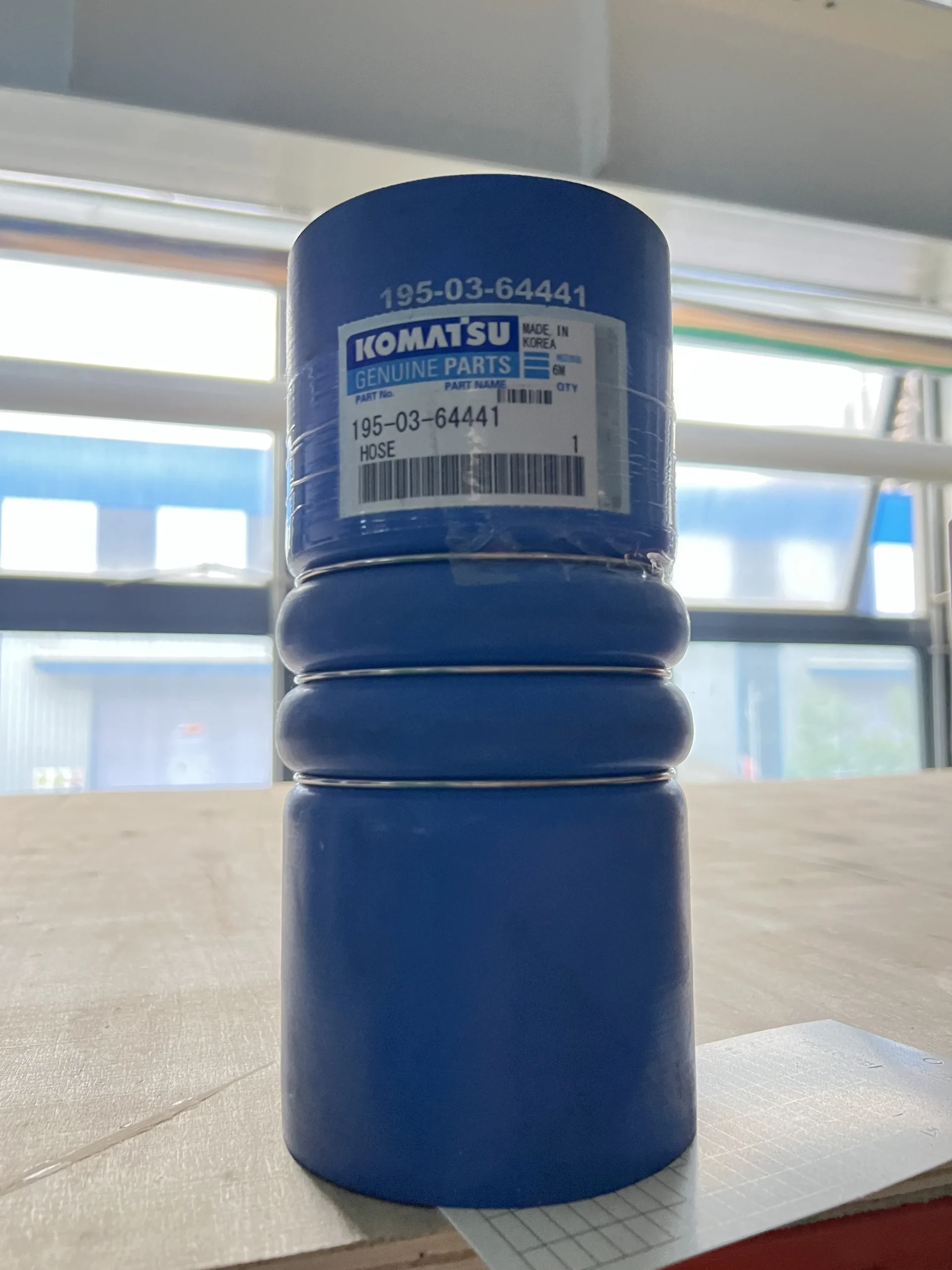 Intercooler Air Hose 195-03-64441 for Komatsu D375A-5
 -
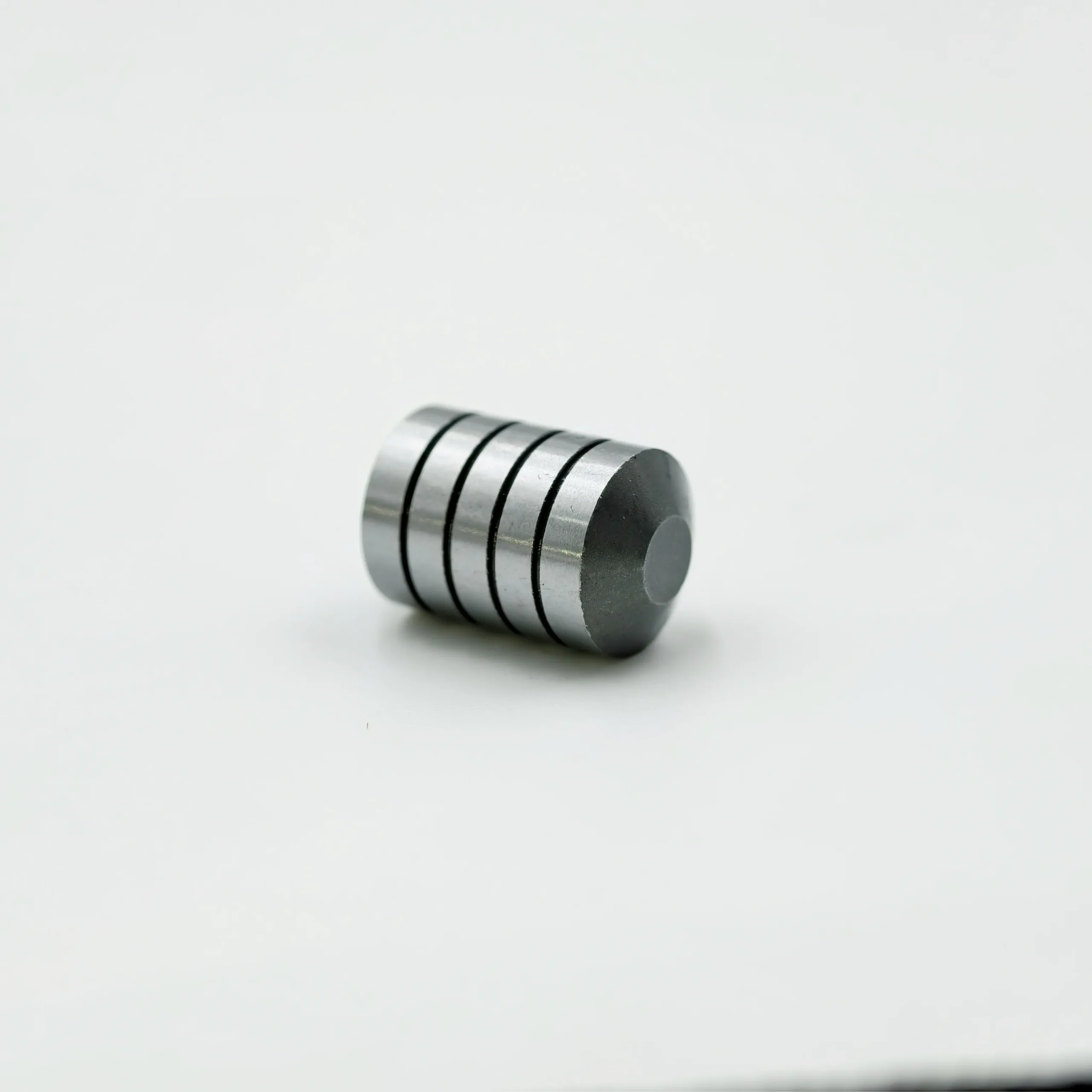 PISTON – 287-15-15360
 -
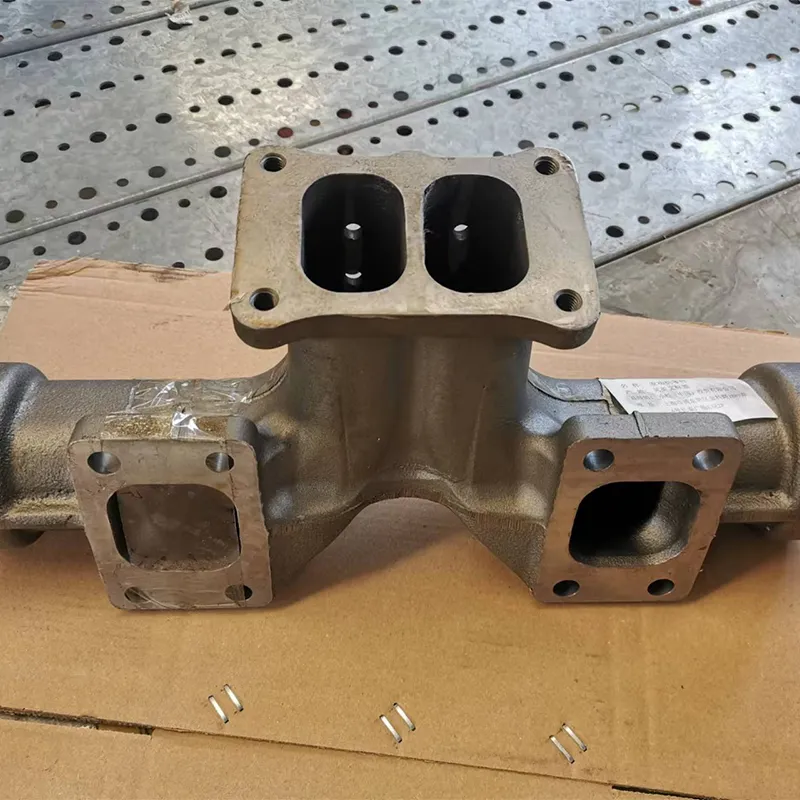 Original komatsu 6215-11-5182 HD785-7 Exhaust Manifold