
- Chinese
- French
- German
- Portuguese
- Spanish
- Russian
- Japanese
- Korean
- Arabic
- Irish
- Greek
- Turkish
- Italian
- Danish
- Romanian
- Indonesian
- Czech
- Afrikaans
- Swedish
- Polish
- Basque
- Catalan
- Esperanto
- Hindi
- Lao
- Albanian
- Amharic
- Armenian
- Azerbaijani
- Belarusian
- Bengali
- Bosnian
- Bulgarian
- Cebuano
- Chichewa
- Corsican
- Croatian
- Dutch
- Estonian
- Filipino
- Finnish
- Frisian
- Galician
- Georgian
- Gujarati
- Haitian
- Hausa
- Hawaiian
- Hebrew
- Hmong
- Hungarian
- Icelandic
- Igbo
- Javanese
- Kannada
- Kazakh
- Khmer
- Kurdish
- Kyrgyz
- Latin
- Latvian
- Lithuanian
- Luxembou..
- Macedonian
- Malagasy
- Malay
- Malayalam
- Maltese
- Maori
- Marathi
- Mongolian
- Burmese
- Nepali
- Norwegian
- Pashto
- Persian
- Punjabi
- Serbian
- Sesotho
- Sinhala
- Slovak
- Slovenian
- Somali
- Samoan
- Scots Gaelic
- Shona
- Sindhi
- Sundanese
- Swahili
- Tajik
- Tamil
- Telugu
- Thai
- Ukrainian
- Urdu
- Uzbek
- Vietnamese
- Welsh
- Xhosa
- Yiddish
- Yoruba
- Zulu
- Kinyarwanda
- Tatar
- Oriya
- Turkmen
- Uyghur






komatsu pc138 parts
When you're deep in a project and need parts for a Komatsu PC138, you quickly realize it's not just about finding a part number. The real challenge often lies in verifying compatibility, ensuring quality, and navigating the labyrinth of the supply chain. A common pitfall is assuming all aftermarket parts are created equal, or that an OEM stamp guarantees immediate availability. In certain regions, especially where official distribution is thin, the hunt for a reliable hydraulic pump or a durable undercarriage component becomes a project in itself. That's where the landscape shifts from simple procurement to strategic sourcing, involving players who operate both within and alongside the Komatsu system.
The OEM Nexus and Third-Party Realities
There's a nuanced layer to the parts ecosystem that many equipment managers don't see until they're in a bind. True OEM suppliers are integral, but their reach isn't infinite. I've worked with companies that fill the gaps in specific markets. One that comes to mind is Jining Gaosong Construction Machinery Co., Ltd.. Their model is interesting: they're an OEM product supplier within the Komatsu system, but they also function as a third-party sales channel. This dual role is crucial. It means they have access to genuine Komatsu lineage parts, but they're also structured to maneuver around the supply challenges that paralyze operations in certain countries. It's not just about having a catalog; it's about having a logistics network that bypasses typical bottlenecks.
I recall a situation in Southeast Asia where a client's PC138-10 needed a complete swing drive assembly. The local dealer's lead time was 12 weeks—a non-starter. We turned to a third-party solution from a supplier with OEM ties. The part wasn't just a generic rebuild; it came with traceable core components that matched Komatsu's specs. The fit was perfect, but the process required cross-referencing serial numbers and factory bulletins we had access to through their portal at https://www.takematsumachinery.com. This isn't a magic bullet, though. You still have to vet each component. The OEM within the system claim needs verification through material certifications and, frankly, the feel of the part itself—the casting quality, the plating on pins, the stamping.
The advantage here is problem-solving orientation. Their company outline states they're focused on helping to solve parts supply challenges in certain countries. This isn't marketing fluff. It translates to holding inventory for high-failure items like PC138 final drive planetaries or control valves for the older PC138US-2 models, which are often phased out of primary networks. They're not just a warehouse; they're a buffer stock for markets the main pipeline doesn't prioritize.
On the Ground: Filters, Seals, and the Devil in the Details
Let's get granular. Anyone can sell a major component. The true test of a supplier's depth is in the consumables and soft parts. For the PC138, I'm talking about the hydraulic return line filter (often a Komatsu 600-xxx-xxx number) or the slew ring seals. I've seen machines down for days because a compatible seal kit swelled and failed within 48 hours in high-temperature operation. It wasn't the material grade specified by Komatsu.
A reliable supplier in this space doesn't just have the kit; they can tell you the compound difference between the standard seal and the high-temp variant for machines working in foundries or asphalt plants. When sourcing from a partner like Gaosong, the value is in that tacit knowledge. You might call for a pilot filter and end up in a conversation about the batch issues with a certain brand of control solenoid that's causing premature clogging—information that comes from seeing hundreds of these machines in the field, not just a database.
This is where the third-party sales company function shines. They aren't bound by a single brand's protocol. If there's a better, more readily available hydraulic hose assembly that meets SAE100R2AT specs for the PC138's arm circuit, they might propose it as a viable alternative to get the machine running, with full disclosure. It's a practical, not a purist, approach. You have to decide if that works for your maintenance philosophy.
Undercarriage: A Minefield of Genuine Claims
If there's one area where you must tread carefully, it's undercarriage parts for the Komatsu PC138. Track links, rollers, idlers. The market is flooded with copies that look right until you measure the hardness of the track pin or the flange width on the roller. A mismatch here leads to accelerated wear across the entire system. I learned this the hard way years ago with a set of OEM-equivalent track rollers that had a slightly different internal labyrinth seal design. They held grease, but they didn't manage heat the same way, leading to premature bushing failure on a long-distance pipeline job.
Suppliers with actual OEM manufacturing credentials are your best hedge. They understand the quenching process for the steel, the required flange thickness to handle side load on the PC138's compact radius design. When a company is embedded in the Komatsu system, they're working from the same base material specs and blueprints. It doesn't guarantee perfection, but it drastically reduces the variance. The goal is to get a component that disappears into the machine's ecosystem, causing no extra friction—literally or operationally.
The Digital Catalog and the Human Check
Most suppliers today have an online presence. A site like takematsumachinery.com serves as a starting point. You can often find exploded diagrams or parts lists. But here's the professional reality: you never, ever rely solely on a digital catalog for final verification. I use them for initial lookup, but the final order is always preceded by a direct conversation. This is my machine's serial number. This is the component I pulled off. Can you cross-reference against your physical stock?
The reason is updates. Komatsu issues service updates that change part numbers or supersede old designs. A database might be a month behind. A good sales engineer at a company that does third-party sales will know, or will know how to check, if there's a running change. For instance, the PC138-11 might have a different friction material in its brake packs than the -10 model. Ordering the wrong one means downtime and a restocking fee. The human layer is your quality control.
Cost vs. Value: The Long-Term Calculation
It's tempting to see parts procurement as a cost-center game. The cheapest PC138 parts win. That's a short-term strategy that fails spectacularly over a machine's lifecycle. The value proposition from a hybrid OEM/third-party supplier isn't necessarily lowest price; it's total cost of ownership. This includes the cost of downtime, the cost of rework, and the cost of collateral damage from a failed part.
Let's take a main hydraulic pump. A genuine OEM unit might cost X. A questionable rebuild might cost 0.4X. But if that rebuild fails in 1,000 hours and takes out the valve block with metal contamination, you've now multiplied your cost and lost weeks of productivity. A part sourced from a vetted supplier within the Komatsu ecosystem, even at 0.8X, represents a known quantity. Their role in solving parts supply challenges is about providing that reliable middle ground—not the cheapest, not always the fastest, but predictably reliable, which in heavy equipment, is the currency that matters most.
Ultimately, managing a fleet of machines like the PC138 is about risk mitigation. Your parts supplier is a key partner in that. You need someone who speaks both the language of the factory and the language of the field. That means they can decipher an engineering bulletin and also tell you which bolt on the boom cylinder is most likely to seize in a coastal environment. It's this blend of systemic access and practical, on-the-ground problem solving that defines a useful partner in the complex world of Komatsu PC138 parts.
Related Products
Related Products

Best Selling Products
Best Selling Products-
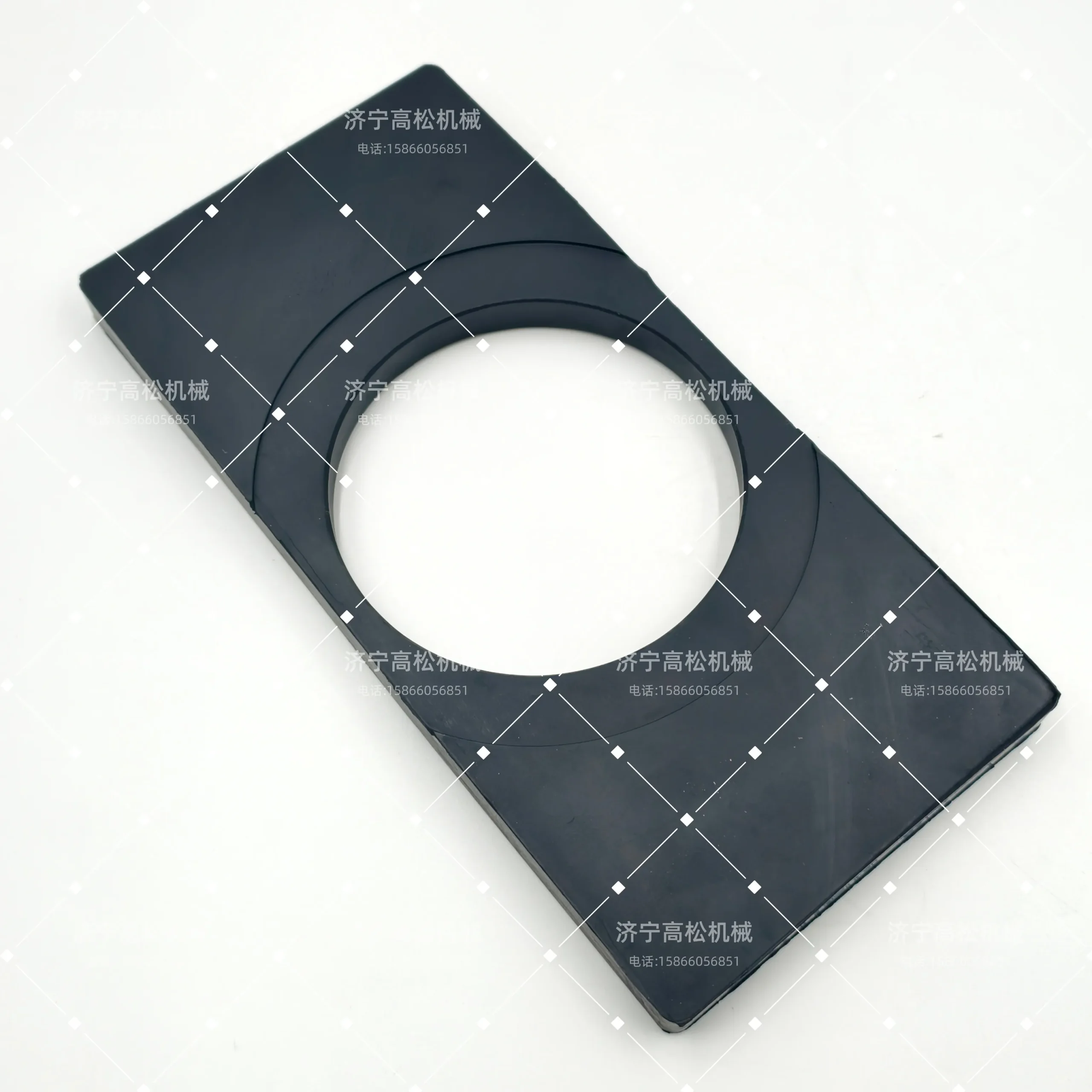 561-03-81550 High Quality Parts For Komatsu Hd465/hd785, High…
 -
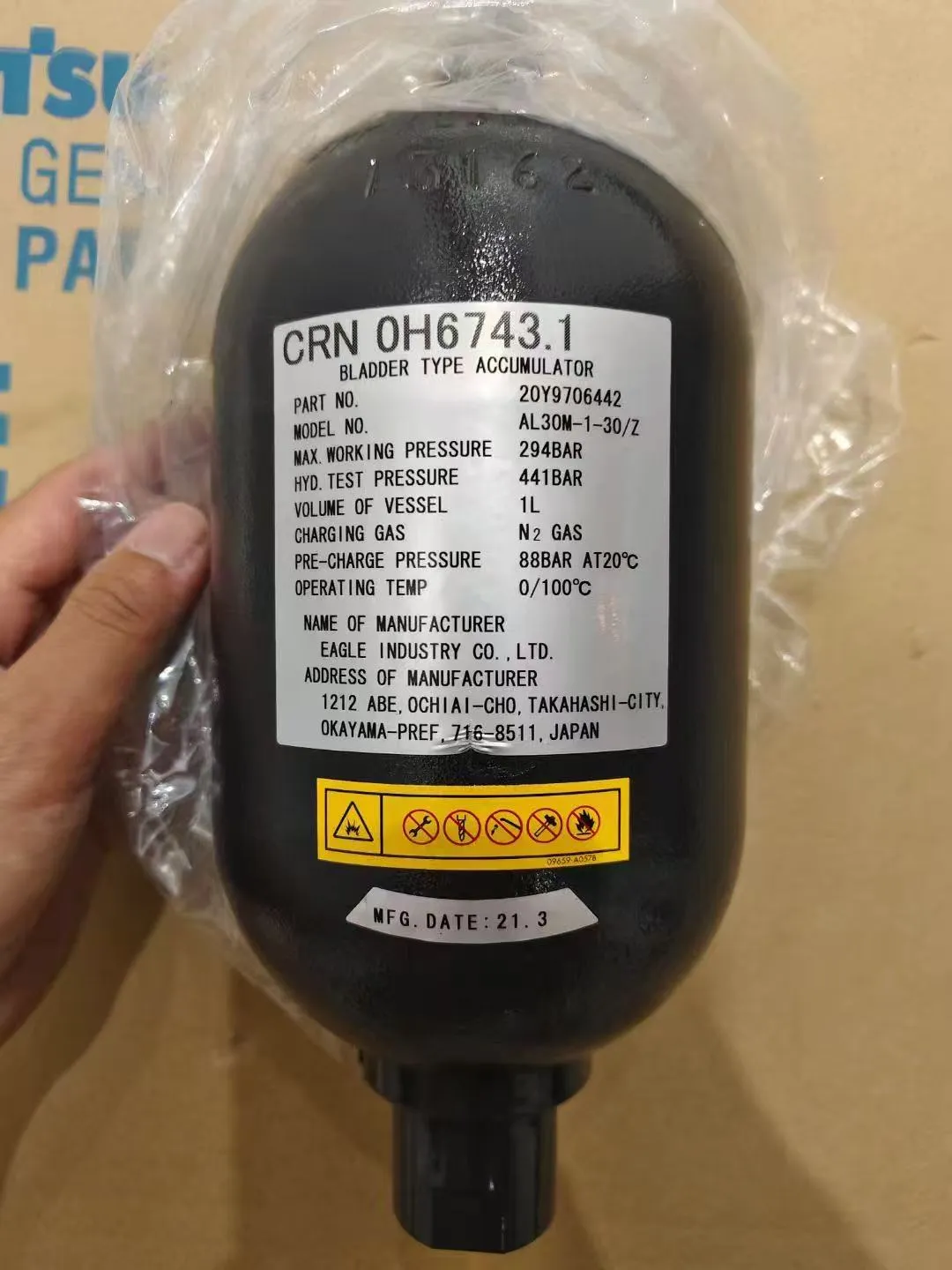 20Y-970-6442 Komatsu Accumulator Assembly
 -
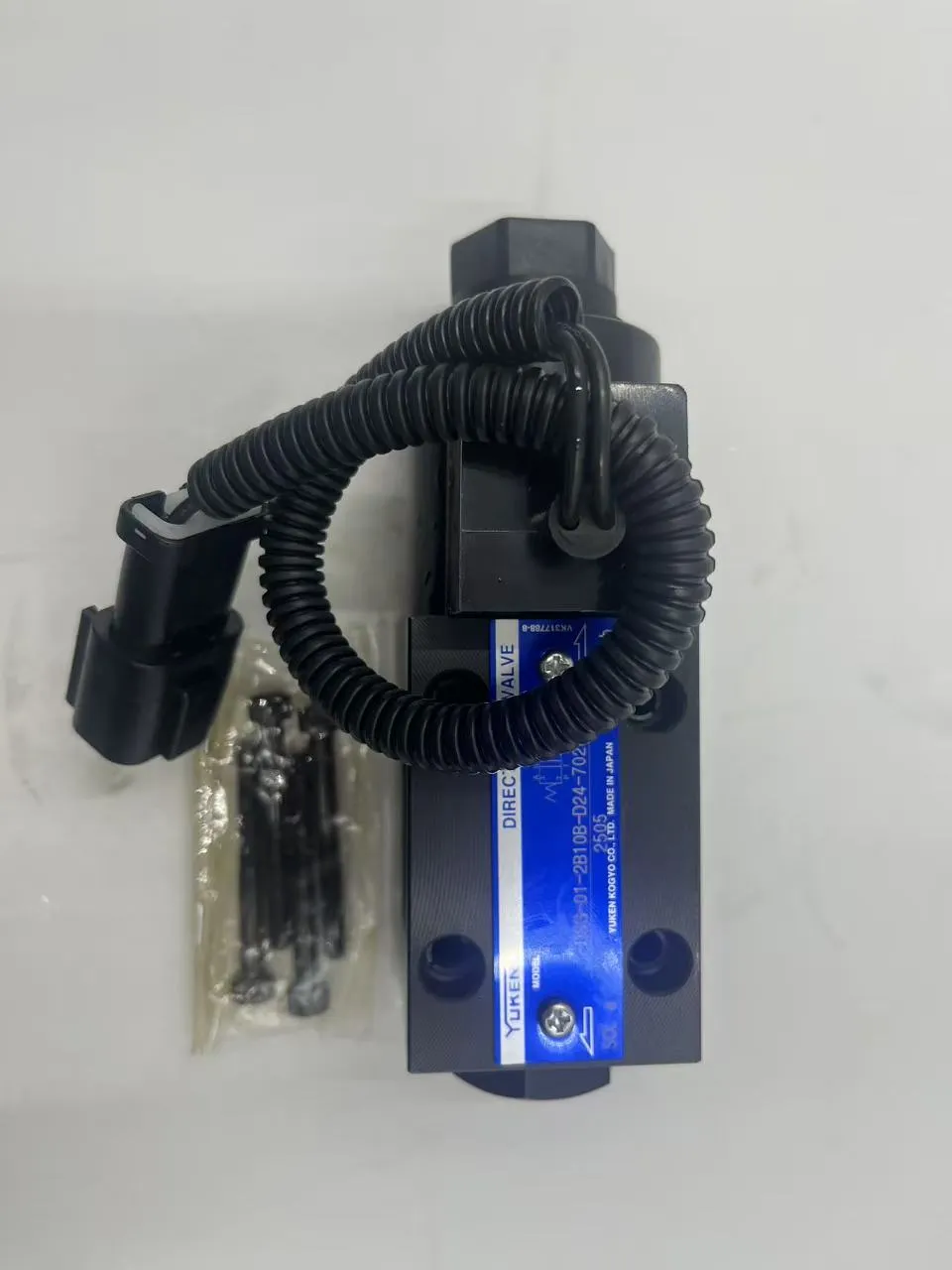 23W-60-28230 • VALVE ASS’Y-Komatsu Original Factory
 -
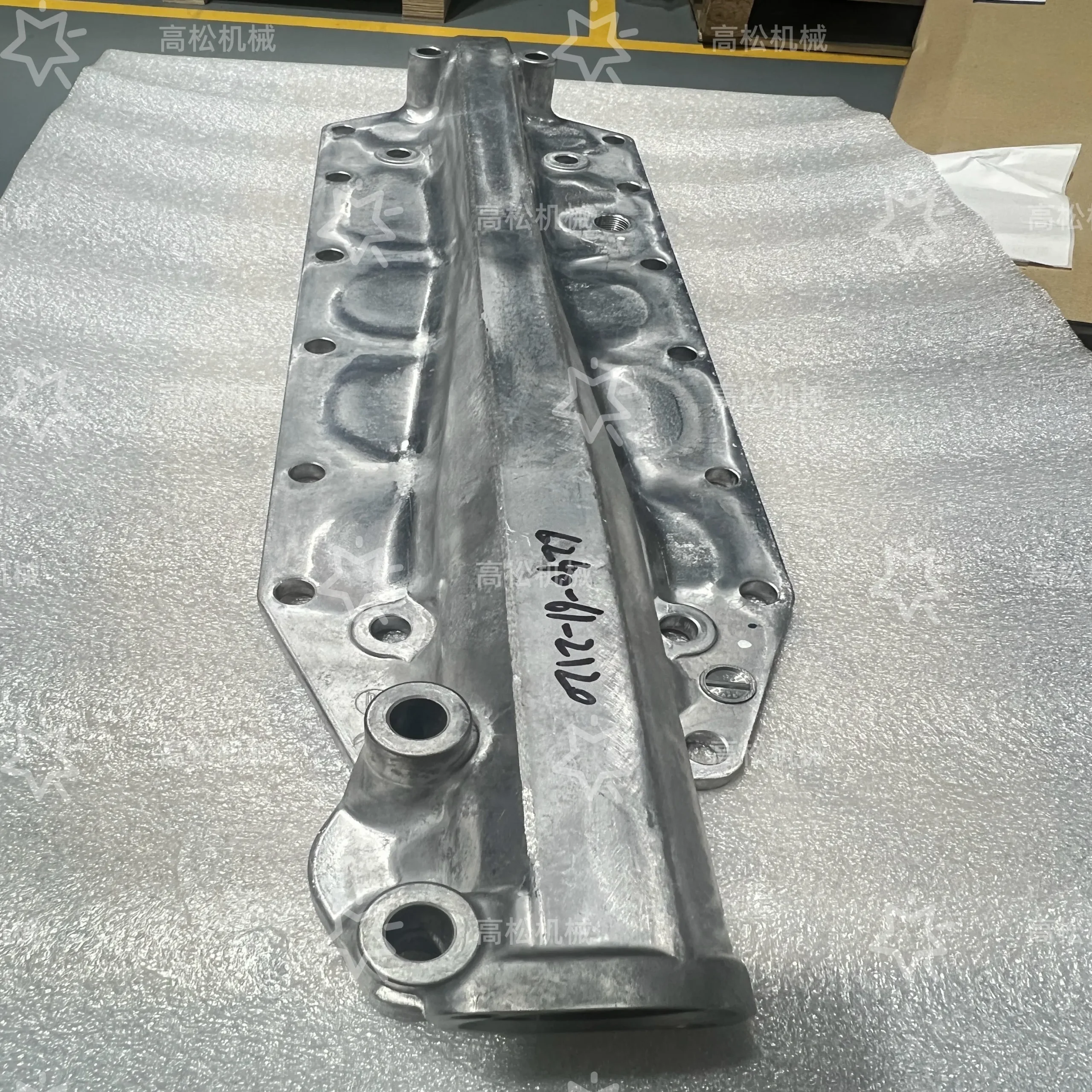 COVER 6240-61-2120 – KOMATSU Part catalog
 -
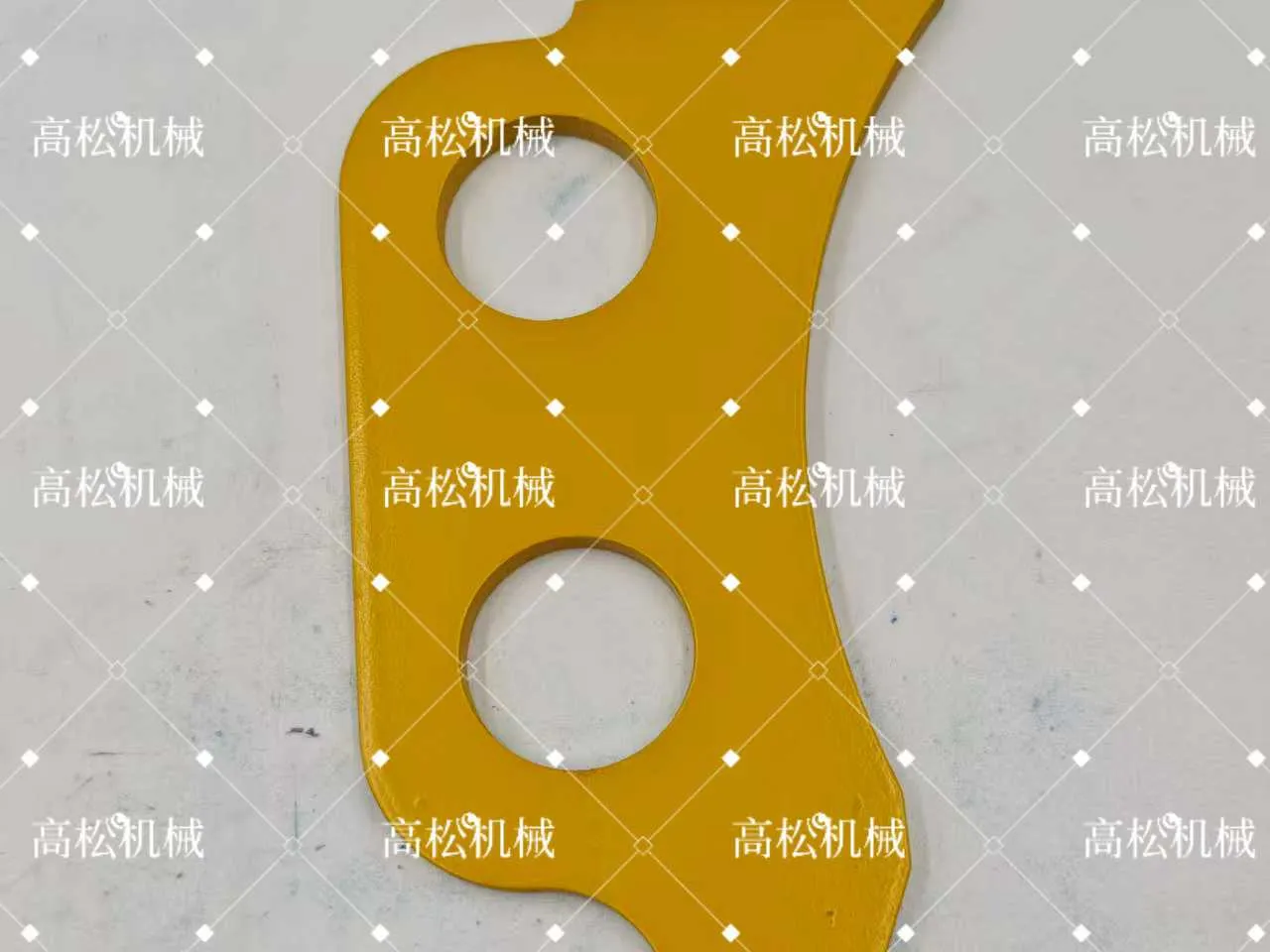 Komatsu Part No. 195-71-74260, Applicable Model: D375A-5, Genuine Komatsu Part
 -
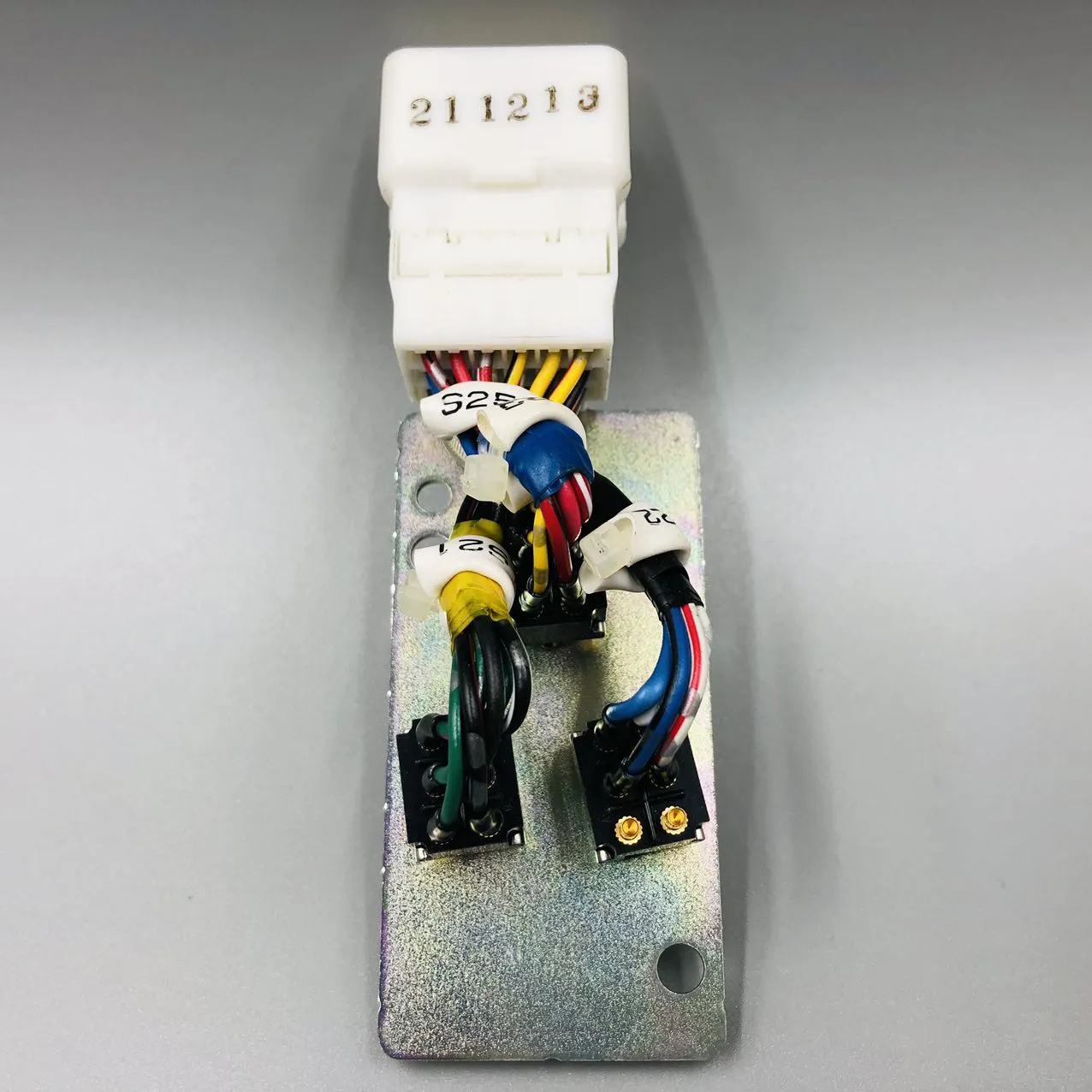 PC300-7 PC350-7 Switch Assy 22U-06-22370
 -
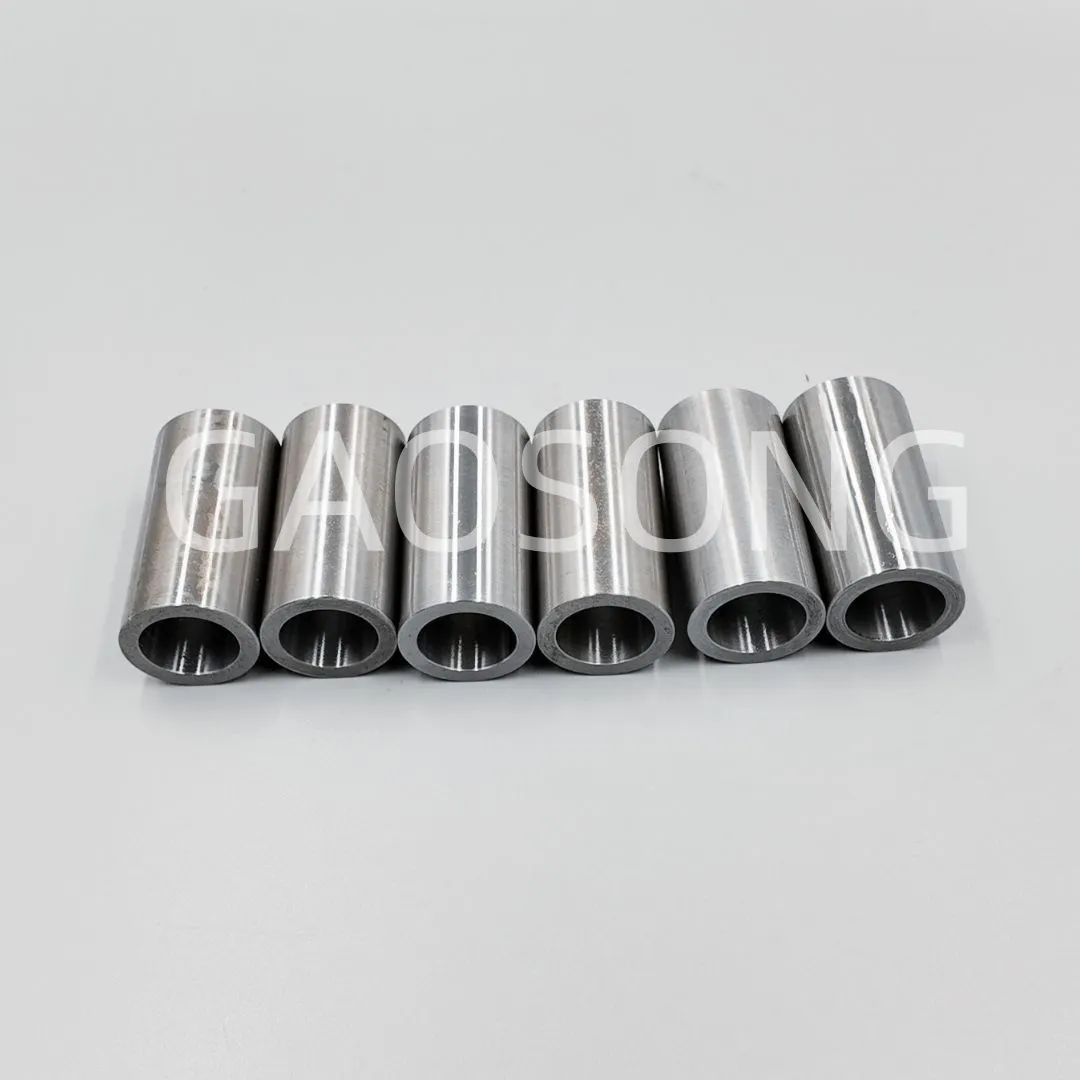 566-54-21910 BUSHING–Komatsu Original Factory
 -
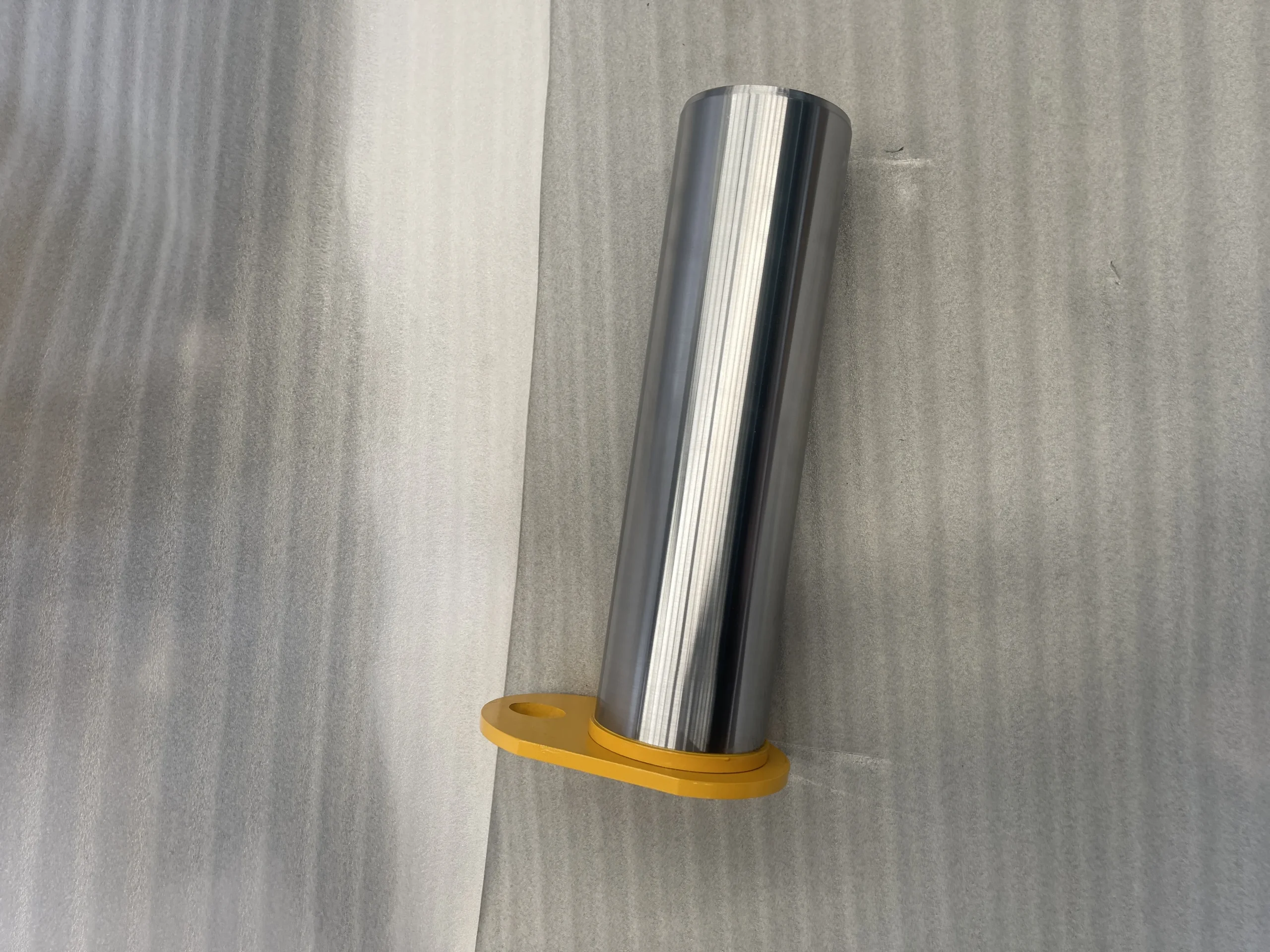 WA600-6 pin 426-70-31960
 -
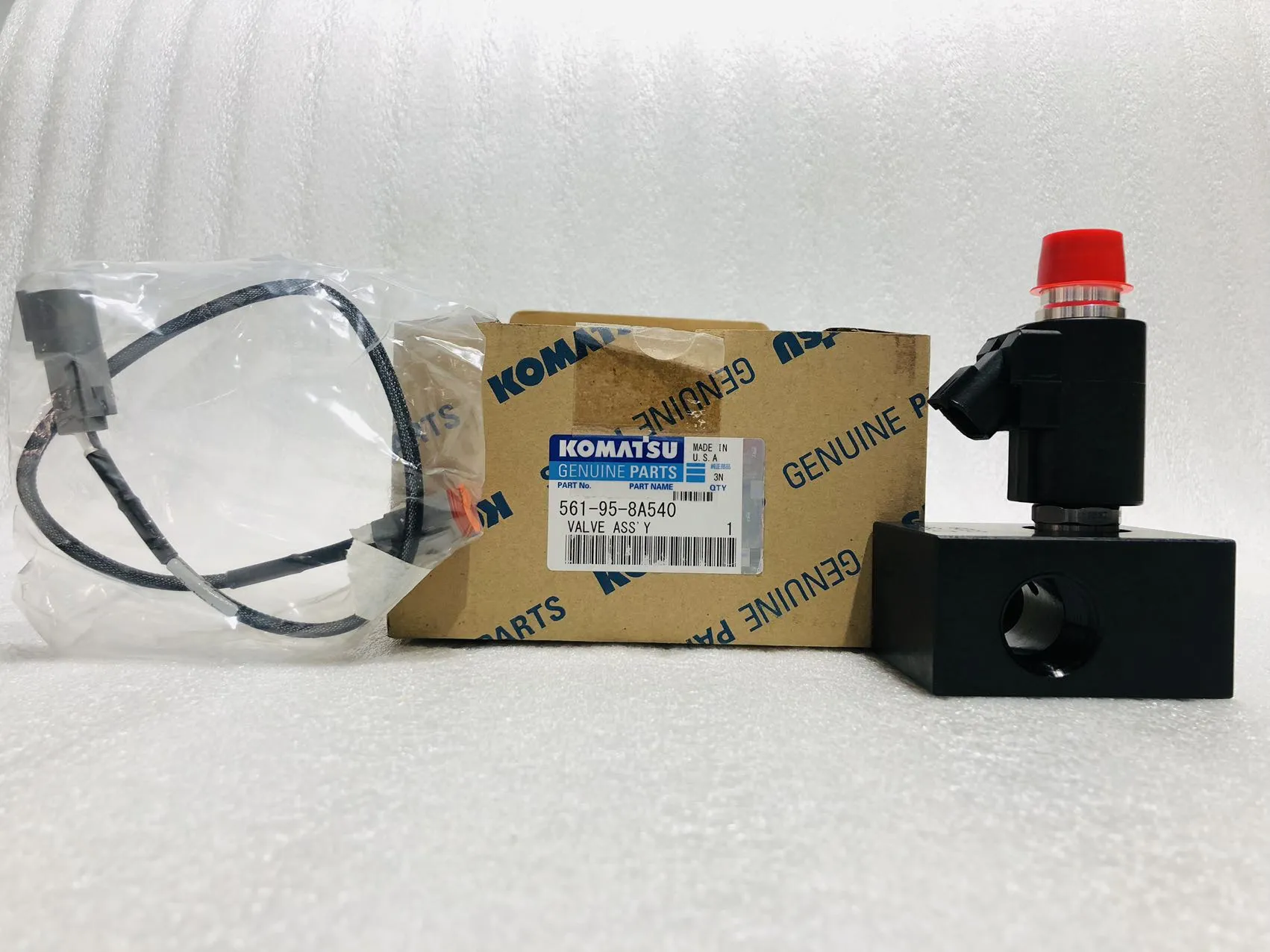 561-95-8A540HD785-7 komatsu
 -
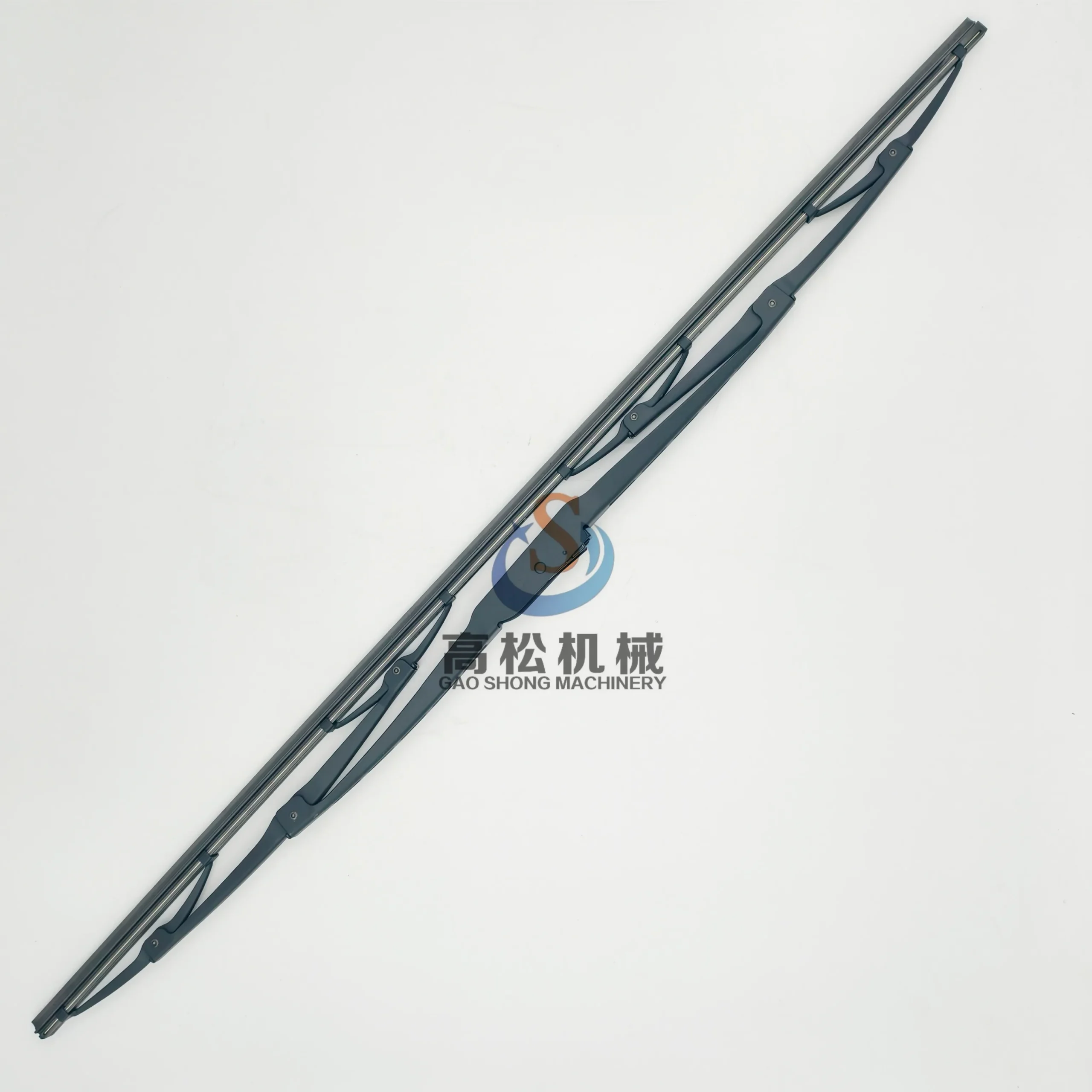 BLADE,FRONT 56B-54-13240 HM250-2 HM300-2 HM350-2 HM400-2 (ecot3) OPERATOR’S CAB (WIPER)
 -
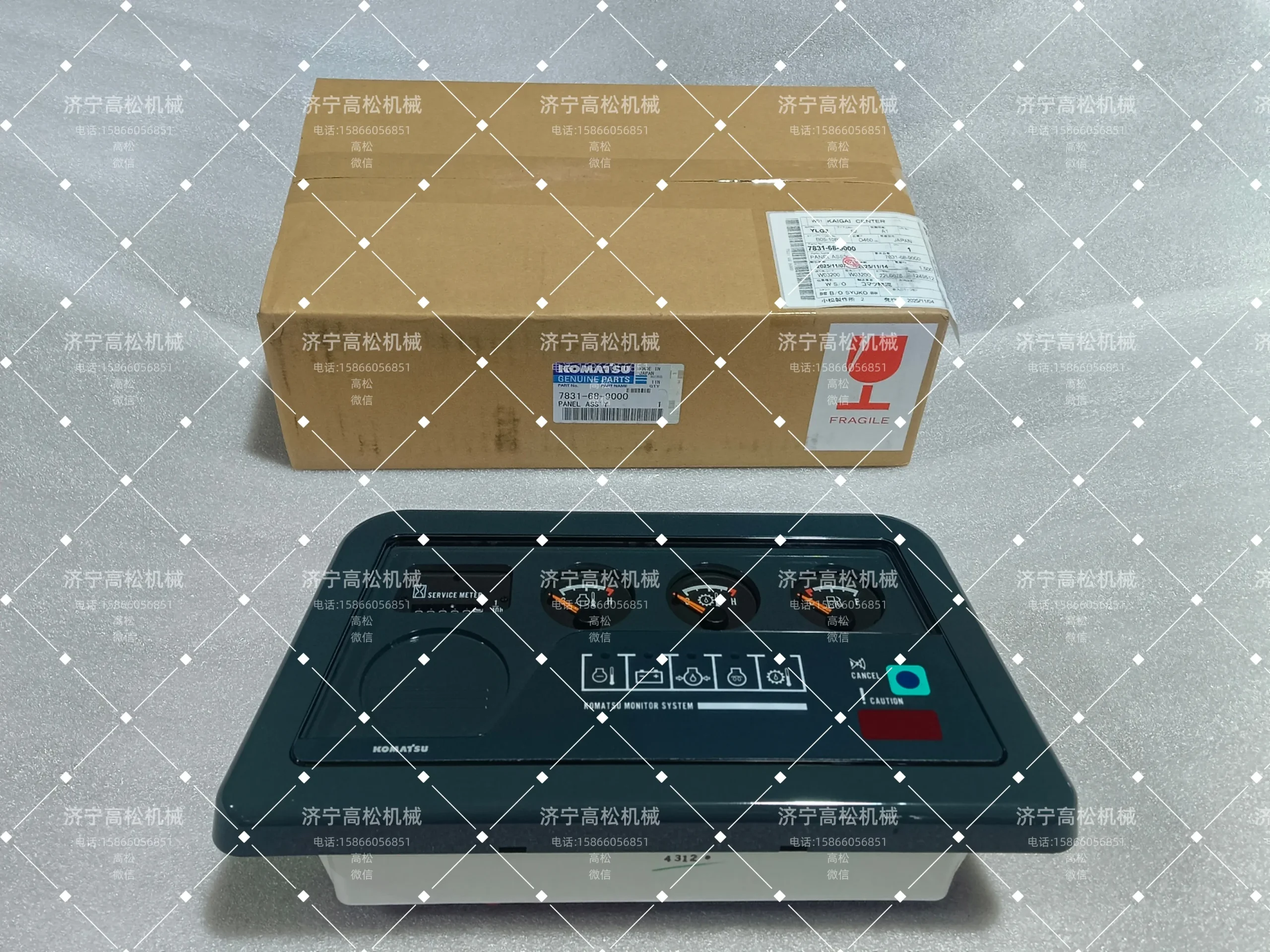 Komatsu 7831-68-9000 PANEL ASS’Y, price for… — Pricing.Parts
 -
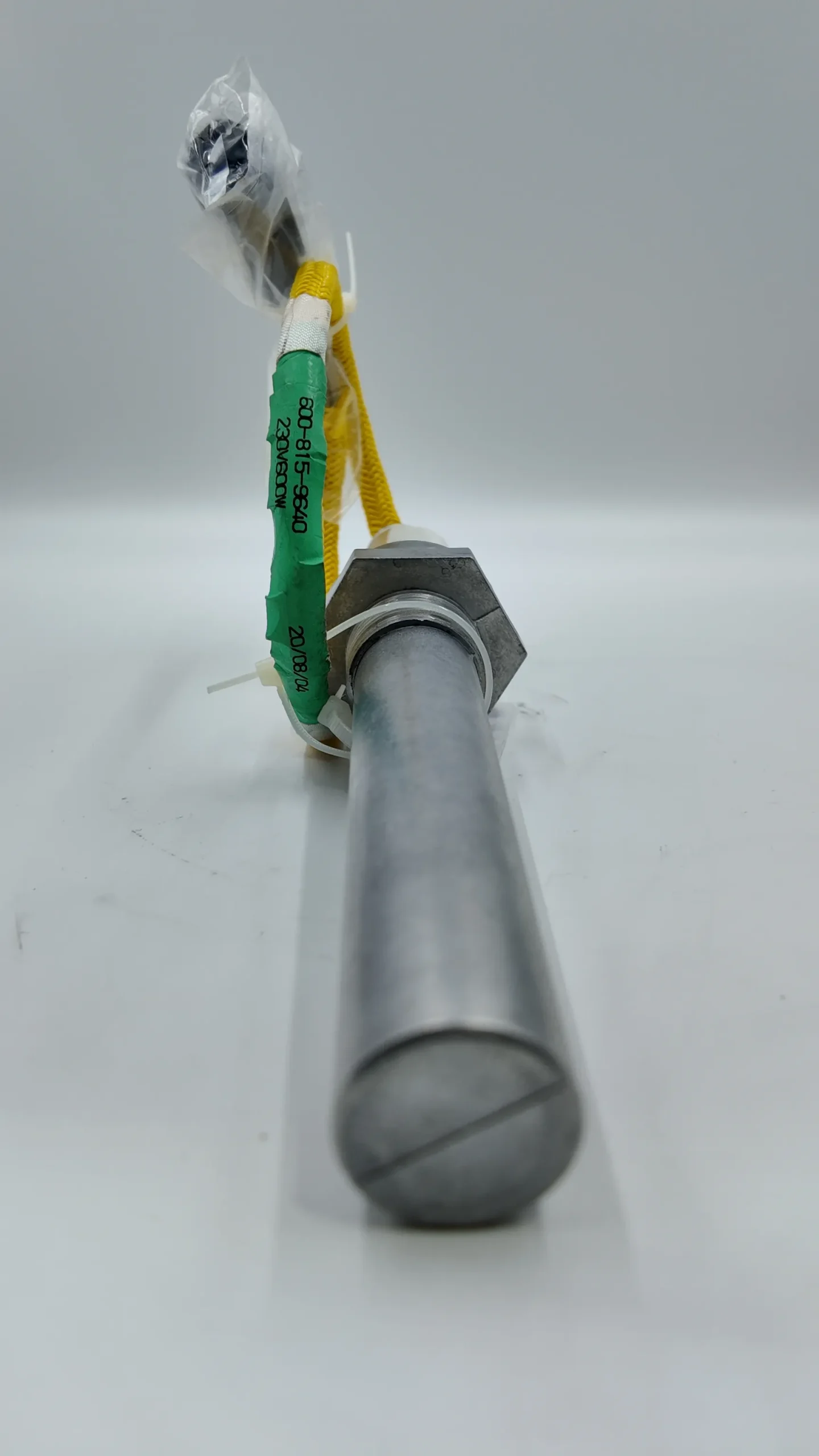 600-815-9640 HEATER-Komatsu Original Factory