
- Chinese
- French
- German
- Portuguese
- Spanish
- Russian
- Japanese
- Korean
- Arabic
- Irish
- Greek
- Turkish
- Italian
- Danish
- Romanian
- Indonesian
- Czech
- Afrikaans
- Swedish
- Polish
- Basque
- Catalan
- Esperanto
- Hindi
- Lao
- Albanian
- Amharic
- Armenian
- Azerbaijani
- Belarusian
- Bengali
- Bosnian
- Bulgarian
- Cebuano
- Chichewa
- Corsican
- Croatian
- Dutch
- Estonian
- Filipino
- Finnish
- Frisian
- Galician
- Georgian
- Gujarati
- Haitian
- Hausa
- Hawaiian
- Hebrew
- Hmong
- Hungarian
- Icelandic
- Igbo
- Javanese
- Kannada
- Kazakh
- Khmer
- Kurdish
- Kyrgyz
- Latin
- Latvian
- Lithuanian
- Luxembou..
- Macedonian
- Malagasy
- Malay
- Malayalam
- Maltese
- Maori
- Marathi
- Mongolian
- Burmese
- Nepali
- Norwegian
- Pashto
- Persian
- Punjabi
- Serbian
- Sesotho
- Sinhala
- Slovak
- Slovenian
- Somali
- Samoan
- Scots Gaelic
- Shona
- Sindhi
- Sundanese
- Swahili
- Tajik
- Tamil
- Telugu
- Thai
- Ukrainian
- Urdu
- Uzbek
- Vietnamese
- Welsh
- Xhosa
- Yiddish
- Yoruba
- Zulu
- Kinyarwanda
- Tatar
- Oriya
- Turkmen
- Uyghur






komatsu pc130 parts manual
When you punch 'komatsu pc130 parts manual' into a search bar, you're probably staring at a machine that's down, or you're trying to be proactive before it happens. Most folks think they just need the PDF, the part numbers, and they're set. That's the first trap. The manual isn't just a catalog; it's a system map. If you've only ever used it to look up a seal kit for the swing bearing, you're missing half the story. The real value is in the cross-sections, the torque specs buried in the notes, and understanding how Komatsu's numbering logic works—or sometimes, doesn't work—in different regions. I've seen too many guys order the wrong hydraulic pump cartridge because they didn't check the serial number break listed in the introduction of the manual, assuming all PC130-8 parts are the same. They're not.
The Manual as a Diagnostic Tool, Not Just a Parts List
Let's get specific. Take the common issue of weak swing torque on a PC130-7. You could just start throwing parts at it: the swing motor, the relief valve. But if you pull up the hydraulic schematic in the parts manual—yes, it's in there, often in the sections for the main hydraulic components—you'll see the plumbing for the swing motor's makeup line. The manual shows the specific O-rings and seals for the junction block. Nine times out of ten, it's a shredded O-ring on that fitting, part number you'd never search for directly. The manual links the symptom to the component, and the component to the exact seal. That's the difference between a $30 fix and a $3,000 guess.
Another point people miss is the komatsu pc130 parts manual often has remarks columns. These might say Use with machine serial number above 50001 or Replaced by P/N XXXXX. Ignoring that is a direct ticket to a part that doesn't fit. I learned this the hard way years ago ordering a final drive sprocket seal. The picture looked identical, the basic part number matched, but the suffix was different. The new seal was 2mm thinner. It lasted about a week before it started leaking. The remark, which I'd glossed over, stated it was for an updated hub assembly. The manual was trying to tell me I needed to check the hub serial number first. My bad.
This is where having a source that understands this nuance is critical. A standard parts website might just list the number. But a specialist, like the team at Jining Gaosong Construction Machinery Co., Ltd., who operate as Takematsu Machinery, comes at it from a different angle. Being within the Komatsu system, they see these updates and supersessions in real-time. When you give them a serial number and a part number from the manual, they can often tell you, That's the old assembly, here's the kit that replaces all three components now. That's the kind of support that turns a manual from a static document into a dynamic tool.
The Supply Chain Reality and the Third-Party Gap
Here's the raw truth a manual doesn't tell you: official parts availability. For a global model like the PC130, supply in North America or Europe might be steady, but try getting a genuine Komatsu pilot control valve for a machine in a remote part of Africa or Southeast Asia. The official channel can be slow or non-existent. This is the exact parts supply challenge that companies like Jining Gaosong are built to solve. They function as a third-party sales company for Komatsu, specifically to bridge these gaps.
I've been in situations where the lead time for a main control valve from the local dealer was 12 weeks. The machine was a rental, losing money every day. We had a printed page from the komatsu pc130 parts manual with the exploded view. We sent that page, with the specific valve body circled, to a few suppliers. Takematsu Machinery came back not just with the valve, but with a question: Is there a recurring code for pilot pressure low on the monitor? Because there's a service bulletin about a revised filter screen on the inlet for that serial number range. They sent the valve and the updated screen. That's OEM-level system knowledge applied through a flexible third-party channel.
It changes how you use the manual. You start looking for more than a number; you look for context. You note the assembly groups. When you're dealing with a supplier who knows the system, you can say, I need the complete group 5 component for the travel motor, serial break S/N , and they can assemble the kit—gaskets, bolts, seals—correctly. It saves the nightmare of receiving 90% of a repair kit and waiting another month for the last two bolts that were on a separate diagram you missed.
When Genuine Isn't in the Box
A word on quality. The parts manual only shows Komatsu numbers. But in the real world, you sometimes need alternatives. A reputable third-party supplier that is also an OEM product supplier within the Komatsu system is a different beast from a generic aftermarket parts shop. It means they likely have access to the same manufacturing lines or quality standards. For instance, a hydraulic cylinder rod might come from the same forge that supplies Komatsu, just without the yellow paint and the premium price tag. The manual gives you the critical dimensions and tolerances; a good supplier matches them.
Practical Workflow: From Manual to Wrench
So, what's a better process? First, get the correct manual. Not just PC130 manual, but the one matching your machine series and market type (K, E, U). The prefix in the part number changes. Open to the table of contents and actually read it. See how it's divided into systems: Undercarriage, Hydraulic, Engine, Swing, etc. Don't just jump to the index.
When you find your part, look at the entire page. Look left and right. Check the notes below the illustration. What other components are in that assembly? If you're replacing the idler adjuster cylinder, are the mounting bolts single-use? The manual might indicate that with a special note or a specific torque procedure. Copy the entire part number string, including the dash numbers. A number like 700-XXX-XXXX is different from 700-XXX-XXXXA.
Then, when you reach out to a supplier, provide the manual reference. Say, I need item 5 from page H-45 of the PC130-8 manual, serial number above 22001. This level of detail, which you can easily pull from their platform, triggers their technical review. They might flag a known issue or suggest a related wear item. This turns a simple transaction into a consultation. The manual is your shared language.
The Evolving Role of Documentation
The komatsu pc130 parts manual isn't a relic. Even with newer machines coming with online portals, the core need remains: understanding the physical relationship between parts. The PDF you download is often a scanned version of the original paper manual. That's okay. The knowledge is timeless. The challenge is connecting that static knowledge to a dynamic, often fragmented, global supply chain.
This is where the model of a company that is both inside and outside the official system becomes powerful. They respect the manual's authority because they work with the same engineering data, but they are not bound by the same geographic and logistical constraints. They can use that manual to solve problems the manual itself doesn't address: How do I get this part to my jobsite in Paraguay by Thursday?
In the end, the keyword search is just the start. The real work is in the interpretation—of the diagrams, the notes, the serial number breaks—and then in the procurement. The manual tells you what the part is. Your choice of partner determines whether you get the right part, at the right time, with the right advice to install it. That's the unspoken chapter of every parts manual.
Related Products
Related Products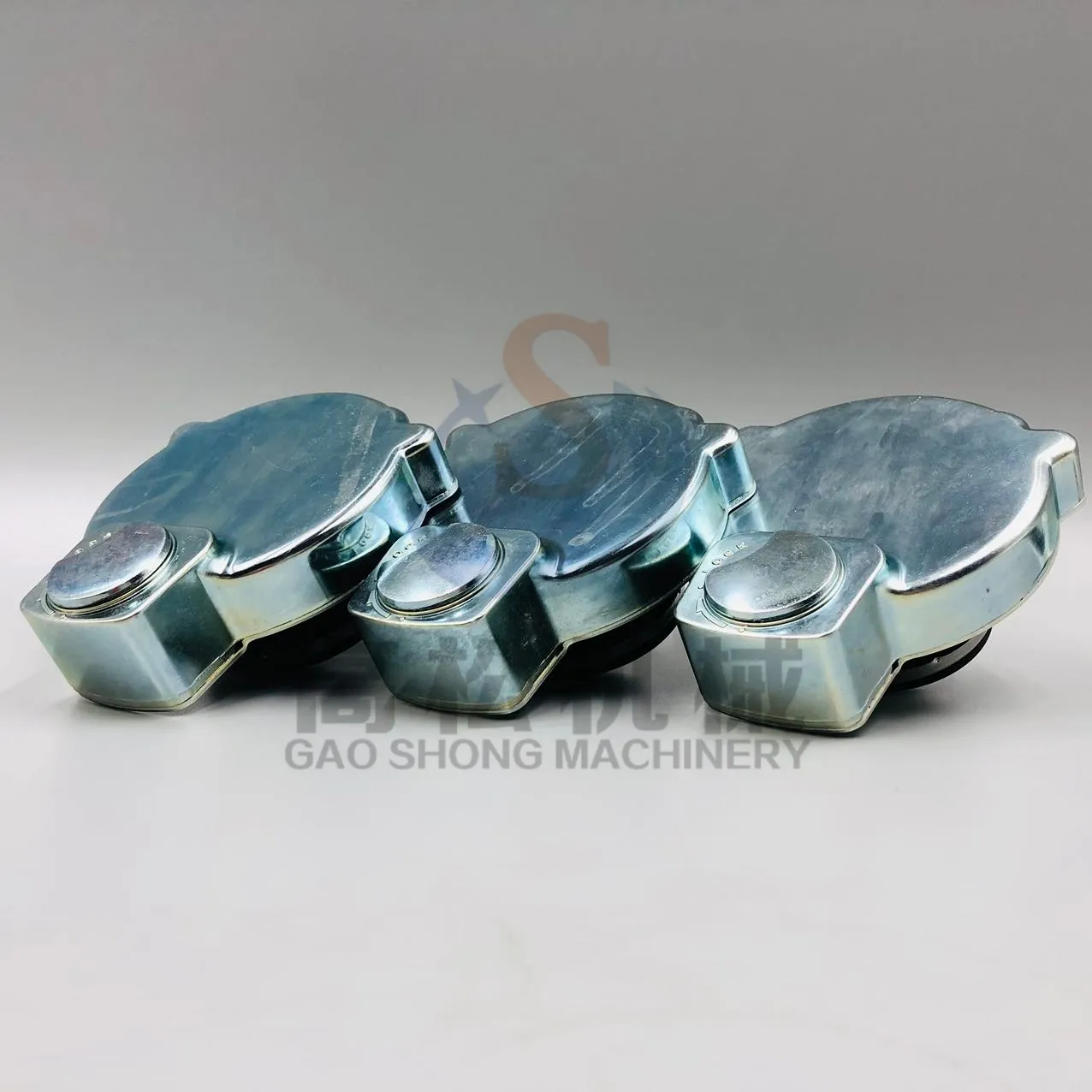
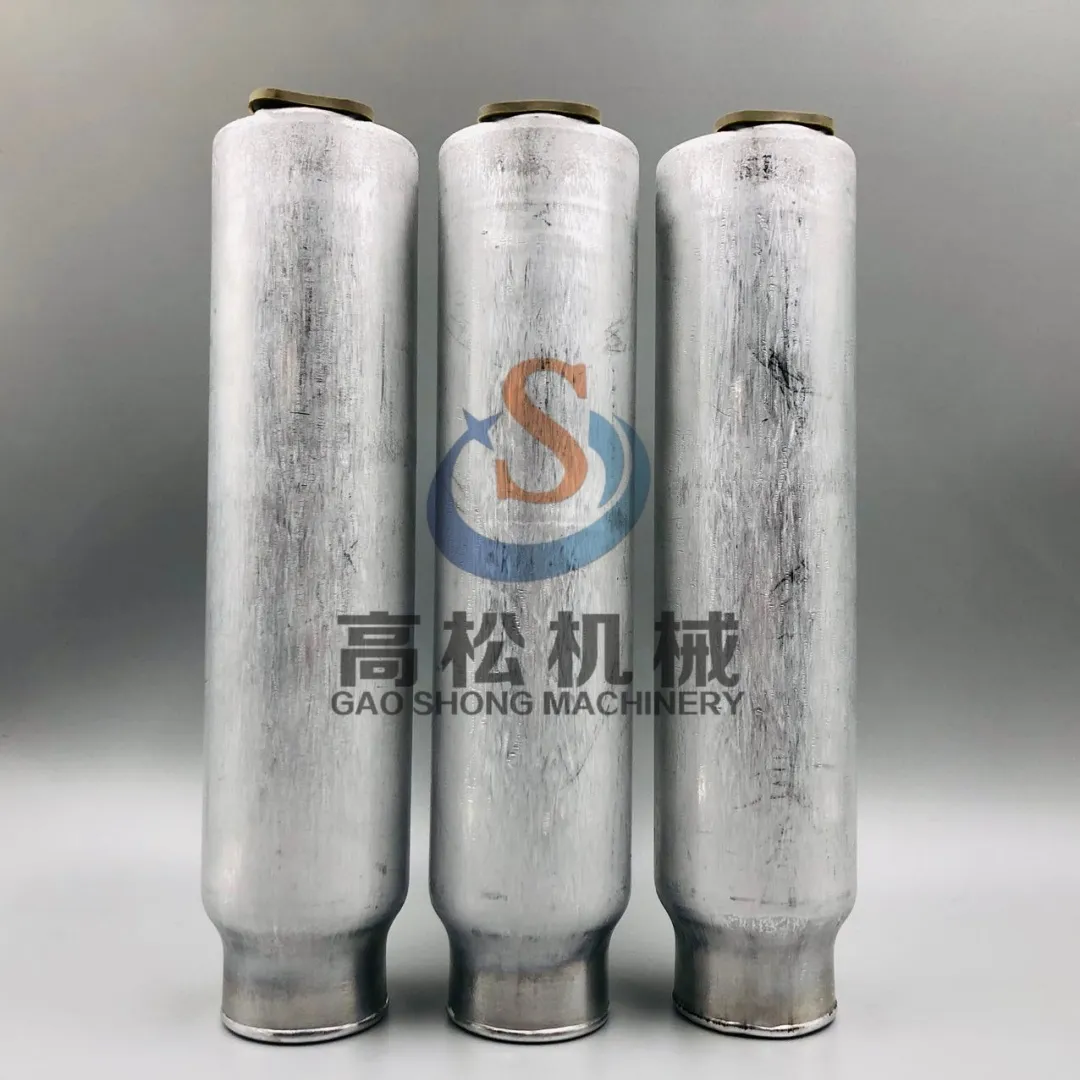
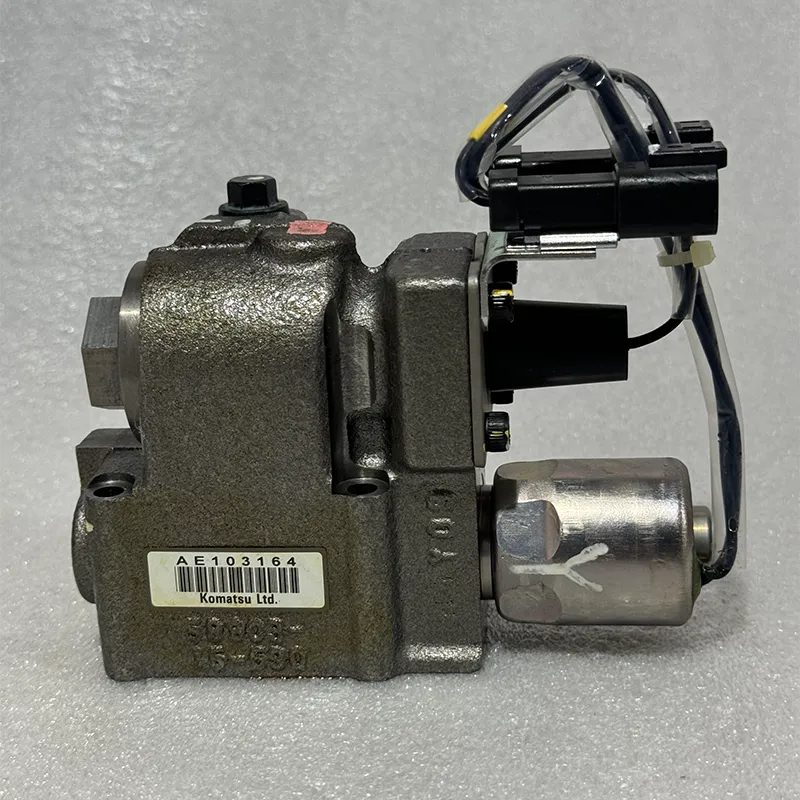
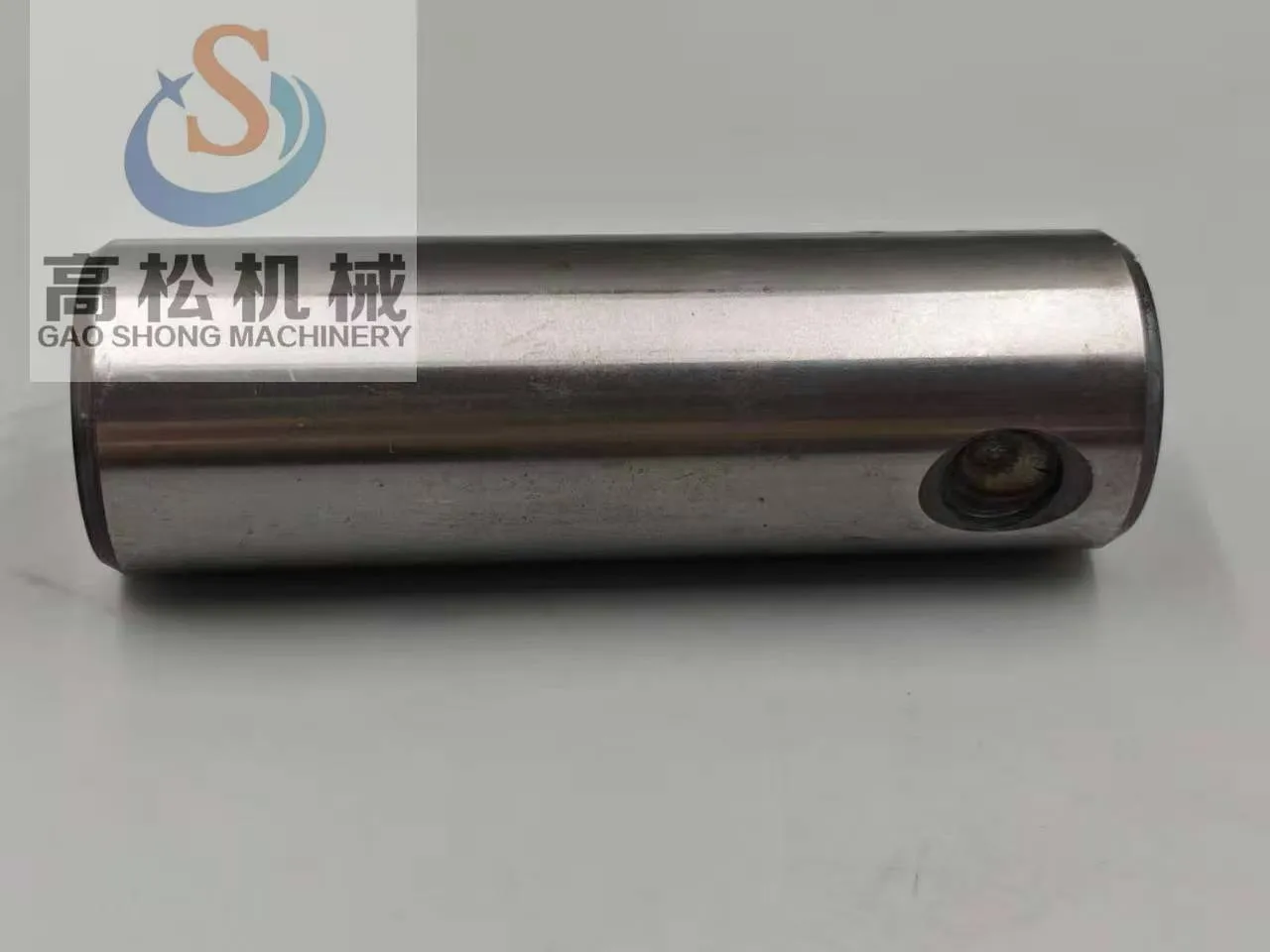
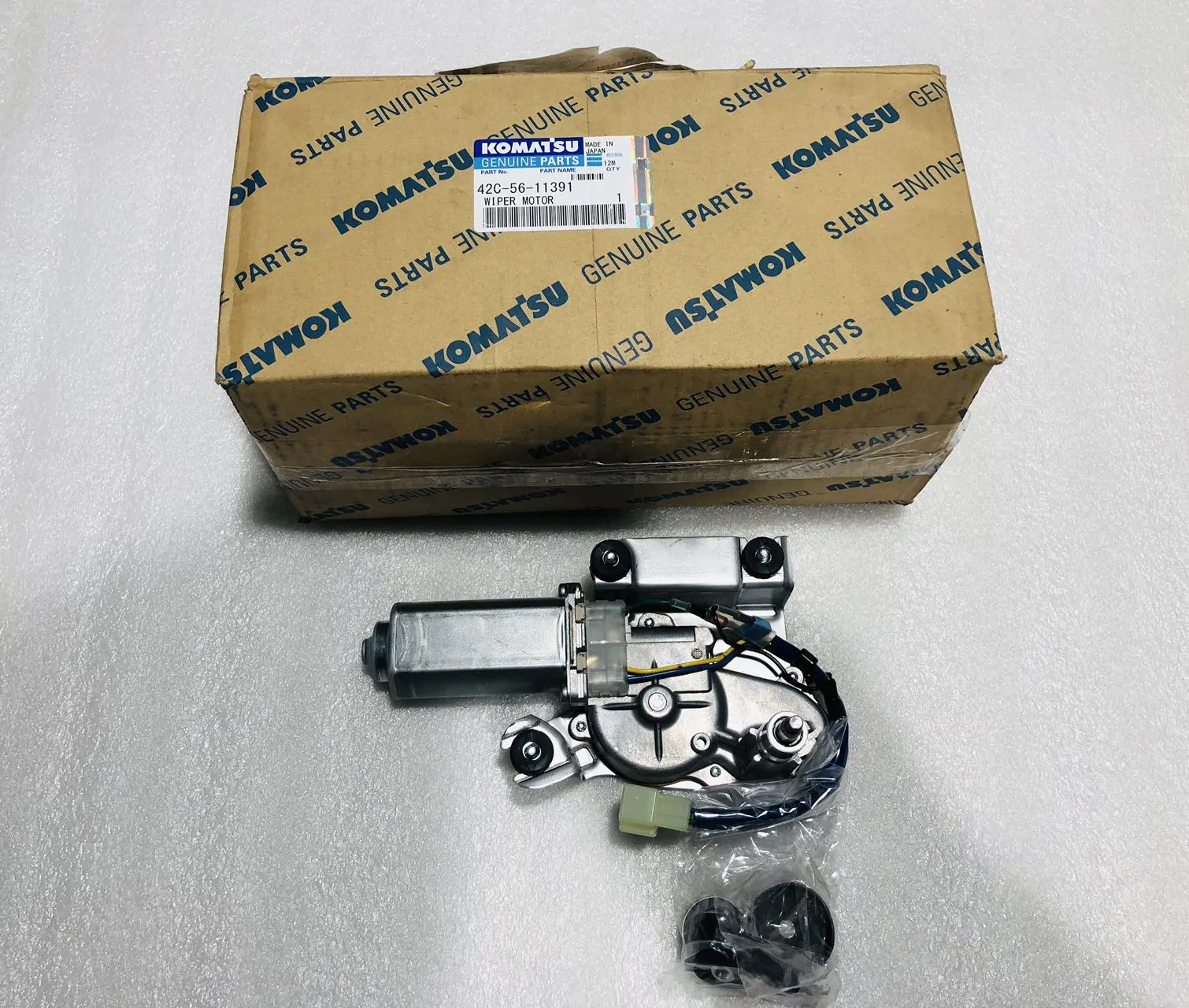
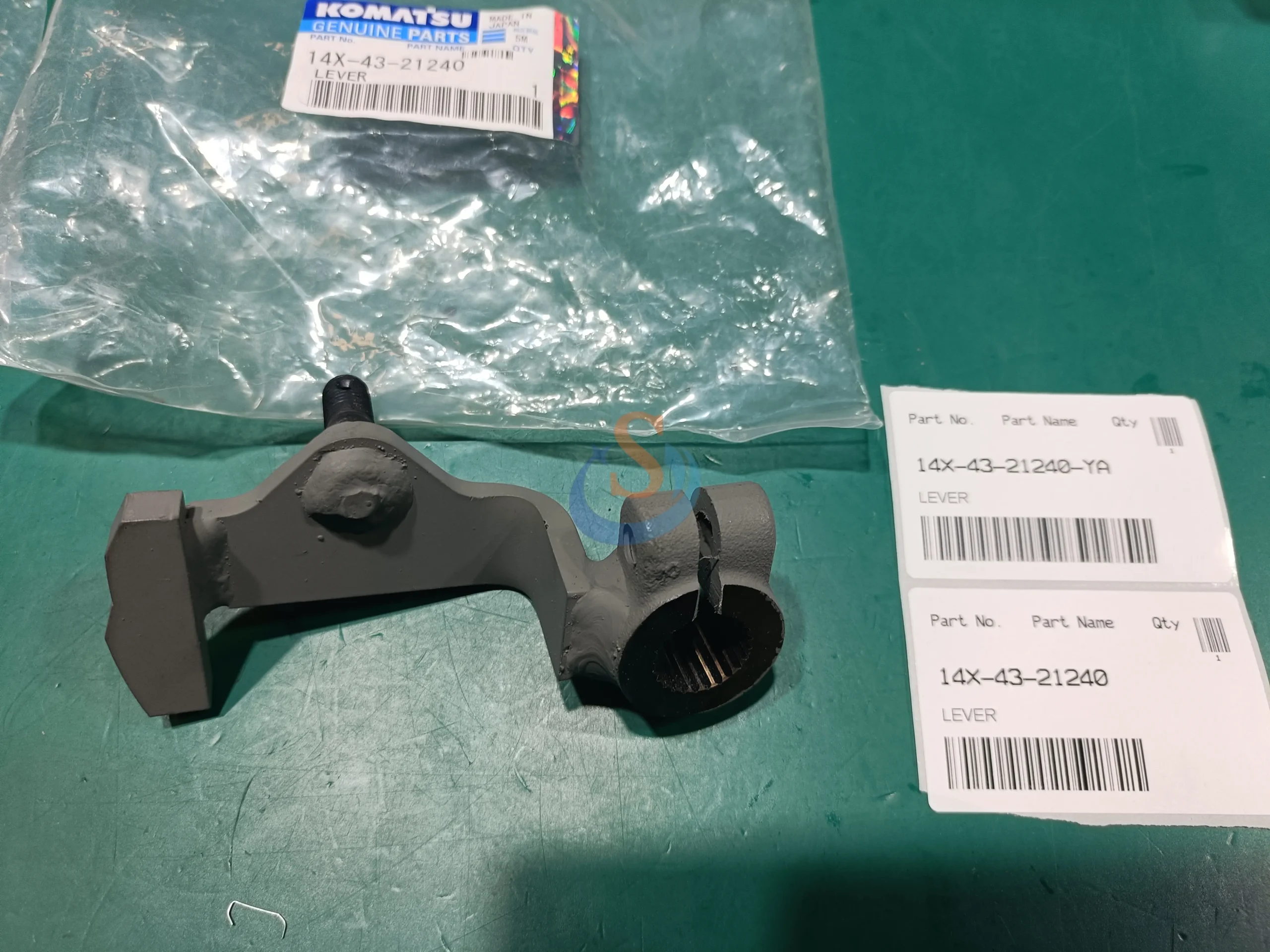
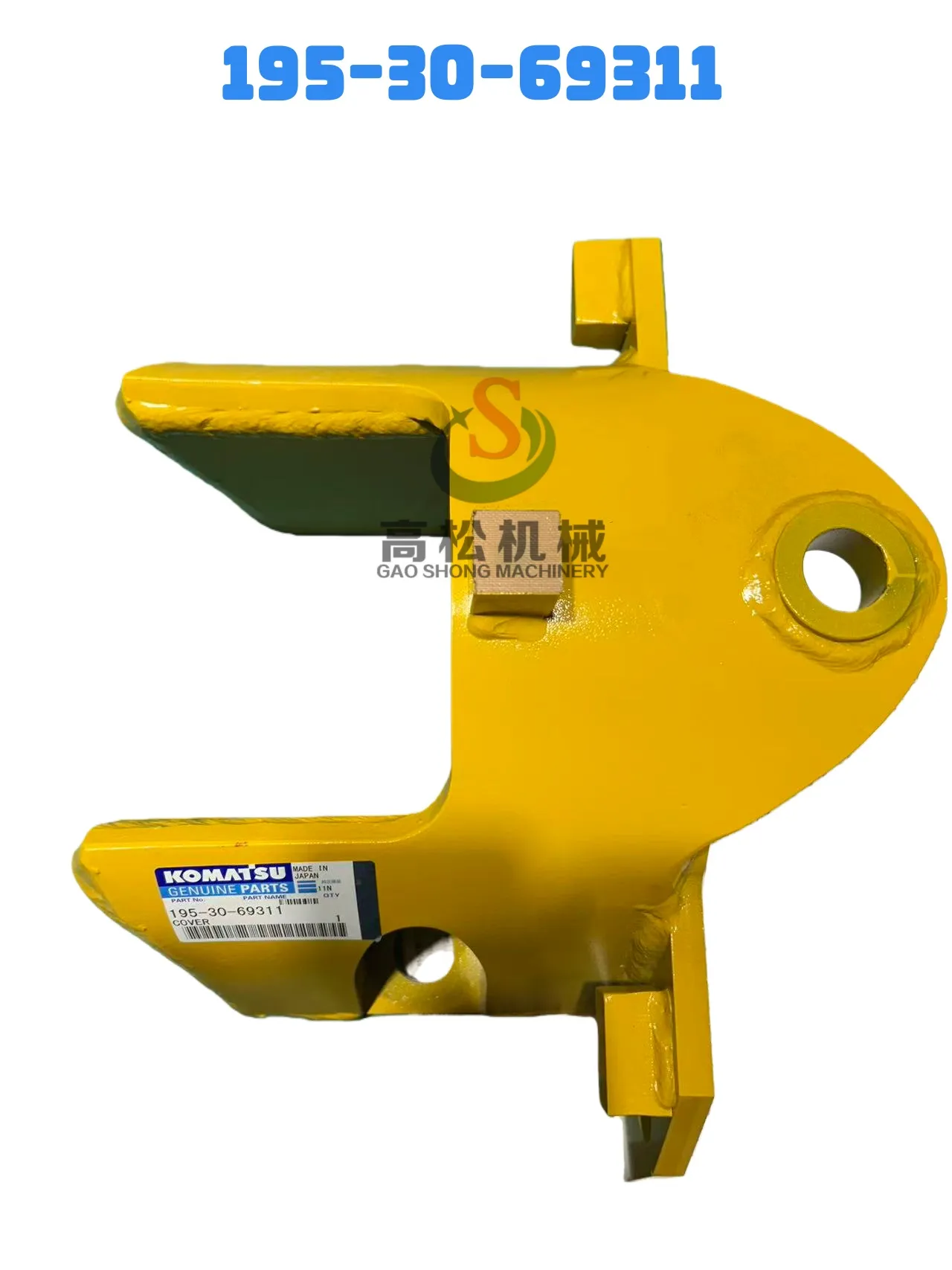

Best Selling Products
Best Selling Products-
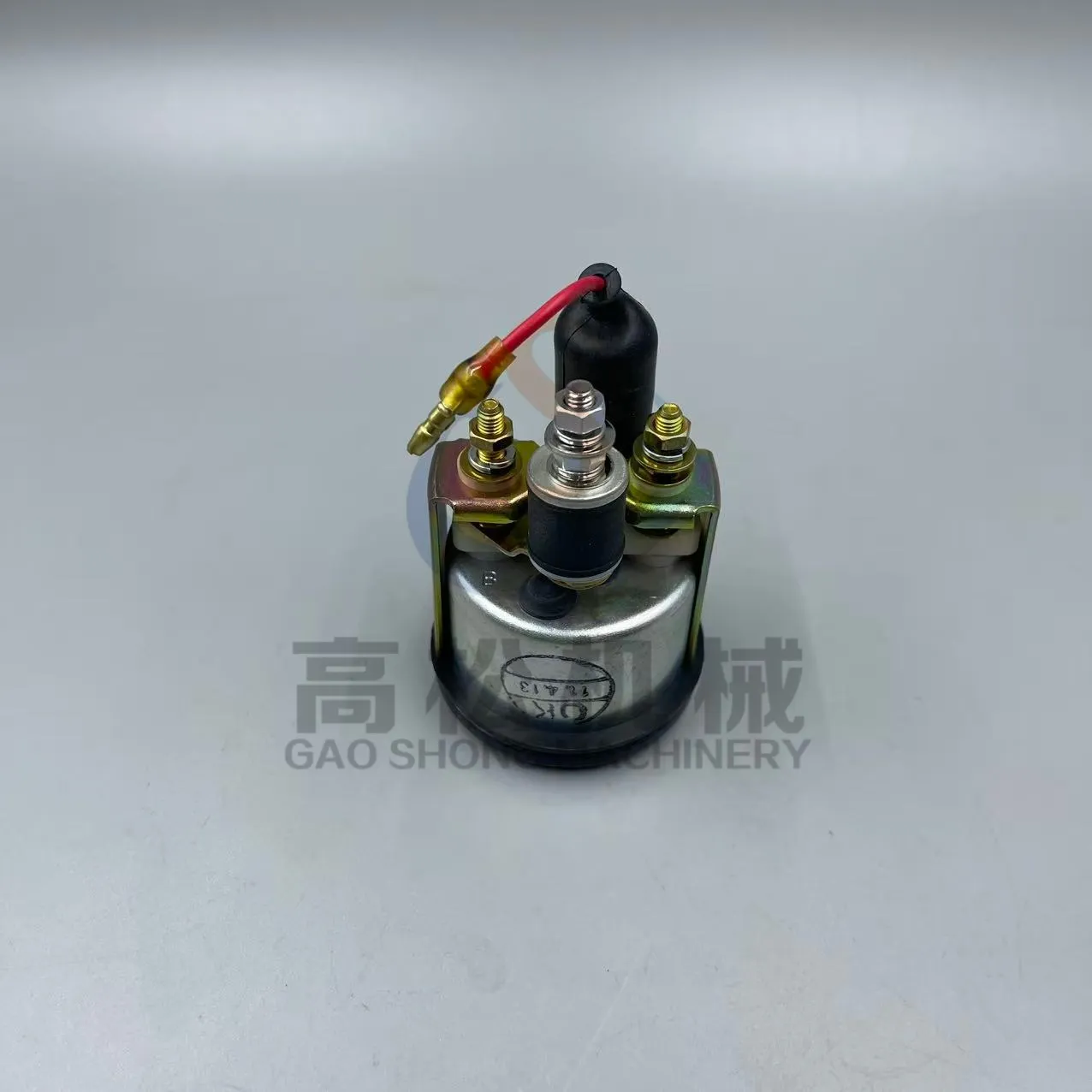 195-06-23110 – GAUGE
 -
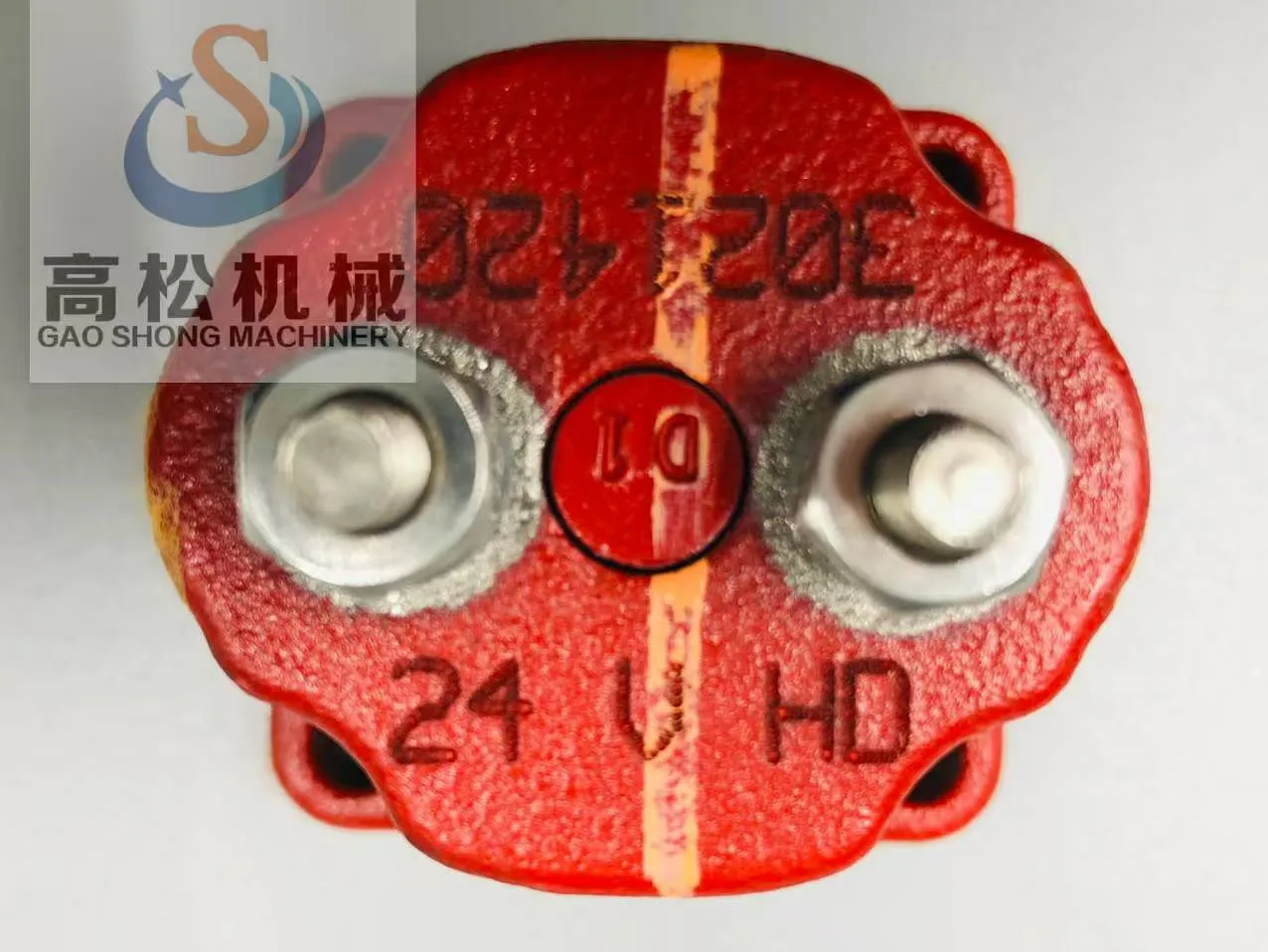 6560-51-1510 Fuel pump shut-off electromagnetic valve, suitable for PC1250LC-7, PC1250LC-8, WA600-3, SAA6D170E-3.
 -
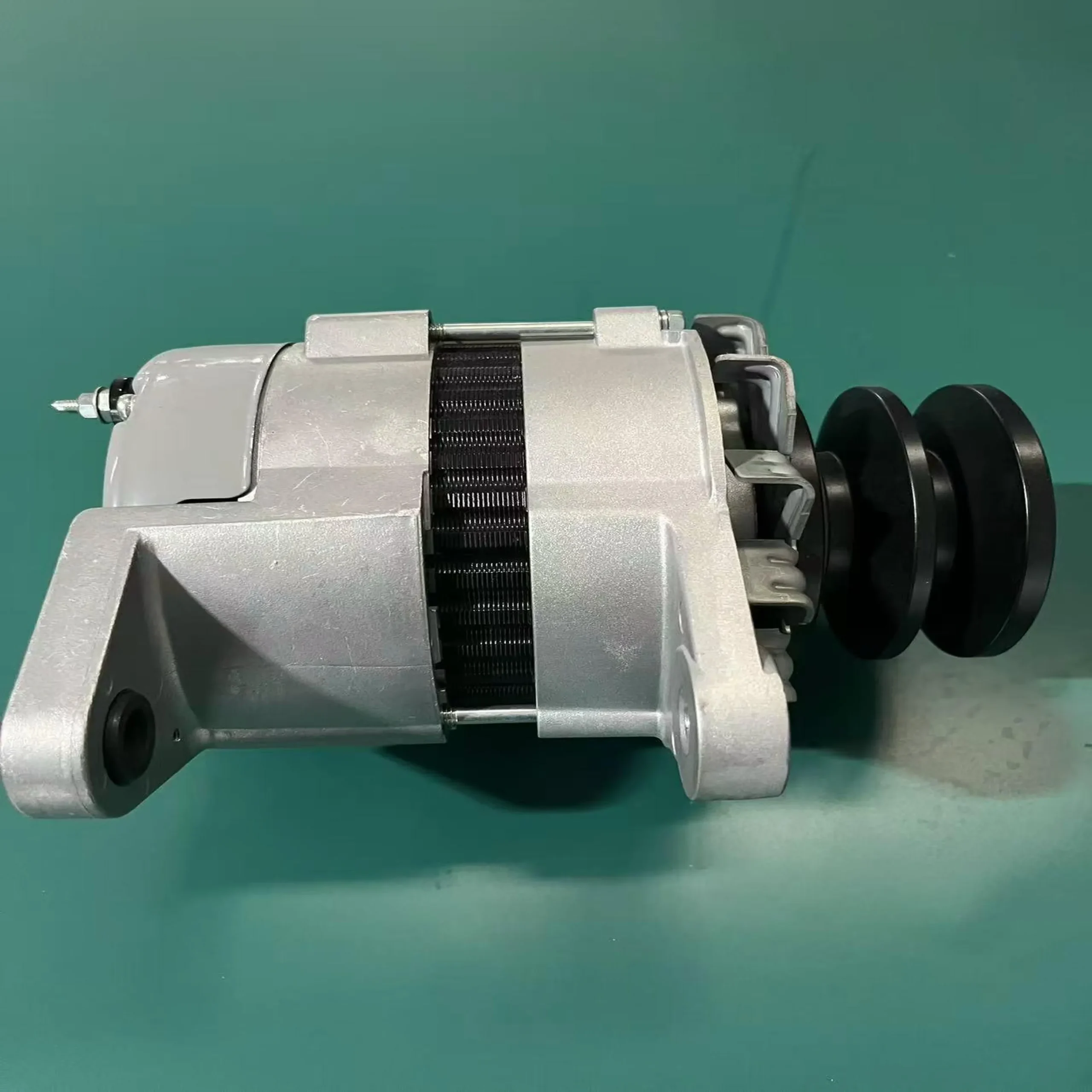 600-825-3151OEG Parts New Alternator Compatible With KOMATSU D65E Crawler & PC130 PC400 EXCAVATOR WA320 LOADER 6008253120, 6008253150, 6008253151, 6008253160, 6008253161, ANK0005, 40050015
 -
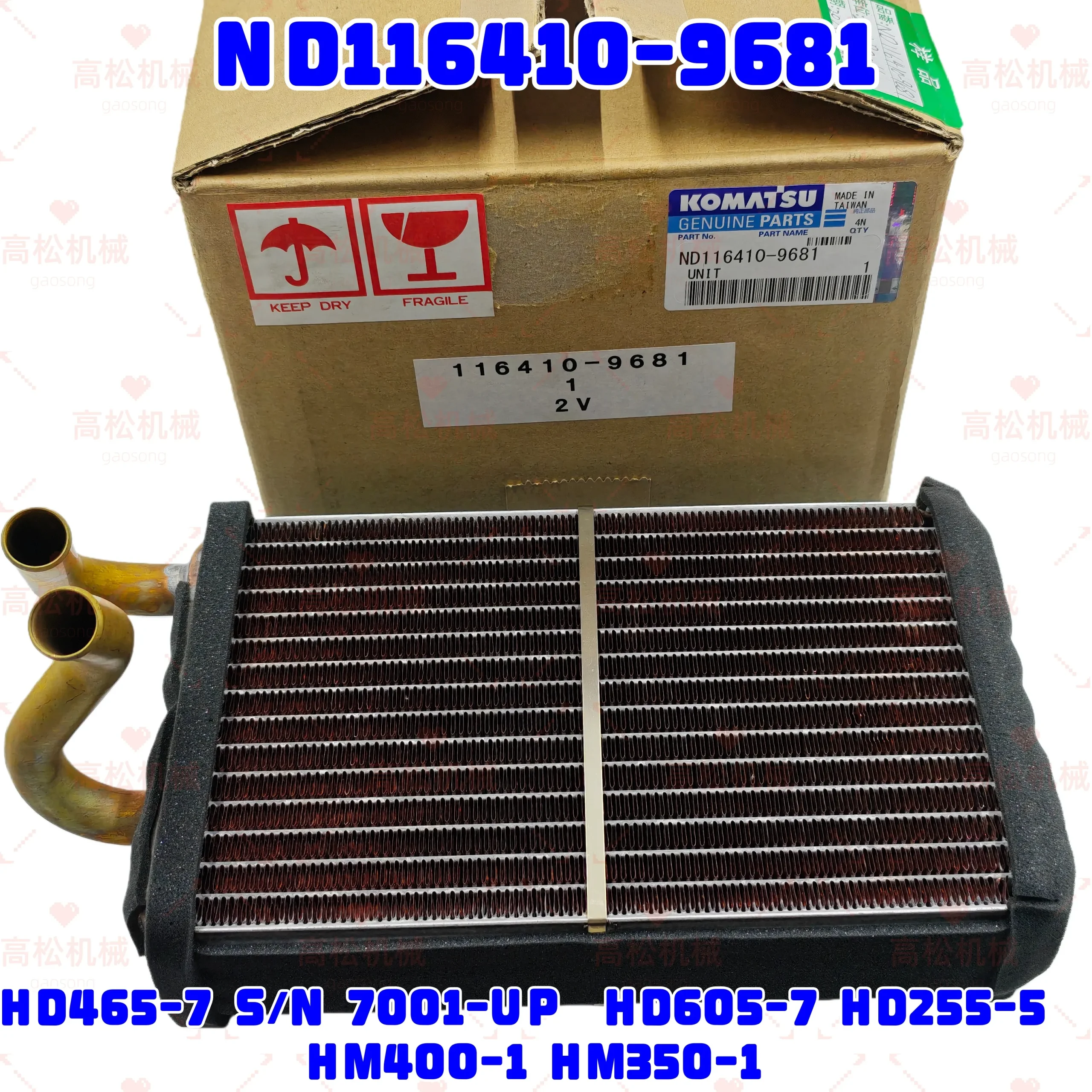 IMIFAFTAbT 702-16-02290 702-16-02210 Lever Assembly Fits for Komatsu D65EX-16 D65PX-16 D65WX-16 D275A-5R D155AX-6 Bulldozer
 -
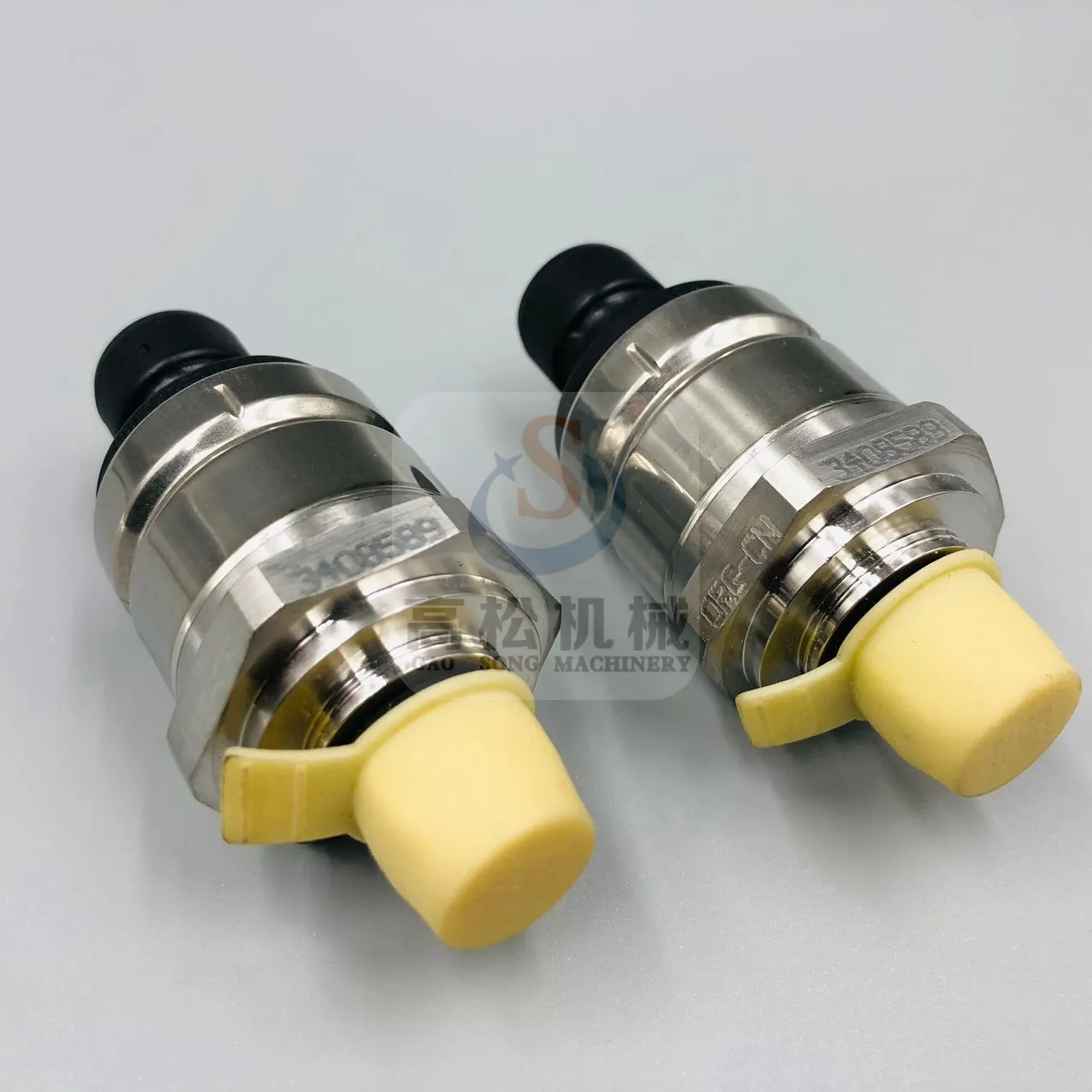 6560-61-7102 pressure sensor for Komatsu WA600-3
 -
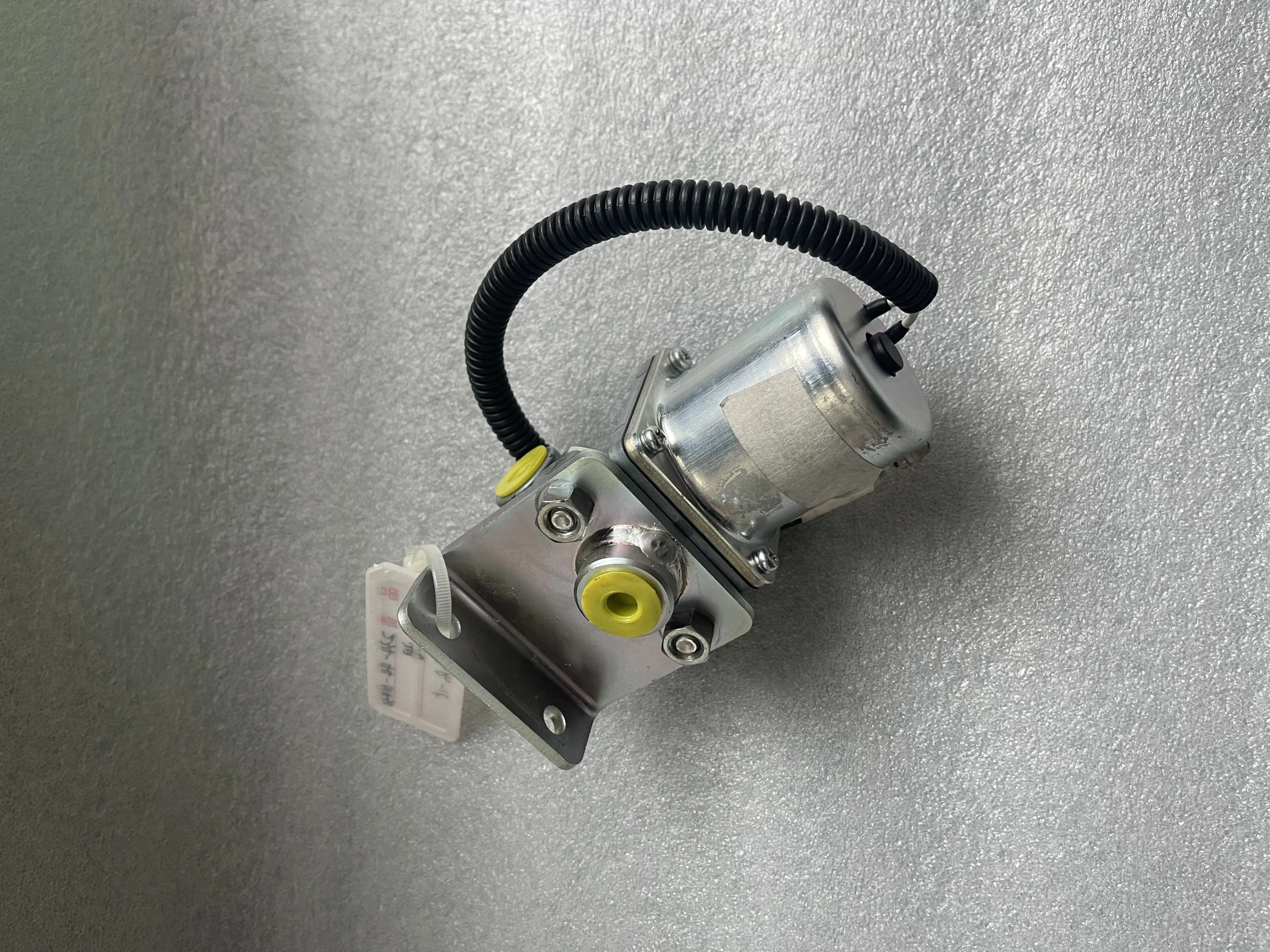 234-44-61430-VALVE Applicable: Komatsu GD825 / GD705
 -
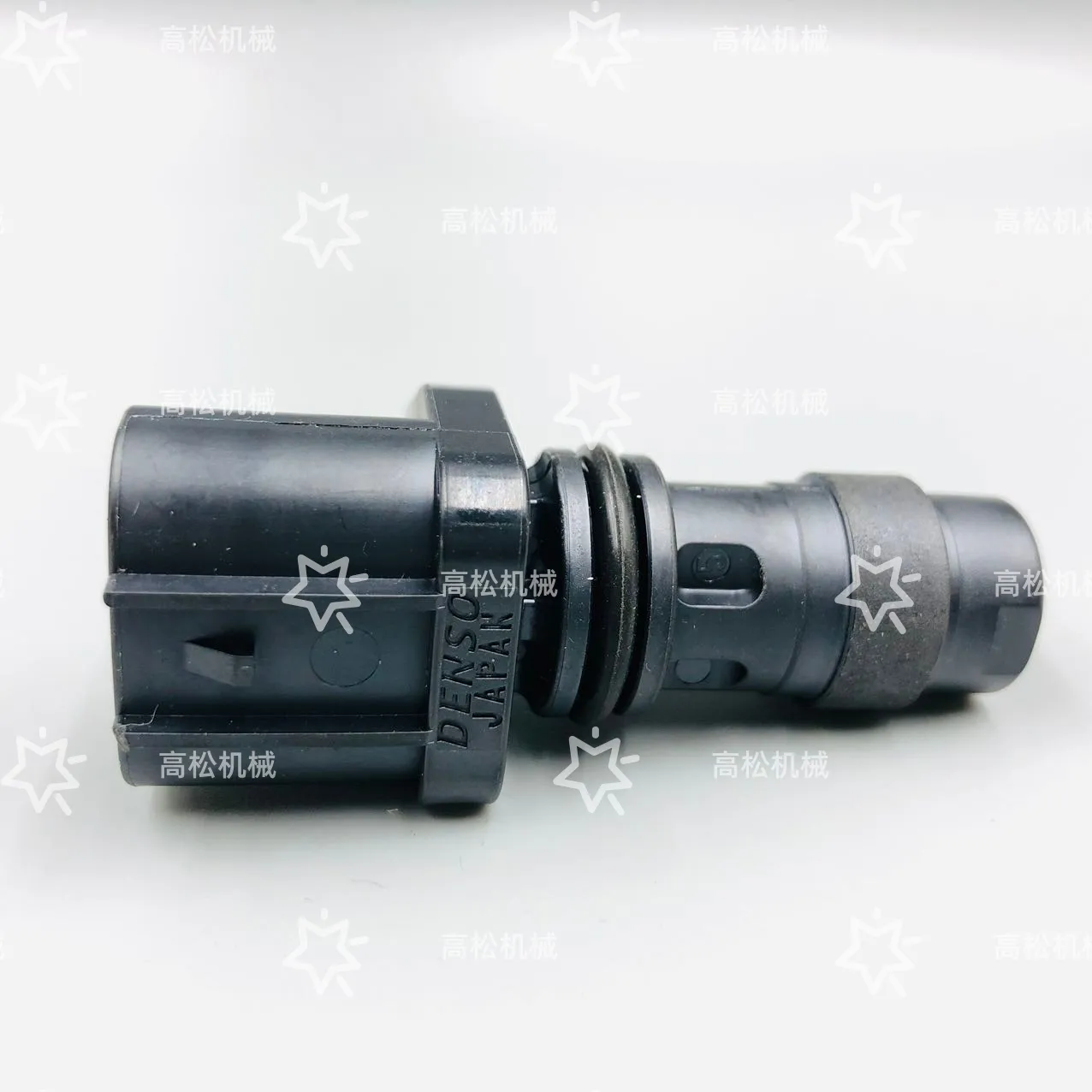 ND949979-1300 Camshaft Position Sensor for Komatsu Excavator PC400-8 PC450-8
 -
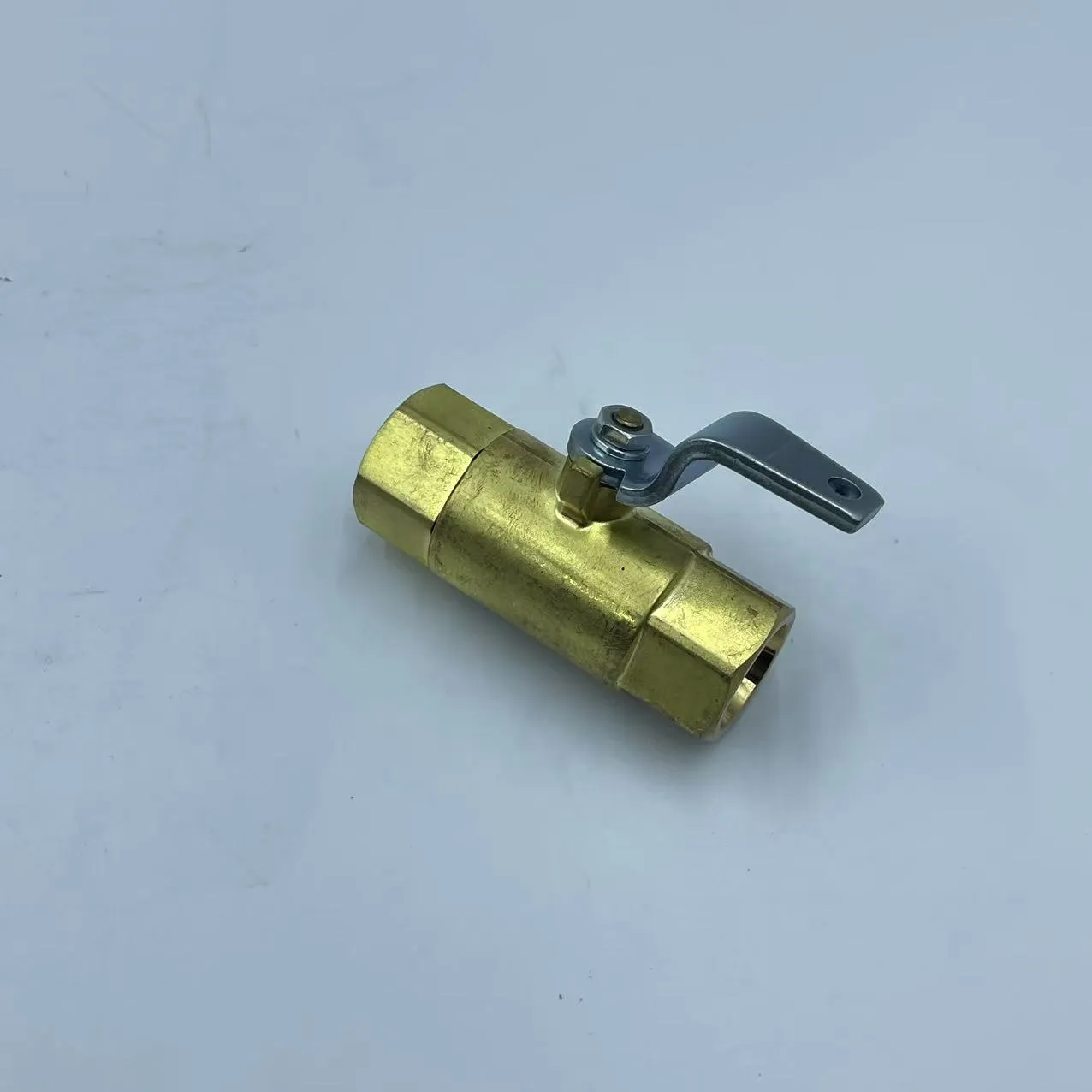 VALVE 20Y-62-15651 – KOMATSUBATTERY, D275A, D375A, FRONT, WA150, WA200, WA320
 -
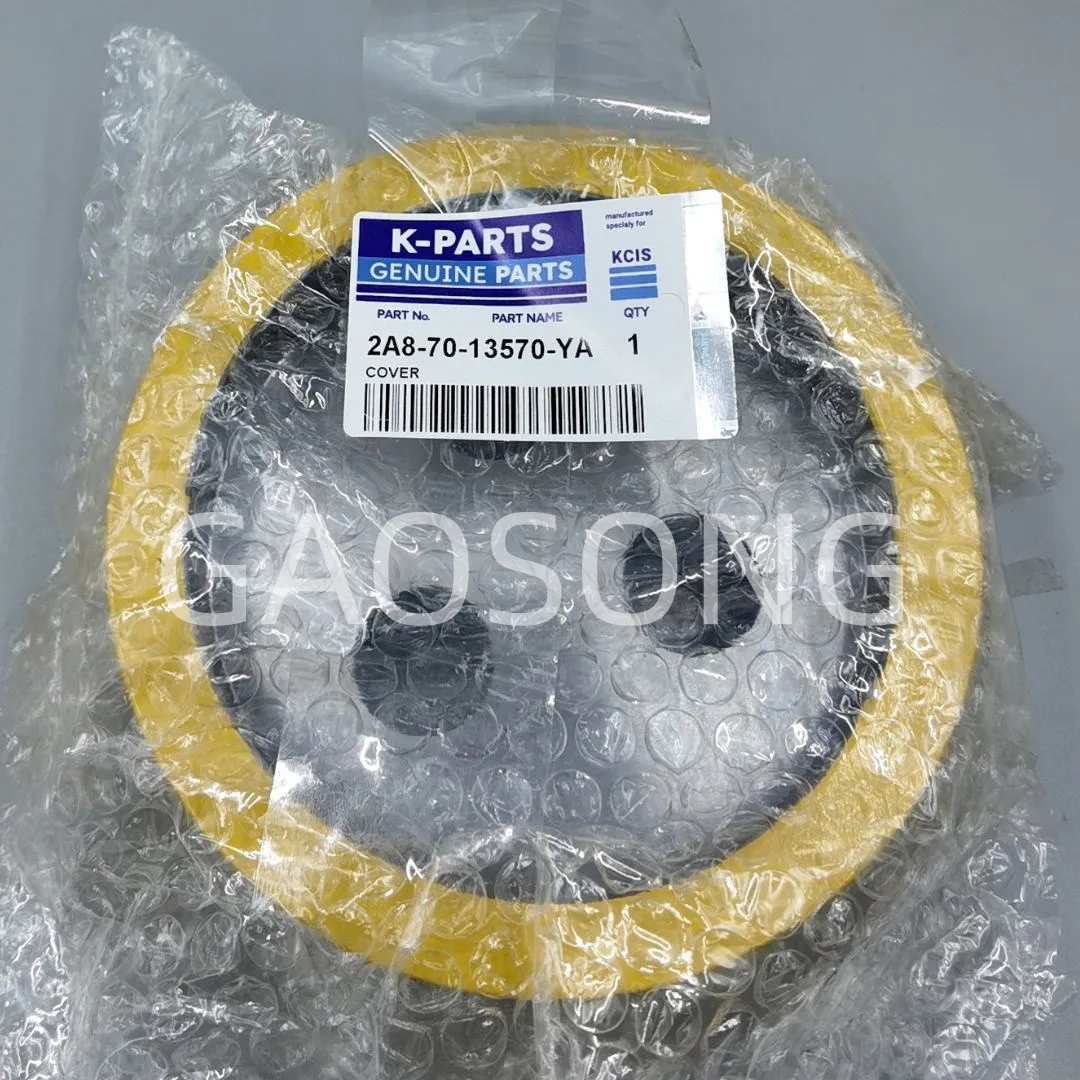 2A8-70-13570 Cover-Komatsu Original Factory
 -
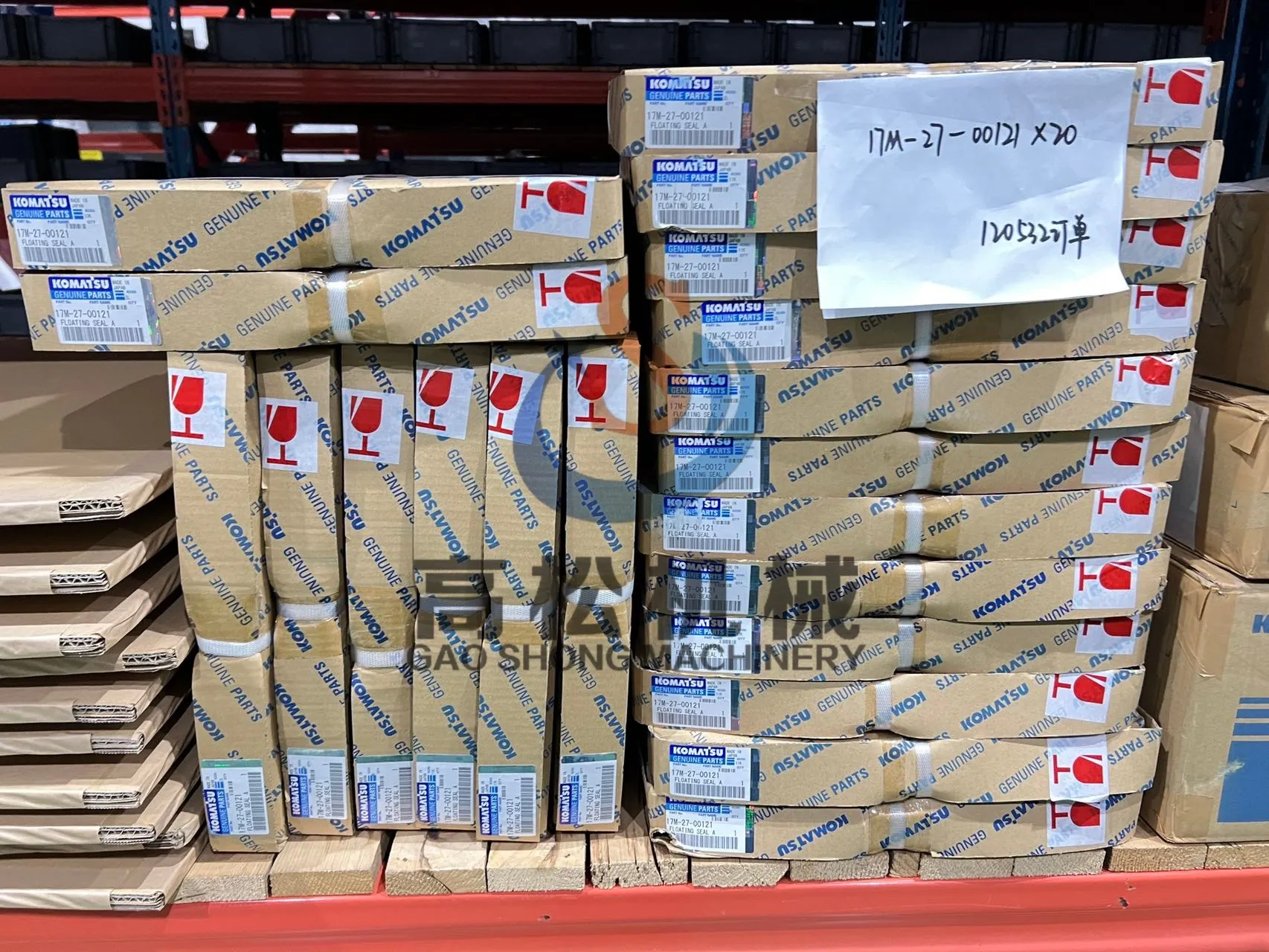 17M-27-00121 FLOATING SEAL ASSY
 -
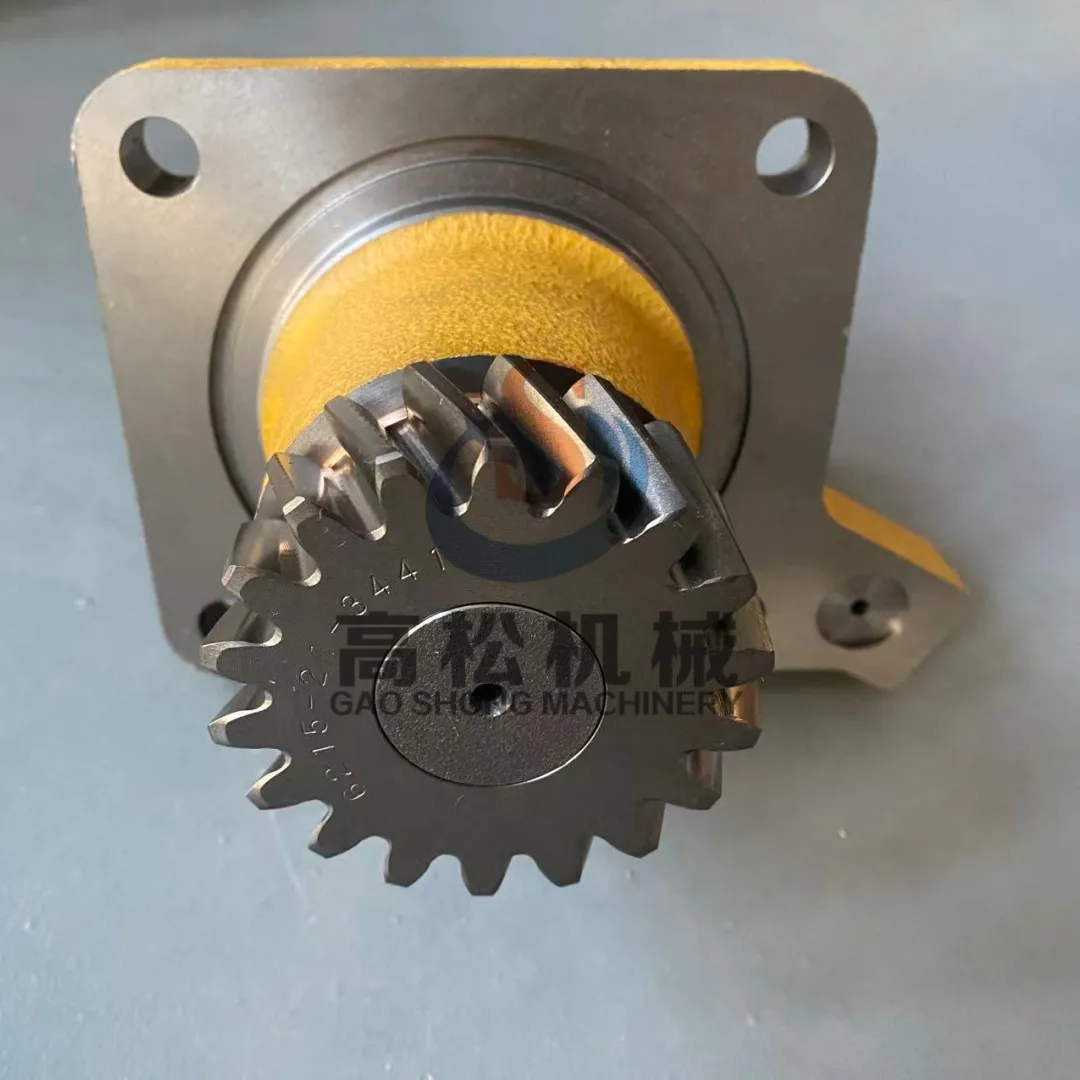 6266-21-3400Accessory Driver Assembly SAA12V140E ENGINE
 -
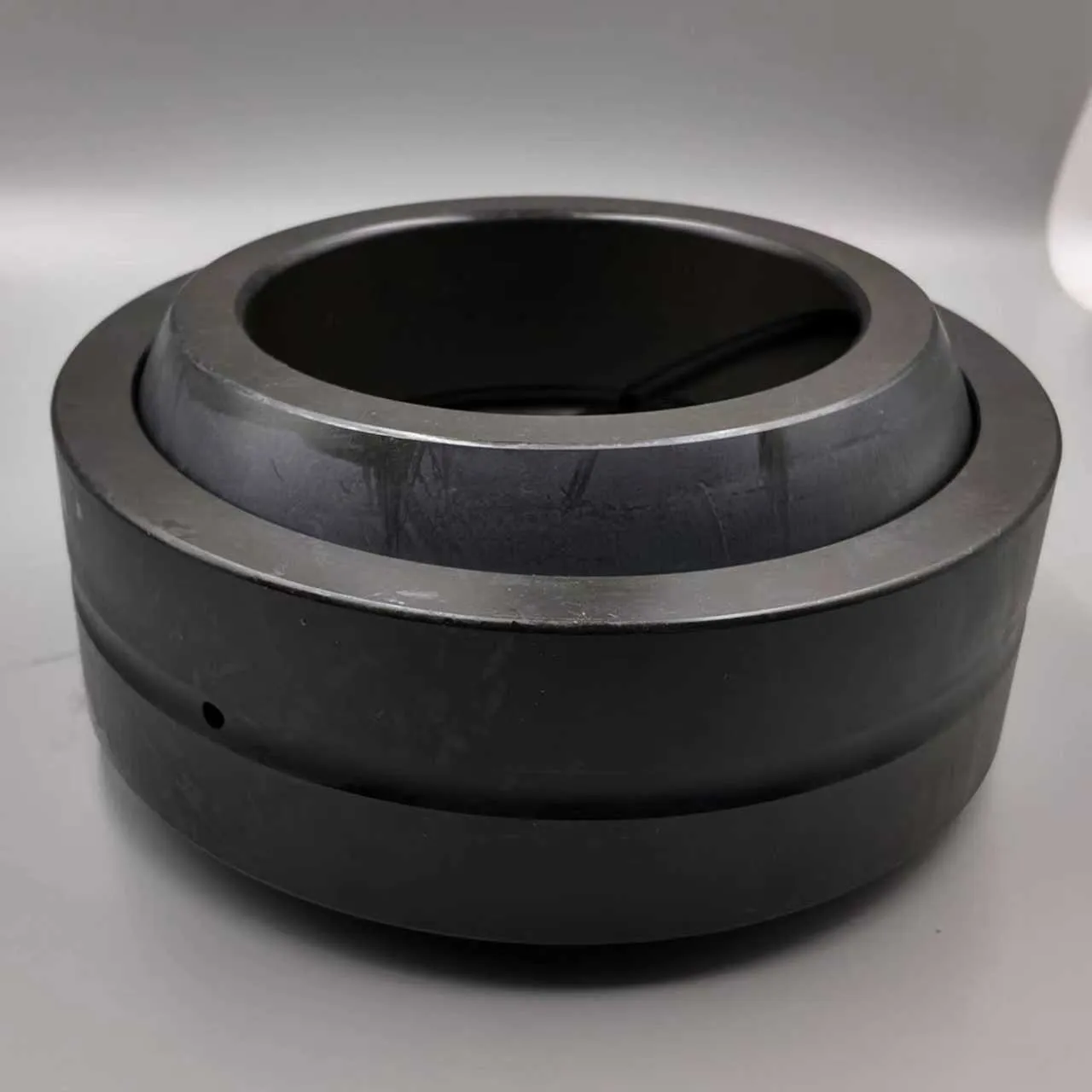 707-46-14010 • BUSHING-Komatsu Original Factory