
- Chinese
- French
- German
- Portuguese
- Spanish
- Russian
- Japanese
- Korean
- Arabic
- Irish
- Greek
- Turkish
- Italian
- Danish
- Romanian
- Indonesian
- Czech
- Afrikaans
- Swedish
- Polish
- Basque
- Catalan
- Esperanto
- Hindi
- Lao
- Albanian
- Amharic
- Armenian
- Azerbaijani
- Belarusian
- Bengali
- Bosnian
- Bulgarian
- Cebuano
- Chichewa
- Corsican
- Croatian
- Dutch
- Estonian
- Filipino
- Finnish
- Frisian
- Galician
- Georgian
- Gujarati
- Haitian
- Hausa
- Hawaiian
- Hebrew
- Hmong
- Hungarian
- Icelandic
- Igbo
- Javanese
- Kannada
- Kazakh
- Khmer
- Kurdish
- Kyrgyz
- Latin
- Latvian
- Lithuanian
- Luxembou..
- Macedonian
- Malagasy
- Malay
- Malayalam
- Maltese
- Maori
- Marathi
- Mongolian
- Burmese
- Nepali
- Norwegian
- Pashto
- Persian
- Punjabi
- Serbian
- Sesotho
- Sinhala
- Slovak
- Slovenian
- Somali
- Samoan
- Scots Gaelic
- Shona
- Sindhi
- Sundanese
- Swahili
- Tajik
- Tamil
- Telugu
- Thai
- Ukrainian
- Urdu
- Uzbek
- Vietnamese
- Welsh
- Xhosa
- Yiddish
- Yoruba
- Zulu
- Kinyarwanda
- Tatar
- Oriya
- Turkmen
- Uyghur






komatsu pc130 parts
When you're deep in a search for Komatsu PC130 parts, the initial flood of results can be misleading. Many assume it's a straightforward choice between wildly expensive OEM and questionable cheap alternatives. The reality, especially in markets outside Japan or North America, is far messier. Supply chains get tangled, and what's listed as 'genuine' often isn't. I've spent years untangling this, and the core challenge isn't just finding a part—it's verifying its provenance and understanding which components you can compromise on and which you absolutely cannot.
The Core Dilemma: Genuine vs. Aftermarket for the PC130
Let's be clear: for critical wear items like the Komatsu PC130 parts for the main hydraulic pump, swing motor, or the final drive planetary set, cutting corners is a fast track to a catastrophic failure. I learned this the hard way on a 2007 PC130-8. We tried a rebuilt pump from a local shop to save three weeks on downtime. It lasted about 80 hours before pressure dropped off a cliff, contaminating the entire system with metal shavings. The total repair bill ended up being triple the cost of just waiting for a verified OEM unit. That experience cemented a rule: for the power train and hydraulic core, only use traceable OEM or certified-remanufactured units.
However, the blanket always use OEM advice isn't always practical or necessary. For non-structural, non-safety items, the aftermarket has come a long way. Things like seals kits, gaskets, filters, and even some linkage pins and bushings can be sourced from quality third-party manufacturers. The trick is knowing which manufacturers have the proper metallurgy and tolerances. A poorly made pin will wear out its bushing in half the time, causing more work and cost later. It's a calculated risk, not a blind save.
This is where a supplier's role becomes critical. A good supplier doesn't just sell you a part; they should provide context. If you ask for a PC130 track roller, they should ask about your working conditions—are you in abrasive sand or heavy clay? The optimal seal and hardening might differ. Most just sell you a part number. That lack of dialogue is where projects go wrong.
The Verification Gap and How to Bridge It
Here's a common, frustrating scenario. You order a genuine Komatsu control valve for your PC130-7. The box looks right, the part number sticker seems legit. But once installed, the machine's fine control feels slightly off, maybe a hint of lag or creep. Often, it's a high-quality copy, or worse, a used part cleaned up and repackaged. The serial number on the component might not match Komatsu's production logs for that machine model. Verifying this requires a relationship with a supplier embedded in the Komatsu ecosystem, one who can cross-reference these details, not just process an order.
I've found that companies operating as OEM product suppliers within the Komatsu system fill this verification gap. They have access to the same technical bulletins and production updates as a direct Komatsu dealer. For instance, a company like Jining Gaosong Construction Machinery Co., Ltd. positions itself in this space. By being an OEM product supplier within the Komatsu system, they theoretically have a pipeline to authentic components. More importantly, their secondary role as a third-party sales company for Komatsu suggests they understand the specific parts supply challenges in regions where direct dealer support is slow or nonexistent. Their stated goal of helping to solve parts supply challenges in certain countries directly addresses the core pain point for many owners outside major markets.
You can find more about their approach at https://www.takematsumachinery.com. The value of such a supplier isn't just inventory; it's their ability to navigate Komatsu's global parts network and clarify what is truly OEM-spec versus an approved alternative. This is the kind of nuanced support that goes beyond a simple e-commerce transaction.
Specific PC130 Pain Points and Practical Fixes
Every model has its quirks. For the PC130-8, the pilot pressure sensor is a known point of failure that causes all sorts of weird electrical interlocks and limp modes. A non-OEM sensor might work for a month, then start giving erratic readings. The fix? Swallow the cost and get the Komatsu part. The diagnostic time you'll save is worth it.
Another area is undercarriage. For Komatsu PC130 parts like track chains and sprockets, I'm less dogmatic about pure OEM. Several Korean and Chinese manufacturers now produce segments that meet or exceed the original spec for certain applications, at a better price. The key is the supplier's honesty. Will they tell you this replacement sprocket has a higher Brinell hardness, which is great for rocky terrain but could accelerate wear on a mid-life track chain? A good one will. A bad one just checks the box on the part number.
Cooling system components are another middle ground. Radiators and intercoolers can often be sourced from quality aftermarket fabricators. However, you must insist on proper mounting brackets and port alignments specific to the PC130. A universal fit or one meant for a similar-sized Cat will cause hose stress and eventual leaks. Always compare the physical sample or detailed CAD drawing to the original before committing.
The Economics of Downtime vs. Part Cost
This is the calculus that defines our business. If a genuine Komatsu PC130 main control valve costs $4,500 with a 10-day lead time, and a certified aftermarket one costs $2,800 with 3-day shipping, the choice seems obvious. But if that aftermarket valve has a 20% higher chance of a minor leak or calibration issue that requires another 8 hours of mechanic time to troubleshoot and rectify, your savings evaporate. The machine is down longer.
We now build a simple Total Cost of Ownership sheet for major components. It factors in list price, estimated shipping time, expected lifespan (based on our fleet data and supplier warranties), and the historical failure mode. For example, a failing PC130 travel motor seal might seem like a $200 fix. But if it drains the travel case and ruins the bearings, that's a $4,000 repair. Therefore, we use only OEM-specific seal kits for that application, no debate. The sheet makes these decisions objective, not emotional.
This is where a supplier's warranty terms become a true indicator of their confidence. A company offering a meaningful warranty on a major component, not just a 90-day exchange, is betting on their product's quality. It aligns their success with your machine's uptime.
Sourcing Strategy: Building a Reliable Network
Relying on a single source for all your Komatsu PC130 parts is risky. We maintain a tiered network. Tier 1 is the official Komatsu dealer for absolute critical, serial-number-matched components. Tier 2 is a select group of specialized suppliers who focus on Komatsu and have proven their reliability, like those operating within the OEM system for certain lines. Tier 3 is for generic consumables and non-critical wear items.
A supplier like the aforementioned Jining Gaosong would fall into our Tier 2 evaluation. Their dual role is interesting. We'd test them first on a higher-value but non-catastrophic component—perhaps a complete PC130 joystick controller assembly or a hydraulic cylinder kit. The evaluation isn't just did the part work? It's about packaging, documentation (were Komatsu sub-assembly drawings included?), shipping accuracy, and post-sale support. Did they proactively inform us of a shipping delay? Could they explain a minor design difference from our original part?
The goal is to have 2-3 trusted names in Tier 2. This creates healthy competition and provides a backup when global supply for a specific part—like the electronic control modules for newer PC130 models—dries up at the main dealer. These suppliers often have deeper networks into regional warehouses and remanufacturing streams that the primary dealer doesn't prioritize.
In the end, managing parts for a machine like the Komatsu PC130 is about layered knowledge. It's knowing the machine's weak points, knowing the market's gray areas, and most importantly, knowing which suppliers offer not just a product, but informed guidance. The right partner saves you money not just on the price tag, but on the invisible costs of doubt, downtime, and repeated repairs. That’s the real value you’re searching for.
Related Products
Related Products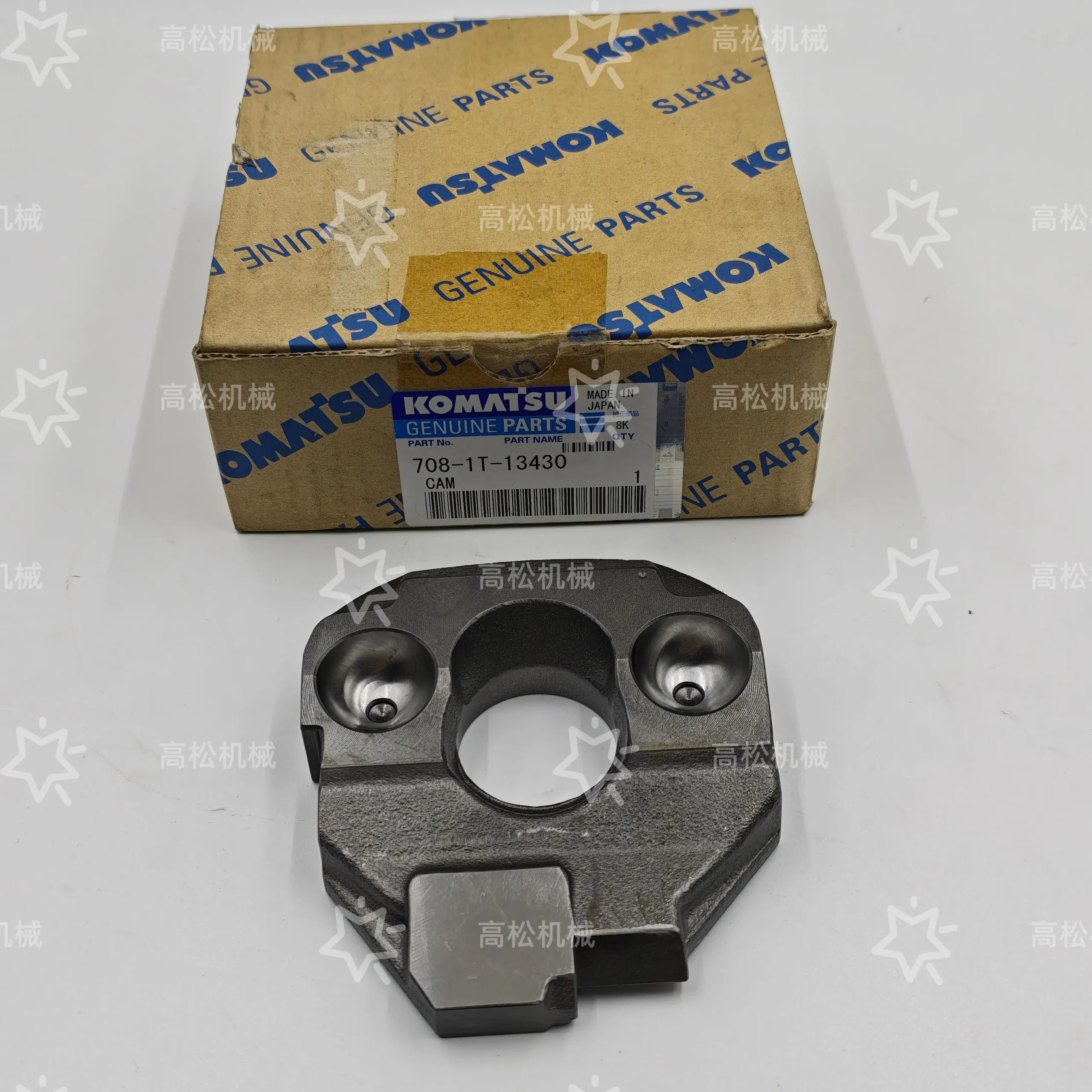

Best Selling Products
Best Selling Products-
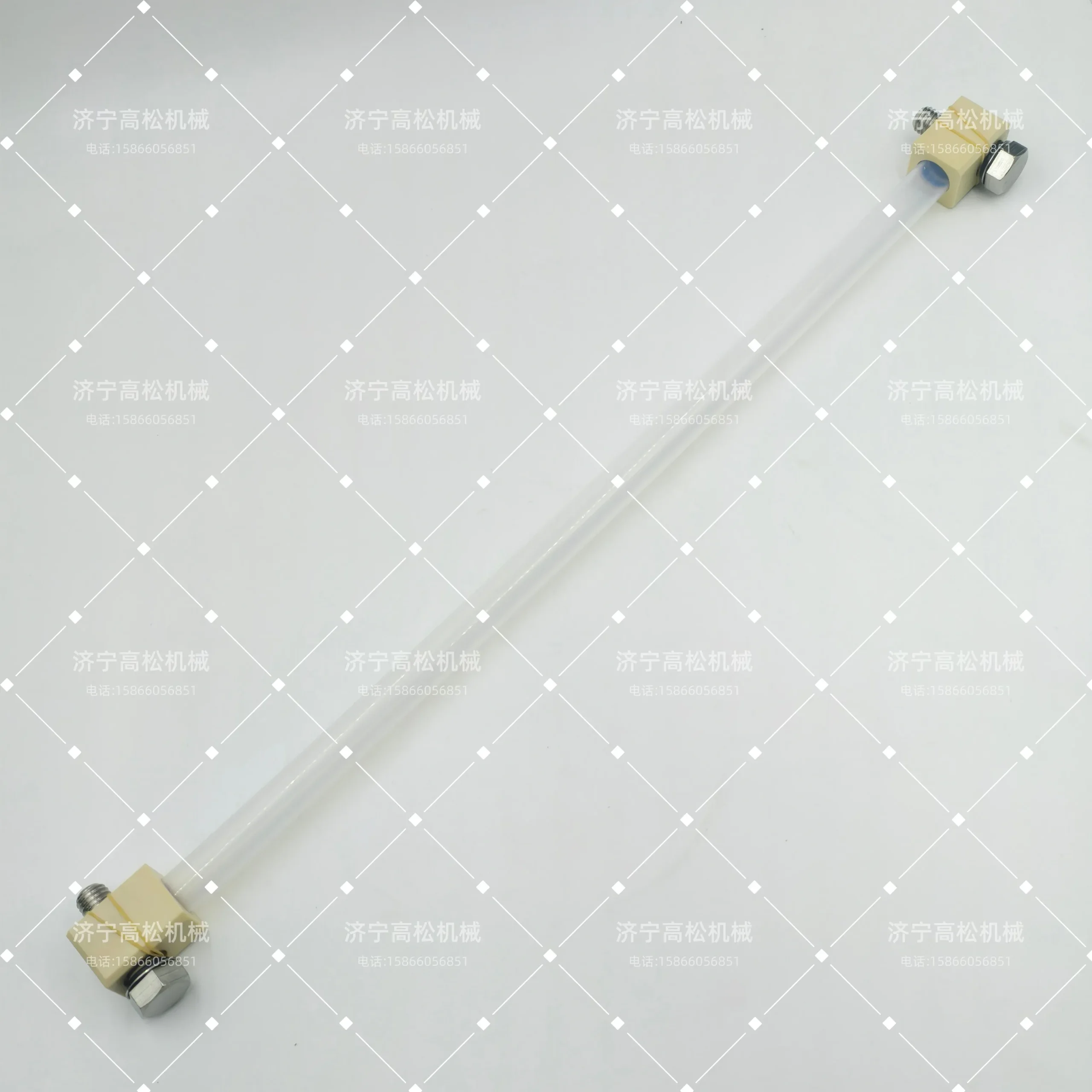 427-16-21120 Komatsu Head Cover Assembly
 -
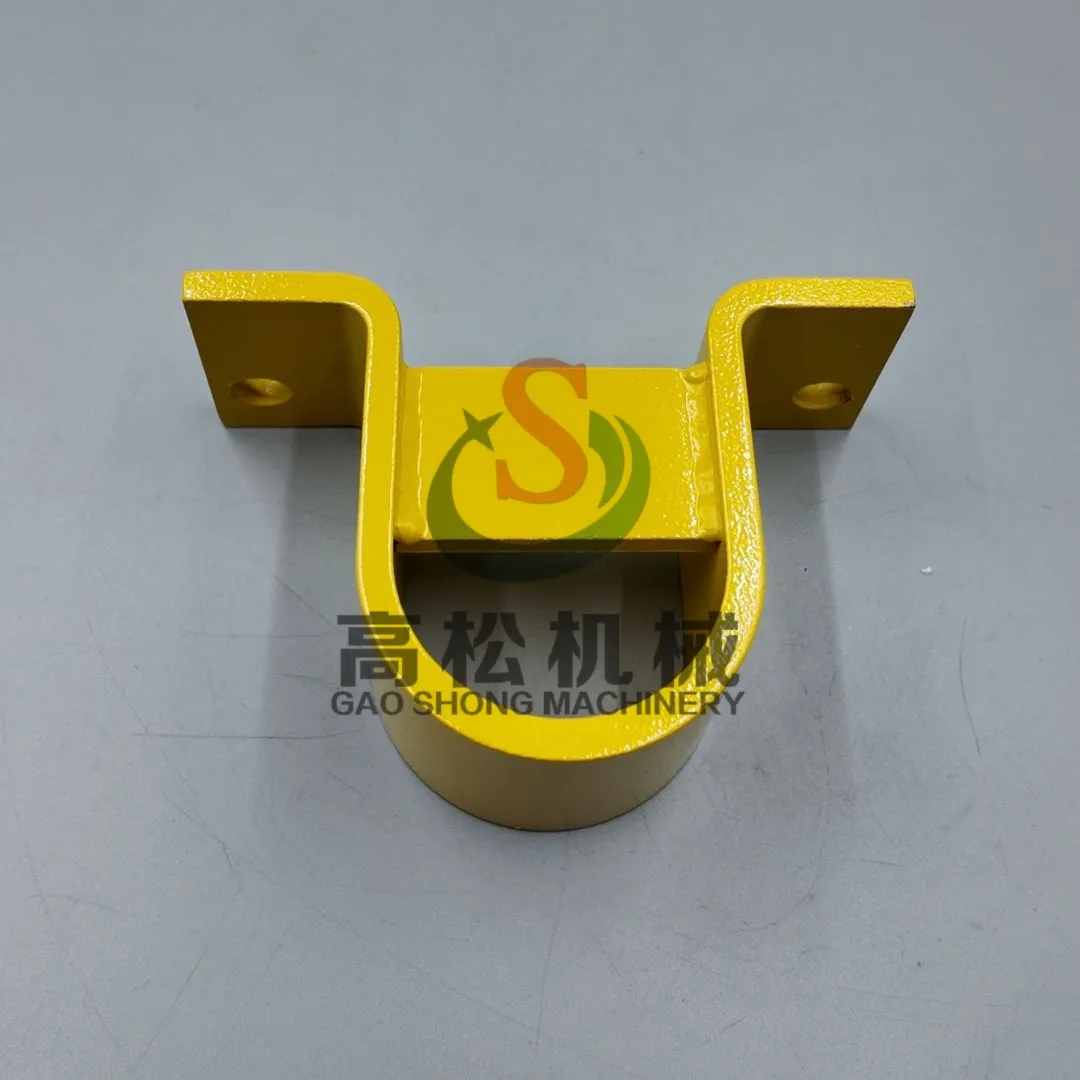 COVER 425-04-21430 for a WA500-3 komatsu original
 -
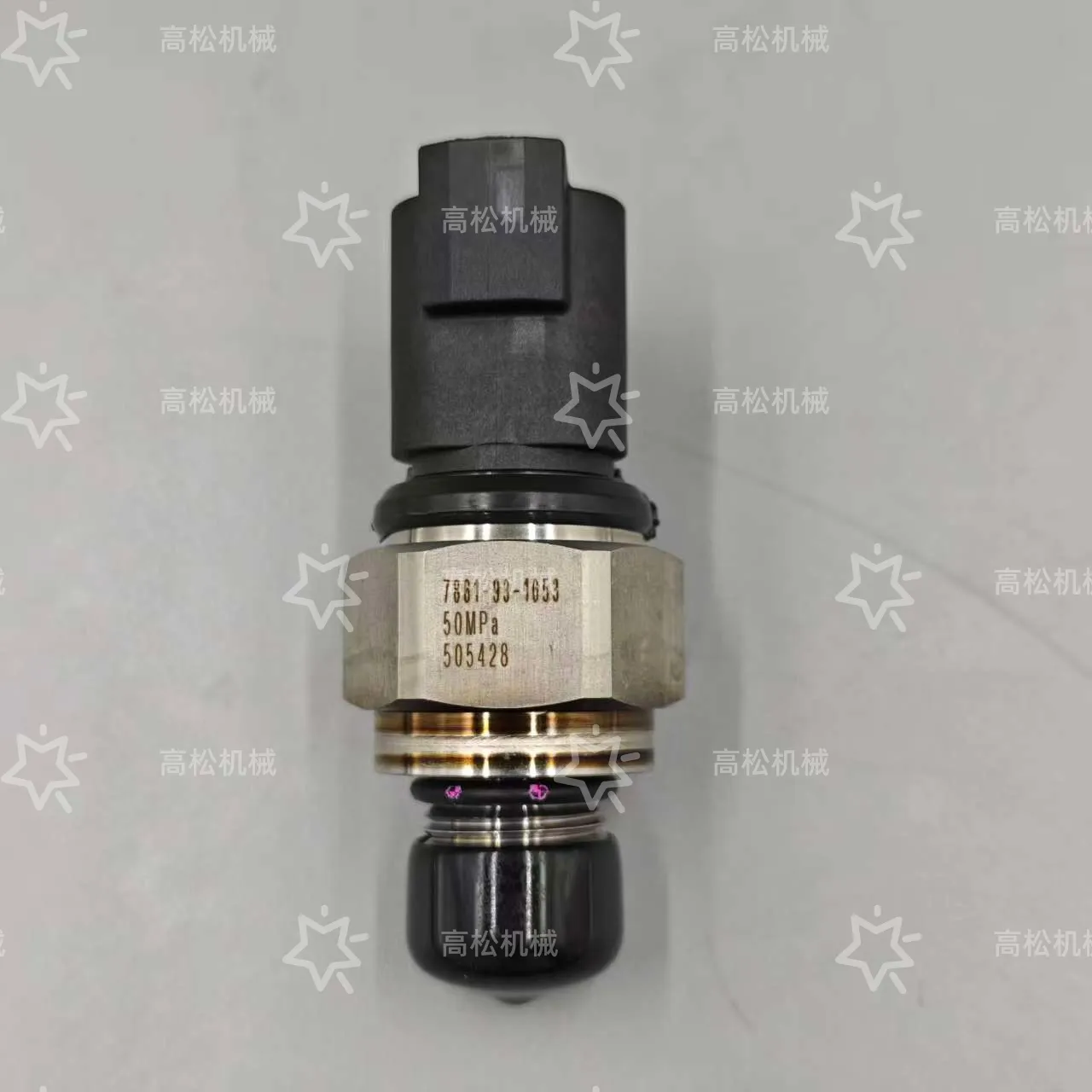 7861-93-1653 7861-93-1652 7861-93-1650 HYDRAULIC PUMP SENSOR for PC300-7
 -
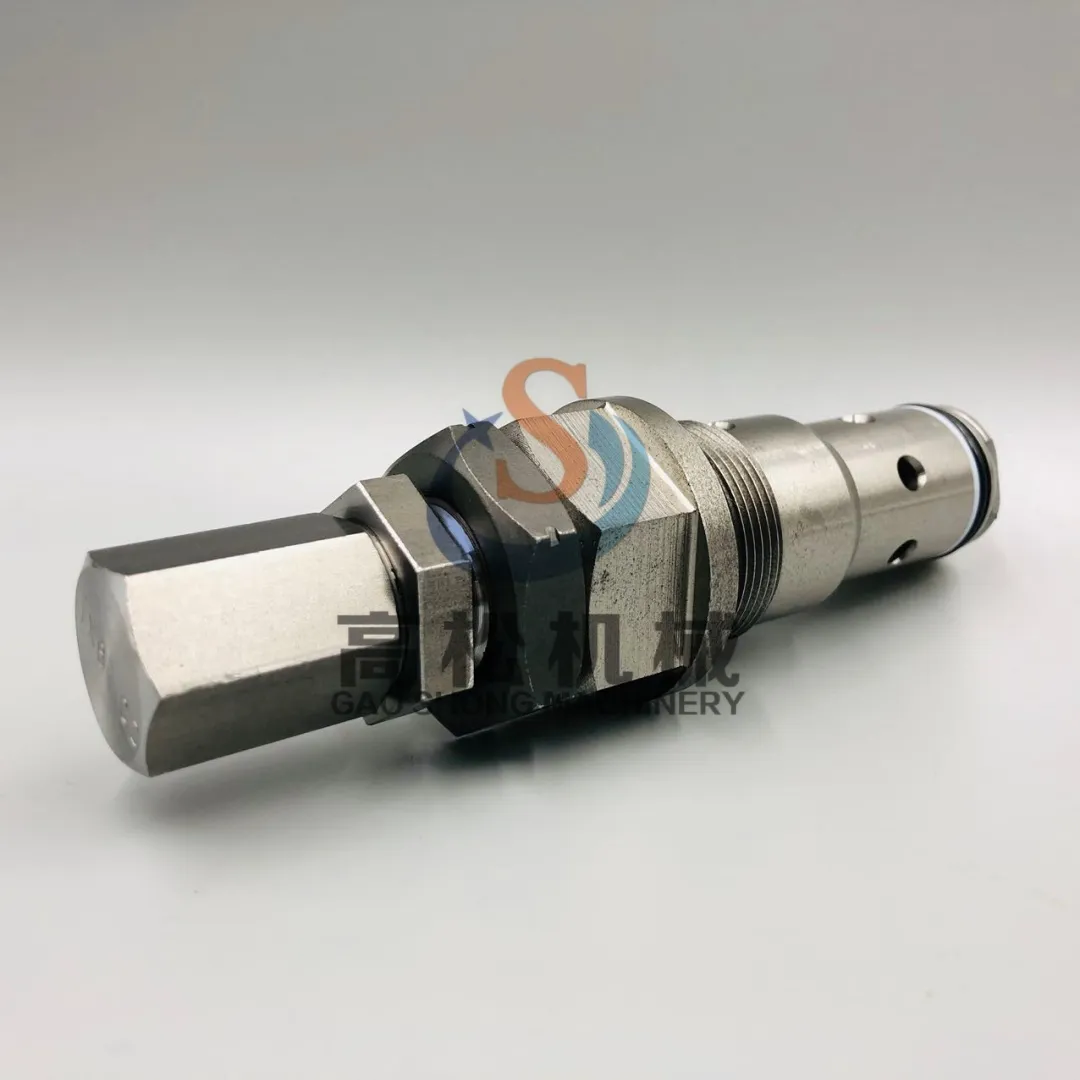 700-89-66000 RELIEF VALVE KOMATSU STEERING VALVE
 -
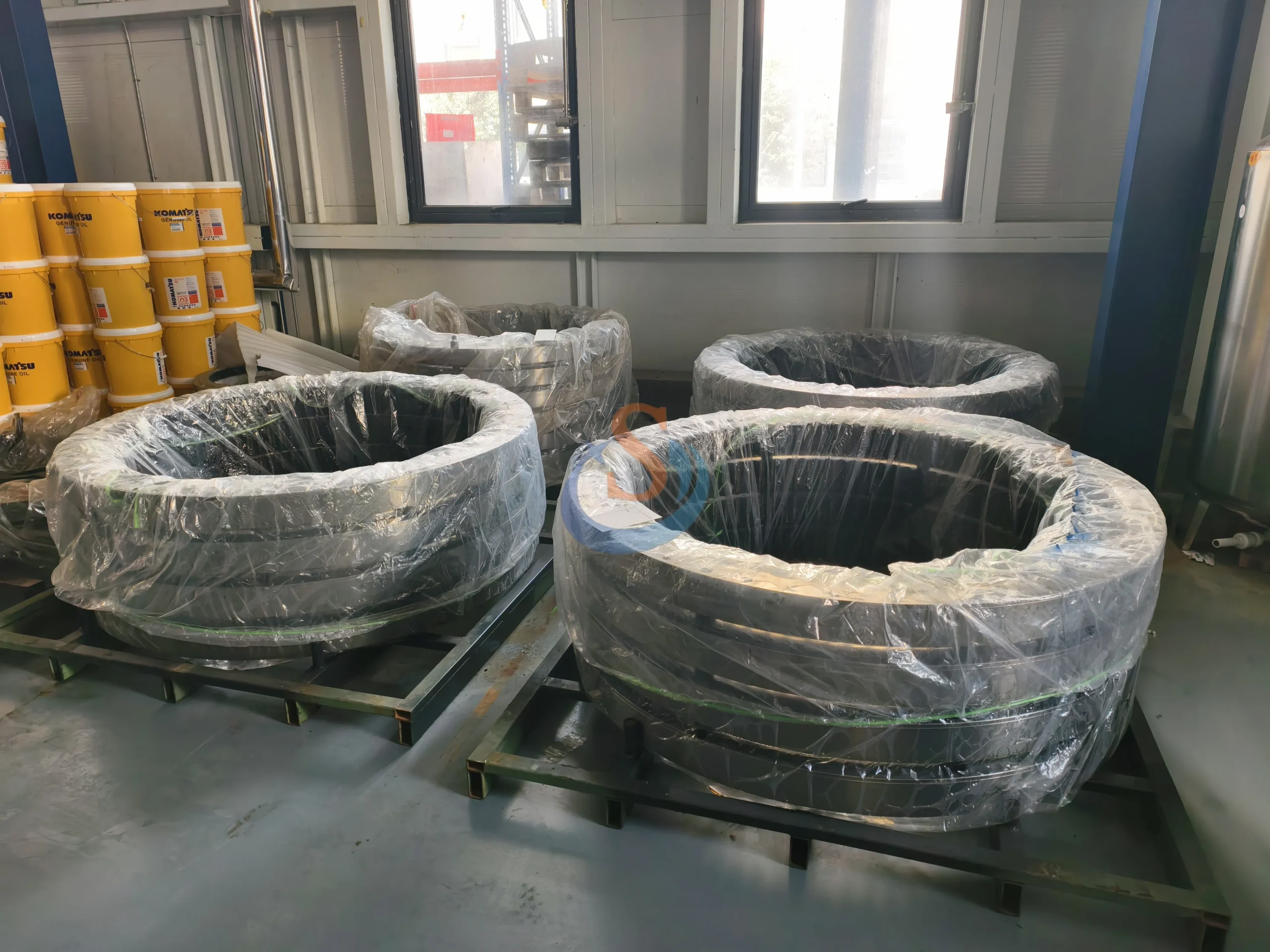 207-25-61100, SWING CIRCLE ASS’Y,PC300,PC360,PC350
 -
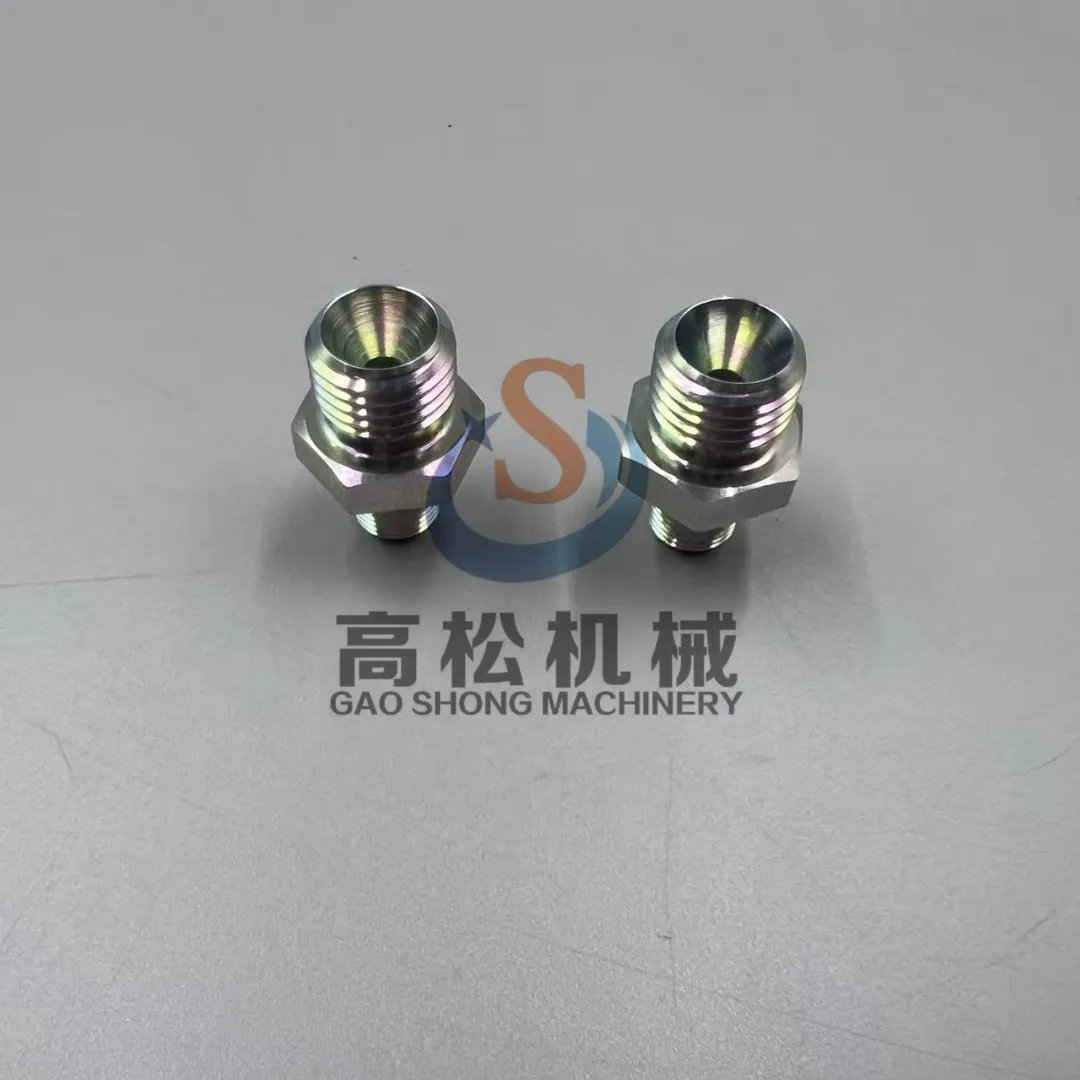 07213-50710 Connector for Komat Su D275A/D375A/D475A/PC600/PC1250
 -
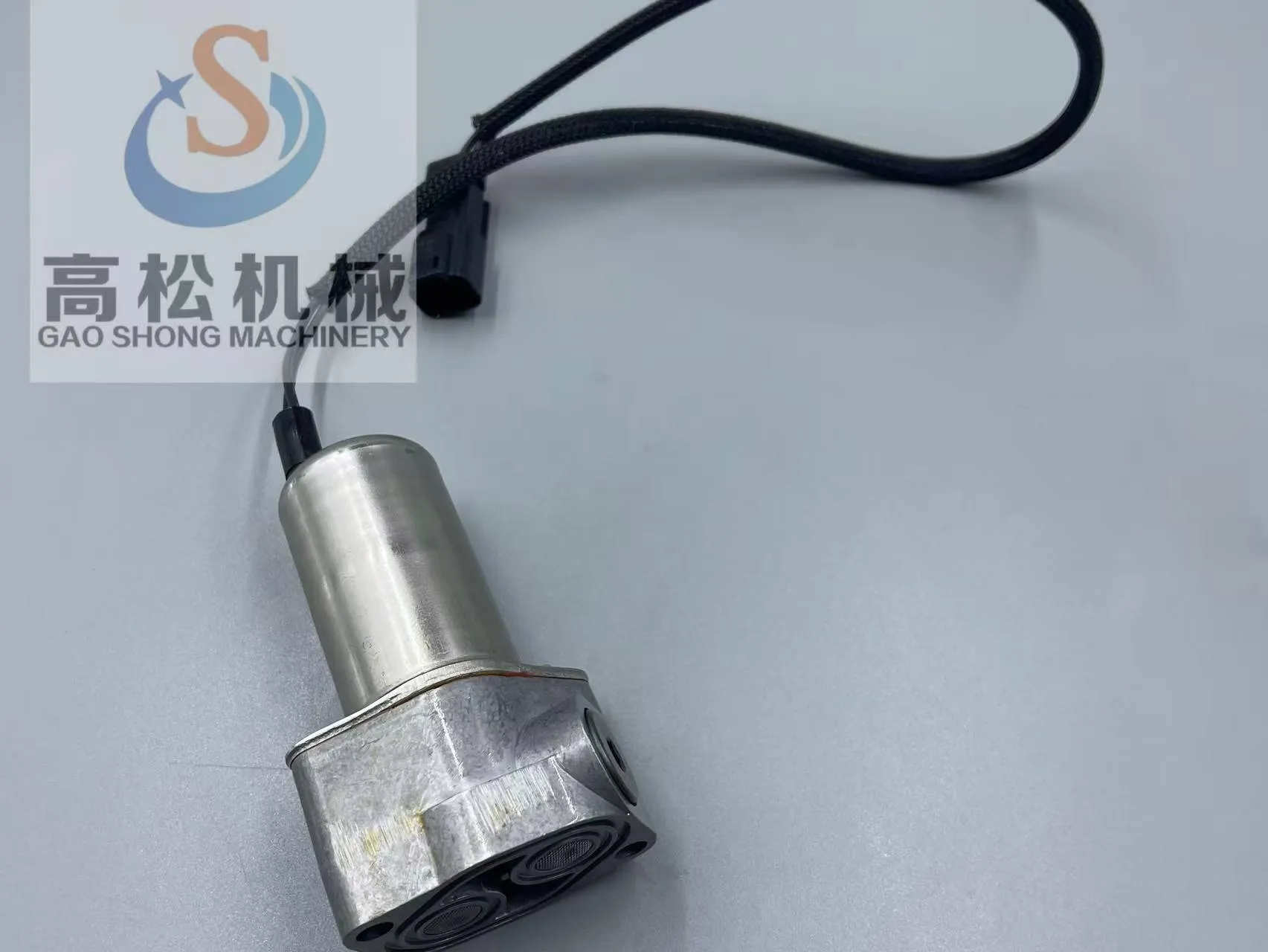 702-21-07610, 702-21-07620, 702-21-07630, 702-21-07640 are suitable for solenoid valves of PC350-8, PC200-8, PC300-8, D65, D85, D155 and Wa470
 -
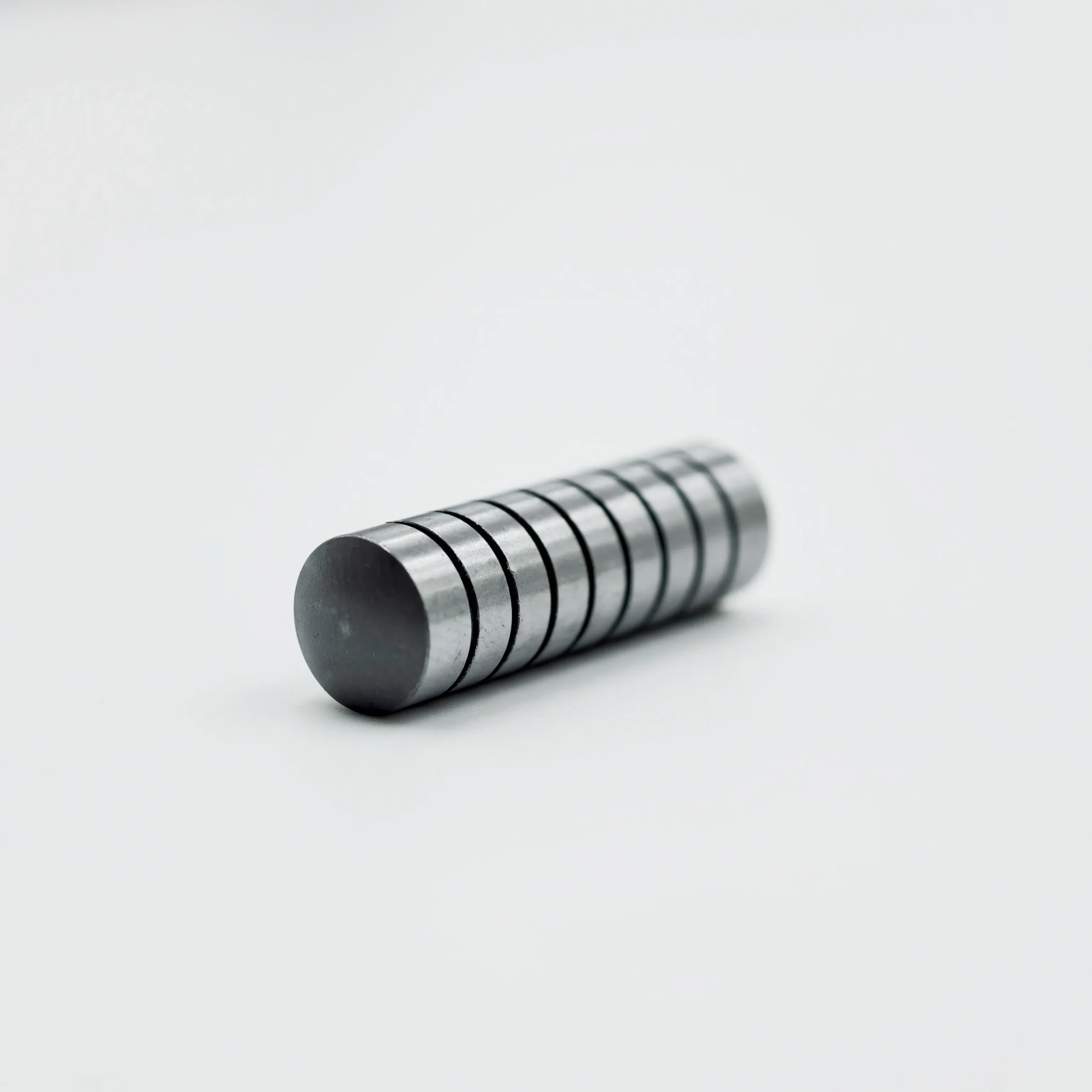 (KOMATSU)19M-40-11160 PISTON
 -
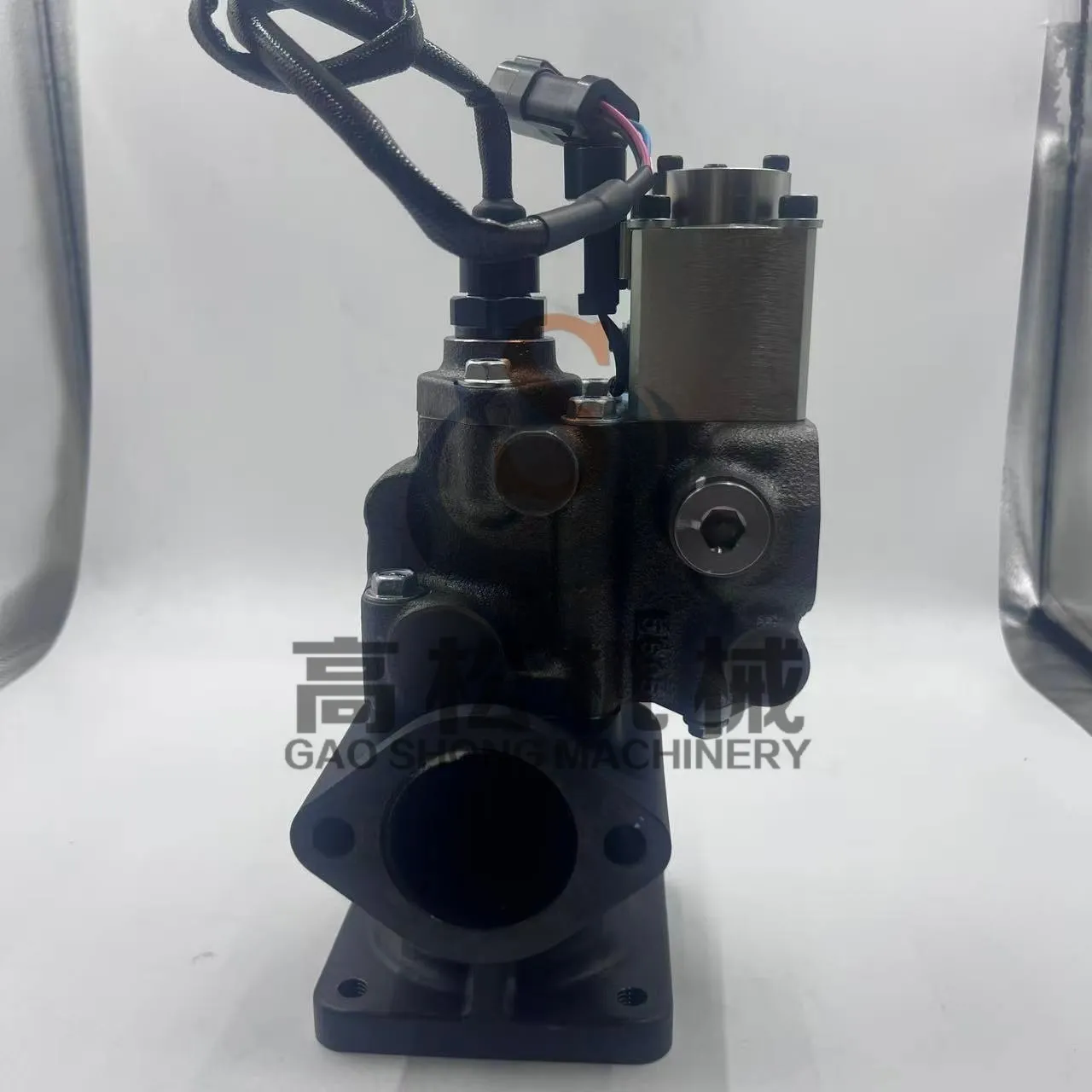 6261-41-9500 Komatsu Valve Assembly
 -
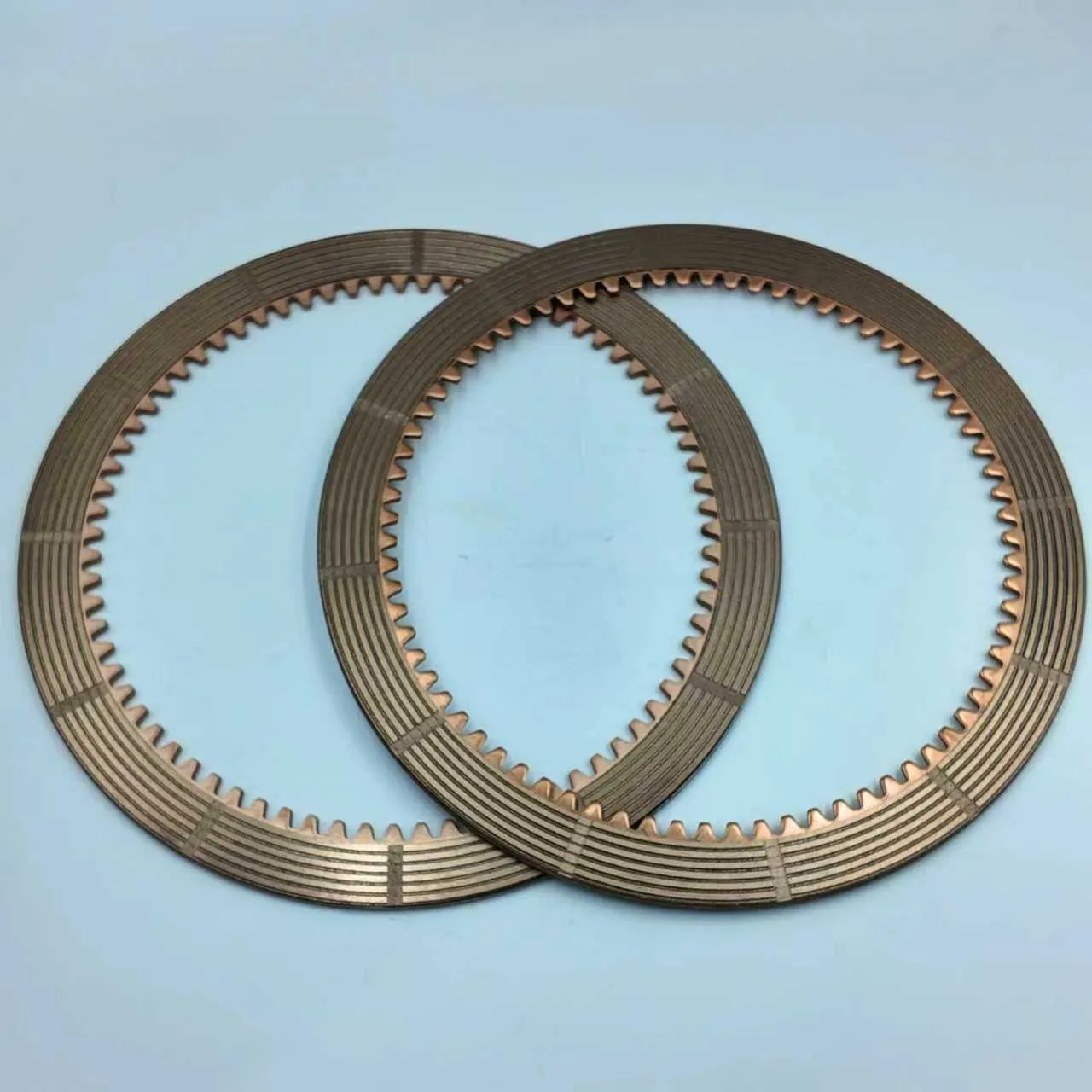 NEW 23S-15-12710 DISC TRANSMISSION (124-15-42710) FOR KOMATSU D41A-3
 -
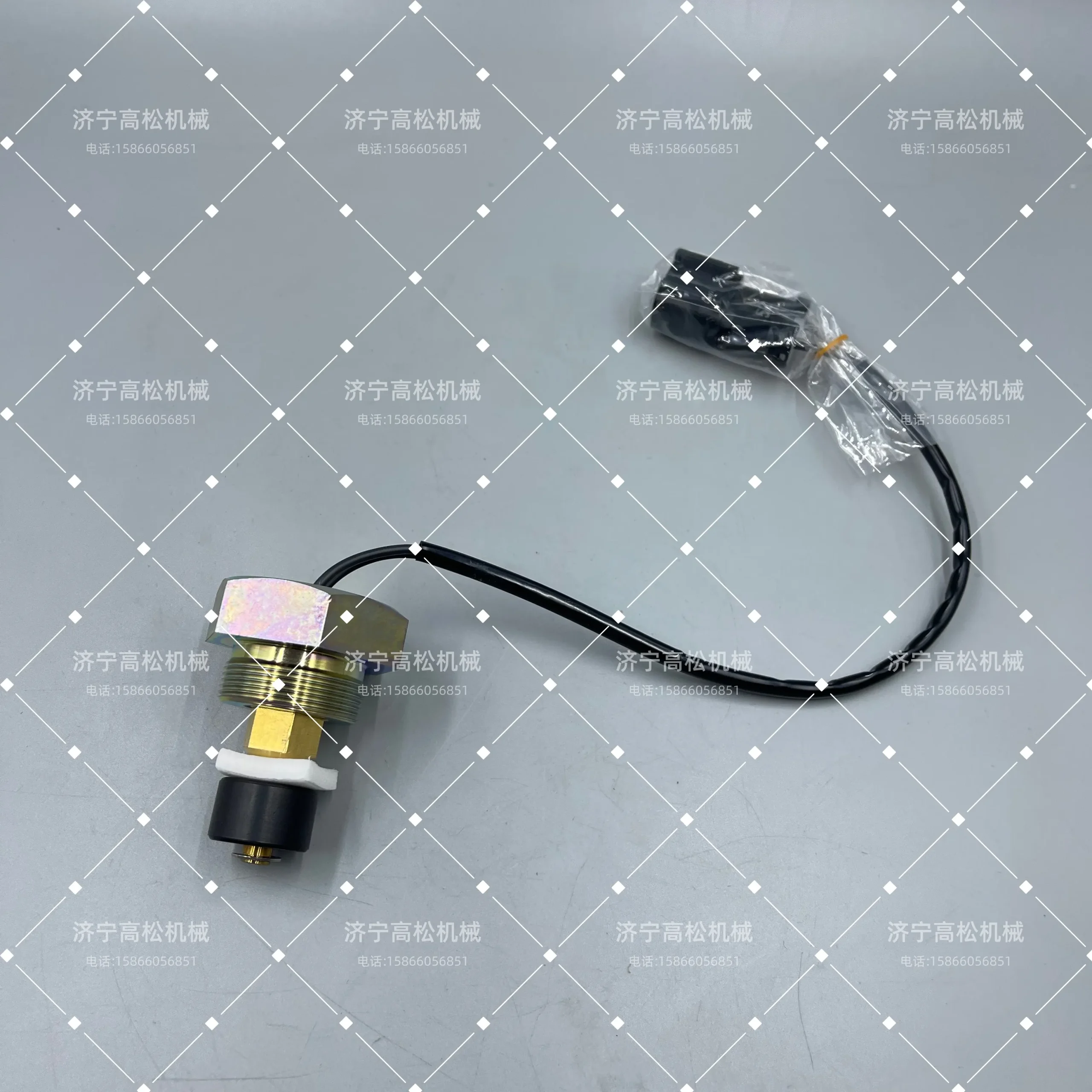 Sensor 7861-92-4500 for KOMATSU WA350-3A-S China…
 -
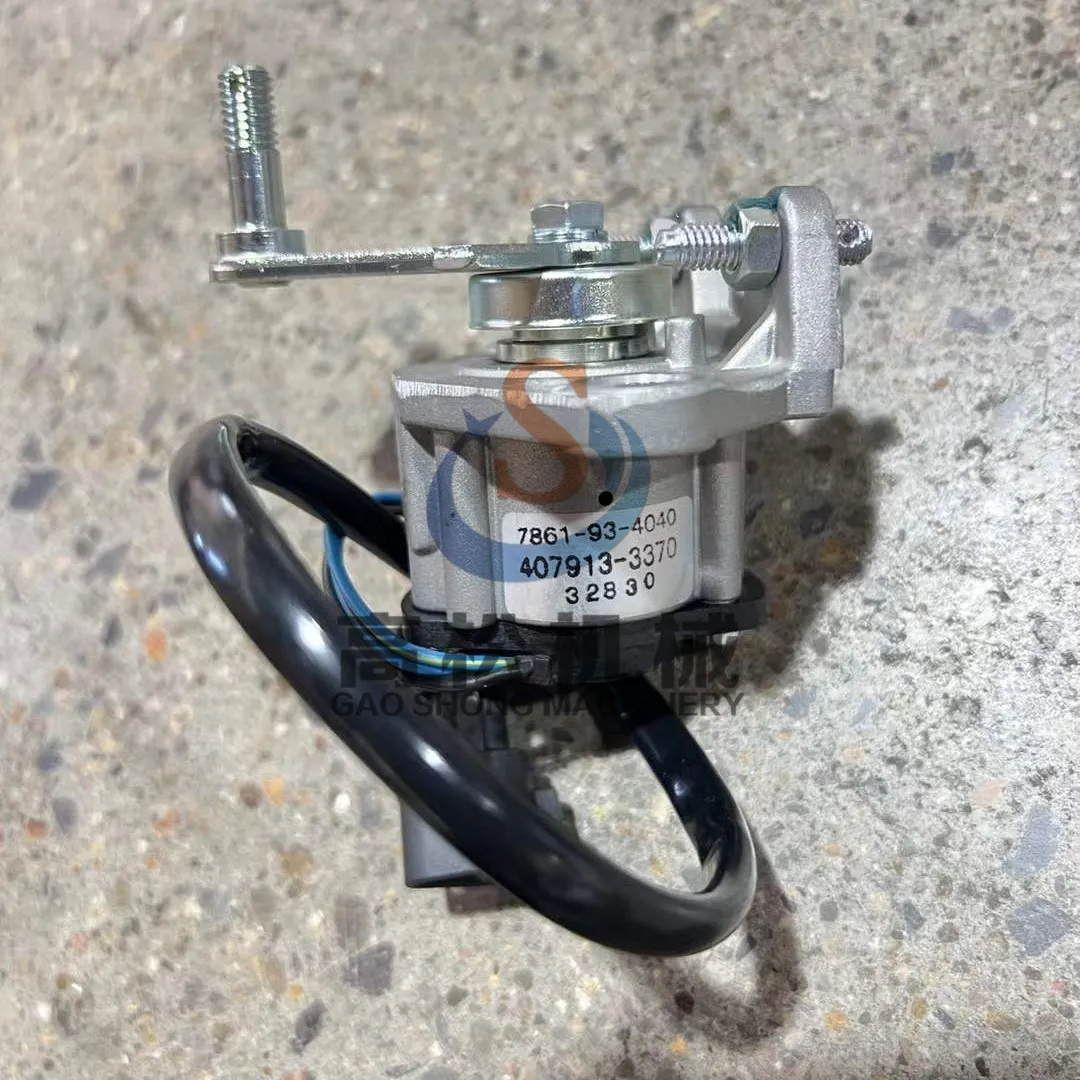 Angle Sensor 7861-93-4040 for Komatsu Bulldozer D475A-5 D575A-3 D375A-6 D475A-5E0 Crawler Loader D85PX-15R