
- Chinese
- French
- German
- Portuguese
- Spanish
- Russian
- Japanese
- Korean
- Arabic
- Irish
- Greek
- Turkish
- Italian
- Danish
- Romanian
- Indonesian
- Czech
- Afrikaans
- Swedish
- Polish
- Basque
- Catalan
- Esperanto
- Hindi
- Lao
- Albanian
- Amharic
- Armenian
- Azerbaijani
- Belarusian
- Bengali
- Bosnian
- Bulgarian
- Cebuano
- Chichewa
- Corsican
- Croatian
- Dutch
- Estonian
- Filipino
- Finnish
- Frisian
- Galician
- Georgian
- Gujarati
- Haitian
- Hausa
- Hawaiian
- Hebrew
- Hmong
- Hungarian
- Icelandic
- Igbo
- Javanese
- Kannada
- Kazakh
- Khmer
- Kurdish
- Kyrgyz
- Latin
- Latvian
- Lithuanian
- Luxembou..
- Macedonian
- Malagasy
- Malay
- Malayalam
- Maltese
- Maori
- Marathi
- Mongolian
- Burmese
- Nepali
- Norwegian
- Pashto
- Persian
- Punjabi
- Serbian
- Sesotho
- Sinhala
- Slovak
- Slovenian
- Somali
- Samoan
- Scots Gaelic
- Shona
- Sindhi
- Sundanese
- Swahili
- Tajik
- Tamil
- Telugu
- Thai
- Ukrainian
- Urdu
- Uzbek
- Vietnamese
- Welsh
- Xhosa
- Yiddish
- Yoruba
- Zulu
- Kinyarwanda
- Tatar
- Oriya
- Turkmen
- Uyghur






komatsu pc130 hydraulic pump
You know, when most folks hear 'Komatsu PC130 hydraulic pump,' they immediately think of the genuine OEM part number, maybe 20M-11-31210 or something close. That's the easy part. The real conversation starts when you're trying to keep a fleet of these 13-tonners running in a region where the official supply chain is thin or painfully slow. There's a common misconception that any pump labeled for the PC130 is a direct bolt-on solution, but the variance between early dash-7 models and later dash-8 ones, not to mention regional spec differences, can turn a simple swap into a two-day diagnostic nightmare. I've seen it happen.
The Core Challenge: More Than Just a Part Number
The pump isn't just a commodity. On the PC130, it's the heart of the machine's digging force and cycle time. When it starts to go—you get that tell-tale whine, slower cylinder movement, or the machine just feels lazy—the pressure isn't just hydraulic, it's operational. Downtime costs a fortune. The immediate instinct is to call the primary dealer, and that's correct for warranty jobs. But for machines five, ten years out, or operating in places like parts of Africa or Southeast Asia, that channel can hit a wall. Lead times stretch from weeks to months. That's where the ecosystem of specialized suppliers becomes critical, not as a replacement for OEM, but as a pragmatic supplement.
I remember a project in Zambia where we had two PC130-8s down with pump failures. The local dealer's ETA was 14 weeks. Fourteen. We couldn't wait. We started looking at alternatives, and this is where you have to be careful. The market is flooded with compatible units. Some are decent reverse-engineered copies, many are pure junk that'll fail within 200 hours. The key is finding a source that understands the Komatsu system intimately, one that has the technical specs right and doesn't just sell a generic pump body that might fit.
This is precisely the gap that companies like Jining Gaosong Construction Machinery Co., Ltd. operate in. They position themselves uniquely as an OEM product supplier within the Komatsu system and a third-party sales channel. In practice, what this means is they have access to genuine Komatsu-sourced components and the engineering insight that comes with it, but they function to solve the acute supply chain bottlenecks that official channels sometimes can't address quickly in certain markets. It’s a hybrid model. You can check their approach at https://www.takematsumachinery.com. Their stated goal of helping to solve parts supply challenges in certain countries isn't just marketing speak; it's the daily reality for many equipment managers.
On-Site Realities and Failure Points
Let's talk about what actually kills these pumps. Contamination is enemy number one. A failed case drain filter or a tiny breach in a hose can introduce particles that grind away at the piston shoes and swashplate. I've pulled apart pumps where the damage wasn't from age, but from a single event of poor maintenance. The other killer is improper fluid. Using the wrong viscosity or a cheap fluid that breaks down under the PC130's thermal load will wreck the pump's tolerances faster than anything.
Then there's the installation. It seems straightforward: unbolt the old, bolt in the new. But if you don't properly prime the new Komatsu PC130 hydraulic pump, you risk cavitation from the first start. That initial dry run can shave years off its life. We learned this the hard way years ago on a rush job. We got a replacement pump in, were behind schedule, and skipped the meticulous priming process. The pump screamed on startup and within a week was showing pressure drops. A costly lesson in false economy.
This is where the supplier's knowledge matters. A good supplier won't just ship you a box. They should provide, or at least be able to articulate, the critical installation notes: torque specs for the mounting bolts, the proper sequence for bleeding the system, and maybe even a warning to check the pilot pressure regulator on the main valve body while you're in there. If the pilot pressure is off, even a brand-new pump will perform poorly.
The Will It Fit? Conundrum
This is a major pain point. The PC130 evolved. The hydraulic system on a PC130-7 is not identical to a -8. The pump mounting flange might look the same, but the displacement, the control pressure porting, or the internal compensator settings can differ. I've seen mechanics order a pump based solely on the machine model, only to find the hydraulic lines don't align or the control solenoid is a different type.
A reliable source cross-references the machine serial number range, not just the model. They should ask you for the old pump's serial and part number stamping. The outfit at Jining Gaosong, given their OEM system involvement, would theoretically have the data to make this match correctly. It prevents the nightmare of having a $5,000 part sitting on the shop floor because it's for the wrong variant. Their role as a system insider is a big advantage here over a generic parts trader.
Another layer is the rebuild versus new debate. For a critical machine on a major project, I usually lean towards a new or OEM-remanufactured unit for the pump. The risk of a field rebuild failing is higher, given the precision required. However, for a backup machine or in a severe budget crunch, a high-quality rebuild from a trusted shop using genuine Komatsu seal kits and wearing parts can be a viable stopgap. The supplier's reputation is everything in this decision.
Performance and Longevity After the Fix
Once you get the right pump installed correctly, the job isn't over. The first 50 hours are a break-in period. You need to monitor fluid temperature more closely than usual and listen for any unusual noises. It's also the best time to take a fluid sample for analysis. This establishes a new baseline for that component.
We started implementing this after a series of premature failures. The data from the oil analysis often told a story the machine couldn't: excessive wear metals pointing to an unresolved contamination issue elsewhere in the system, or glycol indicating a cooler leak. The hydraulic pump is often the victim, not the culprit, of a larger system problem. Replacing it without diagnosing the root cause is a guaranteed repeat failure.
This circles back to the value of a supplier who understands the whole machine. A parts broker just sells you a pump. A technical supplier within the Komatsu ecosystem might ask, What were the symptoms before failure? or Did you check the charge pump pressure? That level of engagement is what turns a simple transaction into a solution that actually keeps the machine running.
Final Take: Pragmatism Over Purity
In an ideal world, every part comes straight from Komatsu, installed by a factory-trained technician. The reality of global equipment operations is far messier. You need a network of solutions. The official dealer is your first and best port of call. But when logistics or timelines make that impossible, having a trusted, technically-competent alternative is not just convenient, it's essential for business continuity.
Entities that operate as OEM product suppliers within the Komatsu system, like the mentioned company, fill a crucial niche. They aren't trying to be the primary dealer. They're a parallel line of support for when the primary line is constrained. Their value is in their systemic knowledge and their ability to navigate Komatsu's own parts architecture to deliver a correct solution under pressure.
So, when you're next facing a Komatsu PC130 hydraulic pump issue, look beyond the part number. Consider the machine's history, the operating environment, and the root cause. And when sourcing, weigh the lead time and technical support as heavily as the price. The cheapest pump that arrives tomorrow but fails next month is the most expensive option you can buy. The right pump, from a source that knows the difference between a PC130-7 and a -8, even if it takes a few more days to get to you, will have that machine earning money for years to come. That's the real calculation.
Related Products
Related Products

Best Selling Products
Best Selling Products-
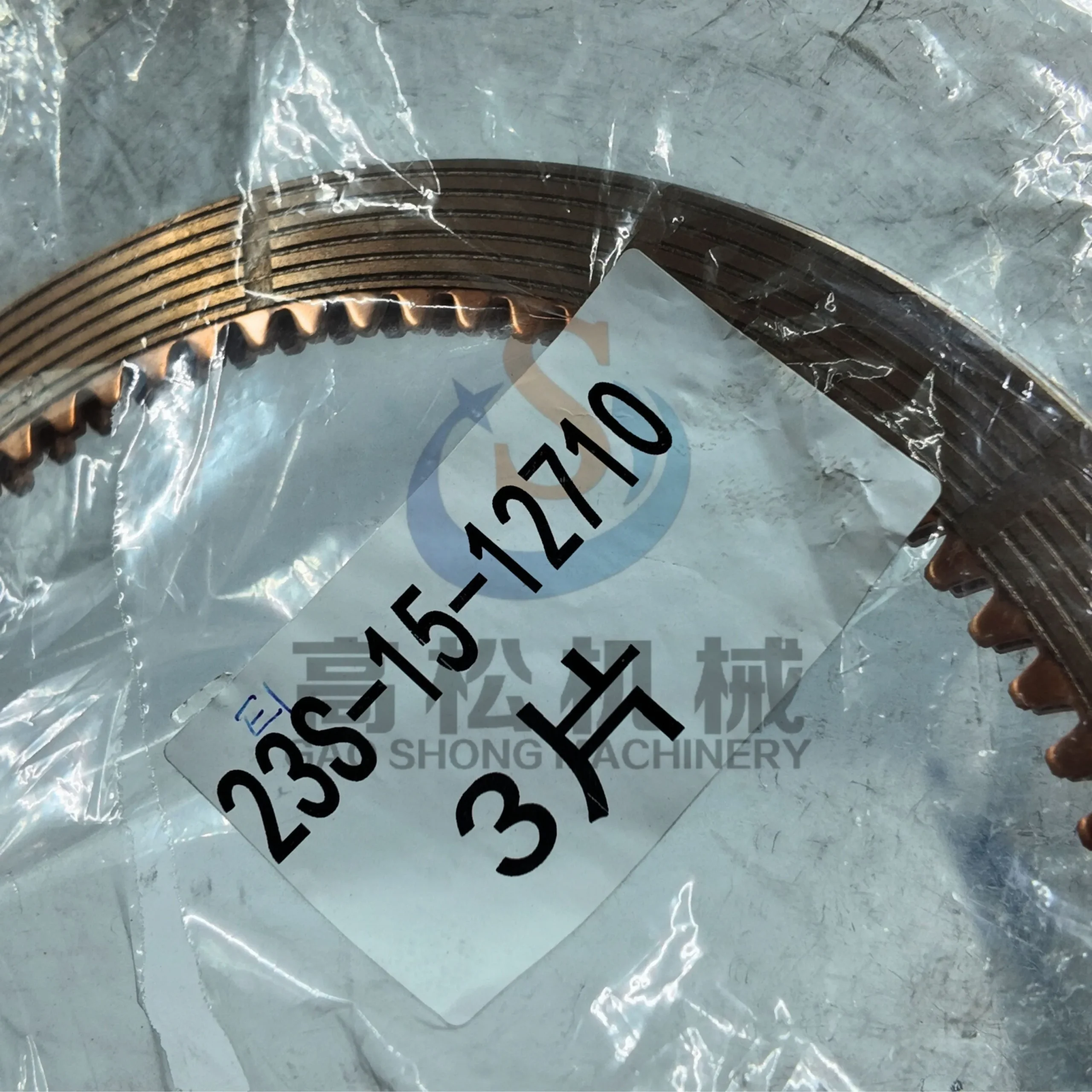 23S-15-12710 Komatsu Disc
 -
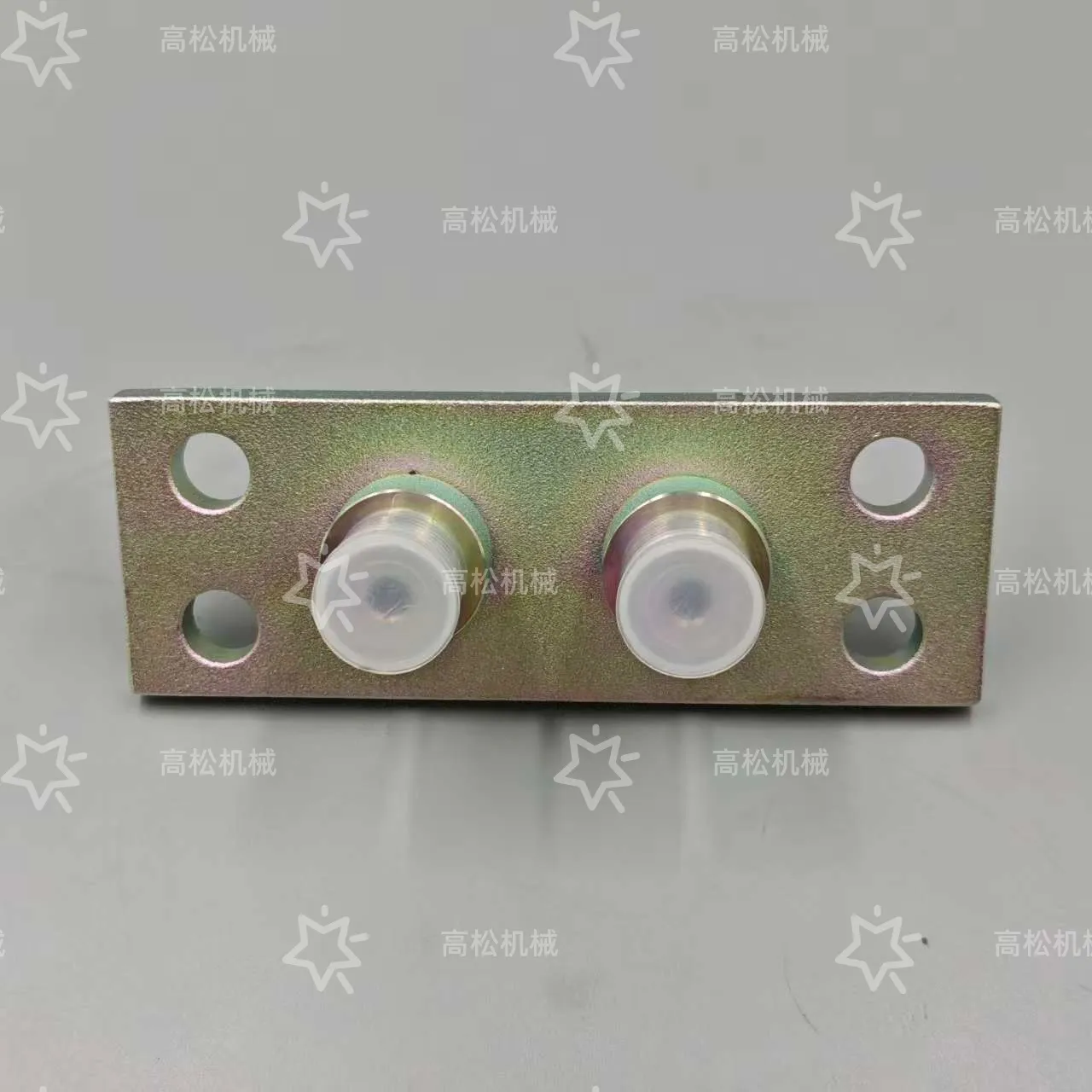 14Y-62-31411 BRACKET made to fit KOMATSU
 -
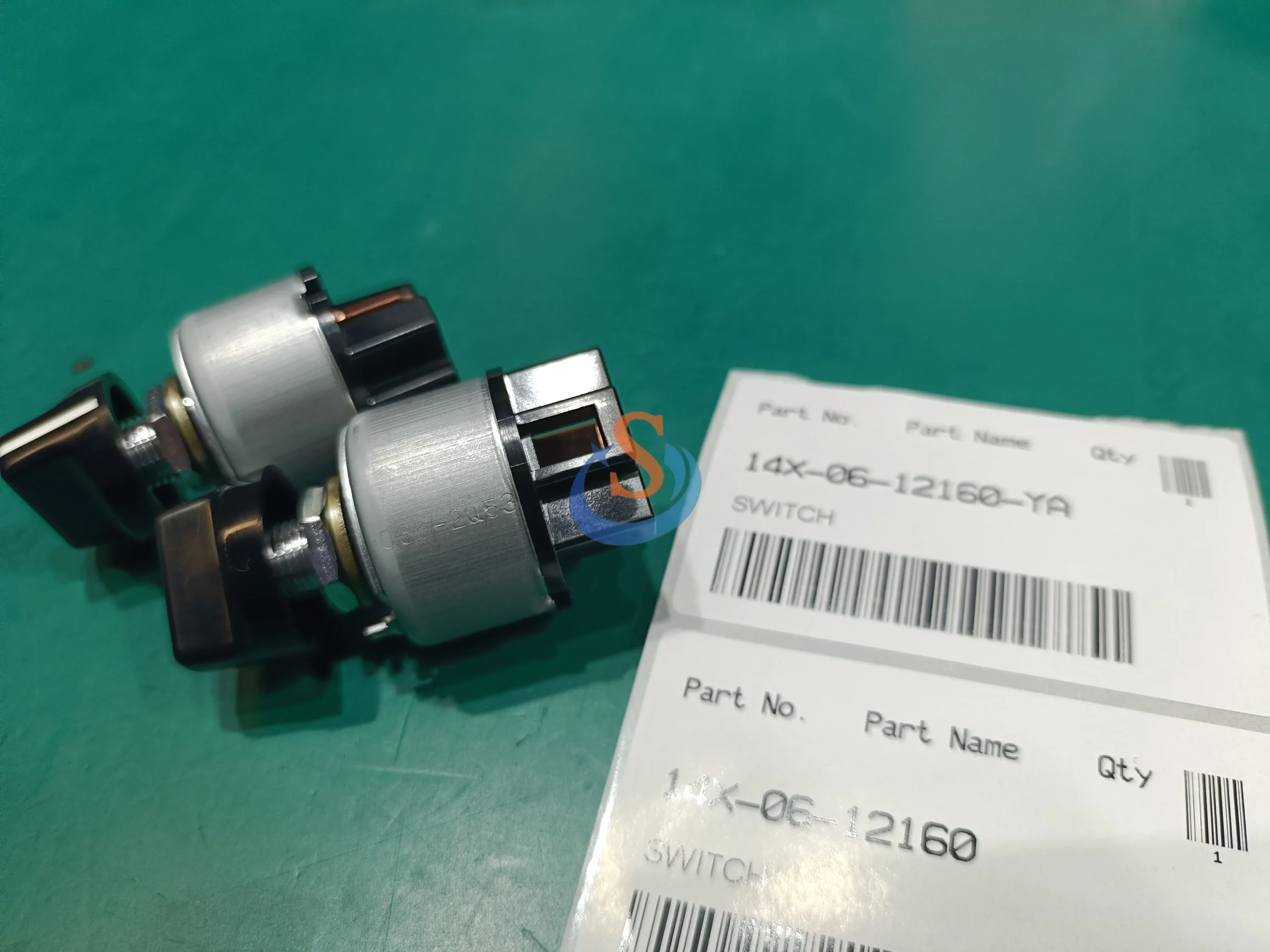 14X-06-12160 SWITCH D475A/D375A
 -
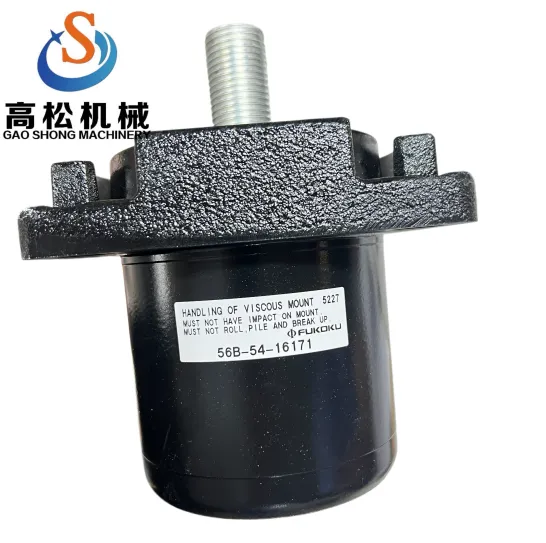 Komatsu 56B-54-16171 Cabin Mount viscous mount
 -
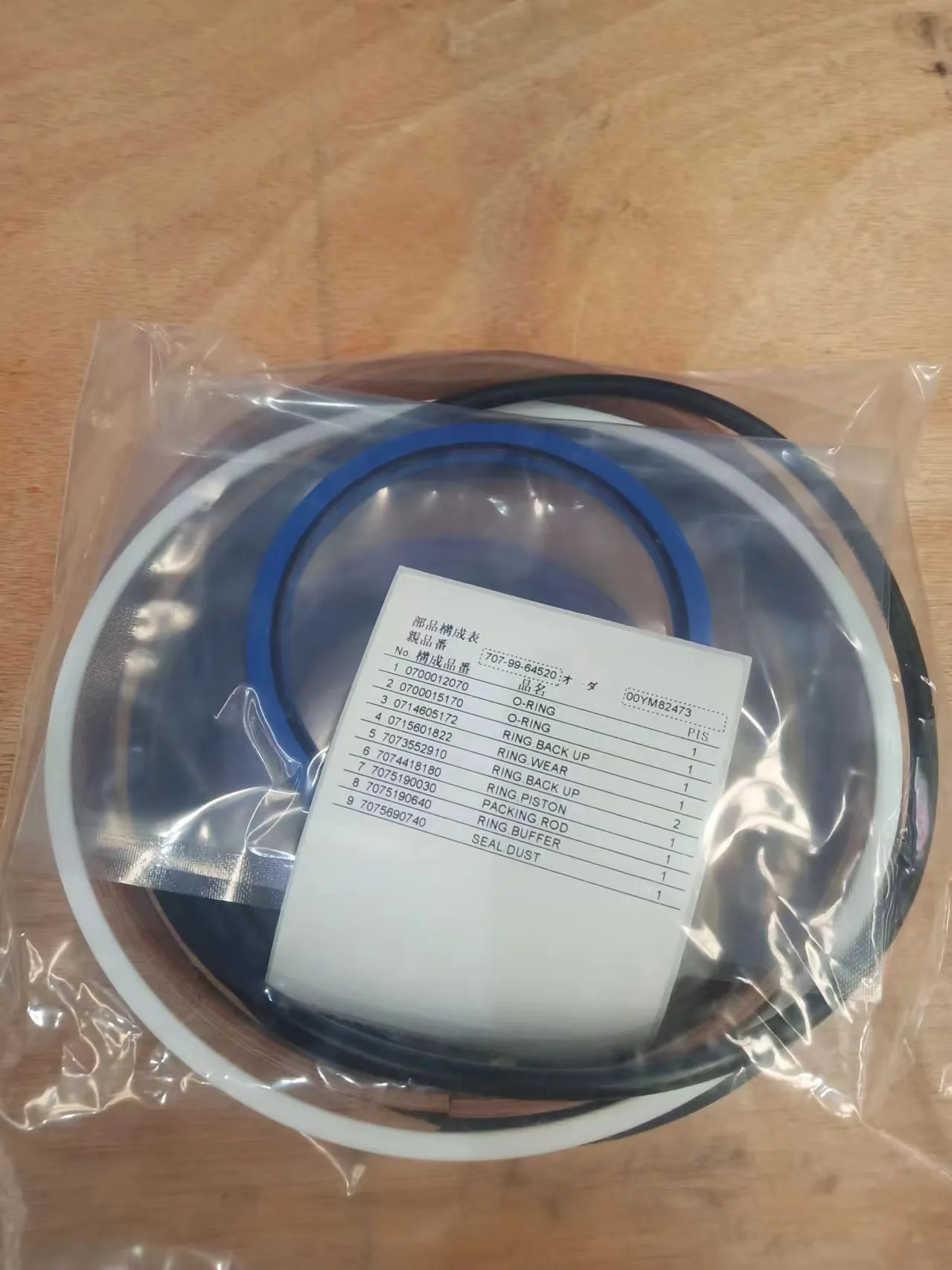 WA380-3 Repair Kit 707-99-64520
 -
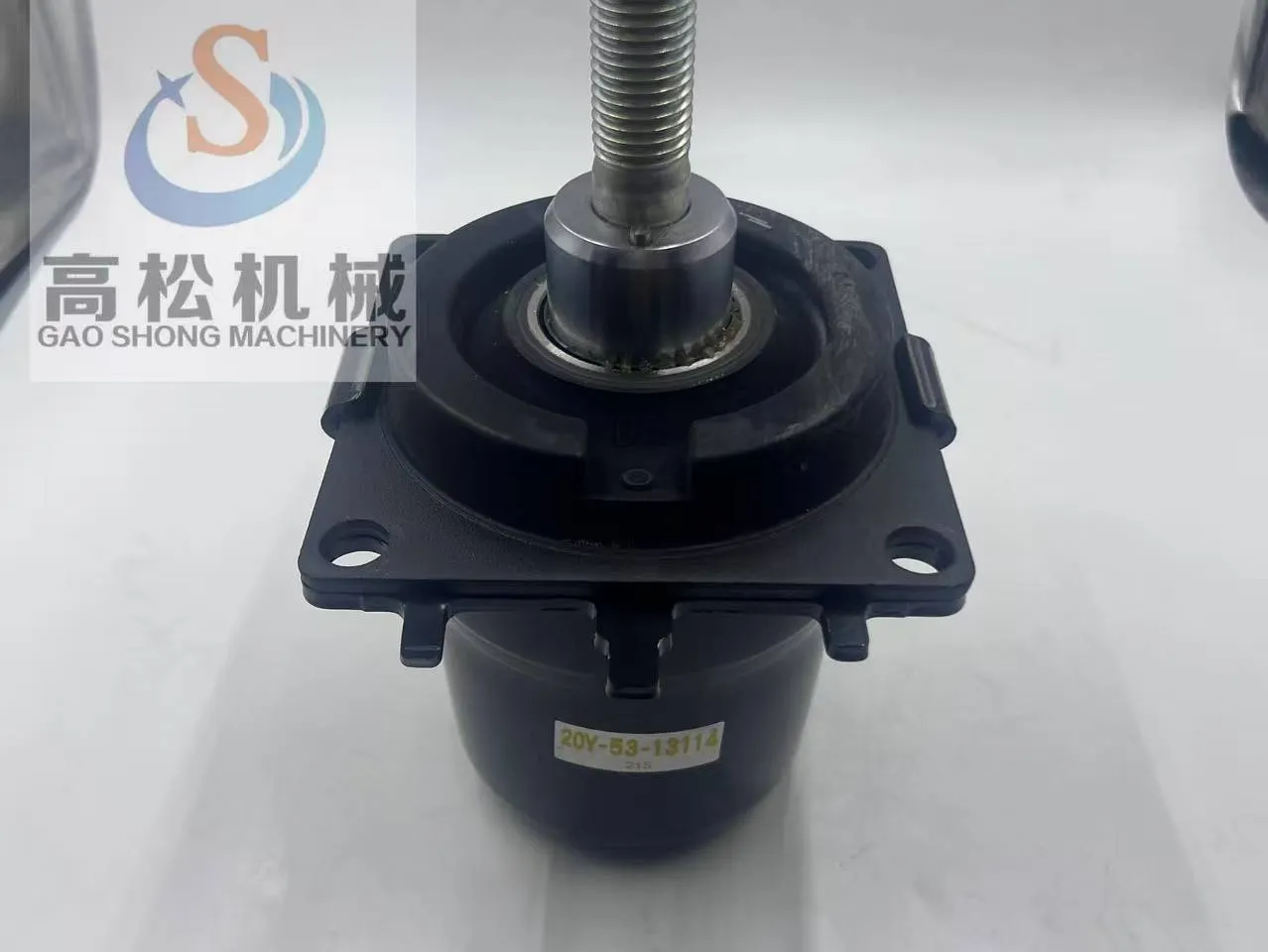 20Y-53-13114 Compatible with PC200-8, Komatsu original buffer.
 -
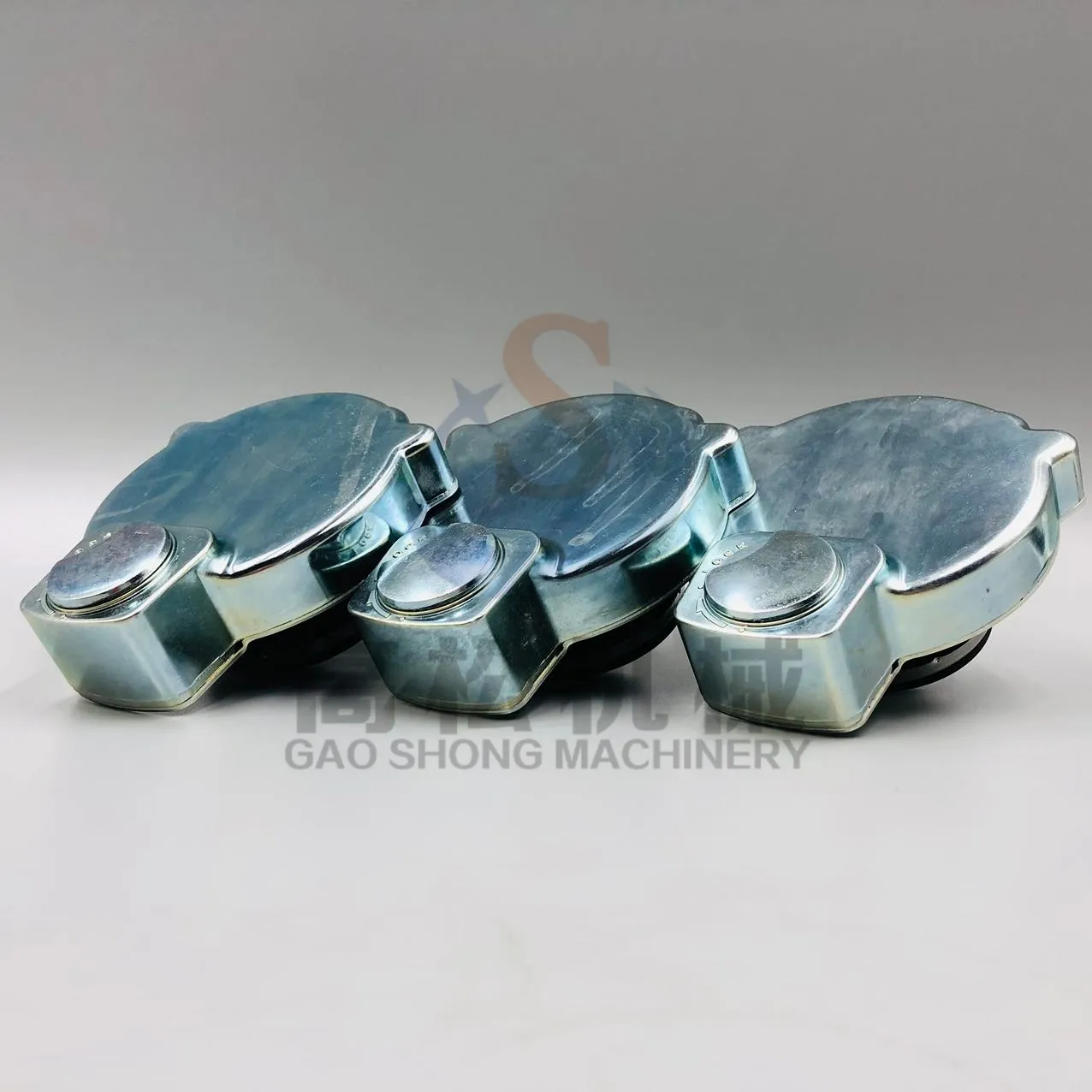 Komatsu fuel tank cap 17A-60-11310
 -
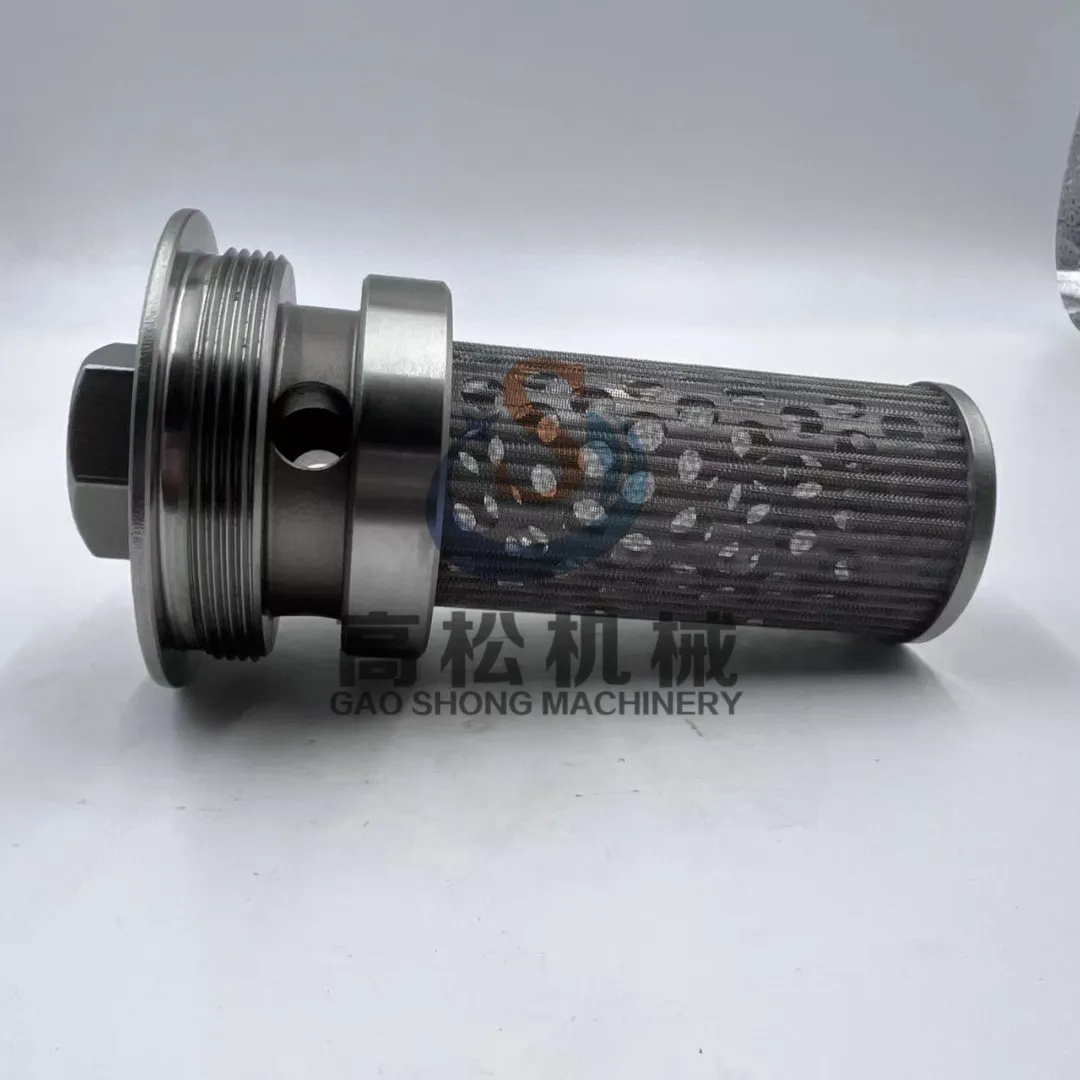 Komatsu 195-04-11150 Strainer 195041150
 -
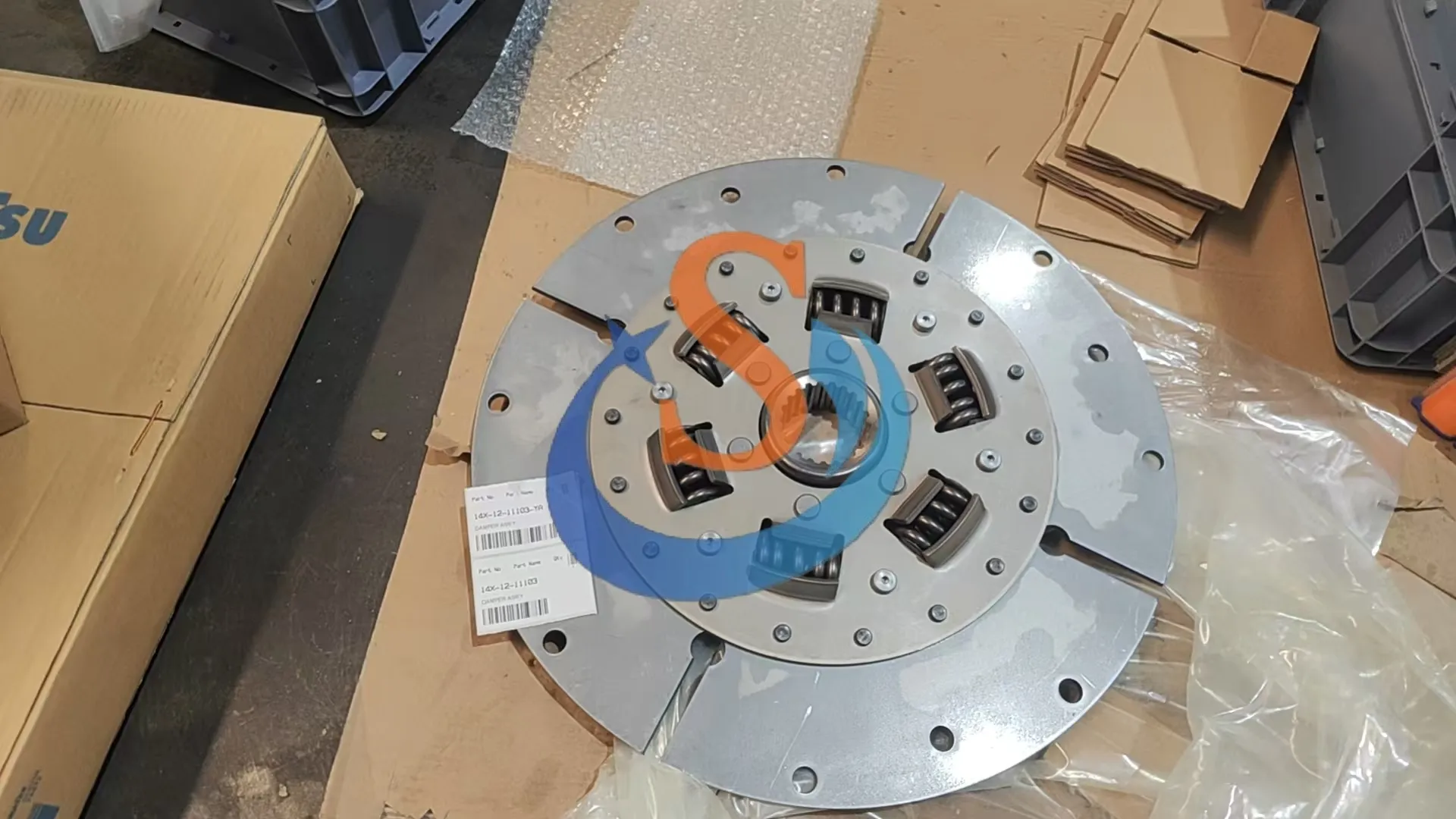 14X-12-11103 Damper Disc ASS’Y D65/D85
 -
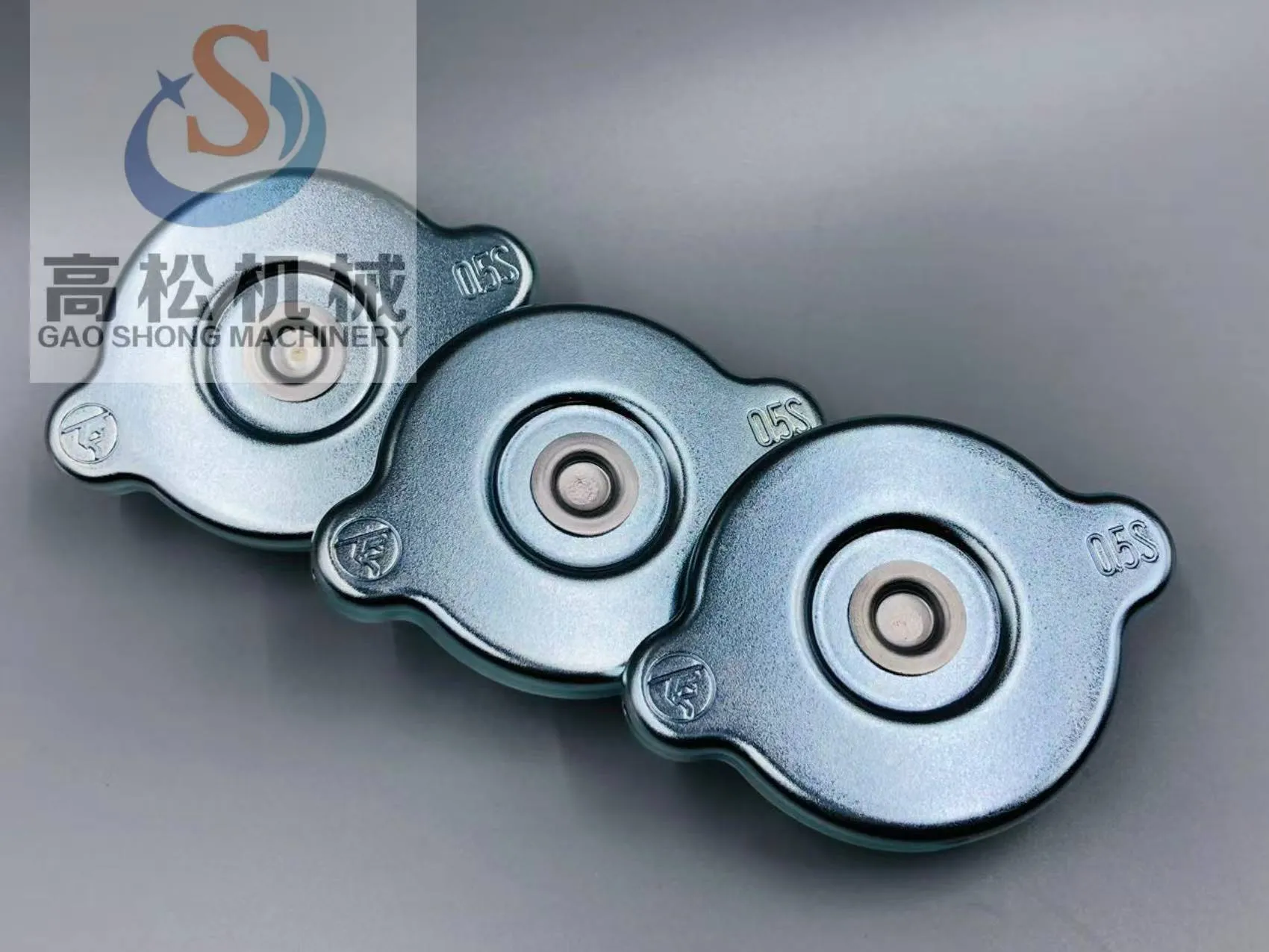 Cap of excavator radiator 20y-03-22110 for pc200-8 pc200-7
 -
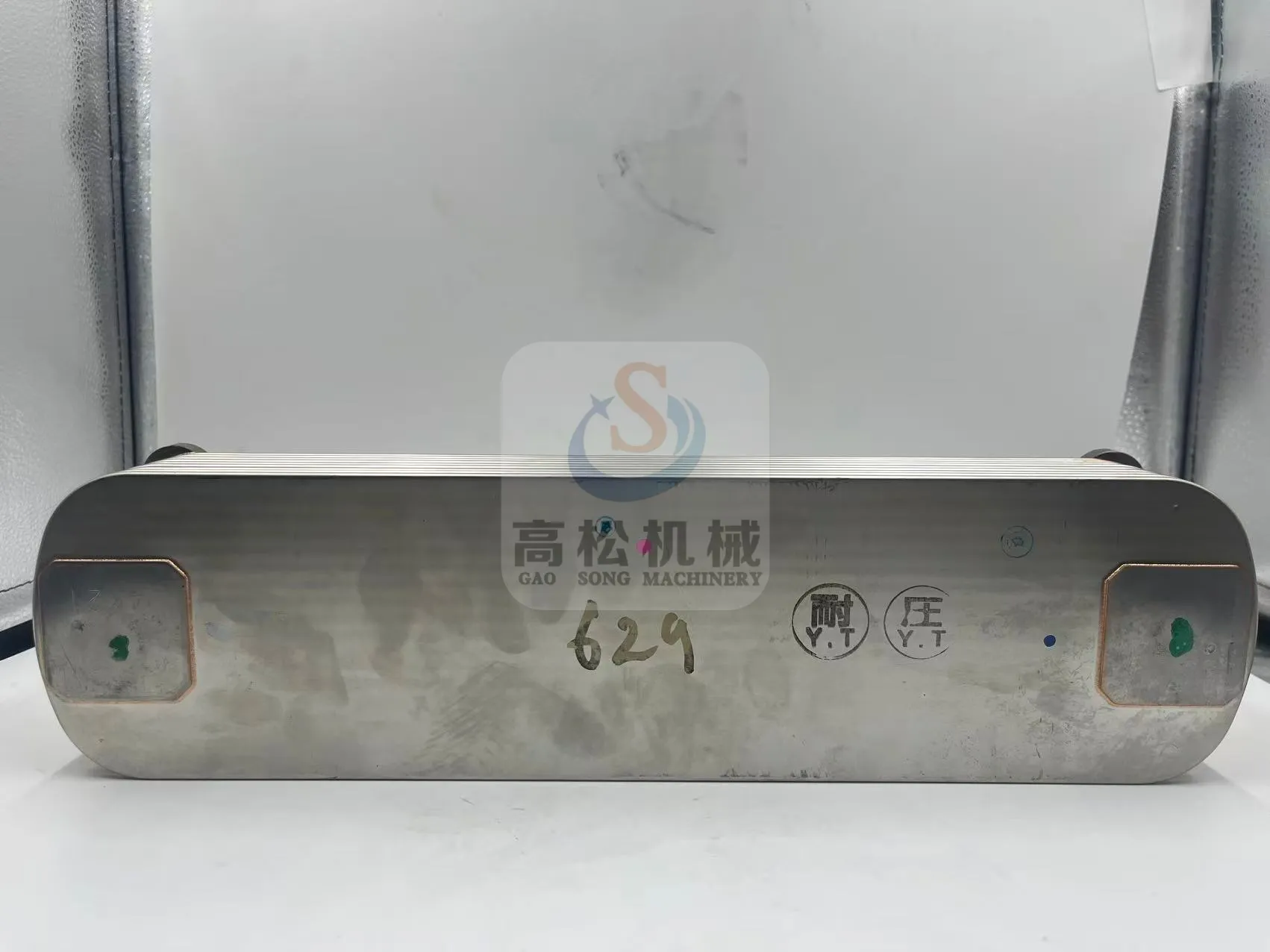 6240-61-2111 ENGINE OIL COOLER for Komatsu PC1250-11
 -
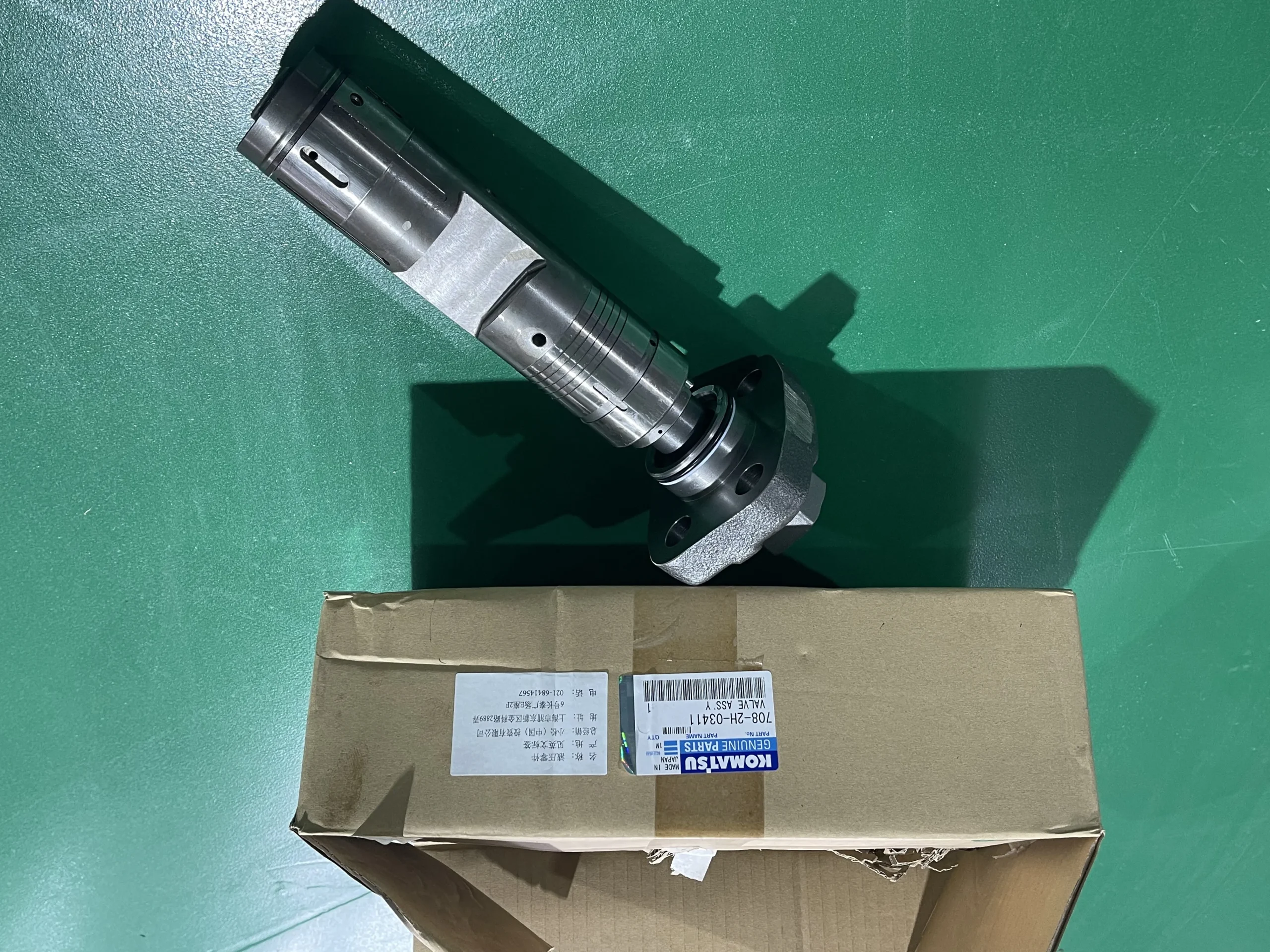 Relief Valve 708-2H-03411