
- Chinese
- French
- German
- Portuguese
- Spanish
- Russian
- Japanese
- Korean
- Arabic
- Irish
- Greek
- Turkish
- Italian
- Danish
- Romanian
- Indonesian
- Czech
- Afrikaans
- Swedish
- Polish
- Basque
- Catalan
- Esperanto
- Hindi
- Lao
- Albanian
- Amharic
- Armenian
- Azerbaijani
- Belarusian
- Bengali
- Bosnian
- Bulgarian
- Cebuano
- Chichewa
- Corsican
- Croatian
- Dutch
- Estonian
- Filipino
- Finnish
- Frisian
- Galician
- Georgian
- Gujarati
- Haitian
- Hausa
- Hawaiian
- Hebrew
- Hmong
- Hungarian
- Icelandic
- Igbo
- Javanese
- Kannada
- Kazakh
- Khmer
- Kurdish
- Kyrgyz
- Latin
- Latvian
- Lithuanian
- Luxembou..
- Macedonian
- Malagasy
- Malay
- Malayalam
- Maltese
- Maori
- Marathi
- Mongolian
- Burmese
- Nepali
- Norwegian
- Pashto
- Persian
- Punjabi
- Serbian
- Sesotho
- Sinhala
- Slovak
- Slovenian
- Somali
- Samoan
- Scots Gaelic
- Shona
- Sindhi
- Sundanese
- Swahili
- Tajik
- Tamil
- Telugu
- Thai
- Ukrainian
- Urdu
- Uzbek
- Vietnamese
- Welsh
- Xhosa
- Yiddish
- Yoruba
- Zulu
- Kinyarwanda
- Tatar
- Oriya
- Turkmen
- Uyghur






komatsu pc130 engine
When you hear 'Komatsu PC130 engine', most guys immediately think of the SAA4D107E. That's correct, but it's also where the first mistake happens. Focusing solely on that model number is like diagnosing a patient by just reading the name on the door. The reality on the ground, especially in markets with complex supply chains, is messier. The engine is the heart, but its story involves availability, compatibility ghosts, and the practical fixes that never make it into the official service bulletins.
The Core Unit and Its Persistent Shadows
The SAA4D107E is a workhorse. 4-cylinder, turbocharged, around 86 horsepower. In a PC130-8 or PC138US-8, it's balanced for power and fuel economy. But here's the thing nobody tells you upfront: the real vulnerability often isn't the block or the crankshaft. It's the ancillary systems. We've seen a pattern of issues stemming from the Komatsu PC130 engine cooling package. The space is tight, and in high-dust environments, even with regular radiator cleaning, heat soak becomes a chronic problem. This doesn't always lead to immediate overheating alarms, but it slowly degrades the EGR cooler and the intercooler efficiency.
I remember a machine in Indonesia, a PC130-8, that kept losing power after 3-4 hours of hard digging. The diagnostics showed no major faults, just minor turbo boost deviations. Everyone kept looking at the turbo, the fuel injectors. Turns out, after weeks of headache, it was a partially clogged oil passage to the turbo, caused by a degraded O-ring on a cooler line that was letting in microscopic abrasive dust. The fix was cheap, but the diagnostic time was enormous. The lesson? The engine's performance is hostage to the health of its smallest seals and the cleanliness of its entire circuit.
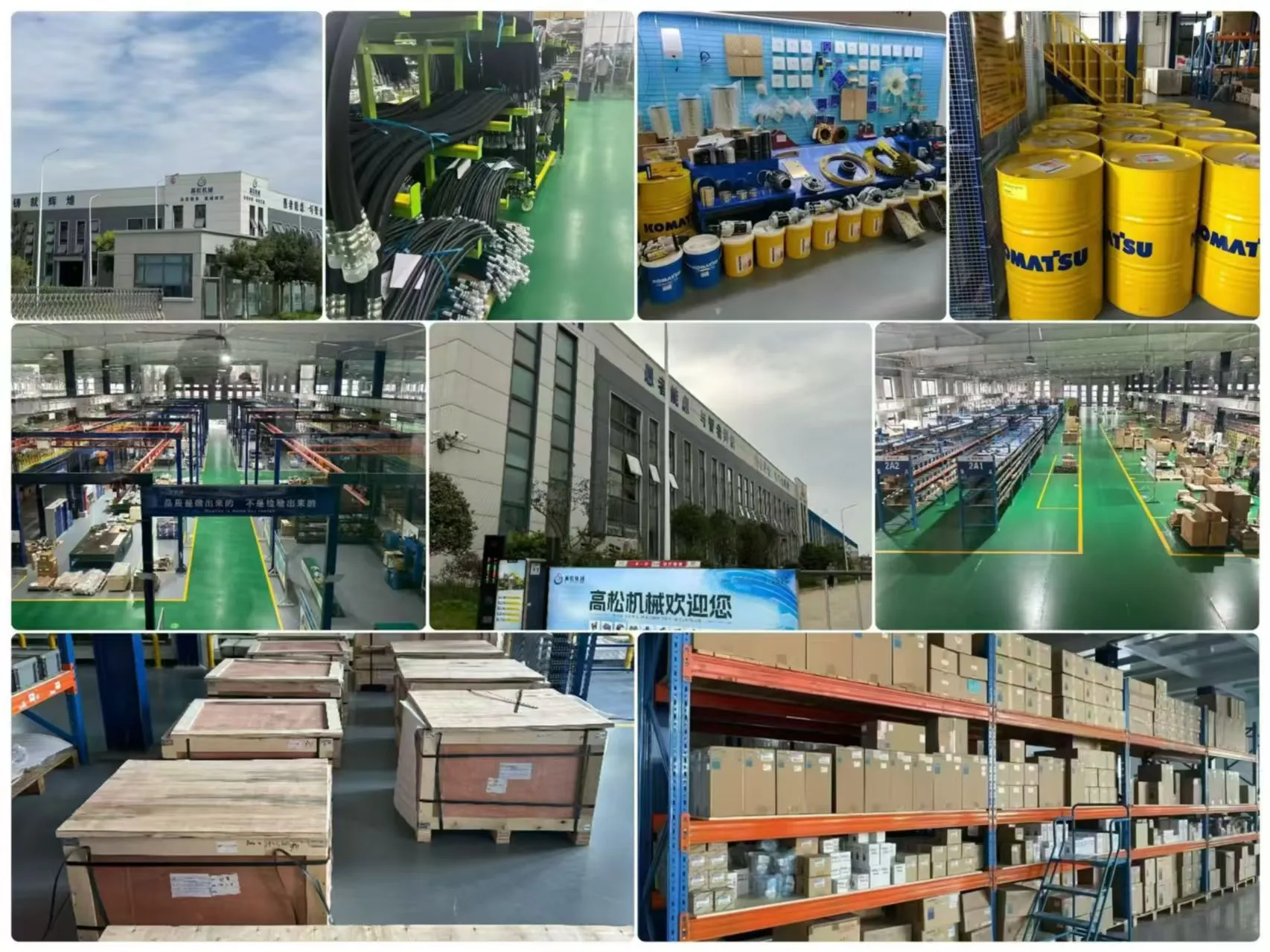
This is where the official parts narrative hits a wall. Sometimes, you need a cooler hose now, and the OEM channel has a 6-week lead time. Operators can't wait. This gap is where companies with a dual role become critical. A supplier like Jining Gaosong Construction Machinery Co., Ltd. operates in this space. Being an OEM product supplier within Komatsu's system means they have access to genuine SAA4D107E components, but their role as a third-party sales company addresses the core issue: solving parts supply challenges in certain countries. You can check their inventory at https://www.takematsumachinery.com. It’s not just about having the part; it's about having a logistical path to get it to a stranded machine in a remote quarry when the standard channels are clogged.
Fuel System: The Precision Headache
Let's talk fuel. The common rail system on this engine is precise and intolerant. The typical mistake is blaming the injectors for every rough idle or power loss. More often, it's the fuel itself. Water contamination is a killer, but there's a subtler enemy: lubricity. In some regions, the local diesel spec is poor. The high-pressure pump relies on the fuel's lubricating properties. Low lubricity leads to accelerated wear on the pump's plungers, which then causes low rail pressure. The ECU logs a generic fault, and you swap out injectors to no avail.
We implemented a strict protocol: any Komatsu PC130 engine performance complaint starts with a fuel sample check for water AND a viscosity/lubricity test if local fuel quality is suspect. It saves thousands in unnecessary parts swaps. The pump itself, if it fails, is a costly piece. Sourcing a genuine Komatsu pump is the only reliable way. Aftermarket units have a high failure rate within a few hundred hours, as their internal tolerances just don't hold up to the 1800+ bar pressure.
There's a related, often-overlooked component: the fuel priming pump. It's a simple electric pump, but when it starts to fail intermittently, it creates maddening intermittent start issues. The machine might crank fine one day and fail the next. The diagnostic software might not flag it directly. Replacing it as a matter of course during major service isn't in the manual, but it's cheap insurance we now do on every 5,000-hour service.
Electronics and the Ghost in the Machine
The engine ECU is robust, but its communication with the machine monitor (the dashboard) and the main controller is a source of weird glitches. You'll get an engine derate or a warning light for, say, coolant level low when the coolant is fine. Nine times out of ten, it's a grounding issue. The Komatsu PC130 engine harness grounds at multiple points on the block and frame. Vibration and corrosion create resistance.
A practical trick we use is to add a supplemental ground strap directly from the engine block to the main frame, bypassing the factory grounding points that are painted over. It sounds too simple, but it has resolved more phantom codes than I can count. The official Komatsu troubleshooting guide will have you checking sensor resistances for hours, which are all correct, because the problem isn't the sensor, it's the reference ground the ECU is using to read it.
Another electronic nuance is the throttle position sensor on the fuel rail. It's a potentiometer. Over time, it develops a dead spot. The machine might hesitate at a specific RPM when the operator is gently maneuvering. Scanning it might show a smooth curve, but a graphing multimeter watching the voltage while someone slowly moves the lever can reveal a tiny drop-out. It's a $150 part that causes $1500 worth of diagnostic time if you don't know to look for it specifically.
Aftermarket Support and the Compatibility Minefield
This is a contentious area. The market is flooded with compatible parts for the PC130 engine. For filters and some gaskets, certain quality aftermarket brands are acceptable. But for core rotating assemblies, sensors, and fuel system components, it's a huge risk. We learned this the hard way with a batch of aftermarket camshaft position sensors. They passed the static resistance test but failed under the heat and vibration of operation. The machine would randomly shut down. It took three failures and a lot of angry customer downtime before we went back to genuine-only for critical sensors.
This experience directly informs why a supplier's position matters. A company like Jining Gaosong, which describes itself as helping to solve parts supply challenges, understands this dichotomy. Their value isn't just in stocking the OEM crankshaft; it's in providing the technical guidance on what must be OEM and where you might have a safe, cost-effective alternative for non-critical path items. Their website, Takematsu Machinery, reflects this dual focus of system-integral supply and practical problem-solving.
For example, an exhaust manifold gasket can sometimes be sourced from a quality aftermarket supplier if the genuine part is unavailable. But the head gasket? Never. The cylinder head bolts? Always genuine. This nuanced judgment comes from field failures, not a catalog. It's the kind of insight that separates a parts seller from a partner in uptime.
Rebuild Considerations: The 12,000-Hour Crossroads
Around the 10,000 to 12,000-hour mark, you're facing a decision on a major overhaul. The classic debate: in-frame or out-of-frame? For the Komatsu PC130 engine, if the bottom end is still within spec (oil pressure strong, no major bearing noise), an in-frame overhaul—replacing pistons, rings, liners, head rebuild—can buy another solid 5,000+ hours. But there's a catch: you must absolutely check the cylinder block deck for flatness and the main bearing bore alignment. We skipped this once, assuming a block with no overheating history was fine. The new head gasket blew in 200 hours because of a minuscule warp we didn't catch.
The other critical step during any major service is cleaning out the engine oil cooler and all the related pipes. The oil galleries in the block collect sludge, especially if oil change intervals were ever stretched. Flushing with a proper solvent and air is mandatory. Simply dropping the oil and refilling will leave abrasive particles in the system that will attack your new bearings.
Finally, don't forget to replace the vibration damper on the front of the crankshaft. It's a wear item that gets overlooked. A degraded damper doesn't absorb torsional vibrations properly, leading to premature crankshaft wear or even failure. It's a several-hundred-dollar part that protects a several-thousand-dollar crankshaft. It's now a non-negotiable line item on our major overhaul checklist.
Related Products
Related Products

Best Selling Products
Best Selling Products-
 21N-01-11120 21T-01-11150 Komatsu PC600-8 PC1250-7 PC750-7
 -
 SERVICE KIT – 561-35-05011
 -
 Komatsu GD405A-3 6D125E engine original factory engineering parts Indicator 08672-01000
 -
 Original Injector Assembly 6218-11-3101 6218-11-3100 for Diesel…
 -
 Heavy Machines Built to Last 799-101-5160 SOCKET for Komatsu…
 -
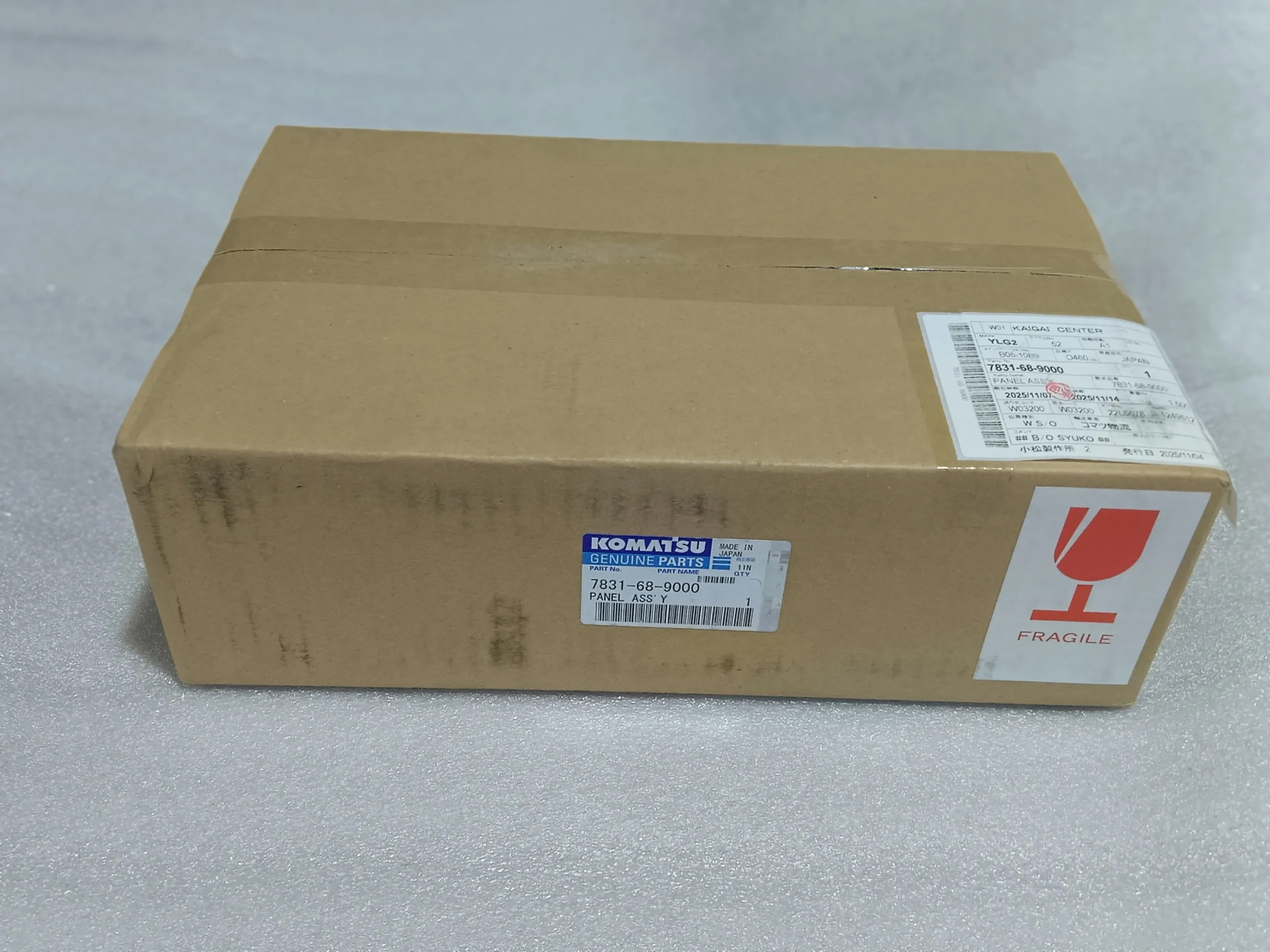 7831-68-9000 PANEL ASS’Y
 -
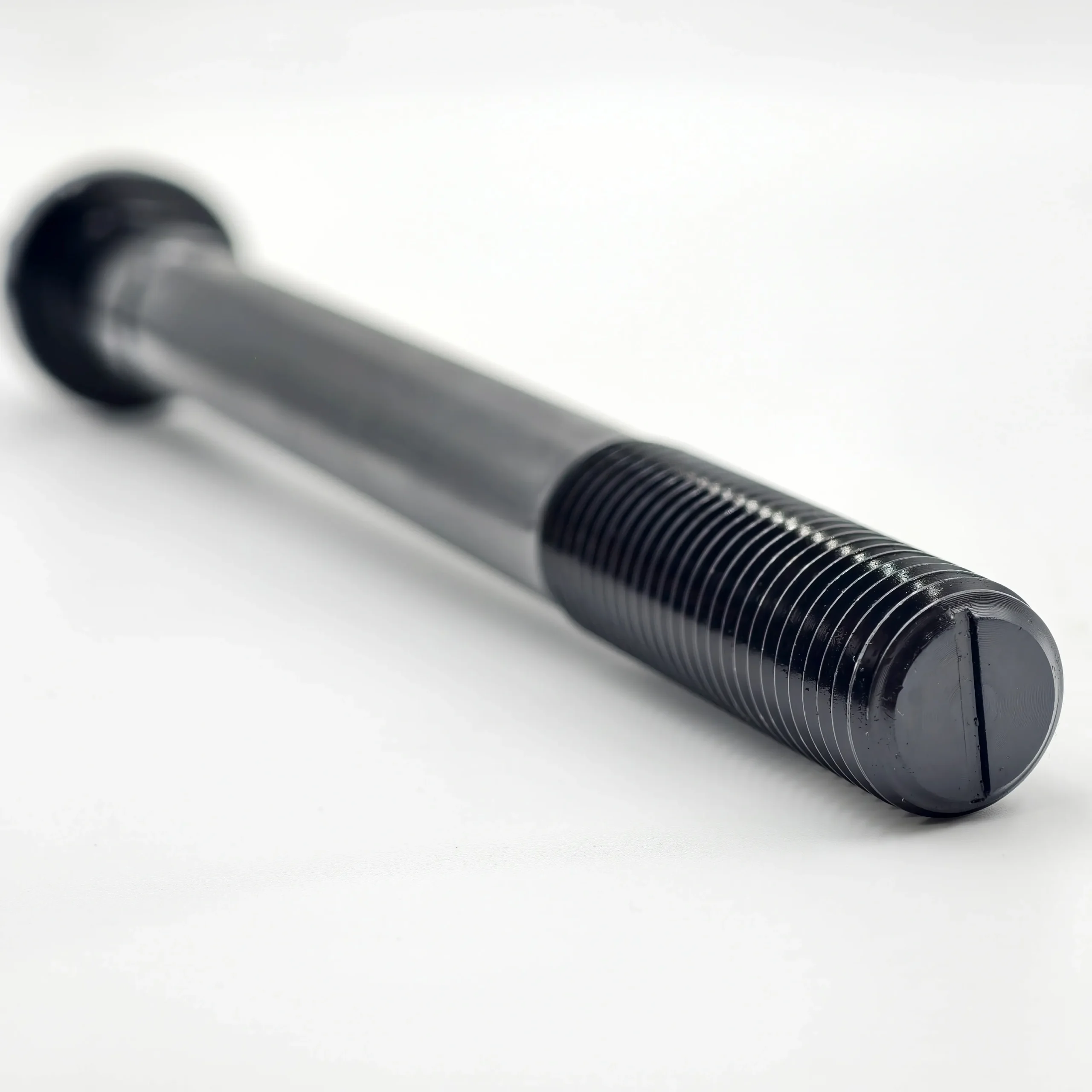 6217-11-1610-BOLT,HEAD- Komatsu Original Factory
 -
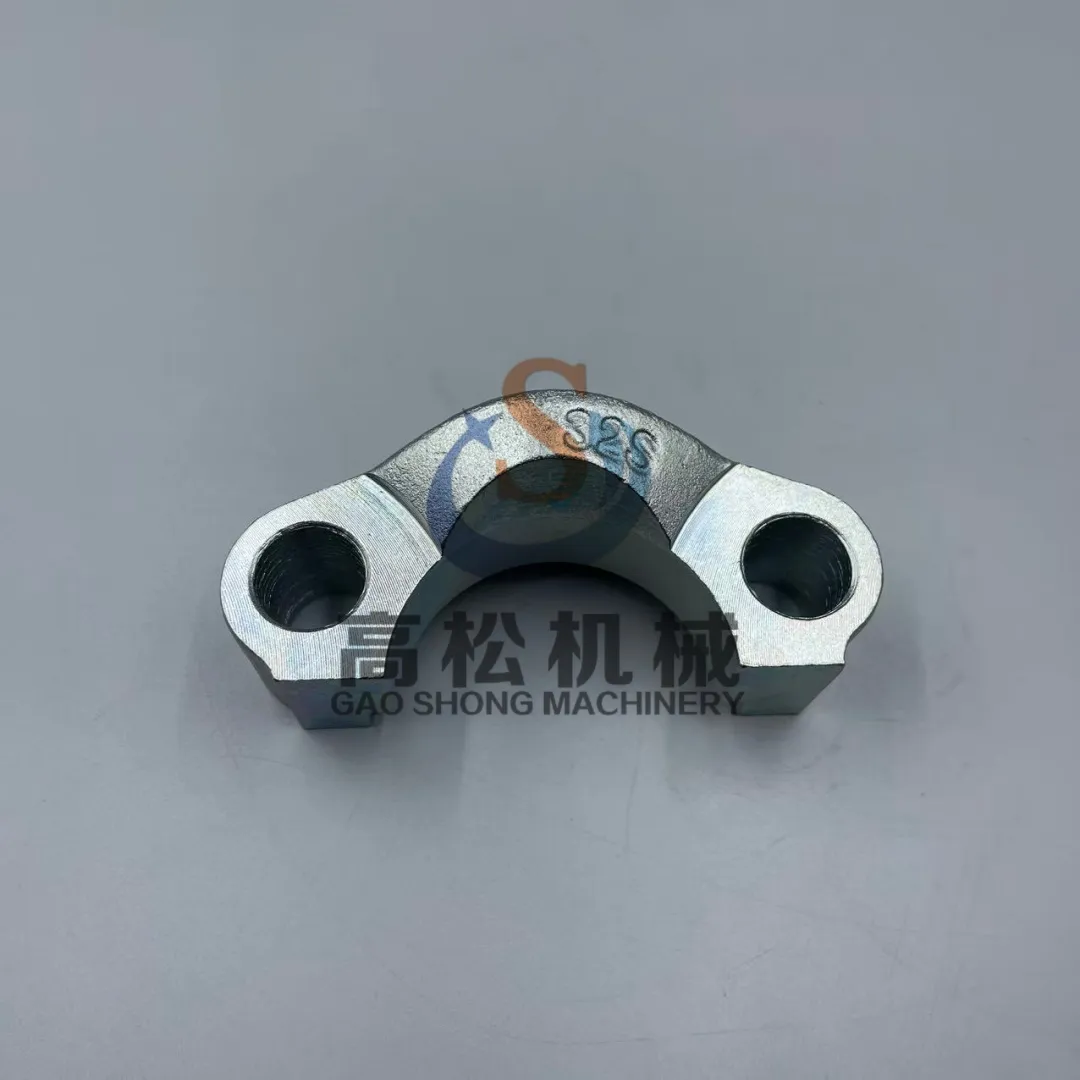 FLANGE 07371-52080 – KOMATSU Part
 -
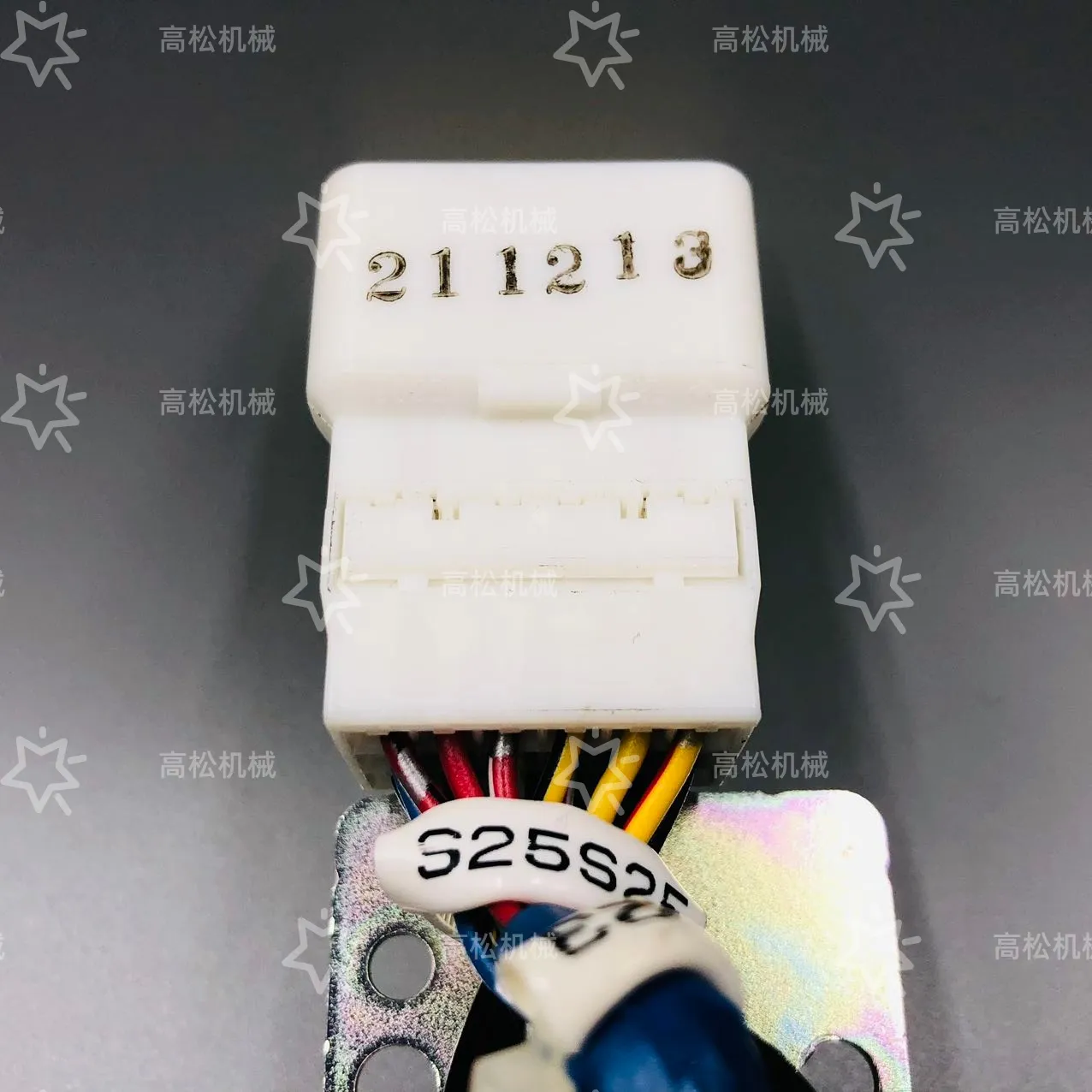 Komatsu Switch 22U-06-22370 for Crawler excavator PC340LC-7K
 -
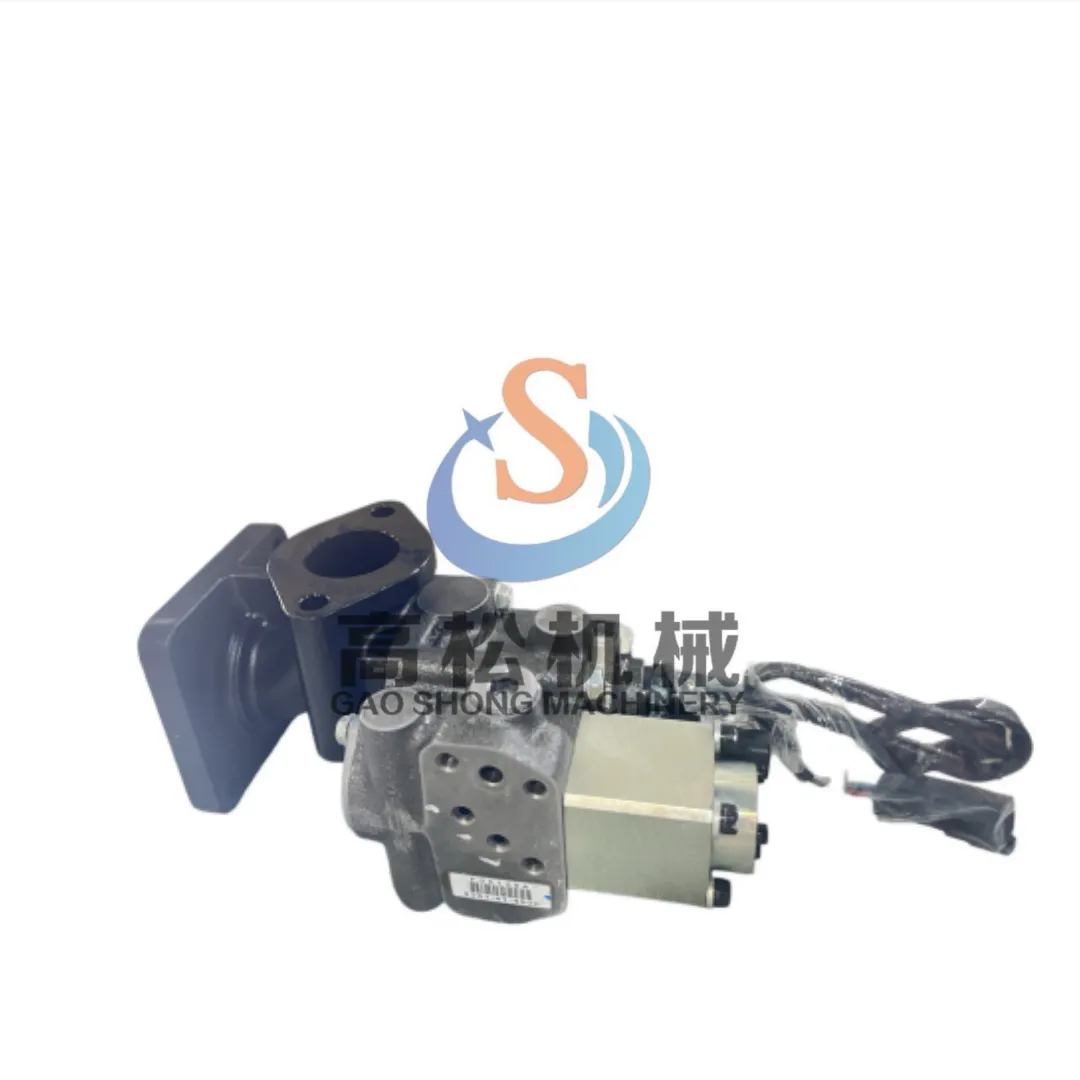 Excavator For Komatsu PC400-7 PC450-7 Control Solenoid Valve 6261-41-4900
 -
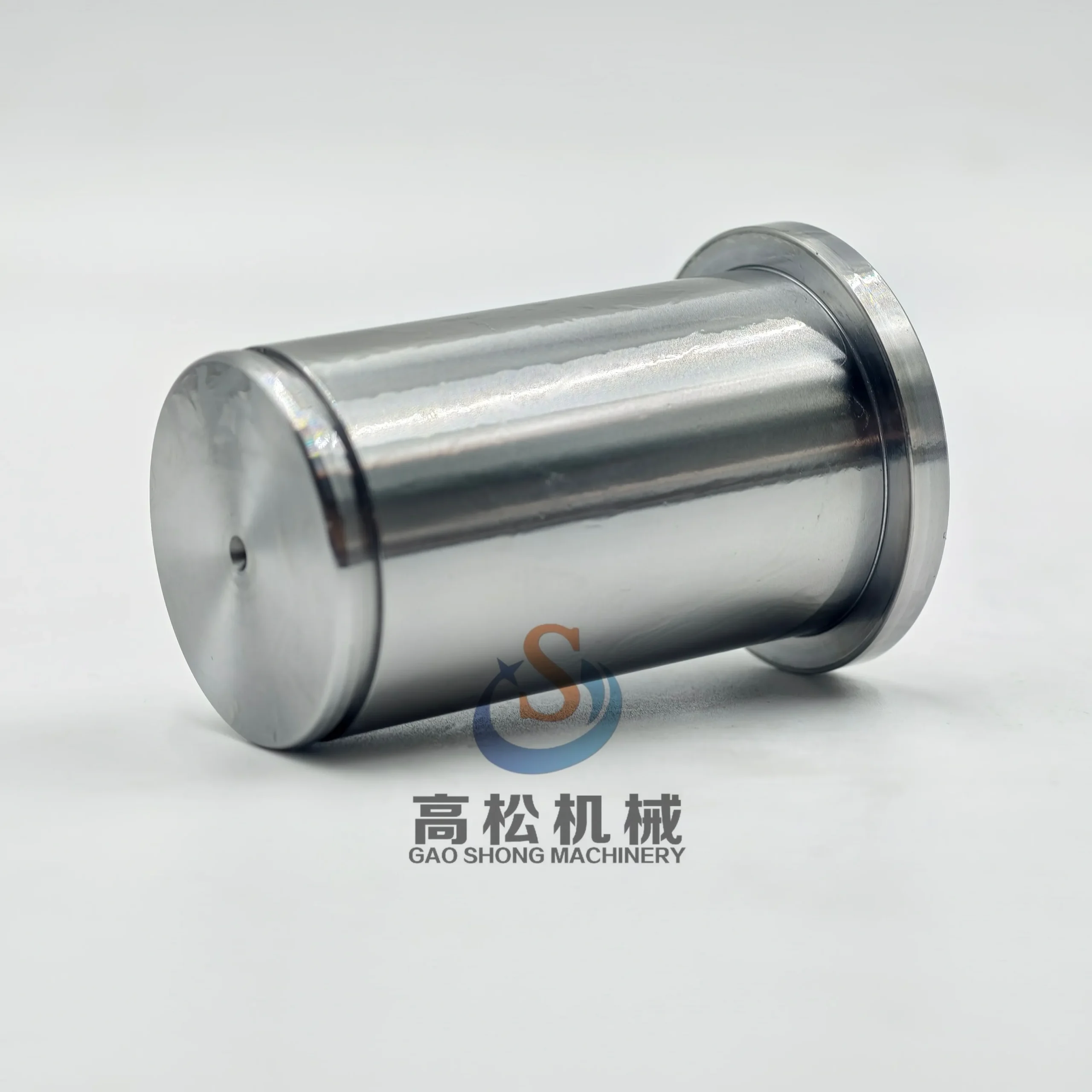 komatsu parts 21N-26-33240 Pin PC1250-11 SWING MACHINERY AND MOTOR, FRONT
 -
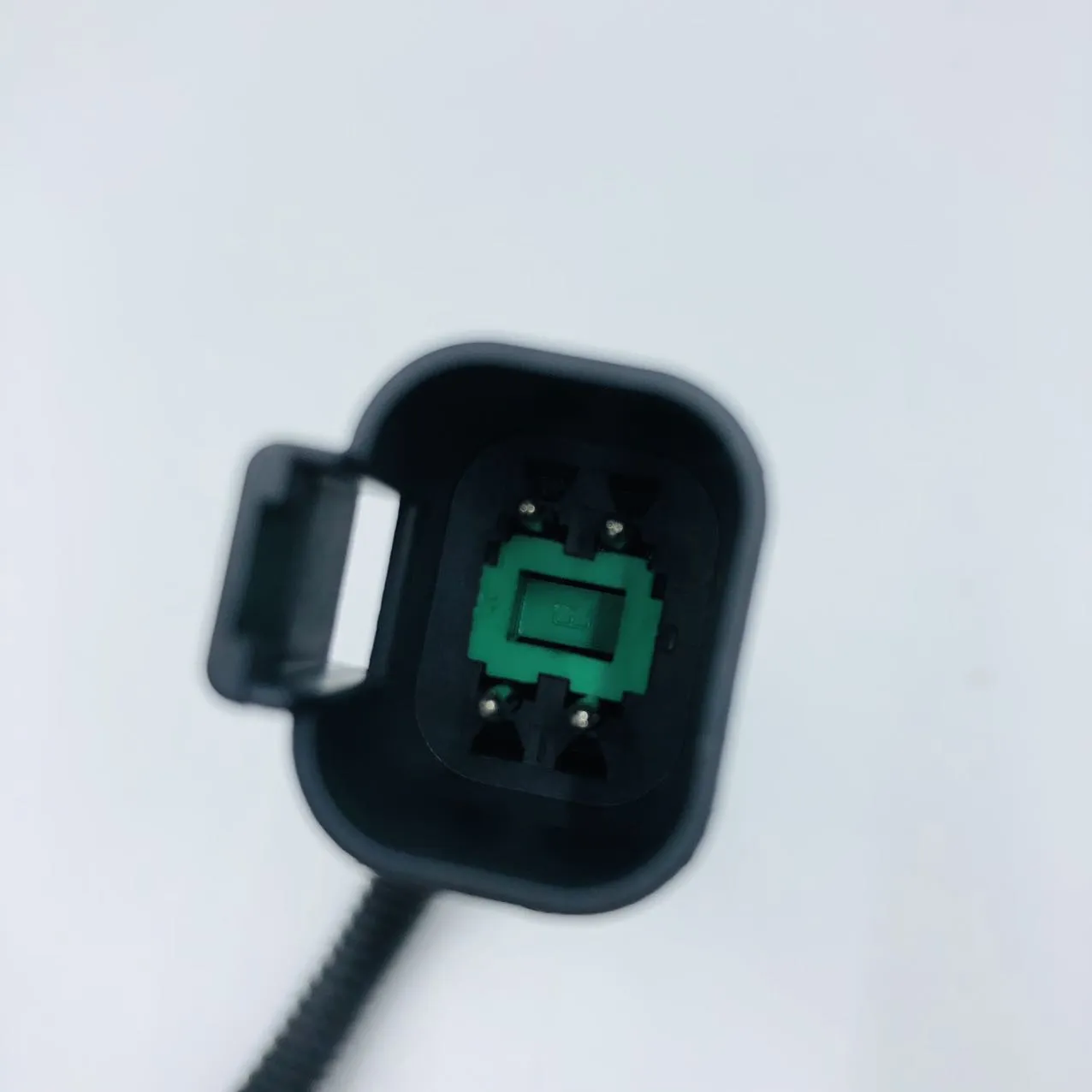 7861-93-5410Komatsu Acceleration Sensor, 7861-93-5410