
- Chinese
- French
- German
- Portuguese
- Spanish
- Russian
- Japanese
- Korean
- Arabic
- Irish
- Greek
- Turkish
- Italian
- Danish
- Romanian
- Indonesian
- Czech
- Afrikaans
- Swedish
- Polish
- Basque
- Catalan
- Esperanto
- Hindi
- Lao
- Albanian
- Amharic
- Armenian
- Azerbaijani
- Belarusian
- Bengali
- Bosnian
- Bulgarian
- Cebuano
- Chichewa
- Corsican
- Croatian
- Dutch
- Estonian
- Filipino
- Finnish
- Frisian
- Galician
- Georgian
- Gujarati
- Haitian
- Hausa
- Hawaiian
- Hebrew
- Hmong
- Hungarian
- Icelandic
- Igbo
- Javanese
- Kannada
- Kazakh
- Khmer
- Kurdish
- Kyrgyz
- Latin
- Latvian
- Lithuanian
- Luxembou..
- Macedonian
- Malagasy
- Malay
- Malayalam
- Maltese
- Maori
- Marathi
- Mongolian
- Burmese
- Nepali
- Norwegian
- Pashto
- Persian
- Punjabi
- Serbian
- Sesotho
- Sinhala
- Slovak
- Slovenian
- Somali
- Samoan
- Scots Gaelic
- Shona
- Sindhi
- Sundanese
- Swahili
- Tajik
- Tamil
- Telugu
- Thai
- Ukrainian
- Urdu
- Uzbek
- Vietnamese
- Welsh
- Xhosa
- Yiddish
- Yoruba
- Zulu
- Kinyarwanda
- Tatar
- Oriya
- Turkmen
- Uyghur






komatsu pc1250 parts manual
When you punch 'komatsu pc1250 parts manual' into a search bar, you're probably just looking for a PDF to download. I get it. But that's where the first mistake happens. The manual isn't just a document; it's a system key. The real challenge isn't finding a manual, it's finding the correct manual for your specific serial number range and understanding that the official parts diagrams don't always tell the full story about sourcing or compatibility. A lot of guys in the field think the manual is the final word, but experience tells you it's just the starting point.
The Manual as a Blueprint, Not a Bible
Let's be clear: the official Komatsu PC1250 parts manual is indispensable. For a machine like the 1250, with its massive undercarriage and complex hydraulic system, you need that breakdown. Figure 10-20, the swing drive section, is a perfect example. It shows you the gear train, the seals, the bearings. But what it doesn't show you is that the seal kit for the serial numbers before 5000 has a slightly different lip design than for machines after. If you just order by the part number in the book without checking the serial number break, you're looking at a premature failure. I've seen it happen. The manual assumes you know this, but it's easy to miss.
This is where the relationship with a knowledgeable supplier becomes critical. A company like Jining Gaosong Construction Machinery Co., Ltd. operates in a unique space. They're an OEM product supplier within Komatsu's system, which means they have access to genuine specs and updates, but they also function as a third-party sales channel. When you're stuck in a country where official parts distribution is slow or non-existent, their role shifts from just selling parts to solving supply puzzles. You can cross-reference the manual's part number with them and they might say, Yes, that's the Komatsu number, but we've found this alternative assembly from a trusted OEM manufacturer fits the later serial range and is in stock. That's practical value you don't get from the PDF alone.
I remember a job in West Africa where we had a PC1250-8 with a failed hydraulic pump. The manual gave us the pump assembly number. The local Komatsu dealer quoted a 12-week lead time. We reached out to a third-party solution provider, essentially a company with a profile like the one at https://www.takematsumachinery.com. Their first question wasn't what's the part number? but what's the full machine serial number and what are the symptoms? They cross-referenced and identified that a specific sub-component within the pump (a valve plate) was the common failure point, not the entire assembly. They had that plate in stock. We saved weeks of downtime and a fortune. The manual led us to the problem area, but human expertise interpreted it.
Common Pitfalls and Serial Number Obsession
Never, ever skip verifying the serial number. The PC1250 went through several iterations. The -7, -8, and later models have significant differences in engine electronics and hydraulic valve blocks. I once watched a crew spend two days trying to fit a control valve from a -7 onto a -8 because the diagram looked similar. The ports were off by a few millimeters. The parts manual will have separate sections or entirely different books for these major series. Assuming compatibility is a costly error.
Another pitfall is relying solely on the illustrated breakdown for wear parts like track chains or idlers. The manual shows you the part, but field wear isn't uniform. For instance, when replacing a single track link, the manual doesn't tell you to measure the pitch of the adjacent links for excessive wear. You could put a new link in a stretched chain and accelerate wear on the new part and the sprocket. You need the manual to get the correct part number for the link, but you need experience to know when to stop patching and recommend a full chain set.
This is where a supplier's insight is gold. A company that helps solve parts supply challenges, as noted in Jining Gaosong's description, has likely seen these wear patterns across multiple machines. They can look at your parts list from the manual and ask the right questions: How many hours on the undercarriage? Is the wear on the idler flange even or scalloped? This dialogue turns a simple parts order into a diagnostic session.
Beyond the Book: Sourcing and Quality Judgement
The parts manual lists Komatsu part numbers. Full stop. It doesn't get into aftermarket options, rebuilt components, or compatible OEM parts. This is the real world for most owners, especially with older PC1250s where genuine parts for discontinued models are scarce or astronomically priced. You have to make judgement calls.
For example, a main hydraulic cylinder rod. The manual gives you the seal kit number and the rod assembly number. If the rod is scored, you need a new one. A genuine Komatsu rod might be perfect, but a high-quality OEM rod from a certified manufacturer, often supplied through channels like those mentioned by Jining Gaosong Construction Machinery Co., Ltd., can be 40% less costly and just as reliable for most applications. The key is the supplier's credibility. Do they provide material certifications? Can they trace the manufacturer? Their website, takematsumachinery.com, suggests a direct link to the Komatsu system, which implies a baseline of quality understanding. You're not buying from a random parts aggregator.
I've had mixed results. We tried a budget aftermarket swing bearing for a PC1250 once, sourced from a vendor with no system knowledge. It fit, but the hardening was inferior. It lasted 3000 hours before showing play, whereas a proper OEM-spec part should go 5000+. The cost savings were wiped out by the second downtime event. The lesson? Use the manual to define the exact specification, then use a trusted partner to find the source that meets that spec within your constraints.
The Digital vs. Physical Dilemma
Everyone wants the digital manual. It's searchable. But on a muddy site with a laptop that's low on battery? Give me the paper version, or at least a printed section. The digital files are great for planning in the office, but the physical book's diagrams are often easier to follow when your hands are dirty. You're flipping between the hydraulic schematic and the parts list. Some of the best-used manuals I've seen are covered in grease, with handwritten notes in the margins like valve 45 tends to stick in cold weather or use Loctite 572 on flange bolts. That's the real komatsu pc1250 parts manual, augmented by experience.
Also, beware of outdated digital versions. There are revisions. A pump might have been updated mid-production run. An obsolete manual won't show the newer part number. A supplier embedded in the Komatsu ecosystem is more likely to have access to the latest parts bulletins and can alert you to these revisions. Their business is built on solving supply challenges, which includes information gaps.
In practice, we maintain both. A digital master file for the whole team to reference for part numbers, and a battered physical copy in the service truck for the field guys. The digital copy might come from an official source, but the notes in the physical one come from us, and sometimes from tips passed on by reliable parts specialists who've seen a hundred of these machines.
Pulling It All Together: A Real-World Workflow
So, what's the workflow when something breaks? First, identify the component in the machine and note the serial number. Second, open the correct parts manual and find the illustrated breakdown. Get the Komatsu part number. Third, and this is crucial, don't just email that number to a supplier. Call them. Describe the failure mode. A good technical salesperson at a firm that's both an OEM supplier and a third-party solver will ask clarifying questions.
They might say, For that serial number, we recommend also replacing the adjacent gasket, part XXXX, as it always fails soon after. Or, That part is on backorder, but we have a rebuilt exchange unit ready to ship. This is the service that turns a parts manual from a static list into a dynamic tool. The website for Jining Gaosong explicitly states they help solve supply challenges in certain countries. That tells me they're used to these conversations, not just processing orders.
Finally, when the part arrives, cross-check it with the manual diagram before installation. Does it match? Are all sub-components present? This final verification, guided by the manual, catches shipping errors or wrong parts. It's a simple step, but it saves hours of frustration. The manual is your constant reference, from diagnosis to verification. But it's the human network—the experienced mechanics and the knowledgeable suppliers—that brings the information on those pages to life and keeps a beast like the PC1250 running.
Related Products
Related Products

Best Selling Products
Best Selling Products-
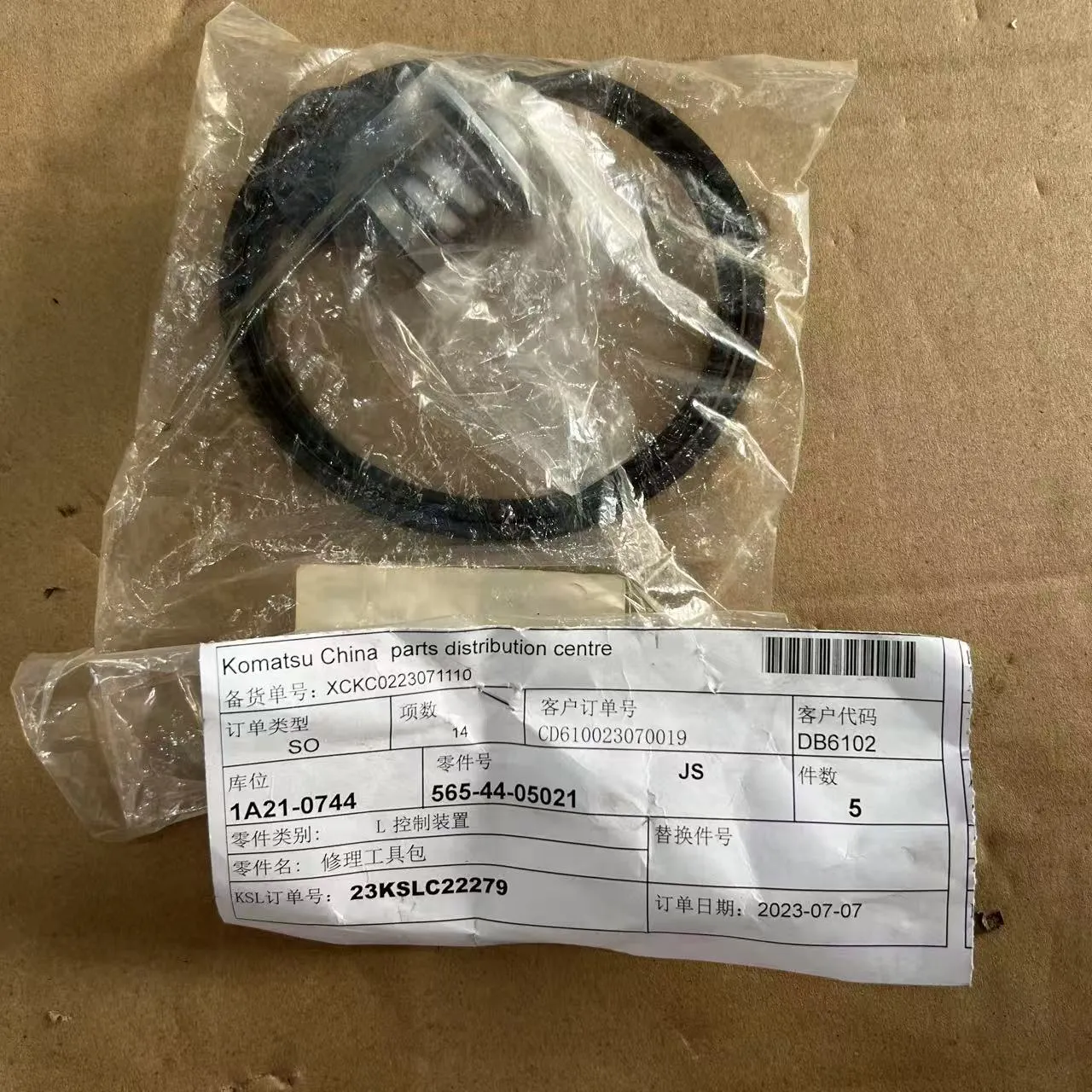 565-44-05021 Service Kit AIR relay
 -
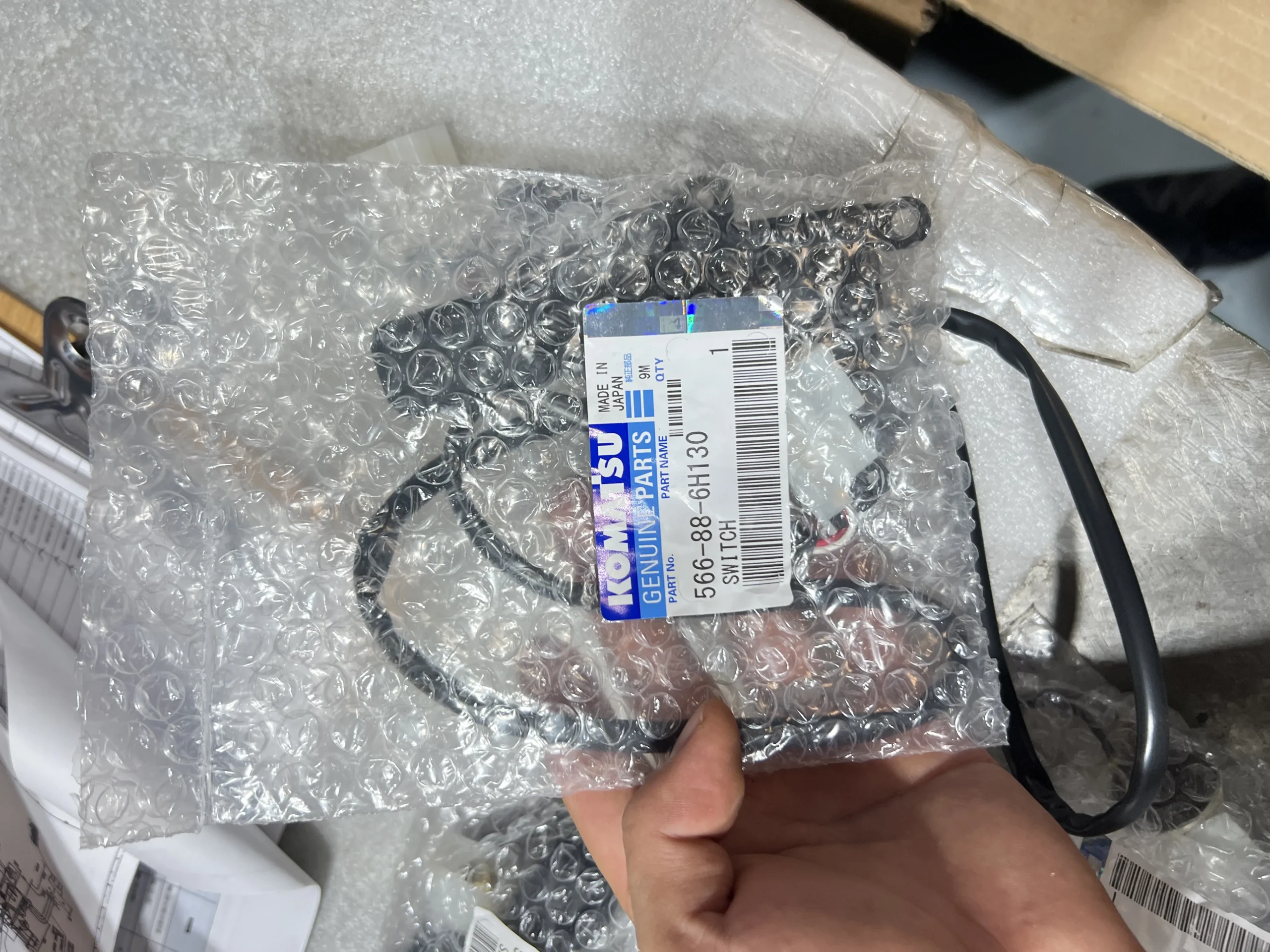 566-88-6H130 Komatsu Switch, Retarder
 -
 427-S95-2410PC1100 PC1250SE-7 komatsu
 -
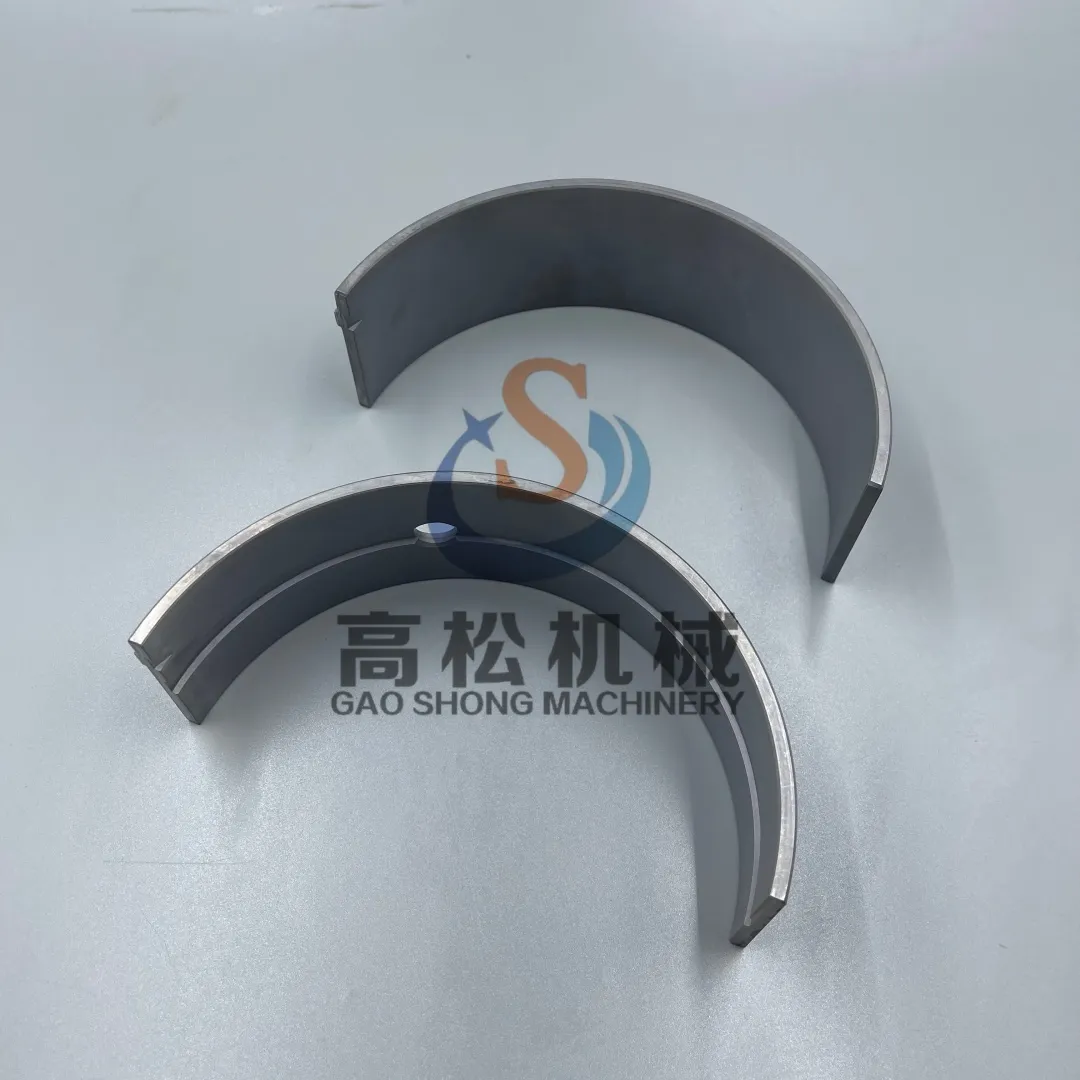 6162-23-8010 MAIN BEARING ASSEMBLY – Komatsu
 -
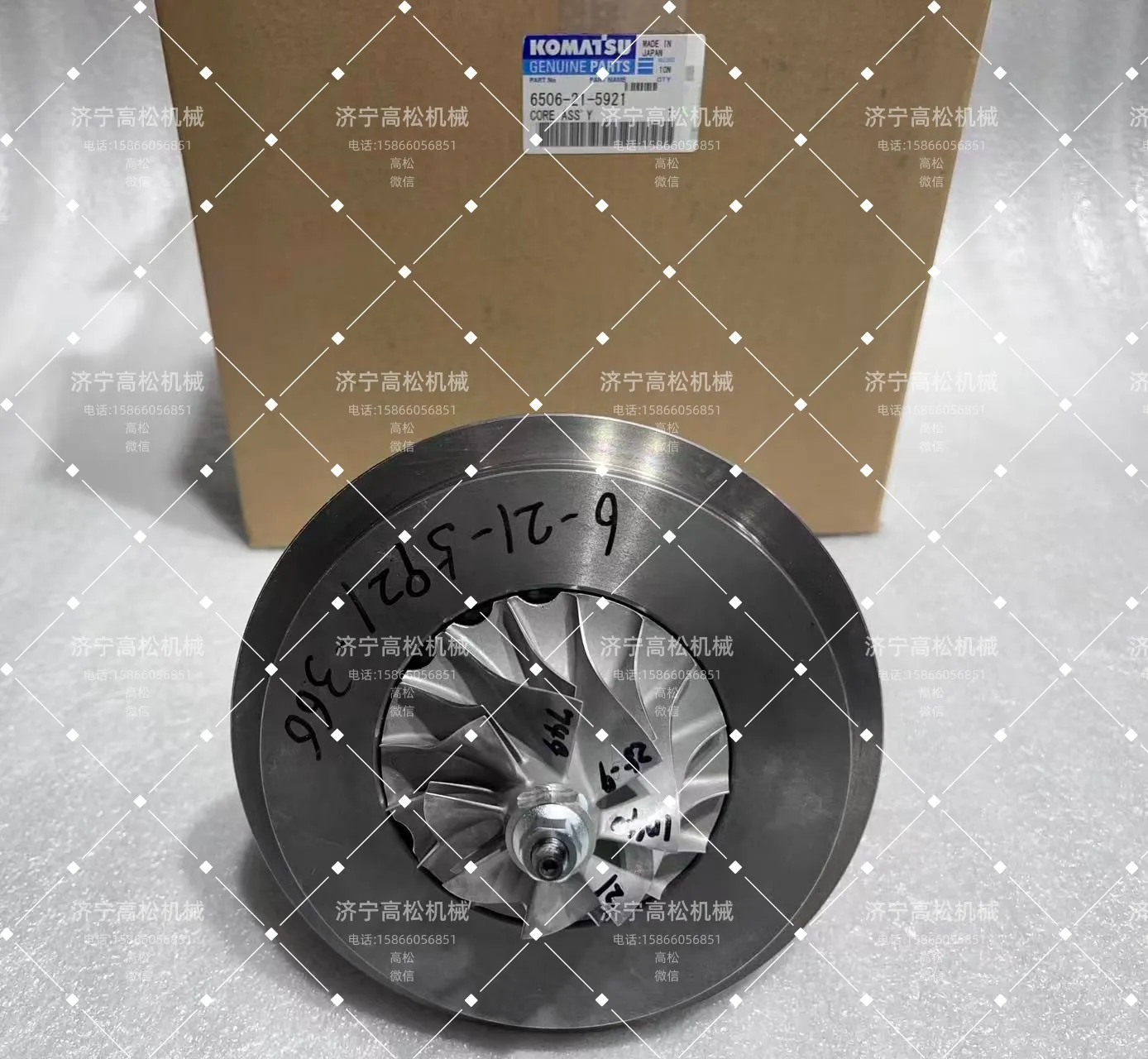 6506-21-5921 Komatsu Core Assembly
 -
 425-20-15740 komatsu-parts SEAL,OIL
 -
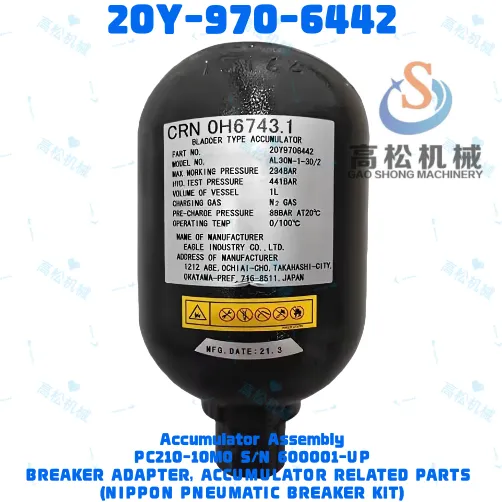 komatsu-parts-20Y-970-6442 Accumulator Assembly PC210-10M0 PC500LC-10R BREAKER ADAPTER, ACCUMULATOR RELATED PARTS
 -
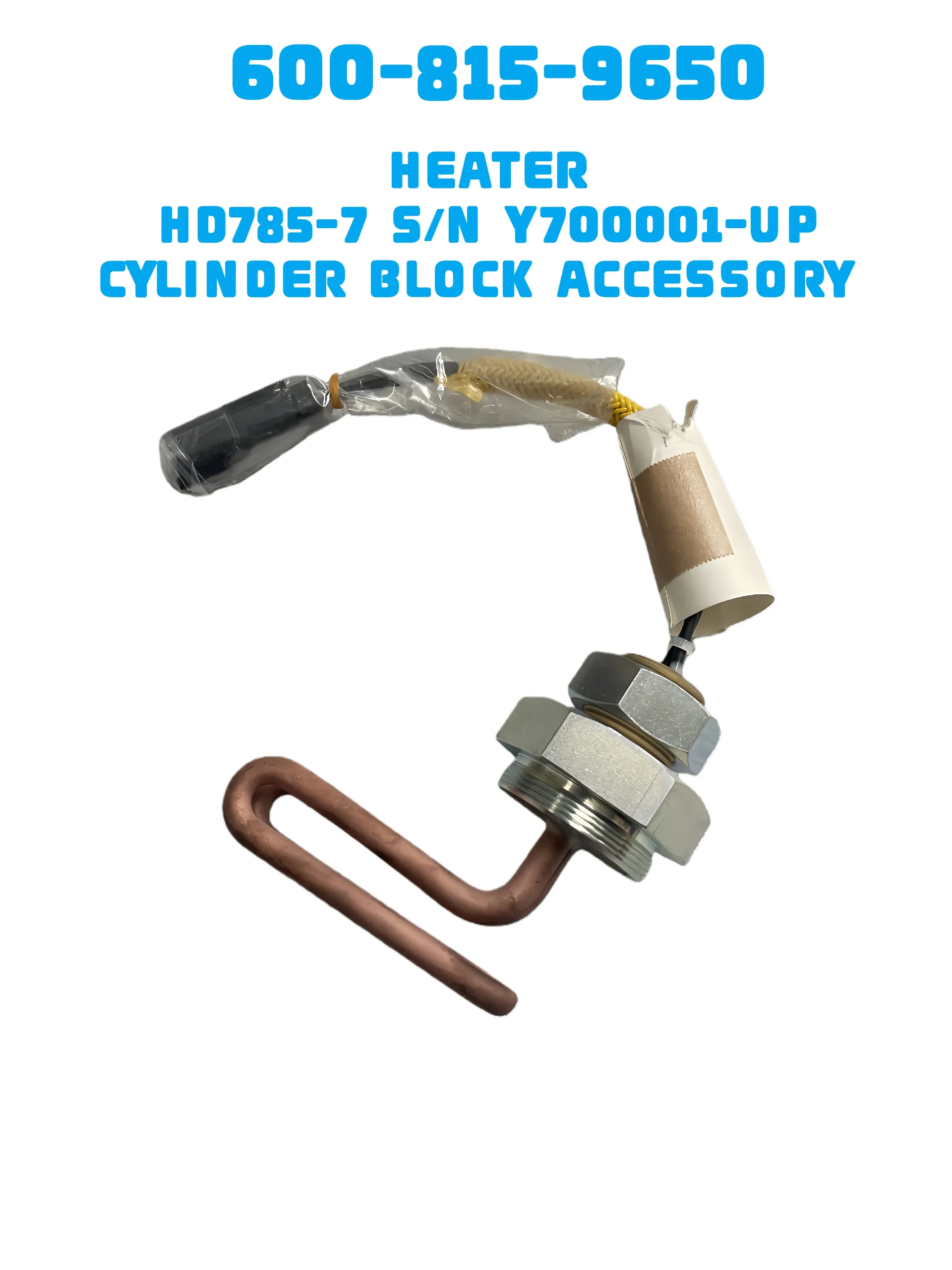 komatsu-part-600-815-9650 HEATER SAA12V140E-3B HD785-7 SAA12V140E-7 SAA12V140E-3D CYLINDER BLOCK ACCESSORY (OIL SENSOR¤ SWITCH AND WATER HEATER) OIL COOLER (COLD TERRAIN SPEC.) CYLINDER BLOCK ACCESSORY (FOR COLD AREA SPECIFICATION,ENGINE OIL PAN AND COOLANT HEATER) ENGINE OIL COOLER (FOR COLD AREA SPECIFICATION A (-30 DEG C),ENGINE OIL PAN AND COOLANT HEATER)
 -
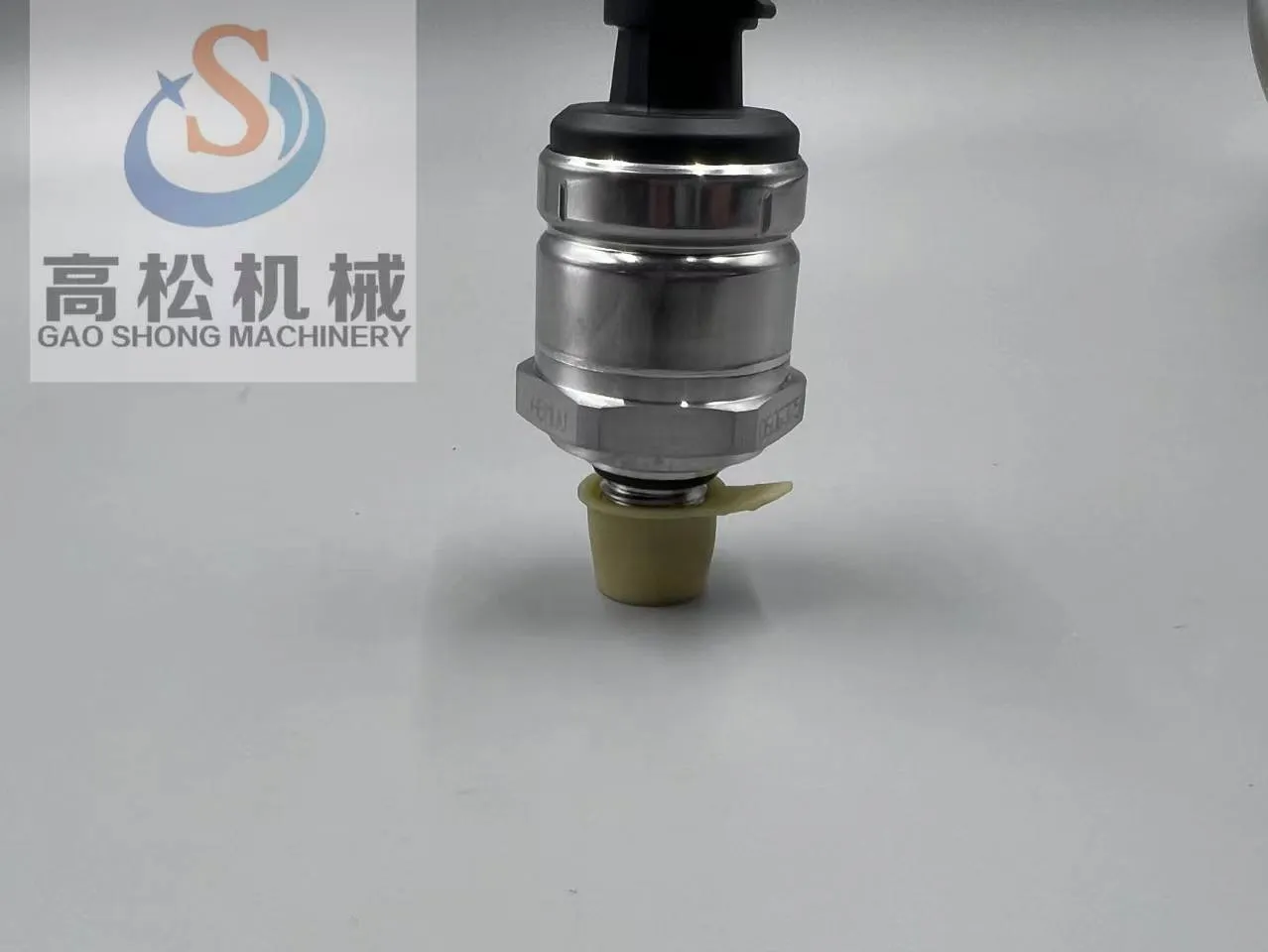 New fuel adjustment sensor sa6d170e-3 6560-51-6201 for komatsu heavy machinery spare parts
 -
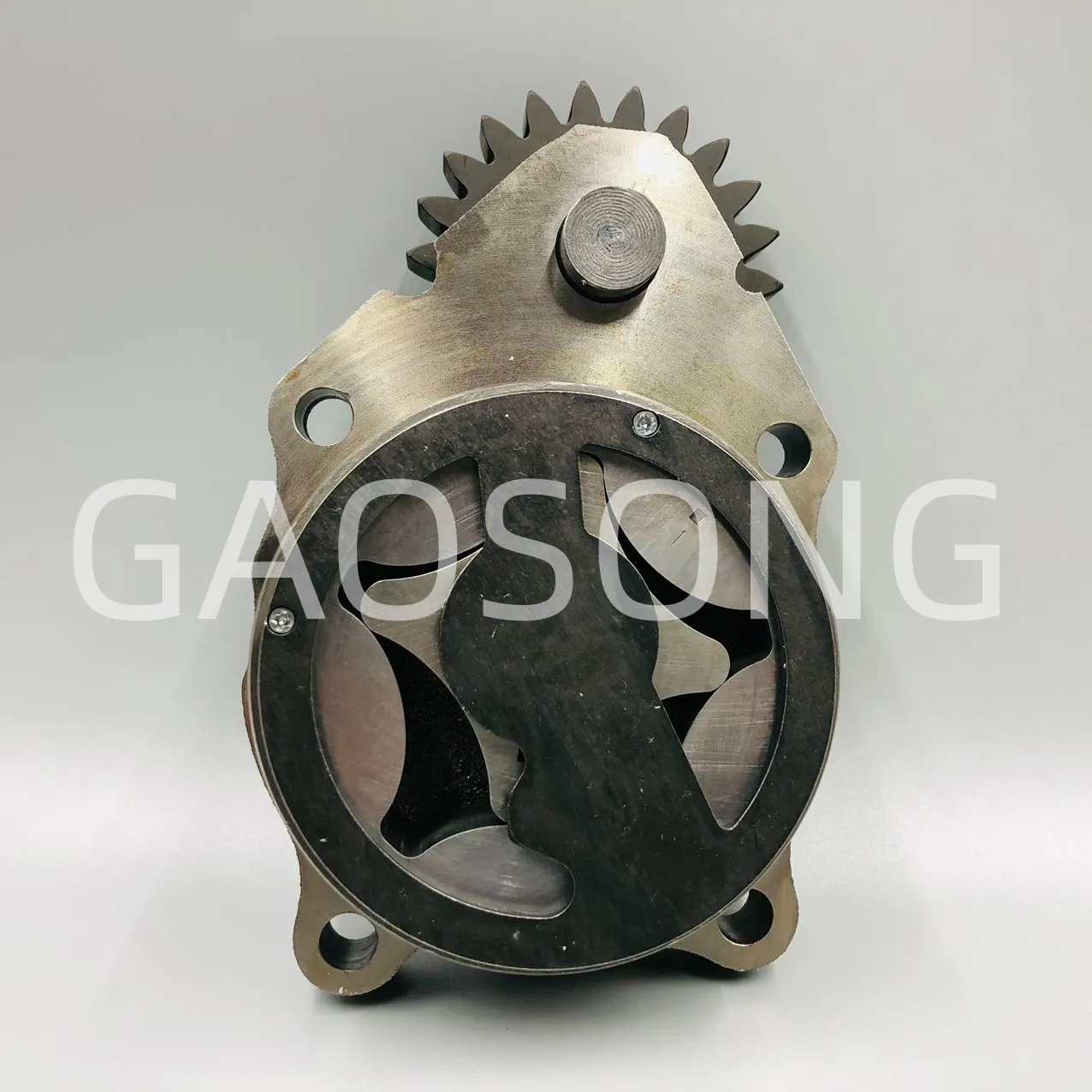 6754-51-1111 PUMP ASSEMBLY-Komatsu Original Factory
 -
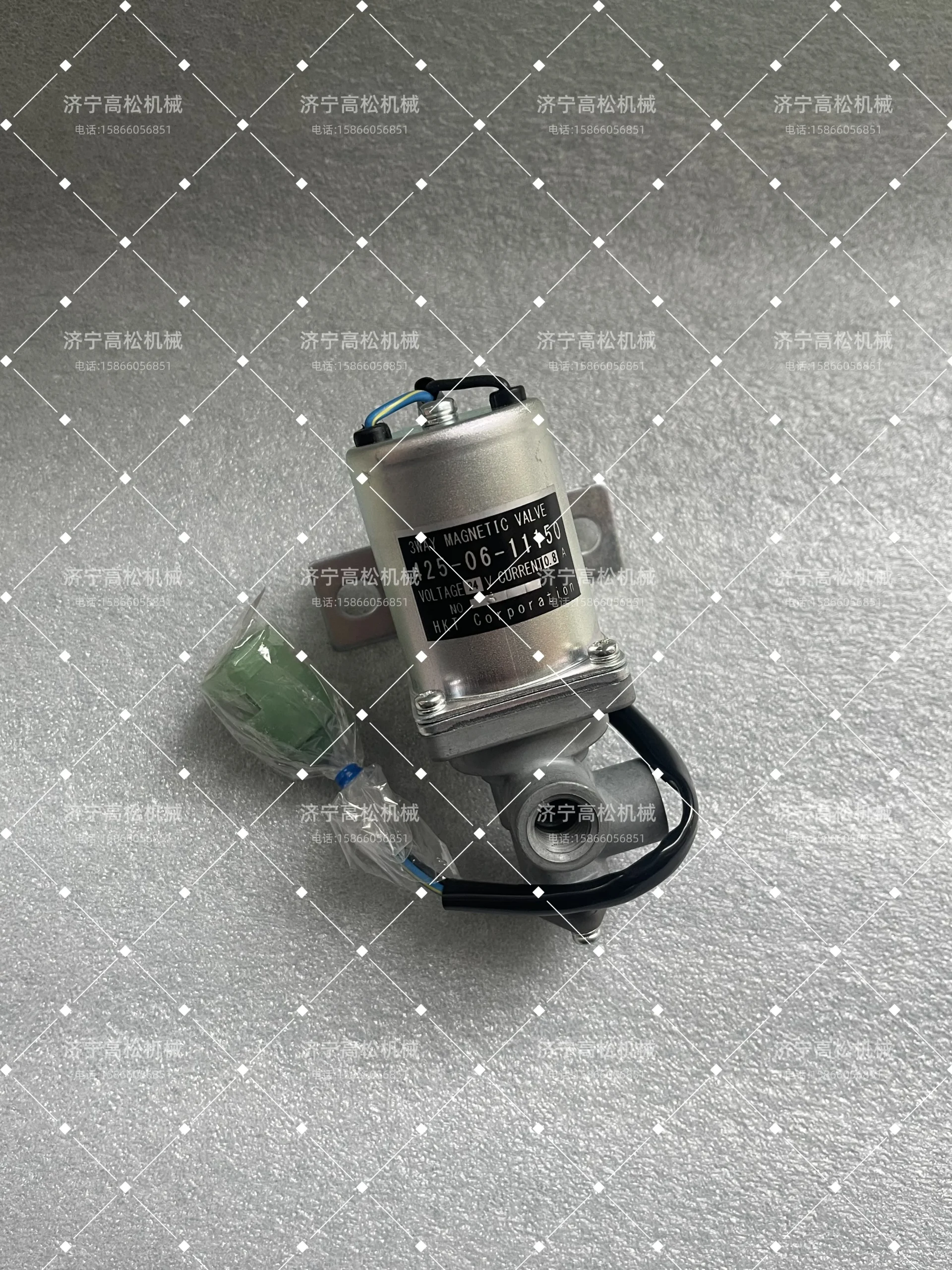 Reliable Cost-Effective Original New 425-06-11150 VALVE for…
 -
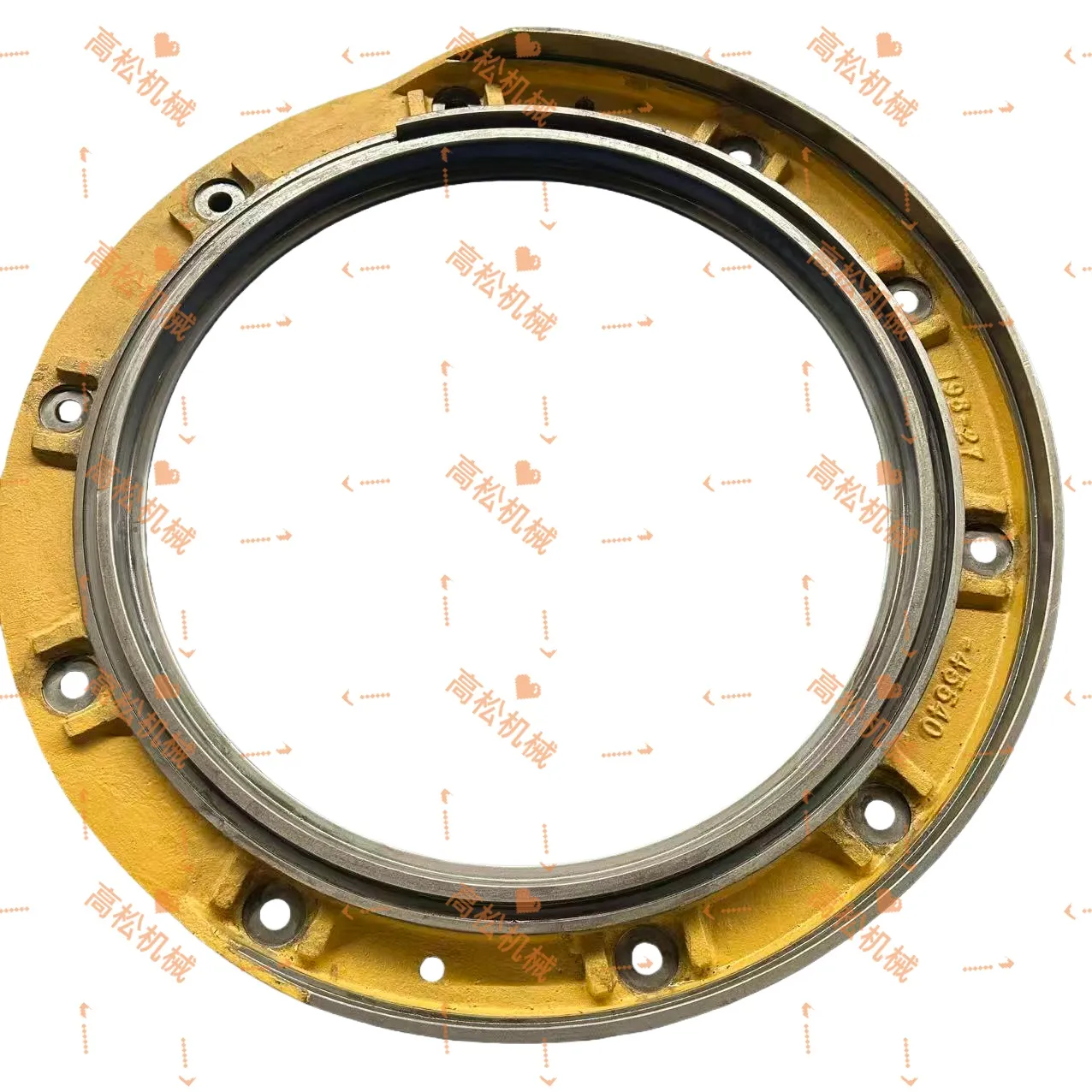 komatsu parts198-27-45540 COVER D475A-5A S/N 20001-UP (Super Dozer Spec.) FINAL DRIVE