
- Chinese
- French
- German
- Portuguese
- Spanish
- Russian
- Japanese
- Korean
- Arabic
- Irish
- Greek
- Turkish
- Italian
- Danish
- Romanian
- Indonesian
- Czech
- Afrikaans
- Swedish
- Polish
- Basque
- Catalan
- Esperanto
- Hindi
- Lao
- Albanian
- Amharic
- Armenian
- Azerbaijani
- Belarusian
- Bengali
- Bosnian
- Bulgarian
- Cebuano
- Chichewa
- Corsican
- Croatian
- Dutch
- Estonian
- Filipino
- Finnish
- Frisian
- Galician
- Georgian
- Gujarati
- Haitian
- Hausa
- Hawaiian
- Hebrew
- Hmong
- Hungarian
- Icelandic
- Igbo
- Javanese
- Kannada
- Kazakh
- Khmer
- Kurdish
- Kyrgyz
- Latin
- Latvian
- Lithuanian
- Luxembou..
- Macedonian
- Malagasy
- Malay
- Malayalam
- Maltese
- Maori
- Marathi
- Mongolian
- Burmese
- Nepali
- Norwegian
- Pashto
- Persian
- Punjabi
- Serbian
- Sesotho
- Sinhala
- Slovak
- Slovenian
- Somali
- Samoan
- Scots Gaelic
- Shona
- Sindhi
- Sundanese
- Swahili
- Tajik
- Tamil
- Telugu
- Thai
- Ukrainian
- Urdu
- Uzbek
- Vietnamese
- Welsh
- Xhosa
- Yiddish
- Yoruba
- Zulu
- Kinyarwanda
- Tatar
- Oriya
- Turkmen
- Uyghur






komatsu pc120 3 parts
When someone searches for 'komatsu pc120 3 parts', they're usually in a bind. The machine is down, production is halted, and the pressure is on. There's a common misconception that all parts labeled for the PC120-3 are interchangeable or of similar quality, but that's where the real trouble starts. I've seen too many people burn money on a cheap pump or a questionable swing bearing that fails within weeks, thinking they've found a shortcut. The reality is more nuanced, and the choice between genuine Komatsu, OEM, and aftermarket parts isn't always black and white—it depends heavily on the specific component, the machine's workload, and, frankly, the supply channels you have access to.
The Core Challenge: Finding Reliable PC120-3 Parts
The PC120-3 is a workhorse, but its age is a double-edged sword. While it's famously durable, the official parts pipeline from Komatsu can sometimes be slow or prohibitively expensive for older models, especially in regions outside major markets. This gap is what creates the bustling, and often chaotic, aftermarket. You can't just order a control valve. You need to know if it's for the early 6D95L engine series or the later one, or if the hydraulic system had mid-series updates. I once spent two weeks tracing a hydraulic shudder issue back to a valve bank that was supposedly for a -3 model, but its port sizing was off by a millimeter—it was actually for a -5. The machine's serial number is your bible here; never order without it.
This is where a specialized supplier makes all the difference. A company like Jining Gaosong Construction Machinery Co., Ltd. operates in a interesting space. As they note on their site https://www.takematsumachinery.com, they are an OEM product supplier within the Komatsu system and a third-party sales company. In practice, this means they can often provide parts that meet Komatsu's original specifications (the OEM bit) but might come through alternative, more efficient supply chains for certain countries, which directly addresses those parts supply challenges. They aren't just another generic parts reseller; they are plugged into the system. For a critical component like a main hydraulic pump or a final drive gear set, this connection is worth its weight in gold.
Let's talk about undercarriage parts—track chains, rollers, idlers. This is where the aftermarket is flooded with options. For a moderate-duty application, a high-quality aftermarket roller from a known manufacturer might be a cost-effective choice. But for the sprocket segments or the link assemblies? I'd lean towards OEM or genuine, especially if the machine is in abrasive material. The metallurgy and heat treatment are different. I learned this the hard way on a demo site where an aftermarket link stretched and caused severe track whip, damaging the swing bearing seal. The downtime cost far exceeded the initial savings.
Critical Components: Where You Can't Afford to Compromise
Engine components for the 6D95L are a special category. Fuel injection parts—plungers, delivery valves, nozzles—should be genuine or certified OEM. The tolerances are microscopic. A poor-quality nozzle tip can destroy piston crowns in under 100 hours. I keep a set of genuine Komatsu valve stem seals on my shelf at all times for the PC120-3. The aftermarket ones often don't have the same compound and harden quickly, leading to oil consumption and smoke.
The hydraulic system is the machine's lifeblood. For the main pump and the swing motor, I have a firm rule: only use remanufactured units from a certified Komatsu source or new OEM. The internal plating on the cylinder blocks and the precision of the piston shoes are not areas for experimentation. We tried a rebuilt swing motor from a non-certified shop once. It worked for about 50 hours before the case drain flow went through the roof. The failure took out the hydraulic oil with metal contamination. The total bill for the motor, a full system flush, and new filters was a brutal lesson.
Then there are the electronics and sensors. The PC120-3 isn't overly complex, but its sensors for engine speed, pump pressure, and swing rotation are crucial for the control system. Here, genuine is almost always the answer. The resistance values and voltage outputs from aftermarket sensors can be slightly off, causing the monitor to throw false alarms or, worse, derate the engine power unnecessarily. It creates a ghost chase for mechanics.
The Practical Sourcing Decision: A Real-World Scenario
Imagine you need a complete seal kit for the boom cylinder. The genuine Komatsu kit might be on backorder for 8 weeks from your local dealer. What do you do? You can't have the machine down for two months. This is the exact scenario where a supplier with Komatsu system access proves its value. A company like Jining Gaosong, by being an OEM supplier, might have that exact seal kit—manufactured to the same drawings and specs—available through their network without the long lead time. You're not buying an alternative; you're buying the same part from a different node in the authorized supply web. This is a key distinction that many equipment managers miss.
I've used this approach for things like bucket pins, bushings, and even hydraulic hose assemblies. The process isn't as simple as clicking buy now on a generic e-commerce site. It usually involves sending the serial number, confirming the part numbers, and sometimes even sharing photos of the failed component. It's a transactional relationship built on specific technical knowledge. The description on their website about helping to solve parts supply challenges in certain countries isn't marketing fluff—it's the operational reality for many fleets outside Japan or North America.
Of course, not every part needs this level of scrutiny. For filters, you can use high-quality equivalents like Fleetguard or Donaldson that cross-reference correctly. For standard greasable pins, a reputable local machine shop can often make a suitable replacement. The skill is in knowing the difference. My rule of thumb: if the part's failure will cause catastrophic secondary damage or require over 16 hours of labor to replace, source it from the genuine/OEM channel. If it's a wear item with a predictable failure mode and easy access, a vetted aftermarket option is fine.
Observations on Quality and Long-Term Cost
The chatter online about just as good as OEM is misleading. For some components, it might be true. For many, it's not. The difference often isn't in the initial fit or function, but in the service life. An OEM-spec swing bearing from a trusted supplier might last 8,000 hours. A cheap import might show pitting and spalling at 3,000 hours. When you factor in the labor cost to tear down the entire upper structure to replace it—twice as often—the math favors the quality part immediately.
This is where the value of a specialized third-party sales company comes in. They aren't trying to sell you the absolute cheapest option. Their business is based on solving the availability problem for komatsu pc120 3 parts without compromising the machine's integrity. They want the part to work, because their reputation with professional fleet managers depends on it. I'd much rather work with a supplier who asks me detailed questions about my machine's serial number and application than one who just guarantees the lowest price.
A final thought on seals and gaskets: always buy the full kit. Don't just replace the one seal that's leaking. On a PC120-3's cylinder, if the rod seal is gone, the wiper, the O-rings, and the gland seal are likely on their way out too. The labor to disassemble the cylinder is 90% of the job cost. Putting in all new seals while it's on the bench is cheap insurance. A good supplier will understand this logic and stock the complete kits accordingly.
Wrapping Up: It's About Precision, Not Just Parts
So, back to the original search term. Komatsu PC120-3 parts isn't a shopping list; it's a diagnostic starting point. The solution is a mix of deep model-specific knowledge, an understanding of supply chain alternatives, and a brutal practicality about total cost of ownership. The market has players who fill the gaps in the official distribution, like Jining Gaosong, who leverage their position as an OEM product supplier within the Komatsu system. They are part of the ecosystem that keeps these older, but still vital, machines running.
The goal is uptime. Sometimes that means paying the premium for a genuine part air-freighted from the depot. Other times, it means knowing which OEM-identical component you can get from a specialized global supplier in ten days instead of ten weeks. The key is to move beyond just searching for a part number and to start thinking about the component's function, criticality, and the reliability of its source. That's what separates a quick fix from a proper repair.
In the end, every machine tells a story through its parts. A PC120-3 with a mix of genuine, quality OEM, and selective aftermarket parts, each chosen with intention, is a machine that will keep earning its keep. It's not about brand purity; it's about informed, pragmatic decisions made by someone who has had to turn the wrenches and face the consequences of those choices. That's the real-world parts game.
Related Products
Related Products

Best Selling Products
Best Selling Products-
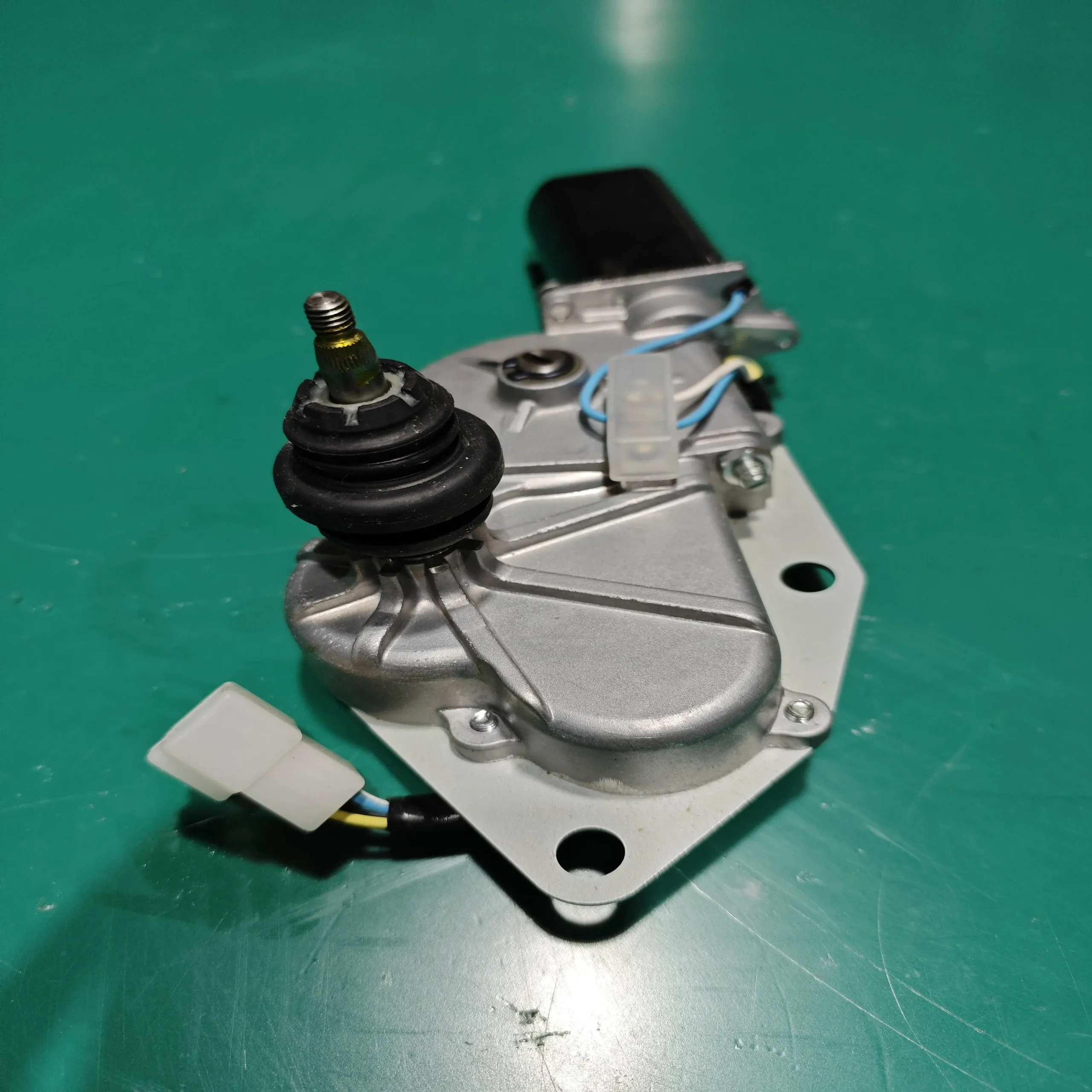 23B-951-2610 Komatsu WIPER MOTOR
 -
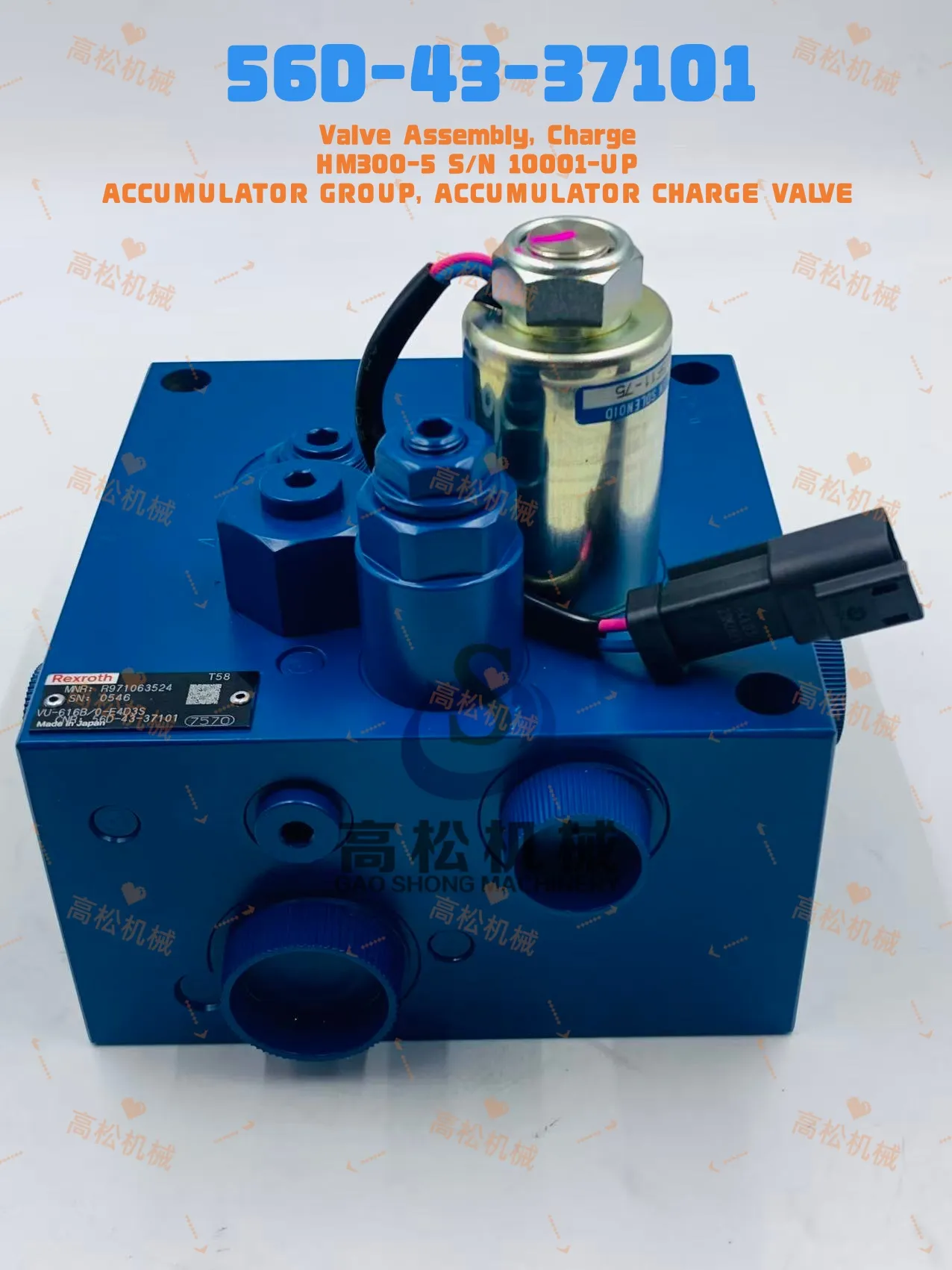 56D-43-37101 Valve Assembly, Charge HM300-5 ACCUMULATOR GROUP, ACCUMULATOR CHARGE VALVE
 -
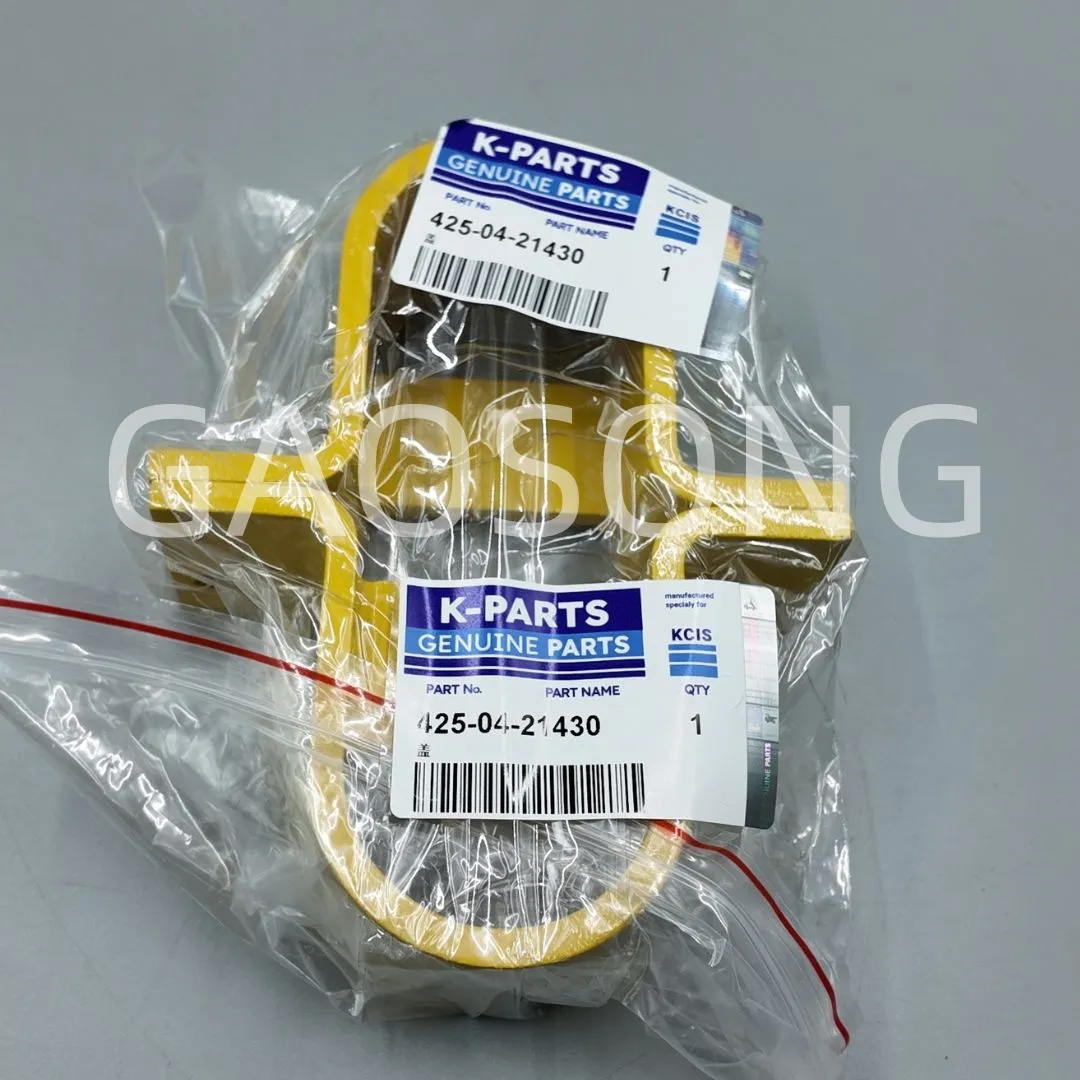 425-04-21430 COVER-Komatsu Original Factory
 -
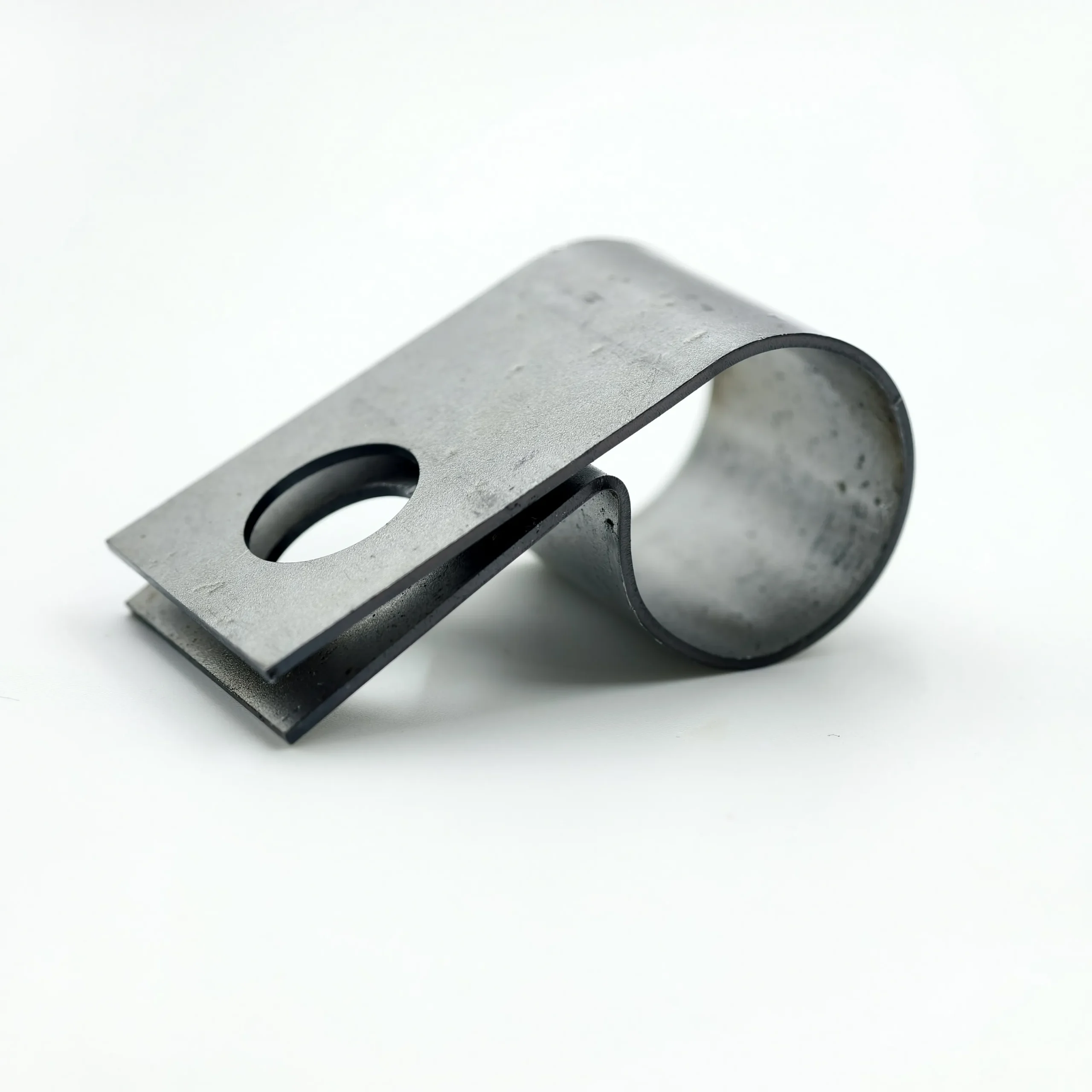 112-946-4170 Komatsu Clip
 -
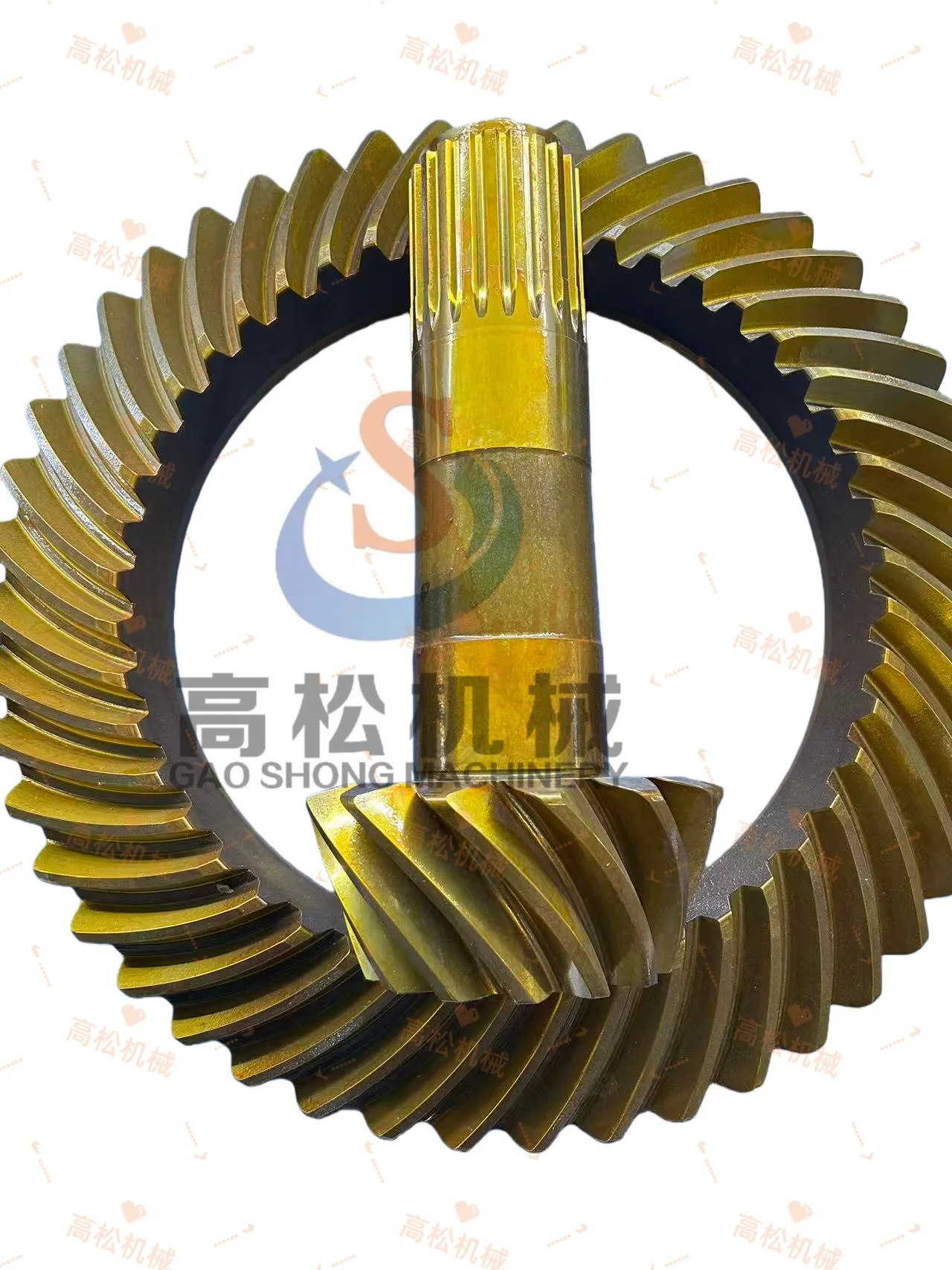 561-22-71207 561-22-71203 PINION GEAR ASS’Y HD785-7 REAR AXLE
 -
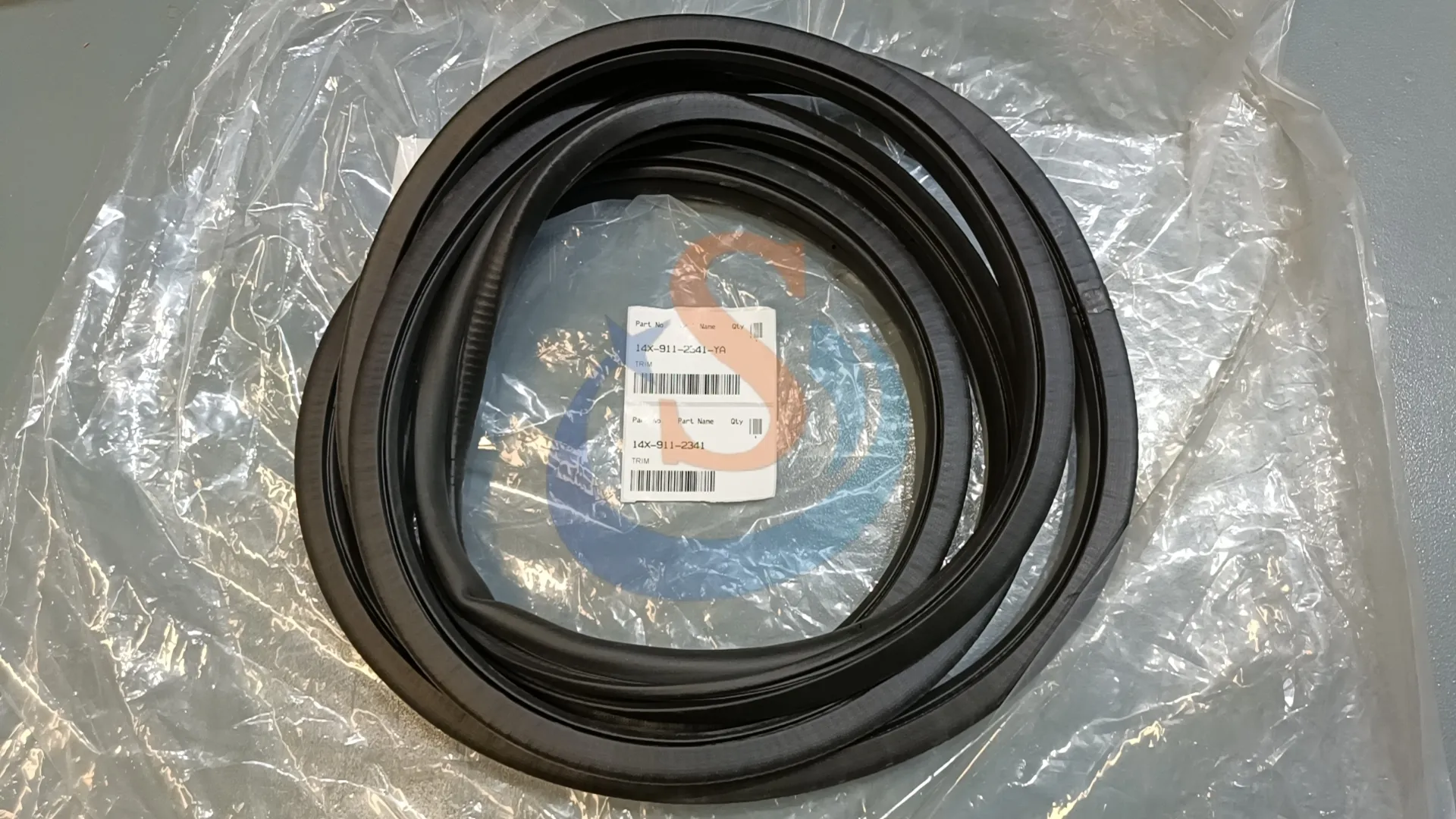 0700012021 Pack of 10 O-RING suitable for Komatsu
 -
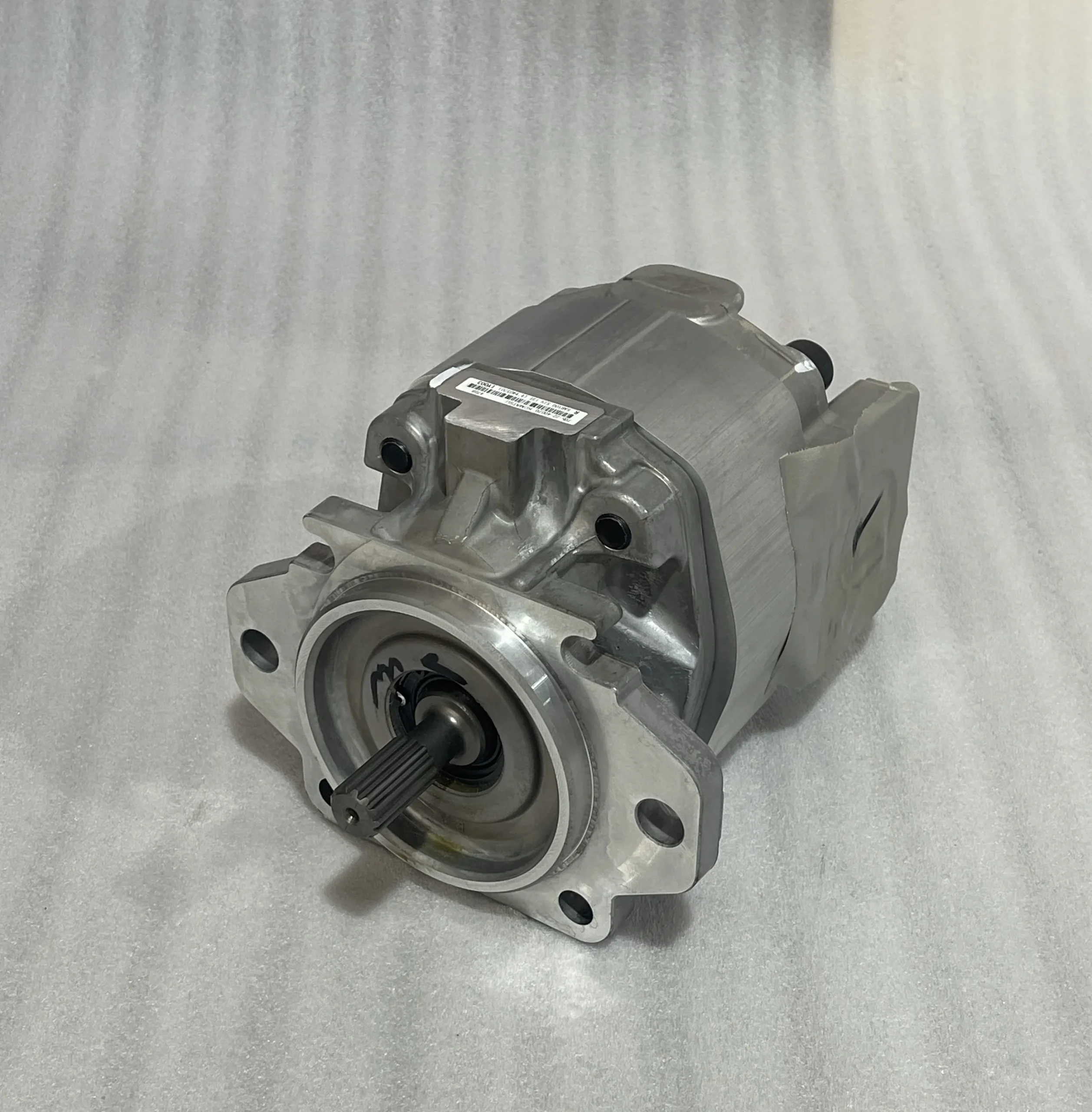 WA470-3 Gear Pump 705-22-40070
 -
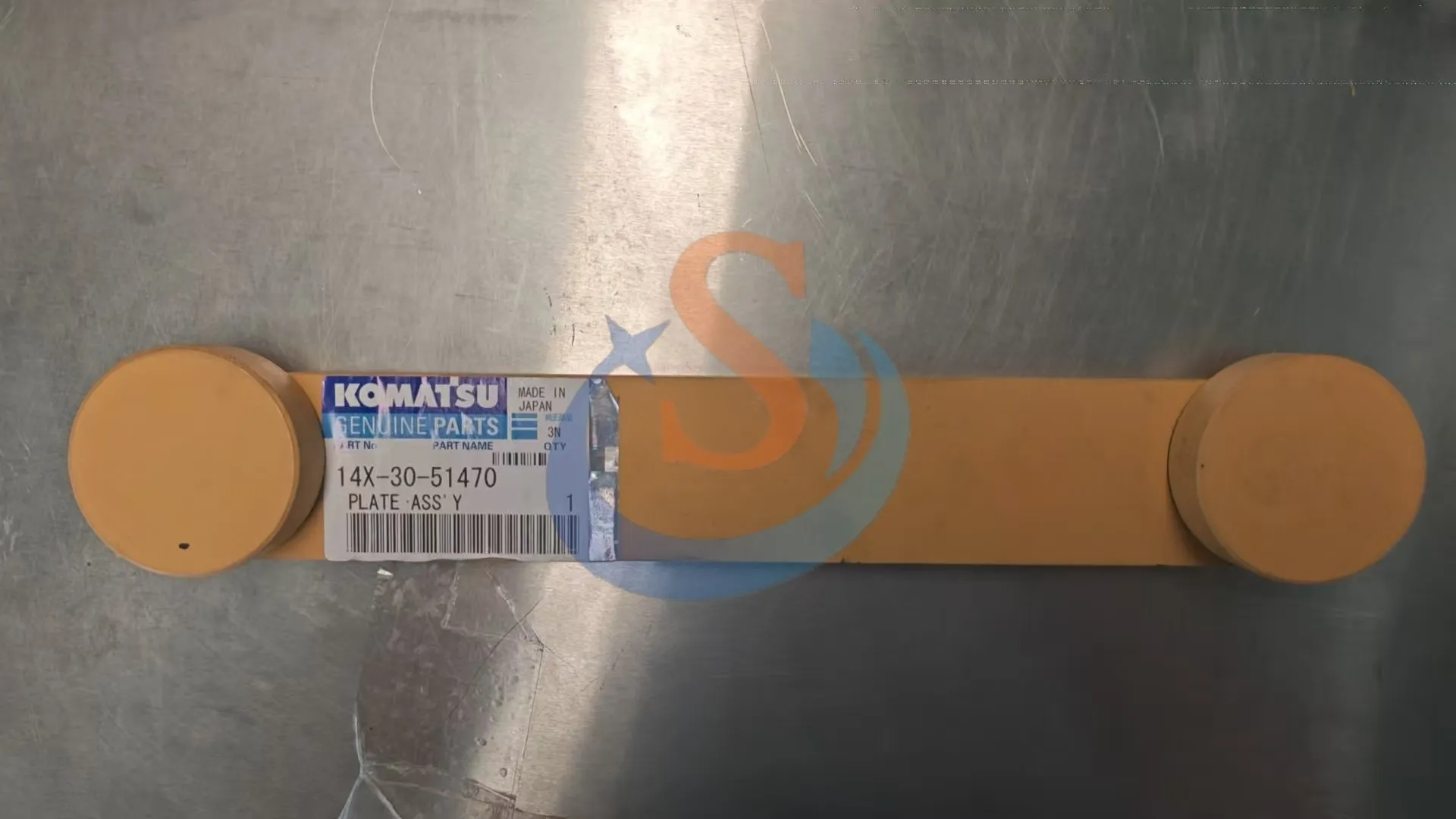 14X-30-51470,PLATE ASS’Y,D65EX,D65PX,D65WX
 -
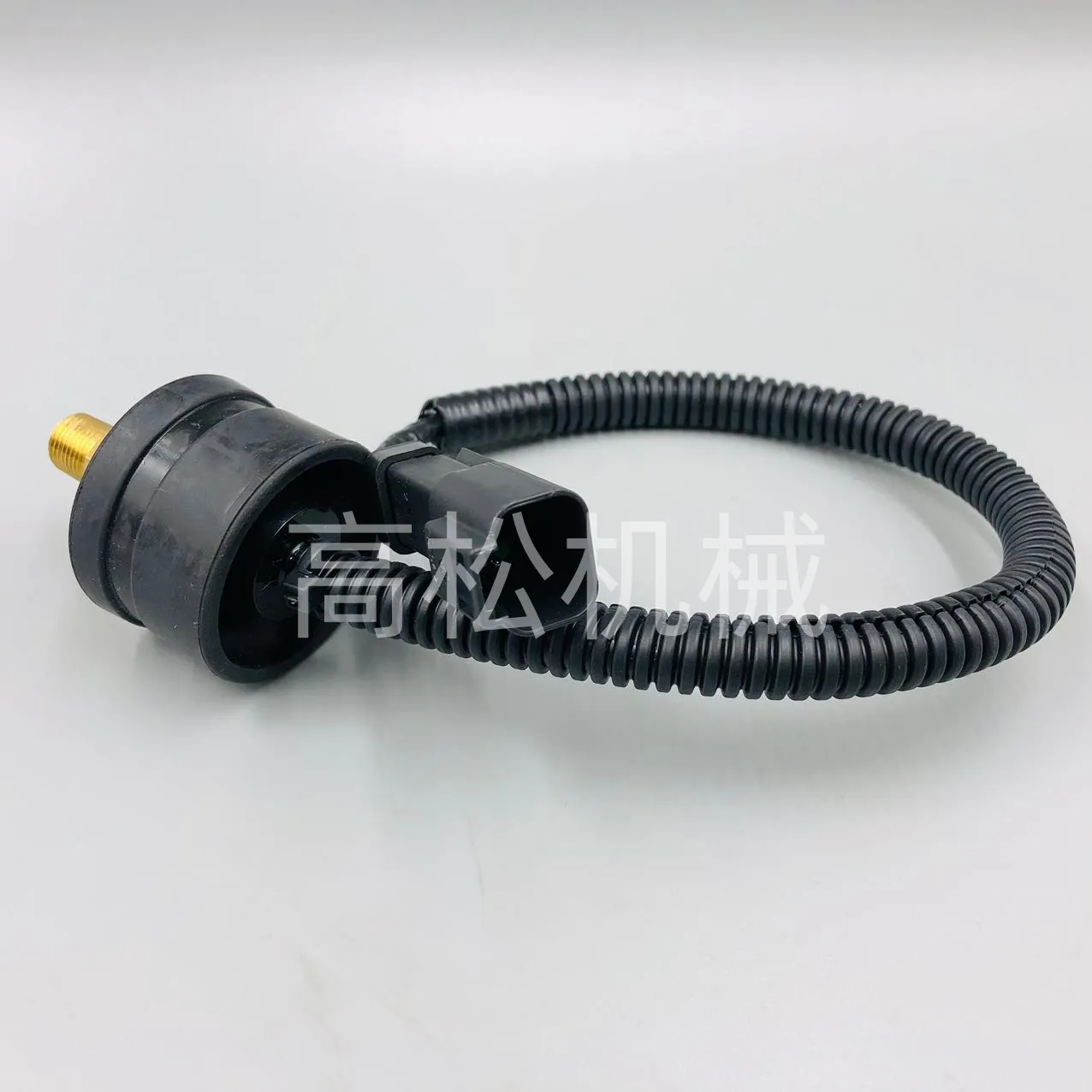 7861-93-1430 SENSOR,SWITCH-Komatsu Original Factory
 -
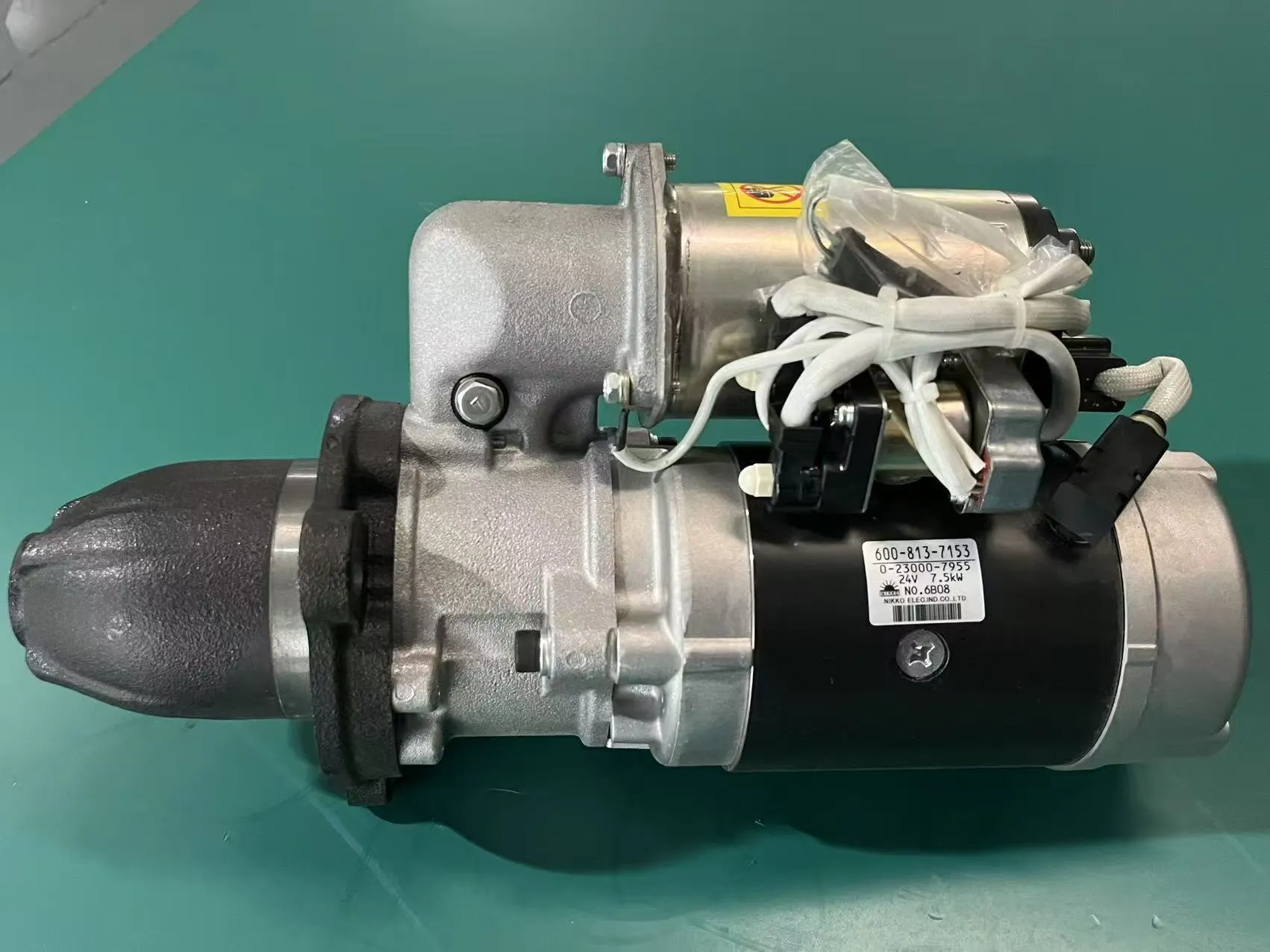 Starting Motor 7.5kw 600-813-7153
 -
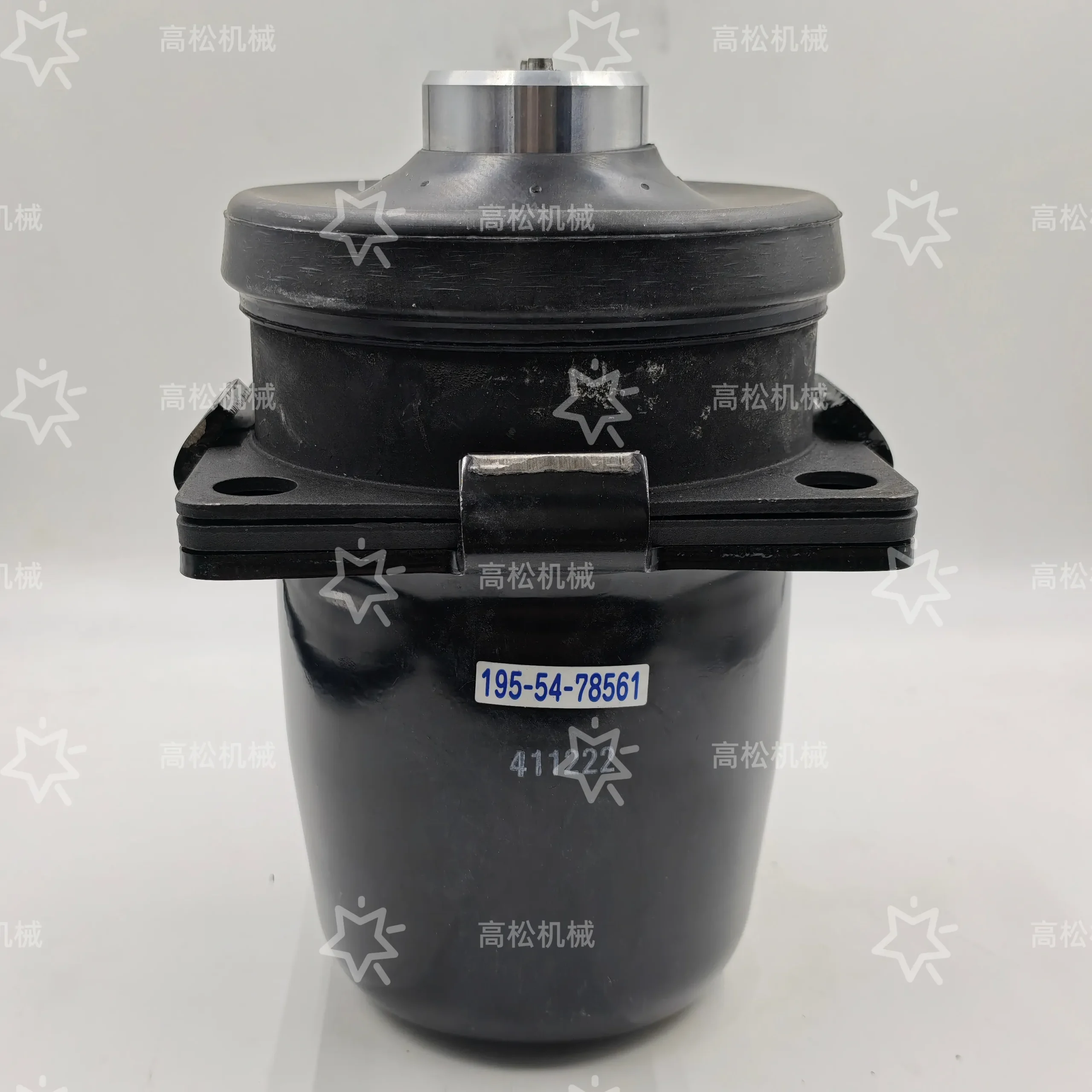 Komatsu D375 bulldozer buffer 195-54-78561
 -
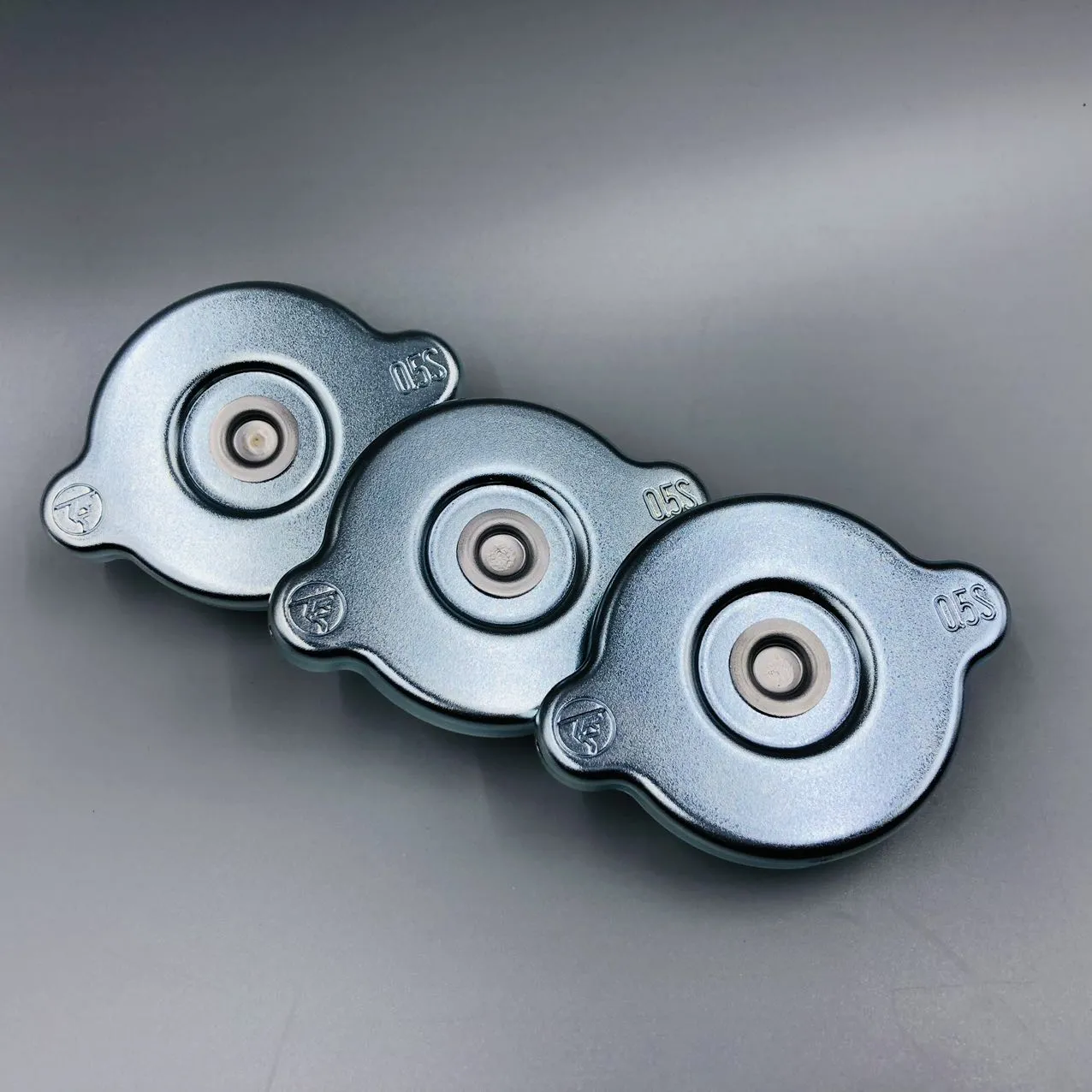 Water Tank Radiator Cap 20Y-03-22110 for Komatsu PC130-8 PC200-8 PC220-8 PC300-8 PC400-8
Related Search
Related Search- OEM AND ORIGINAL KOMATSU GUARD 198-27-51140
- Professional Supply for Equipment Maintenance & Repair!
- komatsu pc60 5 parts
- OEM AND ORIGINAL KOMATSU COVER 17M-27-41480
- komatsu dozer salvage parts
- OEM AND ORIGINAL KOMATSU COVER 206-54-21711
- komatsu fg25 nissan engine
- 41E-72-15220
- used komatsu loader parts
- 421-43-27920