
- Chinese
- French
- German
- Portuguese
- Spanish
- Russian
- Japanese
- Korean
- Arabic
- Irish
- Greek
- Turkish
- Italian
- Danish
- Romanian
- Indonesian
- Czech
- Afrikaans
- Swedish
- Polish
- Basque
- Catalan
- Esperanto
- Hindi
- Lao
- Albanian
- Amharic
- Armenian
- Azerbaijani
- Belarusian
- Bengali
- Bosnian
- Bulgarian
- Cebuano
- Chichewa
- Corsican
- Croatian
- Dutch
- Estonian
- Filipino
- Finnish
- Frisian
- Galician
- Georgian
- Gujarati
- Haitian
- Hausa
- Hawaiian
- Hebrew
- Hmong
- Hungarian
- Icelandic
- Igbo
- Javanese
- Kannada
- Kazakh
- Khmer
- Kurdish
- Kyrgyz
- Latin
- Latvian
- Lithuanian
- Luxembou..
- Macedonian
- Malagasy
- Malay
- Malayalam
- Maltese
- Maori
- Marathi
- Mongolian
- Burmese
- Nepali
- Norwegian
- Pashto
- Persian
- Punjabi
- Serbian
- Sesotho
- Sinhala
- Slovak
- Slovenian
- Somali
- Samoan
- Scots Gaelic
- Shona
- Sindhi
- Sundanese
- Swahili
- Tajik
- Tamil
- Telugu
- Thai
- Ukrainian
- Urdu
- Uzbek
- Vietnamese
- Welsh
- Xhosa
- Yiddish
- Yoruba
- Zulu
- Kinyarwanda
- Tatar
- Oriya
- Turkmen
- Uyghur





komatsu pc 50 hydraulic pump
When you hear 'Komatsu PC50 hydraulic pump', a lot of folks immediately think of the main implement pump. That's not wrong, but it's where the oversimplification starts. The real conversation, the one that happens in the yard over a coffee, isn't just about a single part number. It's about a system that's been around, a machine that's seen decades of work, and the specific challenges of keeping its heart—the hydraulic system—alive and kicking when genuine parts are continents away. That's the gap outfits like Jining Gaosong Construction Machinery Co., Ltd. operate in. They're an OEM product supplier within the Komatsu system and a third-party sales channel, which in practical terms means they understand the blueprint and the battlefield, helping to solve parts supply challenges in certain countries where the official pipeline is thin or slow.
The Reality of the PC50's Hydraulic Demands
Let's be clear: the PC50 is not a high-flow monster. Its system is relatively low-pressure, old-school, and robust in design. But that robustness depends entirely on the quality of the core components, especially the hydraulic pump. I've seen too many rebuilds fail because someone slapped in a cheap, off-spec replacement. The pump isn't just moving fluid; it's maintaining a precise balance for the entire control circuit. If the flow is even 5% off spec, you'll feel it in the stick response—it becomes sluggish, or worse, jerky.
The common failure mode isn't always a catastrophic seize. More often, it's a gradual loss of power. The machine struggles to lift a load it used to handle easily. The first instinct is to check pressures, and sure enough, you might see a drop. But just swapping the pump might not fix it if the auxiliary gear pump (the one for pilot control) is also worn. They often work in tandem, and wear on one accelerates wear on the other. This is where having a supplier who gets the system, not just the part, is critical. A place like Takematsu Machinery, which is Gaosong's portal, typically stocks these as a matched set because they've seen this interplay on the ground.
I remember a job in Southeast Asia where we chased a ghost in a PC50-6. We replaced the main Komatsu PC50 pump with a local rebuild, but the pilot pressure was still unstable. Turns out, the suction line O-rings on the gear pump housing had hardened and were letting in a whisper of air. It wasn't the pump we just replaced at all. The lesson? Never assume. Test the entire circuit. A reliable supplier knows these quirks and can often point you to the usual suspects beyond the obvious part.
OEM vs. Aftermarket: A Practical, Not Philosophical, Choice
The debate isn't black and white. For a machine this age, a brand-new, crate-fresh OEM pump from Komatsu is often economically unviable, if you can even find one. The value proposition shifts. The goal is OEM-equivalent performance, not necessarily OEM packaging. This is the niche where a company operating as an OEM supplier within Komatsu's own system but also as a third-party seller becomes invaluable. They have access to the original specifications and manufacturing tolerances.
I've used components sourced through channels like https://www.takematsumachinery.com. The difference between a good aftermarket part and a bad one often comes down to the metallurgy of the shaft and the precision of the swash plate. A poor-quality shaft will score the housing quickly. A supplier with OEM ties is more likely to have the right grade of steel, not just something that looks right.
There's a failure I won't forget. We installed a pump from a no-name supplier. It worked for about 80 hours. Then, the shaft sheared. Post-mortem showed brittle, inconsistent metal. The downtime cost far exceeded the price difference from a proper unit. After that, we started asking suppliers not just for price, but for material certs or at least the name of their foundry. Jining Gaosong's model, as an integrated supplier, usually implies they've vetted this chain, which reduces your field risk.
On-Site Diagnostics and the Feel of Failure
You can't always rely on gauges alone. A lot of diagnosis is tactile and auditory. A worn hydraulic pump on a PC50 often has a distinct whine—a higher-pitched, straining sound compared to the normal hydraulic hum. Put your hand on the hydraulic lines; you can sometimes feel a cavitation chatter, a kind of gritty vibration, which suggests the pump is starving or pulling air.
Another tell is heat. An inefficient pump works harder, converting more energy into heat. Compare the temperature of the pump housing to the reservoir after an hour of work. If it's significantly hotter, it's a sign of internal leakage and lost volumetric efficiency. These are the checks you do before you even crack a line.
I once misdiagnosed a noise as a failing pump. Spent half a day pulling it, only to find the pump was fine. The noise was a resonance from a slightly loose mounting bracket on the pump's auxiliary drive. A simple shim fixed it. It was an embarrassing lesson in checking the simple, free, mechanical connections first. Now, my first step is always a full physical check of mounts, couplings, and the drive gear teeth.
The Supply Chain Solution for Stuck Machines
This is where the stated mission of solving parts supply challenges becomes real. For a PC50 working in a remote quarry or a farm in a country without a strong Komatsu dealer network, a three-month wait for a part is a death sentence for the project. Third-party sales companies that are also system insiders bridge this gap.
Their value isn't just in having a pump on a shelf. It's in having the right pump, with the right gasket kit, the right set of seals, and maybe even the mounting bolts that always seem to strip. They think in assemblies, not just SKUs. When you order a Komatsu PC50 hydraulic pump from a source like this, you're often getting a kit that addresses the common failure points around the installation.
We had a machine down in West Africa. The local dealer's system showed the pump was back-ordered for 12 weeks. We reached out to a third-party supplier with OEM links, and they had a compatible unit—built to OEM spec—air-freighted in 7 days. It wasn't in a Komatsu box, but it had the correct port orientations, shaft spline count, and displacement. The machine was back digging in 10 days total. That's the operational reality they cater to.
Final Thoughts on Longevity and System Health
Replacing the pump is often just surgery. The real cure is addressing the cause. Why did the pump fail? Ninety percent of the time, it's contamination or poor maintenance. A new pump will die just as fast if you don't flush the system, replace the filters (all of them, including the often-overlooked case drain filter), and check the cooler for restrictions.
When you source a critical component like this, ask the supplier for the maintenance bulletins related to the hydraulic system. A good one, especially one positioned as an OEM supplier, will have that documentation. They should be telling you to check the alignment of the pump drive and the condition of the hydraulic oil cooler during installation.
In the end, dealing with a PC50 hydraulic pump is about respecting the machine's design. It's a simple, tough system. Keep it clean, keep it cool, and when you need to replace its heart, use a part that understands its rhythm. That's the advantage of working with suppliers who live in both worlds—the world of original specs and the world of urgent field repairs. It turns a potential nightmare into a straightforward, if not simple, fix.
Related Products
Related Products
Best Selling Products
Best Selling Products-
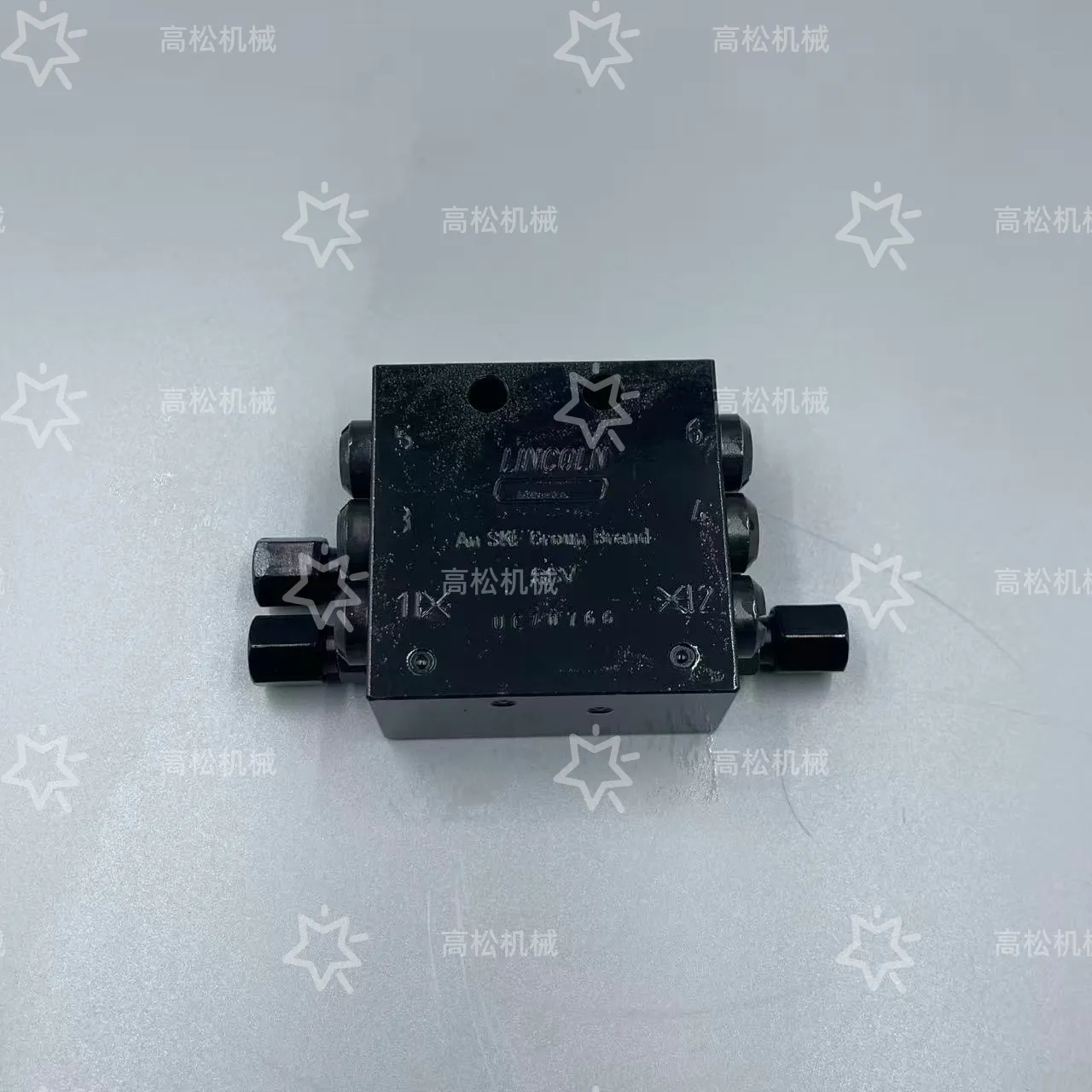 21T-68-67940 Komatsu Valve Assembly
 -
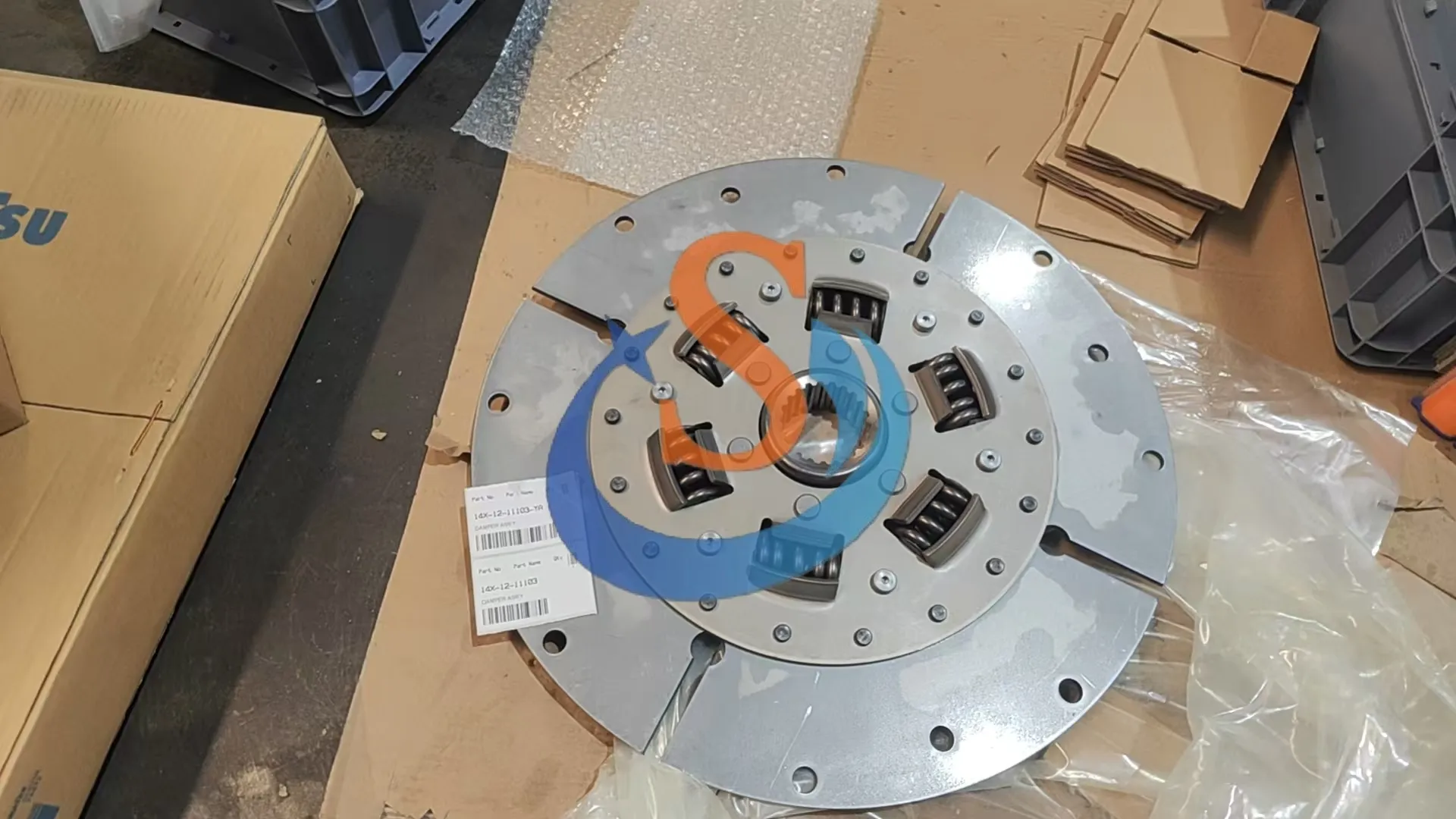 14X-12-11103 Damper Disc ASS’Y D65/D85
 -
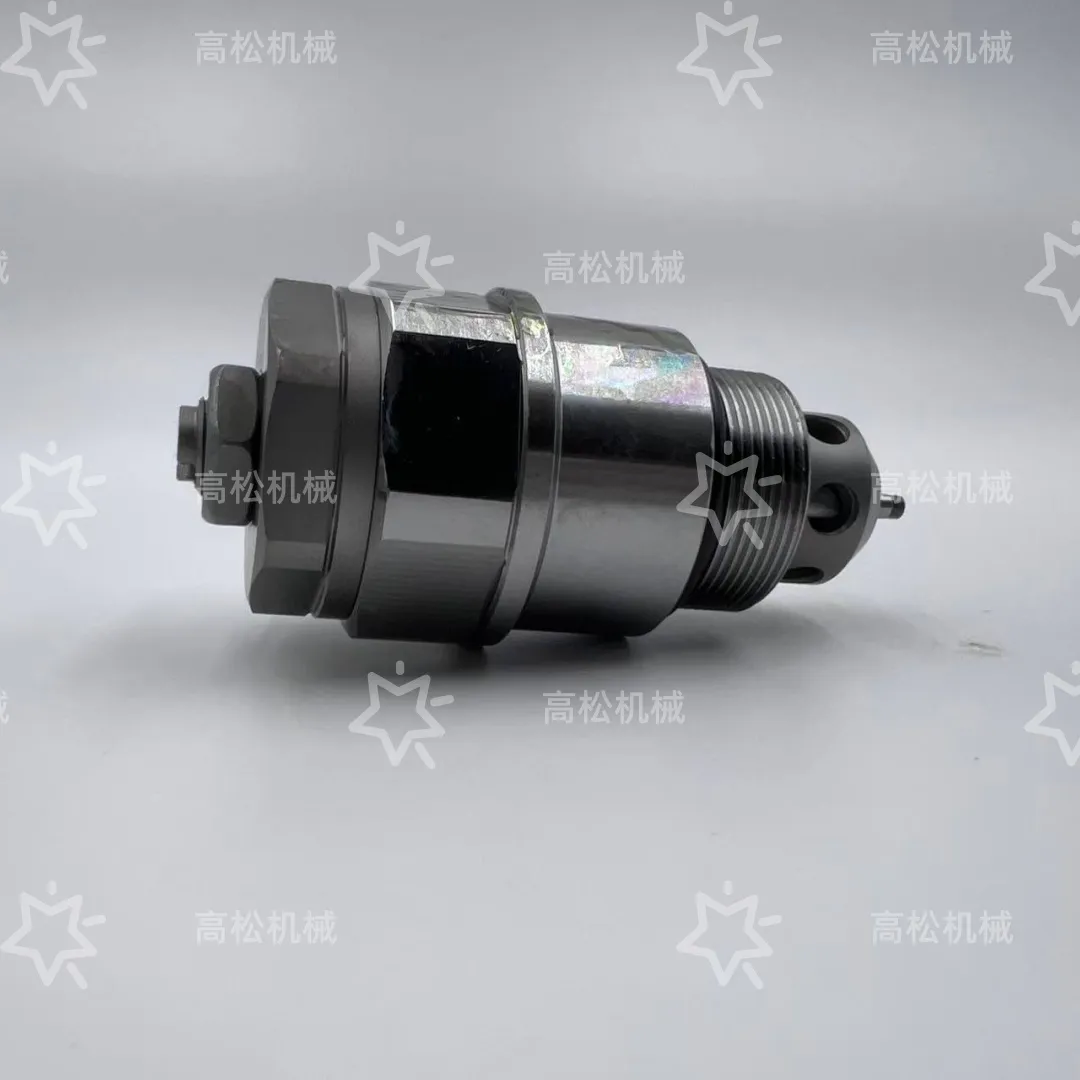 709-90-71700 Valve Assembly, Suction and Relief Komatsu
 -
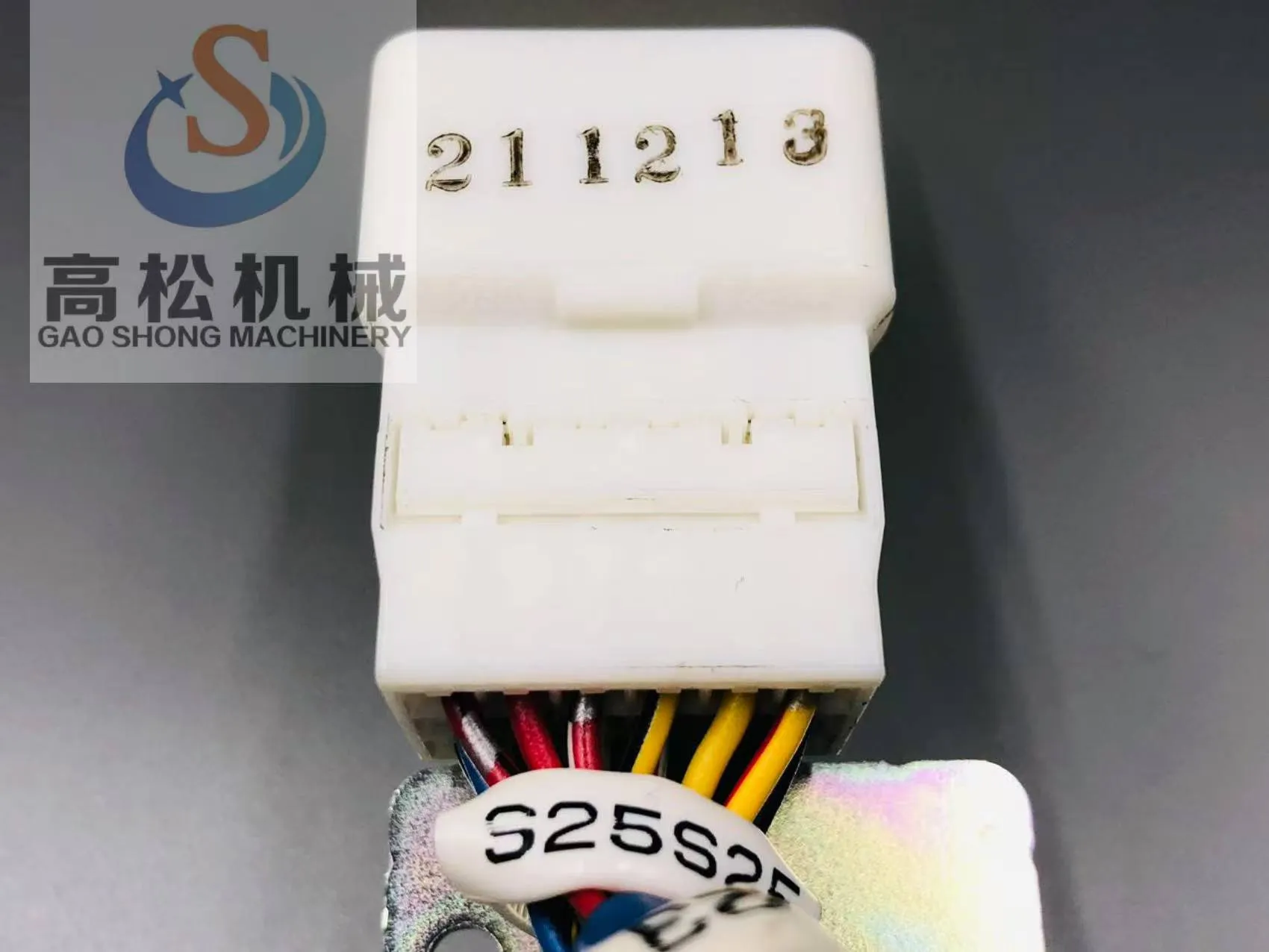 Factory wholesale of low-price 22U-06-22370 switch assemblies, suitable for Komatsu PC300LC, PC340LC, PC380LC construction machinery parts
 -
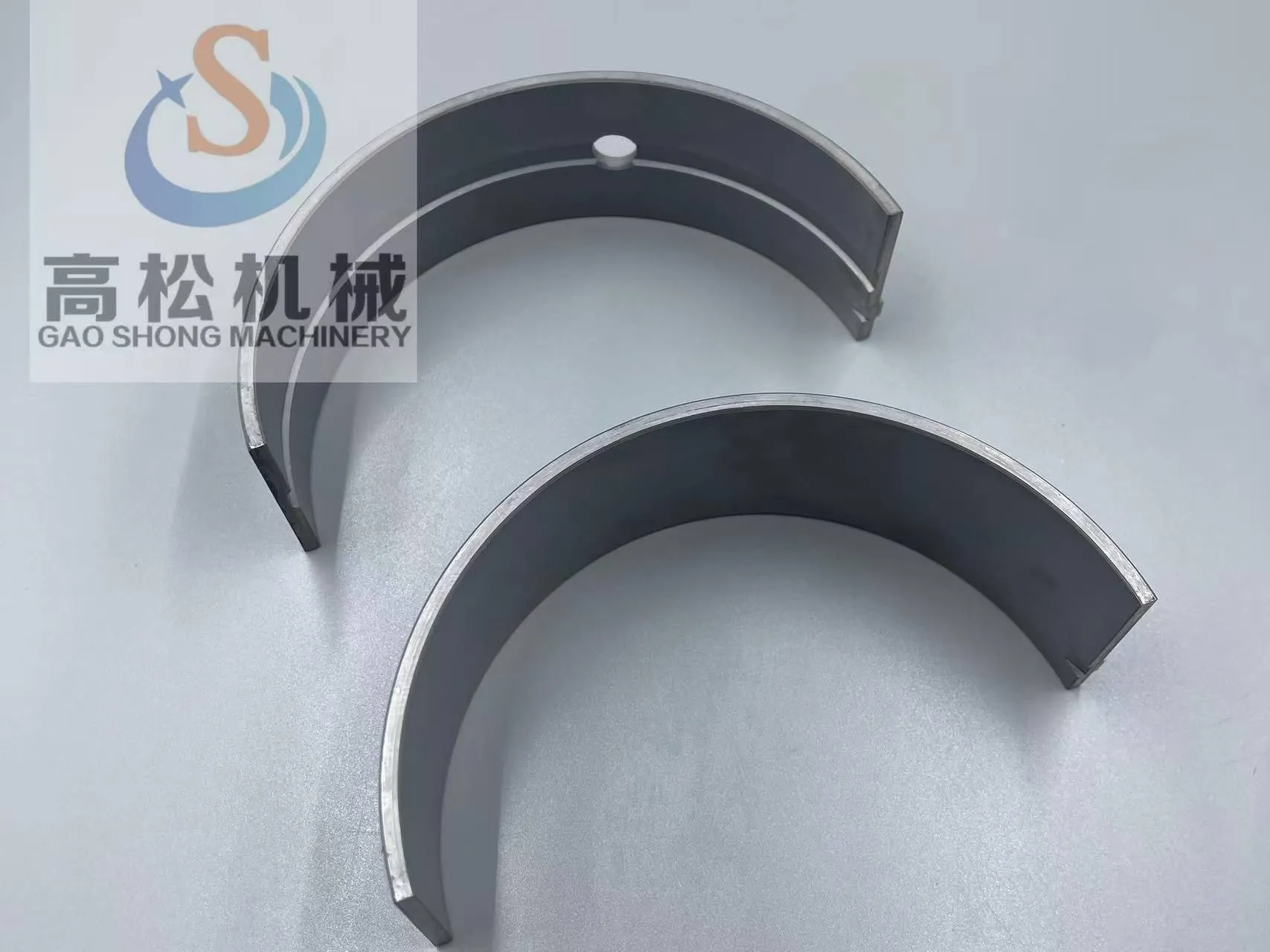 Main bearing of mechanical engine 6162-23-8010, applicable to S6d170 wheel loader, WA600 type Buildozer D375 engine
 -
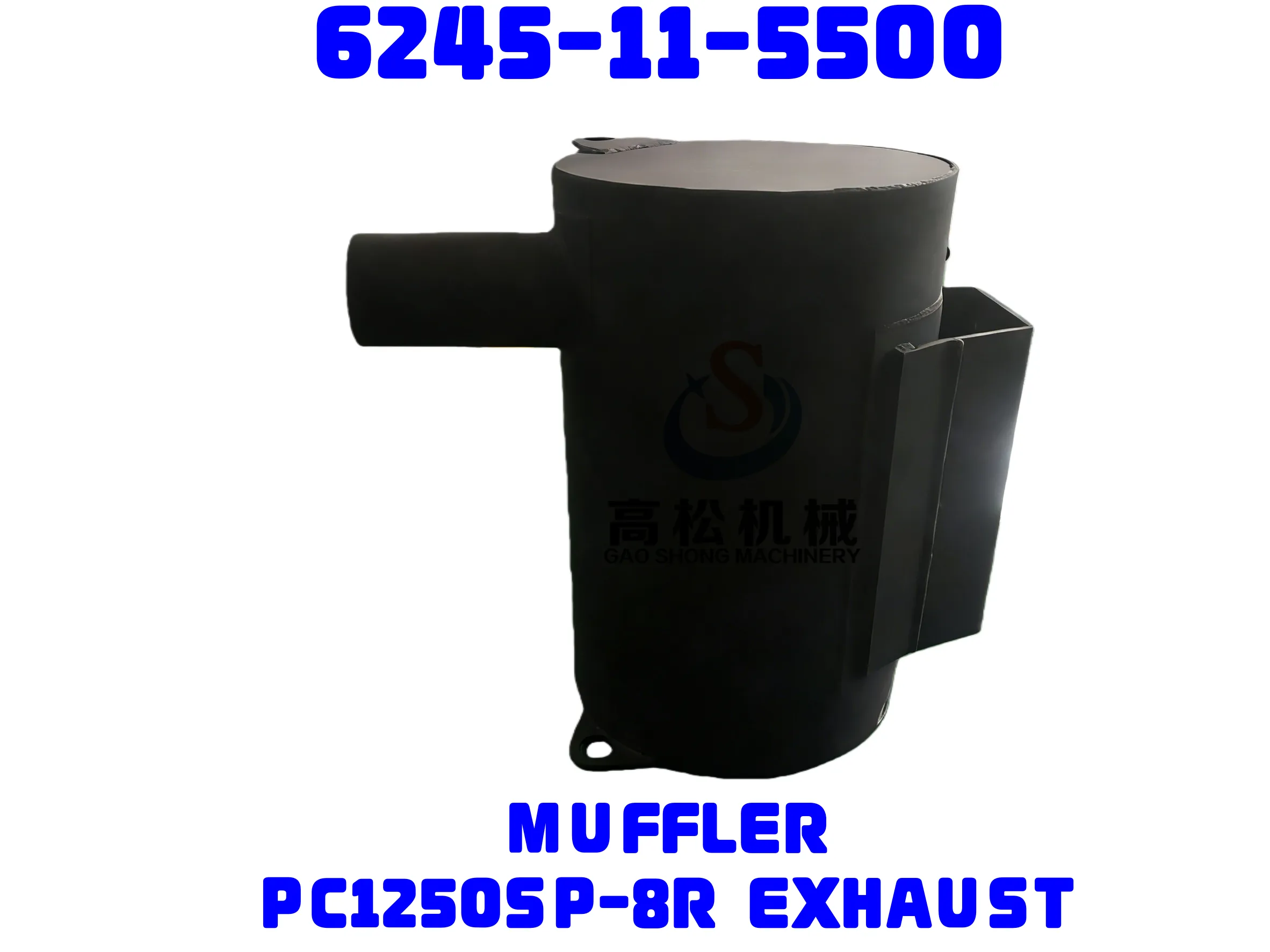 komatsu-part-6245-11-5500 MUFFLER PC1250-8R SAA6D170E-5CR MUFFLER MOUNTING (TROPICAL GROUND SPEC. 55ЯC EXHAUST (+55C SPEC.) EXHAUST MUFFLER
 -
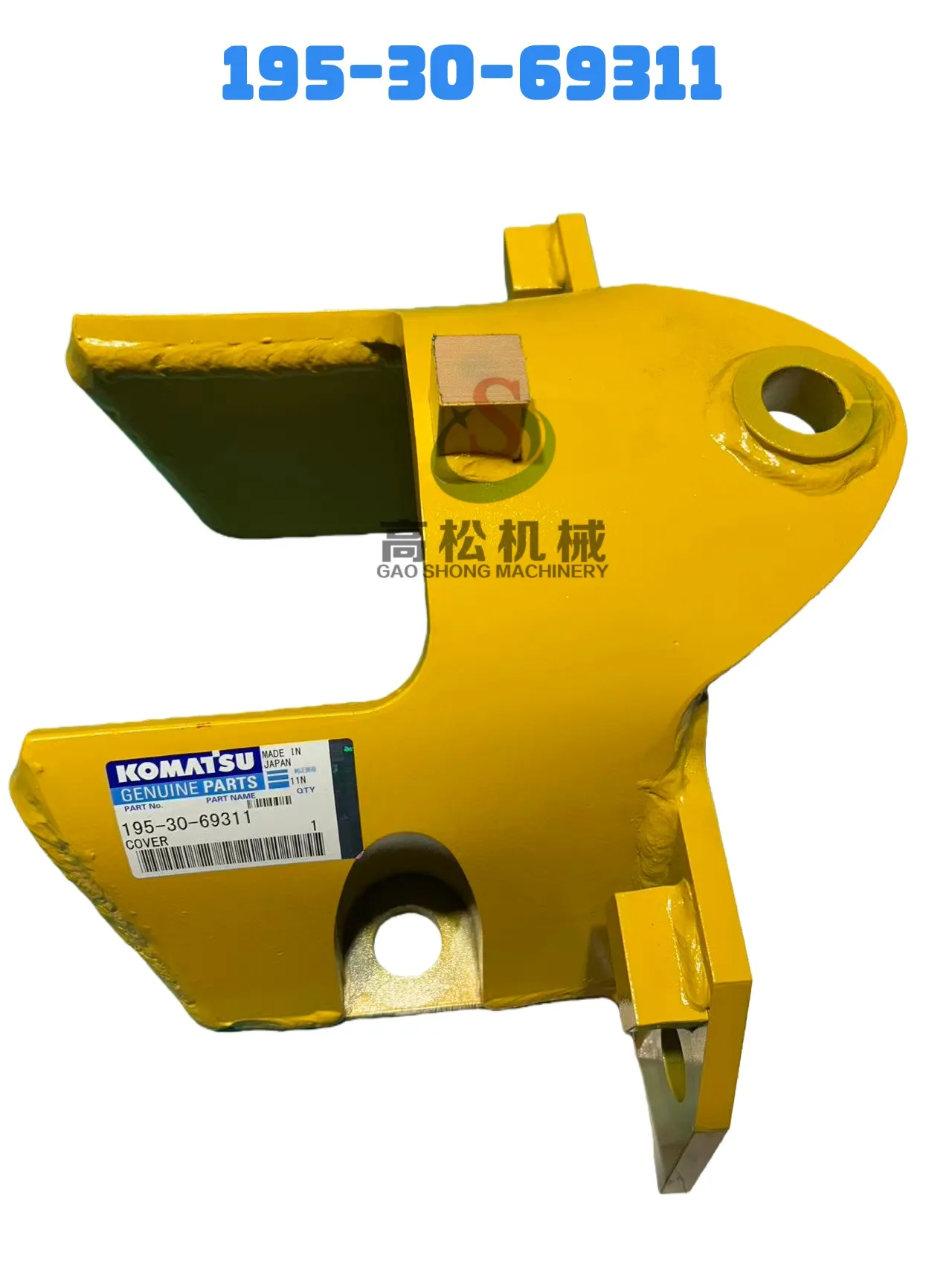 komatsu parts195-30-69311 COVER D375A-5 D375A-6 D375AI-8 D375A-8E0 TRACK FRAME
 -
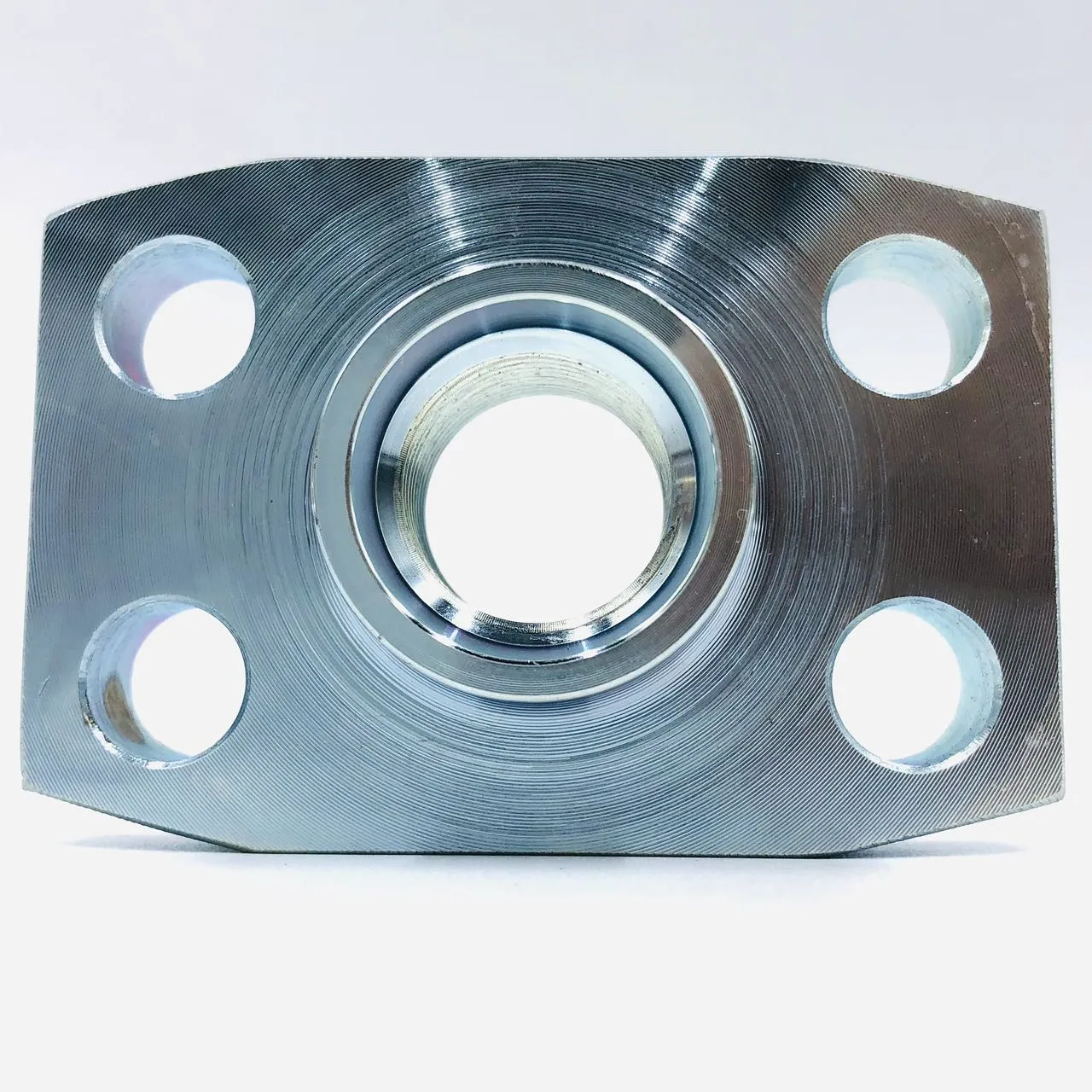 21N-38-12310 Komatsu FLANGEKomatsu Original Equipment Excavator Parts
 -
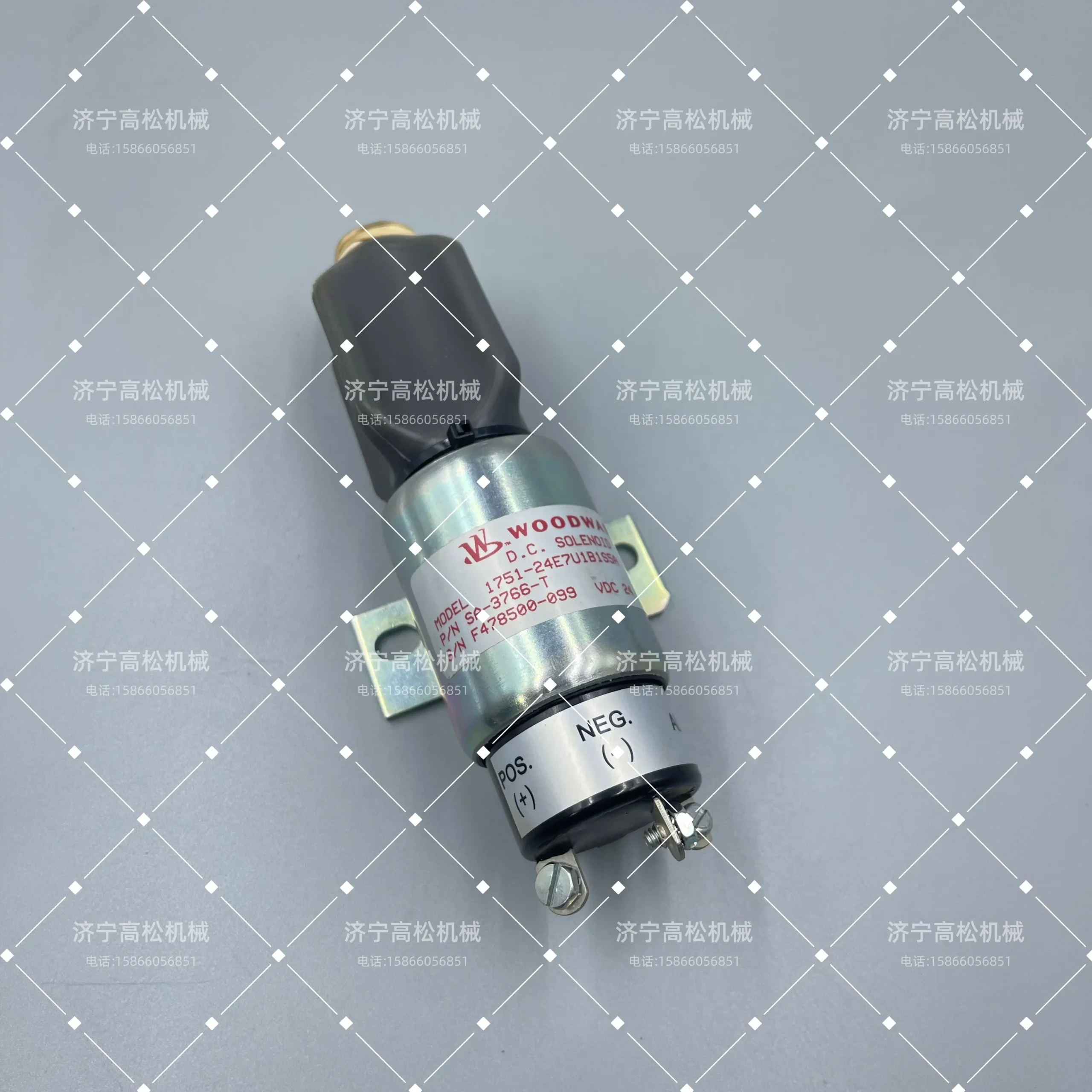 Solenoid Valve 600-815-7550 For Komatsu D41pf-6, High Quality…
 -
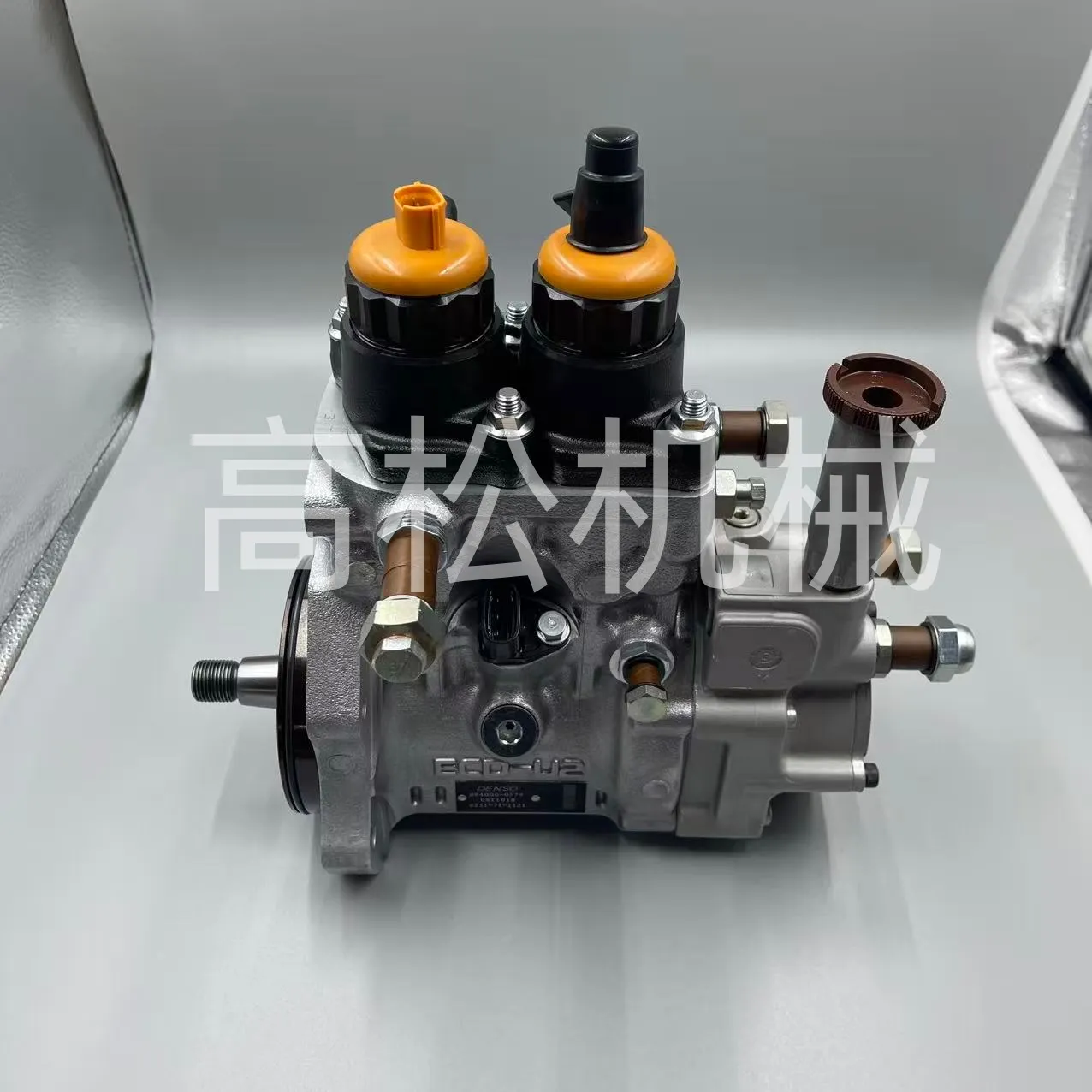 6251-71-1121 Pump Assembly, Fuel Injection-Komatsu Original Factory
 -
 21T-01-67330 Komatsu Machinery Parts
 -
 used Komatsu Controller 425-07-21121 for WA500-3H