
- Chinese
- French
- German
- Portuguese
- Spanish
- Russian
- Japanese
- Korean
- Arabic
- Irish
- Greek
- Turkish
- Italian
- Danish
- Romanian
- Indonesian
- Czech
- Afrikaans
- Swedish
- Polish
- Basque
- Catalan
- Esperanto
- Hindi
- Lao
- Albanian
- Amharic
- Armenian
- Azerbaijani
- Belarusian
- Bengali
- Bosnian
- Bulgarian
- Cebuano
- Chichewa
- Corsican
- Croatian
- Dutch
- Estonian
- Filipino
- Finnish
- Frisian
- Galician
- Georgian
- Gujarati
- Haitian
- Hausa
- Hawaiian
- Hebrew
- Hmong
- Hungarian
- Icelandic
- Igbo
- Javanese
- Kannada
- Kazakh
- Khmer
- Kurdish
- Kyrgyz
- Latin
- Latvian
- Lithuanian
- Luxembou..
- Macedonian
- Malagasy
- Malay
- Malayalam
- Maltese
- Maori
- Marathi
- Mongolian
- Burmese
- Nepali
- Norwegian
- Pashto
- Persian
- Punjabi
- Serbian
- Sesotho
- Sinhala
- Slovak
- Slovenian
- Somali
- Samoan
- Scots Gaelic
- Shona
- Sindhi
- Sundanese
- Swahili
- Tajik
- Tamil
- Telugu
- Thai
- Ukrainian
- Urdu
- Uzbek
- Vietnamese
- Welsh
- Xhosa
- Yiddish
- Yoruba
- Zulu
- Kinyarwanda
- Tatar
- Oriya
- Turkmen
- Uyghur






komatsu parts warehouse
When you hear 'Komatsu parts warehouse,' the immediate image is probably rows of shelves stacked with yellow boxes in some massive, automated facility. That's the glossy catalog version. In reality, especially when you're dealing with supply chains that stretch across continents with varying import rules, the concept gets messy. It's not just a storage point; it's a critical node in a logistical puzzle that can make or repair downtime. A lot of people think it's purely about inventory count, but the real challenge is access—getting the right part, with the right documentation, to the right pit site or workshop, without it getting held up in customs for six weeks. That's where the distinction between a central OEM warehouse and a strategically positioned third-party partner becomes everything.
The OEM Promise and the On-Ground Reality
Komatsu's official network is unparalleled for coverage in major markets. You need a seal kit for a PC700 pump in Texas? The system works like clockwork. But try sourcing that same kit, or more often, a seemingly simple bracket for an older D155 dozer, in a region where Komatsu doesn't have a dedicated major parts depot. The lead times can become project-breaking. The official system is optimized for volume and common demand, not for every legacy machine still operating in remote locations. This gap is where companies positioned as Komatsu parts warehouse extensions come in. They're not just resellers; they're logistical buffers.
I remember a specific case with a client running a fleet of older HD785 trucks in South America. The transmission control valve was failing. The local Komatsu dealer quoted a 90-day lead time, air freight not even an option due to the part's classification. The machine was dead, blocking a haul road. We weren't the first call; they'd already scoured the local aftermarket. Our role, through our connections, was to act as that de facto warehouse. We identified the part in a partner stock in Japan, but the trick wasn't finding it—it was navigating the export paperwork from Japan and the import regulations into the client's country to avoid it being rejected at port. That's the unseen half of warehousing: paperwork as inventory.
This is the niche outfits like Jining Gaosong operate in. From what I've seen and the transactions we've crossed paths on, their stated position as an OEM product supplier within the Komatsu system and a third-party sales company makes practical sense. It means they can sometimes tap into genuine OEM stock channels for newer parts, but their real value-add is structuring a supply path for those parts into markets that are hard to service directly. Their website, takematsumachinery.com, frames it as solving parts supply challenges in certain countries, which is an understated way of saying they deal with the complicated, non-standard orders.
What Warehouse Really Means in This Context
So, let's dissect the warehouse function here. It's rarely a single, giant building they own. It's more likely a networked inventory—some parts physically with them, some on consignment with partners in key transit hubs like Singapore or Rotterdam, and some accessible through agreements with other distributors. The intelligence isn't in the racking; it's in the database and the relationships. Knowing not just that a part exists, but its export compliance status, its harmonic code for shipping, and which freight forwarder can handle it without palletizing it incorrectly.
I've been burned by this before, early on. Found a warehouse that claimed to have a cylinder for a WA600. Price was good, they sent a stock photo. We paid. Then radio silence. Turns out they were just a broker scouring Alibaba and had no physical or legal custody of the part. The lesson? A real parts warehouse operation, even a third-party one, should be able to provide specific proof of possession—unique photos with identifiers, warehouse location codes, and clear incoterms. Jining Gaosong, by virtue of being an OEM supplier, likely has to maintain a higher level of traceability to keep that status, which filters down to their third-party activities. It adds a layer of credibility.
The other aspect is the mix. A pure OEM warehouse might phase out support for a model after 10 years. A third-party Komatsu specialist warehouse, if they're smart, will strategically hold onto certain high-failure items for legacy models. Think about the final drives for the older Dash 3 series excavators, or the controller boards for the early electric drive trucks. These aren't fast-moving items, but when they're needed, they're needed desperately. Holding that inventory is a service that commands a premium, justified by the alternative—weeks of downtime.
The Pitfalls and the Due Diligence
It's not all seamless. Using a third-party warehouse channel introduces complexity. Who handles the warranty? If it's a genuine OEM part sourced through a third-party, does Komatsu's global warranty apply, or does it fall to the seller? I've seen both scenarios. Clarity on this upfront is crucial. Sometimes the part arrives with OEM packaging but serial numbers filed off—a grey market reality that can void any warranty claim later. A reputable operator will be transparent about the part's provenance.
Another pitfall is condition. A warehouse might list a part as new, but in this context, it could mean new old stock (NOS) that's been sitting for 15 years. Rubber seals degrade, grease dries out, electronics can suffer from capacitor aging. A good supplier will check this before shipping. I learned this with a new swing motor that failed on installation because the shaft seals had set. The parts were physically new but functionally compromised. Now, we always ask for manufacturing date codes on critical components.
This circles back to why a company's stated role matters. Jining Gaosong Construction Machinery Co., Ltd. presenting itself as an OEM supplier suggests they have a direct pipeline to current production, which should mitigate the NOS risk for many components. Their third-party sales arm then presumably uses that credibility to handle the trickier, legacy, or region-specific logistics. It's a model that acknowledges the two-tiered nature of the global parts market.
The Future: Digital Inventory and Real-Time Access
The next evolution of the Komatsu parts warehouse concept is virtual, but not in the fake sense. It's about integrated inventory systems. The ideal scenario isn't calling or emailing a supplier like takematsumachinery.com to ask if they have a part; it's their inventory being partially visible or queryable through an API into a fleet management system. Some larger dealers have this for their own stock. The frontier is third-party networks achieving a similar level of transparency. We're not there yet, but the pressure is on.
This would solve the biggest time sink: the back-and-forth. Do you have it? Can you ship it to Zambia? What's the exact cost with duties? Each round can take a day. If the warehouse function includes a real-time logistics calculator baked into its inventory listing, that's a game-changer. It turns a warehouse from a reactive storage unit into a proactive supply node. I know some groups are trying to build this, aggregating trusted third-party stocks.
For now, the human element remains key. The value of a competent third-party parts provider is their ability to answer those complex questions in one go because they've done it before. They know that part X for model Y going into country Z requires a sanitary certificate from the origin country's agriculture department because it contains rubber. That knowledge is the true inventory. So when you evaluate a Komatsu parts warehouse, you're not just evaluating their square footage or their stock list on a website. You're evaluating their institutional memory of global trade, their relationship web, and their problem-solving speed when the standard channels have said no. That's the real warehouse they're selling.
Related Products
Related Products


Best Selling Products
Best Selling Products-
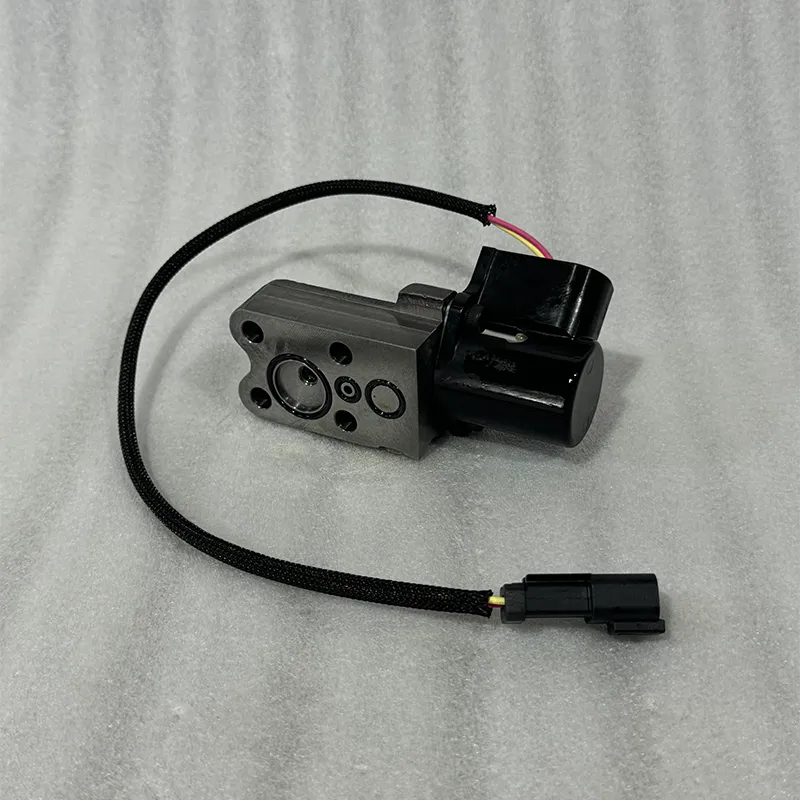 Original komatsu PC2000-8 Pilot Valve 708-7S-01330
 -
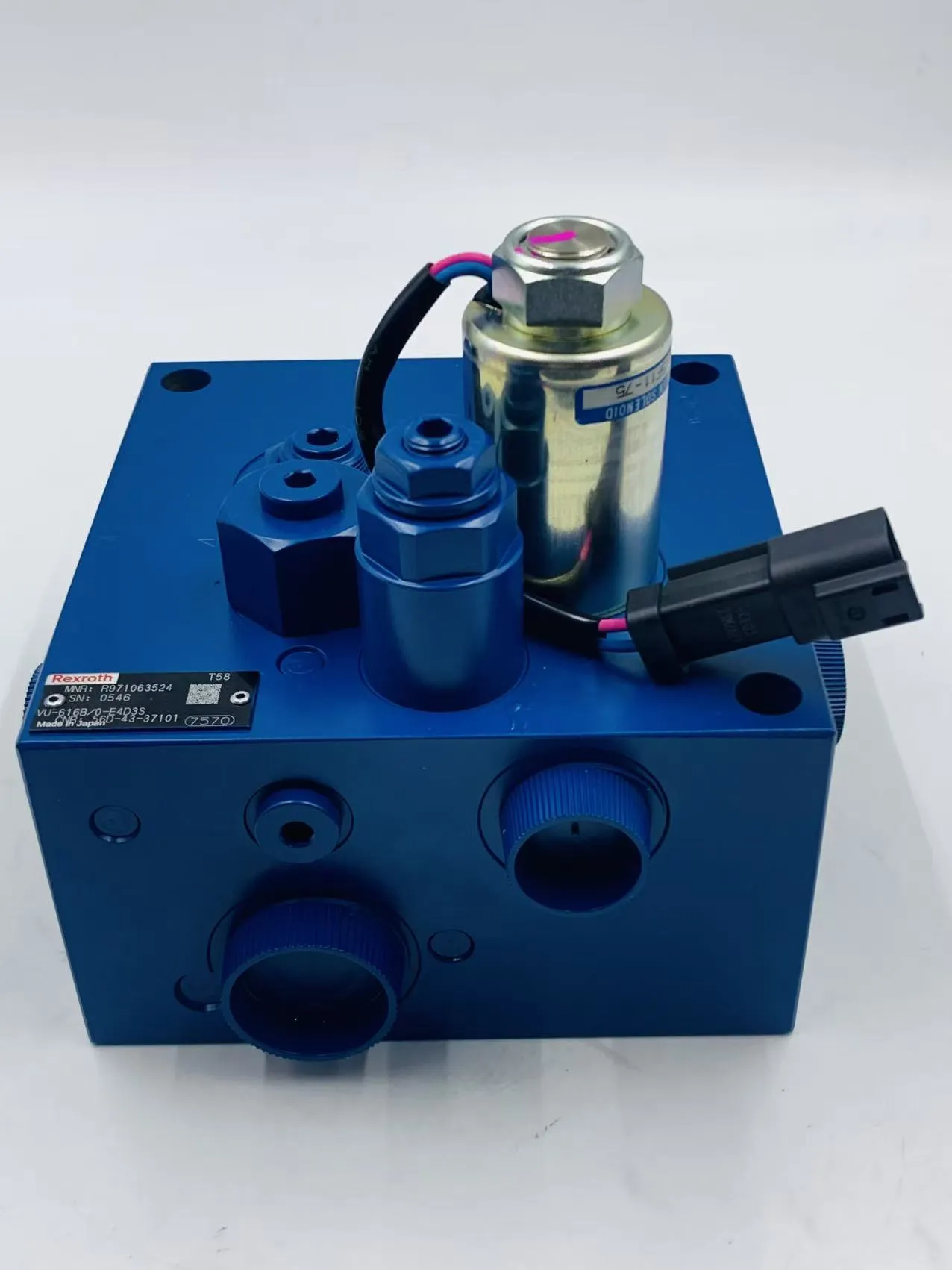 56D-43-37101 Valve Assembly, Charge for HM300 Komatsu Dump Truck Parts High Quality Original Factory
 -
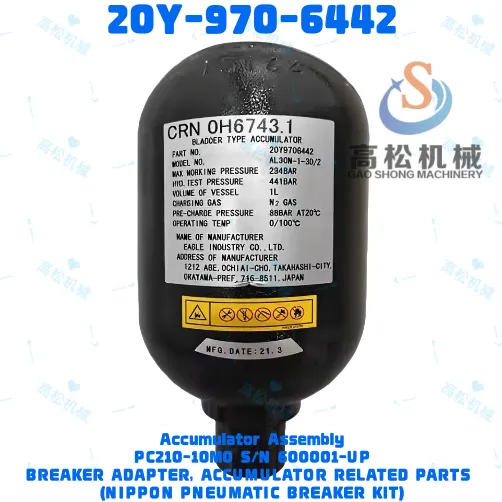 20Y-970-6442 Accumulator Assembly PC210-10M0 BREAKER ADAPTER, ACCUMULATOR RELATED PARTS (NIPPON PNEUMATIC BREAKER KIT) PC500LC-10M0 PC500LC-10R
 -
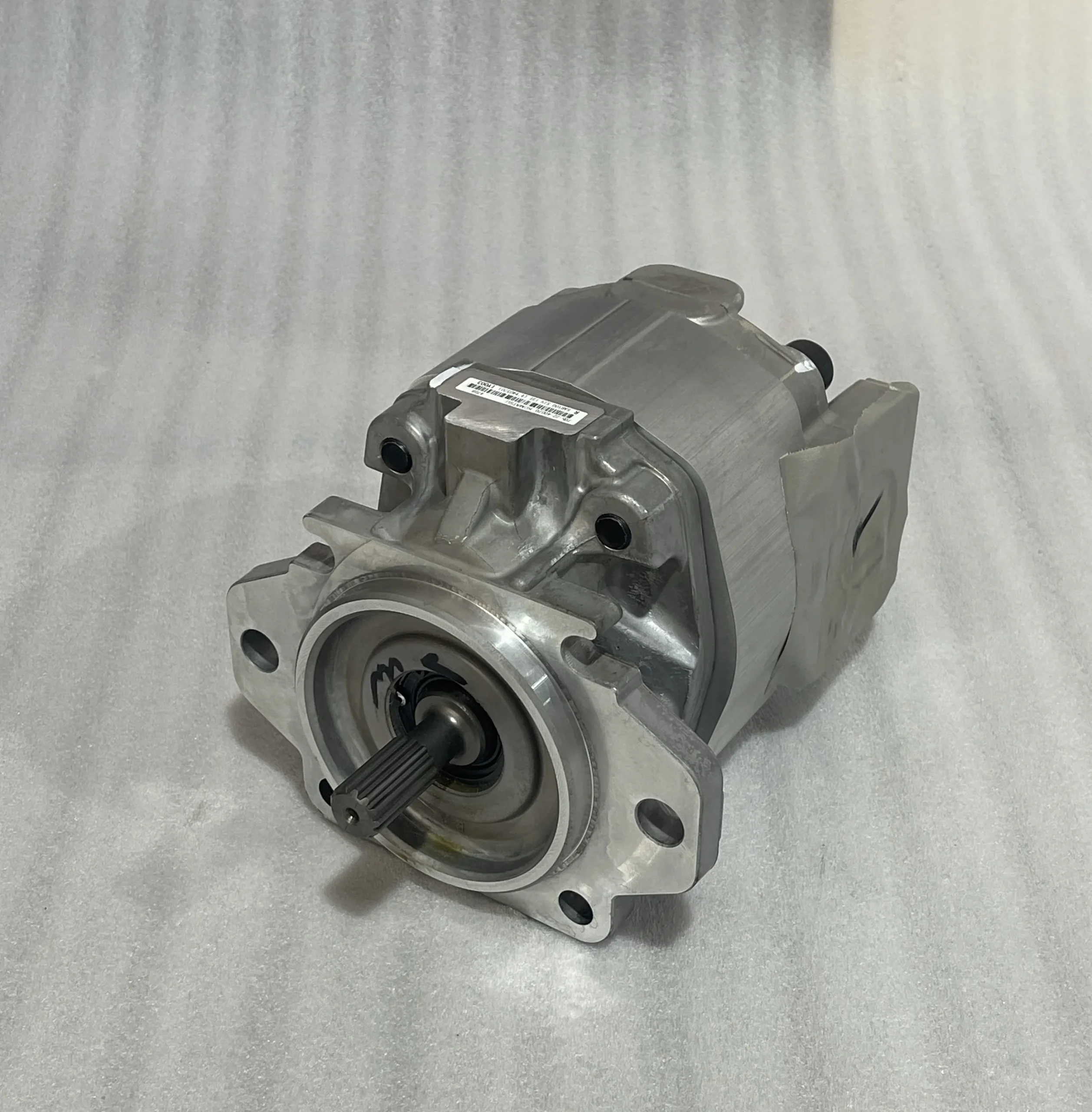 WA470-3 Gear Pump 705-22-40070
 -
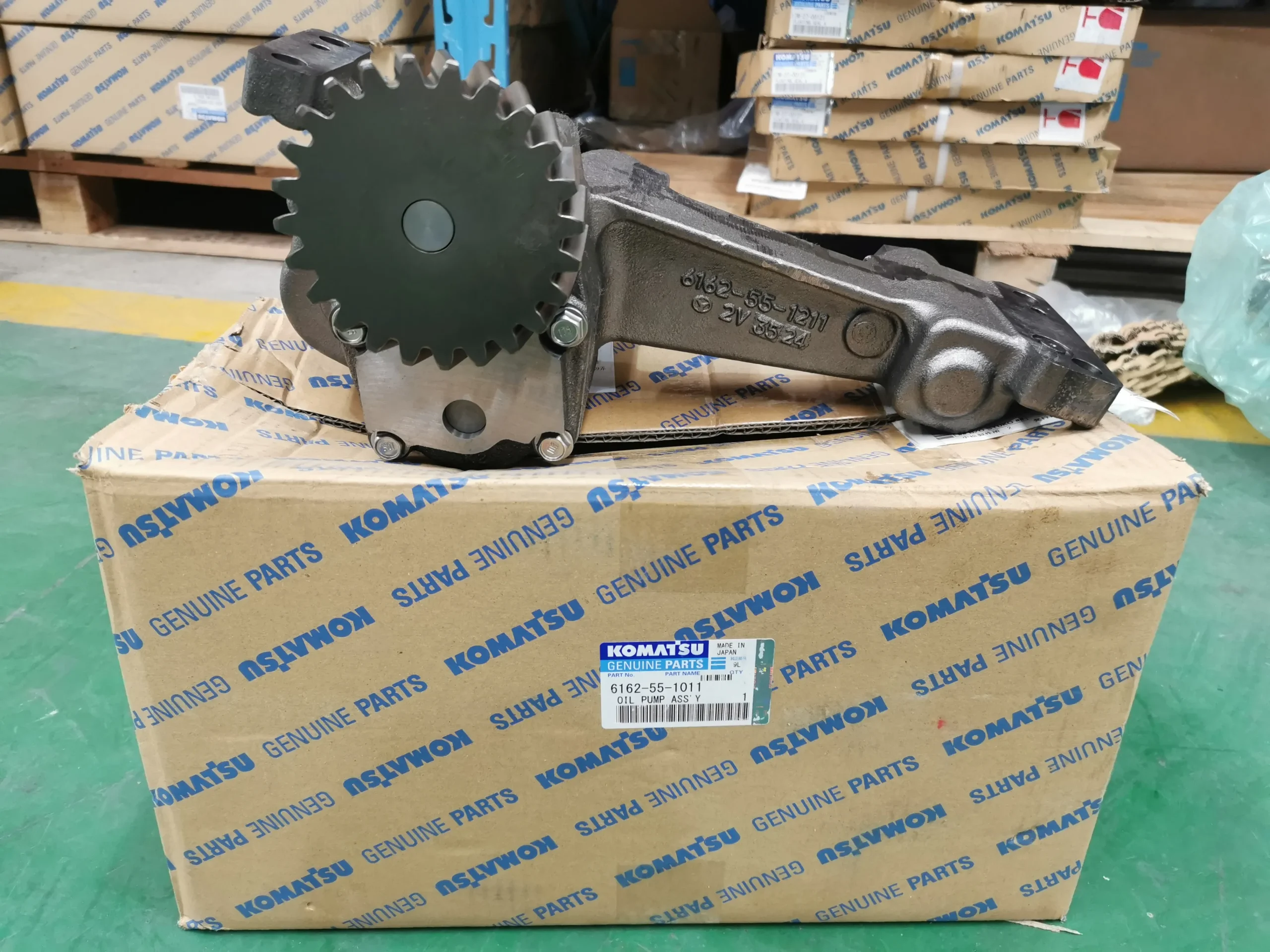 S6D170E-2A Oil Pump 6162-55-1011
 -
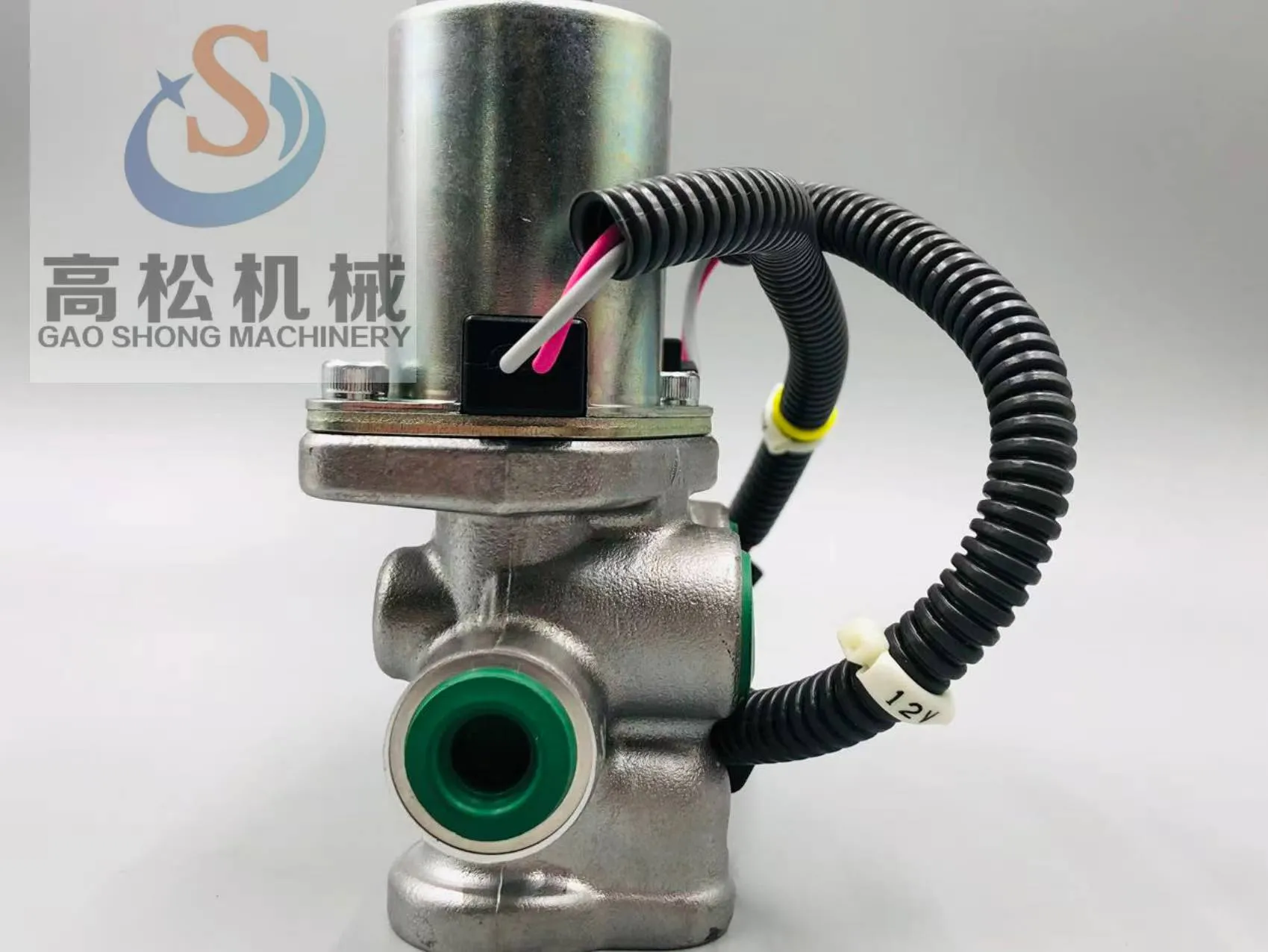 22F-60-21201 22F-60-31600 Solenoid Valve PC56-7 PC55MR-2
 -
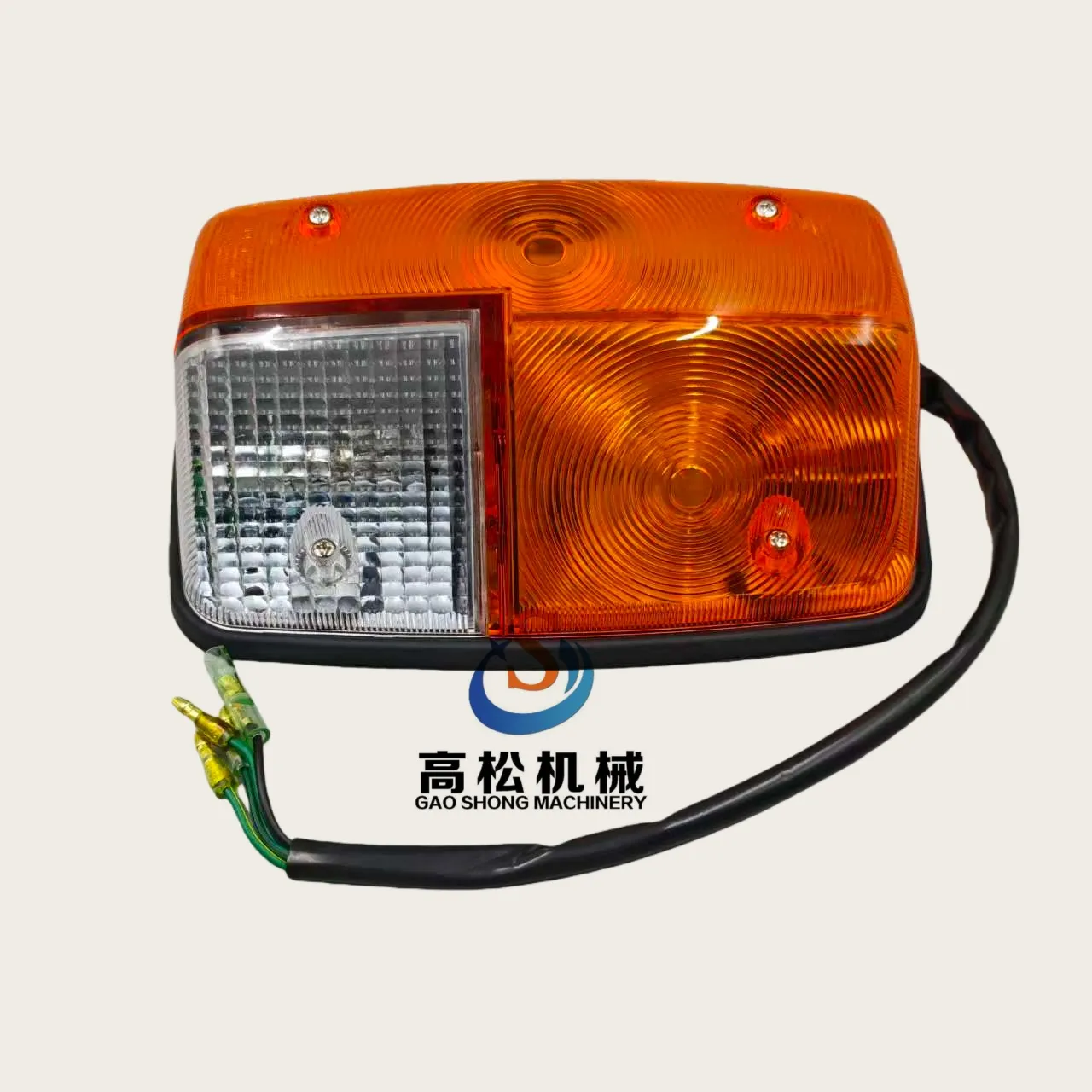 komatsu-part-421-06-13401 LAMP ASS’Y,R.H. HD255-5 HD255-5EO GS360-2 GD305A-1 GD355A-1 GD405A-2 GC380F-1 GD605A-5 HD325-6W HD605-5 HD605-7 HD465-7 HD465-5 HD785-3 HD985-5 WA100-1 WA120-1 WA150-1 WA100SS-1 WA350-1 WA420-1 WA600-1 WA470-1 WA450-1 WA500-1LC 330M LAMP AND FUSE ELECTRICAL SYSTEM (FRONT LAMP)
 -
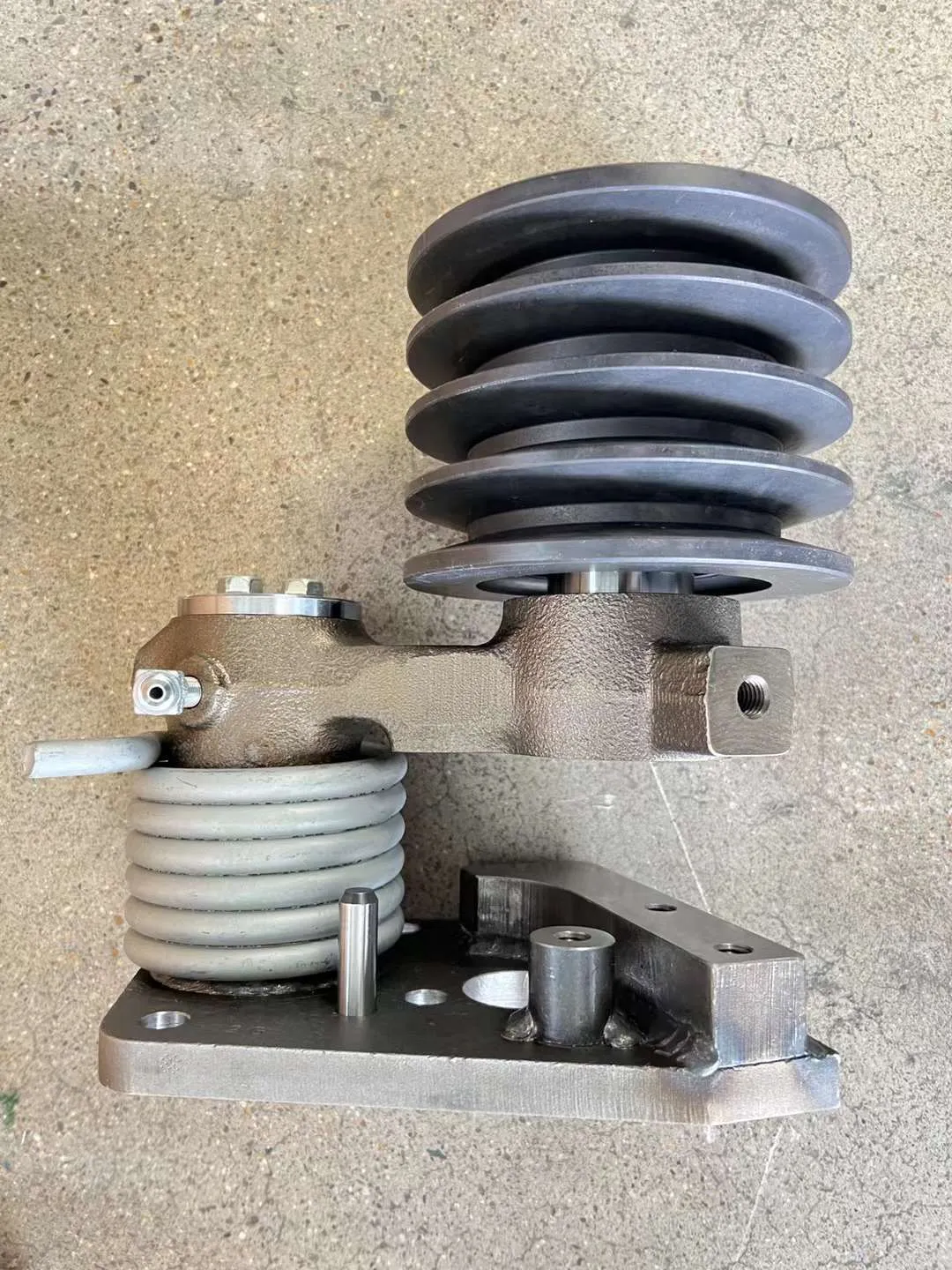 HD465-7R Tension Assembly 6245-61-3901
 -
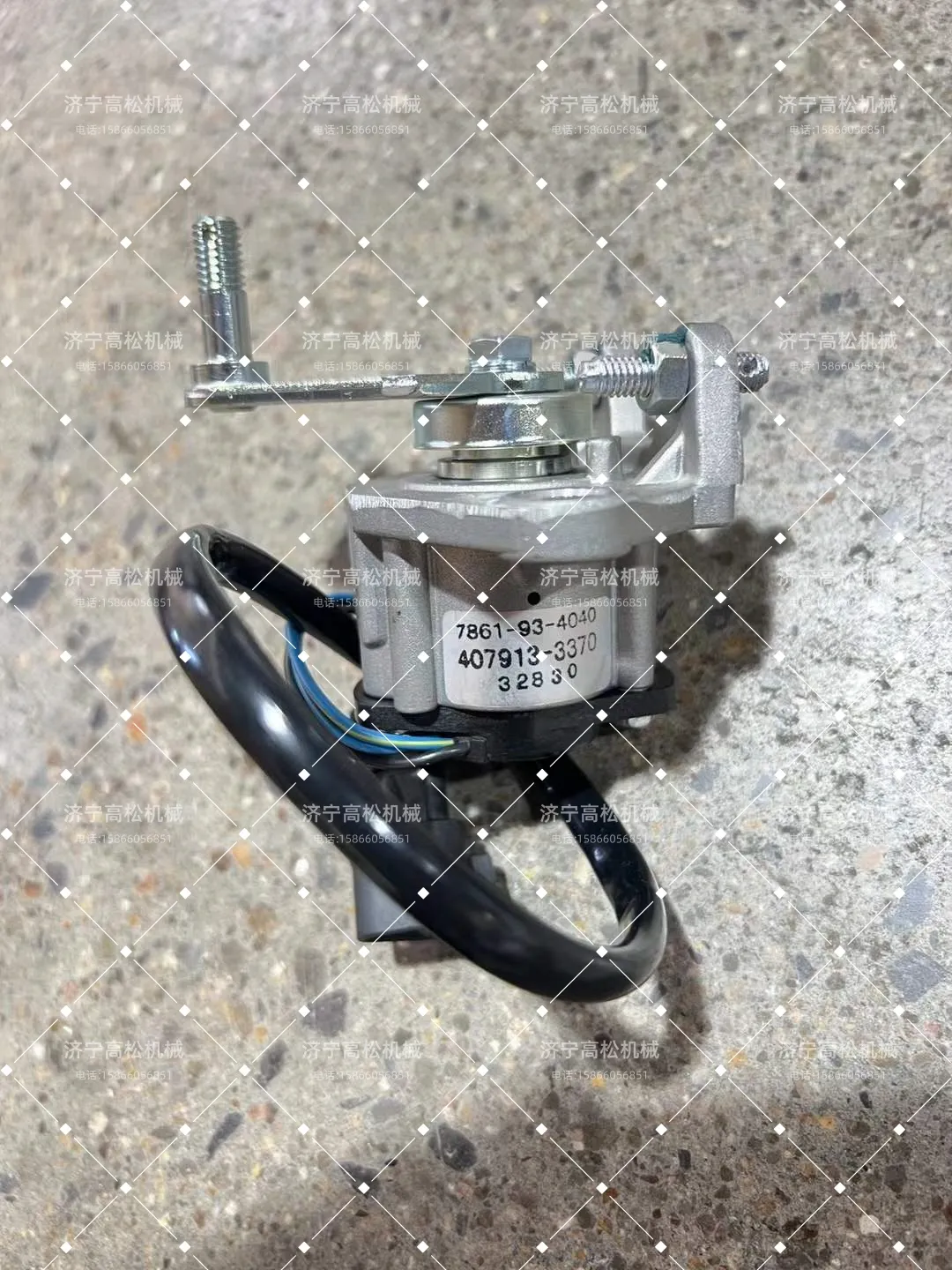 Bulldozer D275 D375 Sensor 7861-93-4040| Alibaba.com
 -
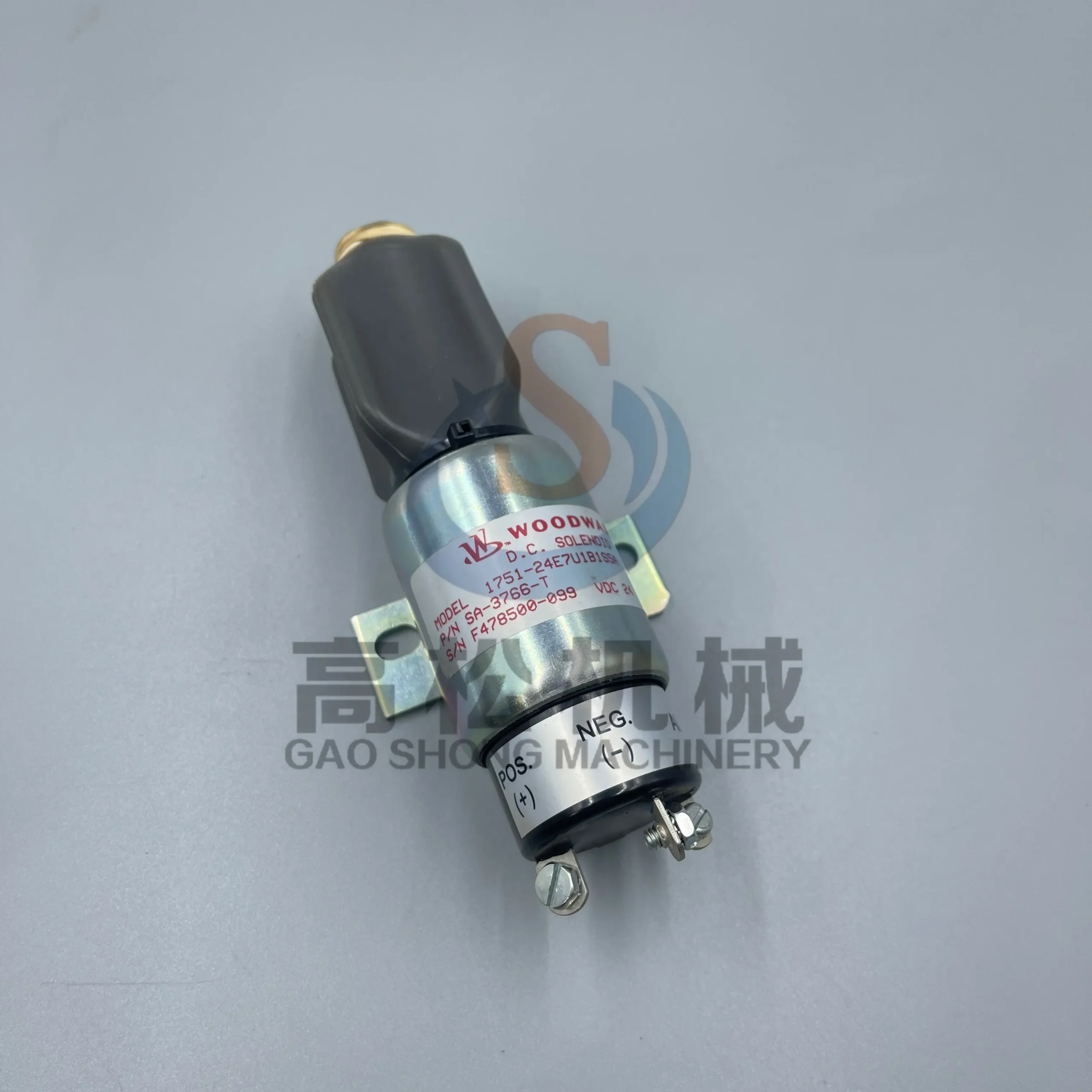 Stop Solenoid 600-815-7550
 -
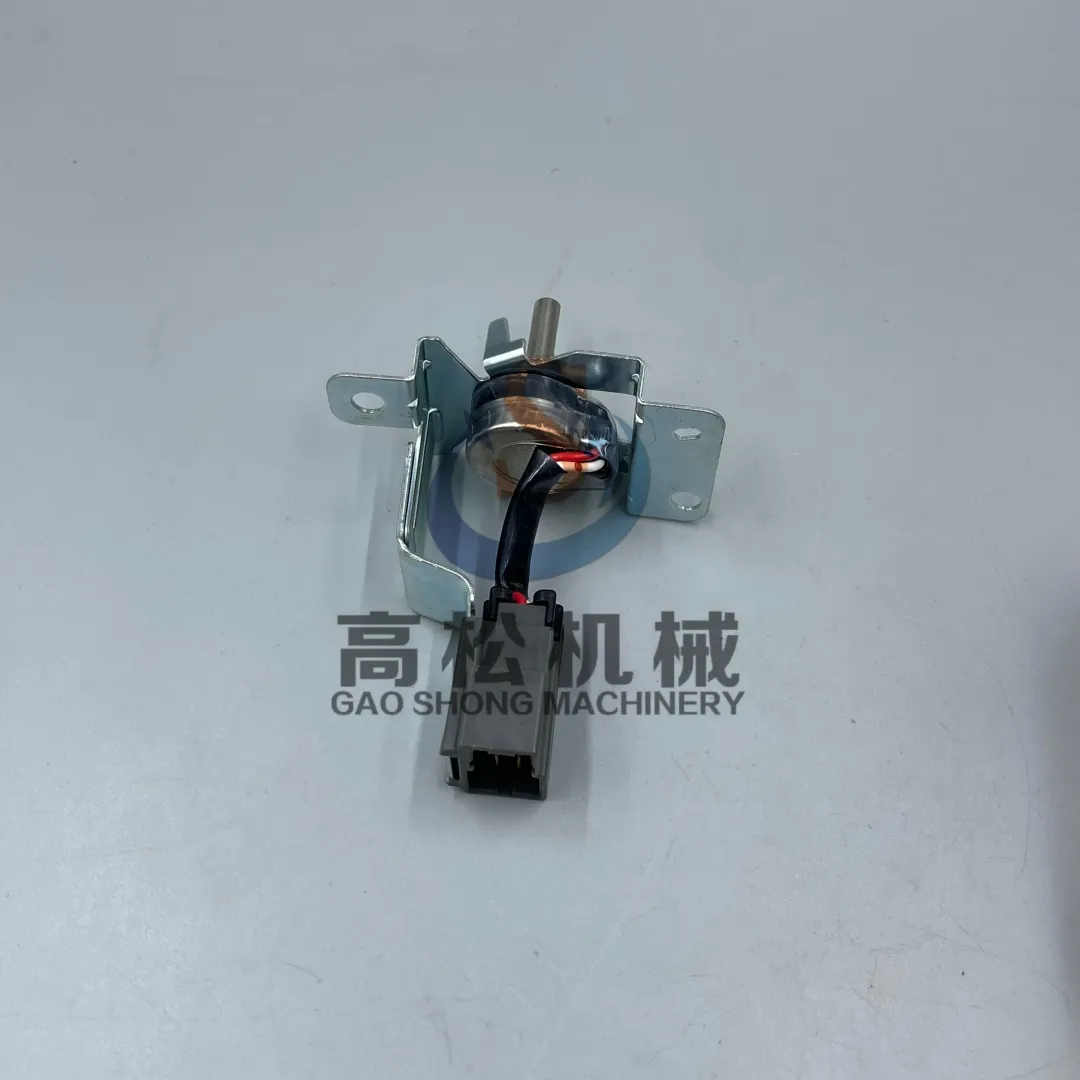 Komatsu original throttle knob 21T-26-11270 stop washer
 -
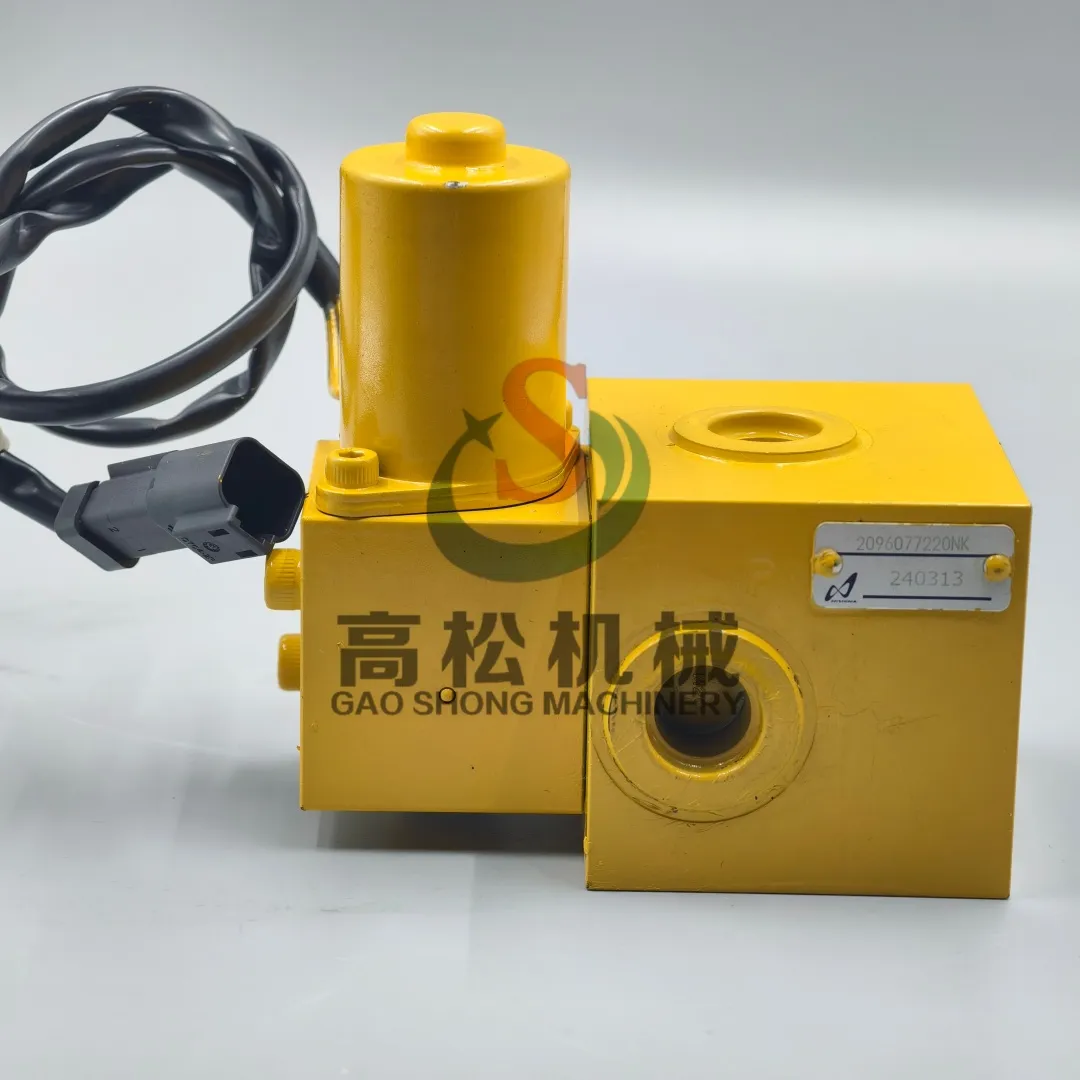 Solenoid Valve 209-60-77220 for PC1250-8 PC800-8 PC600-8 Excavator