
- Chinese
- French
- German
- Portuguese
- Spanish
- Russian
- Japanese
- Korean
- Arabic
- Irish
- Greek
- Turkish
- Italian
- Danish
- Romanian
- Indonesian
- Czech
- Afrikaans
- Swedish
- Polish
- Basque
- Catalan
- Esperanto
- Hindi
- Lao
- Albanian
- Amharic
- Armenian
- Azerbaijani
- Belarusian
- Bengali
- Bosnian
- Bulgarian
- Cebuano
- Chichewa
- Corsican
- Croatian
- Dutch
- Estonian
- Filipino
- Finnish
- Frisian
- Galician
- Georgian
- Gujarati
- Haitian
- Hausa
- Hawaiian
- Hebrew
- Hmong
- Hungarian
- Icelandic
- Igbo
- Javanese
- Kannada
- Kazakh
- Khmer
- Kurdish
- Kyrgyz
- Latin
- Latvian
- Lithuanian
- Luxembou..
- Macedonian
- Malagasy
- Malay
- Malayalam
- Maltese
- Maori
- Marathi
- Mongolian
- Burmese
- Nepali
- Norwegian
- Pashto
- Persian
- Punjabi
- Serbian
- Sesotho
- Sinhala
- Slovak
- Slovenian
- Somali
- Samoan
- Scots Gaelic
- Shona
- Sindhi
- Sundanese
- Swahili
- Tajik
- Tamil
- Telugu
- Thai
- Ukrainian
- Urdu
- Uzbek
- Vietnamese
- Welsh
- Xhosa
- Yiddish
- Yoruba
- Zulu
- Kinyarwanda
- Tatar
- Oriya
- Turkmen
- Uyghur






komatsu parts suppliers
When you start digging into Komatsu parts suppliers, the first thing you realize is how many layers there are to this. It's not just about finding a part number; it's about understanding the entire ecosystem—OEM, authorized dealers, third-party suppliers, and the grey market. A common mistake, especially for newer operations, is assuming all suppliers operate with the same level of traceability and quality assurance. They don't. I've seen people chase the lowest price online, only to get a part that fits poorly or fails prematurely, costing ten times more in downtime. The keyword here isn't just supplier; it's reliable supplier. And reliability in this context is built on a mix of certification, proven logistics, and sometimes, less formal channels that fill critical gaps.
The OEM Promise and Its Real-World Gaps
Komatsu's official network is, without question, the gold standard for quality and warranty. If you're running a fleet in North America or Europe, that's usually your go-to. But here's the practical hiccup: availability and lead times. For older models, or for operations in regions not prioritized by the main distribution hubs, getting a genuine part can take weeks. I remember a project in West Africa where we waited six weeks for a final drive assembly for a PC300-6. The machine was just sitting there. That's where the whole concept of the supply chain cracks. The official system is impeccable until it isn't, until geography or inventory policy creates a void.
This gap is precisely what creates the space for specialized third-party companies. They aren't just resellers; they are problem-solvers for those specific logistical black holes. You start to look for suppliers who explicitly state they operate within or alongside the Komatsu system but have the flexibility to move parts globally where the official channels are thin. It's a nuanced position to be in.
For instance, a company like Jining Gaosong Construction Machinery Co., Ltd. positions itself interestingly. They state they are an OEM product supplier within the Komatsu system and also act as a third-party sales company. That dual role is key. It suggests they might have access to genuine or OEM-equivalent lines while also functioning as a parallel channel to solve parts supply challenges in certain countries, as their site https://www.takematsumachinery.com puts it. This isn't a generic parts reseller; it's a targeted solution for a known pain point.
Evaluating a Third-Party Supplier: Beyond the Website
Anyone can build a website with Komatsu logos. The real test is in the details and the dialogue. When I assess a new supplier, I don't just look at their inventory list. I ask for specific manufacturing codes or batch numbers for high-wear items like hydraulic pump parts or undercarriage components. A credible supplier should be able to provide traceability, or at the very least, a coherent explanation of their sourcing. If they get defensive or vague, that's a red flag.
I also look for evidence of technical knowledge. Can they discuss the difference between a S6D114E engine component and its later iteration? Do they understand common failure modes? A good supplier often has engineers or very seasoned parts specialists on staff, not just salespeople. They should ask you questions about your machine's serial number, previous repairs, and operating conditions. That back-and-forth is where trust starts to build.
Logistics is another brutal filter. I've had shipments held up in customs for months because a supplier used incorrect harmonized codes or provided sloppy documentation. A professional supplier will have this process nailed down. They'll know the required paperwork for different regions—whether it's for Nigeria, Chile, or Indonesia. This operational grit is what separates a real partner from a mere online catalog.
The Grey Area of OEM Product Supplier
The term OEM product supplier needs unpacking. It doesn't always mean the part comes off the exact same line as the one in a Komatsu box. Sometimes it means the part is produced by the same foundry or manufacturer that supplies Komatsu, but it's sold through a different channel—a white box item. This isn't necessarily bad; the quality can be identical, but the price and availability are better. The risk is consistency. One batch might be perfect, the next slightly off-spec.
This is where a supplier's long-term relationship with manufacturers matters. A company that's been in the space for years, like the one mentioned earlier, likely has stable channels and quality control protocols. They might even have parts that are discontinued by the main network but are still in demand in the field. For classic models, these suppliers are lifelines.
However, you have to verify. I always request a sample for non-critical parts first, or I'll order a single high-value item to test. I once ordered a swing bearing from a new supplier that looked perfect on paper. When it arrived, the hardening was inconsistent. It failed in under 500 hours. The supplier made it right, but the downtime cost was ours. Lesson learned: trust, but verify with tangible evidence.
Regional Challenges and the Niche Solution
The phrase solve parts supply challenges in certain countries on the Takematsu Machinery site is a direct nod to a massive, real-world issue. In parts of Southeast Asia, Africa, and South America, the official distributor network might be limited to major cities. If your site is remote, you're stuck. Local markets might be flooded with counterfeit or rebuilt parts of dubious quality.
A supplier that focuses on this niche isn't just shipping parts; they're providing a logistical bridge. They understand the import regulations, the preferred freight forwarders, and even the payment hurdles common in these regions. They might stock parts specifically for models that are common in, say, mining operations in Zambia but are no longer mainstream in Japan or the US.
This requires a deep, on-the-ground understanding. It's not a business you can run from a warehouse in Ohio. You need contacts, local agents, and a willingness to deal with complex shipping and customs scenarios. When you find a supplier that openly addresses this, it tells you they're operating at a different level of specialization. They're not trying to be everything to everyone; they're solving a specific, painful problem.
Building a Sustainable Supply Strategy
So, what's the takeaway after years of dealing with this? Don't rely on a single source. Your strategy should be layered. For critical, high-availability items, use the official Komatsu dealer. For older models or urgent needs in difficult regions, cultivate relationships with two or three verified, specialized third-party suppliers. Test them gradually. Build a history.
Document everything. Keep records of part numbers, supplier contacts, lead times, and failure rates. This log becomes invaluable. It helps you spot patterns—maybe Supplier A is great for engine parts but slow on hydraulics, while Supplier B excels in undercarriage.
Finally, view your parts suppliers as strategic partners, not just vendors. The right ones will give you a heads-up on looming shortages, advise on alternative part numbers, or help you source a rare component. In this business, that kind of relationship is worth more than a one-time discount. It turns the chaotic maze of Komatsu parts suppliers into a navigable, if still complex, map.
Related Products
Related Products

Best Selling Products
Best Selling Products-
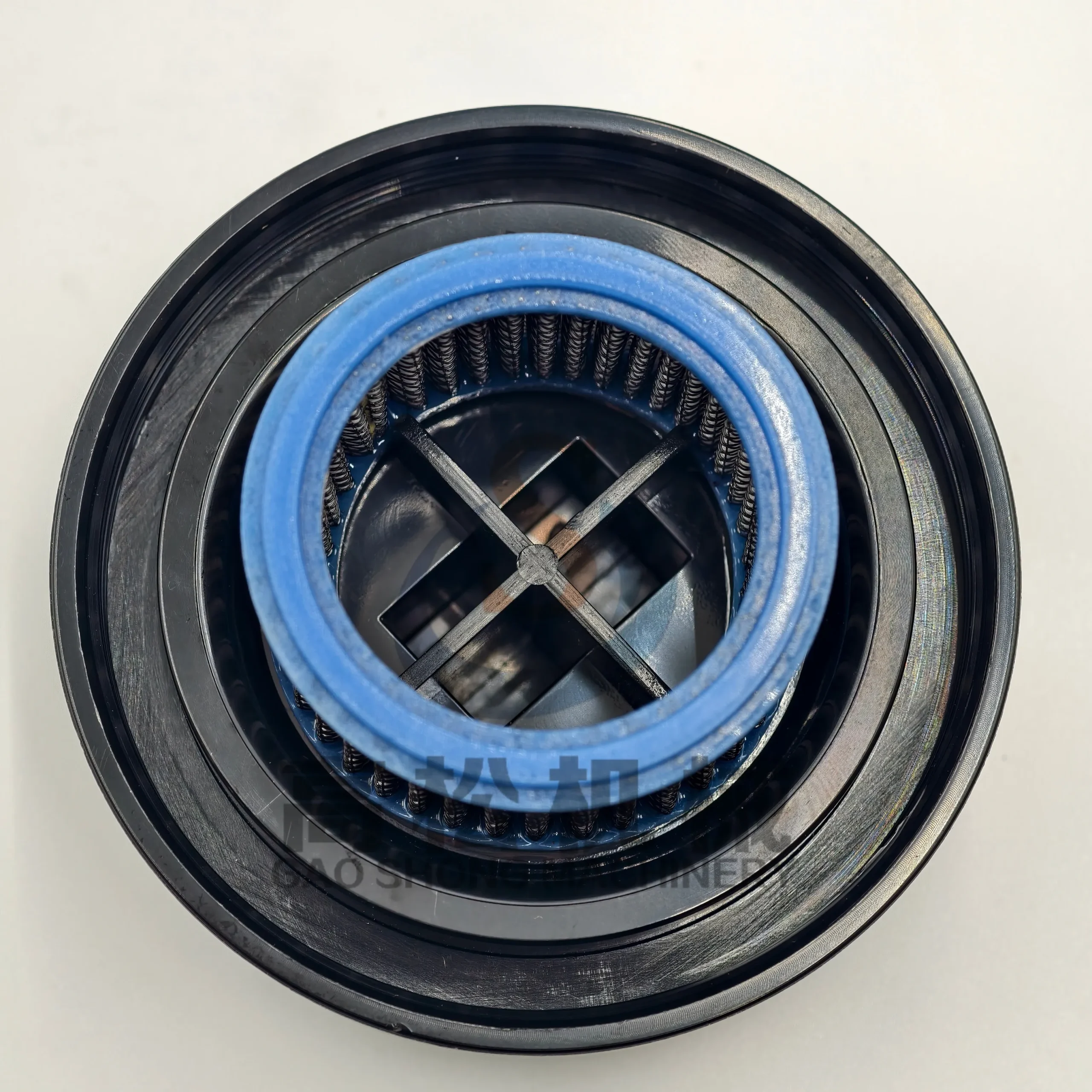 21T-04-31170 Komatsu fuel tank filter vent pipe
 -
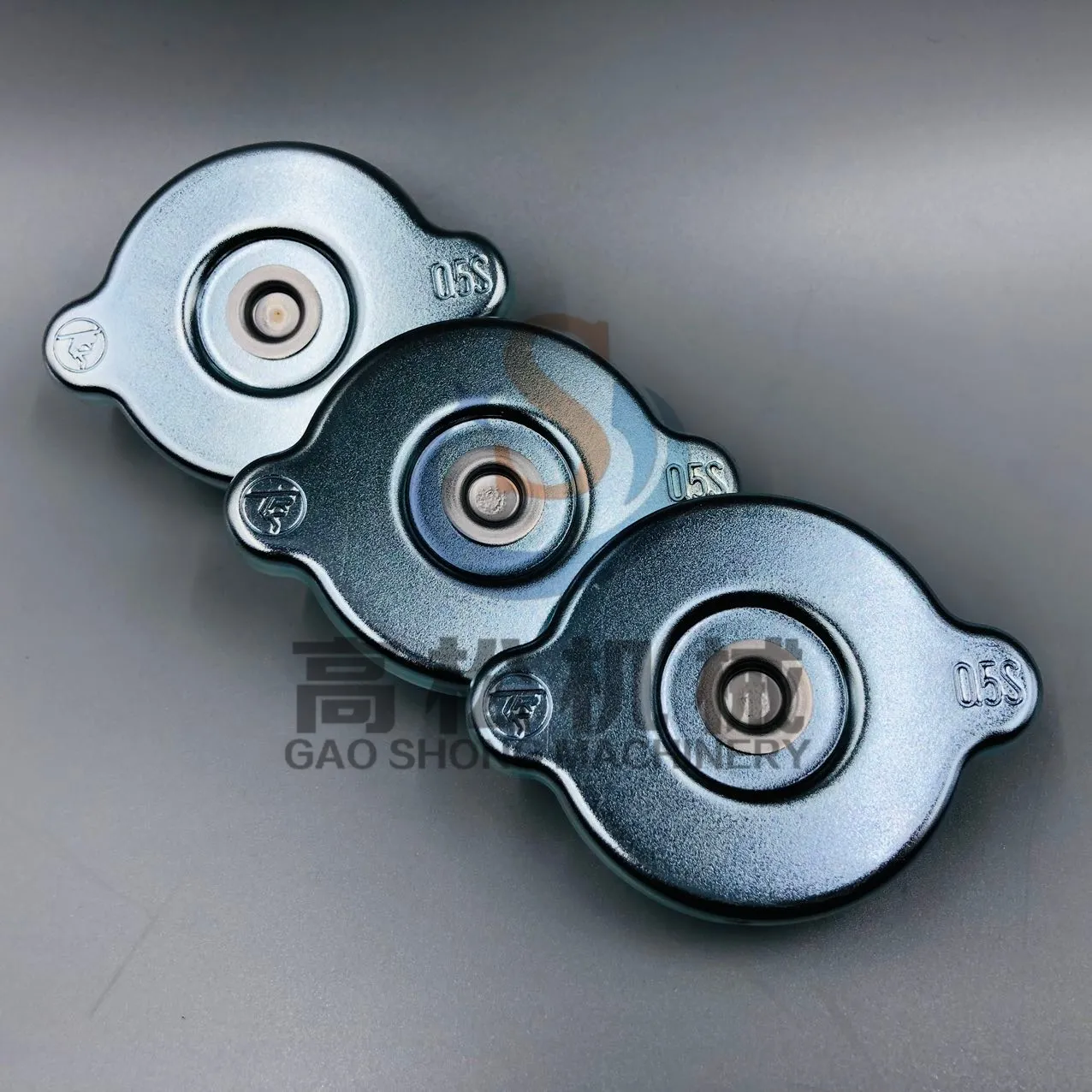 Water Tank Radiator Cover 20Y-03-22110
 -
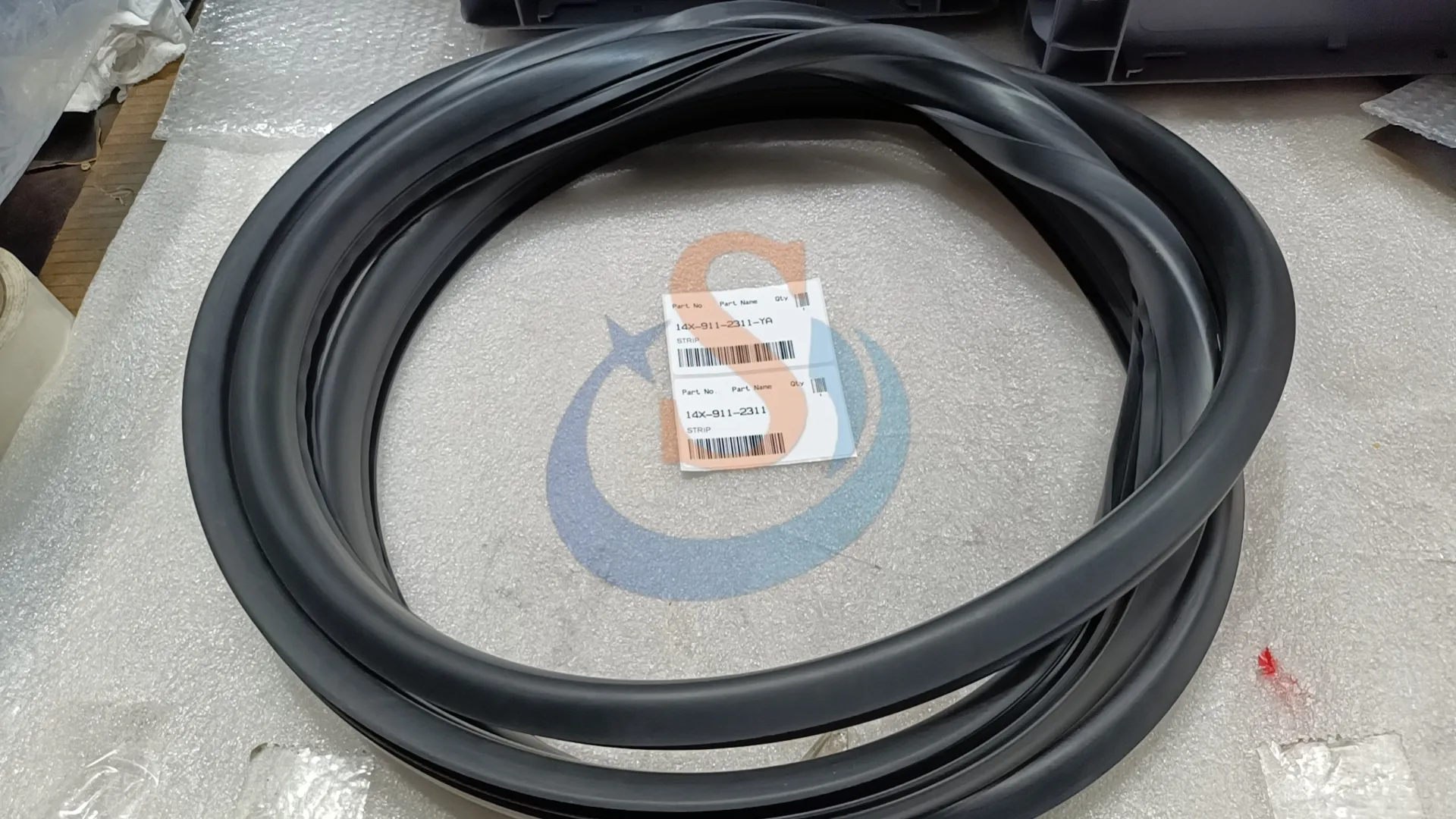 14X-911-2311,STRIP WEATHER,D155A,D375A,D65E
 -
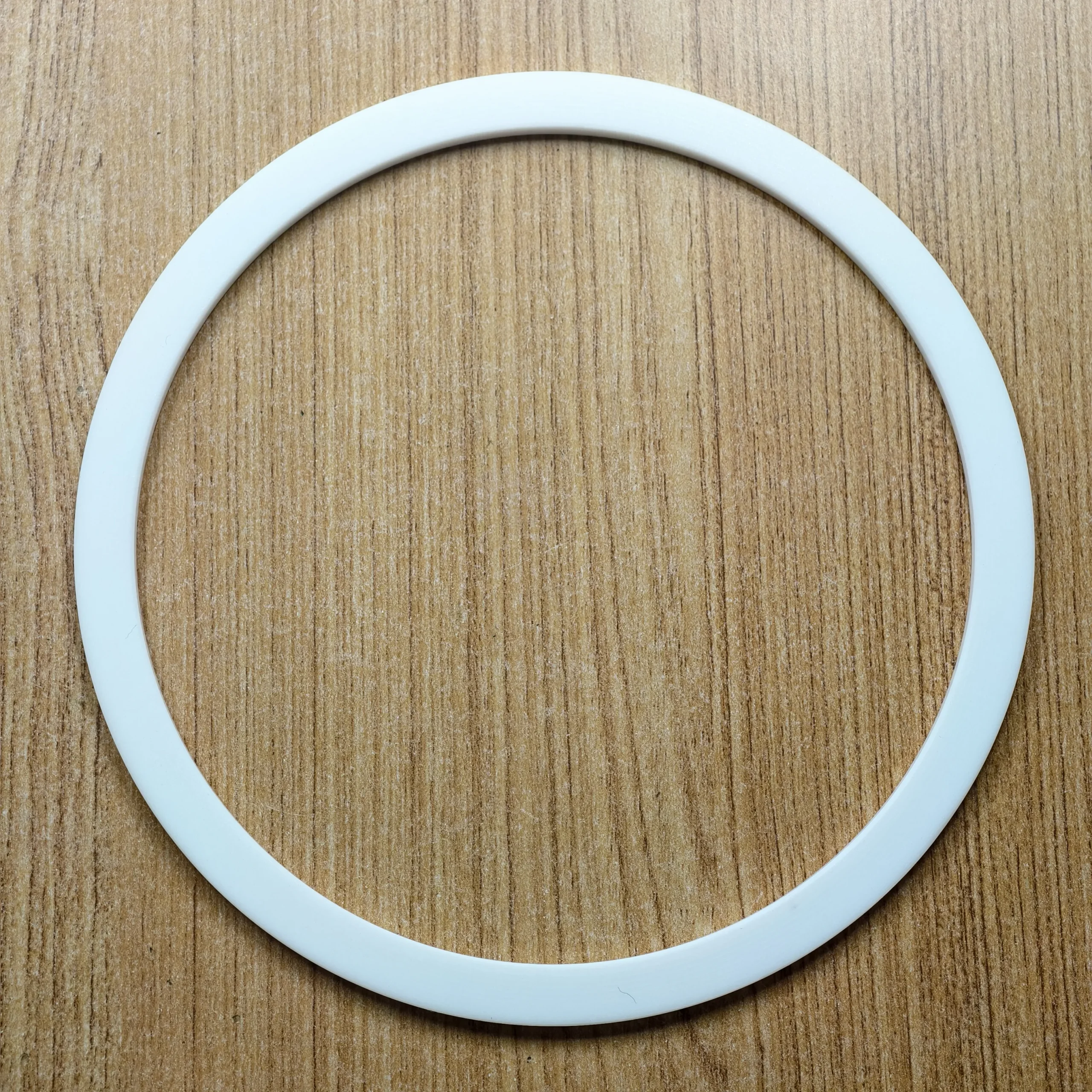 21N-30-14170 21N3014170 Spare Ring for Komatsu Excavator PC1250 PC1250SP
 -
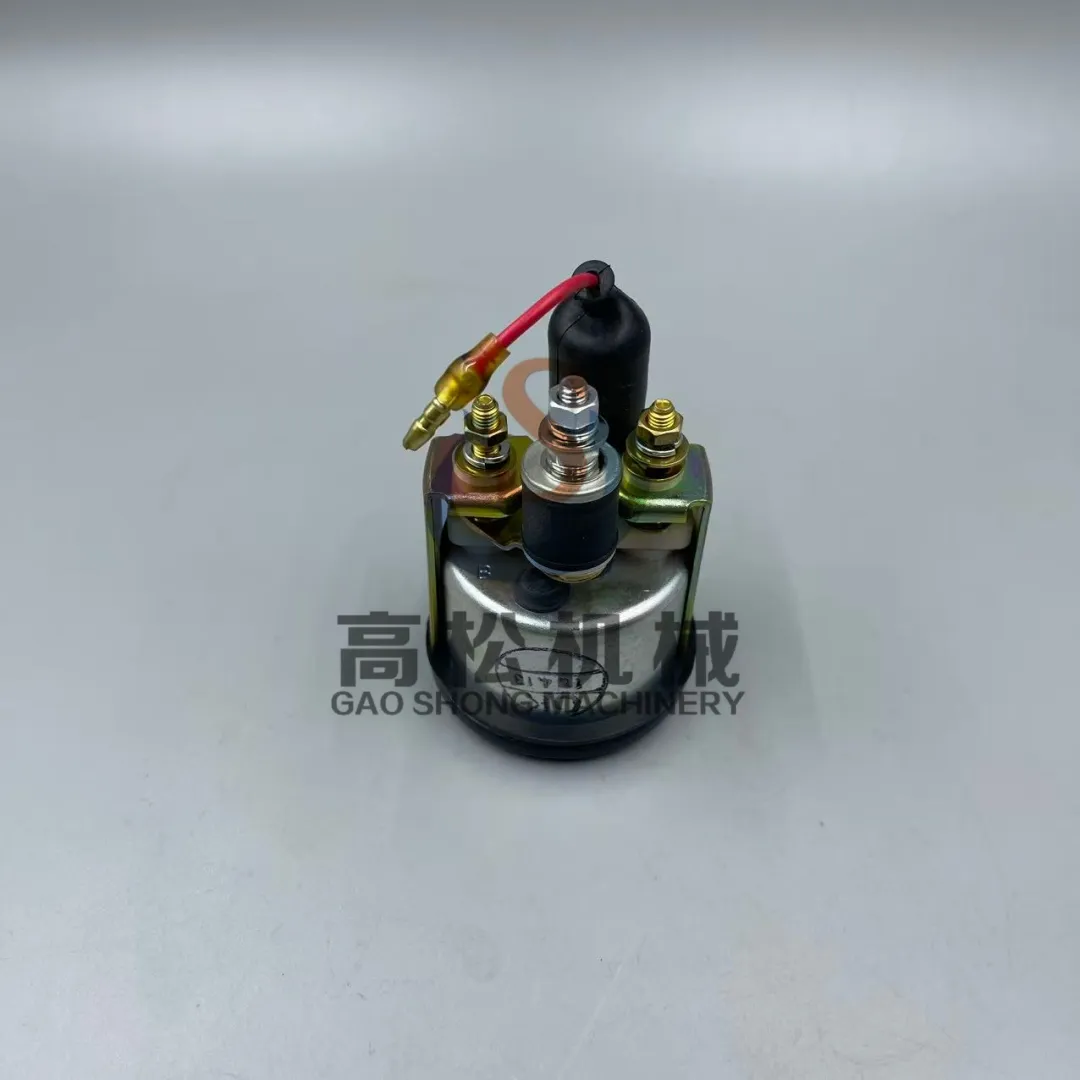 195-06-23110 – GAUGE, WATER TEMP 1950623110 fits KOMATSU
 -
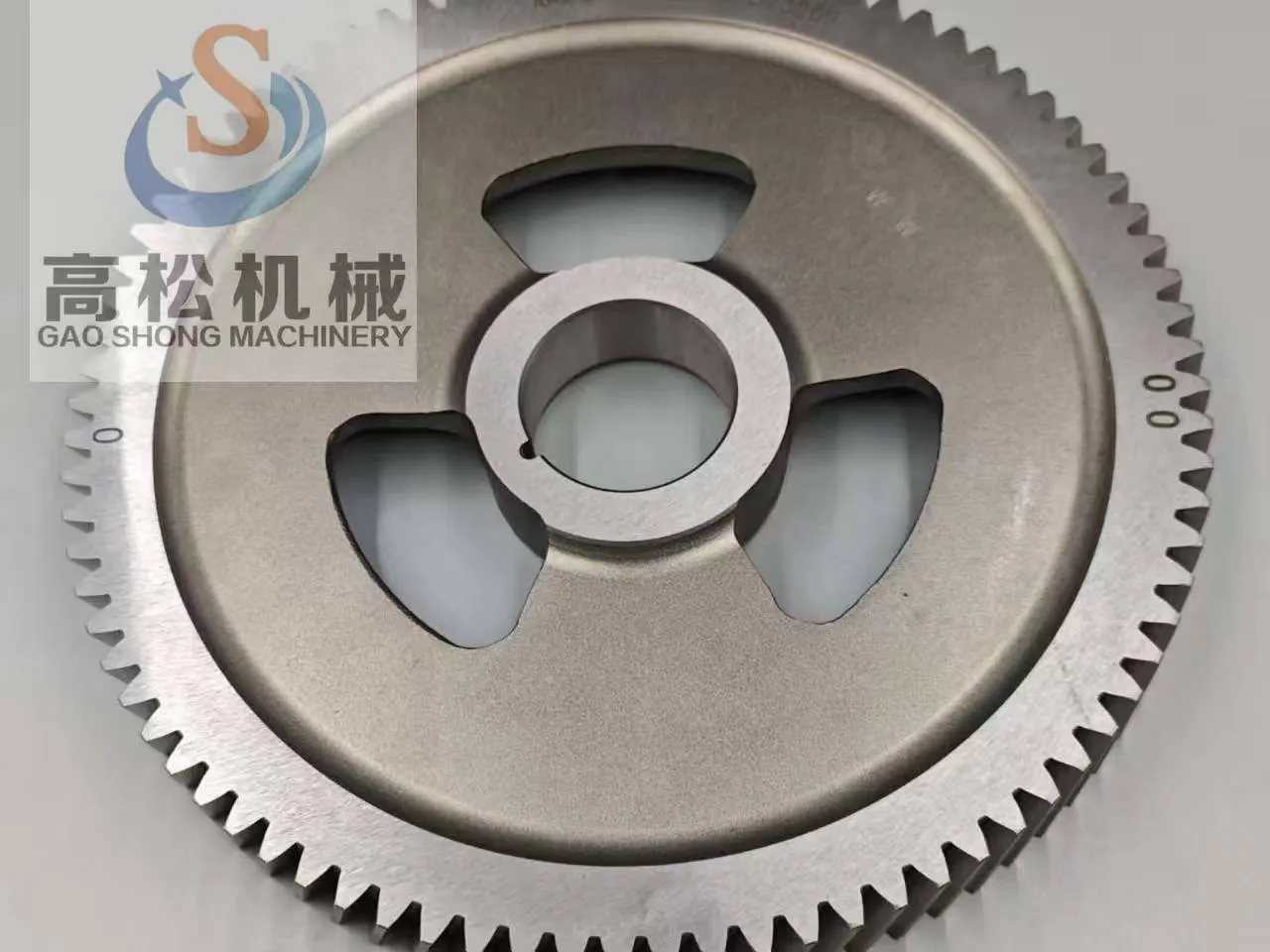 Gear 6745-41-1130 6745411130 6745-41-1131 for excavator PC300 PC350 WA430
 -
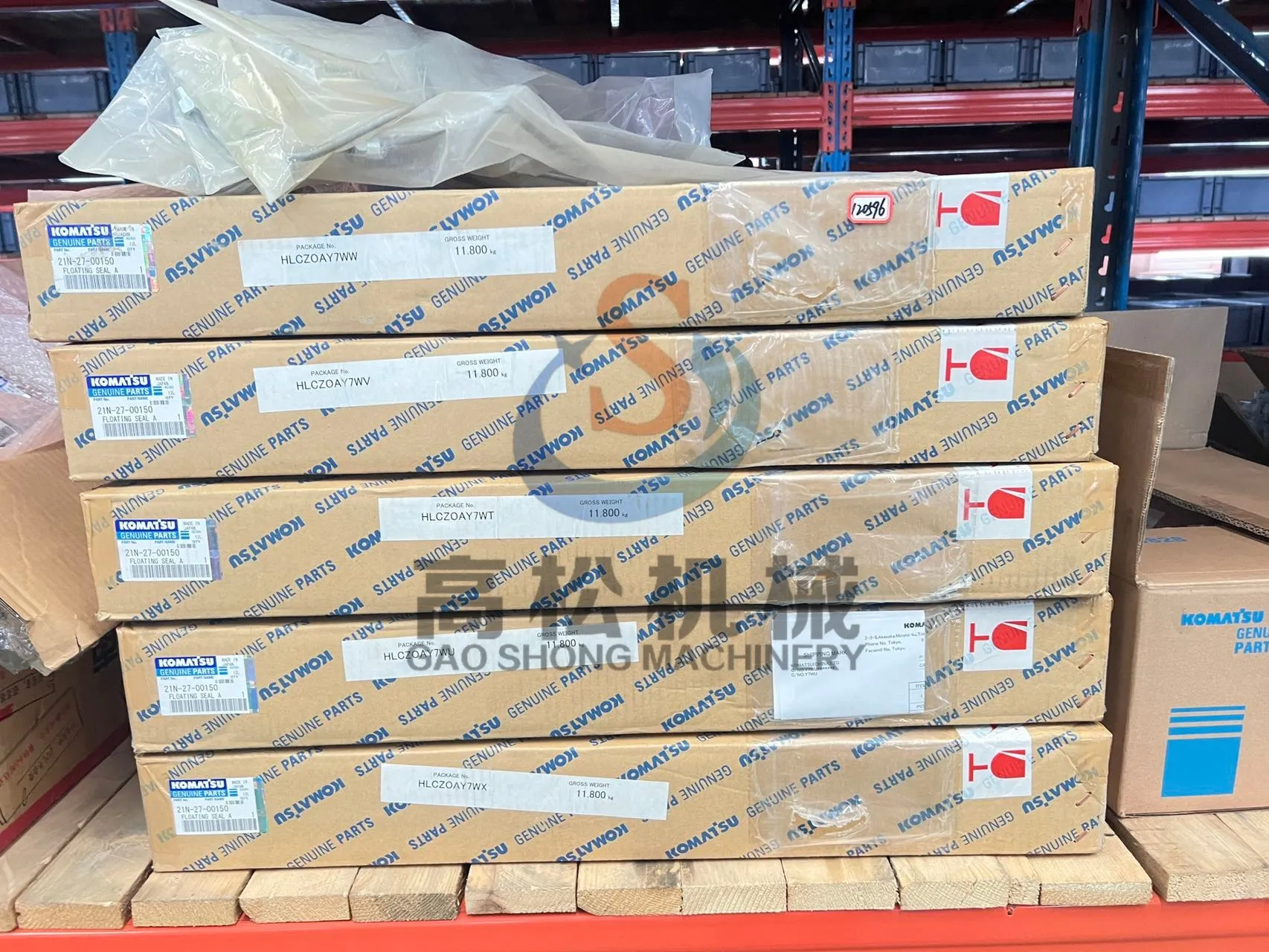 21N-27-00150 Komatsu Floating Seal Assembly
 -
 HD785-7 Temperature Sensor 6219-11-8810
 -
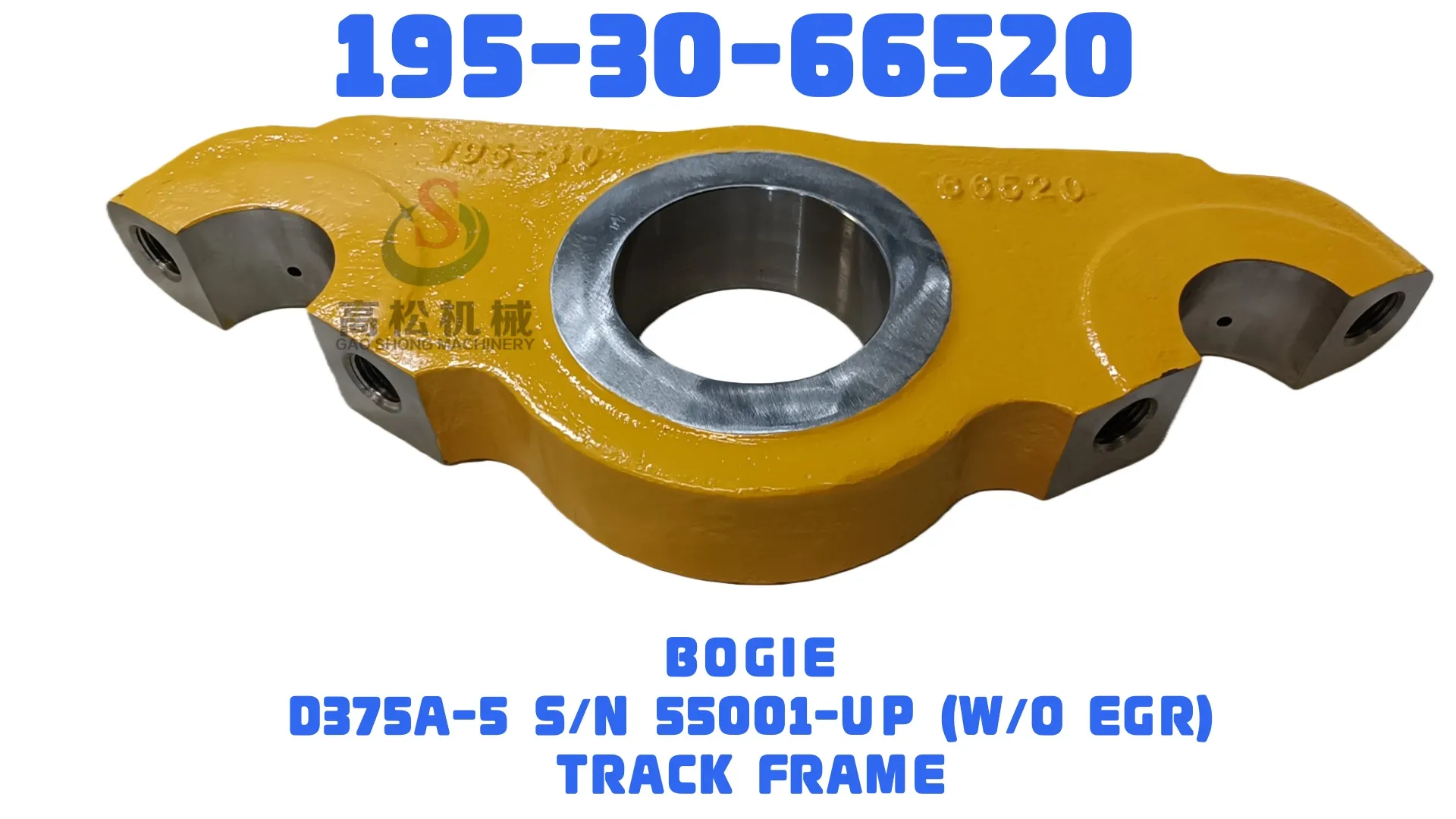 komatsu-part-195-30-66520 BOGIE D375A-5 D375A-5D D375A-6 D375A-6R TRACK FRAME TRACK FRAME, BOGIE
 -
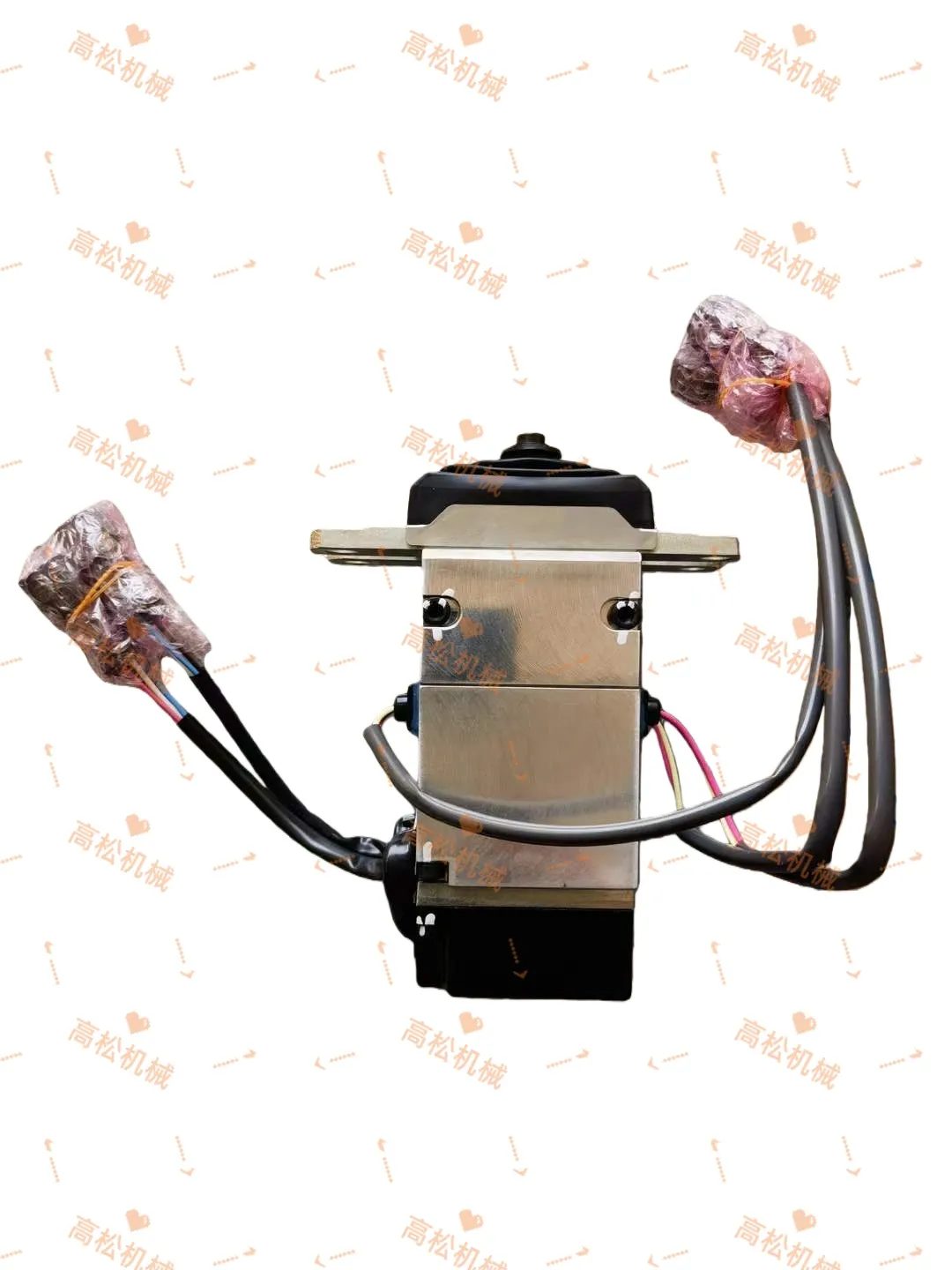 Komatsu Wheel loader machines WA500 WA480 WA470 702-16-02144 702-16-02143 Komatsu Control lever 702-16-02144 for Wheel loader WA480-5H
 -
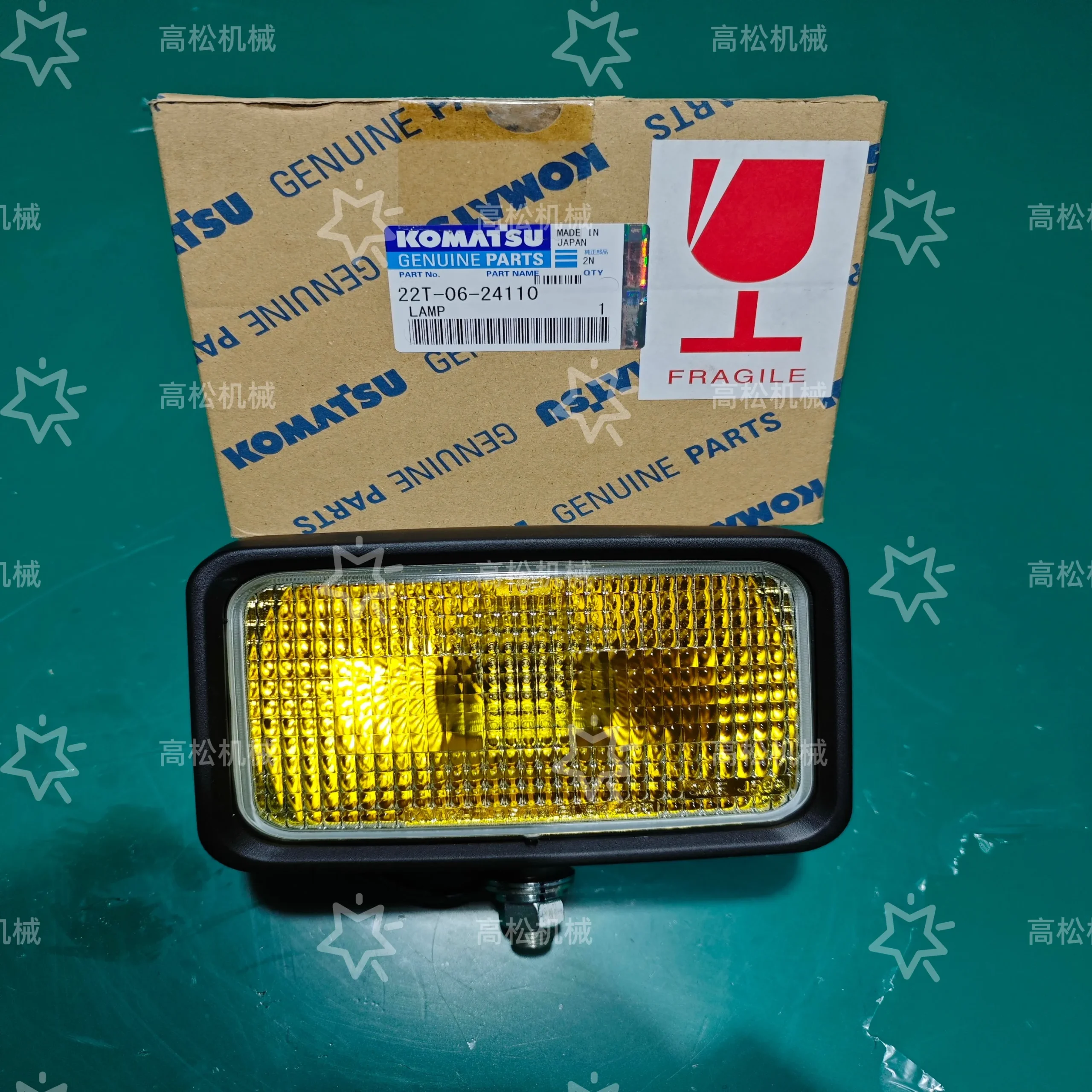 LAMP 22T-06-24110 – KOMATSU
 -
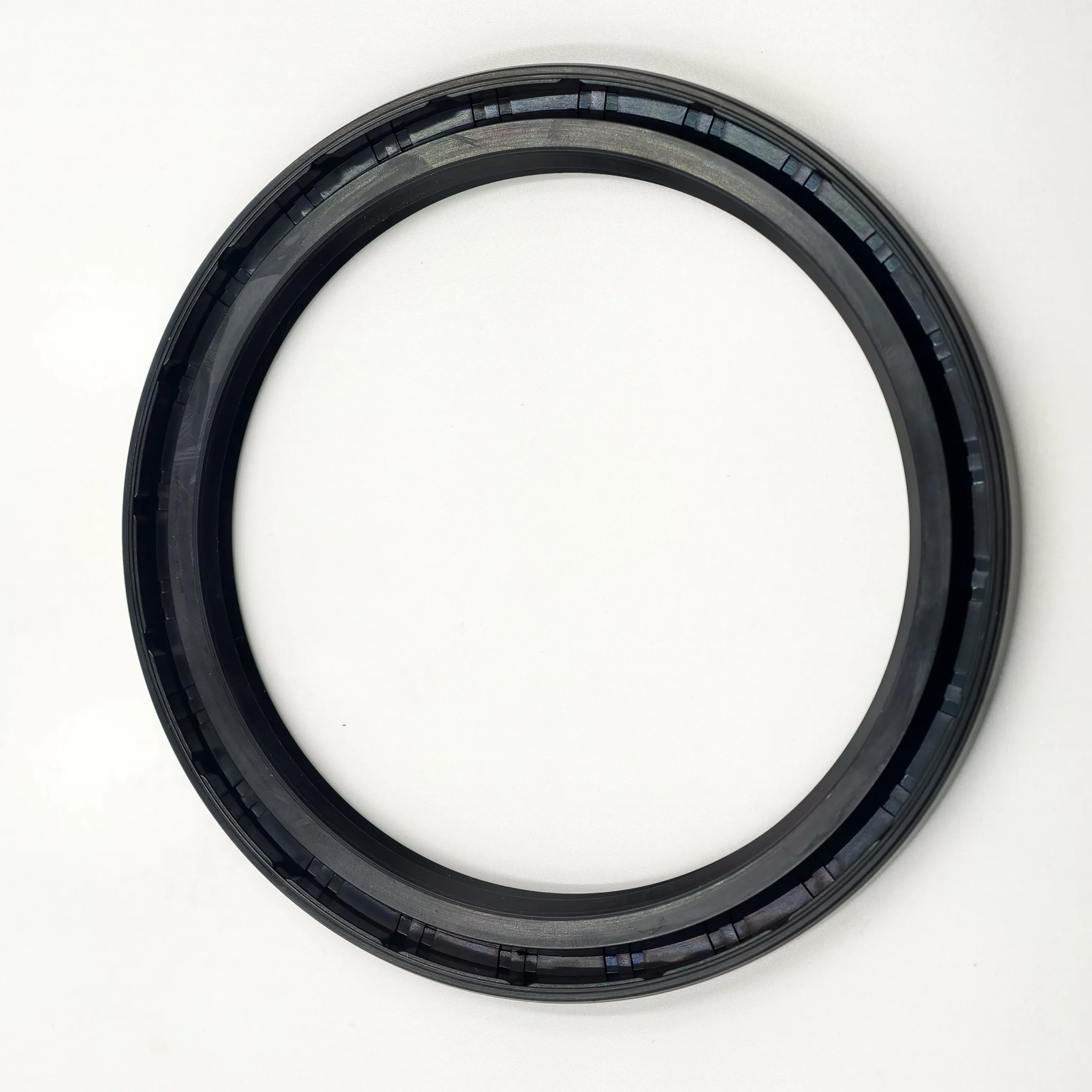 Komatsu56D-15-19810 Seal, Dust