
- Chinese
- French
- German
- Portuguese
- Spanish
- Russian
- Japanese
- Korean
- Arabic
- Irish
- Greek
- Turkish
- Italian
- Danish
- Romanian
- Indonesian
- Czech
- Afrikaans
- Swedish
- Polish
- Basque
- Catalan
- Esperanto
- Hindi
- Lao
- Albanian
- Amharic
- Armenian
- Azerbaijani
- Belarusian
- Bengali
- Bosnian
- Bulgarian
- Cebuano
- Chichewa
- Corsican
- Croatian
- Dutch
- Estonian
- Filipino
- Finnish
- Frisian
- Galician
- Georgian
- Gujarati
- Haitian
- Hausa
- Hawaiian
- Hebrew
- Hmong
- Hungarian
- Icelandic
- Igbo
- Javanese
- Kannada
- Kazakh
- Khmer
- Kurdish
- Kyrgyz
- Latin
- Latvian
- Lithuanian
- Luxembou..
- Macedonian
- Malagasy
- Malay
- Malayalam
- Maltese
- Maori
- Marathi
- Mongolian
- Burmese
- Nepali
- Norwegian
- Pashto
- Persian
- Punjabi
- Serbian
- Sesotho
- Sinhala
- Slovak
- Slovenian
- Somali
- Samoan
- Scots Gaelic
- Shona
- Sindhi
- Sundanese
- Swahili
- Tajik
- Tamil
- Telugu
- Thai
- Ukrainian
- Urdu
- Uzbek
- Vietnamese
- Welsh
- Xhosa
- Yiddish
- Yoruba
- Zulu
- Kinyarwanda
- Tatar
- Oriya
- Turkmen
- Uyghur





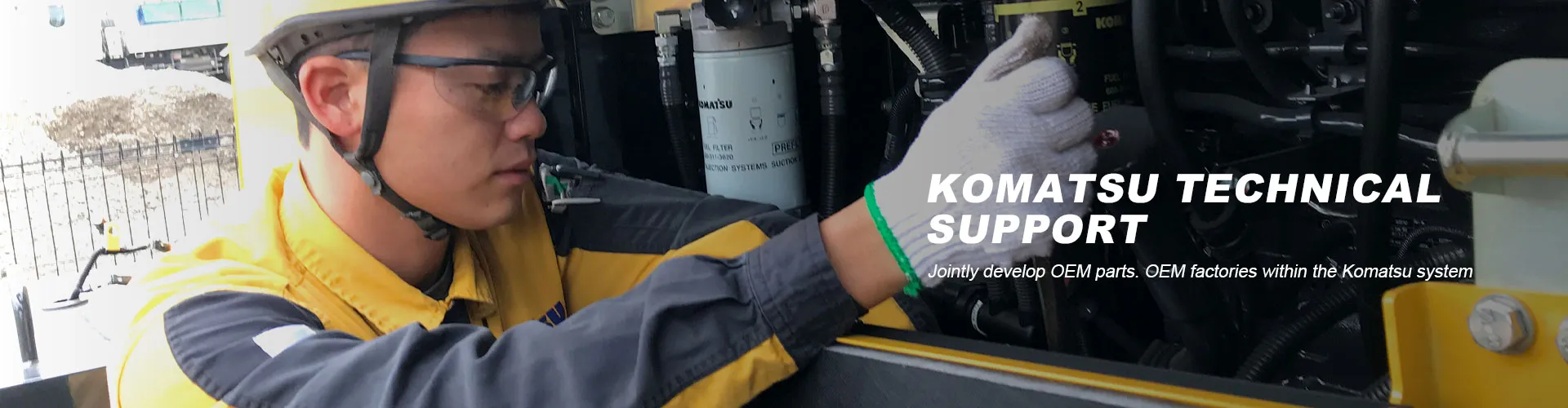
Komatsu parts supplier
When you hear 'Komatsu parts supplier,' the immediate image is often a vast, seamless global network. That's the glossy brochure version. The reality on the ground, especially for operations in regions with complex import regulations or legacy equipment, is a different beast. Many assume sourcing genuine or reliable aftermarket parts is a straightforward catalog order. That assumption is where projects stall and costs balloon. The real expertise isn't just in having a parts number; it's in understanding the pathways—and the roadblocks—to get that specific seal kit or hydraulic pump from a warehouse to a machine that's down in a remote site.
The OEM Promise vs. The On-Site Reality
Being an OEM product supplier within the Komatsu system, like the role Jining Gaosong Construction Machinery positions itself in, carries weight. It implies a direct line to specification-compliant components. But here's the nuance: this doesn't always mean the part is physically sourced from Komatsu's main factories. It means the part meets the OEM's technical standards. For a fleet manager, this distinction is critical. You're not just buying a widget; you're buying the assurance that the metallurgy, tolerances, and performance will match the original. I've seen too many genuine parts from dubious channels fail prematurely because they were produced outside these controlled systems, even if the packaging looked perfect.
This is where a company's stated role gets tested. Their website, https://www.takematsumachinery.com, explicitly mentions they are an OEM product supplier within the Komatsu system and a third-party sales company. This dual identity is actually more common than you'd think and speaks to a practical understanding of the market. The pure OEM channel can be rigid—fantiful for new models, but a labyrinth for older machines or for countries under trade restrictions. A supplier that can navigate both the official system and the parallel, quality-verified aftermarket network is invaluable.
I recall a project in Southeast Asia where we needed a final drive for a decade-old Komatsu dozer. The official regional distributor had a lead time of 12 weeks. A local vendor promised one in 2 days. We gambled on the local part, and it failed within 40 hours of operation. The downtime cost eclipsed the part's price tenfold. After that, we started working with suppliers who had the technical capability to validate their supply chain, not just act as order-takers. The ones who would say, We can get you an OEM-spec group from a licensed secondary manufacturer, here's the certification, and it'll be there in 10 days. That's the sweet spot.
The Third-Party Bridge: Solving the Gap
The term third-party often gets a bad rap, associated with inferior quality. In the context of Komatsu parts supply for challenging regions, it's often the only pragmatic solution. A genuine third-party partner isn't just selling alternatives; they are solving a logistics and compliance puzzle. Their job is to help solve parts supply challenges in certain countries, as Gaosong's description notes. This could mean navigating tariffs, handling customs clearance for specific component categories, or even remanufacturing cores to OEM drawings where new parts are simply not in the global system anymore.
For instance, countries with heavy import duties on finished machinery parts might have different codes for repair kits or sub-assemblies. A savvy supplier will know how to correctly classify a shipment to avoid it being held at port for weeks. This isn't knowledge you find in a parts manual; it's earned through painful experience. I've spent hours on calls with suppliers dissecting commercial invoices line by line to pre-empt customs issues. The ones who understand this are worth their weight in gold.
Another layer is legacy equipment. Komatsu, like all majors, phases out support for older models. But in many developing markets, these machines are still the backbone of operations. Finding a reliable source for a PC200-6's controller or a Dash-5 series engine component requires a supplier with deep archives of drawings and relationships with specialist manufacturers. They're not pulling it from a Komatsu warehouse; they're orchestrating its production or salvage from a decommissioned machine, then testing it. It's a different skill set entirely.
Quality Verification: The Trust Mechanism
So how do you trust a supplier who isn't the direct factory outlet? It comes down to transparency and verification. The good ones don't hide behind jargon. They can explain the provenance. Is this part from Komatsu's licensed partner factory in Japan? Is it from a certified remanufacturing line in Europe? Or is it a high-grade aftermarket part that has passed comparative load testing? A credible supplier should provide material certificates, test reports, and clear photographs of the actual part, not stock images.
I always ask for a sample of a consumable item first—a filter, a seal pack. You can learn a lot from the packaging quality, the material feel, and the instructions. Then, you move to a minor but critical component. We once ordered a set of Komatsu-compatible track bushings from a new vendor. They arrived with machining marks that were too rough, a sign of tooling wear in the manufacturing process. We sent them back with a detailed report. The supplier's response was telling: a professional one thanked us for the feedback and replaced the batch, explaining they had just changed a cutter head on the line. That's a partner. A dodgy one would have argued.
This verification loop is where a company's operational integrity shows. A website is just a front. The real test is in their technical communication and post-sale support. Do they have engineers who can read a hydraulic schematic? Can they trace a failure back to a potential batch issue? This depth turns a parts transaction into a technical partnership.
The Logistics Tangible: More Than a Shipping Label
Let's talk about getting the part there. For a mine in West Africa or a dam project in Central Asia, delivery isn't a FedEx tracking number. It's a multi-modal journey involving air freight to a hub, then a local agent, then perhaps a charter flight or secured truck convoy. A supplier experienced in these regions builds these logistics into their service. They know which airlines have reliable cargo routes to Lagos or Almaty, and they understand the documentation required at each handoff.
I've had shipments stuck because a certificate of origin was missing a specific stamp, or because the harmonized system code was off by one digit. The difference between a 4-day delay and a 4-week nightmare is a supplier's logistical grit. They need to be proactive, not reactive. The best ones send you the packing list and air waybill draft for approval before the pallet even leaves their warehouse. They anticipate the questions the freight forwarder and customs will ask.
This capability is hinted at when a supplier mentions solving challenges in certain countries. It's a quiet signal that they've dealt with the hard cases. It means they likely have local agents, understand incoterms deeply, and have a contingency plan when the usual route is blocked. For a project manager, this reliability is more valuable than a minor price discount.
Concluding Without a Bow: The Unfinished Nature of Supply
There's no perfect, permanent solution in this field. The landscape of Komatsu parts supply shifts with trade policies, factory production schedules, and even global material shortages. A supplier that was flawless last year might drop the ball tomorrow if a key contact leaves. The relationship is everything. It's built on a series of small, successful transactions—the urgent weekend delivery of a sensor, the correct diagnosis of a recurring pump failure, the honest admission that a part is back-ordered with a solid alternative offered.
Companies like Jining Gaosong Construction Machinery Co., Ltd. occupy a specific niche. Their stated model—OEM-system supplier and third-party solver—is precisely the hybrid approach needed for the messy reality of global equipment maintenance. Their value isn't in being the single source for everything, but in being a reliable, knowledgeable node in a complex network. They understand that the end goal isn't to sell a part; it's to return a machine to productive work. That mindset, more than any catalog or website, is what defines a true partner in this business. You find them not through glossy ads, but through the quiet referrals in site offices and the consistent, unremarkable reliability that keeps the gears turning.
Related Products
Related Products
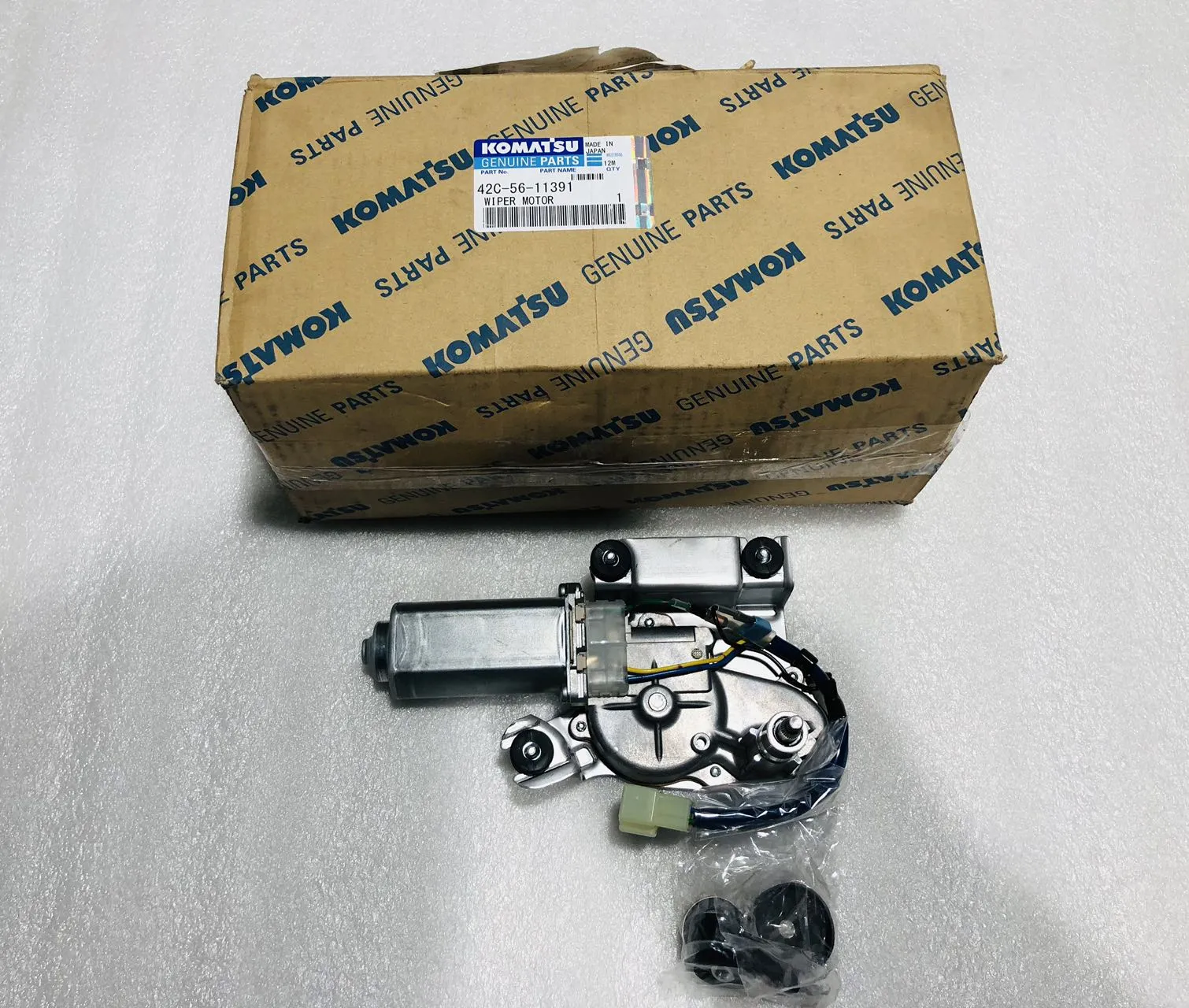
Best Selling Products
Best Selling Products-
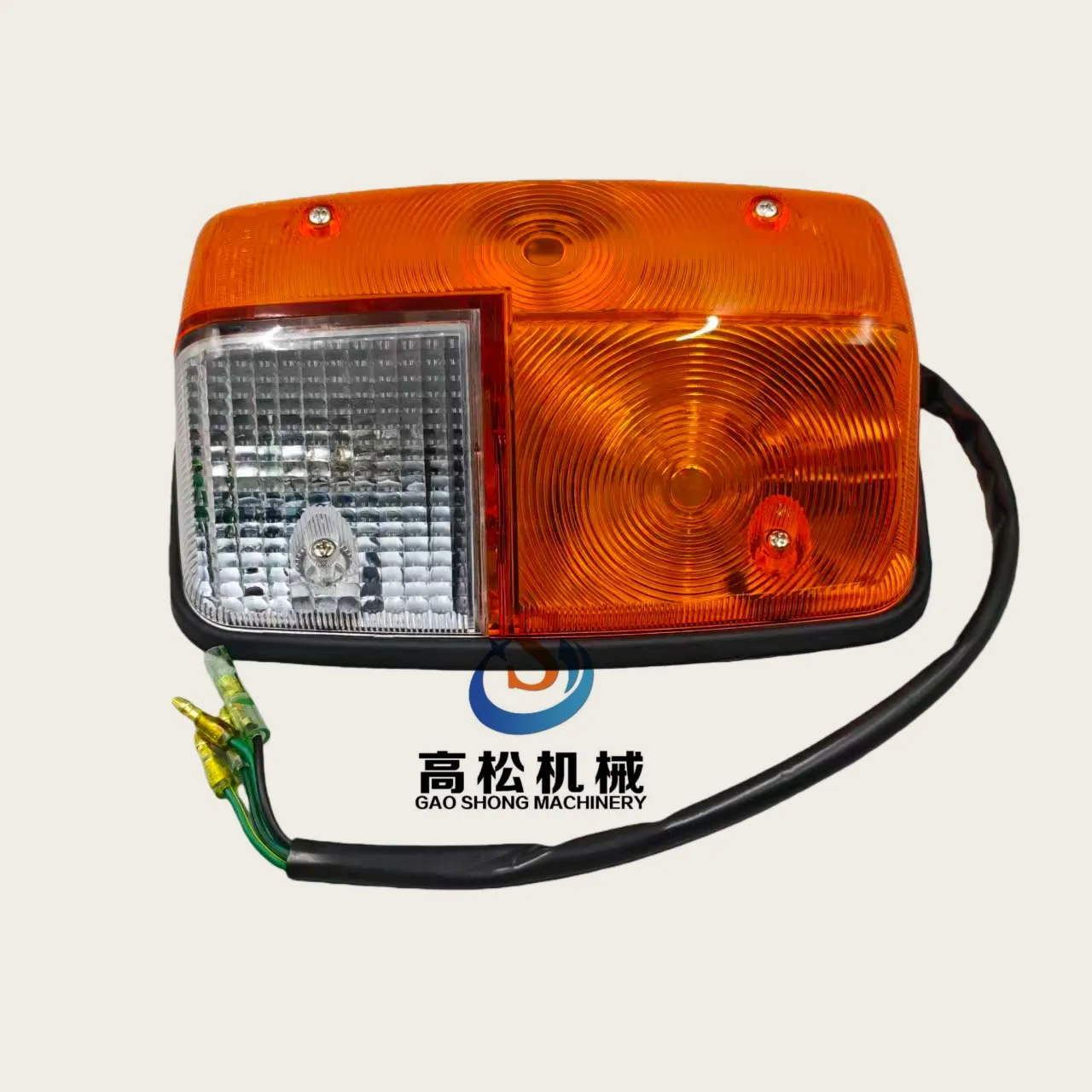 421-06-13401 LAMP ASS’Y,R.H. ELECTRICAL SYSTEM HD255-5 GS360-2 GD405A-2 GD355A-1 HD605-7 HD465-7 HD785-5 HD985-5
 -
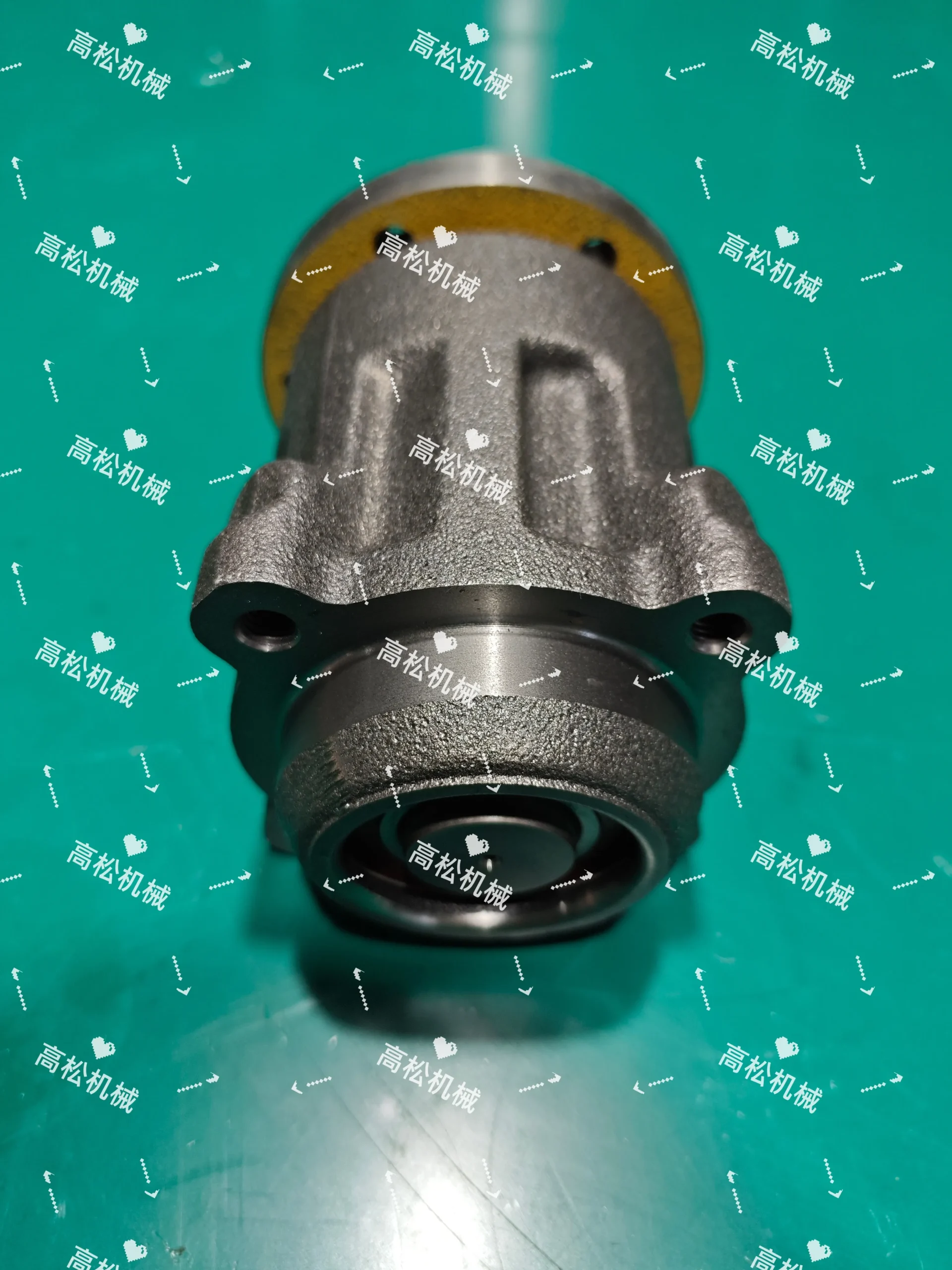 Fan Clutch 20Y-01-56130 for Komatsu PC210-10MO Excavator
 -
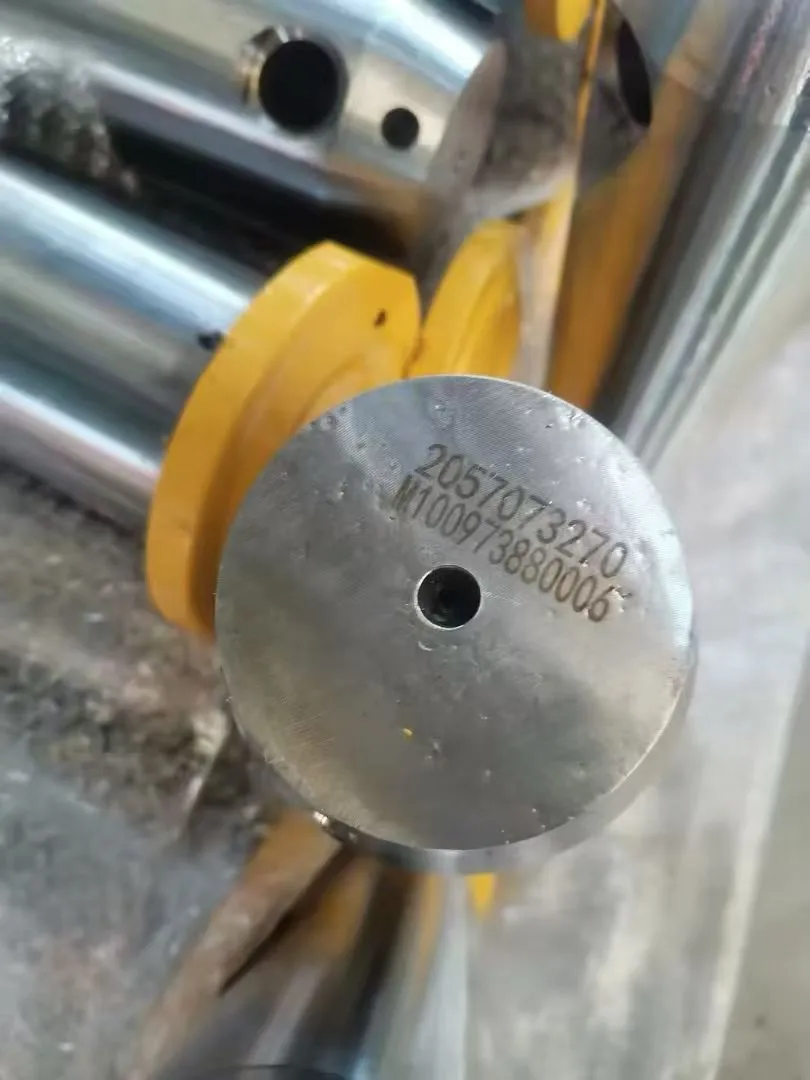 All types of Komatsu original sales pins welcome to inquire
 -
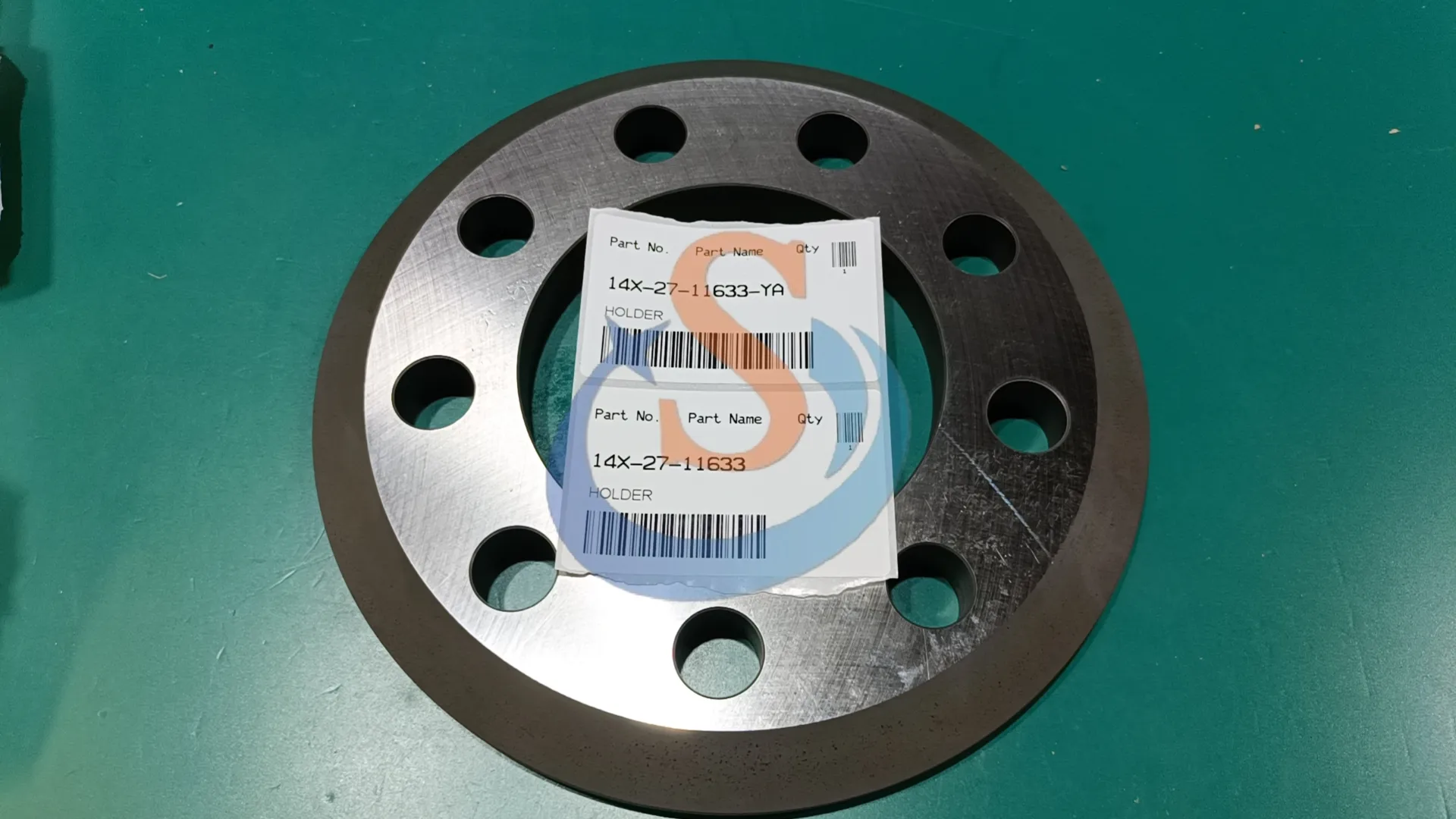 14X-27-11633,HOLDER,D65EX,D65WX,D85E
 -
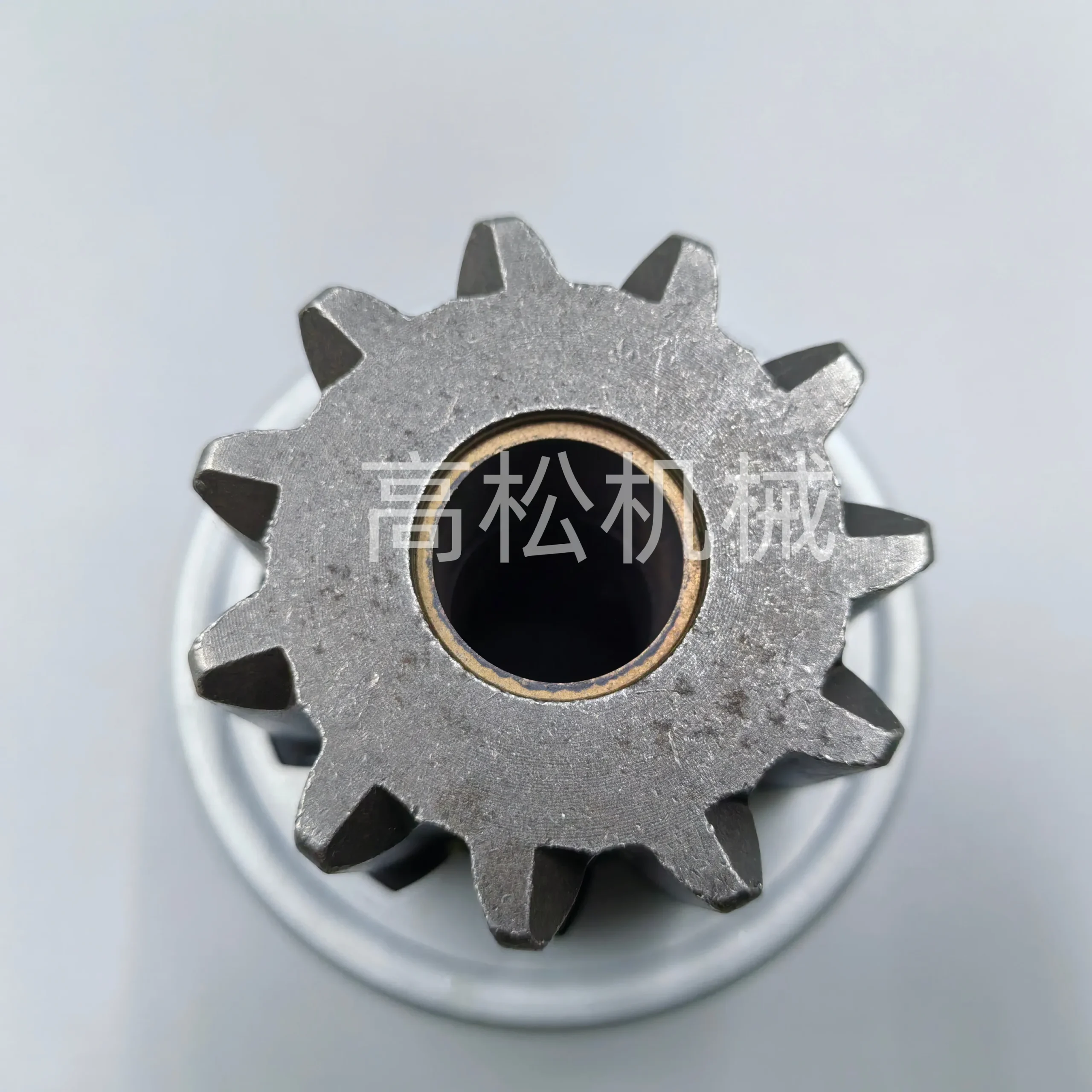 KD0-23500-1024 • CLUTCH ASS’Y-Komatsu Original Factory
 -
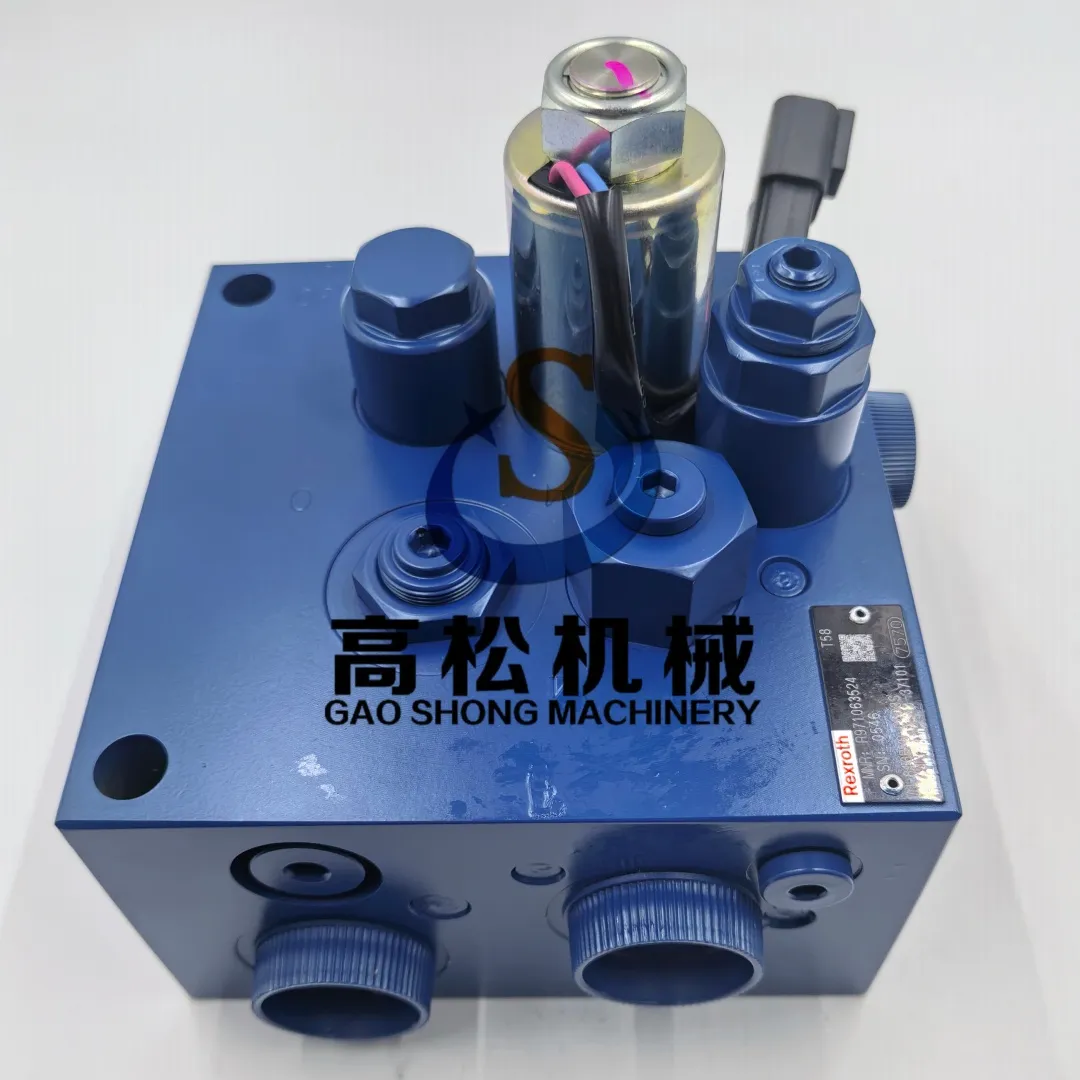 56D-43-37101 Valve Assembly, Charge for HM300 Komatsu Dump Truck Parts High Quality Original Factory
 -
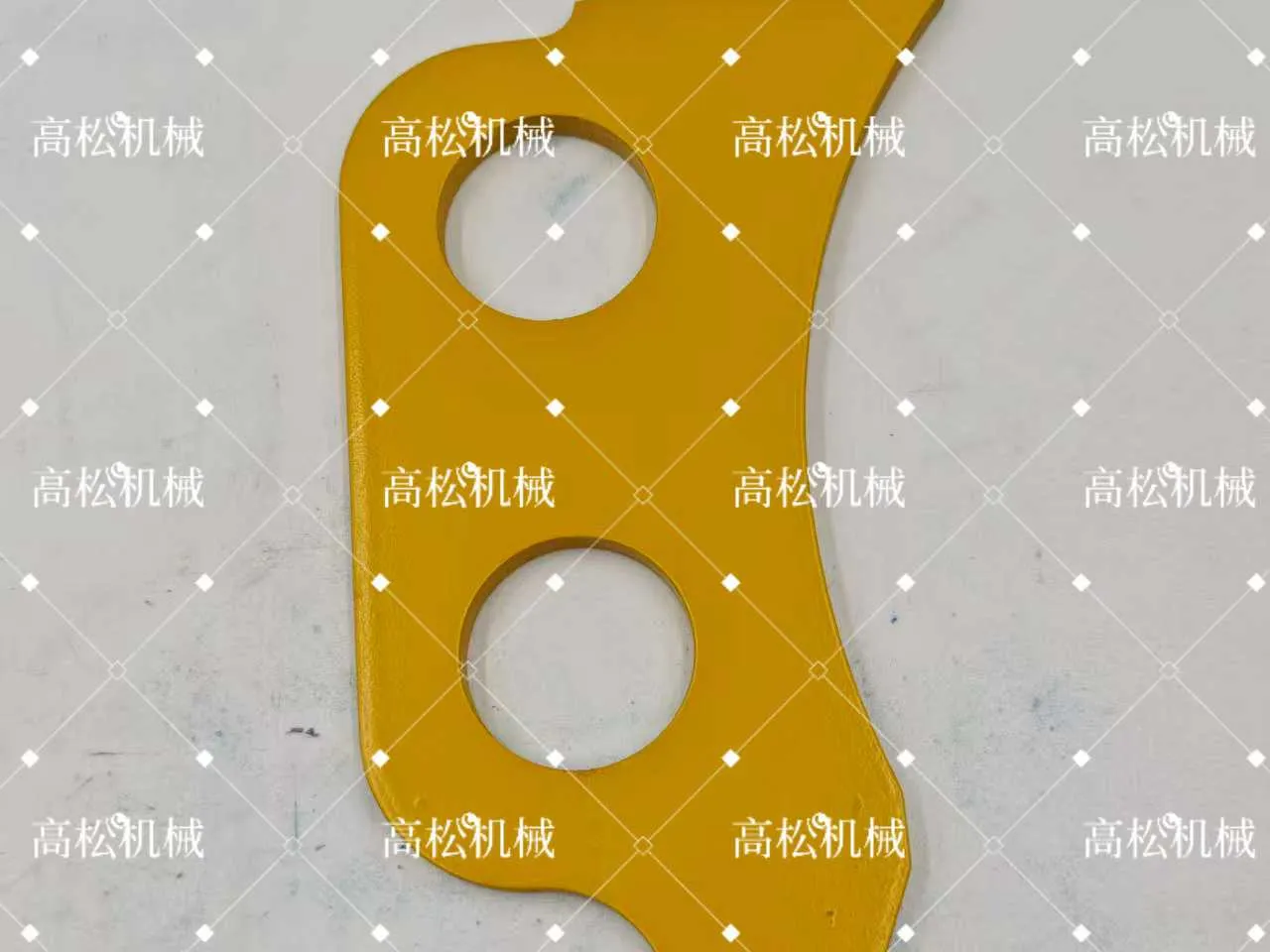 Komatsu Part No. 195-71-74260, Applicable Model: D375A-5, Genuine Komatsu Part
 -
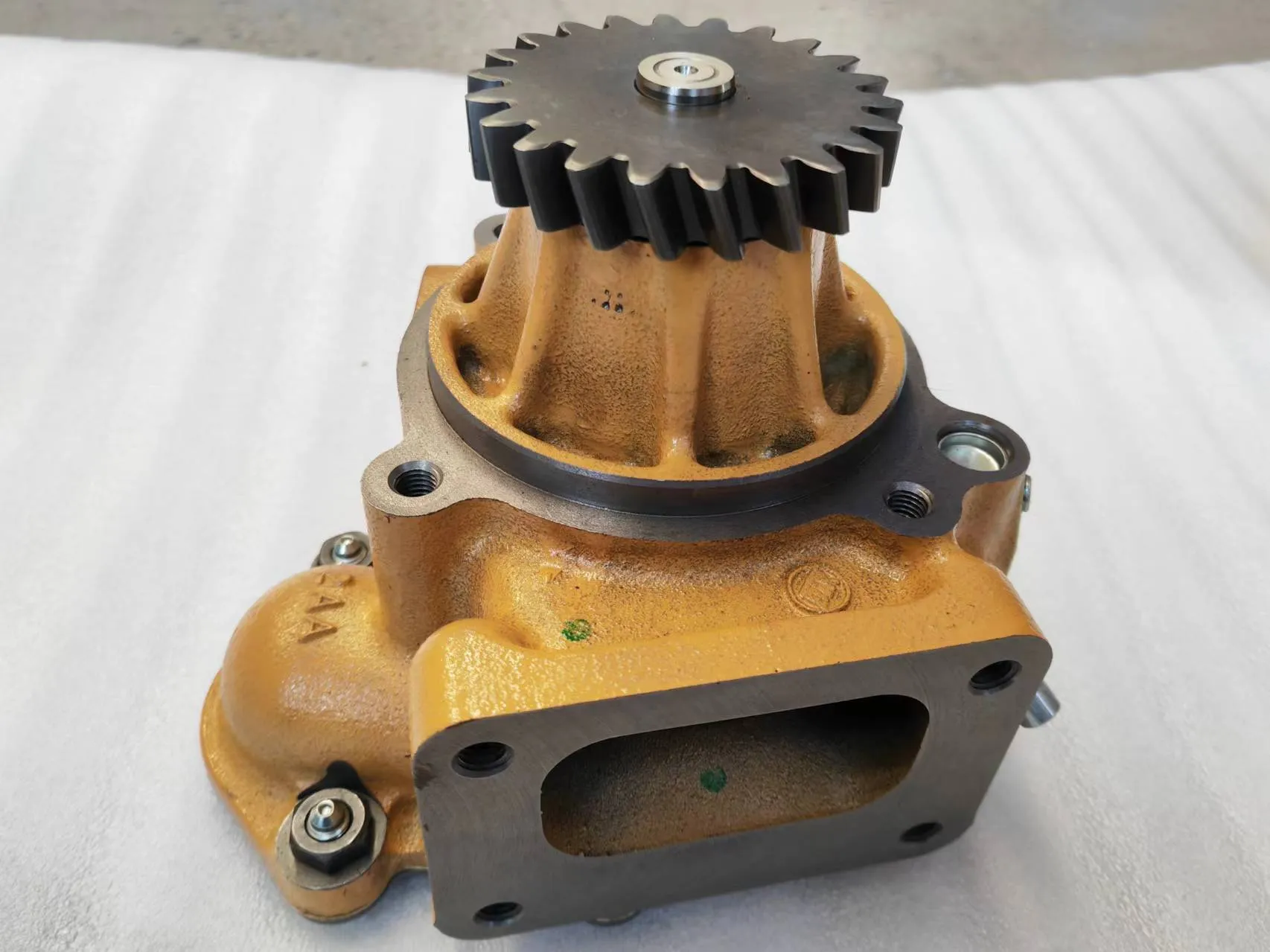 WA480-6 engine water pump 6251-61-1101
 -
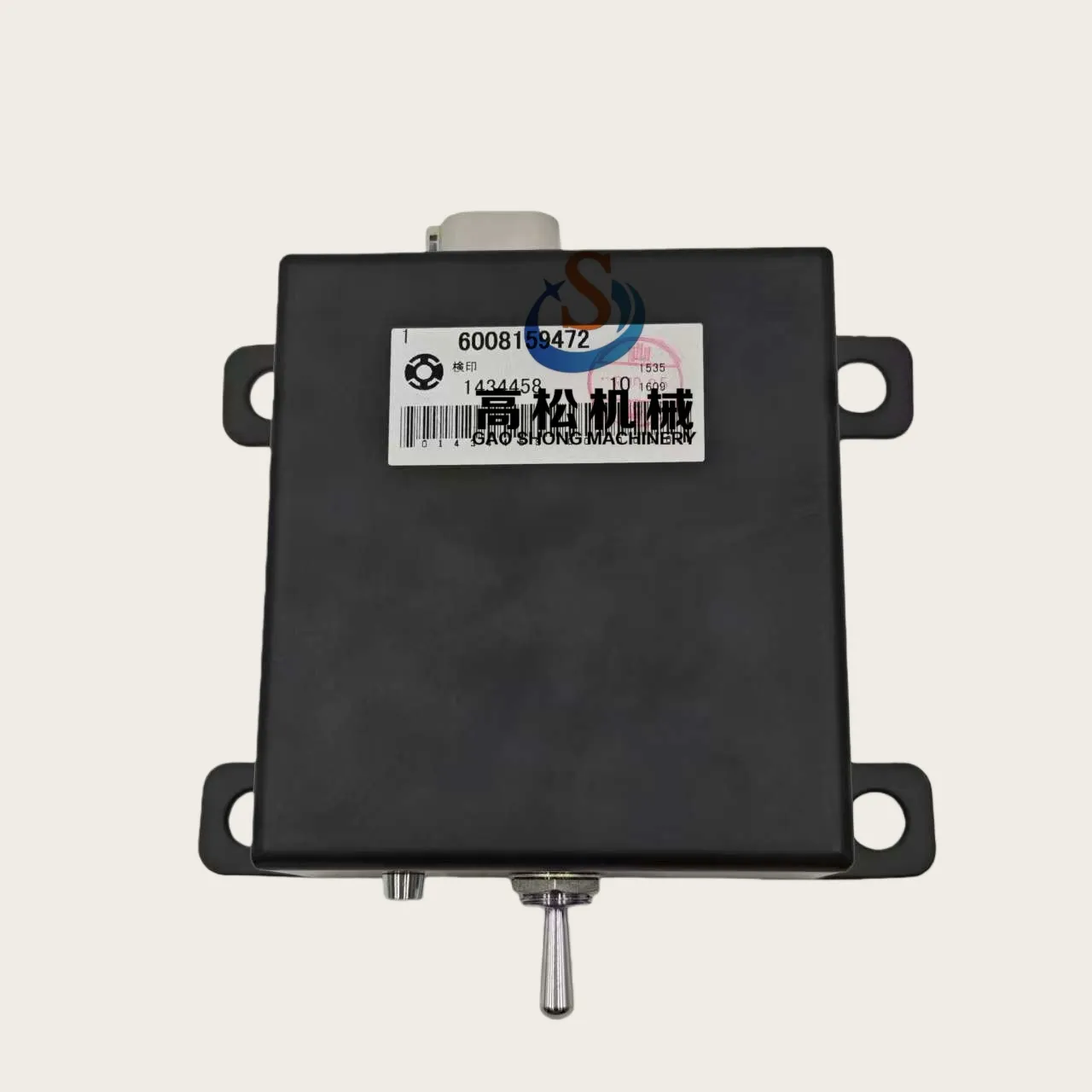 Switch 600-815-9472 D375A-6 WD600-6R HD605-7E1 HD465-7E1 HD785-7 SAA6D170E-5F ENGINE HOOD AND SIDE COVER GROUP, FUEL PRIMING PUMP SWITCH
 -
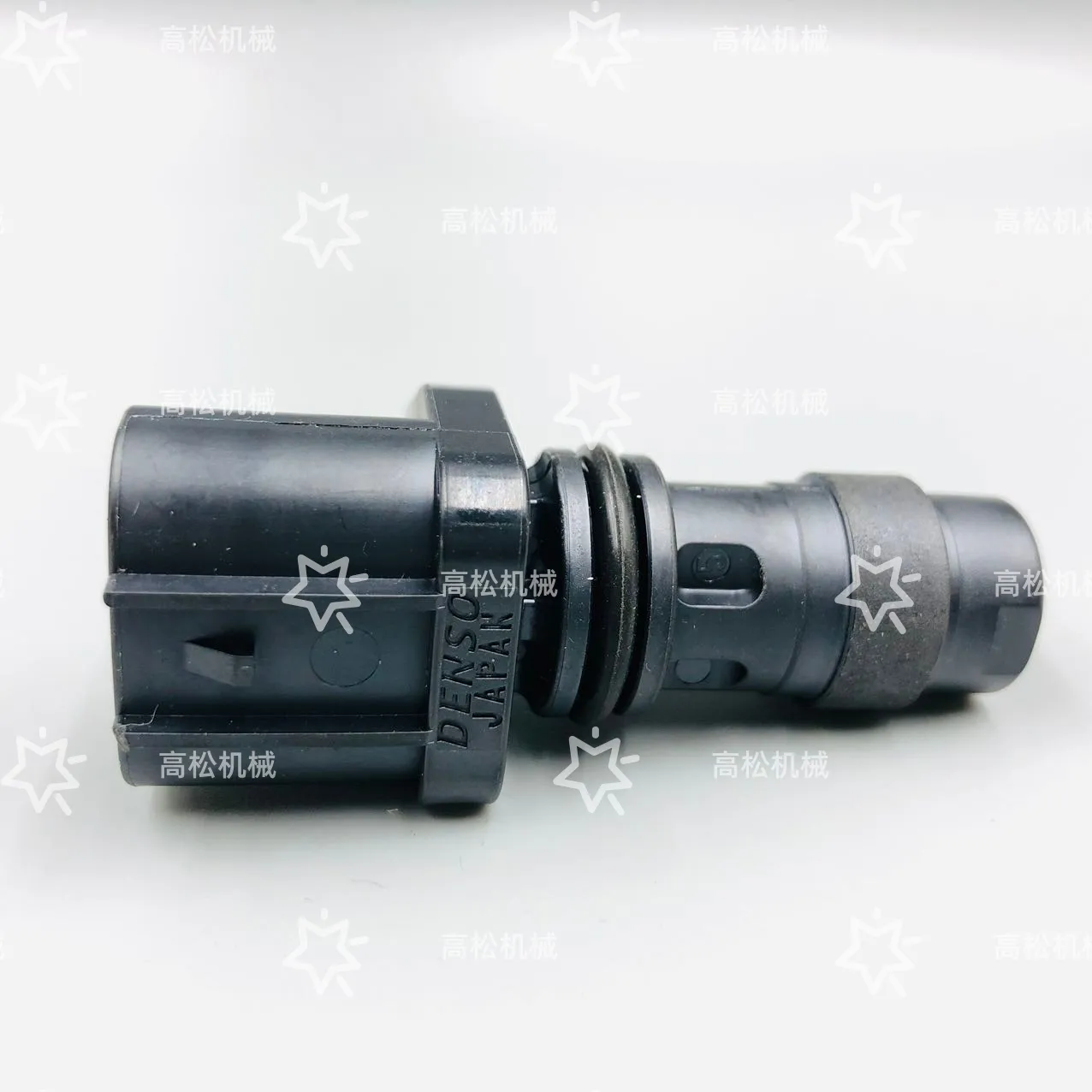 ND949979-1300 Camshaft Position Sensor for Komatsu Excavator PC400-8 PC450-8
 -
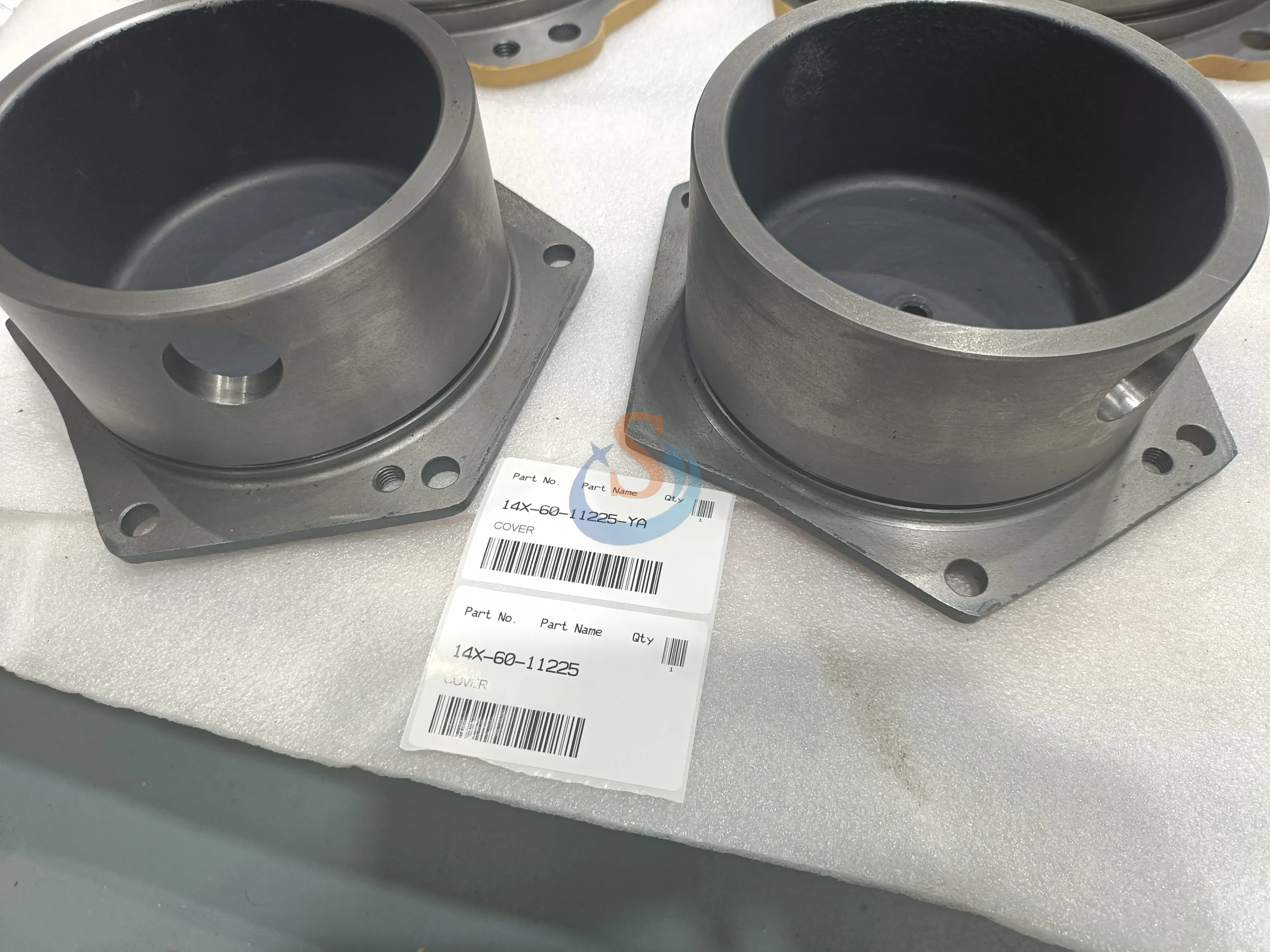 14X-60-11225,COVER,D65PX,D85ESS
 -
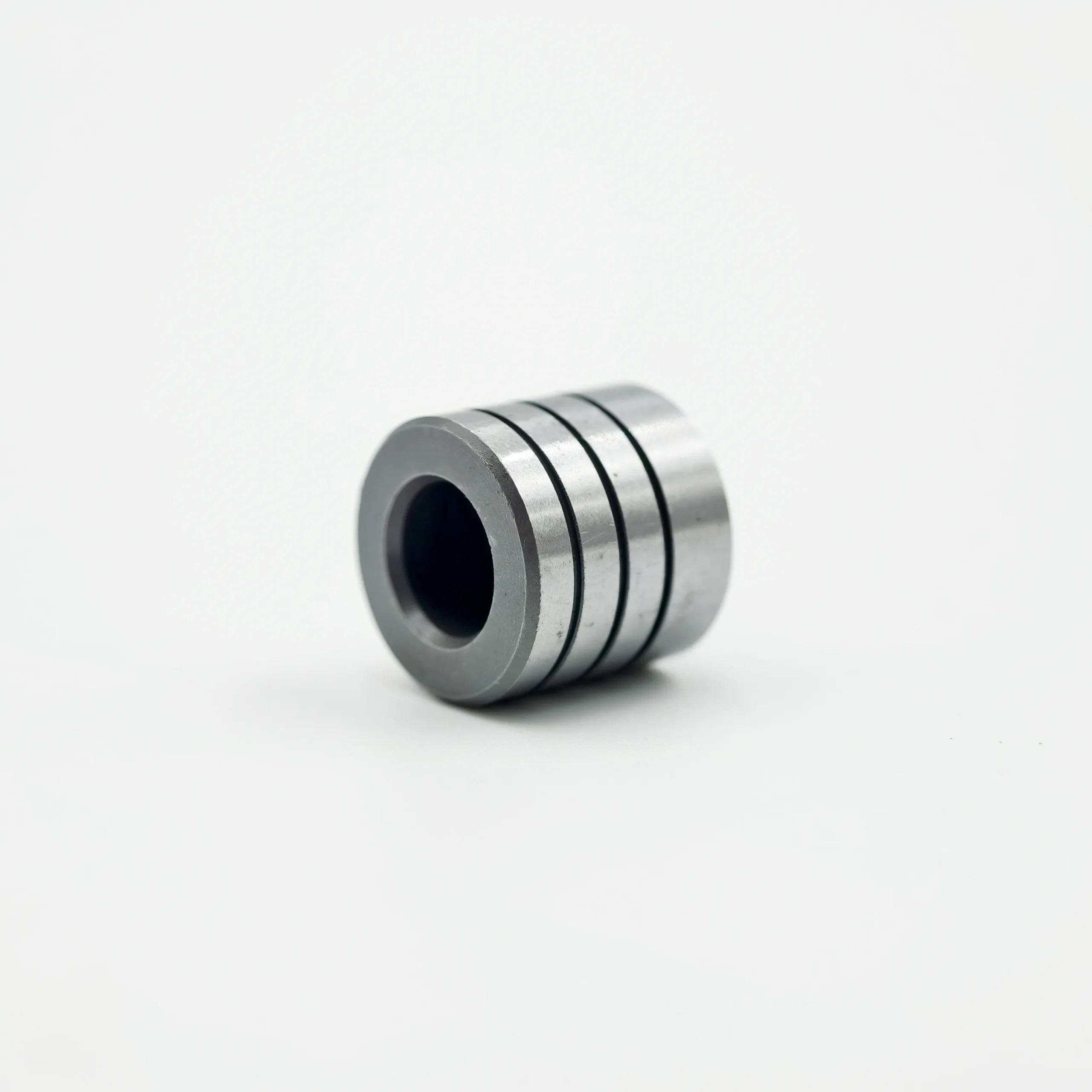 Valve 104-15-25480 – KOMATSU
Related Search
Related Search- OEM AND ORIGINAL KOMATSU ROD 195-70-51152
- OEM AND ORIGINAL KOMATSU BEARING 208-26-71540
- komatsu excavator pc200 engine
- komatsu excavator undercarriage parts
- komatsu dump truck parts
- ND092130-0360
- OEM AND ORIGINAL KOMATSU BUSHING 561-40-61260
- OEM AND ORIGINAL KOMATSU PIN 427-70-11972
- komatsu mini excavator parts
- 421-43-27920