
- Chinese
- French
- German
- Portuguese
- Spanish
- Russian
- Japanese
- Korean
- Arabic
- Irish
- Greek
- Turkish
- Italian
- Danish
- Romanian
- Indonesian
- Czech
- Afrikaans
- Swedish
- Polish
- Basque
- Catalan
- Esperanto
- Hindi
- Lao
- Albanian
- Amharic
- Armenian
- Azerbaijani
- Belarusian
- Bengali
- Bosnian
- Bulgarian
- Cebuano
- Chichewa
- Corsican
- Croatian
- Dutch
- Estonian
- Filipino
- Finnish
- Frisian
- Galician
- Georgian
- Gujarati
- Haitian
- Hausa
- Hawaiian
- Hebrew
- Hmong
- Hungarian
- Icelandic
- Igbo
- Javanese
- Kannada
- Kazakh
- Khmer
- Kurdish
- Kyrgyz
- Latin
- Latvian
- Lithuanian
- Luxembou..
- Macedonian
- Malagasy
- Malay
- Malayalam
- Maltese
- Maori
- Marathi
- Mongolian
- Burmese
- Nepali
- Norwegian
- Pashto
- Persian
- Punjabi
- Serbian
- Sesotho
- Sinhala
- Slovak
- Slovenian
- Somali
- Samoan
- Scots Gaelic
- Shona
- Sindhi
- Sundanese
- Swahili
- Tajik
- Tamil
- Telugu
- Thai
- Ukrainian
- Urdu
- Uzbek
- Vietnamese
- Welsh
- Xhosa
- Yiddish
- Yoruba
- Zulu
- Kinyarwanda
- Tatar
- Oriya
- Turkmen
- Uyghur






Komatsu parts store
When you hear 'Komatsu parts store,' what comes to mind? For most, it's probably a neat, official-looking website or a dealership counter with every single part number in stock, ready to ship. That's the ideal, the marketing image. The reality on the ground, especially when you're managing equipment in regions with complex supply chains, is a different beast altogether. The real challenge isn't just finding a part; it's finding the right part, at the right time, with the right provenance, without blowing the budget. And that's where the distinction between a pure distributor and a specialized supplier becomes critical. Many assume all parts labeled 'Komatsu' come from one seamless pipeline, but the global aftermarket is fragmented. You have the official OEM channels, and then you have the third-party networks that fill the massive gaps the primary system can't always cover, particularly in emerging markets or for older, legacy machines. That's not just theory; it's what keeps projects moving when the official lead time is eight weeks and your excavator is down.
The OEM Promise vs. The On-Site Reality
Let's talk about OEM parts first. Undeniably, they're the gold standard. You get the exact metallurgy, the precise tolerances, the full warranty. For critical components like hydraulic pumps for a PC360 or the final drive assembly on a D65, you don't want to cut corners. I've seen too many will-fit parts fail prematurely on high-stress applications, costing more in downtime and collateral damage than the initial savings. The official Komatsu parts store system is built for this reliability.
But here's the rub: availability and logistics. If you're operating in, say, certain parts of Africa or Southeast Asia, the official distribution hub might be continents away. I recall a project where we needed a slew of undercarriage parts for a D85. The official quote had a 12-week delivery. The machine was literally sinking into the mud on site. That's where a specialized third-party supplier within the Komatsu ecosystem shows its value. They aren't just resellers; they understand the pressure points. A company like Jining Gaosong Construction Machinery Co., Ltd. operates in this space. They position themselves as an OEM product supplier within the Komatsu system while also acting as a third-party sales channel. This dual role is key. It means they have access to genuine OEM pipelines but are also structured to solve the specific supply challenges in countries where the main network is thin.
Their approach, as outlined on their portal at takematsumachinery.com, is pragmatic: helping to solve parts supply challenges in certain countries. That line speaks volumes to anyone who's been in the field. It's an admission that the standard model doesn't always work, and a specialized, agile response is necessary. They're not replacing the OEM store; they're complementing it, targeting the friction areas.
Identifying the True Genuine Part
This brings up the murkiest water: part authenticity. When you're not buying directly from a Komatsu dealership, how do you know what you're getting? The term OEM product supplier within the Komatsu system needs scrutiny. In my experience, this can mean a few things. It could be a licensed manufacturer of specific components, producing to Komatsu's blueprints. It could be a holder of surplus or overstock inventory from Komatsu's own factories. Or, it could involve sourcing from the same tier-1 manufacturers that supply Komatsu directly, just without the Komatsu label being applied at the factory.
The devil is in the documentation and the part itself. A reliable supplier should be transparent. Can they provide mill certificates for steel? Can they trace the component back to a production batch? I've learned to look for the subtle details—the casting marks, the quality of the packaging, even the finish on a bolt. A part for a Komatsu parts store replacement should feel, weigh, and install exactly like the one you pulled out. Any deviation is a red flag.
From what I've gathered, entities like Jining Gaosong leverage their integrated position. They might facilitate the movement of genuine parts that are stranded in one market to another where there's demand, effectively arbitraging supply inefficiencies. This isn't about selling counterfeits; it's about optimizing the global inventory of real parts. For a site manager, this translates to potentially getting a genuine Komatsu cylinder block in two weeks instead of three months. That's a tangible difference.
When to Go Official, When to Go Alternative
Developing a procurement strategy isn't about loyalty to one channel; it's about smart sourcing. The rule of thumb I follow is this: for engine internals, electronic control modules, and any safety-critical system parts, I push for the official channel, no matter the wait or cost. The risk is too high.
For wear items, non-structural components, or parts for machines that are nearly obsolete, the third-party route becomes compelling. Think about things like seal kits, gaskets, filters, pins, and bushings. Sometimes, the alternative supplier's part is literally from the same factory line. I remember sourcing a set of track rollers for an older WA320 loader. The official part was discontinued. A supplier with deep system knowledge found a compatible, high-quality set that wasn't branded Komatsu but met all the specs. The machine ran for another 8,000 hours without issue.
This is the niche companies like the one behind takematsumachinery.com aim to fill. They're not for every purchase, but when the official Komatsu parts store hits a dead end—be it due to geography, legacy equipment, or sheer urgency—they provide a viable, informed alternative. You have to do your due diligence, ask for references, and maybe start with a non-critical order. But dismissing them outright means you might be leaving a crucial tool out of your maintenance kit.
The Logistics and Trust Factor
Ordering a part is one thing. Getting it to a remote quarry or a port city with customs delays is another. A major advantage of a localized or specialized supplier is their experience with in-country logistics. They've usually already navigated the customs headaches, found reliable freight forwarders, and know what paperwork triggers inspections.
I've had shipments from large, global parts distributors get held up for weeks over incorrect harmonization codes. A supplier focused on specific regions often has this process down to a science. Their website might not be as flashy as the corporate Komatsu portal, but if they can provide a real-time shipping update and a local contact who answers the phone, that's worth its weight in gold. The trust is built not on a brand name alone, but on a track record of delivering the actual part to your yard.
This operational knowledge is a core part of solving parts supply challenges. It's not just about having the part in a warehouse; it's about having the ecosystem to place it in your hands. When evaluating a new supplier, I always ask for a case study or reference related to my specific country. How did they handle the last shipment to a site like mine? Their answer tells you more than any product catalog.
Concluding Thoughts: A Pragmatic Parts Ecosystem
So, what's the takeaway on the modern Komatsu parts store concept? It's not a single entity anymore. It's an ecosystem. At the top, you have the impeccable, but sometimes inflexible, official OEM channels. Beneath that, you have a layer of specialized, knowledgeable suppliers who operate within and around the Komatsu system, like Jining Gaosong Construction Machinery. They provide the flexibility, speed, and sometimes the sheer possibility of sourcing that keeps aging fleets and remote operations running.
The key for professionals like us is to map this ecosystem. Know which parts are non-negotiable for OEM sourcing. Build relationships with reputable alternative suppliers for the gray areas. Use their specific strengths—like Jining Gaosong Construction Machinery Co., Ltd.'s stated focus on challenging countries—as a strategic resource.
Ultimately, it's about keeping the iron moving. The badge on the supplier's website is less important than the part in the box, the documentation that comes with it, and the speed at which it arrives. A pragmatic, dual-track approach to parts sourcing, recognizing both the ideal and the on-the-ground reality, is what separates a well-managed equipment fleet from a perpetually stalled one. The real store is the global network of options you cultivate, not just a single point of purchase.
Related Products
Related Products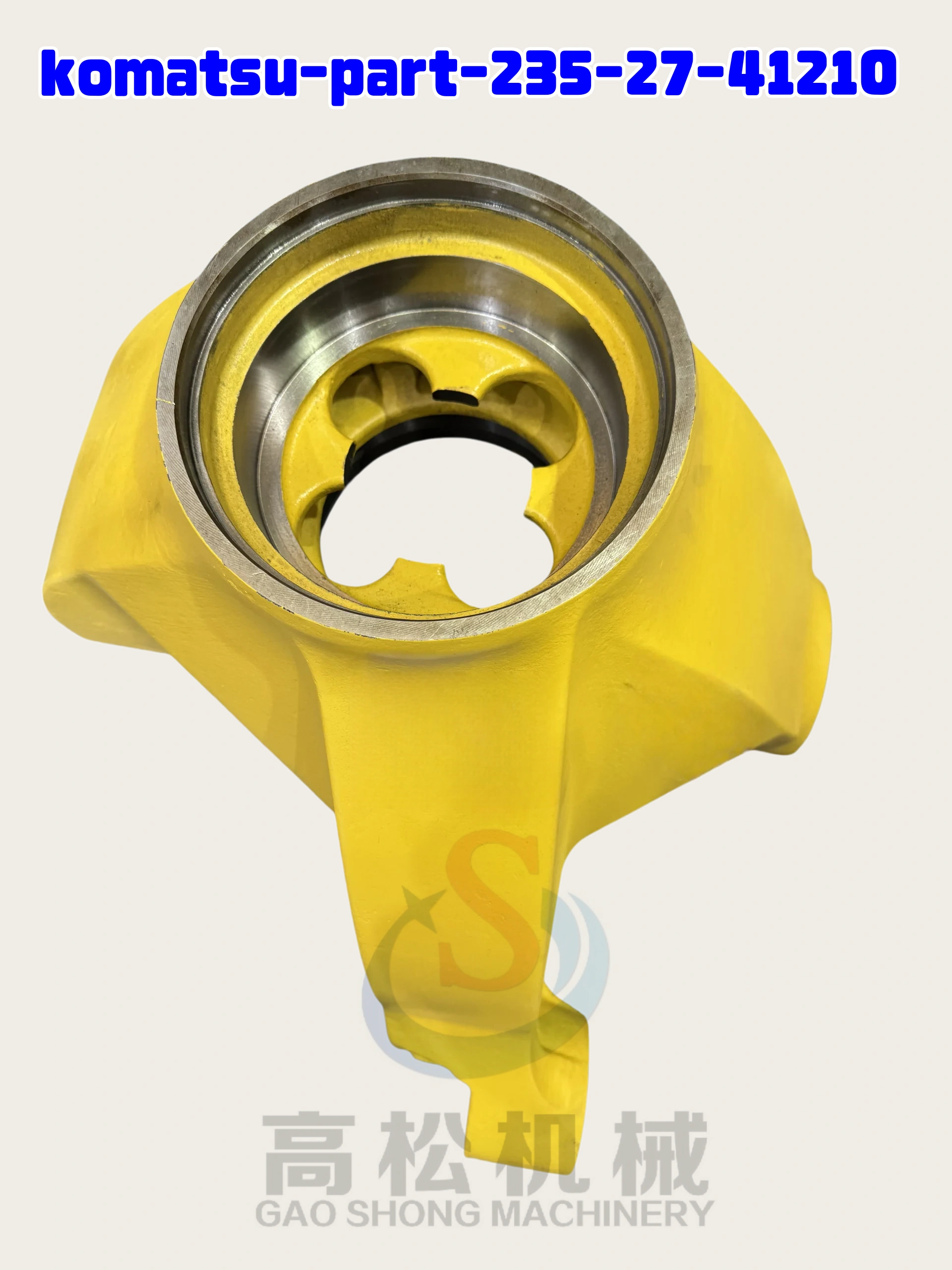
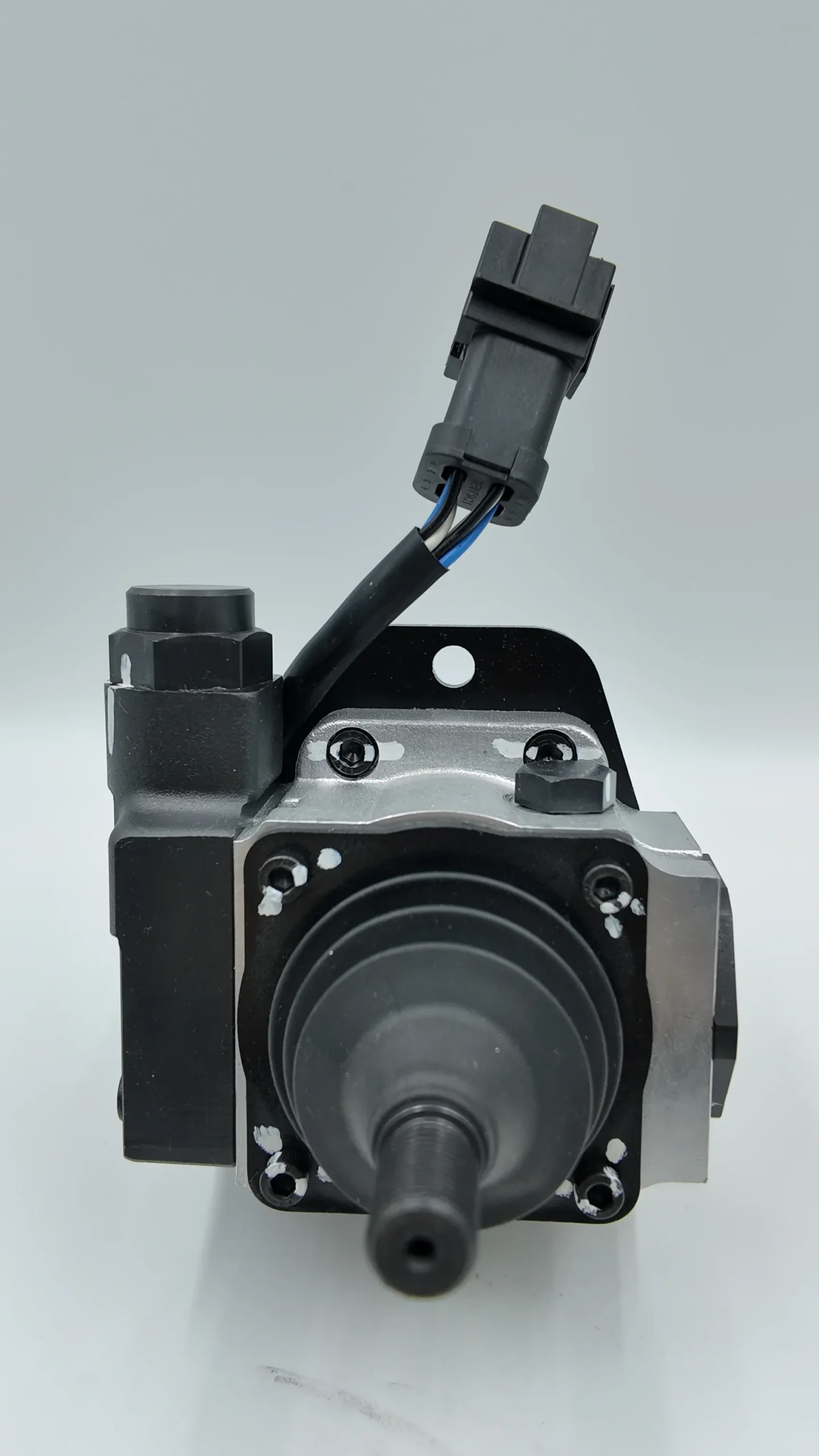
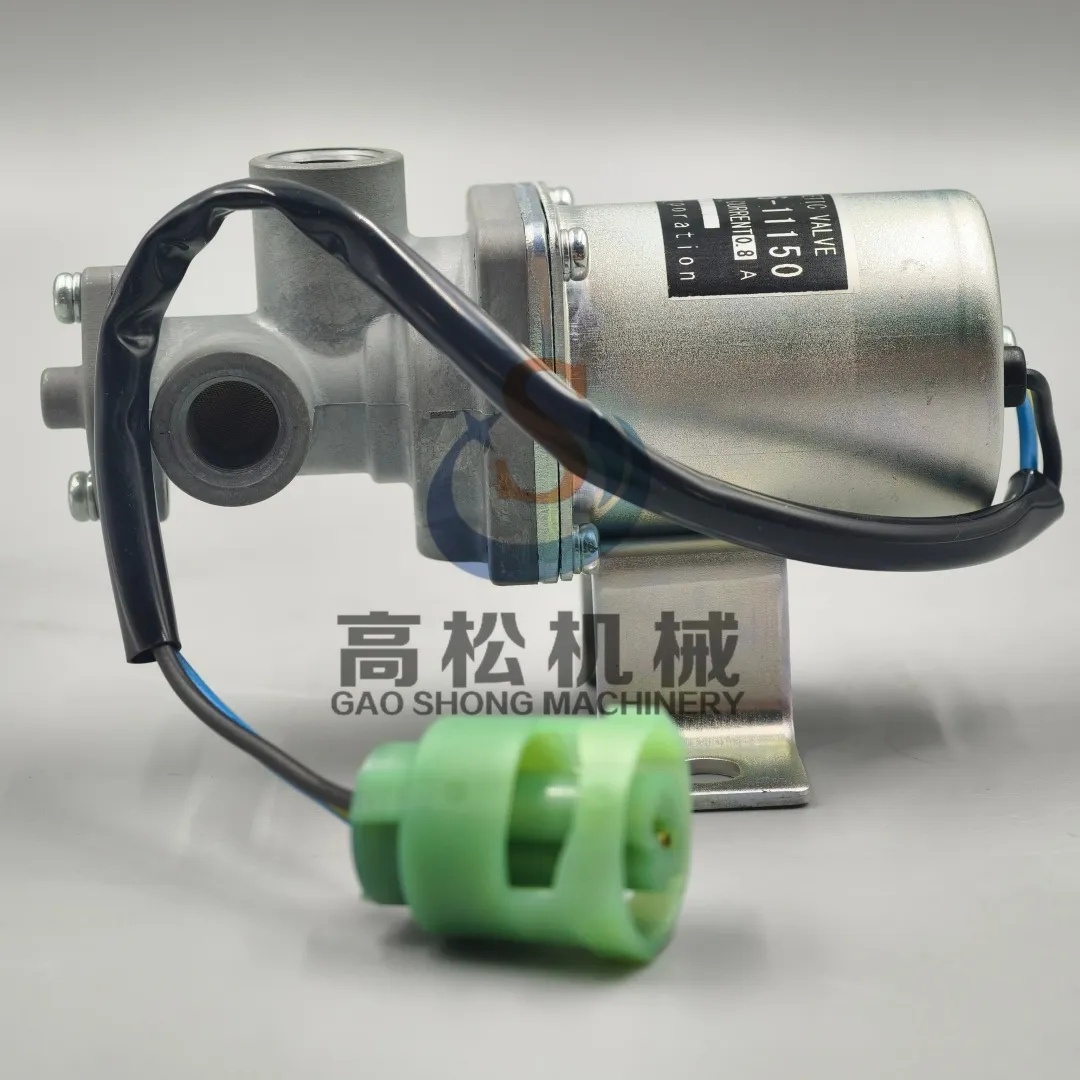
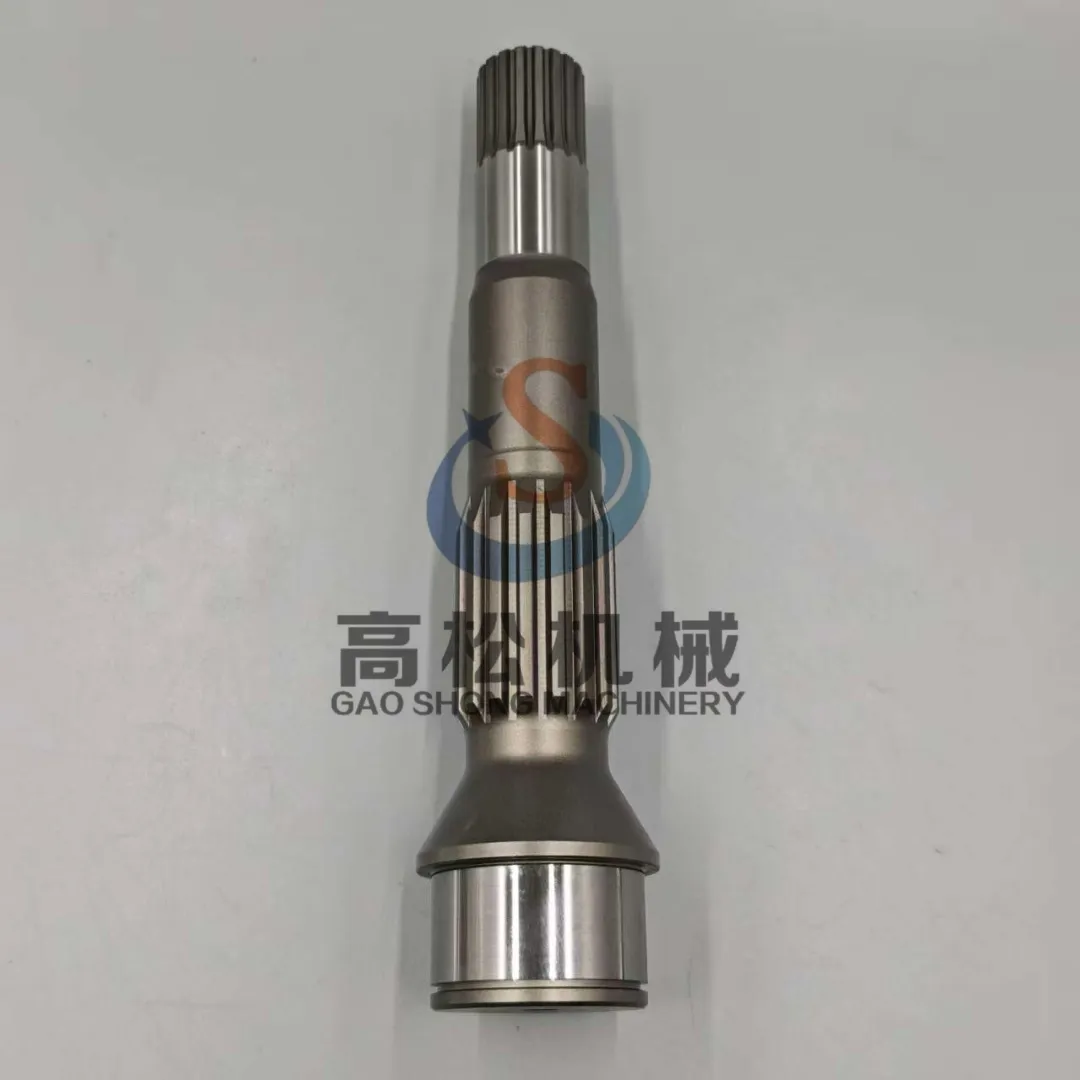
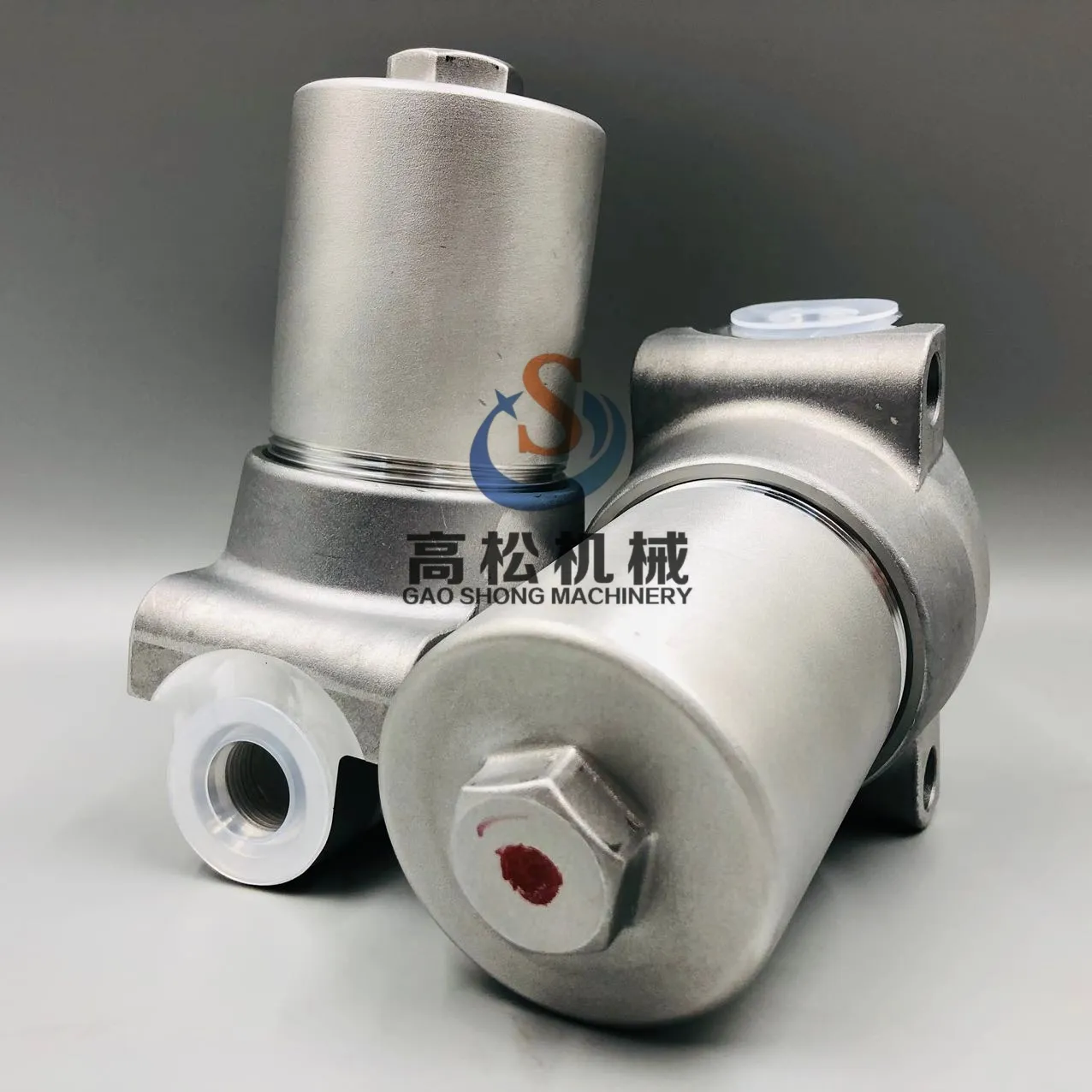
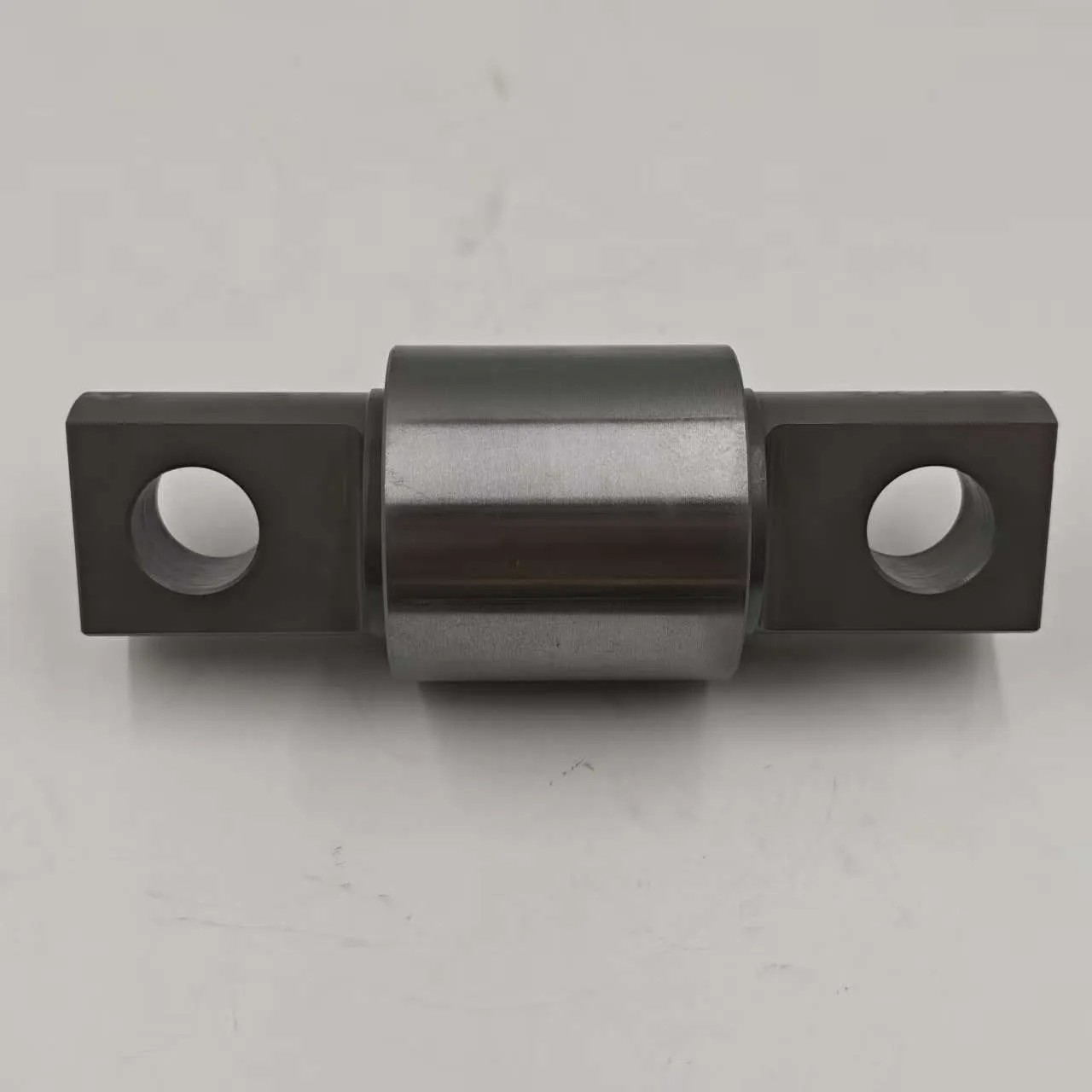
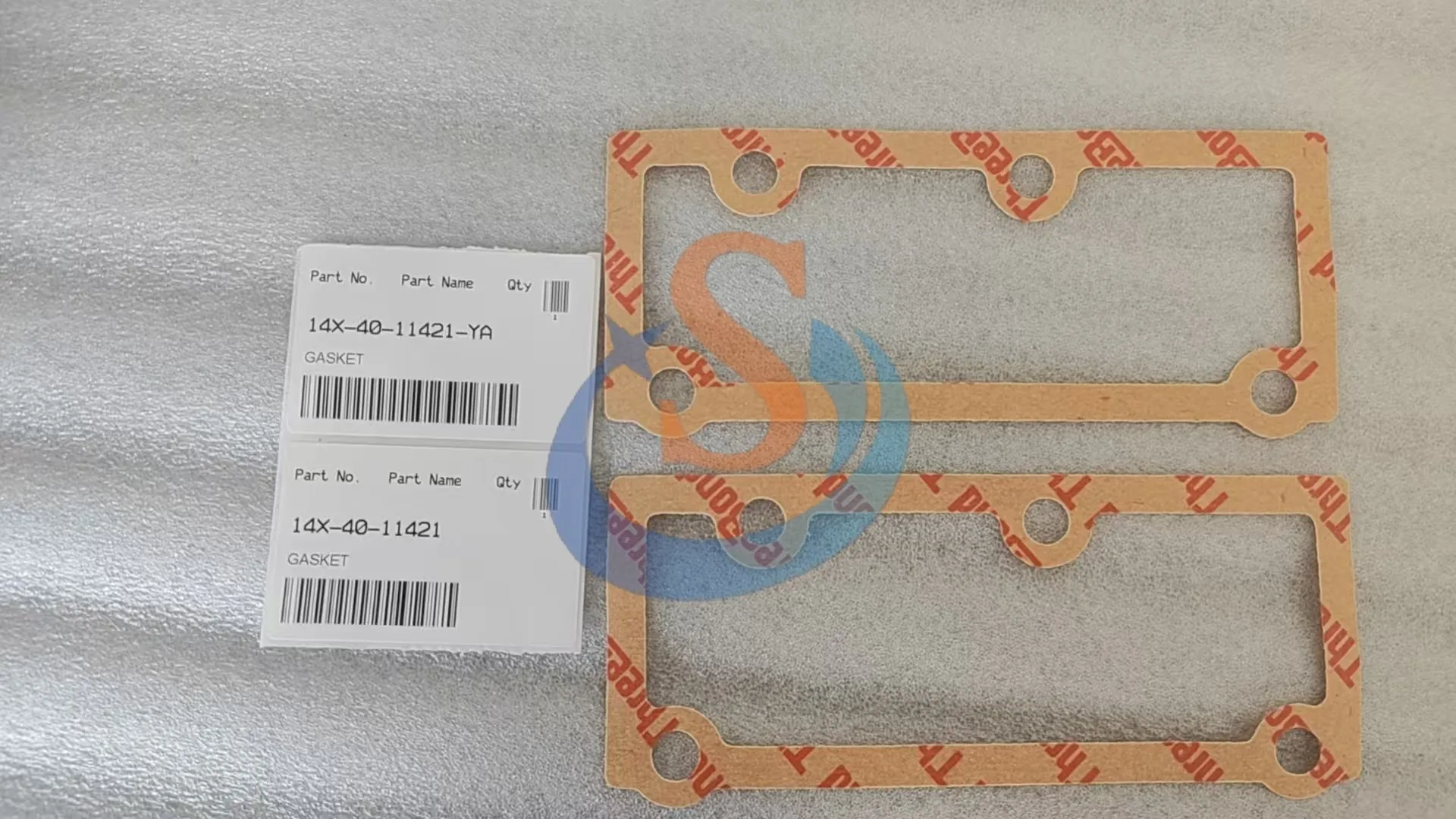
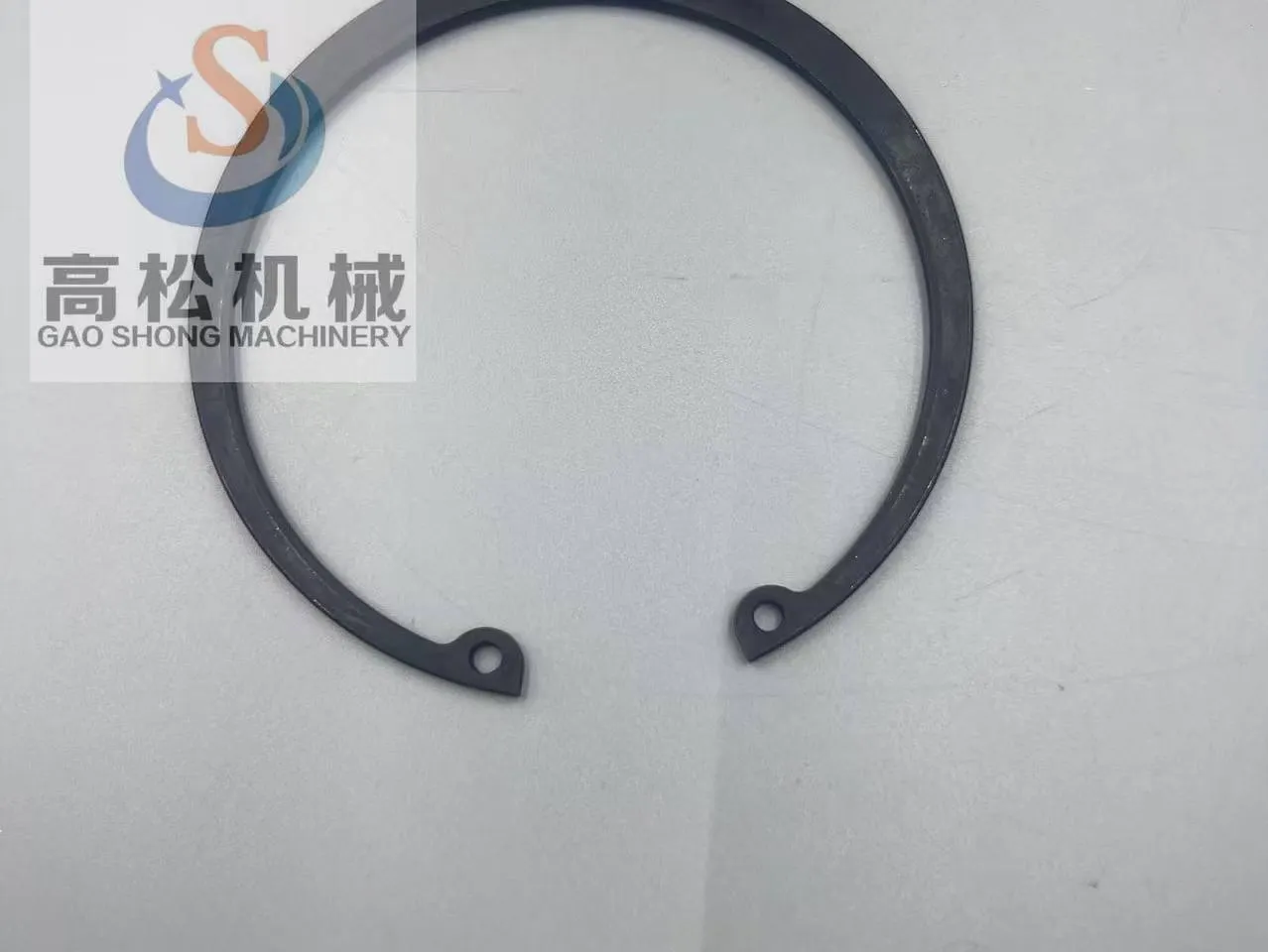
Best Selling Products
Best Selling Products-
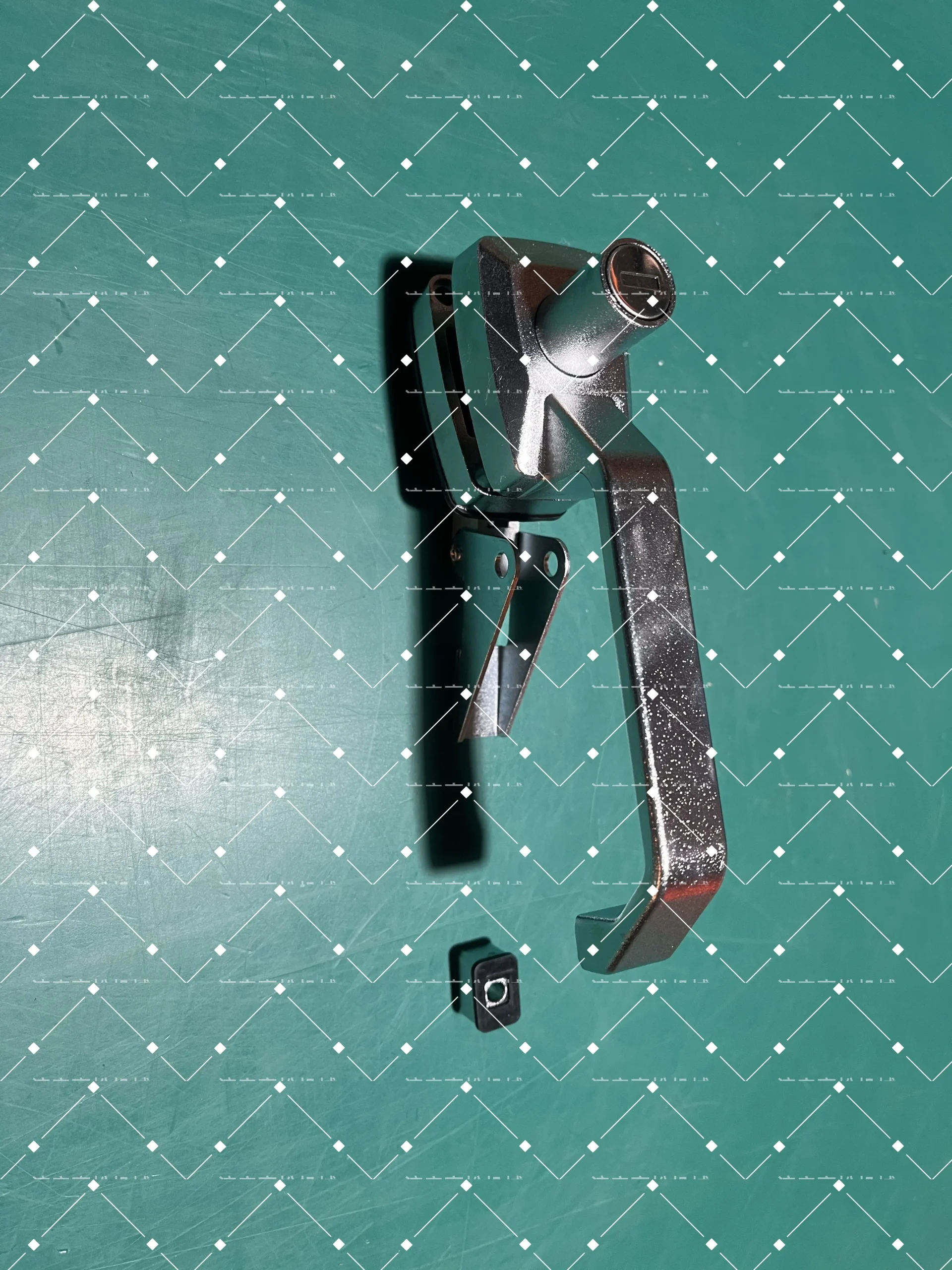 198-Z11-3710 Komatsu Handle Assembly
 -
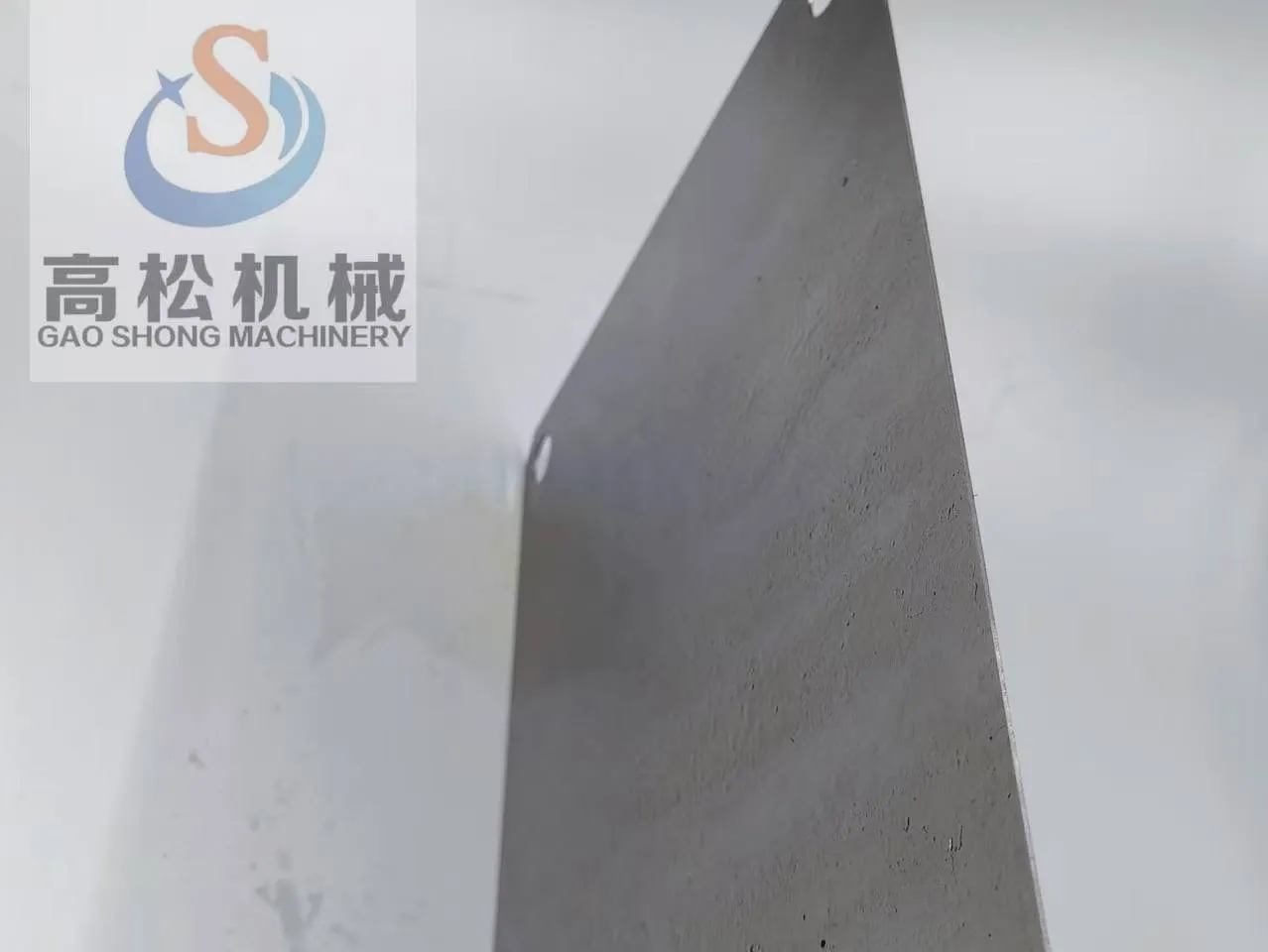 561-74-61540 Komatsu Shim Compatible Model: HD985. Available for immediate shipment.
 -
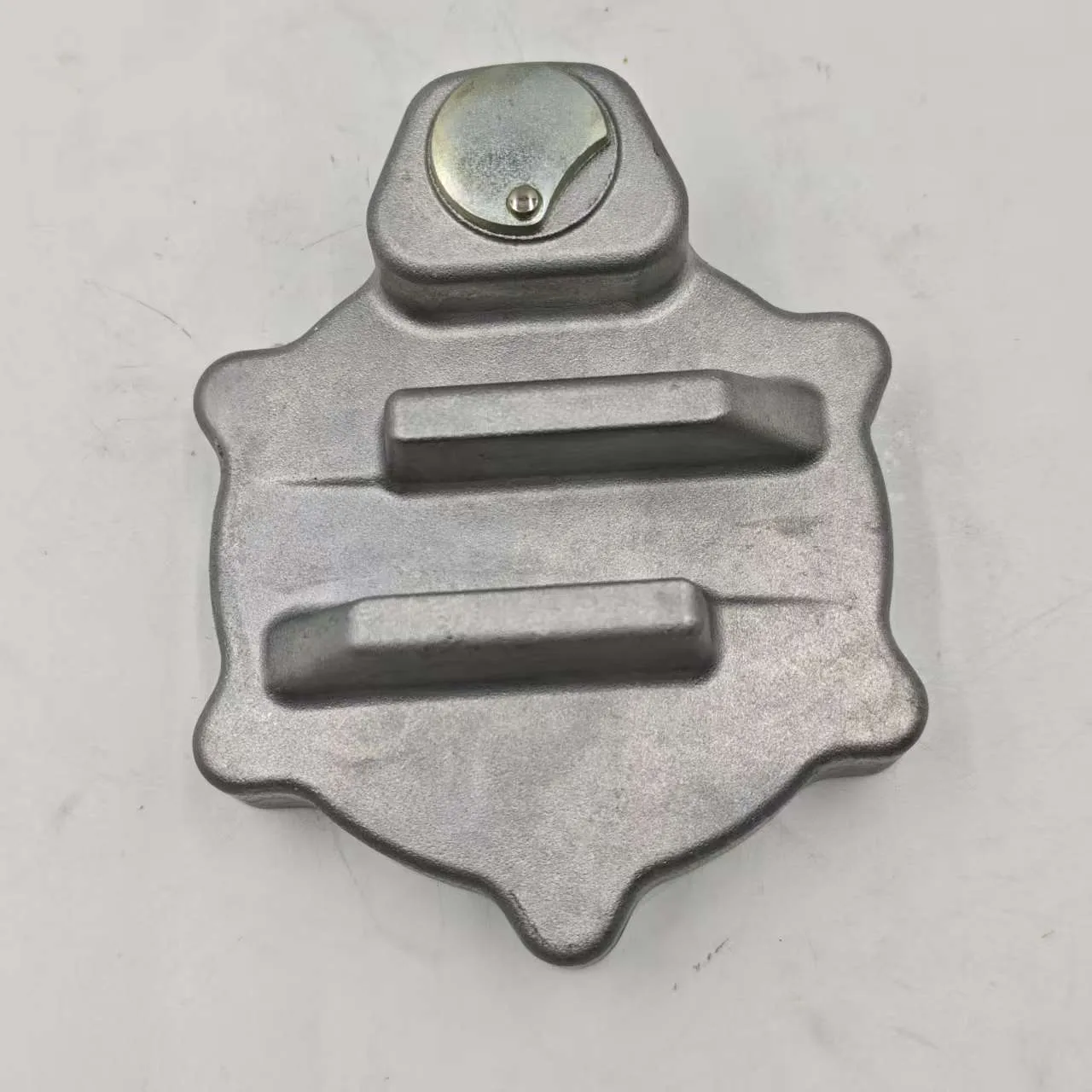 07053-10000 Cap-Radiator Fits KOMATSUU Models
 -
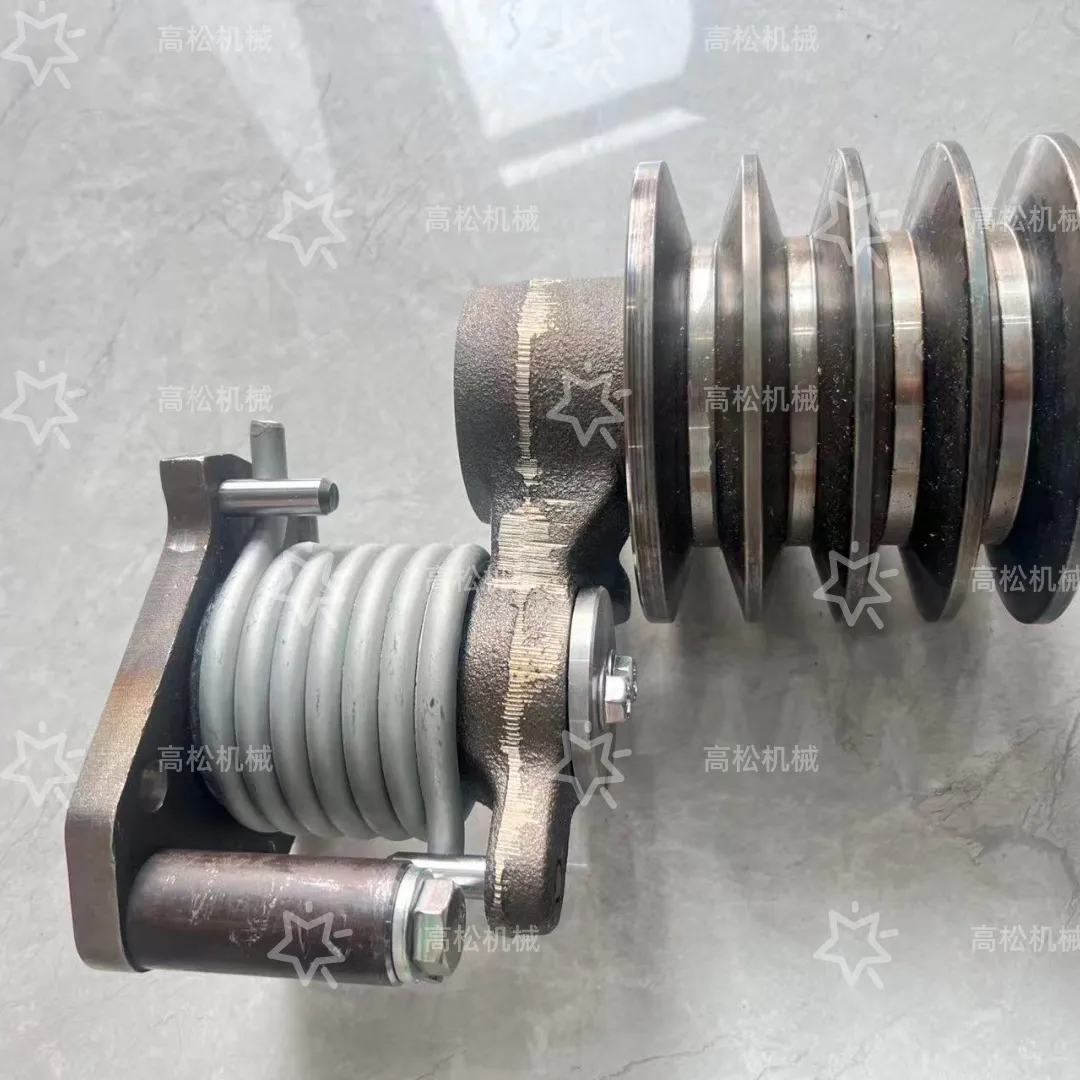 tension pulley ass’y 6240-61-4500 – komatsu
 -
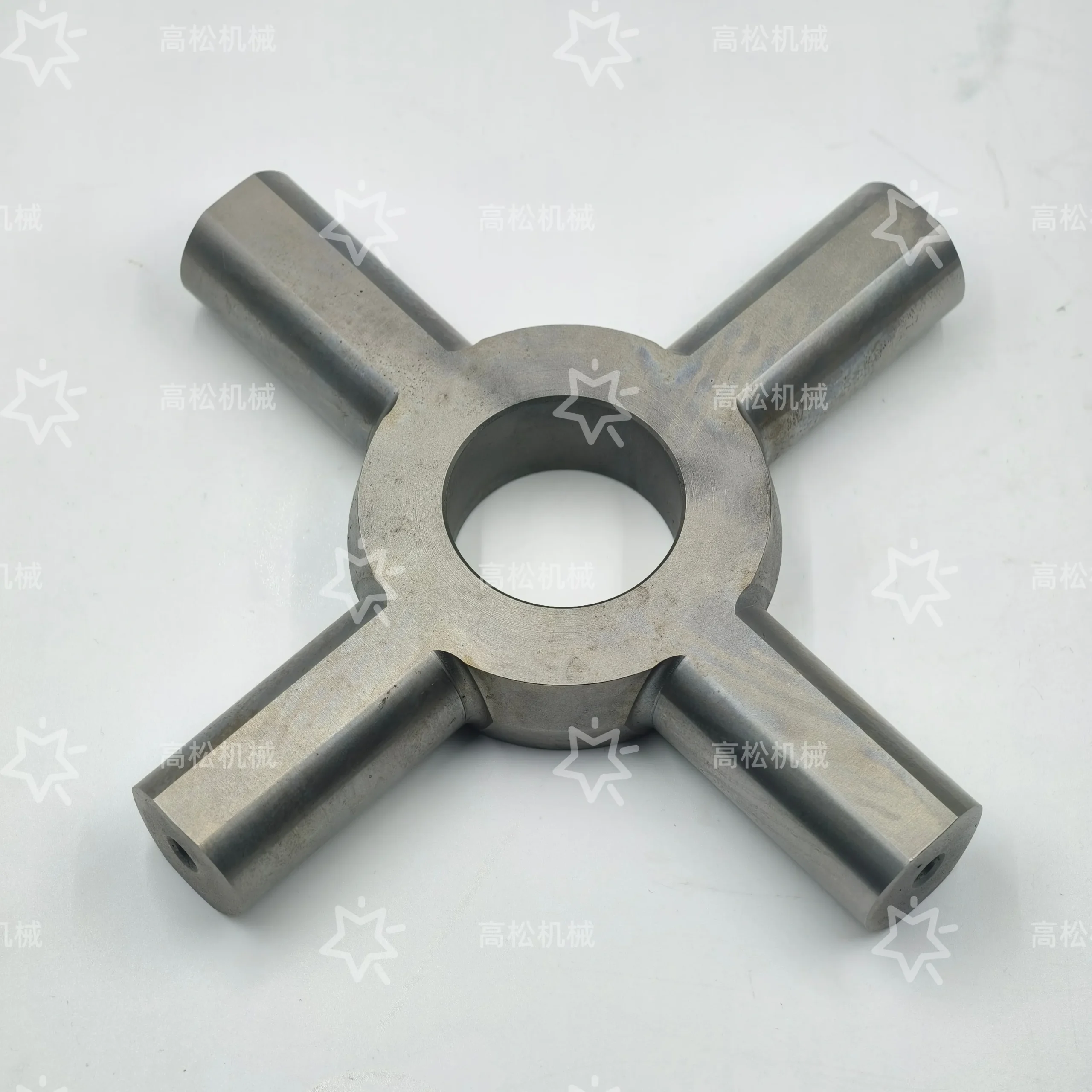 SHAFT 421-22-11440 for Komatsu WA300-3 WA320-3 WA380-3 WA430-3 WA470-3 WA450-3
 -
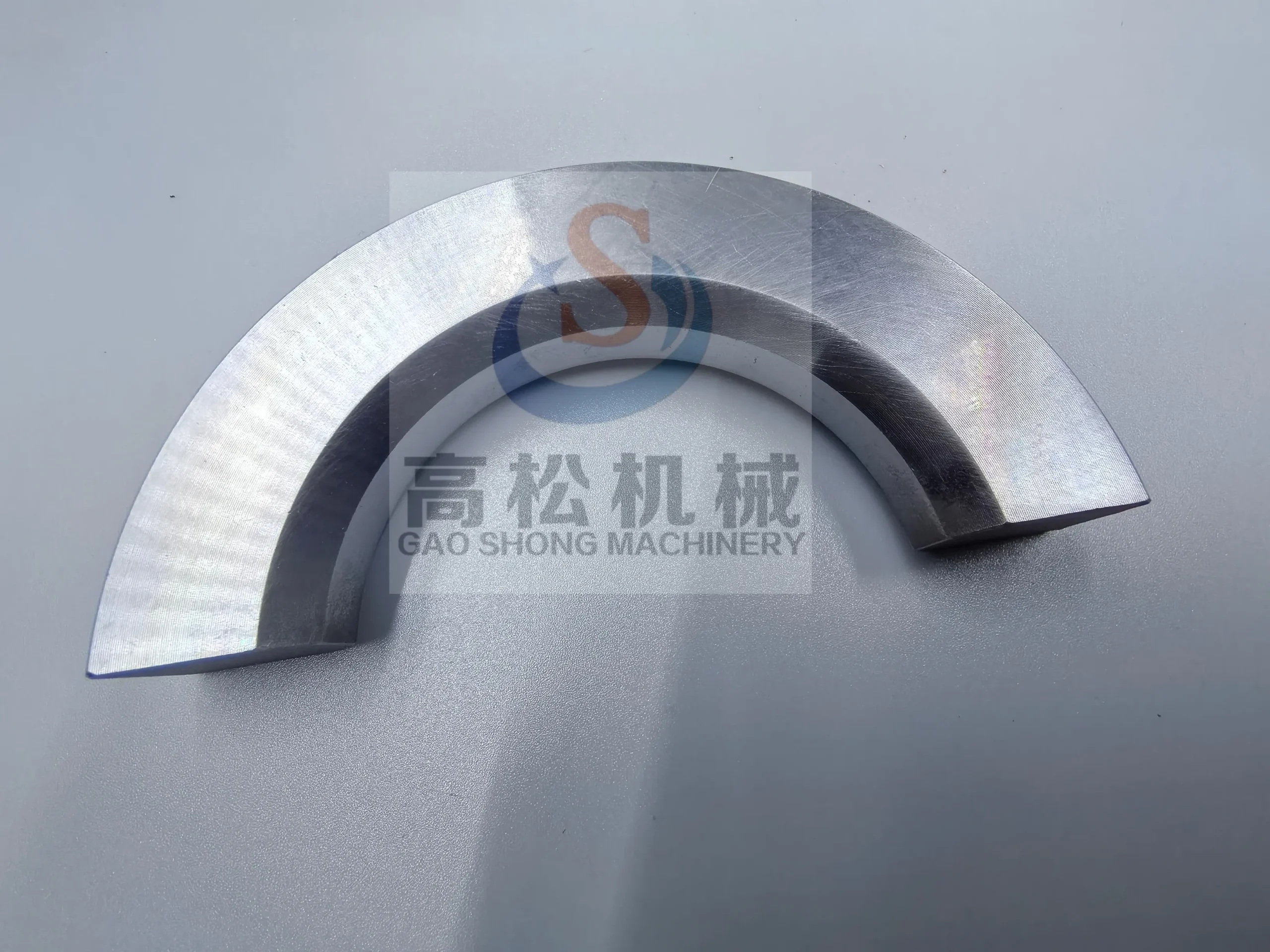 14X-30-13241 Spacer (Komatsu)
 -
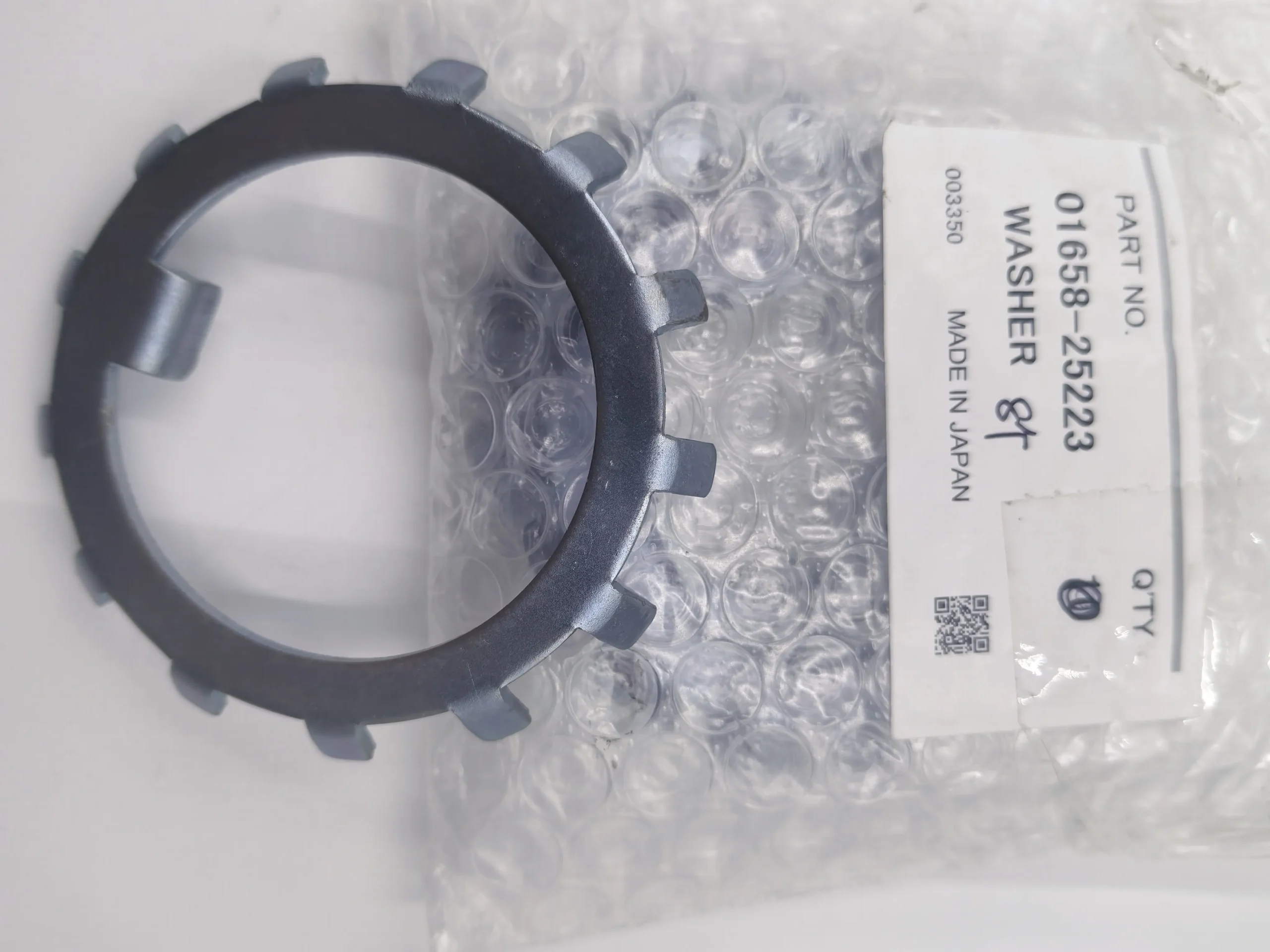 01658-25223、01658-05223•• WASHER Komatsu Original Factory
 -
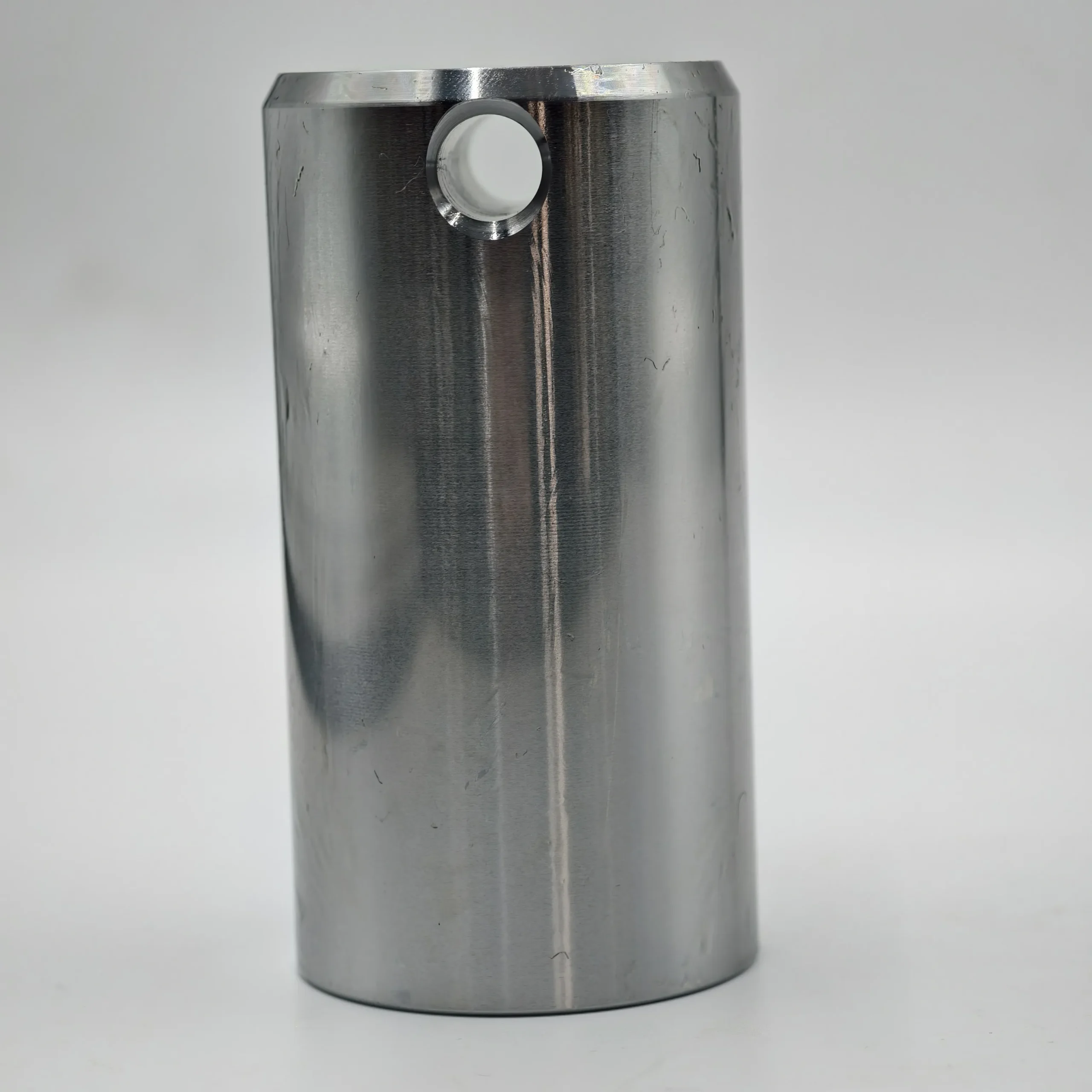 Komatsu Pin, 20Y-27-31160-We carry an extensive line of hardware for your machine. We offer bolts, nuts, washers, pins, snap rings, cap screws, keys and more.
 -
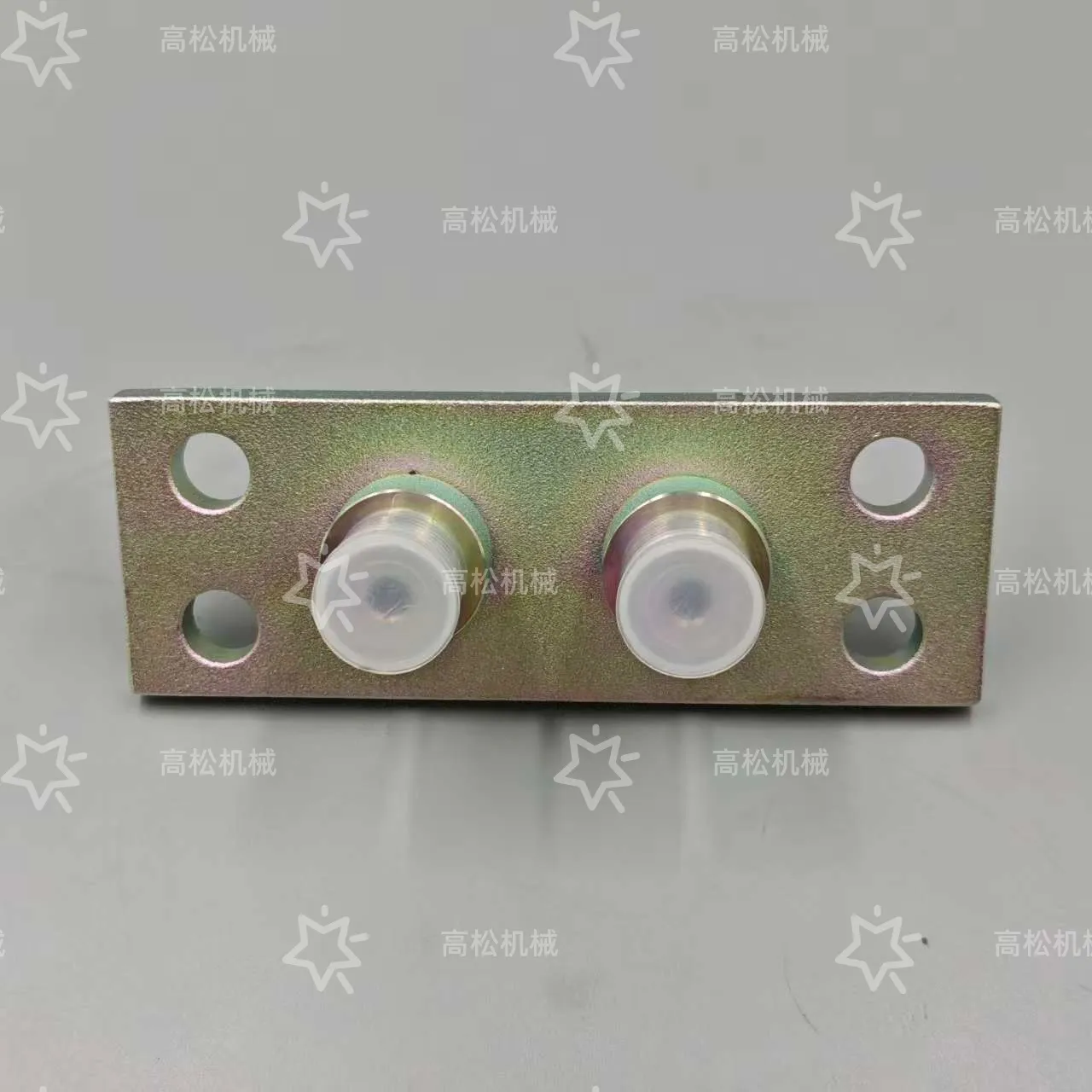 14Y-62-31411 BRACKET made to fit KOMATSU
 -
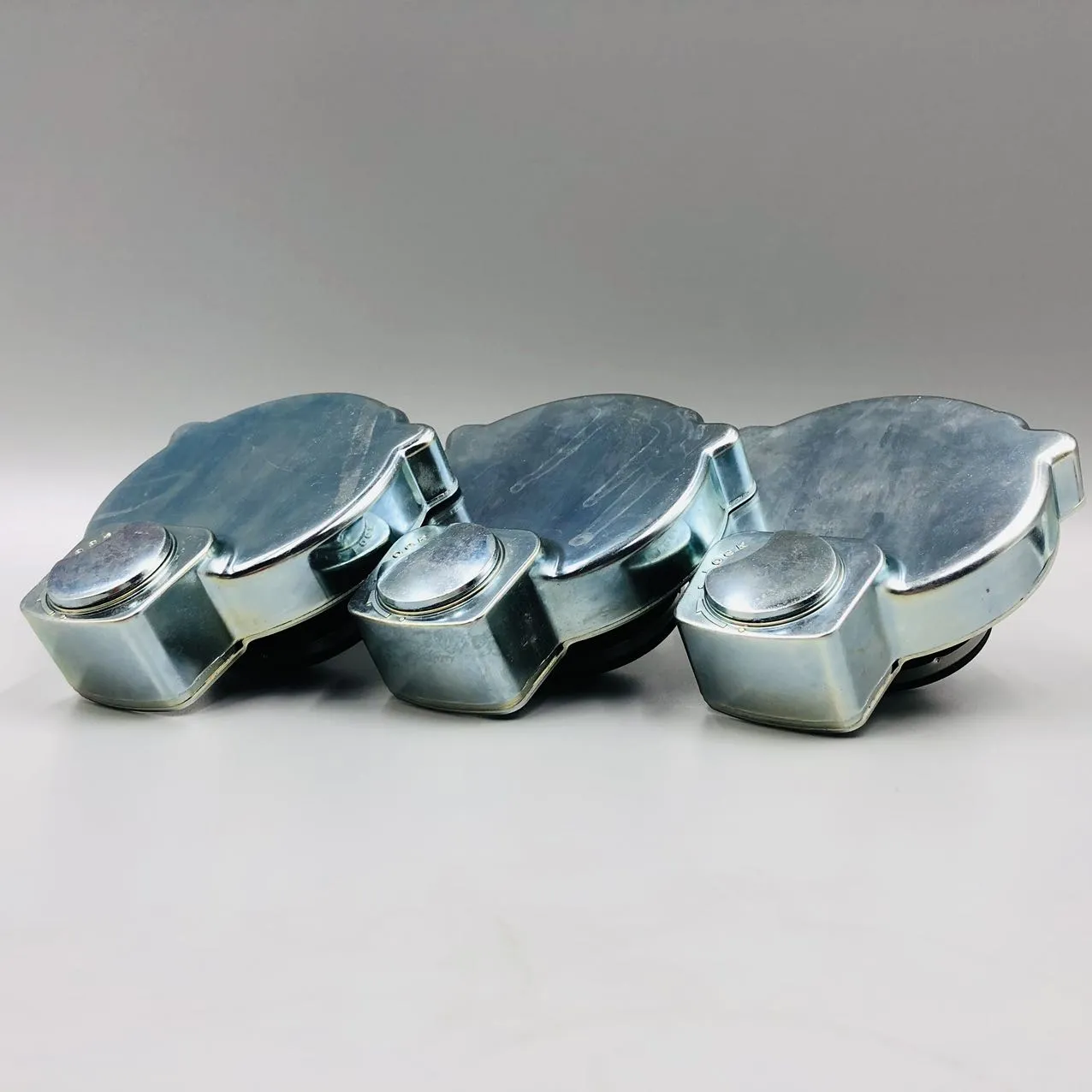 Hydraulic Oil Tank Cap 17A-60-11310 For Komatsu
 -
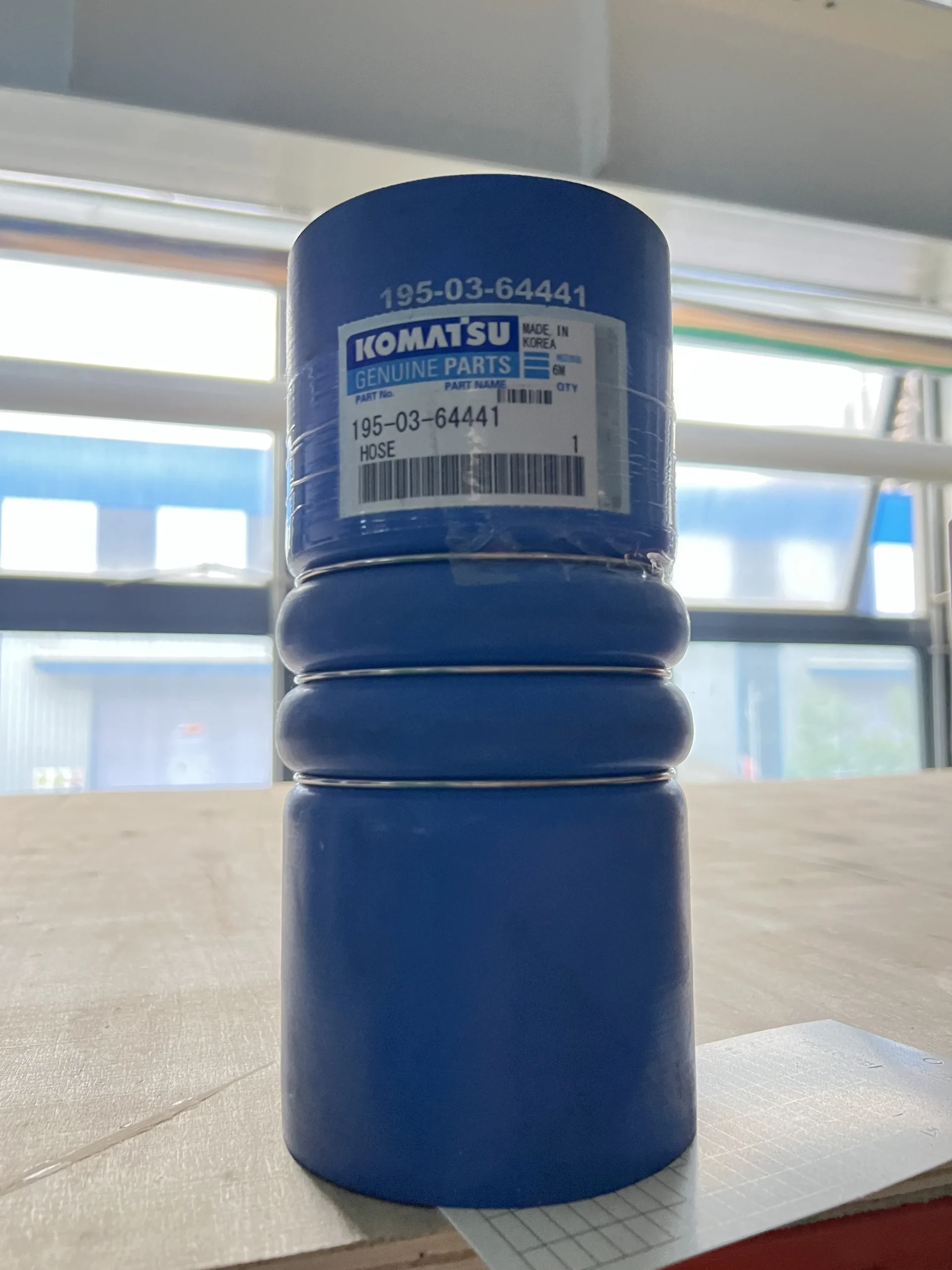 Intercooler Air Hose 195-03-64441 for Komatsu D375A-5
 -
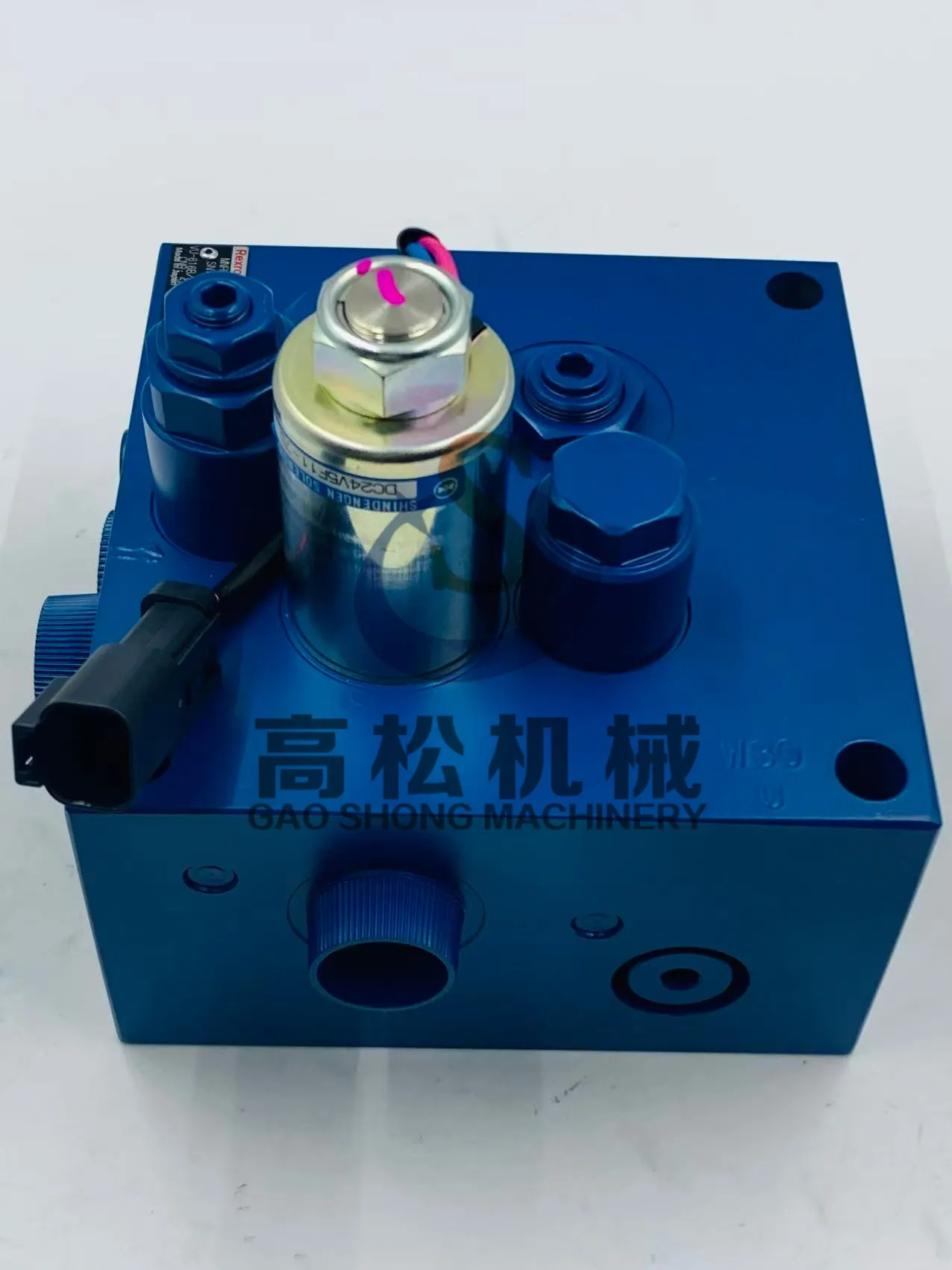 Komatsu HM300 Valve Assembly 56D-43-37101