
- Chinese
- French
- German
- Portuguese
- Spanish
- Russian
- Japanese
- Korean
- Arabic
- Irish
- Greek
- Turkish
- Italian
- Danish
- Romanian
- Indonesian
- Czech
- Afrikaans
- Swedish
- Polish
- Basque
- Catalan
- Esperanto
- Hindi
- Lao
- Albanian
- Amharic
- Armenian
- Azerbaijani
- Belarusian
- Bengali
- Bosnian
- Bulgarian
- Cebuano
- Chichewa
- Corsican
- Croatian
- Dutch
- Estonian
- Filipino
- Finnish
- Frisian
- Galician
- Georgian
- Gujarati
- Haitian
- Hausa
- Hawaiian
- Hebrew
- Hmong
- Hungarian
- Icelandic
- Igbo
- Javanese
- Kannada
- Kazakh
- Khmer
- Kurdish
- Kyrgyz
- Latin
- Latvian
- Lithuanian
- Luxembou..
- Macedonian
- Malagasy
- Malay
- Malayalam
- Maltese
- Maori
- Marathi
- Mongolian
- Burmese
- Nepali
- Norwegian
- Pashto
- Persian
- Punjabi
- Serbian
- Sesotho
- Sinhala
- Slovak
- Slovenian
- Somali
- Samoan
- Scots Gaelic
- Shona
- Sindhi
- Sundanese
- Swahili
- Tajik
- Tamil
- Telugu
- Thai
- Ukrainian
- Urdu
- Uzbek
- Vietnamese
- Welsh
- Xhosa
- Yiddish
- Yoruba
- Zulu
- Kinyarwanda
- Tatar
- Oriya
- Turkmen
- Uyghur






komatsu parts search
When you hear 'Komatsu parts search', the immediate thought for most is to head straight to the official dealer portal or pick up the phone. That's the textbook answer, and it works—until it doesn't. The reality on the ground, especially when you're dealing with an aging fleet or operating in regions with complex supply chains, is that the search becomes less about finding a part number and more about solving a logistical puzzle. The assumption that every component is readily available through primary channels is perhaps the biggest misconception I've had to unlearn over the years.
The Official Path and Its Inevitable Gaps
Don't get me wrong, starting with the official system is non-negotiable. You need the correct part number, the technical specs, and the peace of mind that comes with genuine compatibility. I've spent countless hours with Komatsu's online databases and microfiches. The process is thorough, but it's built for an ideal scenario. What happens when the system shows a part as 'obsolete' or quotes a lead time of 12 weeks? Your machine is down now. That's where the real komatsu parts search begins, shifting from a simple lookup to a strategic hunt.
This is precisely where entities operating within the broader Komatsu ecosystem but addressing niche gaps become critical. I'm talking about suppliers who have the OEM pedigree but function with the flexibility to bridge supply shortages. For instance, in my work across Southeast Asian projects, I've interacted with suppliers like Jining Gaosong Construction Machinery Co., Ltd.. Their positioning is interesting: an OEM product supplier within the Komatsu system, but also acting as a third-party sales channel. You can find them at https://www.takematsumachinery.com. Their stated goal—helping to solve parts supply challenges in certain countries—isn't just marketing fluff. It addresses the exact pain point I'm describing: the gap between official availability and on-ground urgency.
Using such a source isn't a first resort, but it's a vital second or third option. You're not abandoning the search for quality; you're redirecting it to a parallel, often more specialized, stream. The verification process, however, doubles. You're cross-referencing their offered part with your official specs, asking for lot codes, and sometimes even requesting material certifications. It's extra work, but it beats a machine sitting idle for months.
When the Part Number is Just the Beginning
Let me give you a concrete example. We had a D375A-6 dozer with a failing final drive planetary carrier. The official part was discontinued. A pure parts search based on that number hit a dead end. So, we expanded the parameters. We looked at cross-references from the component manufacturer itself (not Komatsu), searched for remanufactured units, and even explored compatible carriers from later model iterations. This is where deep product knowledge matters more than any search engine skill.
We eventually sourced a compatible unit through a specialized supplier. The process wasn't fast. It involved sending them our old unit for measurement verification, discussing heat treatment specs, and waiting for their engineering team's approval. This wasn't a click-and-buy transaction. It was a technical collaboration triggered by a failed initial search. The supplier's role morphed from vendor to solution partner.
This experience taught me that effective searching means knowing when to stop searching for the exact part and start searching for a valid solution. It involves understanding interchangeability, tolerances, and sometimes accepting a remanufactured part with a solid warranty over a futile wait for new old stock.
The Pitfalls of Shortcuts and Price-Only Filters
Early in my career, I made the classic mistake: filtering my komatsu parts search primarily by price and delivery speed. I found a genuine seal kit for a PC360 hydraulic cylinder at a fantastic price and with next-day shipping from a non-authorized website. It looked right, it fit... for about two weeks. Then it failed catastrophically, causing far more damage. The lesson was expensive. The part was a counterfeit, poorly mimicking the packaging of a known aftermarket brand.
Now, my process includes a vetting step for any non-OEM-direct source. I check the supplier's history: Are they a known entity with a physical address? Do they list technical contacts? For companies like the aforementioned Jining Gaosong, their clear affiliation as an OEM-system supplier provides a layer of inherent trust that a pure trading website doesn't. Their company profile directly states they are an OEM product supplier within the Komatsu system, which signals a different level of access and accountability.
Price remains a factor, but it's now the last factor I consider, not the first. The cost calculus includes machine downtime, potential collateral damage from part failure, and the credibility of the warranty. A part that costs 30% less but comes with no meaningful technical support or warranty is almost always more expensive in the long run.
The Critical Role of Documentation and Verification
Every successful or failed search adds to your internal database. I maintain spreadsheets—not fancy software—with notes on part numbers, alternative numbers, supplier performance, and failure rates on specific components. This personal knowledge base is the most valuable tool in my search arsenal. It tells me that Supplier A is great for undercarriage components but slow on engine parts, or that a certain aftermarket pump for a Komatsu WA320 loader has a known issue with its control solenoid that their updated version fixed.
When evaluating a new source, I ask for specific documentation. A generic certificate of conformity isn't enough. I want to see the test report for the hardness of a pin, or the metallurgical analysis for a gear. Reputable suppliers understand this and can provide it. Their willingness to engage on this technical level is a key differentiator. It turns a transaction into a qualified procurement.
This verification loop is also where you stress-test a supplier's claims. If their website says they help solve supply challenges, your first inquiry should be a challenging one. Ask for a part known to be on long backorder. Their response time, the alternatives they propose (remanufactured? compatible OEM from another region?), and the technical detail they provide will tell you everything about their real capabilities versus their marketed ones.
Converging the Digital and the Practical
Today's komatsu parts search is a hybrid. It starts digital—portals, supplier sites, even industry-specific forums where people share sources for hard-to-find items. But it almost always culminates in a practical, human conversation. You end up on the phone or writing a detailed email, explaining not just the part number, but the symptom, the machine's history, and your operating environment.
The end goal is never just to find a part. It's to restore machine function reliably and efficiently. Sometimes the optimal outcome of a search isn't a new part, but a recommendation for a redesign kit that addresses a chronic weakness in the original Komatsu design. A knowledgeable supplier might offer that insight, turning your search for a replacement into an upgrade.
So, when you next embark on a parts search, frame it as a problem-solving exercise, not a procurement task. Leverage the official channels for the blueprint, but build your network of verified, technical suppliers for execution. Understand that companies filling specific gaps in the global supply chain, like those focusing on regional availability challenges, are not just vendors; they are potential strategic partners for keeping your fleet running when the standard playbook falls short. The search is successful when the machine is back at work, not when you get a tracking number.
Related Products
Related Products
Best Selling Products
Best Selling Products-
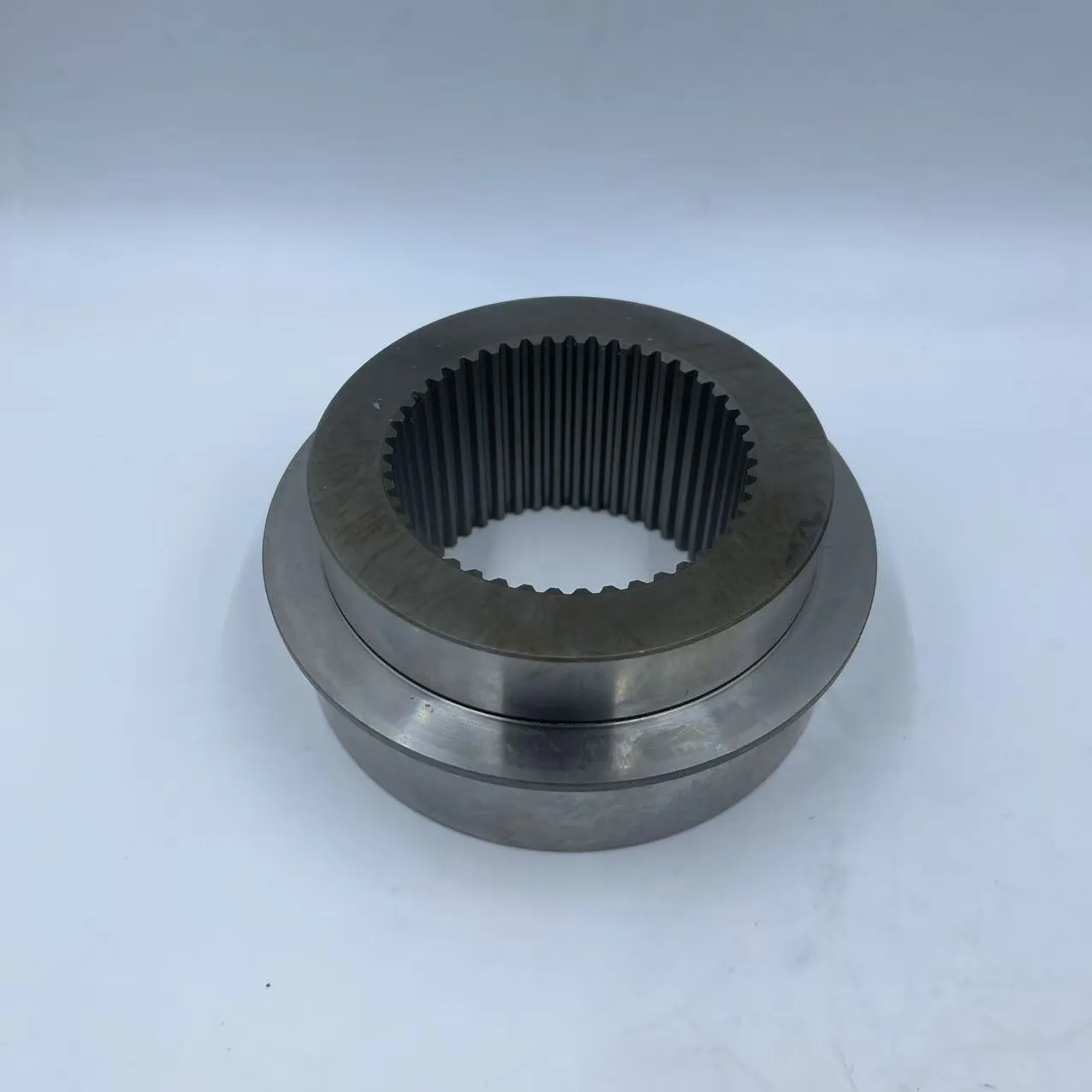 Standard D375A-5 Spacer 195-15-82570 for Komatsu Mining Equipment
 -
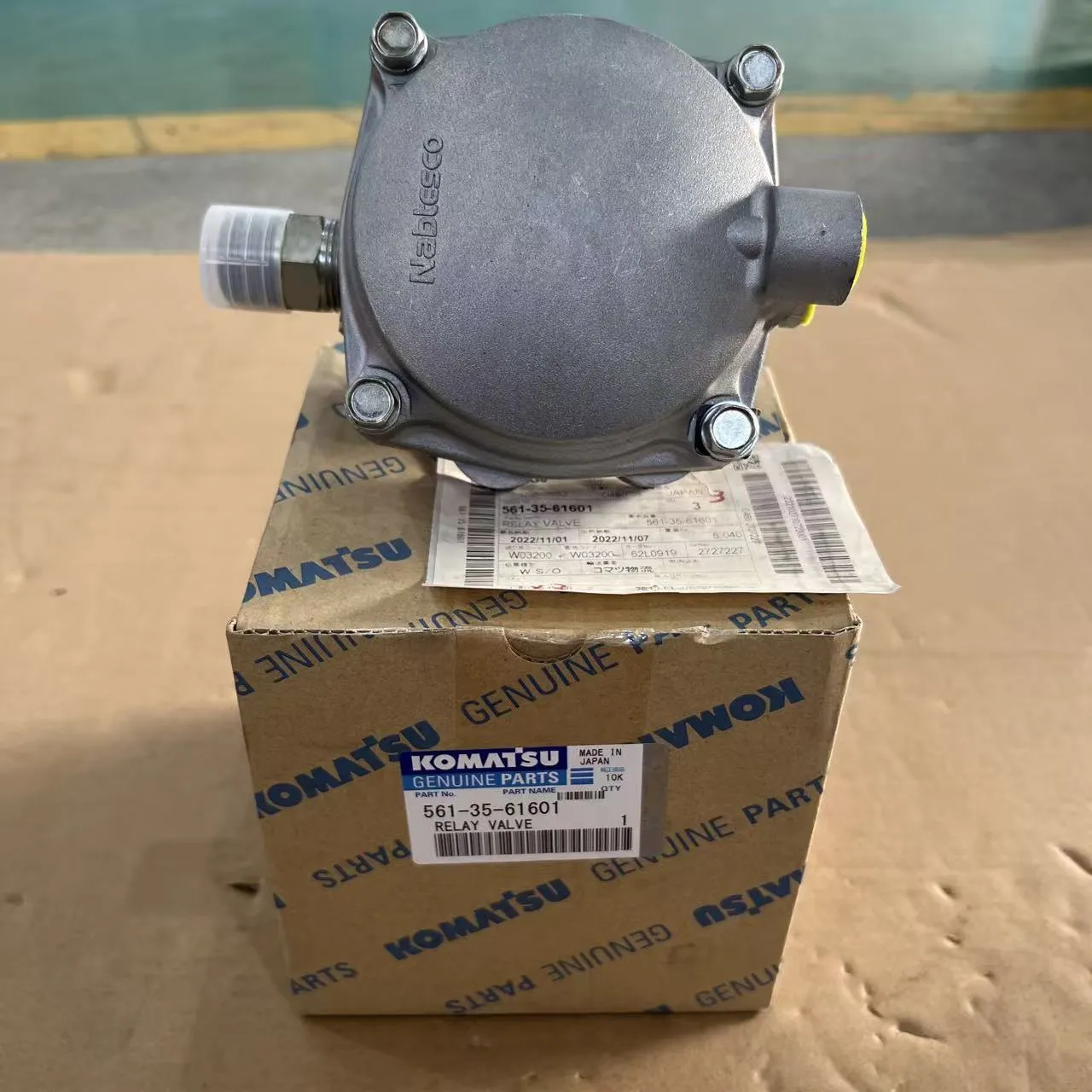 RELAY VALVE ASS’Y 561-35-61601 – KOMATSU
 -
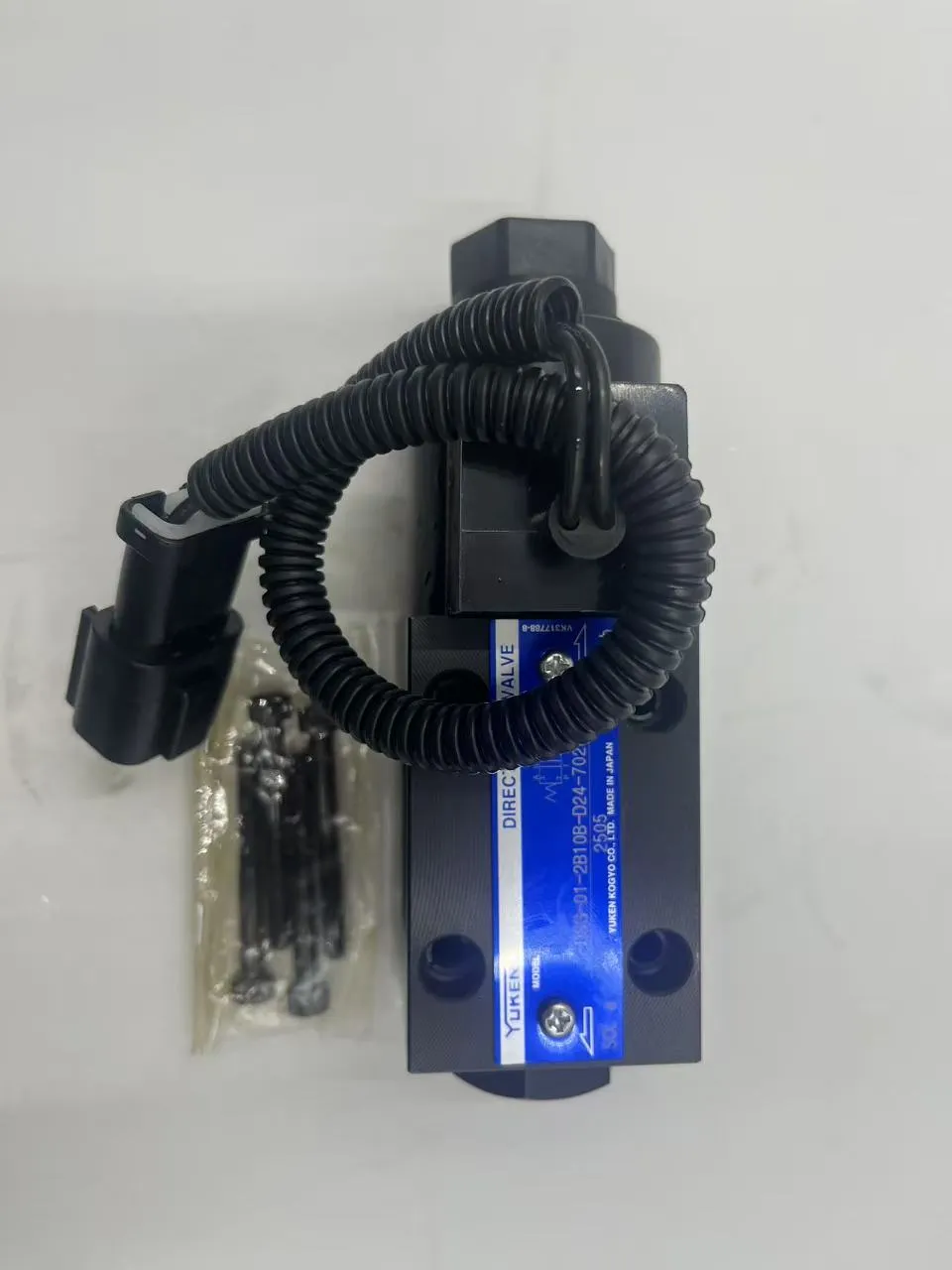 VALVE ASS’Y 23W-60-28230 KOMATSU
 -
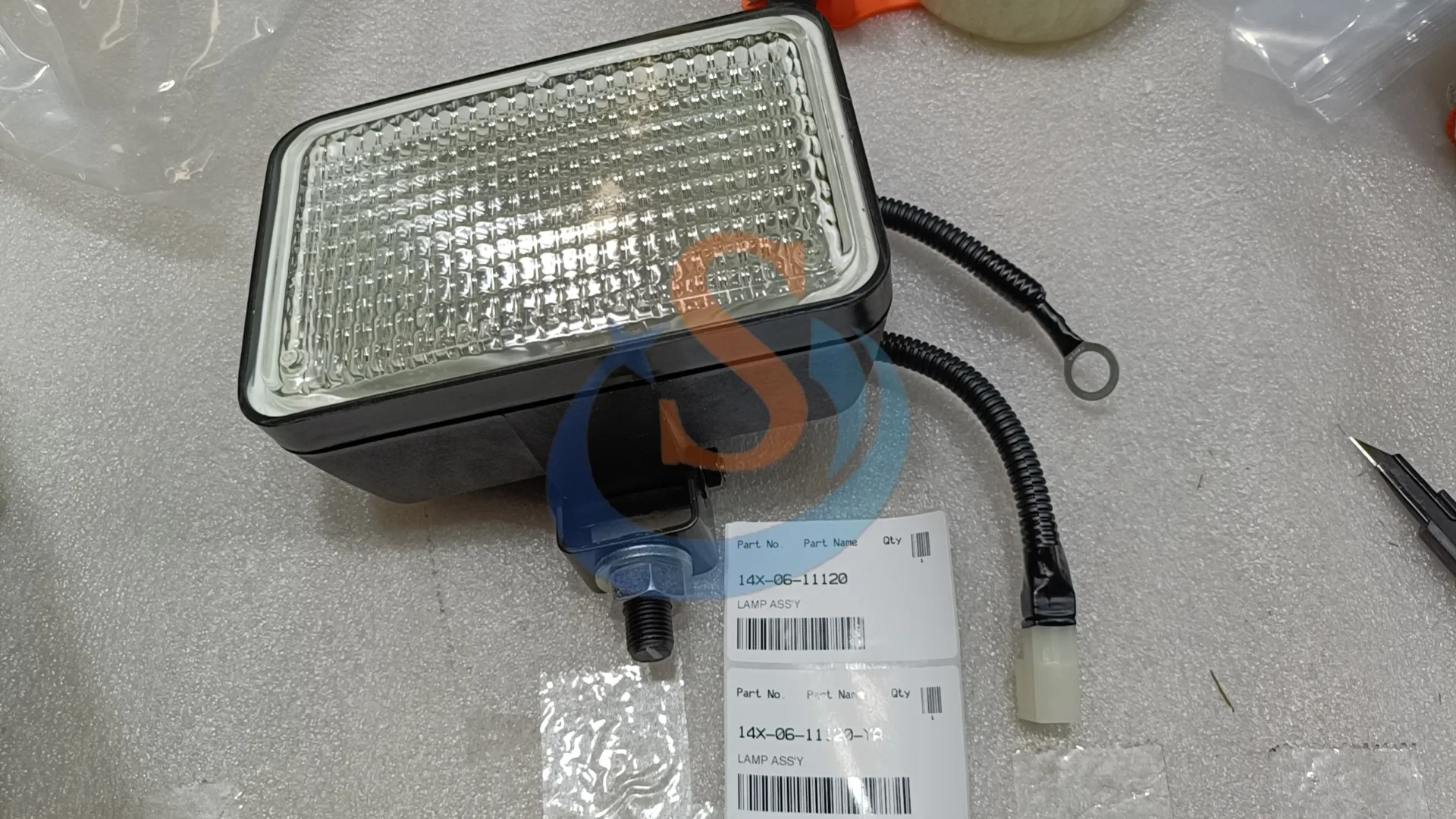 14X-06-11120 WORK LAMP ASS’Y D375A/D155A
 -
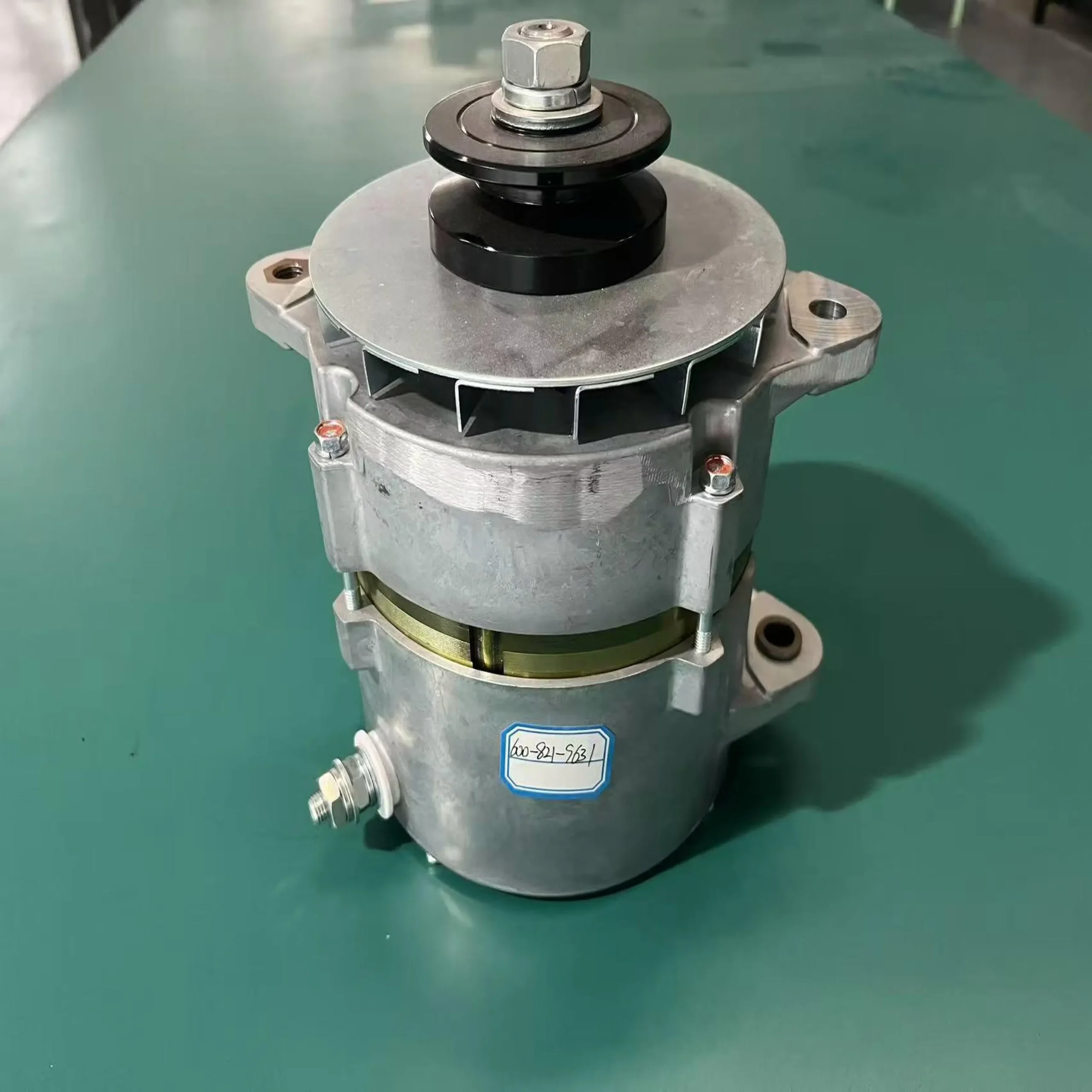 ATG20053 Alternator Compatible With Komatsu Cummins QSK23 600-821-9631 600-821-8260 600-821-9360 600-821-9550 600-821-9311 600-821-9511
 -
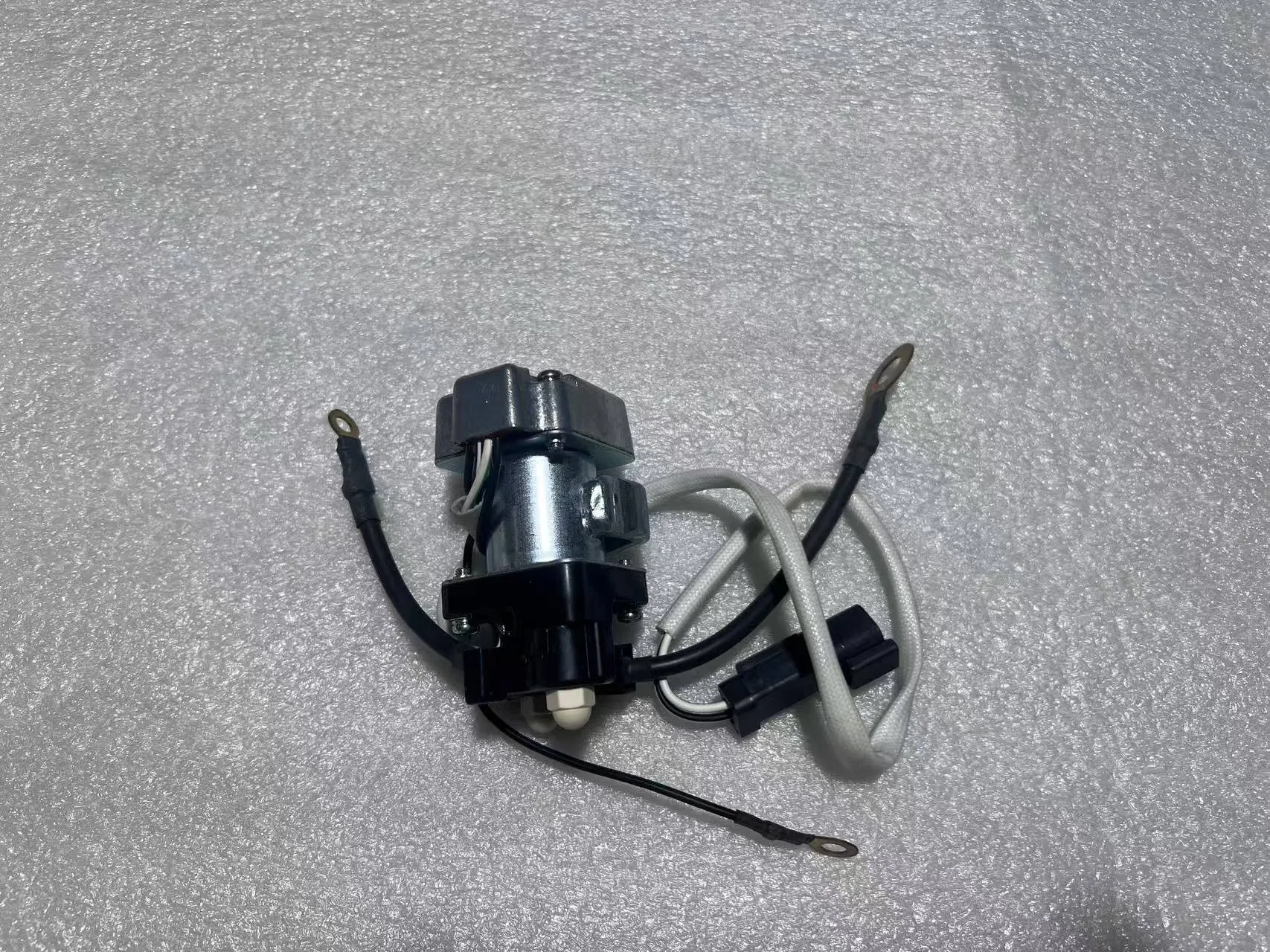 High-Quality Komatsu Spare Parts 421-06-11440 BREAKER for…
 -
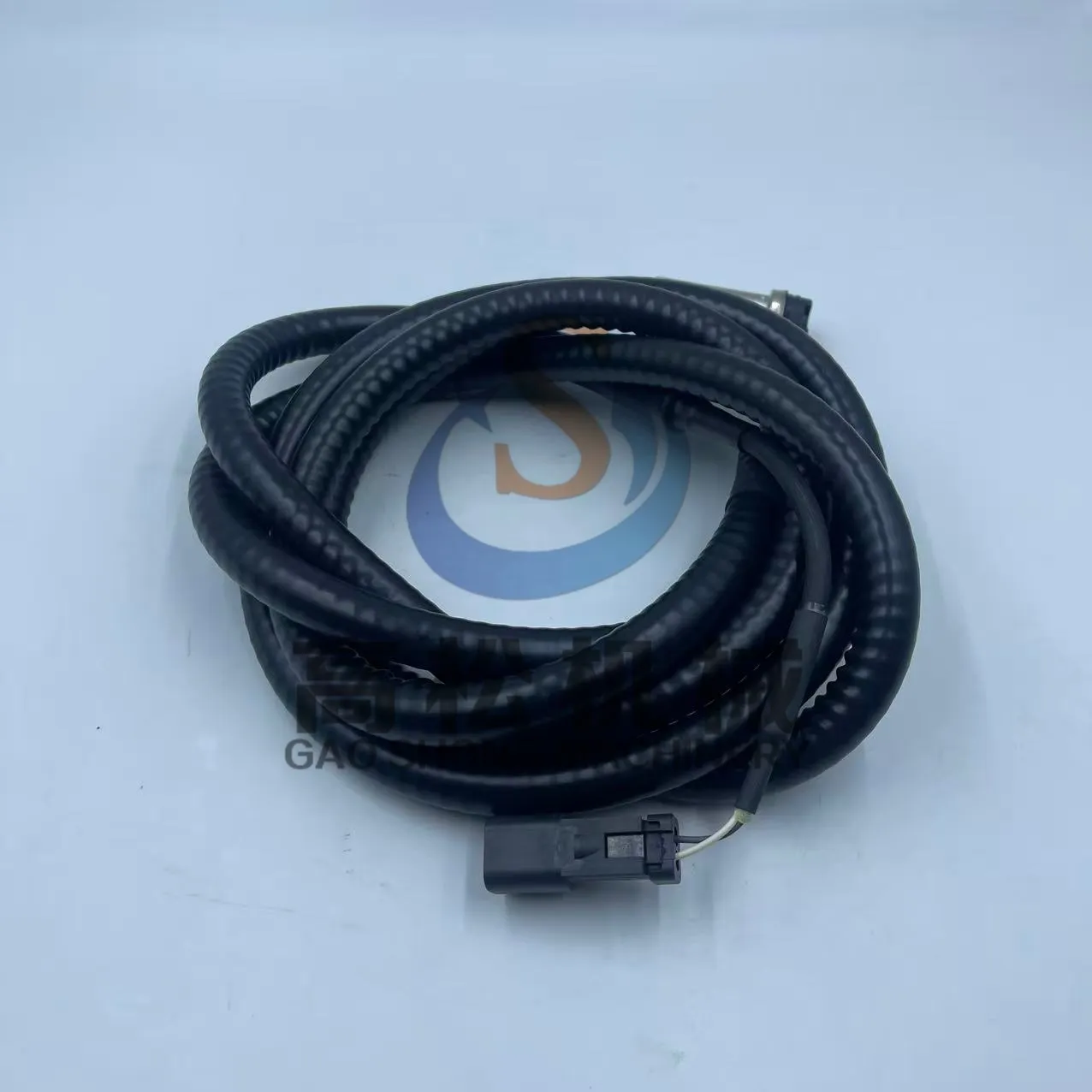 566-88-66143 – KOMATSU SENSOR
 -
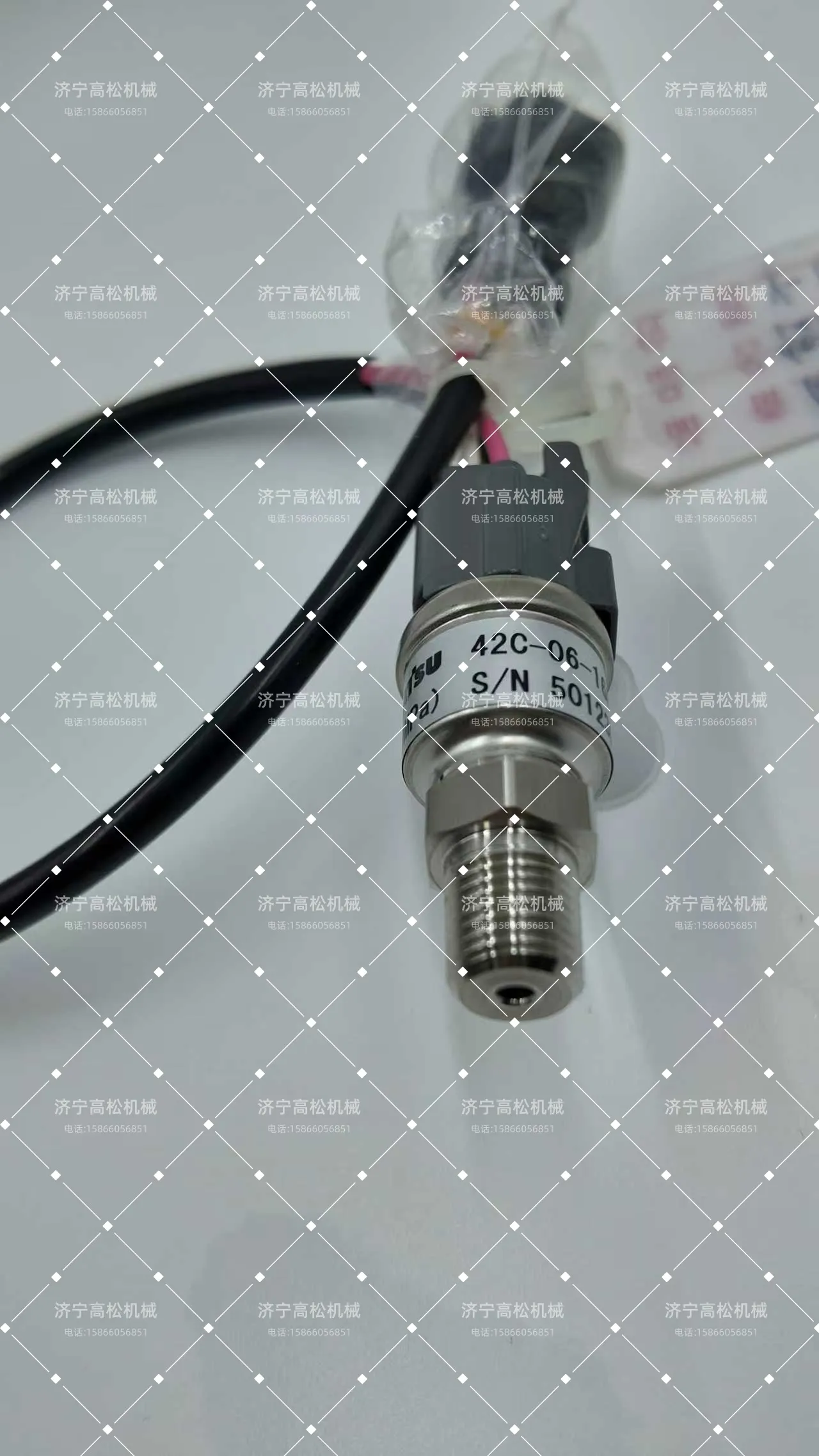 7861-93-1680 Pressure Sensor For Komatsu WA1200 SDA12V140E
 -
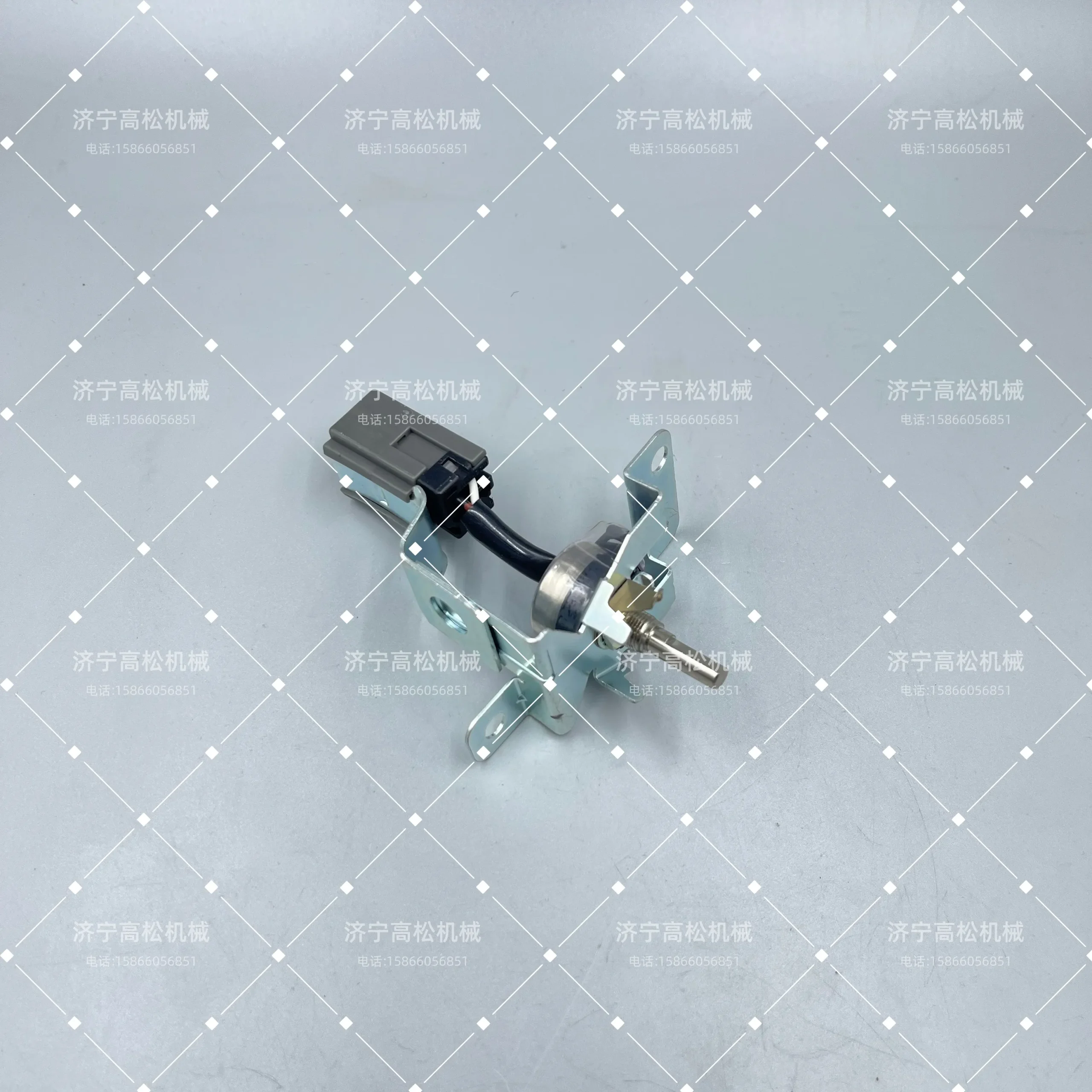 Komatsu PC200-7 PC200-8 Throttle Rotary Knob CAP 22U-06-22420
 -
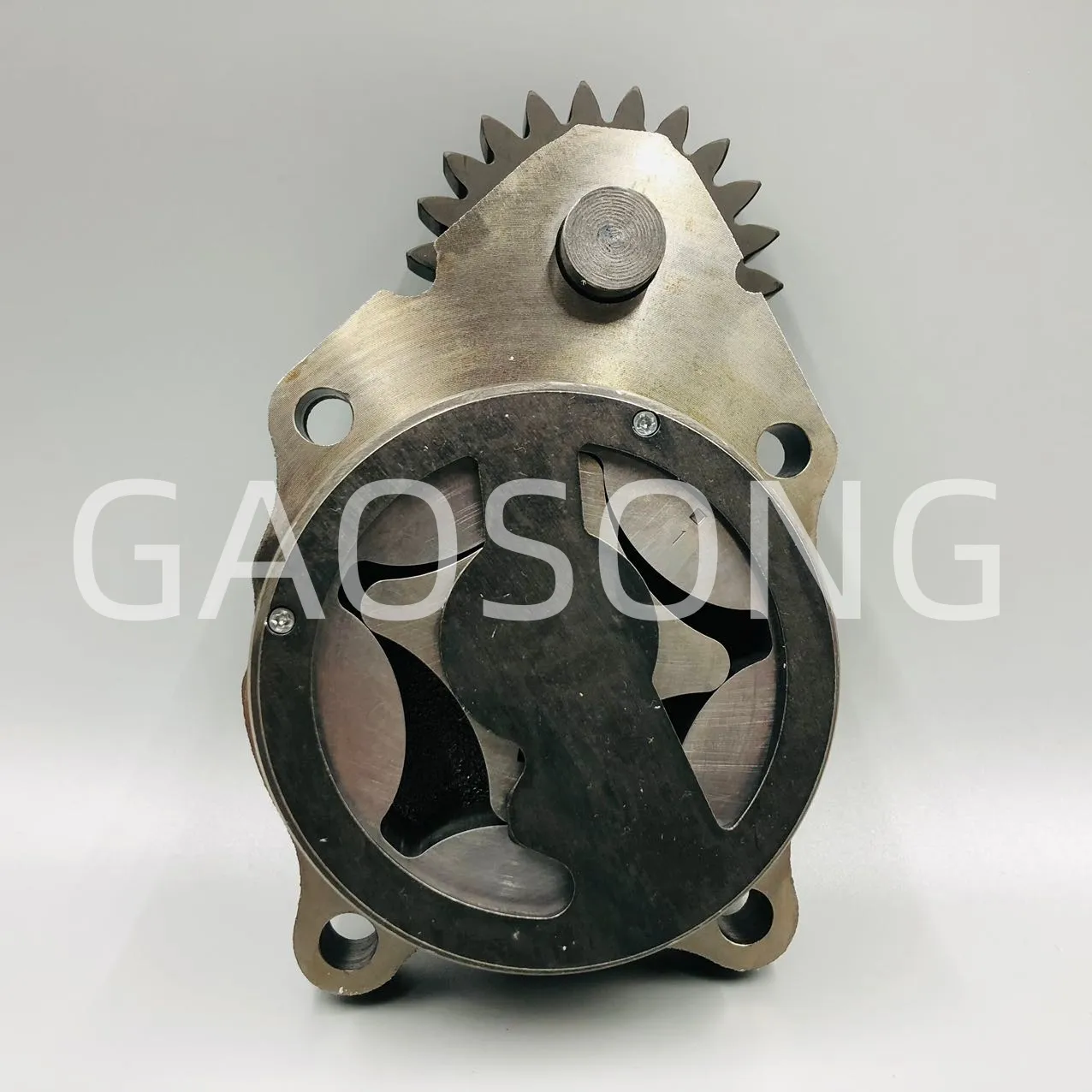 6754-51-1111 Pump Assembly
 -
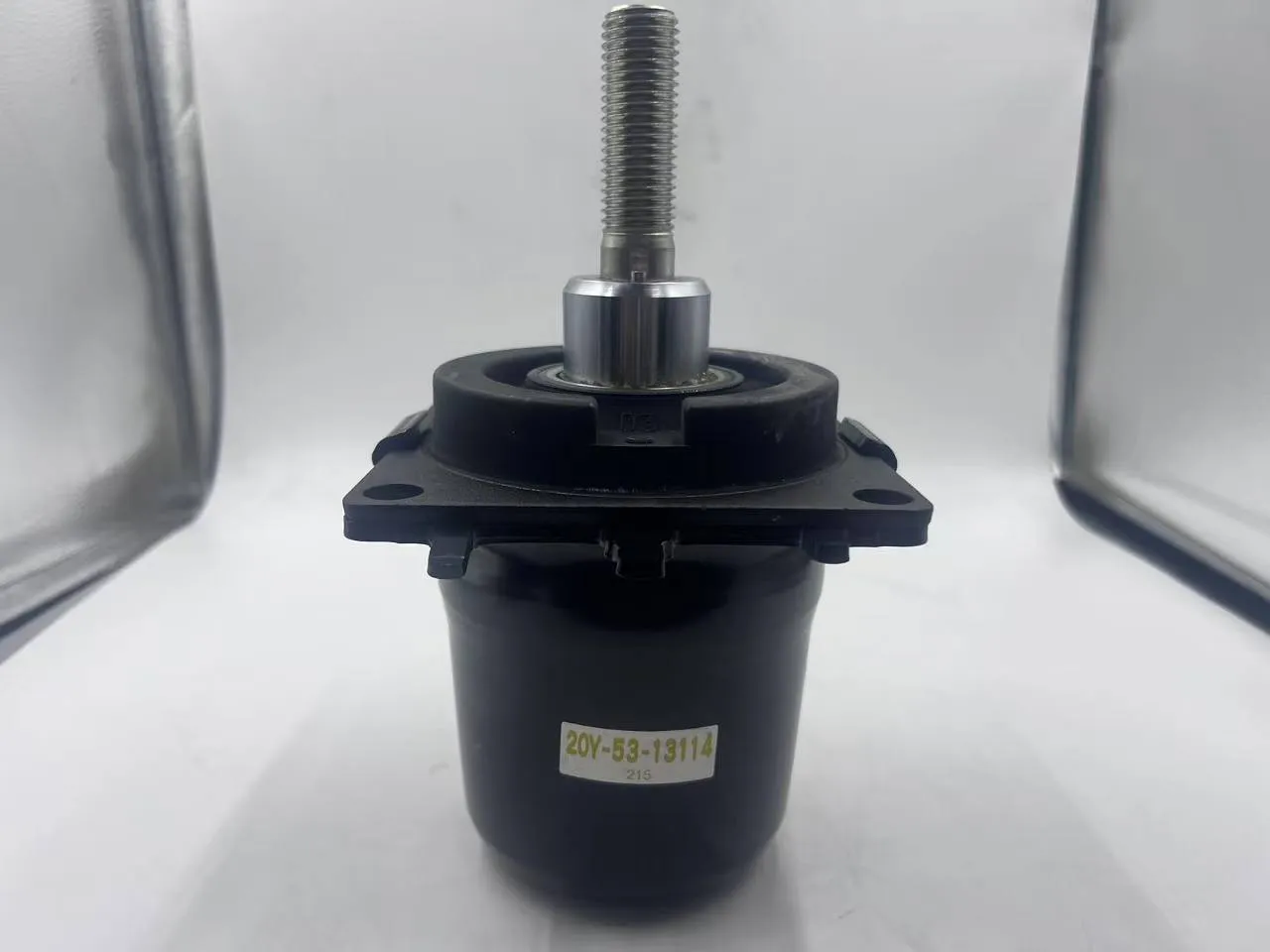 CUSHION 20Y-53-13114
 -
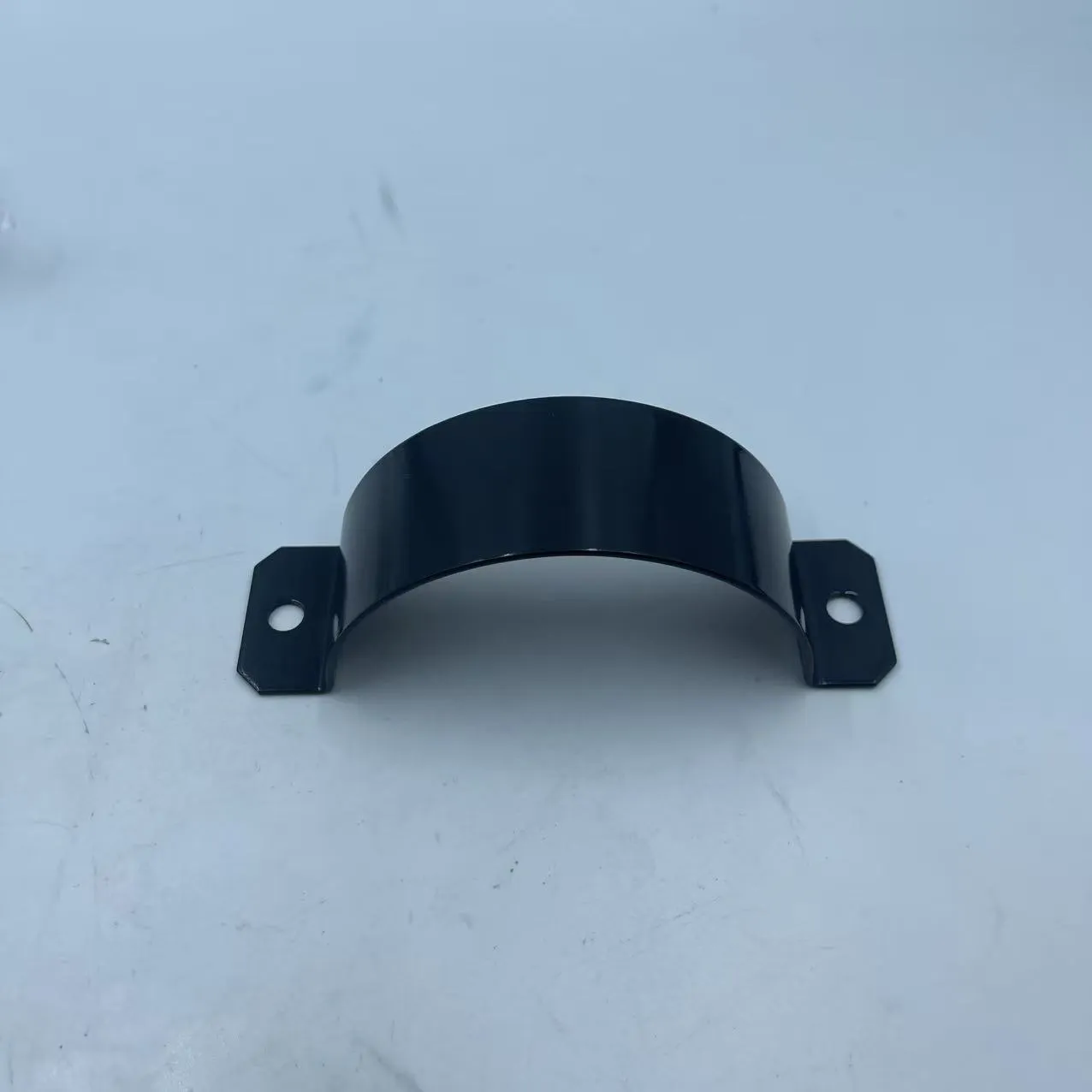 569-40-83470komatsu HD405-7 HD325-7 HD605-7R HD465-7E0 HD785-7