
- Chinese
- French
- German
- Portuguese
- Spanish
- Russian
- Japanese
- Korean
- Arabic
- Irish
- Greek
- Turkish
- Italian
- Danish
- Romanian
- Indonesian
- Czech
- Afrikaans
- Swedish
- Polish
- Basque
- Catalan
- Esperanto
- Hindi
- Lao
- Albanian
- Amharic
- Armenian
- Azerbaijani
- Belarusian
- Bengali
- Bosnian
- Bulgarian
- Cebuano
- Chichewa
- Corsican
- Croatian
- Dutch
- Estonian
- Filipino
- Finnish
- Frisian
- Galician
- Georgian
- Gujarati
- Haitian
- Hausa
- Hawaiian
- Hebrew
- Hmong
- Hungarian
- Icelandic
- Igbo
- Javanese
- Kannada
- Kazakh
- Khmer
- Kurdish
- Kyrgyz
- Latin
- Latvian
- Lithuanian
- Luxembou..
- Macedonian
- Malagasy
- Malay
- Malayalam
- Maltese
- Maori
- Marathi
- Mongolian
- Burmese
- Nepali
- Norwegian
- Pashto
- Persian
- Punjabi
- Serbian
- Sesotho
- Sinhala
- Slovak
- Slovenian
- Somali
- Samoan
- Scots Gaelic
- Shona
- Sindhi
- Sundanese
- Swahili
- Tajik
- Tamil
- Telugu
- Thai
- Ukrainian
- Urdu
- Uzbek
- Vietnamese
- Welsh
- Xhosa
- Yiddish
- Yoruba
- Zulu
- Kinyarwanda
- Tatar
- Oriya
- Turkmen
- Uyghur






Komatsu parts price
When you hear 'Komatsu parts price', the first thing that probably comes to mind is the sticker shock from the official dealer quote. That's the common trap – thinking price is just a number on an invoice. In reality, it's a whole equation involving availability, machine downtime, source credibility, and that murky world of 'alternative' supply chains. I've seen too many projects bleed money not from the part cost itself, but from waiting weeks for a genuine seal kit or a final drive assembly, while the excavator sits idle. The price isn't just what you pay; it's what you pay while not earning.
The OEM Illusion and the On-Ground Reality
There's a steadfast belief that only the OEM network can guarantee the right part. And for critical components like hydraulic pumps or controller modules, that's often the safest bet. But what about a swing circle, a bucket cylinder, or even a set of track links? The official Komatsu parts price for these can be stratospheric, especially in regions outside major markets. I recall a job in Southeast Asia where the lead time for a genuine PC200-8 main control valve was 12 weeks. Twelve weeks! The machine's value depreciated more in that downtime than the part's cost.
This is where the landscape gets interesting. The market is flooded with 'Komatsu-compatible' parts. Some are outright counterfeits with dangerous failure rates. Others, however, come from certified suppliers within Komatsu's own system – companies that manufacture to spec but may sell through different channels. This grey area is crucial. Knowing how to navigate it separates the seasoned fleet managers from the novices.
I've personally evaluated parts from suppliers claiming OEM pedigree. You learn to look for the subtle tells: the casting marks, the packaging, the metallurgy certificates (or lack thereof). It's not perfect science; it's often a judgment call. A company like Jining Gaosong Construction Machinery Co., Ltd. presents a fascinating case. They position themselves as an OEM product supplier within the Komatsu system, which suggests a direct manufacturing link, while also acting as a third-party seller. This model is specifically aimed at solving supply challenges in certain countries. In practice, this could mean access to OEM-quality parts without the traditional distributor markup or logistical bottleneck, potentially offering a more balanced Komatsu parts price structure. But the verification burden is on the buyer.
Case in Point: The Undercarriage Dilemma
Let's get concrete. Undercarriage parts are the ultimate consumable. A full set of rollers, idlers, and track links for a mid-sized dozer represents a massive cost line. The official Komatsu parts price list here is almost a formality; few large-scale operations pay it in full. They go to the aftermarket.
But here's the rub. Not all aftermarket is equal. We tried a set of premium third-party rollers on a D65 dozer. The price was 40% lower. They lasted 60% of the OEM lifespan. That's a net loss when you factor in two change-outs instead of one, plus the extra labor. A failed experiment. The lesson wasn't always buy OEM, but understand total cost of ownership. Sometimes, a 20% saving on a part that lasts 90% as long is a brilliant win.
This is where a supplier's role becomes critical. Are they just order-takers, or do they understand application and wear patterns? Can they advise if a lower-grade link is acceptable for low-abrasion conditions, or if you must stick with top-tier for a high-impact mining site? The website for Jining Gaosong Construction Machinery Co., Ltd. mentions helping solve parts supply challenges. That's the key phrase. Solving a challenge isn't just shipping a box; it's providing a cost-effective, reliable solution that minimizes total downtime. If they truly have OEM lineage, their value proposition should be in offering that engineering-backed insight, not just a cheaper price tag.
Logistics: The Hidden Multiplier
You never really grasp Komatsu parts price until you've managed a breakdown in a remote quarry. The part cost might be $2,000. Air freight, customs clearance, expediting fees, and local handling charges can easily double that. And that's if the part is in stock somewhere.
I've spent entire days on the phone tracing a single piston motor. Dealer A says it's in Singapore. Dealer B says their system shows one in Japan. Supplier C, like the mentioned Takematsu Machinery site, might have a different network. The price they quote is meaningless without a confirmed, actionable stock location and a clear shipping timeline. A supplier's real test is their logistics web. Can they drop-ship from multiple global hubs? Do they have bonded warehouse in key regions? Their ability to navigate this often has a bigger impact on your final cost than their unit margin.
We once sourced an engine gasket set from a third-party supplier at a great price. It sat in customs for three weeks due to incorrect documentation. The machine downtime cost eclipsed any saving. Now, we always ask: What's the process? Who handles the paperwork? The answer tells you more than a catalog ever could.
The Value-Add That Actually Adds Value
Beyond the part itself, what are you buying? For critical components, technical support is non-negotiable. If I'm buying a complex hydraulic valve, I need access to the cross-sectional diagrams, the torque specs, the installation procedure. An OEM dealer has this. A parts broker often doesn't.
A supplier operating as a third-party sales company for Komatsu has to bridge this gap to be credible. Do they provide the technical data sheets? Can their sales team answer a technical query, or do they just read a catalog description? This depth is what sometimes justifies a higher price. You're paying for the knowledge ecosystem, not just the physical item.
I've had good experiences with suppliers who proactively send updates – a bulletin about a common failure mode for a specific serial number range, or a notice about an improved material in a later part revision. That shows they're embedded in the technical stream, not just the sales channel. It builds trust that their Komatsu parts price reflects a partnership, not just a transaction.
Final Take: It's a Balancing Act, Not a Search
So, chasing the lowest Komatsu parts price is a fool's errand. The goal is finding the optimal point on the curve of cost, quality, availability, and support. For non-critical, high-wear items, a certified alternative from a reputable source like an OEM-system supplier can be a game-changer for your OpEx. For engine brains or major structural components, the risk often outweighs the saving.
The market needs entities that can operate in both worlds – with the quality assurance of the OEM system and the flexibility and competitive pressure of the third-party market. The promise of companies that help solve supply challenges is exactly that: to flatten the cost curve without plunging into the risk zone. It's never black and white. You develop a feel for it, project by project, part by part. You'll make some mistakes, find some gems, and slowly build a shortlist of suppliers you can rely on for what they truly excel at. That list, more than any single price quote, is your most valuable asset.
Related Products
Related Products

Best Selling Products
Best Selling Products-
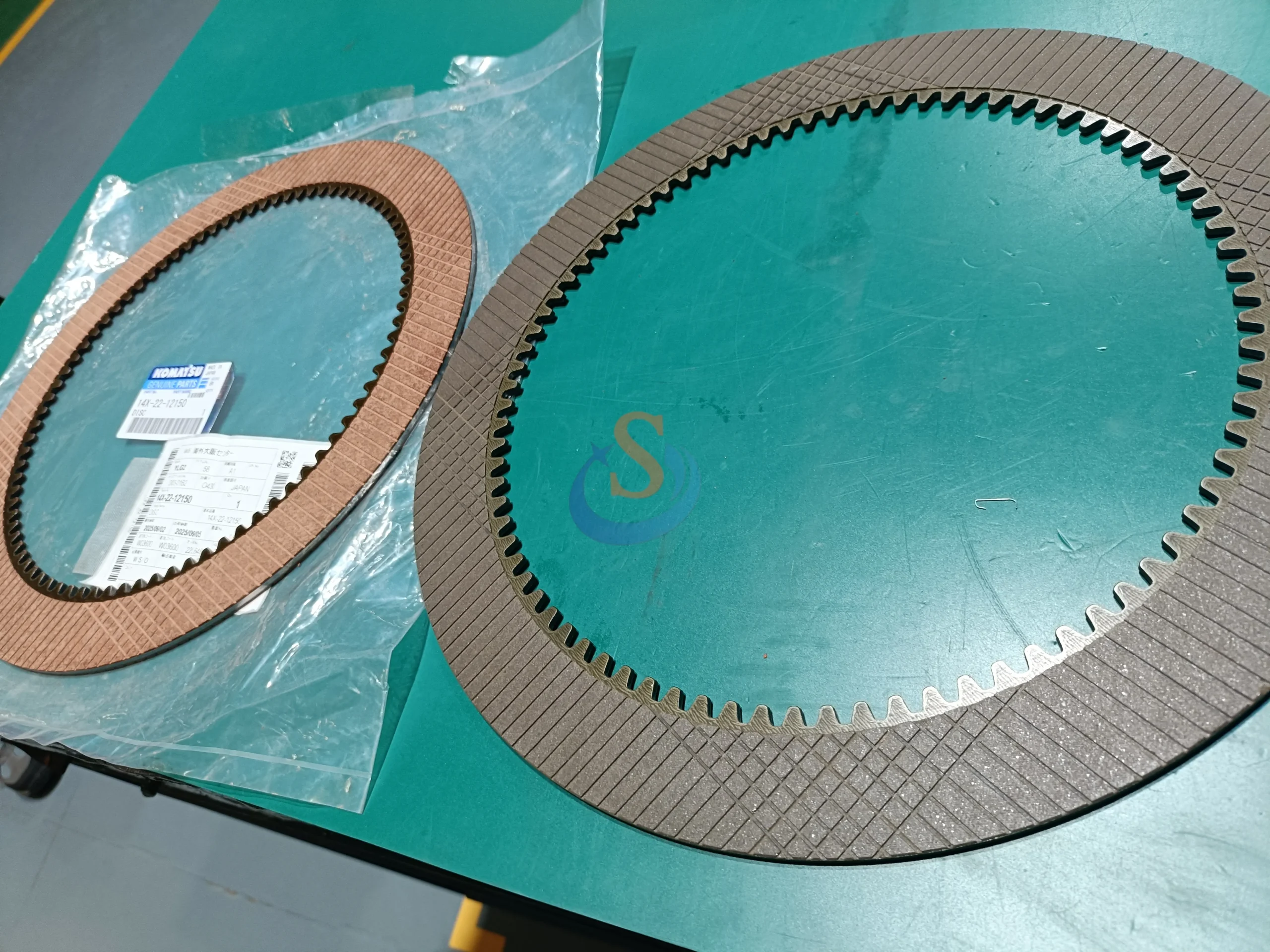 Komatsu frosted sheet 23S-15-12710
 -
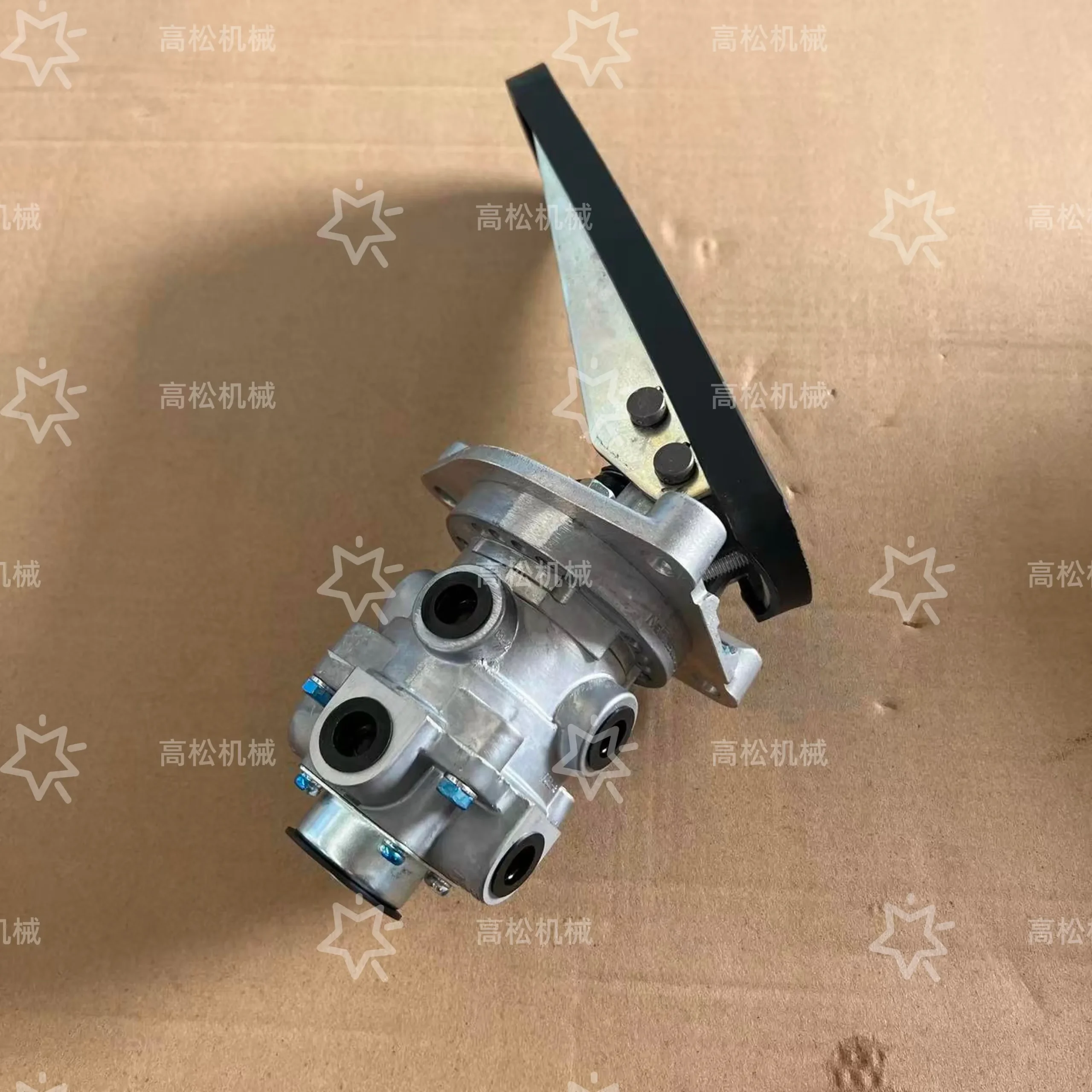 Valve 566-35-44110 for Komatsu Rigid Dumper HD465-5
 -
Komatsu Excavator PC1250 Flange 21N-62-11361
-
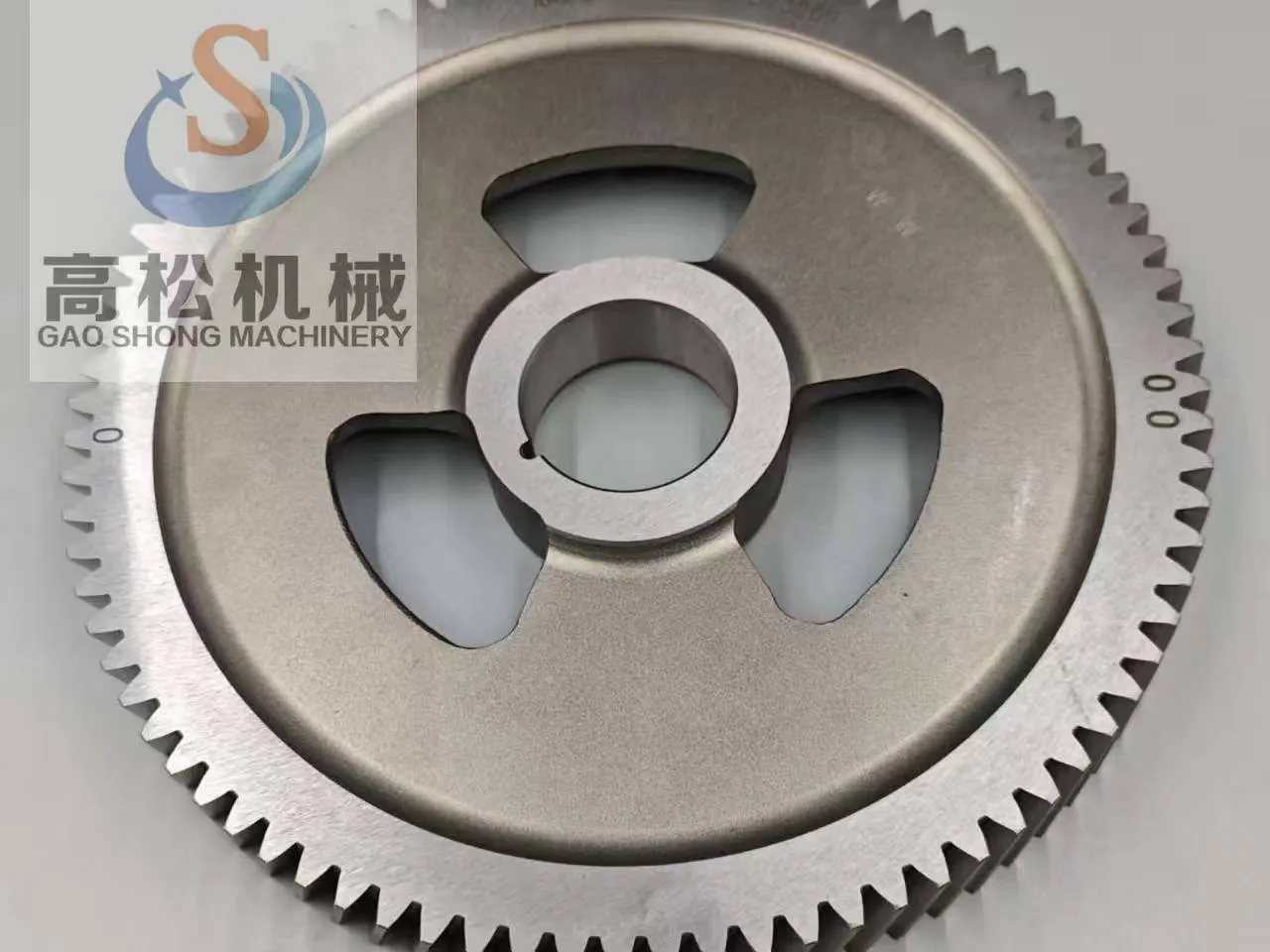 Gear 6745-41-1130 6745411130 6745-41-1131 for excavator PC300 PC350 WA430
 -
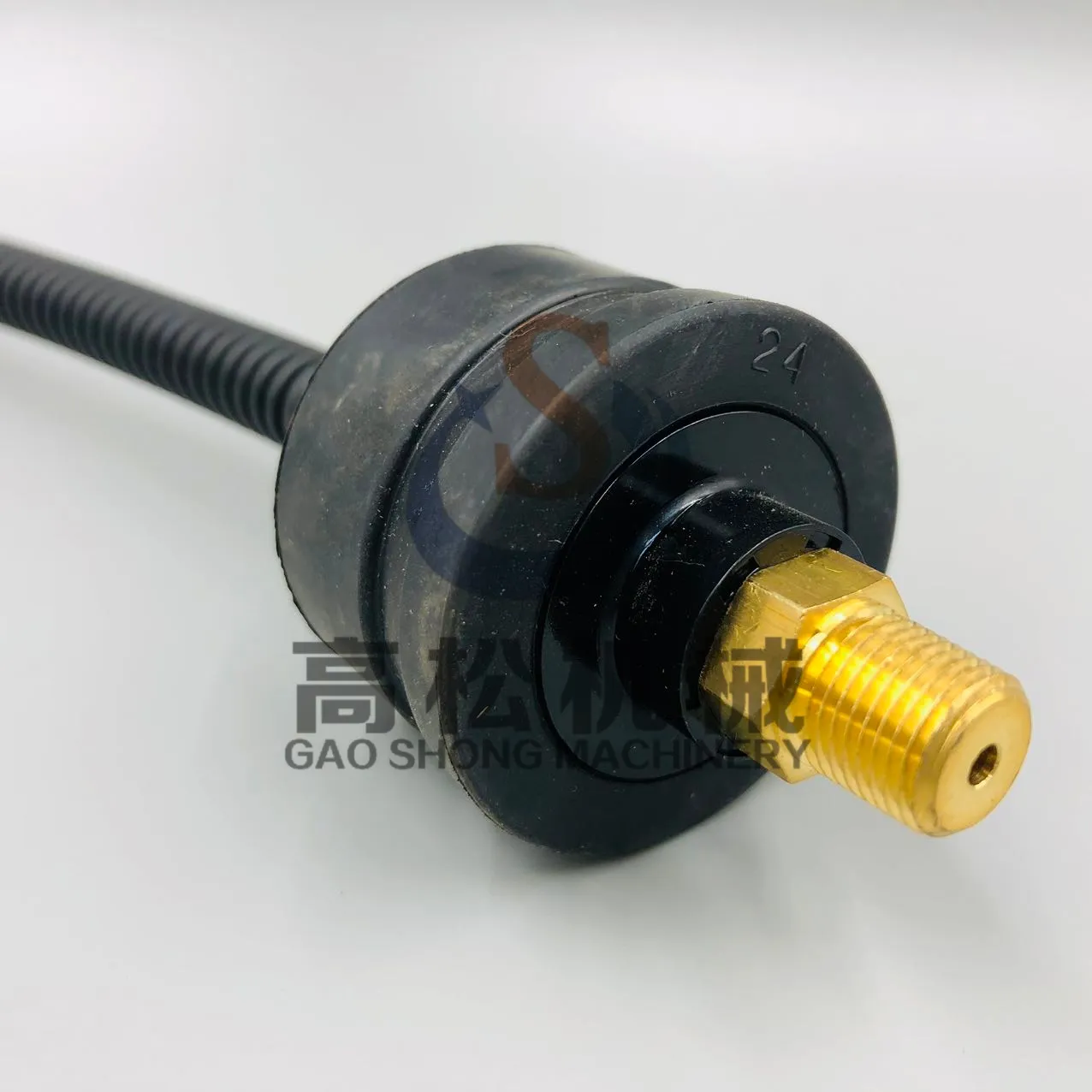 7861-93-1430Komatsu Sensor, Dust Indicator
 -
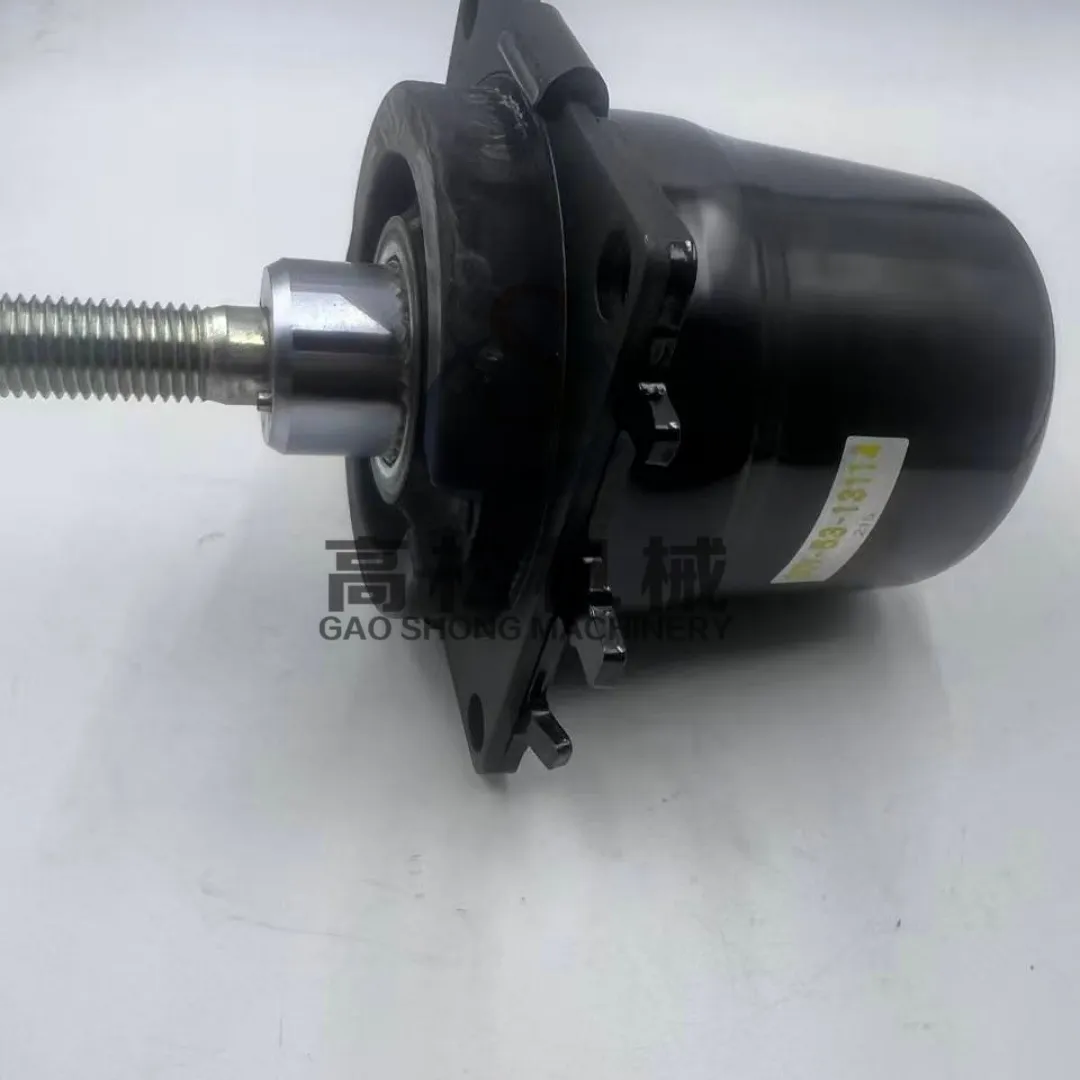 20Y-53-13114 SILENTBLOCK komatsu parts
 -
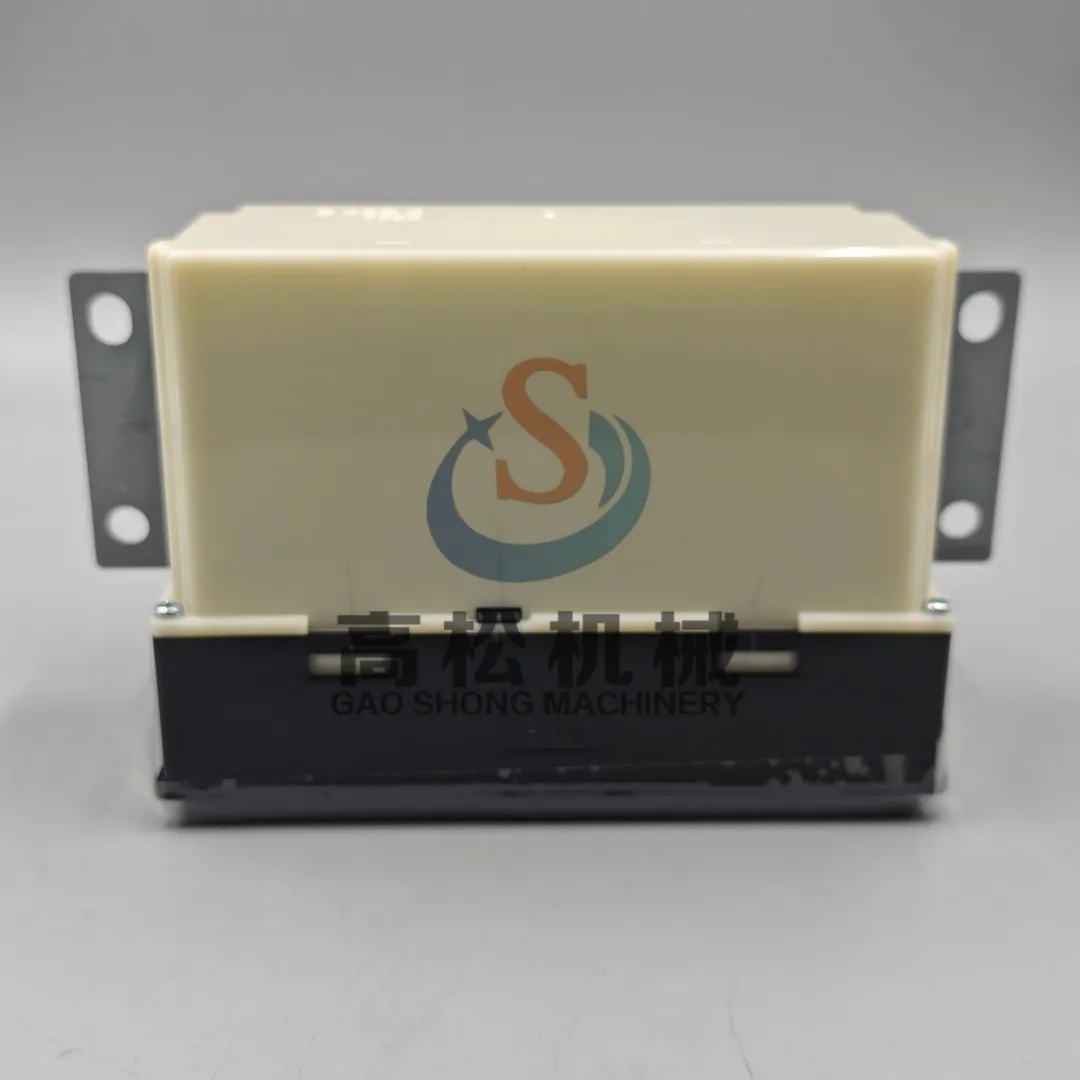 used Komatsu Controller 425-07-21121 for WA500-3H
 -
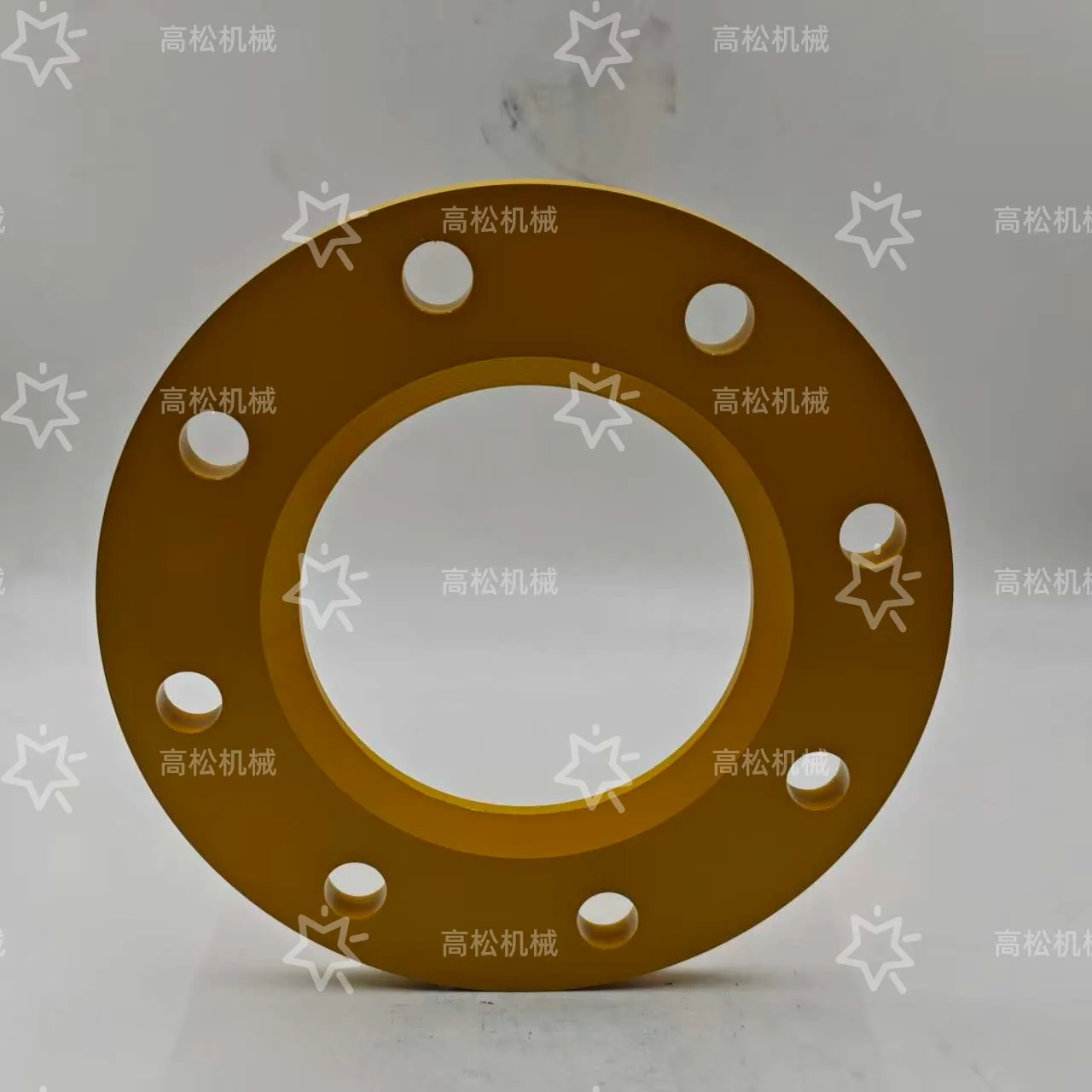 Komatsu 41E-70-15461 board
 -
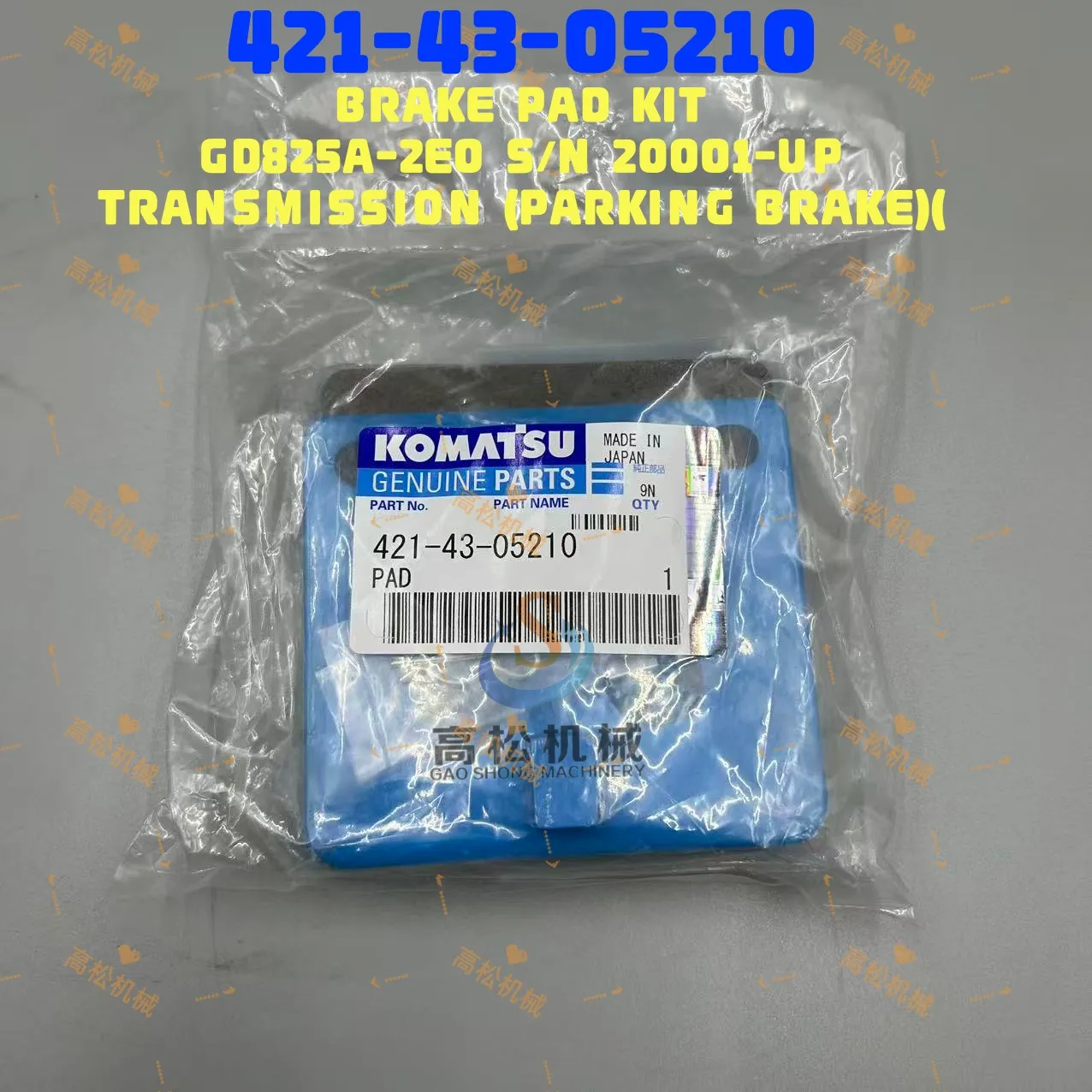 421-43-05210Brake pad kit 421-43-05210 for Komatsu GD825A-2 GD825A-2E0
 -
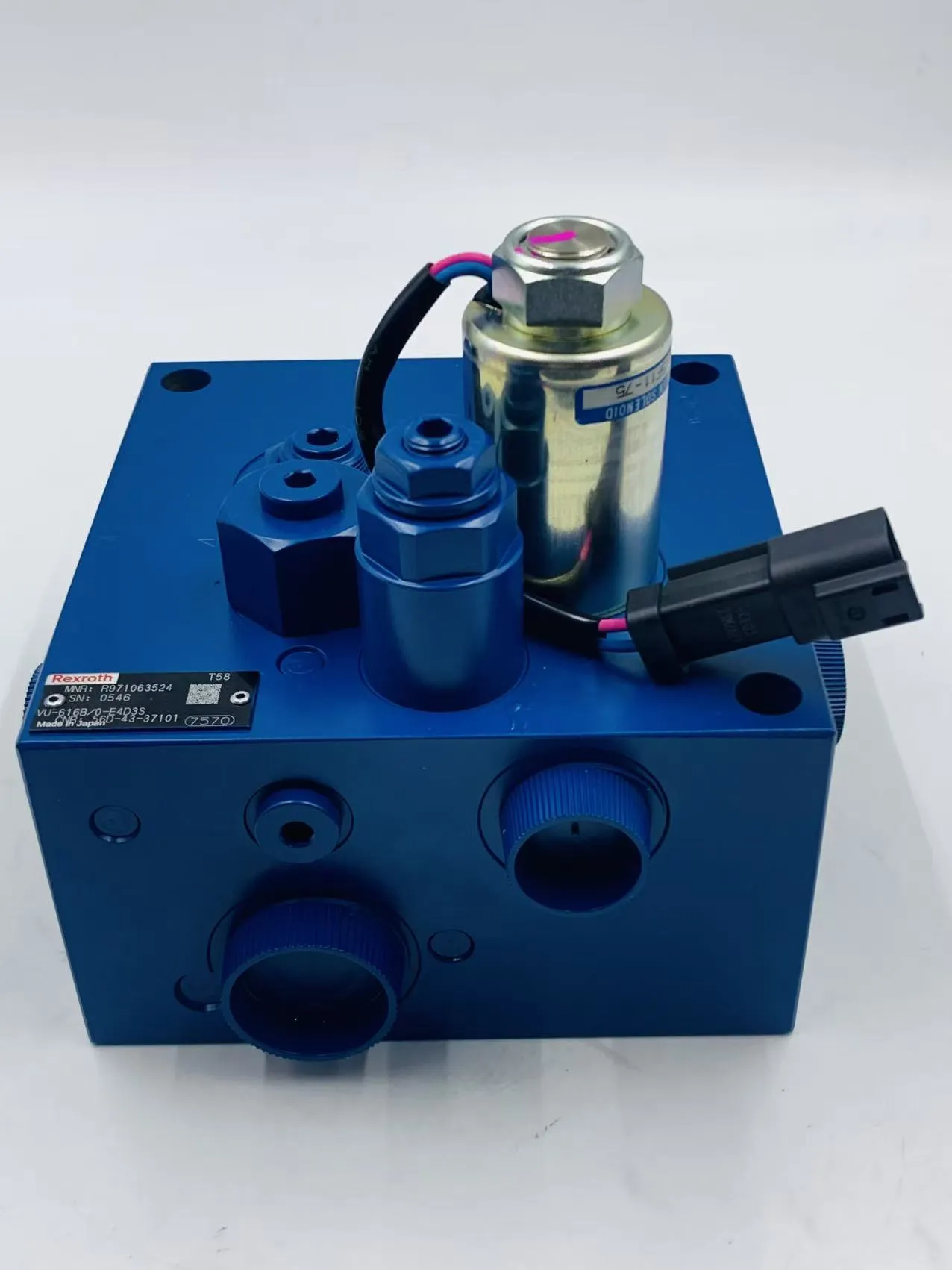 56D-43-37101 Valve Assembly, Charge for HM300 Komatsu Dump Truck Parts High Quality Original Factory
 -
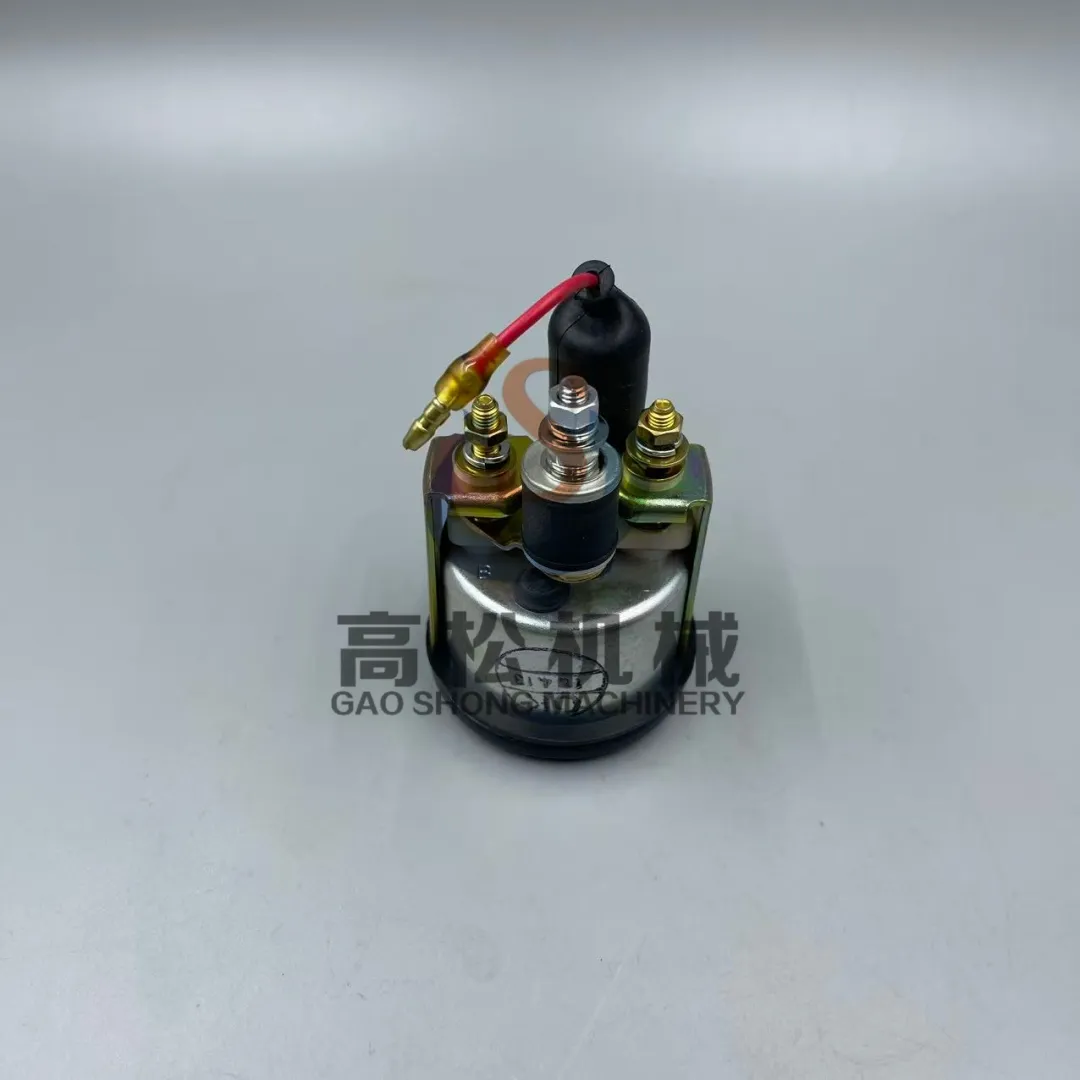 195-06-23110 – GAUGE, WATER TEMP 1950623110 fits KOMATSU
 -
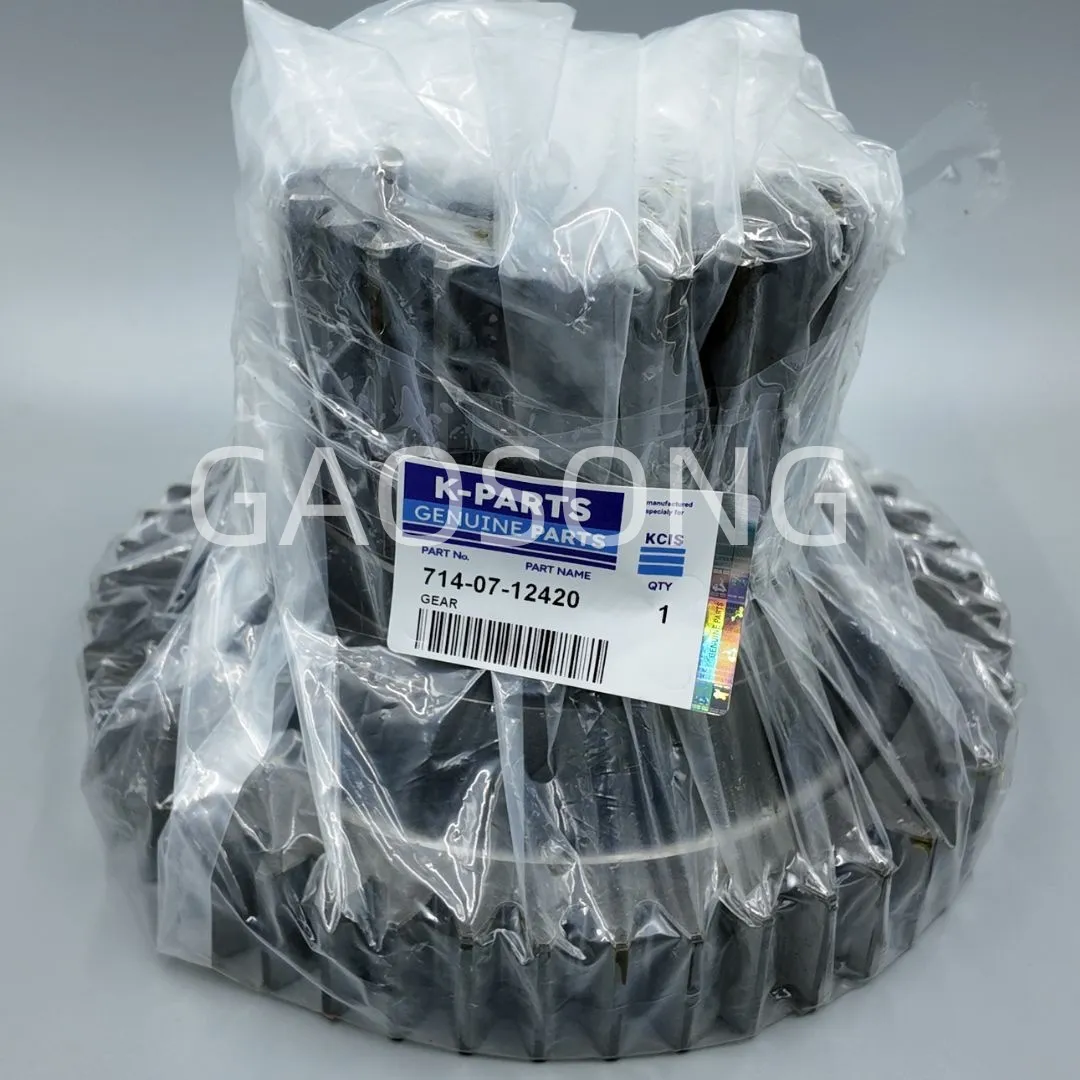 714-07-12420 •• GEAR¤ 48 TEETH,FORWARD-Komatsu Original Factory