
- Chinese
- French
- German
- Portuguese
- Spanish
- Russian
- Japanese
- Korean
- Arabic
- Irish
- Greek
- Turkish
- Italian
- Danish
- Romanian
- Indonesian
- Czech
- Afrikaans
- Swedish
- Polish
- Basque
- Catalan
- Esperanto
- Hindi
- Lao
- Albanian
- Amharic
- Armenian
- Azerbaijani
- Belarusian
- Bengali
- Bosnian
- Bulgarian
- Cebuano
- Chichewa
- Corsican
- Croatian
- Dutch
- Estonian
- Filipino
- Finnish
- Frisian
- Galician
- Georgian
- Gujarati
- Haitian
- Hausa
- Hawaiian
- Hebrew
- Hmong
- Hungarian
- Icelandic
- Igbo
- Javanese
- Kannada
- Kazakh
- Khmer
- Kurdish
- Kyrgyz
- Latin
- Latvian
- Lithuanian
- Luxembou..
- Macedonian
- Malagasy
- Malay
- Malayalam
- Maltese
- Maori
- Marathi
- Mongolian
- Burmese
- Nepali
- Norwegian
- Pashto
- Persian
- Punjabi
- Serbian
- Sesotho
- Sinhala
- Slovak
- Slovenian
- Somali
- Samoan
- Scots Gaelic
- Shona
- Sindhi
- Sundanese
- Swahili
- Tajik
- Tamil
- Telugu
- Thai
- Ukrainian
- Urdu
- Uzbek
- Vietnamese
- Welsh
- Xhosa
- Yiddish
- Yoruba
- Zulu
- Kinyarwanda
- Tatar
- Oriya
- Turkmen
- Uyghur






Komatsu parts online
Look up 'Komatsu parts online' and you're instantly flooded with options—portals, marketplaces, dealers claiming next-day delivery. The immediate assumption is that the digital landscape has solved procurement. But having spent years actually sourcing and supplying these parts, that assumption is where most operational headaches begin. The real challenge isn't finding a website; it's identifying which node in the complex Komatsu ecosystem you're actually dealing with, and whether they can solve your specific downtime problem, not just process a credit card.
The OEM promise vs. the on-ground reality
When a machine is down, the official Komatsu online parts system is the first logical stop. For genuine parts with full traceability, it's unbeatable. But here’s the rub we see constantly: lead times. If you're in North America or Europe, the system works with predictable efficiency. However, for operations in, say, certain regions in Africa or Southeast Asia, the official channel can hit a wall. Local dealer stock might be non-existent, and regional distribution centers might list the part but face protracted logistical or customs delays. This is where the pure 'online' promise fractures. The digital availability status often doesn't translate to physical availability in your location.
This gap is precisely where companies like Jining Gaosong Construction Machinery Co., Ltd. operate. They’re an interesting hybrid. As an OEM product supplier within the Komatsu system, they have legitimate access to genuine components. But their practical role, as they state, is being a third-party sales company helping to solve parts supply challenges in certain countries. In practice, this means they often function as a parallel, agile supply line for markets where the primary distribution network is thin or slow. It’s not about undercutting the official dealer, but about plugging a systemic gap.
I recall a situation with a D375A-6 dozer clutch pack. The official portal showed a 12-week backorder for a project in Zambia. The local Komatsu dealer was helpless. We turned to a specialized supplier with this dual OEM/third-party role—similar to Gaosong's model—who sourced a genuine pack from a different regional inventory pool and air-freighted it in 10 days. The part number was identical, the packaging was correct, but the route it took was entirely outside the standard online order flow. This is the unspoken layer of the Komatsu parts world.
Third-party, aftermarket, and the minefield of quality
This leads to the biggest pitfall in online searches: the conflation of 'third-party' with 'aftermarket'. They are not the same. A legitimate third-party supplier like the one mentioned might still be moving genuine Komatsu parts. Aftermarket parts are non-genuine by definition. Typing 'Komatsu parts online' into Google will mix all these results together. The pricing spread is enormous, and the photos often look identical. You need to read the fine print on the website with a detective's eye.
For non-critical, wear-and-tear items, quality aftermarket can be a cost-effective solution. Think grease fittings, standard hoses, or common seals. But for engine components, hydraulic pumps, or final drive parts, the risk skyrockets. I've seen 'online bargains' on main pumps that failed within 200 hours, causing secondary damage that cost more than three genuine pumps. The failure wasn't just the part; it was the downtime and the collateral damage. The website looked professional, the part was 'OEM-compatible,' but the metallurgy and tolerances were off.
So, how do you vet? First, look for explicit claims. A site like takematsumachinery.com explicitly states its position within the Komatsu system. That's a signal. Second, look for part number specificity. Reputable suppliers will ask for your exact component number and machine serial number, not just a model. Third, be wary of universal 'fits-all' listings. Genuine Komatsu parts are highly specific. If a price seems too good to be true for a critical component, it almost certainly is.
The logistics black box after checkout
Another reality check: purchasing the part is only 30% of the battle. The remaining 70% is logistics and customs. Many online stores, especially those based in Asia, list attractive prices but ship EXW (Ex-Works). This means once the part leaves their factory door, you're on the hook for freight, insurance, customs clearance, duties, and port fees. I've had instances where a $2,000 part incurred $1,500 in ancillary costs and took three weeks to clear customs due to incorrect harmonized system (HS) codes provided by the seller.
Professional suppliers understand this. Their value-add is in managing the logistics chain. They should offer clear Incoterms like CIF (Cost, Insurance, and Freight) to your nearest port, or even DAP (Delivered at Place). They should handle export documentation and provide accurate codes. From the website of Jining Gaosong, their focus on certain countries suggests they've likely navigated these specific bureaucratic challenges repeatedly and built processes around them. This institutional knowledge is more valuable than a slight price discount from a generic export website.
Always ask for a comprehensive landed cost quote before ordering anything online. If the supplier hesitates or can't provide one, see it as a major red flag. The true cost of a part is its price plus the cost and time to get it reliably into your workshop.
Building a reliable digital supply shortlist
So, what's the actionable takeaway? Don't rely on a new Google search for every part need. That's reactive and high-risk. The goal is to build your own verified shortlist of 4-5 go-to online resources, each for a different purpose.
Your list should include: 1) The official Komatsu online portal for your region (for reference and genuine parts when time allows). 2) One or two reputable, specialized hybrid suppliers who operate as OEM product suppliers and third-party facilitators for genuine parts. These are your problem-solvers for urgent, genuine needs in tough locations. 3) A trusted aftermarket supplier for non-critical wear items, one you have physically audited or have long-term field-tested data on.
A company profile like that of Jining Gaosong Construction Machinery Co., Ltd. fits squarely into category two. Their stated mission of helping to solve parts supply challenges in certain countries is a professional signal. It means they've likely pre-negotiated freight lanes, understand specific import regulations, and have relationships that allow them to access genuine inventory pools that aren't visible on the main dealer network. They are a tool for a specific set of problems.
Test them with a non-critical but genuine part order first. Evaluate the communication, the packaging, the paperwork, and the landed cost accuracy. If they pass, file them away in your digital Rolodex. The next time your excavator's swing drive fails on a Friday afternoon in a remote location, you'll know exactly who to email, bypassing the chaotic search engine scramble altogether. That's how you turn the abstract concept of 'Komatsu parts online' into a concrete, operational advantage.
Related Products
Related Products

Best Selling Products
Best Selling Products-
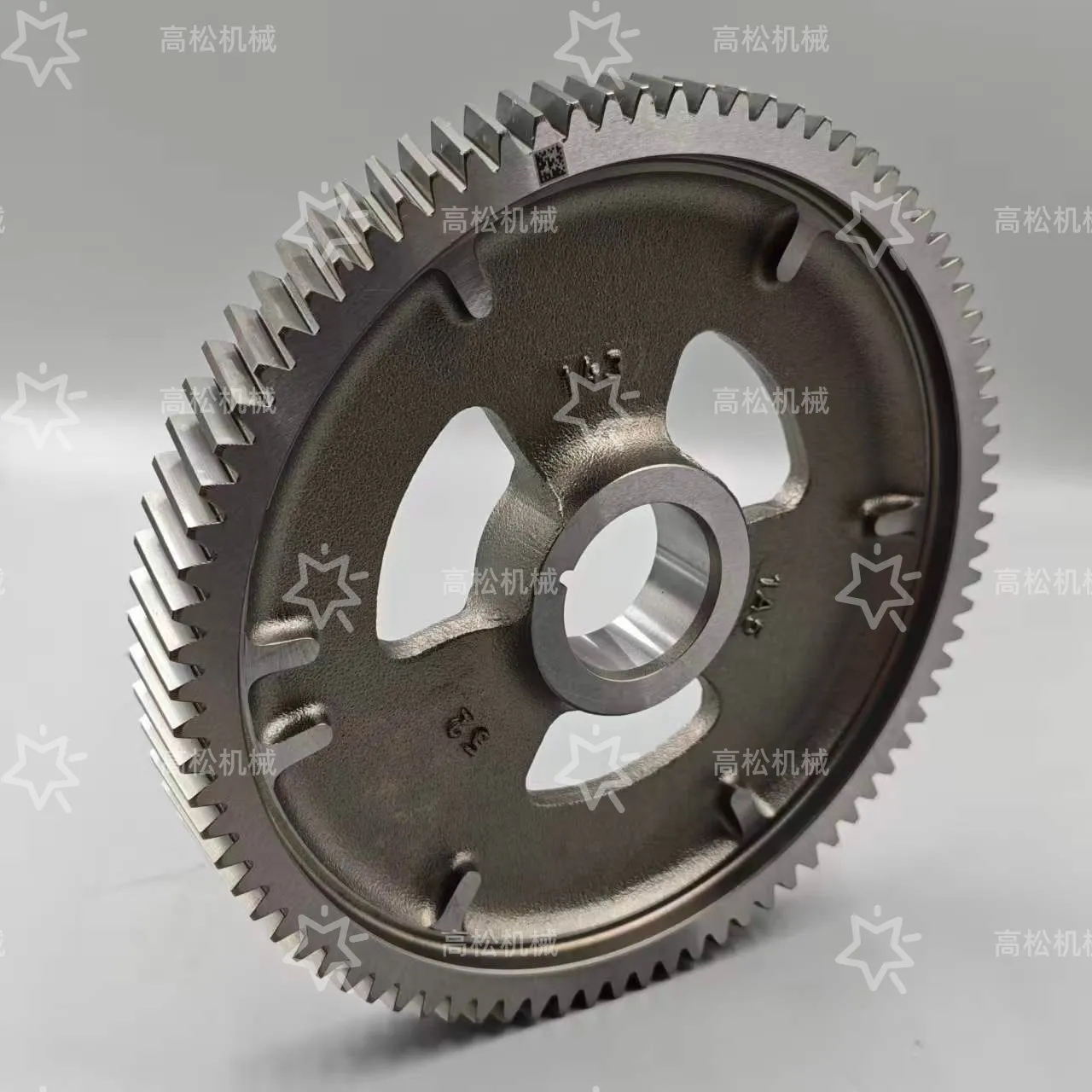 6745-41-1131 GEAR – CAMSHAFT Suitable for komatsu
 -
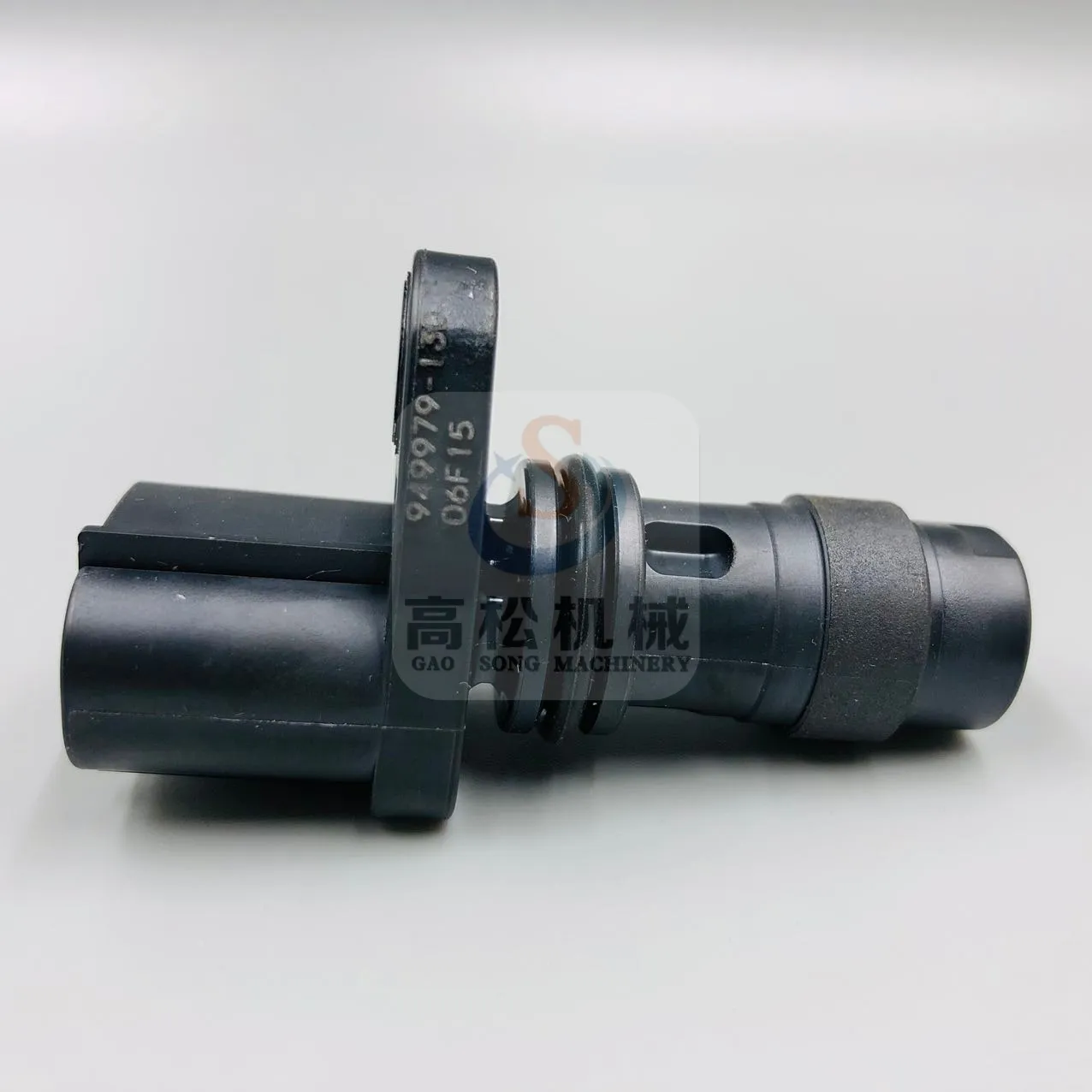 ND949979-1300 fuel pump sensor for Komatsu PC2000-8
 -
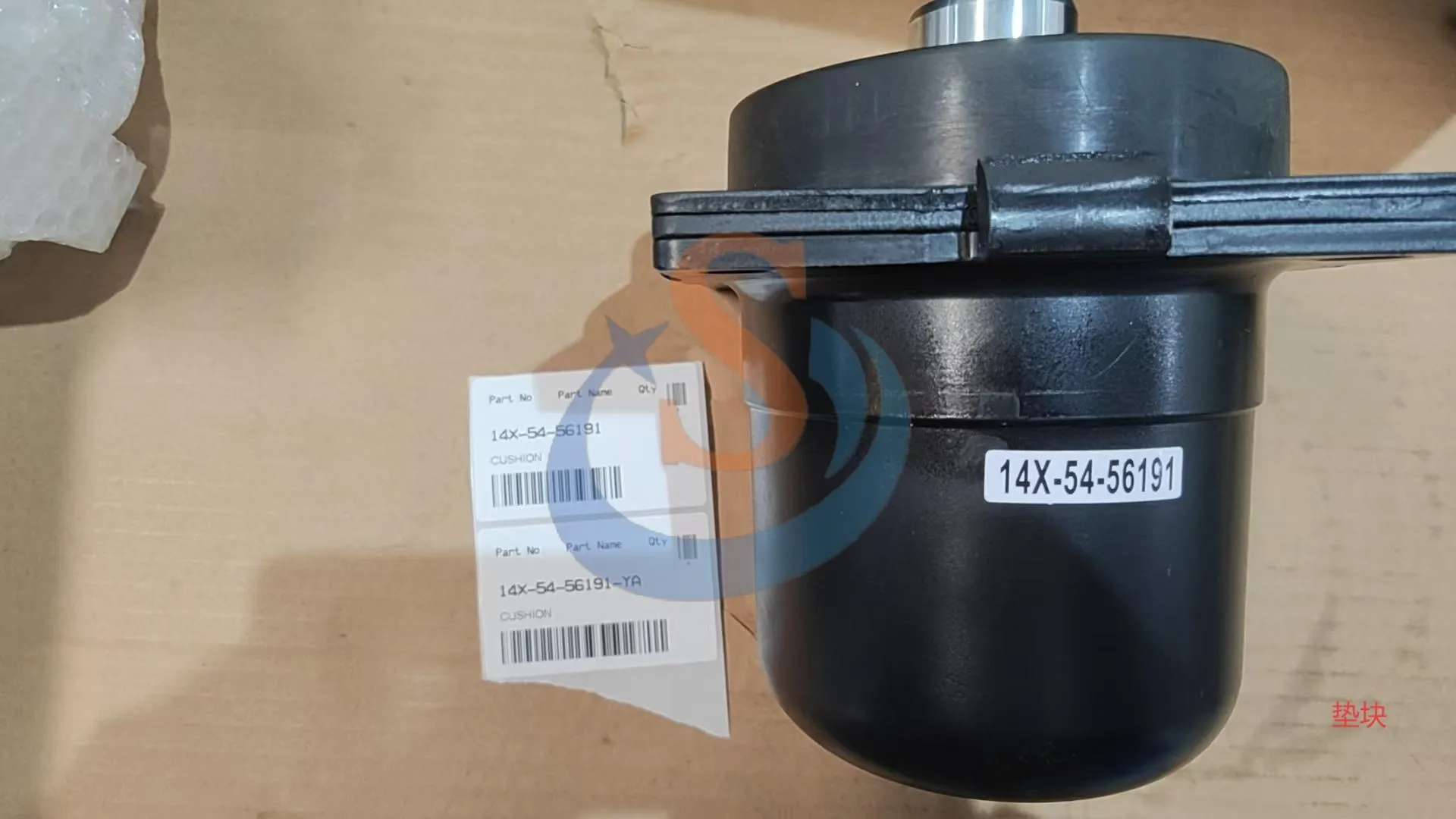 14X-54-56191,Cushion,D65PX,D65WX,D85EX
 -
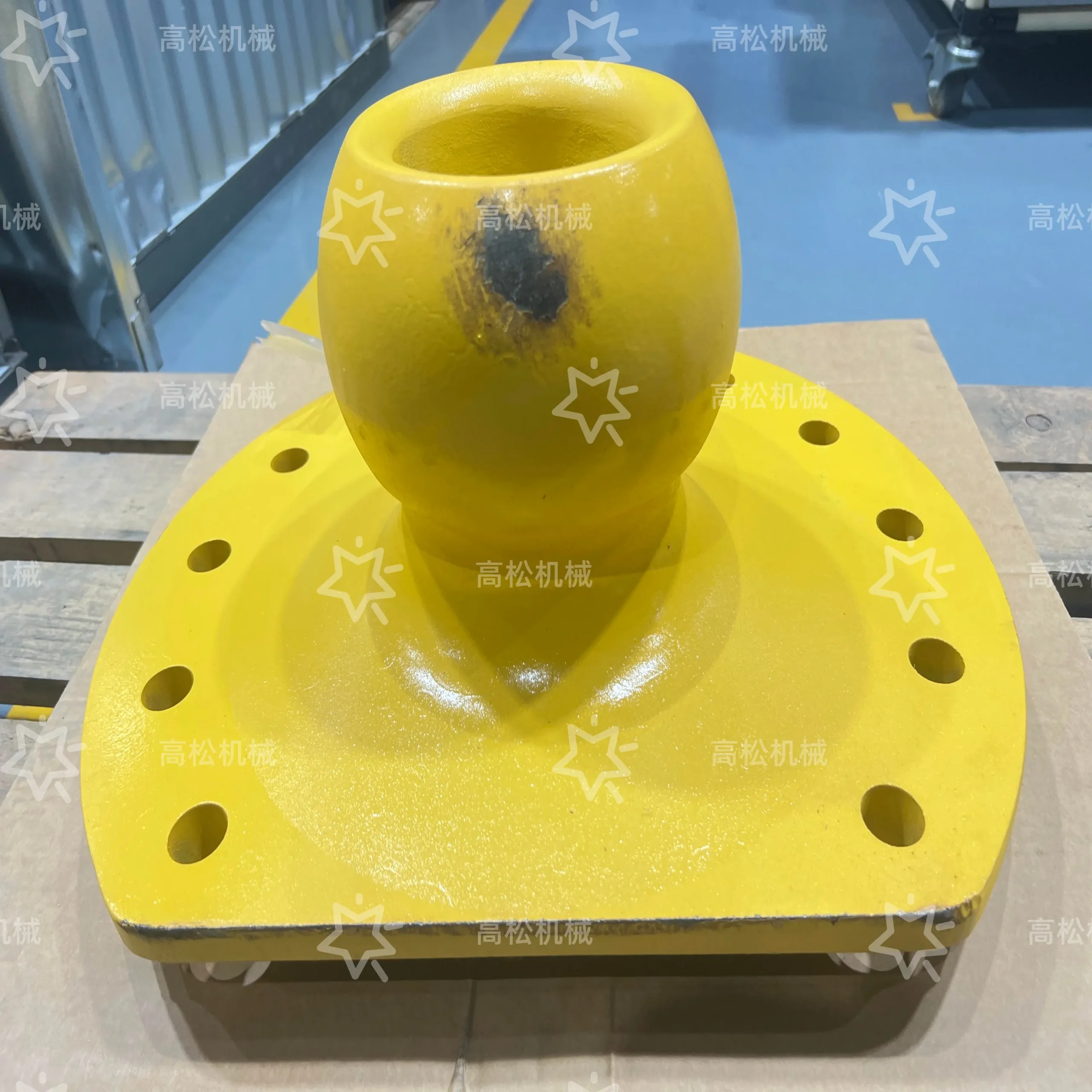 Trunnion 195-71-51191 for Bulldozer D375A-1/3/5/6
 -
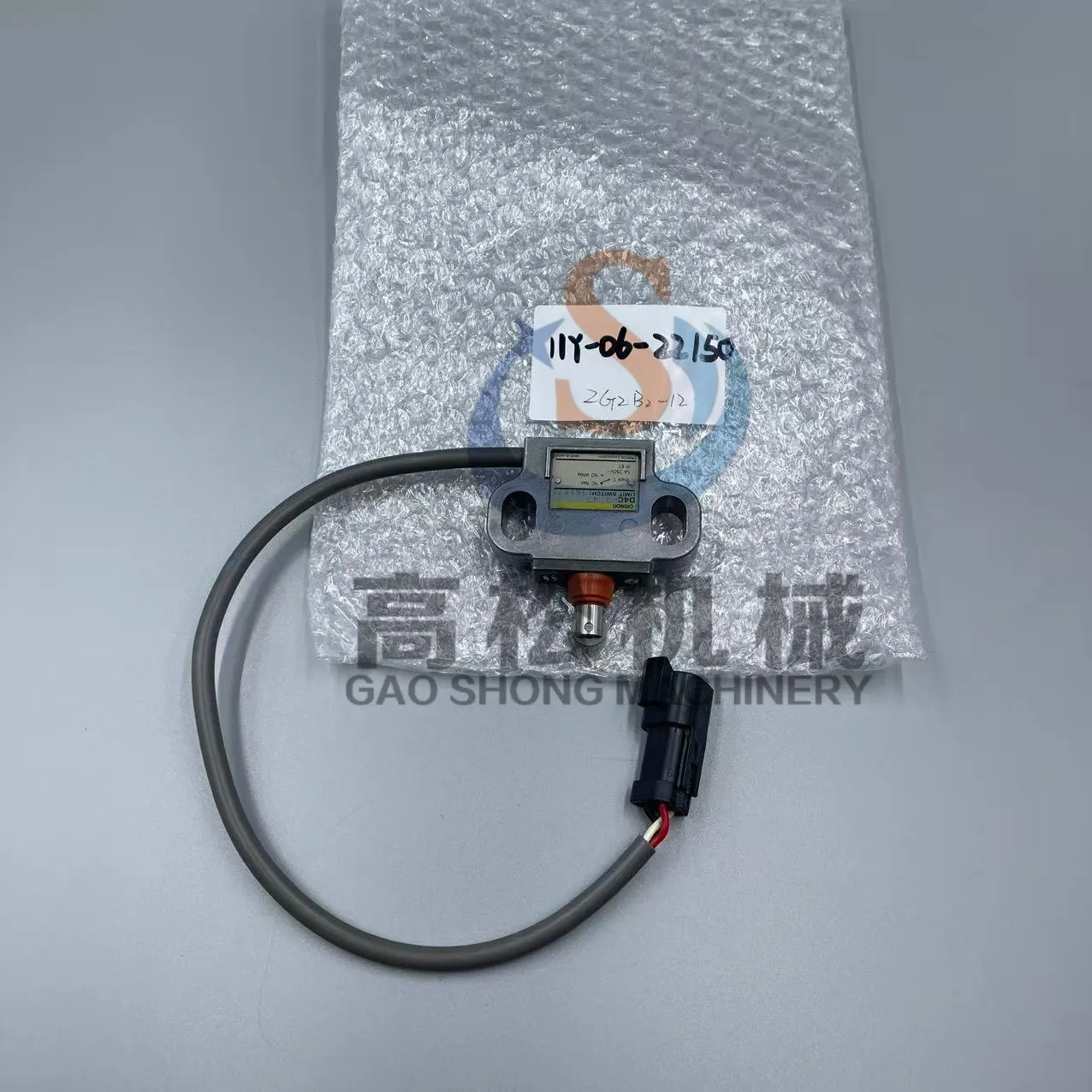 SWITCH 11Y-06-22150 – KOMATSU
 -
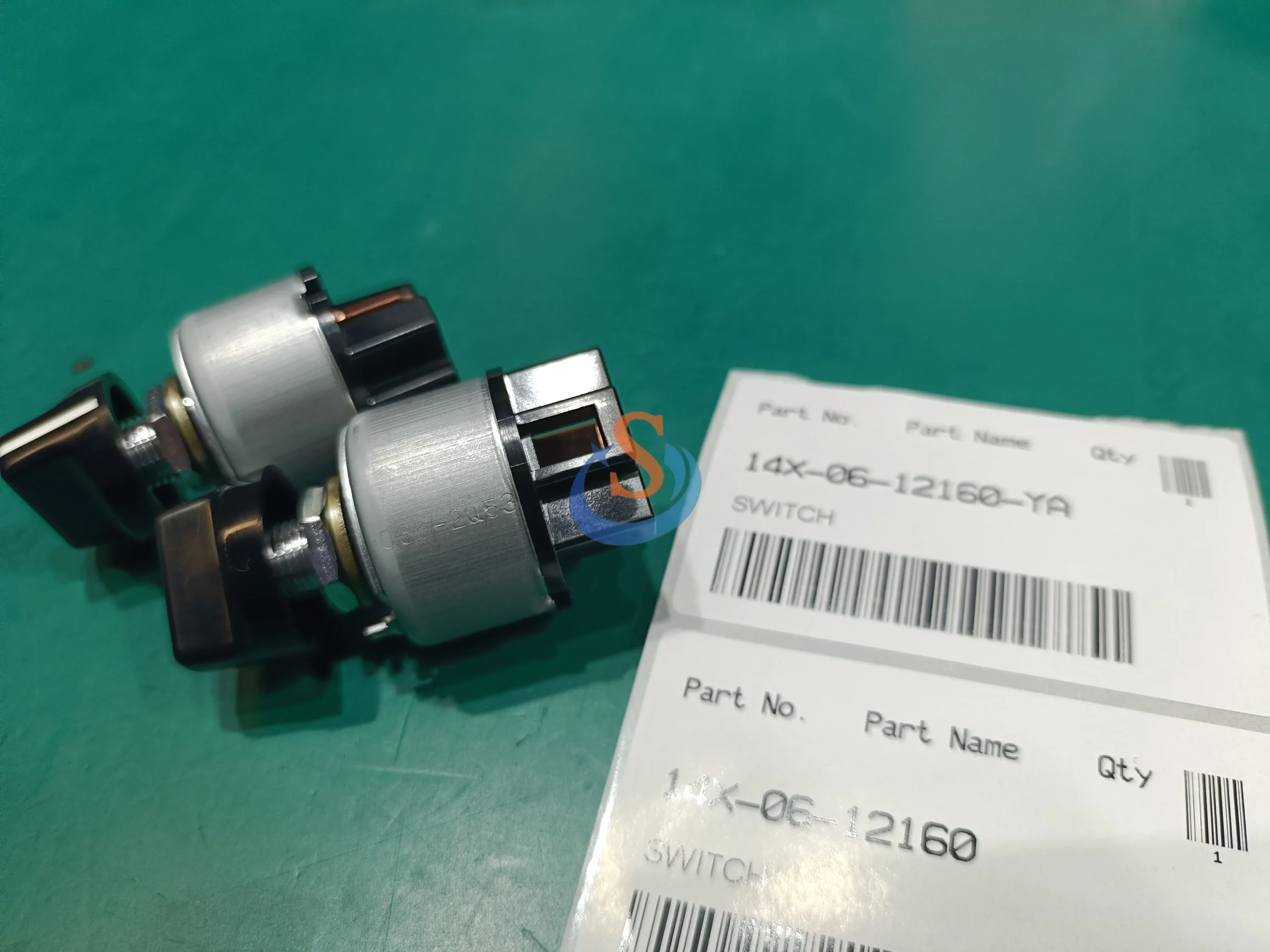 14X-06-12160 SWITCH D475A/D375A
 -
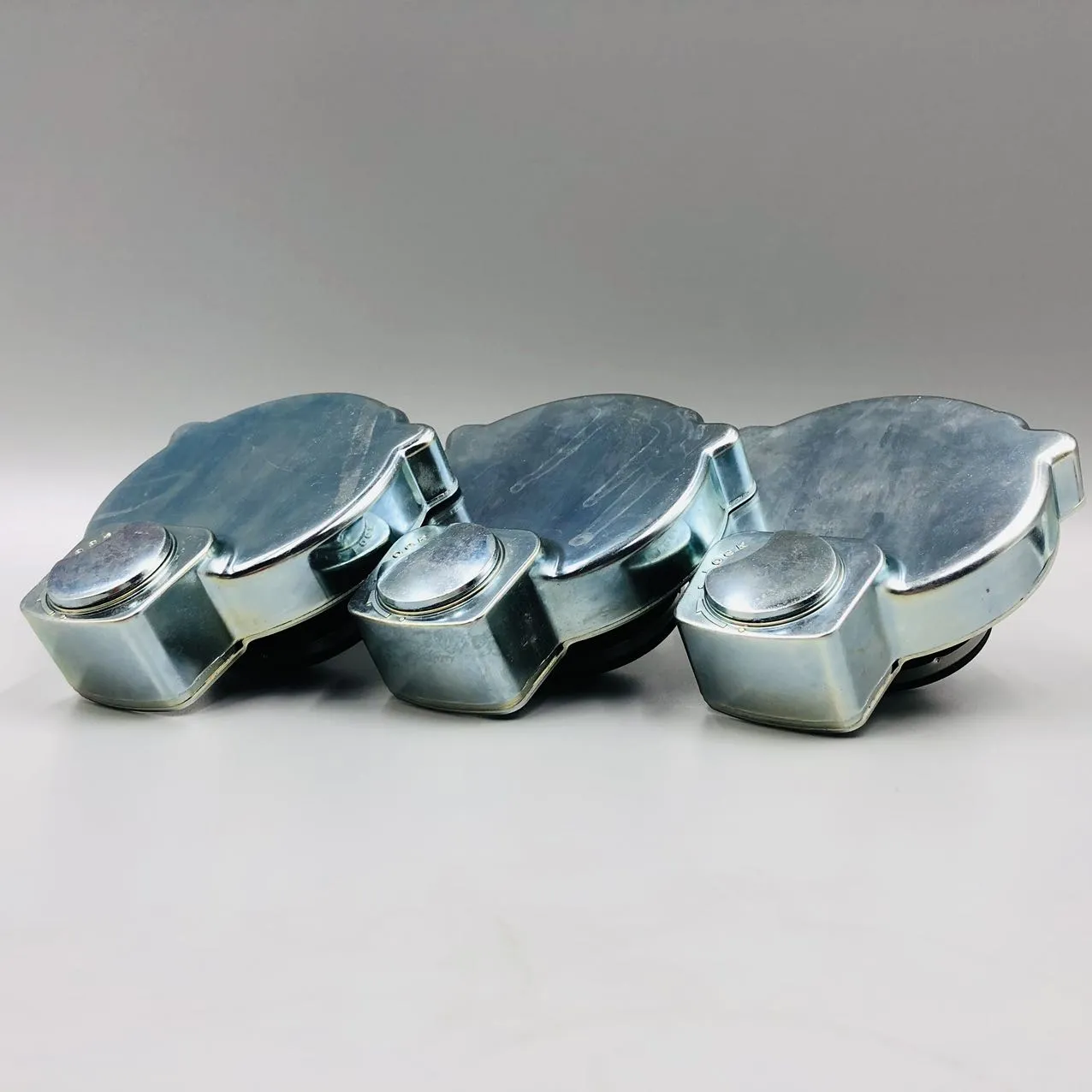 Hydraulic Oil Tank Cap 17A-60-11310 For Komatsu
 -
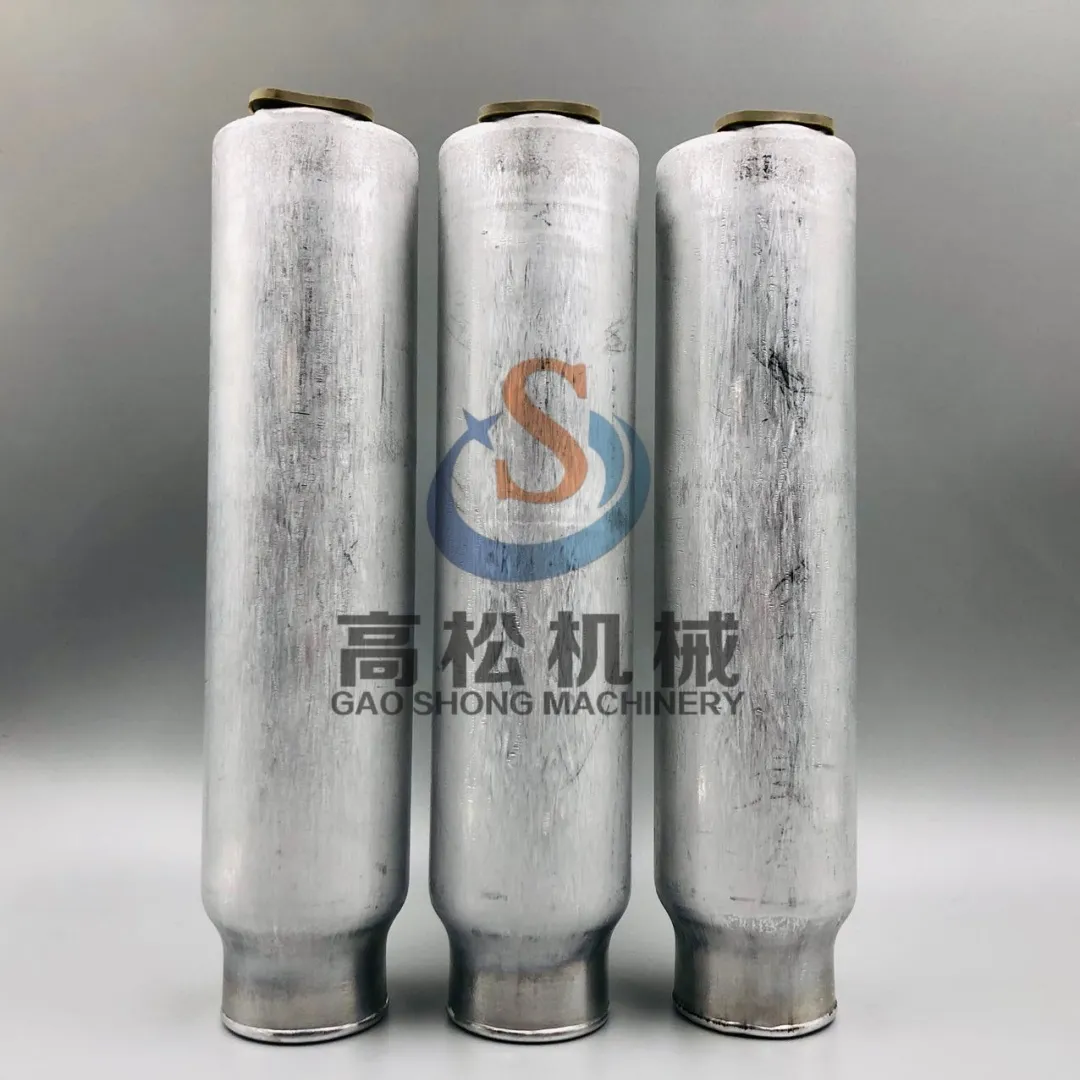 20Y-979-3120 Receiver Drier For Komatsu Equipment
 -
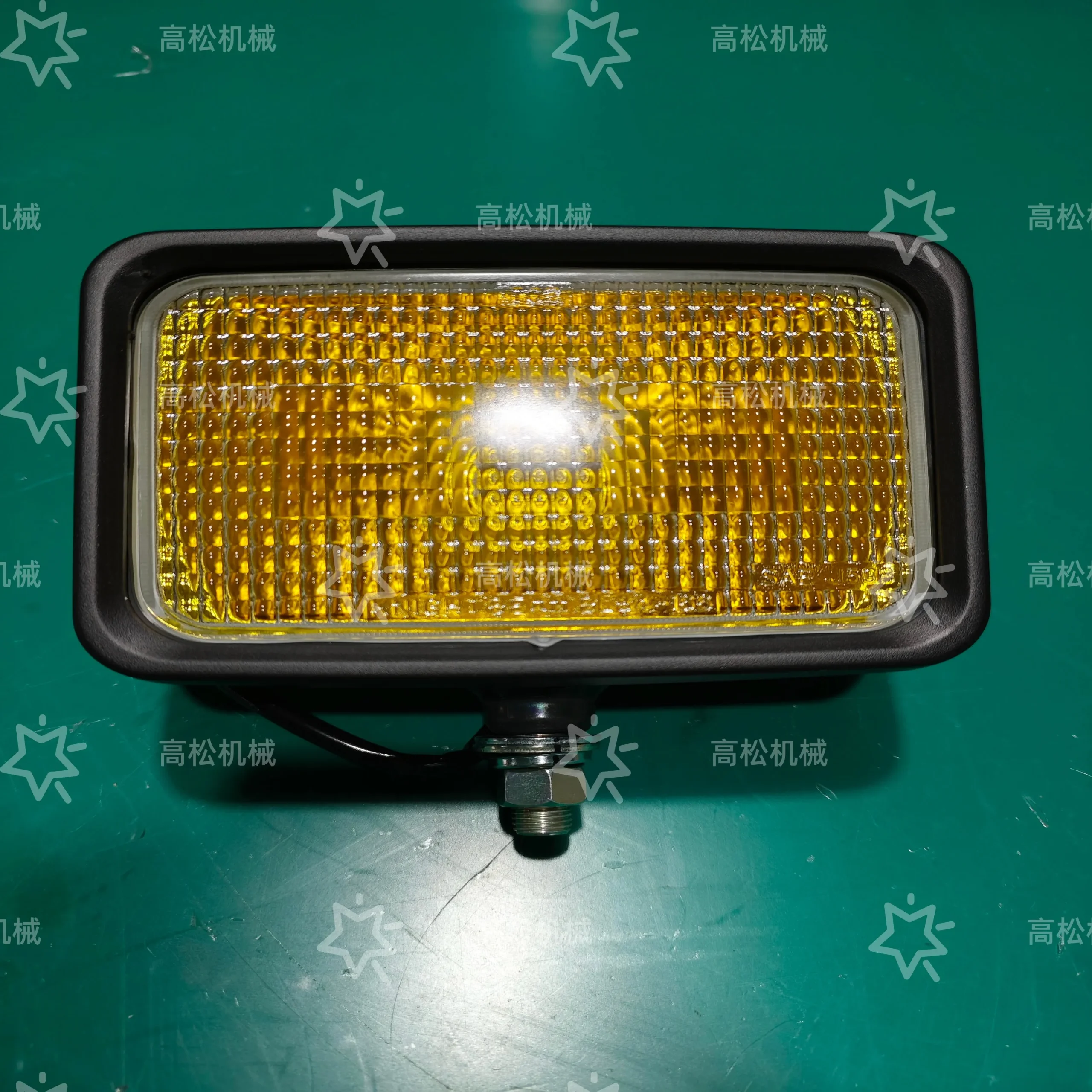 22T-06-24110Hd350 2 Front Light Lamp 22t 06 24110
 -
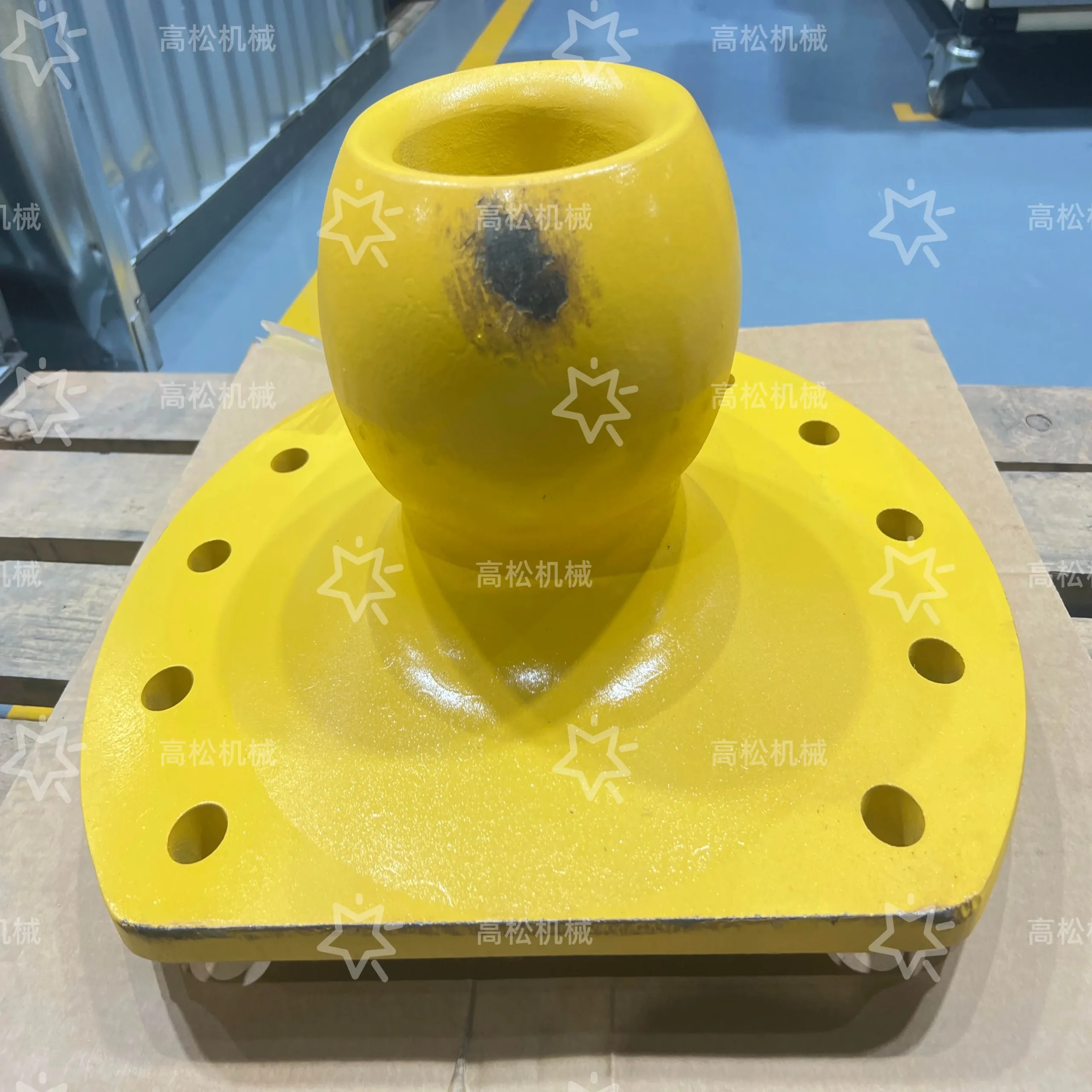 195-71-51191Trunnion 195-71-51191 for Bulldozer D375A-1/3/5/6
 -
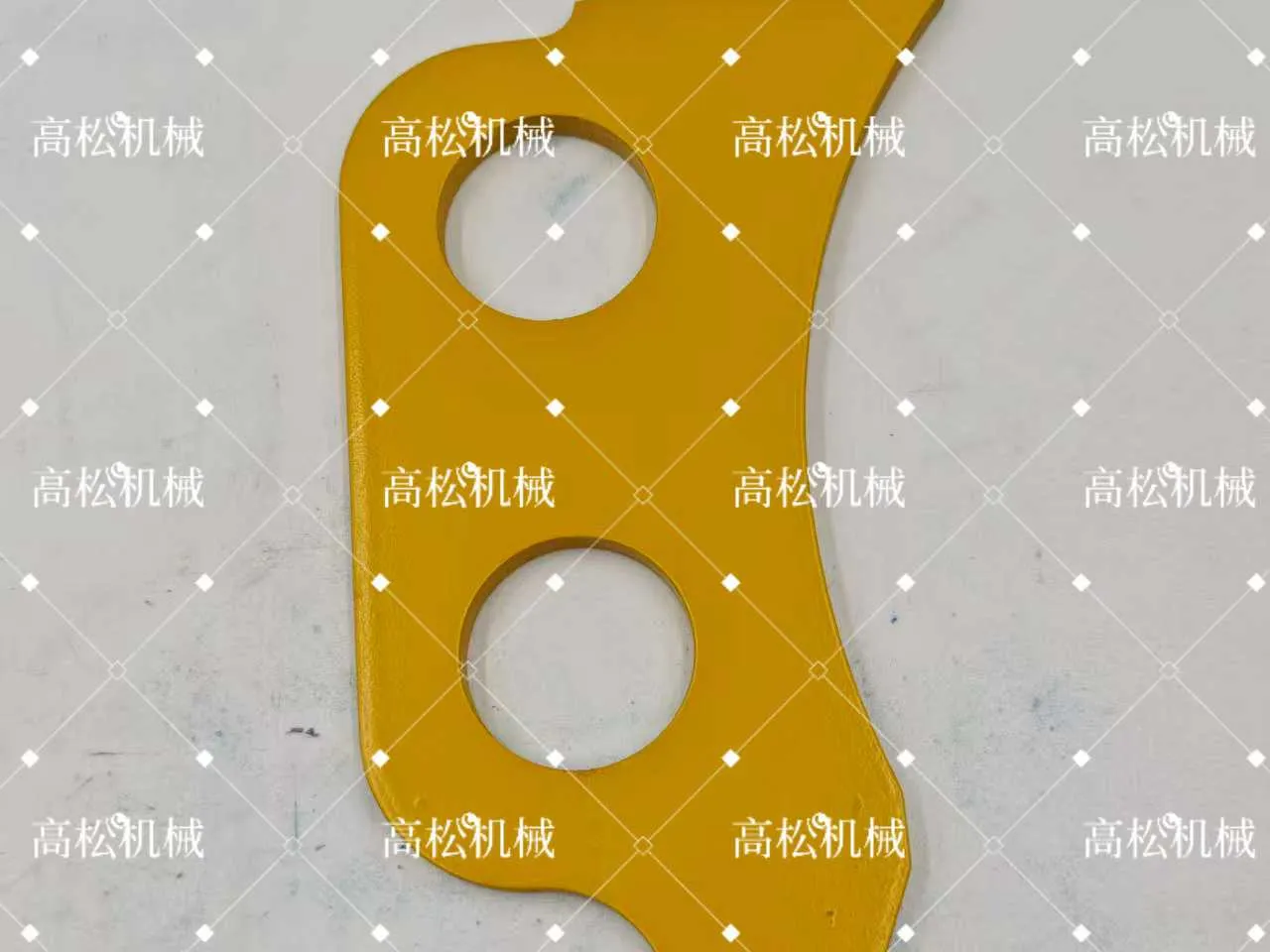 Komatsu Part No. 195-71-74260, Applicable Model: D375A-5, Genuine Komatsu Part
 -
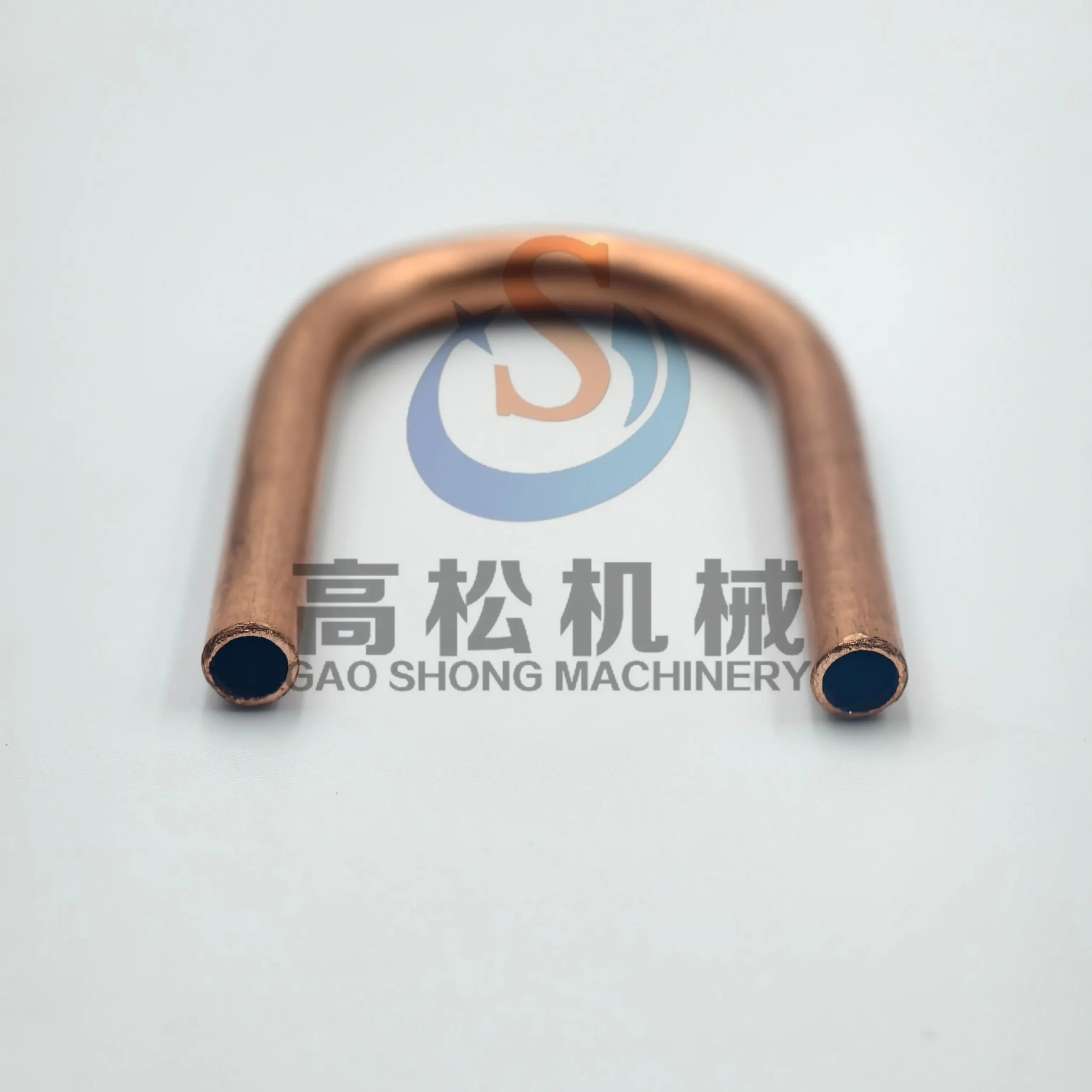 TUBE 21N-68-32360 – KOMATSU