
- Chinese
- French
- German
- Portuguese
- Spanish
- Russian
- Japanese
- Korean
- Arabic
- Irish
- Greek
- Turkish
- Italian
- Danish
- Romanian
- Indonesian
- Czech
- Afrikaans
- Swedish
- Polish
- Basque
- Catalan
- Esperanto
- Hindi
- Lao
- Albanian
- Amharic
- Armenian
- Azerbaijani
- Belarusian
- Bengali
- Bosnian
- Bulgarian
- Cebuano
- Chichewa
- Corsican
- Croatian
- Dutch
- Estonian
- Filipino
- Finnish
- Frisian
- Galician
- Georgian
- Gujarati
- Haitian
- Hausa
- Hawaiian
- Hebrew
- Hmong
- Hungarian
- Icelandic
- Igbo
- Javanese
- Kannada
- Kazakh
- Khmer
- Kurdish
- Kyrgyz
- Latin
- Latvian
- Lithuanian
- Luxembou..
- Macedonian
- Malagasy
- Malay
- Malayalam
- Maltese
- Maori
- Marathi
- Mongolian
- Burmese
- Nepali
- Norwegian
- Pashto
- Persian
- Punjabi
- Serbian
- Sesotho
- Sinhala
- Slovak
- Slovenian
- Somali
- Samoan
- Scots Gaelic
- Shona
- Sindhi
- Sundanese
- Swahili
- Tajik
- Tamil
- Telugu
- Thai
- Ukrainian
- Urdu
- Uzbek
- Vietnamese
- Welsh
- Xhosa
- Yiddish
- Yoruba
- Zulu
- Kinyarwanda
- Tatar
- Oriya
- Turkmen
- Uyghur






komatsu parts near me
When someone types 'komatsu parts near me' into a search bar, I know exactly what they're after. They're not just looking for a part number; they're usually in a bind, machine down, and need a solution that's both fast and reliable. The common mistake, and I see it all the time, is equating near me purely with physical proximity. In our line of work, a supplier 10 miles away with a 6-week backorder is infinitely farther than a specialized distributor overseas who can DHL a genuine or quality-aftermarket component to your yard in 72 hours. The geography of parts availability has fundamentally changed, but the urgency hasn't.
The Near Me Illusion and the Real Supply Chain
Let's break down that initial search impulse. On a Tuesday morning, your PC200-8's final drive gives out. The immediate reaction is to find the closest source. You call the local dealership. Sometimes you get lucky. More often, you hear, We can order that for you, 4-6 weeks from Japan. That's a lifetime when the excavator's sitting on a critical job. So near me stops being about miles and starts being about who has the part in a warehouse, anywhere, that can move it fastest. This is where the traditional model cracks.
I've spent afternoons calling a network of local suppliers only to find they're all waiting on the same slow boat from the main distribution center. It creates a false sense of options. The real map isn't of storefronts; it's of logistics hubs and inventory databases. A place like Jining Gaosong Construction Machinery Co., Ltd. enters the picture here. They're not near you in the traditional sense if you're in, say, Africa or the Middle East. But their model—being an OEM product supplier within the Komatsu system and a third-party sales company—means they're plugged into a different pipeline. They're positioned to solve those specific regional supply gaps. Their site, https://www.takematsumachinery.com, isn't just a catalog; for many, it's a bypass around a blocked supply line.
The professional judgment comes in knowing when to abandon the pure near me hunt. If it's a common filter or hose, sure, local might work. For a pump assembly or a controller? Your search radius needs to go global instantly. The cost of downtime quickly outweighs the extra shipping fee. I learned this the hard way years ago, waiting three weeks for a valve block that a supplier in Singapore had on the shelf and could have shipped in two days. My definition of near changed that day.
OEM, Aftermarket, and the Third-Party Reality
This leads to the core tension: OEM vs. aftermarket. When you search for Komatsu parts, you're hoping for genuine. But the official network has its limits, especially in certain countries. That's the parts supply challenges mentioned in Jining Gaosong's description. An official Komatsu dealer in one region might be restricted from selling internationally. This creates a gray market of sorts, but a necessary one.
Companies that operate as third-party sales companies for Komatsu fill this void. They aren't just selling knock-offs. Often, they're sourcing genuine parts through alternative, approved channels within the Komatsu system and redistributing them to markets where the official supply is thin or slow. You have to vet them, of course. Do they provide OEM part numbers? Can they trace the component's origin? I've had good experiences with suppliers who are transparent about this. They'll say, This is genuine, but it's coming from a different regional warehouse. That's honest.
Then there's the quality aftermarket. For non-safety-critical parts—brackets, seals, some hydraulic lines—a high-quality aftermarket part from a reputable manufacturer is a perfectly rational choice. The key is knowing which parts you can compromise on and which you absolutely cannot. I'd never put a non-OEM pump in a critical machine, but a cabin filter? That's different. A good supplier will tell you the difference upfront, not just sell you the cheapest option.
Practical Vetting: Beyond the Search Result
So you've searched 'komatsu parts near me' and a list comes up. How do you choose? First, I ignore the ones with just a parts lookup and no human contact. You need to be able to call. My first test call is always for a moderately complex part. I ask, Do you have the swing drive for a Dash-3, and is it genuine or aftermarket? What's the manufacturer if it's aftermarket? The reaction tells you everything. Hesitation, vague answers—red flag.
I look for specificity. A site that lists not just excavator parts but has dedicated sections for models like the PC series, HD trucks, etc., shows specialization. I'd expect a company like the one mentioned to have that depth. The next step is asking about logistics. Where does this ship from? What are my shipping options to [my location]? If they're used to shipping internationally, they'll have DHL/FedEx accounts and can give you a real quote fast. Local suppliers often stumble here.
Another real-world check: ask for a photo of the actual part in stock before paying. For a major component, any legitimate supplier will do this. It proves inventory and lets you check condition. I've avoided a couple of disasters this way, receiving photos of parts with clearly wrong mounting points or damage.
The On-the-Ground Logistics Hurdle
Let's say you find the part. It's near you in the modern sense—it's in a warehouse that can ship it. Now the real test begins: customs. This is where many sourcing attempts fail. A supplier experienced in international sales will handle the commercial invoice, the HS codes, all the paperwork cleanly. They'll know if a part attracts high duties in your country. A less experienced one will just throw it in a box and leave you to deal with the customs broker nightmare.
I remember a time I ordered a hydraulic cylinder from a new supplier. The part was perfect, but the paperwork listed it as used machinery instead of replacement parts. It got held up for two weeks. The lesson: your supplier's logistics knowledge is as important as their parts knowledge. Companies that explicitly state they help solve parts supply challenges in certain countries are signaling they understand this end-to-end process, not just the sale.
Sometimes, the fastest route is a combination. You source the major component from a specialized international supplier like Takematsu Machinery, and you get the gaskets, bolts, and fluids from a local shop to have ready for when the big item arrives. This parallel approach minimizes total downtime.
Concluding Thoughts: Redefining Near
Wrapping this up, the phrase 'komatsu parts near me' is really a query for efficiency and reliability, not geography. The ecosystem has layers: the official dealer network, the OEM-aligned third-party distributors who ease regional bottlenecks, and the quality aftermarket specialists. Your strategy needs to be fluid.
The goal is always uptime. It means having a shortlist of vetted suppliers for different scenarios. For urgent, critical parts, I might go straight to a known entity with a global warehouse footprint, even if they're 8,000 miles away. Their proximity to an international airport is what matters. For less critical items or when I have lead time, I'll support the local dealer to maintain that relationship.
In the end, it's about building your own reliable network. The search bar is just the starting point. The real work is in the phone calls, the vetting, and the lessons learned from past failures. Your most valuable near me resource isn't a website—it's your own curated list of contacts who have proven they can deliver the right part, at the right time, wherever they physically are.
Related Products
Related Products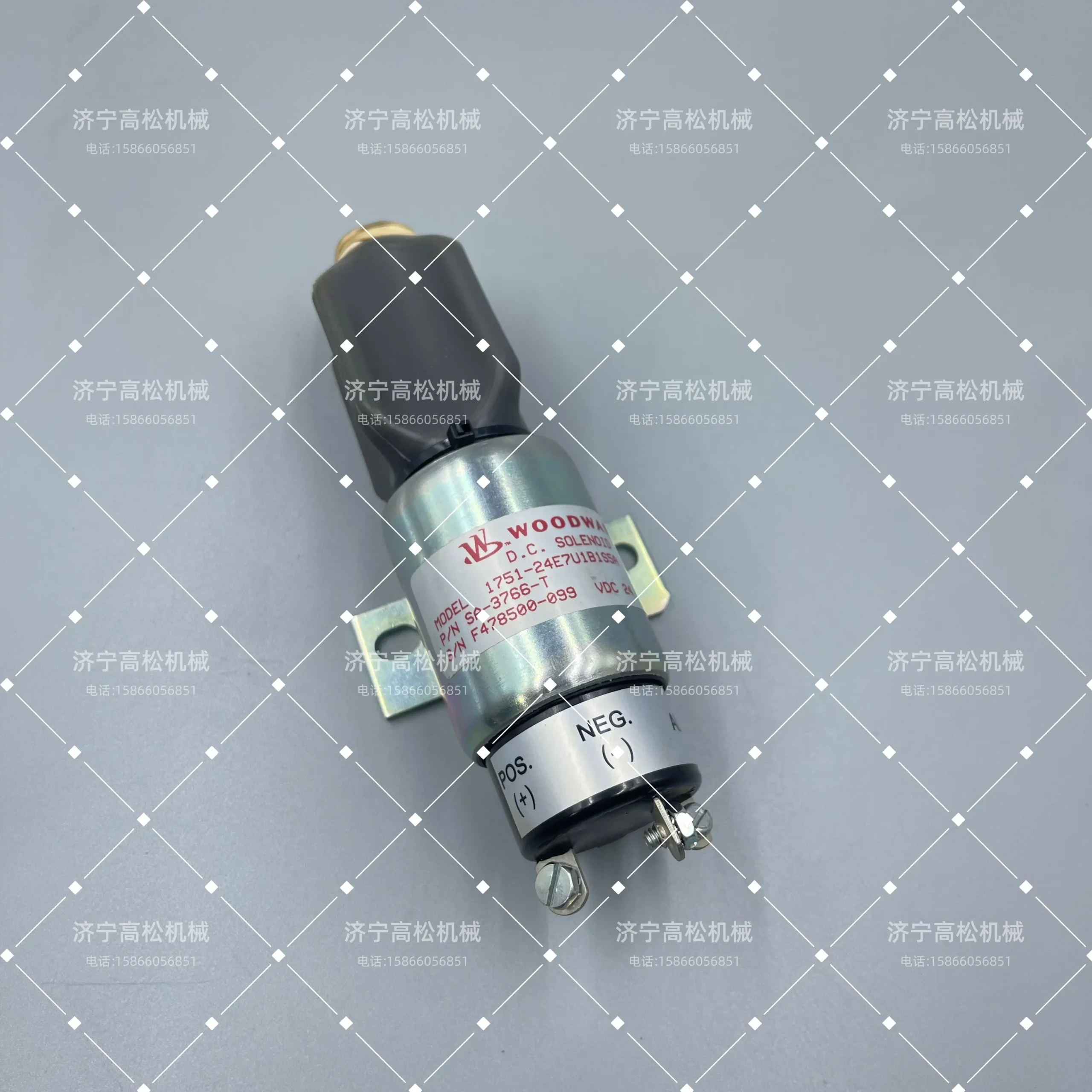
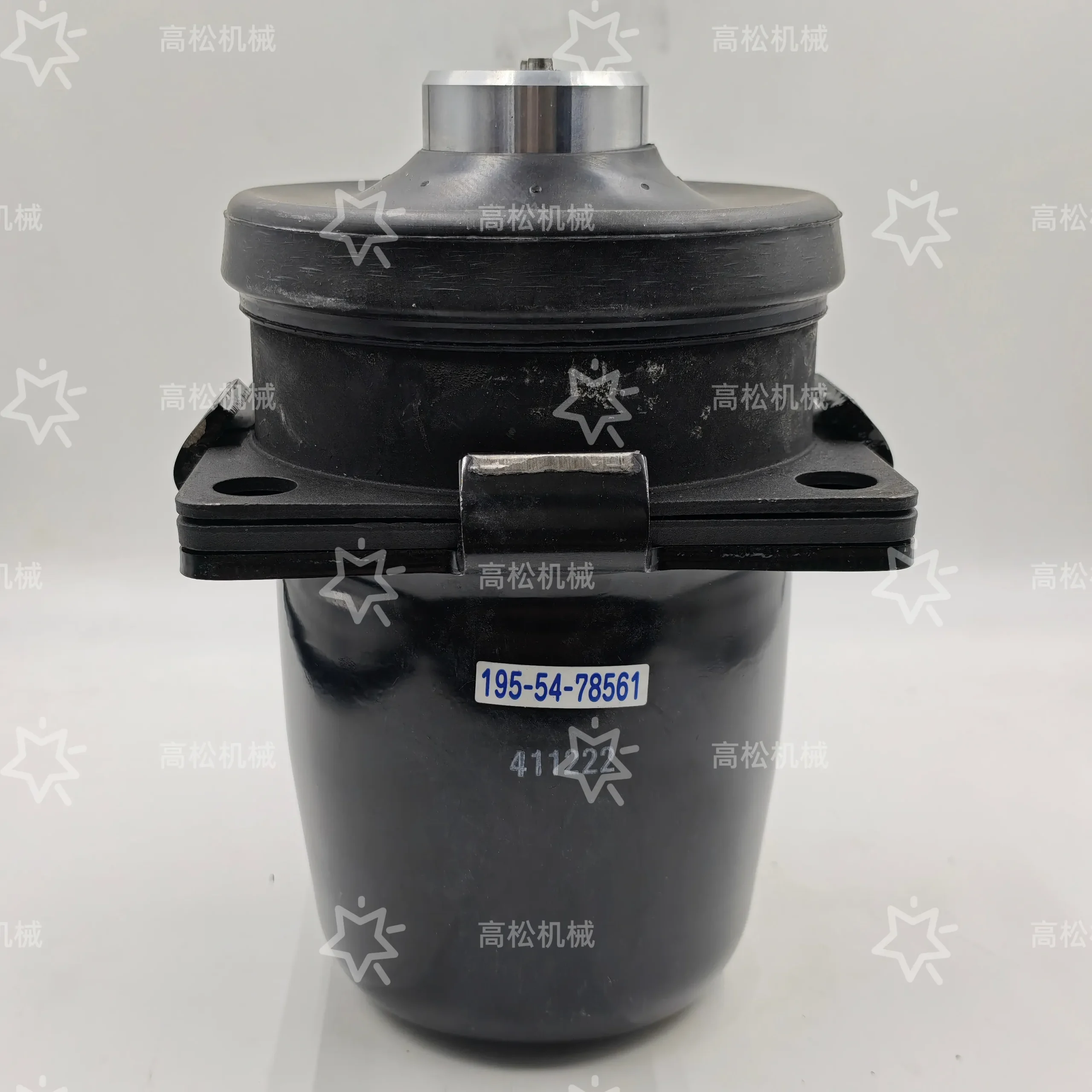
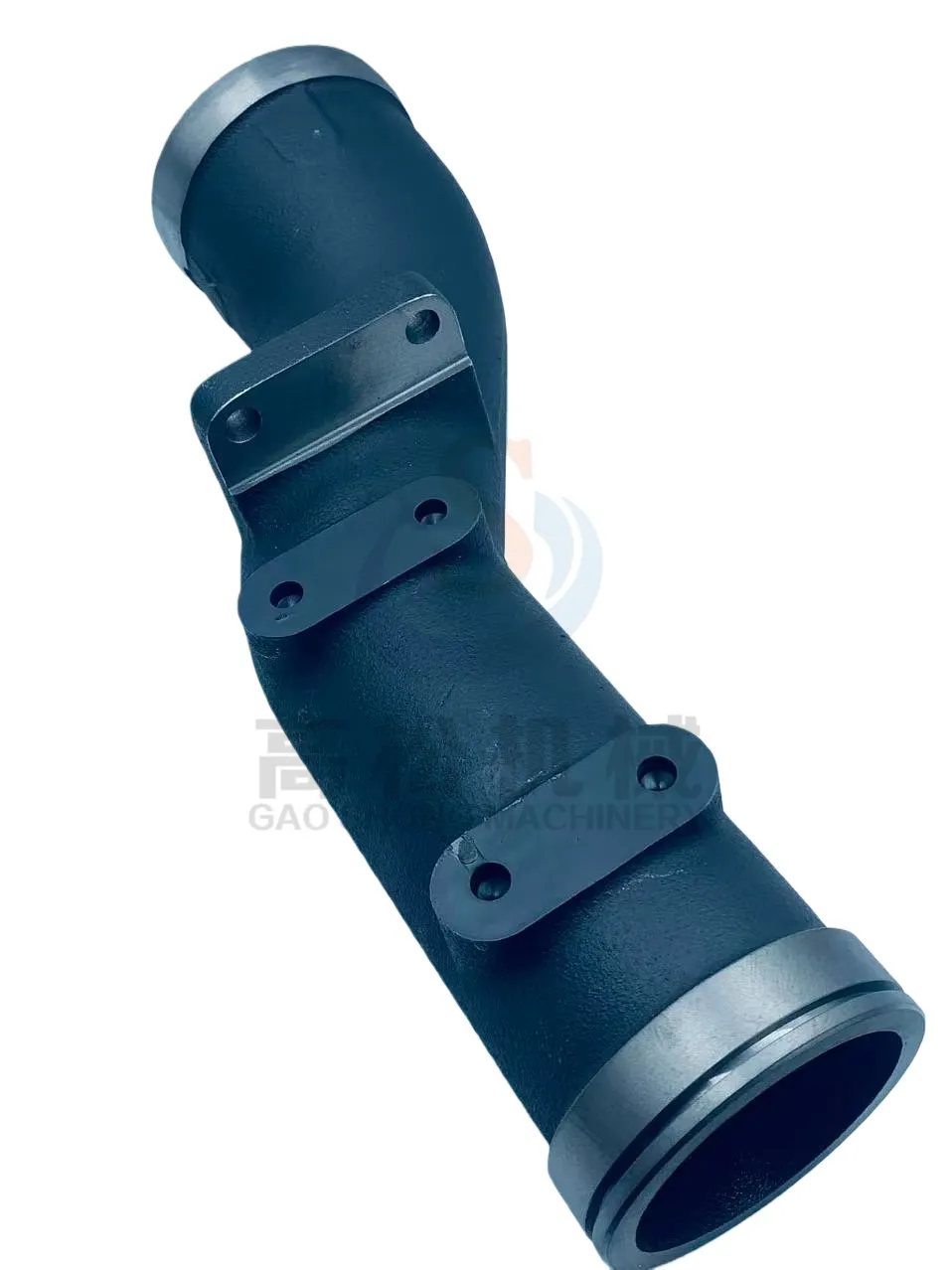
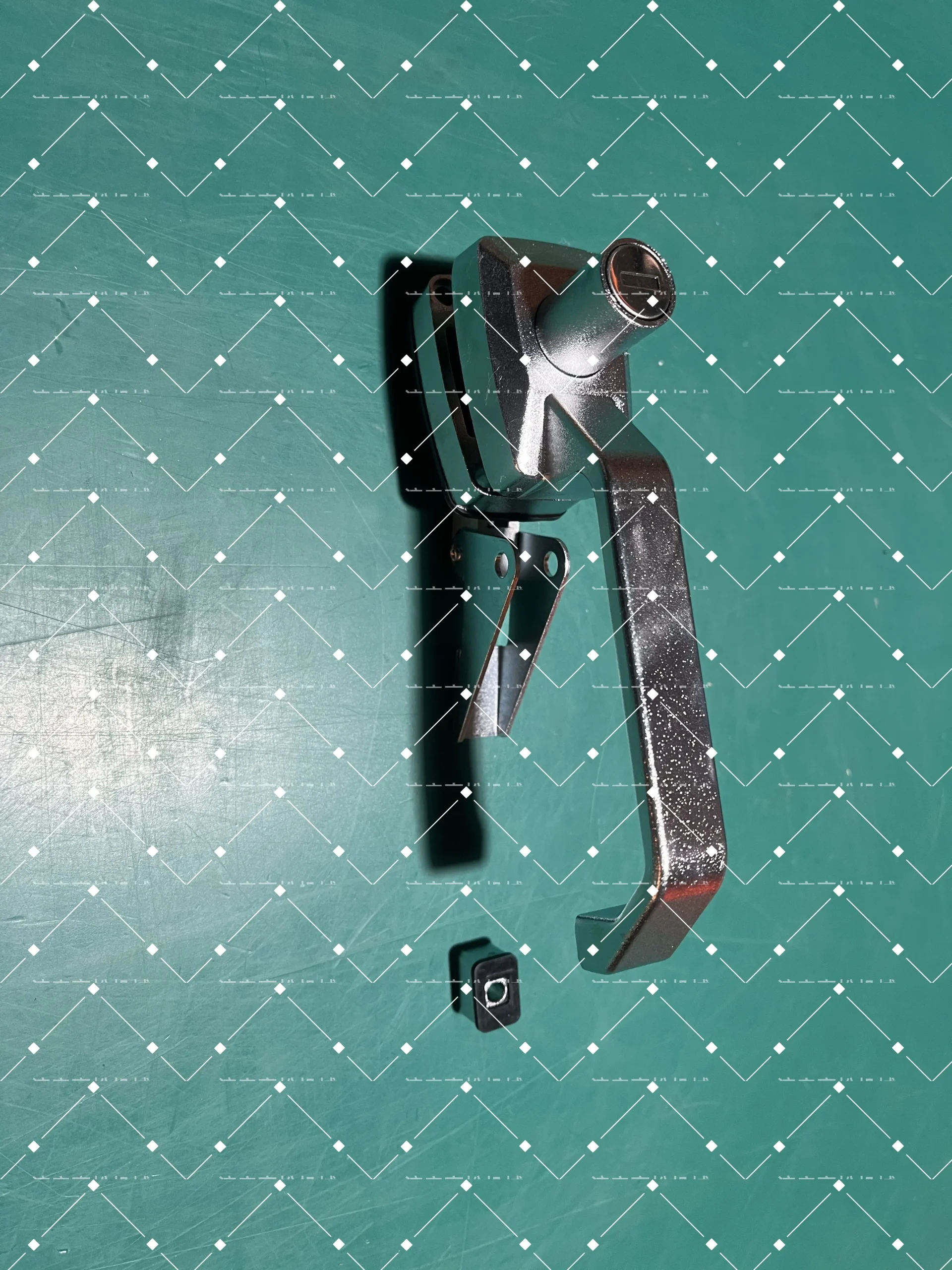

Best Selling Products
Best Selling Products-
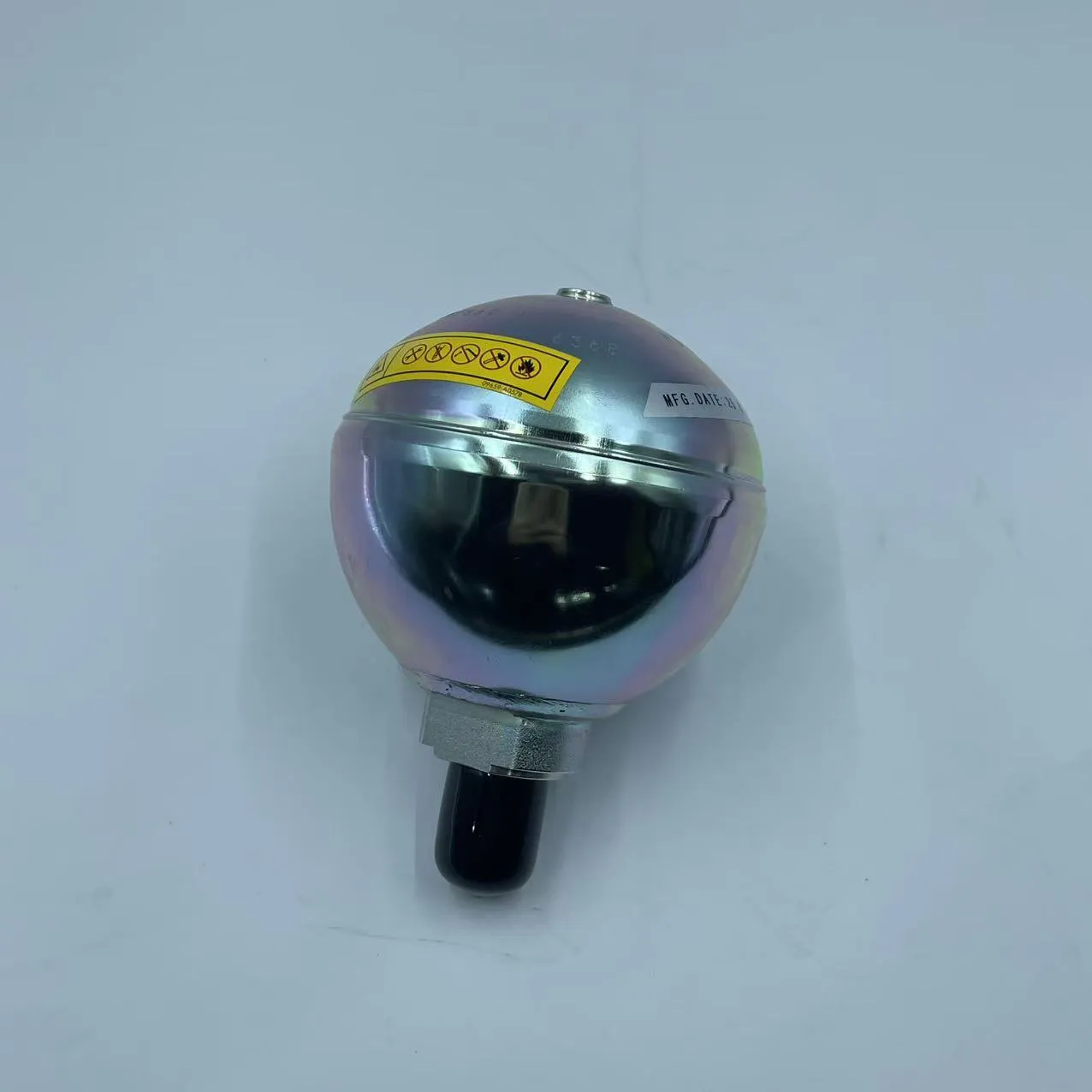 Accumulator 22U-60-21330 22U-60-21331 For Komatsu Excavator PC300-8 PC350-8 PC130-8 PC200-8 PC220LC-8
 -
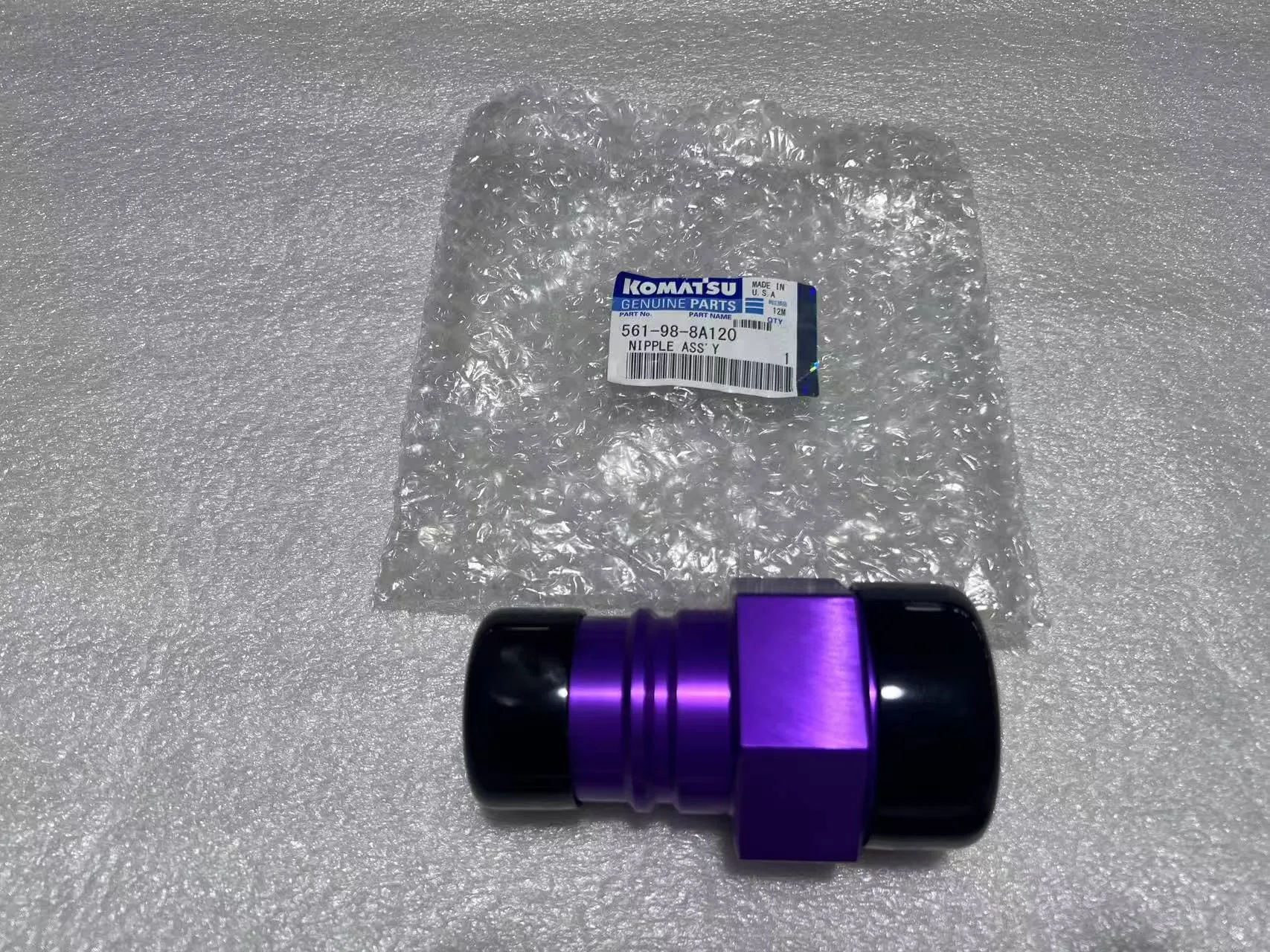 561-98-8A120 Spot # Komatsu # Komatsu Machinery Parts 2026
 -
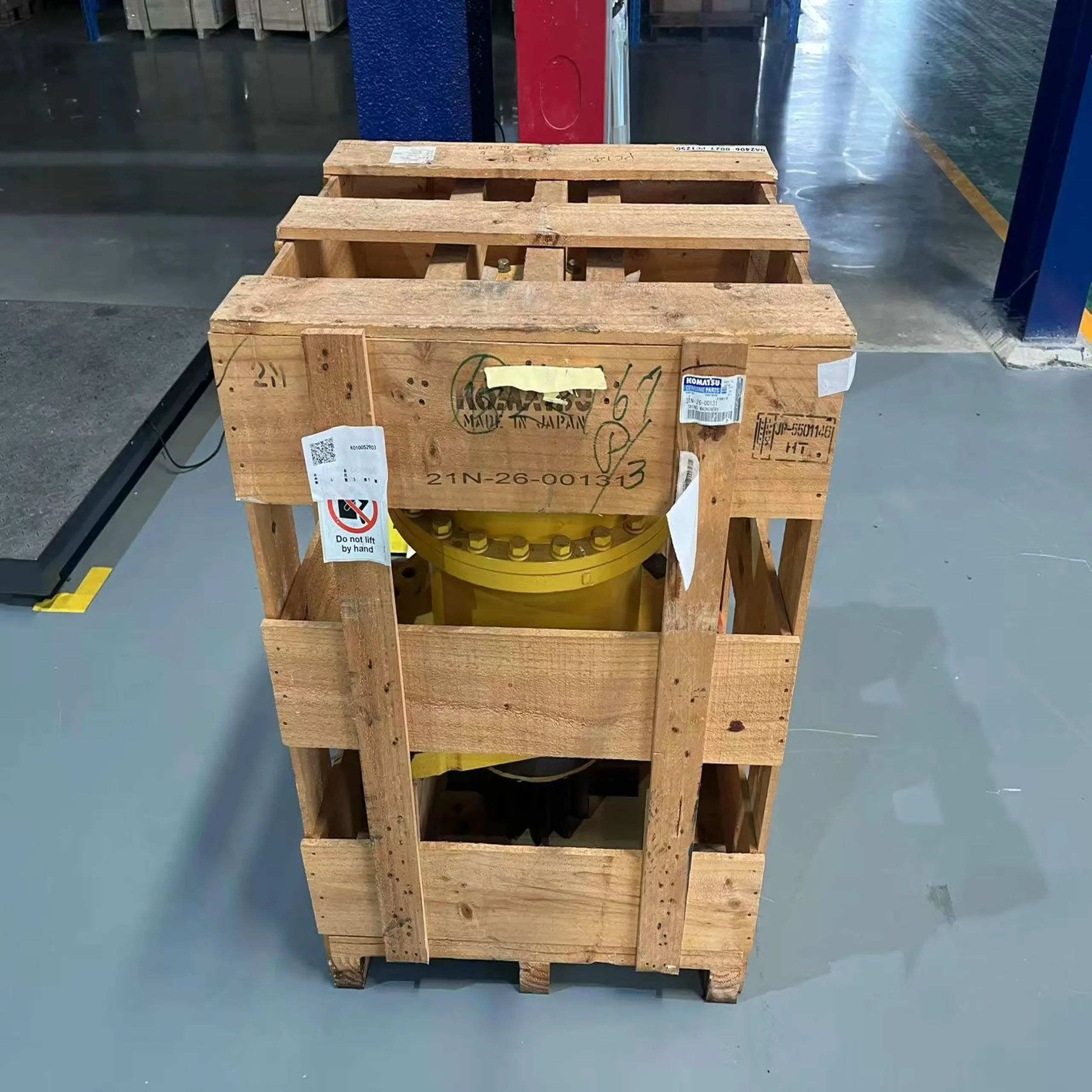 Komatsu Original Factory Brand New PC1250-8 Excavator Rotary Motor 21N-26-00110
 -
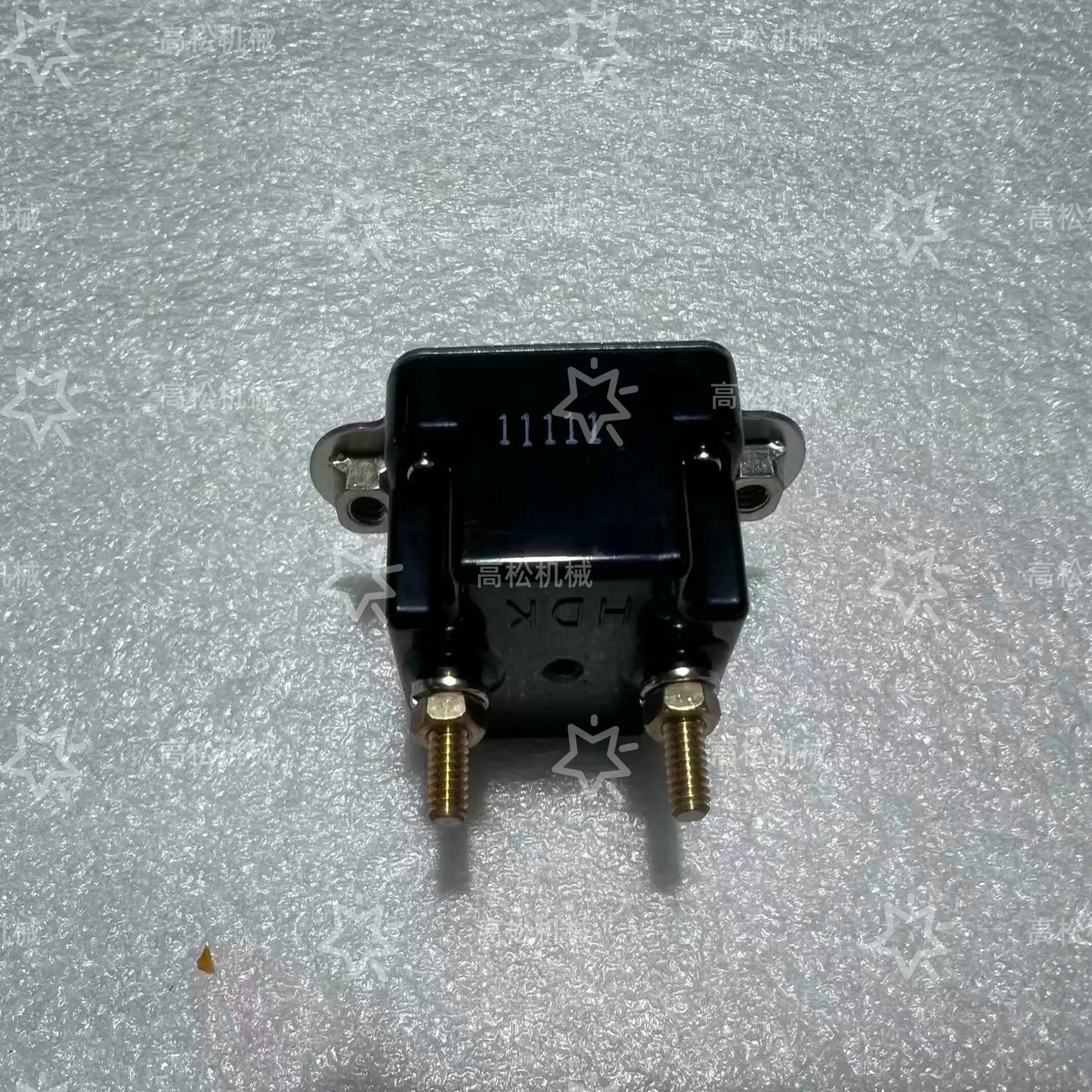 421-06-11440 BREAKER fits KOMATSU
 -
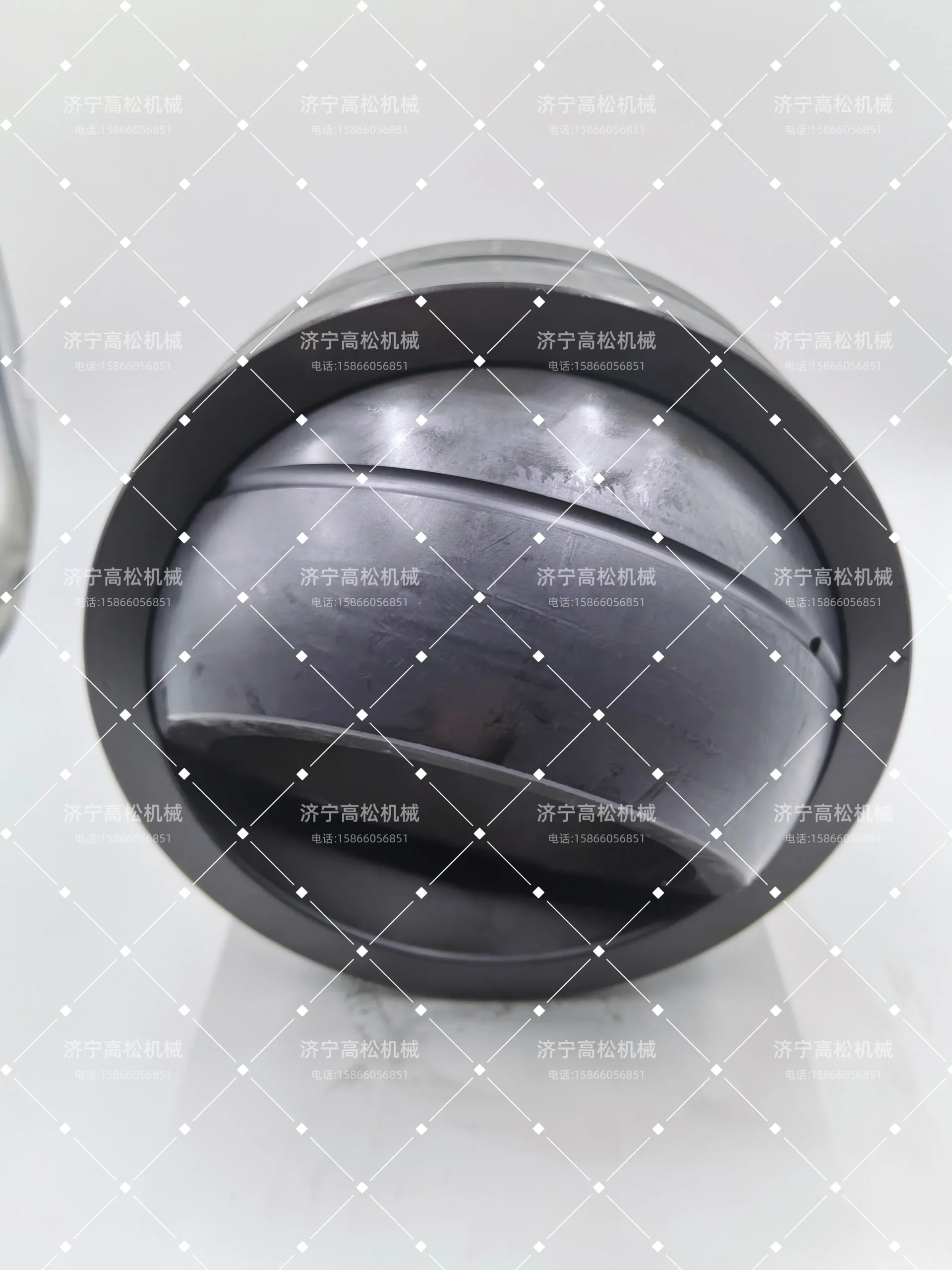 707-46-14010 Spherical Bearing for Komatsu Equipment…
 -
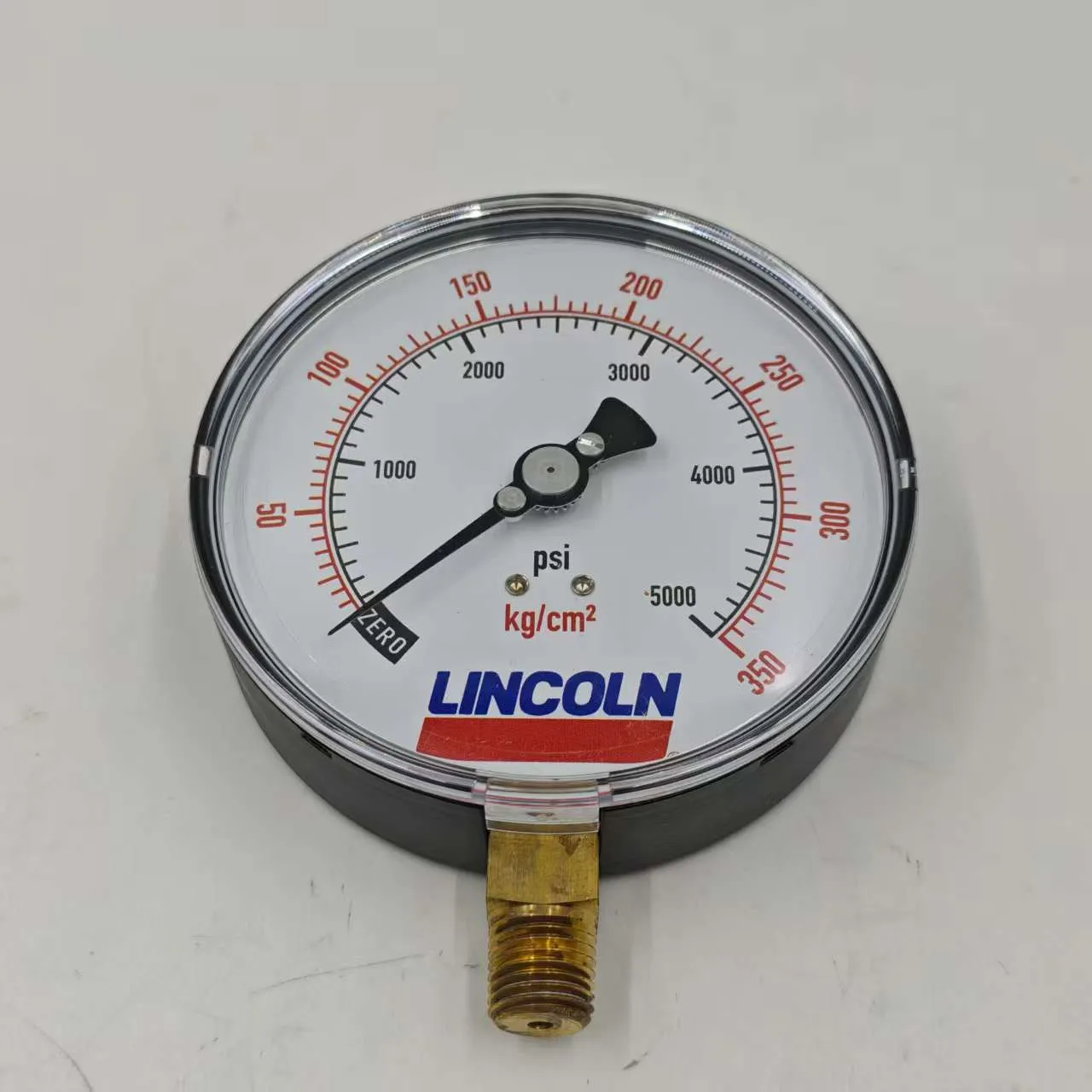 427-S95-2410PC1100 PC1250SE-7 komatsu
 -
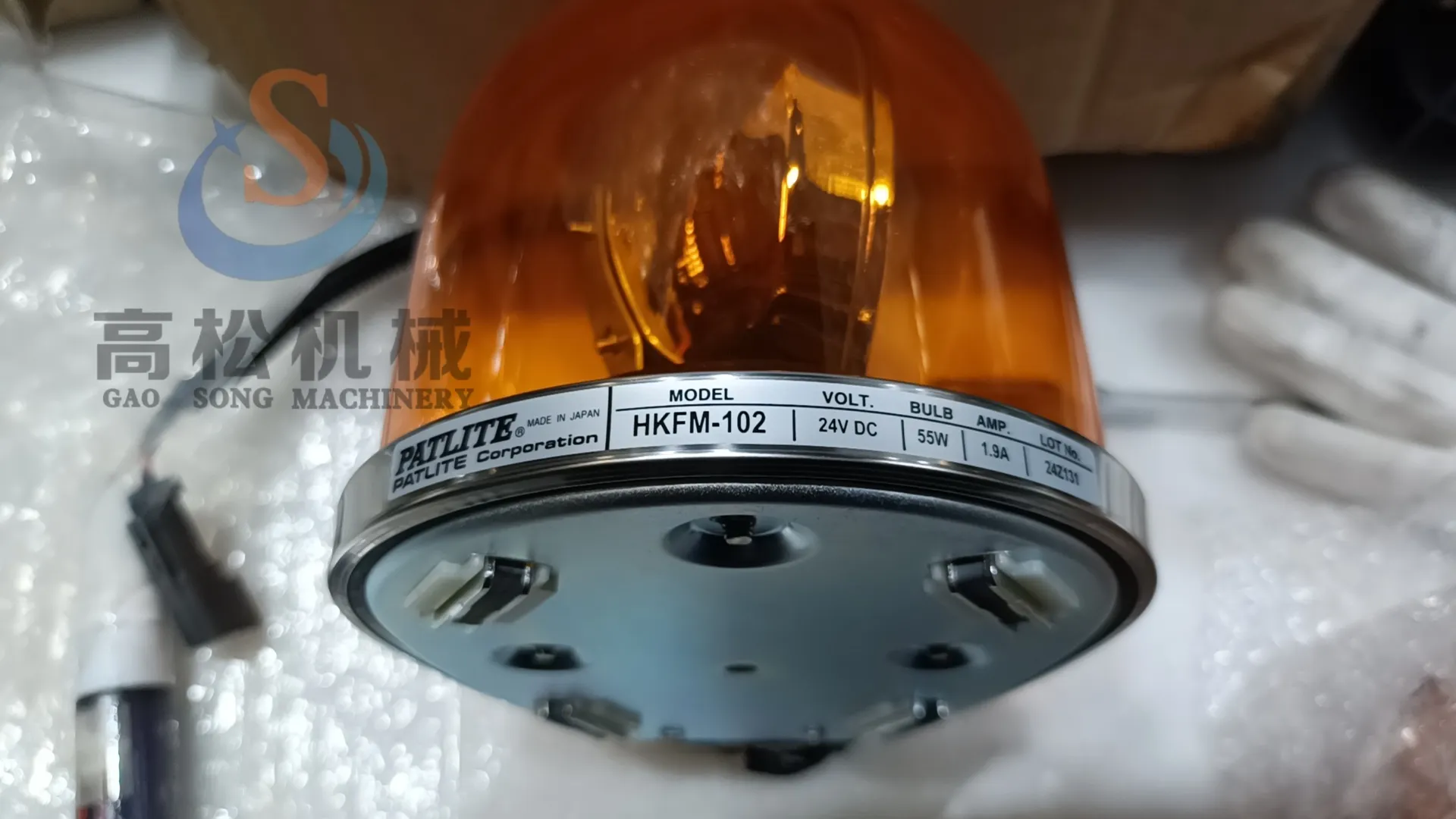 22B-54-17612 komatsu LAMP-PC200/PC300/PC400
 -
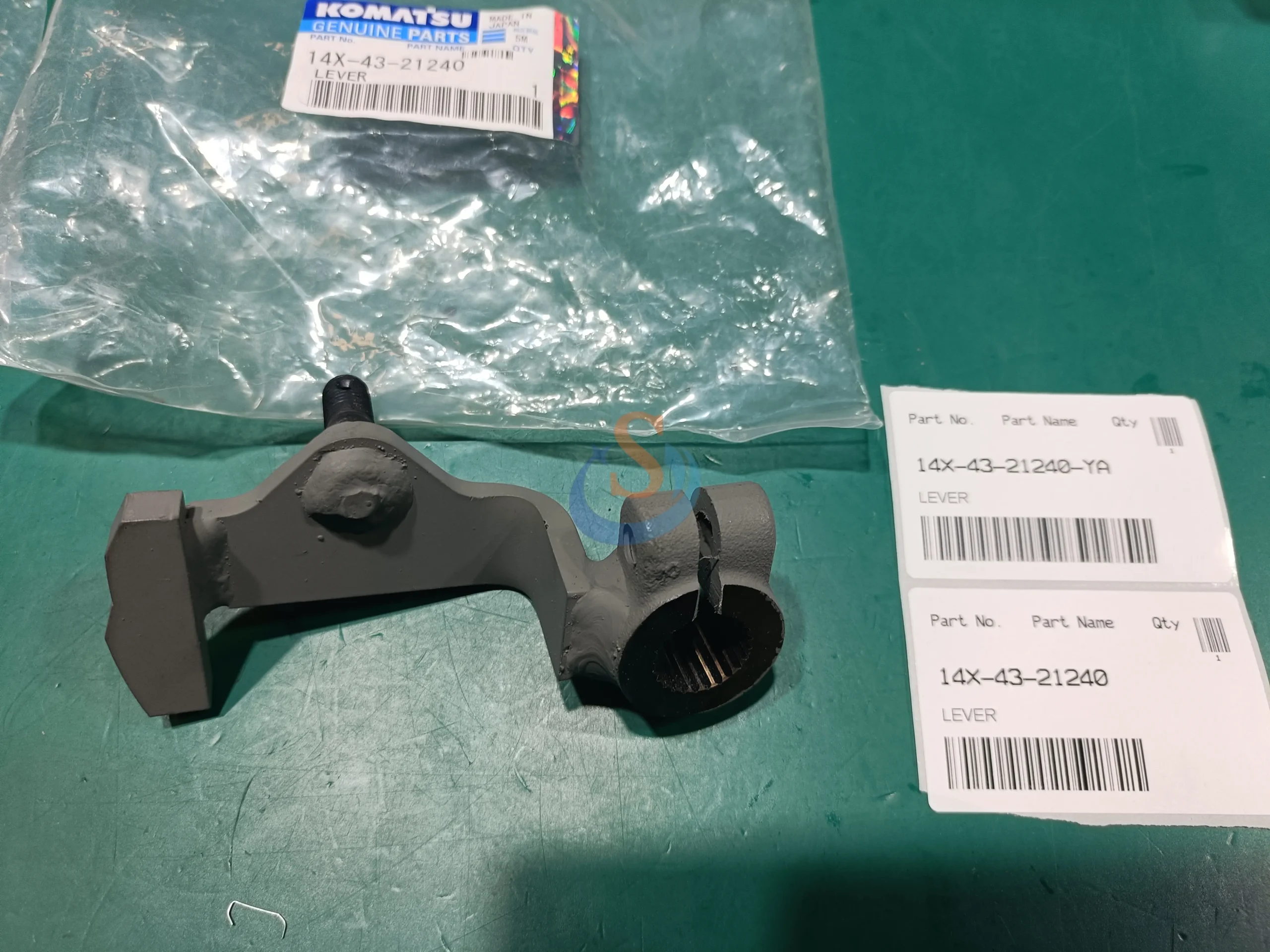 14X-43-21240,LEVER
 -
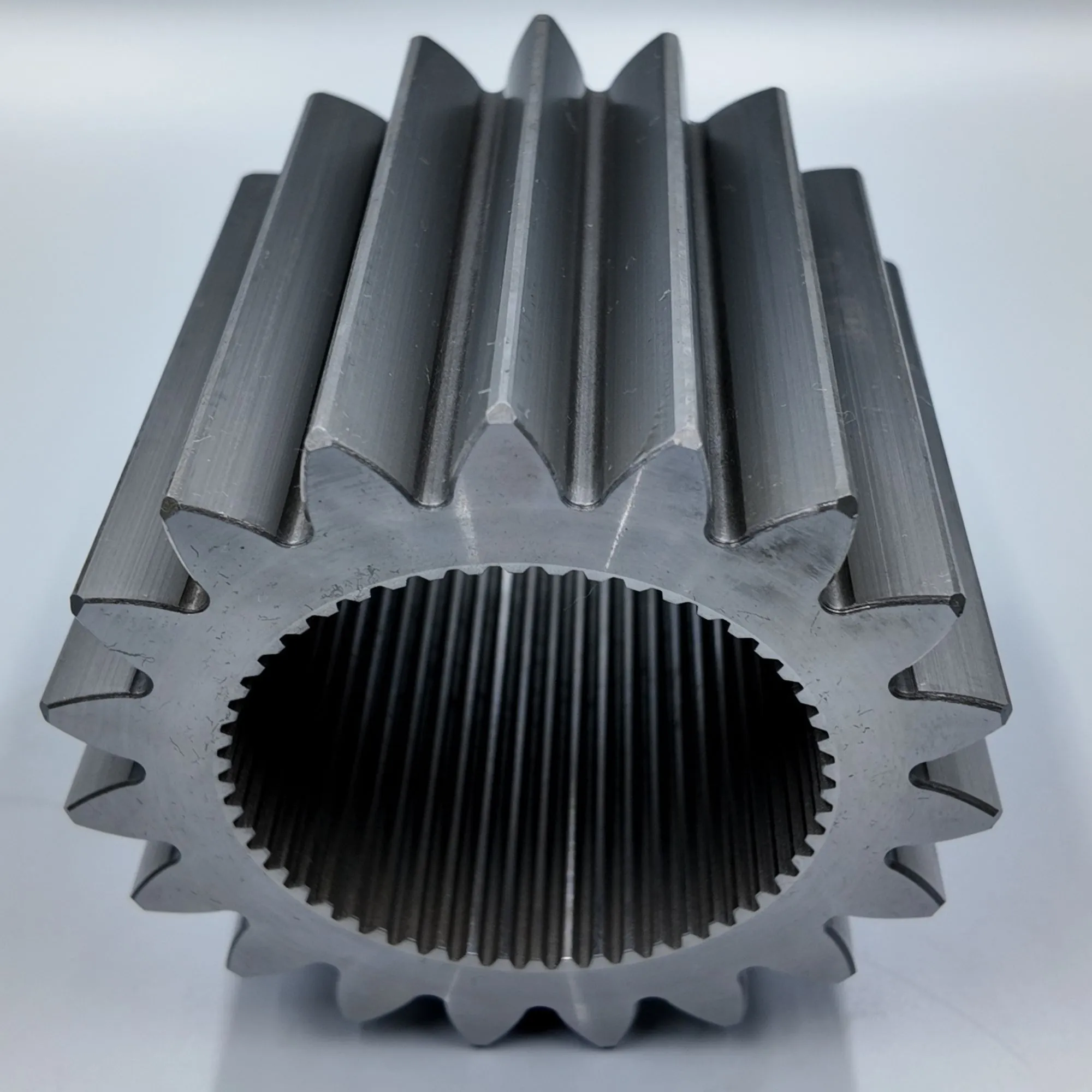 426-22-12421 •• GEAR-Komatsu Original Factory
 -
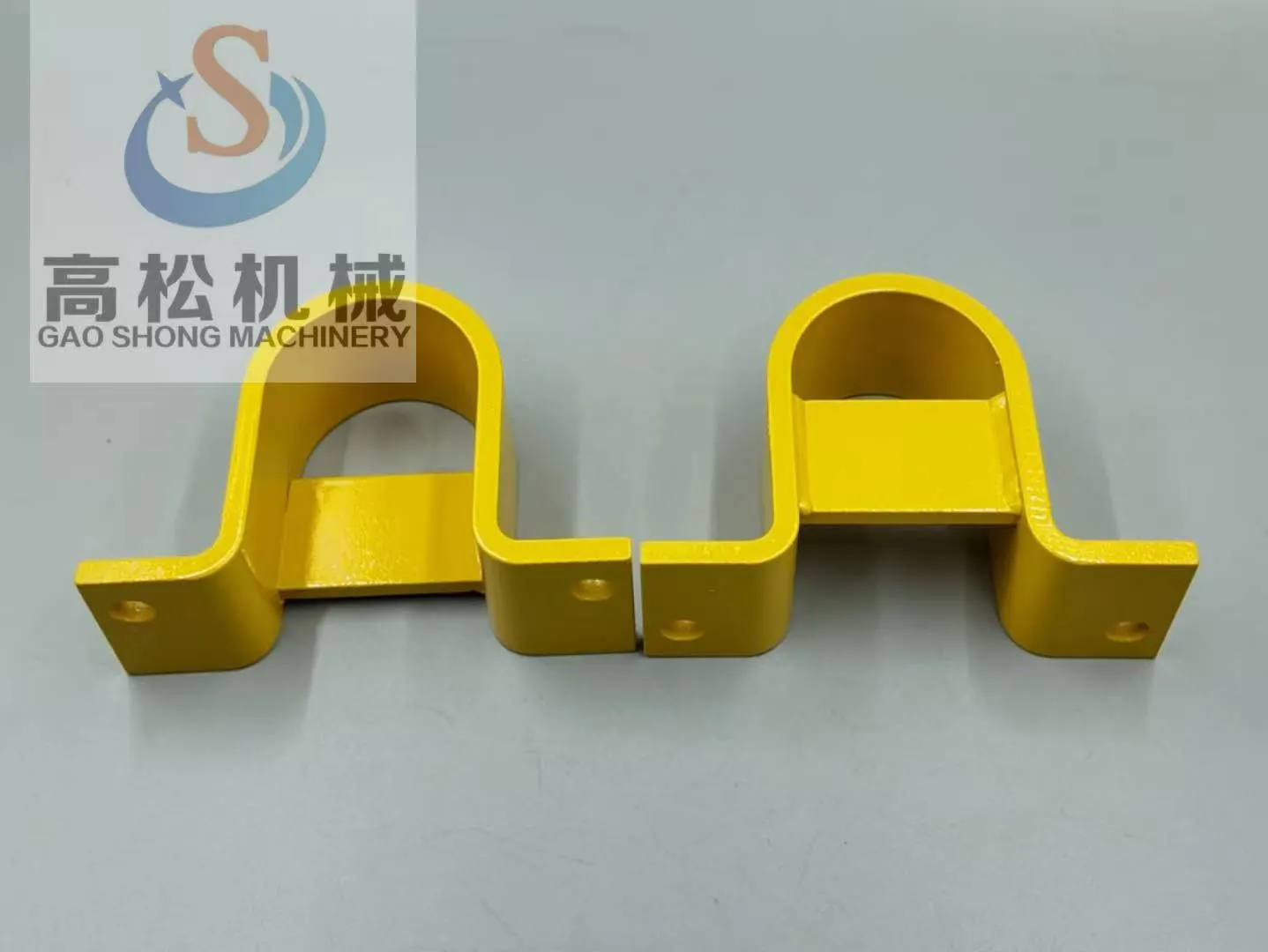 425-04-21430 Compatible models: WA500 Komatsu cover. Large inventory, current spot pricing advantages.
 -
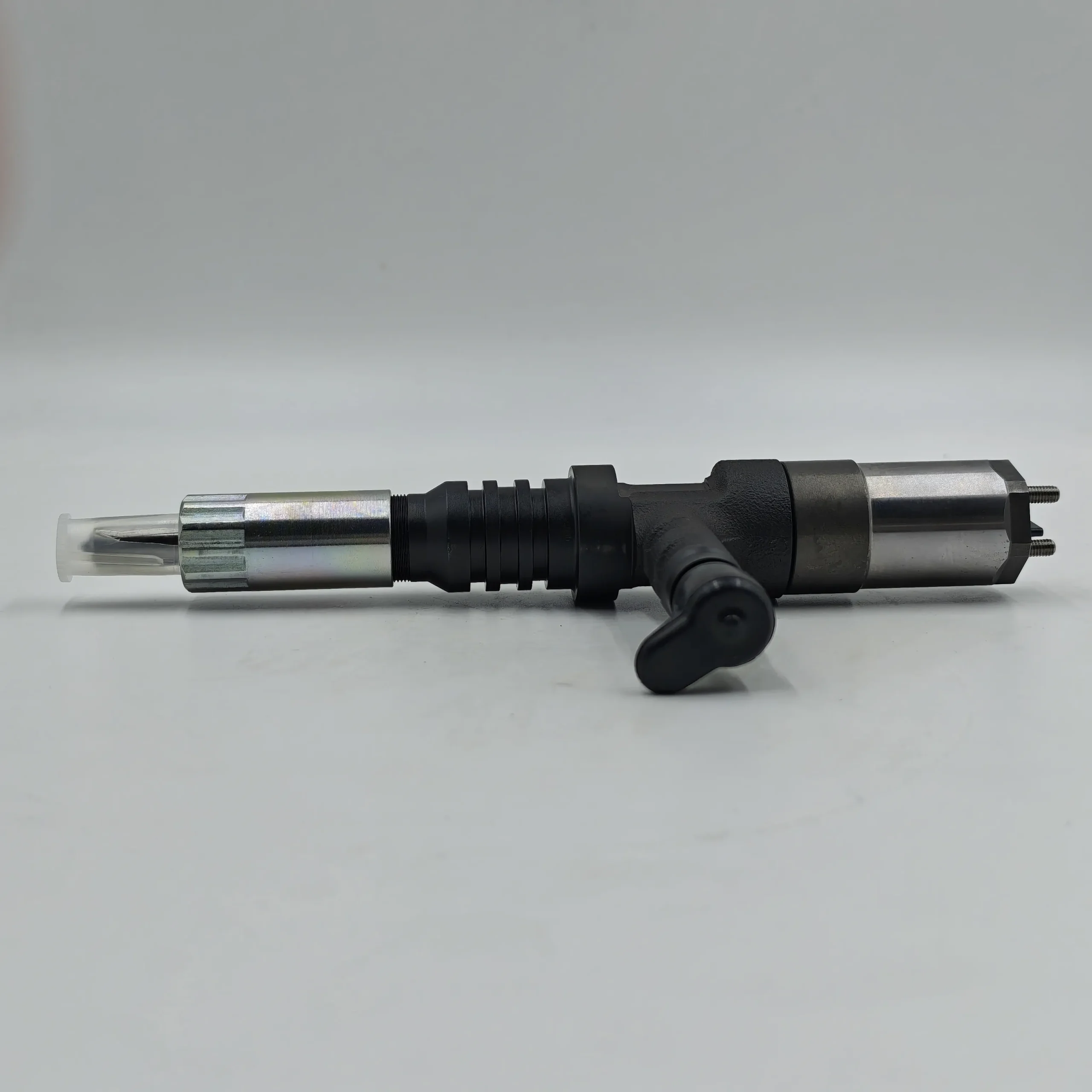 095000-0560 095000-0562 6218-11-3100 6218-11-3101 Diesel Fuel Injector 6PCS for Komatsu SA6D140E-3 Engine PC600-6 PC600-8 PC450-8 WA500-3 WA500-6 D275-A D155-AX5 HM350-1 DCA-400SSK2
 -
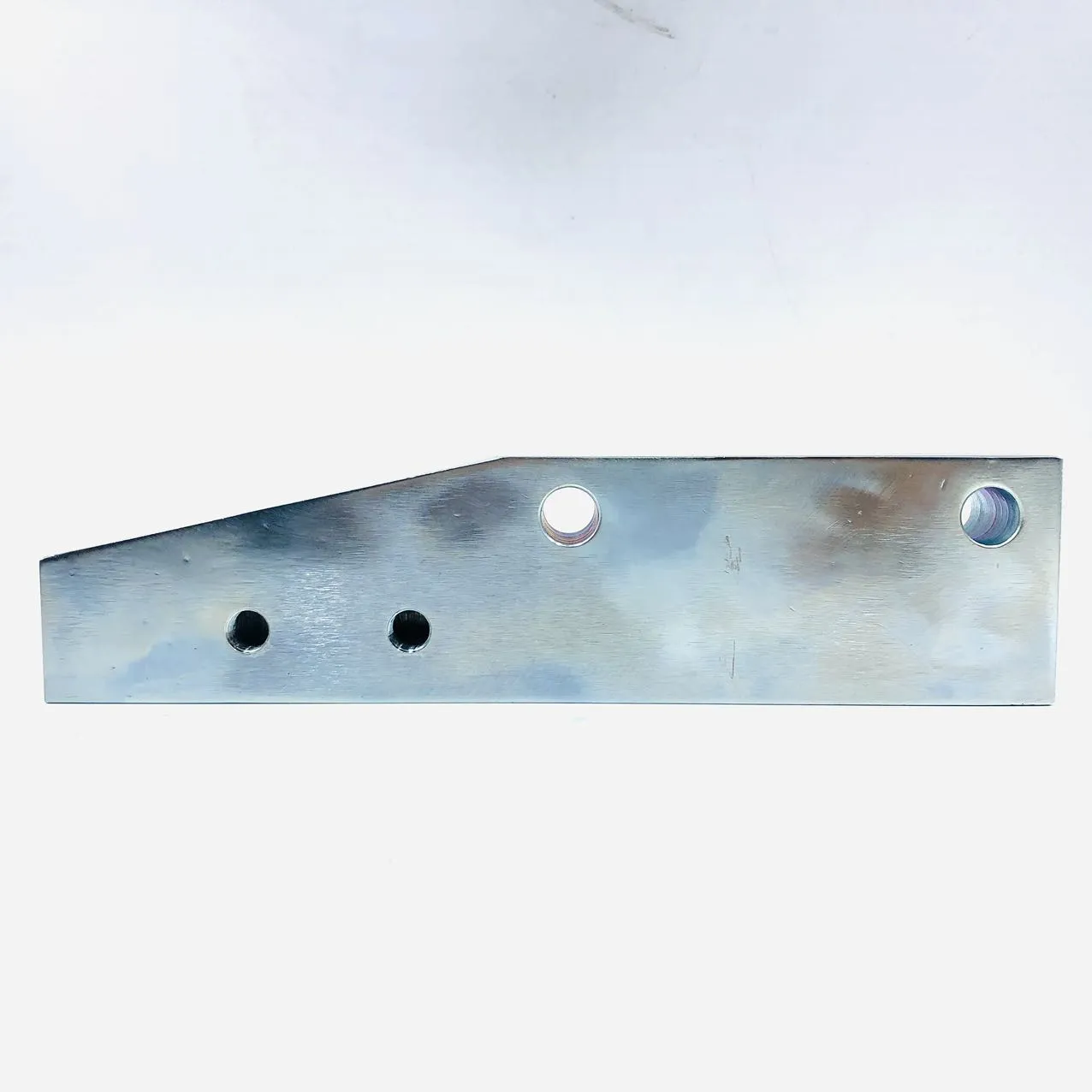 209-38-73281-BLOCK Komatsu Original Factory