
- Chinese
- French
- German
- Portuguese
- Spanish
- Russian
- Japanese
- Korean
- Arabic
- Irish
- Greek
- Turkish
- Italian
- Danish
- Romanian
- Indonesian
- Czech
- Afrikaans
- Swedish
- Polish
- Basque
- Catalan
- Esperanto
- Hindi
- Lao
- Albanian
- Amharic
- Armenian
- Azerbaijani
- Belarusian
- Bengali
- Bosnian
- Bulgarian
- Cebuano
- Chichewa
- Corsican
- Croatian
- Dutch
- Estonian
- Filipino
- Finnish
- Frisian
- Galician
- Georgian
- Gujarati
- Haitian
- Hausa
- Hawaiian
- Hebrew
- Hmong
- Hungarian
- Icelandic
- Igbo
- Javanese
- Kannada
- Kazakh
- Khmer
- Kurdish
- Kyrgyz
- Latin
- Latvian
- Lithuanian
- Luxembou..
- Macedonian
- Malagasy
- Malay
- Malayalam
- Maltese
- Maori
- Marathi
- Mongolian
- Burmese
- Nepali
- Norwegian
- Pashto
- Persian
- Punjabi
- Serbian
- Sesotho
- Sinhala
- Slovak
- Slovenian
- Somali
- Samoan
- Scots Gaelic
- Shona
- Sindhi
- Sundanese
- Swahili
- Tajik
- Tamil
- Telugu
- Thai
- Ukrainian
- Urdu
- Uzbek
- Vietnamese
- Welsh
- Xhosa
- Yiddish
- Yoruba
- Zulu
- Kinyarwanda
- Tatar
- Oriya
- Turkmen
- Uyghur






Komatsu parts manufacturer
When you hear 'Komatsu parts manufacturer,' the immediate image is probably a massive, official factory stamping out genuine OEM components. That's part of the story, but the reality on the ground, especially in certain markets, is far more nuanced. A lot of people get tripped up thinking the supply chain is just Komatsu and maybe a few licensed giants. They miss the entire ecosystem of specialized suppliers who operate within and alongside that system, which is where the real challenges and solutions often emerge.
The OEM Reality and the Third-Party Gap
Being an OEM product supplier within the Komatsu system isn't about slapping your own brand on a bucket. It means your production lines, metallurgy, and QC processes have passed some of the toughest audits to produce components that meet Komatsu's engineering specs, often for specific models or subsystems. You're part of the official bill of materials. But here's the catch: the official distribution network isn't always optimized for every region, particularly where logistics are complex or dealer networks are thin.
This is where a company's dual role becomes critical. Take Jining Gaosong Construction Machinery Co., Ltd., for instance. Their site, https://www.takematsumachinery.com, frames it well: they are an OEM supplier within the system and also operate as a third-party sales channel. In practice, this means they can supply the OEM-grade part through official channels, but they also have the flexibility to move that same part through alternative routes to reach markets where the official supply is constrained or slow. It's not about undercutting; it's about filling a logistical gap that the primary network can't always cover efficiently.
I've seen projects stall for weeks waiting for a single, supposedly common, hydraulic pump seal kit for a PC300. The official pipeline was backlogged. The solution often came from a supplier like this, who had the same OEM-grade part in a warehouse halfway across the world, ready to ship directly to the port. It bypasses some of the red tape, but the part is technically from the same source. The nuance is everything.
Quality Perception vs. On-Ground Verification
There's a stubborn perception that anything not coming directly from a Komatsu dealer box is automatically inferior. That's a dangerous oversimplification. The real differentiation isn't between genuine and third-party in a black-and-white sense. It's between parts that are manufactured to the original engineering standards and those that are reverse-engineered approximations.
For components from an integrated OEM supplier, the verification is different. You're not just checking a physical sample; you're checking their certification and which specific component approval (CPA) numbers they hold from Komatsu. A company like Jining Gaosong, by virtue of its stated position, would have these for the parts they produce. The challenge as a buyer is to ask for that proof—not just a glossy brochure, but evidence of their integration into the Komatsu production system for specific items, like track links or cylinder rods for certain excavator series.
I recall a situation where a site manager insisted on only genuine for a D61 dozer's final drive assembly. The wait was 12 weeks. We presented an alternative: the same assembly from the OEM manufacturer that supplied Komatsu, shipped from their third-party stock. The hesitation was palpable. We had to pull up audit certificates and even trace the component's manufacturing batch back to its approval. It worked, and the machine was back online in 10 days. The lesson was that genuine is a supply status, not always a manufacturing one.
The Logistics of Solving Certain Countries Challenges
The phrase helping to solve parts supply challenges in certain countries from their intro is the core of their value proposition. Certain countries is a diplomatic way of pointing to regions with complex import duties, underdeveloped local dealer support, or political trade hurdles. In these places, a traditional order can disappear into customs for months.
Specialized third-party sales companies within the Komatsu ecosystem have developed workarounds. They might use different harmonized system (HS) codes for customs, establish bonded warehouse hubs in strategic locations like Singapore or Dubai, or even break down larger assemblies into service kits to simplify import procedures. Their website, takematsumachinery.com, likely functions as a front end for a much more complex logistical network designed to navigate these very specific pain points.
I've dealt with a case in a South American market where a needed swing motor for a Komatsu excavator was available locally at a 300% markup from a dealer. Sourcing the identical OEM part through a channel like Gaosong's, shipped from their third-party inventory, cut the cost by half even with air freight, because they used a pre-cleared logistics partner. The savings weren't from part quality but from optimized, experienced supply chain management that the local dealer didn't have.
When the Manufacturer Label is Misleading
Not every company that calls itself a Komatsu parts manufacturer actually holds OEM status. Many are pure aftermarket producers. The key is to dig into what they actually manufacture. Do they forge, cast, and machine a complete track shoe? Or do they source blanks and finish them? The former suggests deeper capability and potential OEM integration.
For a supplier operating in both spaces, their website and communications should reflect this duality clearly. They should be able to say, For the PC360-8, we are the OEM for the X-type idlers, and we also stock and distribute them globally. That clarity is a sign of legitimacy. Vague claims like we supply quality parts for all models are a red flag. The specificity of the relationship with Komatsu is what matters.
A failed sourcing attempt early in my career taught me this. We needed pins and bushings for a fleet of older HD785 trucks. A supplier claimed OEM manufacturing. The parts arrived, looked right, but failed spectrographic analysis—the alloy was wrong. They were copies. A true OEM-integrated manufacturer would have provided the material certs upfront without hesitation. Now, that's the first document I ask for.
The Future: Blurred Lines and Integrated Service
The line between an official OEM supplier and an agile third-party distributor will continue to blur. Komatsu itself recognizes the need for supply chain resilience. The value of a company operating in both spheres is its ability to provide continuity. If the official channel is disrupted, they can pivot using their parallel network, ensuring uptime for critical equipment.
This model is evolving beyond just parts into service support. If you know the manufacturing specs of a component intimately because you build it, your technical support for field failures is on a different level. You can diagnose whether a failure is due to a material flaw, an assembly issue, or improper operation in a way a pure distributor cannot. This depth turns a parts transaction into a technical partnership.
Looking at the landscape, the successful Komatsu parts manufacturer of tomorrow won't just be a factory or a warehouse. It will be an integrated service provider like Jining Gaosong Construction Machinery Co., Ltd. suggests—deeply embedded in the OEM system for quality and engineering, but operationally flexible enough to meet the messy, urgent realities of global equipment support. That's the practical endgame: reducing downtime by any legitimate and quality-assured means necessary. The label matters less than the result on the job site.
Related Products
Related Products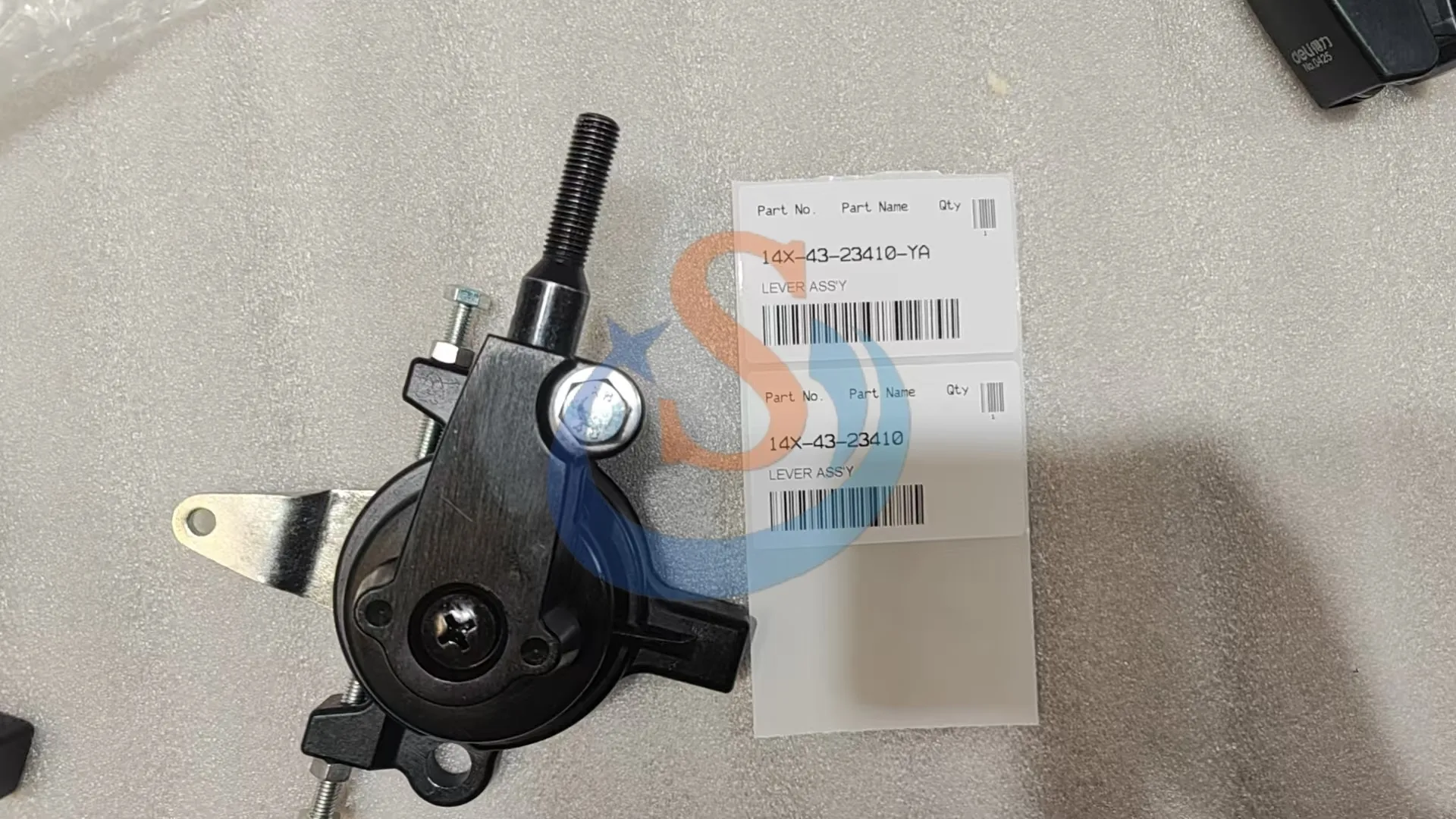
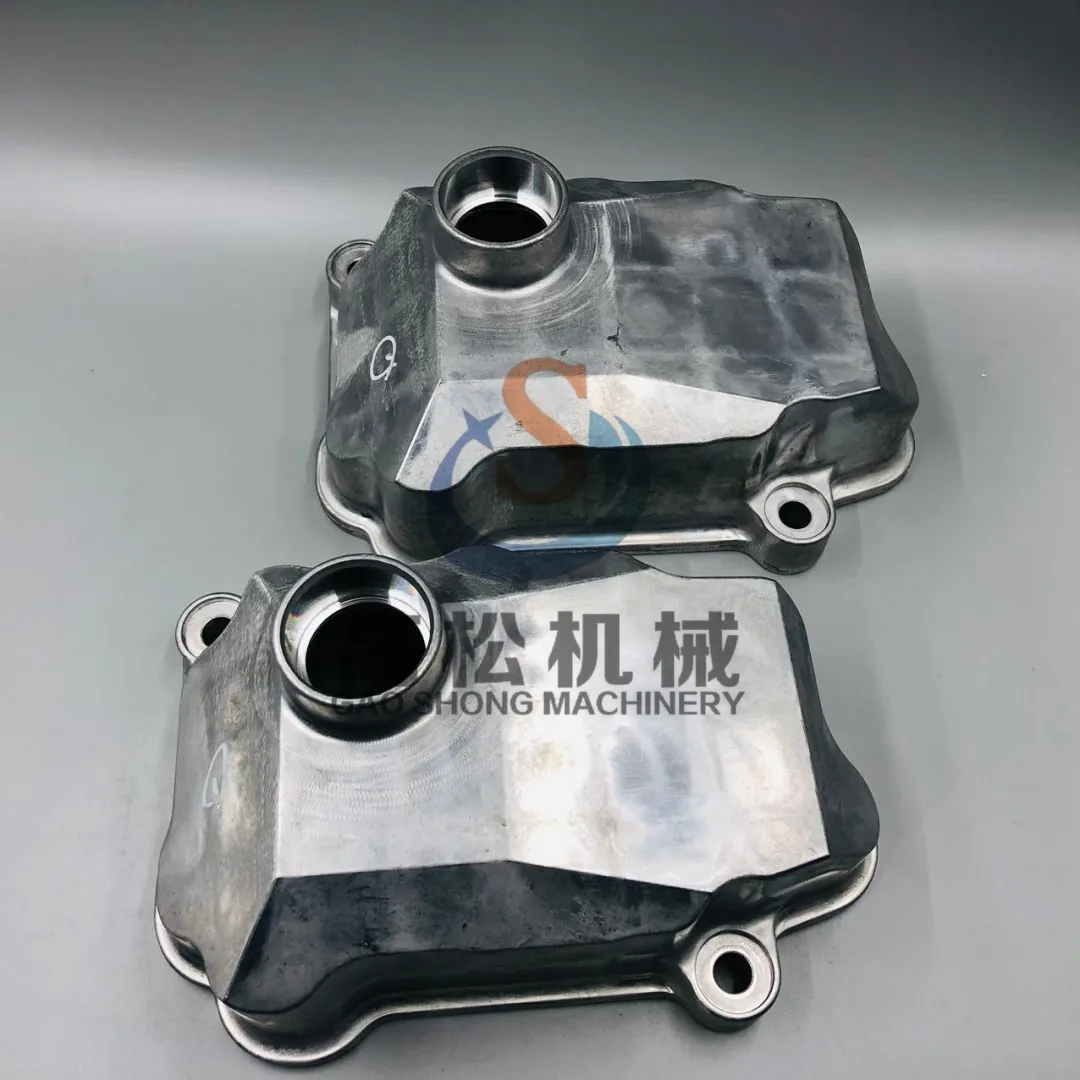
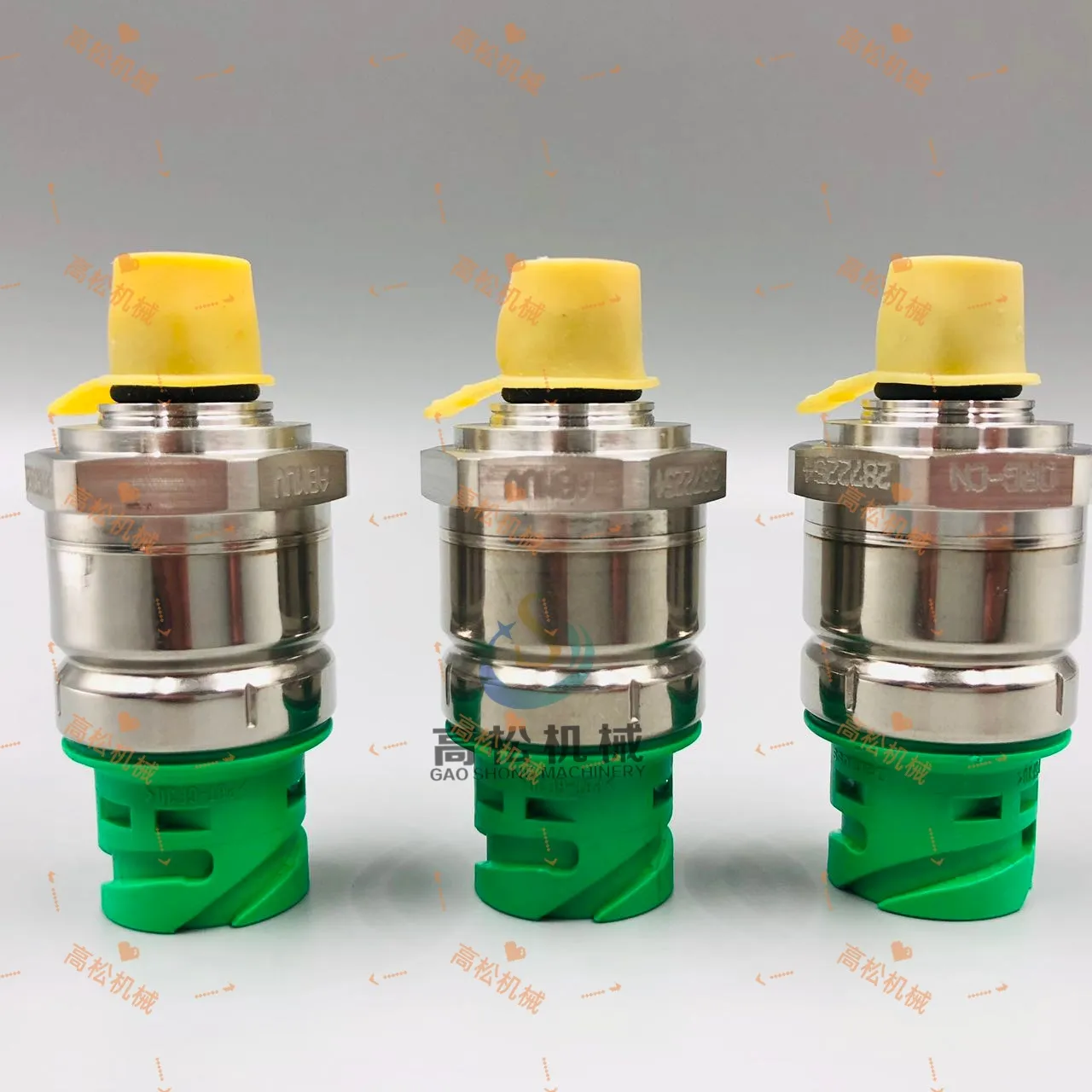
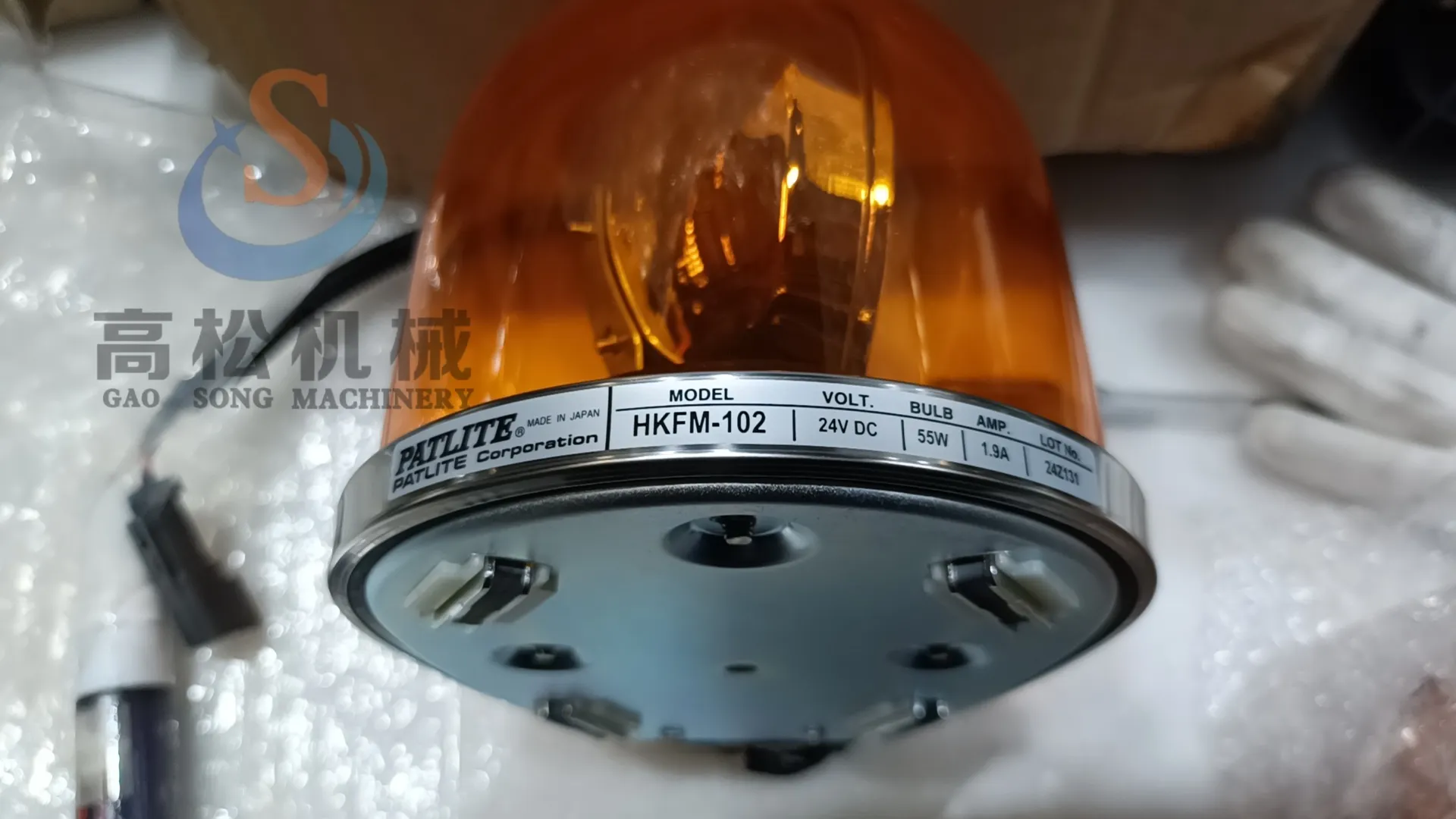

Best Selling Products
Best Selling Products-
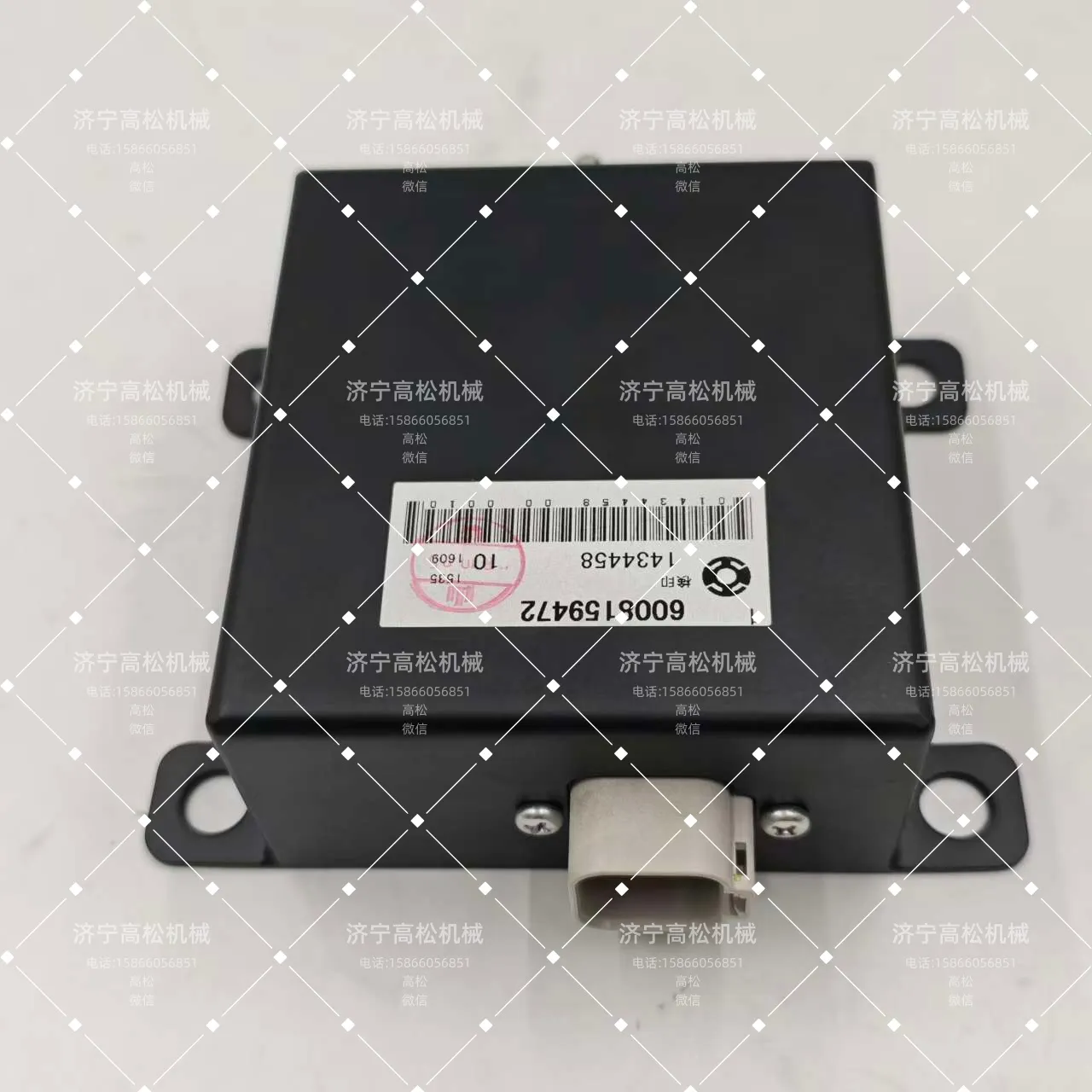 600-815-9472 Komatsu Switch
 -
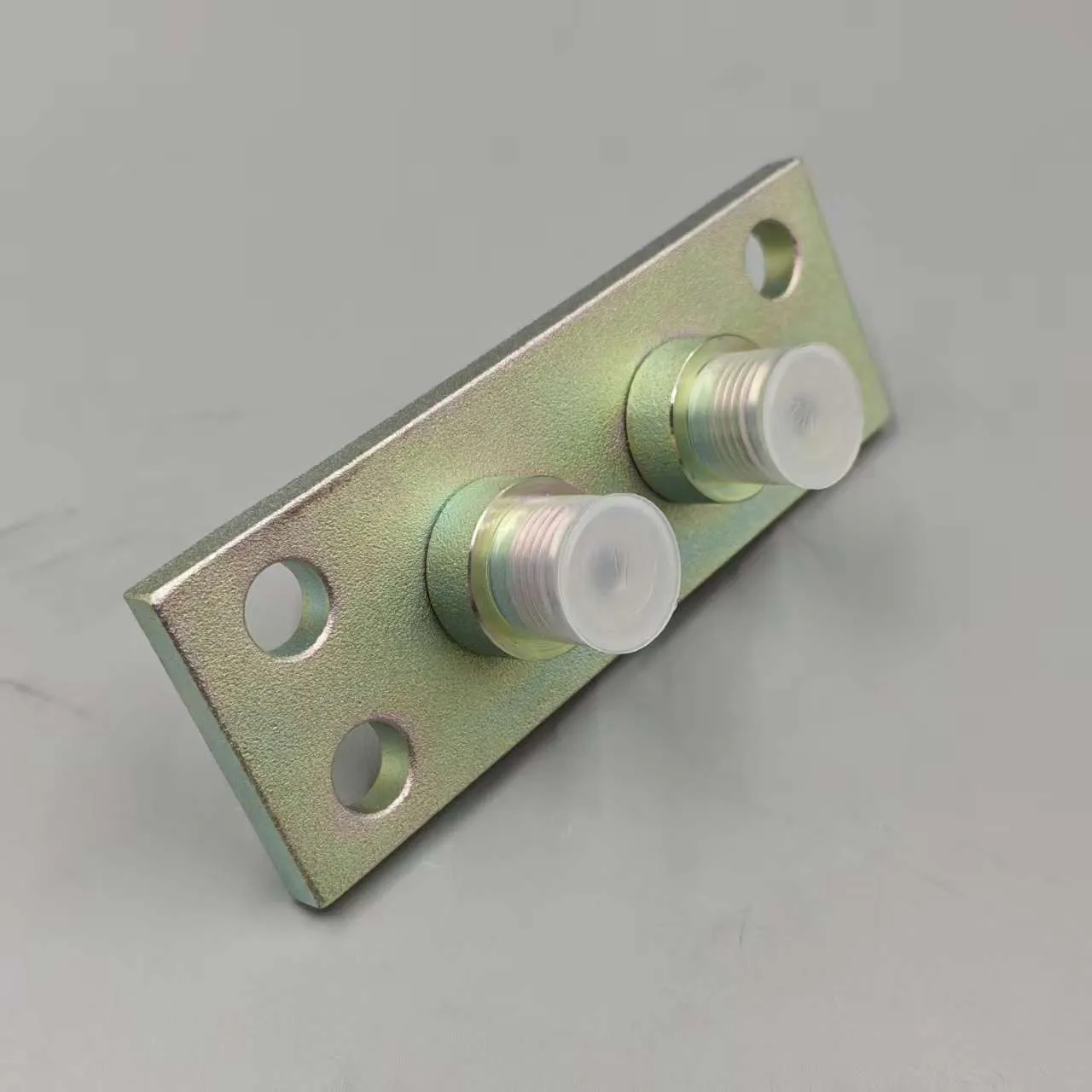 14Y-62-31411 BRACKET KOMATSU parts D60P, D65E, D65EX, D65P, D65PX, D65WX, D85E, D85ESS
 -
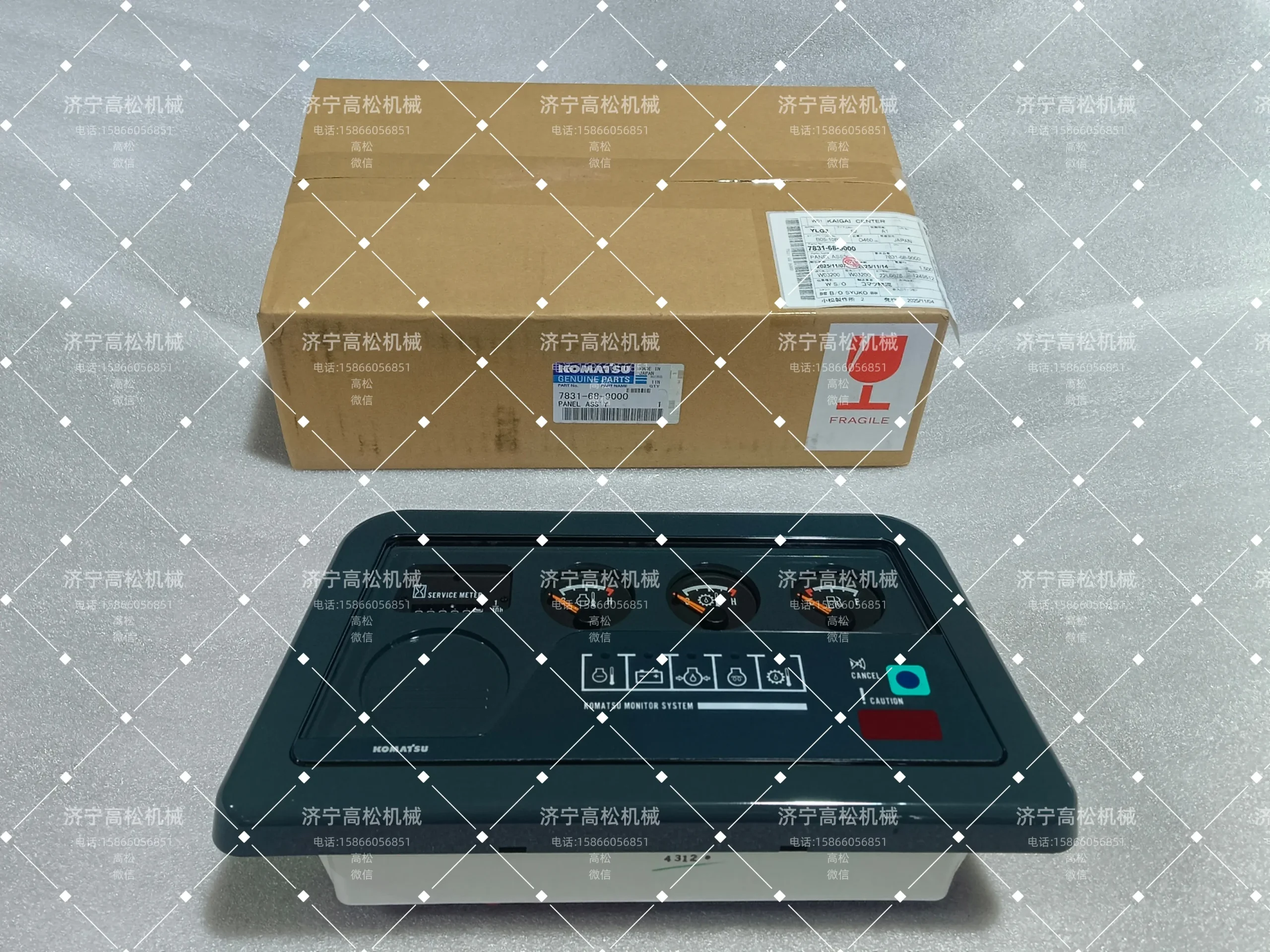 Komatsu 7831-68-9000 PANEL ASS’Y, price for… — Pricing.Parts
 -
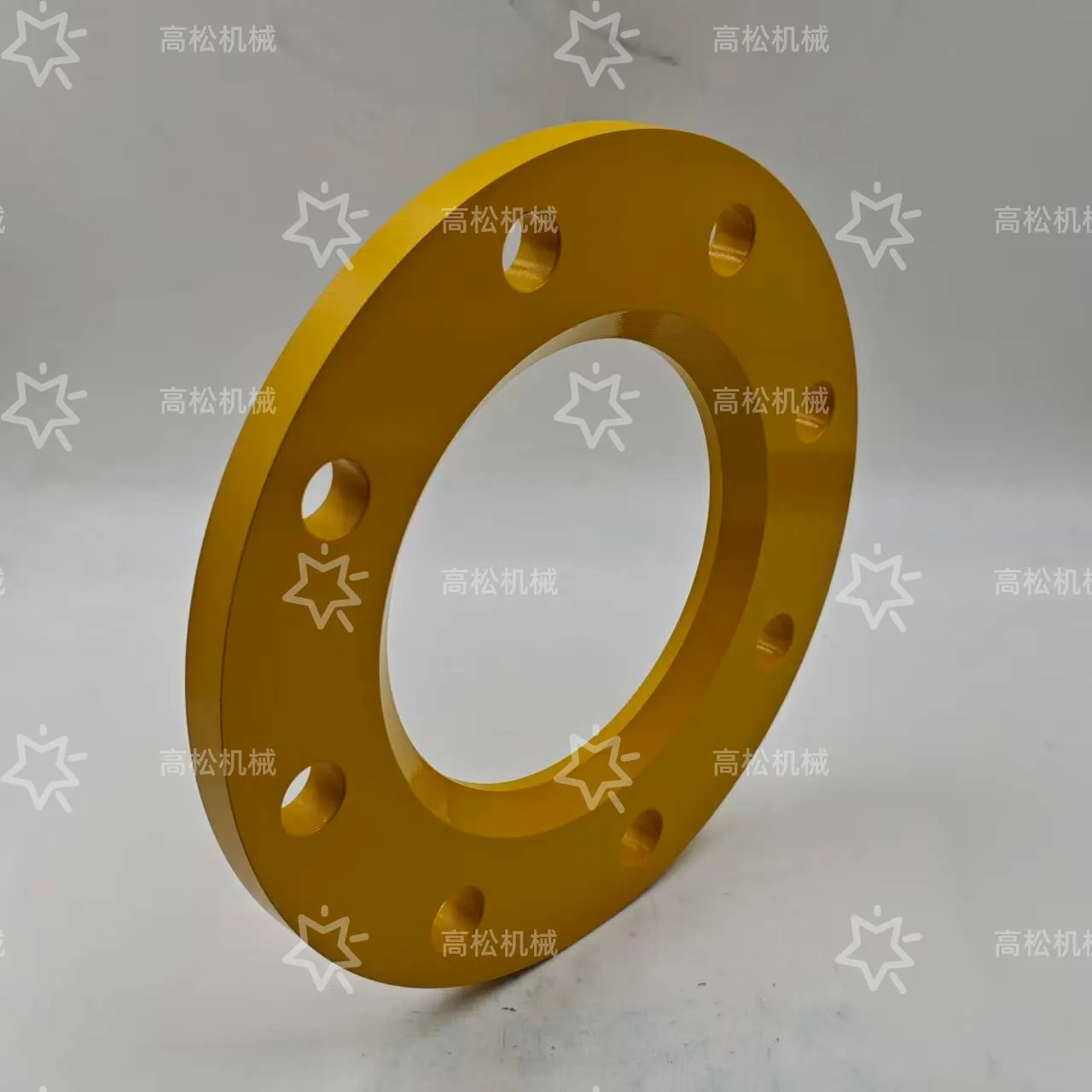 41E-70-15221 Komatsu Edge
 -
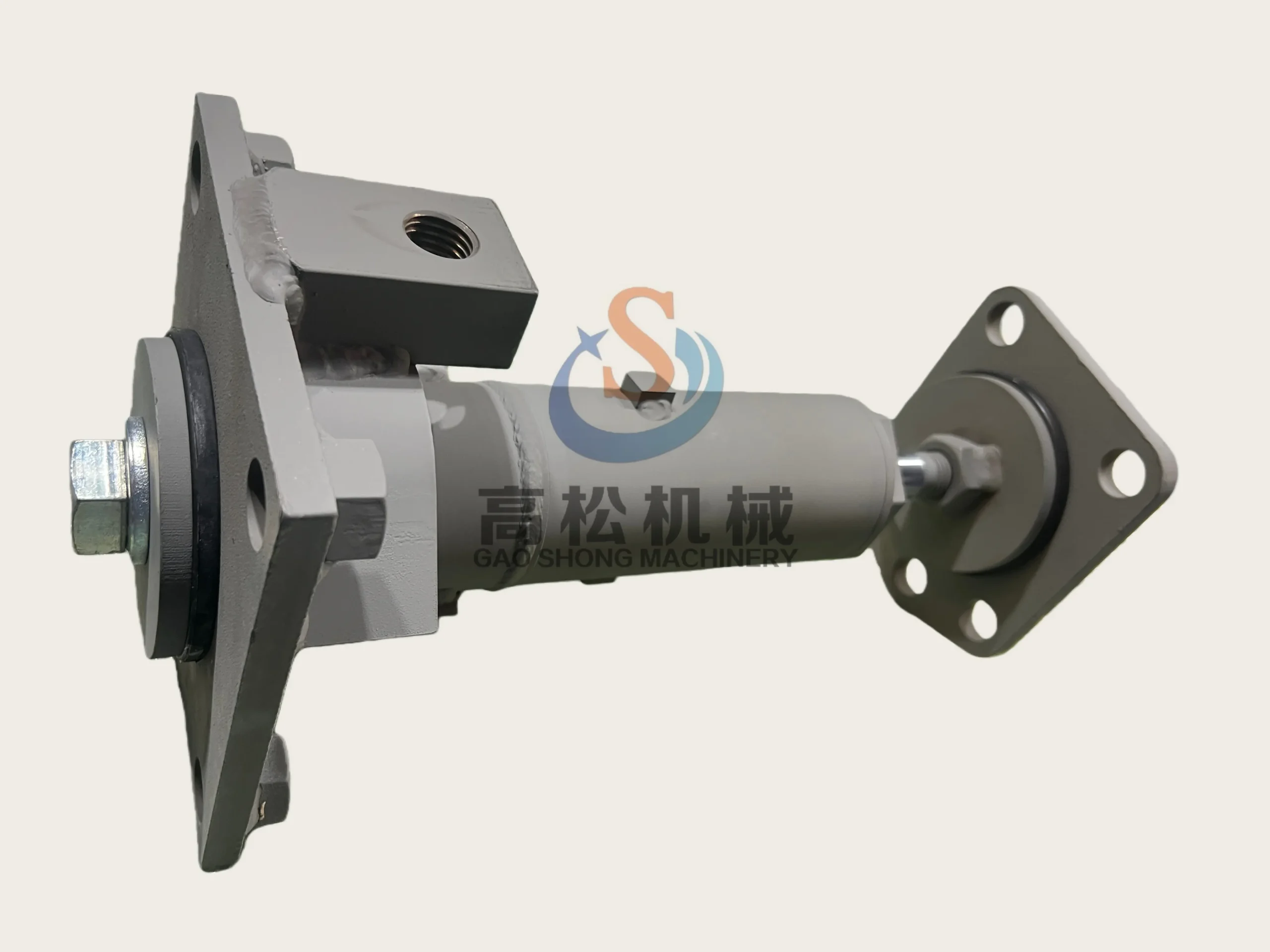 SUSPENSION ASS’Y 17A-54-16201 D155AX-3 D155AX-3 FLOOR FRAME MOUNT
 -
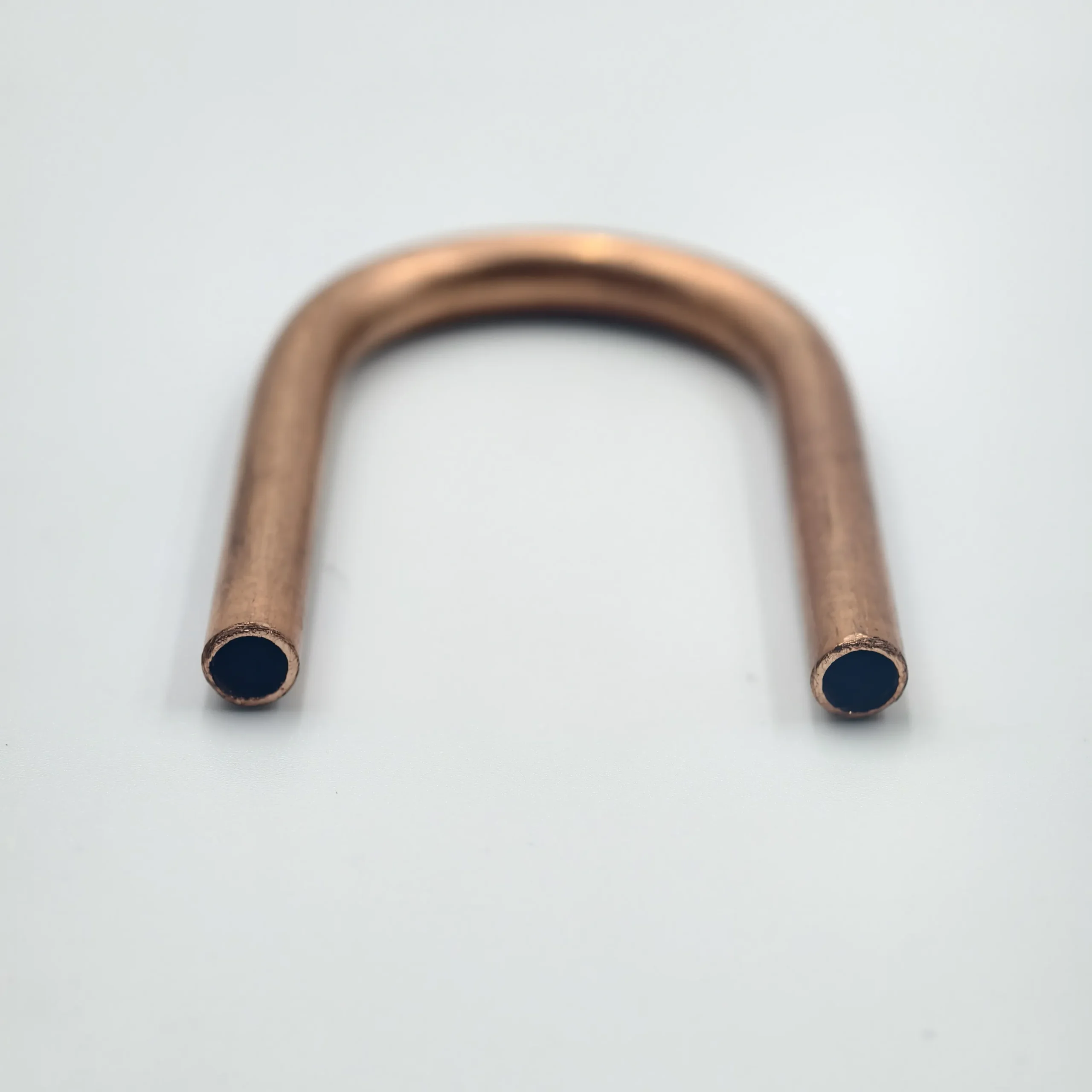 Komatsu 21N-03-32360 Connector, price for original… — Pricing.Parts
 -
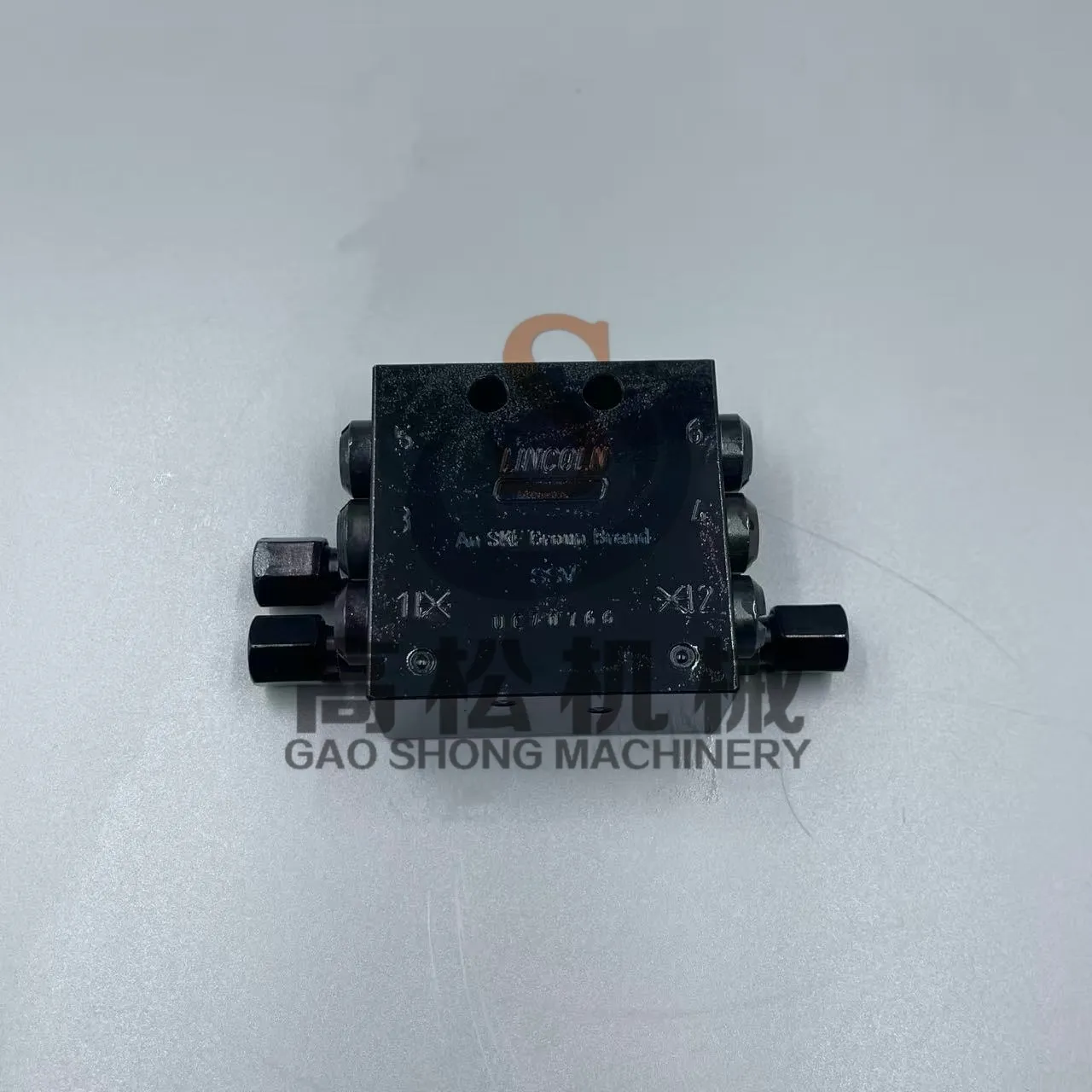 VALVE ASS’Y21T-68-67940
 -
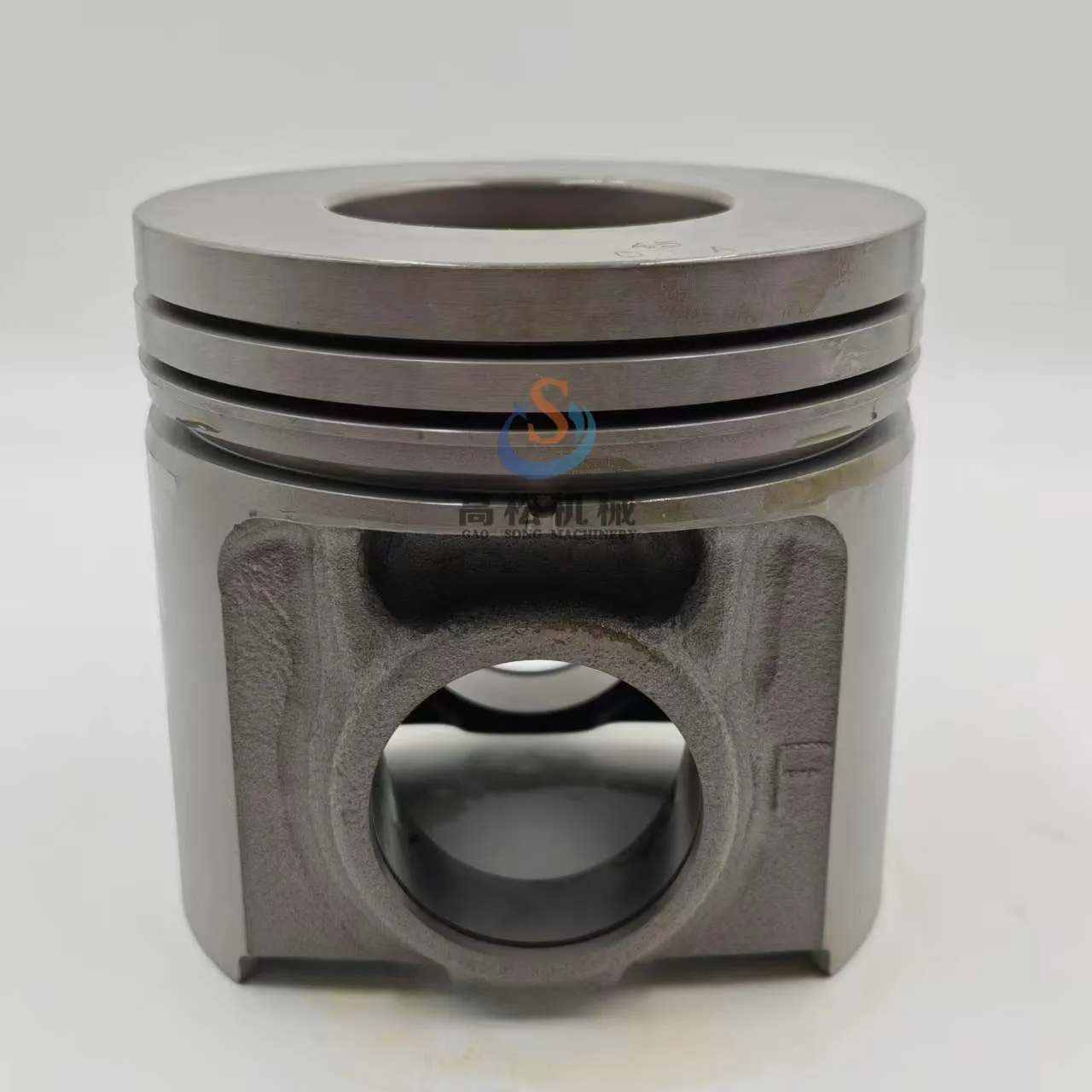 6152-32-2510 komatsu-parts piston
 -
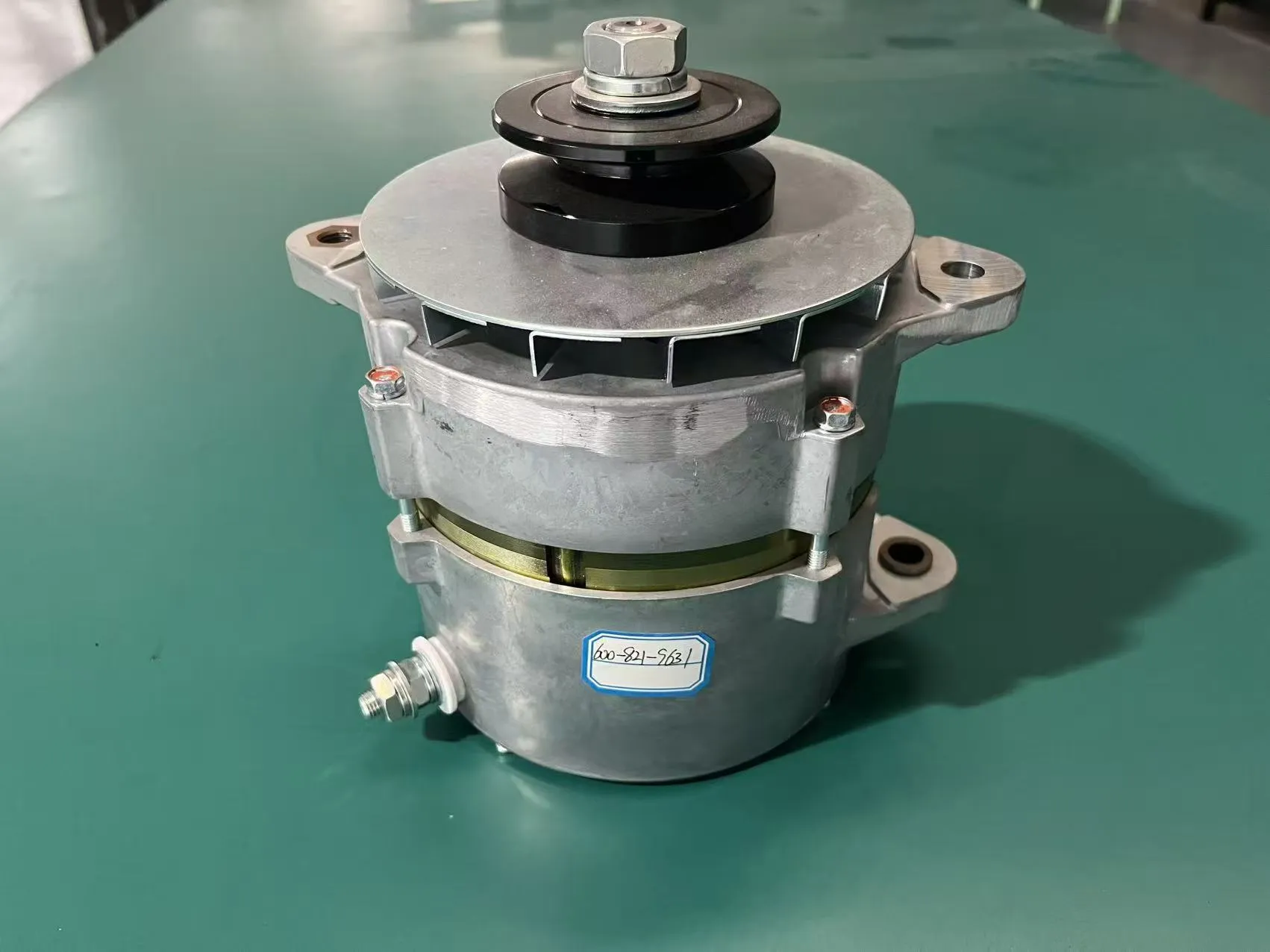 600-821-9631 Komatsu SA12V140 ALTERNATOR
 -
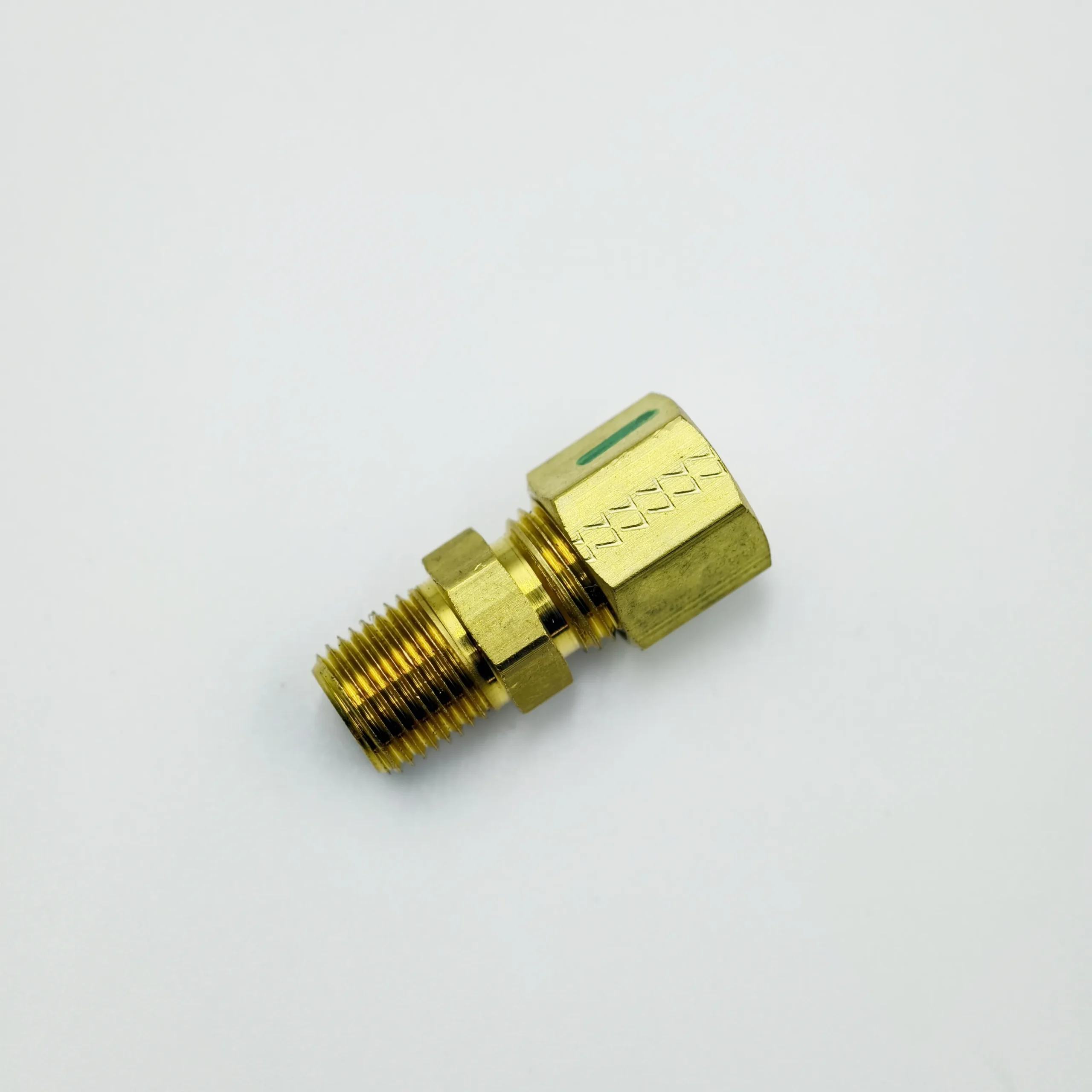 The PC1250SP-8 connector 21N-68-32320 is used for automotive grease in various countries ..
 -
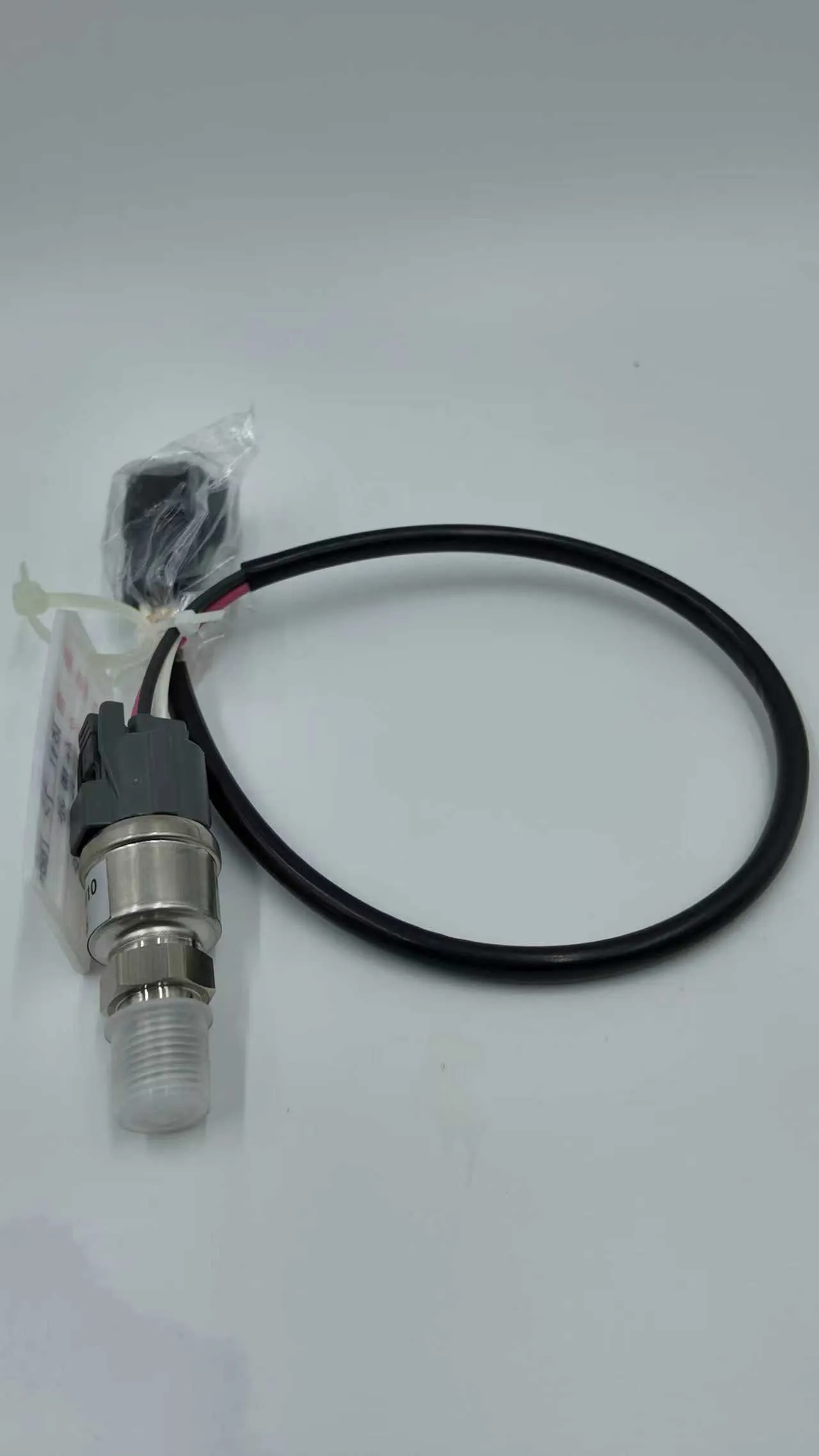 7861-93-1680-SENSOR-Komatsu Original Factory
 -
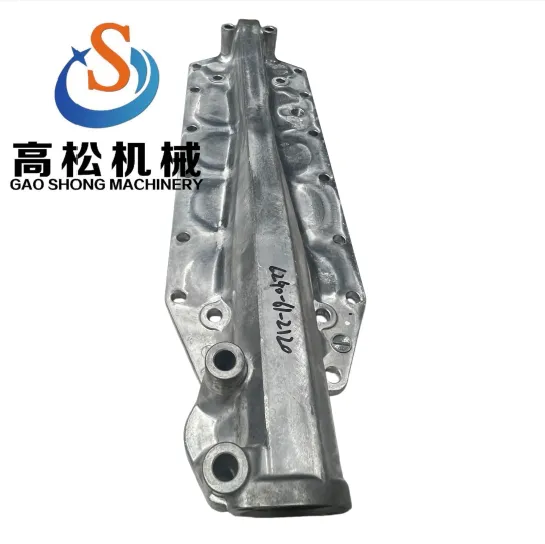 Engine Oil Cooler Cover for Cummins QSK23 SA6D170 Engine 4096006 6240-61-2120 Oil Cooler Cover 6240612120