
- Chinese
- French
- German
- Portuguese
- Spanish
- Russian
- Japanese
- Korean
- Arabic
- Irish
- Greek
- Turkish
- Italian
- Danish
- Romanian
- Indonesian
- Czech
- Afrikaans
- Swedish
- Polish
- Basque
- Catalan
- Esperanto
- Hindi
- Lao
- Albanian
- Amharic
- Armenian
- Azerbaijani
- Belarusian
- Bengali
- Bosnian
- Bulgarian
- Cebuano
- Chichewa
- Corsican
- Croatian
- Dutch
- Estonian
- Filipino
- Finnish
- Frisian
- Galician
- Georgian
- Gujarati
- Haitian
- Hausa
- Hawaiian
- Hebrew
- Hmong
- Hungarian
- Icelandic
- Igbo
- Javanese
- Kannada
- Kazakh
- Khmer
- Kurdish
- Kyrgyz
- Latin
- Latvian
- Lithuanian
- Luxembou..
- Macedonian
- Malagasy
- Malay
- Malayalam
- Maltese
- Maori
- Marathi
- Mongolian
- Burmese
- Nepali
- Norwegian
- Pashto
- Persian
- Punjabi
- Serbian
- Sesotho
- Sinhala
- Slovak
- Slovenian
- Somali
- Samoan
- Scots Gaelic
- Shona
- Sindhi
- Sundanese
- Swahili
- Tajik
- Tamil
- Telugu
- Thai
- Ukrainian
- Urdu
- Uzbek
- Vietnamese
- Welsh
- Xhosa
- Yiddish
- Yoruba
- Zulu
- Kinyarwanda
- Tatar
- Oriya
- Turkmen
- Uyghur





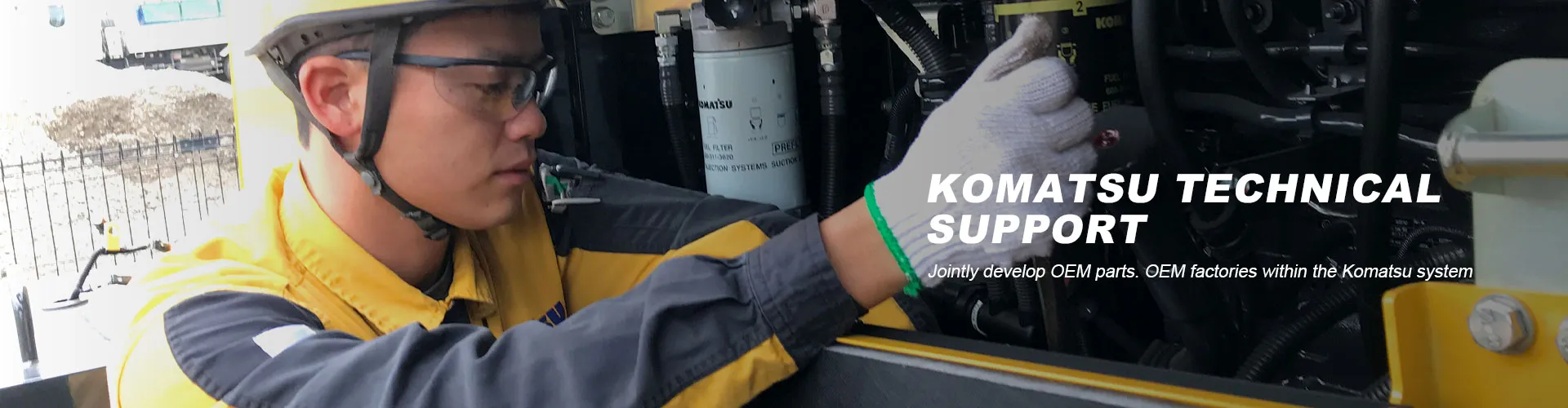
komatsu parts manual online
When you punch 'komatsu parts manual online' into a search bar, you're not just looking for a PDF. You're likely in a bind, machine down, and need the right diagram or part number yesterday. The common pitfall? Assuming every site offering these manuals is legitimate or that the manual you find will match your specific serial number range. I've seen too many guys waste half a day on a manual for a D65EX-16 when they've got a D65EX-17, the differences are subtle but critical. It's not just about finding a manual; it's about finding the correct, authoritative source.
The Illusion of Universal Access
There's a pervasive idea that everything is freely available online if you look hard enough. With Komatsu, it's more nuanced. The official Komatsu parts portal is locked behind dealer credentials for a reason—it's tied to warranty, service updates, and precise machine configurations. What circulates freely are often older, scanned manuals, sometimes incomplete. I recall a project where we relied on a manual from a 'sharing' site for a PC300-8. The hydraulic schematic was blurry, and a key valve symbol was mislabeled. It led to a misdiagnosis that cost us two days of downtime. That's the real cost of 'free'.
This is where the role of specialized suppliers becomes tangible. They operate in that grey area between the official OEM channel and the aftermarket. A company like Jining Gaosong Construction Machinery Co., Ltd. exemplifies this. They position themselves as an OEM product supplier within the Komatsu system and a third-party sales company. In practice, this often means they have access to legitimate technical documentation and parts databases that a random website won't. Their site, https://www.takematsumachinery.com, isn't just a storefront; for professionals, it can be a potential gateway to solving specific parts identification challenges, especially in regions where direct dealer support is slow or non-existent.
The key is understanding their stated role: helping to solve parts supply challenges in certain countries. This isn't marketing fluff. It directly addresses the pain point of finding the correct part number. If they can supply the OEM part, they almost certainly have or can access the correct section of the parts manual to verify it. It's a more reliable path than hoping a random PDF is accurate.
Beyond the PDF: The Serial Number Imperative
Any worthwhile discussion about Komatsu parts manuals must hammer this home: the serial number is king. The manual is useless without it. Komatsu makes running changes. A pump on an early-model WA470-6 might have a different port configuration than one built six months later. The online hunt often fails here because people search by model only. I've made this mistake myself, assuming a component was interchangeable. The resulting part was physically identical but had a different pressure rating, leading to a premature failure a few months later.
When you engage with a specialist supplier, the first question they should ask is for your full machine model and serial number. If they don't, be wary. The process on a site like Takematsu Machinery likely involves you providing that data so they can cross-reference their system—whether that's Komatsu's official EParts or their own verified database—to pull the exact illustration and part number. This step is the core value they add over a generic PDF repository.
The Practical Workflow in the Field
Here's how it often plays out in reality. Your Komatsu excavator's swing motor fails. You find a manual online, get a part number, and order a 'compatible' part. It arrives, doesn't fit. Now you're stuck. Alternatively, you reach out to a supplier with OEM links. You send them the serial number. They might send you a cropped, watermarked screenshot of the exact parts breakdown for your machine from their system, confirming the part number. This isn't them giving you the full parts manual online, but it's them using it to provide a verified, actionable answer. That screenshot has more value than a hundred generic manuals.
This workflow highlights why companies like Jining Gaosong exist. They fill the information and supply gap. They're not just selling a part; they're selling the confidence that the part is the right one, backed by access to proper technical data. For a fleet manager in a remote location, this service is sometimes the only thing standing between a minor repair and a weeks-long machine stoppage.
When Online Means On Your Own
Relying solely on publicly posted manuals means you're taking on the entire burden of verification. You become the parts interpreter. This requires a deep familiarity with Komatsu's numbering systems, nomenclature, and assembly drawings. Is that part listed as a gasket, kit the entire seal kit or just one piece? The ambiguity in some scanned manuals is brutal. I remember tracing a leak to a pipe assembly. The manual listed three possible part numbers for the same diagram with different suffix codes. Without context, it was a guess.
A supplier acting as a third-party sales company for Komatsu cuts through this. Their business depends on getting you the right part the first time. Therefore, their incentive is to use accurate data. When you contact them, you're effectively outsourcing that verification headache. You're not just searching for a komatsu parts manual; you're leveraging their access to a more reliable version of it. It's a distinction that saves time and money, even if the part itself costs a bit more than a no-name alternative.
This isn't to say all suppliers are perfect. But their value proposition is tied to accuracy. A failure on their end to provide the correct part, traced to using the wrong manual data, damages their reputation with a professional clientele that talks. This built-in accountability is absent when you're just downloading files from the open web.
The Evolving Landscape and a Realistic Approach
The digital landscape for service information is always shifting. Komatsu itself is pushing more customers toward their connected platforms. Yet, the need for standalone parts manuals won't disappear, especially for older machines or in areas with poor connectivity. The realistic approach for a field technician or manager is layered. Have your folder of saved, known-good PDFs for your common fleet. But for critical, high-value, or obscure parts, establish a relationship with a reputable supplier who can act as a verification node.
Companies like Jining Gaosong Construction Machinery Co., Ltd. are built for this specific scenario. Their dual identity as an OEM-system supplier and a third-party solver is directly responsive to the chaos of the open web search. Their website becomes a tool, not necessarily a library of manuals, but a point of contact to tap into a more structured information pipeline.
So, the next time you search for a Komatsu parts manual online, temper your expectations. The freely available document might be a starting point for understanding an assembly, but for ordering parts, it's a risky foundation. The real skill is knowing when to stop searching and start consulting—using specialized channels to convert a vague manual reference into a concrete, correct part number sitting in a box on your workshop floor. That's the difference between knowing about manuals and knowing how to use them effectively in the real world.
Related Products
Related Products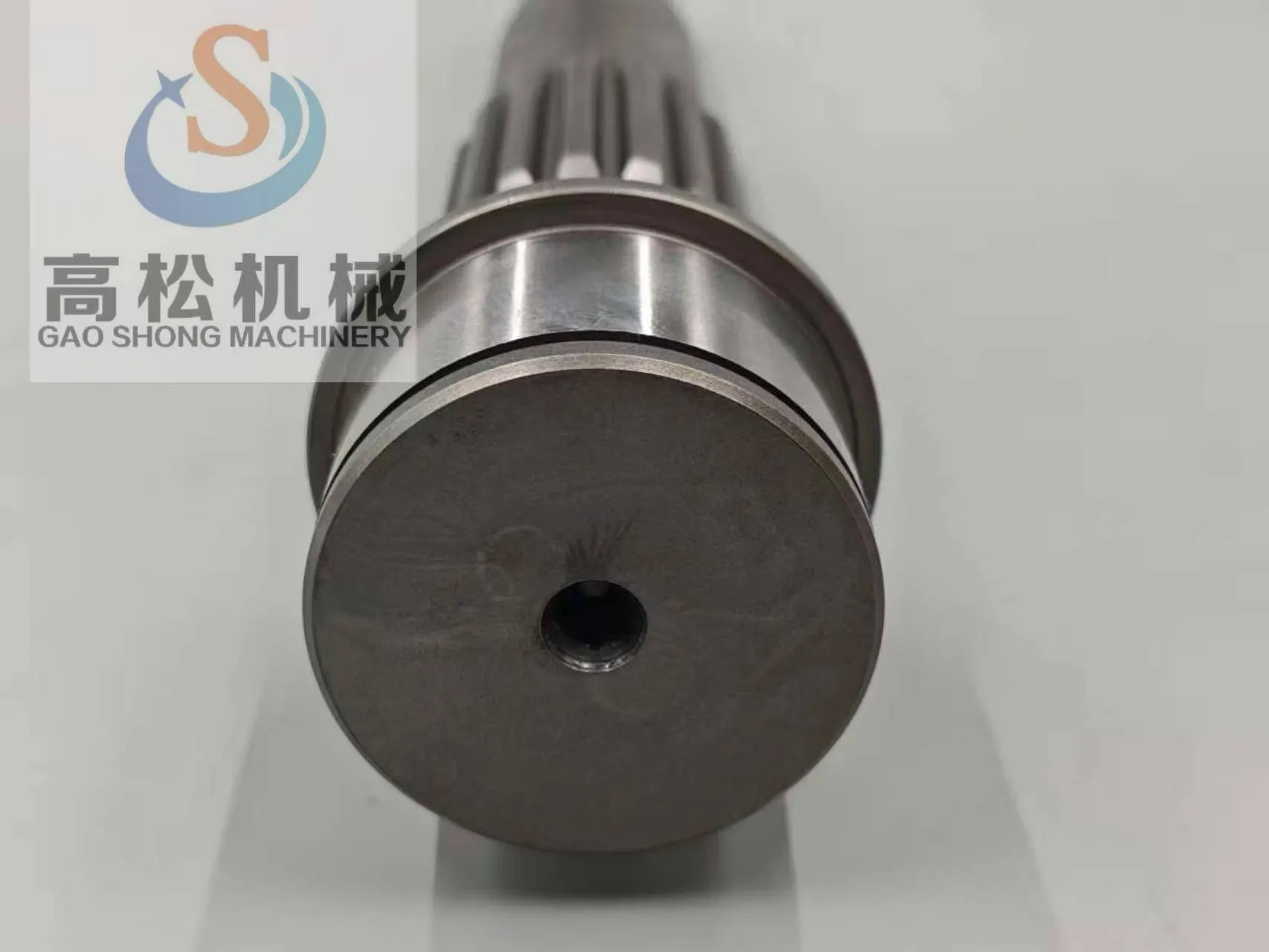
Best Selling Products
Best Selling Products-
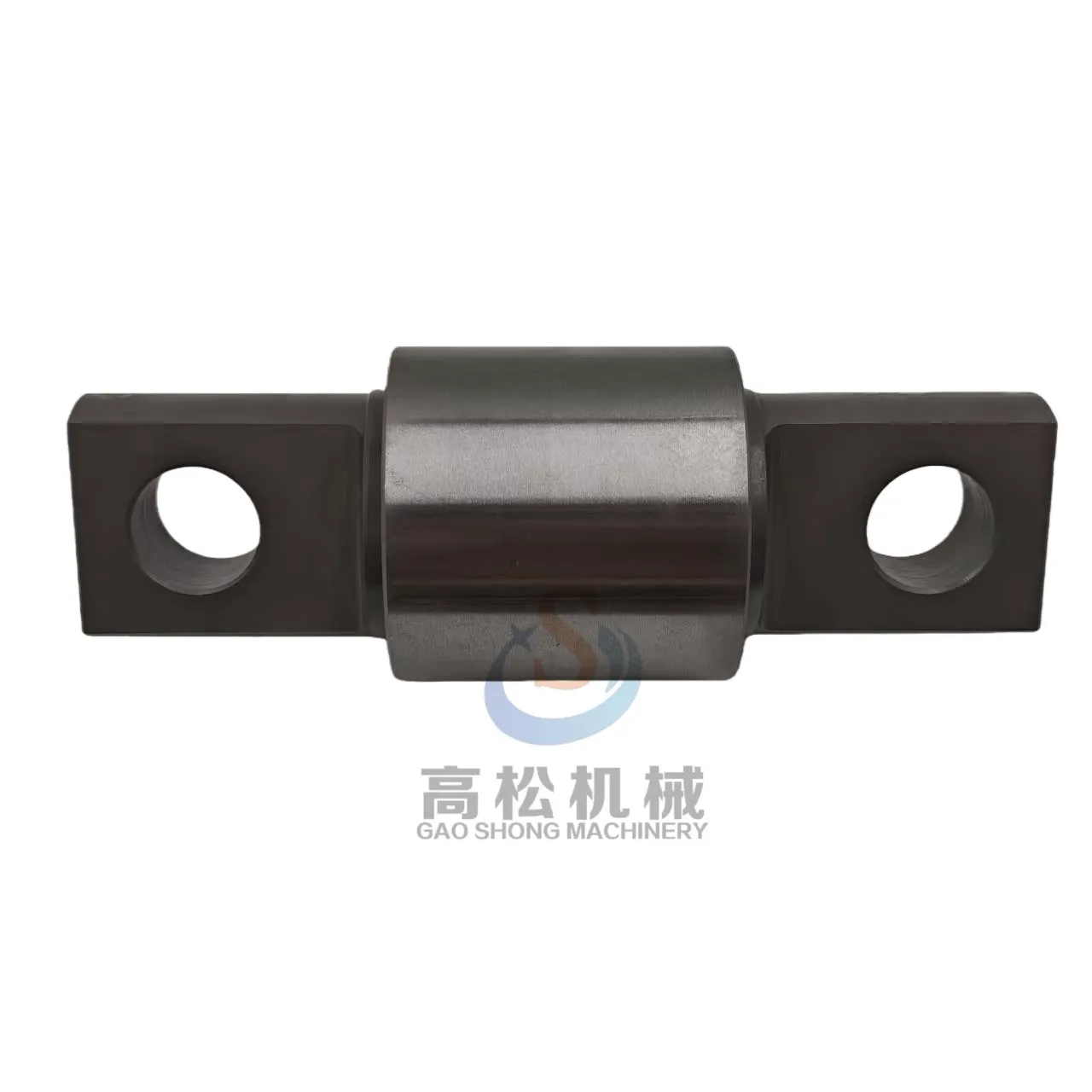 56B-16-11211 CUSHION HM350-2 HM350-2R HM400-3R HM400-2 HM400-1 FRONT DIFFERENTIAL MOUNTING
 -
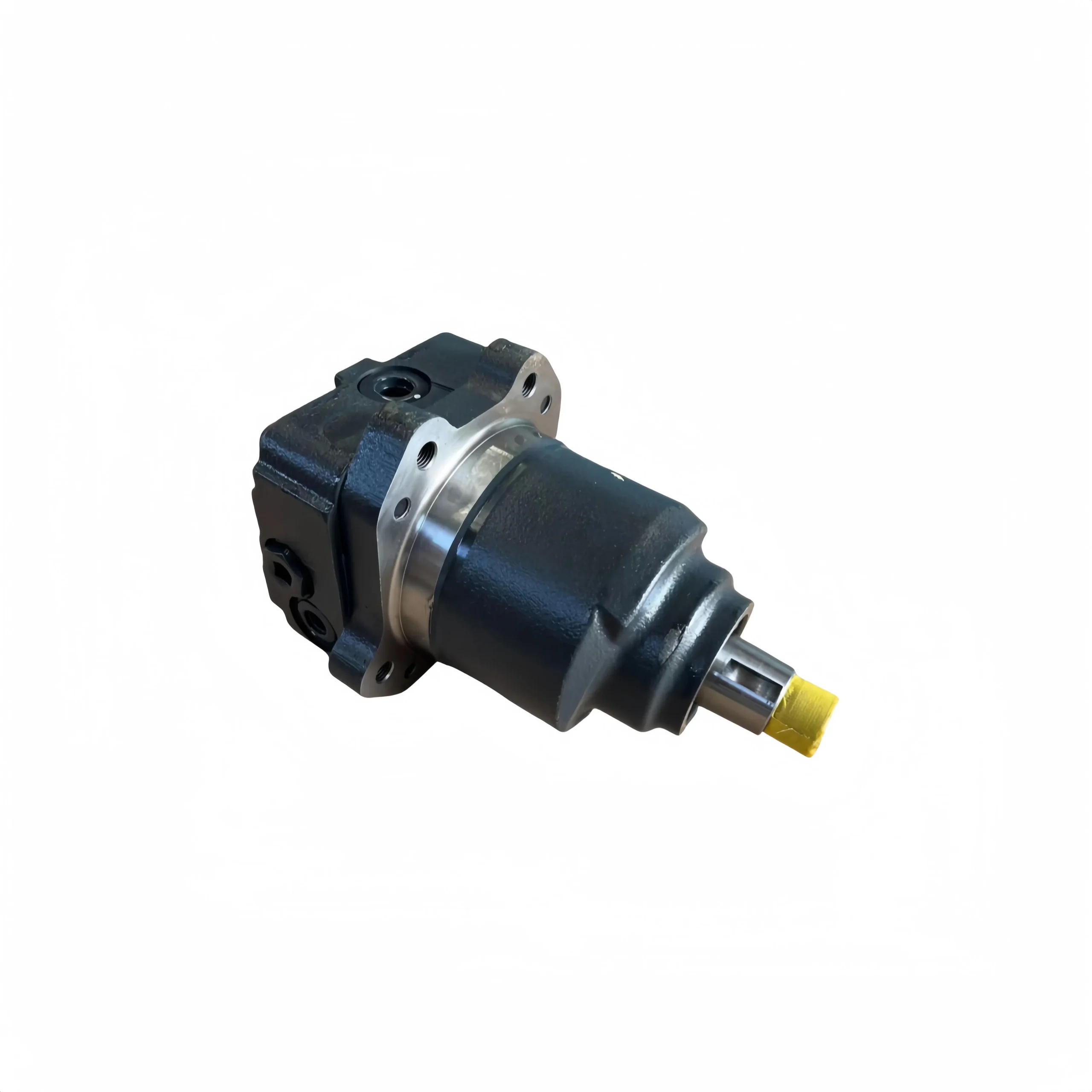 708-7W-00021 Fan Motor for Komatsu D275A-5D
 -
 Seal 21N-30-14180 – KOMATSU
 -
 komatsu-part-235-25-11220 CAGE GD805A-1 GD825A-2 GD825A-2E0 TANDEM DRIVE GEAR AND CHAIN TANDEM DRIVE GEAR
 -
 600-311-3640 • BOWL-Komatsu Original Factory
 -
 Shaft 569-01-72600 for Komatsu HD465-7
 -
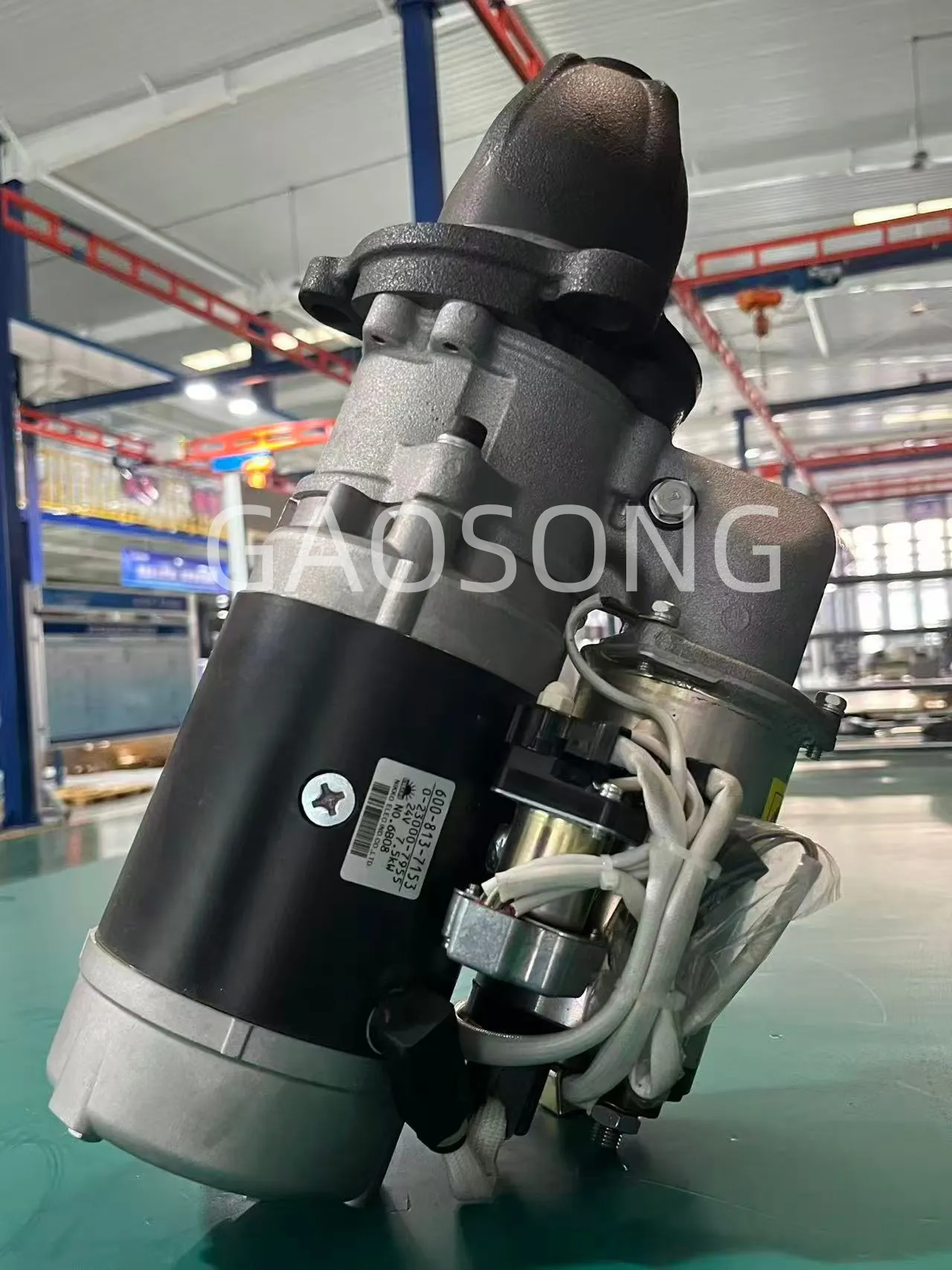 600-813-7153 Starting Motor, -Komatsu Original Factory
 -
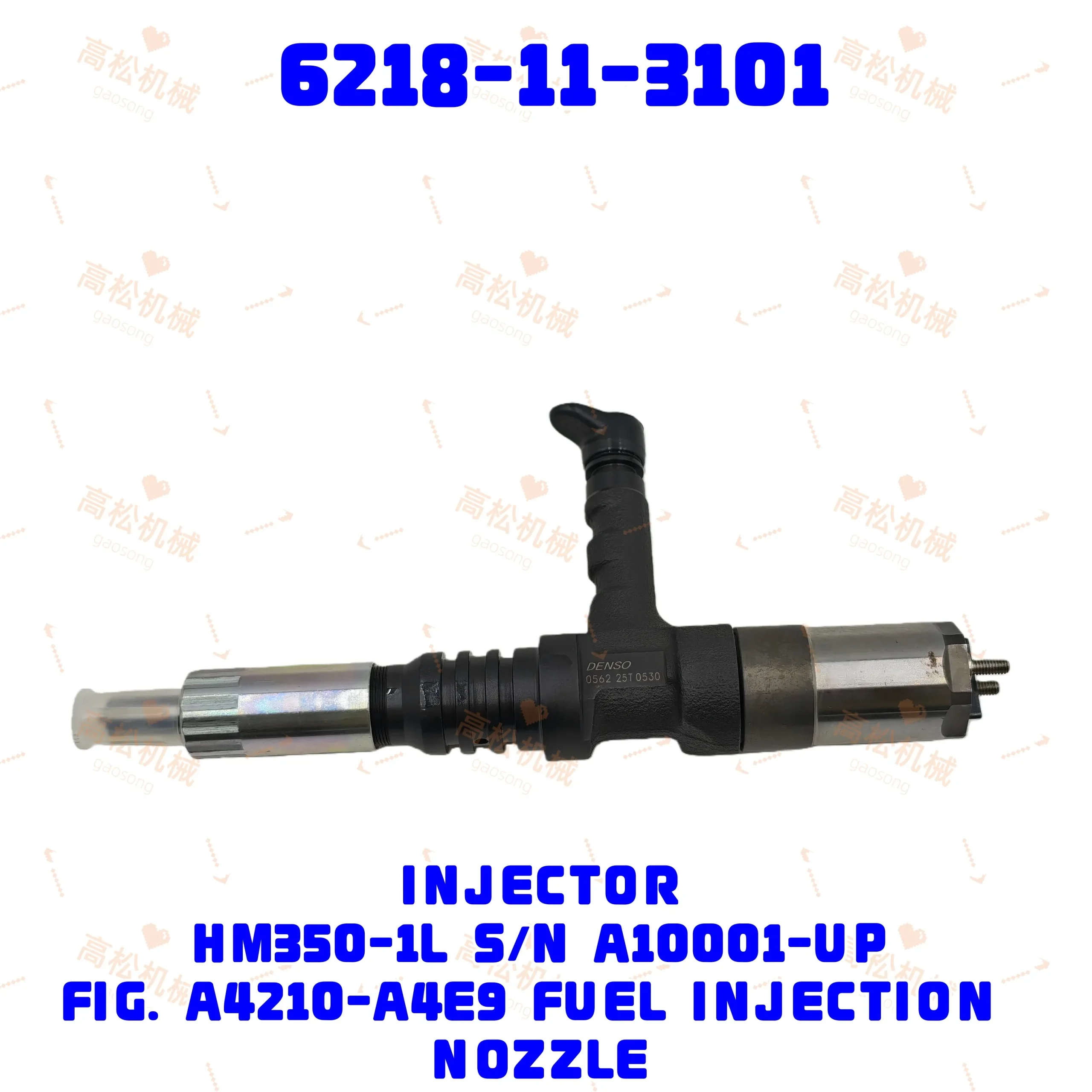 komatsu-part-6218-11-3101 6127-11-3104 6734-11-3110 6732-11-3300 6738-11-3090 6209-11-3100 6743-11-3320 6215-11-3620 6211-12-3520 6211-12-3500 INJECTOR ASS’Y SA6D140E-3J-7 SA6D140E-3CM-7 SA6D140E-3H-7 SA6D140E-3G-7 HM350-1L FUEL INJECTOR FUEL INJECTOR
 -
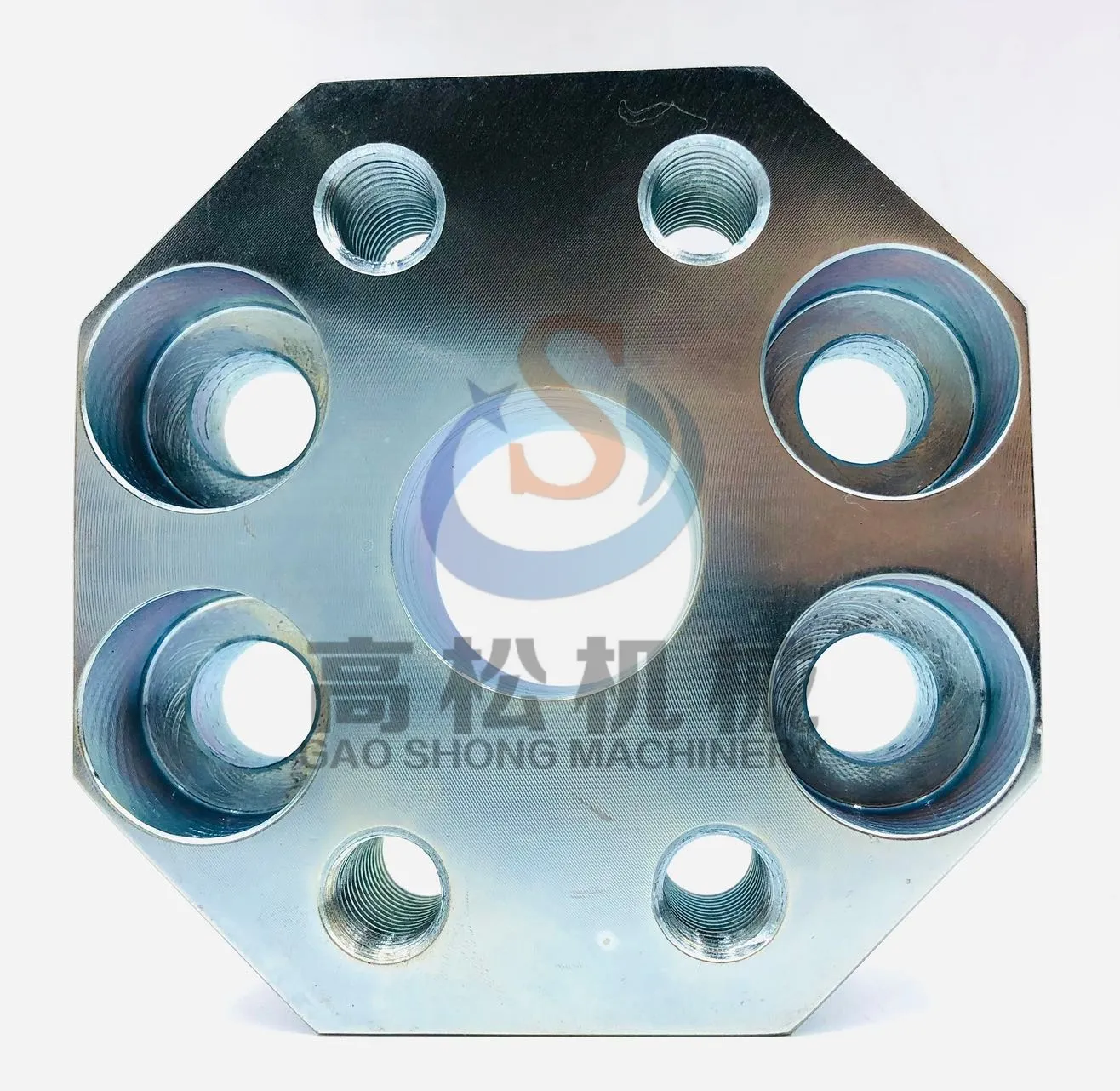 Komatsu excavator PC1250 flange 21N-62-11361
 -
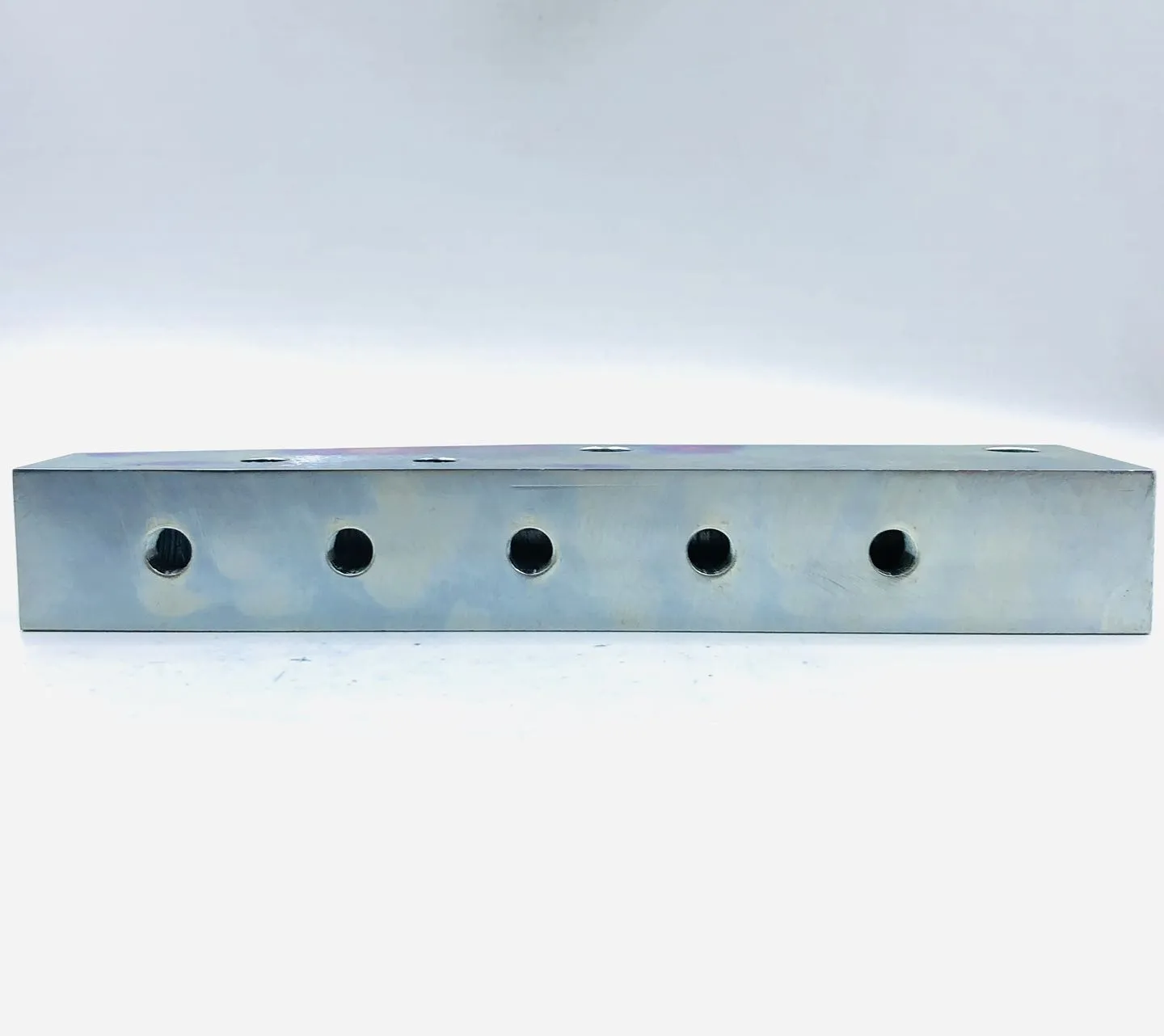 209-38-73281 Block (Komatsu)
 -
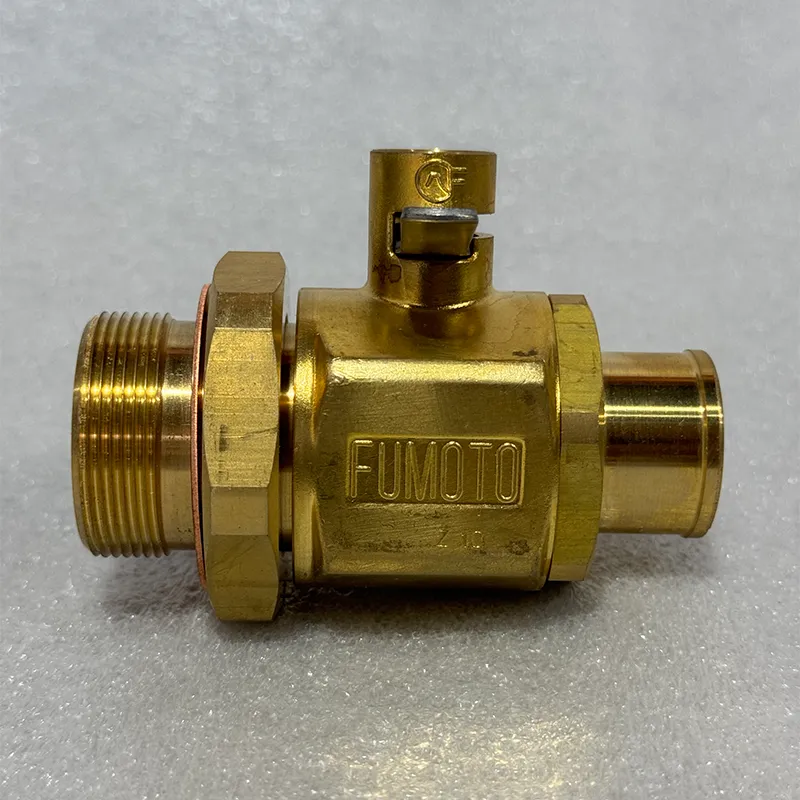 Original komatsu PC2000-8 Valve 21T-01-31490
 -
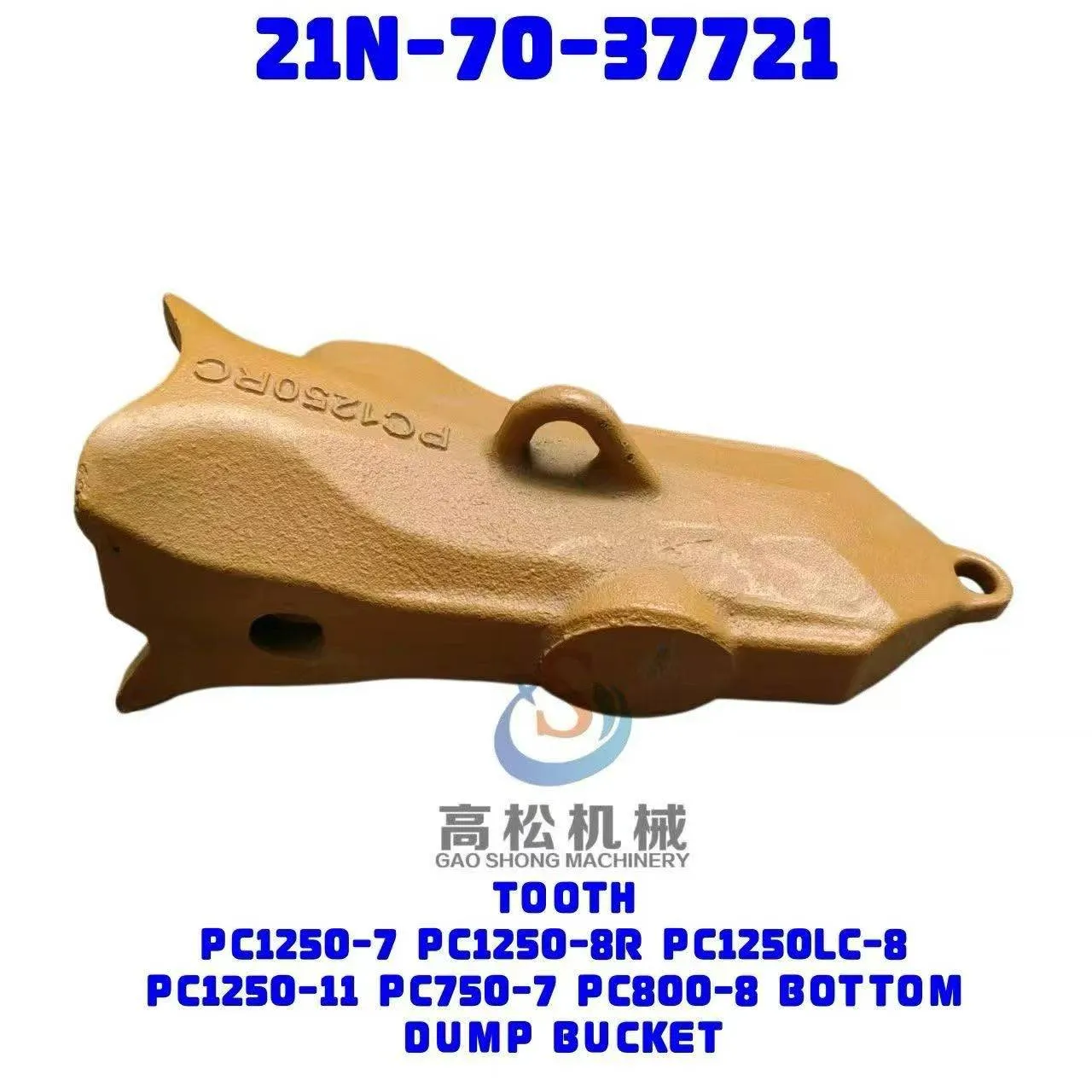 21n-70-37721 Bucket teeth, suitable for the following vehicle models. PC1250-7 PC1250-8R PC1250LC-8 PC1250-11 PC750-7 PC800-8 BOTTOM TOOTH PC1250-7 PC1250-8R PC1250LC-8 PC1250-11 PC750-7 PC800-8 BOTTOM DUMP BUCKET