
- Chinese
- French
- German
- Portuguese
- Spanish
- Russian
- Japanese
- Korean
- Arabic
- Irish
- Greek
- Turkish
- Italian
- Danish
- Romanian
- Indonesian
- Czech
- Afrikaans
- Swedish
- Polish
- Basque
- Catalan
- Esperanto
- Hindi
- Lao
- Albanian
- Amharic
- Armenian
- Azerbaijani
- Belarusian
- Bengali
- Bosnian
- Bulgarian
- Cebuano
- Chichewa
- Corsican
- Croatian
- Dutch
- Estonian
- Filipino
- Finnish
- Frisian
- Galician
- Georgian
- Gujarati
- Haitian
- Hausa
- Hawaiian
- Hebrew
- Hmong
- Hungarian
- Icelandic
- Igbo
- Javanese
- Kannada
- Kazakh
- Khmer
- Kurdish
- Kyrgyz
- Latin
- Latvian
- Lithuanian
- Luxembou..
- Macedonian
- Malagasy
- Malay
- Malayalam
- Maltese
- Maori
- Marathi
- Mongolian
- Burmese
- Nepali
- Norwegian
- Pashto
- Persian
- Punjabi
- Serbian
- Sesotho
- Sinhala
- Slovak
- Slovenian
- Somali
- Samoan
- Scots Gaelic
- Shona
- Sindhi
- Sundanese
- Swahili
- Tajik
- Tamil
- Telugu
- Thai
- Ukrainian
- Urdu
- Uzbek
- Vietnamese
- Welsh
- Xhosa
- Yiddish
- Yoruba
- Zulu
- Kinyarwanda
- Tatar
- Oriya
- Turkmen
- Uyghur





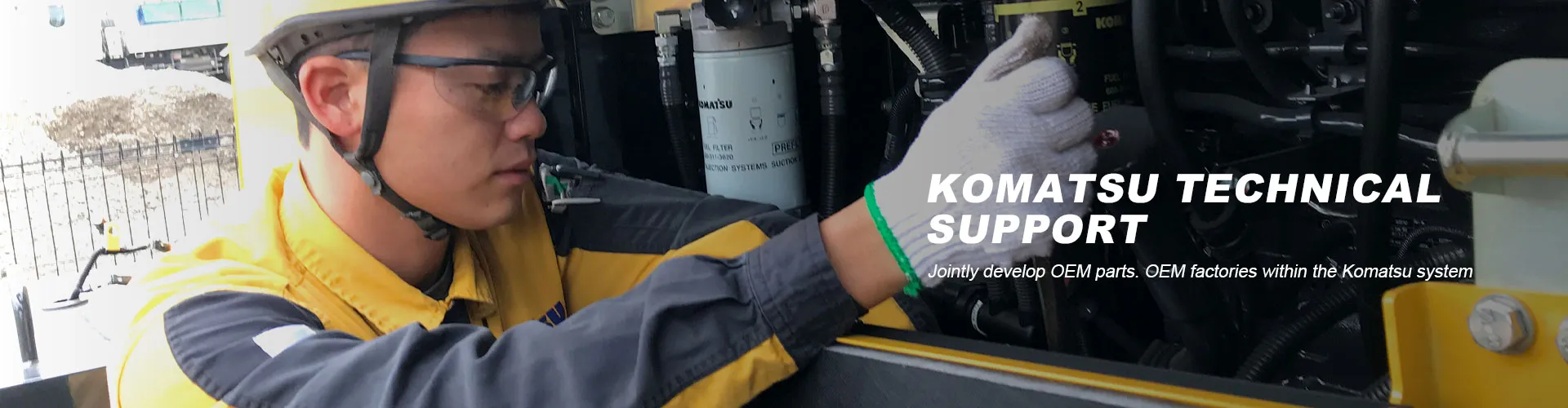
komatsu parts manual
You know, when most folks hear 'Komatsu parts manual', they picture a pristine PDF or a thick binder sitting in a site office, untouched. That's the first mistake. In reality, that manual isn't just a reference book; it's a lifeline, and its value—or lack thereof—becomes painfully clear at 2 AM when a PC200-8's hydraulic system decides to quit. The real challenge isn't accessing the document; it's interpreting the schematics under pressure and then actually sourcing the part number it lists. That's where the entire supply chain drama begins.
Beyond the PDF: What a Manual Actually Demands
The official Komatsu parts catalog is a masterpiece of engineering detail. Every o-ring, every bolt, every sub-assembly is there. But here's the catch I've learned the hard way: it assumes you have a clean, well-lit workshop and the part is readily available through Komatsu's official network. On a project in a remote area, that assumption falls apart. You're left cross-referencing the komatsu parts manual with what local suppliers claim are equivalents, which is a gamble at best.
I remember a specific issue with a D65EX-12 track adjuster. The manual gave the exact part number, but the lead time from the official channel was eight weeks. The machine was blocking a critical haul road. We had to use the manual's exploded view to understand the sealing mechanism, then work with a specialist workshop to machine a temporary sleeve. The manual provided the blueprint, but it couldn't provide the part. That gap between information and procurement is everything.
This is why companies that truly understand this gap become indispensable. They operate in that space between the perfect world of the manual and the messy reality of the field. For instance, I've interacted with Jining Gaosong Construction Machinery Co., Ltd.. Their role is interesting because they bridge two worlds. As they state on their site https://www.takematsumachinery.com, they are an OEM product supplier within the Komatsu system and also a third-party sales company. In practice, this means they can often navigate those part number challenges in regions where the official supply chain is strained. They're not just selling a part; they're selling a solution to the procurement problem the manual inevitably reveals.
The Pitfalls of Close Enough Cross-Referencing
A dangerous habit that develops in the field is forced cross-referencing. When you're desperate, you might look at a seal in the parts manual and think, Well, this looks similar to a Cat or Volvo seal I have in stock. Sometimes you get lucky. More often, you cause a cascading failure. The tolerances, material compounds, and pressure ratings in Komatsu systems are precise. A close enough part might last a week before it blows, taking out a more expensive component with it.
I learned this lesson on an older 930E haul truck engine. We used a non-OEM water pump bearing that matched the dimensions. It failed prematurely, leading to overheating and a minor head warp. The downtime and repair cost dwarfed the savings from the aftermarket part. The manual's specificity is there for a reason. The real skill is knowing when you can deviate and when you absolutely cannot.
This is where a supplier's depth matters. A company that is truly embedded as an OEM supplier within the Komatsu ecosystem, like the aforementioned Gaosong, will have a better grasp of those tolerances. They can tell you if a part from a different Komatsu model can be adapted, or if you absolutely must wait for the exact PN. That kind of judgment, born from technical knowledge and inventory access, is what separates a parts seller from a field partner.
Digital vs. Physical: The On-Site Dilemma
Everyone's gone digital, and for good reason. Searching a PDF for swing motor is faster than thumbing through a 500-page binder. But I still insist on having a printed version of the critical sections for the primary machines on site. Why? Because tablets die. Laptops get dirty. Internet connections vanish. A grease-stained, highlighted paper copy next to the mechanic is sometimes the most reliable technology available.
The digital manuals also have a hidden flaw: they can be version-controlled. I've downloaded a manual for a Komatsu excavator, only to find out six months later there was a revision that changed a crucial torque spec for the boom cylinder. If you're not constantly checking for updates from a reliable source, you're working with outdated info. It's a maintenance task in itself.
When you source parts from a technical partner, their value adds up if they can flag these revisions. If you quote them an old part number from your cached PDF, a good supplier will know it's been superseded. Their platform, takematsumachinery.com, becomes more than an e-commerce site; it needs to be a technical resource that aligns with the latest data. Their description of helping solve parts supply challenges in certain countries implies they're dealing with these real-time information gaps daily.
The Manual as a Diagnostic Starting Point
Newer technicians sometimes treat the parts manual as the final answer. It's not. It's the starting point for diagnosis. The manual will show you the component layout of, say, the pilot control valve bank. But it won't tell you that the recurring failure of a particular spool is often linked to a clogged case drain filter mentioned 50 pages earlier. That connective knowledge comes from experience.
You use the manual to isolate the component, verify its configuration, and get the right part number. But the decision of whether to replace just that spool, the entire valve bank, or to look upstream for a contamination source—that's a field judgment call. The manual provides the map, but you still have to navigate the terrain.
This is why I appreciate suppliers who have technical back-end support. You can call them with the part number and the symptom. A quality supplier, especially one operating as a third-party sales company for Komatsu with OEM knowledge, might ask, Are you seeing metallic flakes in the hydraulic oil? Because if you are, just replacing this valve might be a short-term fix. That dialogue turns a transaction into troubleshooting.
Logistics: The Final, Hardest Step
So you've diagnosed the issue, identified the exact part number from the komatsu parts manual, and found a supplier who has it. The job is only half done. Now you face logistics: customs, shipping delays, and damage in transit. For operations in Africa or parts of Southeast Asia, this can be a multi-month ordeal. The machine isn't just idle; it's costing money every single day.
This is the core of the supply challenges that companies like Jining Gaosong Construction Machinery aim to solve. Their model suggests they've established channels and local stocks to shortcut some of this pain. The real test of such a company is not their website catalog, but their ability to get a genuine, correct part to a remote port city or directly to a mine site within a promised timeframe. Can they navigate the local import regulations? Do they have the partnerships on the ground? The manual gets you the number, but this network gets you the part.
In the end, the Komatsu parts manual is the absolute authority on what a machine is made of. But its true purpose is only fulfilled when the information on its pages connects seamlessly with a robust, knowledgeable, and agile supply chain. The document tells you what you need. Your experience tells you how to fix it. And the right supplier, one that understands both the technical details and the field realities, is the one who actually gets you the part to make it happen. Everything else is just theory.
Related Products
Related Products
Best Selling Products
Best Selling Products-
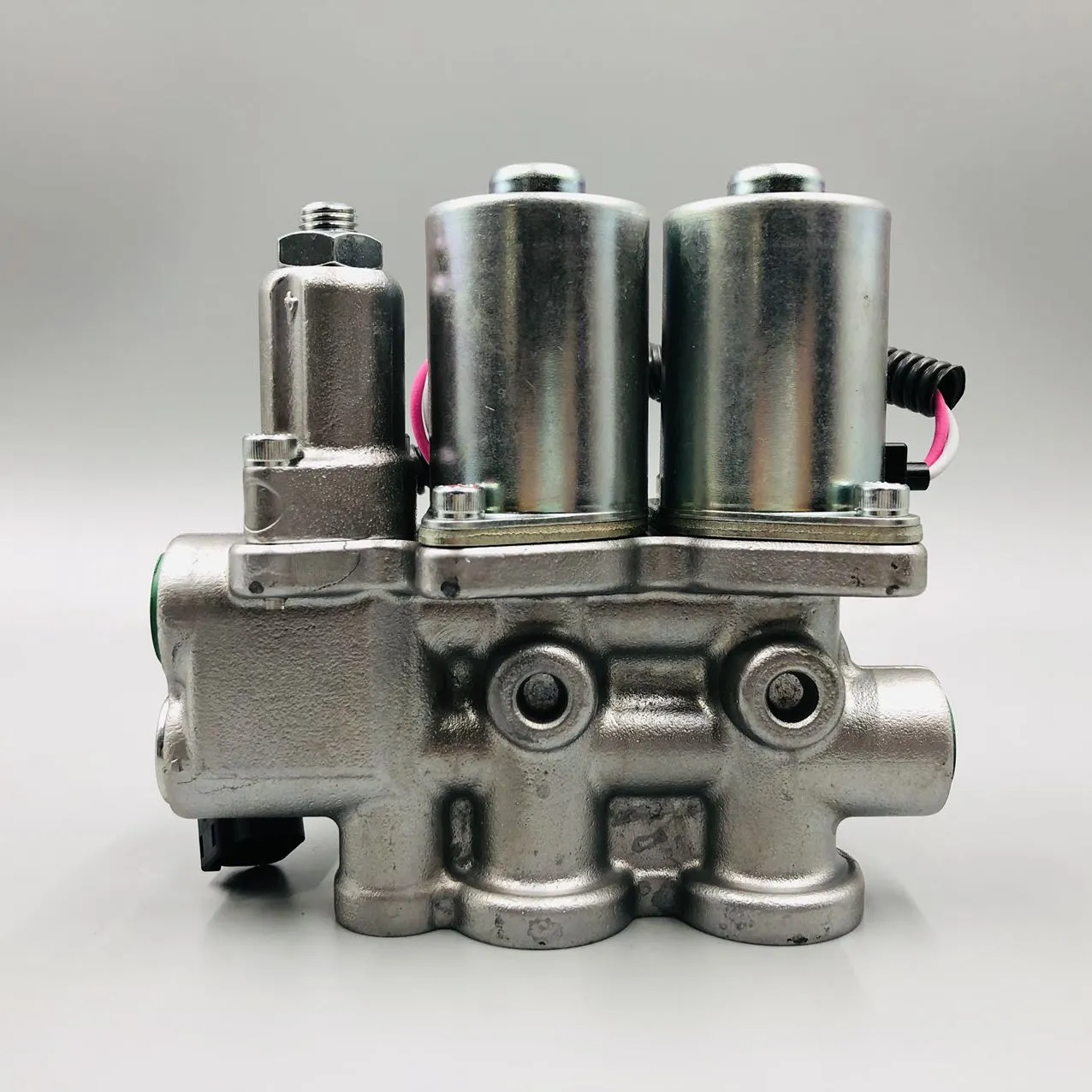 Valve Assembly22F-60-31600
 -
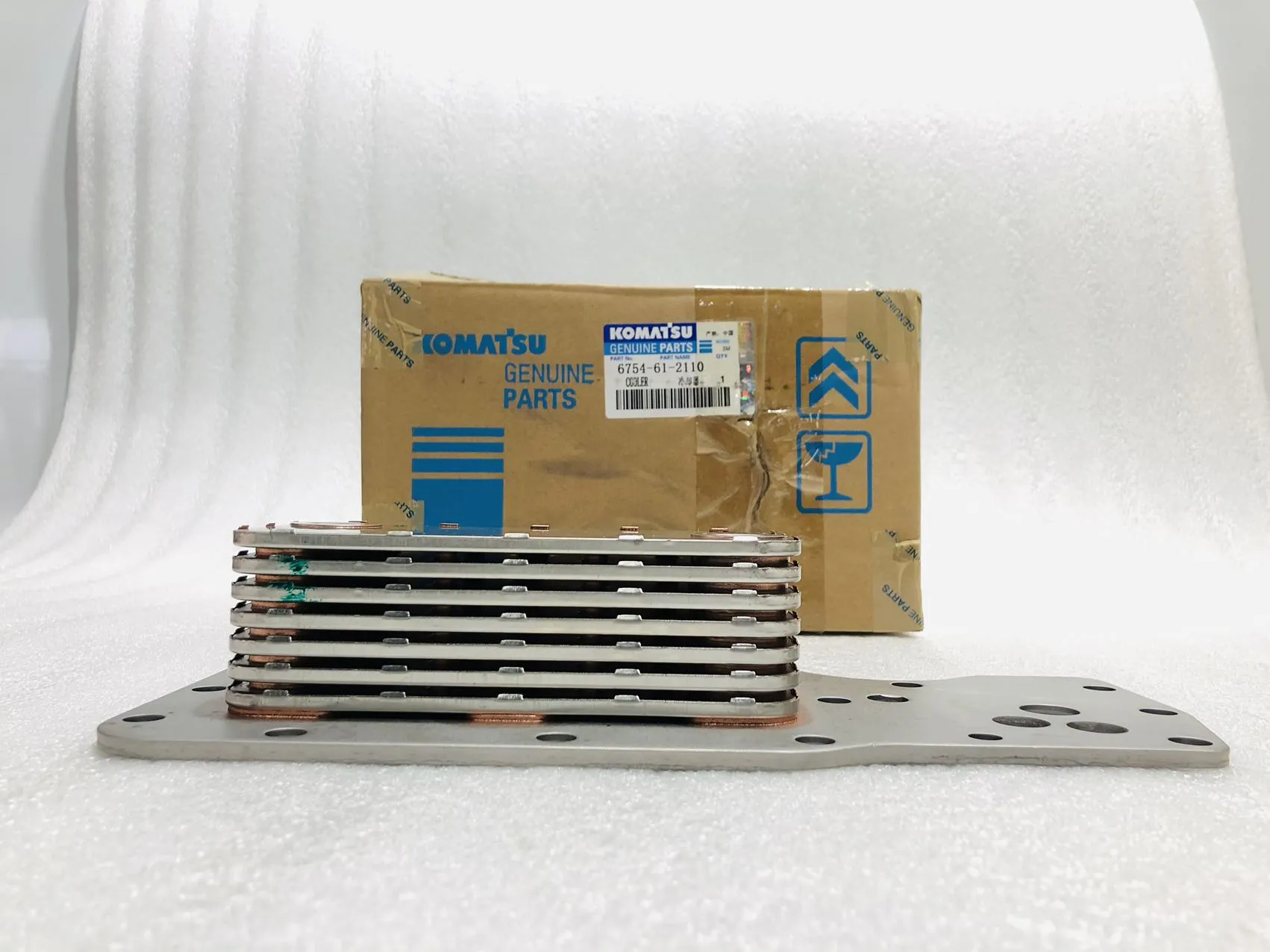 OIL COOLER 6754-61-2110 For Komatsu Engine SAA6D107E PC200-8
 -
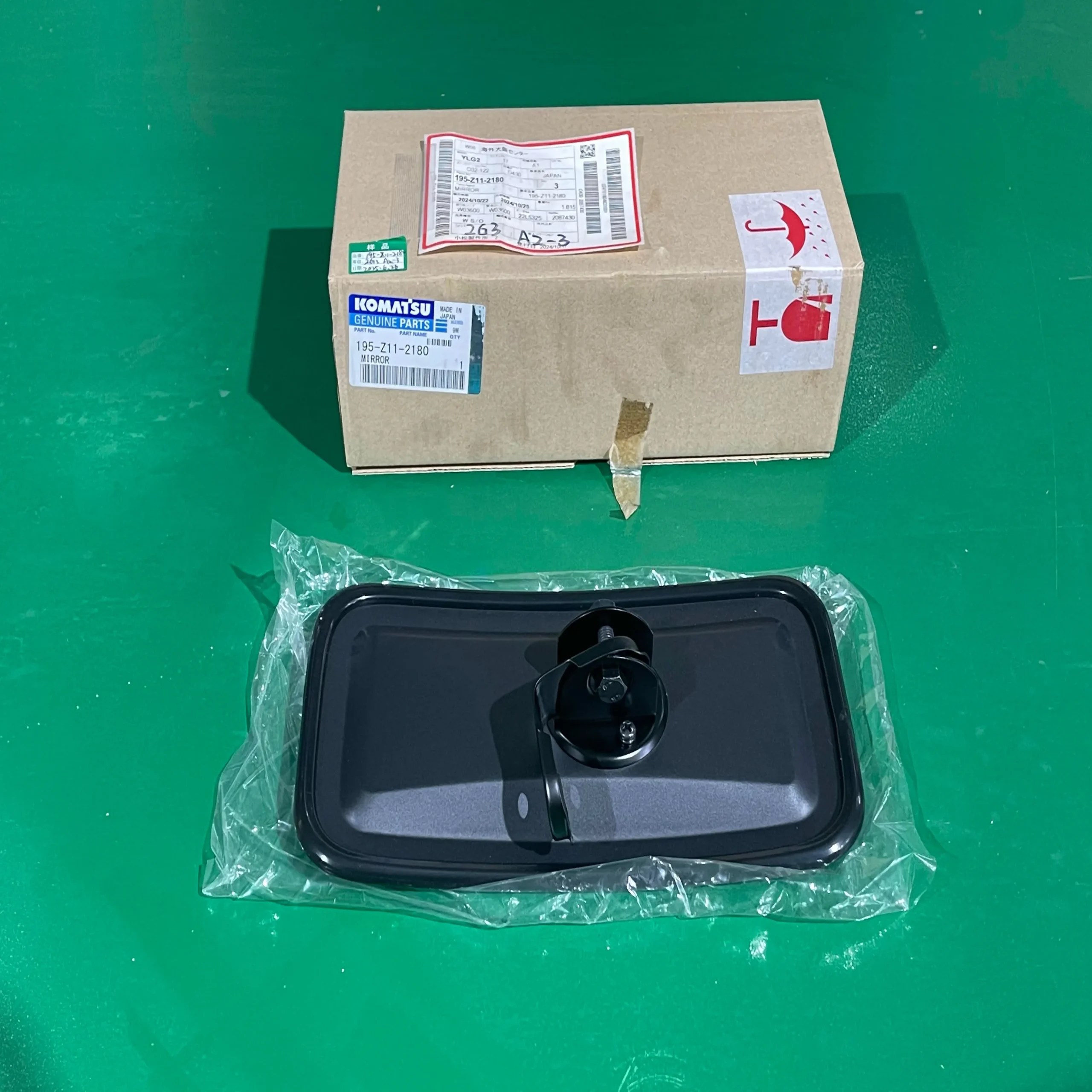 Komatsu bulldozer rearview mirror 195-Z11-2180
 -
 14X-15-29210 SEAL RING
 -
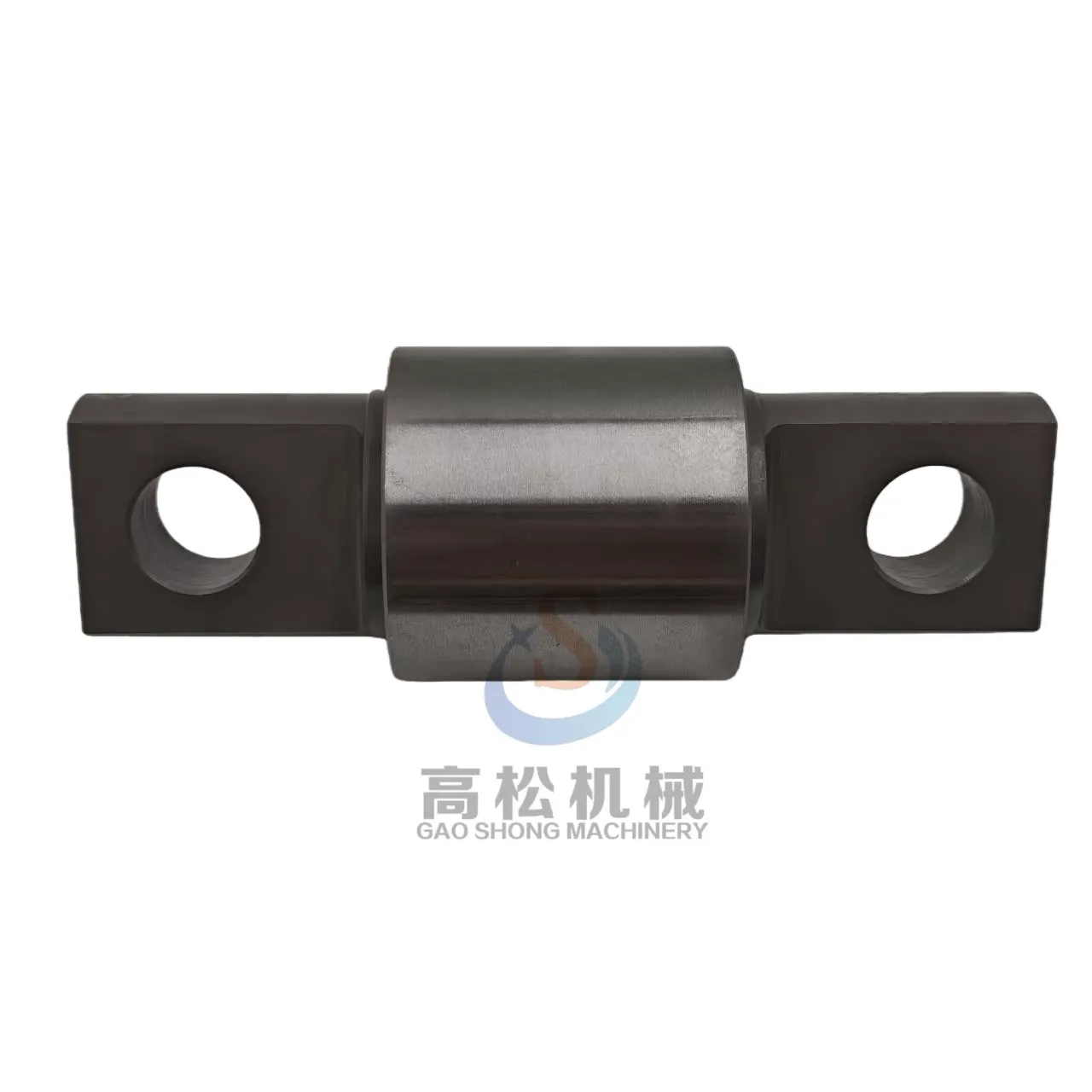 56B-16-11211 CUSHION HM350-2 HM350-2R HM400-3R HM400-2 HM400-1 FRONT DIFFERENTIAL MOUNTING
 -
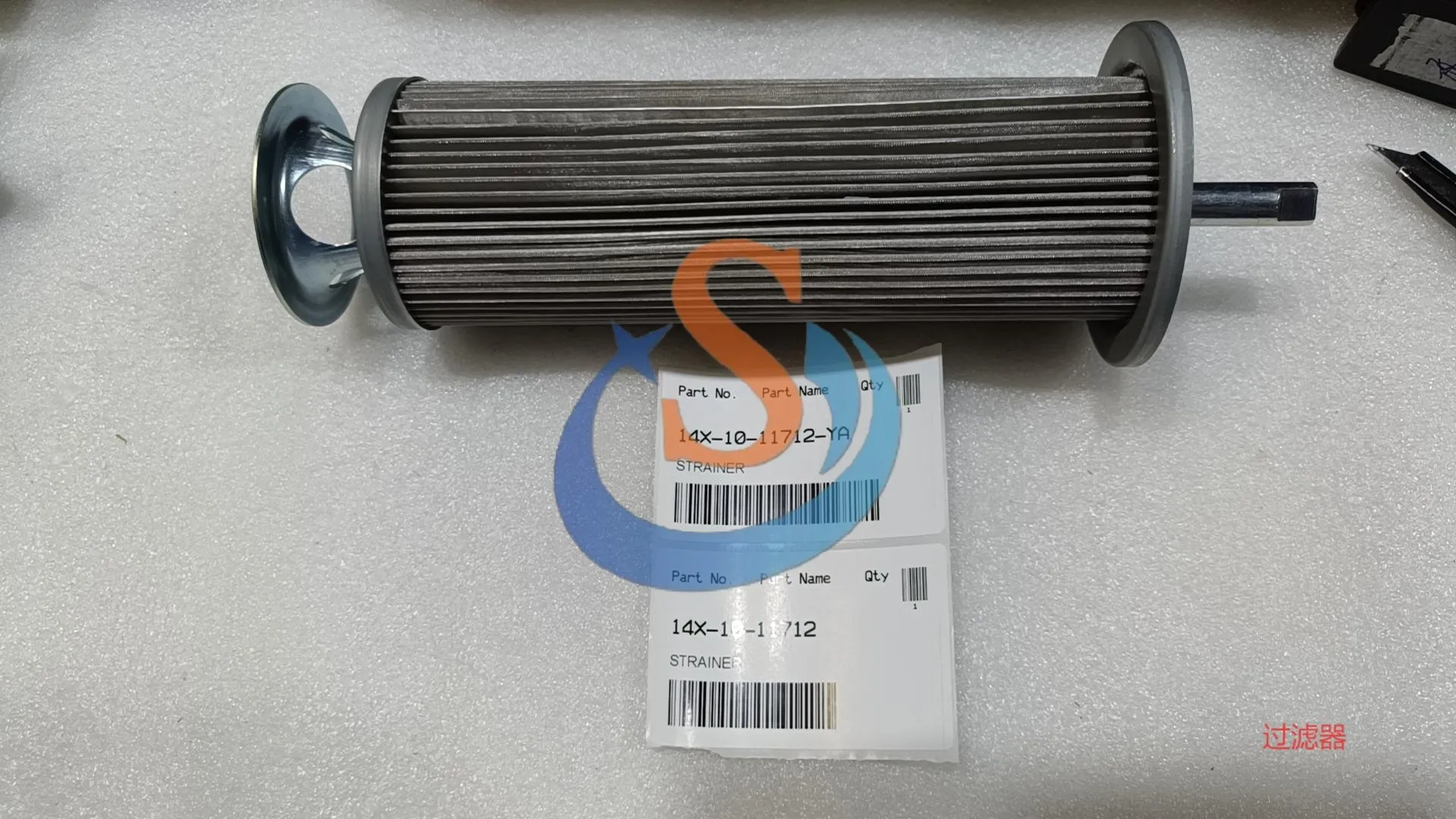 14X-10-11712 STRAINER D65EX/D85EX
 -
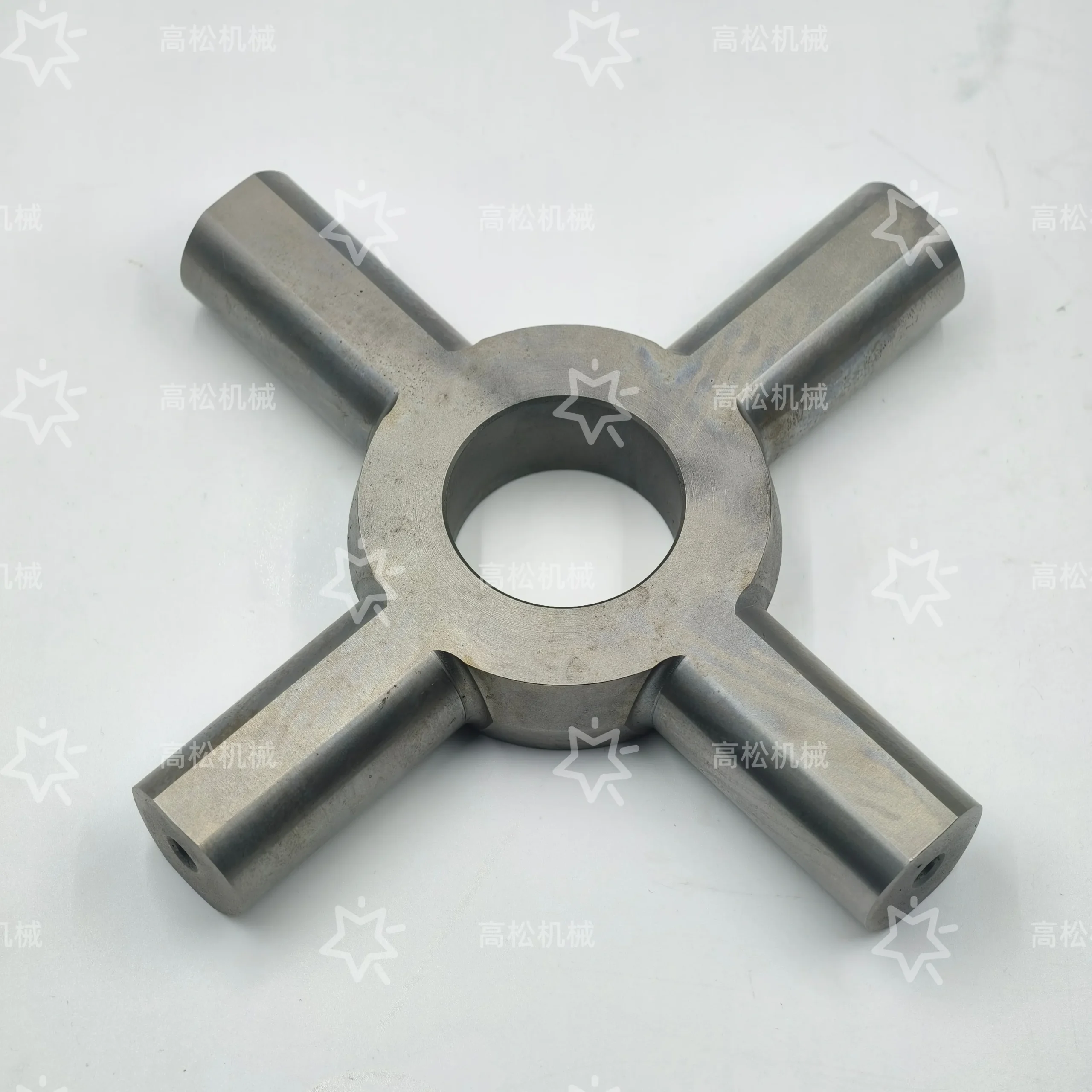 SHAFT 421-22-11440 for Komatsu WA300-3 WA320-3 WA380-3 WA430-3 WA470-3 WA450-3
 -
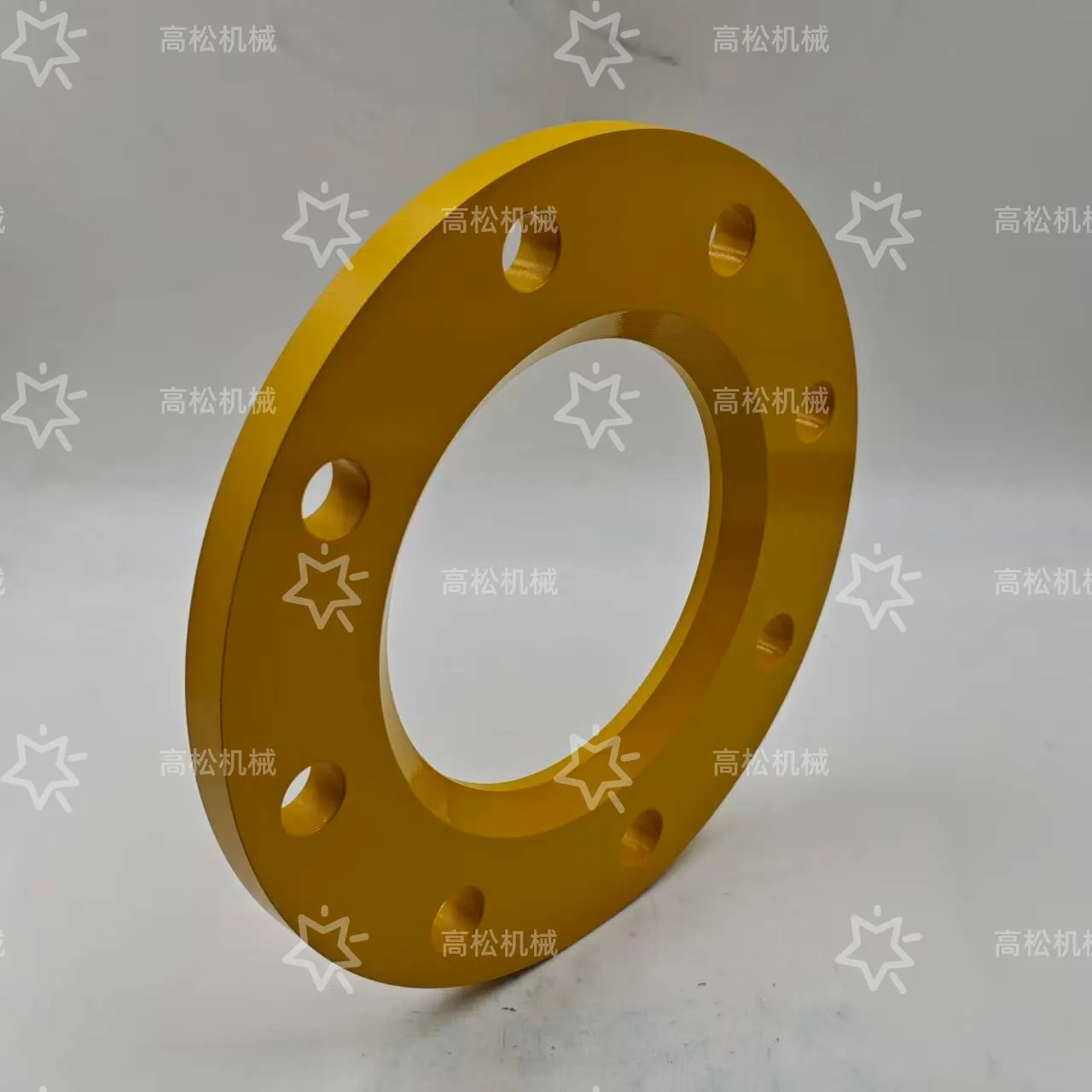 41E-70-15221 Komatsu Edge
 -
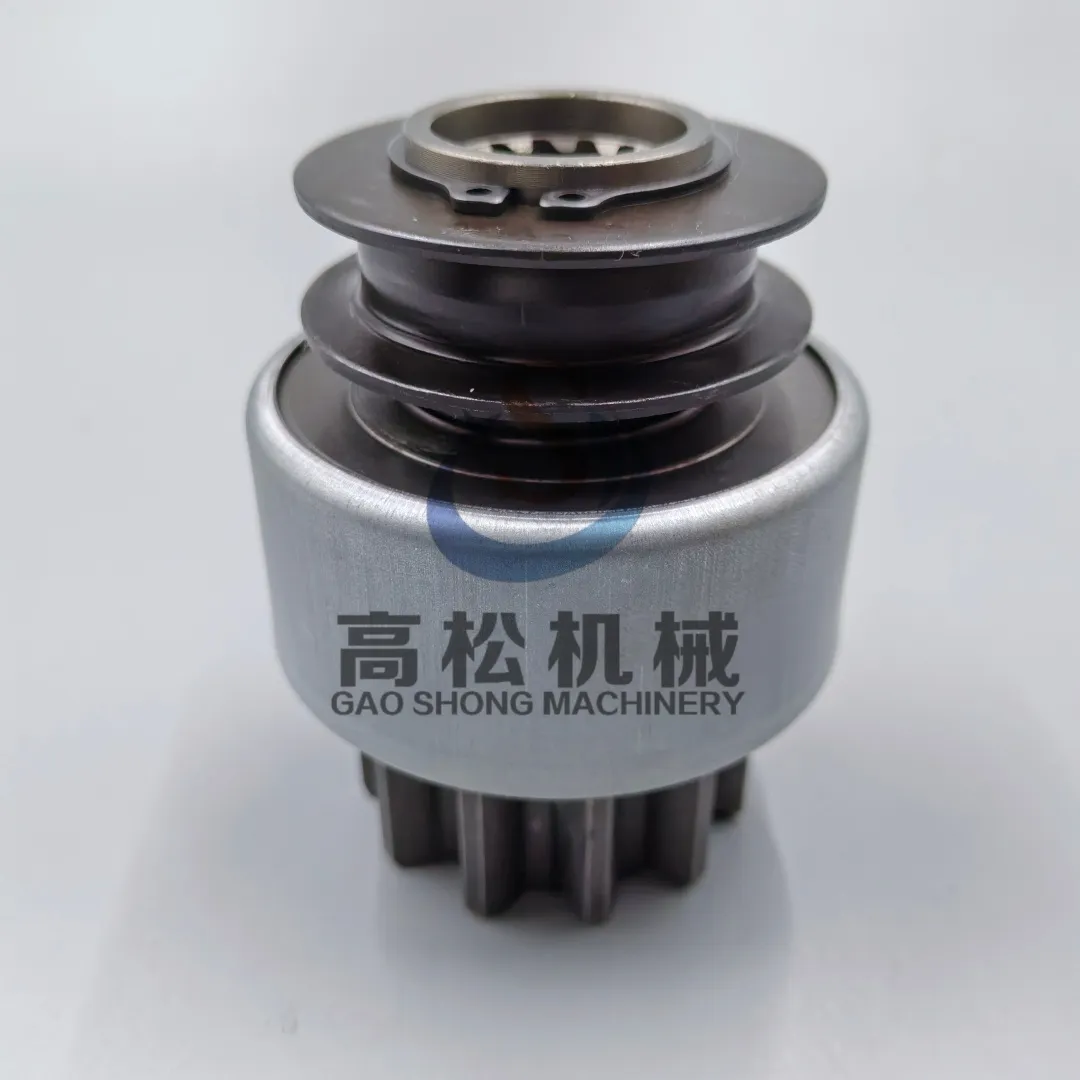 KD0-23500-1024 Komatsu CLUTCH ASS’Y
 -
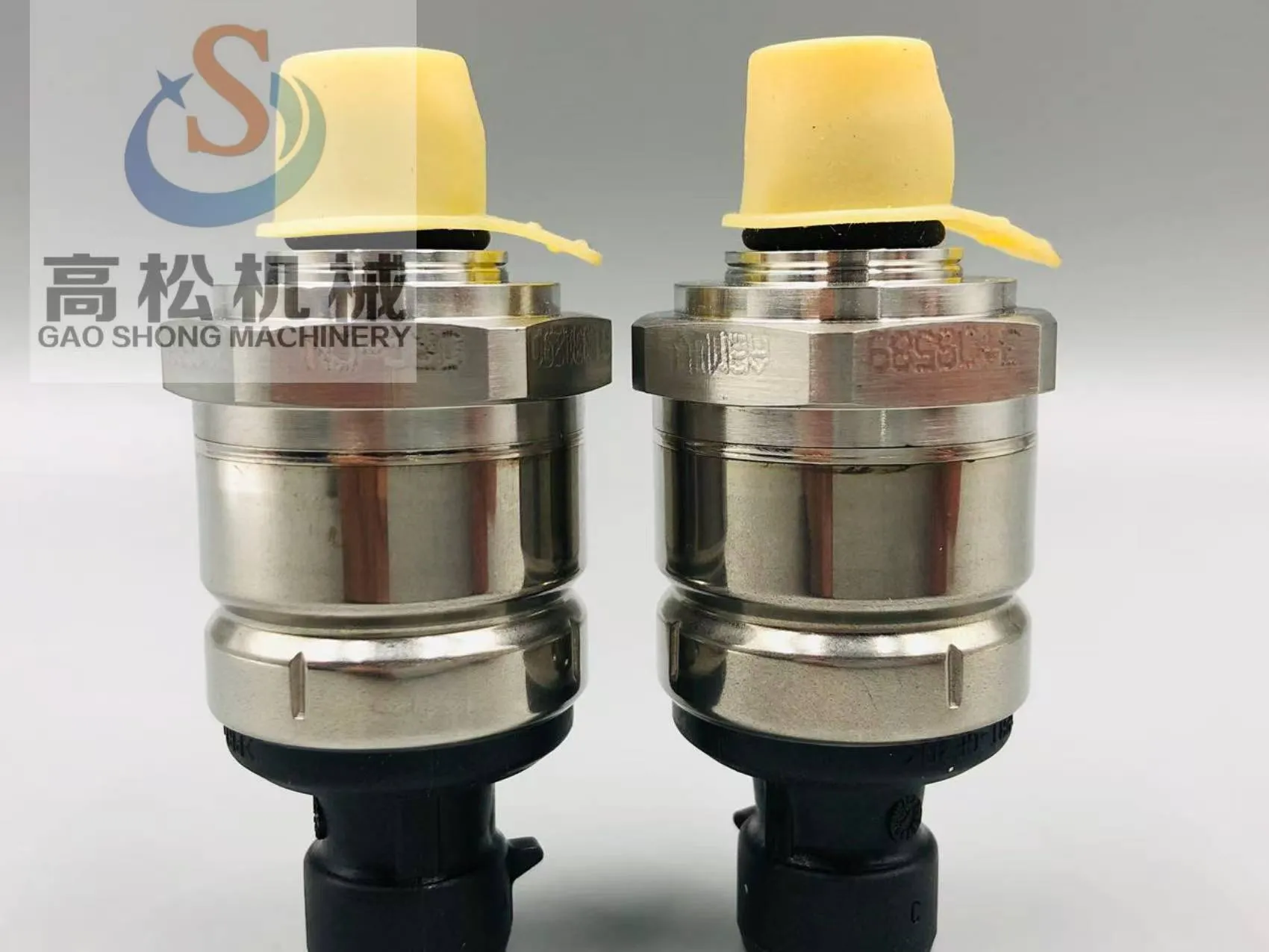 Cummins diesel engine high-pressure sensor 3408589 6560-61-7101 6560-61-7102komatsu
 -
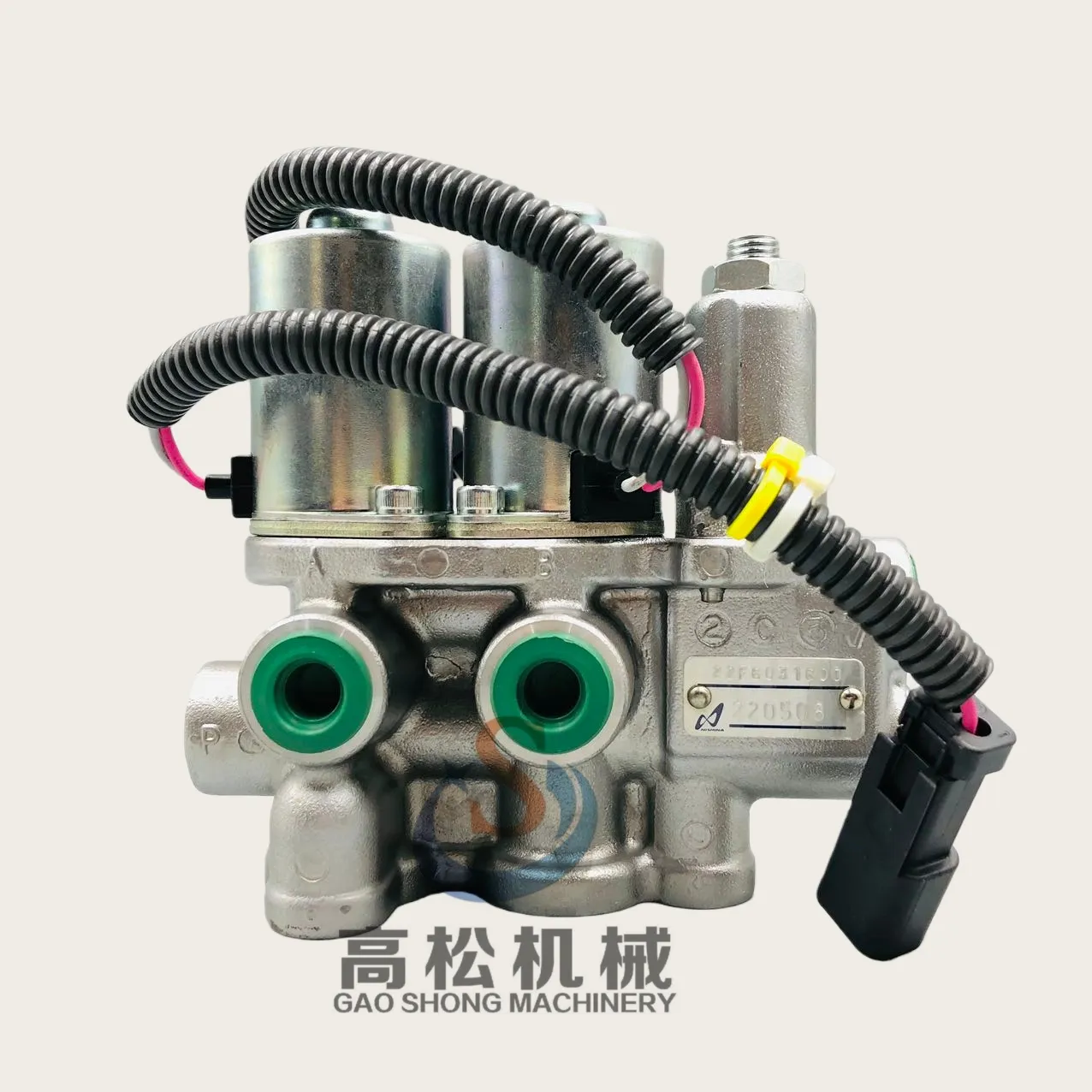 komatsu 22F-60-31600 VALVE ASS’Y PC18MR-3 PC35MR-3 PC45MR-3 PC55MR-3 MAIN VALVE
 -
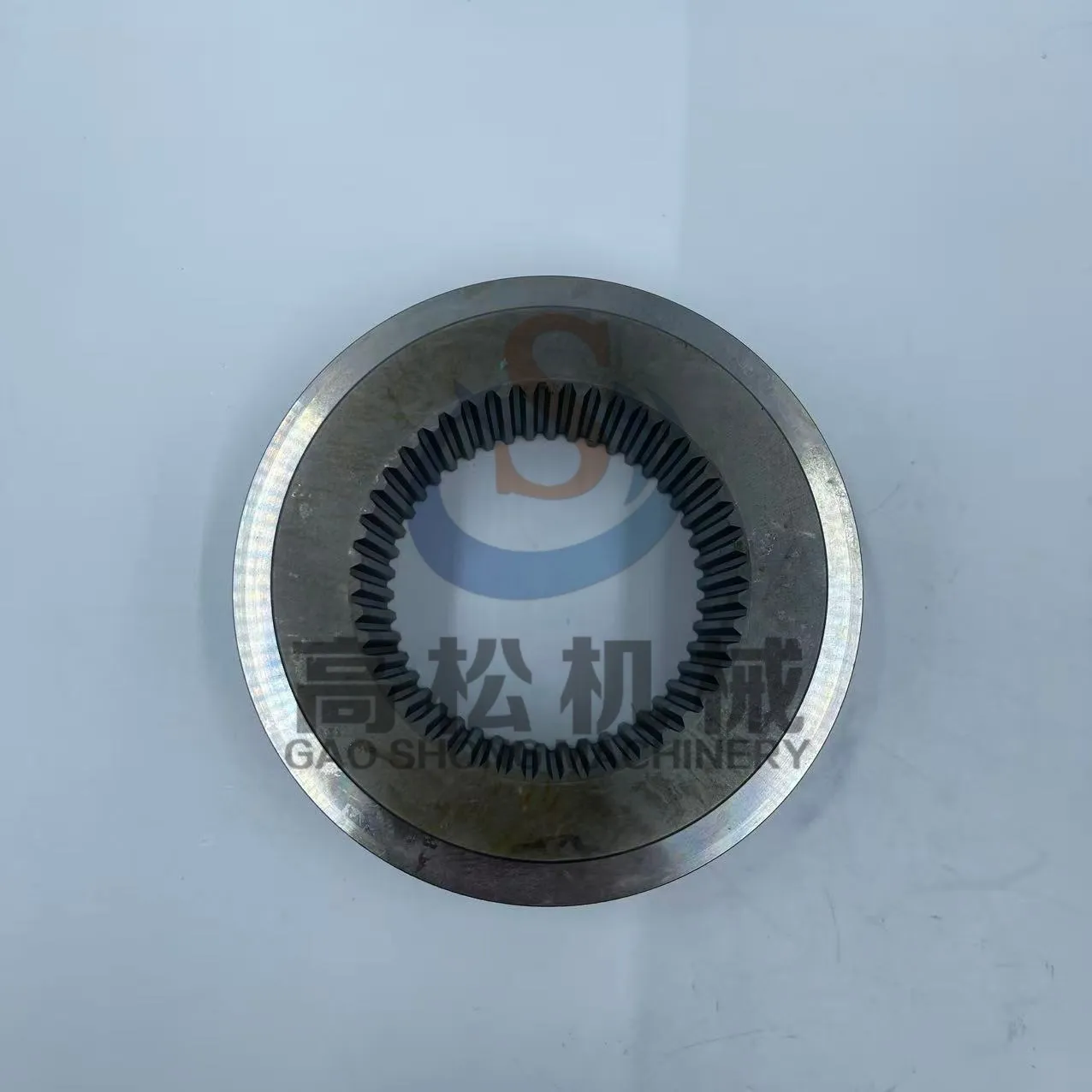 Provide Komatsu original bearing 170-09-13250