
- Chinese
- French
- German
- Portuguese
- Spanish
- Russian
- Japanese
- Korean
- Arabic
- Irish
- Greek
- Turkish
- Italian
- Danish
- Romanian
- Indonesian
- Czech
- Afrikaans
- Swedish
- Polish
- Basque
- Catalan
- Esperanto
- Hindi
- Lao
- Albanian
- Amharic
- Armenian
- Azerbaijani
- Belarusian
- Bengali
- Bosnian
- Bulgarian
- Cebuano
- Chichewa
- Corsican
- Croatian
- Dutch
- Estonian
- Filipino
- Finnish
- Frisian
- Galician
- Georgian
- Gujarati
- Haitian
- Hausa
- Hawaiian
- Hebrew
- Hmong
- Hungarian
- Icelandic
- Igbo
- Javanese
- Kannada
- Kazakh
- Khmer
- Kurdish
- Kyrgyz
- Latin
- Latvian
- Lithuanian
- Luxembou..
- Macedonian
- Malagasy
- Malay
- Malayalam
- Maltese
- Maori
- Marathi
- Mongolian
- Burmese
- Nepali
- Norwegian
- Pashto
- Persian
- Punjabi
- Serbian
- Sesotho
- Sinhala
- Slovak
- Slovenian
- Somali
- Samoan
- Scots Gaelic
- Shona
- Sindhi
- Sundanese
- Swahili
- Tajik
- Tamil
- Telugu
- Thai
- Ukrainian
- Urdu
- Uzbek
- Vietnamese
- Welsh
- Xhosa
- Yiddish
- Yoruba
- Zulu
- Kinyarwanda
- Tatar
- Oriya
- Turkmen
- Uyghur





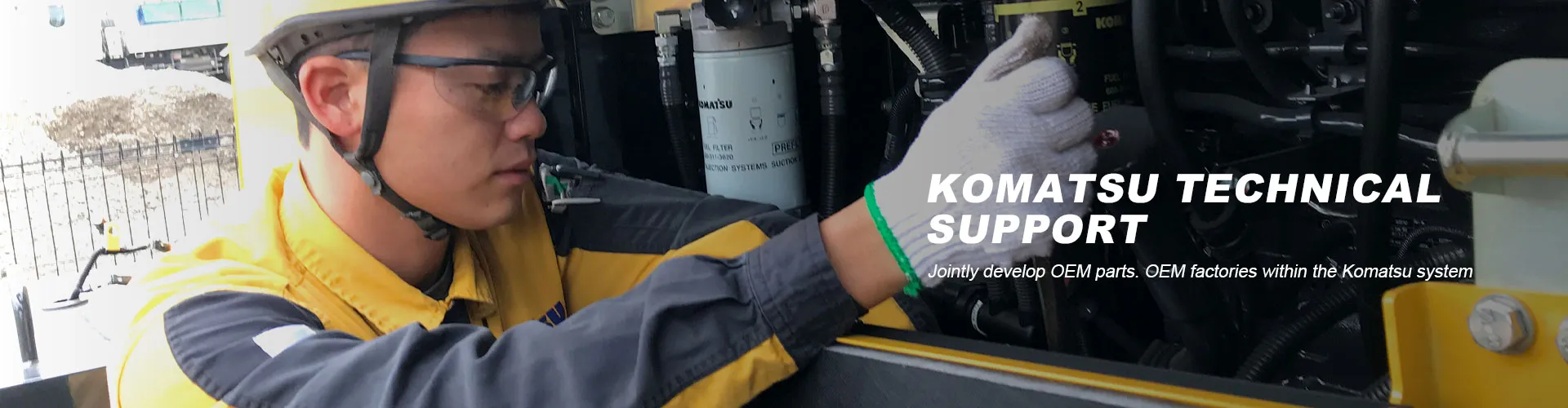
komatsu parts lookup
When most folks hear Komatsu parts lookup, they picture a simple online catalog, typing in a part number and hitting enter. That's the surface-level view, and honestly, it's where a lot of people, even some in the field, get tripped up. The real challenge isn't finding a part; it's finding the right part for your specific machine serial number, your region's emissions specs, and a supply chain that's actually reliable. I've seen too many projects stall because someone trusted a generic listing that looked close enough.
The Illusion of Universal Parts
Let's get specific. You've got a PC360LC-11. You need a final drive seal kit. You search the part number online, find three suppliers with wildly different prices, and go for the cheapest. Bad move. That machine might have been built for the Japanese market, then shipped to Indonesia, and now it's working in Chile. Komatsu makes running changes—different suppliers, slight design tweaks—based on the build date and destination. The lookup has to account for that serial number break, or you're installing a part that fails in 200 hours.
This is where the promise of a simple Komatsu parts lookup falls apart. The official system, KOMTRAX and the dealer portal, is precise but access is tightly controlled. Outside of that, you're in the wild west of aftermarket and OEM-equivalent suppliers. Some are excellent, reverse-engineering with better materials. Many are junk. The lookup tool is only as good as the data behind it, and most free online catalogs are years out of date or lack the granular filters.
I remember a job in Peru, trying to source a hydraulic pump for an old Dash-8 grader. The part number superseded three times. The online lookup from a generic site showed a compatible unit, but the flange mounting pattern was off by maybe 3mm. We didn't catch it until it was on a ship. Cost us two weeks of downtime. That's the hidden cost of a poor lookup process.
Where OEM-System Suppliers Change the Game
This is the niche where companies operating within the Komatsu ecosystem but with more flexibility become critical. Take Jining Gaosong Construction Machinery Co., Ltd., for instance. Their site, takematsumachinery.com, positions them interestingly: an OEM product supplier within Komatsu's system and a third-party sales company. That dual role is key. It means they likely have access to genuine OEM parts data and channels, but they can also operate outside the strict regional dealership agreements to solve parts supply challenges in certain countries.
In practice, what does this mean for a parts lookup? It suggests their database might bridge the gap between the official, restricted Komatsu system and the open market. If they're truly embedded in the OEM supply chain, their cross-reference data should be more accurate. For a technician, the value isn't just in finding a part, but in getting a confirmation like, Yes, this part number fits your PC200-8, but only for serial numbers after XXXX, and here's the updated seal kit you should use with it.
I haven't used their service directly, but the model makes sense. In regions where official dealer support is thin or exorbitantly expensive, a supplier with one foot in the OEM door can be a lifeline. The lookup becomes a consultation. You're not just pulling a number; you're (hopefully) tapping into their technical backend to validate fit and function.
The Human Layer in the Digital Lookup
No matter how good a digital lookup is, you still need to pick up the phone. This is my hard-earned rule. A website, even a good one, can't ask you the clarifying questions. Is there a strange noise preceding the failure? Was there a previous repair on that component? I've used lookup tools on sites like the one mentioned, and the best ones always have a prominent Contact for Verification or Need Help Finding? button right next the search results. That's a sign of a professional outfit that understands the limits of pure automation.
The process should be: use the online Komatsu parts lookup tool to narrow it down to 2-3 possibilities. Take screenshots. Then, email or call with your machine's model, serial number, and the potential part numbers. Say, Hey, I found P/N XXXXXX on your site for my PC130-8. Can you confirm against serial number YYYYYY? The good suppliers will get back to you with a definitive answer, and sometimes an alternative suggestion you hadn't considered.
This human layer is where the third-party sales aspect of a company like Jining Gaosong becomes tangible. They're not just an algorithm; they're solving a supply chain puzzle. They might say, That genuine part is on a 4-month backorder from Japan, but we have an OEM-quality alternative from a Korean supplier we audit, and it's compatible. Here's the spec sheet. That's value a pure lookup can't provide.
Pitfalls and Red Flags in Online Lookups
Navigating these resources requires a skeptical eye. First red flag: a lookup tool that doesn't ask for a serial number. Run. Second: sites that list every possible part under the sun with identical-looking photos. They're often just scraping data feeds. Third, and this is subtle: part numbers that look almost right but have a letter off. Komatsu part numbers follow a logic. A common trick is to sell a compatible part with a number like when the genuine is . That missing or altered digit is everything.
Another practical issue is the assembly vs. individual component trap. You look up a valve block and the site shows you the price for the whole $5,000 assembly. You need to dig deeper to see if they sell the specific spool or seal kit inside it. A robust lookup system will have exploded diagrams or sub-component listings. If it doesn't, you're probably dealing with a bulk wholesaler, not a technical parts specialist.
This is where checking a company's background matters. A brief About Us that mentions specific system knowledge, like the description for Takematsu Machinery noting their OEM role within Komatsu's system, is more credible than a site that just says We sell heavy equipment parts. It indicates a deeper integration with the technical data necessary for accurate lookup.
Making the Lookup Work for You
So, what's the takeaway? Treat Komatsu parts lookup as the start of a diagnostic process, not the end. Use the digital tools to educate yourself and create a shortlist. Your goal is to gather enough accurate data (model, serial, existing part numbers, photos) to have an intelligent conversation with a specialist.
Prioritize suppliers whose business model implies access to OEM-level information, even if they're selling aftermarket. The description helping to solve parts supply challenges in certain countries directly addresses the real-world pain point of availability. It implies they're used to dealing with complex logistics and specification matching—precisely the problems that arise after the initial lookup.
Finally, build a relationship with one or two suppliers who prove reliable. Send them your lookup results for validation. Their response time and accuracy will tell you more about their utility than any website feature. The lookup is just a gateway. The real service is the expertise on the other side that ensures the part in the box is the part that actually fits and works on your machine, right now, in your yard. That's what keeps equipment running and costs under control.
Related Products
Related Products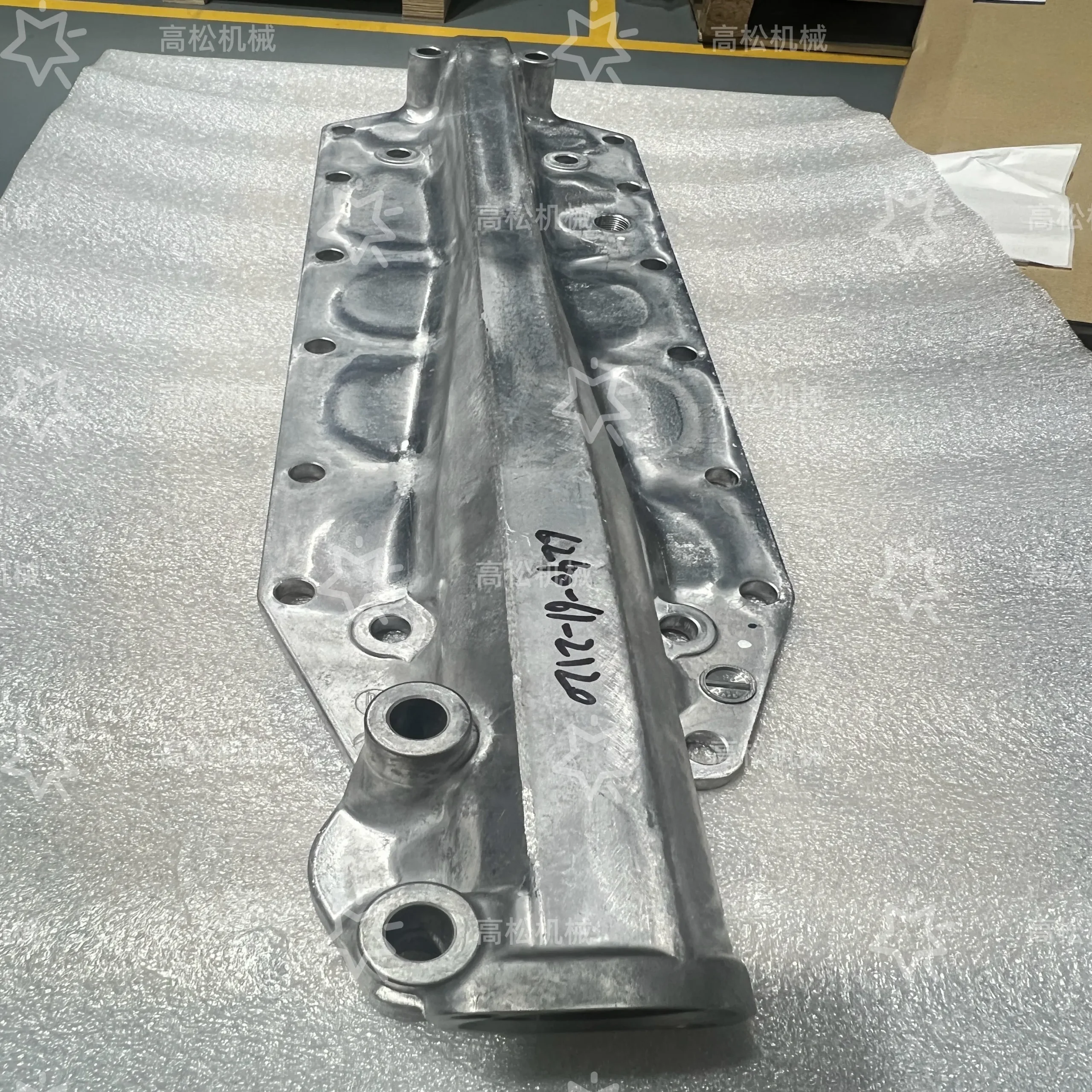
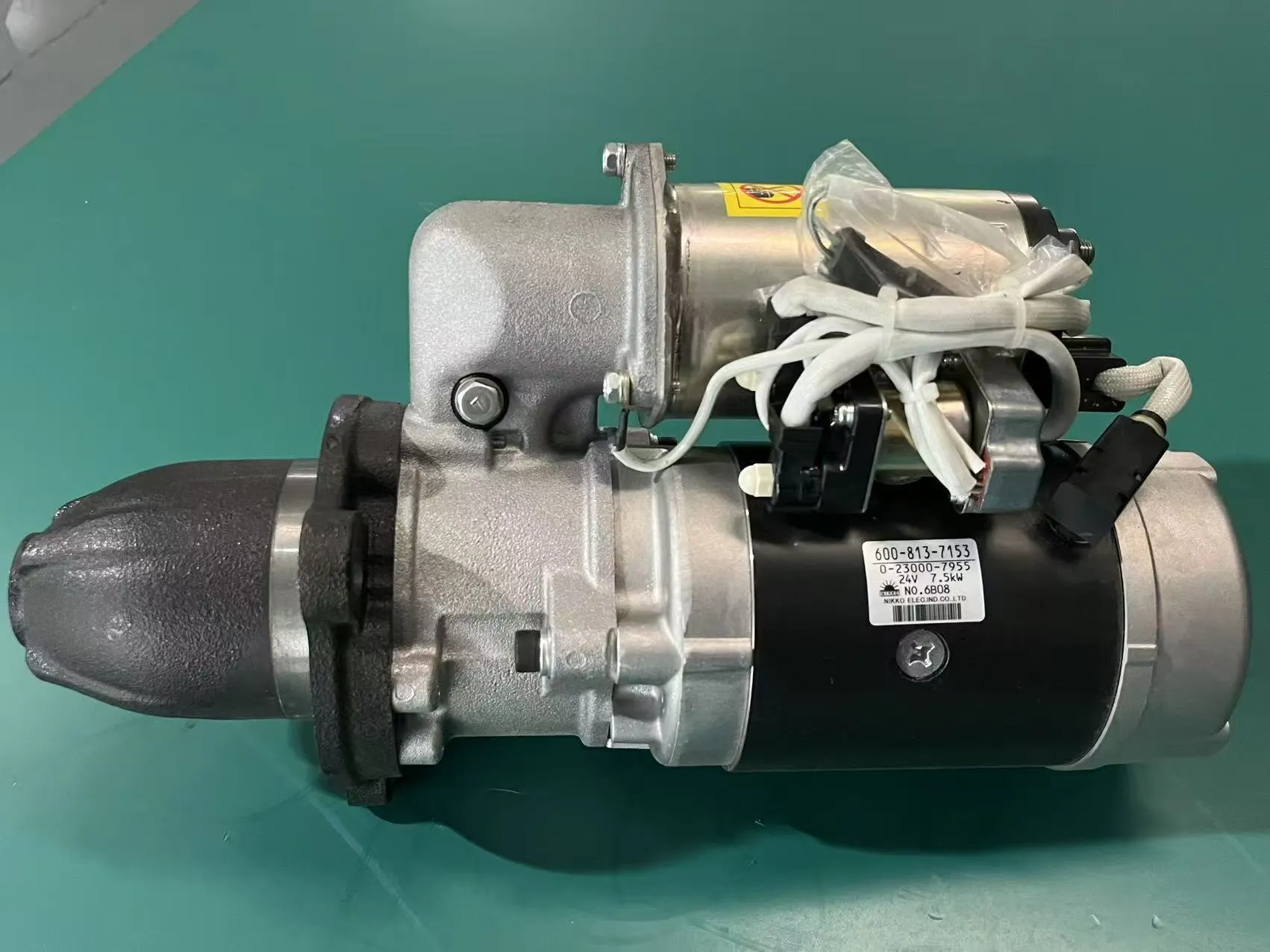
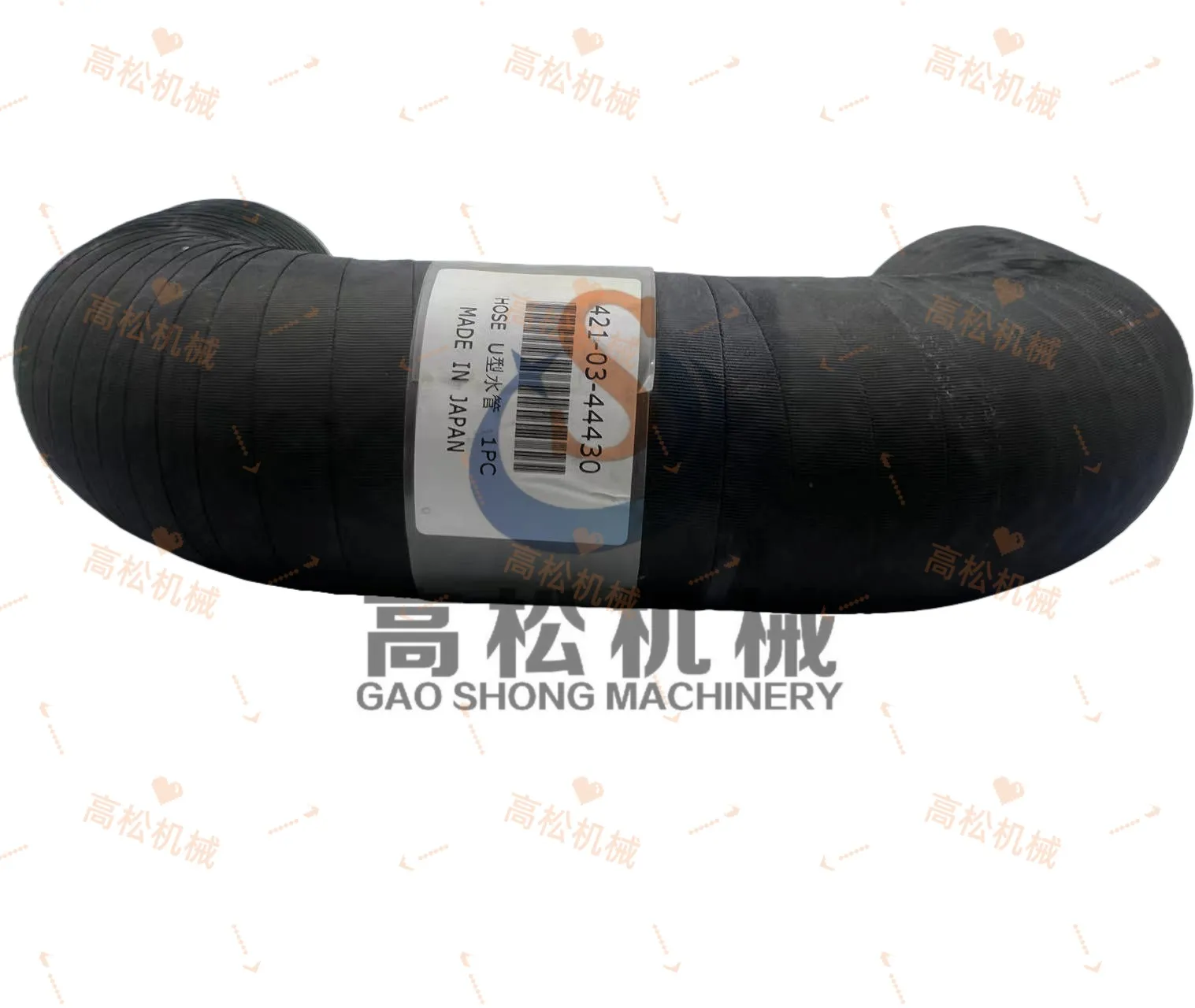
Best Selling Products
Best Selling Products-
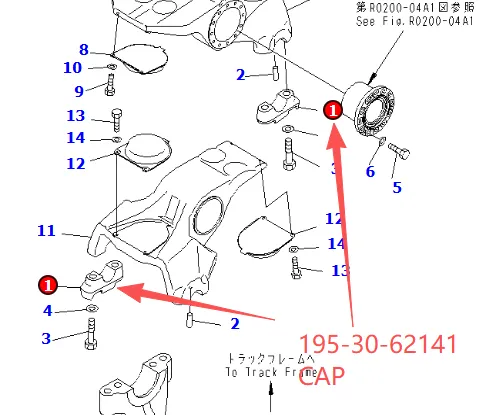 195-30-62141-CAP Komatsu Original Factory
 -
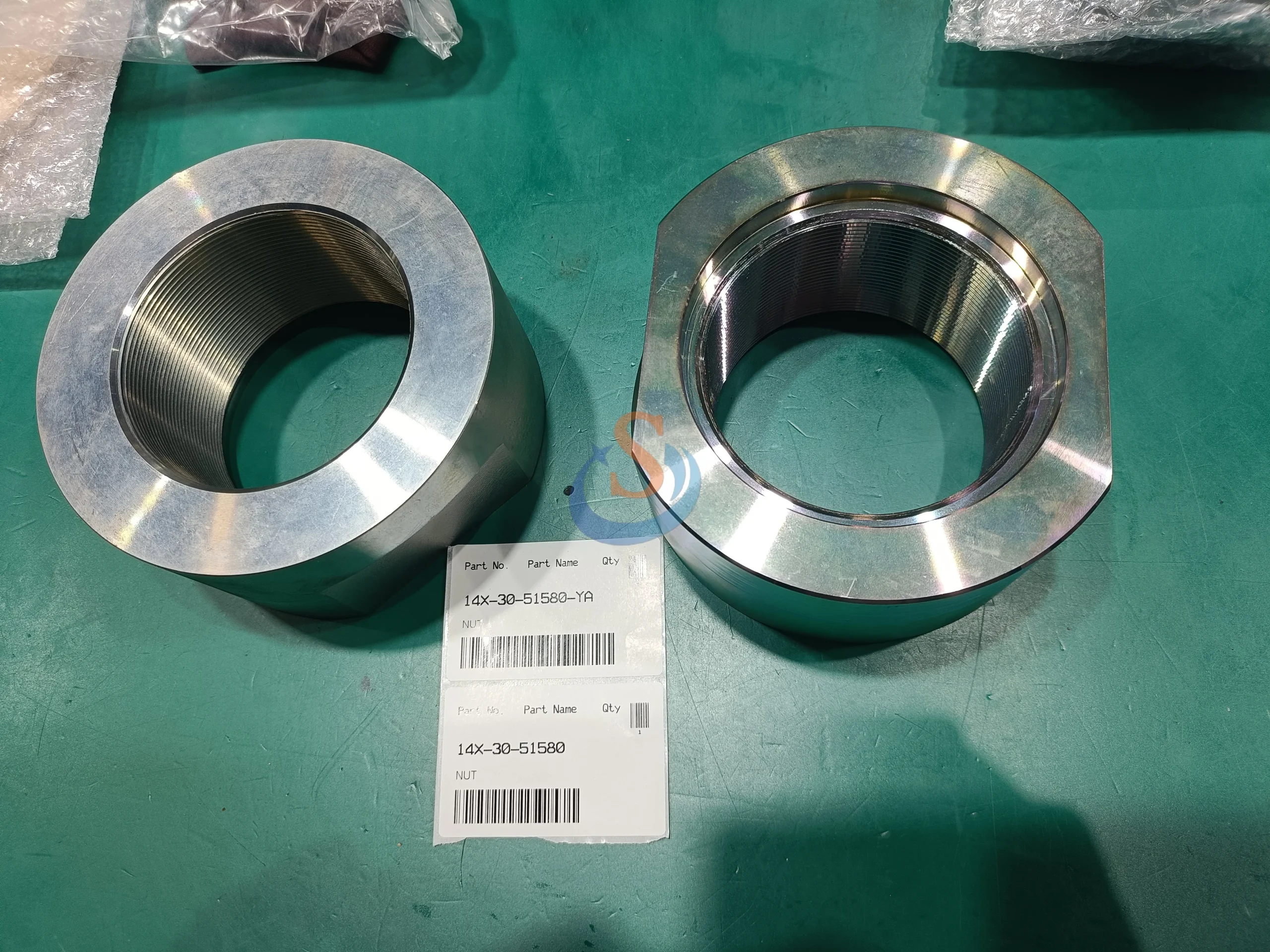 14X-30-51580,NUT,D65EX,D65PX,D65WX
 -
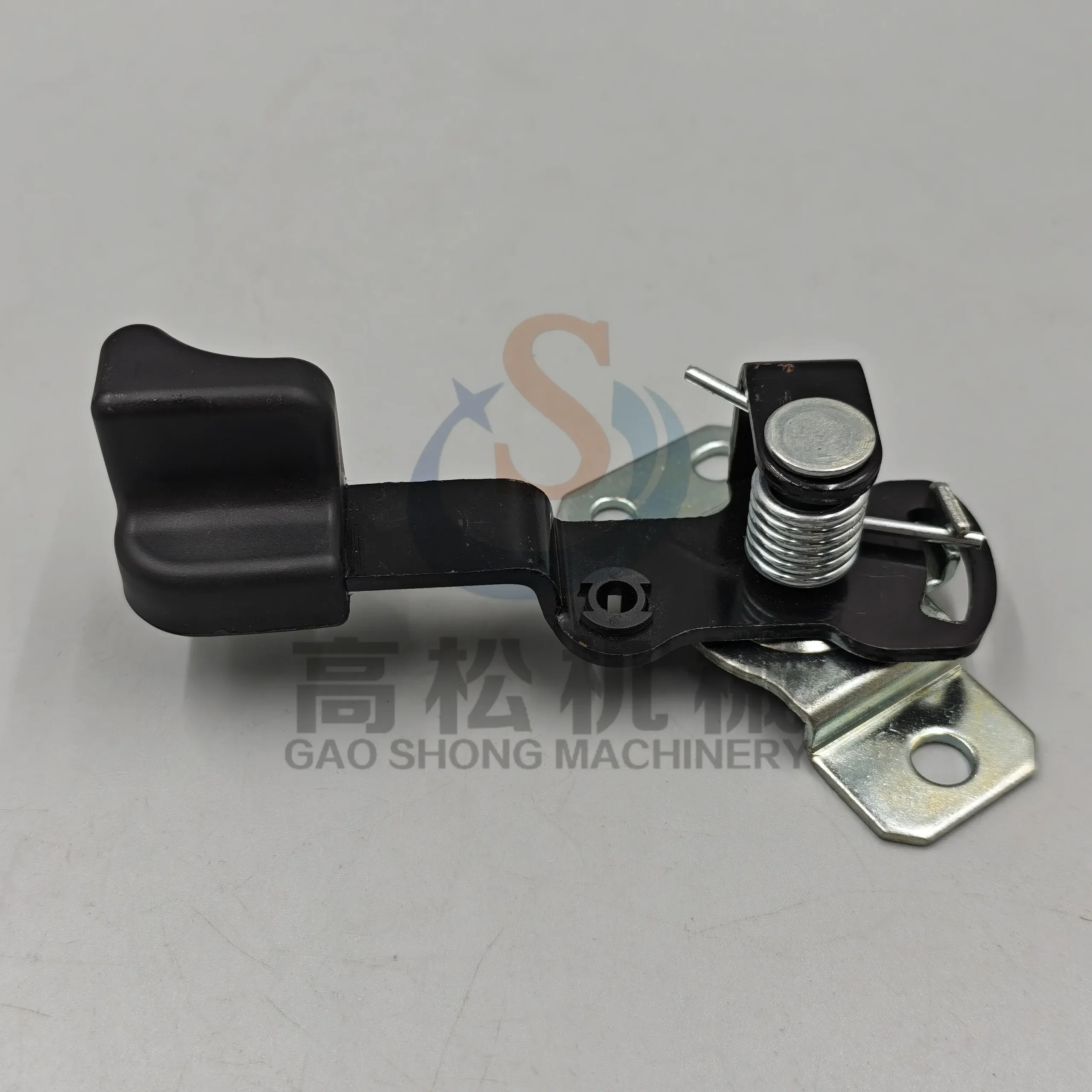 20Y-54-52300 Komatsu Handle Assembly
 -
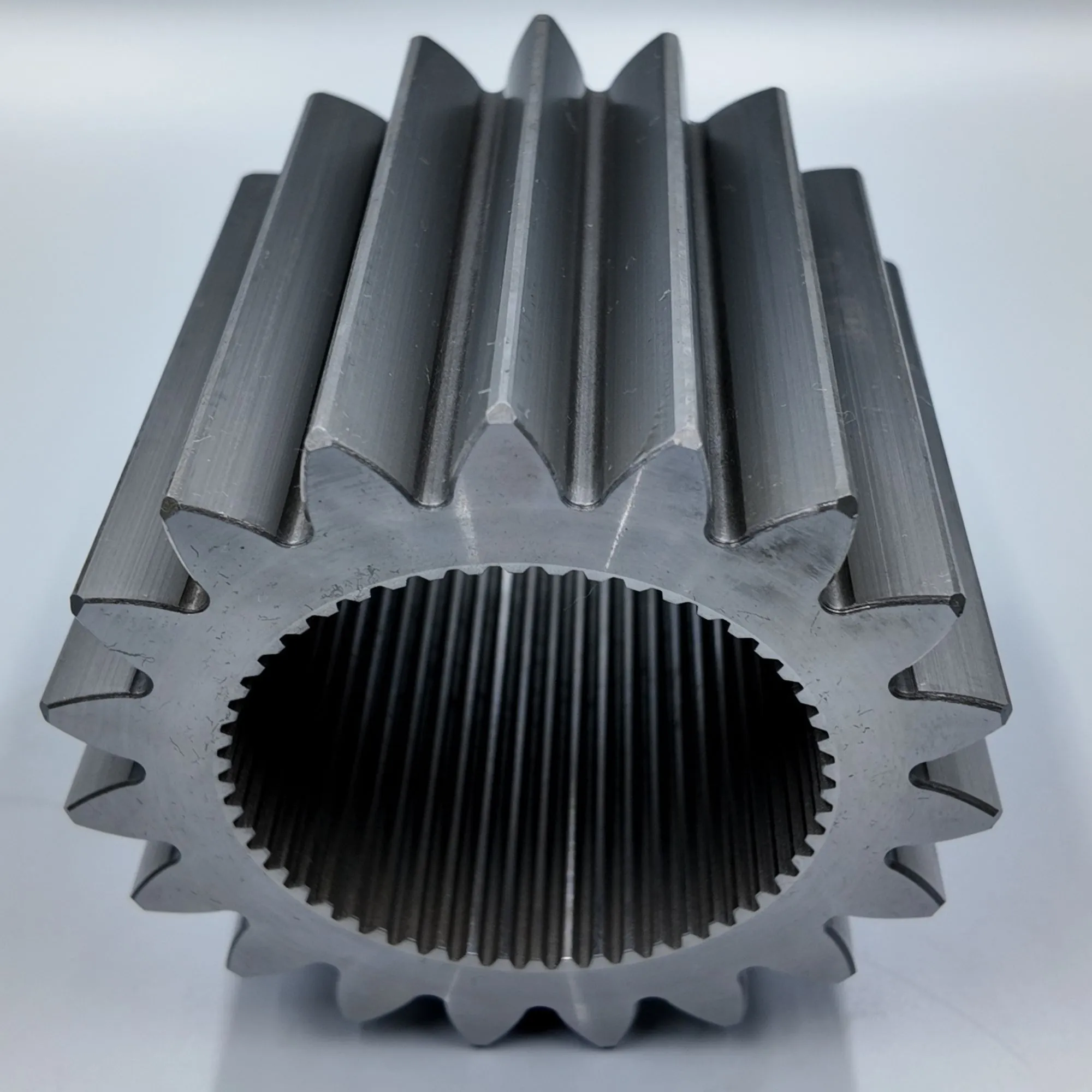 426-22-12421 •• GEAR-Komatsu Original Factory
 -
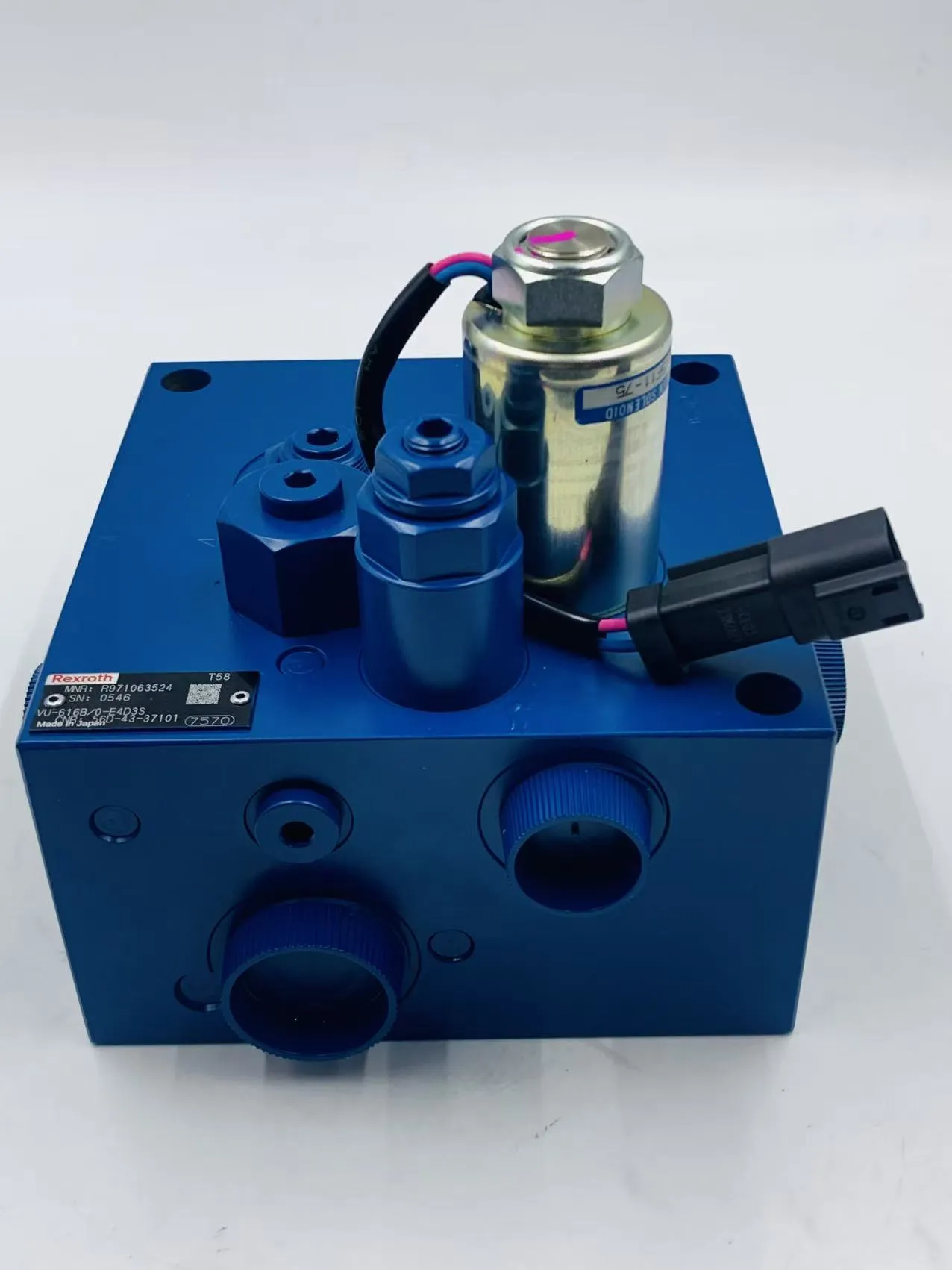 56D-43-37101 Valve Assembly, Charge for HM300 Komatsu Dump Truck Parts High Quality Original Factory
 -
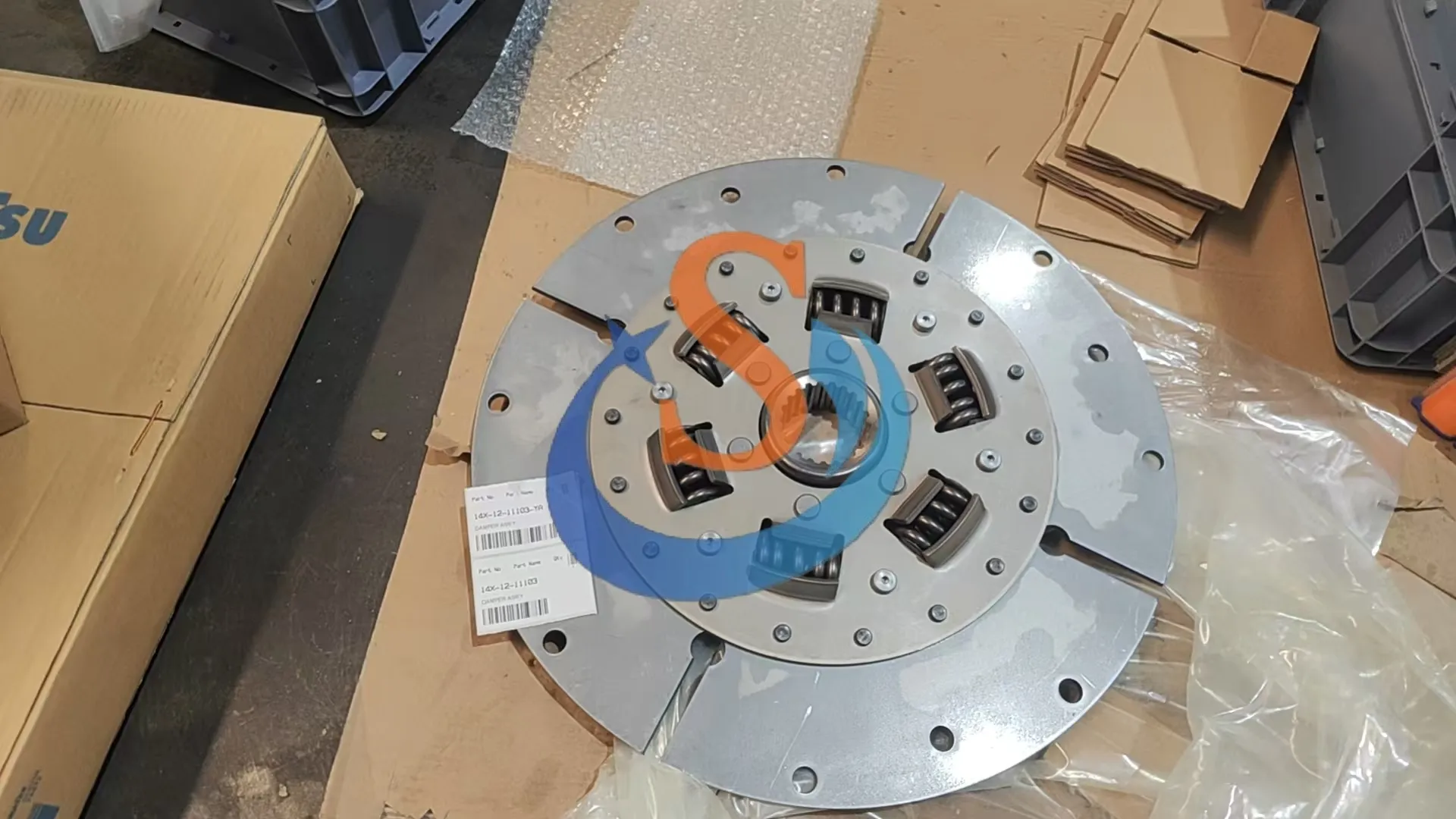 14X-12-11103 Damper Disc ASS’Y D65/D85
 -
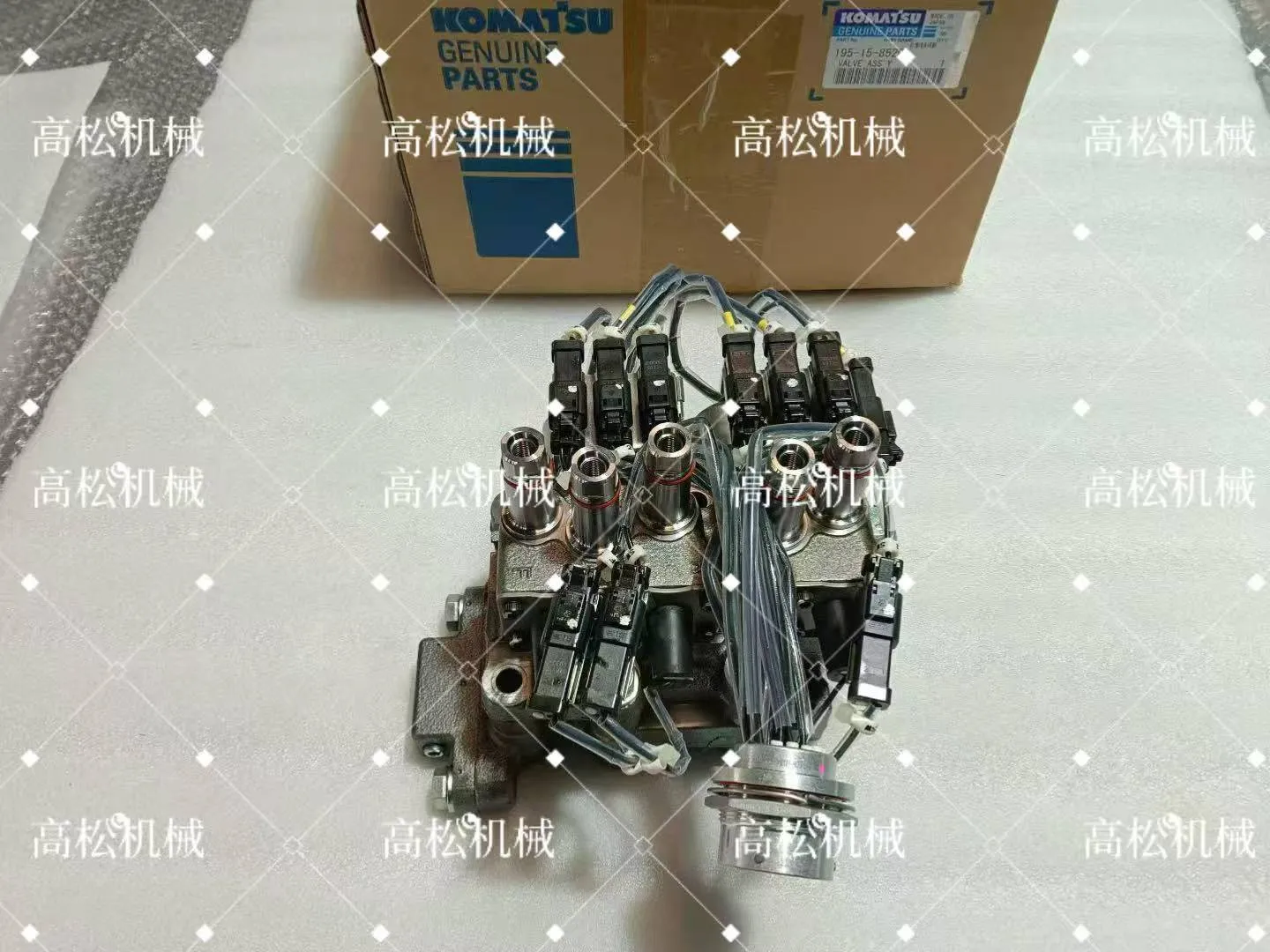 Low price, spot 195-15-85201, valve transmission control for komatsu, parts d375a-6 construction machinery
 -
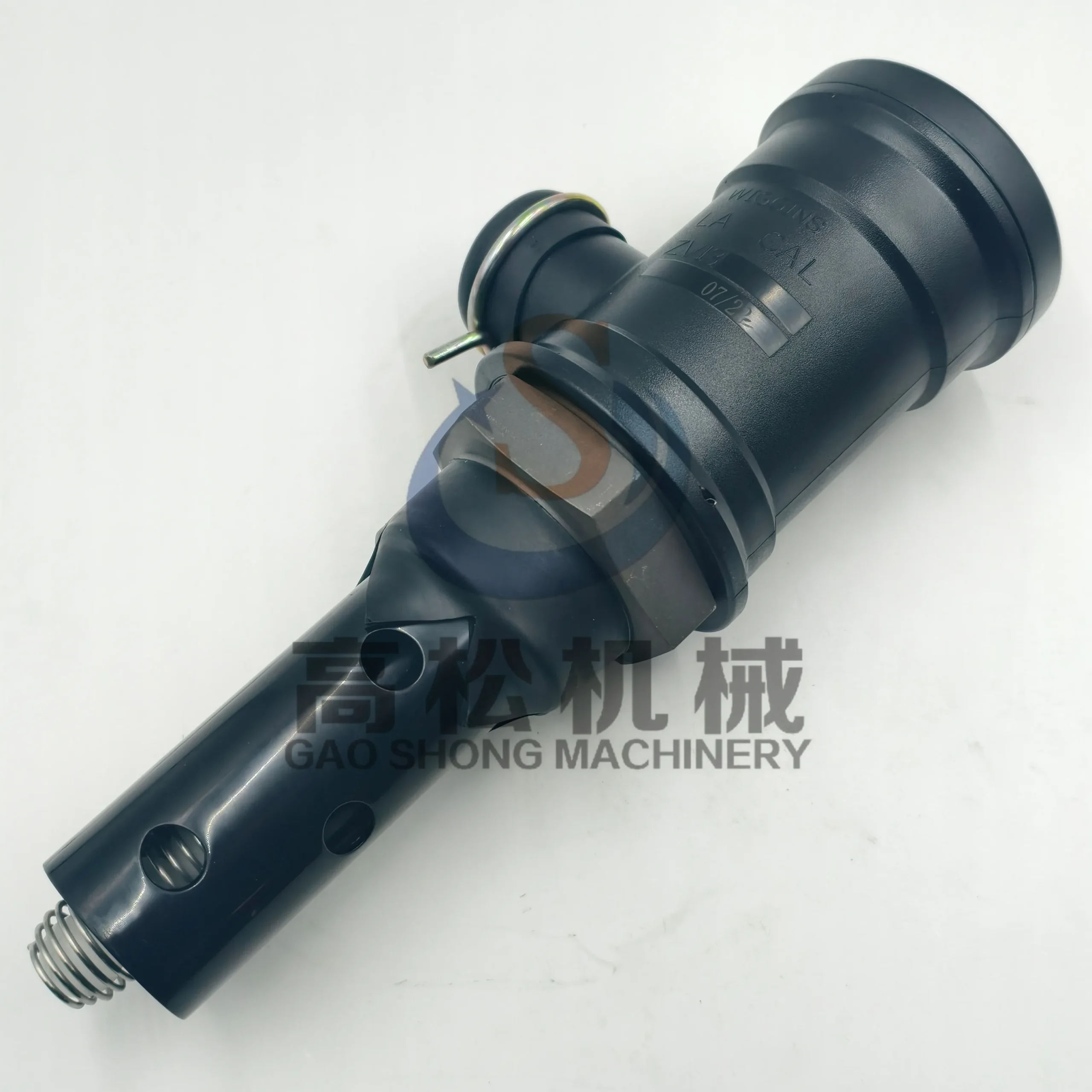 21T-04-31130 KOMATSU VENT ASSY
 -
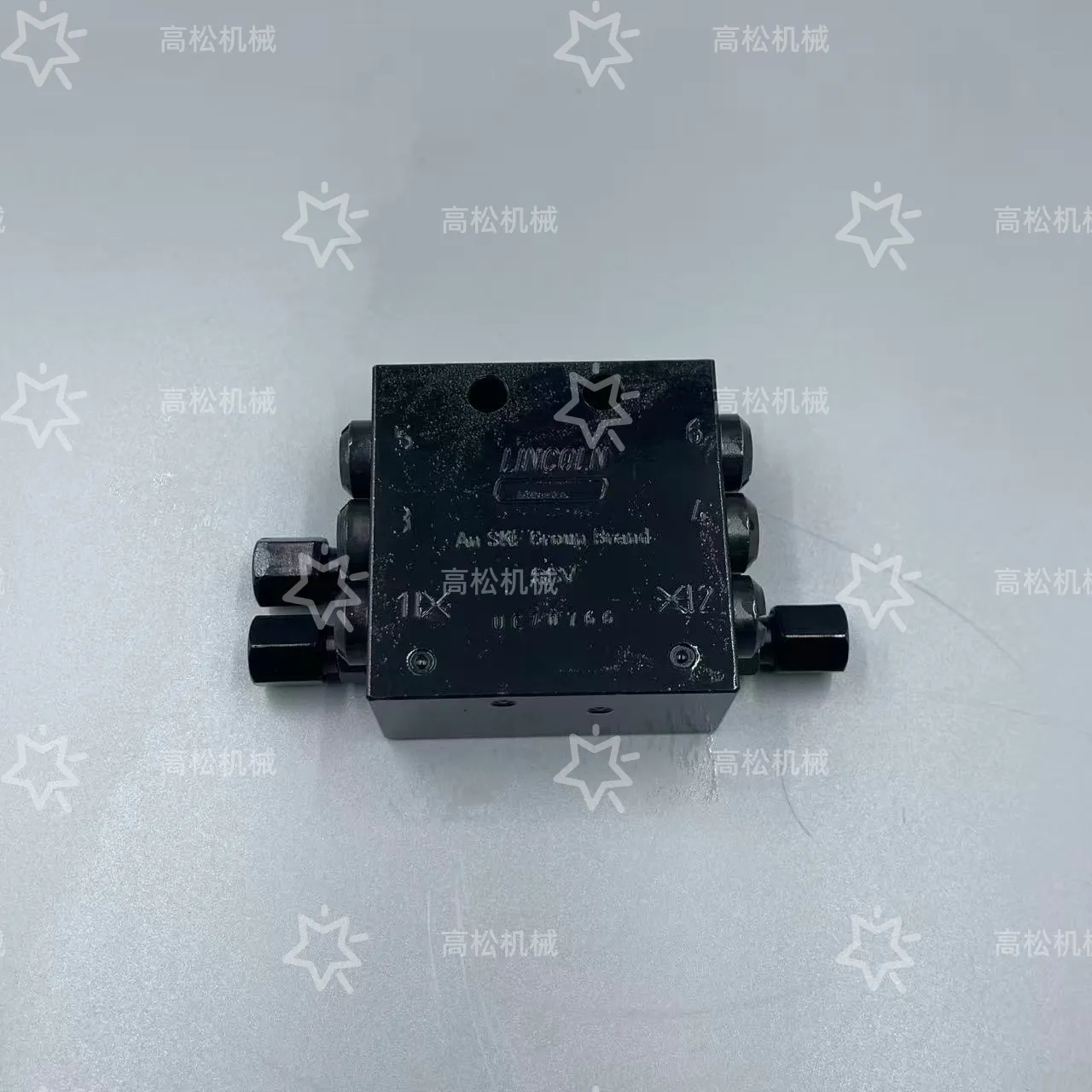 21T-68-67940 Komatsu Valve Assembly
 -
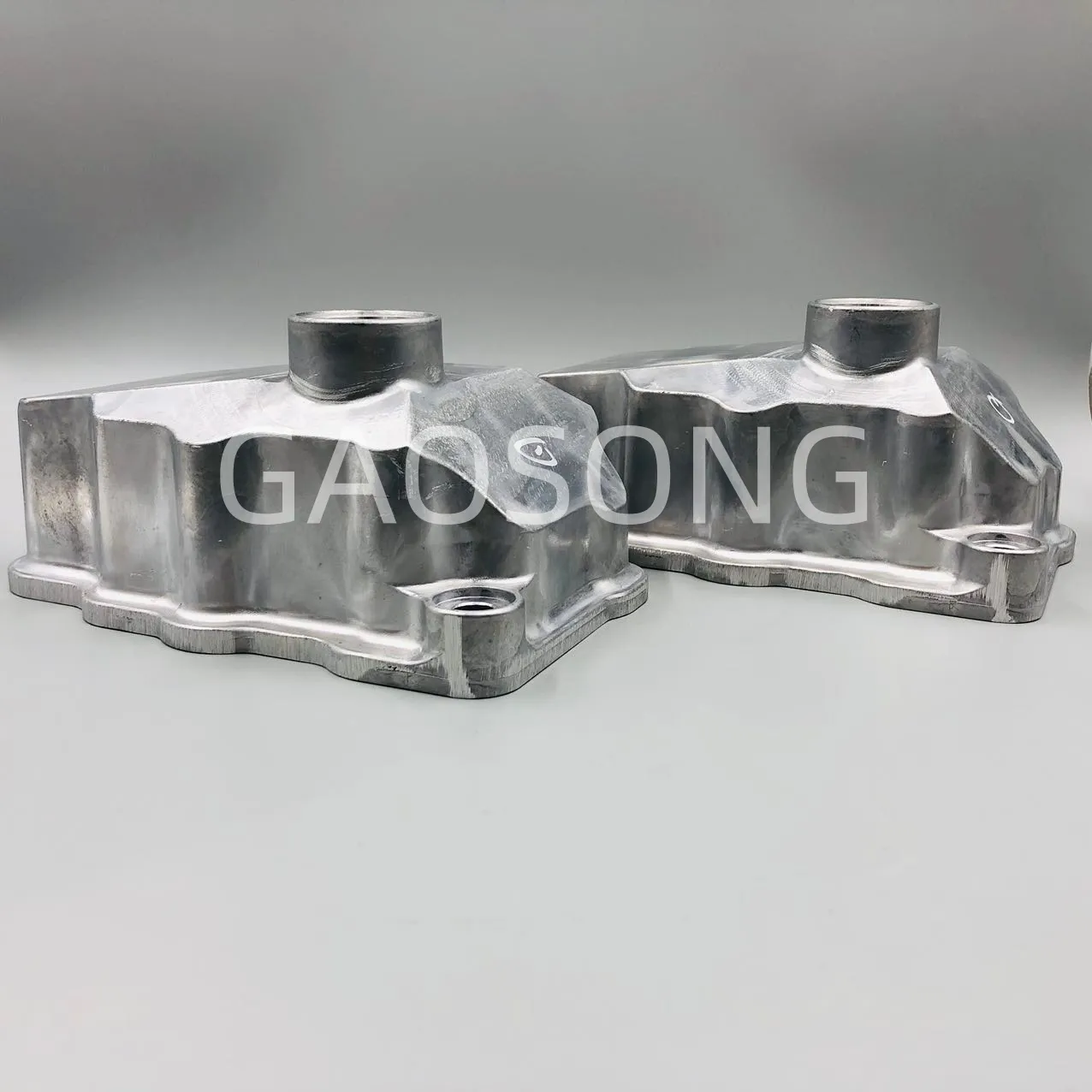 6251-11-8150 Komatsu Cover, Rocker Arm Housing
 -
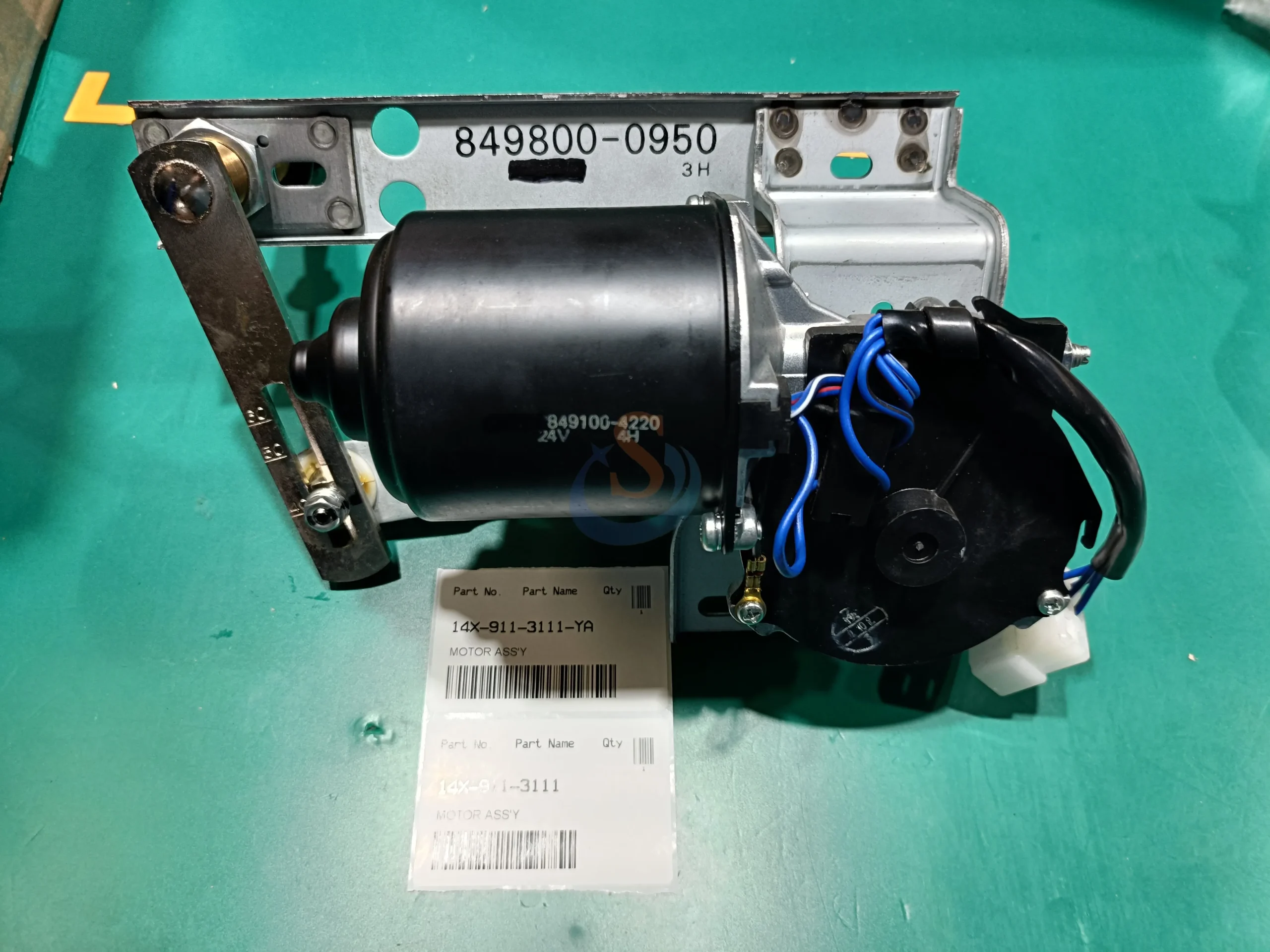 14X-911-3111,WIPER MOTOR ASS’Y,D155A,D275A,D375A
 -
 Seal 17M-50-24360 for Komatsu Dozer D275A-2 D61EX-12 D61PX-12 D61PX-23 D61PX-24 D61PXI-23 D61PXI-24 D63E-12 D68ESS-12 D68ESS-12E0komatsu
Related Search
Related Search- 195-15-12820
- komatsu hydraulic pump for sale
- OEM AND ORIGINAL KOMATSU JOINT 175-71-21261
- OEM AND ORIGINAL KOMATSU PILOT VALVE 702-16-01531
- komatsu wb140 backhoe parts
- Komatsu diesel engine
- OEM AND ORIGINAL KOMATSU STARTER 600-813-9512
- Komatsu D85 parts
- komatsu 25 forklift parts manual
- s6d125e 2 komatsu engine