
- Chinese
- French
- German
- Portuguese
- Spanish
- Russian
- Japanese
- Korean
- Arabic
- Irish
- Greek
- Turkish
- Italian
- Danish
- Romanian
- Indonesian
- Czech
- Afrikaans
- Swedish
- Polish
- Basque
- Catalan
- Esperanto
- Hindi
- Lao
- Albanian
- Amharic
- Armenian
- Azerbaijani
- Belarusian
- Bengali
- Bosnian
- Bulgarian
- Cebuano
- Chichewa
- Corsican
- Croatian
- Dutch
- Estonian
- Filipino
- Finnish
- Frisian
- Galician
- Georgian
- Gujarati
- Haitian
- Hausa
- Hawaiian
- Hebrew
- Hmong
- Hungarian
- Icelandic
- Igbo
- Javanese
- Kannada
- Kazakh
- Khmer
- Kurdish
- Kyrgyz
- Latin
- Latvian
- Lithuanian
- Luxembou..
- Macedonian
- Malagasy
- Malay
- Malayalam
- Maltese
- Maori
- Marathi
- Mongolian
- Burmese
- Nepali
- Norwegian
- Pashto
- Persian
- Punjabi
- Serbian
- Sesotho
- Sinhala
- Slovak
- Slovenian
- Somali
- Samoan
- Scots Gaelic
- Shona
- Sindhi
- Sundanese
- Swahili
- Tajik
- Tamil
- Telugu
- Thai
- Ukrainian
- Urdu
- Uzbek
- Vietnamese
- Welsh
- Xhosa
- Yiddish
- Yoruba
- Zulu
- Kinyarwanda
- Tatar
- Oriya
- Turkmen
- Uyghur






komatsu parts look up
When most people hear 'Komatsu parts look up', they immediately picture typing a part number into a search bar on some official-looking website. That's the start, sure, but if you've actually been in the trenches trying to get a D61EXi-24 dozer moving again on a Friday afternoon, you know that's where the real work begins. The assumption that every part has a clean, available digital twin is the first major pitfall. The databases—whether Komatsu's own or third-party—are tools, not oracles. Their accuracy depends on a hundred upstream factors: regional catalog variations, supersession histories that weren't fully logged, or that one time a local distributor improvised a fix that became semi-standard. So you look up part 20Y-60-11310 for the swing motor. The system says it's available. Great. But is it the right revision for your specific serial number range? That detail often lives in the grey area between the official system and the guy who's rebuilt a hundred of those motors. This is where the job shifts from data entry to detective work.
The Illusion of Universal Availability
Let's get concrete. A few years back, we had a client with a fleet of PC360LC-11 excavators. Routine maintenance, needed the main hydraulic pump shaft seal kit. The Komatsu parts look up via the standard dealer portal showed a part number and a contact for availability status. That's usually code for this might take a while. The official channel quoted a 12-week lead time from Japan. The machine was down, and that timeline was a non-starter. This is the daily reality the term glosses over. The lookup gave us a verified number, which is critical, but the supply chain reality was entirely different. It forced us to look laterally.
This is precisely where a partner with a dual role becomes invaluable. Take a company like Jining Gaosong Construction Machinery Co., Ltd.. Their stated position is interesting: an OEM product supplier within Komatsu's system, and also a third-party sales company. In practice, what that meant for us was this: they could first verify the OEM part number through the proper channels (that's the OEM supplier side), but then, when faced with that 12-week delay, their third-party network could activate. They weren't just looking at a single database; they were checking parallel inventories, certified aftermarket stock, and even checking for compatible assemblies from decommissioned machines. Their site, https://www.takematsumachinery.com, became less of a simple e-commerce front and more of a portal to a broader sourcing logic. The lookup was the first step they took for us, not the last.
The failure, if you can call it that, is assuming the lookup result is the answer. The answer is the physical part that arrives and fits. We've all been burned by ordering a part that the system said was correct, only to find a subtle difference in the flange thickness or the thread pitch. Now, our process includes a secondary verification step, often involving sharing serial number tags, old part photos, and even micrometer readings of the worn component before confirming. The digital parts look up is the hypothesis; the physical inspection is the peer review.
Serial Numbers: The Real Key to the Kingdom
Any seasoned mechanic will grunt this at you before you even finish your sentence: What's the S/N? The machine serial number and the component serial number (for major assemblies) are the master keys. The public-facing Komatsu parts lookup tools often don't emphasize this enough. You can find a parts diagram for a model, but within that model, there can be running changes. The pump on a PC200-8 made in 2010 might have a different bearing specification than one made in 2012. The only way to nail it is to anchor your search with the full serial number.
I recall a scenario with a Komatsu WA470-6 wheel loader. The steering cylinder was leaking. The model-level diagram showed one part number for the seal kit. But when we fed the machine's specific S/N into a more granular system (the kind a dedicated supplier has access to), it revealed two potential kits, differentiated by a minor change in the piston design mid-production. Ordering the wrong one would have meant another two-week downtime. This granularity is what separates a basic search from a professional parts identification service. It's the difference between looking up a car by its model name and by its full VIN.
This is where the expertise of a specialized supplier shows. Their business is built on solving parts supply challenges in certain countries, as Jining Gaosong's description notes. That challenge often isn't just about shipping; it's about precise identification under constraints. They're set up to ask for the serial number first, to dig into those sub-level catalogs, and to interpret the results with an eye on what's actually available across different regions. Their lookup process is inherently fused with logistics intelligence.
When the Part Number Doesn't Exist (Anymore)
Here's a common headache: you have an older machine, maybe a HD785-5 truck. You pull the old filter housing off, and the part number stamped on it is obsolete. A standard lookup hits a dead end. The novice might panic. The workaround involves using the machine's serial number to find the current assembly diagram and then tracing the supersession chain. Part becomes , which then becomes . Sometimes, the new part is a direct fit. Other times, it requires a modification kit. I've seen cases where a simple seal required ordering a kit that included a new housing because the interface changed.
This is a major value-add of a competent third-party supplier within the Komatsu ecosystem. They maintain or have access to those supersession histories. A quick email to their team with the old number and S/N often gets you a response not just with the new number, but with a technical note on any installation differences. For instance, navigating to a site like Takematsu Machinery, you're likely engaging with people who think in these terms daily. Their role as an OEM supplier implies they have the legitimate data; their third-party role means they're motivated to find a workable solution, not just recite a discontinued code.
We tried once to bypass this by just ordering a part that looked right from a generic online marketplace. Big mistake. The dimensions were off by two millimeters, and the material grade was clearly inferior. It failed within 50 hours. The cost of the part was trivial compared to the secondary damage and the extra downtime. Lesson learned: the integrity of the part number trail is everything. A proper parts look up process accounts for the entire lifecycle of the part.
The Human Layer in the Digital Process
No matter how good the software is, the final check is often a phone call or an email with a screenshot. Hey, can you confirm this is the right kit for S/N XXXXX? Here's a photo of the old gland. This human layer is non-negotiable. The databases can have errors, or your interpretation of the diagram might be off. Maybe you're looking at the boom cylinder diagram when you should be looking at the arm cylinder diagram—they can be confusingly similar.
A good supplier builds this layer into their service. You're not just interacting with a shopping cart; you're opening a line of communication with someone who reads hydraulic schematics over breakfast. When Jining Gaosong says they help solve supply challenges, this is a big part of it. It's not just inventory; it's application engineering. They can look at your lookup result and say, Yes, but if you're doing that job, you should also check the wear on the bushing, part number YYY, because it usually goes out at the same time. That proactive advice comes from experience, not a database.
I've found that the most efficient process is a hybrid. Use the online Komatsu parts lookup tools—whether on a dealer site or a specialized portal—to get to the ballpark. Isolate the likely diagram and part number. Then, use that information as the basis for a conversation with a technical specialist. This two-step method filters out the obvious errors and allows the expert to focus on the nuanced validations. It turns the lookup from a solitary task into a collaborative diagnosis.
Beyond Replacement: The Lookup for Diagnostics
Finally, a less obvious use for parts lookup: troubleshooting. You're not always looking to buy; sometimes you're looking to understand. A strange noise from the final drive. Instead of just guessing, you pull up the assembly diagram. Seeing how the planetary gear set is arranged, the sequence of bearings, and the seal locations can help you hypothesize what might be failing. That diagram, accessed through a parts look up, is a diagnostic map.
We had an intermittent overheating issue on a Komatsu dozer. The cooling system parts diagram showed not just the radiator core, but the thermostat housing, the water pump impeller, and all the connecting hoses. Tracing the flow path visually helped us rule out the radiator and focus on the thermostat and its housing, which had a tiny crack that only leaked under high pressure. We weren't just looking for a part to order; we were using the parts explosion as a schematic to understand function and failure modes.
This is where the real depth of a comprehensive parts resource shines. It's a technical repository. Companies that operate as true partners in the supply chain, like the described OEM and third-party hybrid, understand this dual purpose. Their platform isn't just a store; it's a reference library that enables better maintenance decisions. The lookup, in this light, is the first step in repair, yes, but also in comprehension and prevention. It closes the loop from reactive replacement to proactive fleet management.
Related Products
Related Products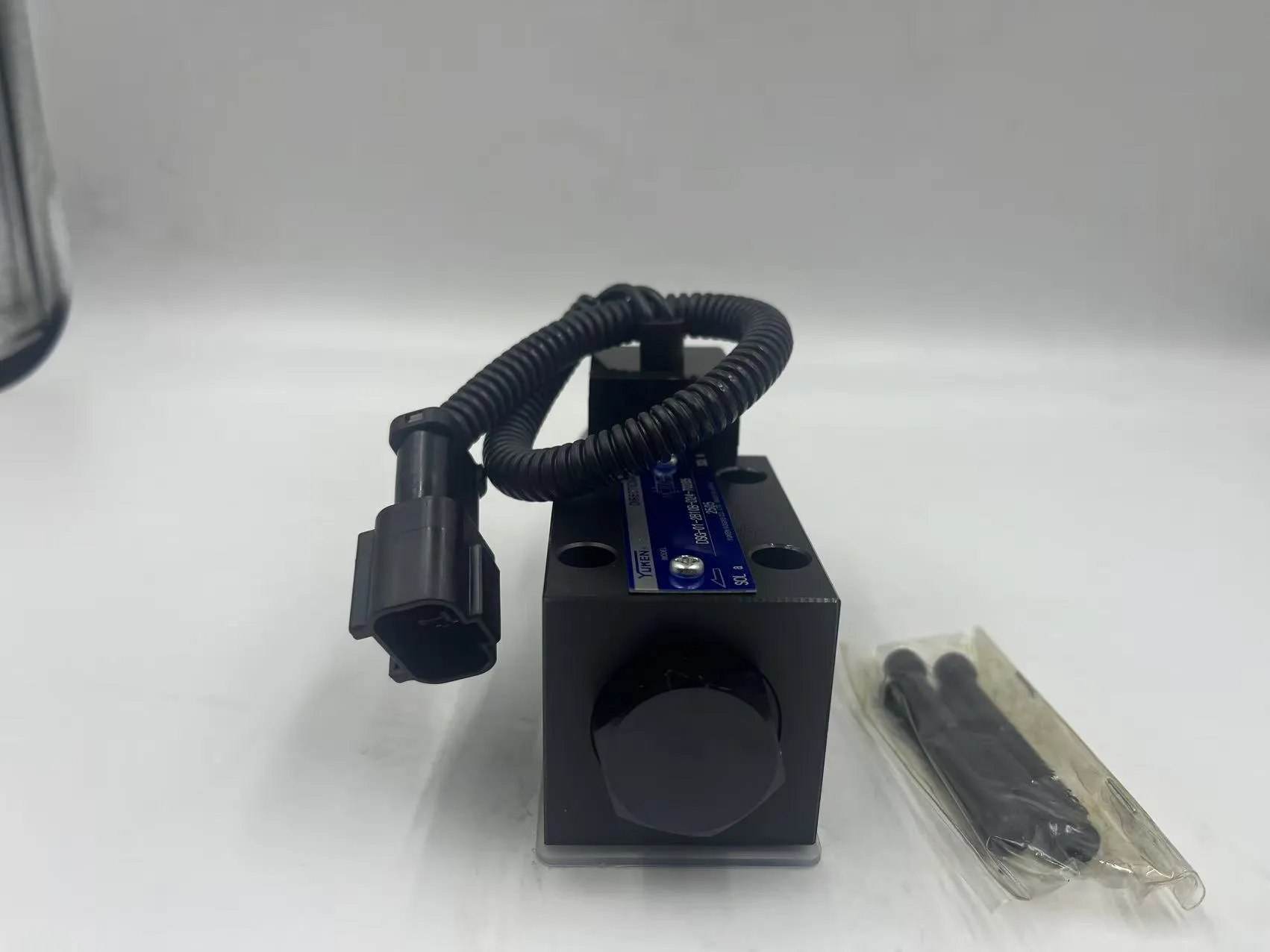

Best Selling Products
Best Selling Products-
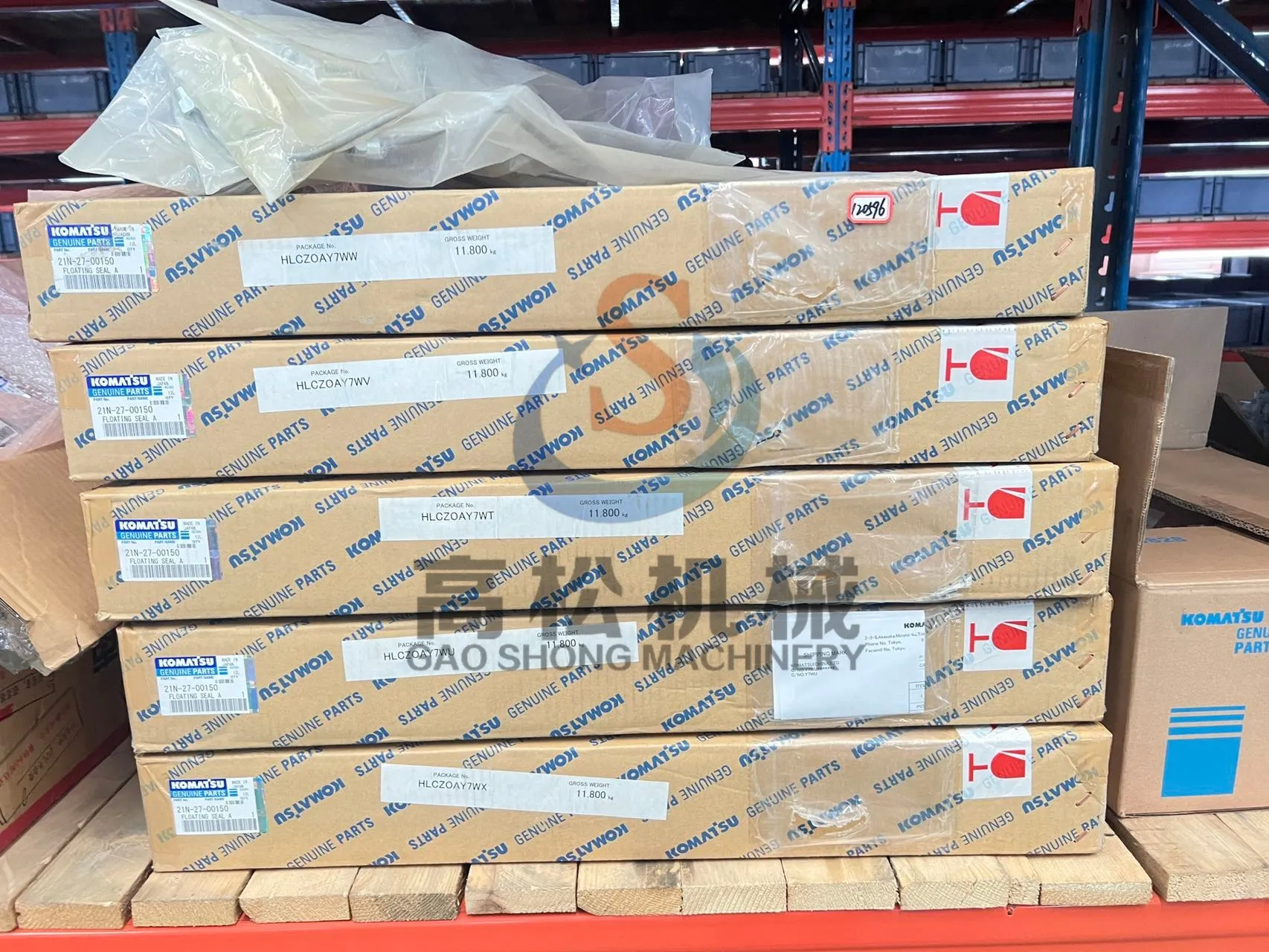 21N-27-00150 Komatsu Floating Seal Assembly
 -
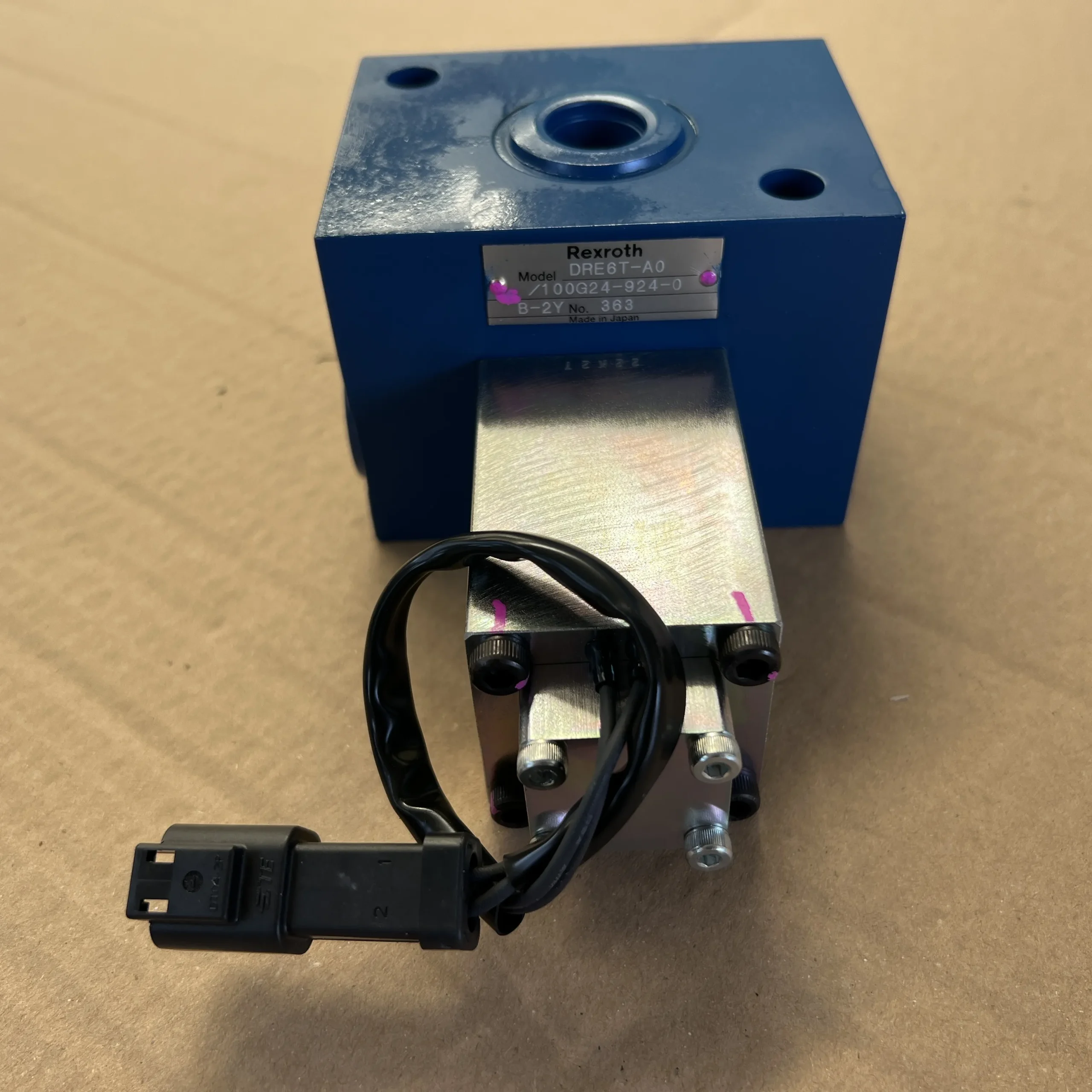 HD465-7 Proportional Solenoid Valve 569-43-83171
 -
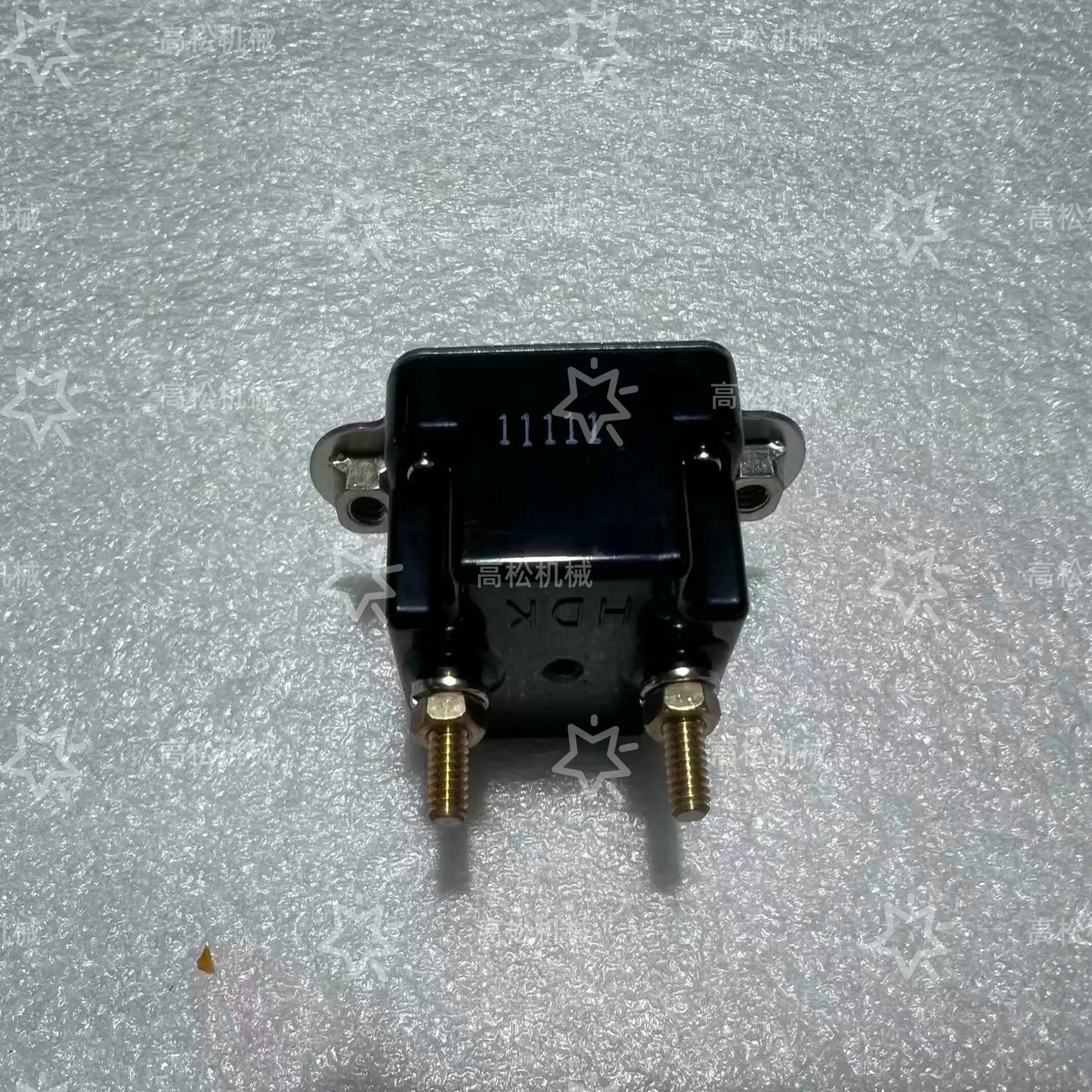 421-06-11440 BREAKER fits KOMATSU
 -
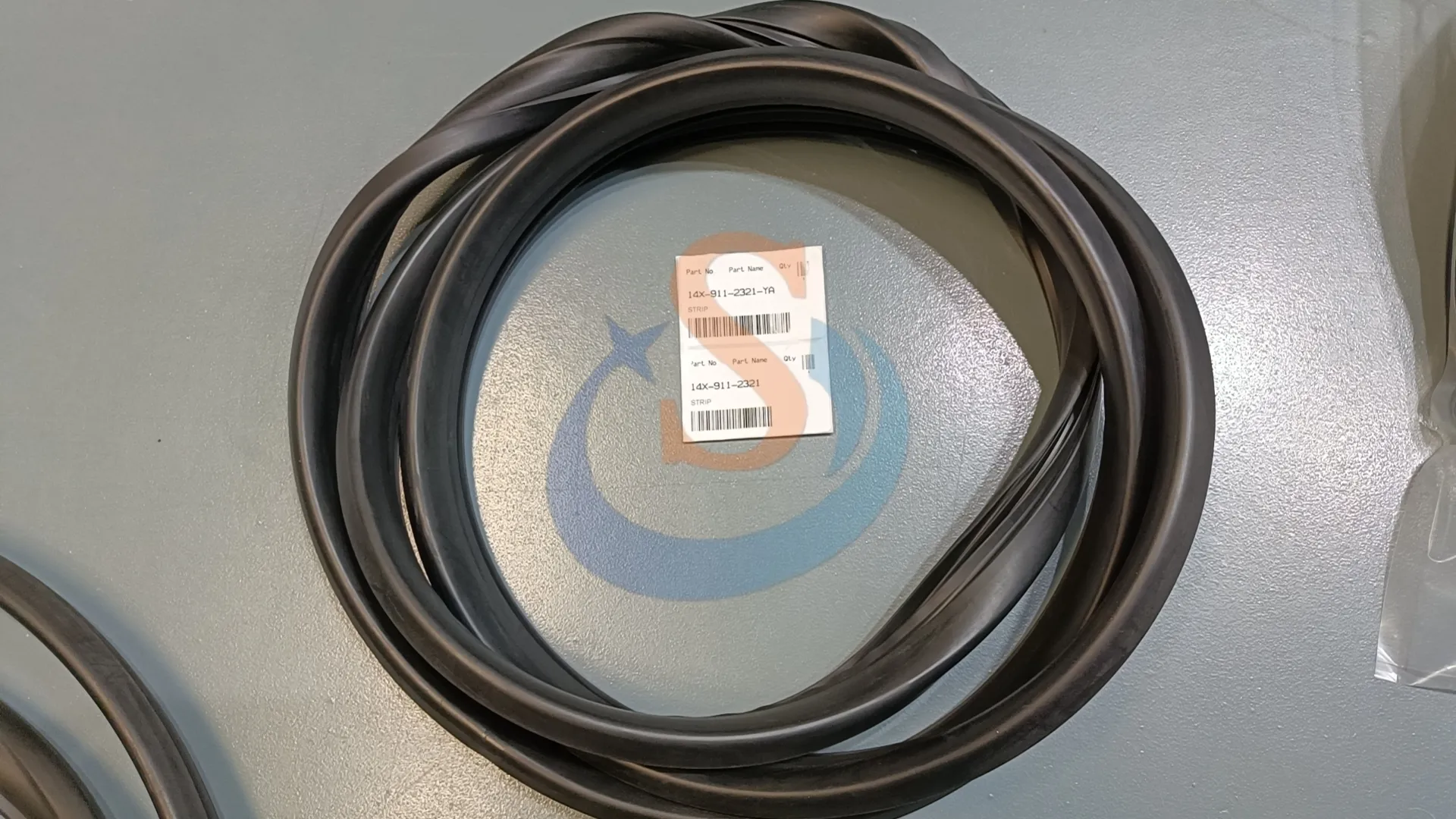 14X-911-2321,STRIP,D60P,D65EX,D155A,D375A
 -
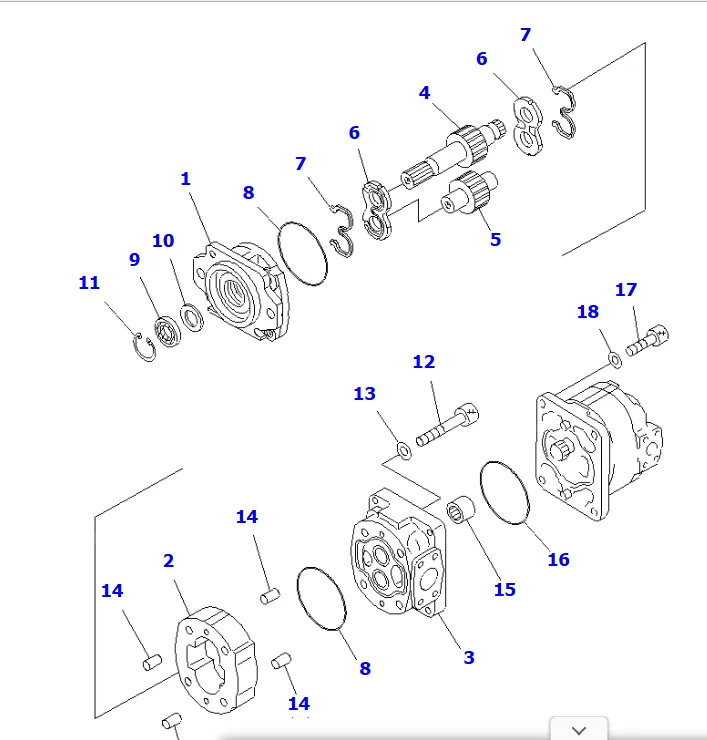 Komatsu HD605-5 pump assembly 705-52-31010
 -
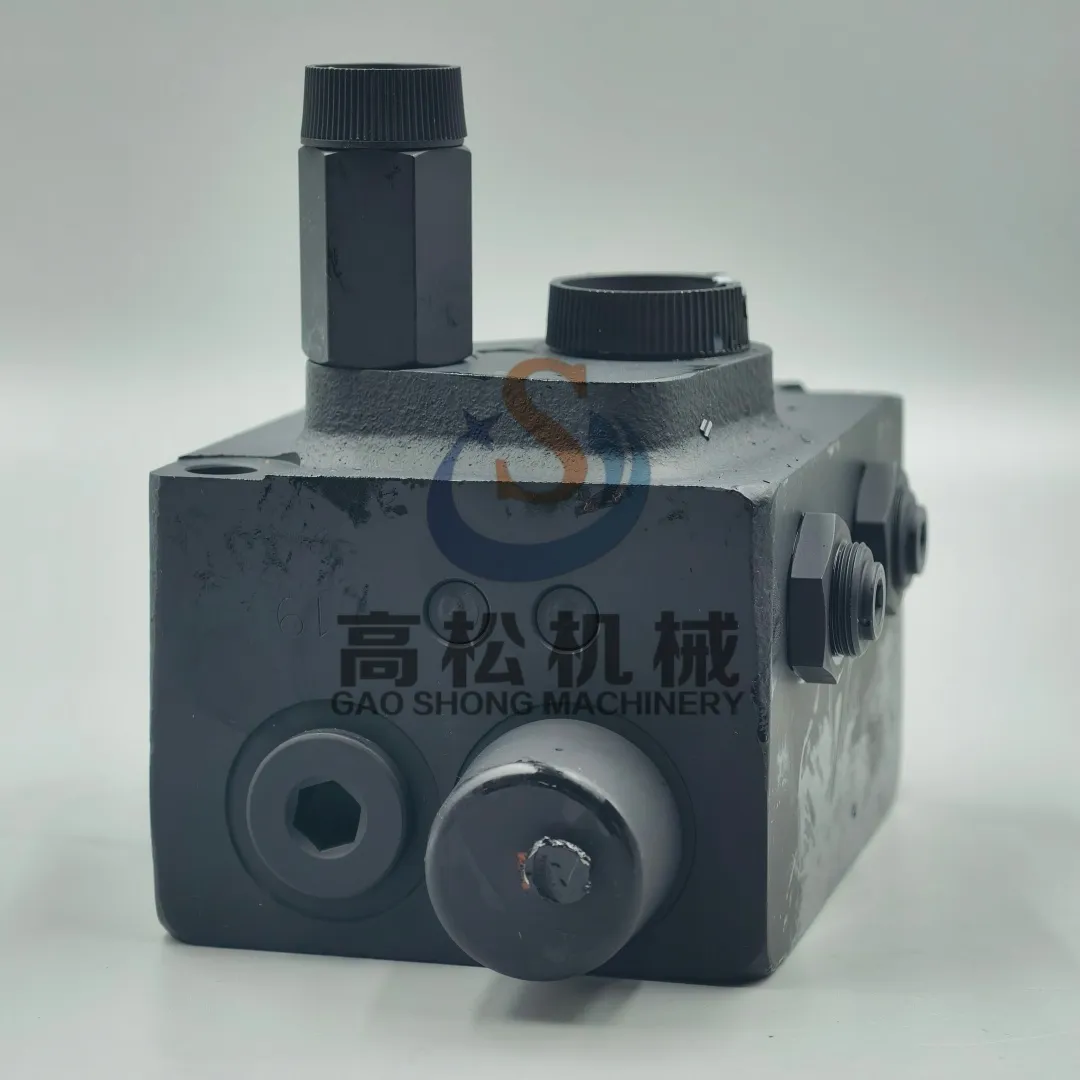 419-43-27401WA320-3 Loader Parts Charge Valve 419-43-27401
 -
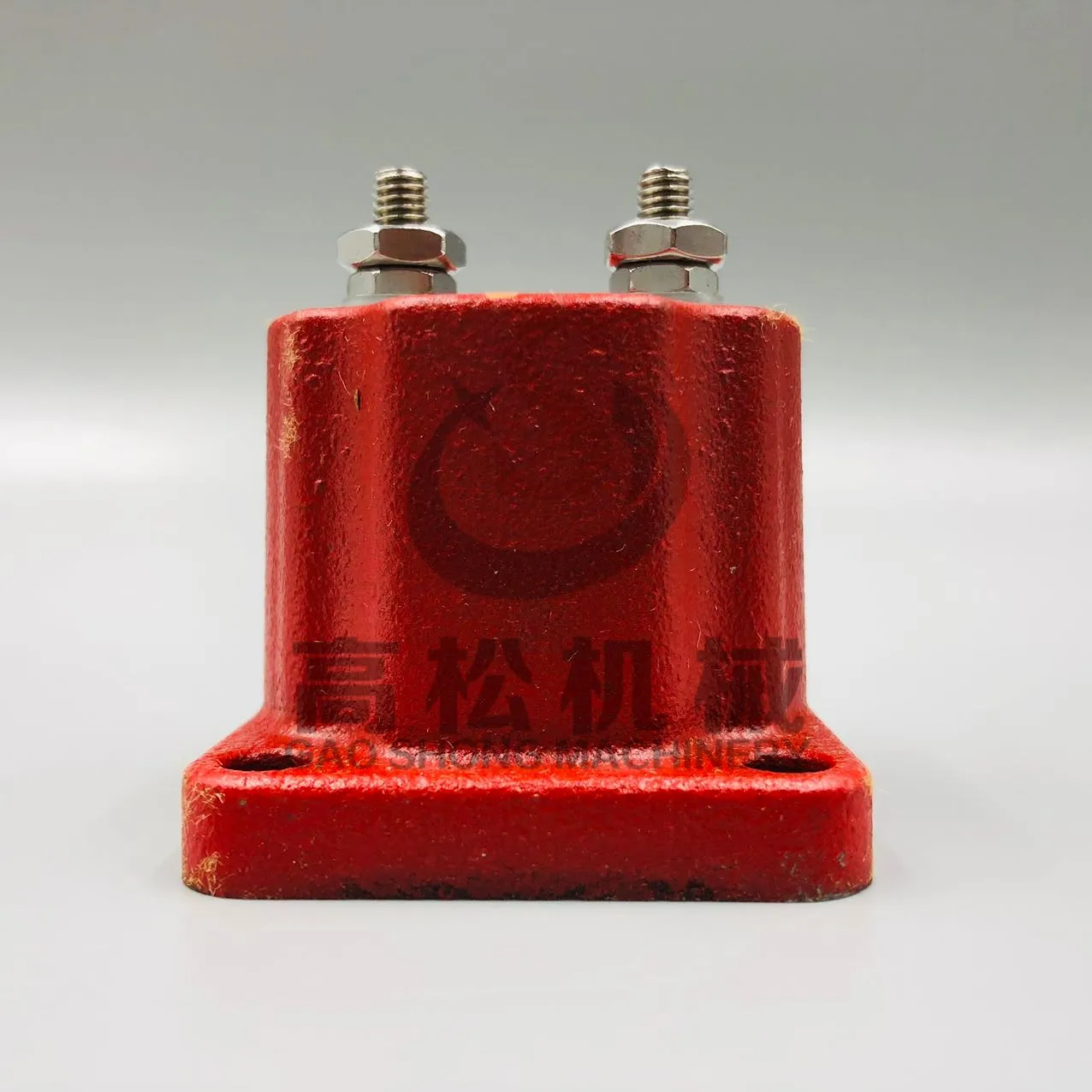 6560-51-1510 SOLENOID (Komatsu)
 -
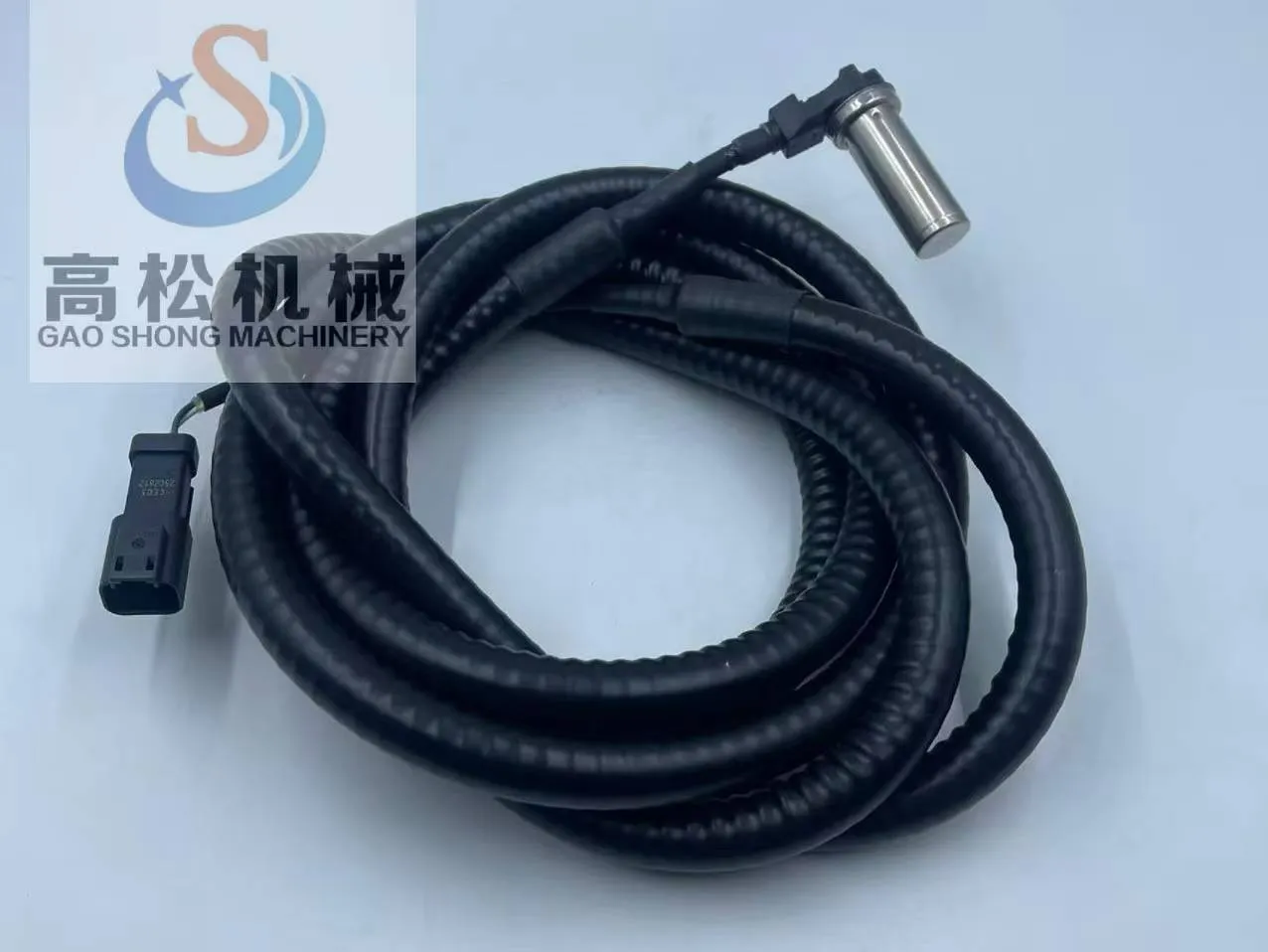 Sensor for Komatsu HD785-7 Dump Truck 566-88-66143
 -
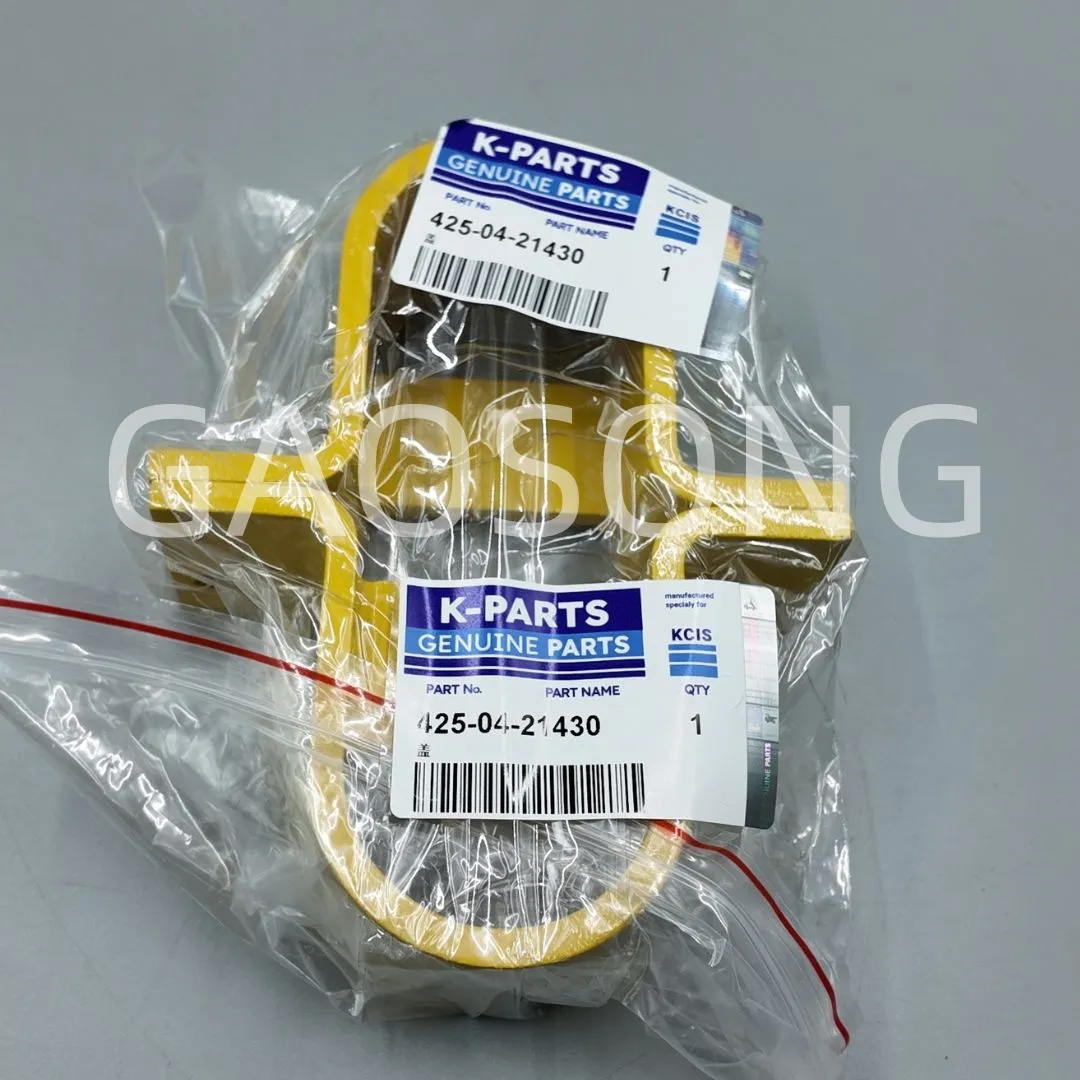 425-04-21430 COVER-Komatsu Original Factory
 -
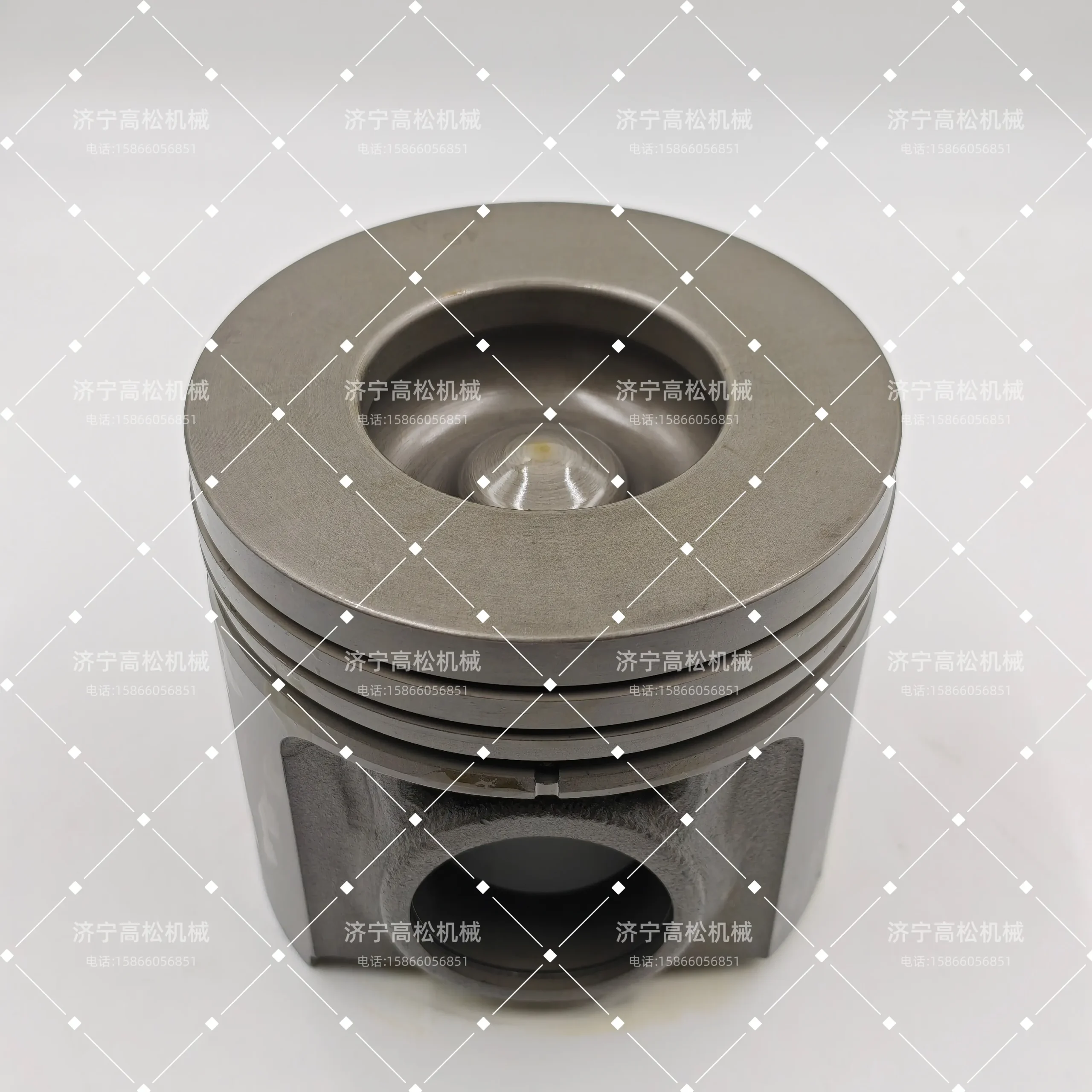 6152-32-2510 Piston for.
 -
 21N-30-14170 21N3014170 Spare Ring for Komatsu Excavator PC1250 PC1250SP
 -
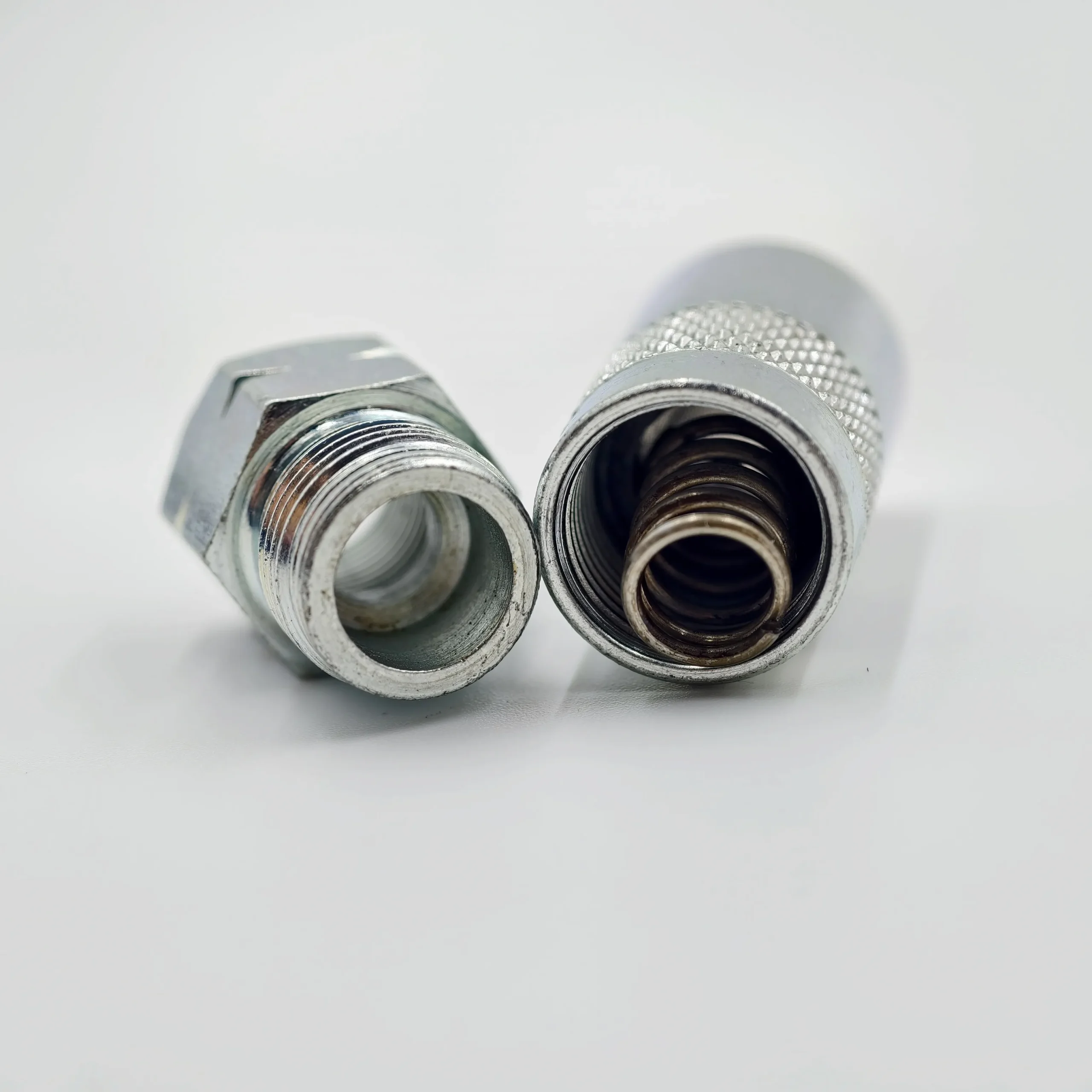 209-68-11640• COUPLER ASS’Y-Komatsu Original Factory