
- Chinese
- French
- German
- Portuguese
- Spanish
- Russian
- Japanese
- Korean
- Arabic
- Irish
- Greek
- Turkish
- Italian
- Danish
- Romanian
- Indonesian
- Czech
- Afrikaans
- Swedish
- Polish
- Basque
- Catalan
- Esperanto
- Hindi
- Lao
- Albanian
- Amharic
- Armenian
- Azerbaijani
- Belarusian
- Bengali
- Bosnian
- Bulgarian
- Cebuano
- Chichewa
- Corsican
- Croatian
- Dutch
- Estonian
- Filipino
- Finnish
- Frisian
- Galician
- Georgian
- Gujarati
- Haitian
- Hausa
- Hawaiian
- Hebrew
- Hmong
- Hungarian
- Icelandic
- Igbo
- Javanese
- Kannada
- Kazakh
- Khmer
- Kurdish
- Kyrgyz
- Latin
- Latvian
- Lithuanian
- Luxembou..
- Macedonian
- Malagasy
- Malay
- Malayalam
- Maltese
- Maori
- Marathi
- Mongolian
- Burmese
- Nepali
- Norwegian
- Pashto
- Persian
- Punjabi
- Serbian
- Sesotho
- Sinhala
- Slovak
- Slovenian
- Somali
- Samoan
- Scots Gaelic
- Shona
- Sindhi
- Sundanese
- Swahili
- Tajik
- Tamil
- Telugu
- Thai
- Ukrainian
- Urdu
- Uzbek
- Vietnamese
- Welsh
- Xhosa
- Yiddish
- Yoruba
- Zulu
- Kinyarwanda
- Tatar
- Oriya
- Turkmen
- Uyghur






Komatsu parts for sale
When you type 'Komatsu parts for sale' into a search, you're immediately thrown into a world of extremes. On one side, you have the official channels with their reassuringly high prices and lead times that can stretch for weeks. On the other, a dizzying array of suppliers promising OEM quality at half the cost, often with stock ready to ship. The biggest misconception I see is people equating for sale directly with compatible and reliable. That's a dangerous shortcut. In my years dealing with fleet maintenance, the core challenge has never been just finding a part; it's verifying its provenance and understanding the supply chain behind it. A cheap, available part that fails in three months costs infinitely more than the one that took two weeks to arrive.
The OEM Promise vs. The On-Ground Reality
Let's talk about the OEM label. It's the gold standard, sure. But in many regions, especially where I've operated in Southeast Asia and parts of Africa, getting genuine Komatsu parts through the official distributor network can be a logistical nightmare. You're not just paying for the part; you're paying for a complex international logistics chain. A simple request for a hydraulic pump group for a PC360-8 could trigger a 45-day wait. Operations don't stop for 45 days. This gap is where the real market operates.
This is where companies positioning themselves within the system become critical. I came across Jining Gaosong Construction Machinery Co., Ltd. a few years back during a procurement scramble. Their stated role as an OEM product supplier within the Komatsu system and a third-party sales company is more than just marketing copy. It speaks to a specific niche: navigating Komatsu's own manufacturing and supply network to source parts, then redistributing them to markets where the official pipeline is clogged or non-existent. Their site, https://www.takematsumachinery.com, became a useful reference point not for flashy buys, but for understanding that middle layer of the supply chain.
The nuance is in the phrase helping to solve parts supply challenges in certain countries. It's an admission of a systemic problem. They aren't claiming to be Komatsu, but they are leveraging access to Komatsu's system. In practice, this can mean anything from sourcing overstock from one region to supplying parts manufactured by Komatsu's certified secondary vendors. The key for a buyer is to drill down: OEM product supplier for which components? Cylinder rods? Seal kits? Undercarriage rollers? The reliability varies wildly by part category.
Judging Quality Beyond the Price Tag
You develop a feel for this. A Komatsu parts listing with perfect, studio-lit photos and a price 70% below market? Almost always a red flag. The genuine aftermarket or system-authorized parts often have less glamorous photography—sometimes grainy, sometimes on a workshop bench. I learned this the hard way with a set of SAA6D114E-3 engine cylinder liners. The price was right, the pictures looked professional, but the metallurgy was off. They scored under pressure far sooner than they should have, leading to a catastrophic coolant leak and an engine rebuild that dwarfed the savings.
Now, I look for different details. Documentation. Can the supplier provide traceability? A material certificate? Even a batch number? Companies like the one mentioned often can, because their link to the OEM system demands some level of paperwork. It's not the same as scanning a Komatsu QR code at the dealer, but it's a layer of accountability the pure counterfeit market avoids. I've had better luck with structural components—brackets, plates, grader blades—from these hybrid suppliers than with high-precision hydraulic or fuel system parts.
The other test is specificity. A listing that just says Komatsu Excavator Pump is useless. One that lists Komatsu Pump Assembly, Part No. 20Y-60-21110, for PC300-8 shows a level of system knowledge that suggests a connection to technical data, not just a parts catalog. It indicates the seller has likely dealt with the machine in the field, not just in a warehouse.
The Logistics and Trust Equation
Finding the part is half the battle. Getting it to your site, clear of customs, and with all the correct paperwork is the other half. This is where a supplier's real value is proven. I've had shipments held up for weeks because a commercial invoice listed a generic engine part instead of the precise HS code. A professional supplier in this space knows the export and import hurdles for different countries. They'll often ask about the destination port upfront because they know which documents are required for, say, Mombasa versus Durban.
Building a relationship with a single reliable third-party sales company is often more efficient than chasing the lowest price every time. You trade some upfront cost for predictability. They learn your fleet mix, your preferred shipping methods, and your quality thresholds. You learn their strengths—maybe they're excellent on undercarriage components but slow on electronic control modules. This tacit knowledge isn't on any website; it's built over failed and successful transactions.
It also mitigates risk. When a final drive on a D65EX-18 failed unexpectedly, having a go-to contact who understood the urgency and could navigate their network to find a compatible unit—not just a boxed part, but a tested assembly—saved a critical earthworks project. That service level is part of the sale, though it's never listed in the price.
When to Go Alternative, When to Insist on Genuine
This is the daily judgment call. My rough rule: anything safety-critical or central to the machine's core systems—think swing bearings, main control valves, ECU components—I push for the most direct, traceable supply possible, even if it means waiting and paying more. The cost of failure is too high. For non-critical, wear items, or items with robust aftermarket manufacturing standards, the alternative market is fine. Think filters (from a quality brand), standard hoses and fittings, bucket teeth, and some seal kits.
I remember trying to save money on a Proximity Sensor (Part No. ) for a WA470-6 loader. The aftermarket unit was a fraction of the cost. It worked for about 80 hours before giving erratic signals, causing the transmission to shift unpredictably. The downtime and diagnostic hassle erased any savings. Conversely, I've used aftermarket radiator cores for the same machine model with zero issues for thousands of hours. It's not a blanket rule; it's a part-by-part, application-by-application assessment.
This is where a supplier's advice matters. A good one will tell you, For this part, I recommend the OEM version we can source, the aftermarket is hit-or-miss. A bad one will sell you whatever they have in stock. The former is building a business on solving supply challenges; the latter is just moving inventory.
Concluding Thoughts: A Market Built on Knowledge Gaps
The market for Komatsu parts for sale exists and thrives precisely because of the knowledge and access gaps between Komatsu's global system and the individual machine owner in a remote location. It's not inherently good or bad; it's a reality. Navigating it successfully requires treating every search as the start of an investigation, not a purchase.
Companies that fill this niche, like Jining Gaosong, are essentially information and access brokers. Their value isn't just in having a warehouse; it's in understanding Komatsu's part numbering, manufacturing cycles, and which components are in chronic short supply in which regions. Their website is a portal, but the real service happens in emails and calls where you specify your machine serial number, your breakdown symptoms, and your deadline.
So next time you search for that part, look beyond the listing. Look for evidence of system knowledge, transparency in communication, and an understanding of the total cost of ownership—not just the price on the screen. The right part, from the right source, at the right time, is what keeps iron moving. Everything else is just a transaction waiting to cause downtime.
Related Products
Related Products

Best Selling Products
Best Selling Products-
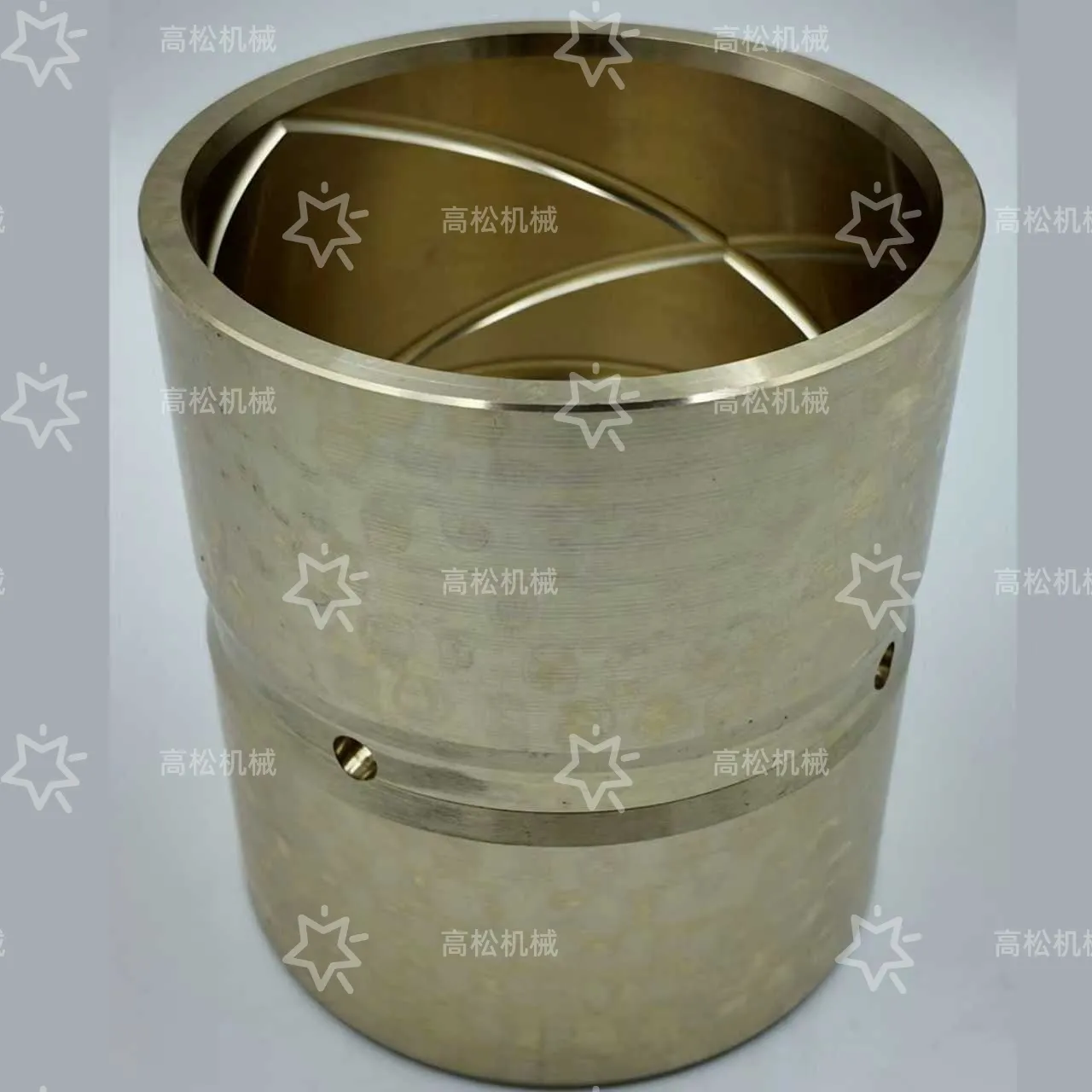 BUSHING 207-70-61610 for KOMATSU PC350-7 PC300LC-7 PC300-8 PC300LC-7L PC300-7
 -
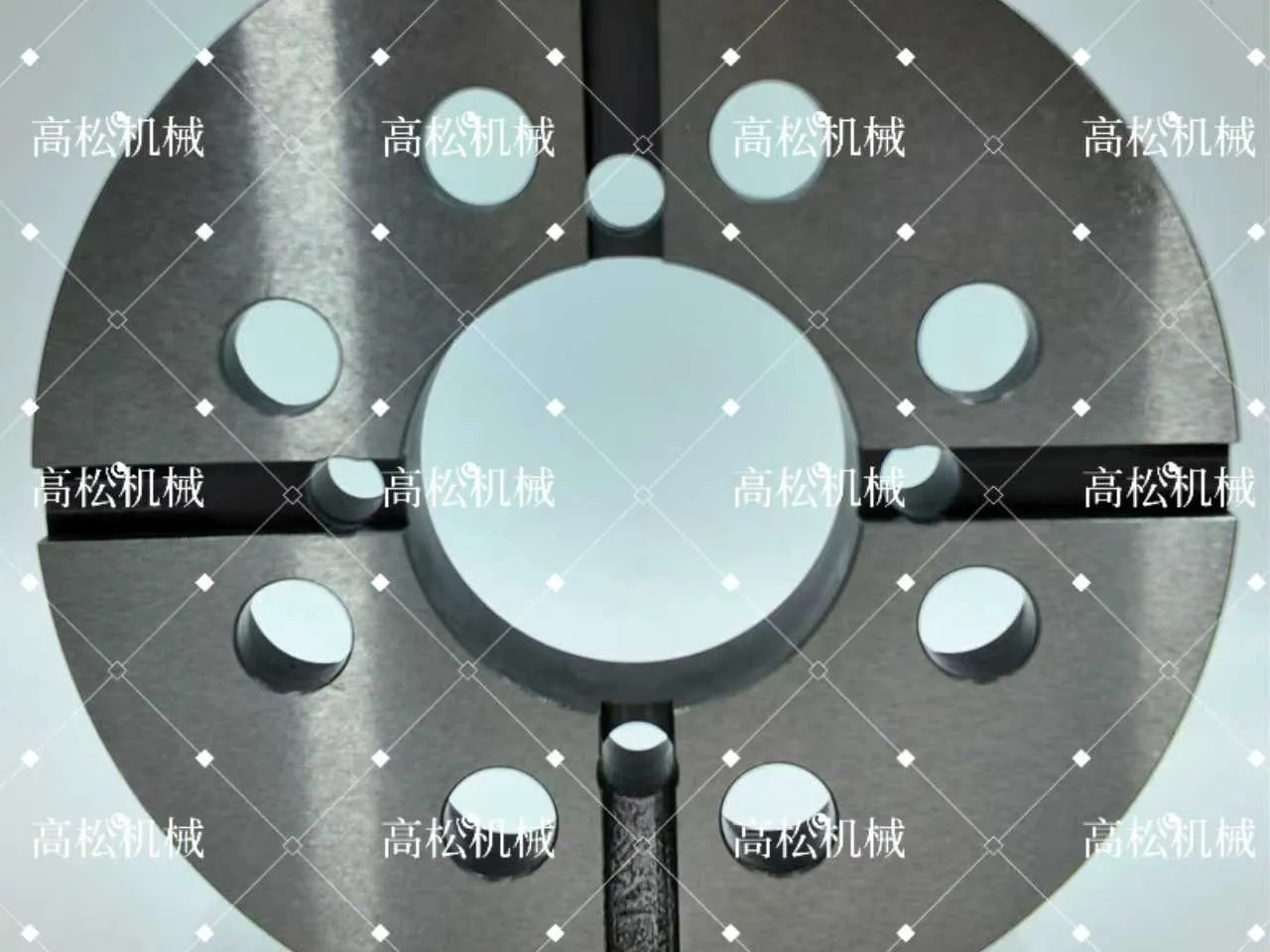 56B-27-12361 Fixed ring Komatsu parts HM350, HM400
 -
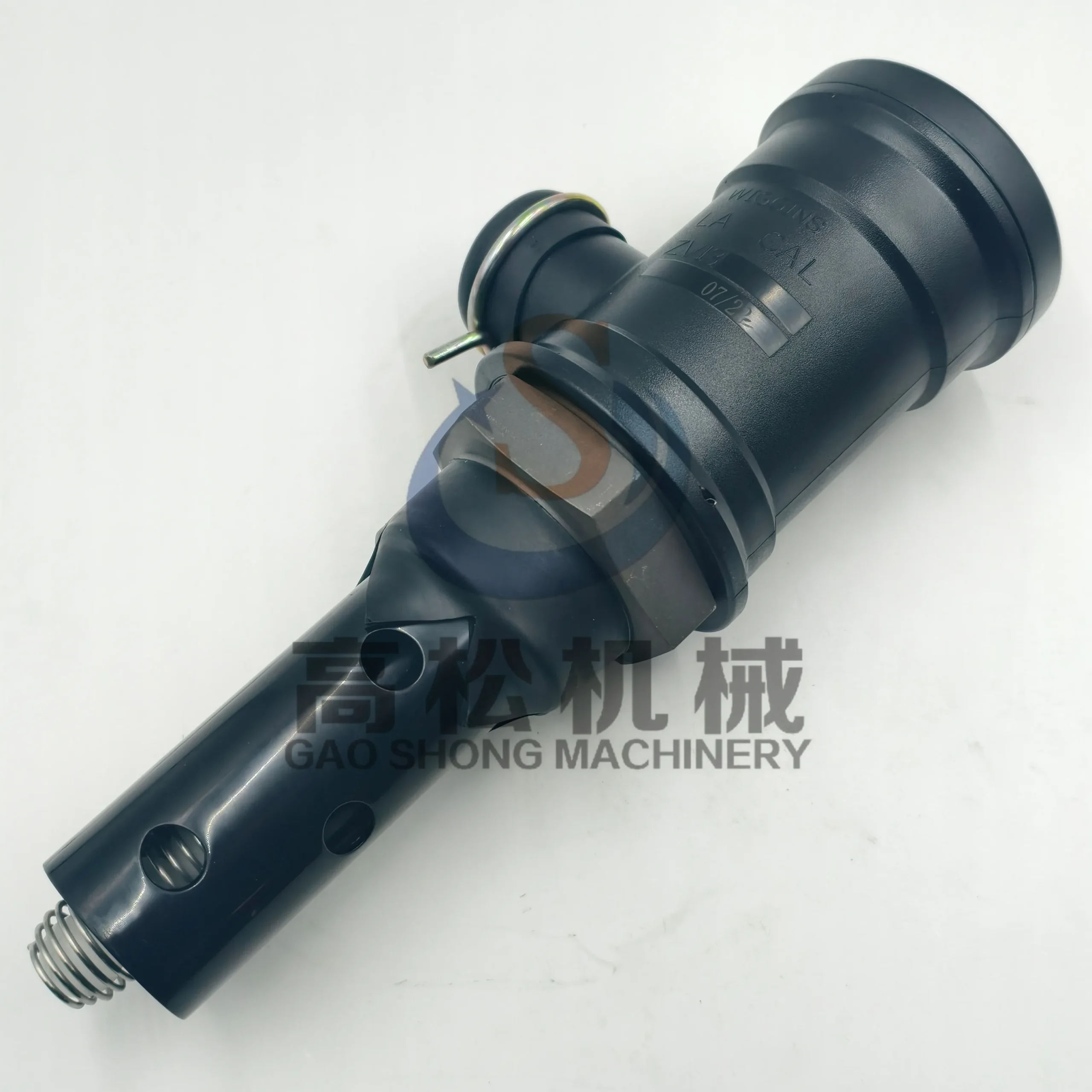 21T-04-31130 KOMATSU VENT ASSY
 -
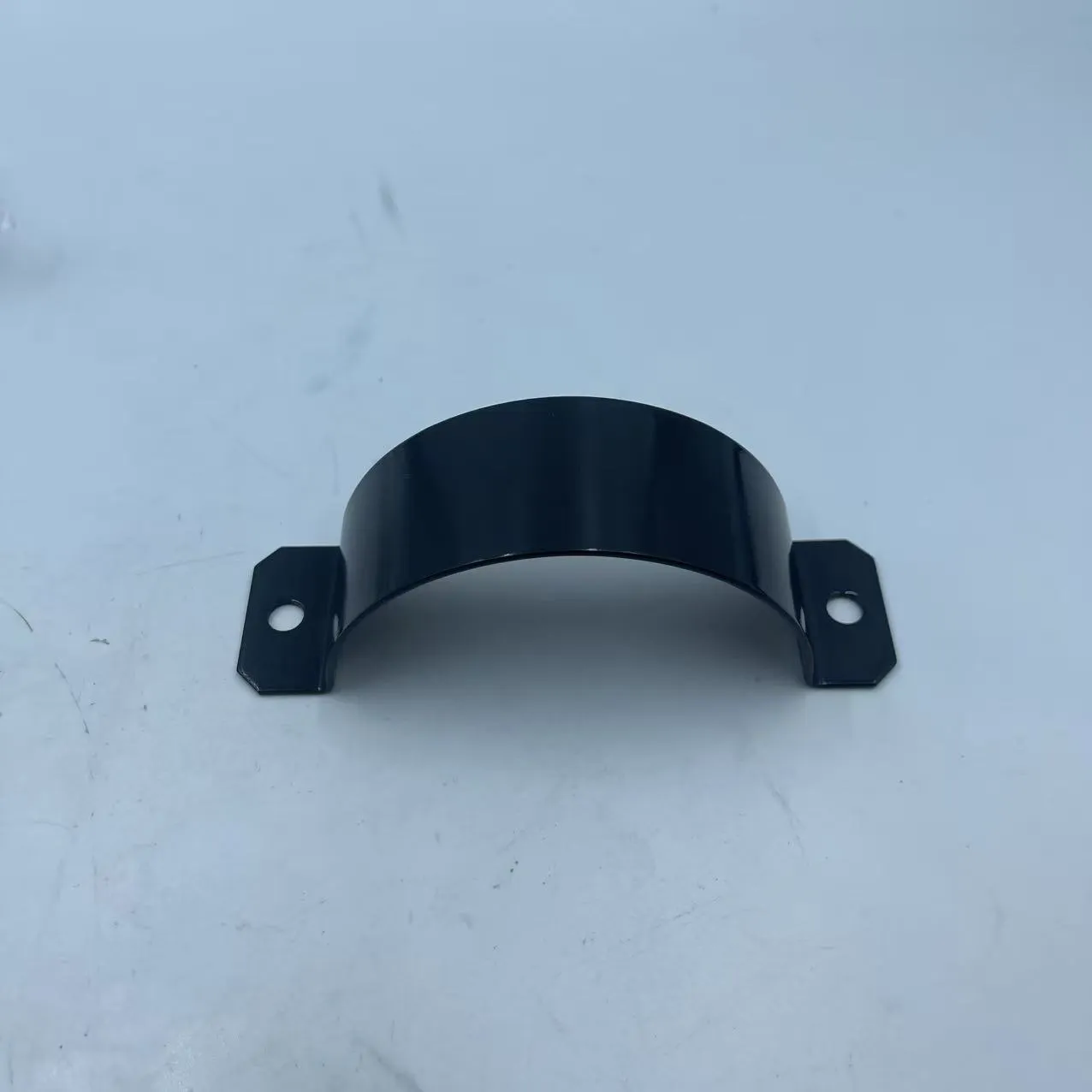 569-40-83470komatsu HD405-7 HD325-7 HD605-7R HD465-7E0 HD785-7
 -
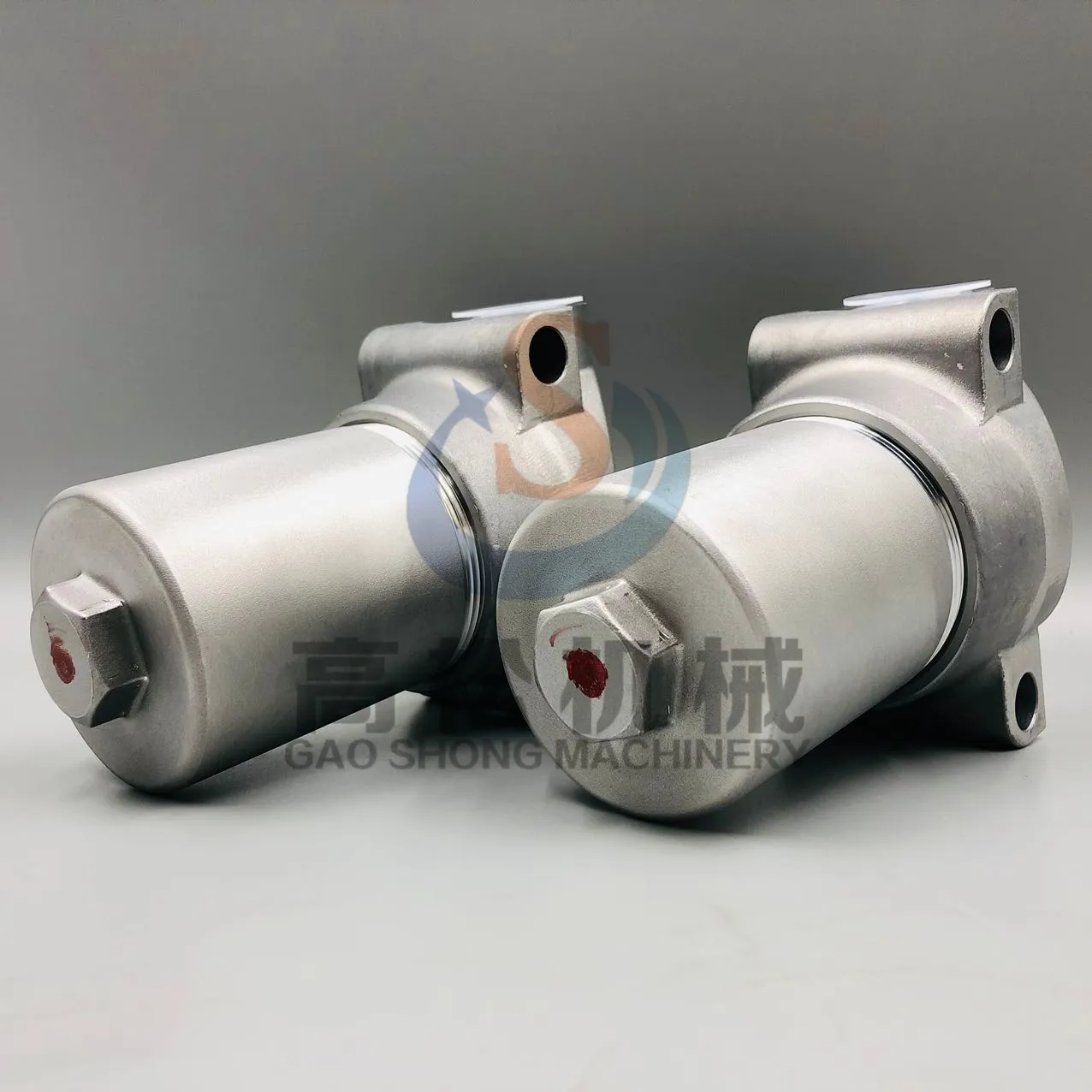 20Y-62-51681 Komatsu Filter Assembly
 -
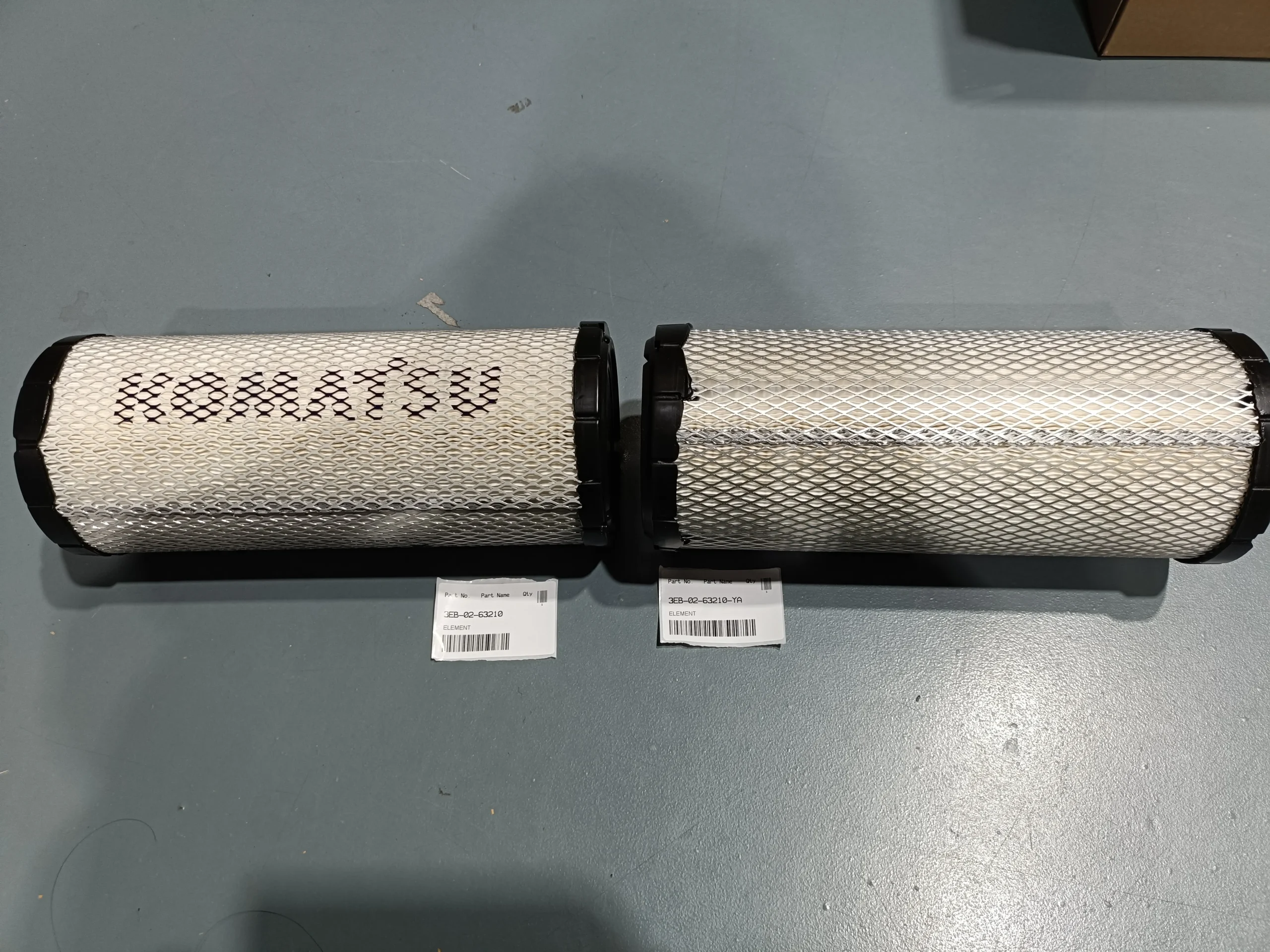 3EB-02-63210 komatsu ELEMENT-PC45MR/PC55MR
 -
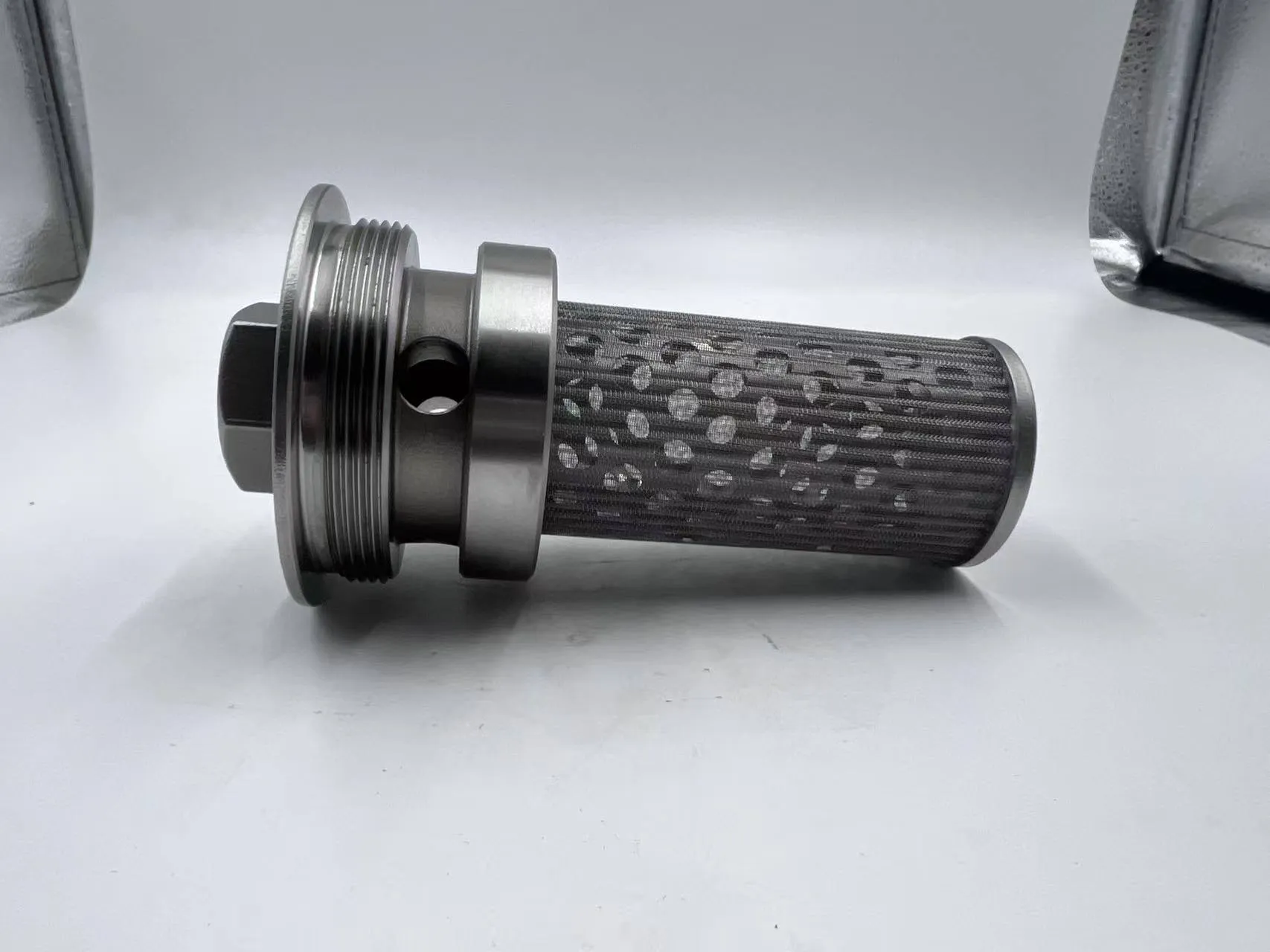 Hello friend 195-04-11150 17M-71-21530 17M-50-49290 is suitable for Komatsu Machinery
 -
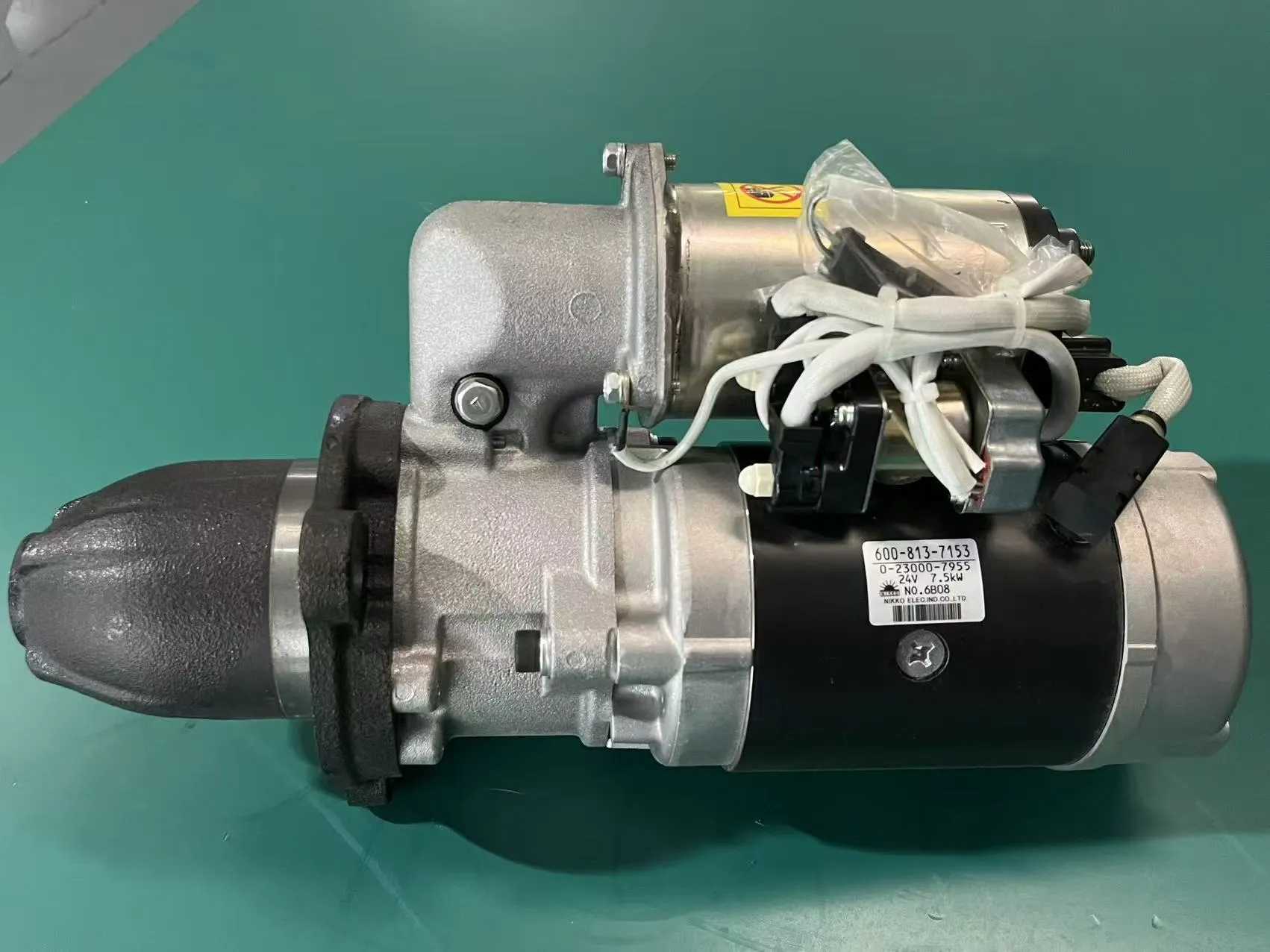 608-813-6632 #Komatsu #Komatsu Machinery Parts spot 2025
 -
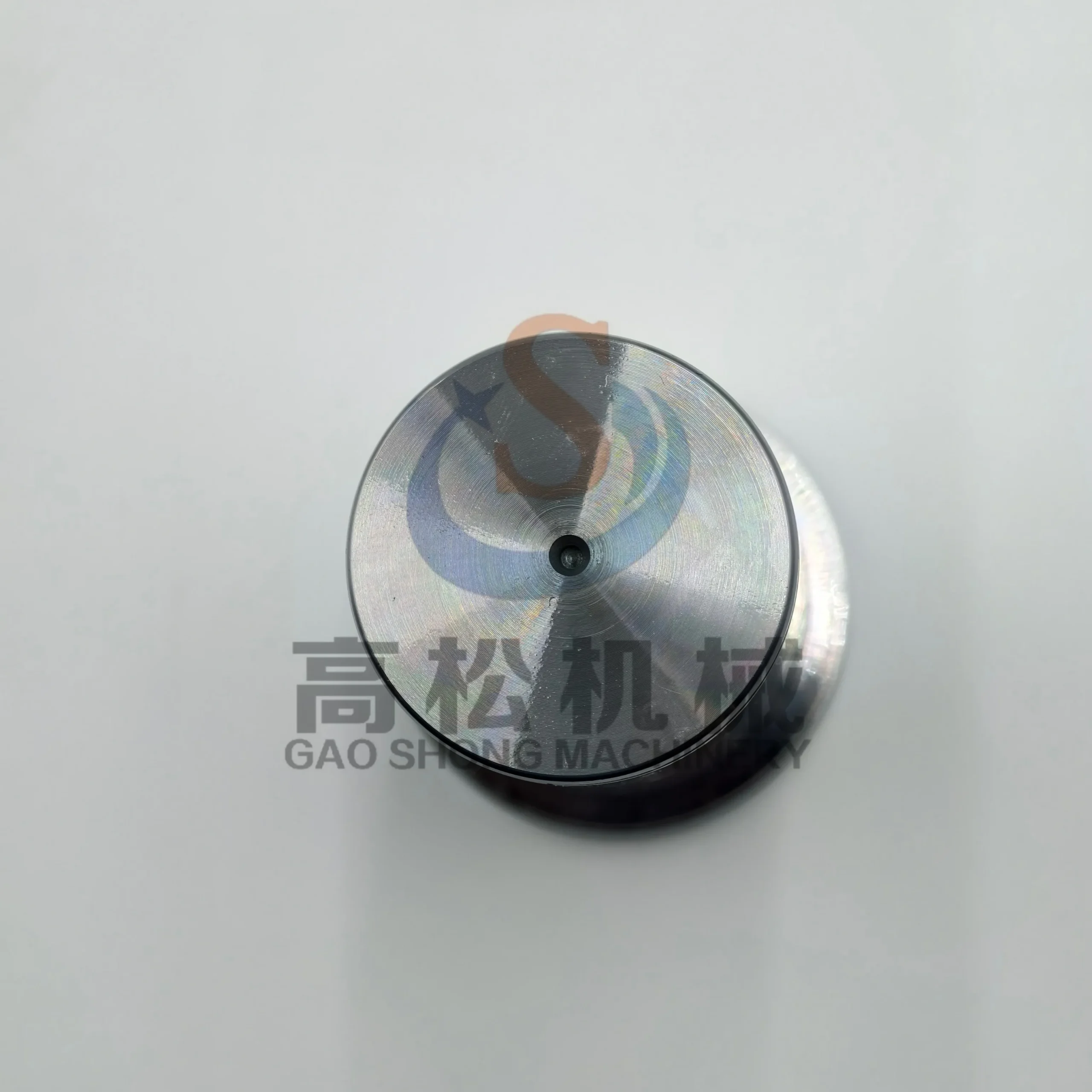 21N-26-33240 Komatsu Pin
 -
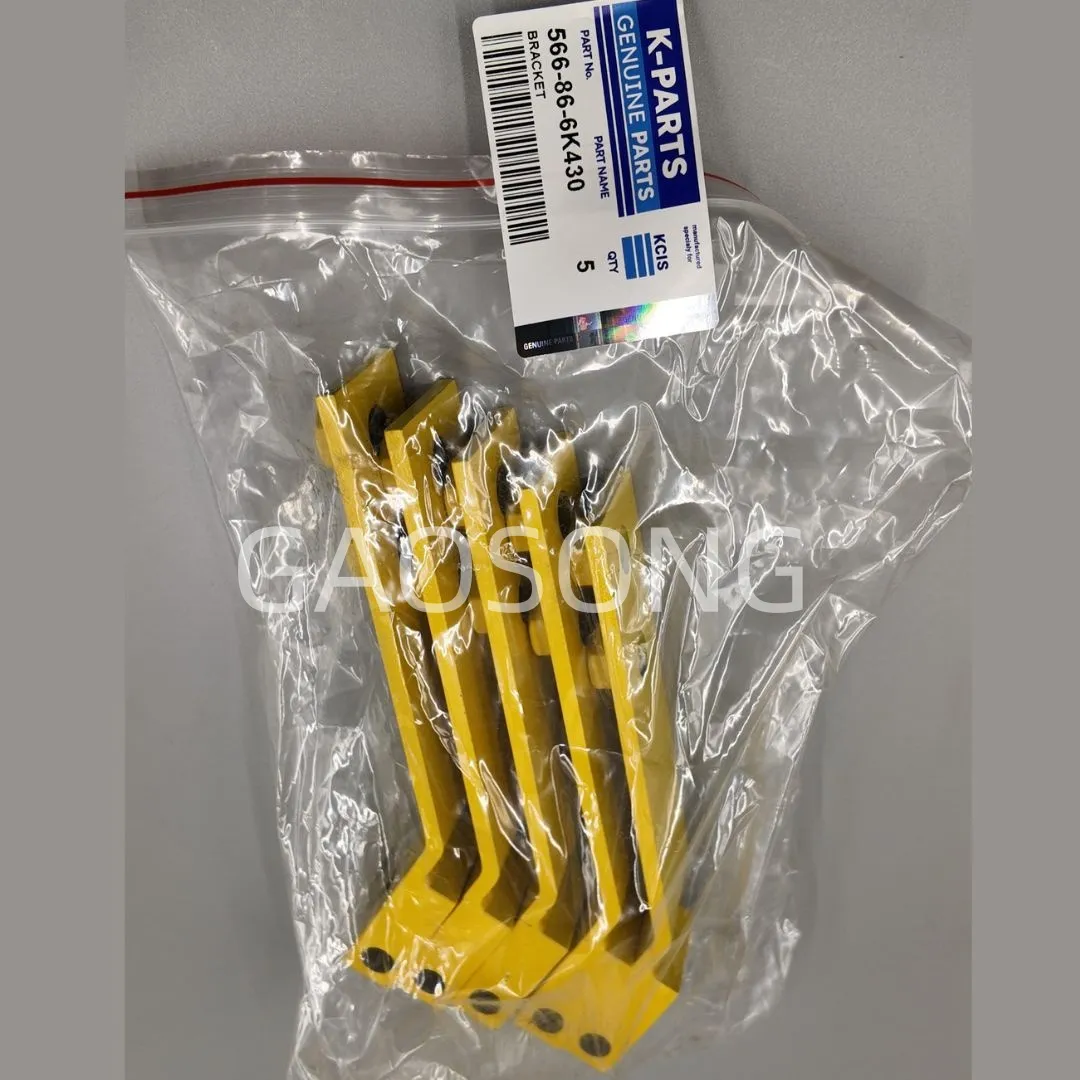 566-86-6K430 BRACKET–Komatsu Original Factory
 -
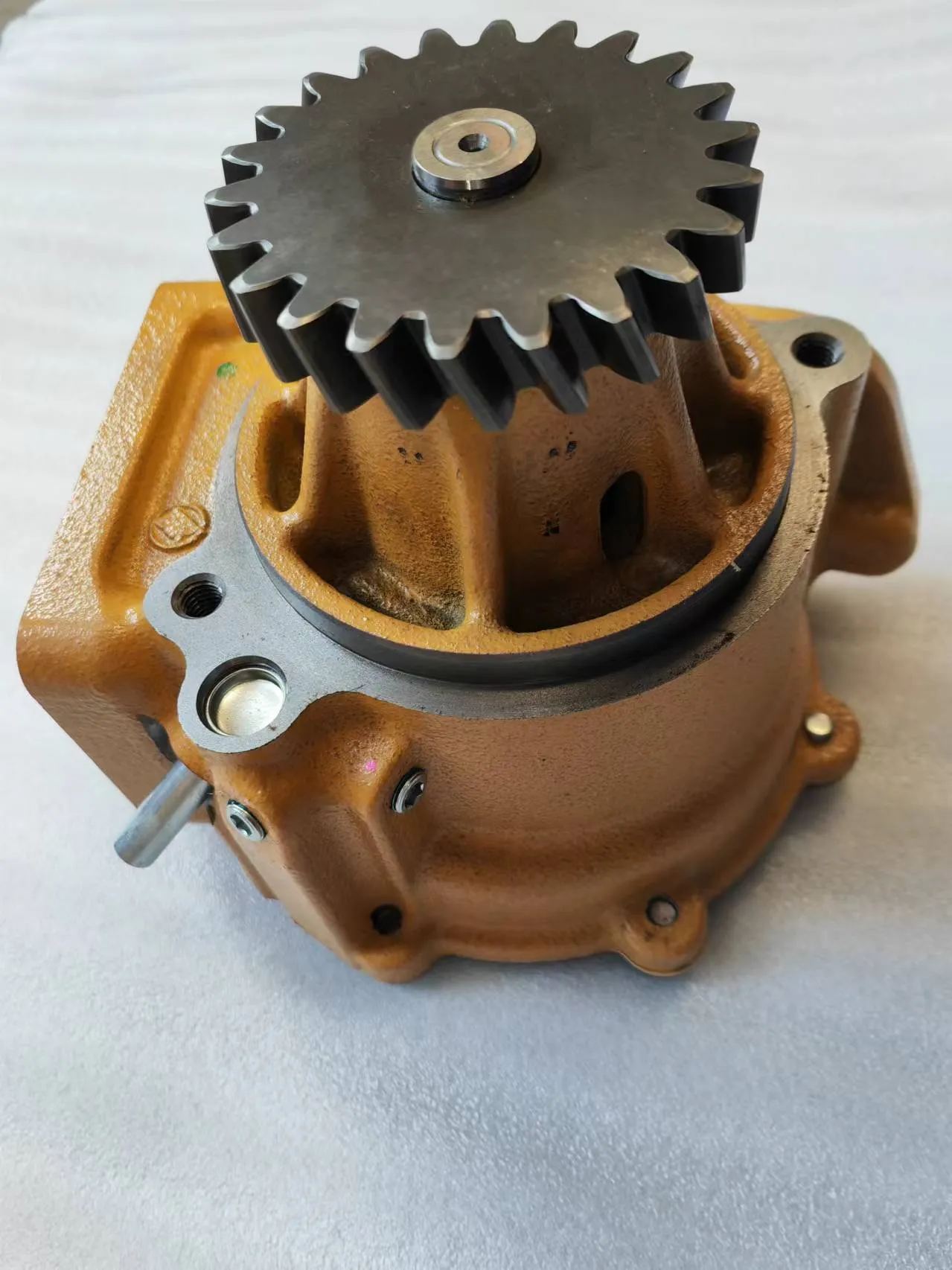 Water Pump Assembly 6219-61-1100 6219-61-1101 6219-61-1102 for Komatsu Engine SA12V140 SAA12V140E SDA12V140 Dump Truck HD785-7
 -
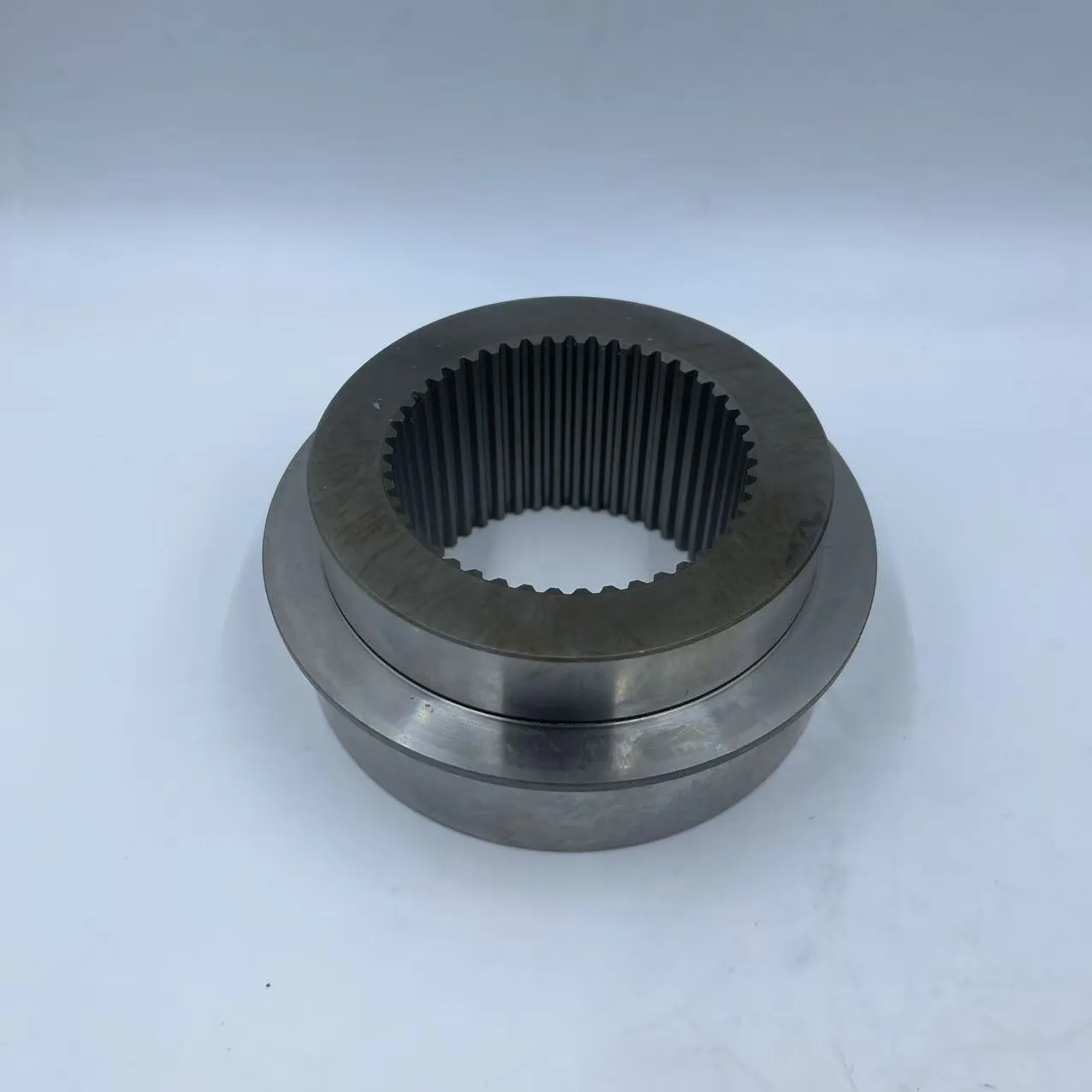 Standard D375A-5 Spacer 195-15-82570 for Komatsu Mining Equipment