
- Chinese
- French
- German
- Portuguese
- Spanish
- Russian
- Japanese
- Korean
- Arabic
- Irish
- Greek
- Turkish
- Italian
- Danish
- Romanian
- Indonesian
- Czech
- Afrikaans
- Swedish
- Polish
- Basque
- Catalan
- Esperanto
- Hindi
- Lao
- Albanian
- Amharic
- Armenian
- Azerbaijani
- Belarusian
- Bengali
- Bosnian
- Bulgarian
- Cebuano
- Chichewa
- Corsican
- Croatian
- Dutch
- Estonian
- Filipino
- Finnish
- Frisian
- Galician
- Georgian
- Gujarati
- Haitian
- Hausa
- Hawaiian
- Hebrew
- Hmong
- Hungarian
- Icelandic
- Igbo
- Javanese
- Kannada
- Kazakh
- Khmer
- Kurdish
- Kyrgyz
- Latin
- Latvian
- Lithuanian
- Luxembou..
- Macedonian
- Malagasy
- Malay
- Malayalam
- Maltese
- Maori
- Marathi
- Mongolian
- Burmese
- Nepali
- Norwegian
- Pashto
- Persian
- Punjabi
- Serbian
- Sesotho
- Sinhala
- Slovak
- Slovenian
- Somali
- Samoan
- Scots Gaelic
- Shona
- Sindhi
- Sundanese
- Swahili
- Tajik
- Tamil
- Telugu
- Thai
- Ukrainian
- Urdu
- Uzbek
- Vietnamese
- Welsh
- Xhosa
- Yiddish
- Yoruba
- Zulu
- Kinyarwanda
- Tatar
- Oriya
- Turkmen
- Uyghur





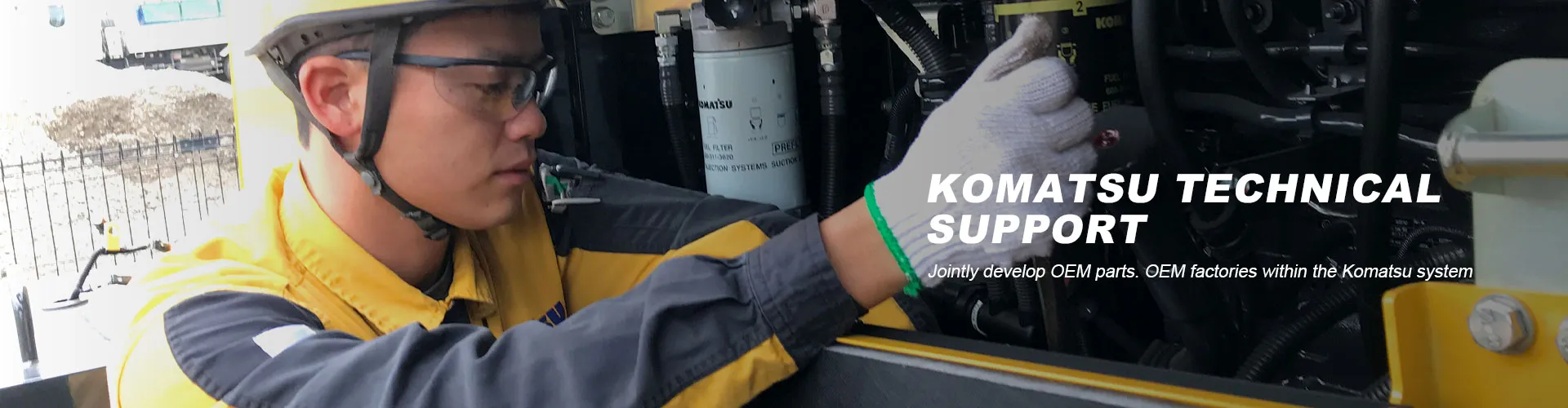
Komatsu parts export
When you hear 'Komatsu parts export,' most people picture a straightforward pipeline: order from a list, ship from a warehouse. The reality, especially when you're trying to build a reliable supply chain for markets with chronic shortages, is a different beast. It's less about having a catalog and more about understanding system access, certification nuances, and which parts actually fail in the field versus which ones just sit on a shelf. Many think it's just a logistics game, but the real challenge often starts long before the container is loaded.
The OEM Supplier vs. Third-Party Reality
Being an OEM product supplier within the Komatsu system is one thing. It implies a certain level of access and quality assurance, which is crucial. But the operational value comes from the other half of the equation: acting as a third-party sales channel. This dual role is what actually solves problems. For instance, a client in a Southeast Asian country needed a steady flow of undercarriage components for a fleet of PC300s. The official channel had lead times that crippled operations. Our position allowed us to source genuine OEM-spec parts through our system access, but route them through our third-party logistics, cutting the wait from months to weeks. It's this hybrid model that works.
The website Takematsu Machinery frames it well: We are an OEM product supplier within the Komatsu system, and we are also a third-party sales company for Komatsu, helping to solve parts supply challenges in certain countries. That last phrase – certain countries – is key. It's a diplomatic way of saying we focus on markets where the standard distribution network is either too slow, too expensive, or simply non-existent for certain part lines. You learn to read between the lines in this business.
This isn't about undermining the official network. It's about filling gaps. A common misconception is that third-party means aftermarket or counterfeit. In our case, it's about leveraging the OEM supply for third-party logistics and market access. The parts are the same; the pathway to the end-user is different. It requires a deep understanding of Komatsu's part numbering, supersessions, and regional allocation policies. You can't just be a seller; you have to be a system navigator.
Identifying the Real Choke Point Parts
Exporting isn't about shipping everything. It's about knowing what's chronically needed. Engine components for the SAA6D107E? Always. Specific sensors for the latest Dash-8 series excavators? High demand. But hydraulic pumps for older D61 models? The demand is sporadic. You build this knowledge through failed orders and customer complaints.
I remember a shipment to a mining operation in Africa. We sent a container full of common wear items – filters, seals, teeth. They were grateful, but the urgent call a month later was for the swing drive assembly for a PC700. That wasn't in stock because we misjudged their fleet's main point of failure. That was a lesson. Now, our process starts with a fleet audit, even a rudimentary one. What models? What are their primary applications (mining vs. general construction)? What's the local maintenance culture like? This dictates the parts export profile.
It shifts your inventory strategy. You stop trying to be a comprehensive warehouse and start becoming a strategic reserve for high-impact, long-lead-time items. You focus on parts that cause machine downtime, not just maintenance schedules. A $5,000 final drive that stops a $500,000 machine is a different kind of inventory pressure than a box of $50 hoses.
Logistics: The Hidden Cost in Every Quote
Quoting a CIF price for Komatsu parts is the easy part. The reality of getting it there is where margins disappear. Incoterms confusion is rampant. We learned the hard way that port clearance in some countries doesn't mean the part is with the customer; it means it's sitting in a bonded warehouse awaiting a dozen more signatures and fees.
Air freight for urgent items seems straightforward until you hit customs delays for items with lithium batteries (think modern controllers and monitors) or items misclassified as used because they're in a non-retail box. We now have a dedicated checklist for every shipment mode. For sea freight, it's about container optimization. You can't just fill a 40ft container with heavy undercarriage parts and call it a day. You need to mix in lighter, bulkier items like seats or hose kits to maximize weight and volume efficiency. It's a 3D puzzle that affects your final landed cost per part.
Documentation is another silent killer. The certificate of origin, the commercial invoice with a precise, system-matching description (not just excavator part), and packing lists that match the container load exactly. A discrepancy can hold up a shipment for weeks. We once had a container held because the invoice said seal kit and the packing list said kit, seal. The customs agent decided they were different items. It sounds absurd, but it happens daily.
Quality and Provenance: The Non-Negotiable Trust Factor
As an OEM supplier, the baseline is genuine or OEM-spec quality. But OEM-spec is a broad term. Our rule is simple: if it's a critical wear item or a component with a serial number (like an ECU), it must be genuine Komatsu, sourced through our system channels. For other items, like certain brackets, bolts, or non-pressurized hoses, we might use vetted partners who meet the OEM engineering drawings. The distinction must be clear and communicated.
This is where a company's reputation is built or destroyed. We include part number tags, original packaging when possible, and lot codes in our documentation. For a client, seeing the Komatsu-branded bag or box is a visual assurance that cuts through a lot of doubt. It turns a transaction into a trust-based relationship. The website Jining Gaosong positions itself on this premise – the authority that comes from system access. It's not a marketing gimmick; it's the core deliverable.
There's constant pressure to source cheaper alternatives, especially from price-sensitive markets. We've walked away from deals where the buyer insisted on the lowest possible quote for critical components. The short-term gain isn't worth the long-term liability and reputation damage when that non-genuine pump fails prematurely. Your role shifts from a parts exporter to a consultant, often explaining why a seemingly identical part isn't actually identical.
The On-the-Ground Reality: Solving the Last-Mile Problem
Exporting the part is one thing. Ensuring it gets onto the machine is another. We've developed a loose network of trusted local mechanics or small workshops in key markets. We don't own them, but we refer customers to them for complex installations. This adds immense value. It turns a parts shipment into a partial solution.
A case in point: we supplied a complete valve assembly for a D155 dozer to a client in South America. The part arrived, but their mechanic couldn't calibrate the pressure settings correctly, leading to another breakdown. We lost money on that job because we had to fly in a specialist. Now, for complex assemblies, we either include basic calibration instructions translated into the local language or factor in the cost of a remote video support session with a technician. It's an added step, but it prevents catastrophic failure and builds immense loyalty.
This last-mile thinking is what separates a mere export company from a supply chain partner. It's acknowledging that our responsibility doesn't end at the destination port. It ends when the machine is back up and running. This mindset is rarely in a brochure, but it's the single biggest factor in repeat business in the parts world. It's messy, unglamorous, and absolutely critical.
Related Products
Related Products
Best Selling Products
Best Selling Products-
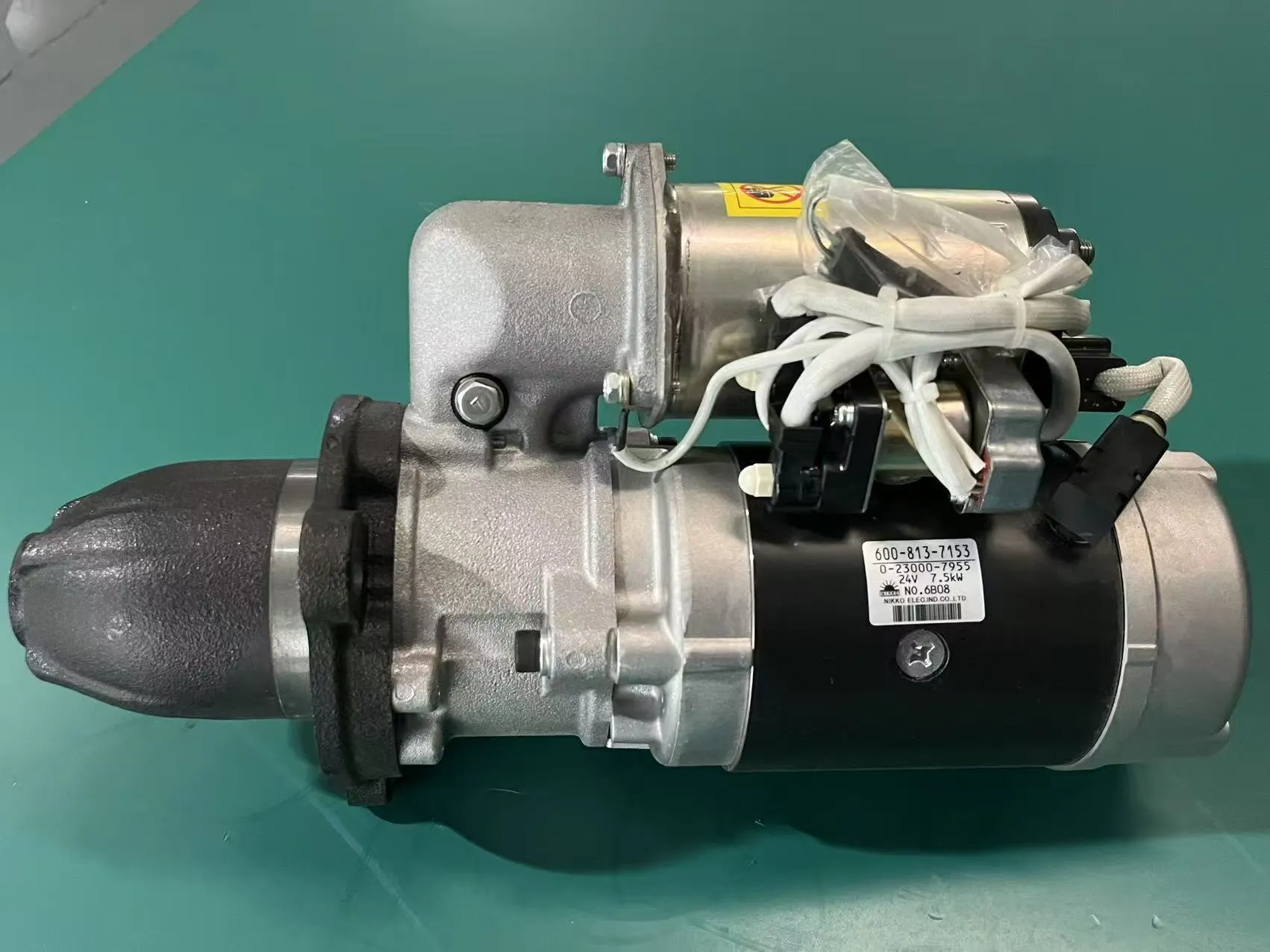 Starting Motor 7.5kw 600-813-7153
 -
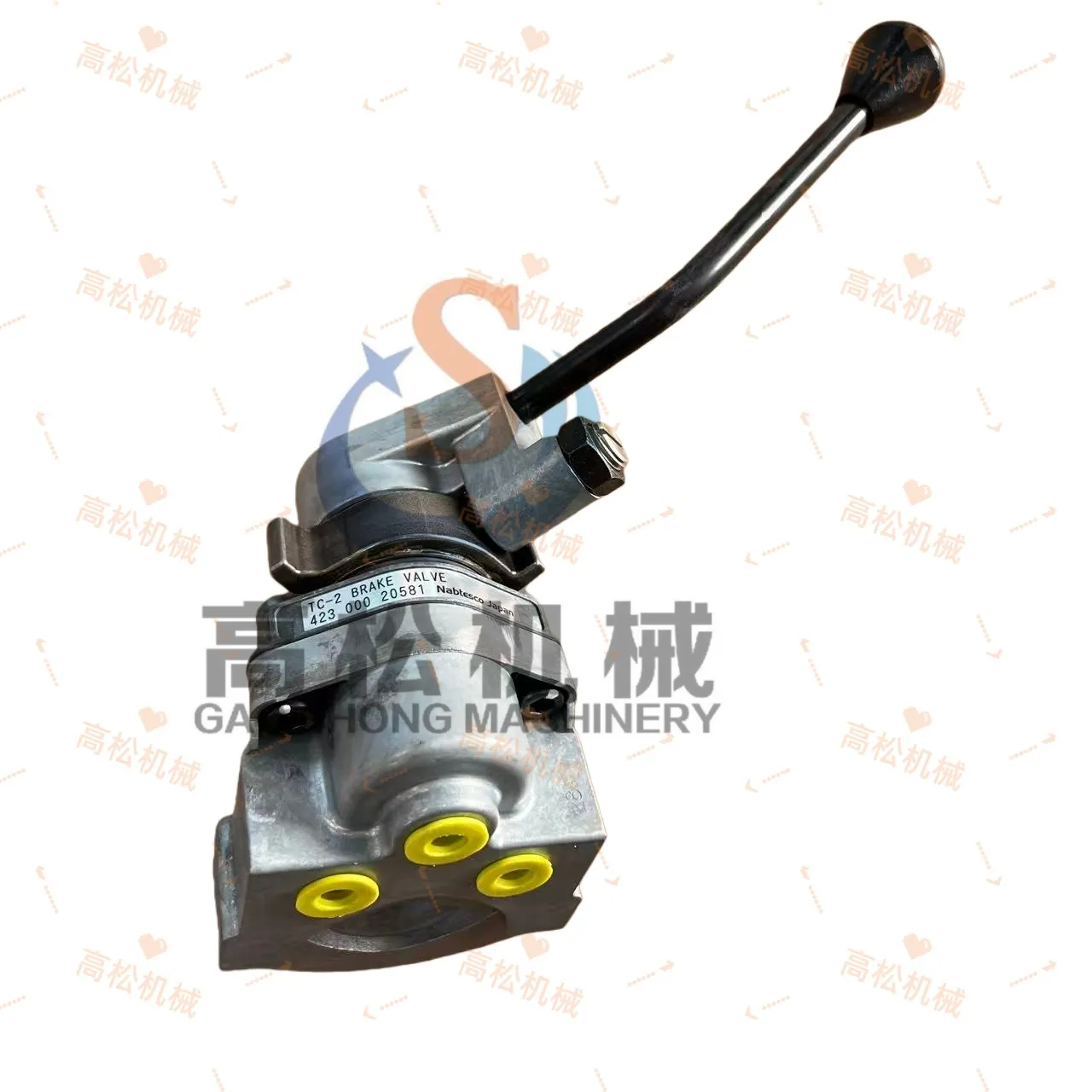 RETARDER VALVE ASS’Y HD785-5 RETARDER VALVE ASS’Y HD985-5 RETARDER VALVE ASS’Y HD255-5
 -
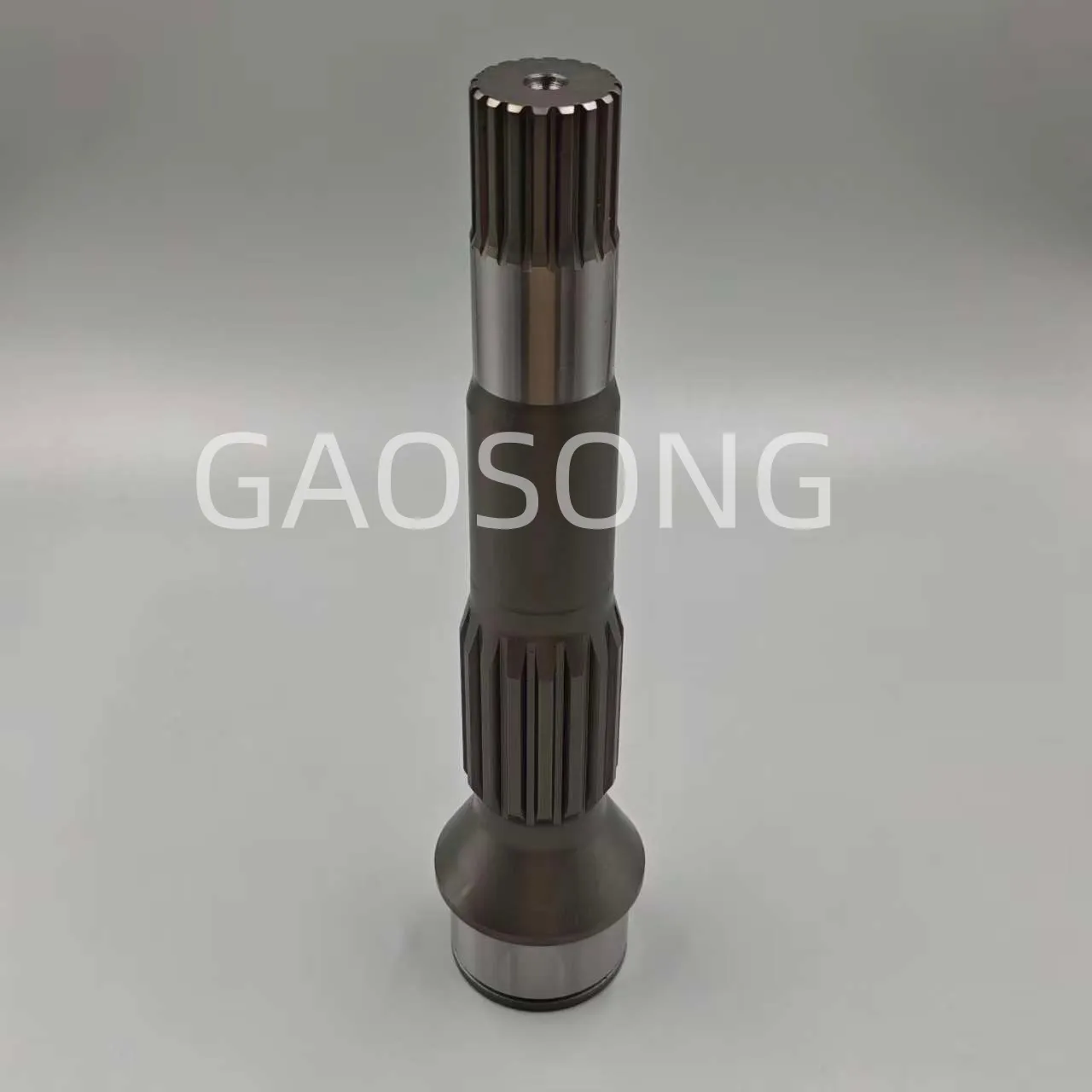
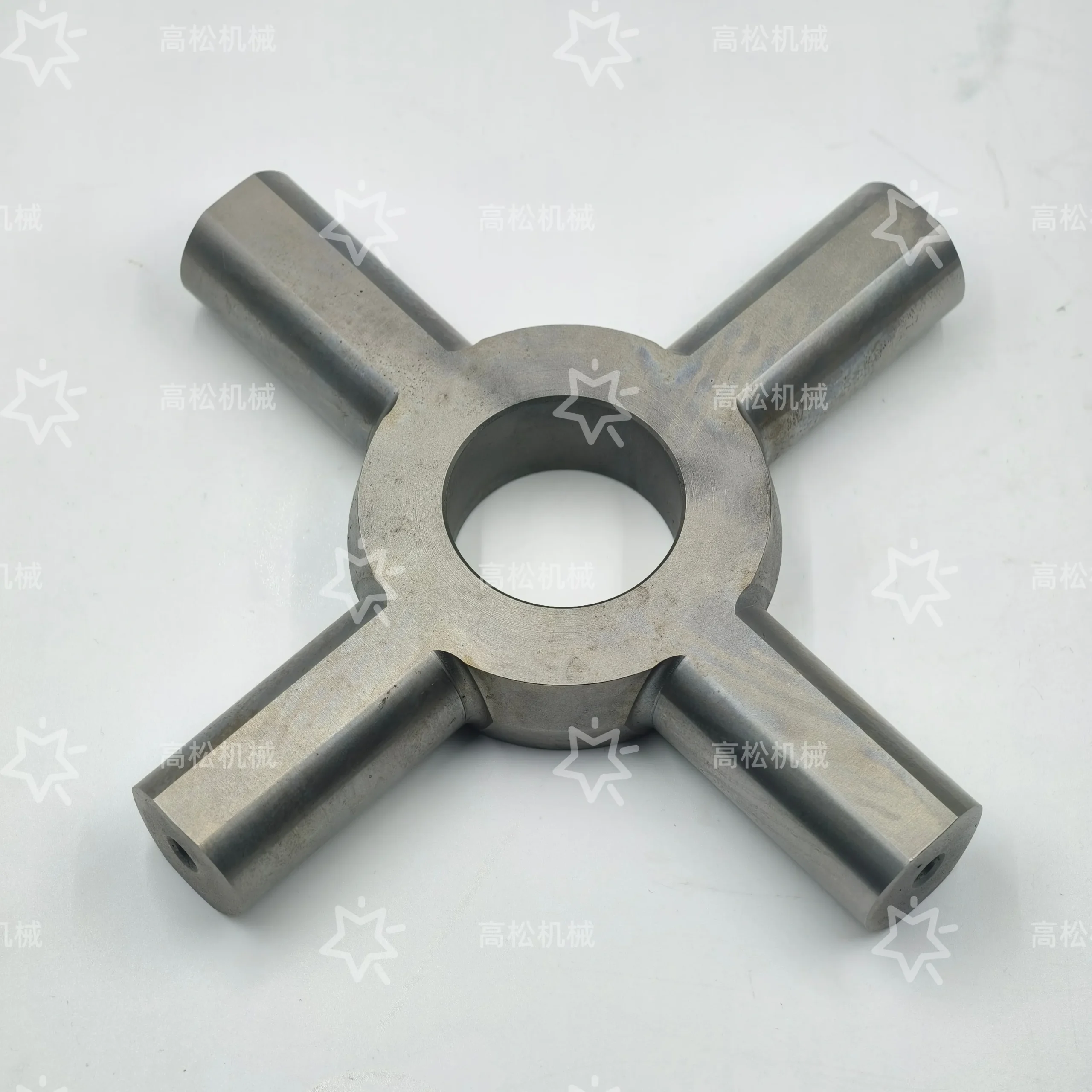 SHAFT 421-22-11440 for Komatsu WA300-3 WA320-3 WA380-3 WA430-3 WA470-3 WA450-3
 -
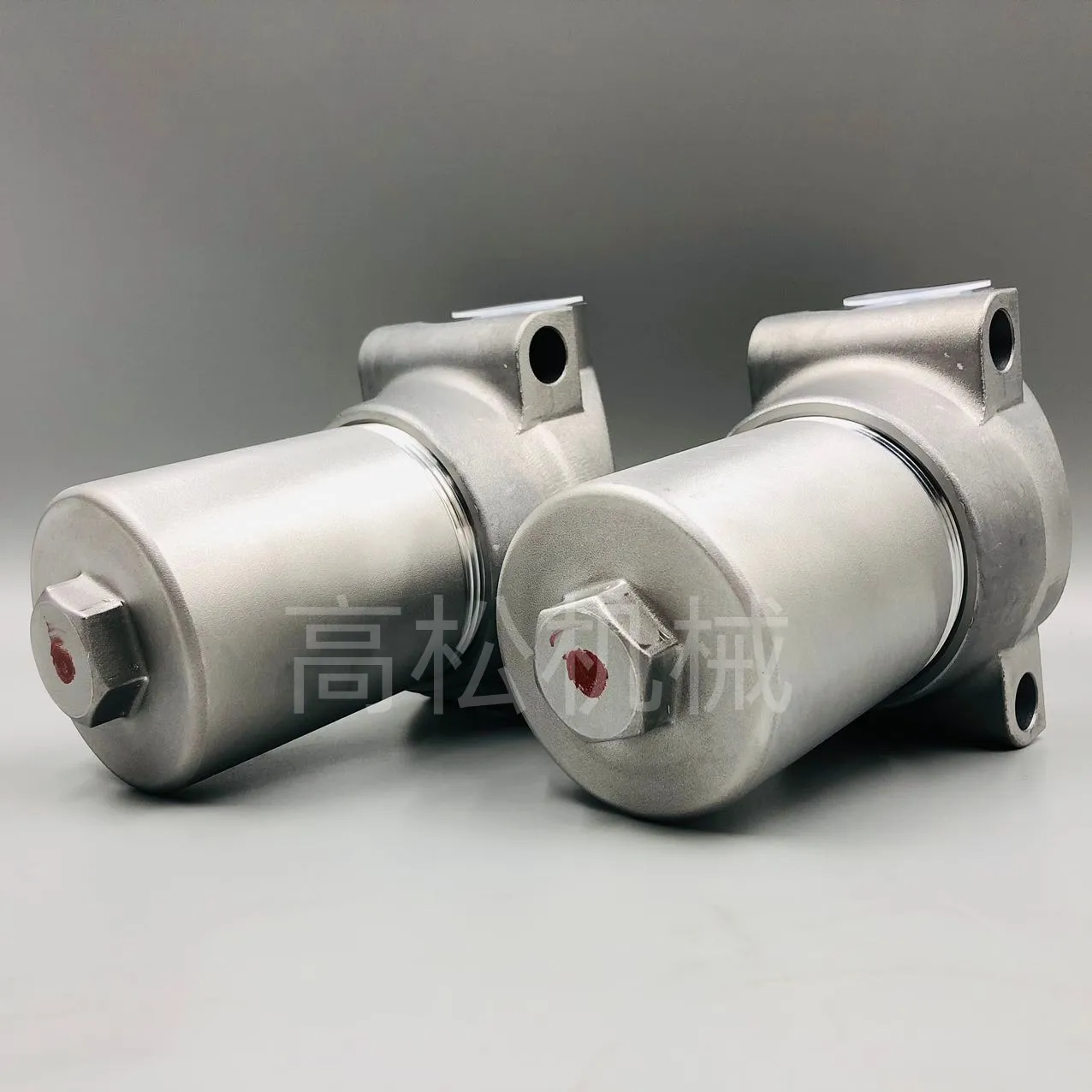 20Y-62-51681 FILTER ASS’Y-Komatsu Original Factory
 -
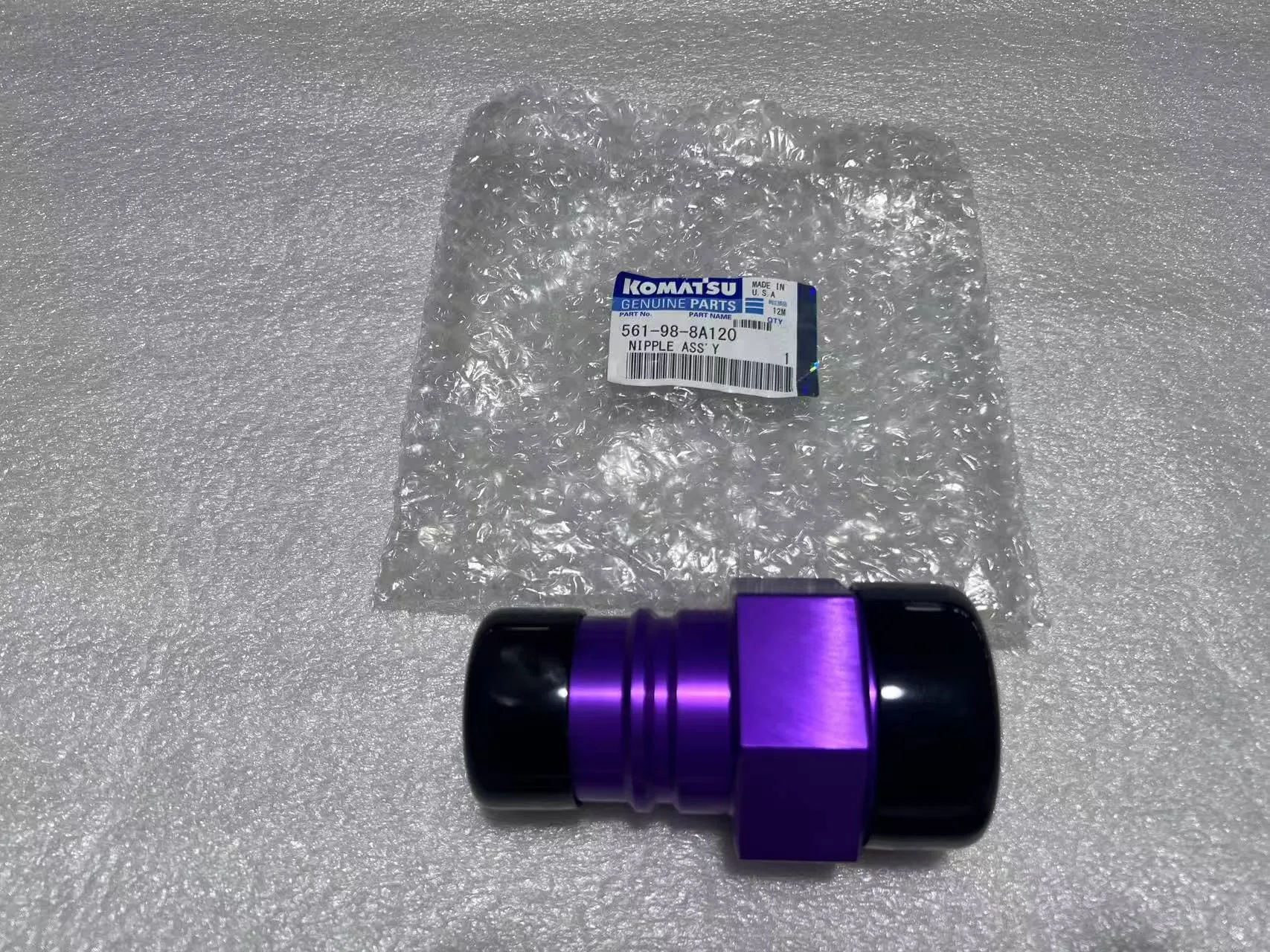 561-98-8A120 Spot # Komatsu # Komatsu Machinery Parts 2026
 -
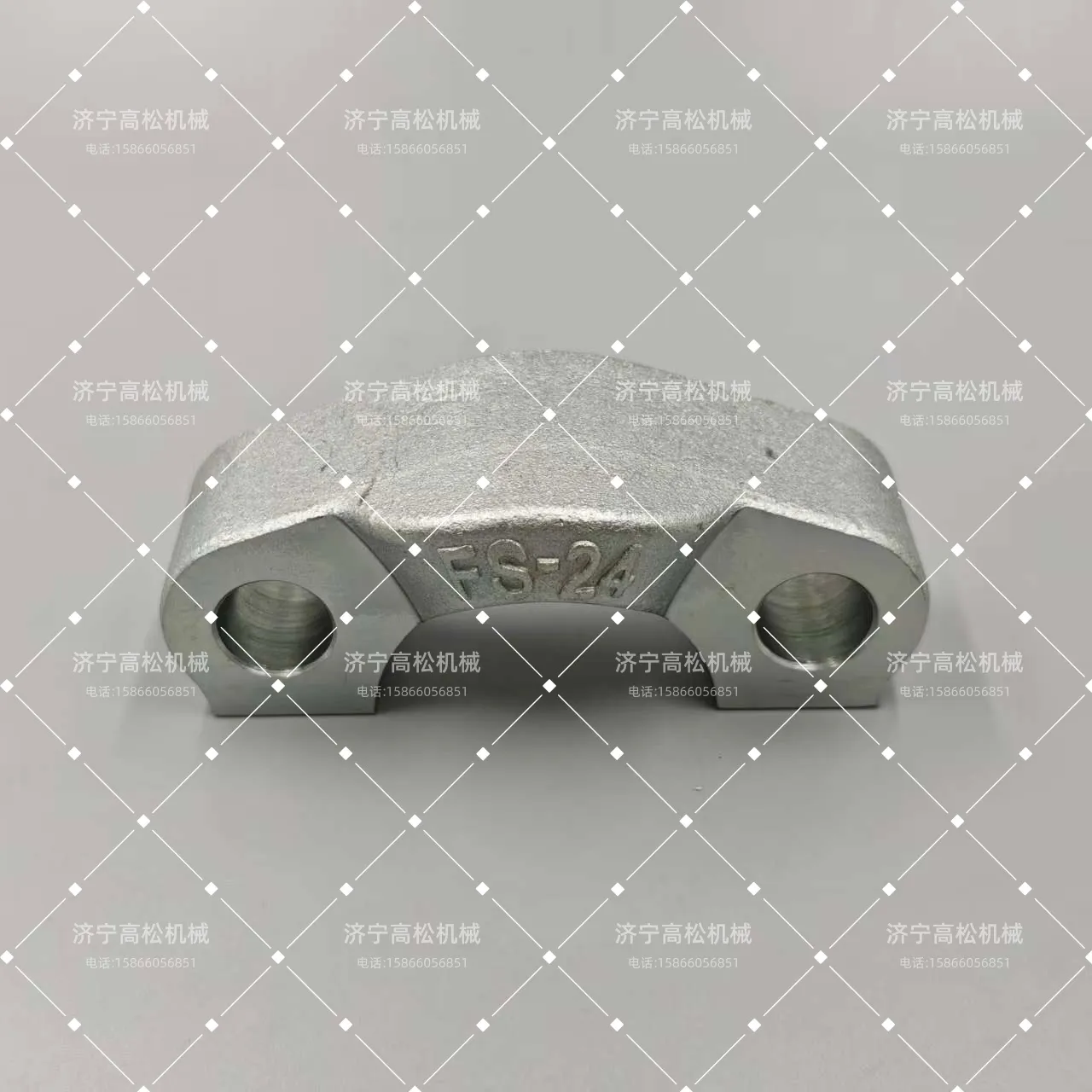 FLANGE 07371-51470 – KOMATSU Part catalog
 -
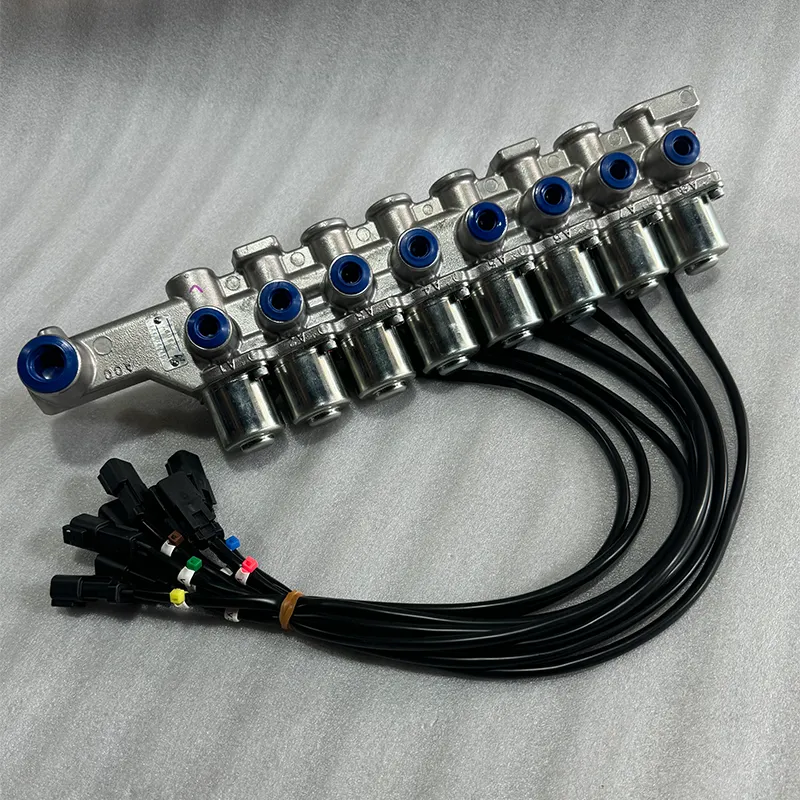 Original komatsu PC800-8 Solenoid Valve Assembly 209-60-41310
 -
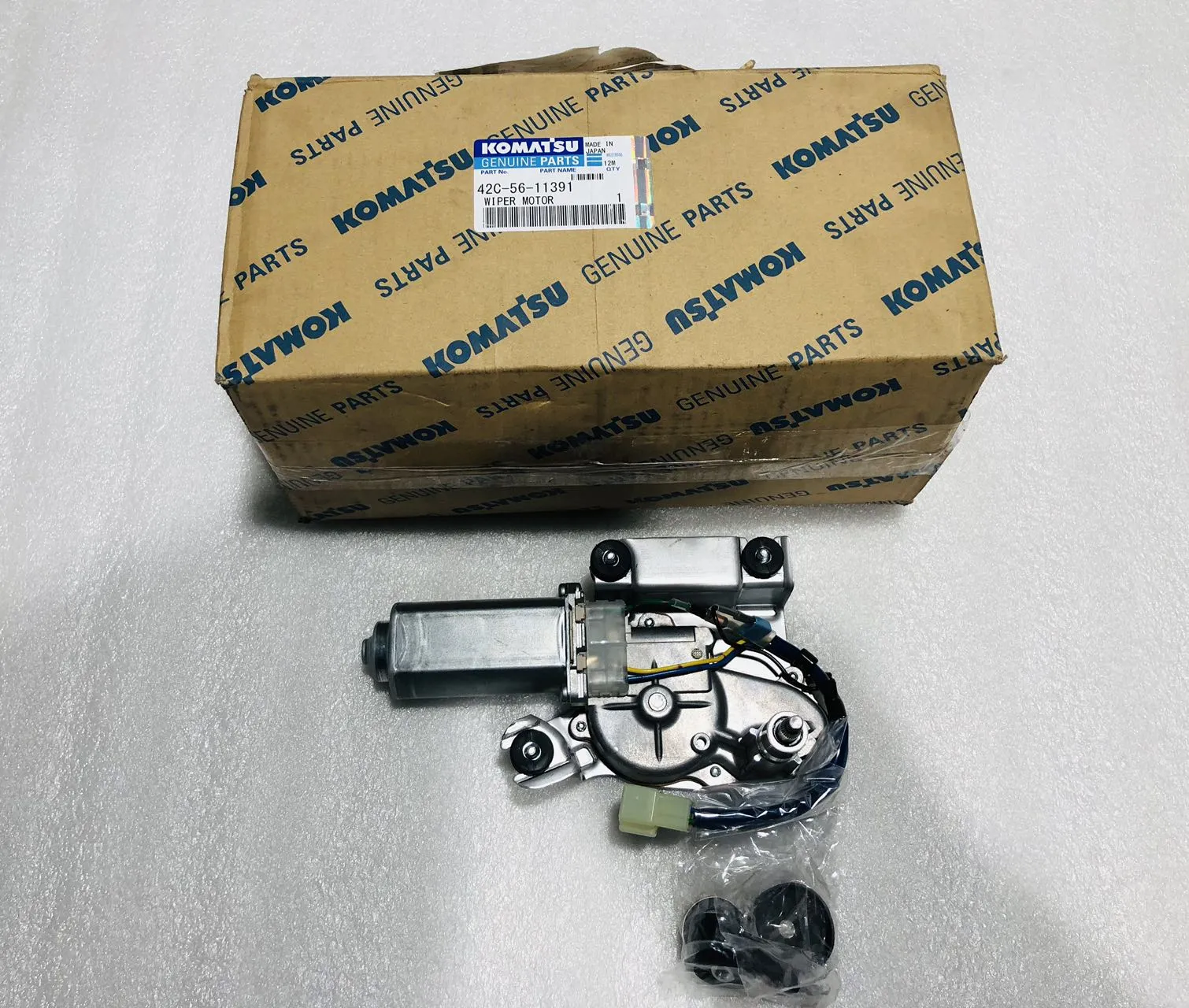 Komatsu grader GD555 wiper motor 42C-56-11391
 -
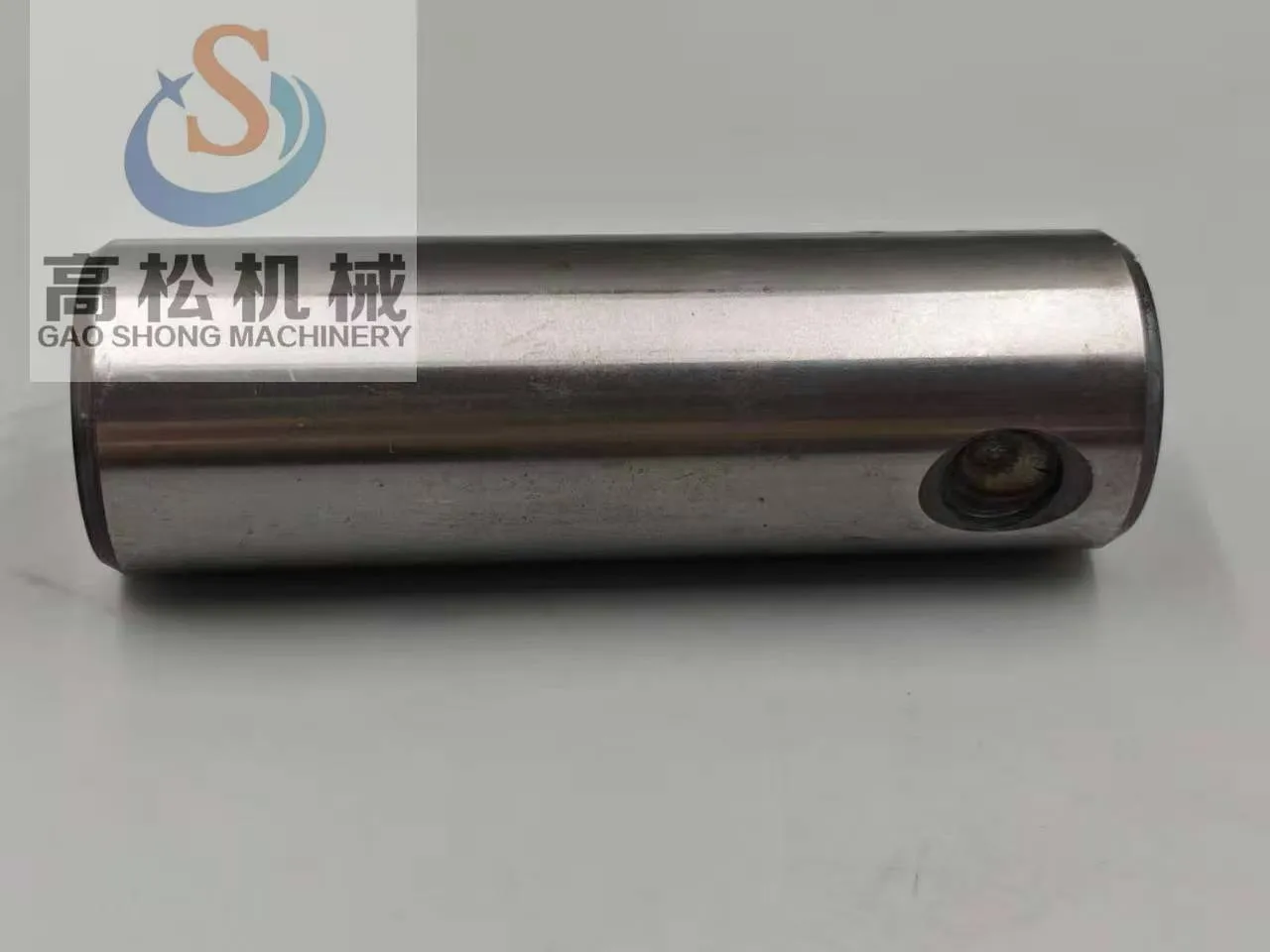 Supply excavator accessories PC1250-11 pin 21N-26-33240
 -
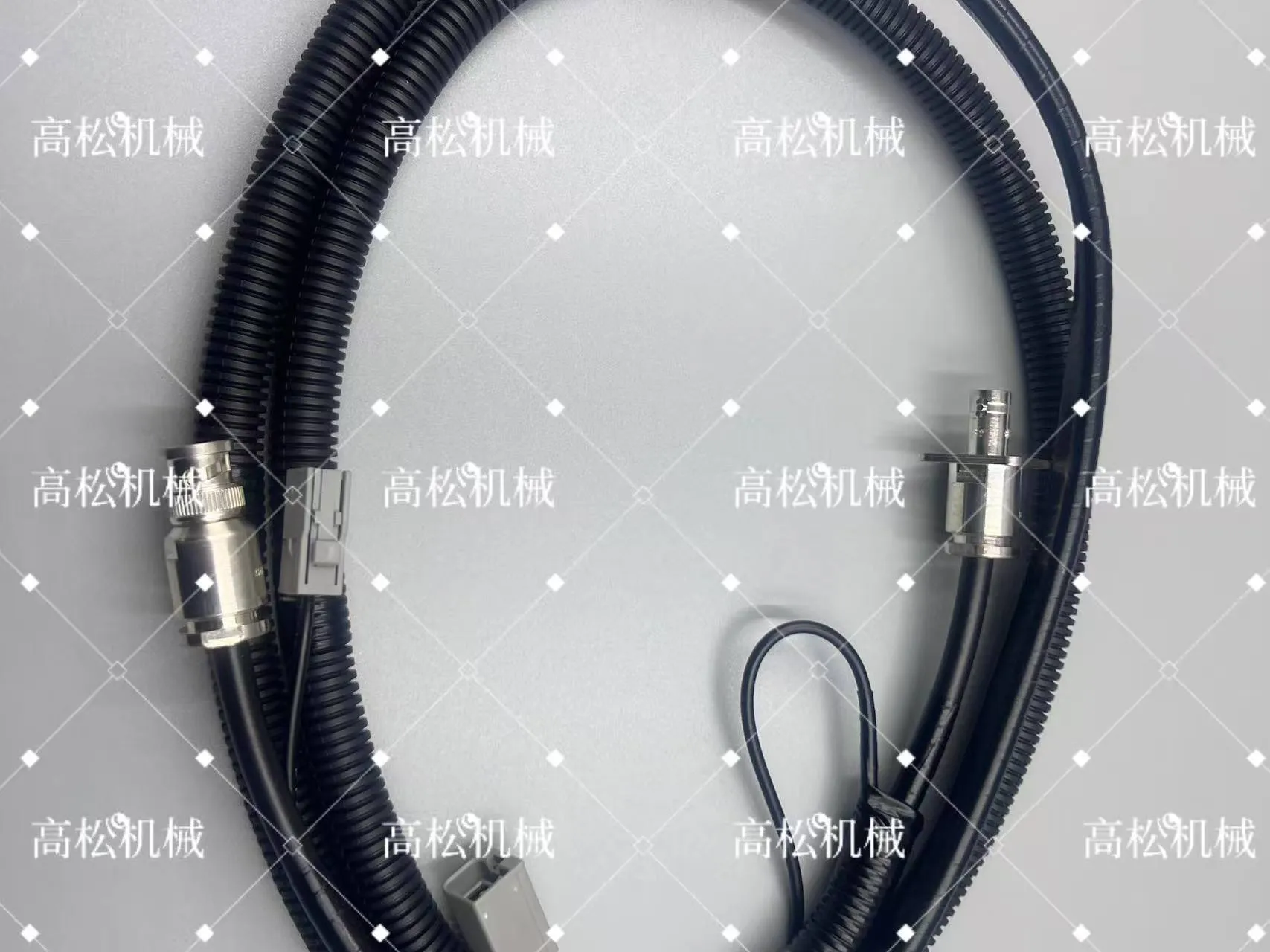 426-06-33750 Komatsu Wiring Harness Parts WA600, WD600
 -
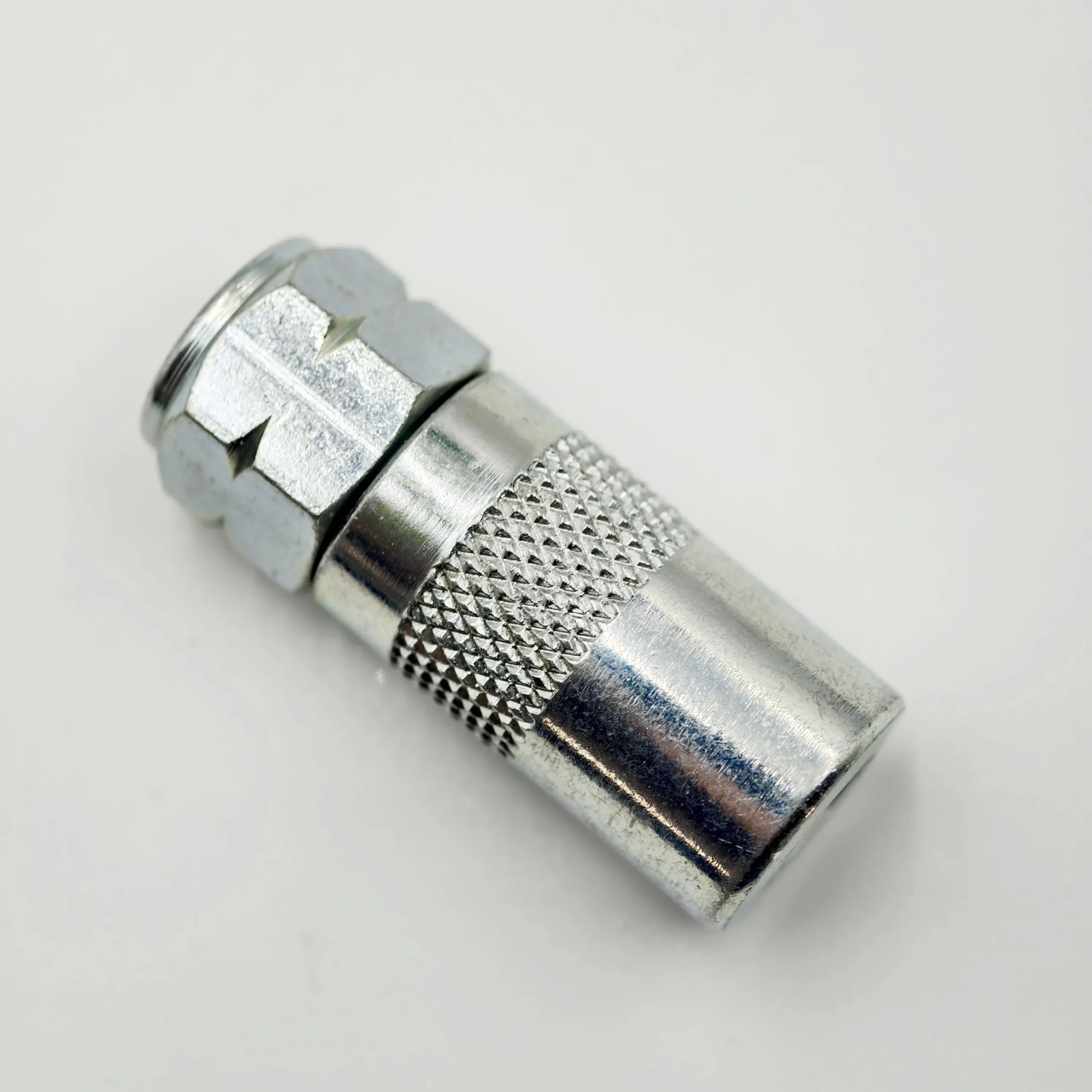 PC600-8/PC2000-8 Coupler 209-68-11640
 -
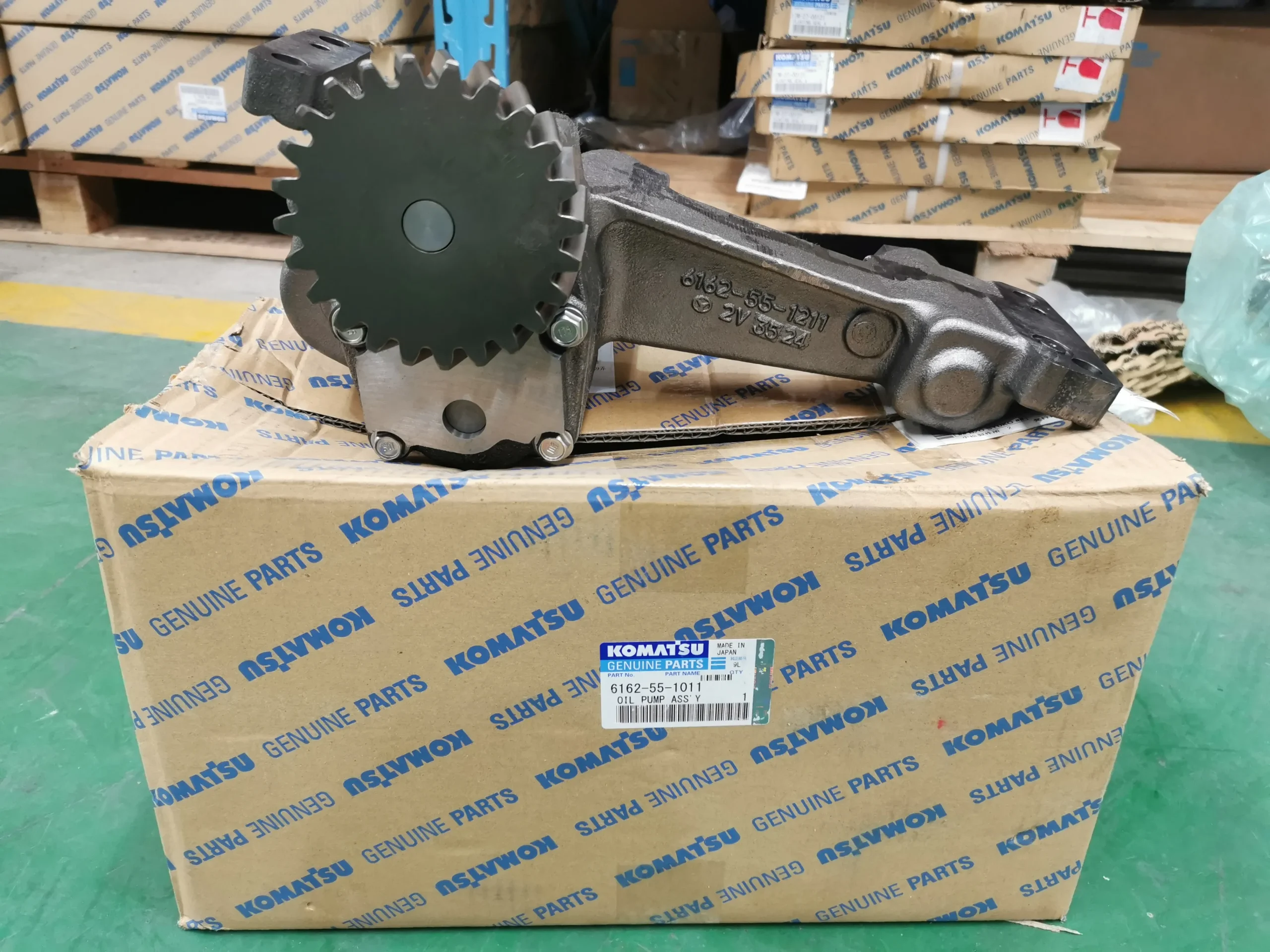 S6D170E-2A Oil Pump 6162-55-1011