
- Chinese
- French
- German
- Portuguese
- Spanish
- Russian
- Japanese
- Korean
- Arabic
- Irish
- Greek
- Turkish
- Italian
- Danish
- Romanian
- Indonesian
- Czech
- Afrikaans
- Swedish
- Polish
- Basque
- Catalan
- Esperanto
- Hindi
- Lao
- Albanian
- Amharic
- Armenian
- Azerbaijani
- Belarusian
- Bengali
- Bosnian
- Bulgarian
- Cebuano
- Chichewa
- Corsican
- Croatian
- Dutch
- Estonian
- Filipino
- Finnish
- Frisian
- Galician
- Georgian
- Gujarati
- Haitian
- Hausa
- Hawaiian
- Hebrew
- Hmong
- Hungarian
- Icelandic
- Igbo
- Javanese
- Kannada
- Kazakh
- Khmer
- Kurdish
- Kyrgyz
- Latin
- Latvian
- Lithuanian
- Luxembou..
- Macedonian
- Malagasy
- Malay
- Malayalam
- Maltese
- Maori
- Marathi
- Mongolian
- Burmese
- Nepali
- Norwegian
- Pashto
- Persian
- Punjabi
- Serbian
- Sesotho
- Sinhala
- Slovak
- Slovenian
- Somali
- Samoan
- Scots Gaelic
- Shona
- Sindhi
- Sundanese
- Swahili
- Tajik
- Tamil
- Telugu
- Thai
- Ukrainian
- Urdu
- Uzbek
- Vietnamese
- Welsh
- Xhosa
- Yiddish
- Yoruba
- Zulu
- Kinyarwanda
- Tatar
- Oriya
- Turkmen
- Uyghur






komatsu parts dealer near me
When someone types 'komatsu parts dealer near me' into a search bar, I know exactly what they're after. They've got a machine down, a project on the line, and they need a part—yesterday. The common assumption, and it's a big one, is that proximity equals speed and reliability. But in this business, near me is less about geography and more about the supply chain's nerve center. A local dealer with an empty shelf is farther away than a specialized supplier with a robust logistics network who can get that PC200-8 main control valve to your yard in 48 hours. That's the first layer of the onion you need to peel back.
The OEM vs. Aftermarket Labyrinth
Let's talk about the core tension. You call your local Komatsu dealer, and they quote you a price and a 6-week lead time because the part is on backorder from Japan. The project can't wait that long. This is where the ecosystem gets interesting. The official network is vital for warranty work and certain proprietary components, but it's not the whole universe. I've seen too many guys hit a wall here and just accept the downtime as fate.
This is precisely where companies operating as OEM product suppliers within the Komatsu system carve out their critical niche. They aren't just another aftermarket shop; they have a formalized relationship. Take Jining Gaosong, for instance. Their model, as outlined on their site takematsumachinery.com, is a hybrid: they are an OEM product supplier and a third-party sales company for Komatsu. In practice, what this means for you searching for a komatsu parts dealer near me is an alternative channel. They're often helping to solve the exact supply challenges—those backorders, regional shortages—that the primary network can't immediately address.
The nuance is in the parts themselves. For a critical, serial-number-matched component like an engine ECU, you might still need the official dealer stamp. But for a vast range of wear parts, hydraulic components, and even assemblies, a certified OEM supplier can be a lifeline. The part is often from the same factory line, but the route to your warehouse is different. It bypasses the traditional bottlenecks. I've sourced a D61EXi-24 track roller frame this way, saving three weeks of downtime. The trick is verifying their claims—asking for factory packaging codes, material certifications.
Logistics: The Real Measure of Near
So, if physical distance isn't king, what is? It's integrated logistics. A good supplier, whether local or overseas, has their air and sea freight partnerships down to a science. I judge a komatsu parts dealer by their DDP (Delivered Duty Paid) capability more than their street address. Can they handle the customs clearance in your country? What's their average transit time to your port or major city?
Jining Gaosong's focus on solving parts supply challenges in certain countries speaks directly to this. It's not a vague promise. In my experience, this often means they've pre-cleared common regulatory hurdles for markets in Southeast Asia, Africa, or the Middle East where parts distribution can be patchy. They've already done the hard work of figuring out which HS codes cause delays or which certifications are needed. For a site manager in, say, Kenya, that's what makes them functionally nearer than a dealer in another African country without that expertise.
I learned this the hard way years ago. I found a local dealer in a neighboring country for a PC300 pump. The part was physically closer, but it got stuck in customs for two weeks due to incorrect documentation. A lesson etched in lost revenue: proximity is a logistics calculation, not a map point.
When to Go Direct, When to Use a Dealer
This brings up a tactical decision tree. My rule of thumb is this: for emergency breakdowns of high-utilization machines, I first check the local dealer's real-time inventory via their portal or a direct call. If it's a stock item, great. If not, I immediately pivot to specialized suppliers like the one mentioned. The search term komatsu parts dealer near me should, in an ideal world, also return these hybrid, logistics-focused entities.
For planned maintenance and overhauls, that's where building a relationship with a third-party OEM supplier pays off. You can plan your parts list, consolidate shipments, and get competitive pricing outside the standard dealer markup. You're buying the same OEM product, but you're leveraging a different node in the supply web. I've managed fleet maintenance for a mid-sized quarry this way, reducing our annual parts budget by about 18% without sacrificing quality, just by smart sourcing.
The caveat? Due diligence. Not all who claim to be OEM suppliers are. You must ask for their authorization proof, their sourcing documentation. A legitimate one like Jining Gaosong will be transparent about their role within the Komatsu ecosystem. They're not hiding; they're providing a specific solution for a specific problem—supply gaps.
The Price-Quality-Time Triangle
You can only ever optimize for two corners of this triangle. The local dealer often gives you Quality and Time (if in stock). If Time is critical and the part isn't local, you often choose between Quality (genuine OEM via a supplier) and Price (rolling the dice on unknown aftermarket). This is the daily calculus.
A reliable OEM product supplier attempts to stretch this triangle. They aim to offer genuine quality (OEM), with compressed time (through their logistics), at a price point between official dealer list and pure aftermarket. It's not always the cheapest route, but it's often the most cost-effective when you factor in total downtime cost. For a $150 seal that holds up a $250,000 machine, the math is brutally clear.
I recall a situation with a Komatsu WA470 wheel loader's steering cylinder. The local lead time was unacceptable. We sourced a genuine cylinder through a channel similar to Takematsu Machinery. It arrived via air freight in 4 days. The part cost was 15% higher than the local dealer's quote, but having the machine earning for an extra 3 weeks made that premium irrelevant. That's the kind of value a true supply partner delivers.
Redefining Your Search Strategy
So, what's the actionable takeaway? Stop thinking of komatsu parts dealer near me as just a Google Maps search. Think of it as a search for a supply solution with proven logistics to your location. Your keywords should evolve: Komatsu OEM supplier DHL express, Komatsu parts export to [Your Country], Komatsu authorized alternative parts supply.
In this light, a company's web presence, like the one at takematsumachinery.com, becomes a tool for pre-qualification. Look for specifics: which countries do they mention serving? Do they detail their shipping methods? Do they list actual part numbers or model families they specialize in? This tells you more than a Contact Us form ever will.
Ultimately, building a shortlist of 2-3 local dealers and 2-3 specialized, logistics-strong OEM suppliers is the professional move. You create your own resilient network. Then, near me becomes a dynamic concept—it's wherever the right part can reliably and quickly be put on your machine, from the most efficient point in the global web that day. That's the real-world answer to the frantic search we all start with at some point.
Related Products
Related Products
Best Selling Products
Best Selling Products-
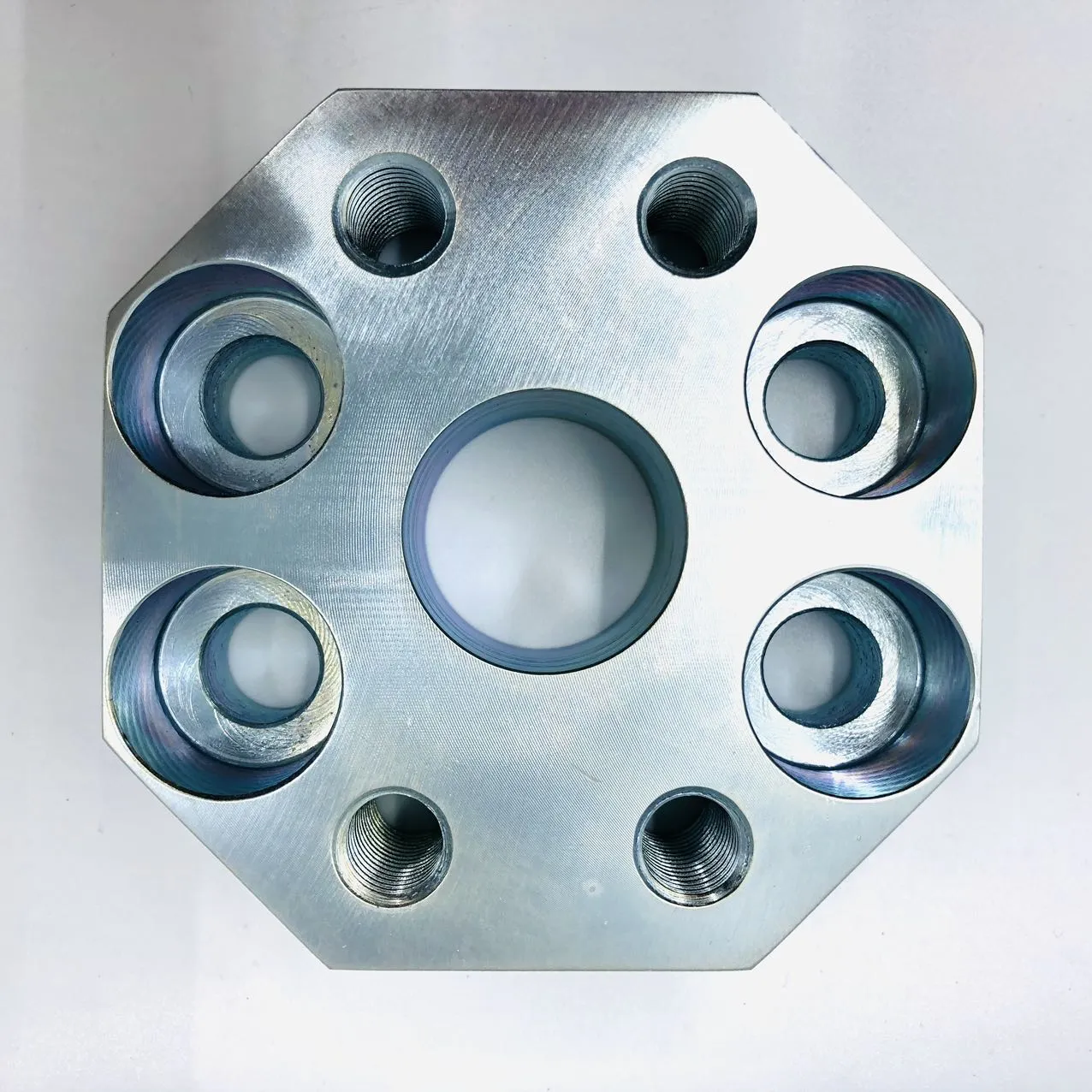 21N-62-11361 Komatsu Flange
 -
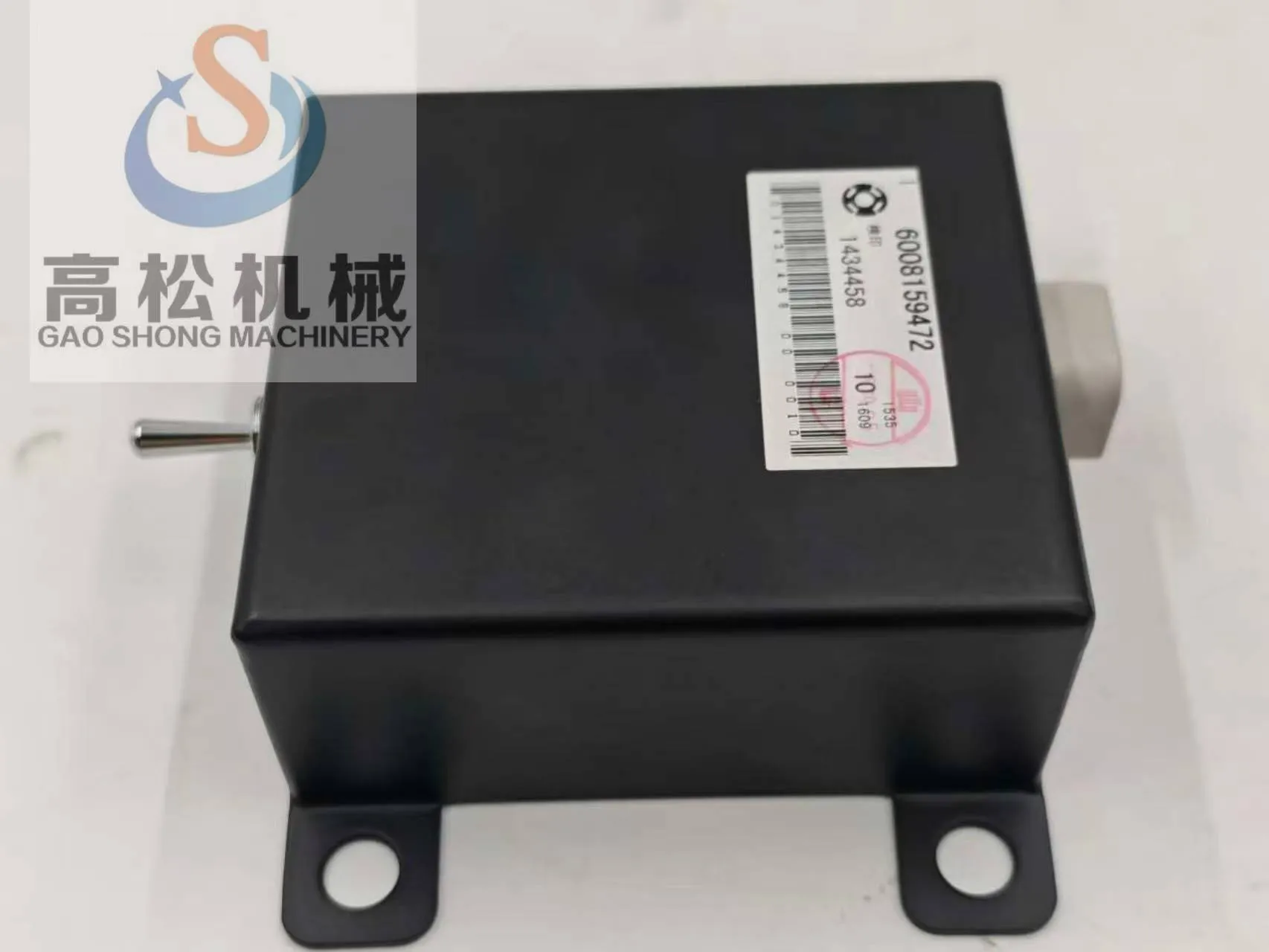 Original new switch 600-815-9472 for d375a-6 bulldozer komatsu pc1250sp-8r hd785-7 dump truck
 -
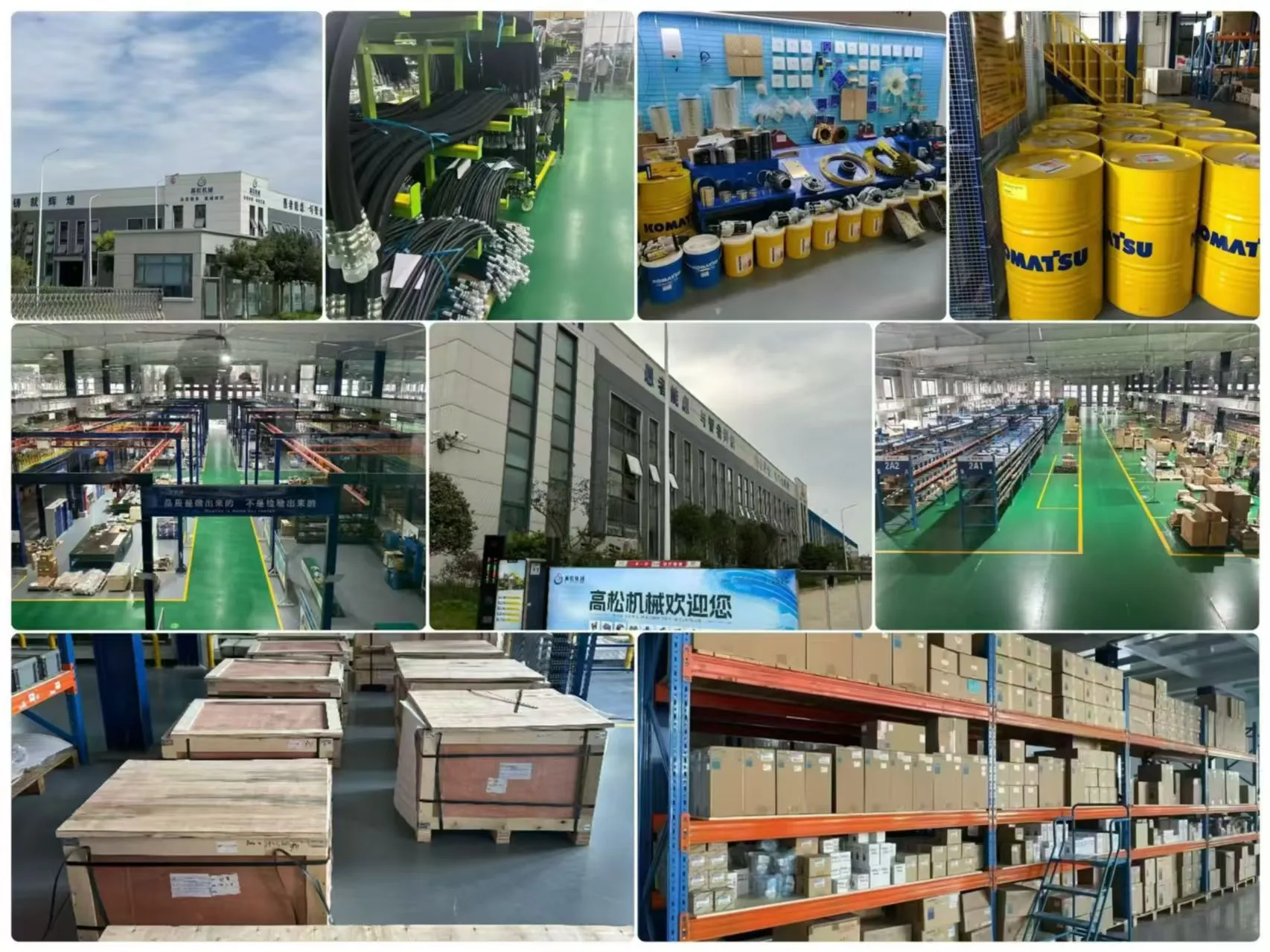 Heavy Machines Built to Last 799-101-5160 SOCKET for Komatsu…
 -
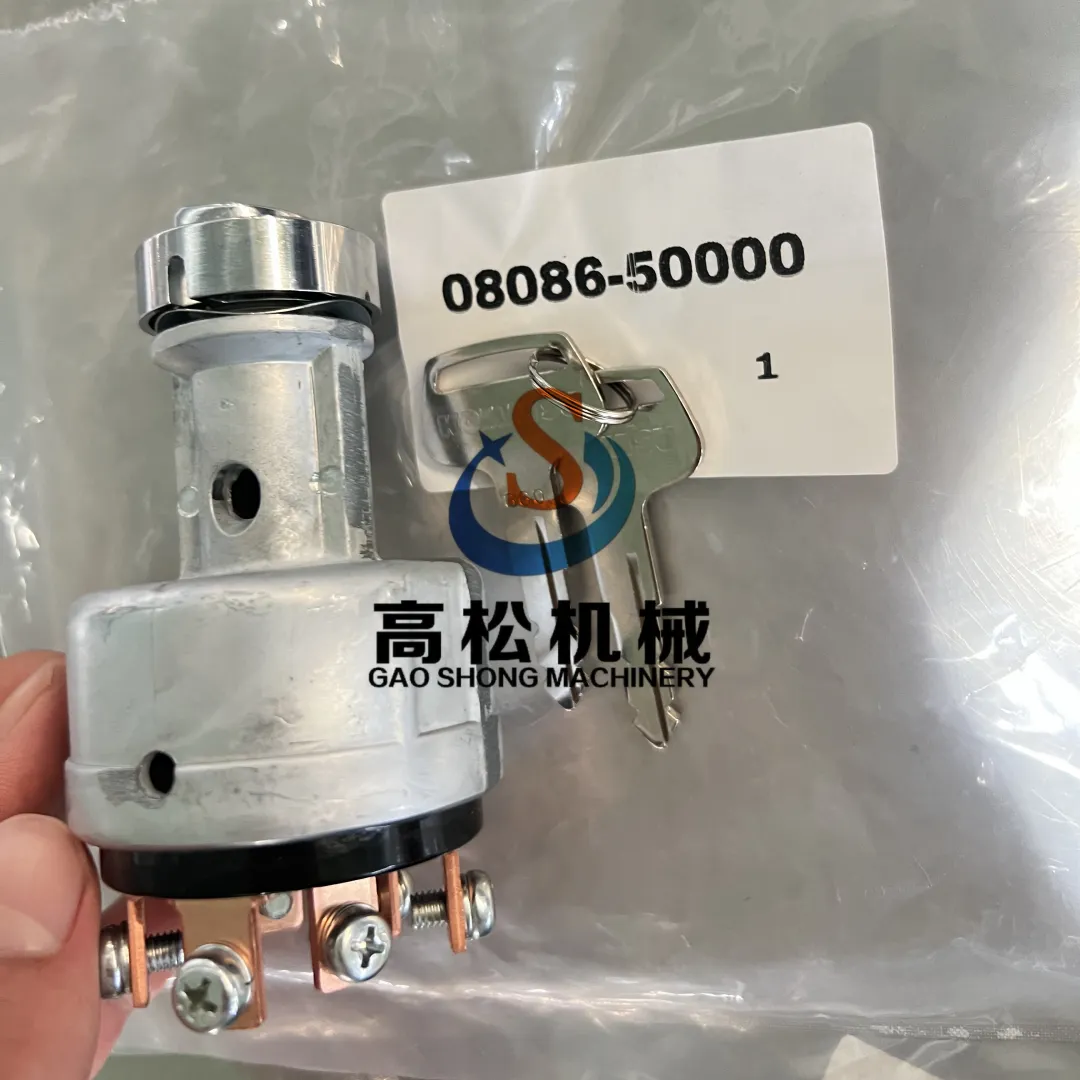 08086-50000Komatsu 08086-50000 Replacement Ignition Switch
 -
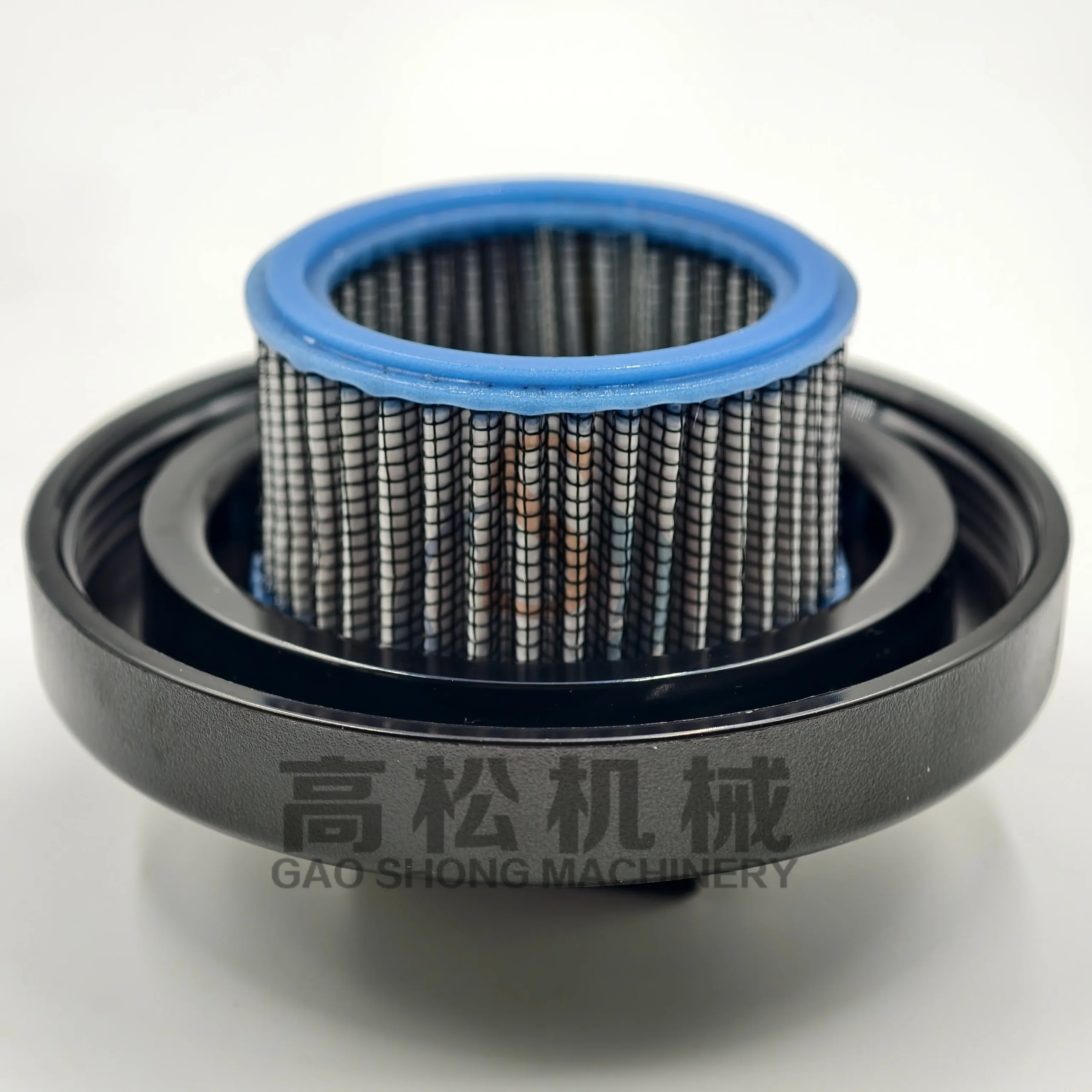 21T-04-31170 Komatsu Cap Assembly
 -
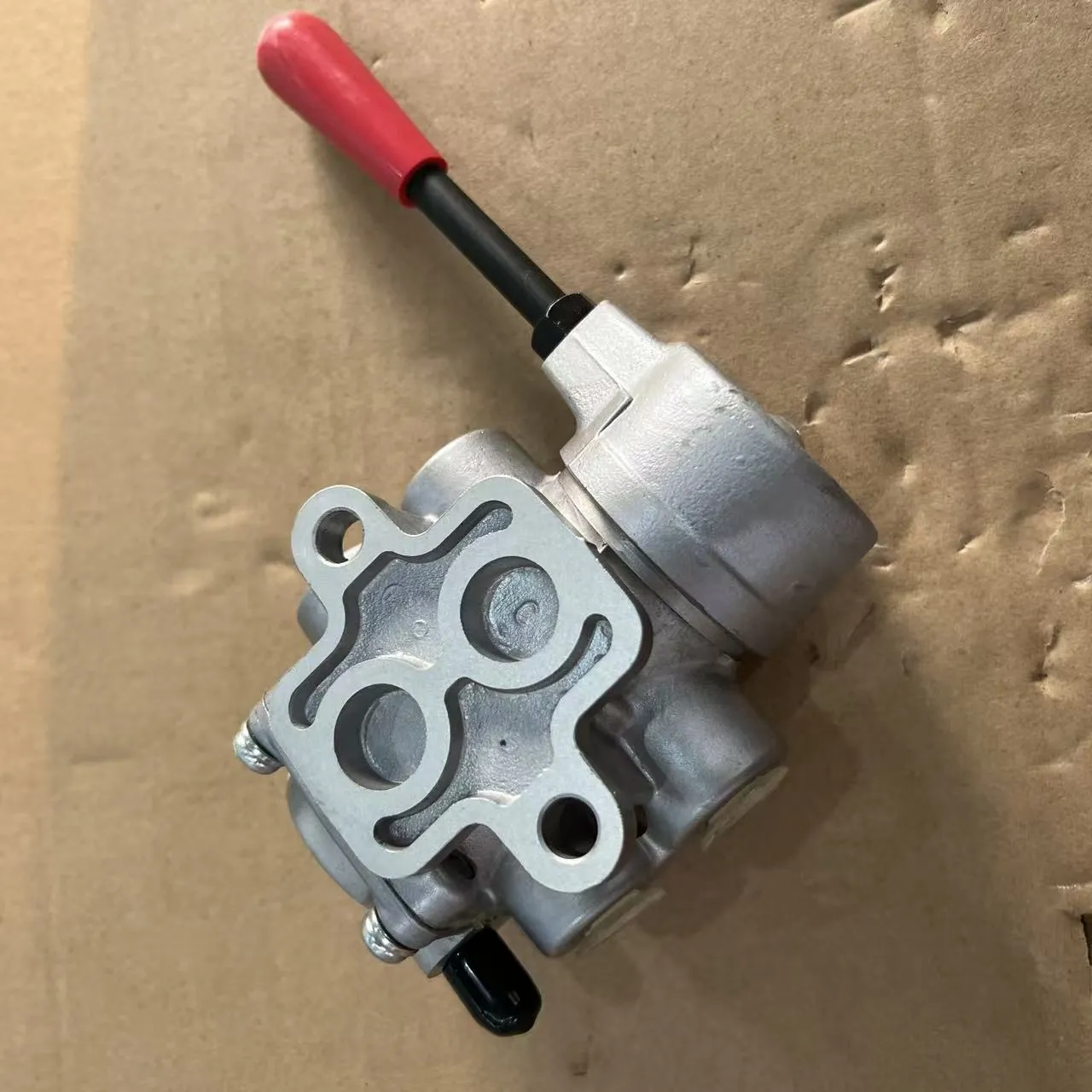 Komatsu 561-87-66102 EMERGENCY BRAKE… — Pricing.Parts
 -
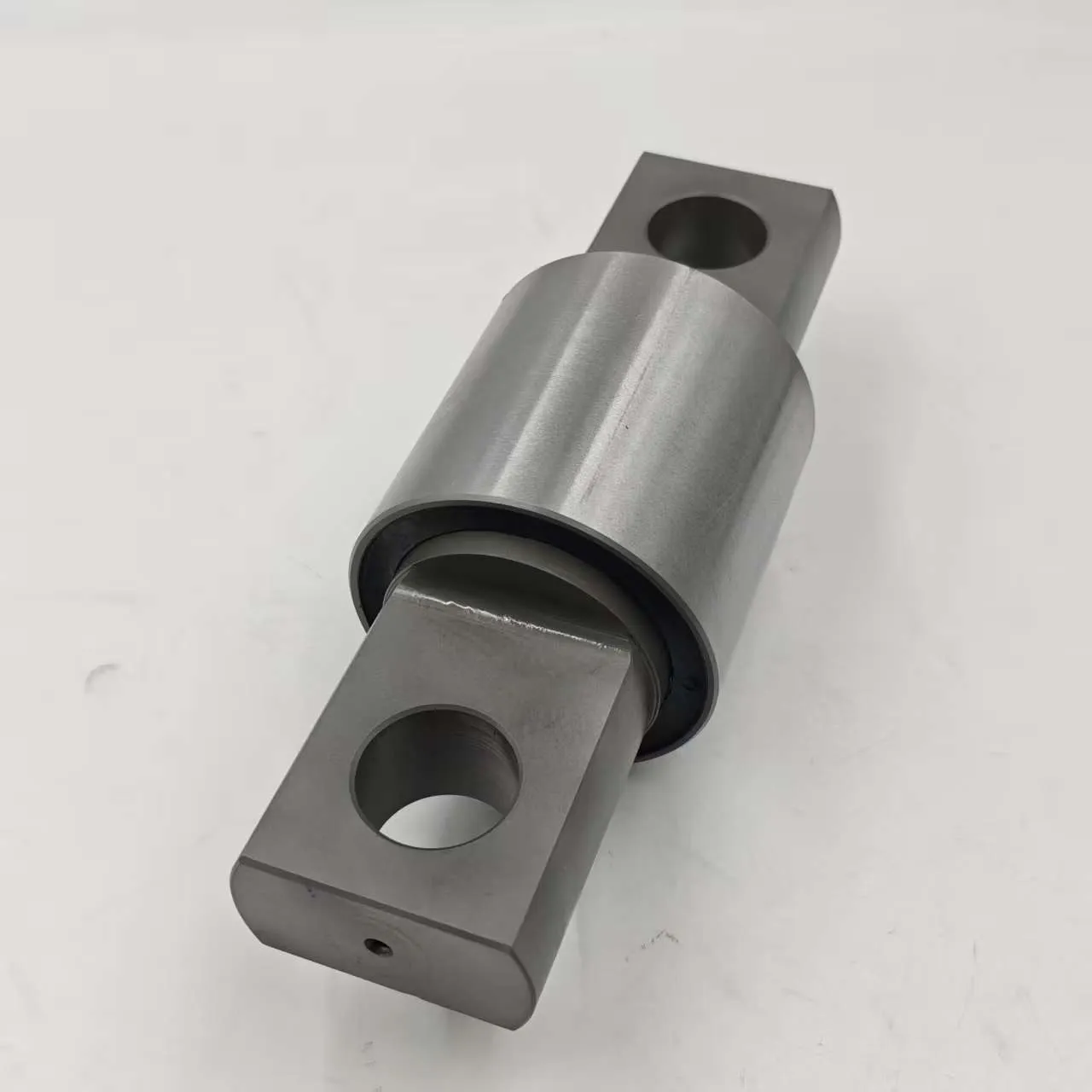 56B-16-11211CUSHION HM400 DUMP TRUCK 56B-16-11211
 -
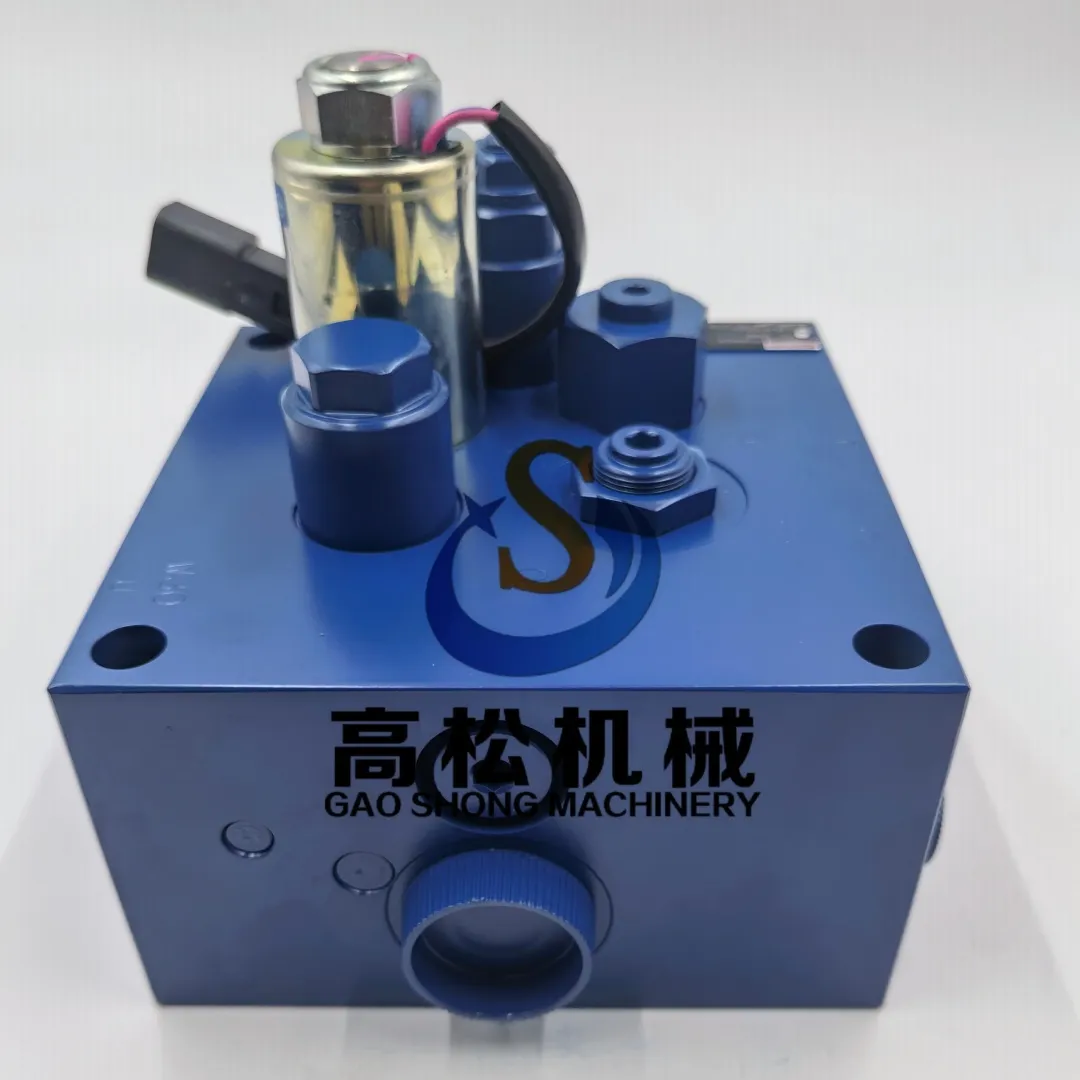 56D-43-37101Z56D-43-37101 Valve Assembly
 -
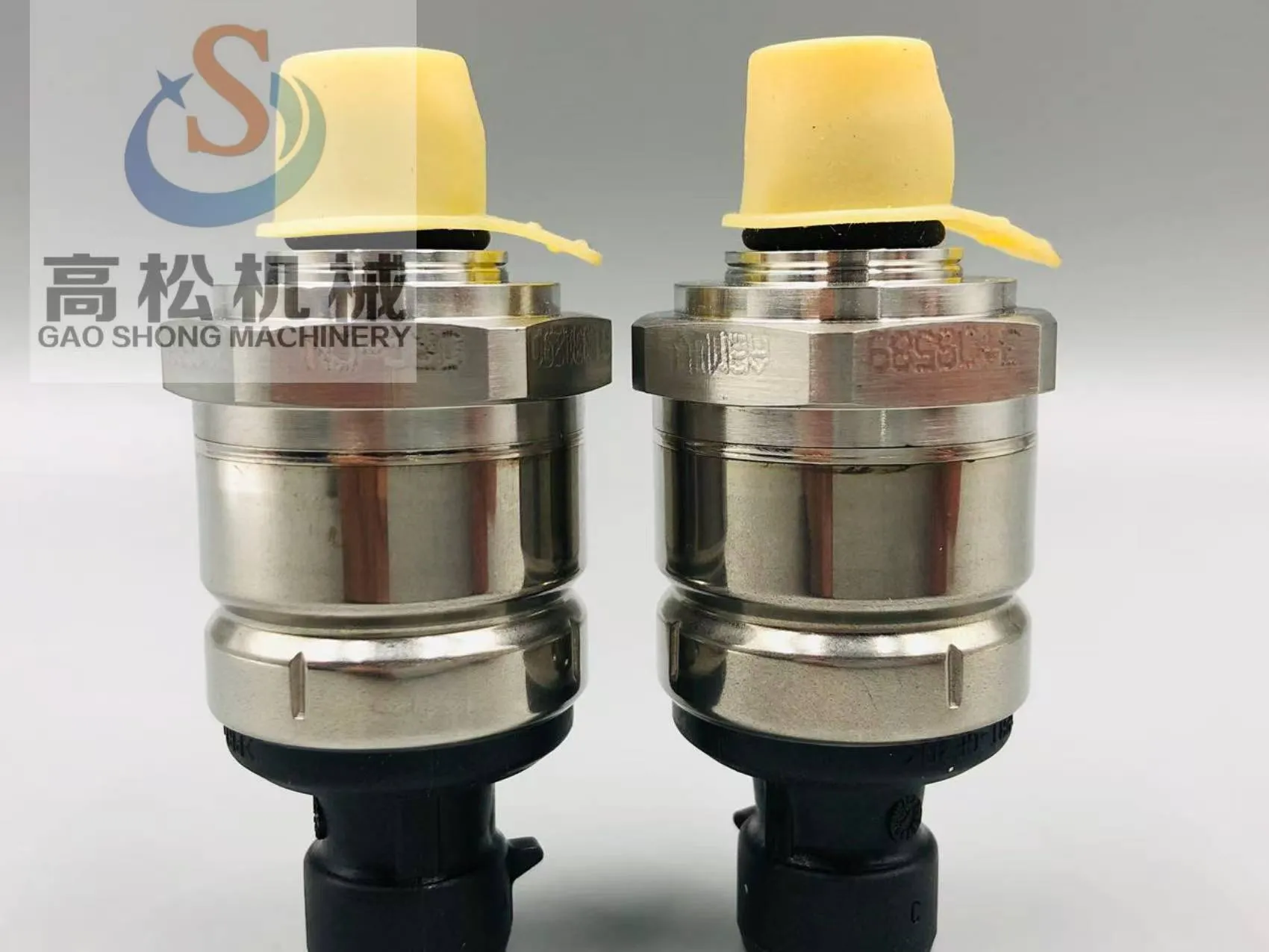 Cummins diesel engine high-pressure sensor 3408589 6560-61-7101 6560-61-7102komatsu
 -
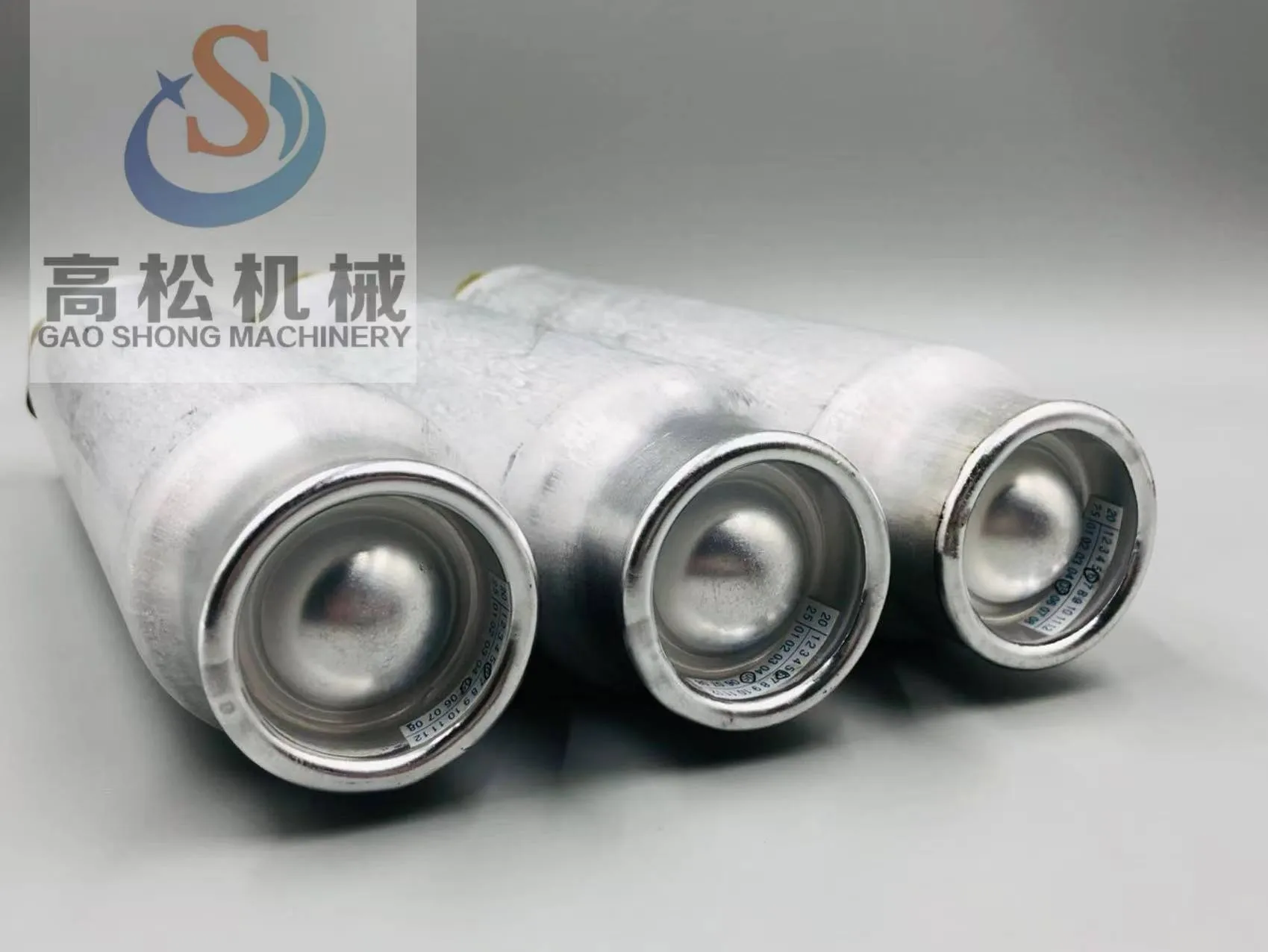 Original 20y-979-3120 receiver for pc300-7 excavators, parts of construction machinery
 -
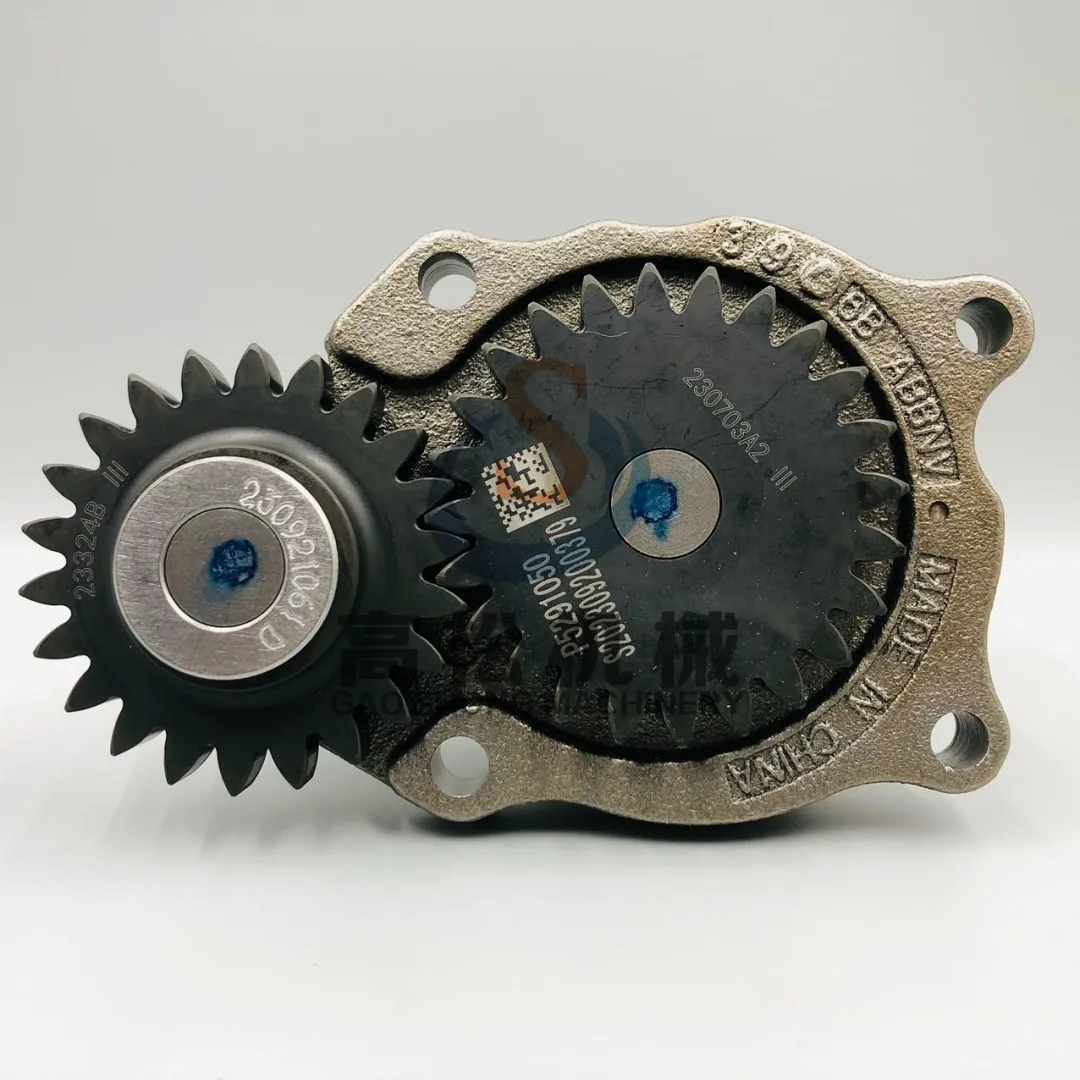 6754-51-1111 6754511111 Fuel Transfer Pump for Komatsu
 -
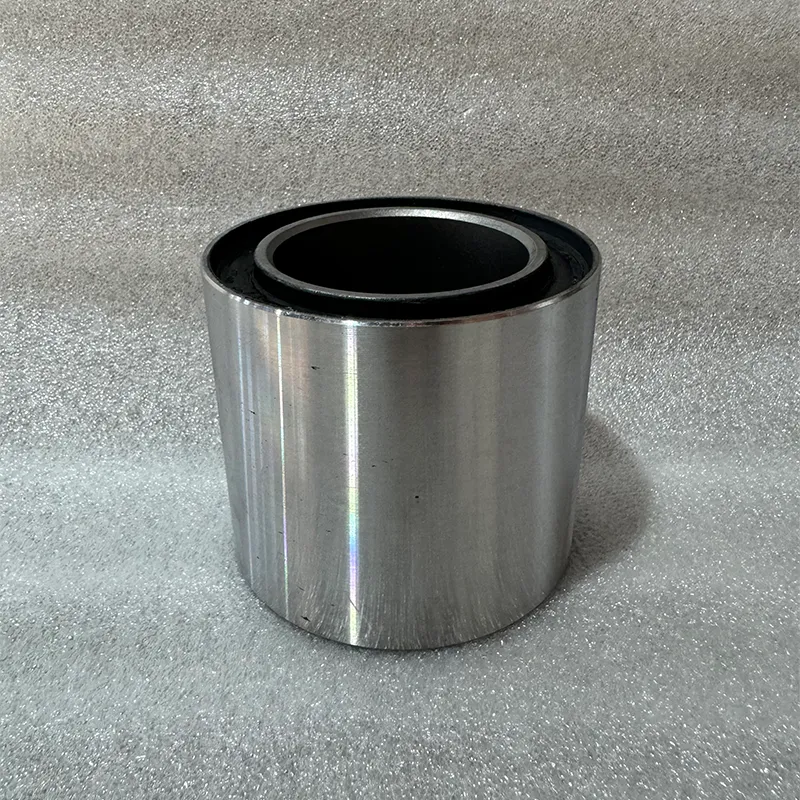 Original komatsu WA900-3 pad 569-14-41130