
- Chinese
- French
- German
- Portuguese
- Spanish
- Russian
- Japanese
- Korean
- Arabic
- Irish
- Greek
- Turkish
- Italian
- Danish
- Romanian
- Indonesian
- Czech
- Afrikaans
- Swedish
- Polish
- Basque
- Catalan
- Esperanto
- Hindi
- Lao
- Albanian
- Amharic
- Armenian
- Azerbaijani
- Belarusian
- Bengali
- Bosnian
- Bulgarian
- Cebuano
- Chichewa
- Corsican
- Croatian
- Dutch
- Estonian
- Filipino
- Finnish
- Frisian
- Galician
- Georgian
- Gujarati
- Haitian
- Hausa
- Hawaiian
- Hebrew
- Hmong
- Hungarian
- Icelandic
- Igbo
- Javanese
- Kannada
- Kazakh
- Khmer
- Kurdish
- Kyrgyz
- Latin
- Latvian
- Lithuanian
- Luxembou..
- Macedonian
- Malagasy
- Malay
- Malayalam
- Maltese
- Maori
- Marathi
- Mongolian
- Burmese
- Nepali
- Norwegian
- Pashto
- Persian
- Punjabi
- Serbian
- Sesotho
- Sinhala
- Slovak
- Slovenian
- Somali
- Samoan
- Scots Gaelic
- Shona
- Sindhi
- Sundanese
- Swahili
- Tajik
- Tamil
- Telugu
- Thai
- Ukrainian
- Urdu
- Uzbek
- Vietnamese
- Welsh
- Xhosa
- Yiddish
- Yoruba
- Zulu
- Kinyarwanda
- Tatar
- Oriya
- Turkmen
- Uyghur





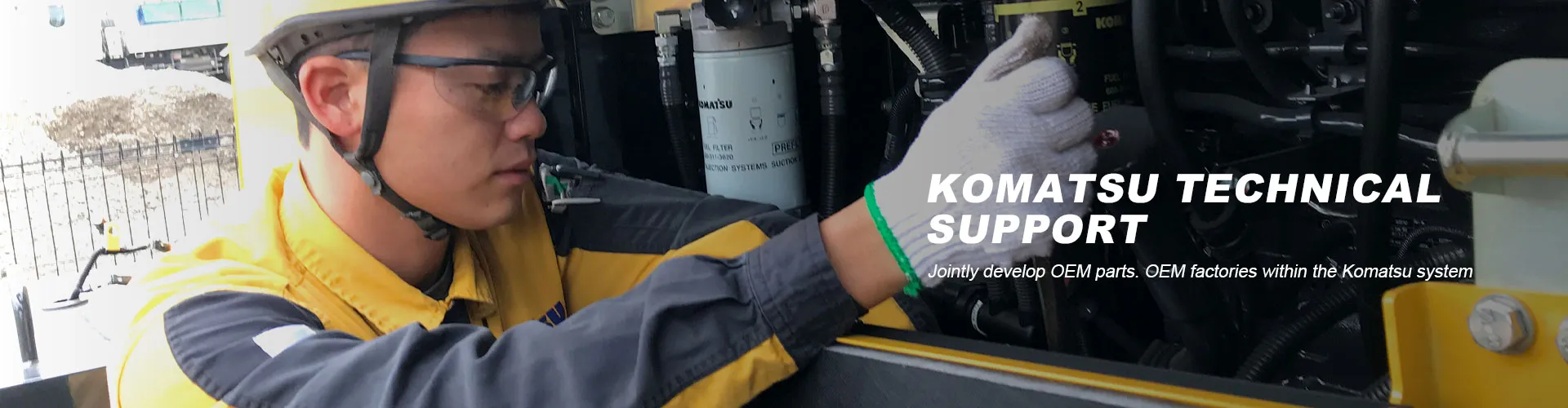
komatsu parts com
When you punch 'komatsu parts com' into a search bar, you're likely aiming for the official channel, expecting a direct line to genuine parts. That's the instinct, and it's not wrong. But in this line of work, that single search term often opens a can of worms more than it provides a clear solution. The reality of global equipment maintenance, especially for older models or in regions with complex supply chains, is that the official portal is just one node in a vast network. The assumption that it's the be-all and-end-all is where many fleet managers and workshop leads, particularly those dealing with international projects, first stumble. My own experience has been less about finding a single source and more about mapping a reliable ecosystem.
The Official Path and Its Inevitable Gaps
Sure, the primary Komatsu channels are indispensable for warranty work, technical bulletins, and the latest part numbers. Their systems are integrated, and for a PC200-8 or a D65EX-18 rolling off the line today, that's your route. But try sourcing a hydraulic pump for a decades-old D85ESS, or even a simple seal kit for a regional variant of a wheel loader in a market halfway across the world. The system can hit a wall. Delivery timelines stretch, part numbers get superseded or discontinued, and the local distributor might simply quote you a lead time that brings your project to a standstill. I've sat in site offices watching machines gather dust because the official ETA was 12 weeks out. That's not operational viability; that's a crisis.
This is where the concept of the OEM product supplier within the Komatsu system becomes critical, but often misunderstood. These aren't copycat manufacturers. Companies like Jining Gaosong Construction Machinery Co., Ltd. operate in a specific niche. They manufacture components to original engineering specifications, often under formal or tacit agreements, filling the production gaps for parts Komatsu itself may no longer prioritize. Think of wear parts, certain castings, or assemblies for models phased out of primary production. Their existence isn't a secret; it's a functional layer of the industry's supply chain. The challenge has always been identifying which of these suppliers has the technical documentation and quality control to be truly equivalent, and which are just selling hopeful approximations.
I recall a project in Southeast Asia where we had three D375 dozers down with final drive issues. The local Komatsu dealer had the parts on a 4-month backorder. We found a supplier listing the component, but the drawings they provided for approval were off by a few millimeters on a critical tolerance. That was a red flag. It led us to dig deeper into certifications and past project references. The supplier that finally delivered—and whose parts are still running today—was one that explicitly positioned itself as an OEM product supplier, not just a generic aftermarket vendor. The distinction in their communication was tangible; they spoke in original part numbers, understood the sub-assemblies, and provided material certifications. That's the difference between a halted job and a running machine.
The Third-Party Bridge in Global Operations
This brings us to the other, equally vital role: the authorized third-party sales company. This is the logistical and regulatory bridge. A company like Jining Gaosong, which also operates through the platform https://www.takematsumachinery.com, exemplifies this dual function. On one hand, they produce OEM-spec parts. On the other, they act as a consolidated sales channel for genuine Komatsu parts in markets where the direct distribution network is thin or plagued by bottlenecks. Their stated mission of helping to solve parts supply challenges in certain countries is precisely the pain point it addresses. It's not about undercutting the local dealer; it's about providing an alternative pipeline when the primary one is clogged.
In practice, what does this look like? Let's say you're operating in a country with import restrictions or volatile customs processes. A local distributor might only place bulk orders quarterly to manage costs and complexity. If you need a part tomorrow, you're out of luck. A dedicated third-party sales agent with expertise in that region's logistics can navigate these hurdles. They consolidate orders, manage customs clearance using established relationships, and often air freight critical components at a cost that, while higher, is justified by getting the machine back to work. I've used such services for projects in West Africa, where the alternative was a 6-week sea freight delay. The part arrived in 8 days. The premium was a line item in the budget, but the saved project timeline was invaluable.
The website takematsumachinery.com itself is a reflection of this hybrid model. You'll find listings for genuine Komatsu parts alongside their OEM-supplied equivalents. For a procurement manager, this is powerful. It allows for a tiered strategy: critical, high-stress components? Opt for the genuine part listed. A housing, a bracket, a slew of hoses and fittings? The OEM-spec alternative might offer 95% of the performance at 70% of the cost and with immediate availability. The key is transparency. When a supplier clearly states their role within the ecosystem, it builds trust. You're not guessing what you're buying.
Judging Quality: Beyond the Part Number
So, how do you vet these channels when your search for 'komatsu parts com' leads you here? The part number is the first gate, but it's not the last. Any reputable supplier will ask for your machine's serial number. That's a good sign—it shows they understand that a PC300-7 from one production year might have a different valve block than another. The next step is asking for documentation. Can they provide the original Komatsu specification sheet for the part? For their own OEM-produced items, can they show material test reports, hardness certifications, or dimensional inspection reports? I've learned to ask for these upfront. A hesitant response is usually the end of the conversation.
Another practical test is to order a non-critical but complex part first. Instead of jumping straight to a main hydraulic control valve for an excavator, try ordering a pilot control manifold or a set of servo pistons. Inspect the machining quality, the finish, the branding (or lack thereof—true OEM suppliers often don't brand parts, as they're meant to be direct replacements). Fit it. Does it slot in without modification? Does it perform within parameters? This small-scale trial run has saved us from major costly mistakes. We once received a genuine equivalent swing motor where the port threads were subtly different—enough to cross-thread during installation. A smaller test order would have revealed that flaw before it caused downtime and damage.
It's also worth building a relationship with the technical contact, not just the sales rep. The folks at companies like Gaosong who understand the engineering are the ones who can tell you, Yes, we have that, but note that the updated design from Komatsu includes a reinforced flange. Our version incorporates that update. That level of detail signals deep integration with the product evolution, not just a reverse-engineering operation.
The Real Cost Equation: Availability vs. Price
The biggest industry misconception is fixating on unit price. When a machine is down costing $500 an hour in lost production and contract penalties, the cheapest part is the one that gets it running reliably the fastest. The value proposition of a hybrid supplier isn't always lower price; it's optimized total cost. This includes availability cost, downtime cost, and risk cost. A part that's 30% cheaper but arrives in 10 weeks has an infinite effective cost if it stops your project. A part that's 10% more expensive but is on a plane tonight and is a verified quality match often has the lowest total cost.
I learned this the hard way early on. We opted for a suspiciously cheap undercarriage component pack from a non-vetted source for a fleet of dozers. The price was 40% below market. The parts arrived, looked okay at a glance, and were installed. Within 200 hours, sprocket teeth were shearing and bushings were wearing at an alarming rate. The metallurgy was wrong. The savings were obliterated ten times over by the repair costs, rework, and the catastrophic downtime. After that, our protocol changed. Now, our first question for any non-direct source is about their quality assurance lineage and their lead time guarantee, not their per-unit price.
Platforms like https://www.takematsumachinery.com succeed when they communicate this total-cost value. It's evident in how they structure their services—often offering expedited shipping options and technical support. They're selling a solution to a supply challenge, not just a widget in a box. For a site manager staring at a broken machine, that's the real search result that matters.
Integrating These Sources into Your Procurement Flow
Ultimately, the goal isn't to replace your local Komatsu distributor. It's to build a resilient, multi-source procurement strategy. Your local dealer is Partner A for new models, warranty, and technical support. A verified OEM product supplier and third-party sales agent like Jining Gaosong becomes Partner B for legacy models, emergency situations, and cost-optimization on specific part categories. The trick is to qualify Partner B before the crisis hits. Do the due diligence, place a few small test orders, audit their documentation, and establish communication channels.
In our current operations, we maintain an approved vendor list with exactly this tiered structure. When a part is needed, we check availability and lead time with our primary dealer. If the lead time exceeds our operational threshold (which we define for each equipment class), we immediately move to our pre-qualified secondary sources. This decision tree is documented and standard. It removes panic and guesswork from the process. The search term 'komatsu parts com' becomes a starting point for a structured sourcing protocol, not a desperate Hail Mary.
The landscape of heavy equipment parts is complex and global. Understanding the roles within it—from the official factory channel to the specialized OEM supplier and the logistics-savvy third-party agent—turns a problem of scarcity into one of managed choice. It turns a stalled machine from a disaster into a manageable logistics event. That's the real expertise: not just knowing how to search, but knowing how to build a supply chain that works when the first, most obvious search result falls short.
Related Products
Related Products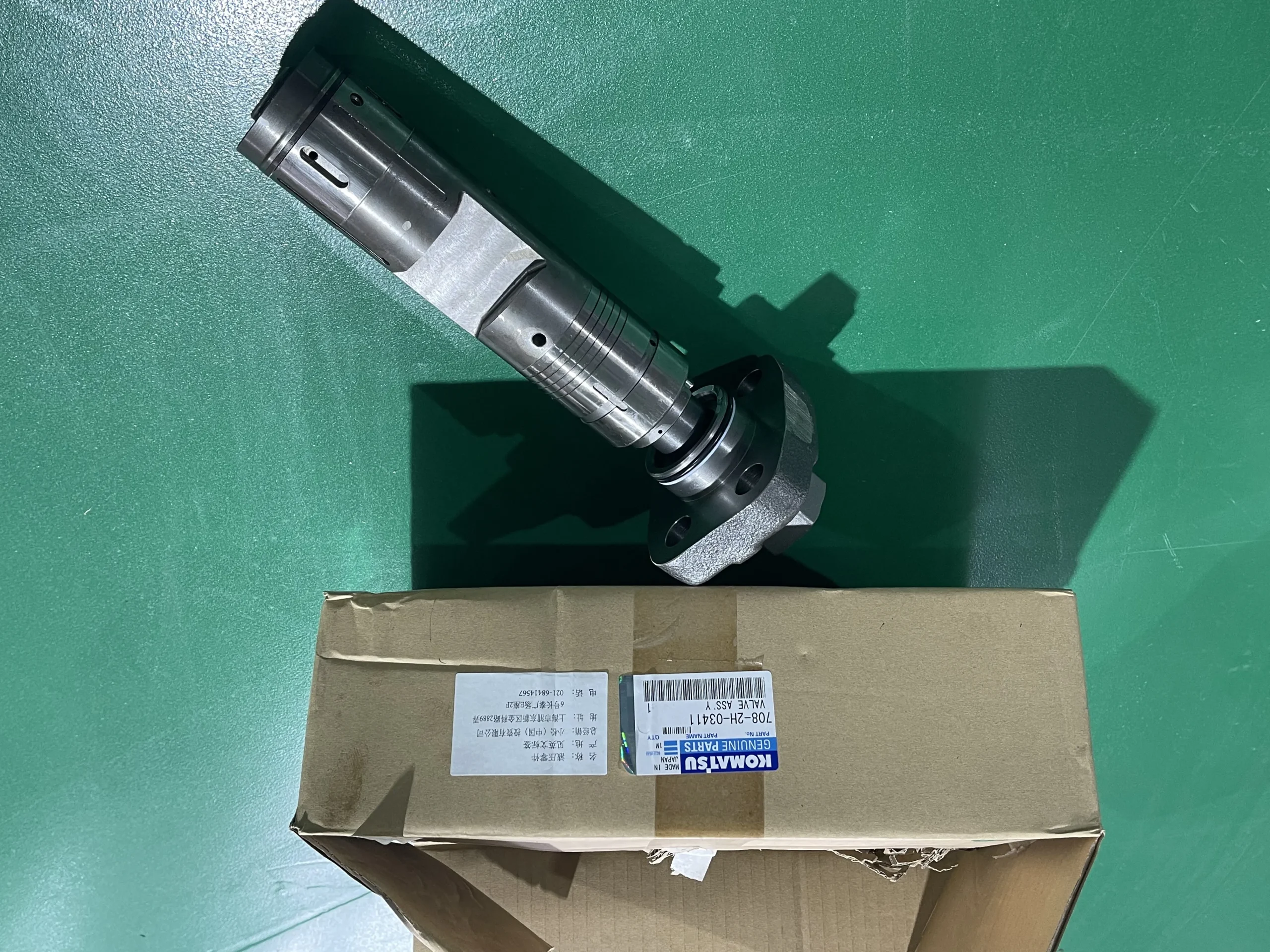
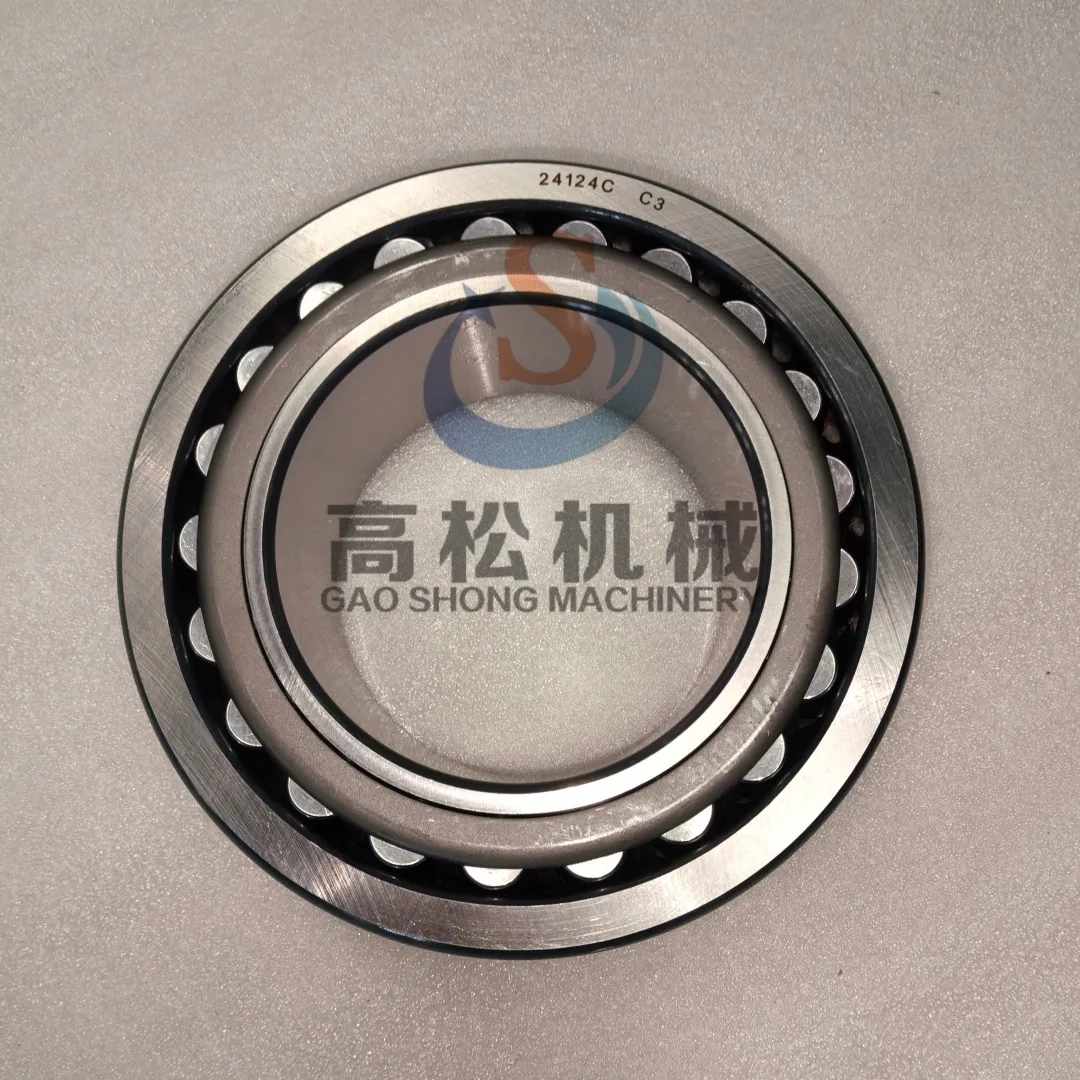
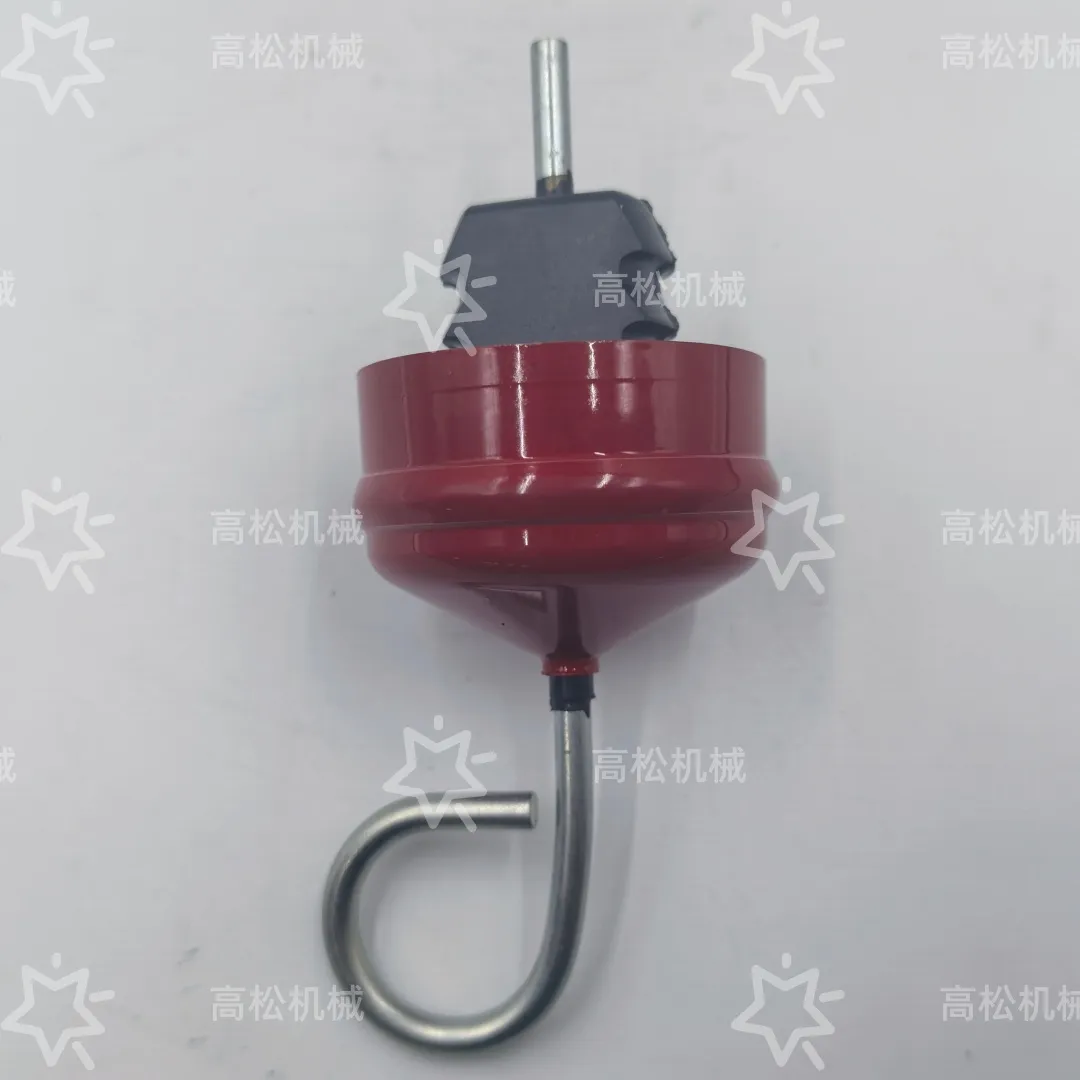
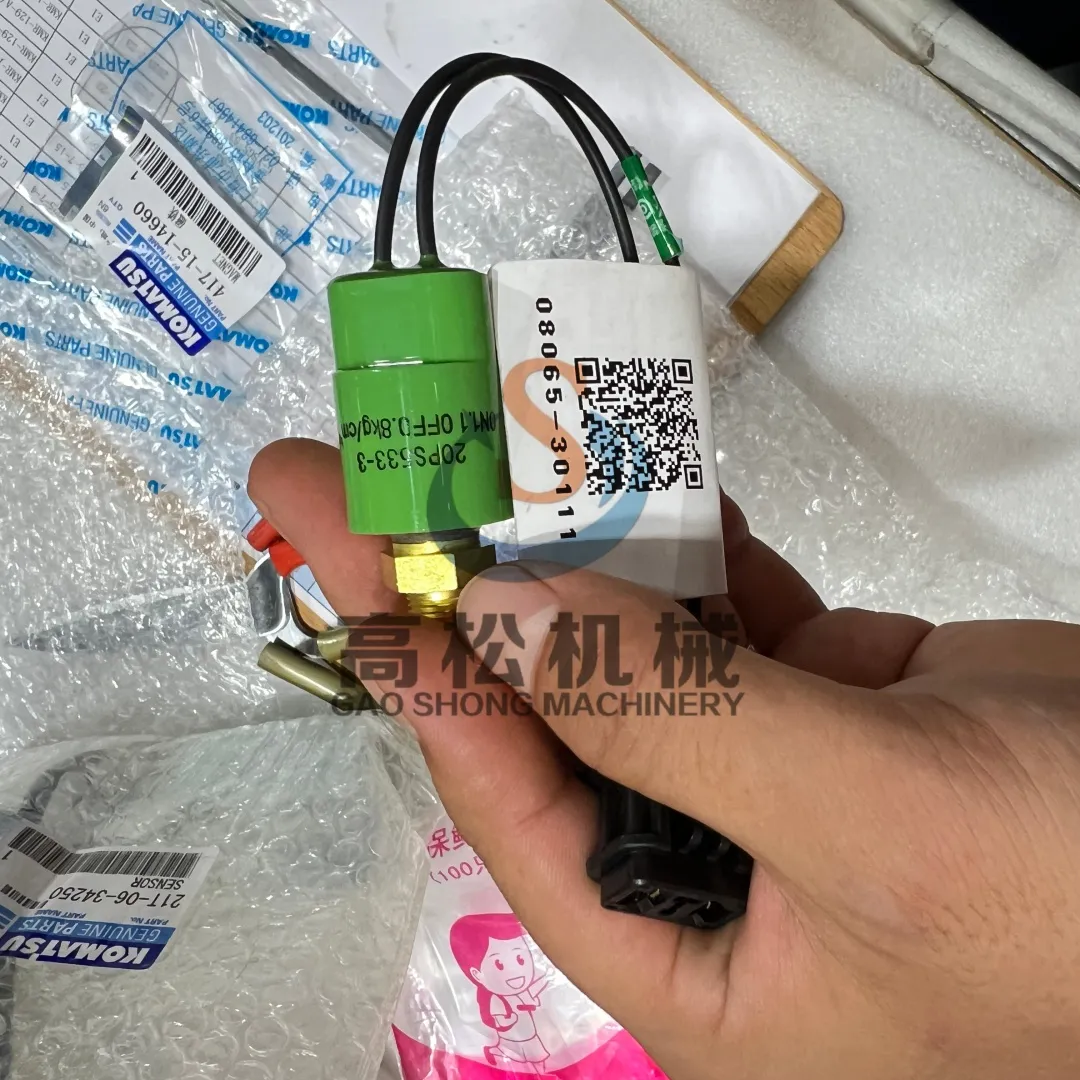
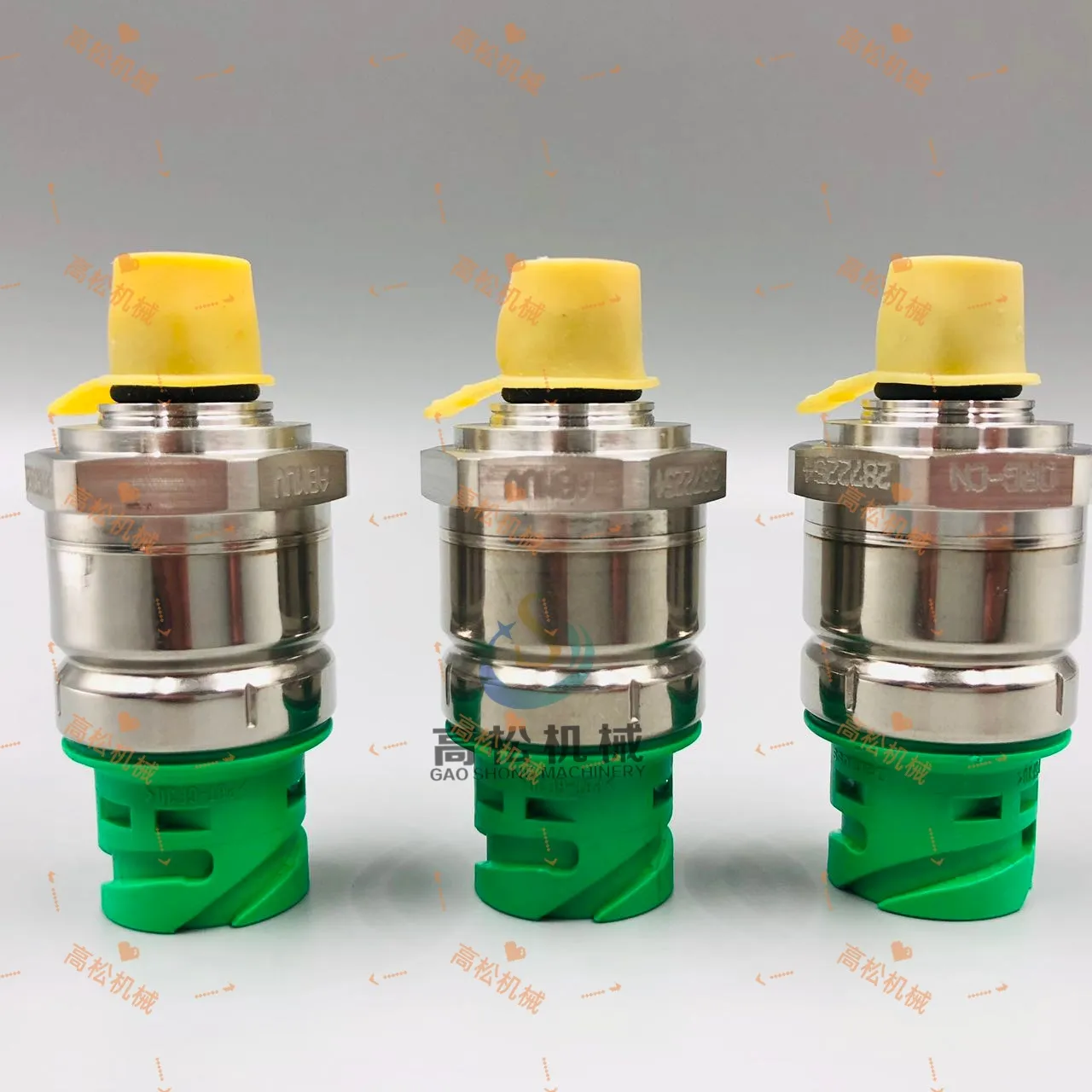
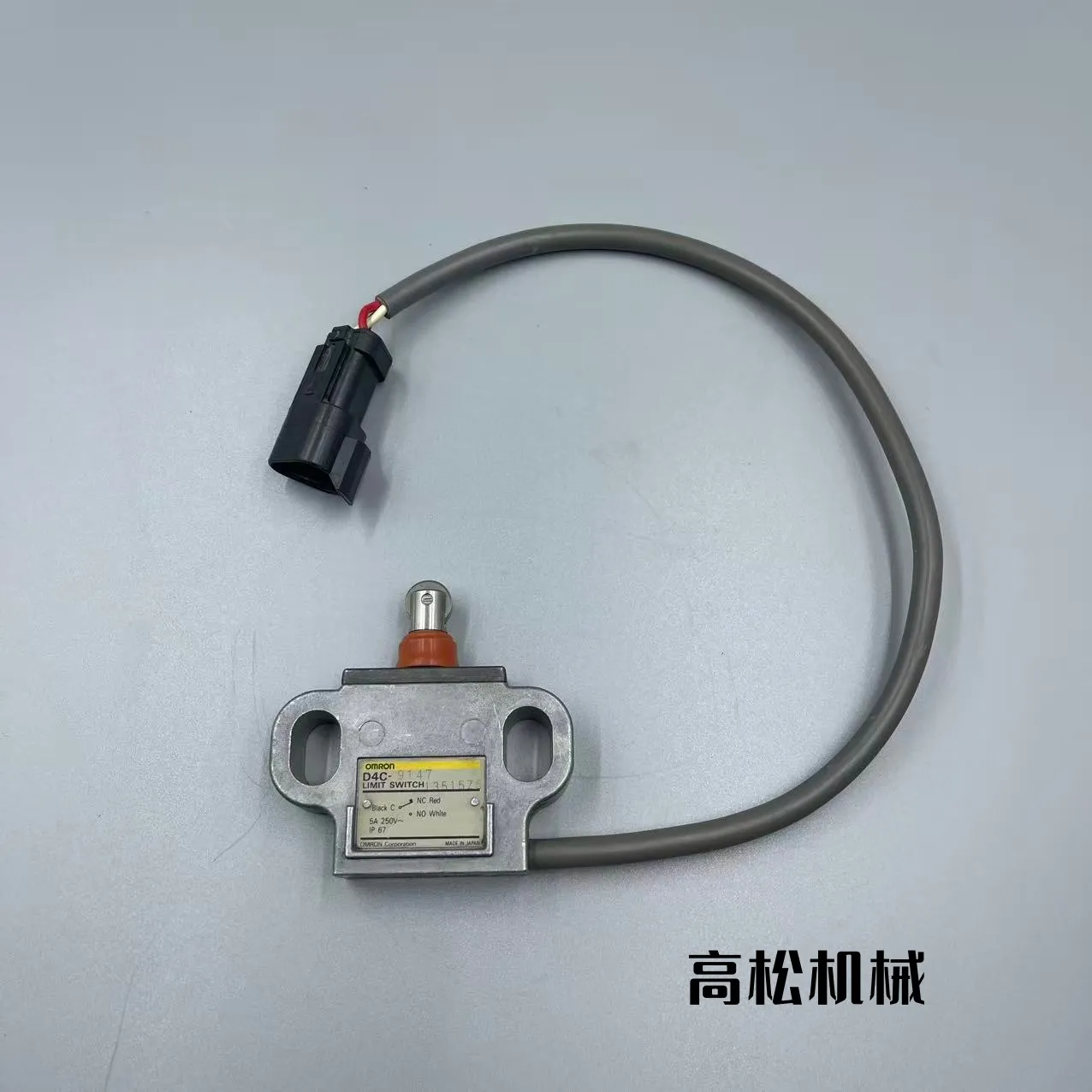
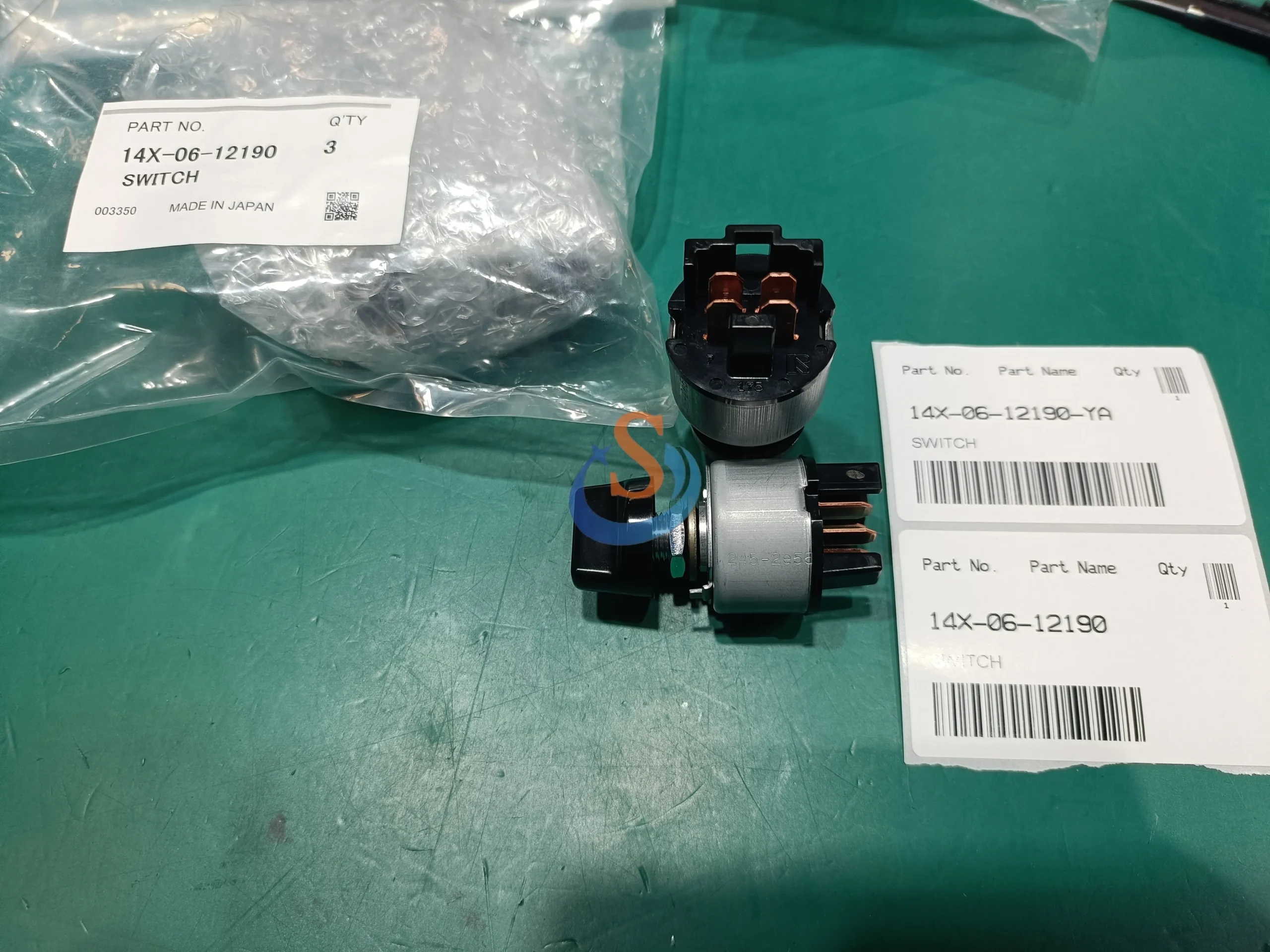
Best Selling Products
Best Selling Products-
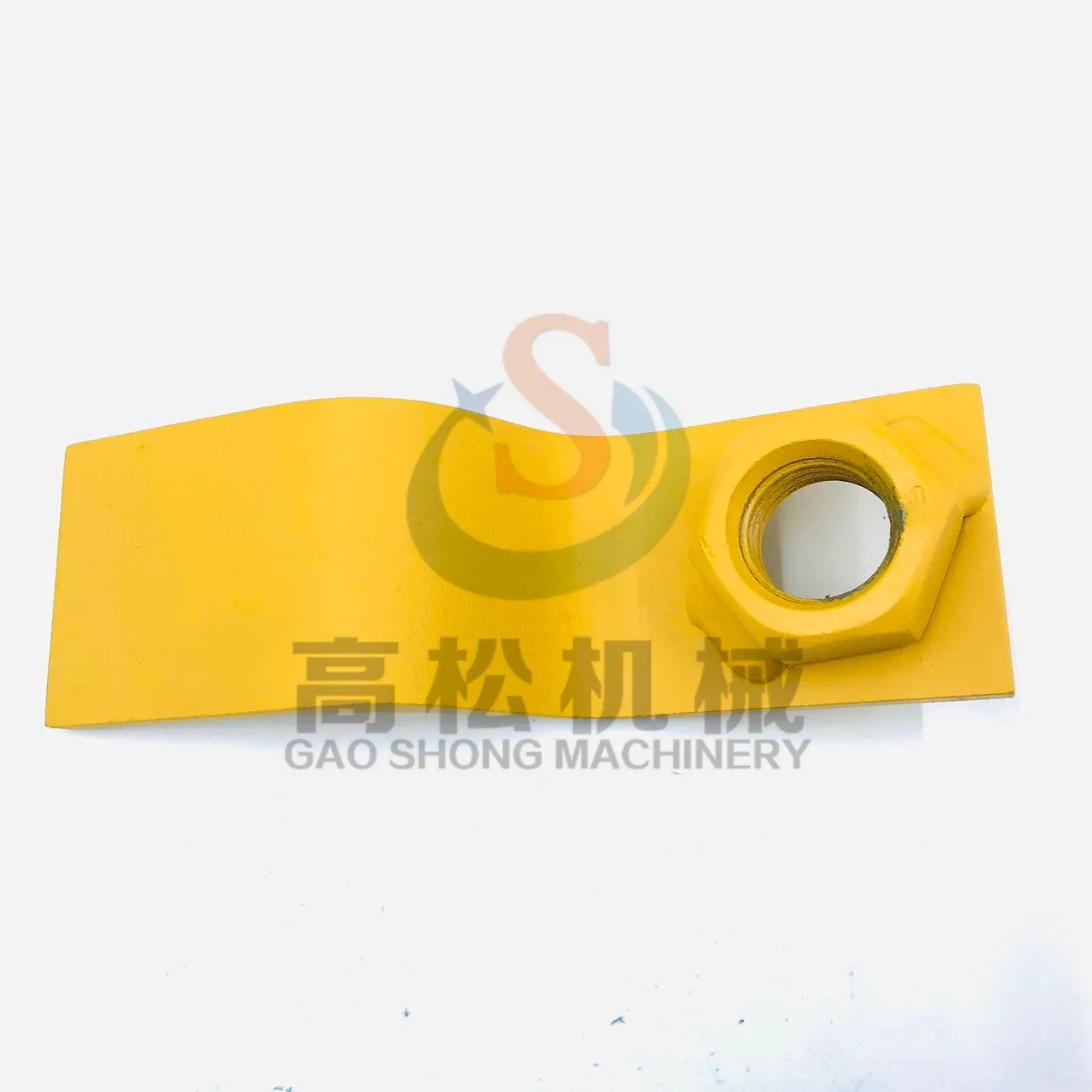 21T-00-67330 Plate (Komatsu)
 -
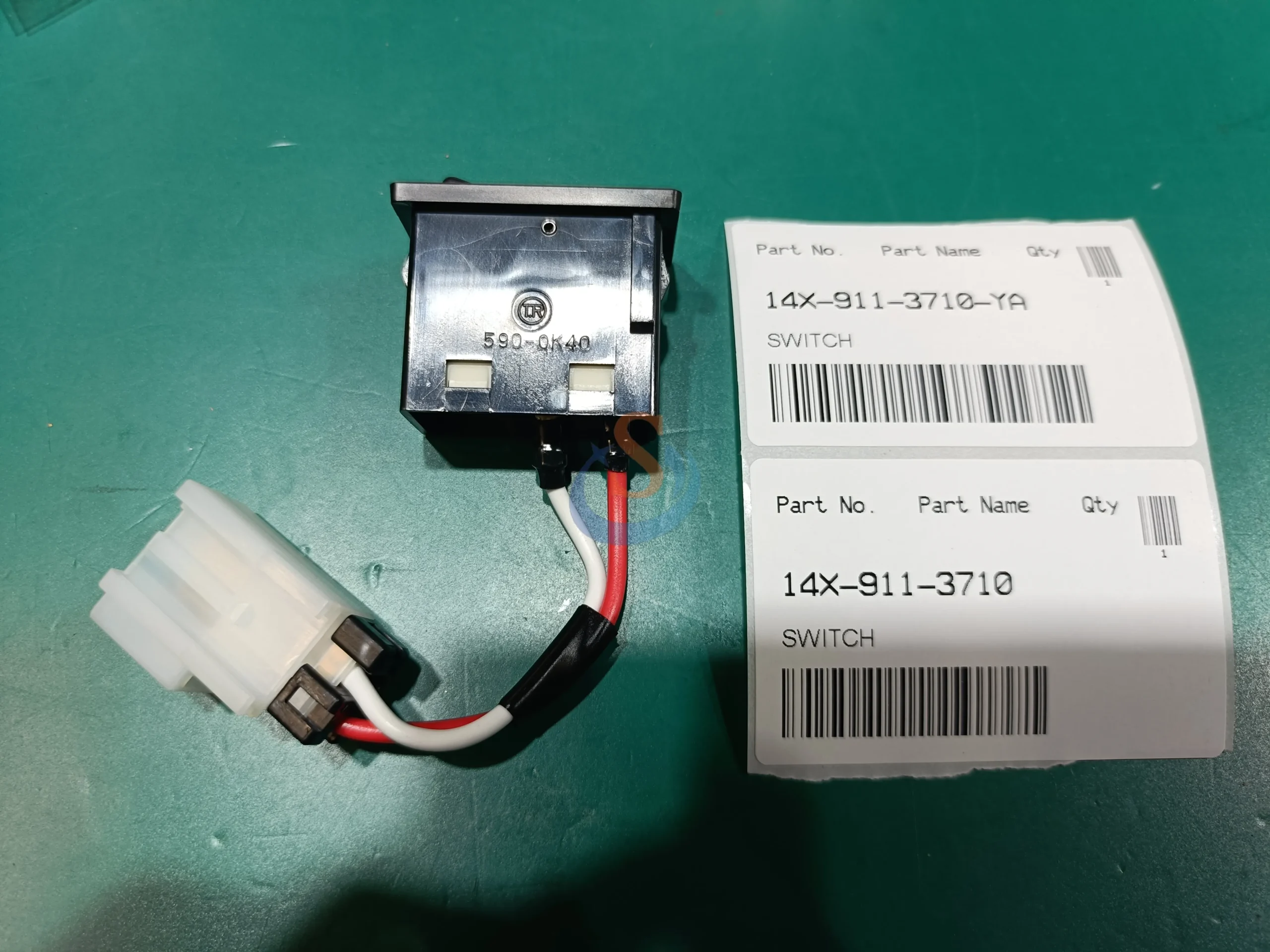 14X-911-3710,SWITCH,D65WX,D65PX,D85PX,D155AX,WA50
 -
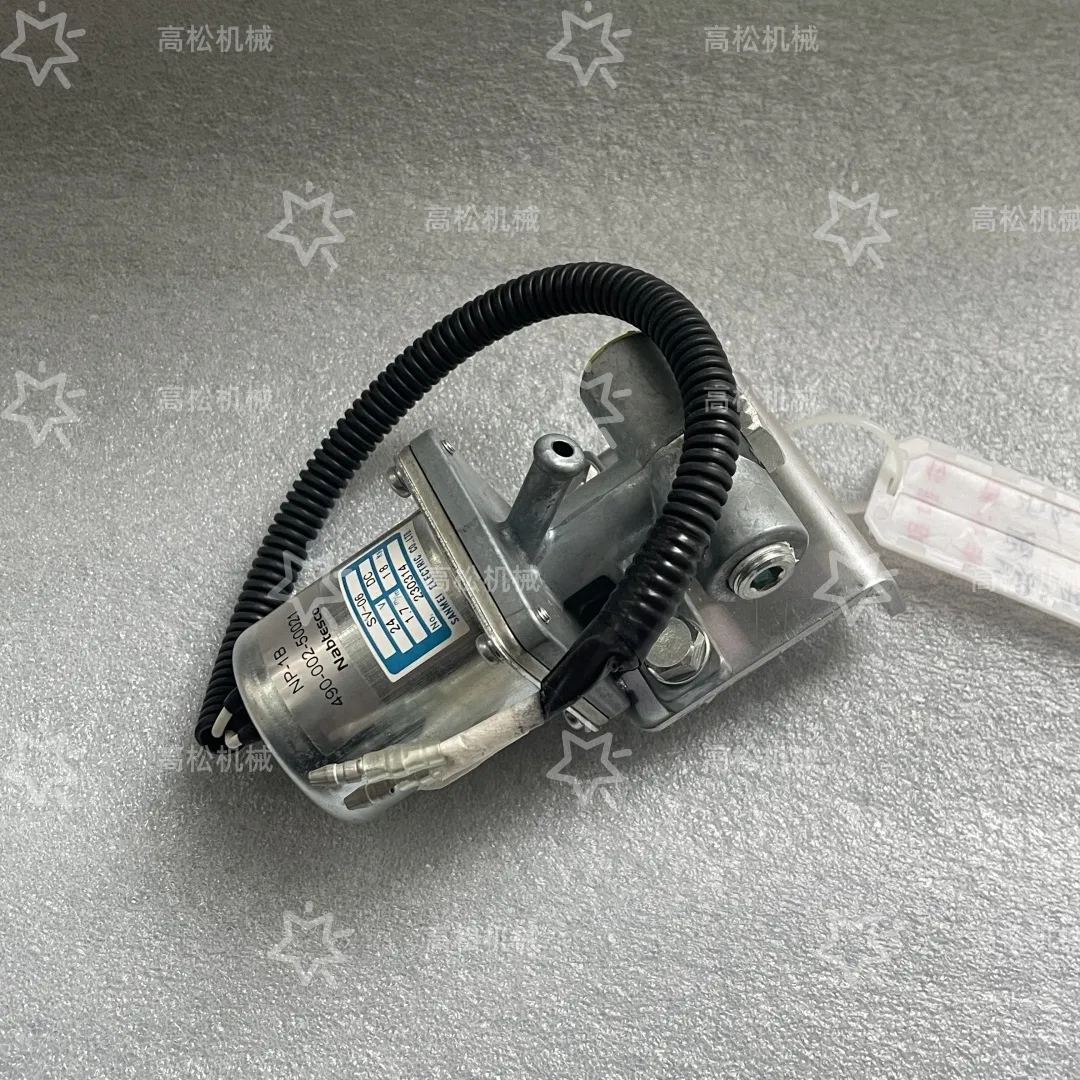 234-44-61430SOLENOID VALVE 234-44-61430 BANK CUTTING CONTROL PIPING AUTO TRANSMISSION SPEC for GD705/825
 -
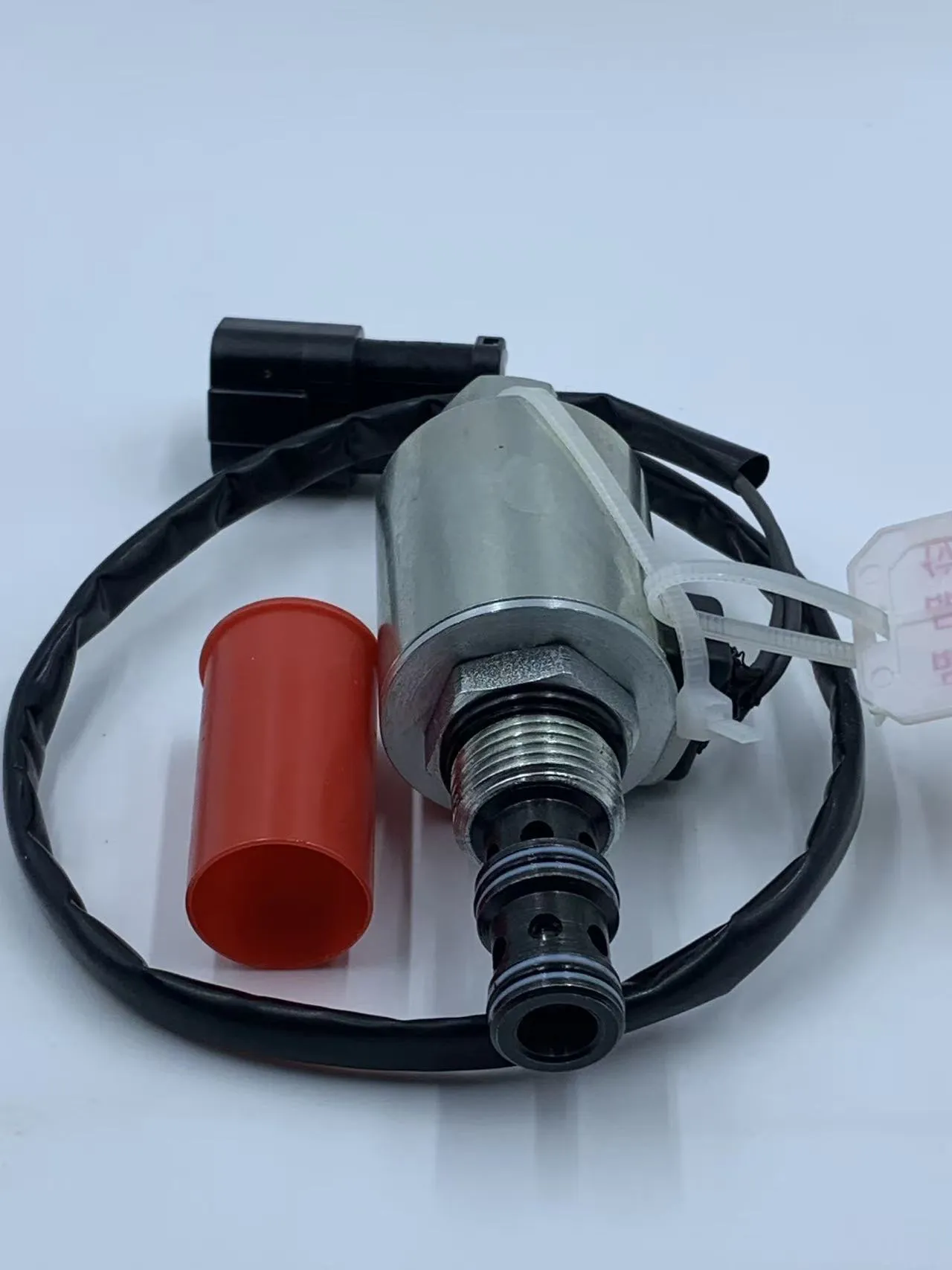 New Rotary Pump Solenoid Coil 20Y-60-11713 for Komatsu… | eBay
 -
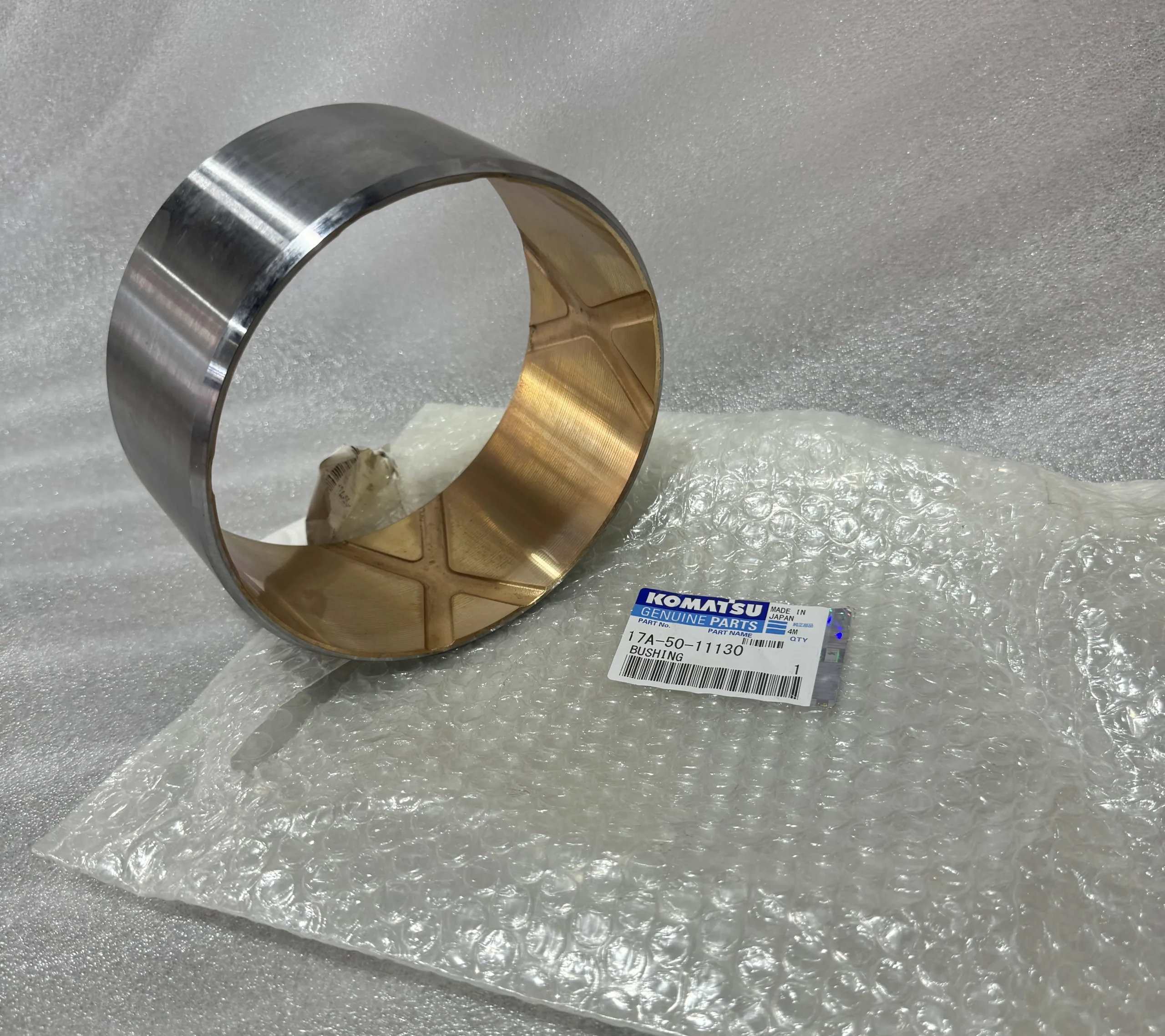 D155AX-3 Bushing 17A-50-11130
 -
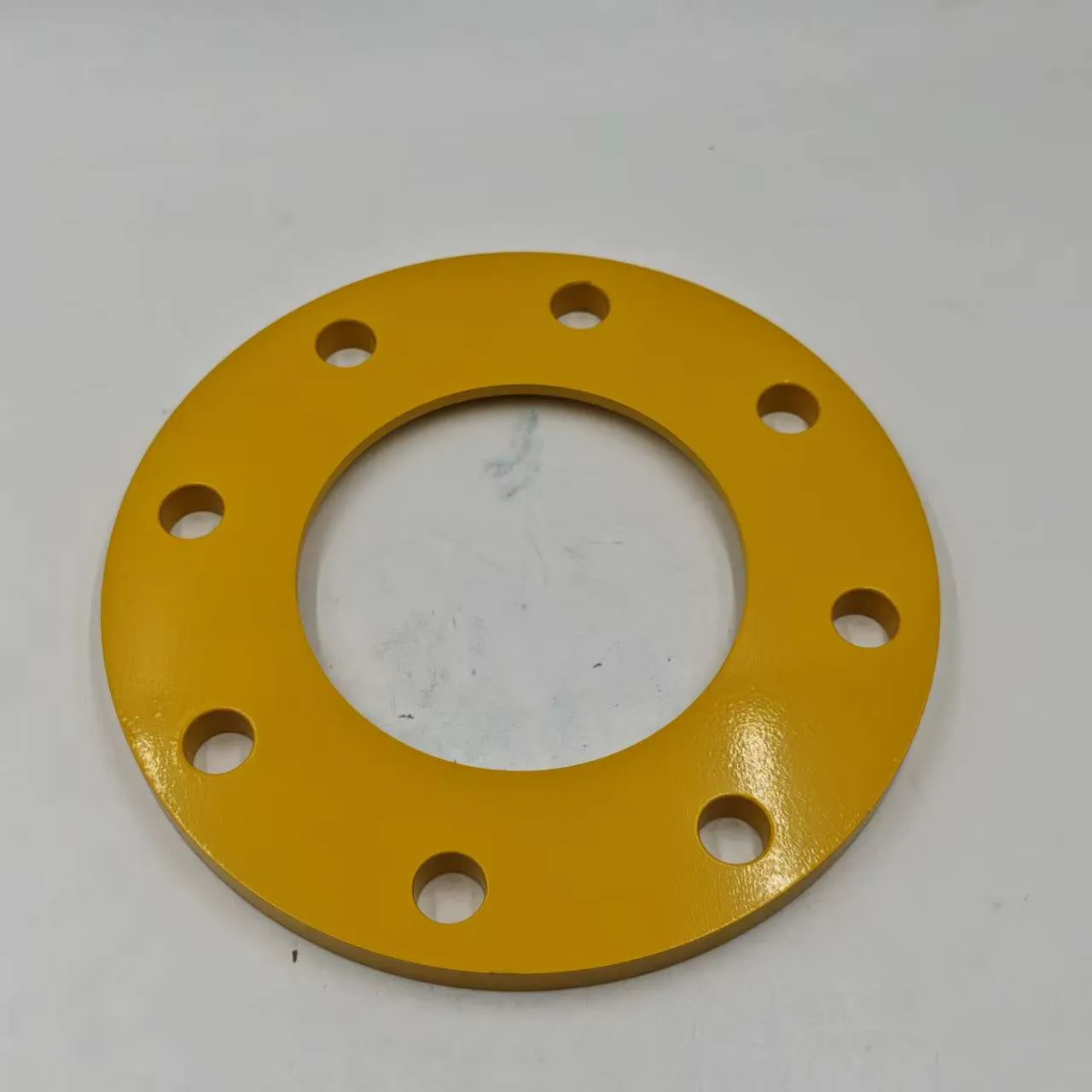 Komatsu 41E-70-15461 Plate
 -
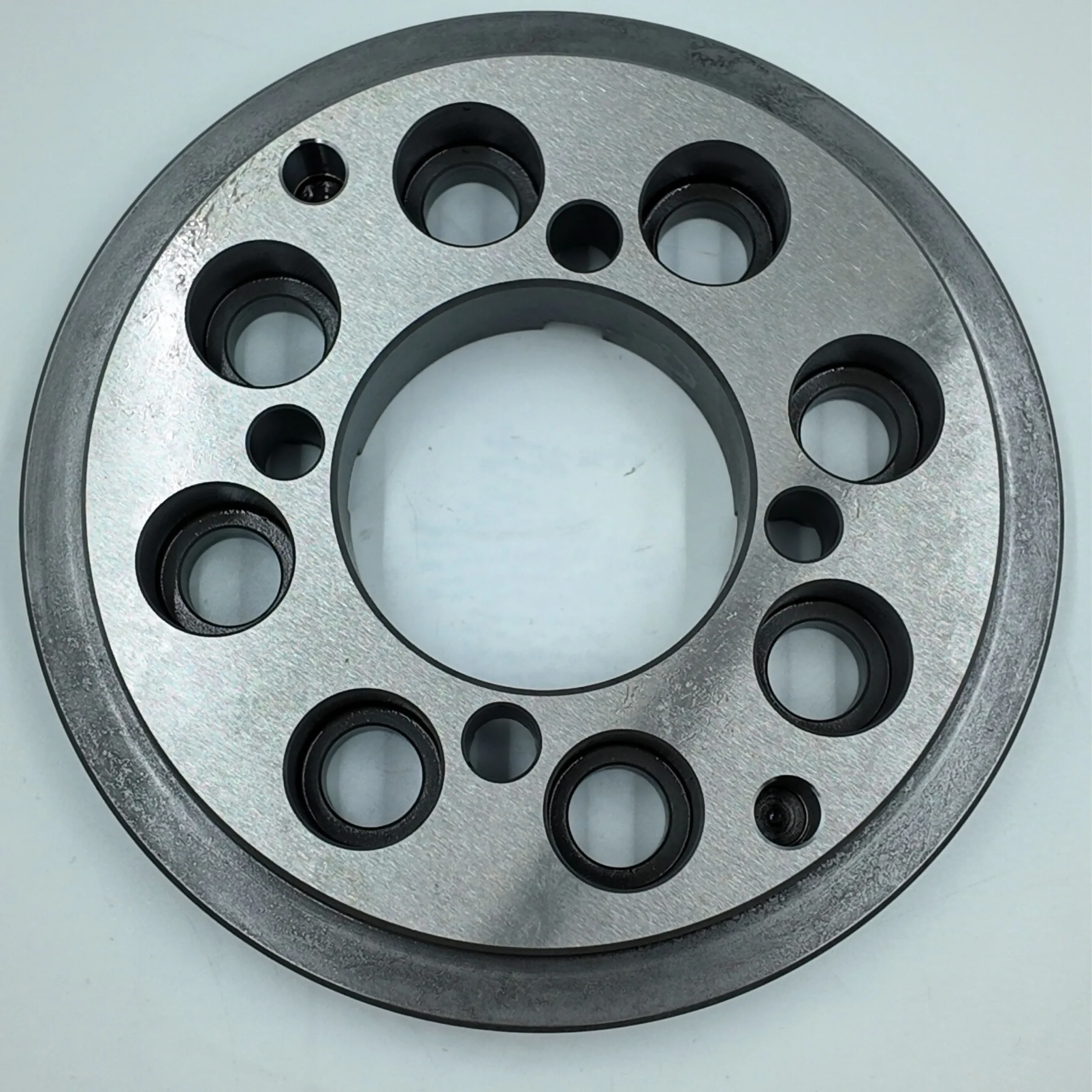 Komatsu Genuine Parts 56B-27-12361 Retainer
 -
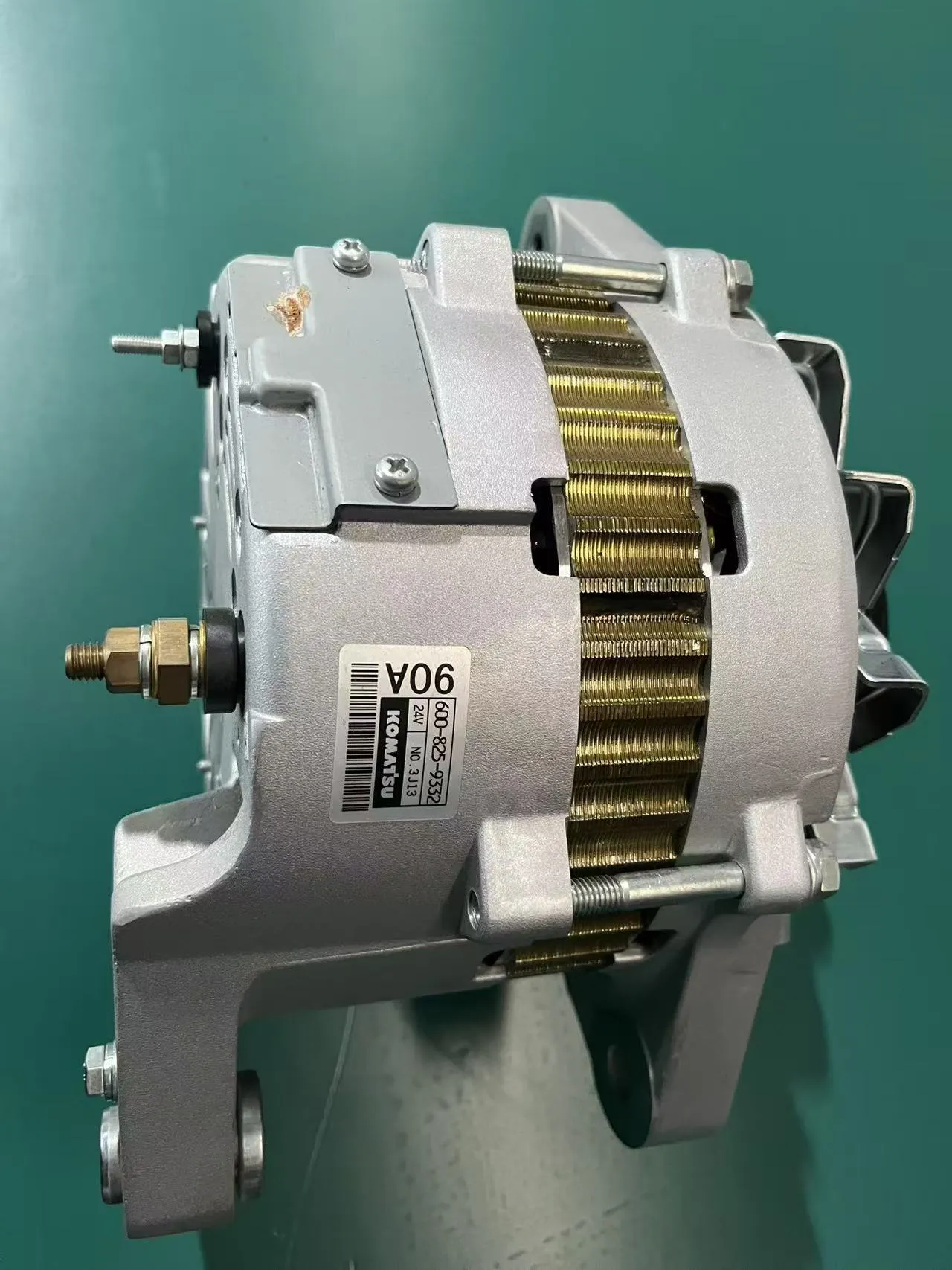 600-825-9332 alternator Generator
 -
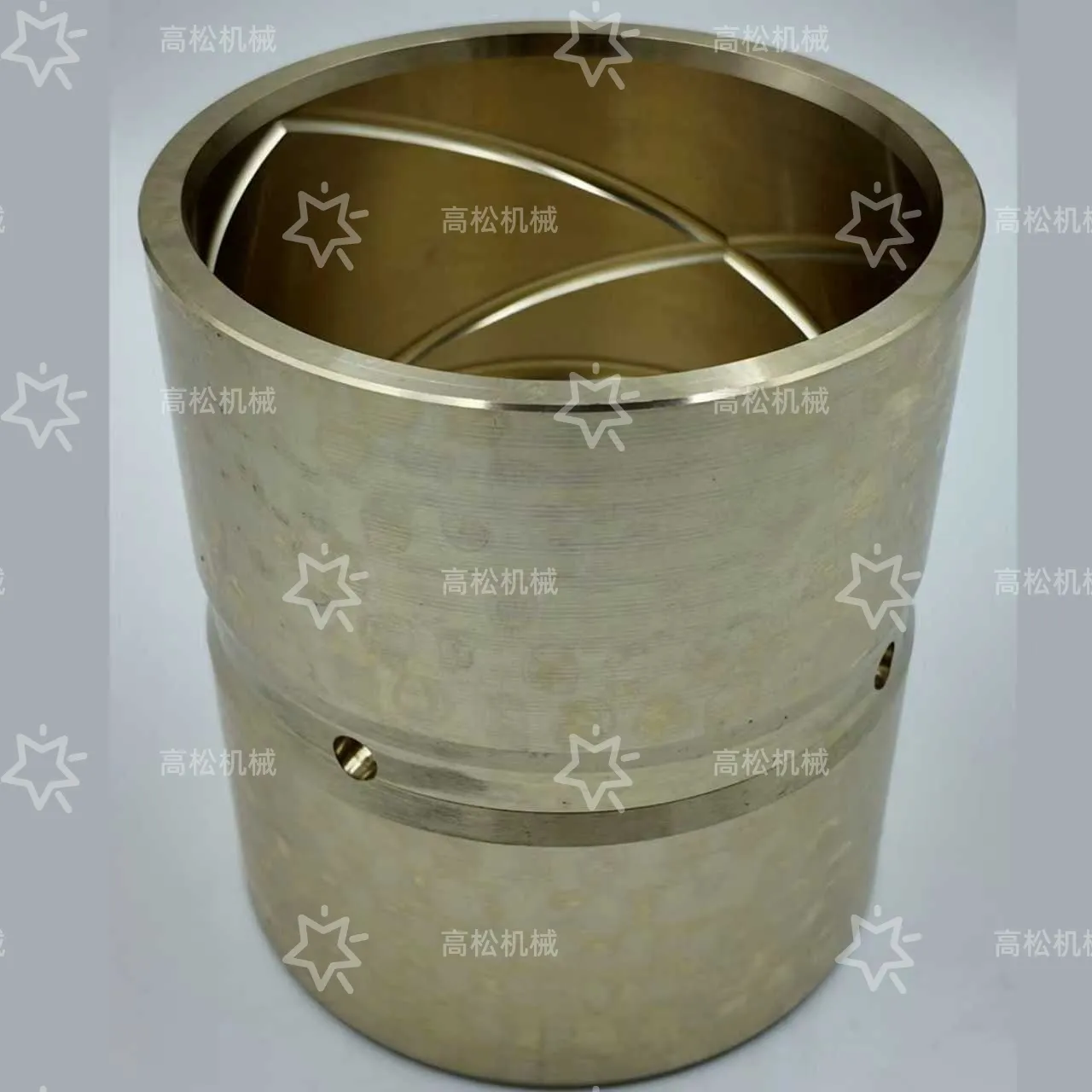 BUSHING 207-70-61610 for KOMATSU PC350-7 PC300LC-7 PC300-8 PC300LC-7L PC300-7
 -
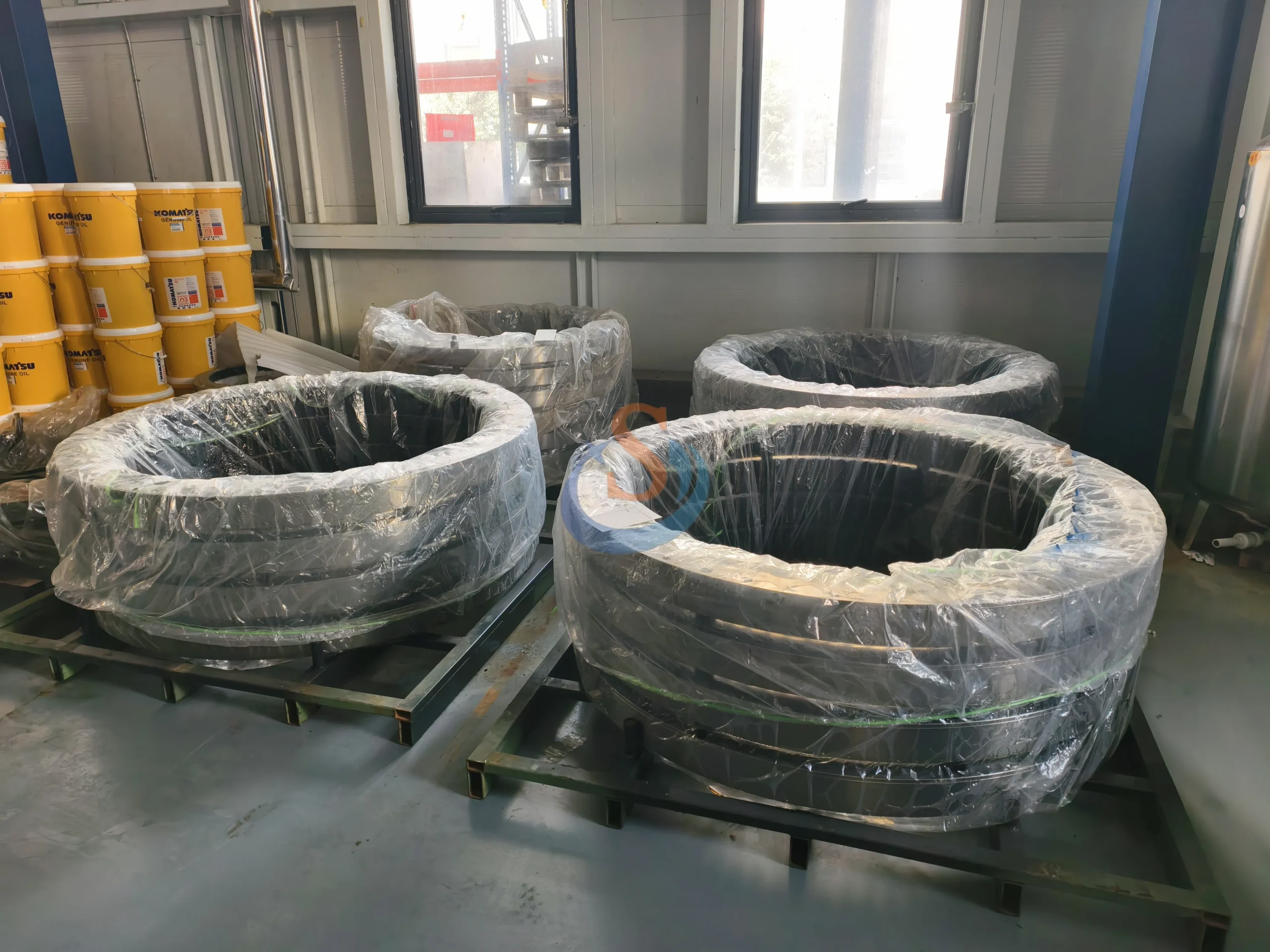 207-25-61100, SWING CIRCLE ASS’Y,PC300,PC360,PC350
 -
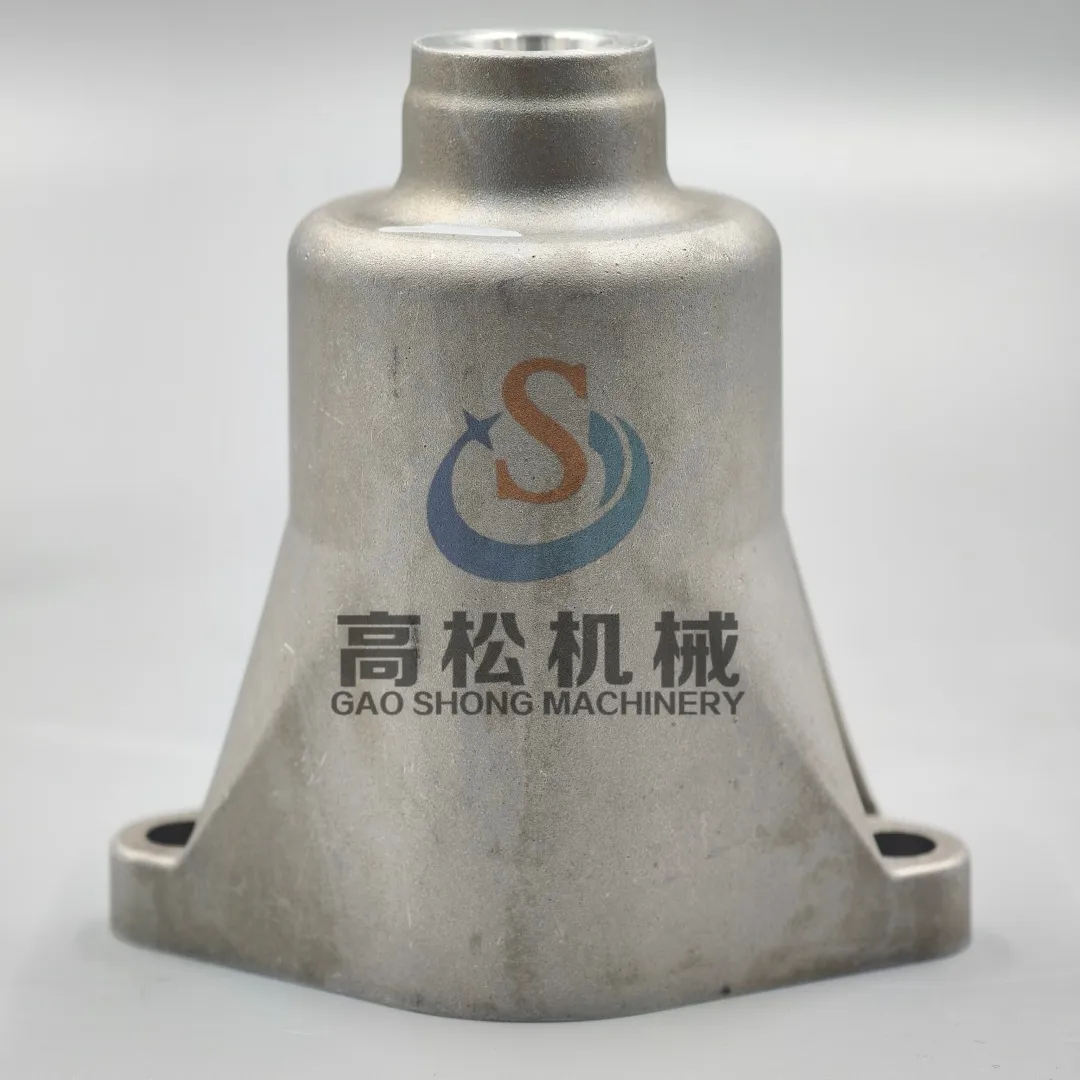 723-46-15111 Control Valve Case for Komatsu PC300 PC350 PC400 Excavator Diesel Fuel Cap Model Engine Parts
 -
 56B-15-19210 RING