
- Chinese
- French
- German
- Portuguese
- Spanish
- Russian
- Japanese
- Korean
- Arabic
- Irish
- Greek
- Turkish
- Italian
- Danish
- Romanian
- Indonesian
- Czech
- Afrikaans
- Swedish
- Polish
- Basque
- Catalan
- Esperanto
- Hindi
- Lao
- Albanian
- Amharic
- Armenian
- Azerbaijani
- Belarusian
- Bengali
- Bosnian
- Bulgarian
- Cebuano
- Chichewa
- Corsican
- Croatian
- Dutch
- Estonian
- Filipino
- Finnish
- Frisian
- Galician
- Georgian
- Gujarati
- Haitian
- Hausa
- Hawaiian
- Hebrew
- Hmong
- Hungarian
- Icelandic
- Igbo
- Javanese
- Kannada
- Kazakh
- Khmer
- Kurdish
- Kyrgyz
- Latin
- Latvian
- Lithuanian
- Luxembou..
- Macedonian
- Malagasy
- Malay
- Malayalam
- Maltese
- Maori
- Marathi
- Mongolian
- Burmese
- Nepali
- Norwegian
- Pashto
- Persian
- Punjabi
- Serbian
- Sesotho
- Sinhala
- Slovak
- Slovenian
- Somali
- Samoan
- Scots Gaelic
- Shona
- Sindhi
- Sundanese
- Swahili
- Tajik
- Tamil
- Telugu
- Thai
- Ukrainian
- Urdu
- Uzbek
- Vietnamese
- Welsh
- Xhosa
- Yiddish
- Yoruba
- Zulu
- Kinyarwanda
- Tatar
- Oriya
- Turkmen
- Uyghur





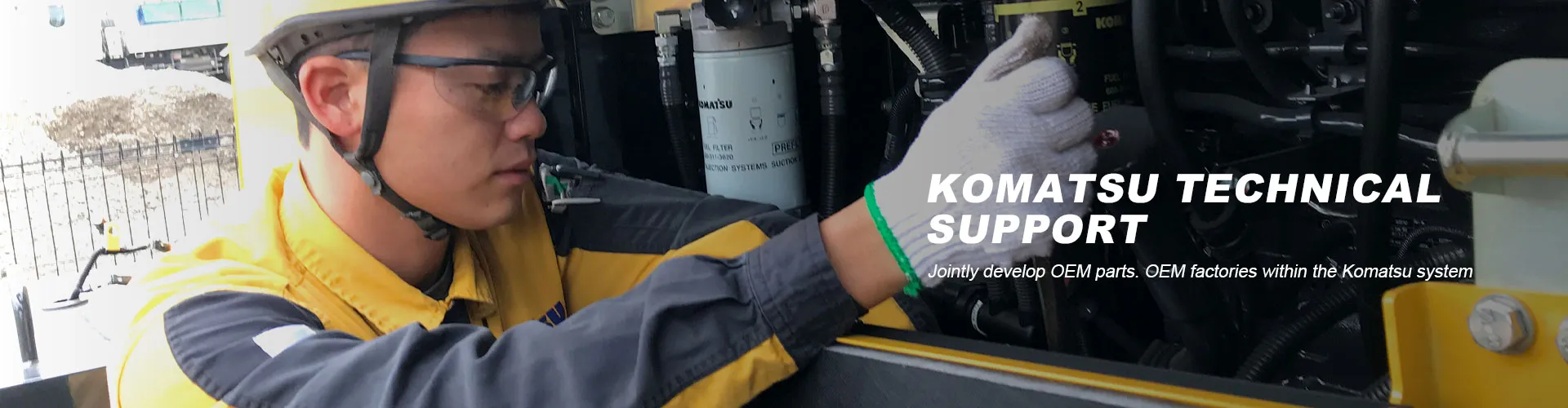
Komatsu parts China
When you hear 'Komatsu parts China', the immediate thought for most in the field is either 'cheap copies' or 'impossible to get genuine'. That's the first hurdle. Having spent years sourcing and supplying for projects across Southeast Asia and Africa, I've found the reality is far more layered. It's not a binary of OEM vs. fake. There's a crucial, often misunderstood middle ground: system suppliers and authorized third-party channels that exist within Komatsu's own global framework. This is where the real operational knowledge starts, and where many sourcing strategies succeed or fail quietly.
The OEM Supplier Reality Within the Komatsu System
This is the part most people outside the core supply chain don't see. Komatsu doesn't manufacture every single bolt, seal, or bracket in-house. They rely on a network of certified manufacturers. Some of these factories are, unsurprisingly, based in China. Their entire output might be destined for Komatsu's global parts distribution, bearing the Komatsu part number and packaging. But here's the nuance: some of these OEM contractors, under specific agreements, are also permitted to sell certain components or lines externally. This isn't backdoor stuff; it's a contractual part of their operation. The quality is identical because it's from the same production line. The challenge is finding these legitimate channels, as they don't advertise broadly. You won't find them on generic B2B sites. It's a relationship-driven game.
I learned this the hard way on a project in Zambia. We had a fleet of PC300s with a recurring issue on a specific hydraulic coupling. Genuine parts from the local Komatsu dealer had lead times stretching to 14 weeks, which was a non-starter. Through old industry contacts, we were pointed to a supplier who claimed to be an OEM factory source. The skepticism was high. We ordered a small batch for testing. The parts arrived in plain boxes, but the machining, the steel grade, even the minor casting marks matched the 'genuine' part we had perfectly. They performed flawlessly. That was my first concrete exposure to this layer of the Komatsu parts China ecosystem. It shifted my entire sourcing approach.
This is where a company like Jining Gaosong Construction Machinery Co., Ltd. fits into the picture. From my understanding and dealings, they operate precisely in this space. Their website, https://www.takematsumachinery.com, states they are an OEM product supplier within the Komatsu system. That wording is key. It suggests a formal relationship, not just a claim. They aren't saying they are Komatsu; they are saying they supply to the system. This often means they have access to lines of components that are, for all functional purposes, OEM-grade. Their additional role as a third-party sales company for Komatsu further clarifies they function as an authorized alternative channel, likely to address the exact supply gap issues I faced in Zambia.
Third-Party Sales: Solving Real-World Supply Chain Gaps
The term third-party can sound shady, but in Komatsu's global strategy, it's a pragmatic solution. Komatsu's official dealer network is dense in some regions and sparse in others. In certain countries in Africa or remote parts of Asia, getting parts through the official pipeline can be slow and prohibitively expensive due to layered logistics and tariffs. Authorized third-party sales companies are sanctioned to bridge this gap. They can hold inventory and ship directly to these challenging markets, often with simpler customs pathways. Their value proposition isn't undercutting the local dealer where one exists, but servicing areas where the dealer network effectively doesn't reach.
I've used such channels for projects in Myanmar. The local Komatsu presence was minimal. Ordering through traditional routes meant shipping to Singapore, then to a regional hub, with massive delays. A third-party sales agent, which Jining Gaosong also identifies as, could ship directly from China to Yangon, cutting lead time from 12 weeks to maybe 3. The parts came with all the necessary documentation to clear customs smoothly, which is half the battle. This is the practical, on-the-ground benefit. It's not about cheaper parts; it's about available parts.
The failure mode here is assuming all third-party sellers are equal. Some are merely resellers buying from the same OEM factories but without the technical backup. The good ones, and this is a critical differentiator, have engineering support. They can help cross-reference part numbers, advise on compatibility for older models, and sometimes even provide technical drawings. A quick look at Gaosong's site shows they emphasize solving parts supply challenges, which aligns with this. It's a signal they understand the problem is logistical and informational, not just about having a warehouse.
Identifying Quality Beyond the Price Tag
Let's be blunt: the market is flooded with counterfeit Komatsu parts China. The price is always the first red flag, but not the only one. A genuine OEM-spec part from a system supplier will not be 70% cheaper than the dealer price. It might be 20-30% less, savings derived from streamlined logistics and different distribution margins. The real test is in the details. Material certificates, heat lot numbers, precision in packaging (even if it's plain), and traceability. A legitimate supplier will provide these upon request, if not upfront.
I recall a bad batch of swing bearings we procured for a couple of PC200-6s from a supplier who was, in retrospect, just a broker. The price was tempting. The parts looked okay at a glance. But under load, they failed within 400 hours. The post-mortem showed inconsistent hardening and sub-standard alloy. The supplier vanished. The lesson? Always start with a small test order, no matter how convincing the story. And always ask for the factory origin and any quality documentation. A true system supplier like the one described by Jining Gaosong Construction Machinery Co., Ltd. will typically be transparent about their manufacturing base, as their legitimacy is their selling point.
Another practical tip: look at their product range. A supplier offering every single part for every Komatsu model ever made is a major warning. Legitimate OEM-system suppliers or specialized third-party sales companies often have deep expertise in specific categories—undercarriage, hydraulics, engine components. They know their niche because they likely produce or have direct contracts for those lines. A focused portfolio is more credible than an endless, vague catalog.
The Logistics and Documentation Tangible
This is where theory meets the tarmac. Sourcing a part is one thing; getting it to a remote site, through customs, and into the machine is another. A professional supplier's value is massively evident here. They handle commercial invoices, packing lists, and certificates of origin correctly. They understand HS codes. They use reliable freight forwarders. For a project in the DRC, our supplier (a company with a similar profile to Gaosong) pre-cleared all the parts through their agent in Dar es Salaam before shipment to the final destination. It saved us weeks of port delays.
Documentation is also your quality audit trail. A proper parts manual or a detailed specification sheet that comes with the components is a good sign. It shows the supplier is engaged with the product's technical reality, not just its sale. When you're trying to convince a skeptical site manager to install a part that didn't come from the local dealer, having that dossier in hand is invaluable. It turns a maybe into a let's try it.
Failure to manage this properly can sink an otherwise good parts deal. I've seen containers stuck in ports for months because the supplier used generic, incorrect descriptions on the shipping documents. The difference between a steel flange and a Komatsu-excavator-final-drive-flange in the eyes of a customs official can be thousands of dollars in unexpected duties and weeks of clarification. A seasoned supplier knows this drill inside out.
Building a Reliable Supply Channel, Not a One-Time Buy
The end goal with navigating the Komatsu parts China landscape isn't to find the cheapest seller for one order. It's to establish a reliable, repeatable channel that you can depend on for years. This turns a cost center into a strategic advantage. It starts with due diligence: verifying business licenses, visiting factories if possible (or via video tour now), and checking references from other international contractors.
A company that presents itself clearly, like Jining Gaosong with its stated dual role as an OEM system supplier and third-party sales agent, provides a foundation for that kind of relationship. Their online presence at takematsumachinery.com is a starting point for verification. The next step is direct engagement—asking specific technical questions, requesting samples for non-critical components, and testing their responsiveness and knowledge. Do they understand model suffixes and serial number breaks? Can they advise on interchangeability?
Over time, a good supplier becomes a partner. They'll alert you to common failure modes they see, suggest stocking levels for high-wear items on your specific fleet, and give you a heads-up on production delays. This level of service is what separates the true industry insiders from the order-takers. It transforms the phrase Komatsu parts China from a risky search term into a dependable line item in your maintenance budget. That's the real win, built not on marketing, but on consistent, documented performance in the field.
Related Products
Related Products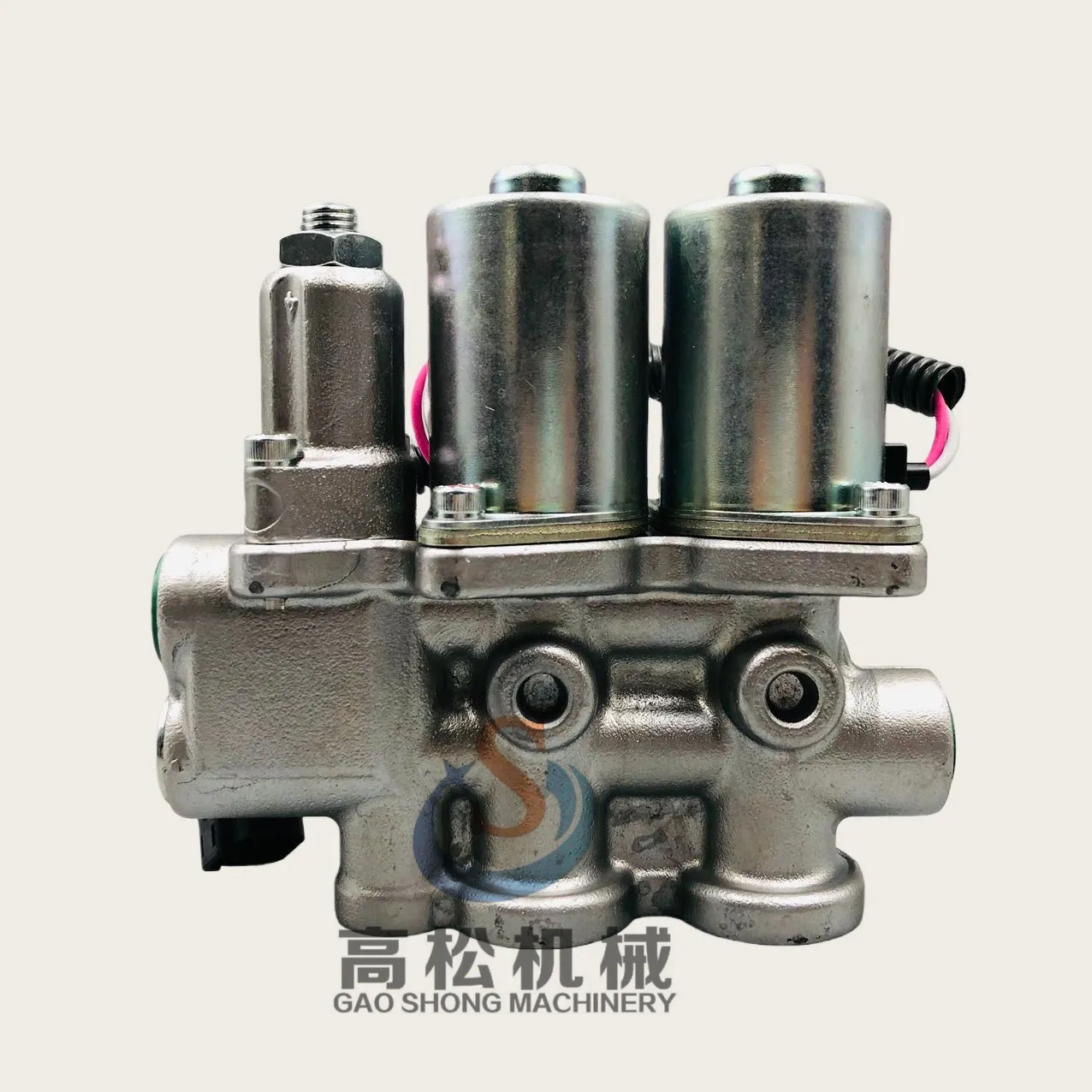
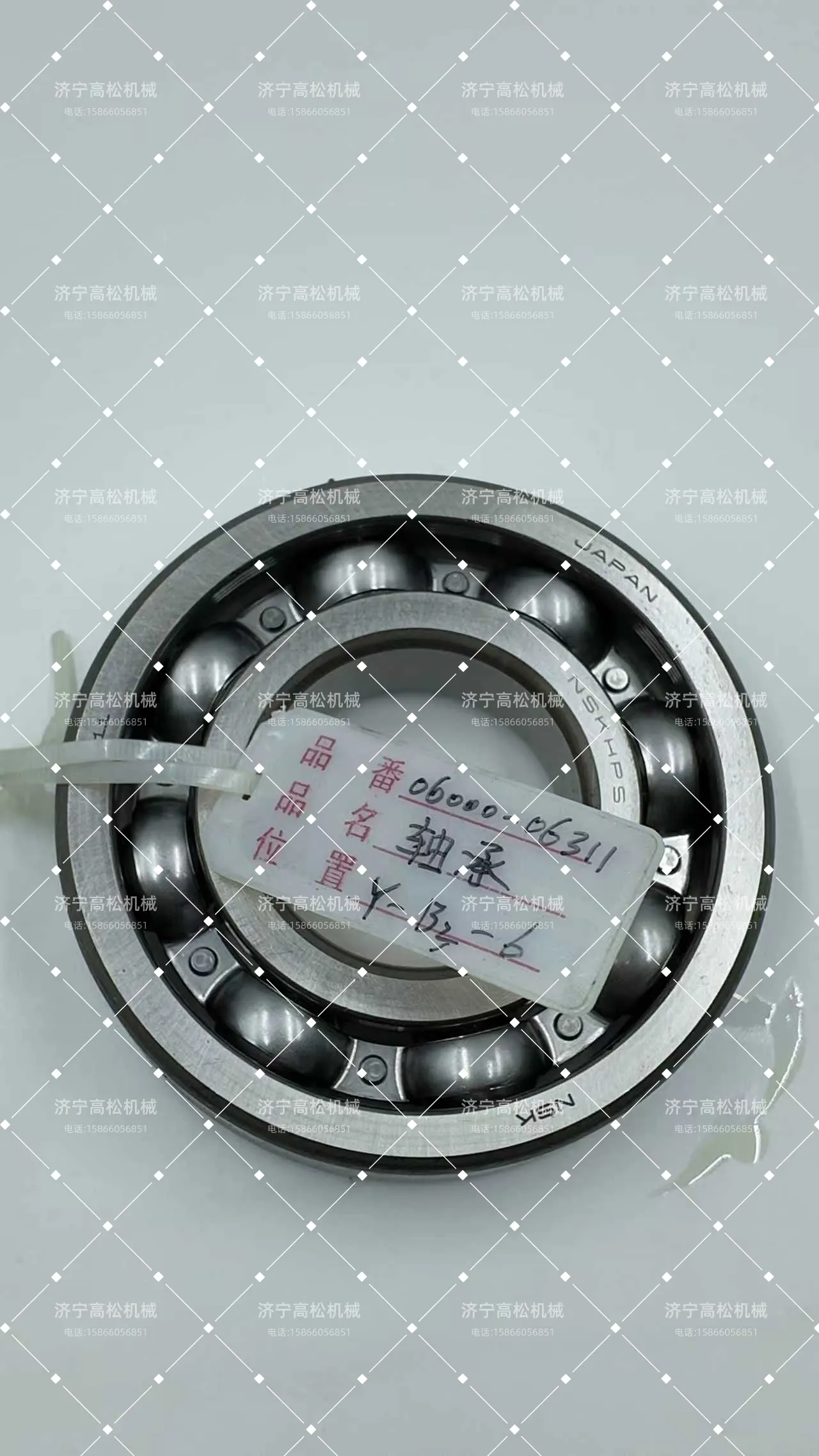
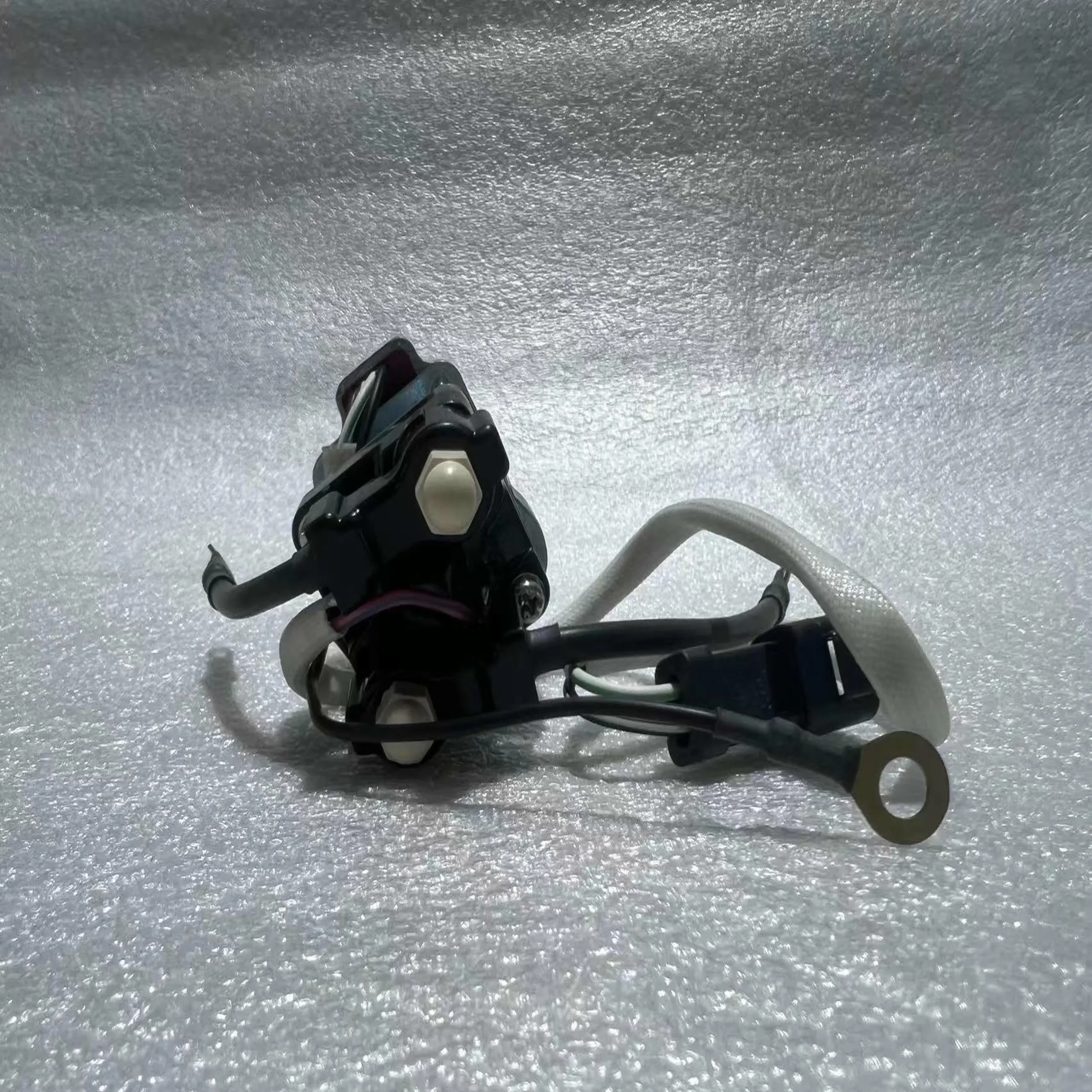
Best Selling Products
Best Selling Products-
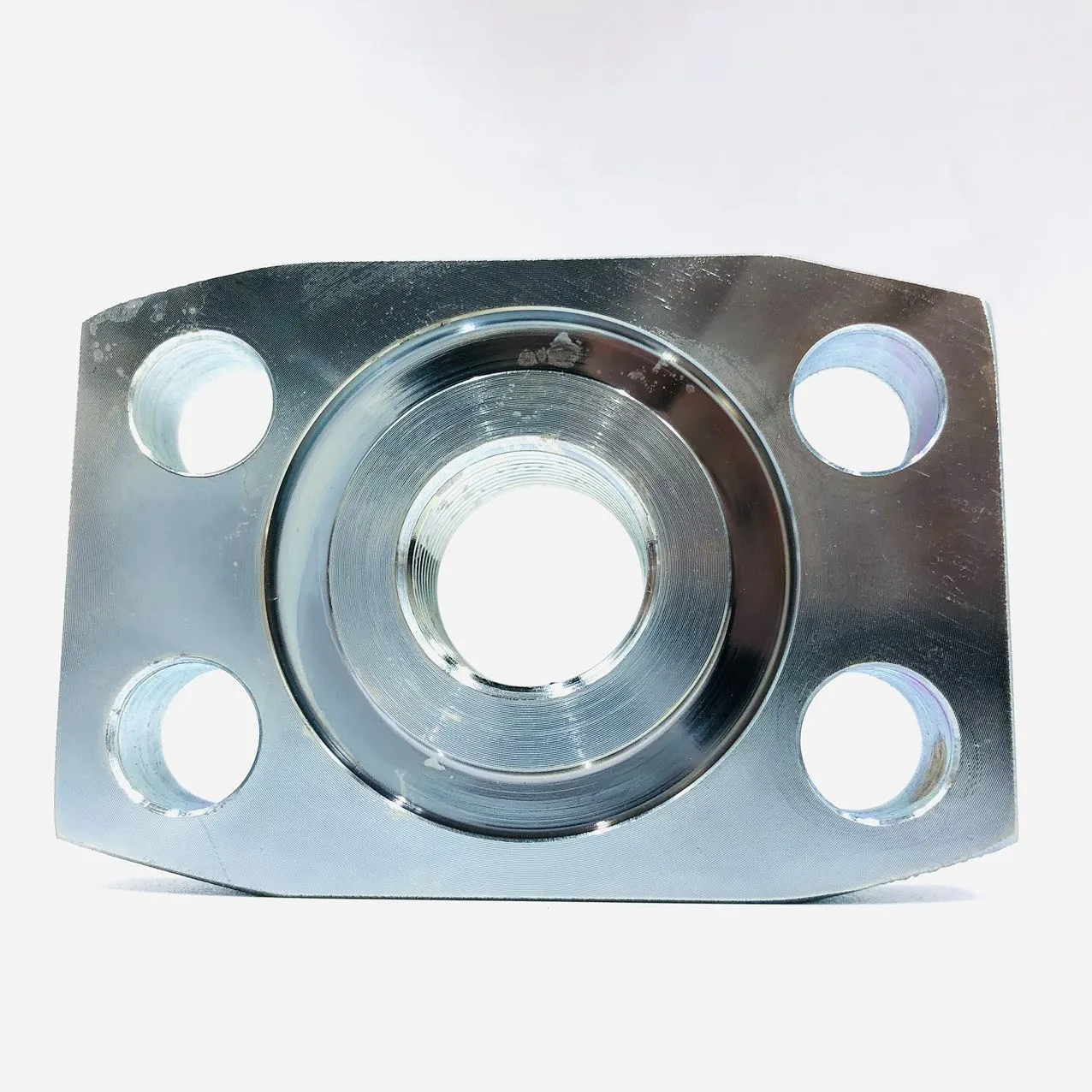 21N-38-12310 Flange (Komatsu)
 -
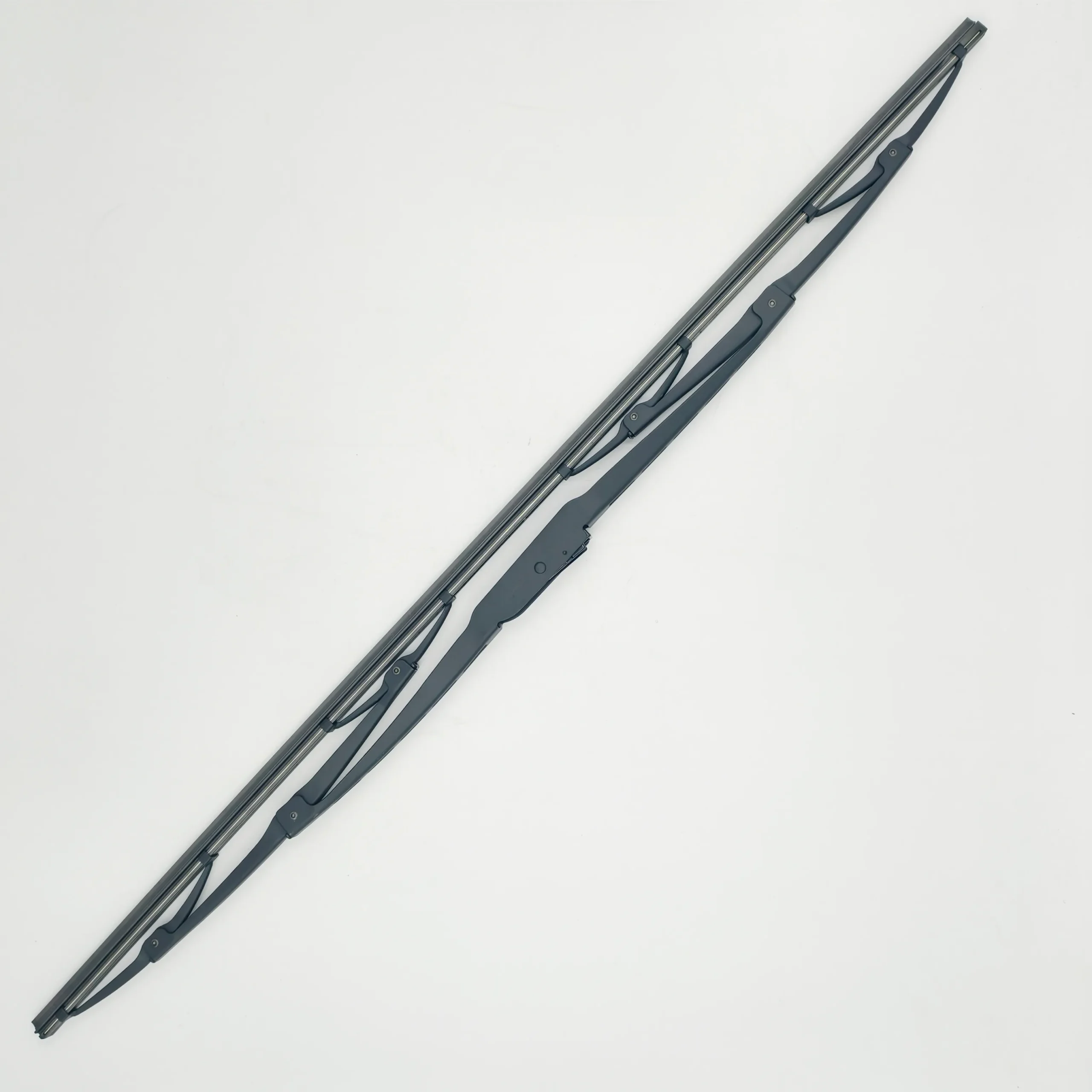 56B-54-13240 BLADE, WIPER
 -
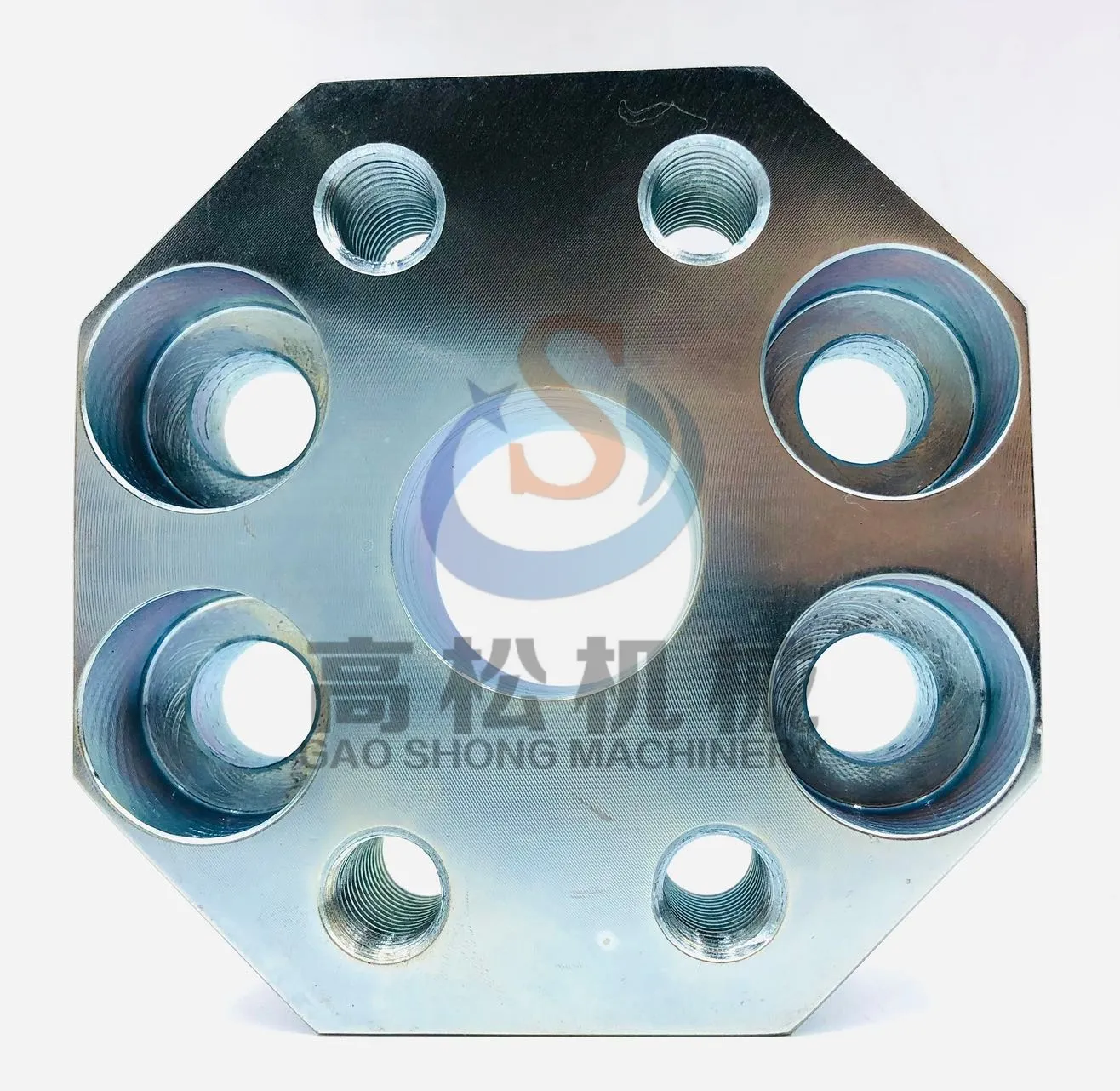 Komatsu excavator PC1250 flange 21N-62-11361
 -
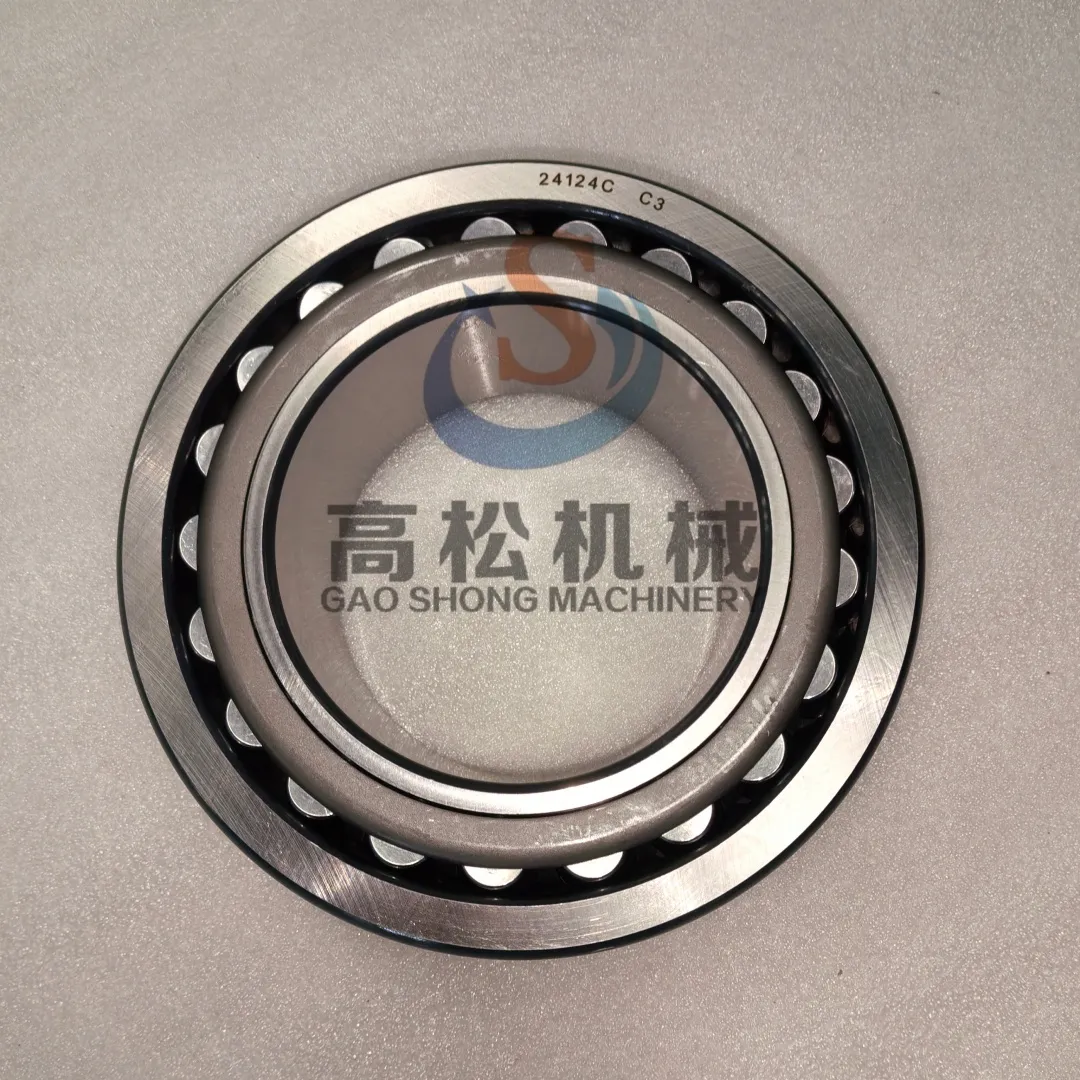 170-09-13250 Bearing for komatsu Dozer D85P-21 D85P-18 D85E-21 D85A-21
 -
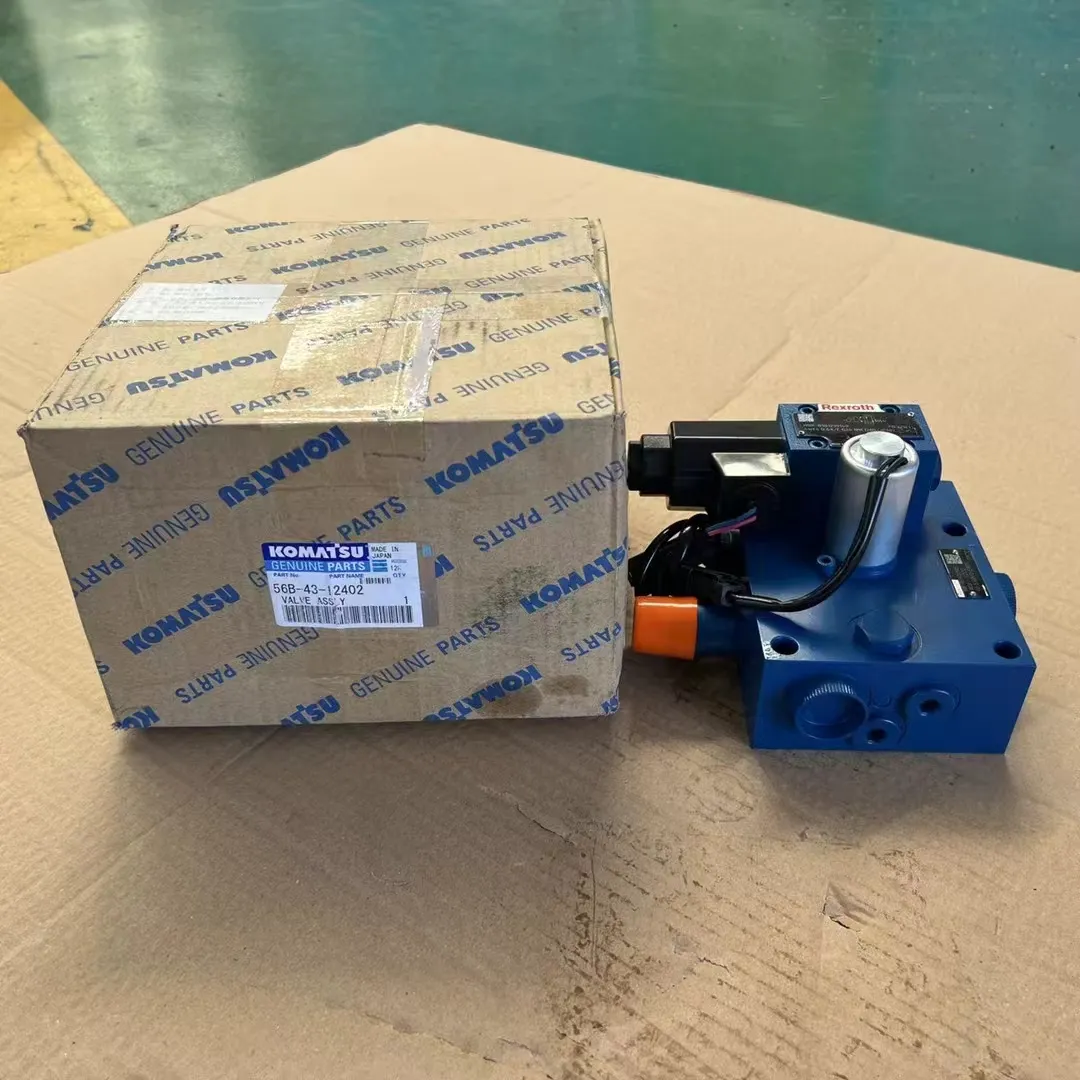 Supply Komatsu HD465-7EPC dump truck valve 56B-43-12402
 -
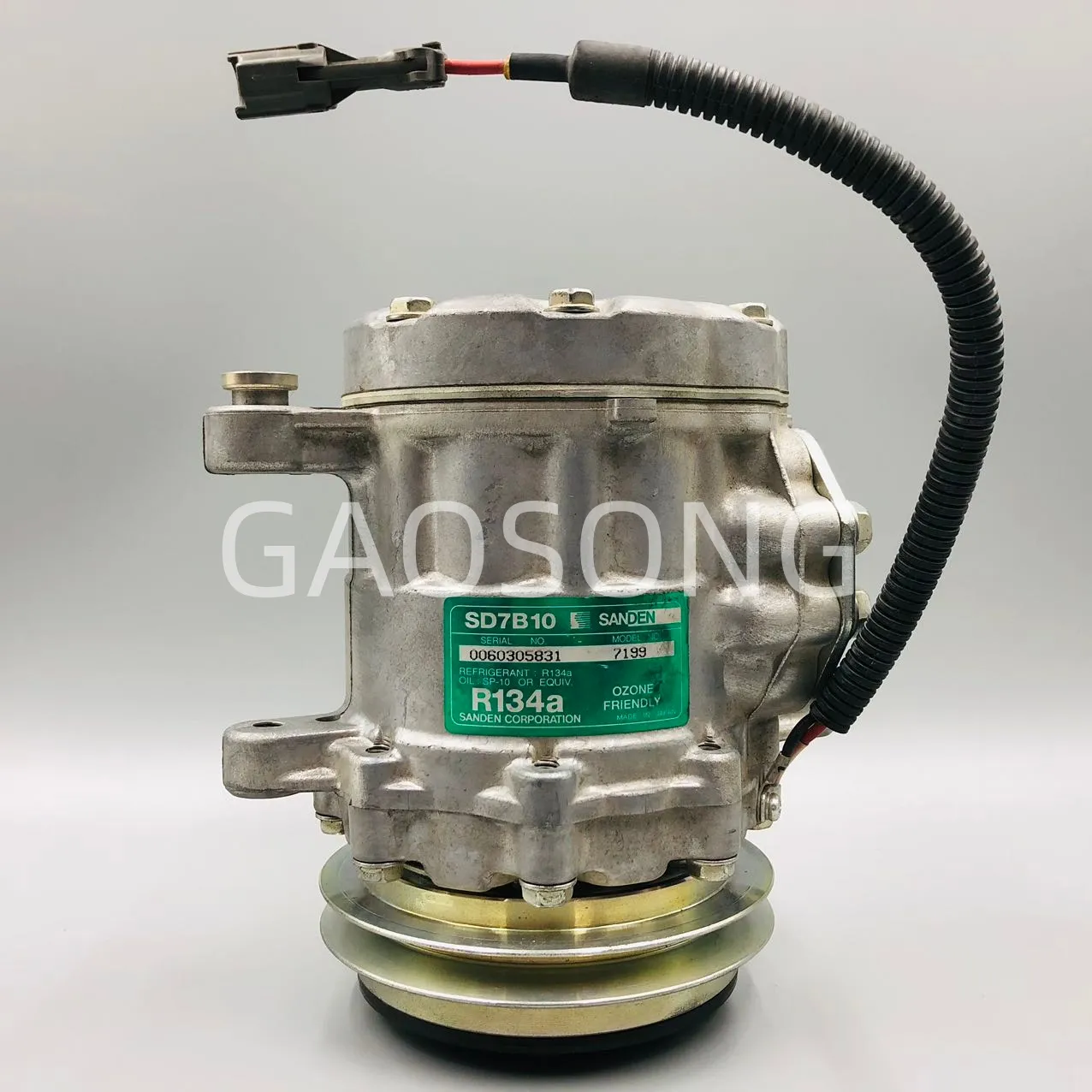 12V PC56-7 Excavator Air Conditioning Accessories 22L-979-2200
 -
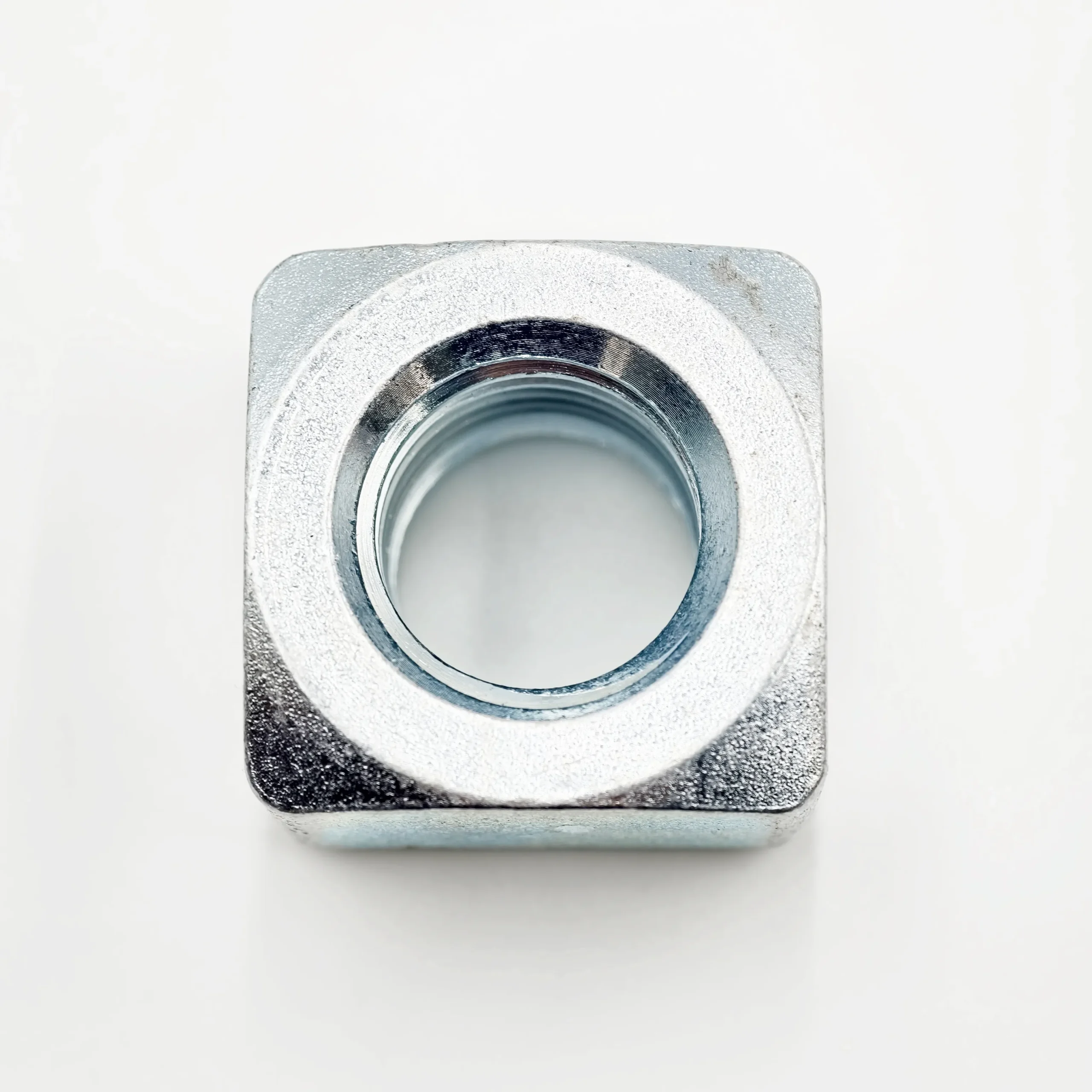 KOMATSU 130-70-13241 Square NUT
 -
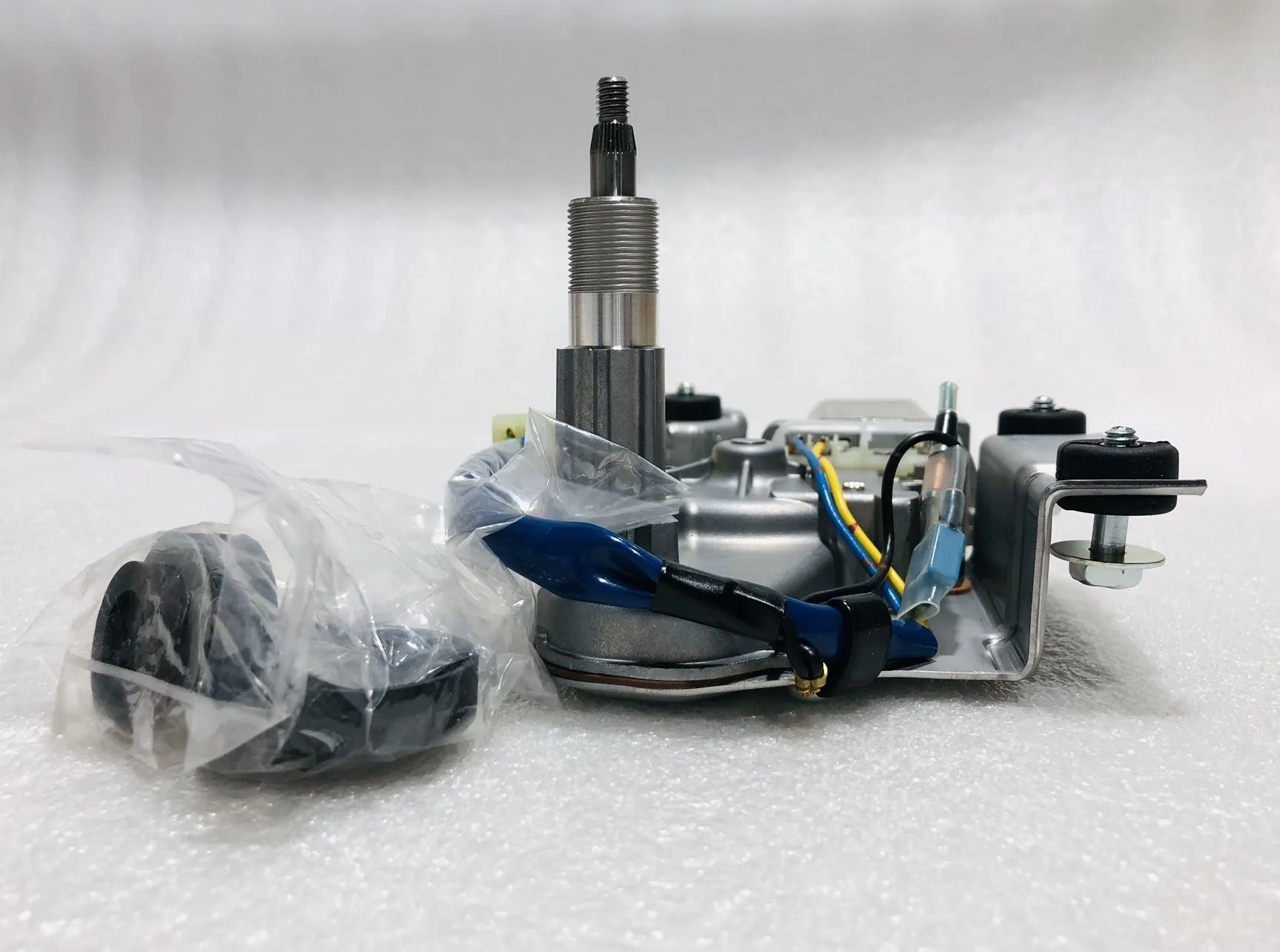 23B-951-2610 Komatsu MOTOR,WIPER
 -
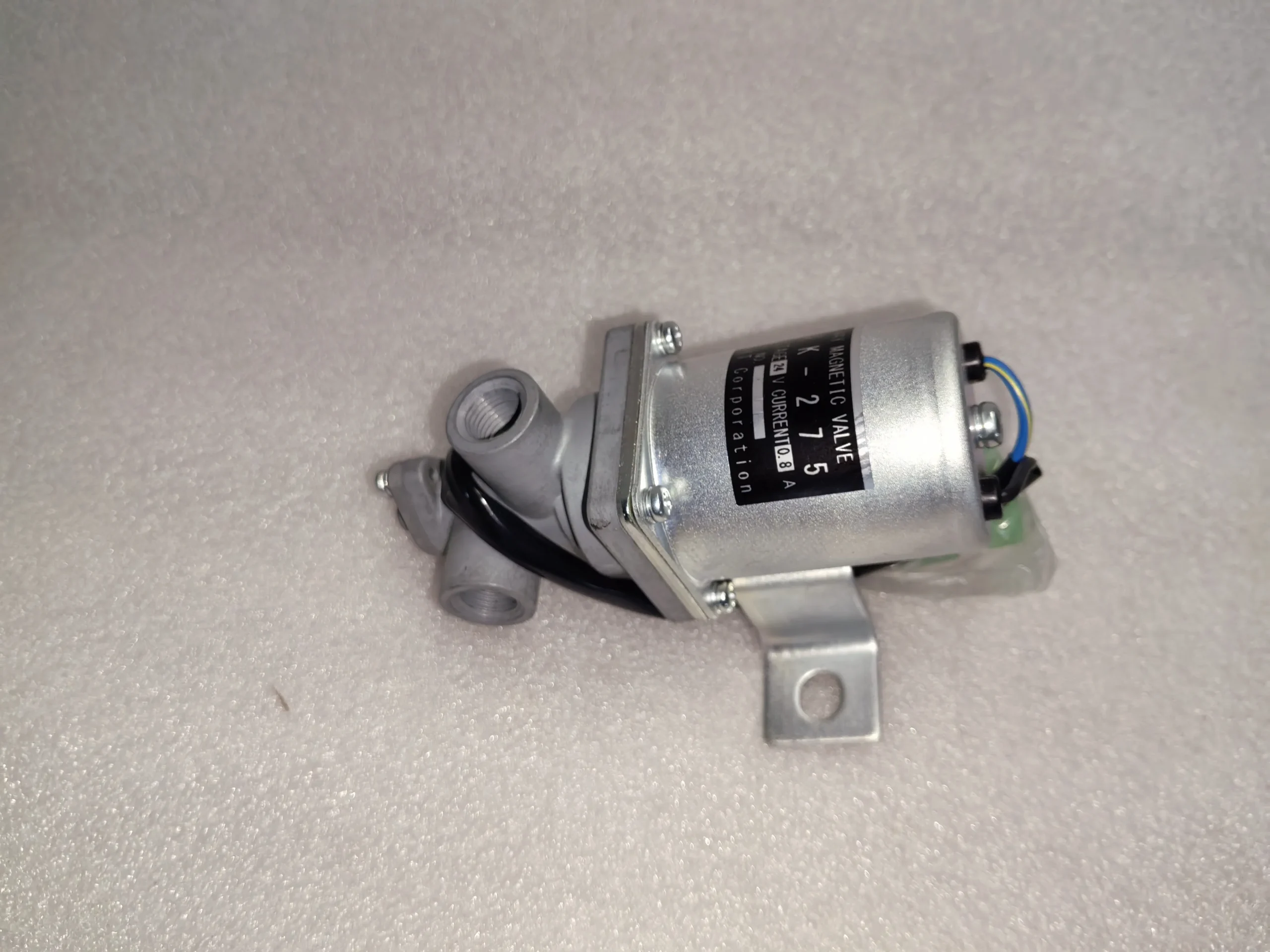 425-06-11150 VALVE Komatsu Original Factory
 -
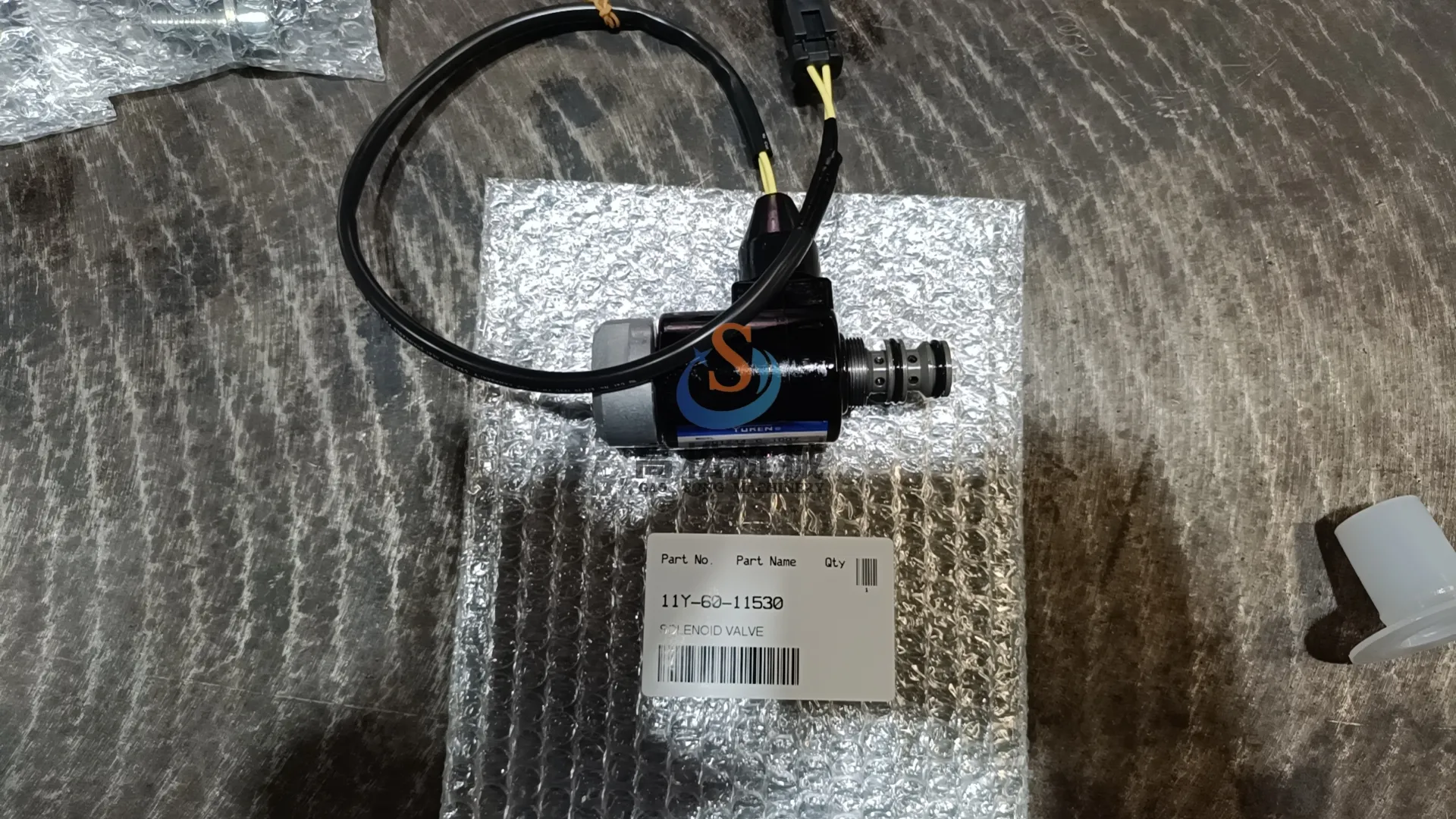 11Y-60-11530 komatsu SOLENOID VALVE
 -
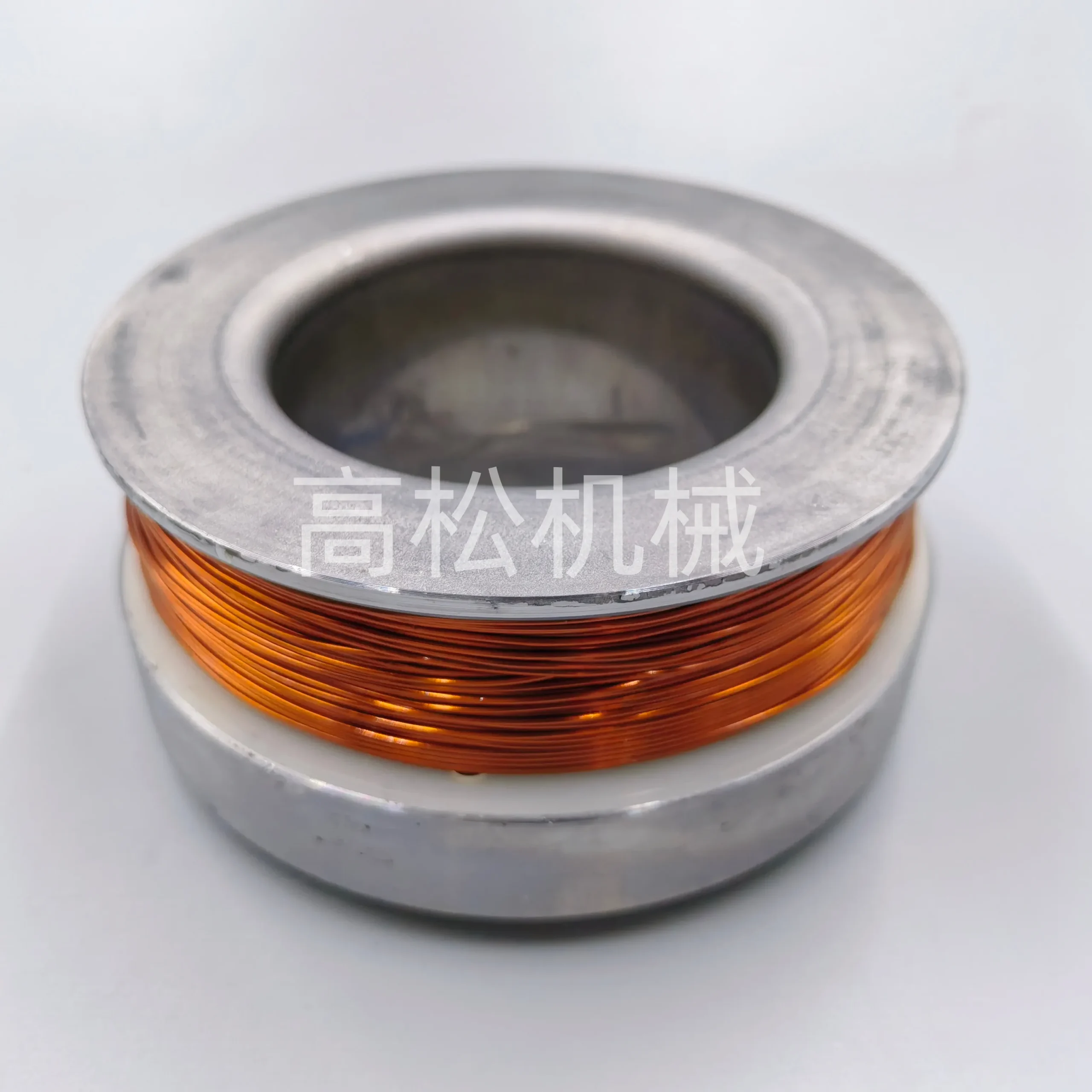 Komatsu KD0-35120-0250 FIELD COIL ASS’Y, price… — Pricing.Parts
 -
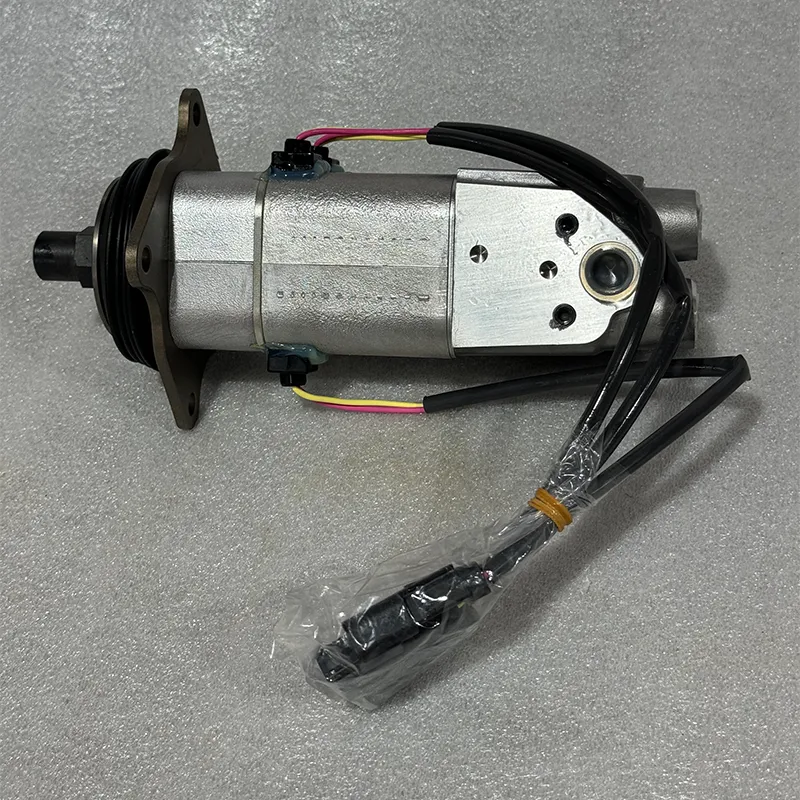 Original komatsu WA480-6 Pilot Valve 702-16-03461