
- Chinese
- French
- German
- Portuguese
- Spanish
- Russian
- Japanese
- Korean
- Arabic
- Irish
- Greek
- Turkish
- Italian
- Danish
- Romanian
- Indonesian
- Czech
- Afrikaans
- Swedish
- Polish
- Basque
- Catalan
- Esperanto
- Hindi
- Lao
- Albanian
- Amharic
- Armenian
- Azerbaijani
- Belarusian
- Bengali
- Bosnian
- Bulgarian
- Cebuano
- Chichewa
- Corsican
- Croatian
- Dutch
- Estonian
- Filipino
- Finnish
- Frisian
- Galician
- Georgian
- Gujarati
- Haitian
- Hausa
- Hawaiian
- Hebrew
- Hmong
- Hungarian
- Icelandic
- Igbo
- Javanese
- Kannada
- Kazakh
- Khmer
- Kurdish
- Kyrgyz
- Latin
- Latvian
- Lithuanian
- Luxembou..
- Macedonian
- Malagasy
- Malay
- Malayalam
- Maltese
- Maori
- Marathi
- Mongolian
- Burmese
- Nepali
- Norwegian
- Pashto
- Persian
- Punjabi
- Serbian
- Sesotho
- Sinhala
- Slovak
- Slovenian
- Somali
- Samoan
- Scots Gaelic
- Shona
- Sindhi
- Sundanese
- Swahili
- Tajik
- Tamil
- Telugu
- Thai
- Ukrainian
- Urdu
- Uzbek
- Vietnamese
- Welsh
- Xhosa
- Yiddish
- Yoruba
- Zulu
- Kinyarwanda
- Tatar
- Oriya
- Turkmen
- Uyghur






komatsu parts catalog online
When you hear 'komatsu parts catalog online,' the immediate thought for most is just a digital version of the paper book. That's the first mistake. It's not a simple lookup tool; it's a gateway to a whole supply chain puzzle, especially when you're not buying directly from Komatsu. The online catalog's accuracy is only as good as the system it's plugged into, and in the real world, that's where things get messy.
The Promise and the Reality of Digital Lookup
In theory, the online catalog is a lifesaver. You punch in your PC200-8 serial number, find the exact part diagram, and get the Komatsu part number. The interface from Komatsu itself is pretty robust. But that's where the easy part ends. Getting that specific part, the genuine one, in a reasonable timeframe and cost? That's a different battle. The catalog shows you what should be, not what is available in your region or through your supplier network.
I've lost count of the times a mechanic has shown me a screenshot of the catalog, part number circled, only for us to hit a dead end. Discontinued, regional restriction, or a 12-week backorder from the official channel. The catalog doesn't tell you that. It's a perfect map of a territory that's constantly shifting. This gap is where companies positioned like Jining Gaosong Construction Machinery Co., Ltd. come into play. They operate within that gray area—an OEM supplier in the Komatsu system but also a third-party solver. Their value isn't just in having a catalog; it's in knowing how to navigate the shortages it doesn't show you.
You start relying on relationships and alternative sourcing paths. The catalog becomes the starting point for a conversation, not the end. You use the official Komatsu part number from the komatsu parts catalog online as your bible, then you work backwards to find a solution. Sometimes that means an OEM-equivalent part from a certified workshop like Gaosong, other times it means cross-referencing for a suitable aftermarket option. The catalog is static; the job of getting the machine running is dynamic.
Beyond the Part Number: The Verification Hurdle
Here's a practical headache: serial number breaks. The online catalog is incredibly serial-number specific, especially for critical components. A slight digit variance can mean a completely different piston pump or controller. You think you've got it right, order the part, and it shows up—wrong. Now you're stuck with a restocking fee and a machine that's still down. This is where experience trumps the tool. You learn to look at the physical component on the machine, match casting numbers, take more measurements. The catalog is a guide, not a god.
We learned this the hard way with a fleet of Dash-8 excavators. The komatsu parts catalog online listed two possible swing motor options for a serial number range. We ordered the more common one. Wrong. It was a three-week delay. After that, our process changed. We use the catalog to narrow it down, then we call a supplier who can do a second-layer verification. A company like the one behind https://www.takematsumachinery.com often has that practical insight because they're dealing with the physical parts daily, not just the digital listings. Their role as a third-party sales company means they're often solving the this part isn't available here problem, so they get good at identifying true substitutes.
The other layer is updates. The online system gets revised, but your machine in the field doesn't. You might be looking at a current catalog for a part that was superseded three times. An experienced parts interpreter knows to check the revision history or knows that for a certain model year, you actually need to look under an older catalog section. This tacit knowledge is what you're really paying for with a good supplier.
When the Official Channel Hits a Wall
This is the core of it. Komatsu's official distribution is streamlined for major markets. But in certain countries, or for older models, the supply chain just... stalls. The komatsu parts catalog online still shows the part, but the official local dealer gives you a blank stare or a quote with a six-month lead time. This is the parts supply challenge that companies like Jining Gaosong explicitly mention they help solve. They aren't replacing the catalog; they're providing a parallel, practical path to the parts it lists.
I recall a project in Southeast Asia where we needed hydraulic valves for an older PC300-6. Official channel: 8 months, ex-Japan. Not an option. We used the Komatsu part number from the online catalog and reached out to third-party OEM suppliers. The one we worked with, similar to Gaosong's stated model, had the patterns. They could manufacture the valve body to the original spec because they were within the Komatsu OEM system. The lead time was 5 weeks. The machine was back earning money in two months.
The key takeaway? The online catalog gave us the authentic blueprint. The third-party OEM supplier provided the manufacturing and logistics solution. One is information; the other is execution. You need both. Relying solely on the catalog's availability status is a quick way to fail. You have to understand the ecosystem behind the part number.
The Supplier's Role as an Interpreter
A good supplier does more than sell parts. They interpret the catalog for the real world. Their website, like Takematsu Machinery's, might have a search function, but the real magic happens when you email or call them with that Komatsu part number. They can tell you, Yes, we have that, or That one is on global backorder, but here's the supersession part number, or We can build that for you. This is the human layer on top of the digital catalog.
Their company description—being an OEM product supplier within Komatsu and a third-party sales company—is crucial. It means they (or companies like them) have access to the genuine specifications and engineering tolerances. They're not just guessing. When they offer an alternative, it's based on the OEM data, not reverse engineering. This drastically reduces the risk of compatibility issues that you'd face with a generic aftermarket part.
For a site manager or a maintenance foreman, this is the workflow: Identify the part in the official komatsu parts catalog online. Get the number. Then, source it. The sourcing step is where you decide your pain tolerance. If time and budget allow, go official. If you're in a bind, you need a supplier who can work from that same part number but navigate the supply constraints. That's the niche.
Integrating the Catalog into Daily Workflow
So, how does it actually work day-to-day? The catalog is always open in a browser tab. It's the reference point for every conversation. When a mechanic comes in with a broken linkage, we sit down, pull up the exact model and serial, and identify it together. That shared understanding is vital. Then, I take that part number and start my sourcing ritual: check official local stock, check regional warehouses, then hit up my shortlist of reliable third-party OEM suppliers.
The website for Jining Gaosong Construction Machinery Co., Ltd. (takematsumachinery.com) exemplifies this kind of resource. It's not just a storefront; it's a statement of capability. We are an OEM product supplier within the Komatsu system tells me they should have the right specs. Helping to solve parts supply challenges in certain countries tells me they understand the real-world blockage. When I see that, I know they're a potential solution for the dead ends I hit using the catalog alone.
Ultimately, the komatsu parts catalog online is indispensable. But its value is unlocked only when paired with the practical knowledge of how to get the part it describes. It's the difference between having a perfect map and having a guide who knows where the roads are actually washed out. The goal is machine uptime. The catalog is the first step. The right supplier, one that understands the system from the inside, handles the rest of the journey.
Related Products
Related Products

Best Selling Products
Best Selling Products-
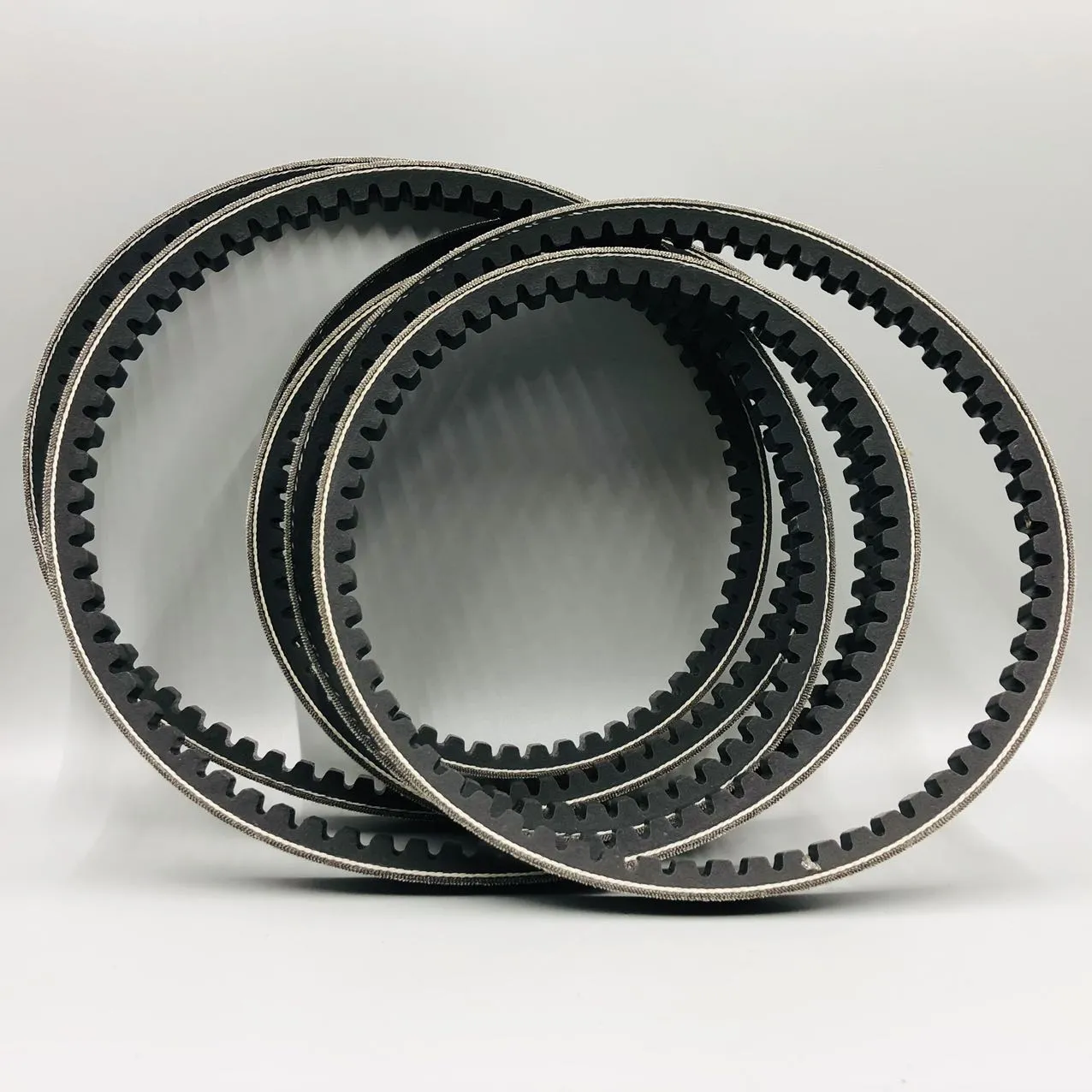 Komatsu mechanical belt6219-61-3420
 -
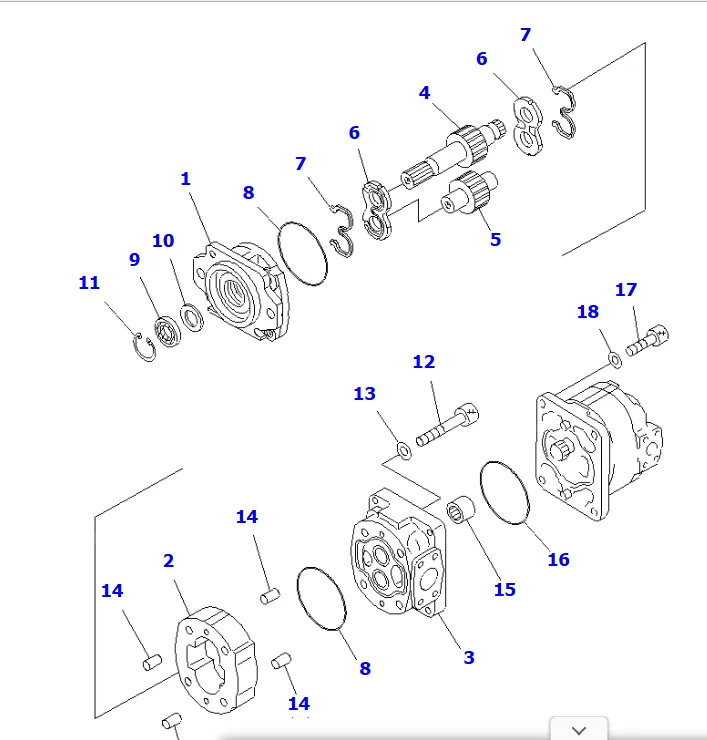 Komatsu HD605-5 pump assembly 705-52-31010
 -
 KD0-23500-1024 • CLUTCH ASS’Y-Komatsu Original Factory
 -
 For Komatsu 702-21-07620 7022107620 High Quality Hydraulic…
 -
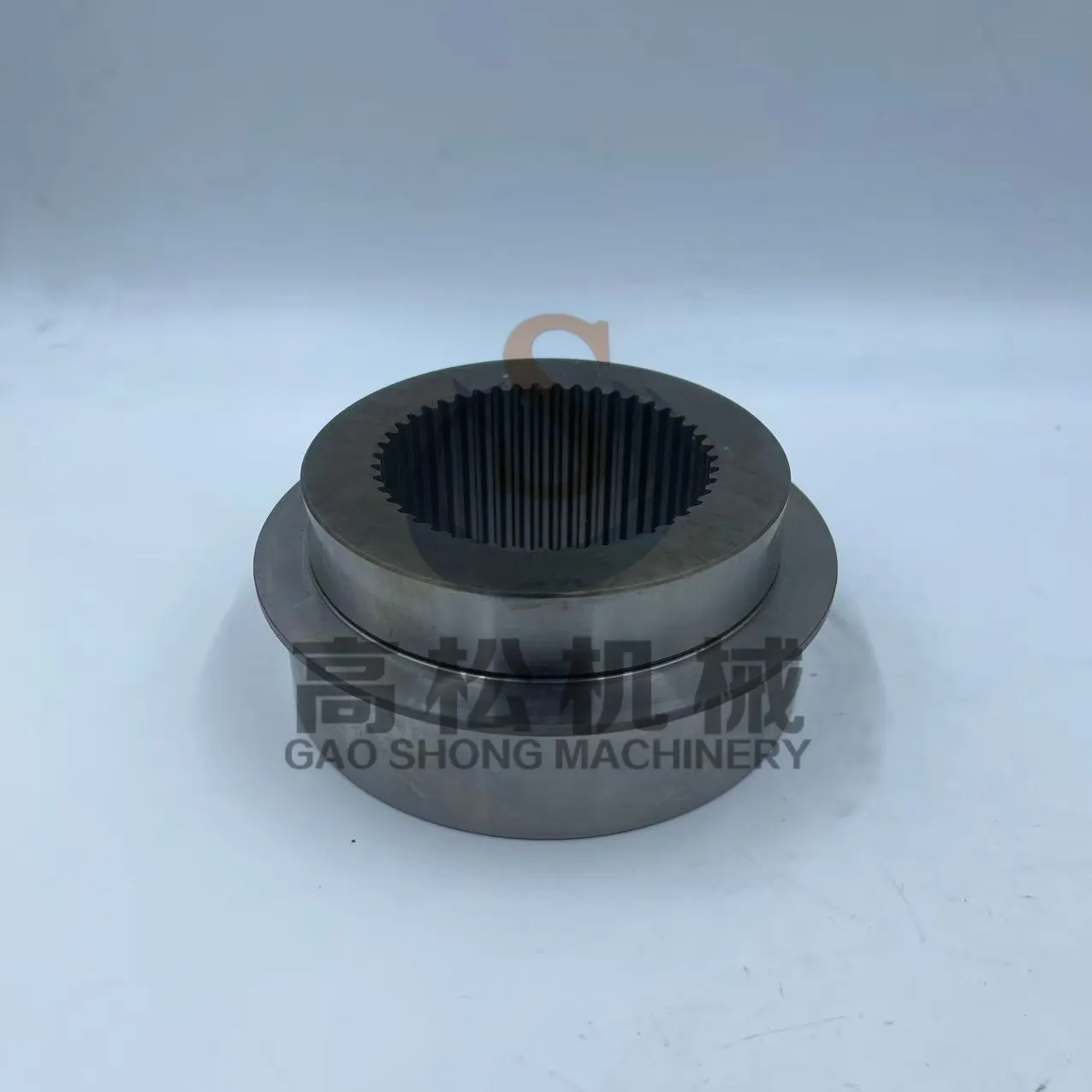 Komatsu 195-15-82570 Spacer
 -
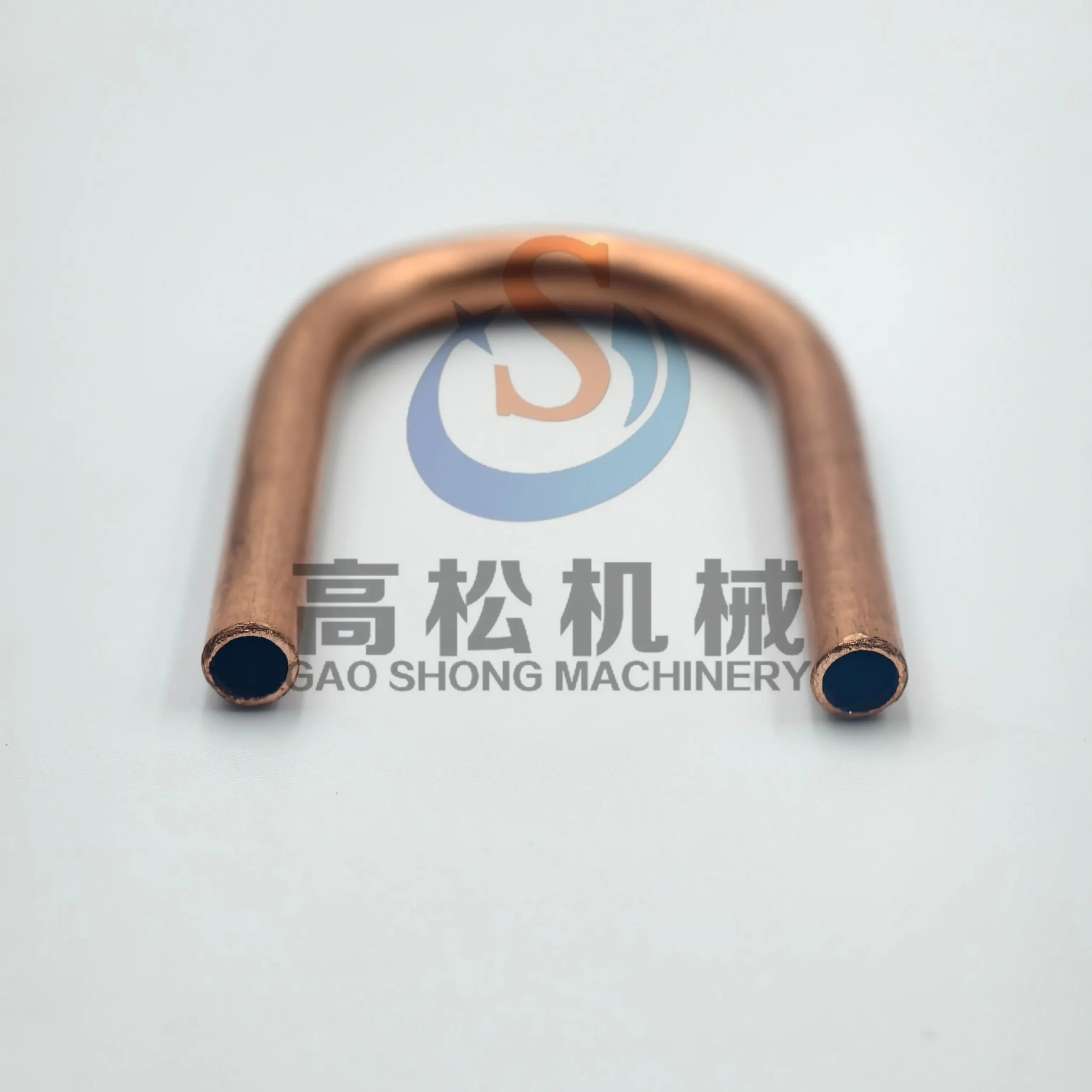 TUBE 21N-68-32360 – KOMATSU
 -
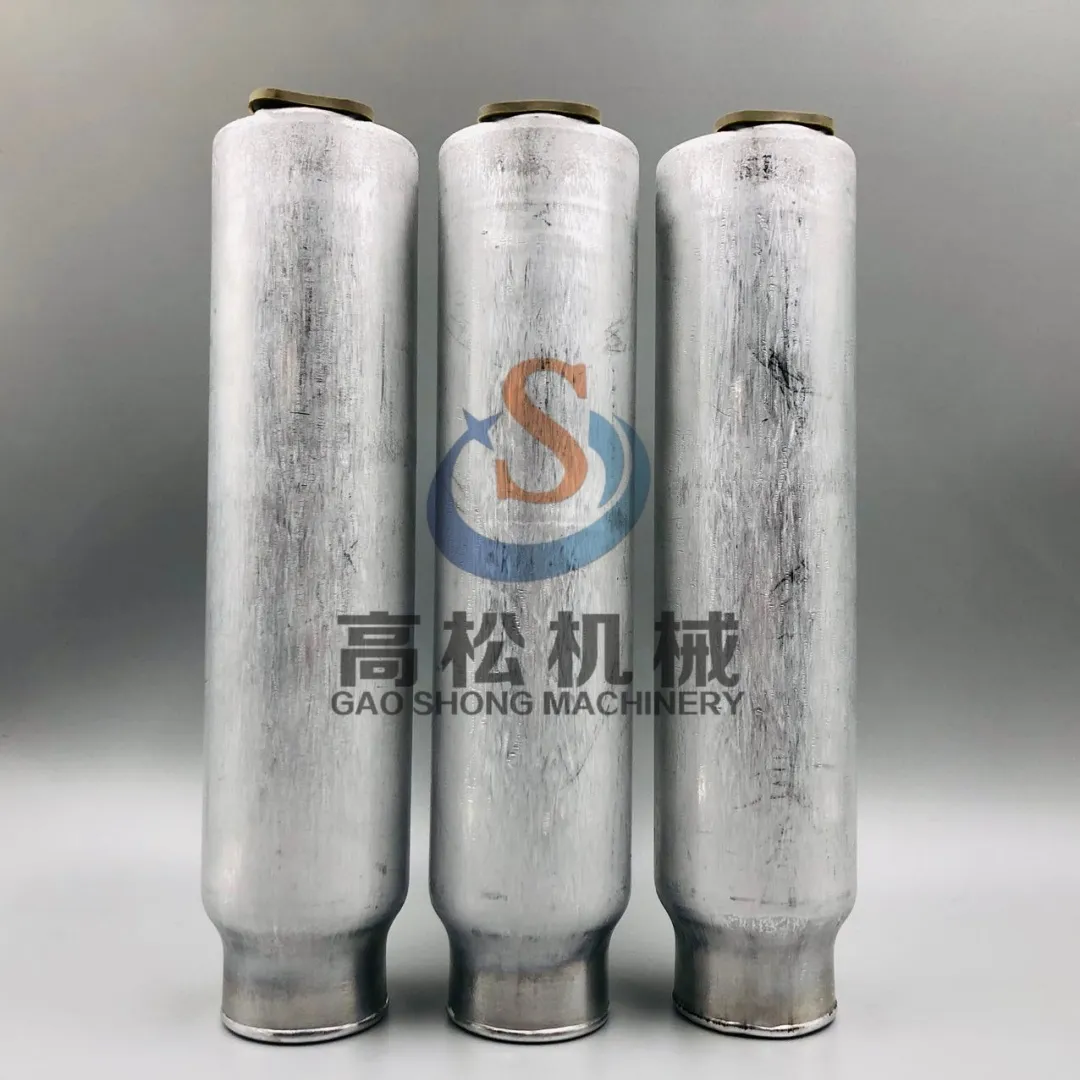 20Y-979-3120 Receiver Drier For Komatsu Equipment
 -
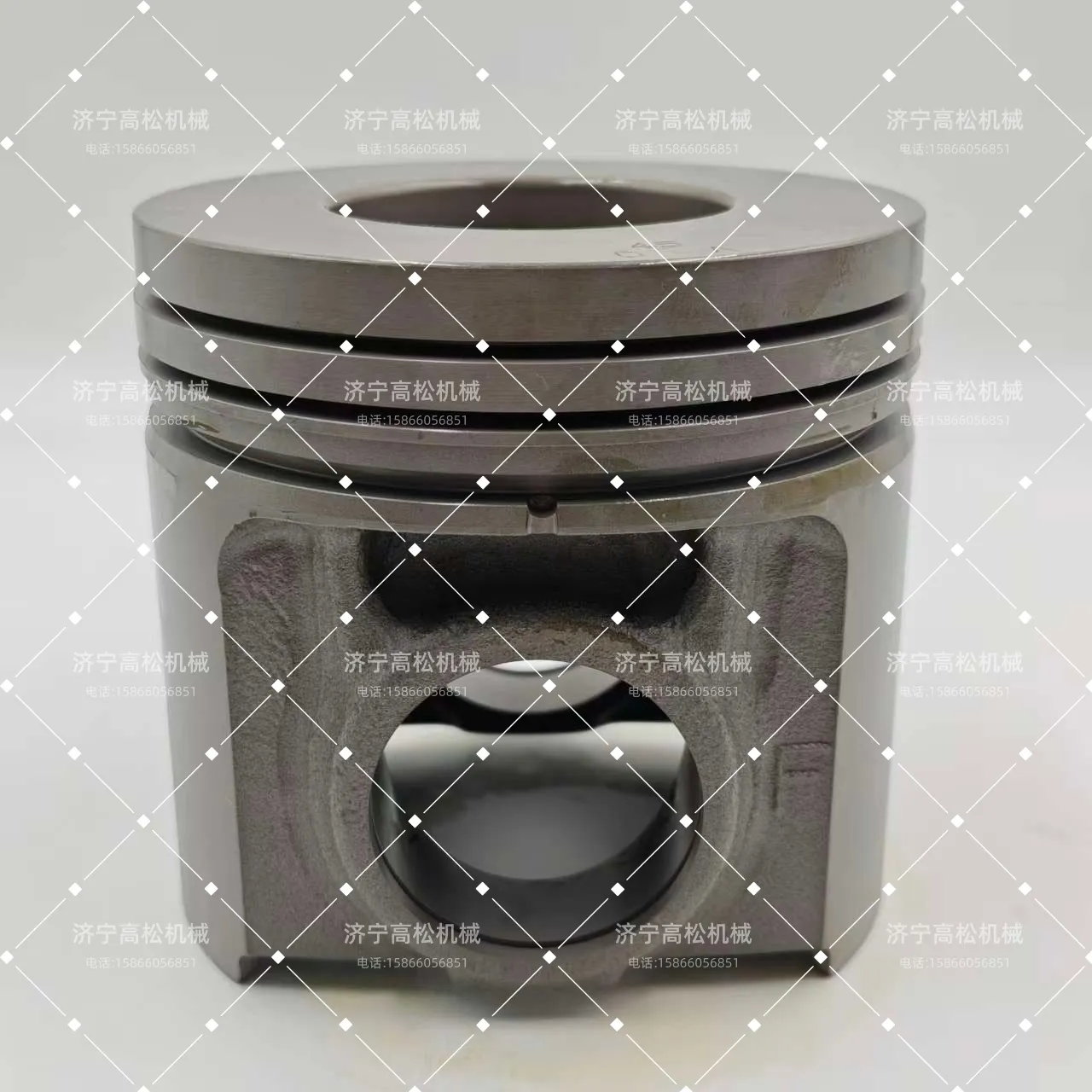 6152-32-2510 Piston for…
 -
 HD785-7 center exhaust manifold 6215-11-5172
 -
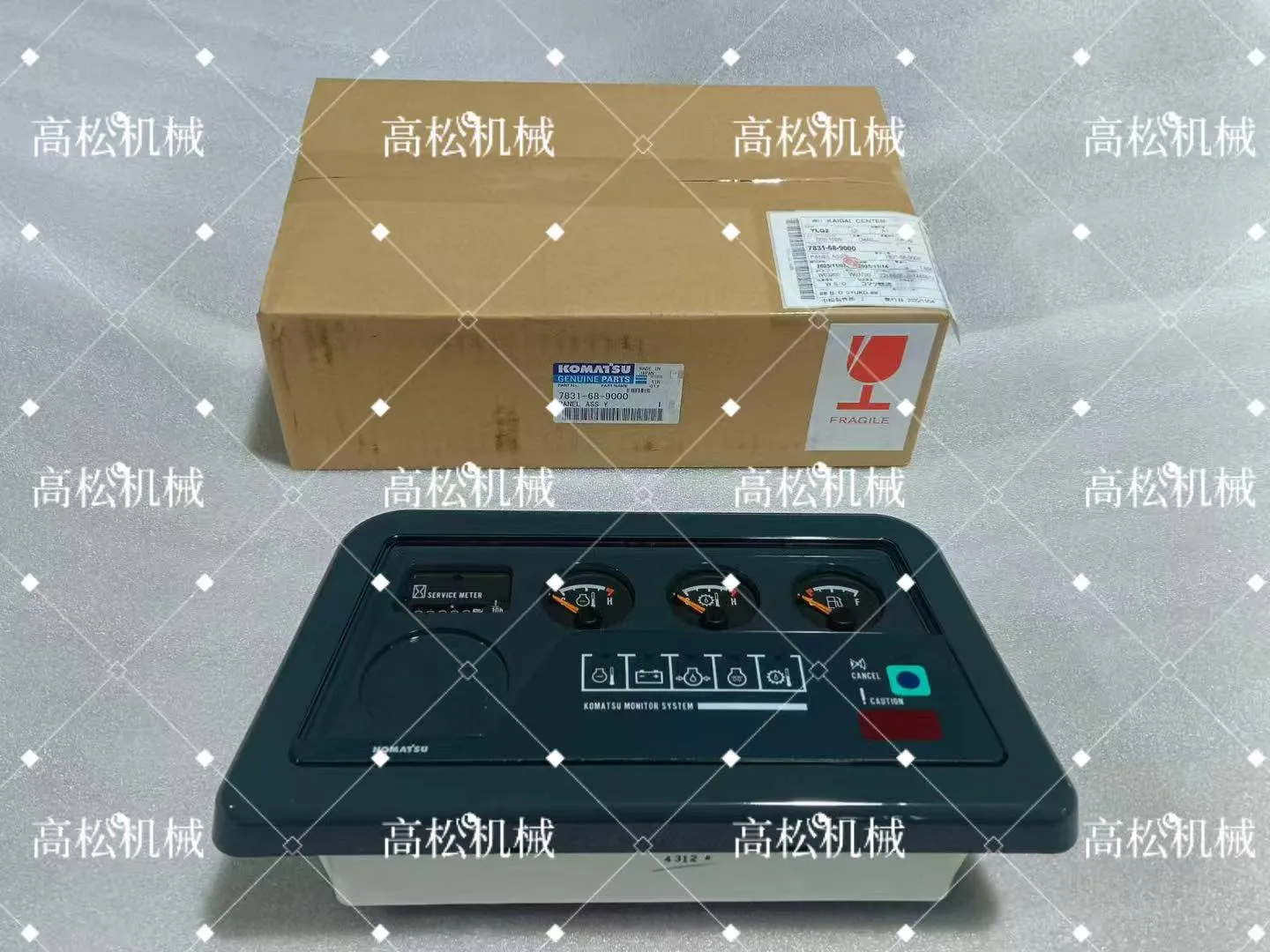 n-stock items. Part No.: 7831-68-9000. Genuine Komatsu panel. Suitable for D155 and D375 models.
 -
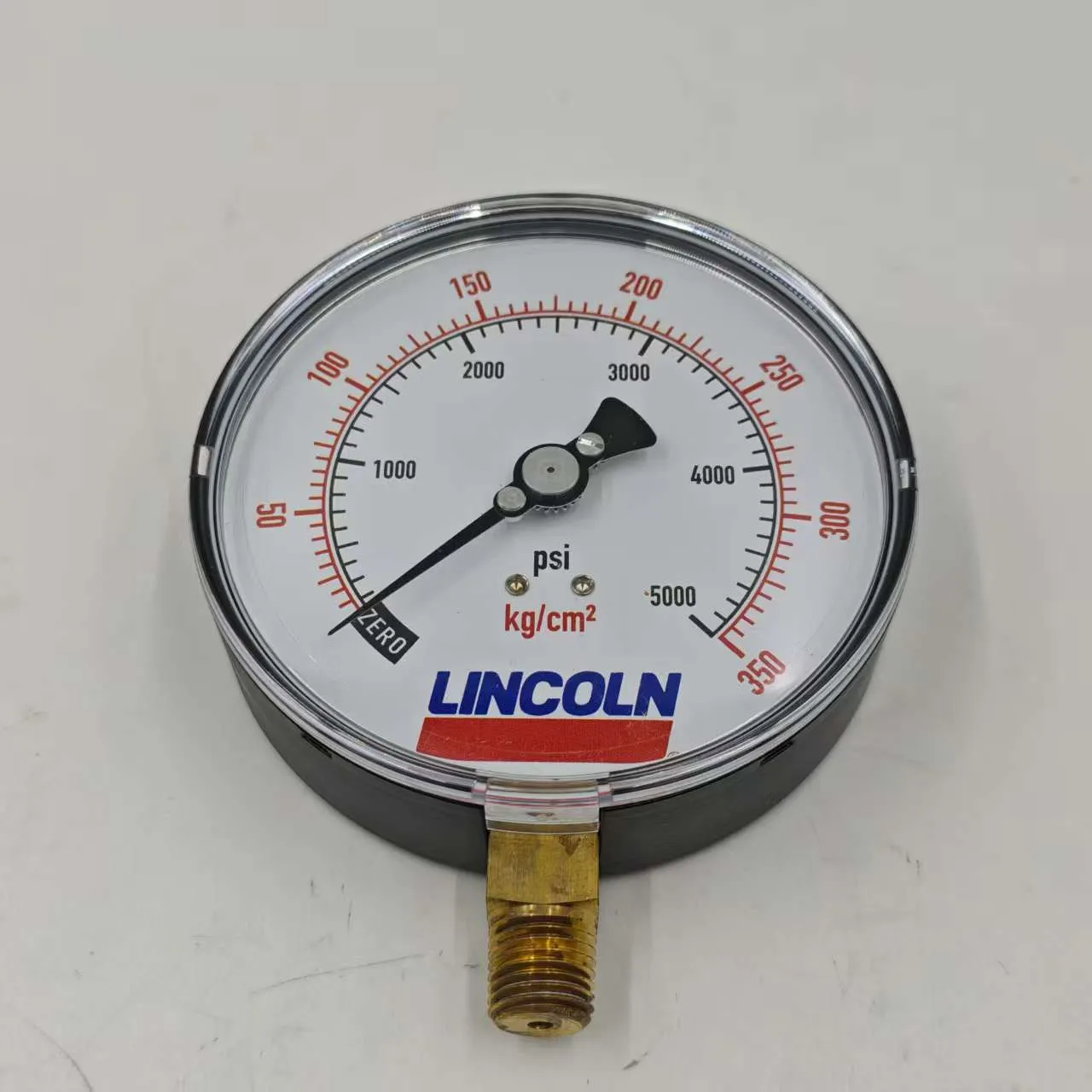 427-S95-2410PC1100 PC1250SE-7 komatsu
 -
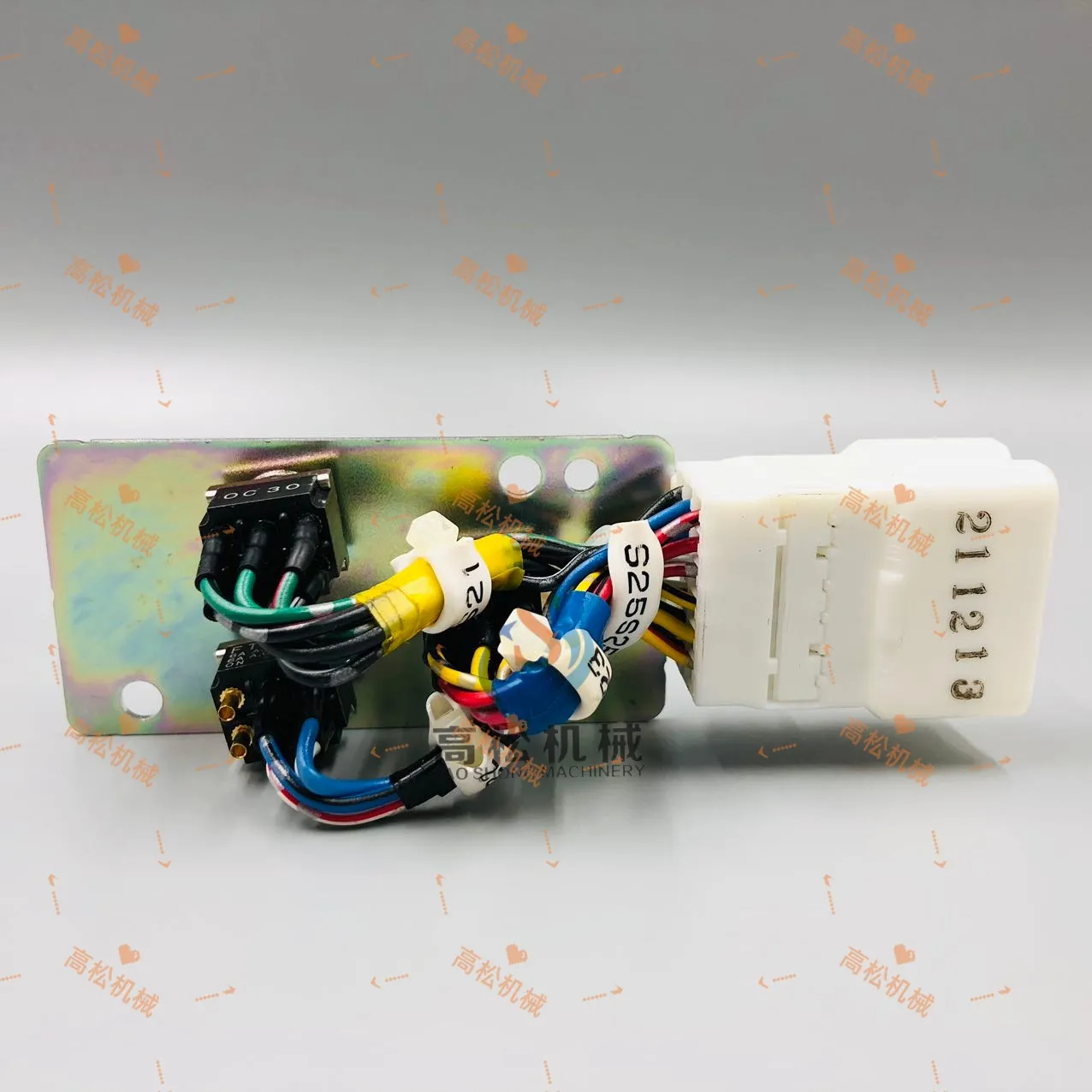 22u-06-22370 Komatsu PC228us-3 SWITCH ASS’Y submit for PC200LL, PC220LL, PC228, PC228US, PC270, PC270LL, PC300, PC300HD, PC300L, PC340, PC350, PC380