
- Chinese
- French
- German
- Portuguese
- Spanish
- Russian
- Japanese
- Korean
- Arabic
- Irish
- Greek
- Turkish
- Italian
- Danish
- Romanian
- Indonesian
- Czech
- Afrikaans
- Swedish
- Polish
- Basque
- Catalan
- Esperanto
- Hindi
- Lao
- Albanian
- Amharic
- Armenian
- Azerbaijani
- Belarusian
- Bengali
- Bosnian
- Bulgarian
- Cebuano
- Chichewa
- Corsican
- Croatian
- Dutch
- Estonian
- Filipino
- Finnish
- Frisian
- Galician
- Georgian
- Gujarati
- Haitian
- Hausa
- Hawaiian
- Hebrew
- Hmong
- Hungarian
- Icelandic
- Igbo
- Javanese
- Kannada
- Kazakh
- Khmer
- Kurdish
- Kyrgyz
- Latin
- Latvian
- Lithuanian
- Luxembou..
- Macedonian
- Malagasy
- Malay
- Malayalam
- Maltese
- Maori
- Marathi
- Mongolian
- Burmese
- Nepali
- Norwegian
- Pashto
- Persian
- Punjabi
- Serbian
- Sesotho
- Sinhala
- Slovak
- Slovenian
- Somali
- Samoan
- Scots Gaelic
- Shona
- Sindhi
- Sundanese
- Swahili
- Tajik
- Tamil
- Telugu
- Thai
- Ukrainian
- Urdu
- Uzbek
- Vietnamese
- Welsh
- Xhosa
- Yiddish
- Yoruba
- Zulu
- Kinyarwanda
- Tatar
- Oriya
- Turkmen
- Uyghur






Komatsu parts catalog
If you think a Komatsu parts catalog is just a digital PDF or a thick book you flip through to find a part number, you're probably not using it right. Or maybe you're relying on the wrong version. In my years dealing with parts supply, especially in regions where official channels get thin, I've seen that gap between what the catalog says is available and what you can actually get your hands on. That's where the real work begins.
The Illusion of Completeness
The official Komatsu parts catalog is a masterpiece of engineering documentation. Every pin, seal, and bucket tooth is there. But here's the catch: it represents an ideal, global system. You look up a final drive assembly for a PC300-8, you get the Komatsu number. But try ordering that exact number through a local dealer in a market that Komatsu's main distribution network doesn't prioritize heavily, and you might hit a wall. The catalog doesn't tell you about regional availability, superseded parts, or the fact that a component might be on a 6-month backorder from Japan. It's a starting point, not a promise.
This is the precise challenge that led me to companies like Jining Gaosong. Their stated role as both an OEM product supplier within the Komatsu system and a third-party sales company isn't just marketing fluff. It's a necessary hybrid model. The OEM side means they have access to genuine Komatsu-specification parts, often from the same manufacturing sources. The third-party side means they operate outside the rigid official supply chain, which allows them to stock and move parts for models that might be considered legacy or low-priority in certain countries. They're filling the gap the catalog reveals but doesn't solve.
I remember a specific case with a PC200-6. The hydraulic pump was gone. The official catalog part was listed, but the quote was astronomical and the lead time was indefinite. We found the equivalent component through a supplier like Gaosong. It wasn't a Komatsu box, but it was built to the same OEM drawings. The machine's been running for three years now. The catalog gave us the baseline; the alternative supply channel gave us the solution.
Navigating the Third-Party Minefield
Now, third-party is a tricky term. It can mean anything from high-quality, reverse-engineered parts that meet or exceed spec, to absolute junk that fails in 100 hours. The value of a supplier like the one mentioned isn't just in having parts, but in having the discernment. When you visit a site like takematsumachinery.com, you're not just looking for a part number match. You're looking for evidence they understand the system. Do they list Komatsu model series accurately? Do they specify compatibility clearly, or is it vague? Their claim of helping solve parts supply challenges in certain countries is key—it signals they know the official catalog's limitations firsthand.
The worst failures I've witnessed came from blind substitution. Someone sees a cylinder seal kit in a generic online store, it says fits Komatsu, they buy it. But the Komatsu parts catalog often has subtle revisions—a change in seal material in 2012, a different groove depth. A generic kit might fit physically but fail under pressure or heat. A knowledgeable third-party supplier will know these revisions and supply the correct iteration, even if their internal part number is different. That knowledge is what you're really paying for.
It's a judgment call. I don't use non-OEM for critical, high-wear items like injection pumps or ECU modules. But for hydraulic hoses, seals, gaskets, pins, and bushings? A reliable third-party source with OEM lineage is often the only economically viable path for older machines. The official Komatsu parts catalog becomes a reference tool to verify dimensions and specs, not just a sourcing list.
The Digital Shift and Practical Access
The old paper catalogs are relics. Today's Komatsu parts information is in dynamic online systems, which is both a blessing and a curse. It's updated, but access can be tightly controlled. For an independent mechanic or a fleet owner with mixed equipment, getting a login to the official Komatsu parts portal isn't always straightforward. This creates a black market for PDF catalogs and dubious online lookup tools that are often years out of date.
Practical access means having a reliable, current reference. Some of the better alternative suppliers actually build decent lookup functions into their sites. It's in their interest to help you identify the right part. While not a replacement for the official system, it's a functional bridge. You use it to narrow things down, then you call or email with the machine serial number—always the serial number, never just the model—for confirmation. The serial number is the real key the catalog is built on; it tells you the exact build configuration.
This process—online lookup, serial number verification, then direct contact—is the modern workflow. It bypasses the frustration of static catalogs and leverages the supplier's expertise. When I'm on a site and I see a clean, organized parts section with clear model breakdowns, it tells me they've invested in the infrastructure to support real parts identification, not just list products.
Beyond the Part Number: The Logistics Reality
Finding the part is half the battle. The other half is getting it to your workshop, often in a remote location, without it getting held up in customs for weeks or getting lost. A parts catalog entry has no shipping terms. This is another area where specialized third-party companies earn their keep. Their entire operation is built for international parts logistics to certain countries, as Jining Gaosong's description notes. They know the paperwork, the reliable freight forwarders, the customs codes for construction machinery parts.
I've had shipments from large, generalist industrial suppliers get stuck because the commercial invoice just said hydraulic part. A specialist will list the exact, correct Harmonized System code and provide a proper description that clears customs smoothly. This logistical know-how is an invisible but critical part of the parts supply chain. It turns a part number on a screen into a physical component in your toolbox.
You develop a shortlist of suppliers who are good at this. You judge them not just on price, but on communication, packaging quality, and delivery reliability. Did they proactively send a tracking number? Did the part arrive with all the necessary bolts and gaskets, or was it just the bare component? These are the tangible results of a supplier's experience, far beyond what any catalog can offer.
The Evolving Role of the Catalog
So what's the Komatsu parts catalog today? It's the authoritative technical reference. It's the DNA of the machine. But it's not a storefront. The real-world parts ecosystem is layered: the official Komatsu network at the top, then a tier of OEM-alternative suppliers with deep system knowledge (like the described company), and below that, a sea of generic manufacturers.
Your skill as a parts professional is in knowing which layer to dive into for which problem. For a warranty repair on a new PC210-11? You go straight through the official catalog and dealer. For keeping a 15-year-old machine earning money on a mining site in a country with limited dealer support? You use the official catalog as your bible for specs, then you partner with a competent third-party supplier who respects that bible but can navigate around its logistical shortcomings.
The end goal is always machine uptime. The Komatsu parts catalog is an indispensable tool in achieving that, but it's not the only tool. It's the map. Companies that operate within the Komatsu system yet outside its strictest channels are often the guides who know how to navigate the terrain the map doesn't fully detail—the supply deserts, the customs bottlenecks, the realities of keeping legacy equipment alive. That's the nuance you learn on the ground, one part search at a time.
Related Products
Related Products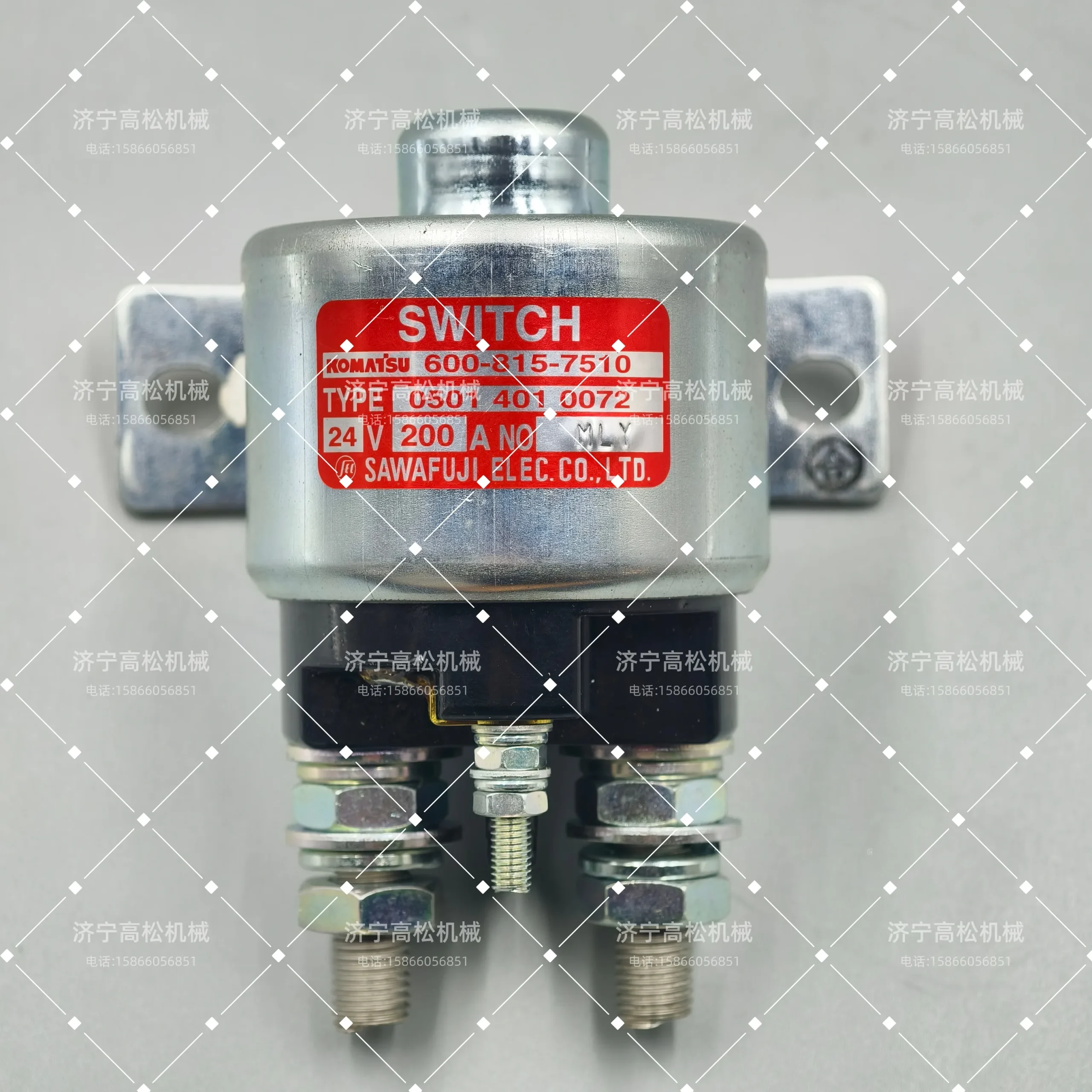
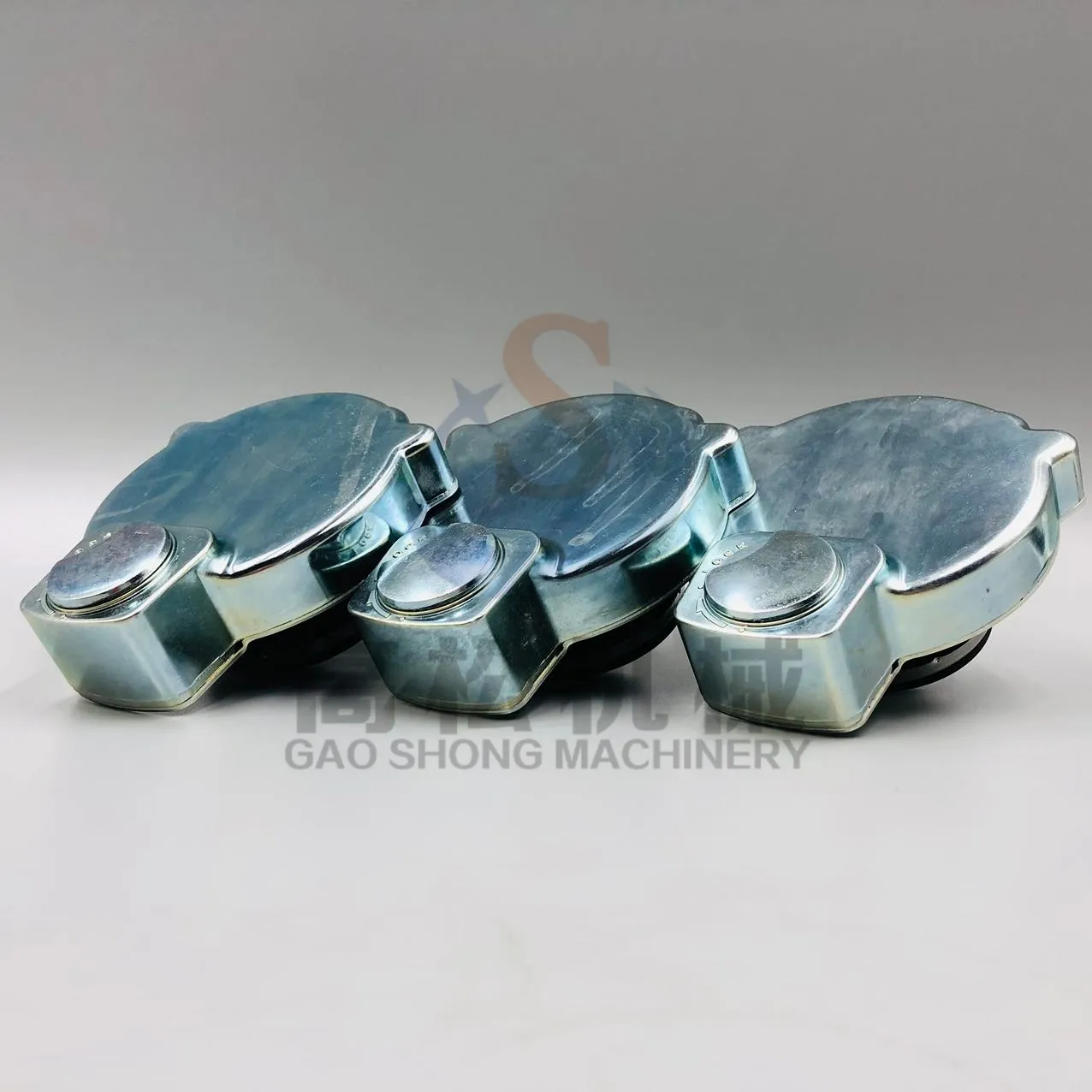
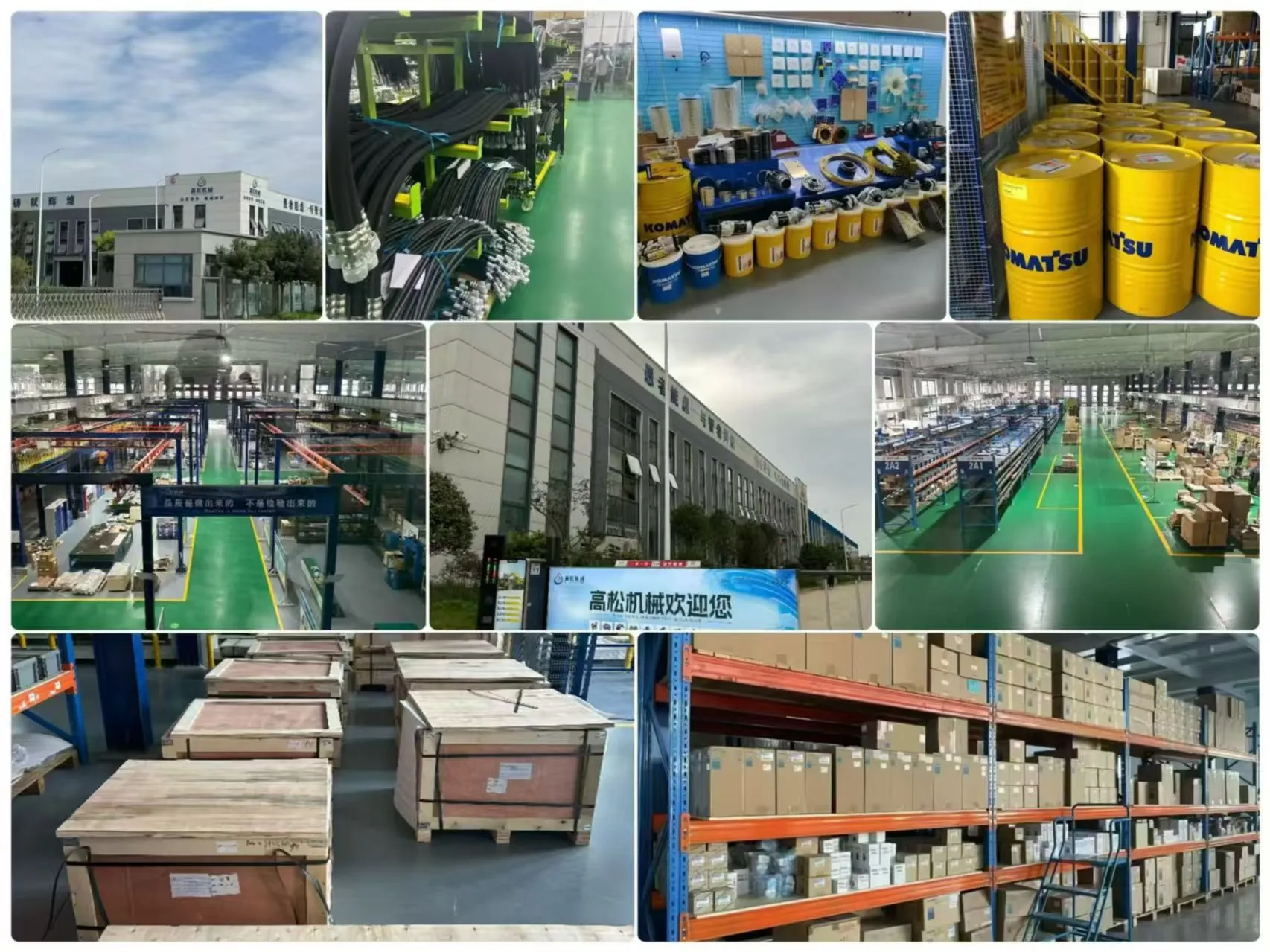
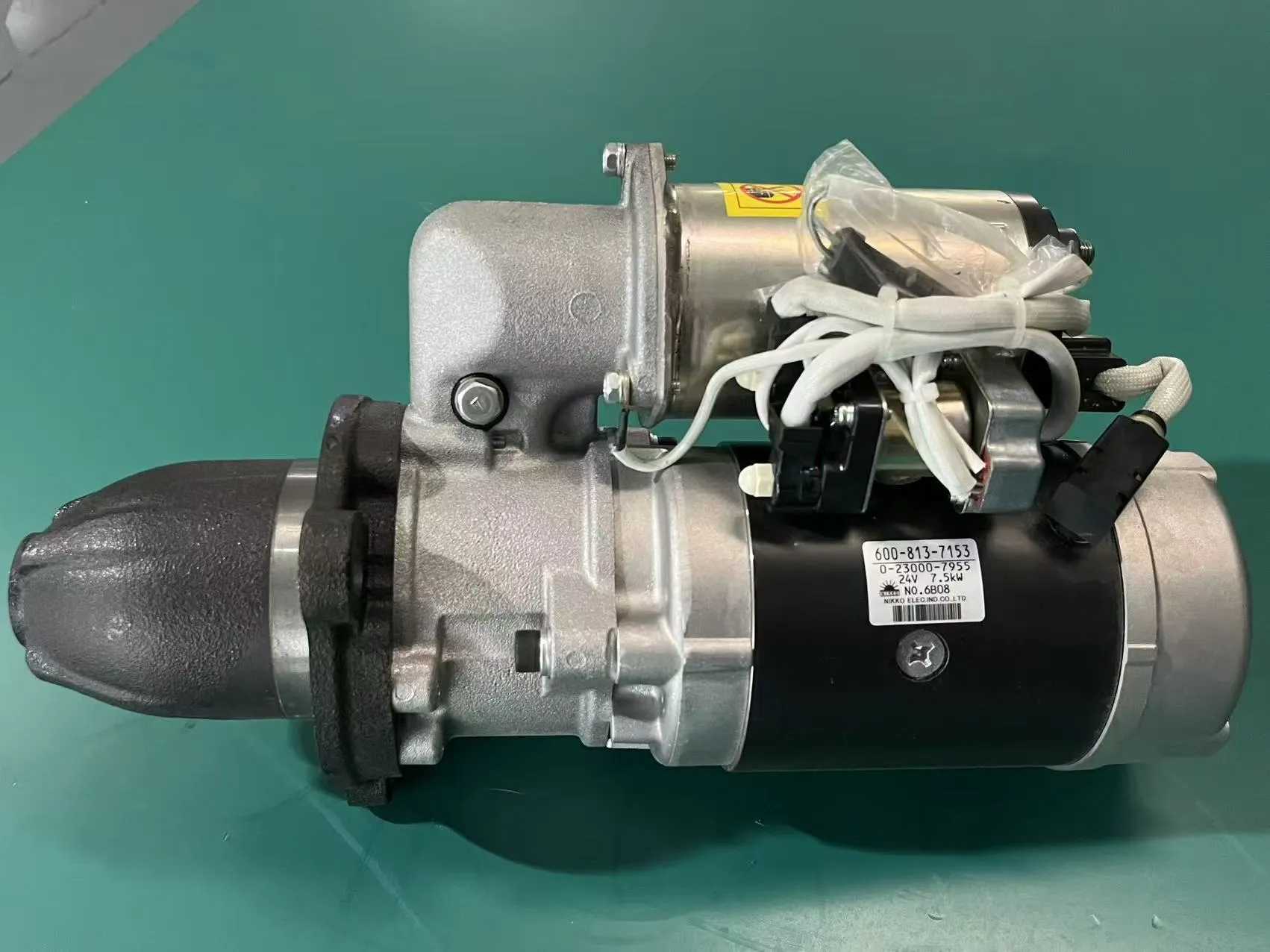

Best Selling Products
Best Selling Products-
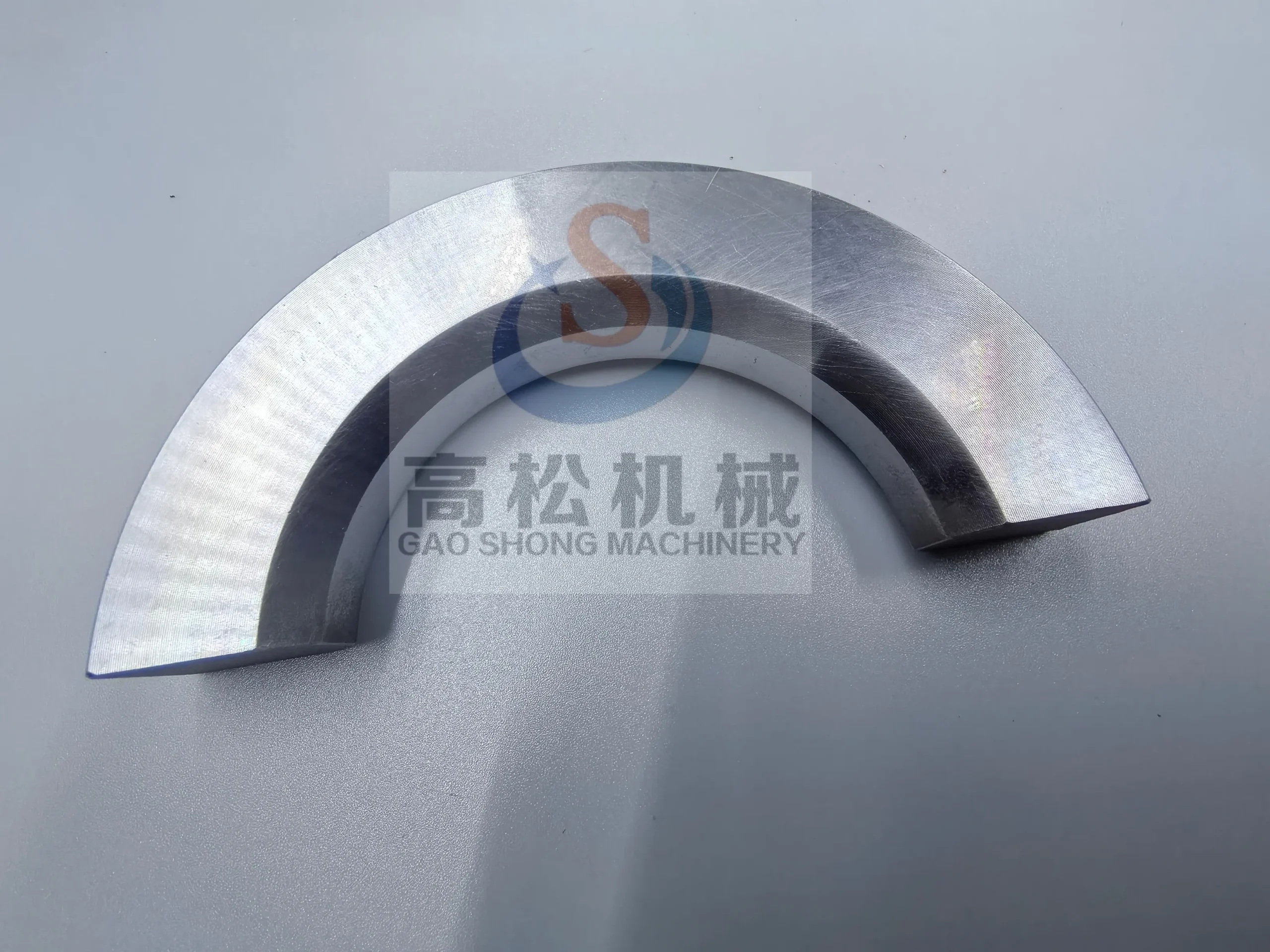 14X-30-13241 Spacer (Komatsu)
 -
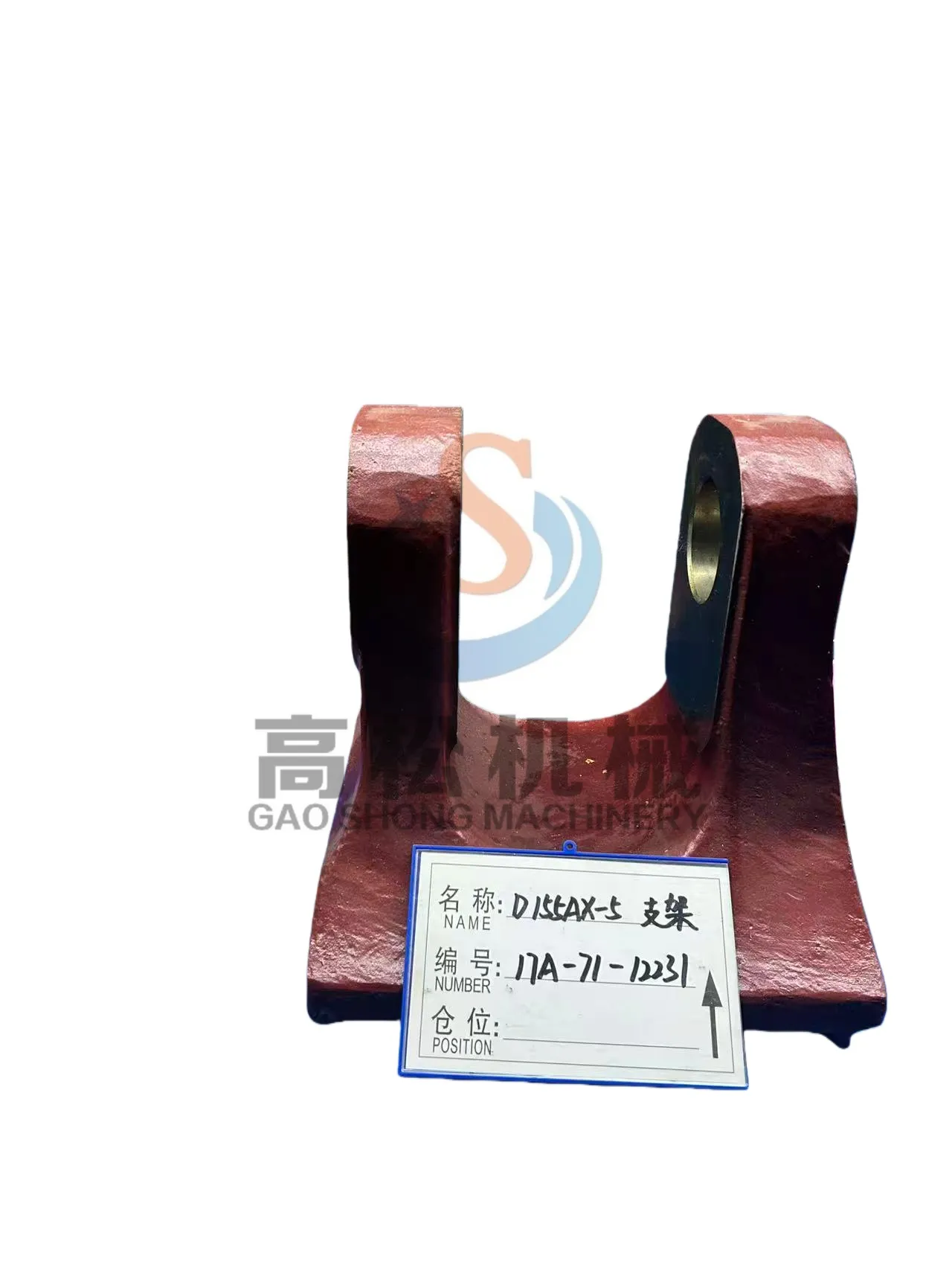 17A-71-12231 BRACKET (WELDED) D155AX-5 DOZER FRAME
 -
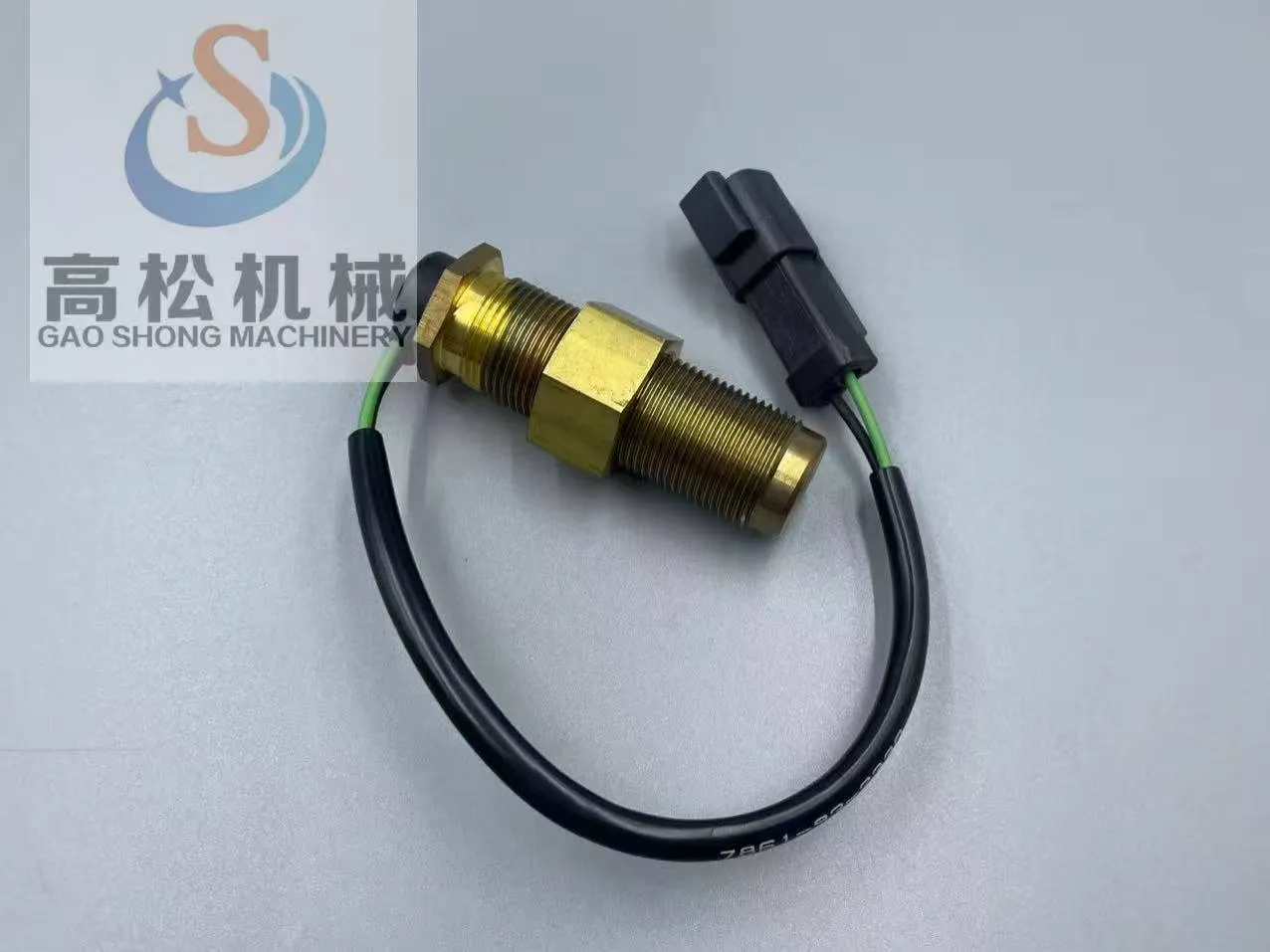 PC130-7 PC300-7 Engine Speed Sensor 7861-93-2330
 -
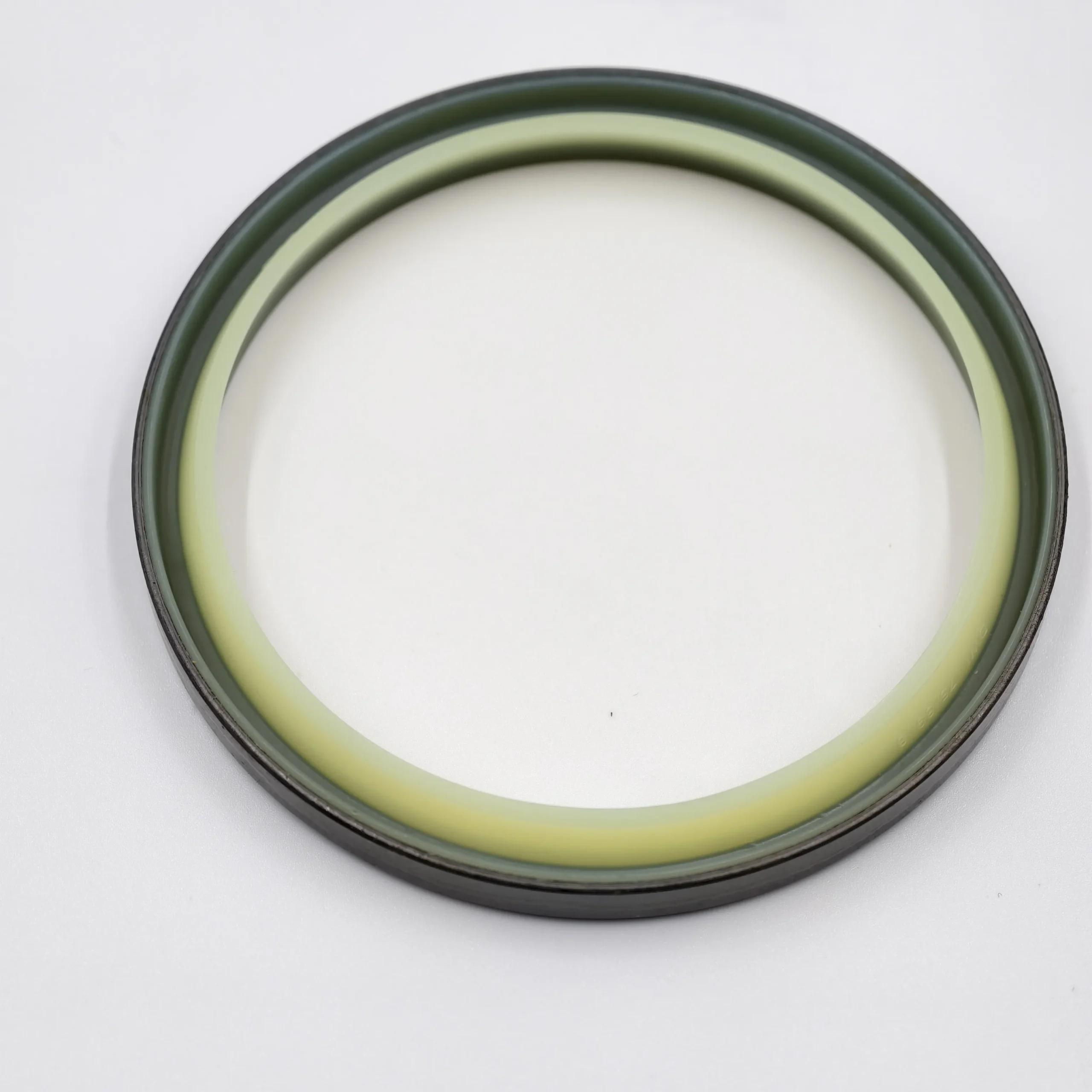 Seal 17M-50-24360 for Komatsu Dozer D275A-2 D61EX-12 D61PX-12 D61PX-23 D61PX-24 D61PXI-23 D61PXI-24 D63E-12 D68ESS-12 D68ESS-12E0komatsu
 -
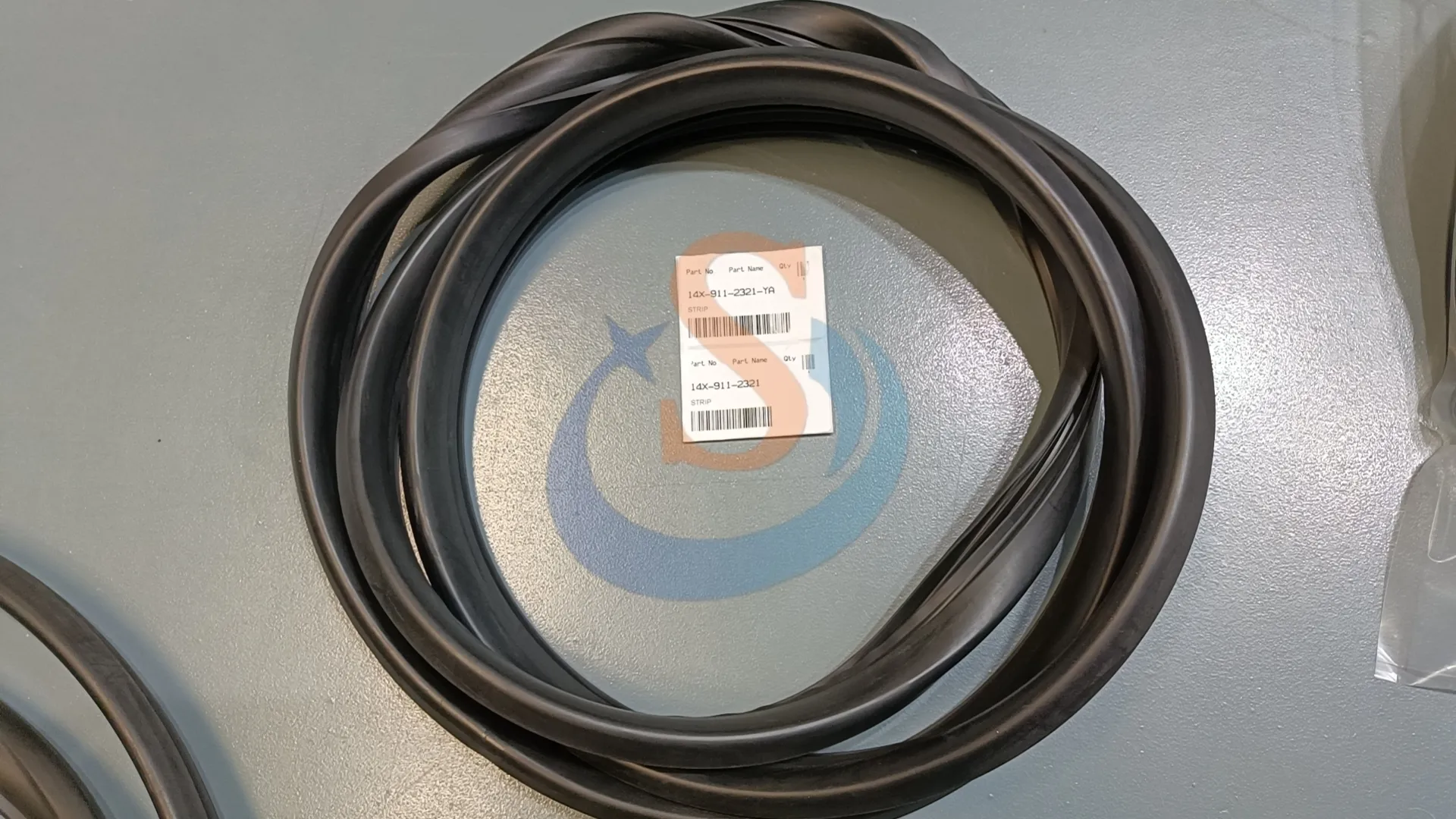 14X-911-2321,STRIP,D60P,D65EX,D155A,D375A
 -
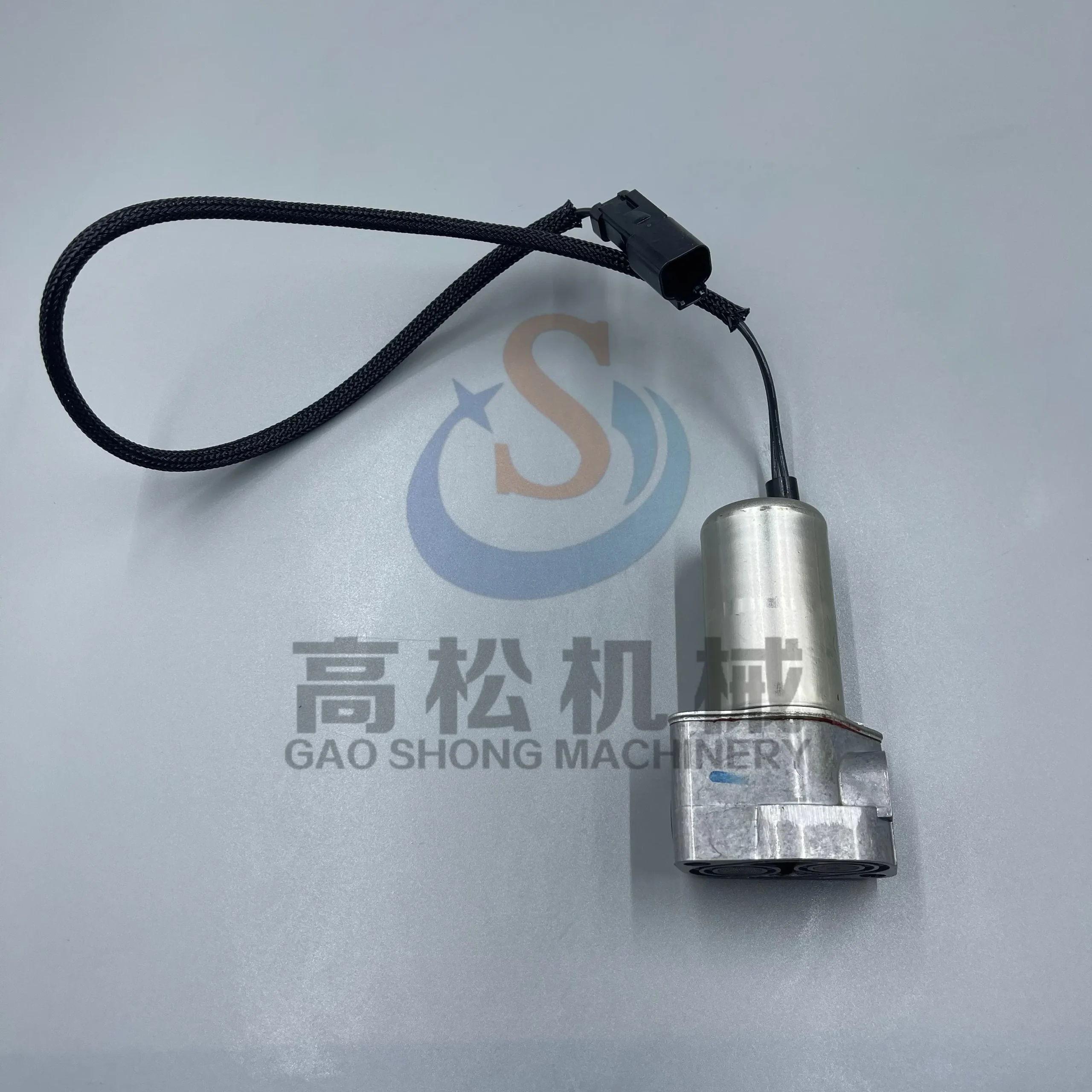 702-21-07620 SOLENOID VALVE (Komatsu)
 -
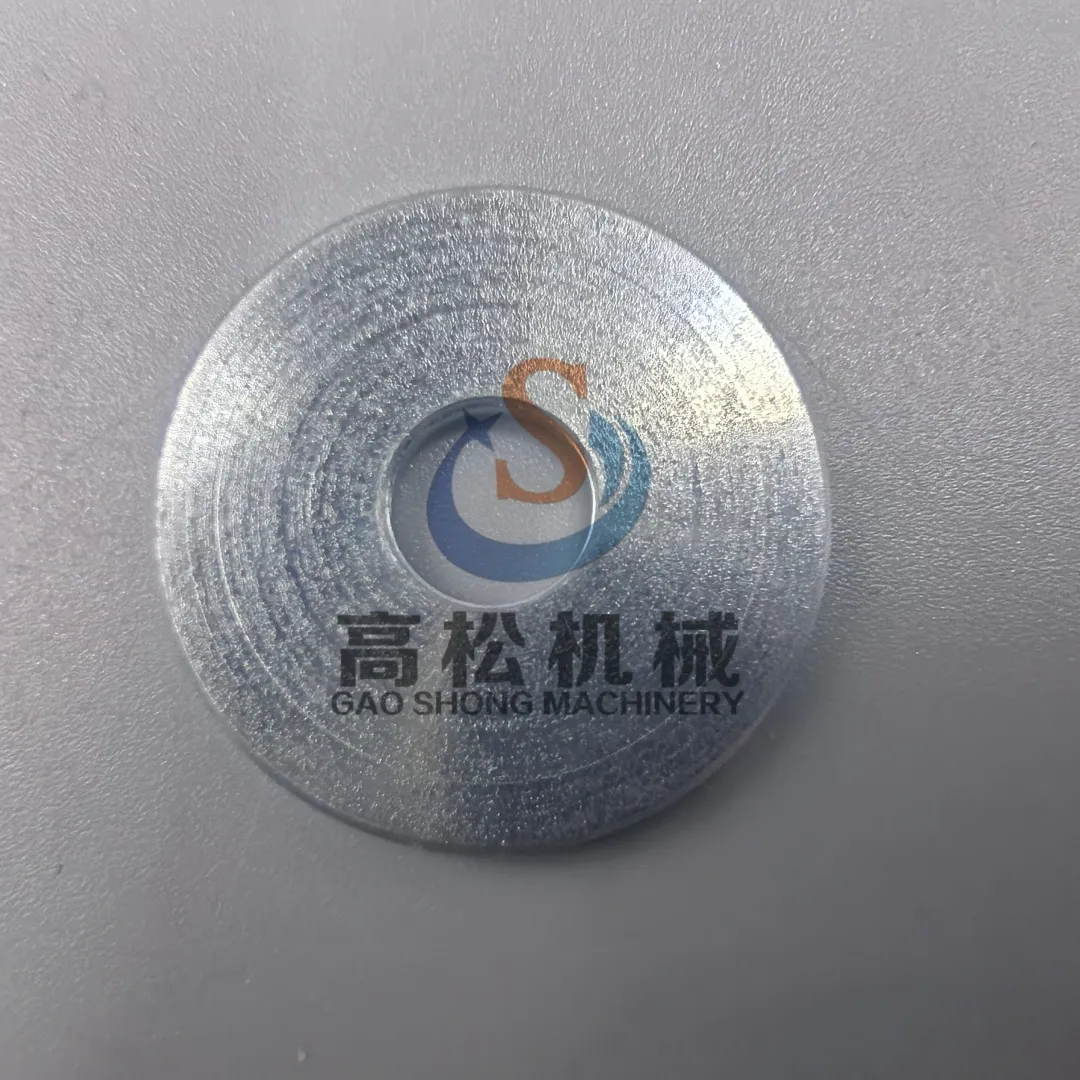 22W-70-16120 WASHER (50A ALTERNATOR) – 22w7016120
 -
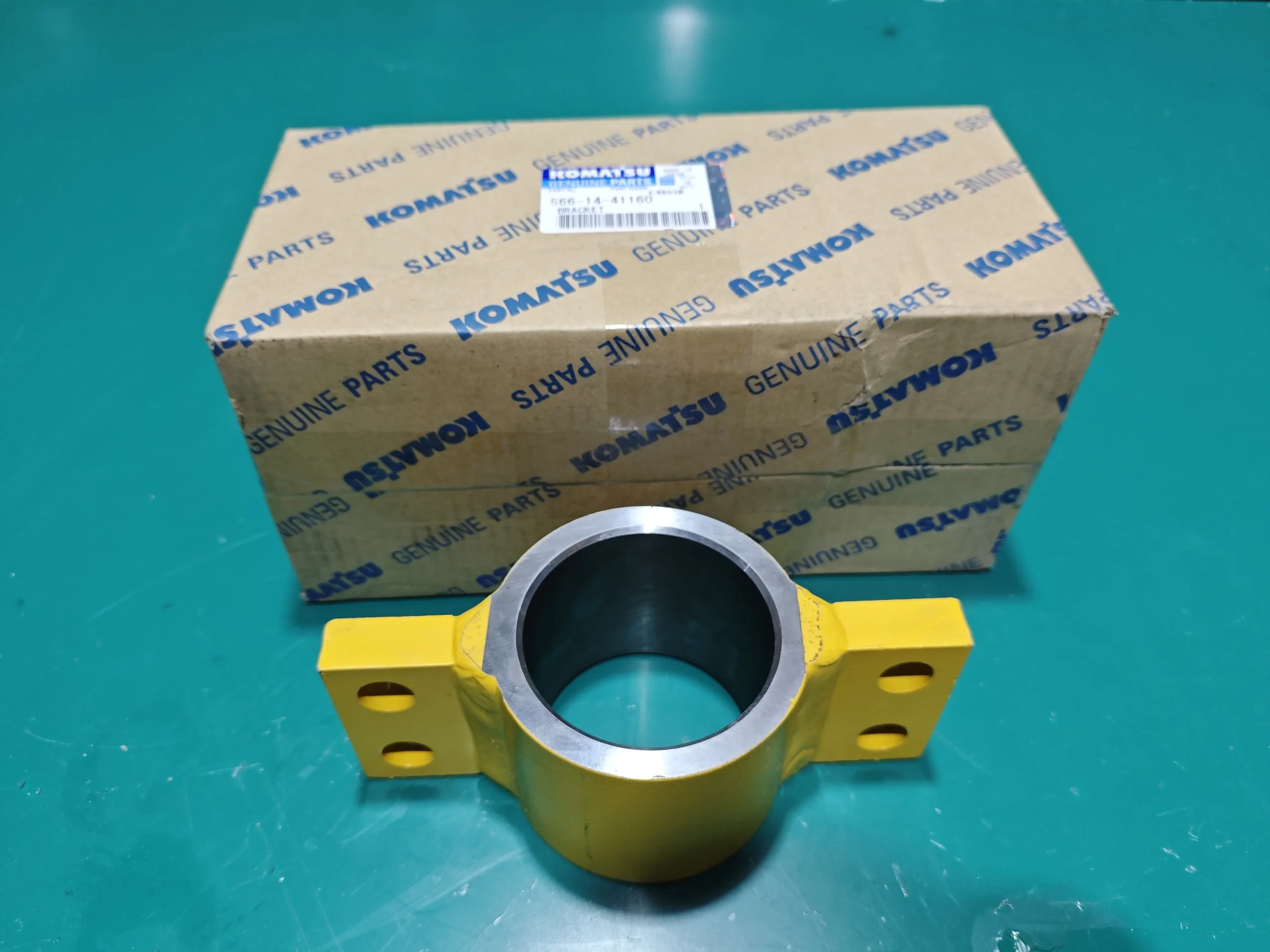 566-14-41160 Bracket
 -
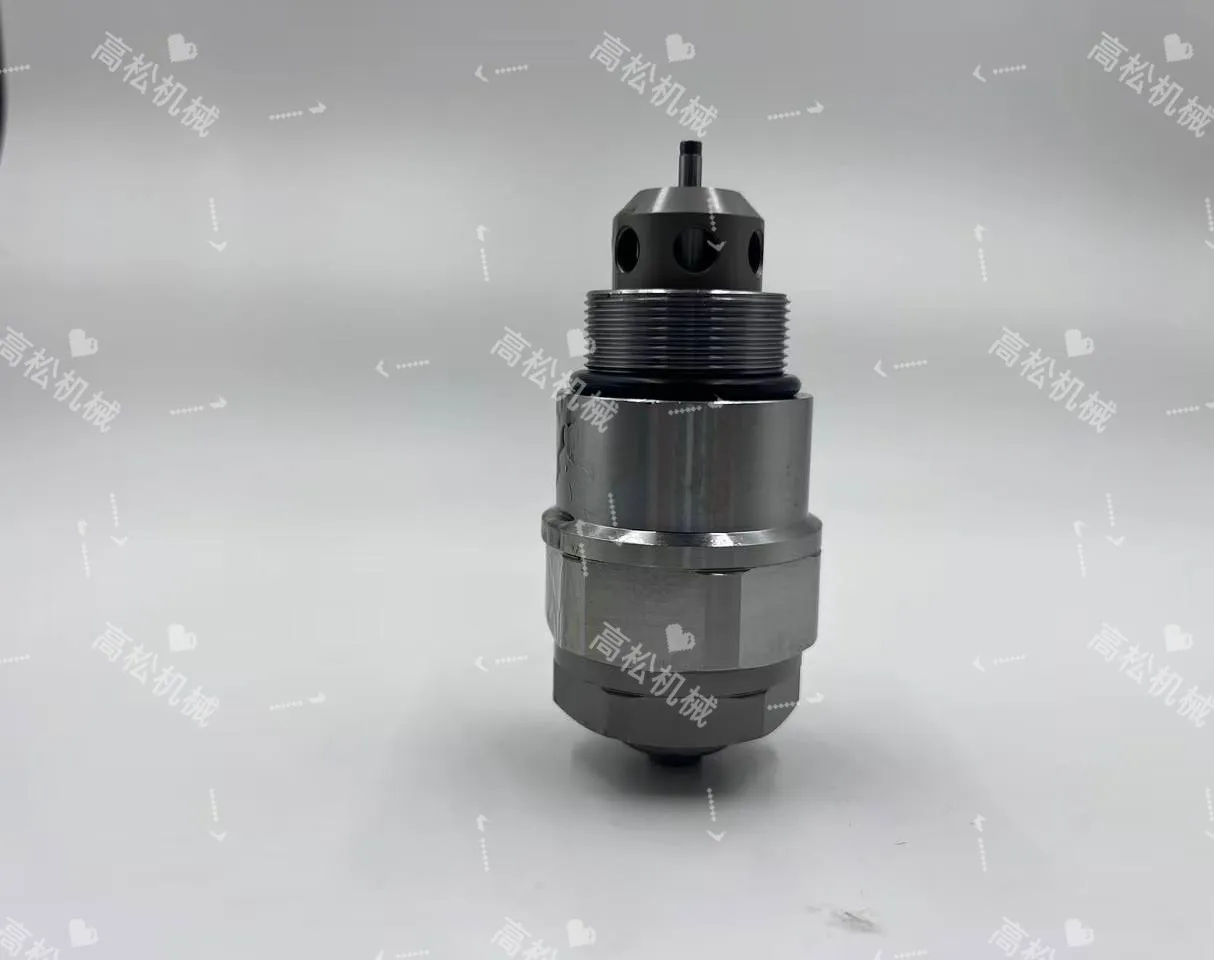 709-90-71700VALVE ASS’Y,SUCTION AND SAFETY D155A-2A CONTROL VALVE VALVE ASS’Y,SUCTION AND SAFETY PC1250SP-8R MAIN VALVE
 -
Komatsu Excavator PC1250 Flange 21N-62-11361
-
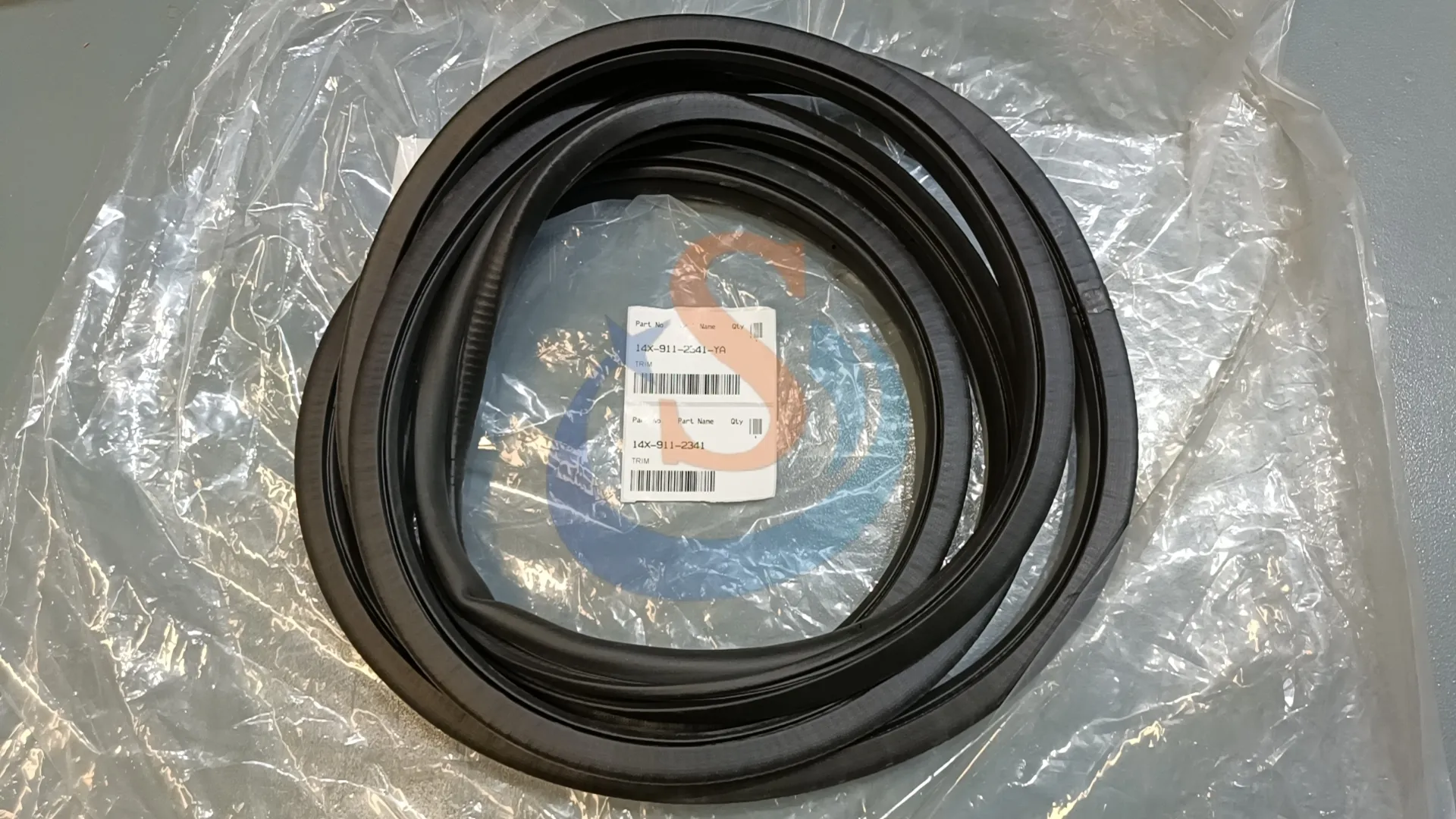 14X-911-2341,TRIM,D155A,D375A,D61EX
 -
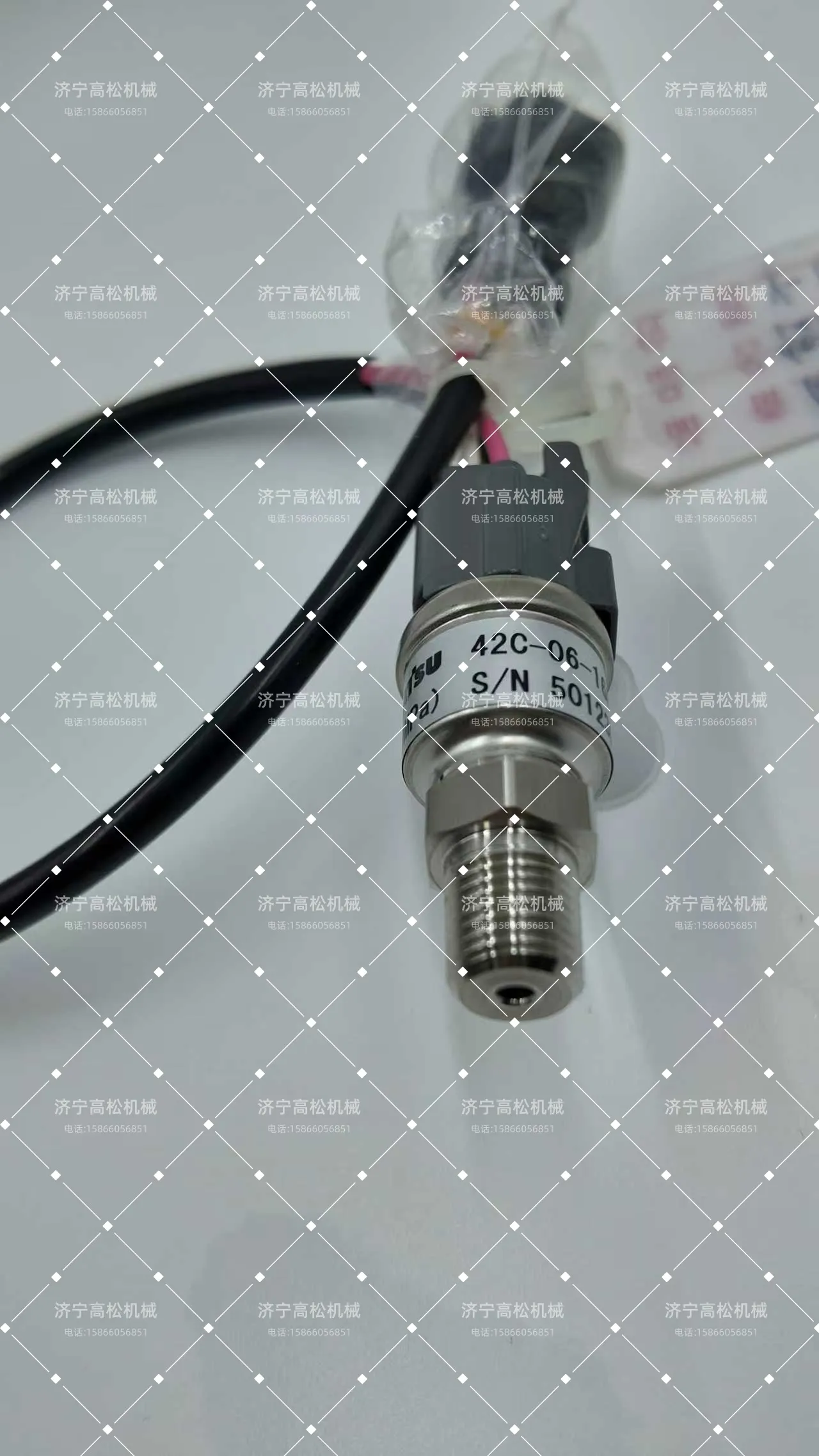 7861-93-1680 Pressure Sensor For Komatsu WA1200 SDA12V140E