
- Chinese
- French
- German
- Portuguese
- Spanish
- Russian
- Japanese
- Korean
- Arabic
- Irish
- Greek
- Turkish
- Italian
- Danish
- Romanian
- Indonesian
- Czech
- Afrikaans
- Swedish
- Polish
- Basque
- Catalan
- Esperanto
- Hindi
- Lao
- Albanian
- Amharic
- Armenian
- Azerbaijani
- Belarusian
- Bengali
- Bosnian
- Bulgarian
- Cebuano
- Chichewa
- Corsican
- Croatian
- Dutch
- Estonian
- Filipino
- Finnish
- Frisian
- Galician
- Georgian
- Gujarati
- Haitian
- Hausa
- Hawaiian
- Hebrew
- Hmong
- Hungarian
- Icelandic
- Igbo
- Javanese
- Kannada
- Kazakh
- Khmer
- Kurdish
- Kyrgyz
- Latin
- Latvian
- Lithuanian
- Luxembou..
- Macedonian
- Malagasy
- Malay
- Malayalam
- Maltese
- Maori
- Marathi
- Mongolian
- Burmese
- Nepali
- Norwegian
- Pashto
- Persian
- Punjabi
- Serbian
- Sesotho
- Sinhala
- Slovak
- Slovenian
- Somali
- Samoan
- Scots Gaelic
- Shona
- Sindhi
- Sundanese
- Swahili
- Tajik
- Tamil
- Telugu
- Thai
- Ukrainian
- Urdu
- Uzbek
- Vietnamese
- Welsh
- Xhosa
- Yiddish
- Yoruba
- Zulu
- Kinyarwanda
- Tatar
- Oriya
- Turkmen
- Uyghur






komatsu parts breakdown
When you hear 'Komatsu parts breakdown,' most guys immediately think of the official illustrated parts catalog, that neat PDF with every bolt and washer numbered. That's the theory. The reality, especially when you're dealing with a 20-year-old PC300-6 in a remote quarry, is a different beast. The catalog gives you the 'what,' but it doesn't tell you the 'how' of actually getting that specific swing motor seal kit, or why the aftermarket part that supposedly fits the 320D might leave you with a hydraulic leak on a 320D LCN. There's a gap between the diagram and the dirt under your nails, and that's where the real work—and the real headaches—begin.
The OEM Illusion and the On-Ground Shortage
Working as an OEM supplier within the Komatsu system, like the folks at Jining Gaosong Construction Machinery Co., Ltd., gives you a front-row seat to a persistent global puzzle. The official channel is pristine, but it's not always permeable. Certain regions, due to trade policies, logistics bottlenecks, or simply being low on the priority list, face genuine parts droughts. A customer isn't just looking for part number 20Y-60-11310; they're looking for a way to get their dozer back to work by Friday. The promise of OEM quality means nothing if the part is stuck in transit for eight weeks.
This is where the dual role becomes critical. Being an OEM supplier means you understand the specs, the tolerances, the genuine Komatsu engineering. But acting as a third-party sales company is about solving that supply challenge. It's not about circumventing the system, but about bridging its gaps. You learn to cross-reference not just part numbers, but machine serial number ranges, regional variations, and even previous repair histories. That breakdown needs to be a diagnostic of availability, not just a list of components.
I recall a situation with a Komatsu WA470-5 wheel loader in Southeast Asia. The official distributor was quoting a 3-month lead time for a crucial transmission valve body. The machine was dead. By leveraging third-party networks and deep knowledge of Komatsu's subsystem suppliers, we identified an alternative source for a functionally identical, OEM-quality component. It wasn't about selling a cheaper part; it was about providing a viable solution that met the Komatsu standard when the primary pipeline was clogged. The client's site manager didn't care about the procurement path; he cared that the loader was moving dirt again in 10 days.
Decoding the Will Fit Minefield
This is where experience either saves you or costs you a fortune. The aftermarket is flooded with parts labeled will fit Komatsu PC200. That phrase is a minefield. Sometimes it works, sometimes it almost works, and sometimes it catastrophically doesn't. A parts breakdown isn't just a list; it's a map of interdependencies.
Take hydraulic pumps. Two pumps might look identical, have nearly matching part numbers, and bolt right up. But the internal gerotor profile or the shaft seal material might be a micron off, leading to a gradual loss of pressure or a premature failure that contaminates the entire system. You learn to look beyond the headline number. You check the service bulletins for that model—did Komatsu issue a silent revision mid-production run? That's the kind of detail a generic supplier misses.
We've had our share of learning moments. Early on, we sourced a compatible fan drive motor for a Komatsu HD785 truck. It fit. It ran. But its thermal rating was subtly lower. In the brutal heat of an Australian mine site, it lasted about three weeks before seizing. The cost wasn't just the part; it was the secondary overheating damage and, more importantly, the lost trust. Now, our process involves a forensic-level comparison: material certificates, performance curve data, and whenever possible, a tear-down comparison with a known-genuine failed part. It's the only way to turn will fit into does work.
The Anatomy of a Real-World Breakdown Process
So, what does a practical komatsu parts breakdown process look like off the page? First, it's verbal. The mechanic describes a knocking sound on swing under load on an excavator. The catalog points you to the swing bearing, gear, or motor. But experience adds questions: Is the sound cyclical with rotation? Does it change when the machine is tilted? Have they checked the swing gear backlash recently, or just kept greasing it?
You start mentally disassembling the system. If it's the final drive on a dozer, you're not just ordering a new assembly. You're thinking about the root cause. Was it a failed seal that let in dirt, which wore the bearings, which then damaged the planetary gears? Your parts list grows from a single final drive to include seals, bearings, gaskets, and even the bolts that are often stretched or corroded. You also think about tools: will they need a special puller for the hub? That's part of the breakdown too—the service tools.
This is where a resource like https://www.takematsumachinery.com aims to function. It's not just a digital shelf. The value is in being able to connect that symptom, that machine serial number, and that location, to a coherent kit of parts and advice. Here's the main bearing, but while you're in there, replace these three seals and this snap ring that always fails. And here's the updated part number for the flange, as the old one is prone to cracking. That's a breakdown with foresight.
Logistics: The Unseen Half of the Equation
Identifying the right part is only 50% of the job. The other 50% is getting it to the machine, intact, and on time. This is a massive, often overlooked part of the supply challenge. You can have the perfect OEM-spec cylinder head for a Komatsu S6D140 engine sitting in a warehouse in Shandong, but if the customs clearance in the destination country is opaque or slow, the machine stays down.
Over years, you build a mental map of logistics corridors. Some ports are efficient for heavy machinery parts; others are black holes for paperwork. You learn which commodities codes minimize duties, how to package a precision hydraulic valve to survive rough handling, and which forwarders have reliable last-mile delivery to mining sites. For a company positioned as a third-party solution, this operational knowledge is as valuable as the parts catalog itself. It's the difference between a promise and a delivery.
A case in point: getting a complete undercarriage kit for a D375 dozer into a South American copper mine. The kit is massive, palletized, and heavy. The official channel would ship it as one monolithic shipment. We broke it down—literally and figuratively. We shipped the track chains, rollers, and idlers separately via different routes based on size and weight restrictions, with all documentation pre-cleared. The sprockets, being the most critical path item, went by air freight. The client received components in a staggered but predictable flow, allowing their mechanics to stage the rebuild efficiently, rather than waiting 90 days for a single shipping container to clear port.
Beyond the Transaction: The Knowledge Loop
The final, and maybe most important, part of dealing with parts breakdown is closing the feedback loop. When a part fails prematurely, why? When an aftermarket component performs flawlessly for 10,000 hours, why? This isn't academic; it's the data that refines your next recommendation.
We maintain close contact with the workshops that use the parts we help supply. A photo of a worn sprocket with unusual tooth wear pattern tells a story about track tension or ground conditions. A report that a certain batch of O-rings became brittle in extreme cold informs future material selection. This feedback feeds back into the OEM system as well, contributing to product improvement. It transforms a static breakdown into a living document.
In the end, Komatsu parts breakdown is a process, not a document. It starts with a machine failure, winds through diagnosis, availability analysis, logistical planning, and ends with a repaired machine and a lesson learned. It's messy, iterative, and demands a blend of technical knowledge and street-smart logistics. The goal, whether you're an OEM affiliate like Jining Gaosong or a field mechanic, is the same: turn that breakdown on the ground into a reliable machine back on the job, with as little downtime and guesswork as possible. Everything else is just a parts list.
Related Products
Related Products

Best Selling Products
Best Selling Products-
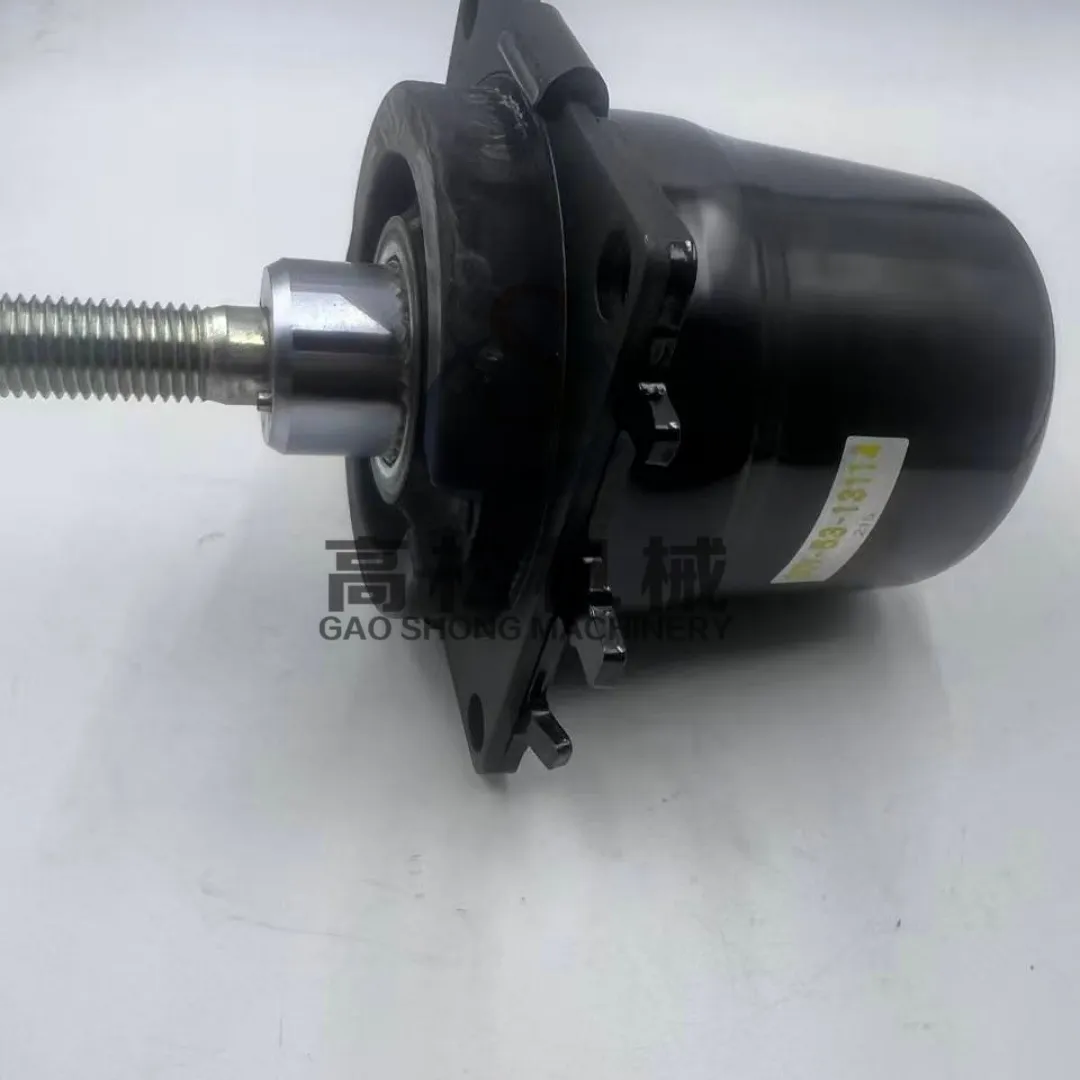 20Y-53-13114 SILENTBLOCK komatsu parts
 -
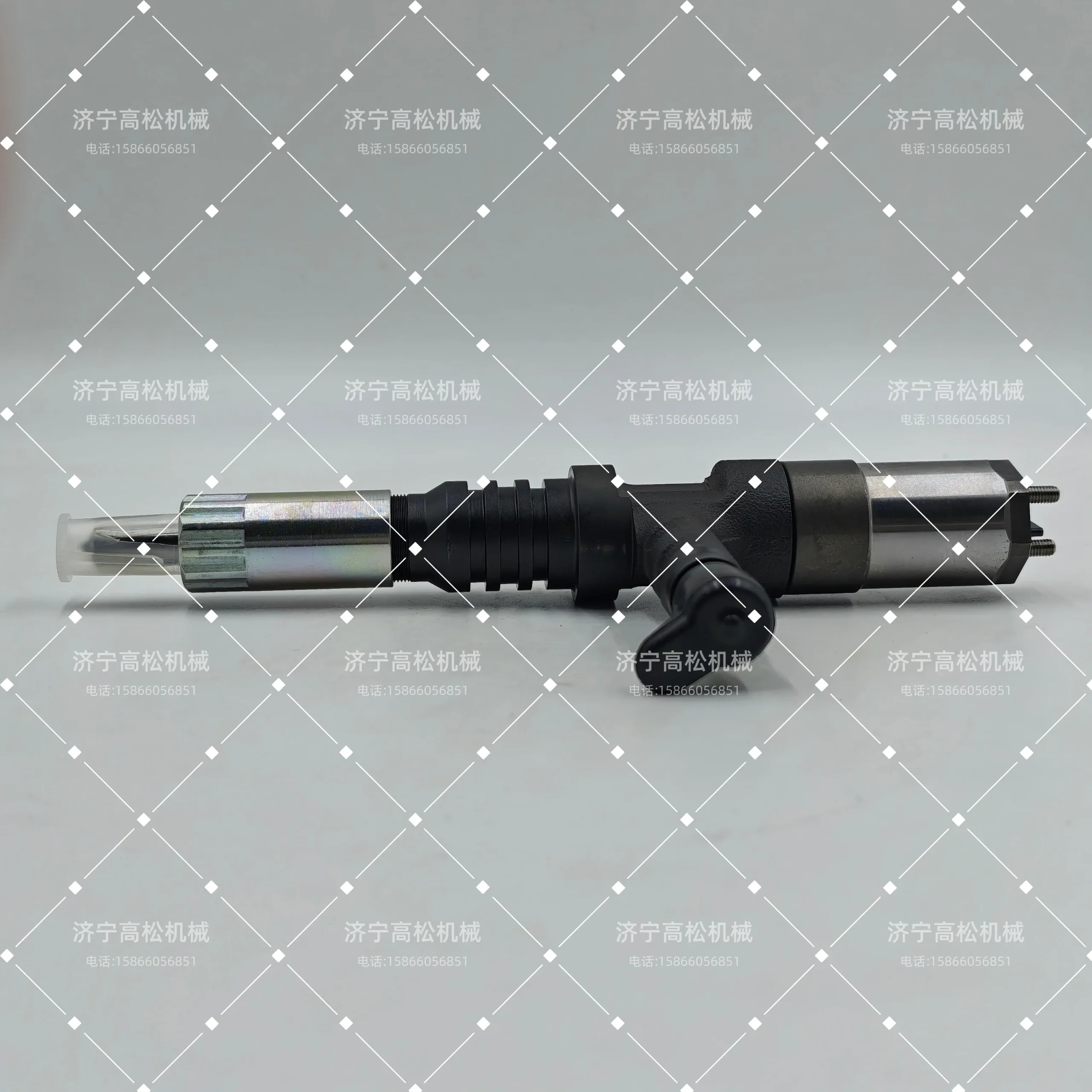 Original Injector Assembly 6218-11-3101 6218-11-3100 for Diesel…
 -
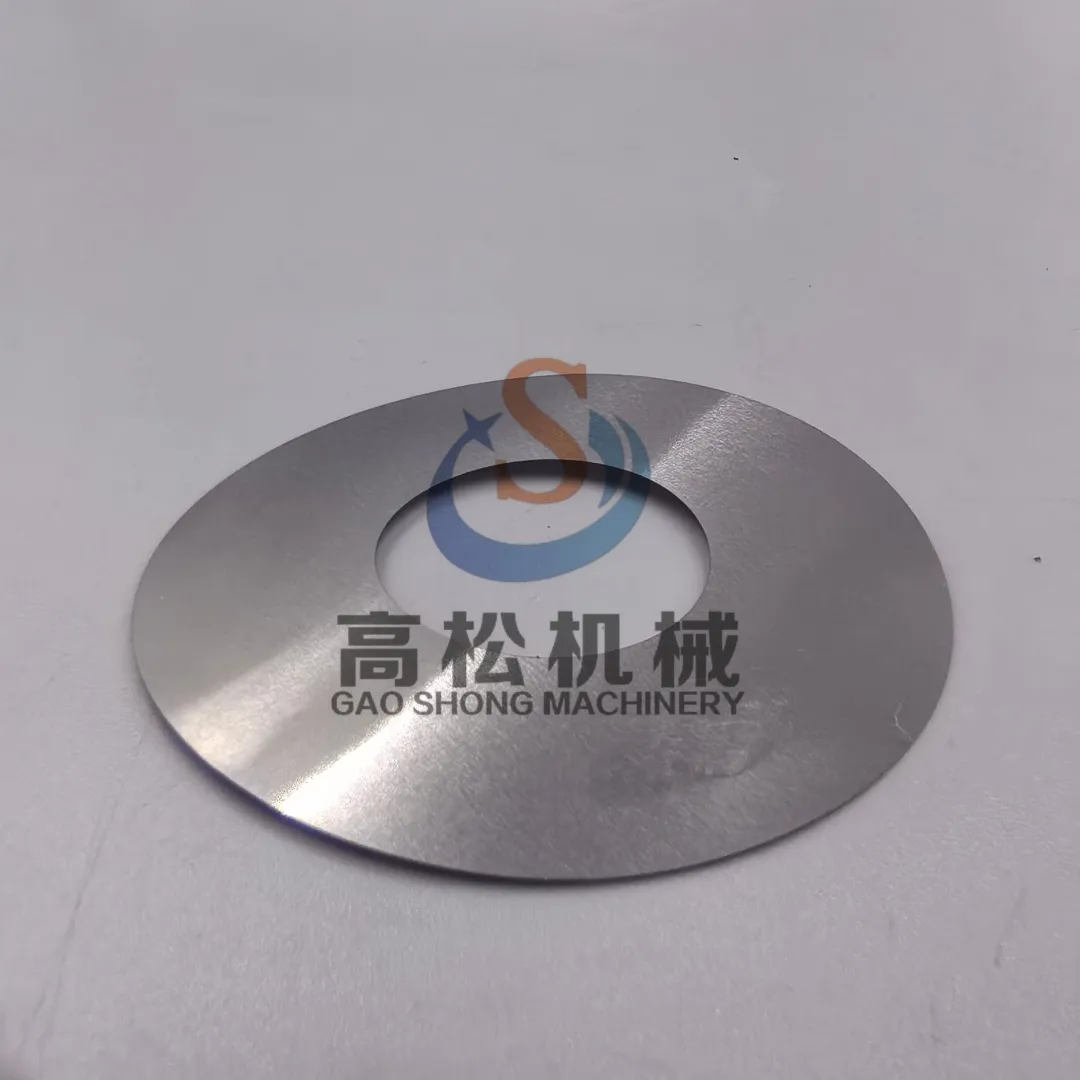 Spare part 23W-22-21560 SHIM 0.05MM Komatsu
 -
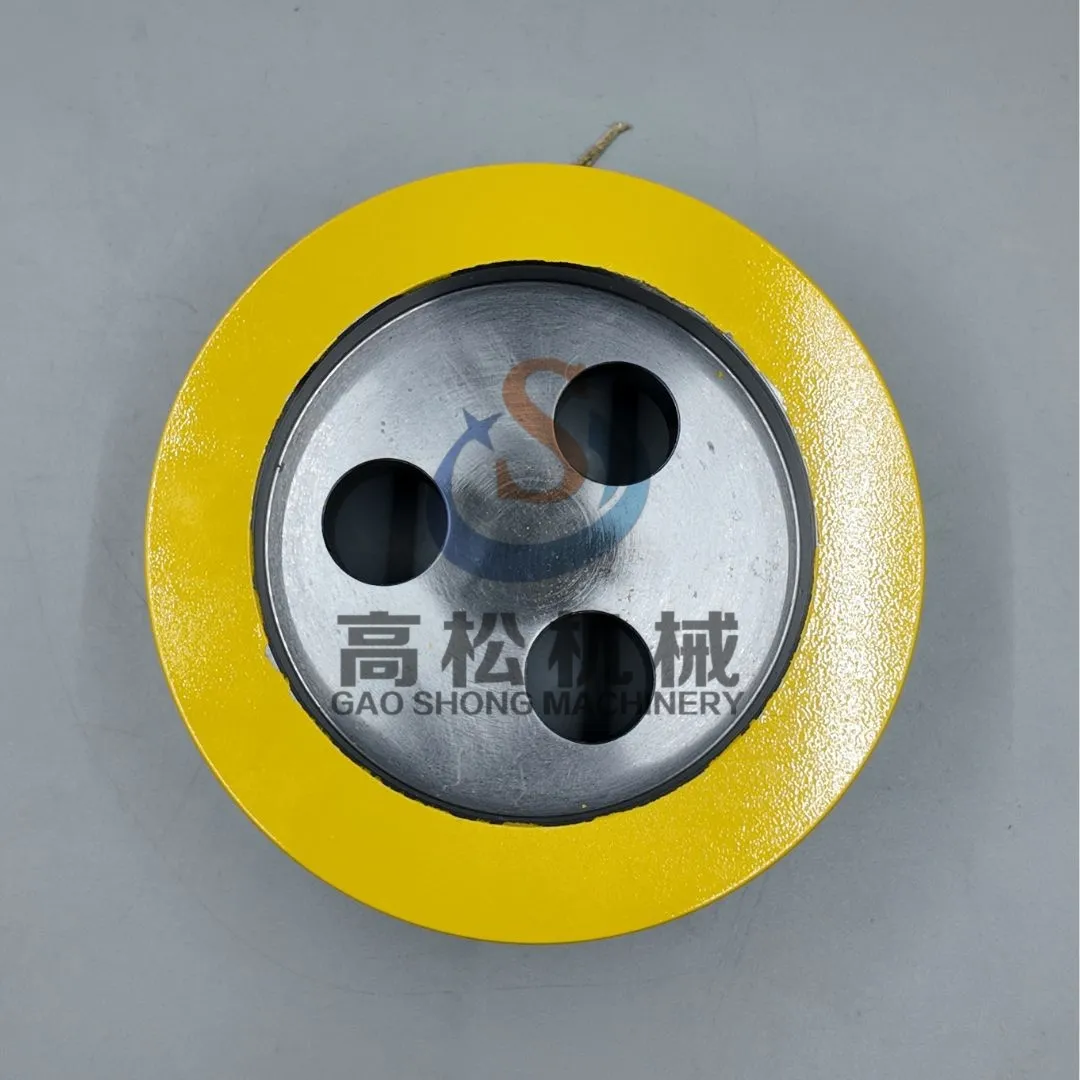 2A8-70-13570 Excavator Arm Bucket Link Cover for PC500-10
 -
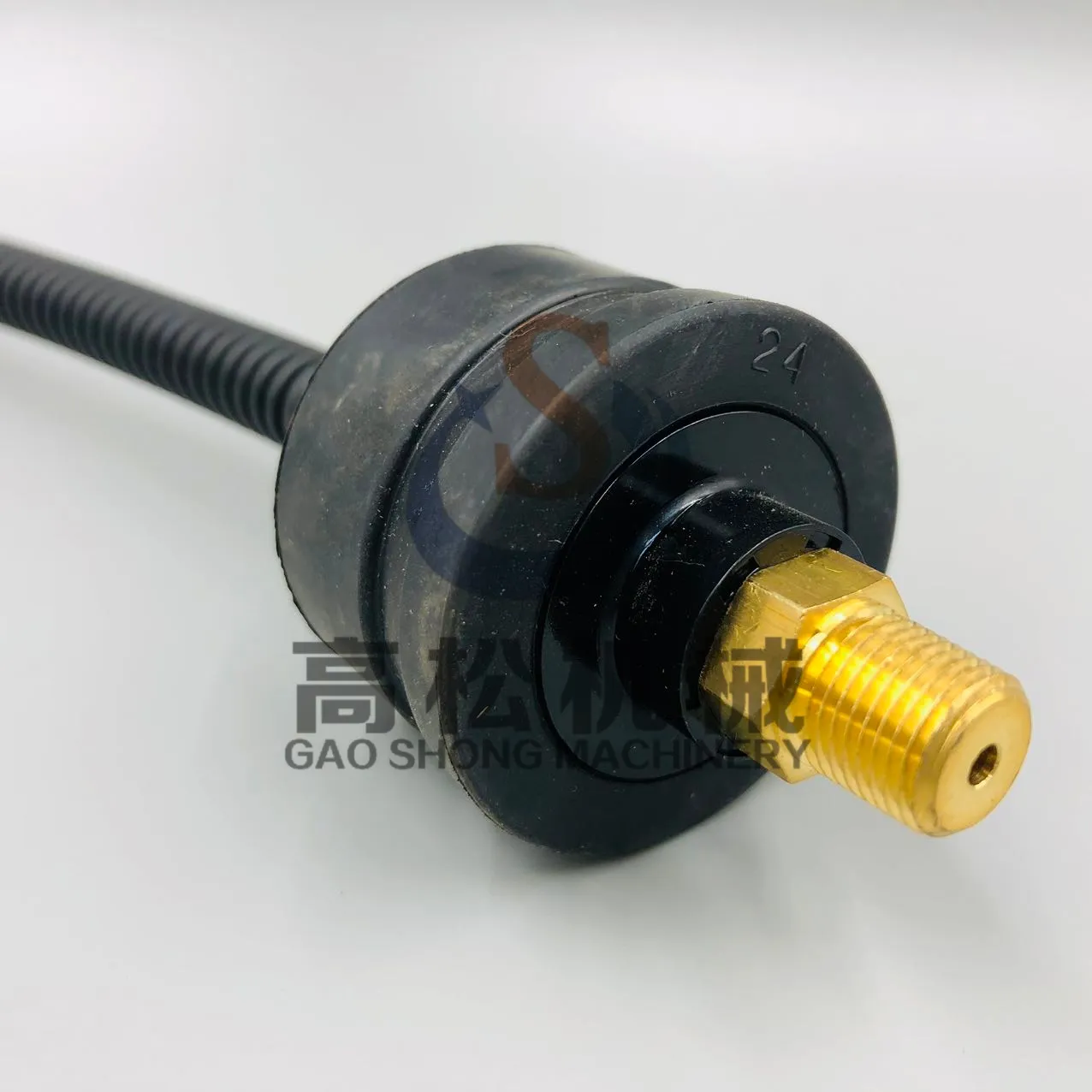 7861-93-1430Komatsu Sensor, Dust Indicator
 -
 14Y-21-13242 Chainsaw Drive Sprocket Kit Alloy Steel 7-Tooth for…
 -
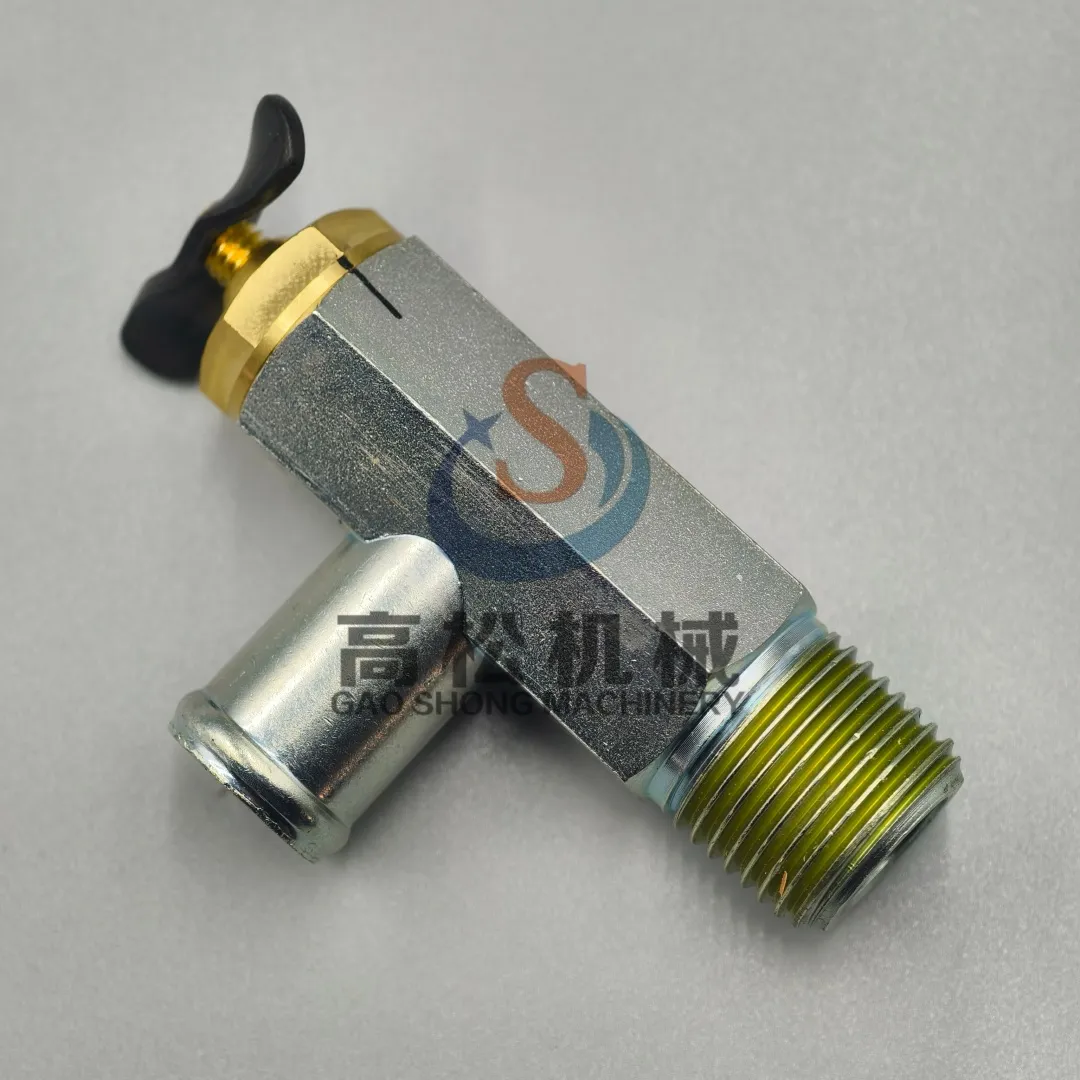 Spare part 09482-10000 VALVE,HOSE (Komatsu)
 -
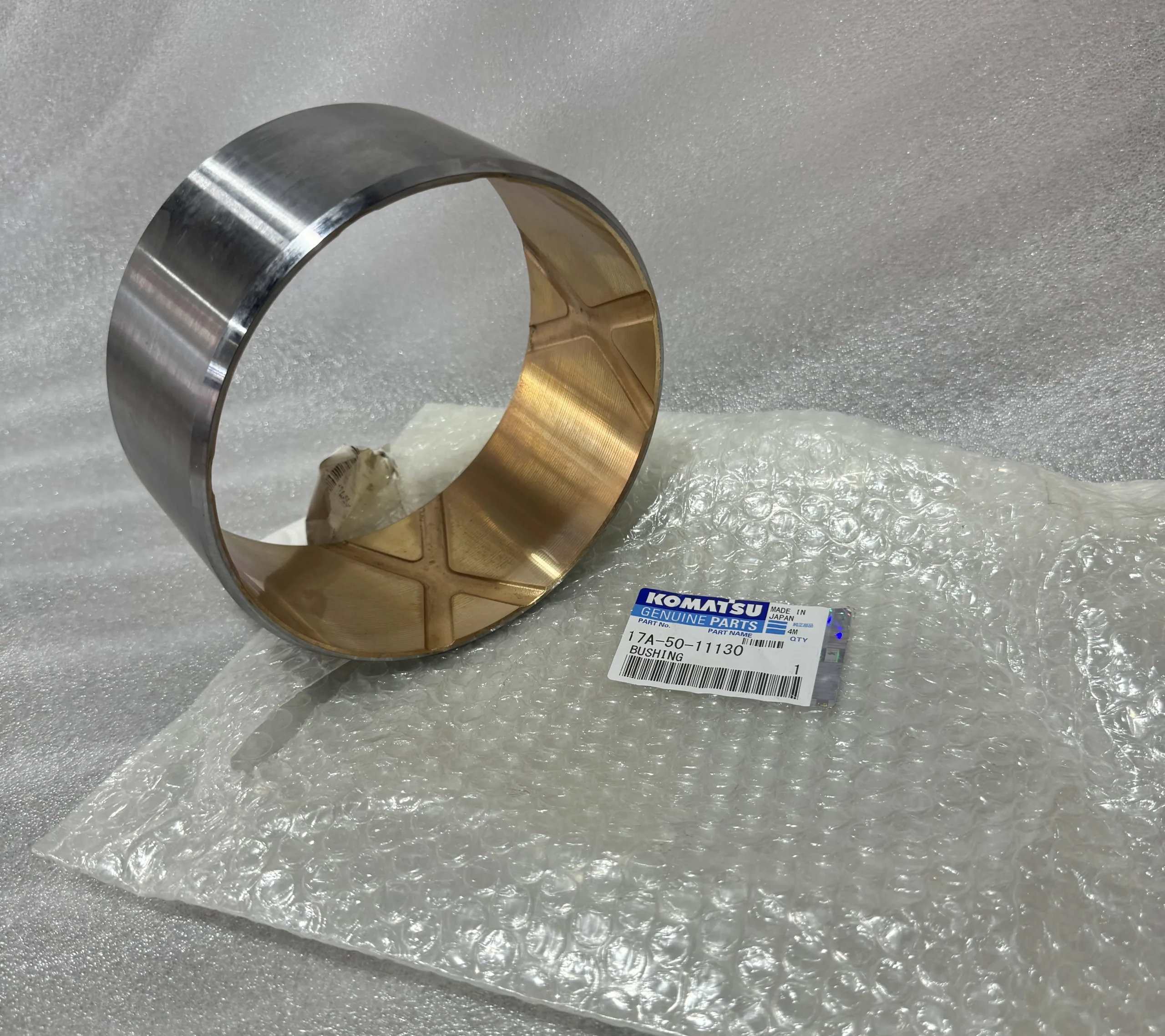 D155AX-3 Bushing 17A-50-11130
 -
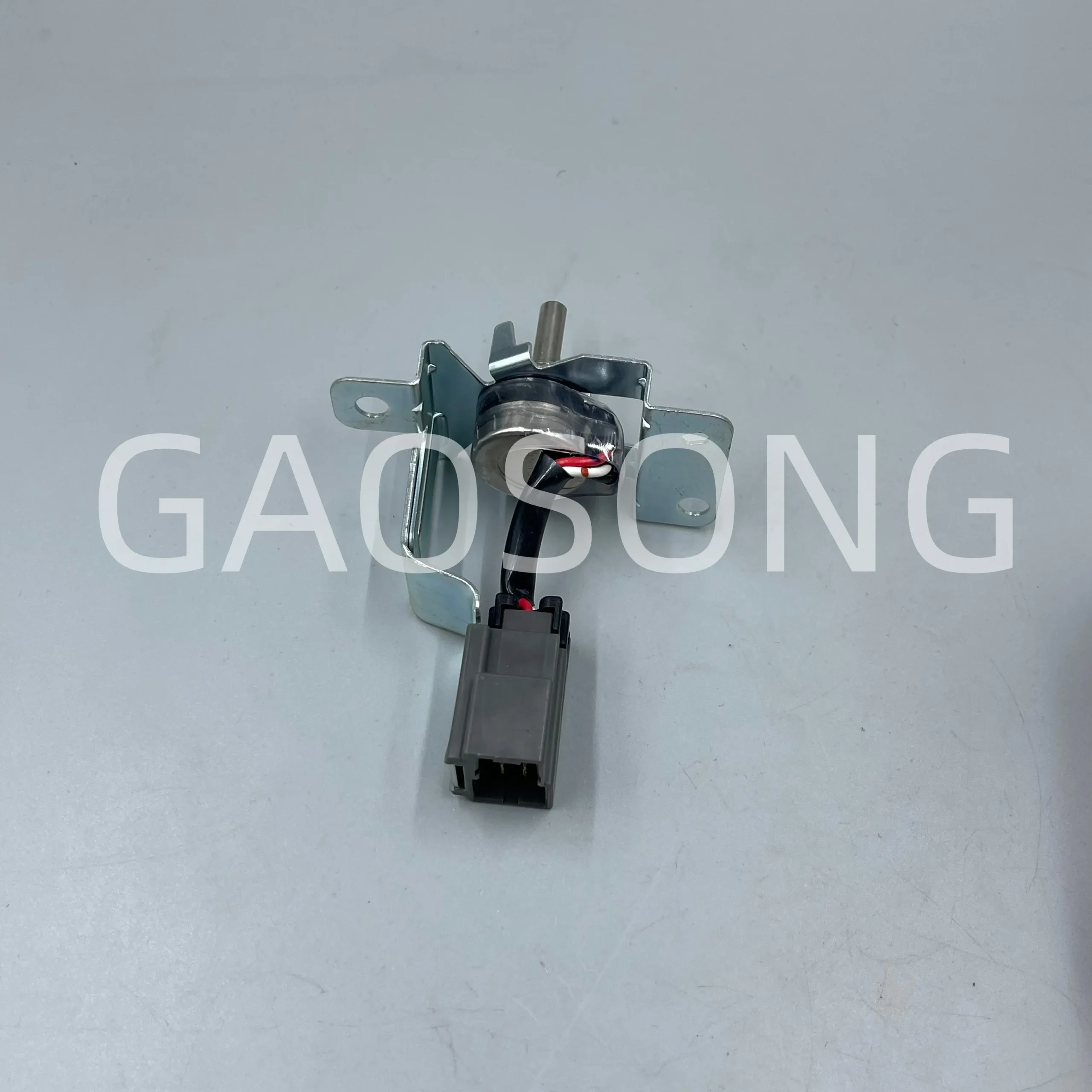 22U-06-22420 POTENIOMETER ASS’Y-Komatsu Original Factory
 -
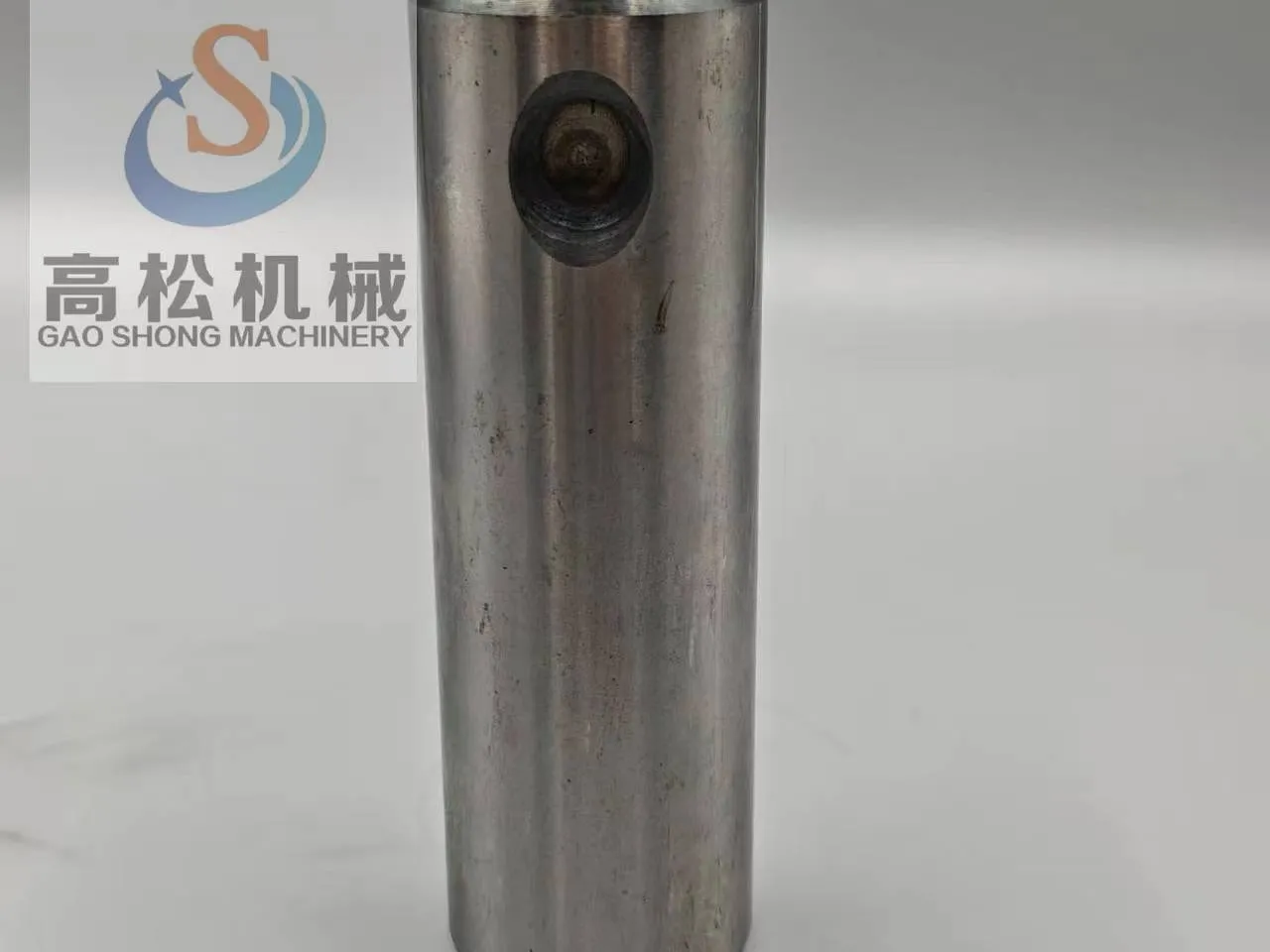 Komatsu Pin, 20Y-27-31160 Komatsu Sales, 20Y-27-31160
 -
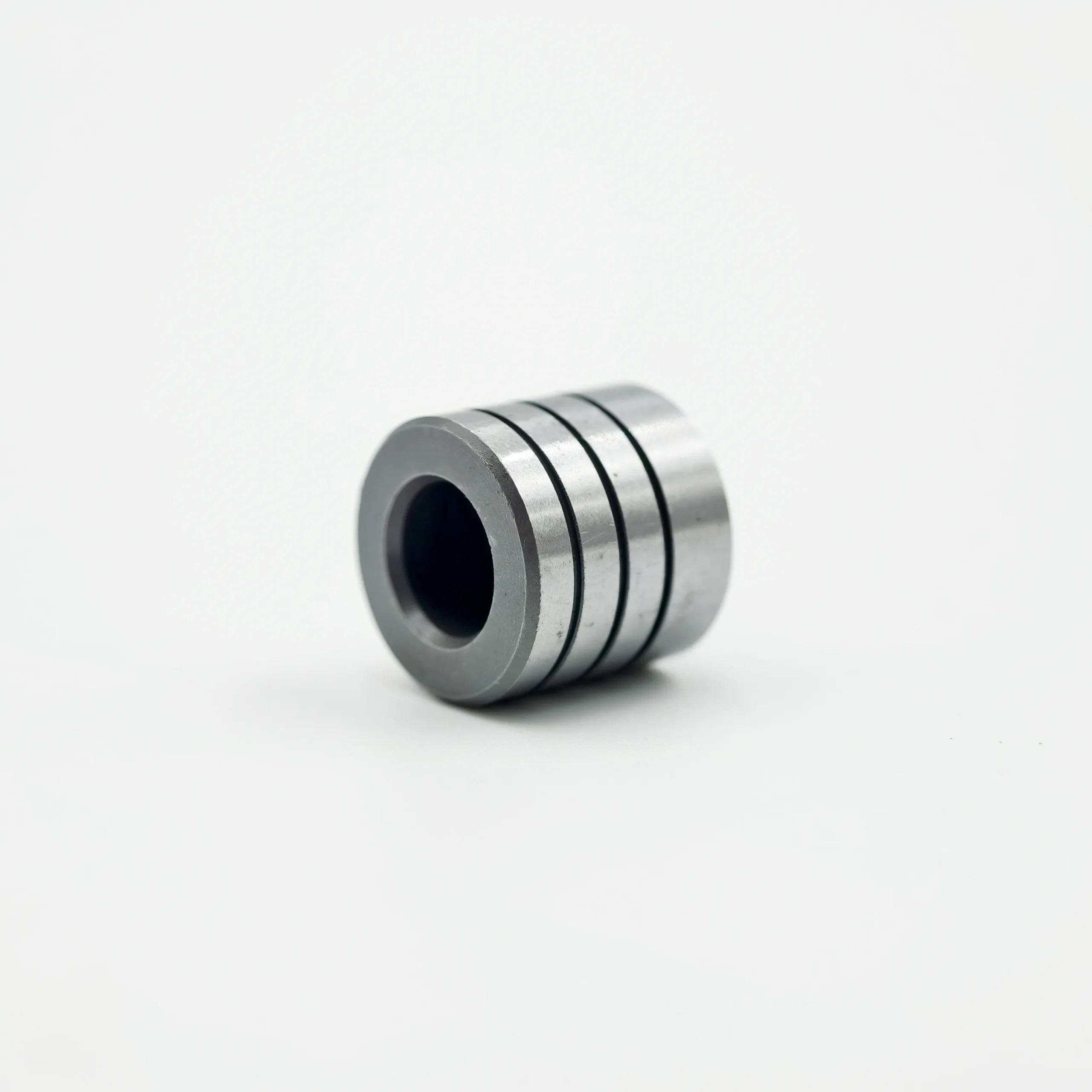 Valve 104-15-25480 – KOMATSU
 -
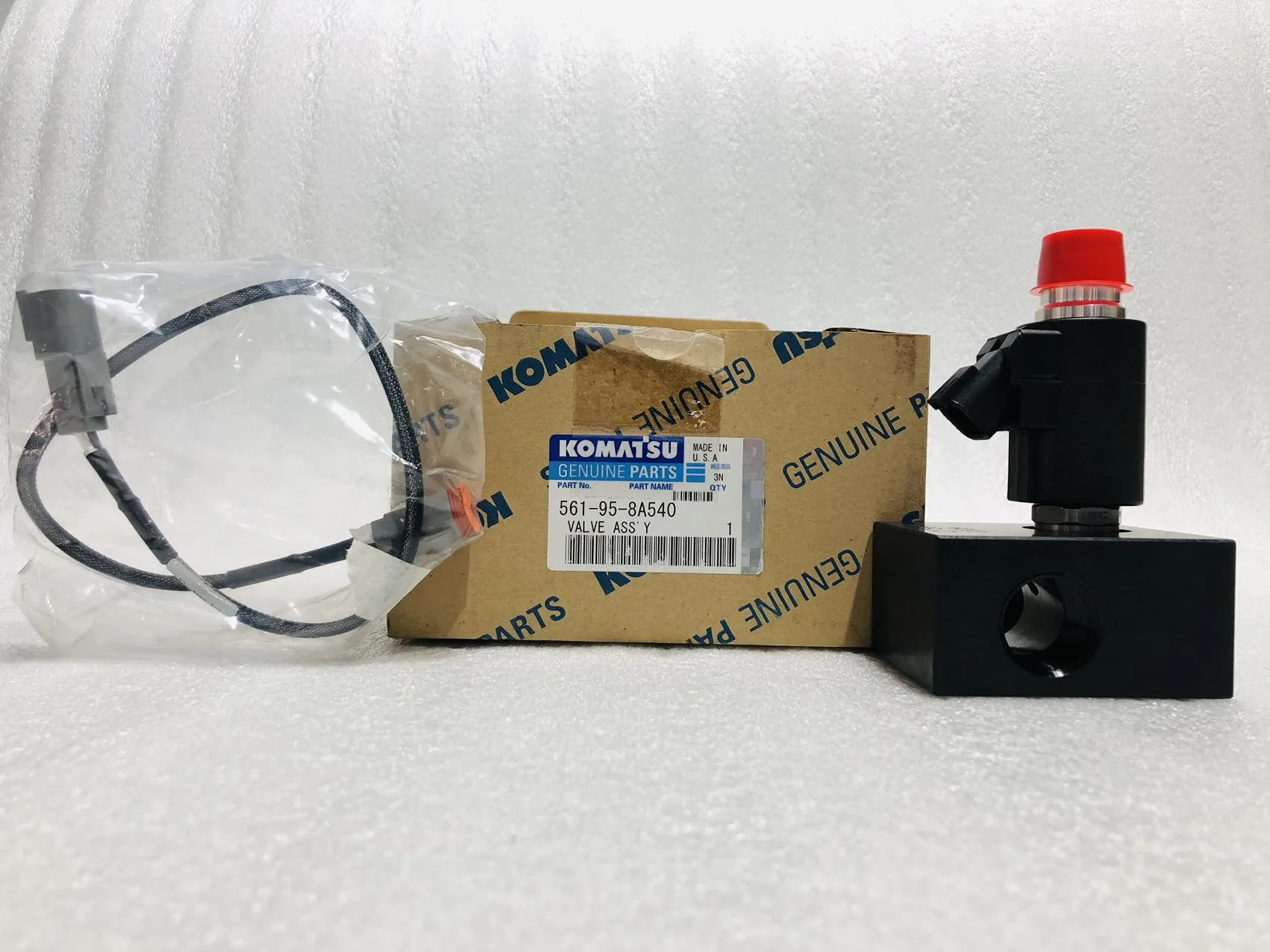 Komatsu 561-95-8A540 VALVE ASS’Y