
- Chinese
- French
- German
- Portuguese
- Spanish
- Russian
- Japanese
- Korean
- Arabic
- Irish
- Greek
- Turkish
- Italian
- Danish
- Romanian
- Indonesian
- Czech
- Afrikaans
- Swedish
- Polish
- Basque
- Catalan
- Esperanto
- Hindi
- Lao
- Albanian
- Amharic
- Armenian
- Azerbaijani
- Belarusian
- Bengali
- Bosnian
- Bulgarian
- Cebuano
- Chichewa
- Corsican
- Croatian
- Dutch
- Estonian
- Filipino
- Finnish
- Frisian
- Galician
- Georgian
- Gujarati
- Haitian
- Hausa
- Hawaiian
- Hebrew
- Hmong
- Hungarian
- Icelandic
- Igbo
- Javanese
- Kannada
- Kazakh
- Khmer
- Kurdish
- Kyrgyz
- Latin
- Latvian
- Lithuanian
- Luxembou..
- Macedonian
- Malagasy
- Malay
- Malayalam
- Maltese
- Maori
- Marathi
- Mongolian
- Burmese
- Nepali
- Norwegian
- Pashto
- Persian
- Punjabi
- Serbian
- Sesotho
- Sinhala
- Slovak
- Slovenian
- Somali
- Samoan
- Scots Gaelic
- Shona
- Sindhi
- Sundanese
- Swahili
- Tajik
- Tamil
- Telugu
- Thai
- Ukrainian
- Urdu
- Uzbek
- Vietnamese
- Welsh
- Xhosa
- Yiddish
- Yoruba
- Zulu
- Kinyarwanda
- Tatar
- Oriya
- Turkmen
- Uyghur





komatsu parts book v5 0
When you hear 'Komatsu Parts Book V5.0', the first thought is often just a digital catalog. That's the common mistake. In practice, it's more of a living system—a crucial reference that, if you know how to navigate its quirks, can cut hours off a job. The version 5.0 update wasn't just a facelift; it shifted how parts interdependencies are visualized, which changed the game for complex component sourcing. But here's the catch: relying solely on the official system isn't always feasible, especially in regions with supply chain gaps. That's where the reality of our work at Jining Gaosong Construction Machinery Co., Ltd. comes in. We operate as an OEM supplier within the Komatsu system and as a third-party solutions provider, and the Parts Book is our daily bread, but we've learned to use it as a starting point, not the final word.
The Practical Gaps in the Digital Catalog
Let's get specific. The Komatsu Parts Book V5.0 interface improved searchability, true. But on a Tuesday morning with a PC300-8 down, you're not just looking for a part number. You're cross-referencing serial number breaks, checking supersession histories, and often, the official system shows a part as 'available' with a lead time that's a business killer for our clients in certain countries. I've seen projects stall for weeks waiting for a single seal kit that the book listed as standard stock. This is the core challenge we address. Our role, detailed on our portal at https://www.takematsumachinery.com, is built on this: we are an OEM product supplier within the Komatsu system, and we are also a third-party sales company for Komatsu, helping to solve parts supply challenges in certain countries. The 'Parts Book' gives us the baseline technical truth; our network finds the practical path to get the part.
The visualization tools in V5.0 for hydraulic schematics are excellent. However, they assume you have the latest sub-assembly. In older machines—which are the majority in some emerging markets—a hydraulic valve might have been modified locally. The parts book diagram shows the OEM spec, but our field notes (literally scribbled on printed diagrams) tell us which bolt pattern actually fits the machine on site. This discrepancy isn't in any manual. It's the kind of knowledge that comes from being both an insider in the system and an independent solver.
One failed attempt early on was trying to use the Parts Book's BOM (Bill of Materials) export for automated inventory. It failed because the system's internal codes for 'alternate' or 'equivalent' parts aren't always mapped for third-party use. We spent weeks trying to align it with our logistics software before pivoting. Now, we use the Book for identification and validation, but our own database, built from thousands of transactions, handles cross-reference and availability. It's a hybrid approach that works.
Bridging the System with On-Ground Reality
A concrete case: a client needed a swing drive for a Dash-5 series excavator. The Komatsu Parts Book V5.0 listed a specific assembly number. Official channels quoted 12 weeks. By using the exploded view in the Book, we identified the primary wearing components—the planetary gear set and the main bearing. Instead of sourcing the monolithic assembly, we leveraged our OEM supplier status to procure the core internal components directly and sourced the housing from a trusted remanufacturer. The machine was running in 10 days. The Parts Book was essential for the teardown schematic and torque specs, but it didn't provide the solution. Our dual-position did.
This is the extended explanation. The Book is a technical bible, but it's not a logistics forecast. Its weakness is its assumption of a perfect, linear supply chain. Our entire company premise at Jining Gaosong is that this chain has fractures. We don't just sell parts; we interpret the gaps between the official system's map and the actual terrain. Sometimes the solution isn't even a Komatsu-branded part, but a certified alternative that meets the spec—a move that pure OEM dealers often can't or won't make.
You also encounter language and unit of measure issues. The V5.0 software is standardized, but a mechanic in the field might be using a pirated PDF with mistranslated notes. We've had to become translators ourselves, reconciling what the official Book says with what the local workshop calls a component. It's messy, unglamorous work that never appears in a software feature list.
The Nuance of OEM Within the System
Our identity as an OEM product supplier within the Komatsu system is critical. It means we have access to the genuine parts streams and technical updates that feed into the Parts Book V5.0 ecosystem. We see the bulletins about part number changes or material upgrades that might take months to filter into common knowledge. This allows us to warn a client, The seal you ordered last year has a new design; the old one will leak. It's a proactive layer on top of the reactive catalog.
However, being a third-party sales company is what makes us useful. It grants the flexibility. When the official system shows a backorder, we aren't limited to a single warehouse. We can look across our network, which includes other OEM-compatible manufacturers, to find a functional match. This isn't about selling counterfeit parts; it's about solving the availability equation with all legitimate variables. The Parts Book remains the quality benchmark for dimensions and tolerances we must meet.
I recall a situation with a D65 dozer final drive. The V5.0 catalog listed a specific bearing. Our Komatsu OEM portal confirmed it was discontinued with a new part number. Yet, the new number was also unavailable locally. By understanding the bearing's specs from the Book, we could match it to an ISO-standard equivalent from another quality manufacturer, verifying the fit through the Book's detailed housing diagram. The machine didn't care about the brand on the bearing, only the precision. The Book enabled that verification.
Version 5.0's Real Advantages and Hidden Costs
The jump to V5.0 brought better integration of service bulletins directly into part views. This is huge. Before, you'd look up a pump, then separately search for bulletins. Now, a warning icon might pop up, indicating a known failure mode for that specific serial range. This has prevented misdiagnoses. But it requires a licensed, updated installation. Many smaller shops run outdated versions or cracked copies, missing these critical links. They're using the shell of the tool without its nervous system.
Another detail: the software's hardware requirements. It runs poorly on older site office computers. We've had to advise clients to allocate a dedicated machine just for the parts book software to avoid crashes mid-lookup. It's an impracticality that isn't discussed in the sales brochure. Sometimes, the fastest solution is still a grainy, annotated screenshot of the relevant diagram sent over WhatsApp to a mechanic—a low-tech wrapper around a high-tech tool.
The search function is powerful but literal. If you don't know Komatsu's precise naming convention, you can miss a part. We've built our own internal keyword thesaurus over time. For example, a client might ask for a track tensioner cylinder. The Book might list it under Hydraulic Cylinder, Track Adjuster. If you don't know to search for adjuster, you hit a dead end. This operational knowledge is the grease that makes the digital tool turn smoothly.
Conclusion: The Book is a Compass, Not the Vehicle
So, what's the final take? The Komatsu Parts Book V5.0 is an indispensable, authoritative reference. Its accuracy is non-negotiable for correct part identification. But treating it as a complete supply solution is where operations stall. Its true value is unlocked when paired with flexible, on-the-ground expertise that understands both the system's rigor and its real-world limitations.
Our experience at Jining Gaosong Construction Machinery crystallizes this. Our website, https://www.takematsumachinery.com, isn't just a storefront; it's a front-end for this complex bridging operation. We use the Parts Book's technical authority to ensure correctness, then apply our dual-channel capability to ensure delivery. The goal is never to bypass the system, but to complete its circuit where the connection is weak.
In the end, the most important tool isn't the software itself. It's the experienced judgment to know when to follow its lead exactly, when to interpret its data creatively, and when to look beyond its database to keep a machine moving. That judgment comes from years of having the Book open in one window, a logistics tracker in another, and a phone to a frustrated site manager on your ear. That's the unsanitized, practical truth of it.
Related Products
Related Products
Best Selling Products
Best Selling Products-
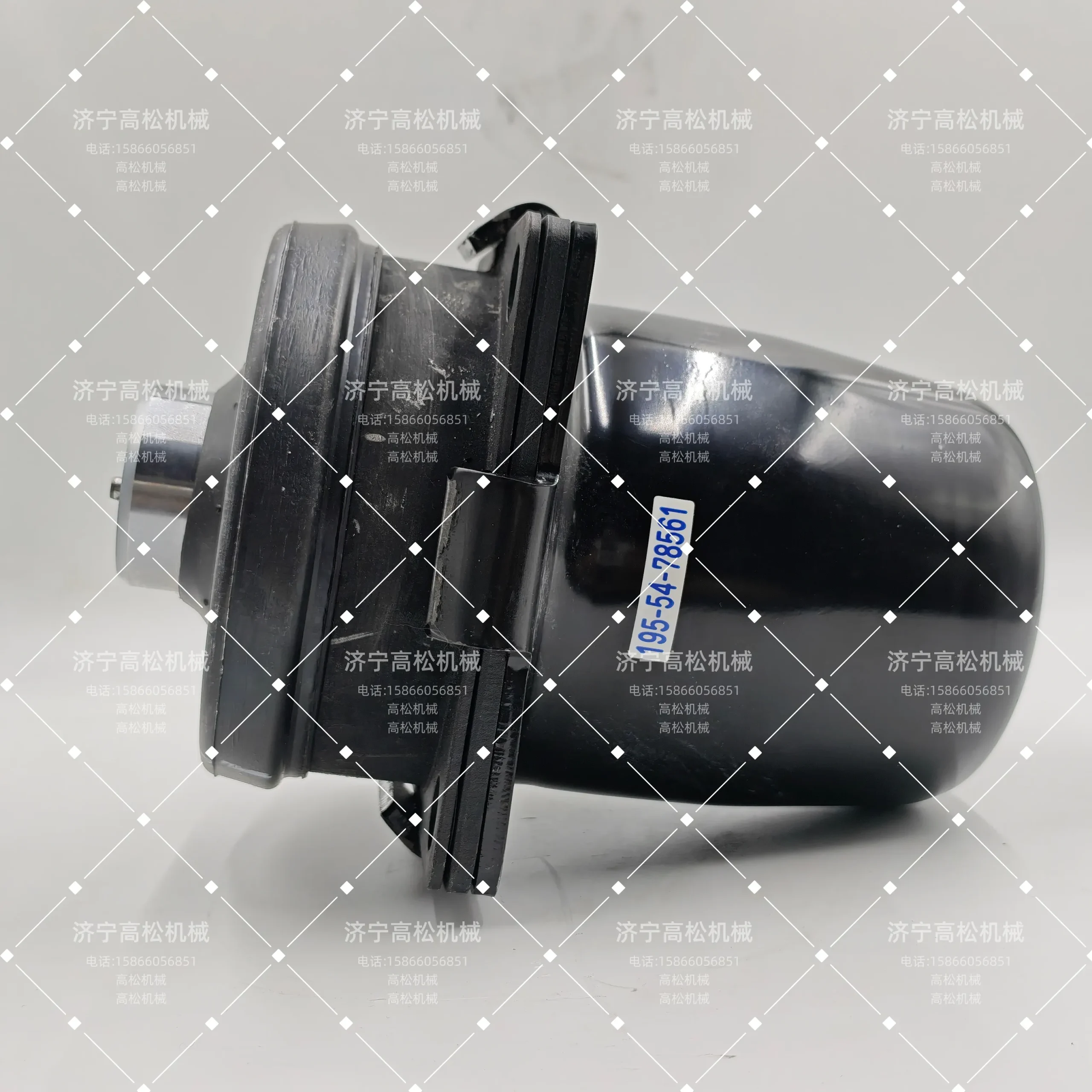 Komatsu Shock Absorbers 195-54-78412 195-54-78561 for D375A-6
 -
 195-49-75280 Komatsu O-ring
 -
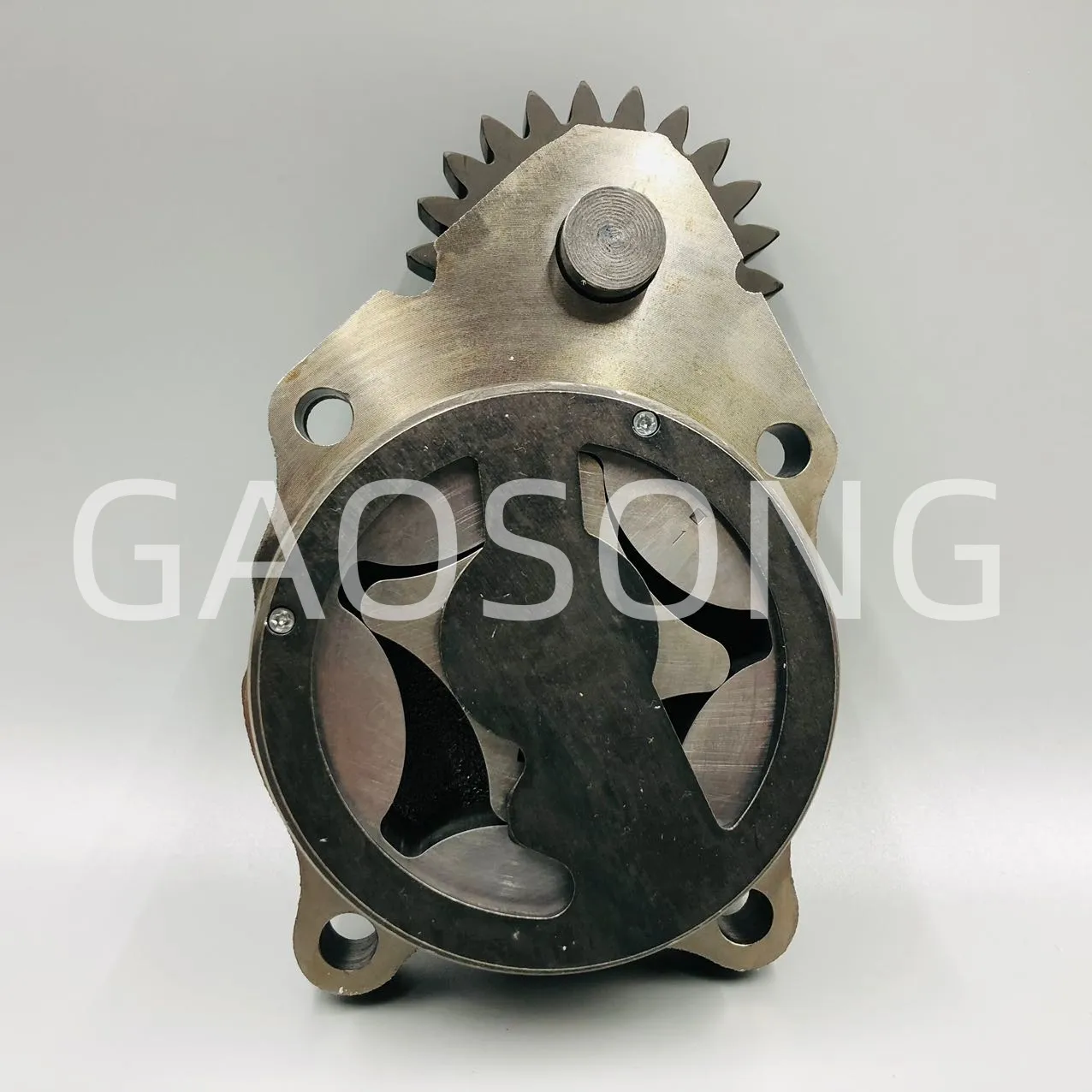 6754-51-1111 Pump Assembly, Oil-Komatsu Original Factory
 -
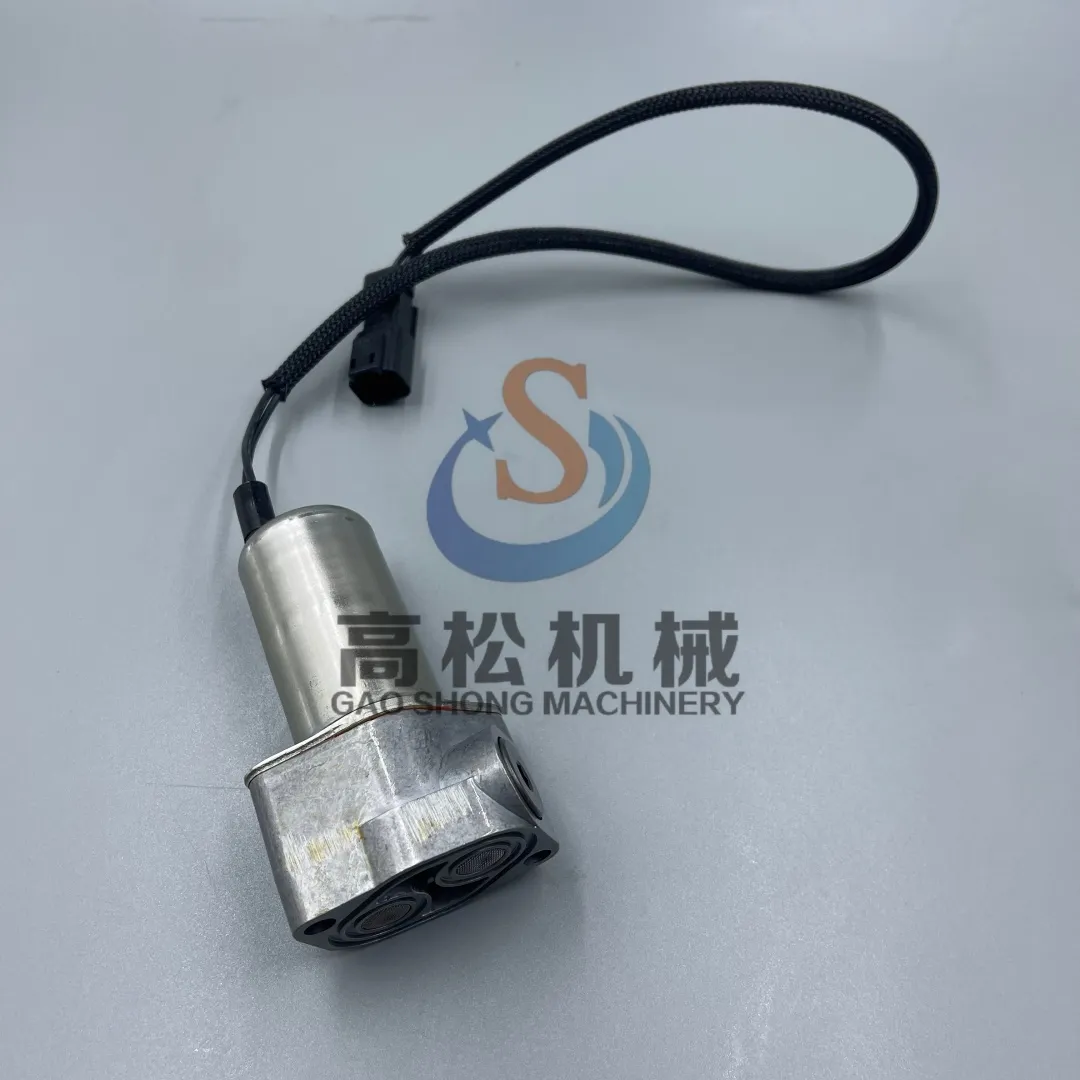 702-21-07620 Solenoid Valve for Komatsu PC450-8 PC300-8 PC350-8 7022107620
 -
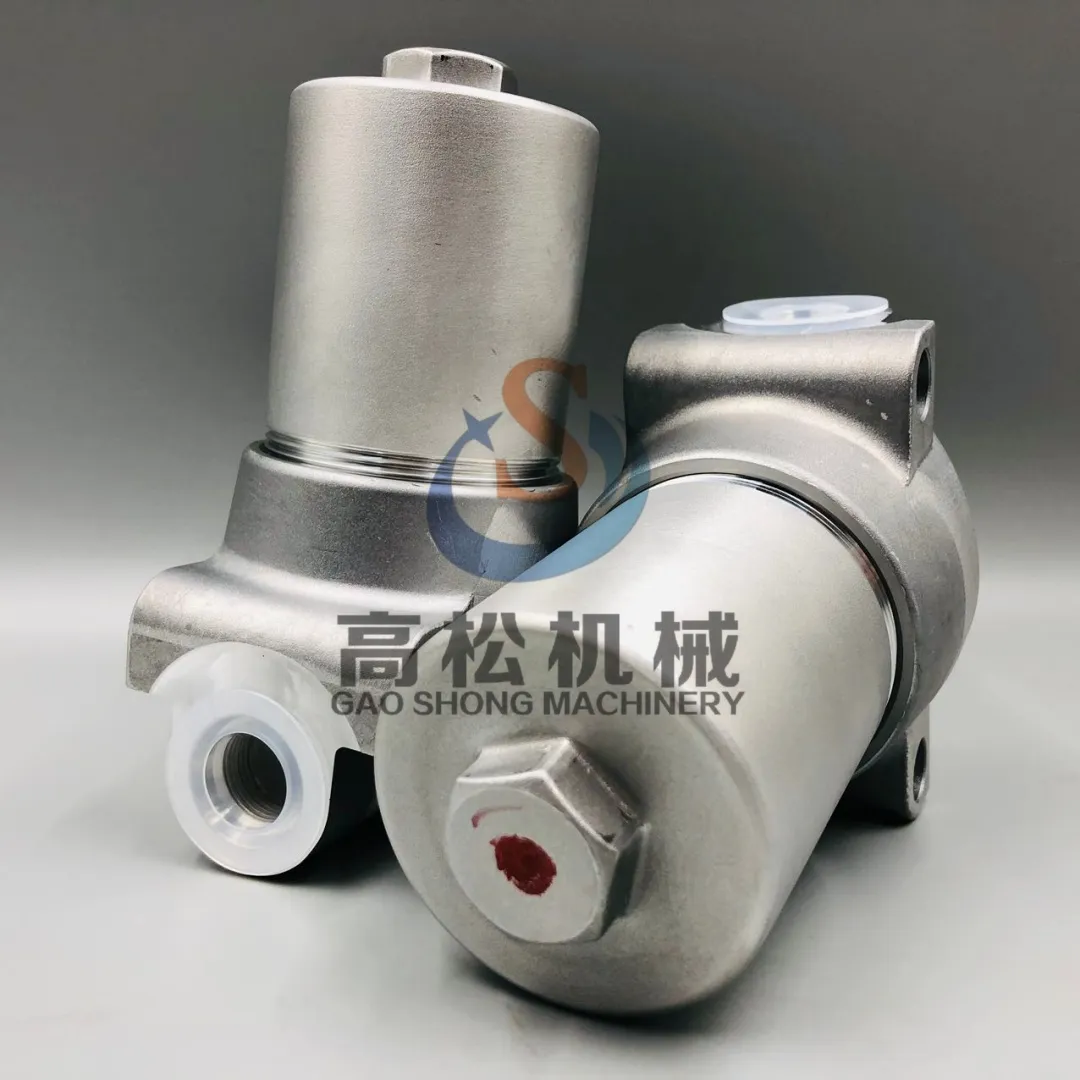 20Y-62-51681Komatsu Filter 20Y-62-51681 for Crawler excavator PC210LC-8
 -
 Seal Ring 195-15-39220 1951539220 For Komatsu Wheel Loaders WA500-6 WA700-1 Komatsu Dump Trucks HD985-5 HD785-7
 -
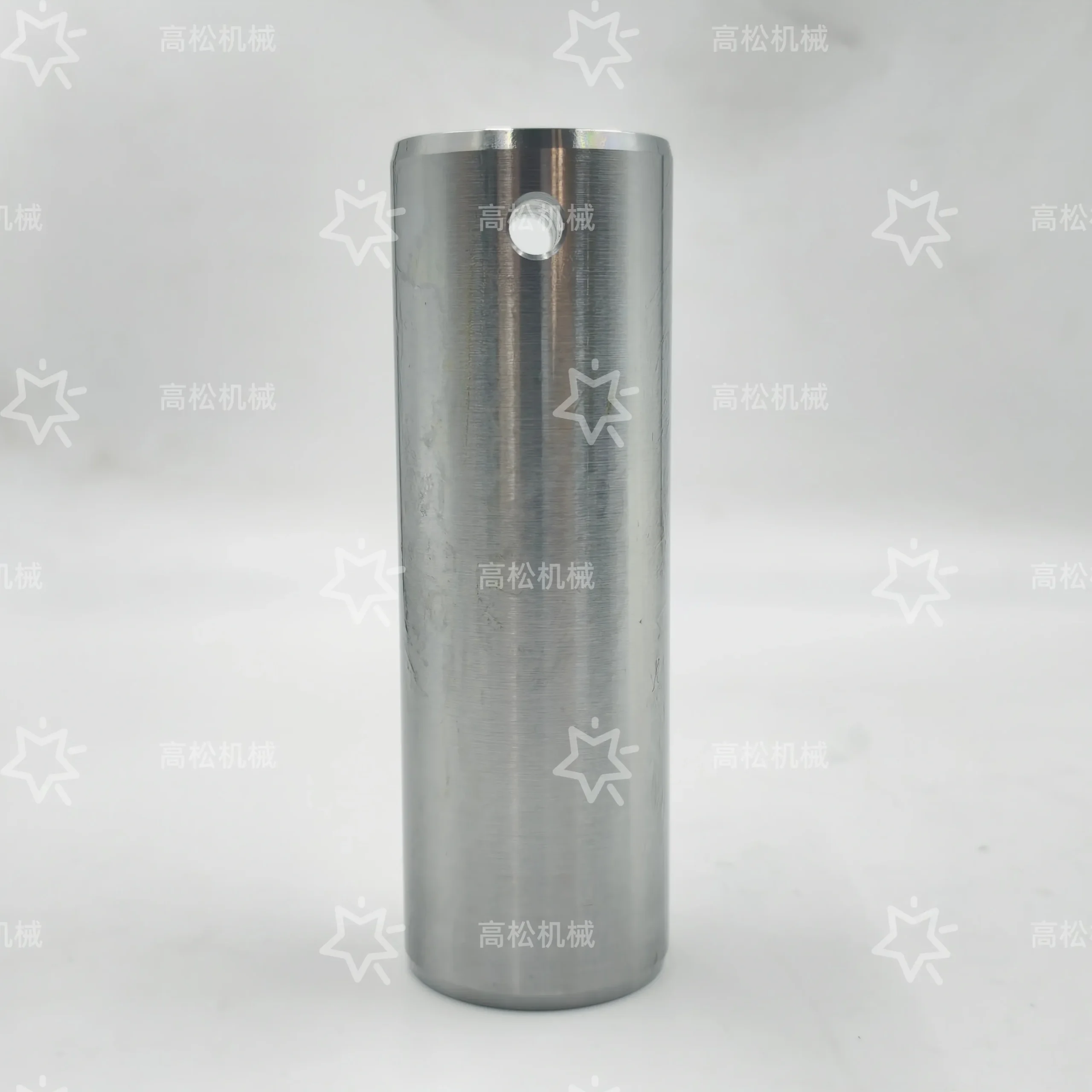 Komatsu Pin 421-22-32511 for Wheel loader WA470-6
 -
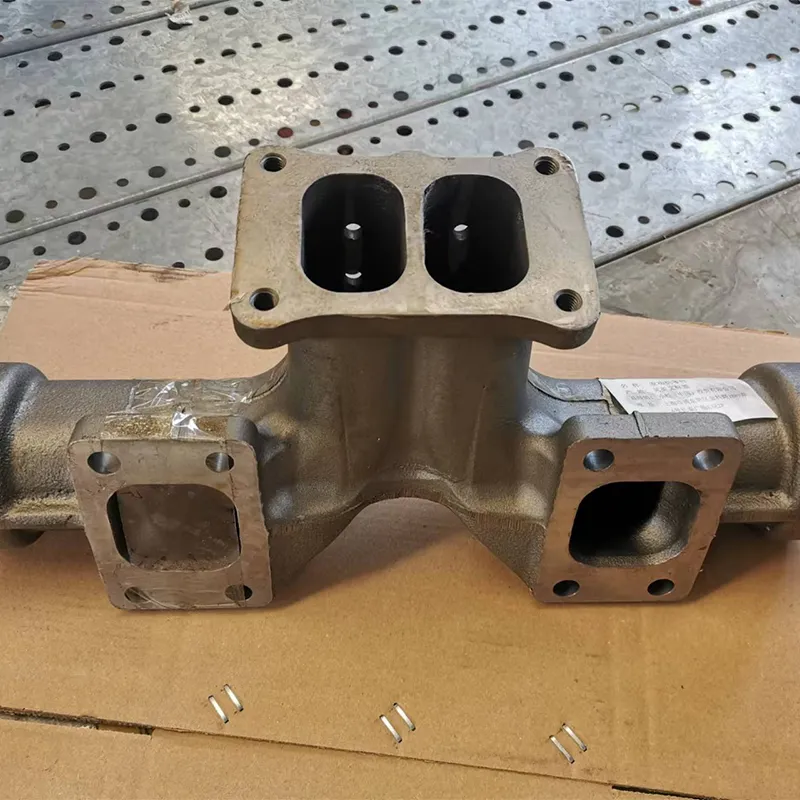 Original komatsu 6215-11-5182 HD785-7 Exhaust Manifold
 -
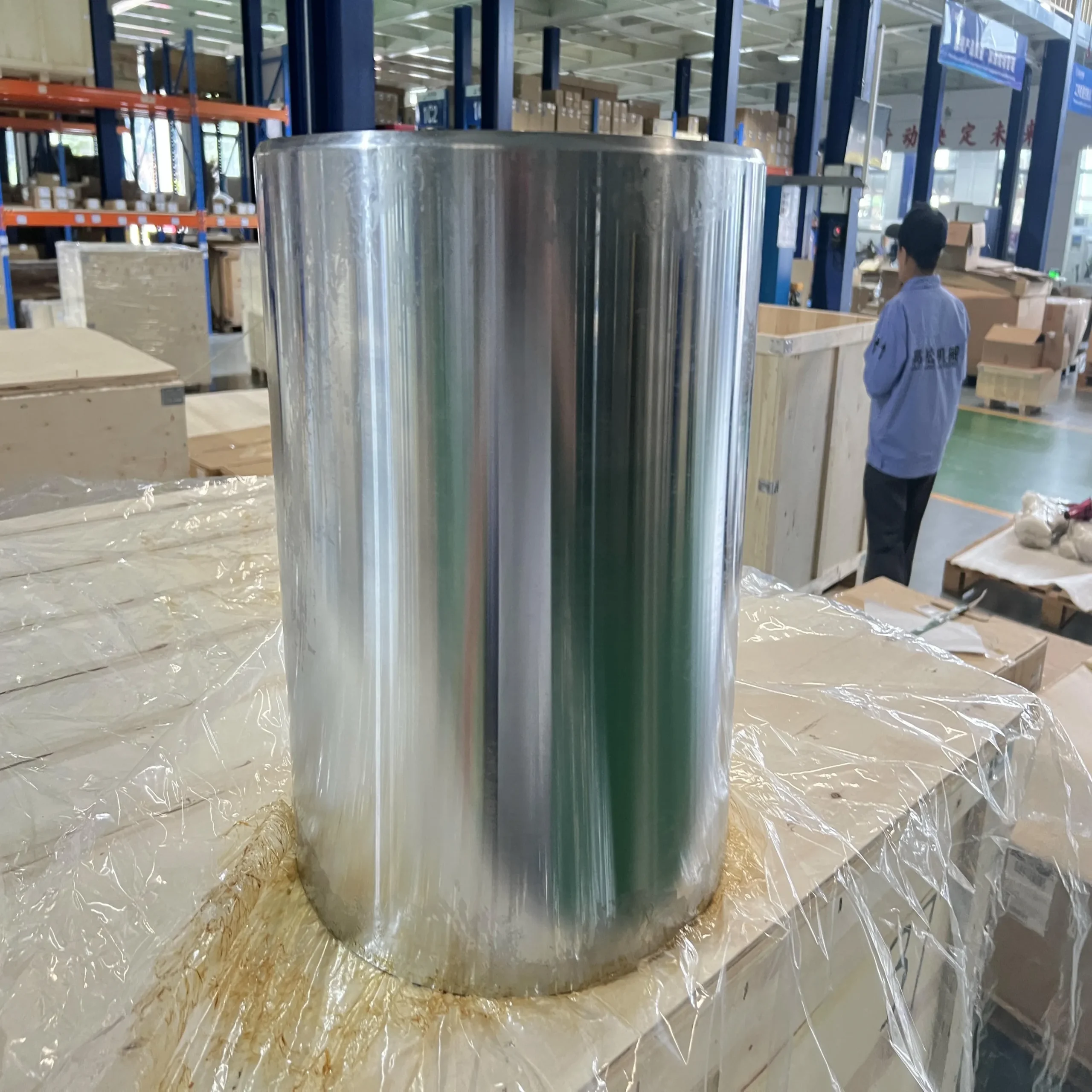 Komatsu D275-2/-5 17M-30-26620 Heavy Duty Swing Motors
 -
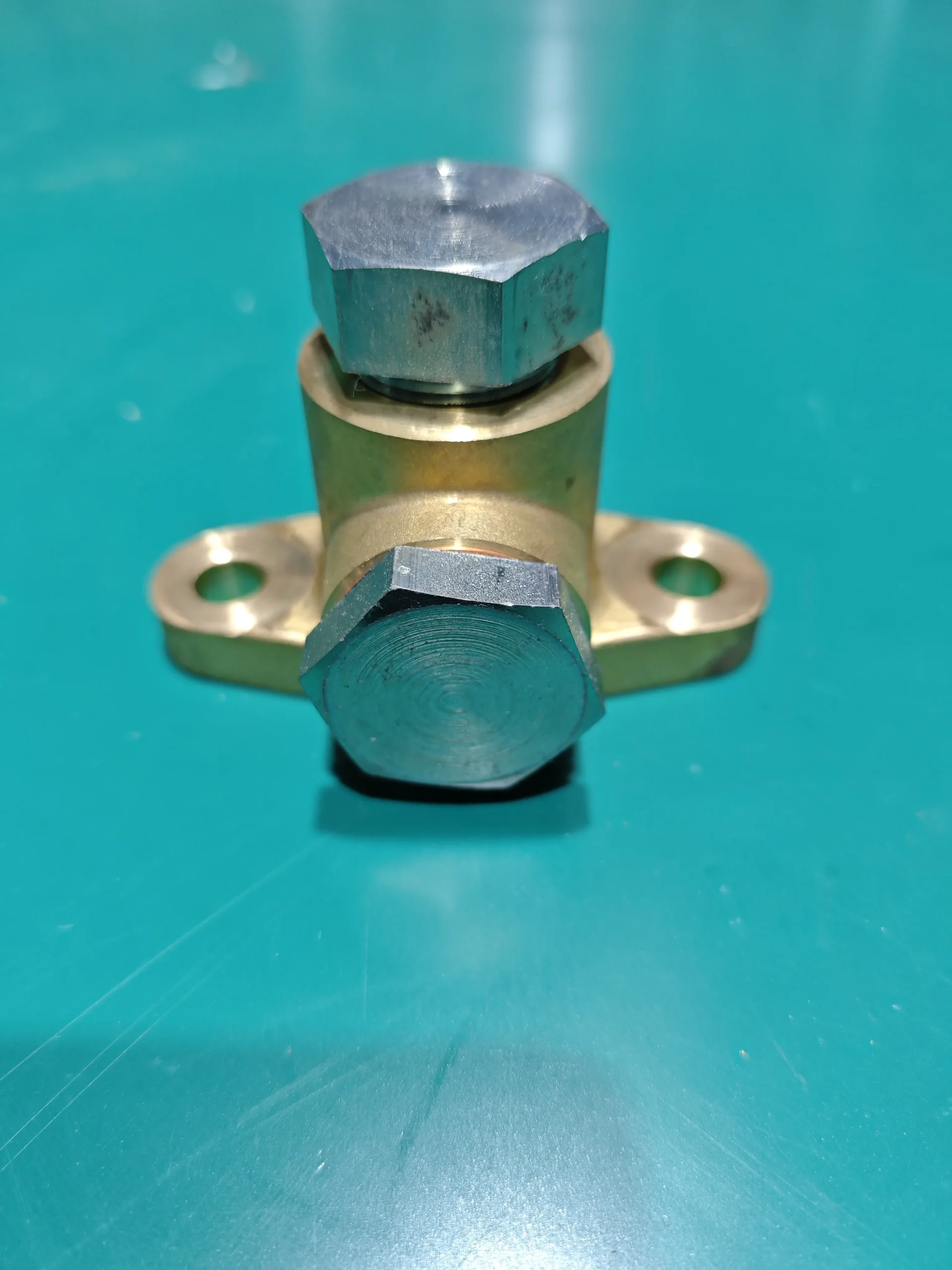 6693-22-5600 VALVE ASS’Y,OIL PAN DRAIN (Komatsu)
 -
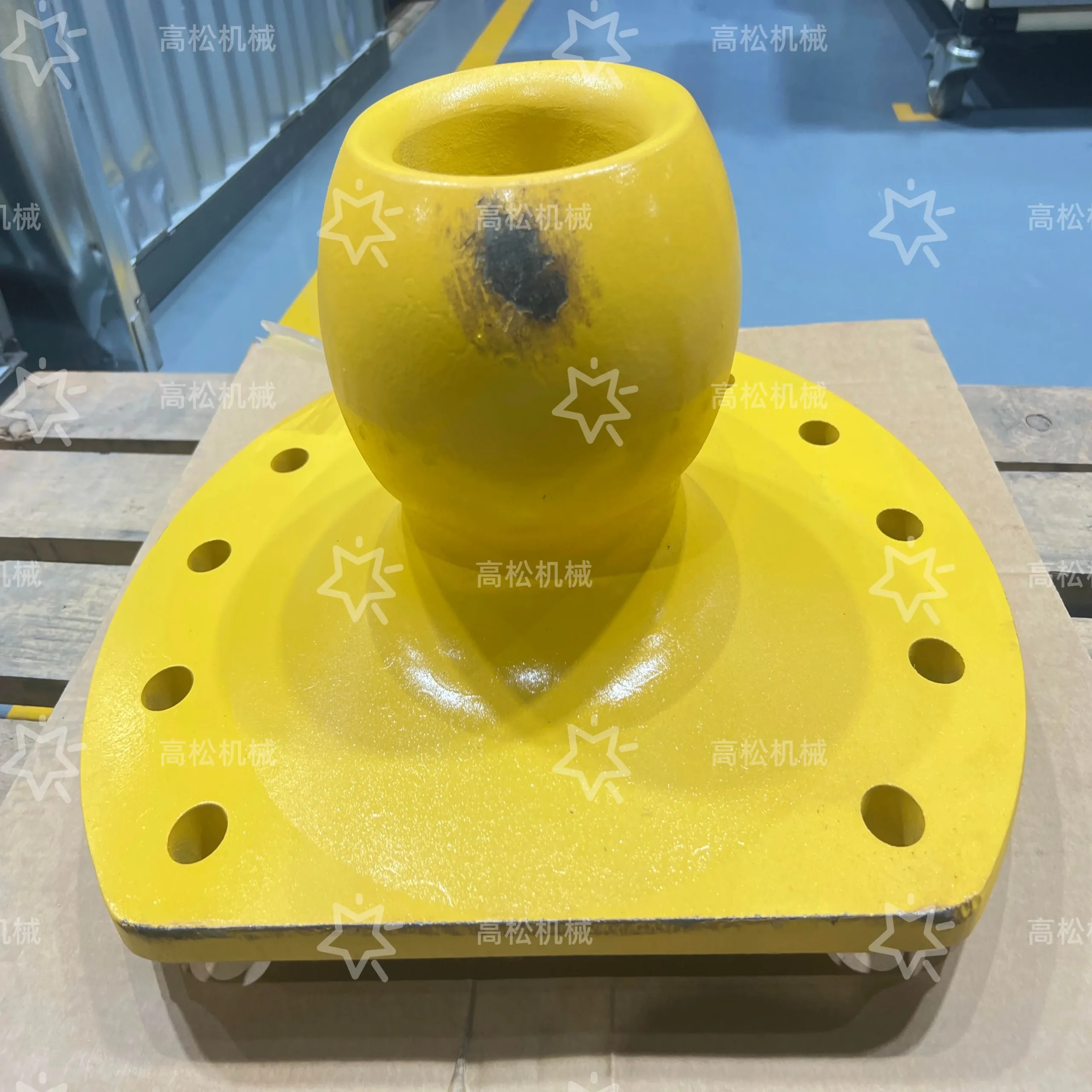 195-71-51191Trunnion 195-71-51191 for Bulldozer D375A-1/3/5/6
 -
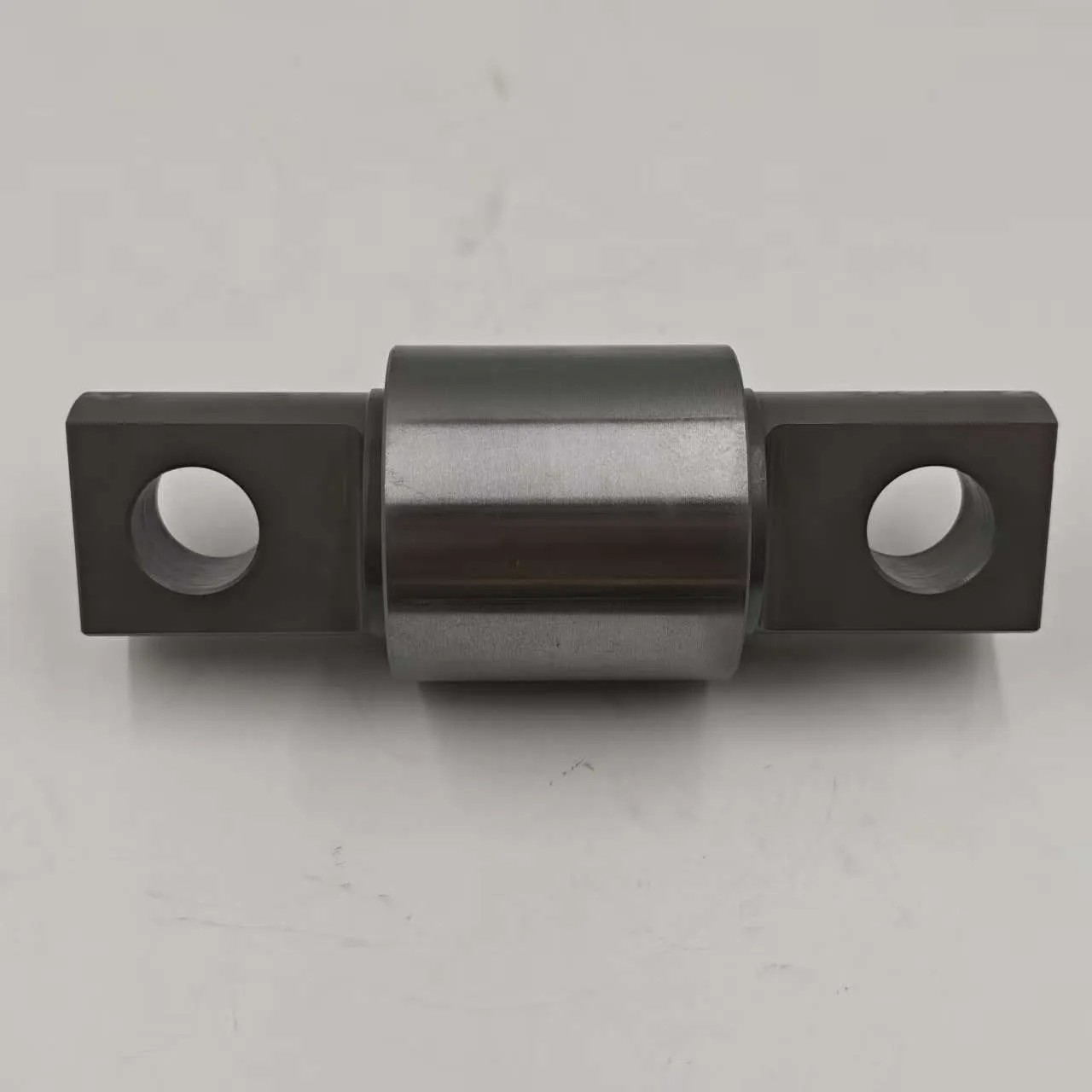 CUSHION 56B-16-11211 ORIGINAL (56B1611211) – Neopart…
Related Search
Related Search- Komatsu loader spare parts
- OEM AND ORIGINAL KOMATSU WIRING HARNESS 21N-06-41132
- 6245-71-5461
- OEM AND ORIGINAL KOMATSU BEARING 421-20-15123
- Komatsu OEM engine components
- OEM AND ORIGINAL KOMATSU WIRING HARNESS 569-44-85411
- komatsu pc300 hydraulic pump
- OEM AND ORIGINAL KOMATSU GEAR 209-38-73140
- OEM AND ORIGINAL KOMATSU RING 561-30-91120
- komatsu pc150 parts