
- Chinese
- French
- German
- Portuguese
- Spanish
- Russian
- Japanese
- Korean
- Arabic
- Irish
- Greek
- Turkish
- Italian
- Danish
- Romanian
- Indonesian
- Czech
- Afrikaans
- Swedish
- Polish
- Basque
- Catalan
- Esperanto
- Hindi
- Lao
- Albanian
- Amharic
- Armenian
- Azerbaijani
- Belarusian
- Bengali
- Bosnian
- Bulgarian
- Cebuano
- Chichewa
- Corsican
- Croatian
- Dutch
- Estonian
- Filipino
- Finnish
- Frisian
- Galician
- Georgian
- Gujarati
- Haitian
- Hausa
- Hawaiian
- Hebrew
- Hmong
- Hungarian
- Icelandic
- Igbo
- Javanese
- Kannada
- Kazakh
- Khmer
- Kurdish
- Kyrgyz
- Latin
- Latvian
- Lithuanian
- Luxembou..
- Macedonian
- Malagasy
- Malay
- Malayalam
- Maltese
- Maori
- Marathi
- Mongolian
- Burmese
- Nepali
- Norwegian
- Pashto
- Persian
- Punjabi
- Serbian
- Sesotho
- Sinhala
- Slovak
- Slovenian
- Somali
- Samoan
- Scots Gaelic
- Shona
- Sindhi
- Sundanese
- Swahili
- Tajik
- Tamil
- Telugu
- Thai
- Ukrainian
- Urdu
- Uzbek
- Vietnamese
- Welsh
- Xhosa
- Yiddish
- Yoruba
- Zulu
- Kinyarwanda
- Tatar
- Oriya
- Turkmen
- Uyghur






komatsu parts book online free
You type 'komatsu parts book online free' into a search bar, and you're hit with a wave of results. Some look promising, others scream 'trap'. The immediate assumption is that Komatsu would host these official documents for free, right? That's the first common pitfall. In my years dealing with parts procurement, especially for older or less common models, I've found that the genuine, official Komatsu parts catalogs are rarely just sitting out there for a free PDF download from the manufacturer's main site. They're proprietary, tied into their dealer systems. What you often find are third-party sites, some legitimate, many not, offering scans or partial lists. The real challenge isn't just finding a file; it's verifying its accuracy against a specific machine serial number. A wrong part number from an outdated book can cost weeks in downtime.
The Reality Behind Free Parts Documentation
Let's get real about what 'free' means here. When a site offers a komatsu parts book online free, it's usually one of three things: an archived scan of a very old, possibly obsolete manual; a teaser document with only a few pages to get you to contact them; or, in the worst cases, a vector for malware. I learned this the hard way early on. Needing a hydraulic schematic for a PC200-6, I downloaded a 'complete' book from a forum link. Not only was the diagram blurry and unreadable, but the part numbers didn't match Komatsu's current system. The machine was down for two extra days while we cross-referenced everything. That's the hidden cost of 'free'.
The professional workaround, which isn't widely advertised, involves leveraging the networks of OEM suppliers and authorized third-party distributors. They have access to the updated systems. For instance, in my dealings, a company like Jining Gaosong Construction Machinery Co., Ltd. operates in a unique space. They're an OEM product supplier within the Komatsu system, which means they have the technical data and diagrams. Their site, https://www.takematsumachinery.com, isn't necessarily where you'll click and download a free book. Instead, it's a portal. You reach out with your machine model and serial, and they can pull the exact pages or diagrams you need from their internal system. This solves the accuracy problem. Their role in helping to solve parts supply challenges in certain countries directly ties into this—they bridge the information gap where local dealers might not have resources for legacy equipment.
So, the actionable insight is this: treat the search for a komatsu parts book as a search for a reliable human resource, not just a PDF. The book itself is a tool, but the validation and cross-referencing service that a knowledgeable supplier provides is what you're actually after. This shifts the goal from 'find free file' to 'find credible source'.
Practical Workflows and Supplier Dynamics
Here's a typical scenario. A D65EX-12 bulldozer needs a track roller assembly. The local dealer is quoting a long lead time. The online search begins. Instead of just hunting for the book, I go to a known entity like Takematsu Machinery's site. I don't expect a public library. I look for their contact or parts inquiry form. The query isn't send me the parts book. It's I need the part number and availability for the track roller group for serial number XXXXX. This prompts them to use their internal parts book system to get the correct number. Often, they'll send a cropped, clear screenshot of the relevant diagram with the numbers circled. That's more valuable than a 500-page PDF you have to decipher yourself.
This process highlights the difference between a parts seller and a technical partner. Many third-party sellers just have inventory lists. A company embedded in the Komatsu ecosystem, as Gaosong notes, understands the documentation hierarchy—the difference between a shop manual, a parts book, and a service bulletin. They know that for certain countries, the same machine might have region-specific variants, and the book must reflect that. I've had situations where a part number from a generic online book was superseded three times; a supplier with live system access caught that immediately.
The failure mode in this workflow is assuming all information online is equally current. Komatsu updates its parts systems constantly. A book from 2015 might list a component that's now an assembly kit. You order the old part number, and you get nothing, or worse, the wrong thing. The supplier's role is to be that filter. Their business model isn't to hoard books; it's to provide accurate parts solutions, and the correct technical data is the first step in that service.
Beyond the Book: Sourcing and Verification
Once you have a part number, the next hurdle is sourcing. This is where the komatsu parts chase gets real. Having a number from a book, even a verified one, doesn't guarantee the part exists in a warehouse near you. This is the other half of the challenge that companies focusing on supply solutions address. They use the same technical data to locate not just the part, but its alternatives, equivalents, or stock locations globally.
For example, you get the correct number for a pump coupler. The official channel says 8-week backorder. A supplier with a broad network might identify an OEM-equivalent part they supply or find stock in another region. The parts book was the key that unlocked the door, but you need someone who knows the building's layout to get you to the right room. The integration of documentation access and logistics is what makes a source truly valuable.
I recall a job in a remote location where we needed a valve block for an old PC300. We had a scanned parts book, but the diagram was poor. We sent the blurry image to our contact at a supplier. They cross-referenced it with their system, confirmed the number, and identified that the unit was also used in a different model series, which they had in stock. That connection—from ambiguous document to precise part—is the expertise you pay for, not the document itself.
The Ethics and Limits of Information Sharing
There's an unspoken tension in the industry about sharing technical data. Komatsu protects its intellectual property for good reason—safety, liability, and ensuring repairs meet standards. As a professional, I'm wary of sites that blatantly distribute copyrighted manuals. It's a red flag. A legitimate supplier won't have a 'download all' button. They'll provide information contextually, for a specific repair need, which aligns with supporting proper maintenance.
This is why the model of a company like Jining Gaosong makes sense. As a third-party sales company for Komatsu, they operate within licensed boundaries. They can provide the necessary technical excerpts to facilitate a sale and ensure the correct part is fitted. They're not in the business of leaking catalogs; they're in the business of enabling repairs with correct components. This is a sustainable, professional approach. When you're dealing with million-dollar equipment, you want that legitimacy, not a pirated PDF from a shady forum.
So, when you're searching, look for signs of this professional integrity. Does the site offer transparent contact info and specific expertise? Or is it just a repository of files? The former will save you time and money, even if the initial interaction isn't about getting something for free.
Closing the Loop: From Search to Solution
To wrap this up, the journey for a komatsu parts book online free is really a misnomer. It's a search for authoritative technical information to solve a physical problem. The most efficient path is to shortcut the endless PDF hunt and go directly to a specialized source that has the data integrated into their service. Use the search term to find those sources—the companies that mention OEM relationships and supply challenges.
Evaluate them not on whether they offer a free download, but on their responsiveness, their ability to ask for your serial number, and their knowledge of parts interchange and availability. The website https://www.takematsumachinery.com is an example of such a node in the network. You won't find a catalog library there, but you will find a channel to get accurate, actionable information that leads to the right part on your doorstep.
In the end, the book is just a map. You need a guide who knows the territory. Focus your efforts on finding the guide, and the map will follow as a natural part of the transaction. That's the real takeaway from a decade of trying to keep machines running with the right parts in hand.
Related Products
Related Products

Best Selling Products
Best Selling Products-
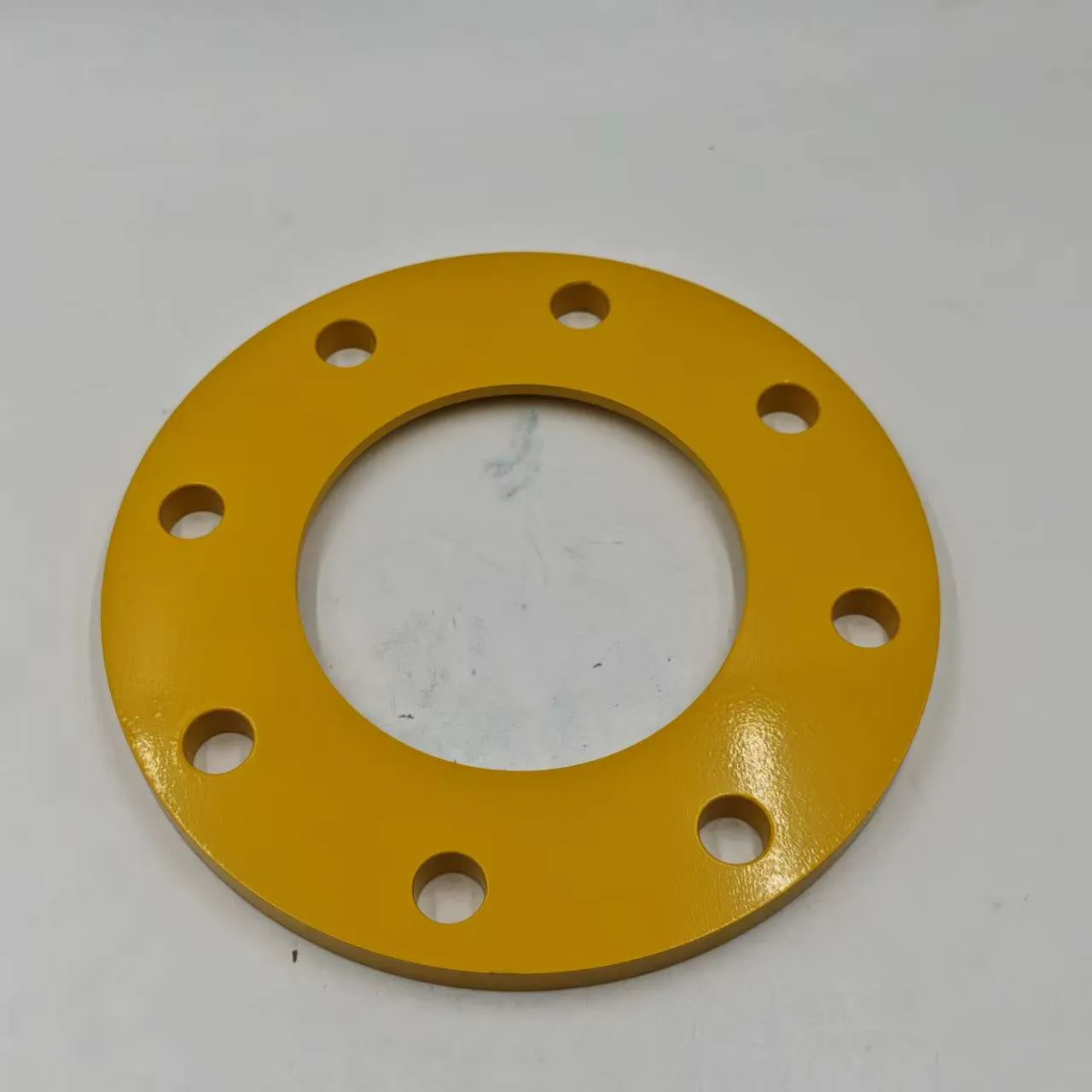 Komatsu 41E-70-15461 Plate
 -
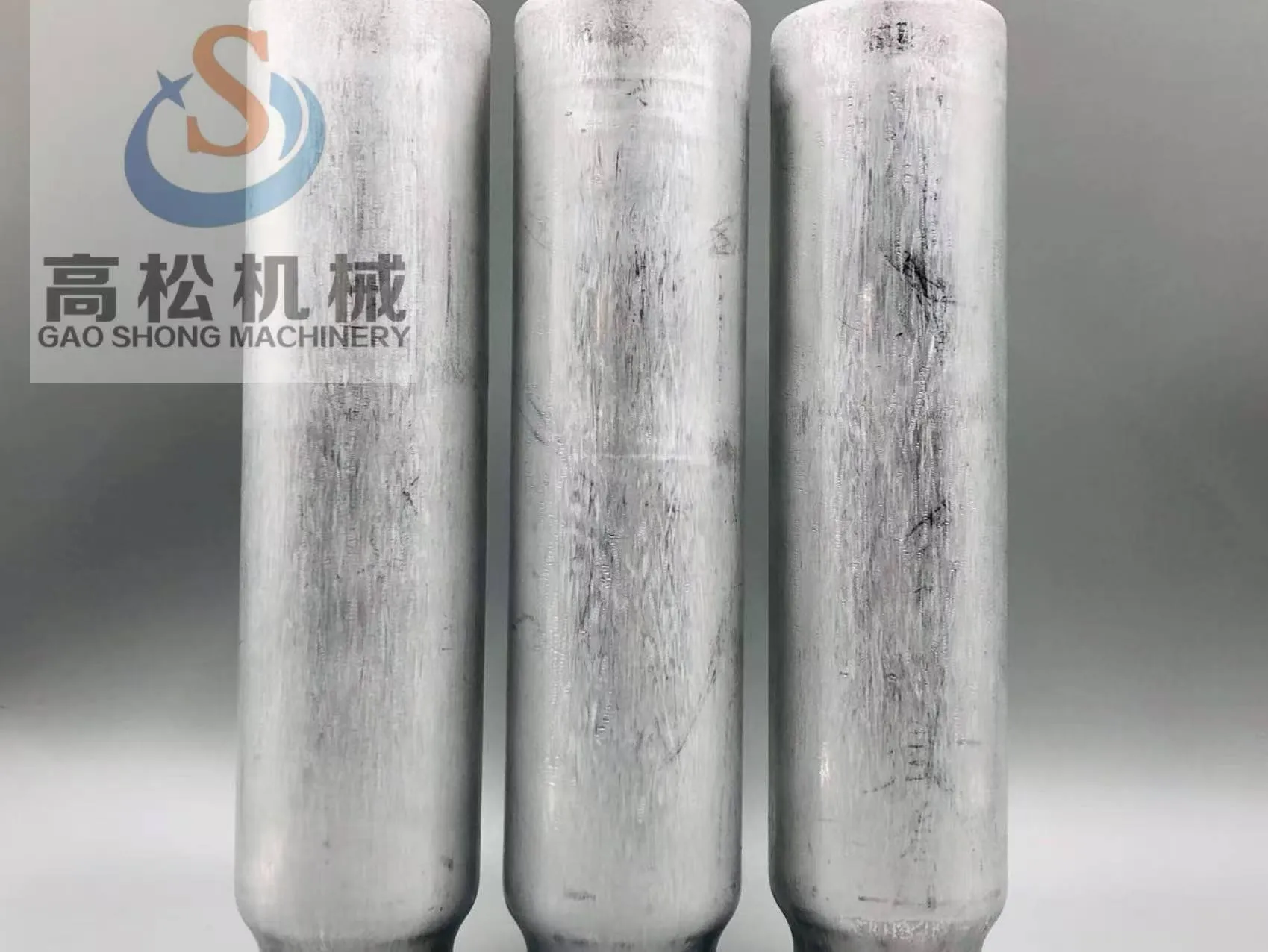 Air conditioning receiver dryer 20Y-979-3120 suitable for Komatsu
 -
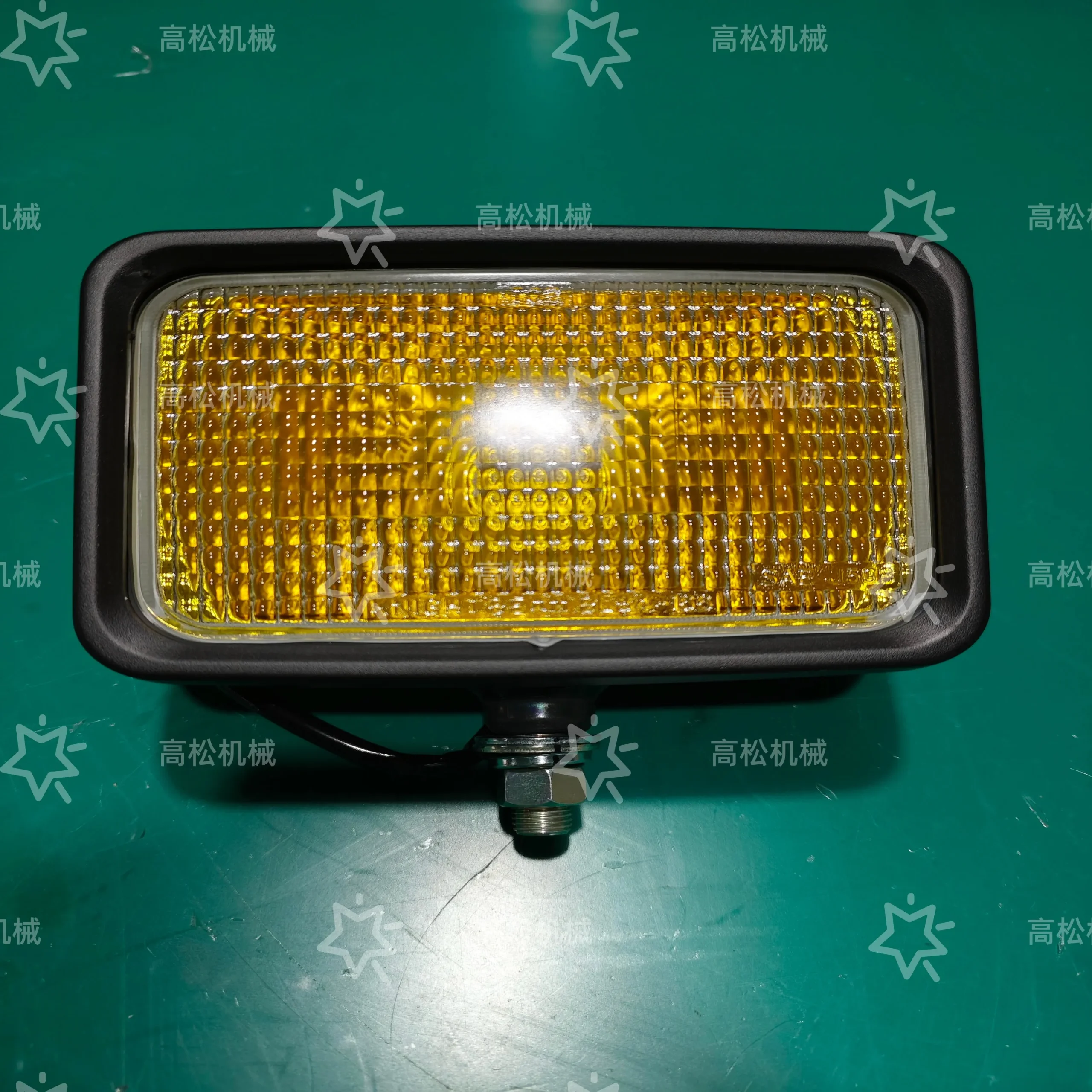 22T-06-24110Hd350 2 Front Light Lamp 22t 06 24110
 -
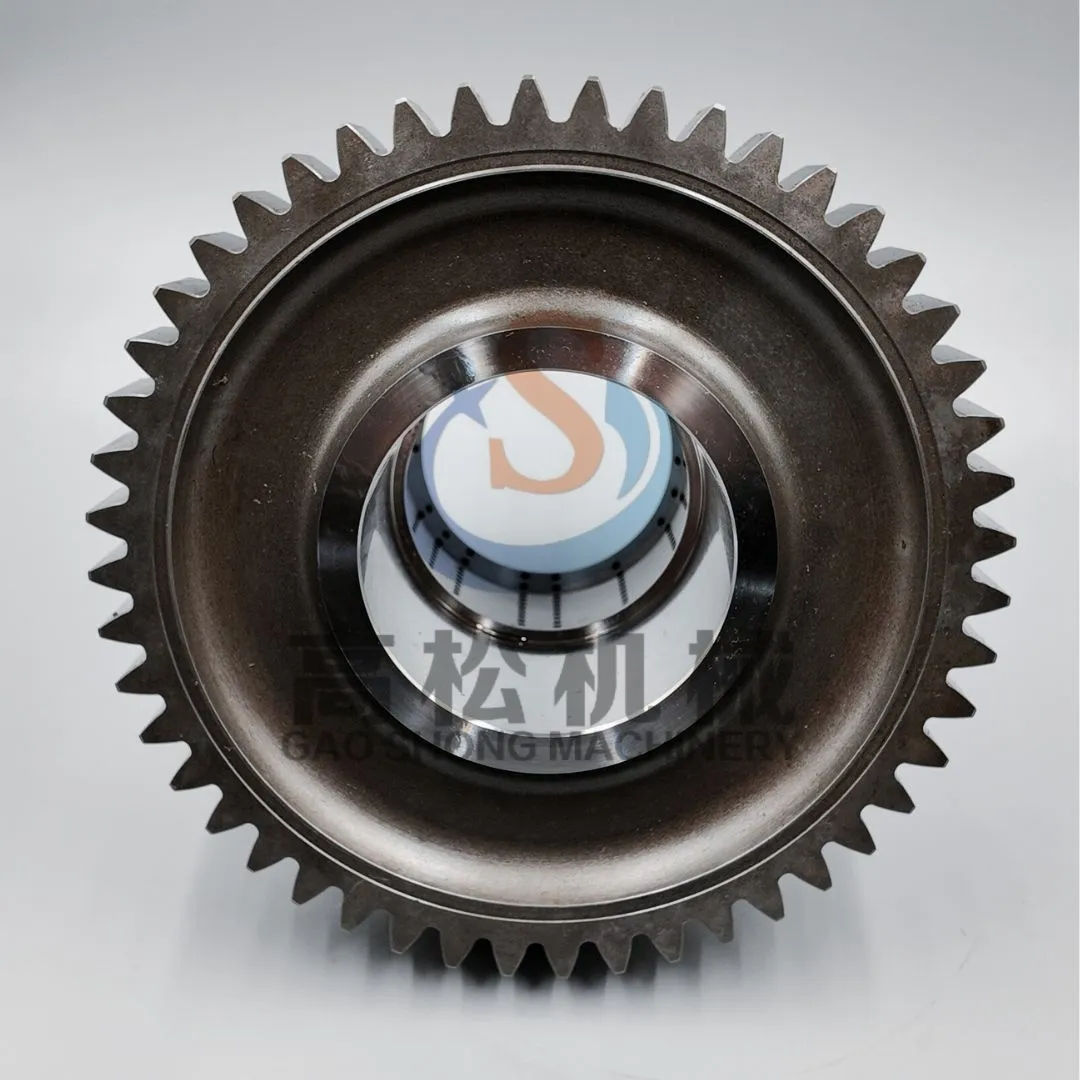 714-07-12420 Komatsu GEAR, 48 TEETH,FORWARD
 -
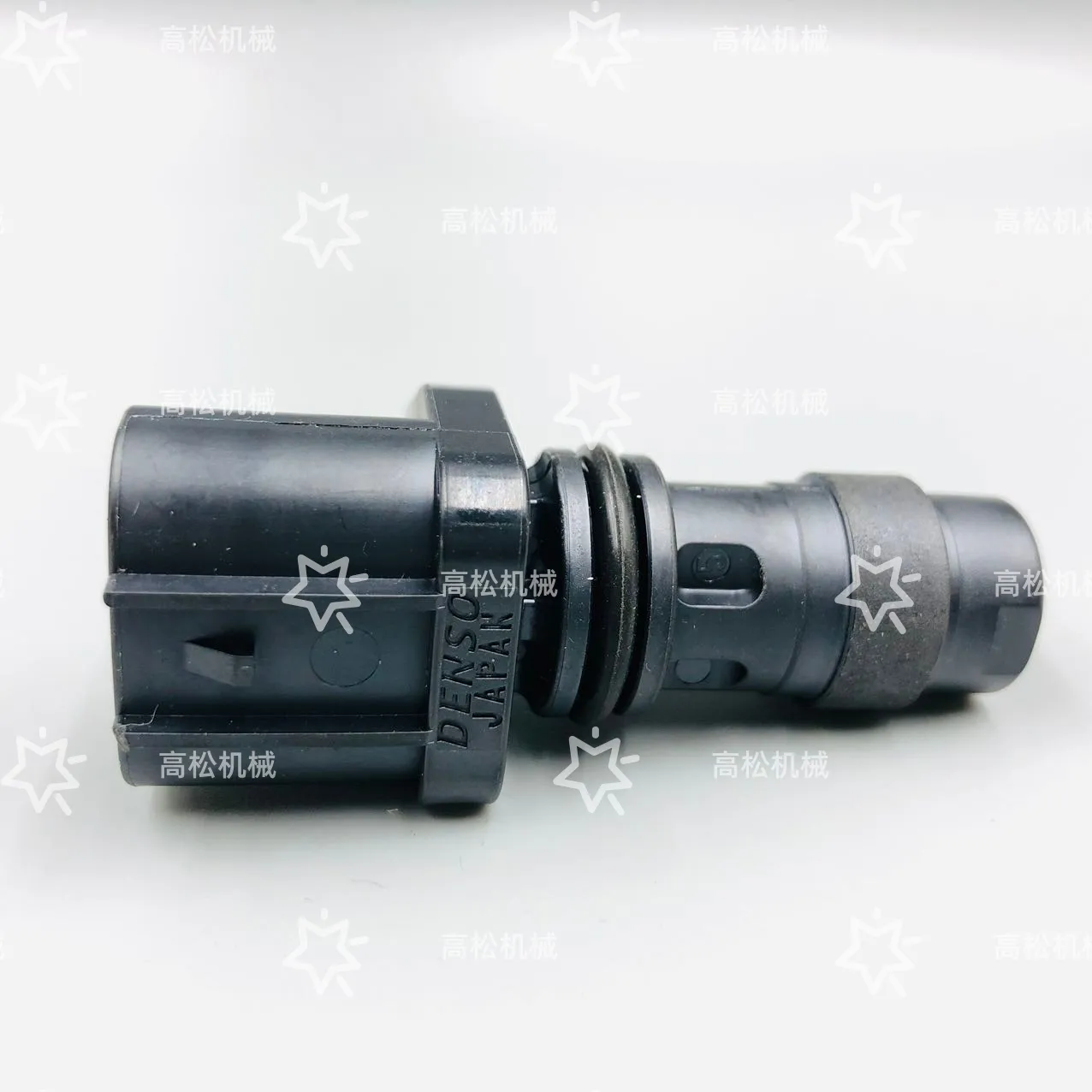 ND949979-1300 Camshaft Position Sensor for Komatsu Excavator PC400-8 PC450-8
 -
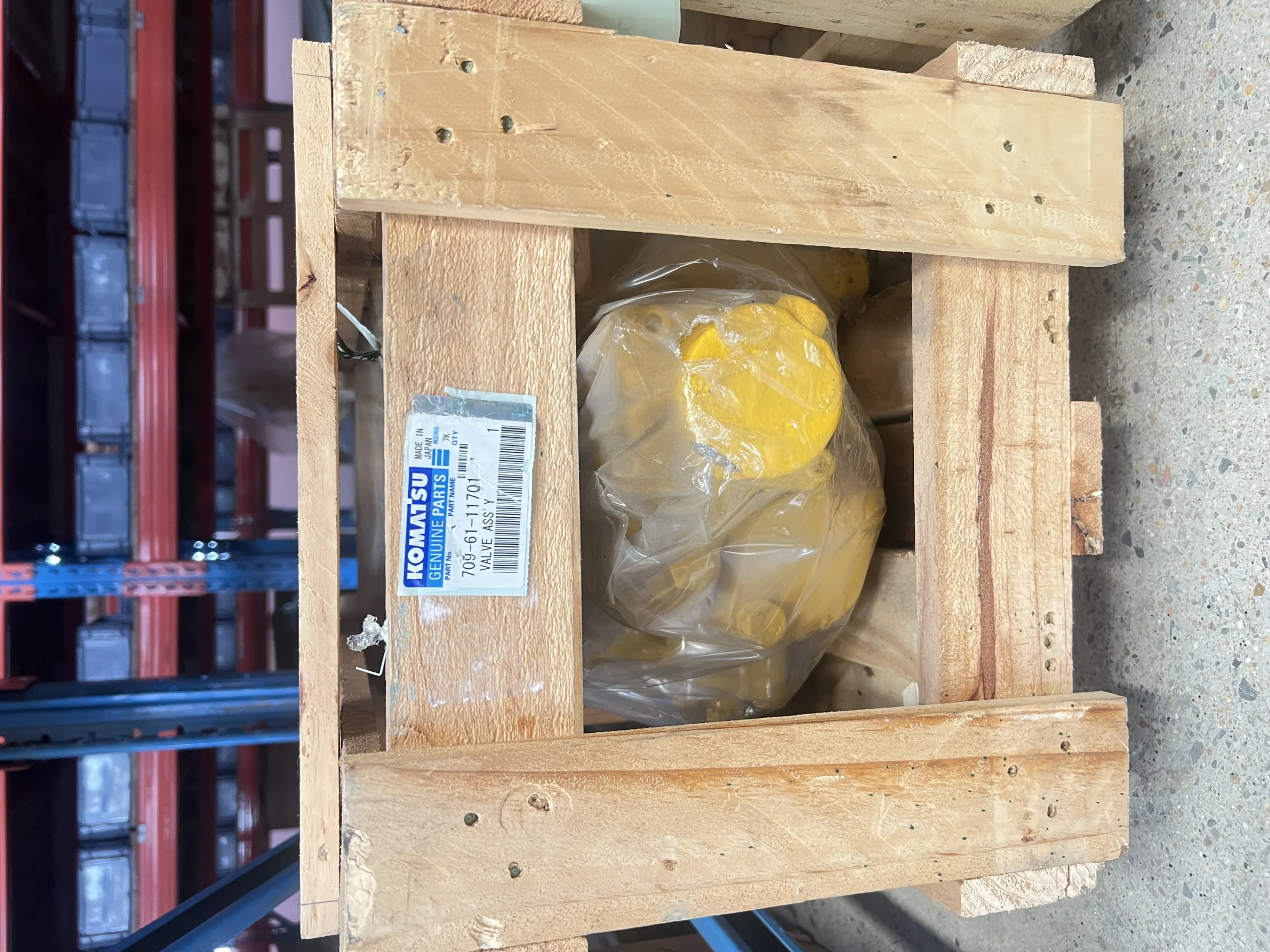 D375A-3D Valve Assembly 709-61-11701
 -
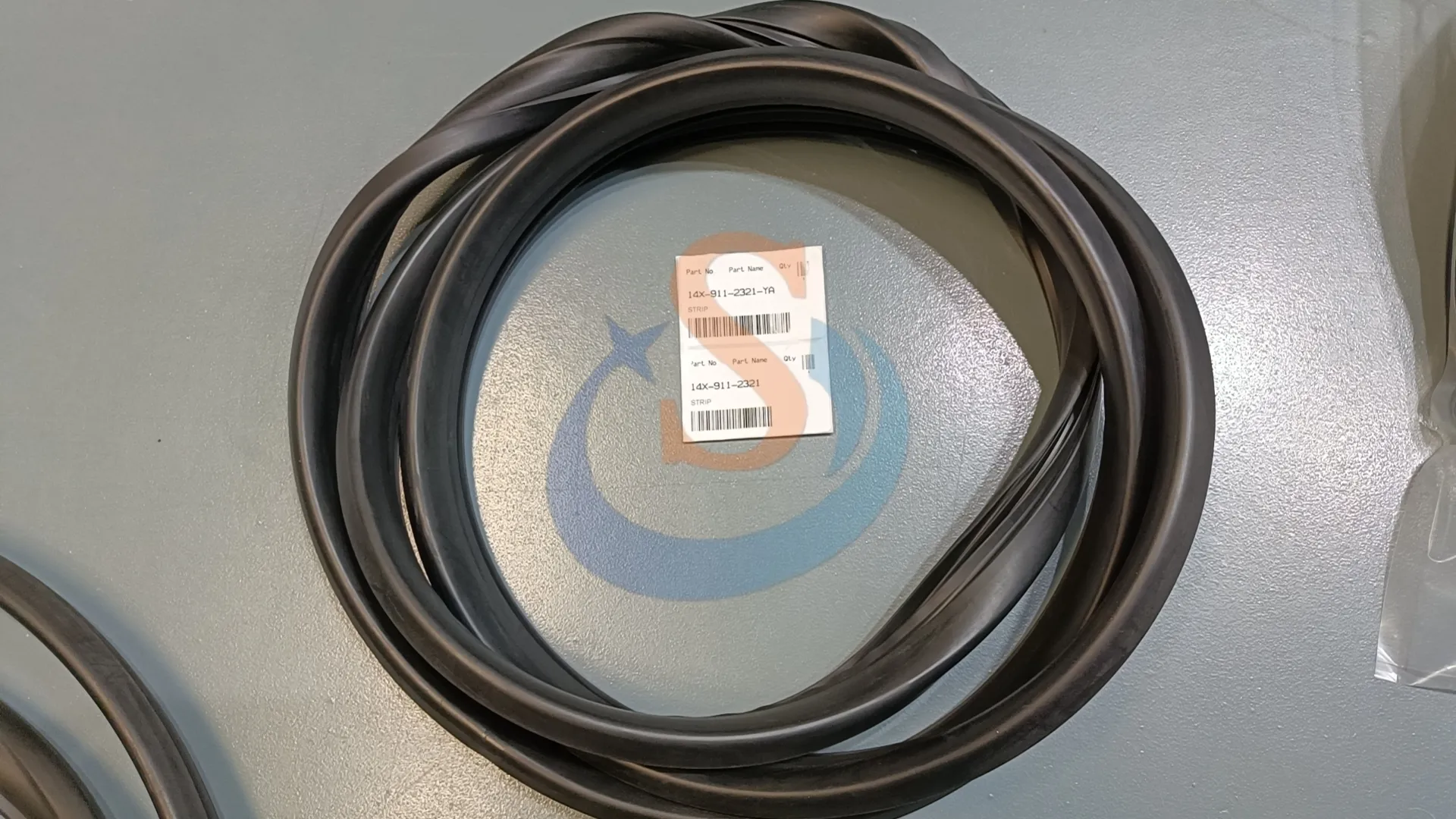 14X-911-2321,STRIP,D60P,D65EX,D155A,D375A
 -
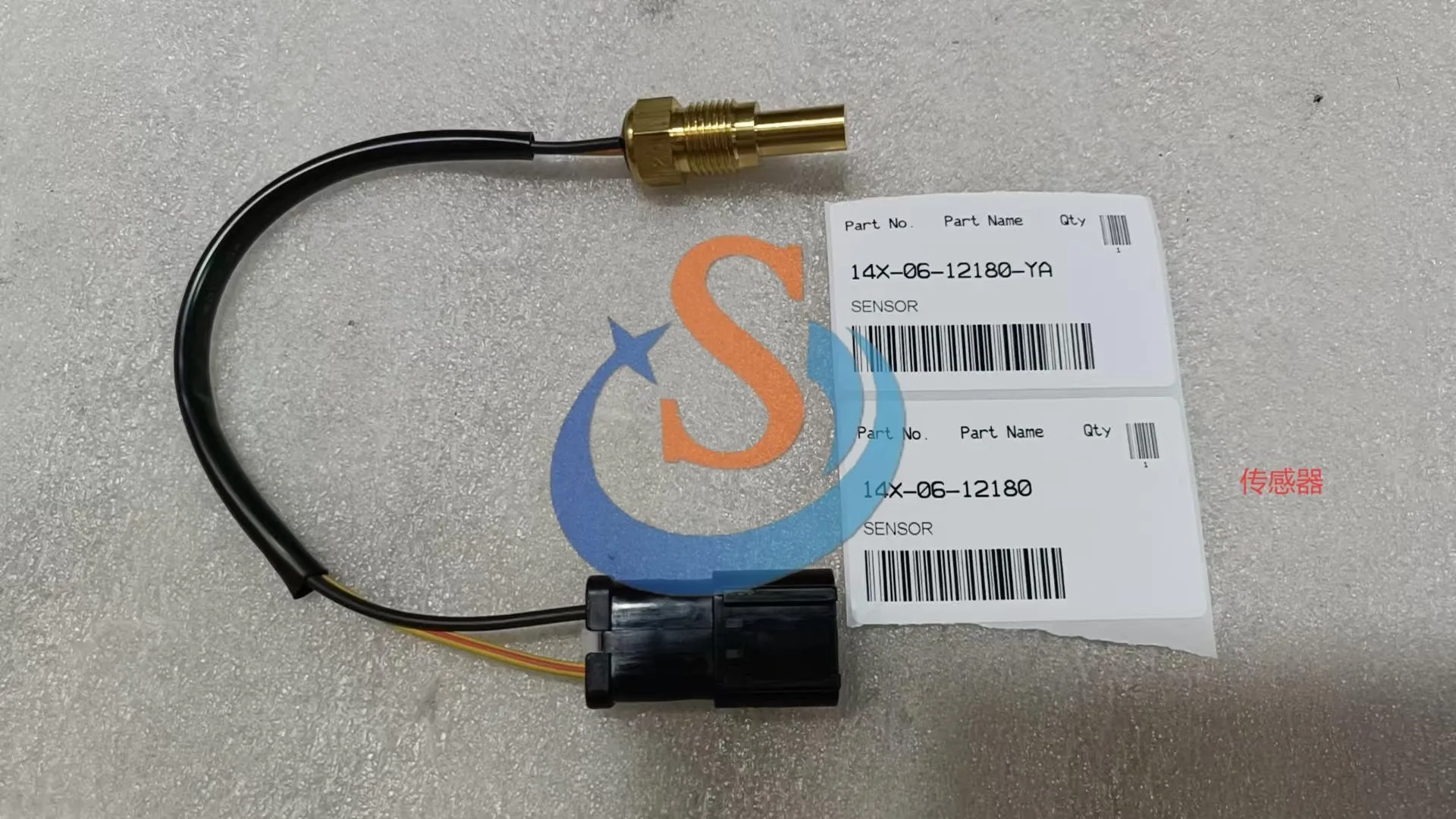 14X-06-12180 SENSOR D65/D85/D155A
 -
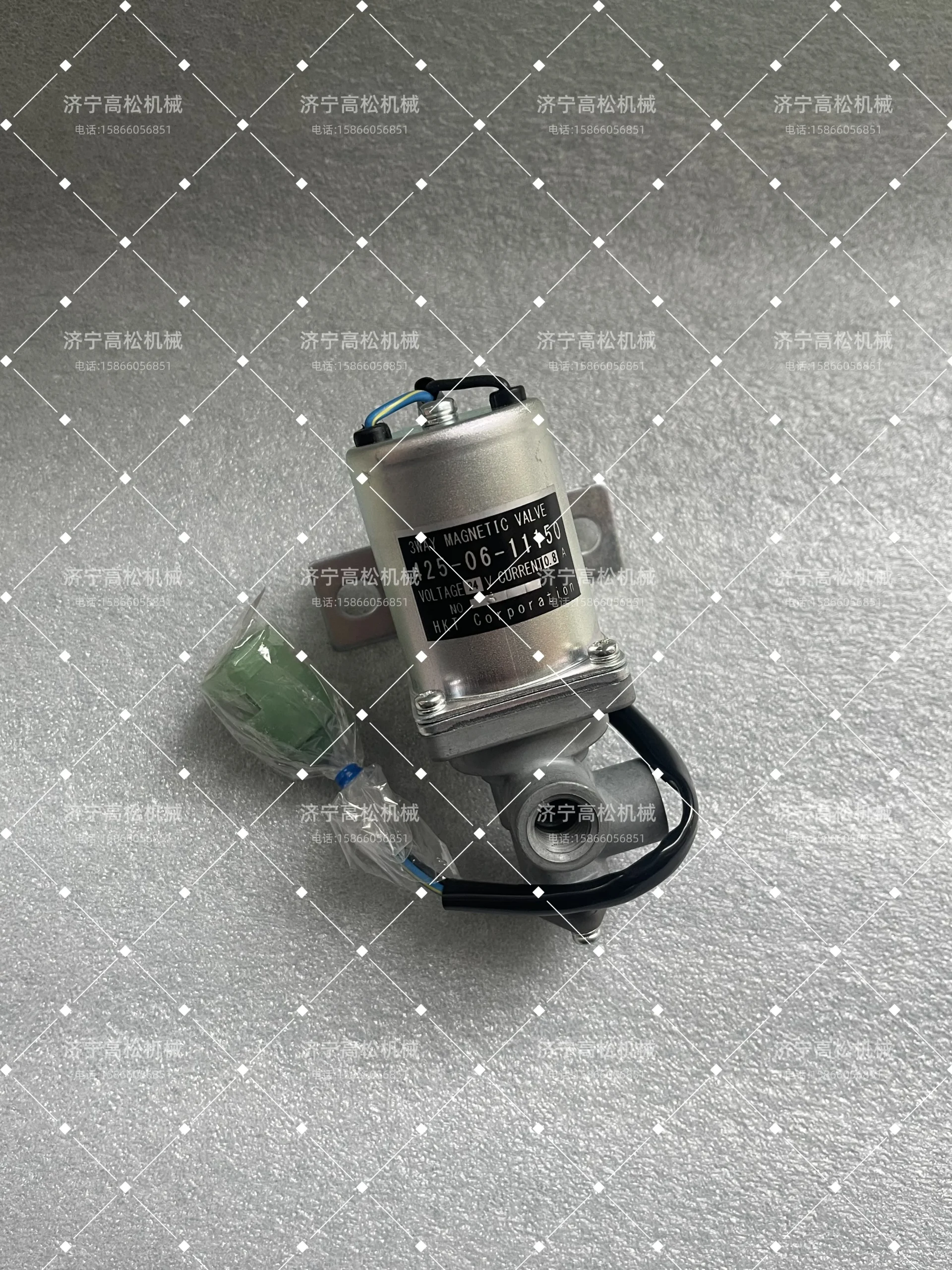 Reliable Cost-Effective Original New 425-06-11150 VALVE for…
 -
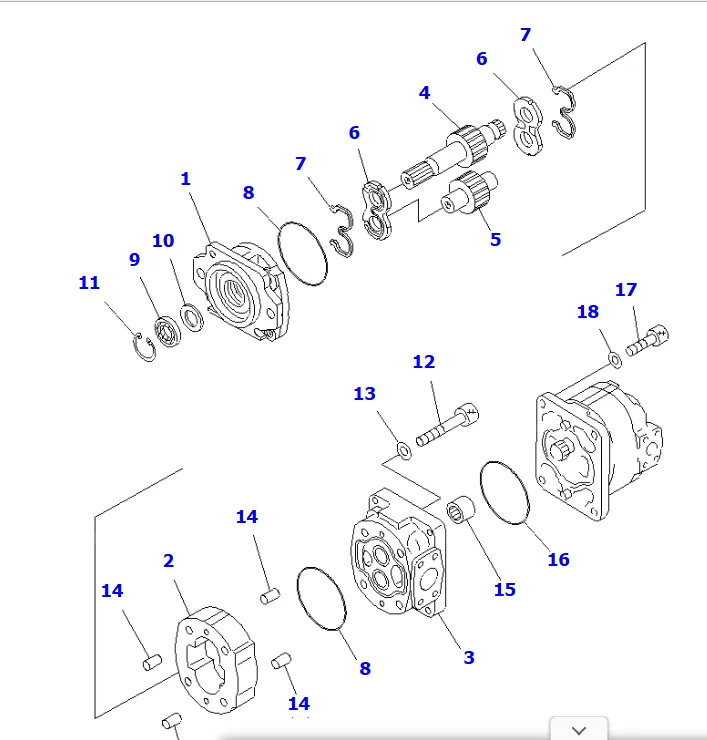 Komatsu HD605-5 pump assembly 705-52-31010
 -
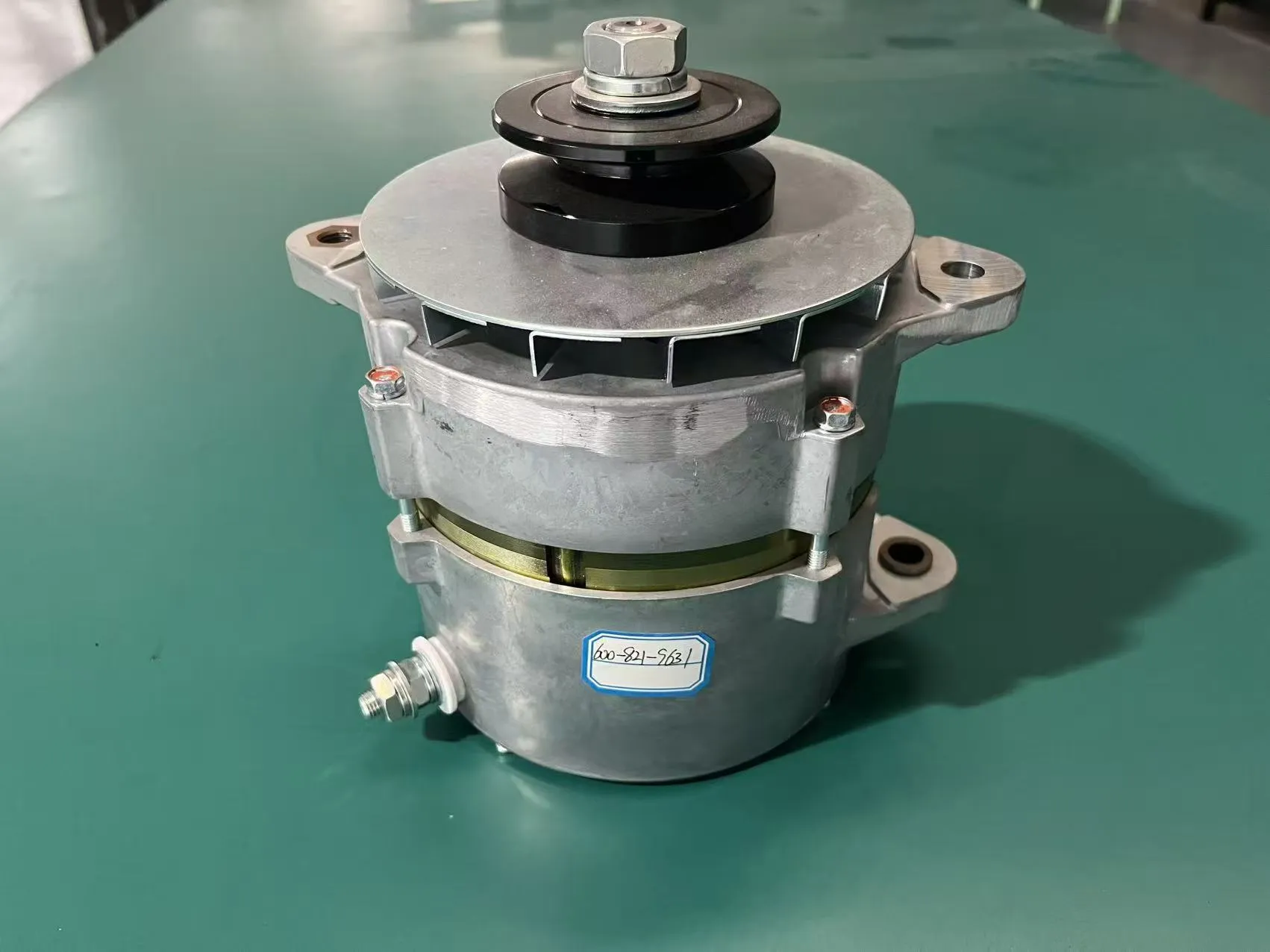 600-821-9631 Komatsu SA12V140 ALTERNATOR
 -
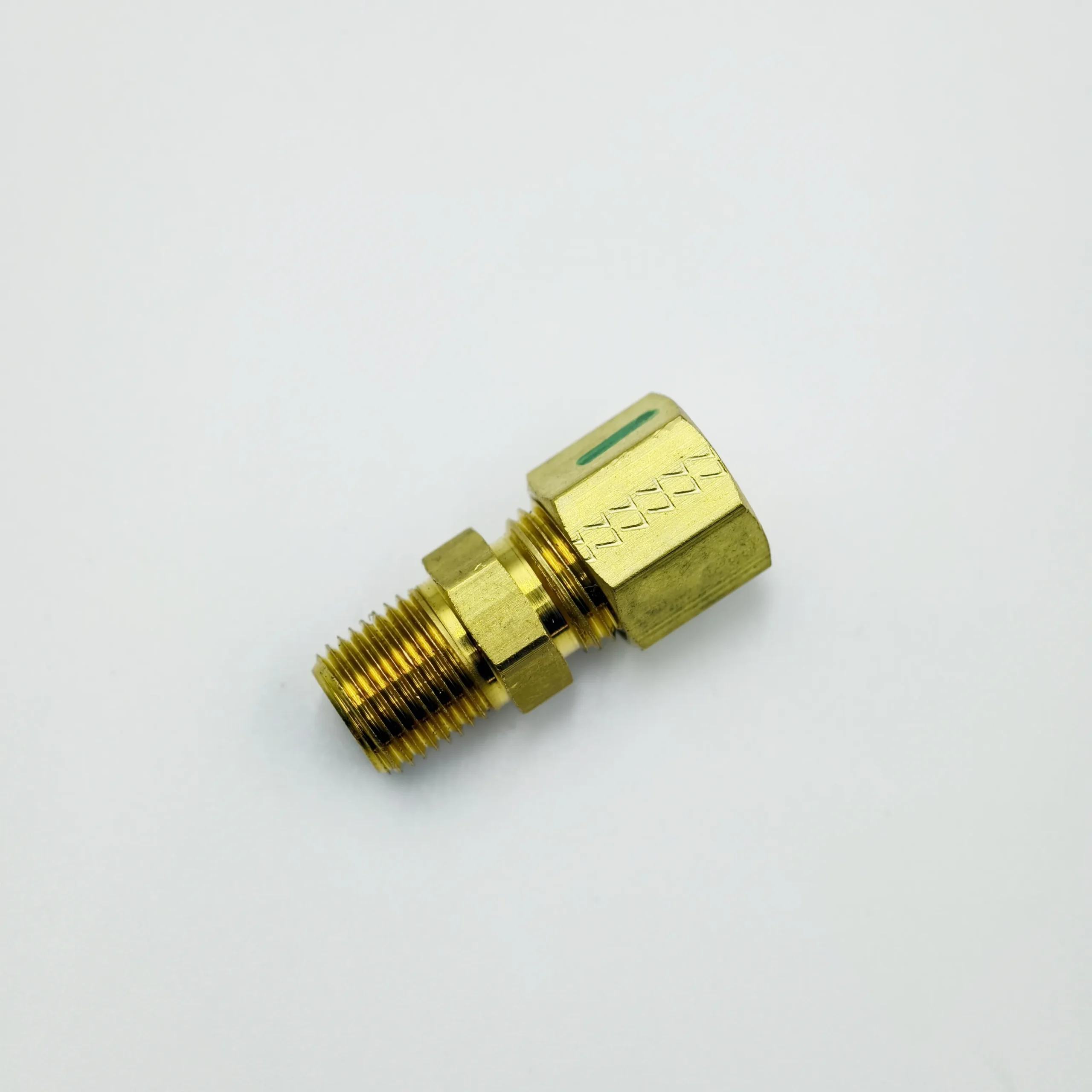 The PC1250SP-8 connector 21N-68-32320 is used for automotive grease in various countries ..