
- Chinese
- French
- German
- Portuguese
- Spanish
- Russian
- Japanese
- Korean
- Arabic
- Irish
- Greek
- Turkish
- Italian
- Danish
- Romanian
- Indonesian
- Czech
- Afrikaans
- Swedish
- Polish
- Basque
- Catalan
- Esperanto
- Hindi
- Lao
- Albanian
- Amharic
- Armenian
- Azerbaijani
- Belarusian
- Bengali
- Bosnian
- Bulgarian
- Cebuano
- Chichewa
- Corsican
- Croatian
- Dutch
- Estonian
- Filipino
- Finnish
- Frisian
- Galician
- Georgian
- Gujarati
- Haitian
- Hausa
- Hawaiian
- Hebrew
- Hmong
- Hungarian
- Icelandic
- Igbo
- Javanese
- Kannada
- Kazakh
- Khmer
- Kurdish
- Kyrgyz
- Latin
- Latvian
- Lithuanian
- Luxembou..
- Macedonian
- Malagasy
- Malay
- Malayalam
- Maltese
- Maori
- Marathi
- Mongolian
- Burmese
- Nepali
- Norwegian
- Pashto
- Persian
- Punjabi
- Serbian
- Sesotho
- Sinhala
- Slovak
- Slovenian
- Somali
- Samoan
- Scots Gaelic
- Shona
- Sindhi
- Sundanese
- Swahili
- Tajik
- Tamil
- Telugu
- Thai
- Ukrainian
- Urdu
- Uzbek
- Vietnamese
- Welsh
- Xhosa
- Yiddish
- Yoruba
- Zulu
- Kinyarwanda
- Tatar
- Oriya
- Turkmen
- Uyghur





komatsu parts book com
When you punch 'komatsu parts book com' into a search bar, you're likely in one of two camps: either desperately trying to cross-reference a part number for a downed machine, or you're new to the game and think that's the official gateway to Komatsu's parts universe. Let me be straight with you—it's not. That search term, and the myriad of sites it pulls up, represents a whole ecosystem of parts sourcing, official and otherwise, that's far more nuanced than a single URL. The parts book itself is crucial, it's the bible for model-specific breakdowns, but accessing it reliably and then actually getting the part are two very different battles. I've seen too many guys waste hours on dead-end portals or, worse, order from a slick-looking site only to get a non-OEM part packaged in a suspiciously generic box six weeks later.
The Illusion of the One-Stop Parts Portal
The promise of a central, comprehensive online Komatsu parts book is seductive. In an ideal world, you'd enter your machine's model and serial number, and boom—every single component with its corresponding part number, diagram, and availability pops up. The reality on the ground is messier. Komatsu's official digital platforms for dealers and large clients are robust, but access is tiered. If you're not a major fleet operator, you're often relying on your local dealer's willingness to look things up for you, or you're sifting through third-party sites that have scraped or licensed partial data. The data on these aggregator sites is sometimes outdated, and the diagrams can be low-resolution, making it hard to identify the specific seal or bolt you need. I recall a job on a PC300-8 where we spent half a day arguing over a hydraulic line fitting because the diagram we pulled from one such .com site was ambiguous. The official dealer's system cleared it up in two minutes, but that access wasn't free for us.
This gap between need and access is precisely where companies position themselves. They aren't Komatsu, but they operate within its orbit. Take Jining Gaosong Construction Machinery Co., Ltd., for instance. Their site, takematsumachinery.com, is upfront about their role: an OEM product supplier within the Komatsu system and a third-party sales company. That phrasing is key. It tells me they likely have legitimate channels to genuine Komatsu parts (the OEM side) but also function as an alternative supply line, which is vital in regions where official distribution is thin or slow. They're not just another parts reseller; they're addressing specific supply chain fractures. When you're in a country where the lead time for a final drive from the official network is quoted at 90 days, a source like this that can solve parts supply challenges in certain countries becomes operational lifeline.
The risk, of course, is verification. Just because a site mentions OEM doesn't mean every part in their warehouse is. You develop a sense for it. Does their online parts book look integrated, or is it a static PDF uploaded years ago? Can they provide a Komatsu-branded packaging or at least traceable batch numbers? I've learned to cross-check the part numbers I get from any online book with a quick call to a trusted contact at a dealership. The extra 15 minutes can save a $15,000 repair.
Beyond the Book: The Sourcing Grind
Finding the part number is only 30% of the job. The real test is procurement. The official Komatsu parts network is unparalleled for quality and warranty, but cost and time are constant friction points. For older models, especially, Komatsu might have discontinued certain components. This is where the ecosystem around the parts book explodes. You start looking for alternatives, which is a minefield of quality tiers. Will a aftermarket cylinder seal hold? Maybe. On a secondary machine, you might risk it. On a primary excavator at a high-production mine? Never.
This is where a supplier's stated mission matters. A company like the one mentioned, Jining Gaosong, which explicitly ties itself to the Komatsu system while acting as a third-party solver, often has more flexibility. They might have access to NOS (New Old Stock) genuine parts for legacy models that the main network has cleared out. Or, they might have vetted alternative manufacturers for non-critical components. Their value isn't just in having a digital book; it's in having the logistics and relationships to move the part from a shelf somewhere in the world to your job site. I've used similar channels to source a dashboard module for a Dash-5 series dozer that was officially obsolete. It took three weeks, not three months, and the part was genuine, just from a different regional warehouse.
The process is never clean. You'll email a part number from the book you found. They'll reply asking for your machine's serial number again to double-check—a good sign, it shows they know about manufacturing revisions. They might say, We have this, but it's from a different production run, compatible but the sub-harness connector is different, we can provide the adapter. That's the kind of practical, hands-on detail you only get from people who've handled the physical part, not just a database entry. It's this layer of transactional knowledge that the simple search for a komatsu parts book com completely misses.
Case in Point: The Filter Housing Saga
Let me give you a concrete example, stripped of any fluff. We had a Komatsu WA320-6 loader with a cracked hydraulic filter housing. The online parts book we accessed gave us the base part number. Our local dealer quoted a price that made the foreman wince and a 10-week delivery from Japan. We couldn't wait. We started digging through alternative suppliers.
We found several sites offering the component. One had a perfect diagram lifted straight from the Komatsu parts book, but the price was suspiciously low. Red flag. Another, which presented itself more as a technical partner (much like the description of Gaosong), asked for our serial number range and came back with a clarifying question: Is your machine equipped with the optional high-flow hydraulic system? The housing is different. We checked. It was. The first site would have sent the wrong part. The second source had the correct genuine housing, sourced from a partner stock in Singapore, and got it to us in 12 days. The cost was higher than the too-good-to-be-true offer but still below the dealer's quote. The lesson? The book is the map, but the supplier's technical acumen is the guide. A supplier that's an OEM product supplier within the Komatsu system is more likely to have that acumen, as they're presumably dealing with the same technical bulletins and updates as the main dealers.
This experience also highlights a common failure point: assuming part numbers are universal across all machine years. They're not. Revisions happen. A good supplier uses the book as a starting point for a conversation, not the end of it. A bad one just clicks add to cart on whatever matches the number you provided.
The Digital Tool and the Human Layer
So, what's the takeaway for someone typing that search term today? Treat any komatsu parts book com result as a tool, not a solution. It's a reference library. Its primary job is to help you identify the component correctly. The subsequent step—sourcing—requires a human layer of verification and logistics expertise. This is why the business model of companies that combine system knowledge with supply chain agility is so critical. They fill the operational potholes.
When evaluating a site like takematsumachinery.com, don't just look for the parts book lookup function. Look for signs of that human layer. Do they list contact people? Is there evidence of regional expertise or specific country challenges they address? Their stated role as a third-party company helping solve supply challenges is a direct acknowledgment of the real-world bottleneck. It's a more honest and useful positioning than simply claiming to have the lowest prices on the internet.
In the end, the goal is machine uptime. The parts book, whether accessed through an official Komatsu portal, a dealer terminal, or a third-party site, is a means to that end. The trust you place in the entity that provides the book and then sells you the part based on it is everything. It's built on details, on correct serial number checks, on knowledge of revisions, and on the ability to actually deliver a quality component. That's the difference between a quick search and a reliable parts strategy.
Building a Practical Sourcing Checklist
Based on the grind, here's what I now do, almost instinctively. First, use whatever parts book access you have to get the most accurate number, but always note the publication date of the book data. Second, before ordering from any new source, especially one found through a generic search, test them. Send an inquiry for a moderately complex part and see if they ask follow-up questions about serial number or configuration. Third, for critical components, verify the origin. Ask directly: Is this a genuine Komatsu part in Komatsu packaging? Fourth, consider the supplier's stated specialty. A company that openly says it works within the Komatsu system to ease supply issues is often a safer bet than a generic e-commerce site with a thousand brands. They have a reputation within a specific ecosystem to uphold.
Finally, manage expectations. Even the best alternative supplier isn't magic. Lead times can vary, and customs can delay things. The advantage they offer over the official channel is often measured in weeks saved, not necessarily in cost. For non-critical parts or older machines, this trade-off makes perfect sense. For a brand-new machine under warranty, you're still better off with the official dealer, even with the wait.
The landscape for Komatsu parts is complex. The simple search for a digital book is just the first step into a much deeper field of logistics, verification, and relationships. The most valuable resources aren't just the websites that host the diagrams, but the organizations that understand the entire journey from that diagram to a working part installed on your machine. That's the real find.
Related Products
Related Products
Best Selling Products
Best Selling Products-
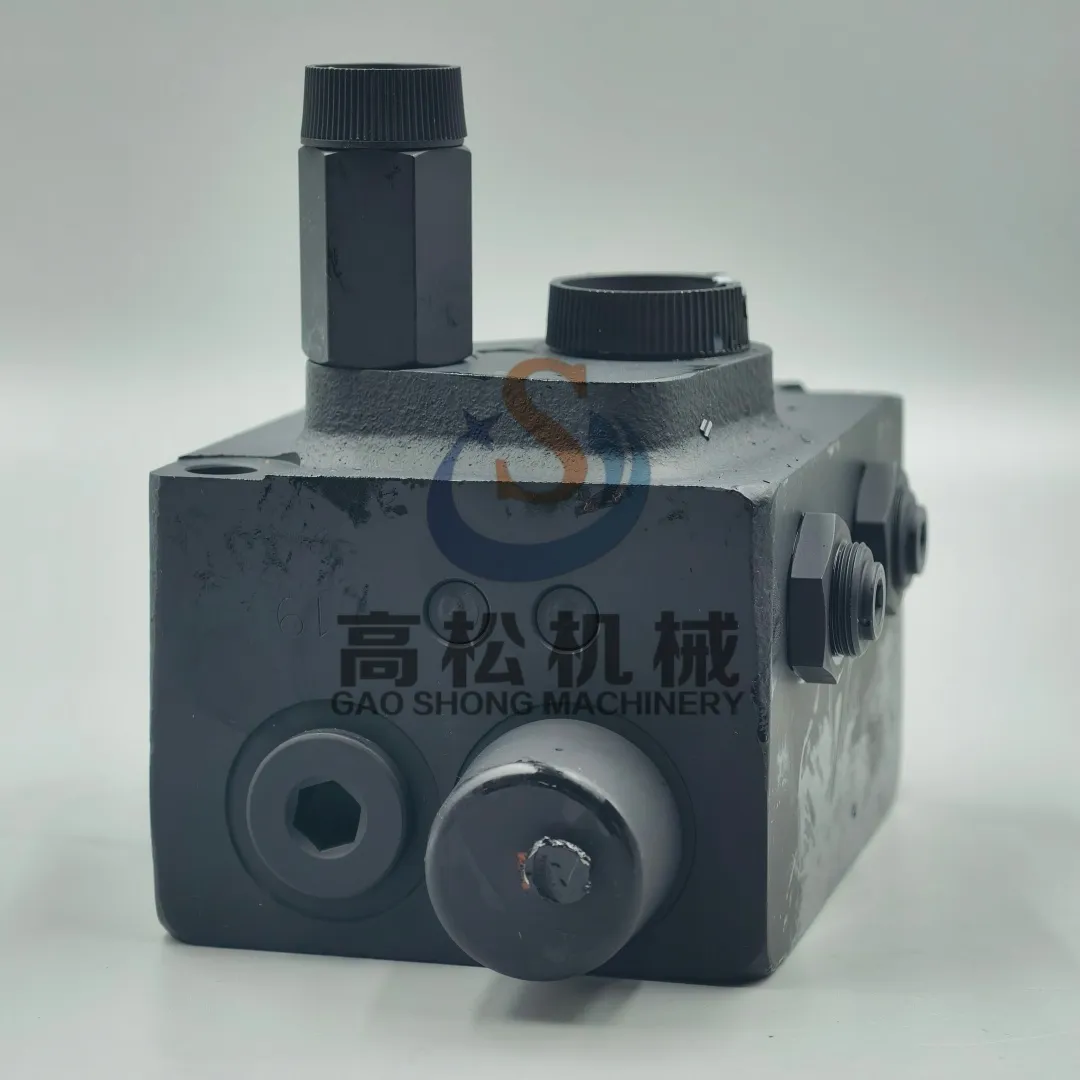 419-43-27401WA320-3 Loader Parts Charge Valve 419-43-27401
 -
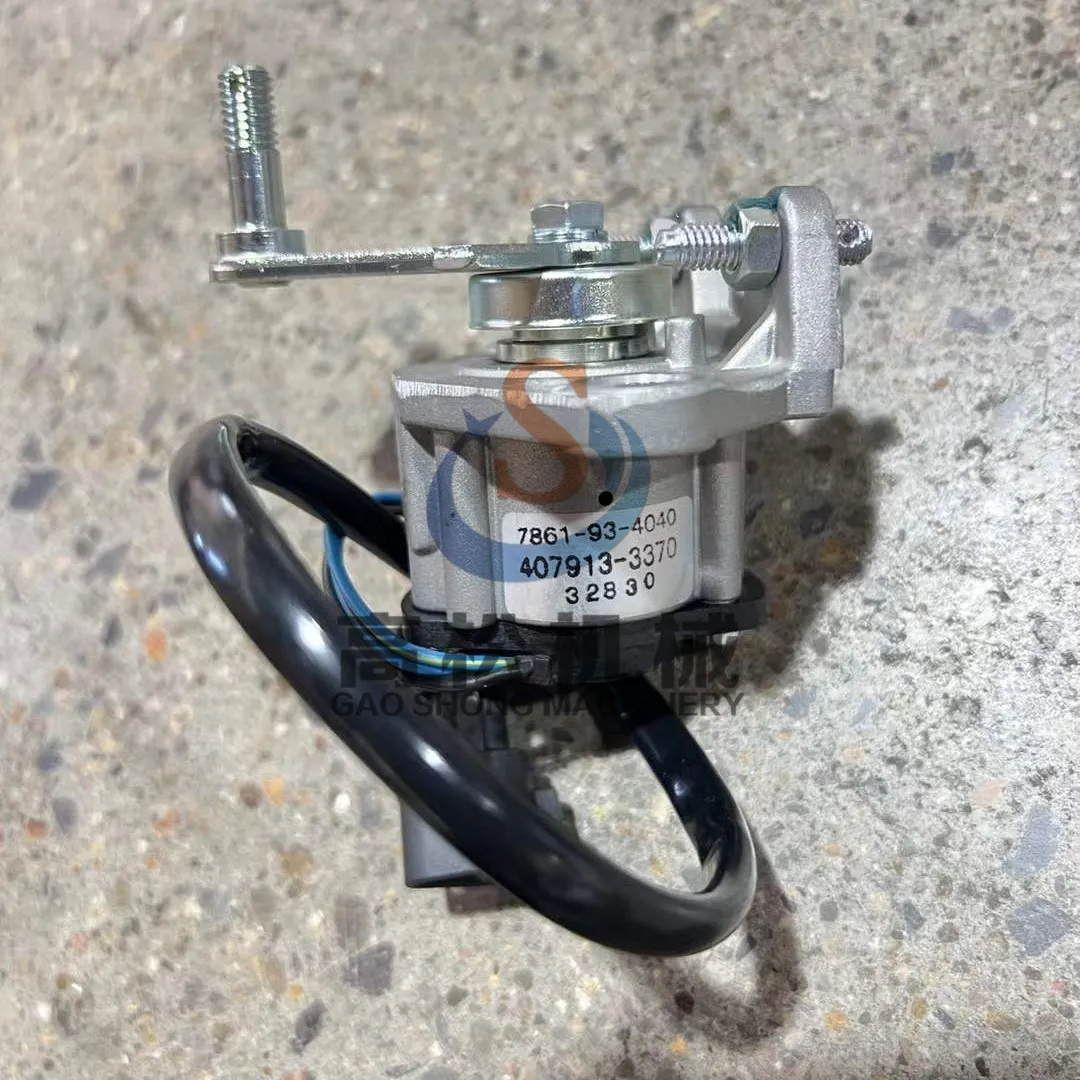 Angle Sensor 7861-93-4040 for Komatsu Bulldozer D475A-5 D575A-3 D375A-6 D475A-5E0 Crawler Loader D85PX-15R
 -
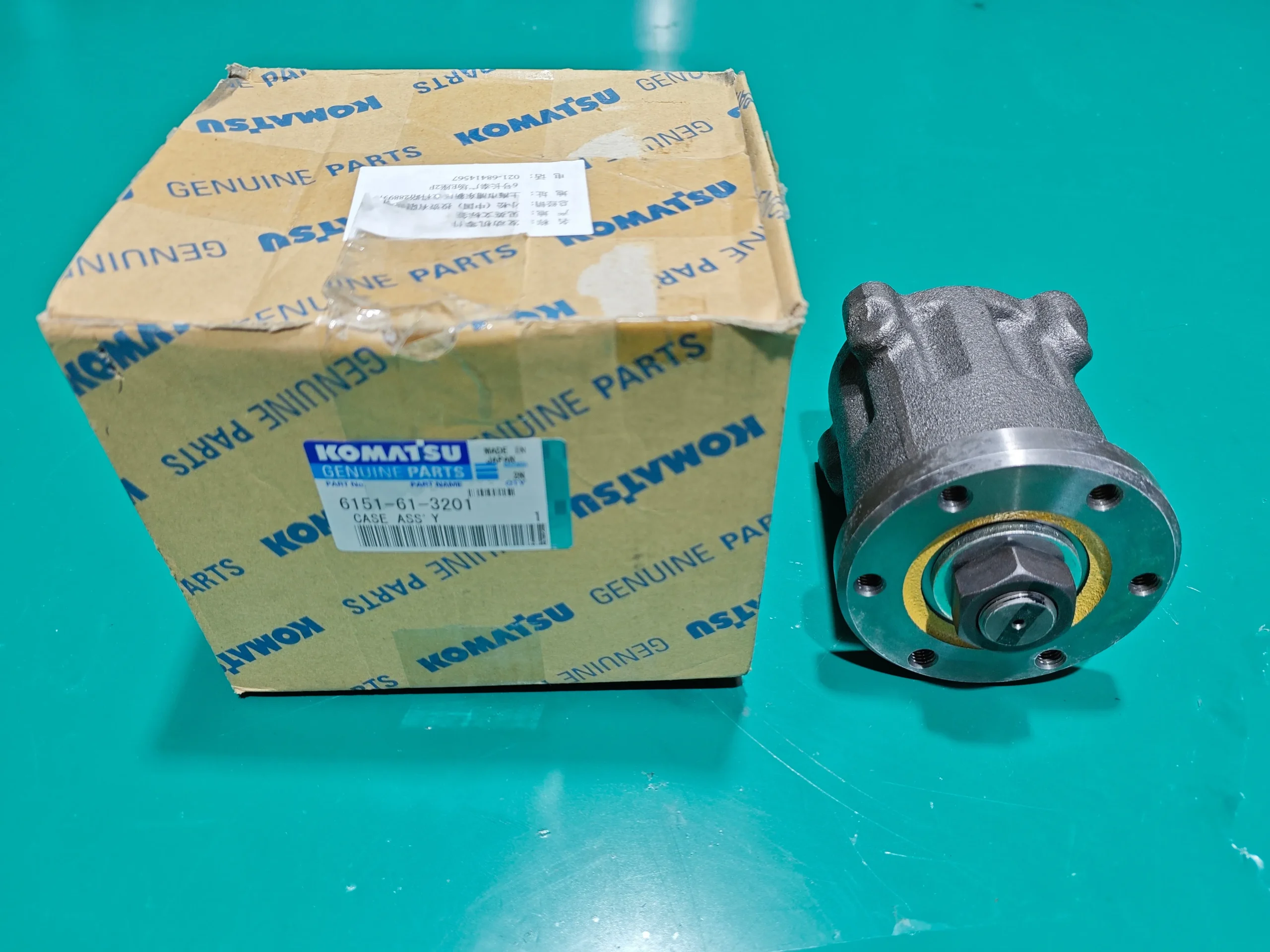 Fan Bracket 6151-61-3201 6151-61-3200 for Komatsu Engine 6D125 SAA6D125E Dozer D68ESS Excavator PC400-7 PC400LC-8
 -
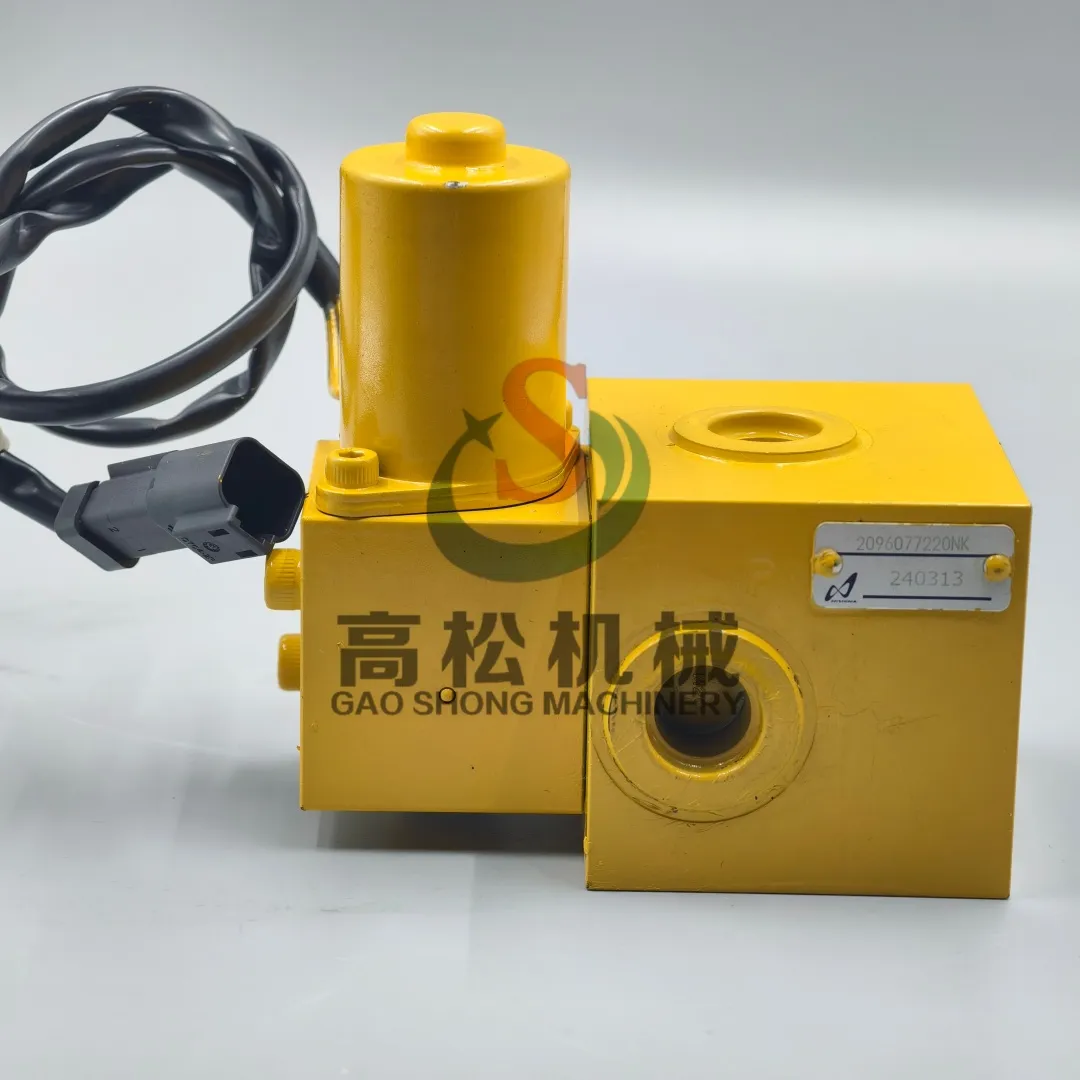 Solenoid Valve 209-60-77220 for PC1250-8 PC800-8 PC600-8 Excavator
 -
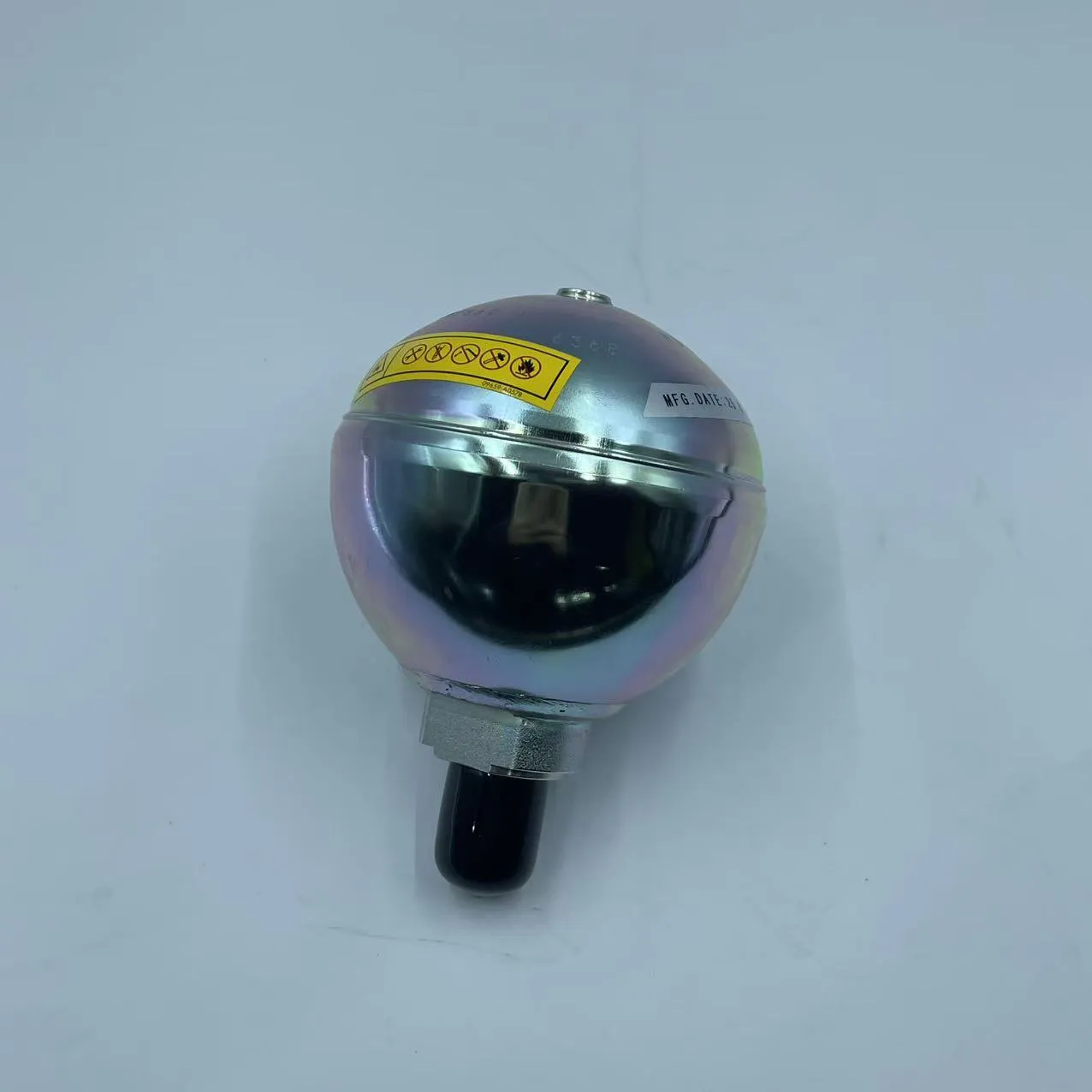 Accumulator 22U-60-21330 22U-60-21331 For Komatsu Excavator PC300-8 PC350-8 PC130-8 PC200-8 PC220LC-8
 -
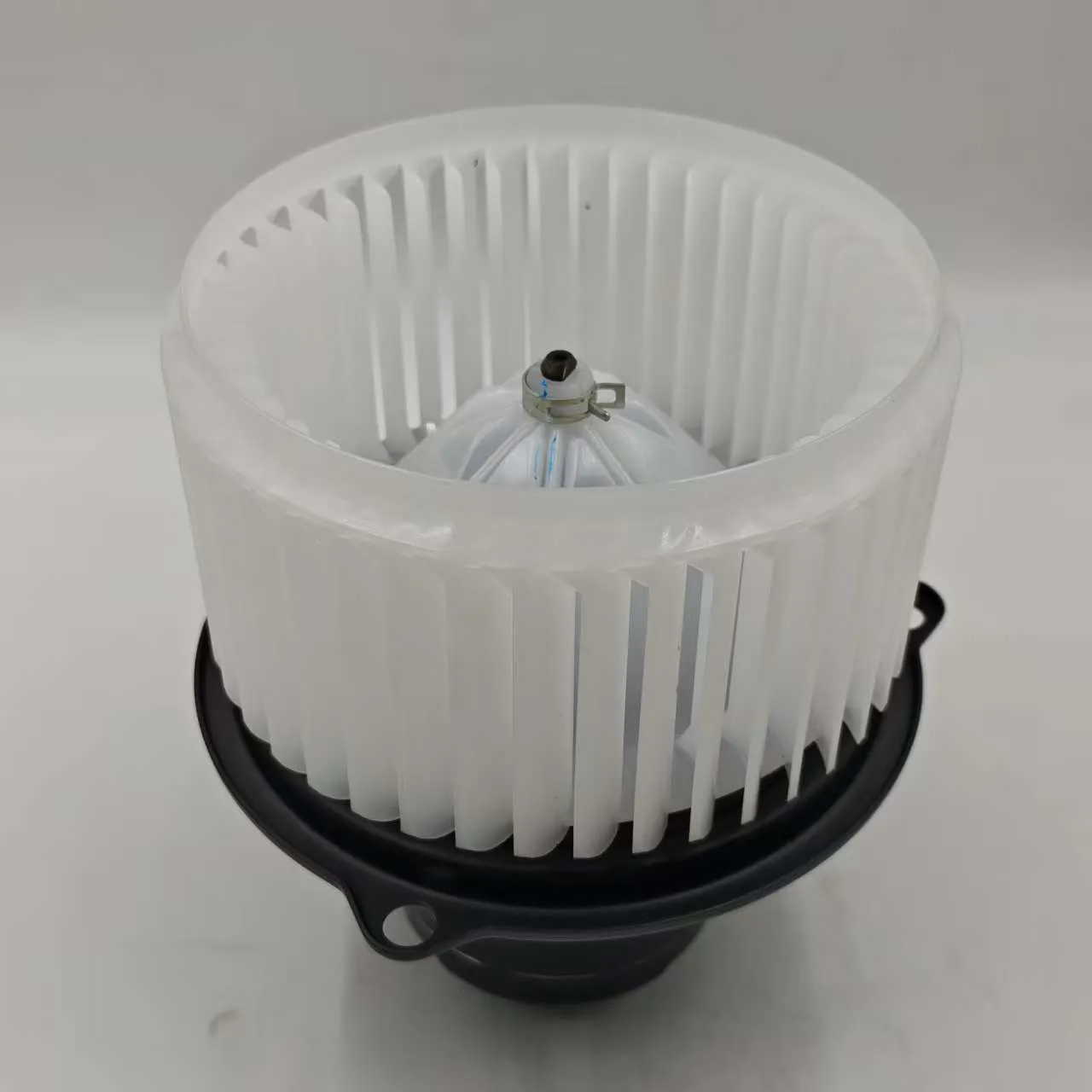 ND116340-3860 ND116340-3320 Compatible With Komatsu PC270LC-7 PC210 Blower Motor PC220 PC230 Excavators(12V)
 -
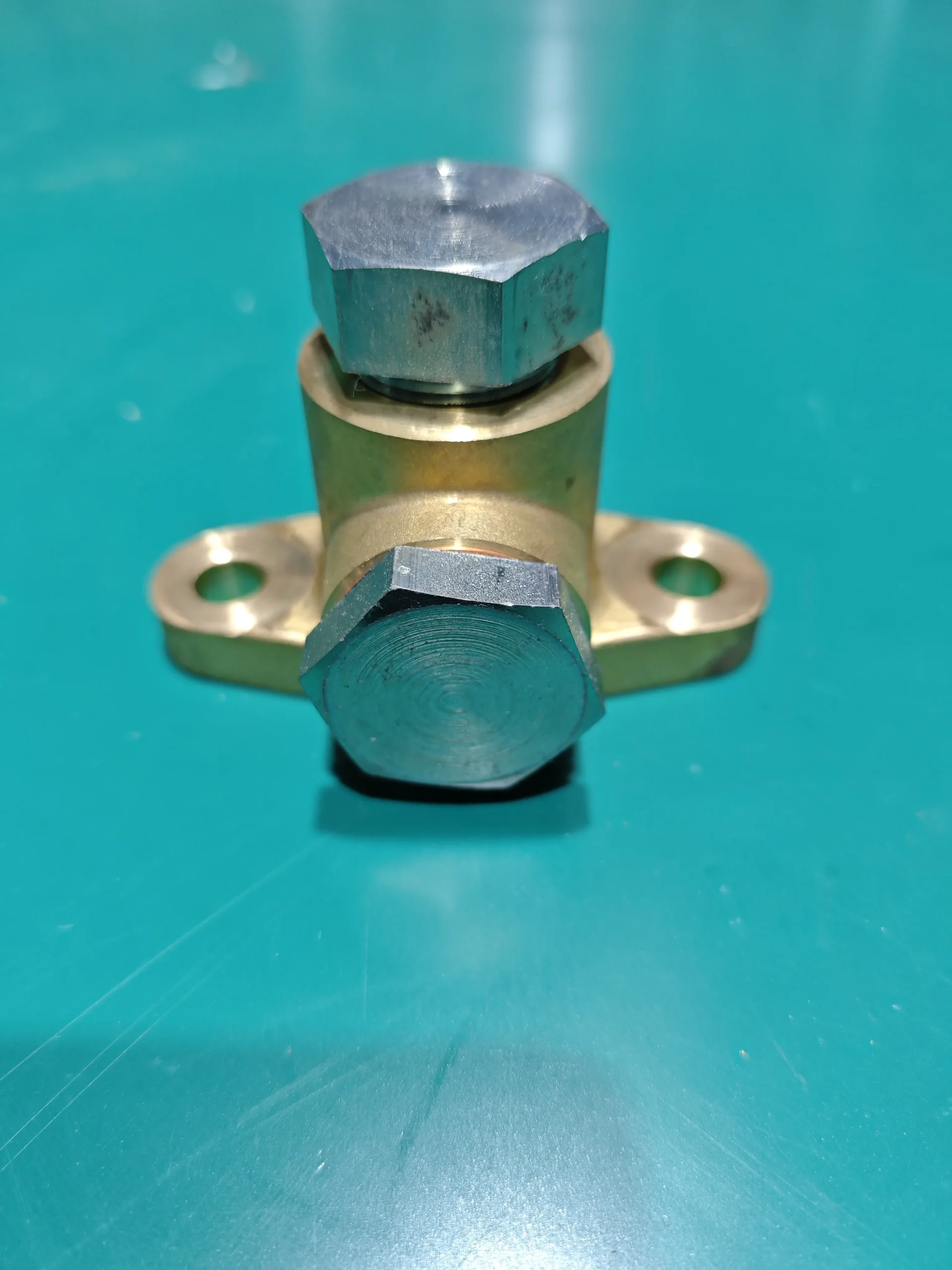 6693-22-5600 VALVE ASS’Y,OIL PAN DRAIN (Komatsu)
 -
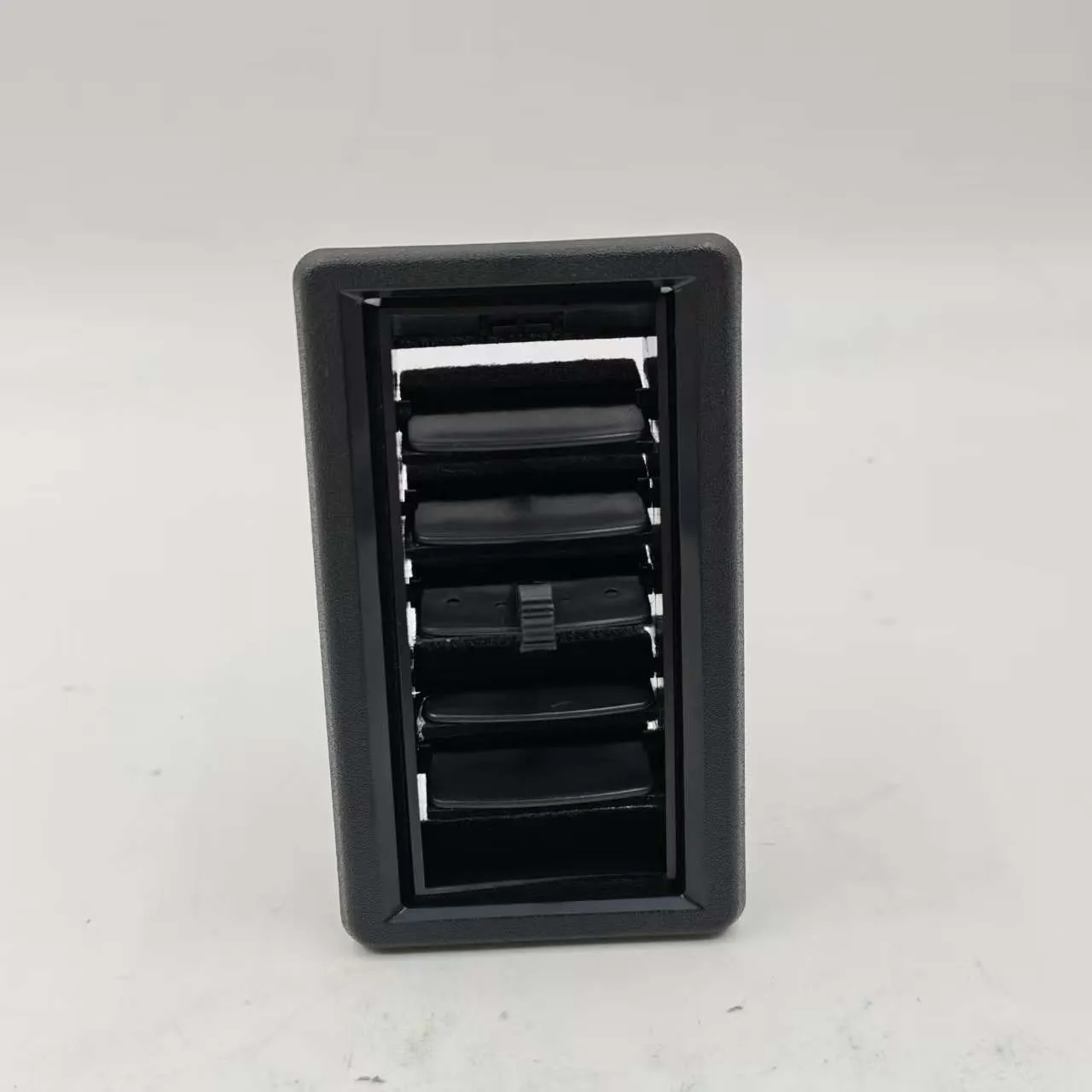 Komatsu Inside cover 17A-54-18270 for Bulldozer D155AX-5
 -
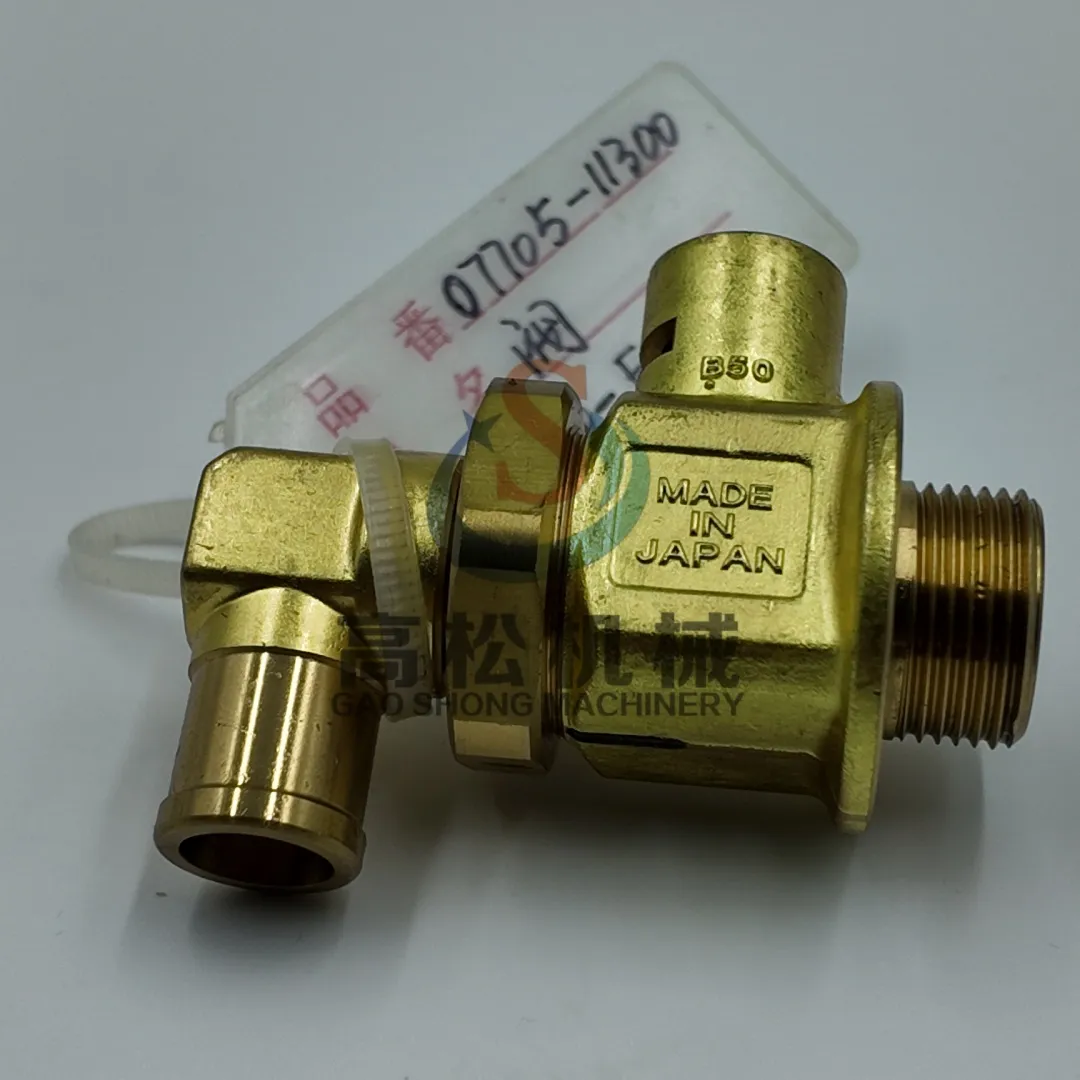 VALVE DRAIN 07705-11300 Komatsu Parts
 -
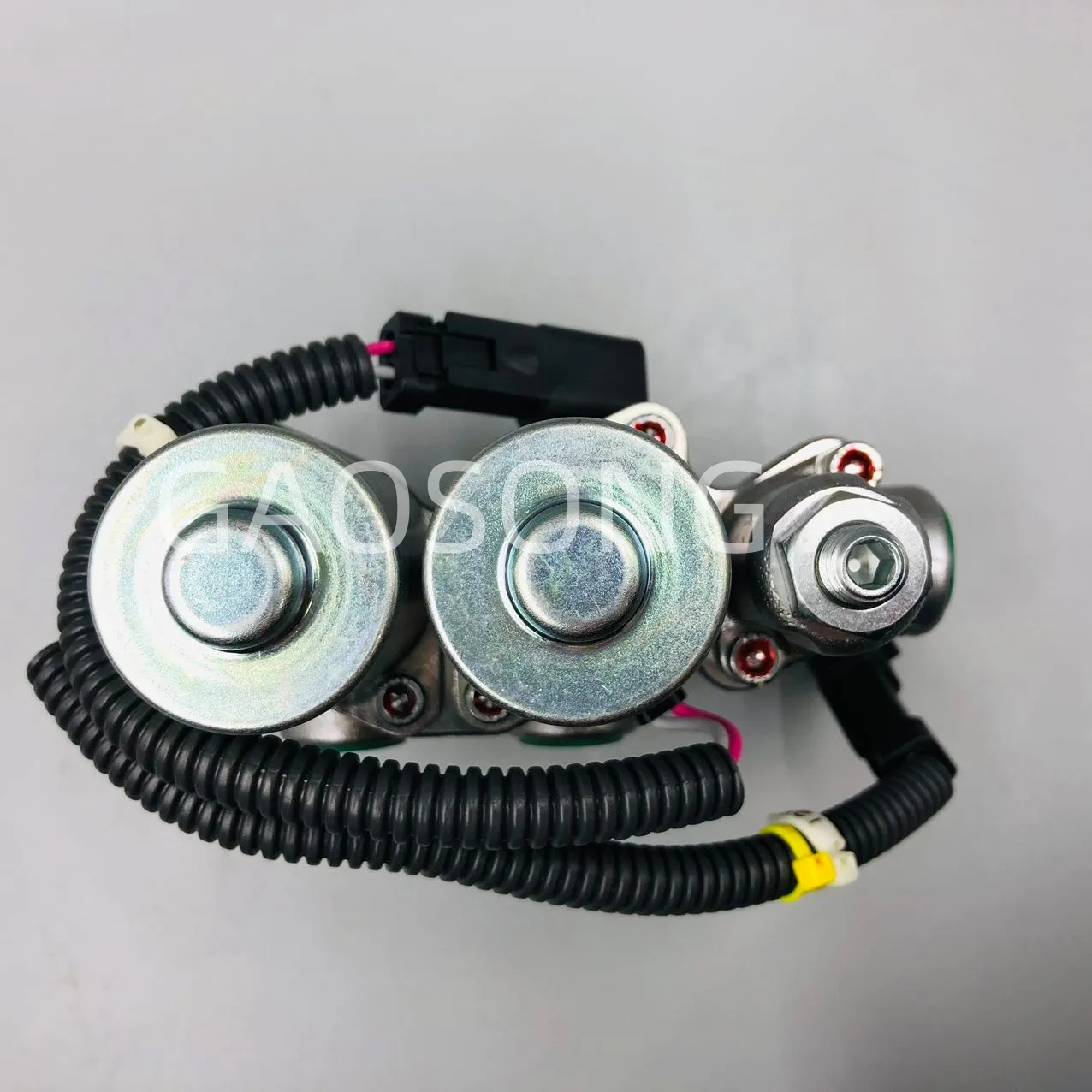 Pc45mr Pc50mr Solenoid Valve 22f-60-31600 Genuine Parts, High…
 -
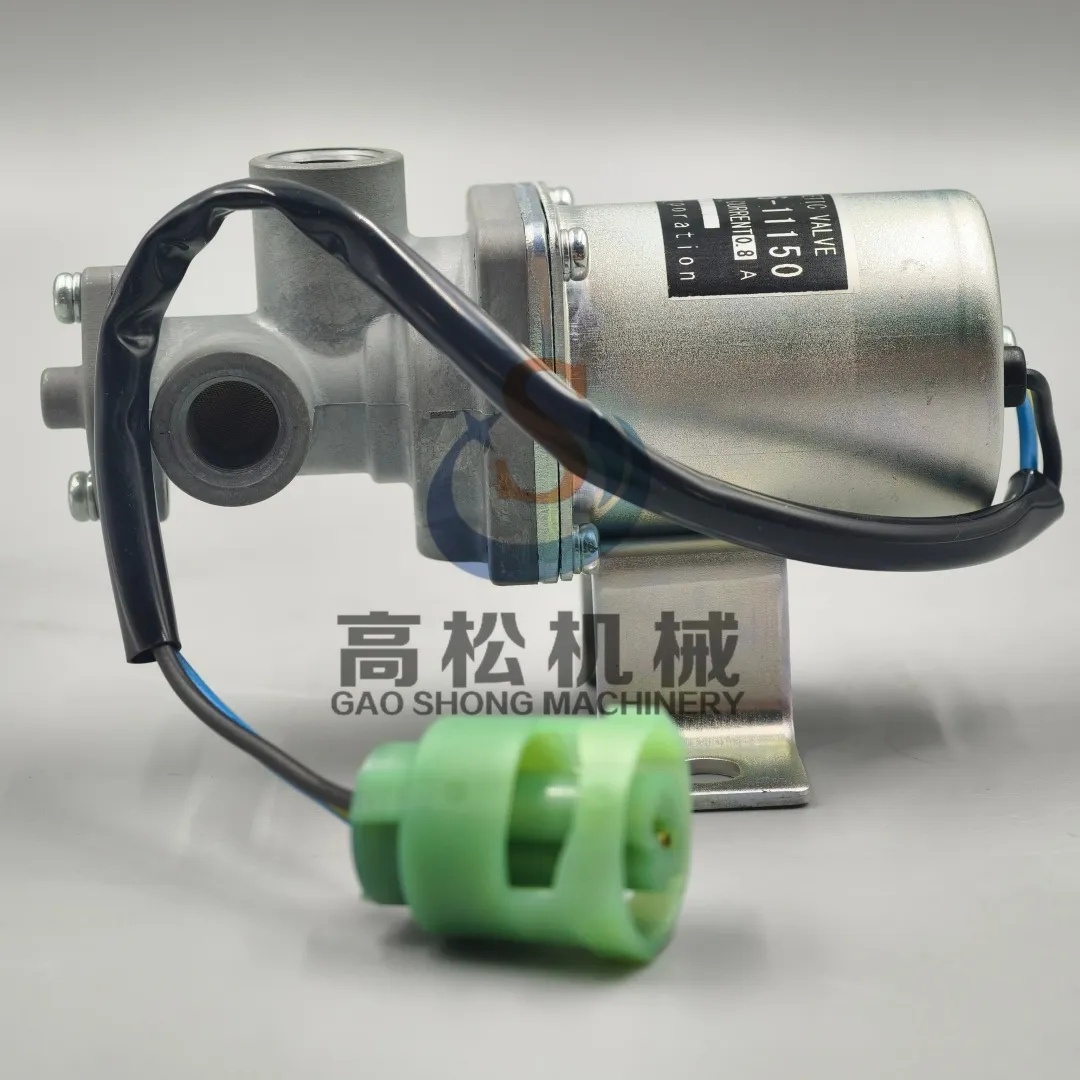 Komatsu Relay 425-06-11150 for Wheel loader WA600-1
 -
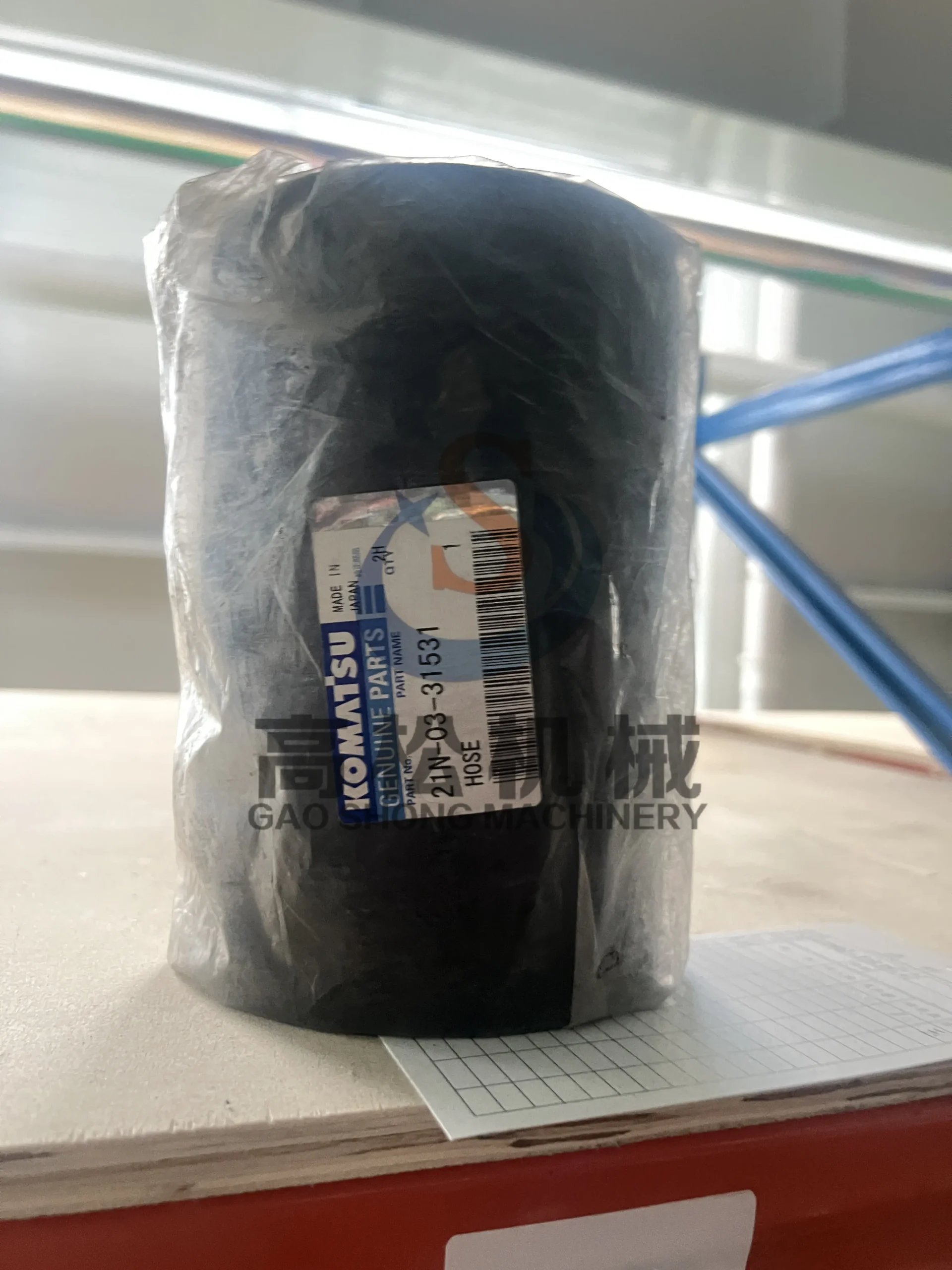 HOSE 21N-03-31531 – KOMATSU