
- Chinese
- French
- German
- Portuguese
- Spanish
- Russian
- Japanese
- Korean
- Arabic
- Irish
- Greek
- Turkish
- Italian
- Danish
- Romanian
- Indonesian
- Czech
- Afrikaans
- Swedish
- Polish
- Basque
- Catalan
- Esperanto
- Hindi
- Lao
- Albanian
- Amharic
- Armenian
- Azerbaijani
- Belarusian
- Bengali
- Bosnian
- Bulgarian
- Cebuano
- Chichewa
- Corsican
- Croatian
- Dutch
- Estonian
- Filipino
- Finnish
- Frisian
- Galician
- Georgian
- Gujarati
- Haitian
- Hausa
- Hawaiian
- Hebrew
- Hmong
- Hungarian
- Icelandic
- Igbo
- Javanese
- Kannada
- Kazakh
- Khmer
- Kurdish
- Kyrgyz
- Latin
- Latvian
- Lithuanian
- Luxembou..
- Macedonian
- Malagasy
- Malay
- Malayalam
- Maltese
- Maori
- Marathi
- Mongolian
- Burmese
- Nepali
- Norwegian
- Pashto
- Persian
- Punjabi
- Serbian
- Sesotho
- Sinhala
- Slovak
- Slovenian
- Somali
- Samoan
- Scots Gaelic
- Shona
- Sindhi
- Sundanese
- Swahili
- Tajik
- Tamil
- Telugu
- Thai
- Ukrainian
- Urdu
- Uzbek
- Vietnamese
- Welsh
- Xhosa
- Yiddish
- Yoruba
- Zulu
- Kinyarwanda
- Tatar
- Oriya
- Turkmen
- Uyghur






komatsu parts book 777
When you hear 'Komatsu parts book 777', if you just think of a PDF or a thick catalog on a shelf, you're missing the point. It's the gateway, but the real game is knowing what's behind those part numbers, especially when the official supply line hits a wall. That's where the actual work begins.
The Illusion of Complete Availability
Every mechanic or fleet manager has been there. You pull up the Komatsu parts book for a 777 dump truck, find the exact part number for, say, a final drive seal kit, and place the order. The system says it's available. Then you wait. And wait. A week later, you get a backorder notice. The part is stuck in some global logistics hub, or worse, discontinued for that older model variant. The book isn't wrong; the supply chain reality is just different. This is the daily frustration in many regions.
This gap is precisely where companies like Jining Gaosong operate. They’re not just another reseller. Their setup is interesting: they are an OEM product supplier within the Komatsu system. In practice, this often means they have access to genuine Komatsu production lines or certified aftermarket sources for components. But their real value-add, as stated on their site https://www.takematsumachinery.com, is acting as a third-party sales company to solve parts supply challenges in certain countries. That's a diplomatic way of saying they navigate the shortages the official channels can't always resolve locally.
So, when you're looking at the parts book 777, you're looking at a map. Companies like Gaosong are one of the potential guides to actually reach the destination. They can often cross-reference that OEM number with an alternative source, or even have the part manufactured to spec under license, which is a whole other level of solution.
When the Book Meets the Machine - A Real Snag
Let me give you a concrete example. We had a Komatsu 777D where the steering clutch control valve was acting up. The parts book listed the assembly. Ordering the whole unit was prohibitively expensive and had a 3-month lead time from Japan. The downtime was crushing us.
The alternative was to rebuild it. But here's the catch: the book gives you the assembly number, not always the individual O-rings, seals, and small springs inside. You need a supplier who either has the rebuild kit (which isn't always a standard listed item) or can source those internal components. This is the kind of granular, unglamorous problem that defines this business. It's not about selling a giant engine block; it's about finding the specific 15mm retaining ring on page 243 of the PDF.
We reached out to a few specialists, including Gaosong, framing the problem not as we need part XXXXX, but as we need to rebuild this valve, here are the internal measurements. Their response was telling. They asked for photos of the disassembled unit and the worn seals. That's a hands-on, practical approach. They came back with options: a genuine Komatsu seal kit they had in a warehouse in Singapore, and a third-party, certified equivalent they could ship from their stock in China in 5 days. We went with the faster option. It worked. The cost was 40% less than the new assembly.
The Third-Party Reality and Quality Paranoia
The term third-party makes a lot of people in this industry nervous, and rightly so. There's a sea of junk out there. A badly machined pinion gear from an uncertified foundry can destroy a final drive in hours. The trust factor is everything.
This is why the dual identity of a supplier matters. Gaosong's claim of being an OEM product supplier within the Komatsu system suggests a direct quality pipeline and adherence to specs. When they then offer a third-party solution, it's presumably vetted against that OEM knowledge. It’s not just buying random parts from a market; it's sourcing based on OEM blueprints. The distinction is critical for operational credibility.
You develop a sense for these suppliers. The good ones don't just say yes, we have it. They ask follow-up questions: What's the serial number prefix of your 777? Is this for the left or right side final drive? They're sometimes mirrored. Are you seeing abnormal wear on the flank of the old sprocket teeth? That dialogue shows they've been in the trenches. Their website, Takematsu Machinery, positions them as problem-solvers for supply challenges, which aligns with that experience.
Beyond the Book: The Unwritten Chapters
The true test of a parts specialist isn't handling the common items. It's the obscure ones. The wiring harness connector that got brittle and shattered. The specific shim for adjusting camber on the front axle that you need in 0.1mm increments. These are rarely in stock anywhere.
A reliable partner needs a network. They might need to pull that connector from a salvage machine in another country or have the shim laser-cut locally. This capability turns a catastrophic 3-week downtime into a 2-day hiccup. It's this layer of service—the unwritten chapter of the Komatsu parts book 777—that defines value. It's about providing a path when the standard map shows a dead end.
This often involves a hybrid approach. For a hydraulic pump on a 777, they might supply a genuine Komatsu rotor kit (OEM-system sourced) but pair it with a high-quality, third-party housing that had a hairline crack. They're solving the problem holistically, not just slavishly following the catalog.
Closing the Loop: From Search to Solution
So, when you or your team type komatsu parts book 777 into a search bar, you're at the start of a journey. The book is the indispensable reference. But the outcome—getting the right part, of the right quality, in a time frame that doesn't bankrupt your project—depends on the human and commercial network you engage.
Suppliers like Jining Gaosong Construction Machinery Co., Ltd. fill a specific, crucial niche. They leverage their position within the Komatsu ecosystem to understand the absolute standard, then use their third-party agility to deliver practical solutions where the primary pipeline is constrained. It's a model built for real-world friction.
In the end, the parts book is static. The machine in the field, breaking down, is dynamic. Your supply chain needs to be dynamic too. It's less about having a perfect catalog and more about having a partner who knows that catalog inside out and, more importantly, knows all the places to look when the catalog's first answer isn't good enough. That's the difference between waiting and working.
Related Products
Related Products

Best Selling Products
Best Selling Products-
 VALVE ASS’Y21T-68-67940
 -
 Brand New and Original RETARDER VALVE ASS’Y 561-35-62203 Valve Assembly for komatsu HD605-5 HD465-5 HD405-6 Dump Trucks
 -
 07213-50710 Connector, suitable for Komat Su D275A/D375A/D475A/PC600/PC1250
 -
 426-56-23360 Komatsu Lamp Assembly
 -
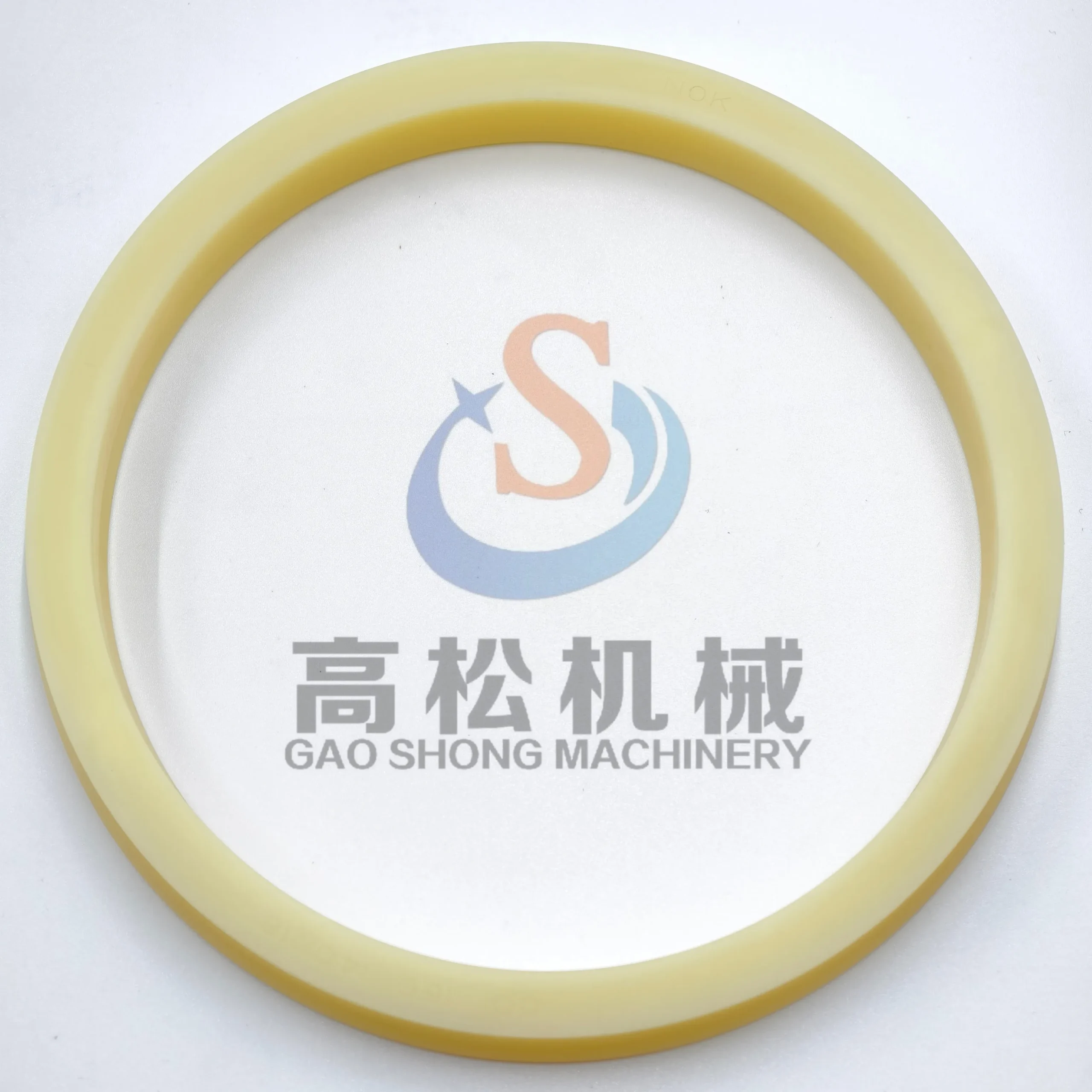 21N-30-14160 PACKING (Komatsu)
 -
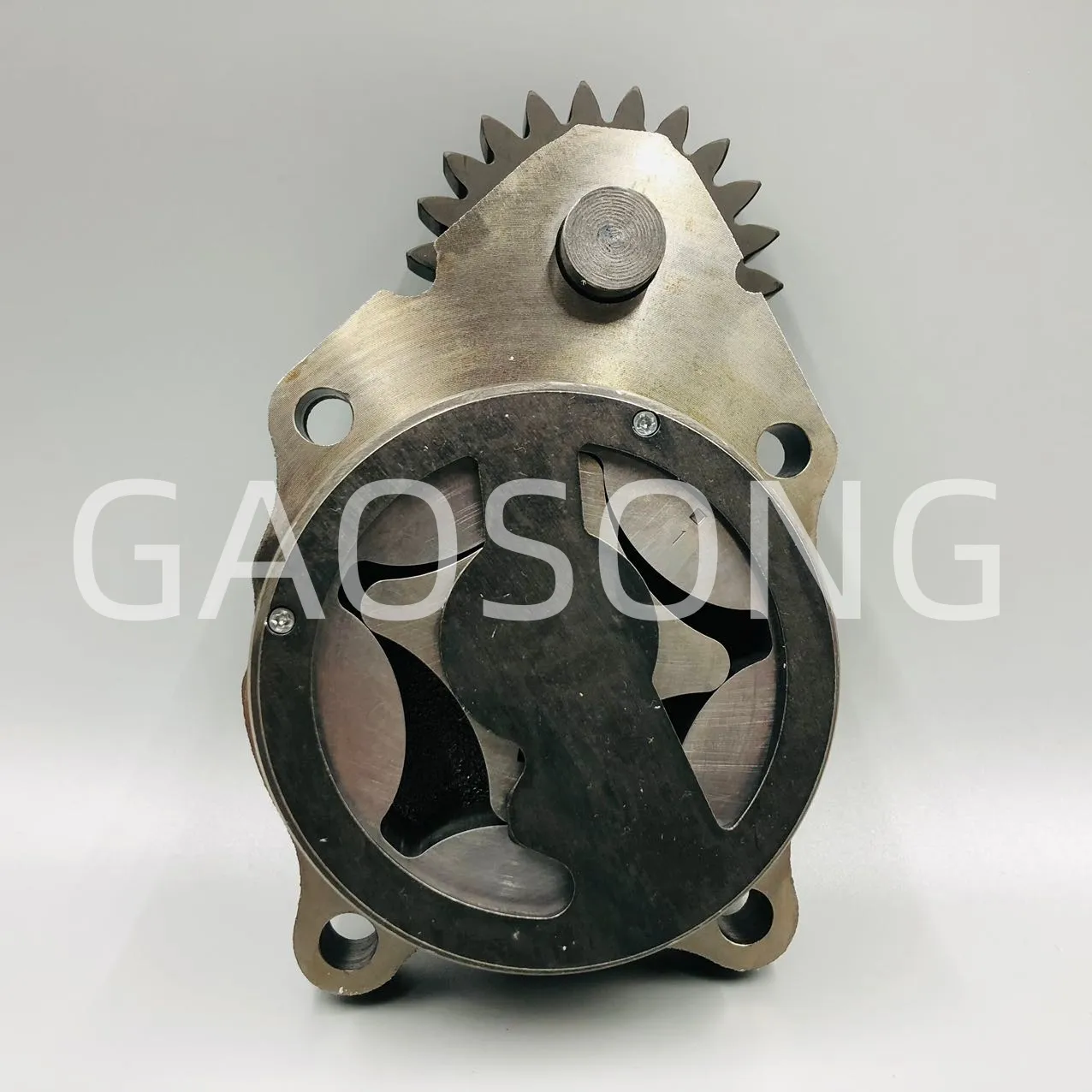 6754-51-1111 Pump Assembly, Oil-Komatsu Original Factory
 -
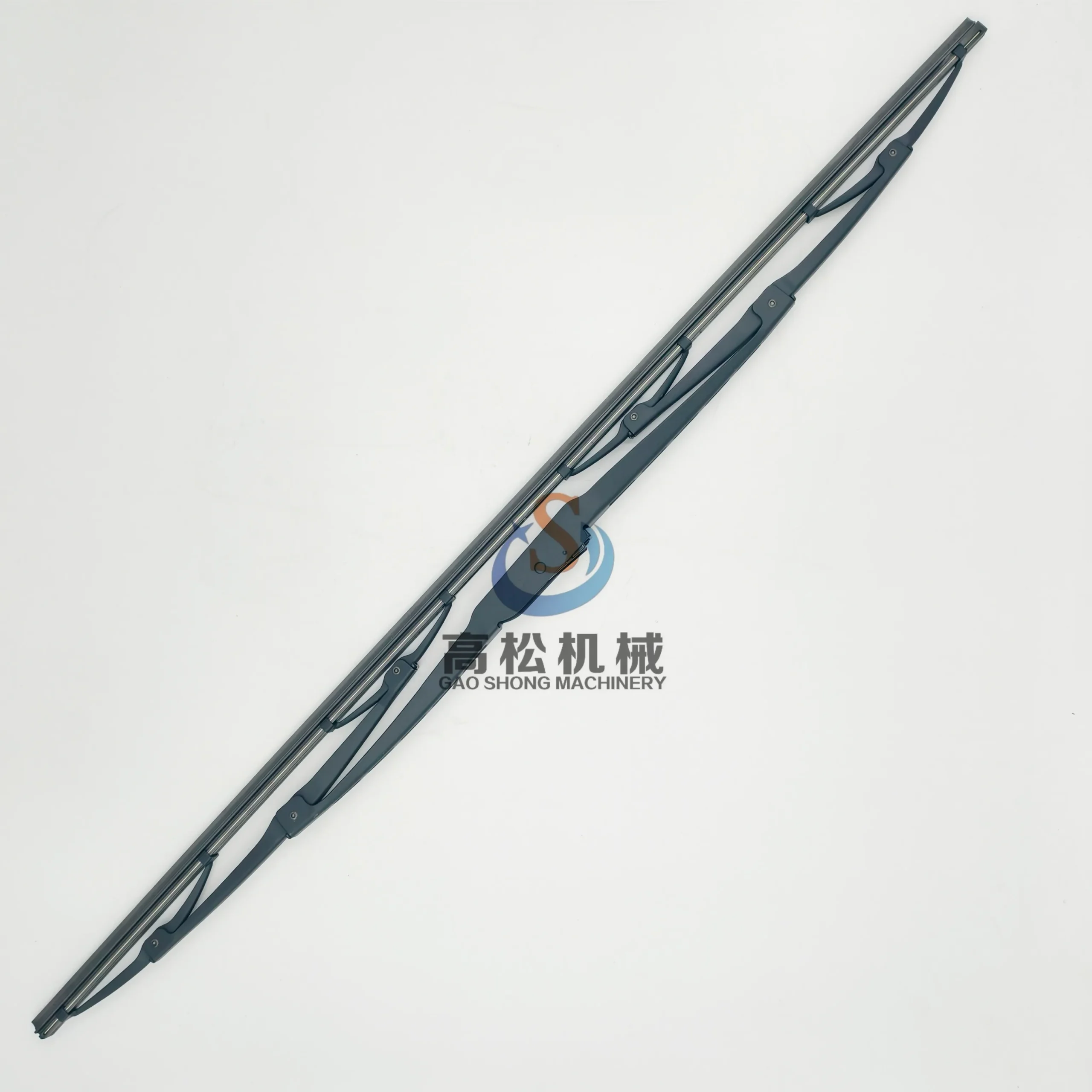 BLADE,FRONT 56B-54-13240 HM250-2 HM300-2 HM350-2 HM400-2 (ecot3) OPERATOR’S CAB (WIPER)
 -
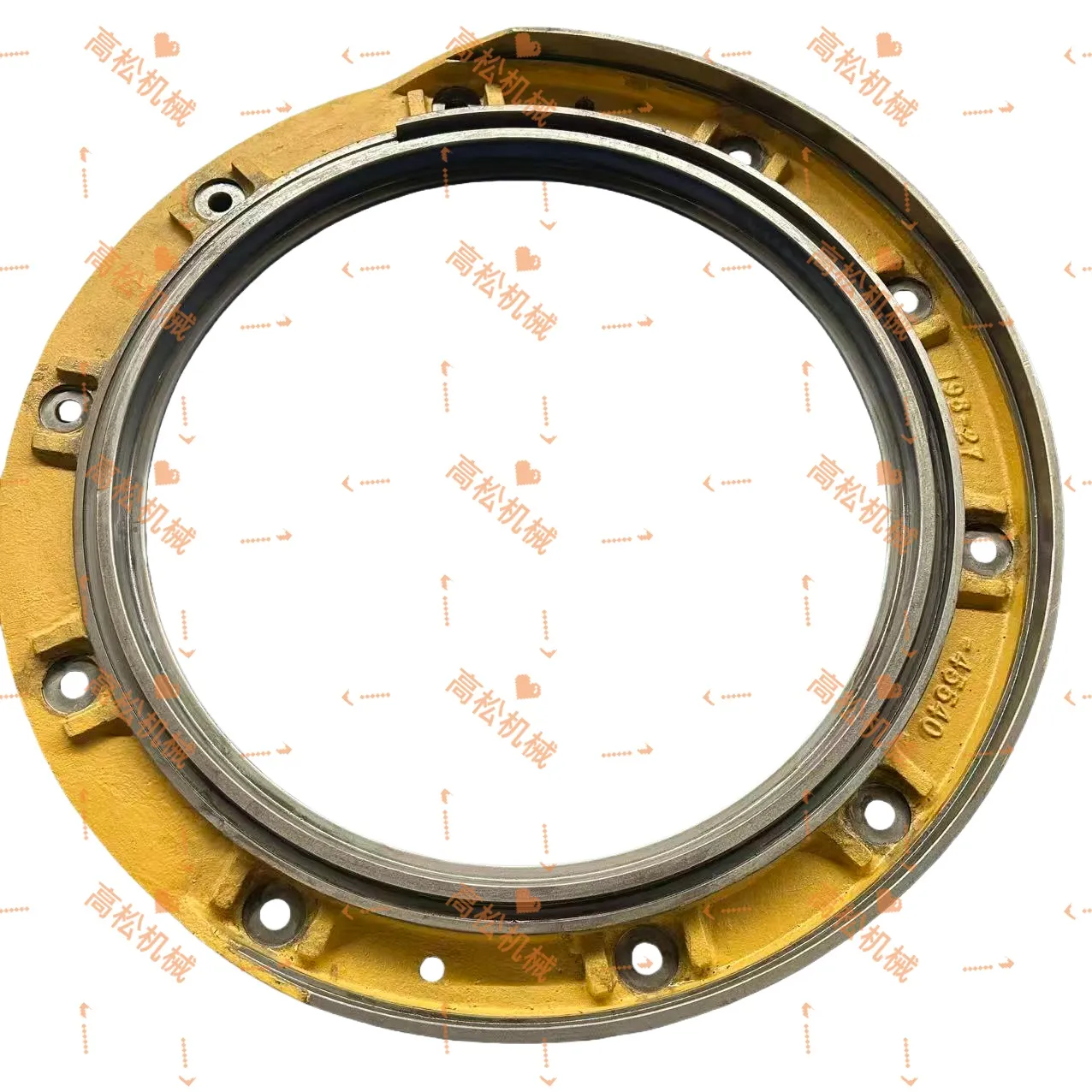 komatsu parts198-27-45540 COVER D475A-5A S/N 20001-UP (Super Dozer Spec.) FINAL DRIVE
 -
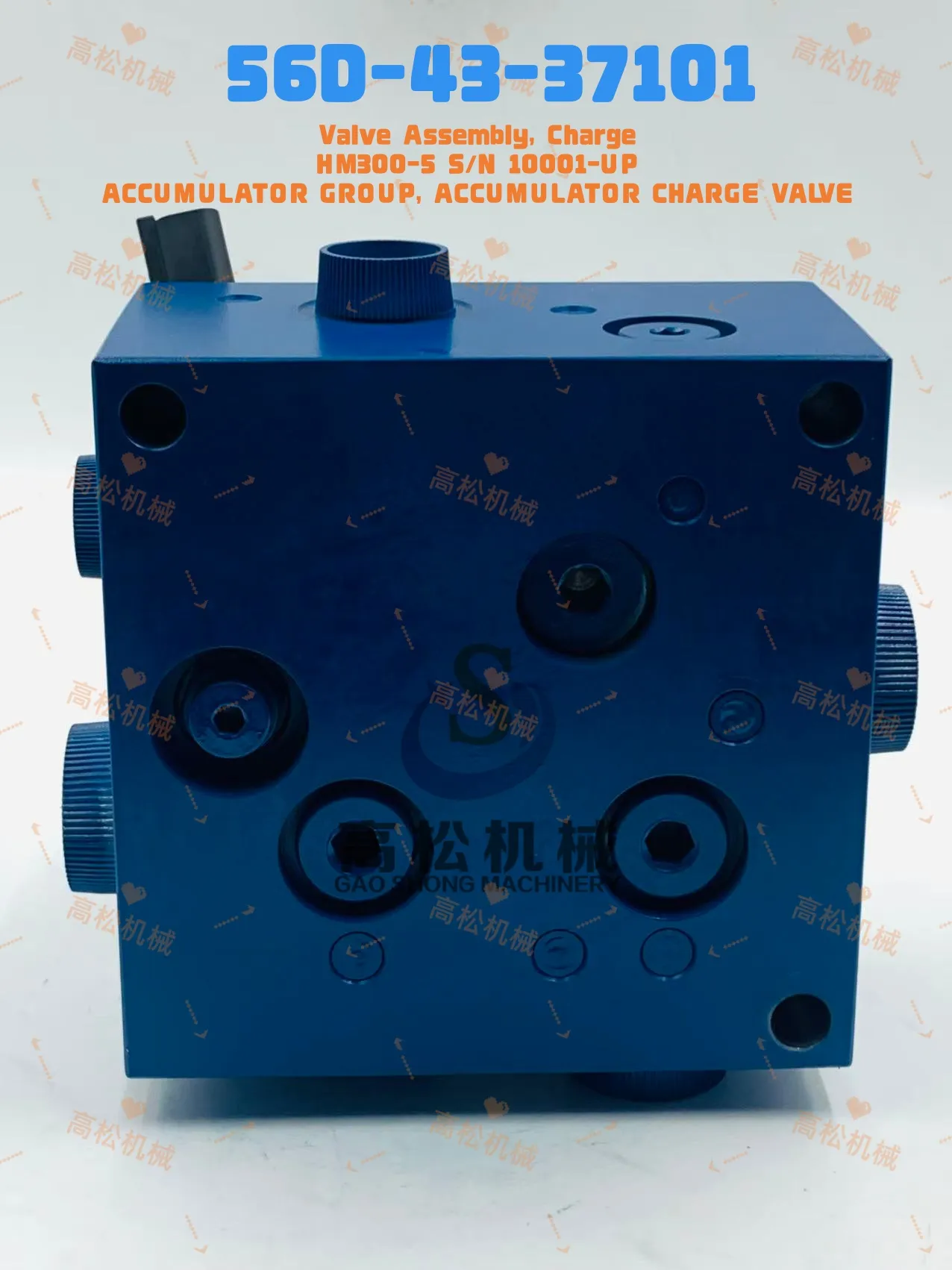 56D-43-37101 Valve Assembly, Charge for HM300 Komatsu Dump Truck Parts High Quality
 -
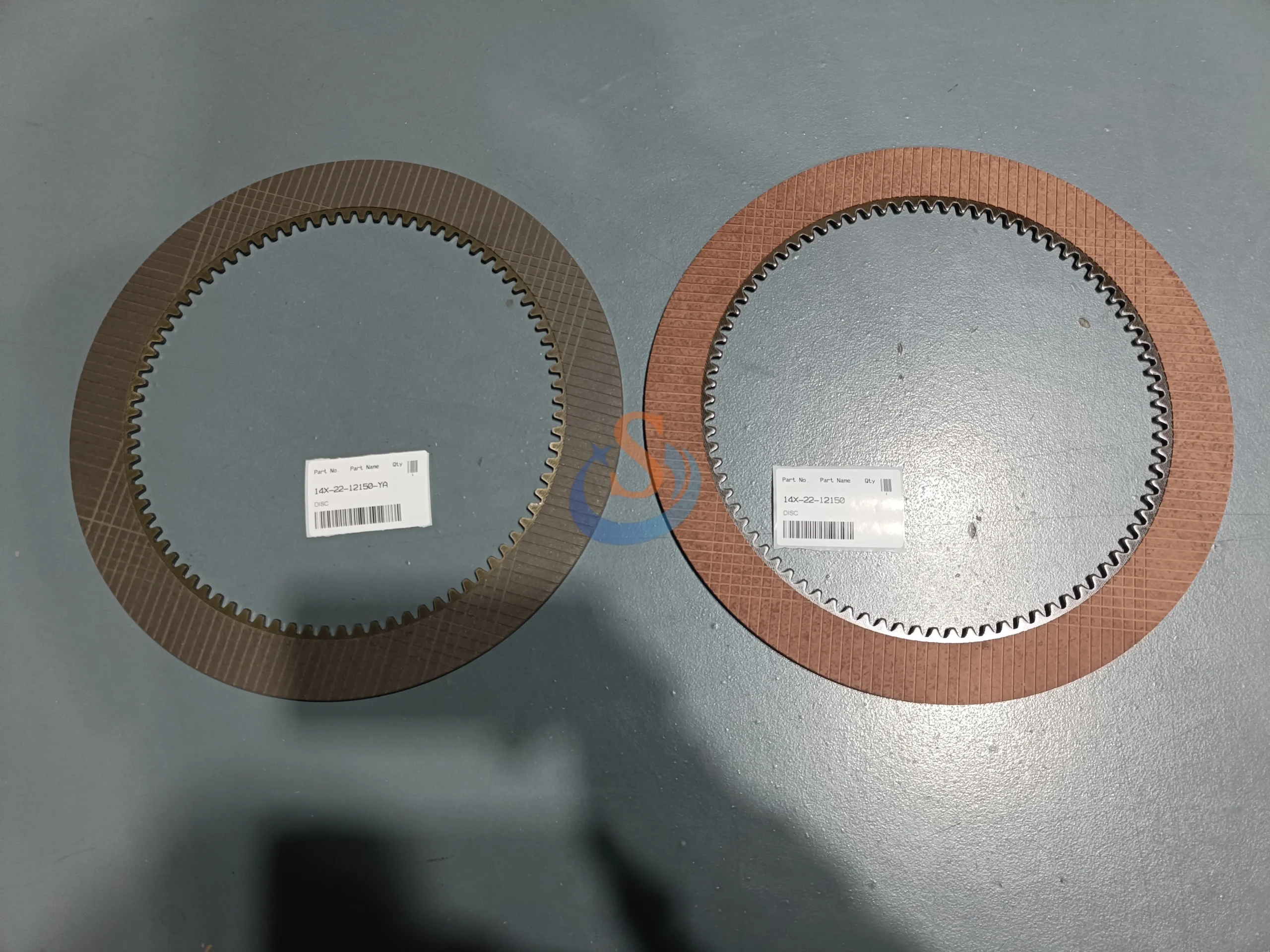 14X-22-12150,DISC,D85ESS,D275A
 -
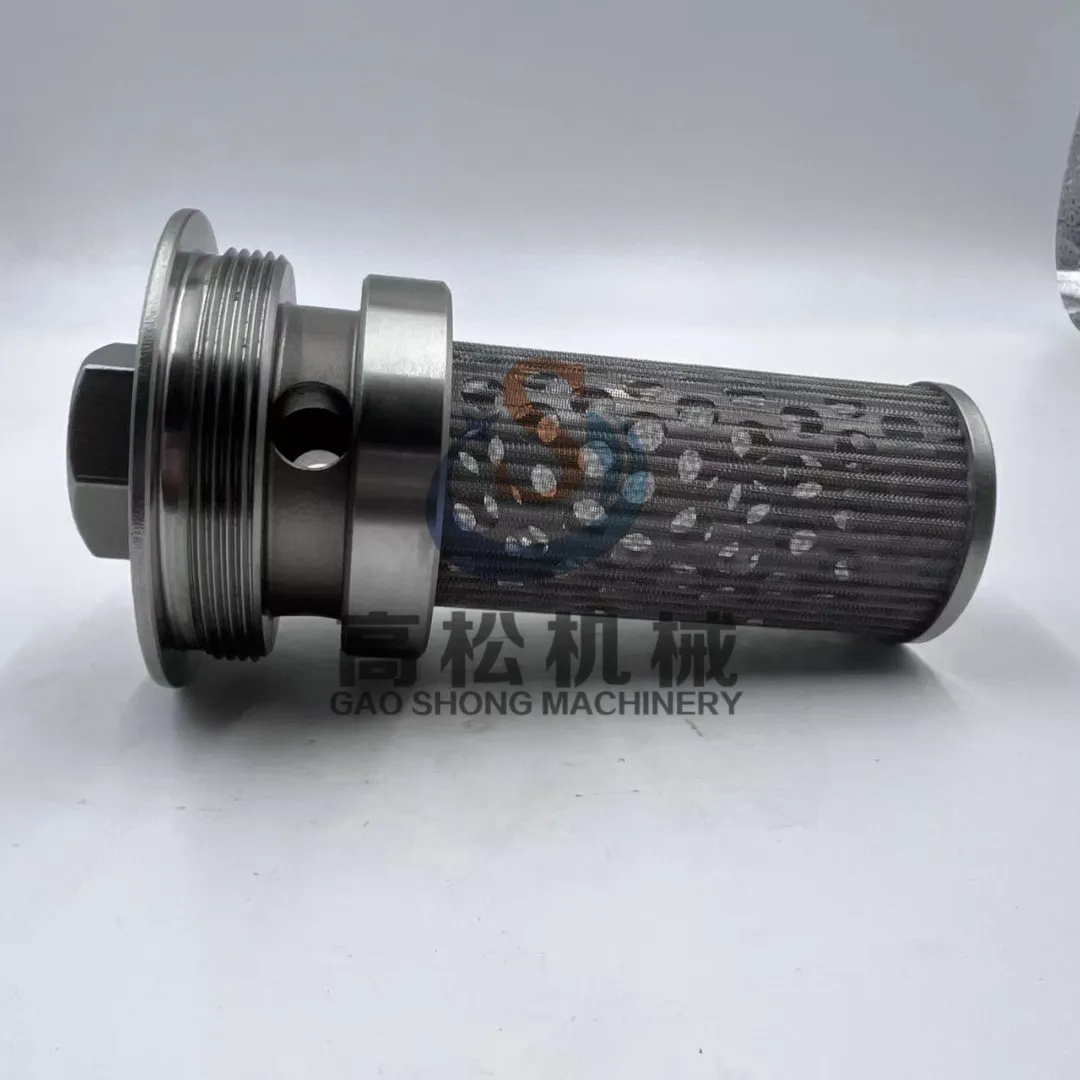 Komatsu 195-04-11150 Strainer 195041150
 -
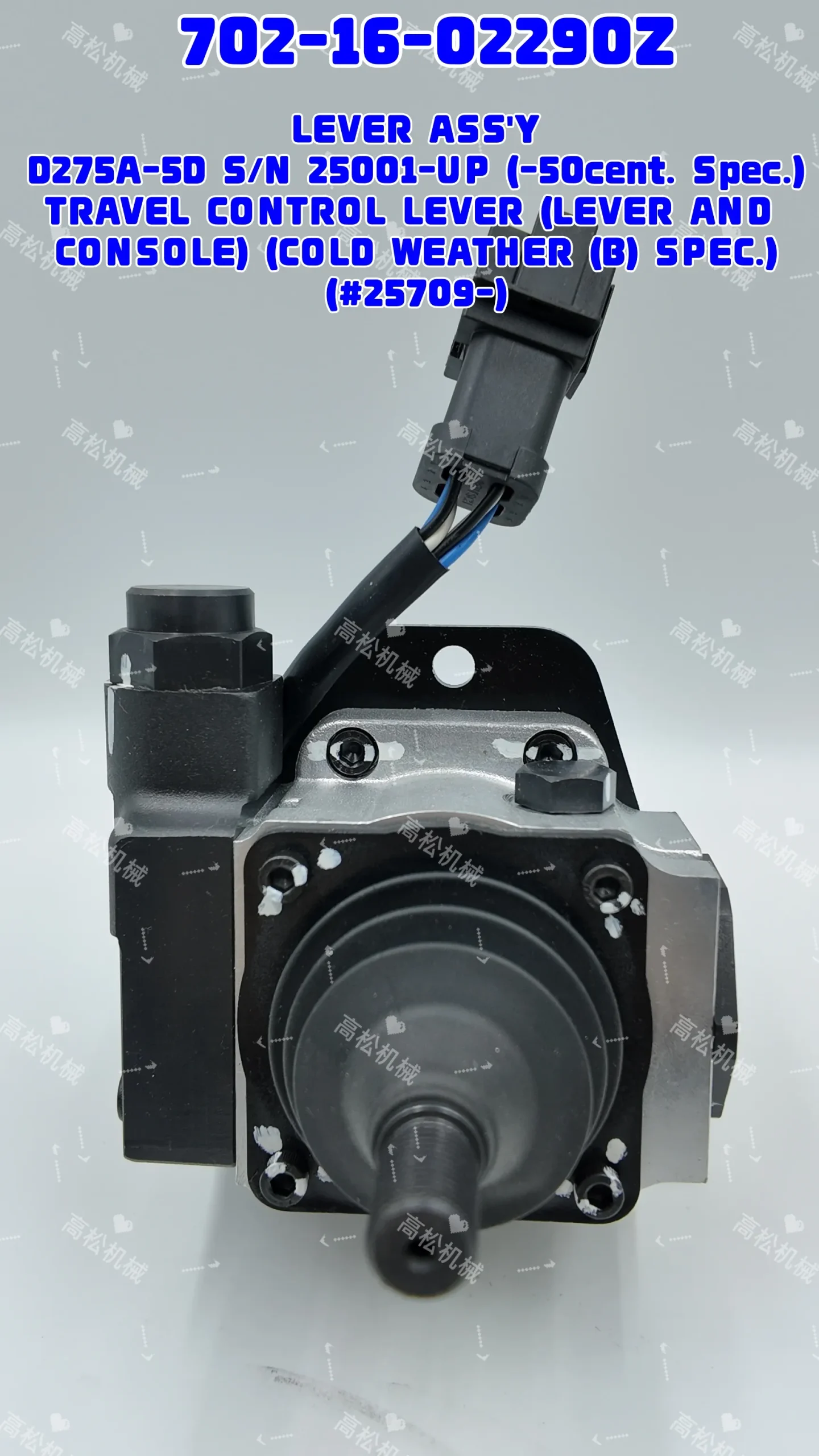 komatsu-part-702-16-02290 LEVER ASS’Y D65PX-15E0 D155AX-6 D155AX-8 D275A-5R D85EXI-18 FLOOR FRAME, TRAVEL CONTROL LEVER FLOOR FRAME, LEVER ROPS CAB, PCCS (PALM COMMAND CONTROL SYSTEM) LEVER