
- Chinese
- French
- German
- Portuguese
- Spanish
- Russian
- Japanese
- Korean
- Arabic
- Irish
- Greek
- Turkish
- Italian
- Danish
- Romanian
- Indonesian
- Czech
- Afrikaans
- Swedish
- Polish
- Basque
- Catalan
- Esperanto
- Hindi
- Lao
- Albanian
- Amharic
- Armenian
- Azerbaijani
- Belarusian
- Bengali
- Bosnian
- Bulgarian
- Cebuano
- Chichewa
- Corsican
- Croatian
- Dutch
- Estonian
- Filipino
- Finnish
- Frisian
- Galician
- Georgian
- Gujarati
- Haitian
- Hausa
- Hawaiian
- Hebrew
- Hmong
- Hungarian
- Icelandic
- Igbo
- Javanese
- Kannada
- Kazakh
- Khmer
- Kurdish
- Kyrgyz
- Latin
- Latvian
- Lithuanian
- Luxembou..
- Macedonian
- Malagasy
- Malay
- Malayalam
- Maltese
- Maori
- Marathi
- Mongolian
- Burmese
- Nepali
- Norwegian
- Pashto
- Persian
- Punjabi
- Serbian
- Sesotho
- Sinhala
- Slovak
- Slovenian
- Somali
- Samoan
- Scots Gaelic
- Shona
- Sindhi
- Sundanese
- Swahili
- Tajik
- Tamil
- Telugu
- Thai
- Ukrainian
- Urdu
- Uzbek
- Vietnamese
- Welsh
- Xhosa
- Yiddish
- Yoruba
- Zulu
- Kinyarwanda
- Tatar
- Oriya
- Turkmen
- Uyghur






komatsu parts 777
When you hear 'Komatsu parts 777', the immediate image is of those massive haul truck components—think final drives, brake groups, or that iconic dump body. But here's the thing everyone outside the field gets wrong: it's never just about the part number. It's about the iteration, the serial number break, and the specific market that truck was built for. I've seen too many orders go sideways because someone assumed a 777F wheel motor is the same as a 777D's. They're not. The devil is in the decades of production changes.
The Core Challenge: Beyond the OEM Catalog
OEM channels are straightforward until they're not. For a model like the 777, with a long service life across global mines, the official supply chain can hit a wall, especially in regions with trade complexities or for older series machines. This is where the gap emerges between the ideal parts manual and the reality on the ground. You need a component, the lead time is quoted at 20 weeks, but your truck is down now. That's the daily puzzle.
This is precisely the space where companies like Jining Gaosong Construction Machinery Co., Ltd. operate. They position themselves interestingly—an OEM product supplier within Komatsu's system but also acting as a third-party solution. Visiting their portal at https://www.takematsumachinery.com, you get a sense of their dual role. They're not just an alternative; they're a parallel channel focusing on solving parts supply challenges in certain countries, as their line goes. In practice, this often means they can access genuine or OEM-equivalent stock for models like the Komatsu 777 that might be stuck in logistical limbo elsewhere.
I recall a specific case for a 777D brake valve. The official distributor was back-ordered. We sourced a unit through a channel like Gaosong's. The critical step wasn't the purchase—it was the cross-referencing. We had to match not just the part number, but the casting marks, the port sizes, and the software history of the machine's brake controller. A direct fit part can still cause fault codes if it's from a later revision. It worked, but it took a full day of validation with the site mechanics.
On the Ground: Fitment and Validation Stories
Let's talk about cylinder heads. The 777's engine is a beast, and head cracks are a known headache. A new head isn't always new-old-stock from Komatsu; sometimes it's a licensed casting from an OEM partner. The quality is there, but the installation procedure has nuances. The torque sequence is gospel, but the coolant passage gaskets from these alternative batches sometimes have a slightly different composition. We learned to let them settle under temperature for a cycle before final-torquing, something not in the standard manual. It's these tiny, unwritten specs that separate a fix that lasts from a callback in two months.
Another point of friction is the electrical harnesses for the body controller. Aftermarket or third-party supplied harnesses might solve the pin-out, but the sheath material's flexibility in extreme cold can be different. We had a batch that became brittle at -25°C, leading to cracked insulation and shorts. The core component was correct, but the ancillary material science failed. Now, our checklist includes asking about the temperature rating of the wire loom, a spec often buried in a sub-supplier's data sheet. It's not paranoia; it's learned cost-avoidance.
This is where the value of a specialized supplier's technical back-end shows. A good one won't just sell you a Komatsu 777 water pump. They should be able to tell you if it's the version with the upgraded ceramic seal for high-silica content coolant, which was a mid-life update for the 777F series. That intel comes from handling enough units and seeing the failure patterns, not just from reading a catalog.
The Economics and the Risk Calculation
Cost is obvious, but total cost isn't. A genuine OEM part for a 777's hydraulic pump comes with a premium but also a direct warranty path through the dealer network. A third-party/OEM-supplier part might be 30% less, but the warranty is with the seller. If it fails, you're dealing with shipping back to a company like Jining Gaosong, not your local Komatsu branch. The math has to include machine downtime risk. For a critical, hard-to-diagnose component like a transmission control module, I often lean genuine. For a more mechanical, inspectable part like a idler assembly for the undercarriage, the alternative channel becomes very compelling.
We tried once to save heavily on a full set of radiator cores. The price was fantastic. The fit was physically perfect. The issue was the fin density. It was higher, theoretically offering better cooling. In reality, it clogged with dust twice as fast in the arid mine environment, causing overheating until we installed a more frequent cleaning schedule. The savings were erased by the extra labor. It was a lesson in system compatibility over component specification.
So, you develop a tiered approach. Mission-critical, software-integrated parts? Pay the OEM premium. Durable, mechanical wear items like pins, bushings, and even some gear sets? Qualified third-party sources like the one mentioned become essential partners. Their role in helping to solve parts supply challenges is real—it's about keeping assets running when the primary pipeline is dry.
Logistics and the Reality of In Stock
In stock is the most dangerous phrase in this business. It can mean on a shelf in a warehouse, or it can mean in a container on a ship, or it can mean the factory has the castings and can assemble it in three weeks. Clarifying this is job one. A supplier's website, such as the one referenced, is a starting point, not a guarantee. The real conversation happens over email or phone: Is this physically in your bonded warehouse? Can you provide the container number and bill of lading? For a 777's differential, you don't want surprises.
Then there's customs. A part leaving one country as construction machinery parts can get held up under another tariff code. Experienced suppliers have this down to a science. They know how to classify a Komatsu 777 swing cylinder to avoid weeks of delay. This intangible expertise is sometimes more valuable than a minor price difference. It's the difference between a planned shutdown and an emergency.
I remember waiting eight weeks for a set of lift rams. The tracking showed them stuck in customs for a material certification review. The supplier had to fly in the factory metallurgy reports to get them released. A more seasoned player might have pre-attached those documents. Now it's a question on our pre-order checklist.
Concluding Thoughts: A Pragmatic Partnership
So, circling back to Komatsu parts 777. It's a world of detail. The keyword isn't a shopping term; it's a gateway to a complex ecosystem of engineering, logistics, and field pragmatism. Relying solely on the primary dealer network isn't always feasible, and going purely aftermarket is high-risk. The hybrid model—exemplified by entities operating as both an OEM-system supplier and an independent solver—fills a crucial, gritty niche.
The goal is never to just buy a part. It's to restore a machine to reliable, predictable service. That involves technical validation, total cost assessment, and logistical foresight. Suppliers that understand this, that provide not just a box with a part but the context and support around it, become extensions of the maintenance team. Their value isn't just in inventory; it's in their specific knowledge of the pain points for machines like the 777 in challenging environments. That's the real product.
In the end, you build a shortlist of trusted sources for different component categories. You learn which ones ask you for the serial number first, which ones have engineers on call, and which ones just read a price off a screen. The former are the partners that keep the fleet moving. The rest are just vendors.
Related Products
Related Products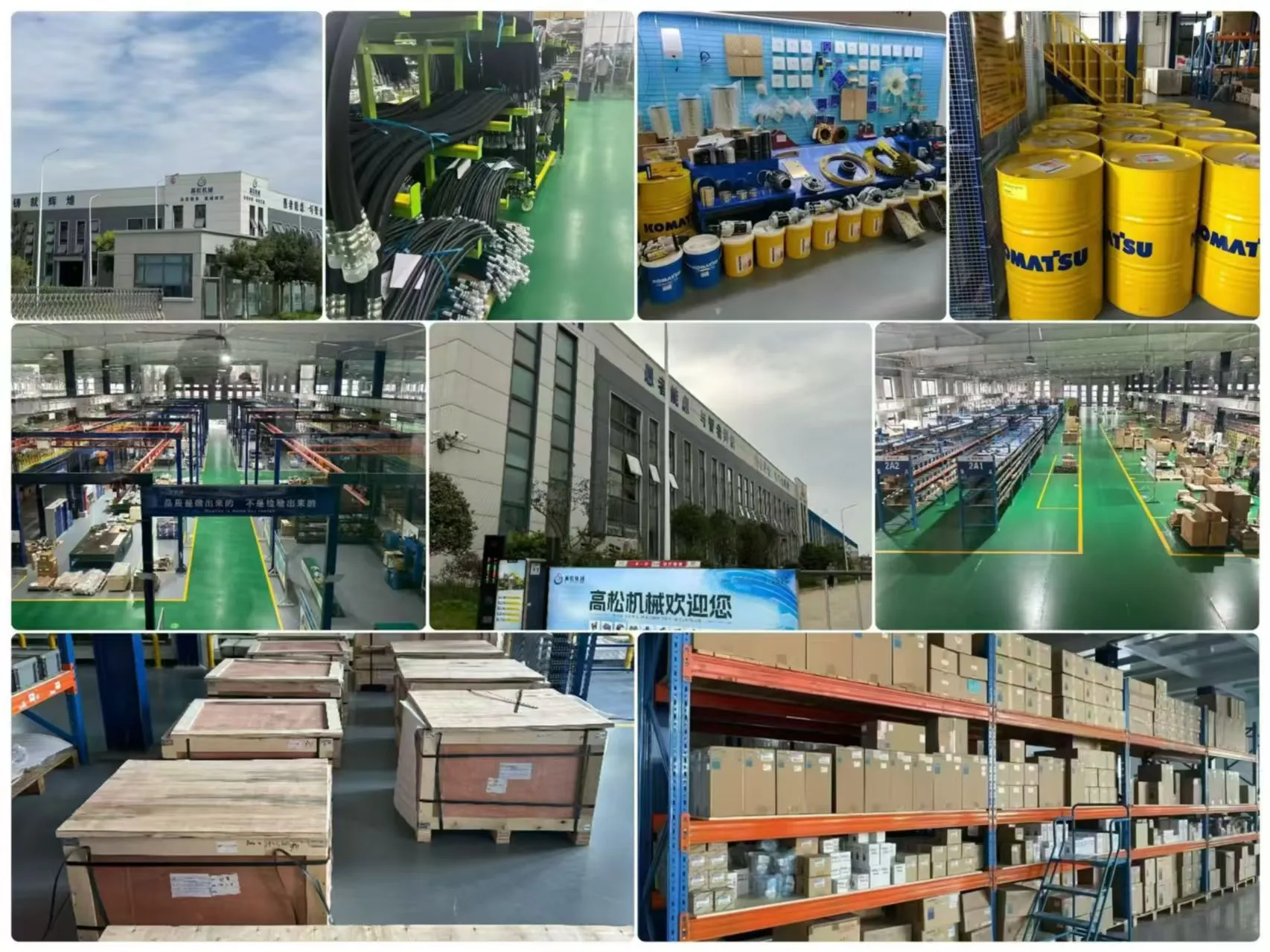

Best Selling Products
Best Selling Products-
 Komatsu D155A-5 cylinder 17A-22-11132
 -
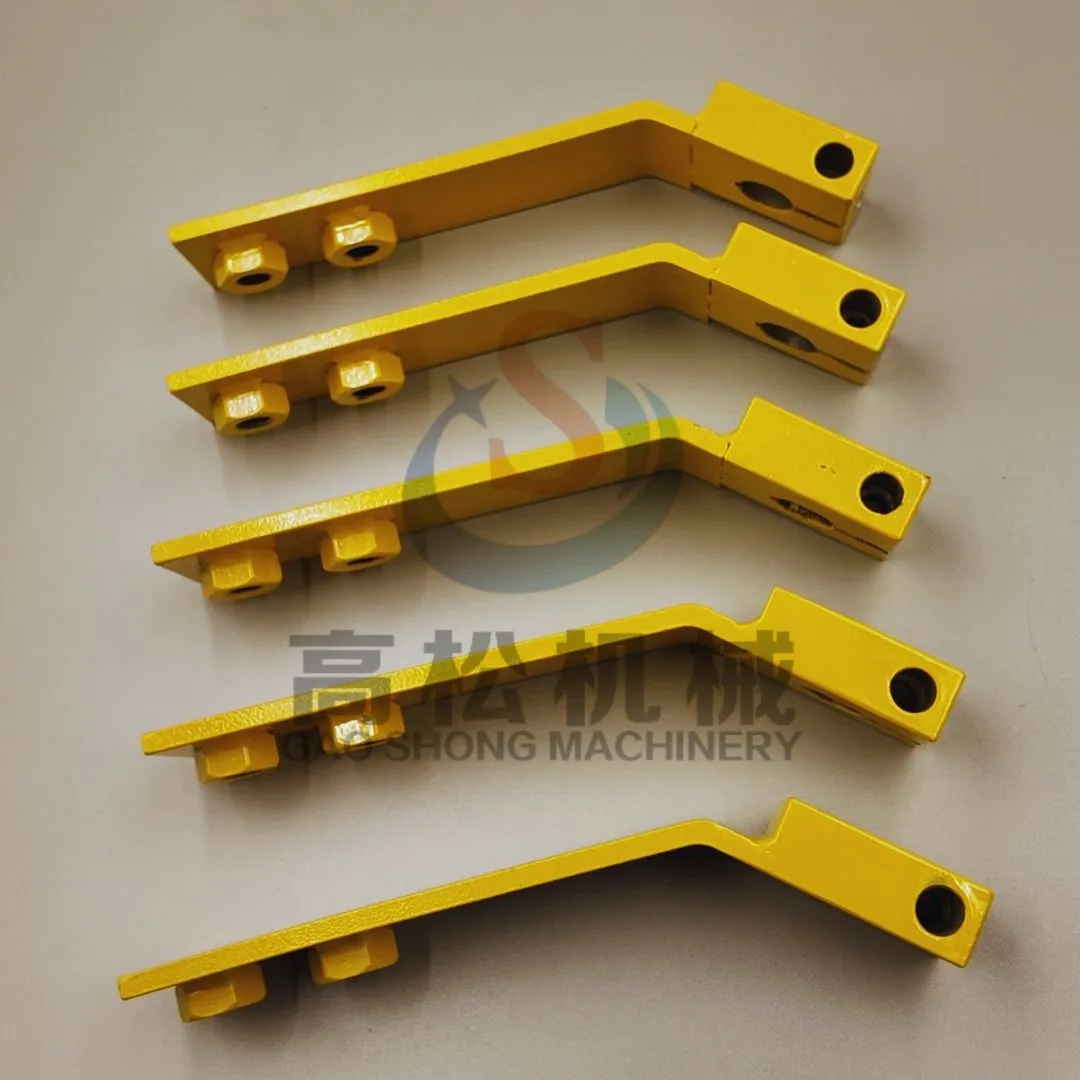 KOMATSU 566-86-6K430 BRACKET
 -
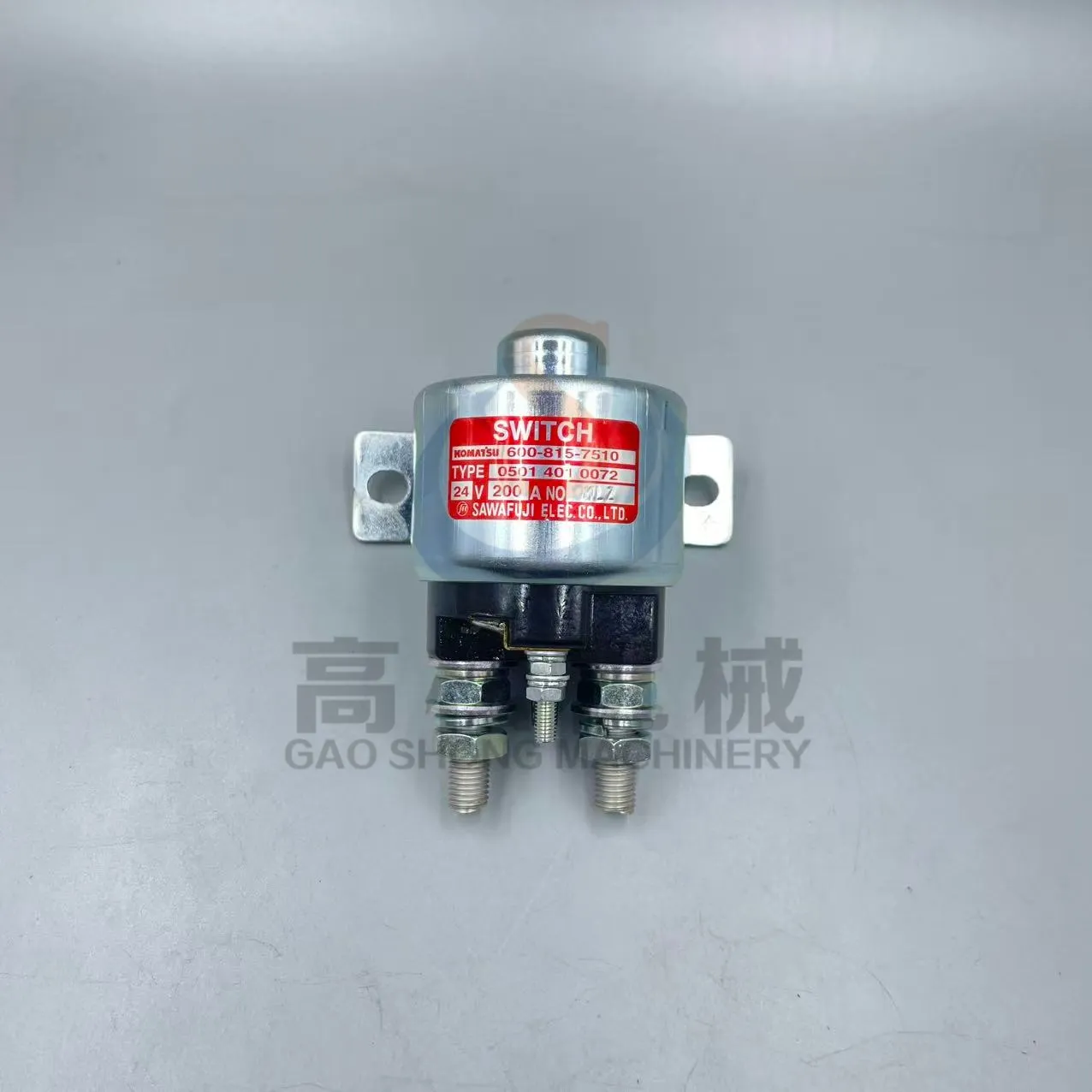 600-815-7510 Komatsu Switch, Heater
 -
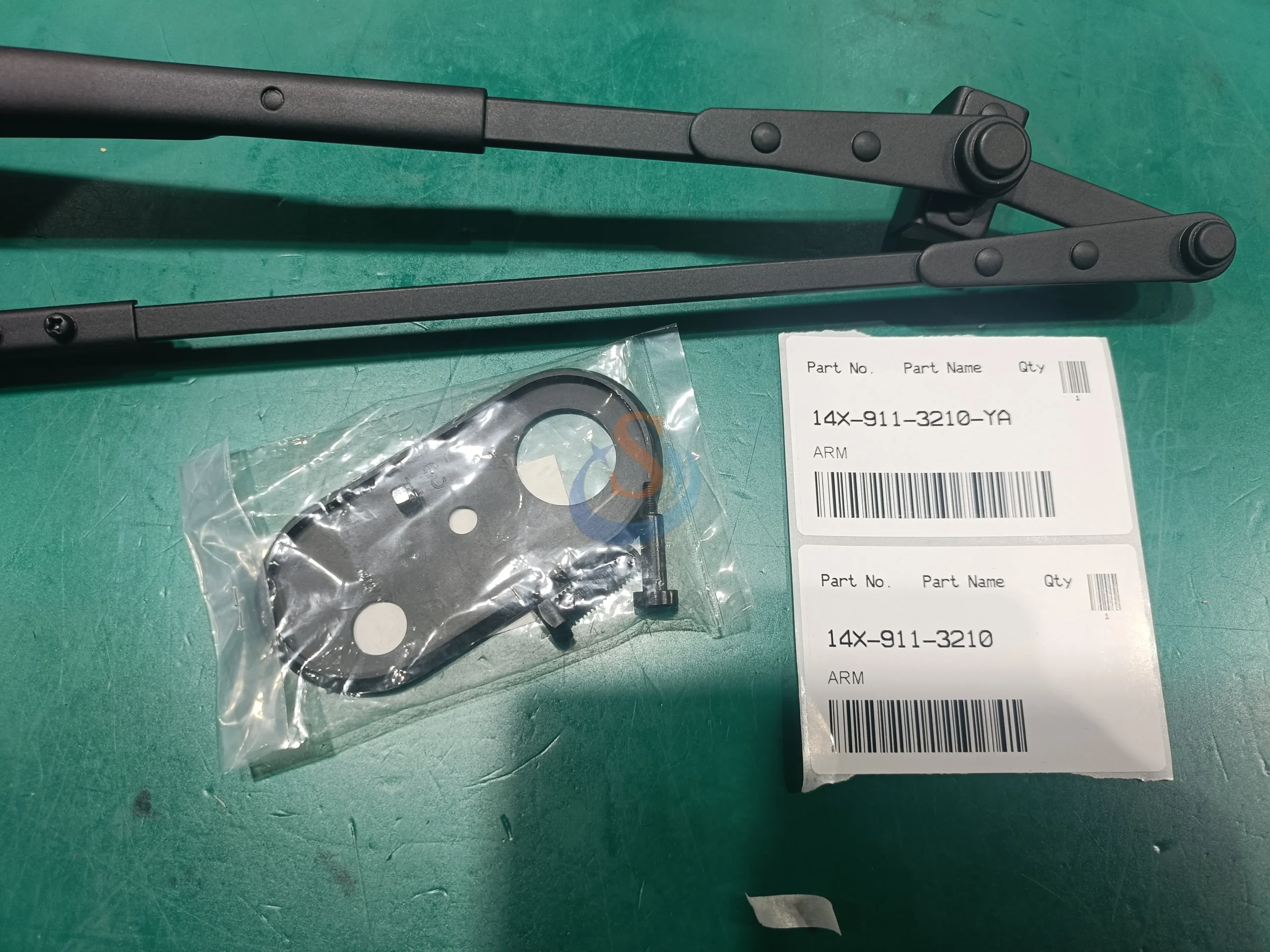 14X-911-3210,ARM,D65PX,D155A,D275A,D375A
 -
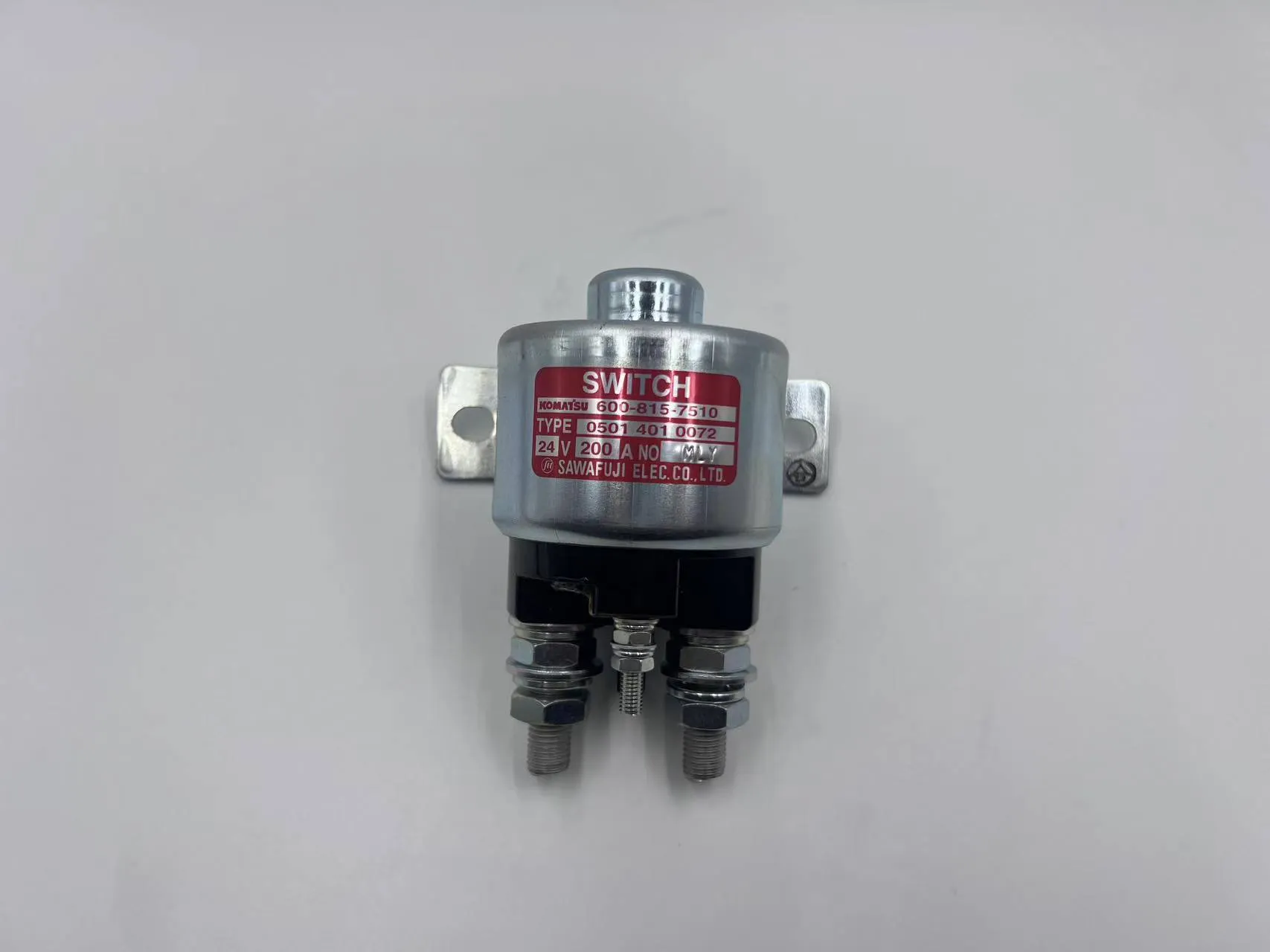 600-815-7510- SWITCH-Komatsu Original Factory
 -
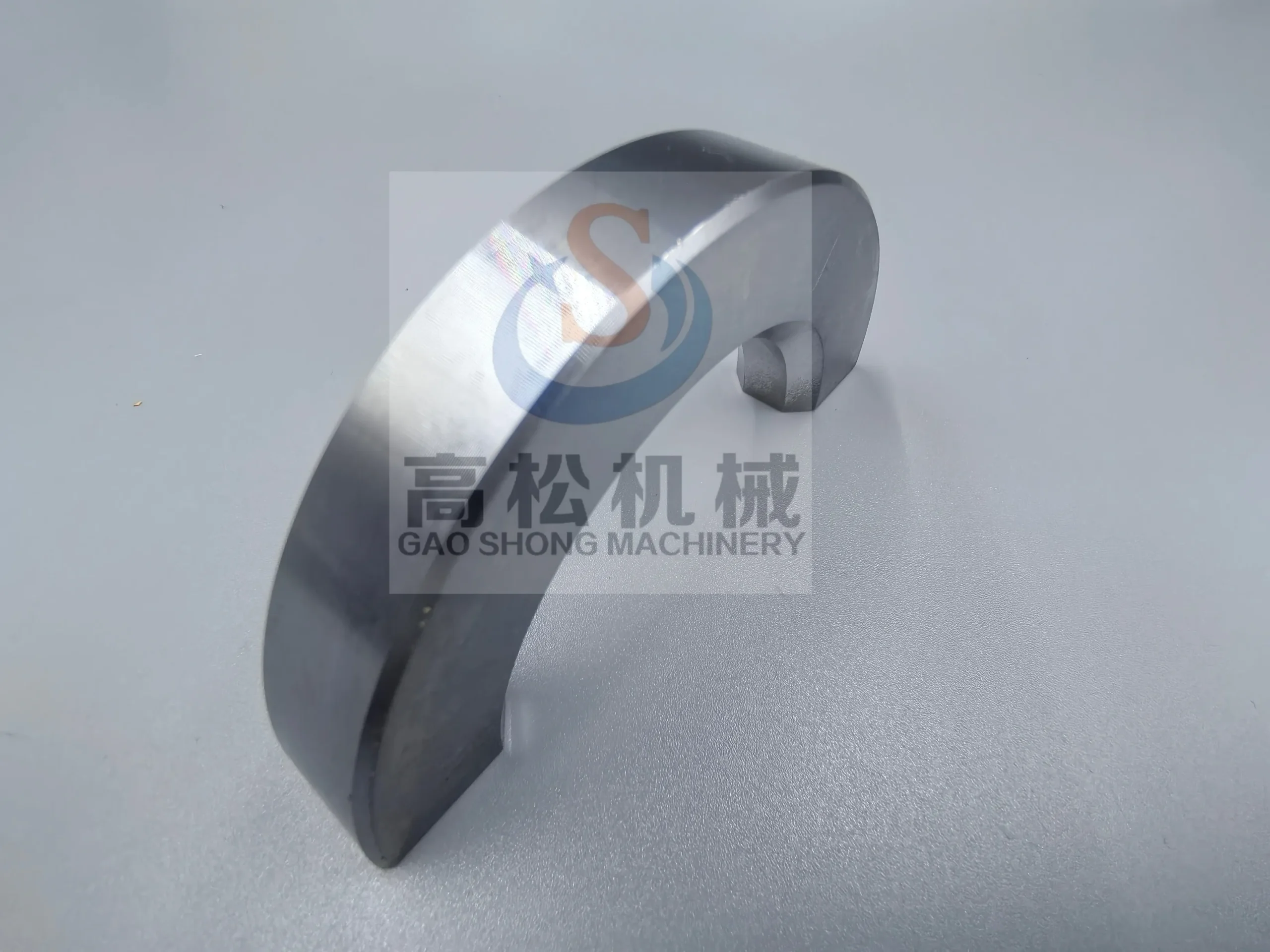 Komatsu bulldozer D65P-12 gasket 14X-30-13241 14X-30-13240
 -
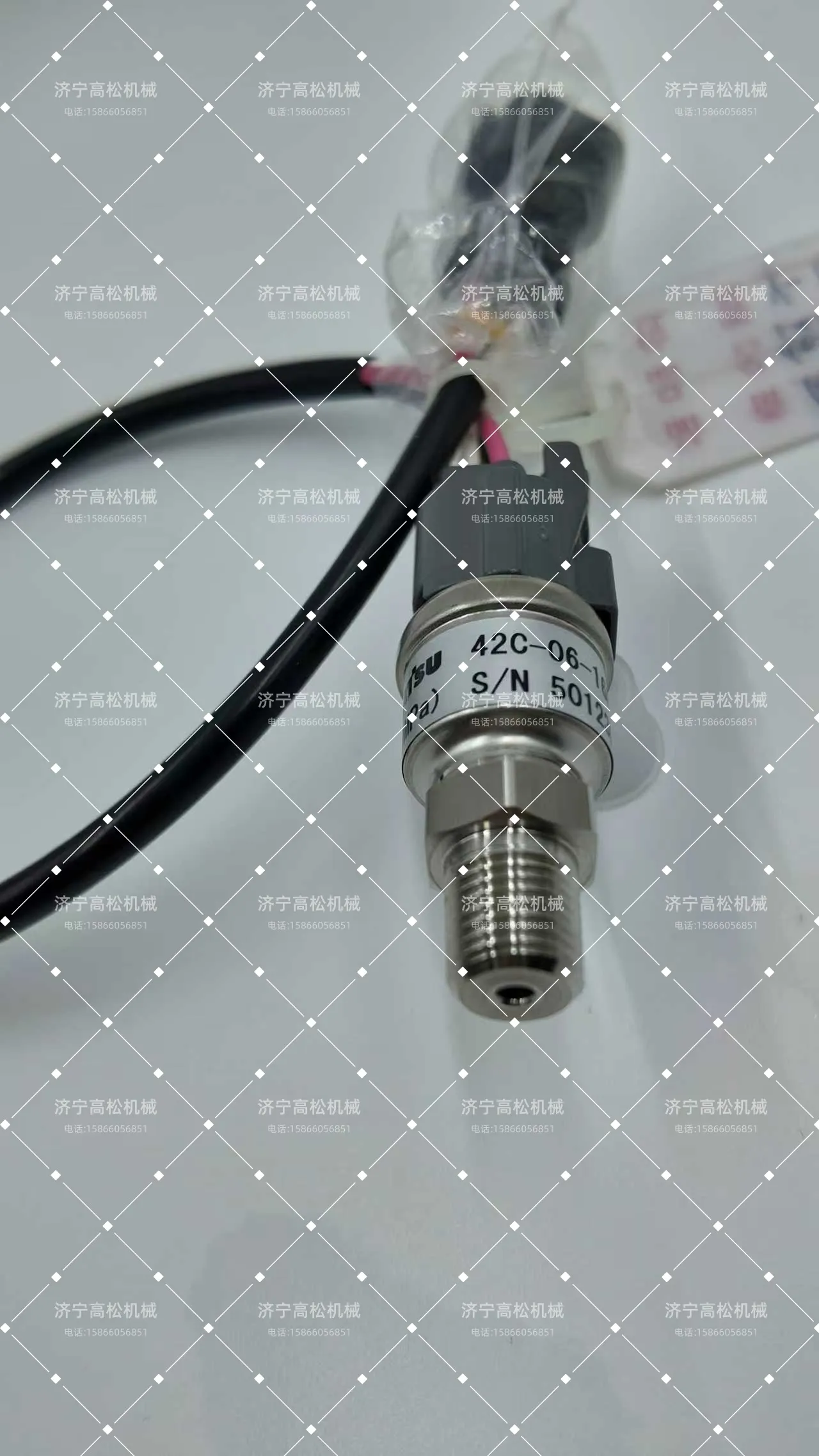 7861-93-1680 Pressure Sensor For Komatsu WA1200 SDA12V140E
 -
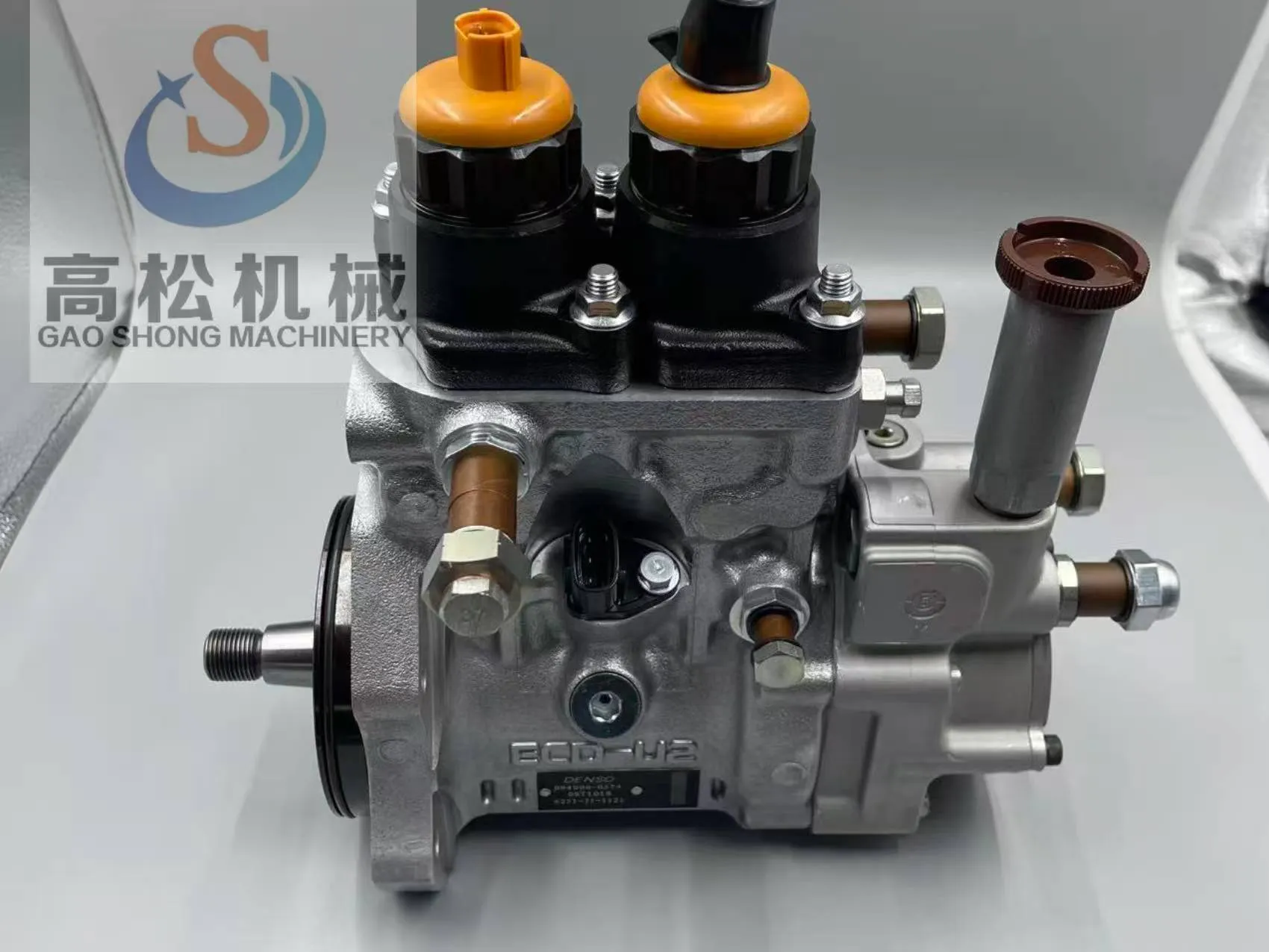 Pc450-8 pc400-8 high pressure fuel pump 6251-71-1121 spare parts for excavators
 -
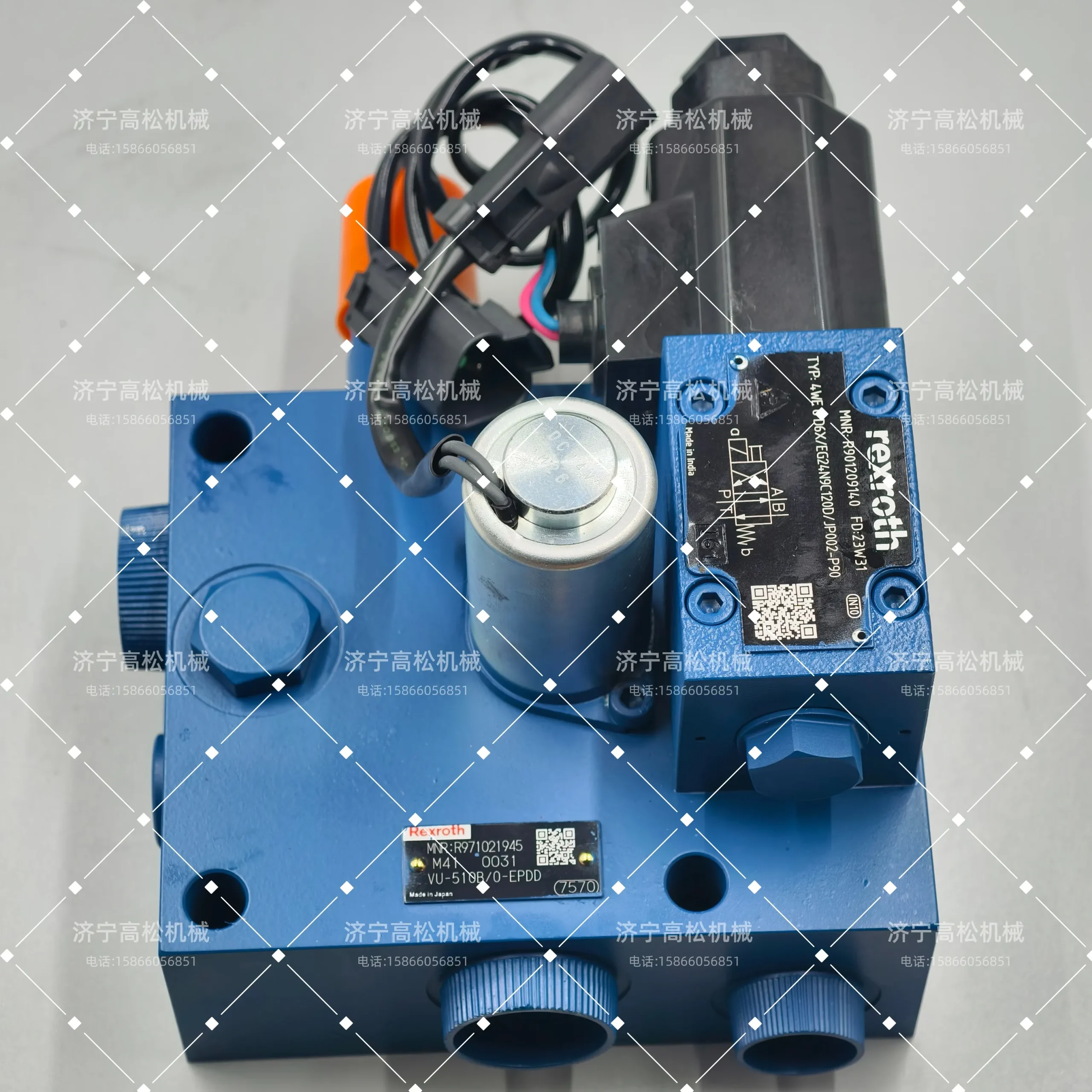 Dump Truck HD465-7EPC Valve Ass’y 56b-43-12402 56b4312402…
 -
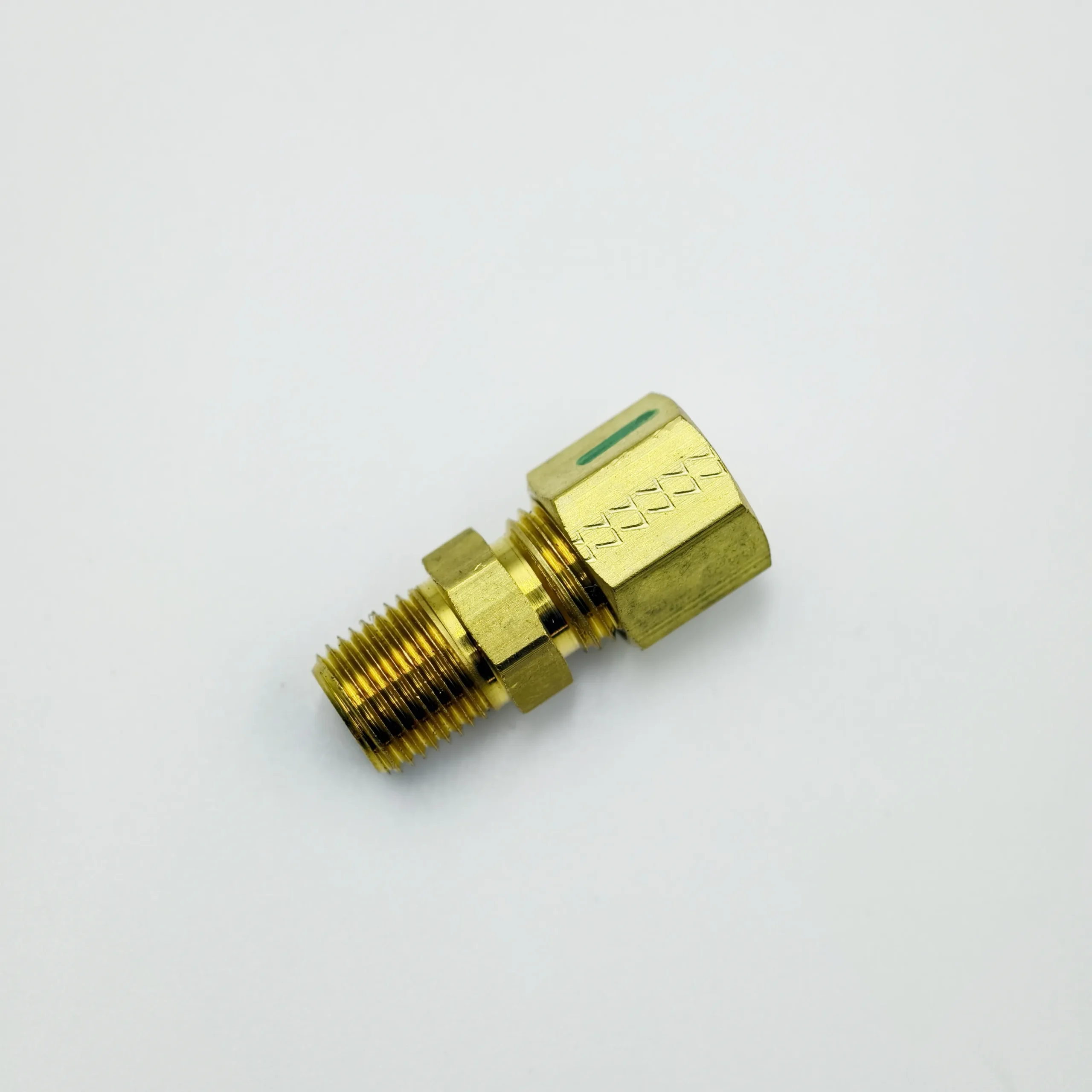 21N-68-32320 Komatsu Connector
 -
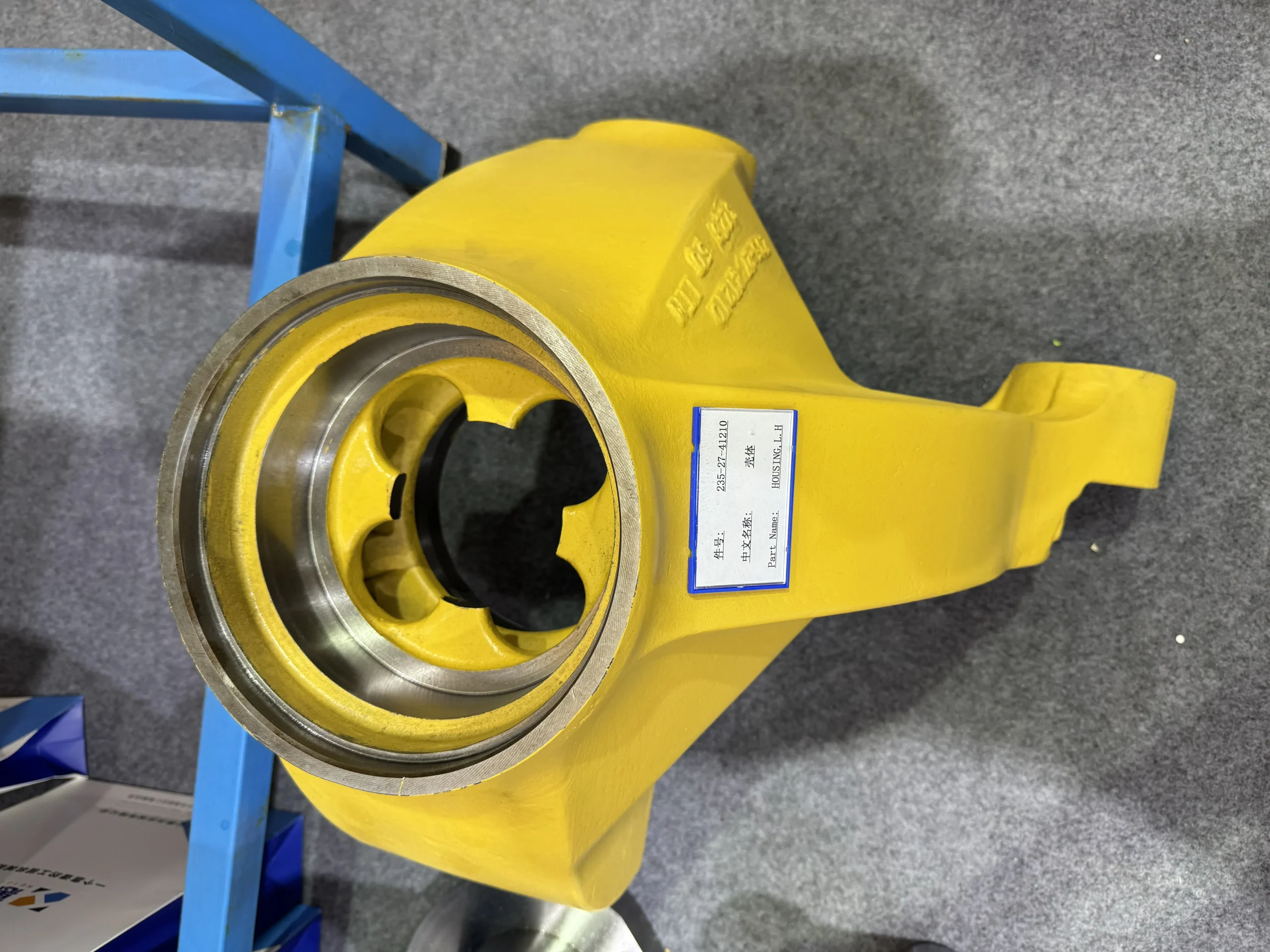 GD825A-2 shell 235-27-41210
 -
 RING 234-15-29220