
- Chinese
- French
- German
- Portuguese
- Spanish
- Russian
- Japanese
- Korean
- Arabic
- Irish
- Greek
- Turkish
- Italian
- Danish
- Romanian
- Indonesian
- Czech
- Afrikaans
- Swedish
- Polish
- Basque
- Catalan
- Esperanto
- Hindi
- Lao
- Albanian
- Amharic
- Armenian
- Azerbaijani
- Belarusian
- Bengali
- Bosnian
- Bulgarian
- Cebuano
- Chichewa
- Corsican
- Croatian
- Dutch
- Estonian
- Filipino
- Finnish
- Frisian
- Galician
- Georgian
- Gujarati
- Haitian
- Hausa
- Hawaiian
- Hebrew
- Hmong
- Hungarian
- Icelandic
- Igbo
- Javanese
- Kannada
- Kazakh
- Khmer
- Kurdish
- Kyrgyz
- Latin
- Latvian
- Lithuanian
- Luxembou..
- Macedonian
- Malagasy
- Malay
- Malayalam
- Maltese
- Maori
- Marathi
- Mongolian
- Burmese
- Nepali
- Norwegian
- Pashto
- Persian
- Punjabi
- Serbian
- Sesotho
- Sinhala
- Slovak
- Slovenian
- Somali
- Samoan
- Scots Gaelic
- Shona
- Sindhi
- Sundanese
- Swahili
- Tajik
- Tamil
- Telugu
- Thai
- Ukrainian
- Urdu
- Uzbek
- Vietnamese
- Welsh
- Xhosa
- Yiddish
- Yoruba
- Zulu
- Kinyarwanda
- Tatar
- Oriya
- Turkmen
- Uyghur






Komatsu parts
When you hear 'Komatsu parts,' what comes to mind? For many, it's an automatic association with quality, reliability, and a premium price tag. That's not wrong, but it's an incomplete picture. The real conversation in the field, among mechanics and fleet managers, isn't just about the genuine label. It's about availability, lead times, and the practical reality of keeping a machine running when the official supply chain hits a snag. That's where the landscape gets interesting, and frankly, where a lot of the day-to-day decisions are made.
The OEM Promise vs. On-the-Ground Logistics
Working with Komatsu equipment, you learn to respect their engineering. A genuine swing motor or hydraulic pump is built to last. But here's the rub: being on a remote site in, say, West Africa or parts of Southeast Asia doesn't care about the OEM's global distribution schedule. You can have the part number memorized, but if the nearest authorized depot is a continent away and quoting a 12-week lead time, your $500,000 excavator is just a very expensive paperweight. This gap between the promise and the logistical reality is the single biggest pain point I've encountered.
This is precisely why entities like Jining Gaosong Construction Machinery Co., Ltd. exist. They operate in that crucial space. Their stated role as an OEM product supplier within the Komatsu system and a third-party sales company isn't just corporate jargon. In practice, it means they have access to genuine or OEM-specification channels but aren't bound by the same rigid territorial restrictions that can strangle a project. I first came across their portal, https://www.takematsumachinery.com, during a parts hunt for a PC300-8 main control valve. The official channel was backlogged. Their solution wasn't a mystery-grade compatible part; it was a genuine component routed through a different supply path, solving what they term parts supply challenges in certain countries. It worked.
The skepticism is natural. Is it really genuine? The tell isn't just in the packaging, which can be faked, but in the machining marks, the casting numbers, and the performance. In this case, the fit and function were flawless. It taught me that the Komatsu system is more layered than the public-facing dealership model suggests. There are authorized production lines and suppliers that feed into secondary but legitimate distribution networks, especially for markets deemed difficult or low-volume by the primary distributors.
Decoding OEM Product Supplier and Third-Party Realities
The term OEM product supplier is key. It doesn't automatically mean they box up parts in Komatsu-branded packages. More often, it means they source from the same foundries and manufacturers that produce the initial components for Komatsu's assembly lines. These are parts made to the original drawings and specifications, sometimes even on the same production run, but without the final brand stamp and distribution markup. The quality variance, in my experience, is negligible. You're paying for the engineering, not the logo.
Now, the third-party sales angle is where judgment calls come in. Not all third-party parts are created equal. Some companies simply broker generic aftermarket parts. What sets a useful supplier apart is transparency. Do they specify the origin? Can they trace the component batch? The useful ones, and I'd put Gaosong in this category based on my transactions, differentiate between an OEM-spec piston ring and a generic aftermarket one. They'll tell you upfront, This is from the OEM factory, or This is a high-wear item, we recommend a quality aftermarket alternative to save cost. That honesty builds trust.
I learned this the hard way years ago, trying to save a few thousand dollars on a track roller assembly from a non-vetted broker. The metallurgy was subpar; it wore out in half the expected time, costing more in downtime and rework than the initial savings. Now, my checklist includes asking about material certificates and country of manufacture for critical components. A supplier that can provide that isn't just selling a widget; they're providing a solution.
Practical Scenarios and Component-Specific Nuances
Let's get concrete. Engine components, especially for the SAA6D series, are a high-stakes game. For cylinder heads or fuel injection parts, I lean heavily toward genuine or confirmed OEM-supplier channels. The tolerance and heat treatment are just too critical. Here, using a portal like Takematsu Machinery's site is about finding a verified source, not just the lowest price. Their focus on solving supply challenges often means they've already vetted the quality for these sensitive parts.
Conversely, for high-wear, non-structural items—think bucket teeth, side cutter, or even some hydraulic hoses and fittings—the calculus changes. A quality aftermarket option from a reputable manufacturer can be a smart economic choice. A good supplier will segment their catalog this way. You might find genuine Komatsu pumps alongside certified-aftermarket undercarriage parts. This pragmatic approach shows they understand machine lifecycle costs, not just part sales.
Another scenario is for older, discontinued models. Komatsu eventually phases out support for legacy machines. I've seen a PC200-3 down for months waiting for a discontinued solenoid valve. Specialized third-party suppliers often have stock of these NOS (New Old Stock) parts or have relationships with factories that can produce limited runs. This isn't about cutting corners; it's about resurrection. Their role in certain countries often involves these legacy fleets that are still economically vital but orphaned by the official support timeline.
The Inspection Ritual and Trust-Building
No matter the source, the parts don't go straight on the machine. There's a ritual. Unboxing, visual inspection for casting quality and machining, checking part numbers against the manual (not just the supplier's invoice), and a physical fit-check if possible. With a new supplier, I'd order a smaller, less critical part first—a sensor, a seal kit. It's a test run. Does the part arrive as described? Is the packaging professional? Are the documentation and markings clear?
Building a relationship with a supplier like Jining Gaosong is a process. It starts with these small orders. Over time, as their claims hold up—the OEM-spec cylinder liner fits perfectly, the claimed lead time is accurate—you begin to rely on them for bigger tickets. It becomes less about frantic searching and more about having a reliable node in your supply network. Their value isn't just in having the part; it's in having the right part and the knowledge of which alternative is appropriate for which situation.
I recall needing a complete seal kit for a Komatsu WA320 wheel loader steering cylinder. The official dealer had a kit, but it was astronomically priced and required buying the entire kit for one primary seal. The supplier broke it down, offered just the primary seal set from an OEM source and suggested a quality aftermarket for the secondary wipers, cutting the cost by 60% without compromising the repair's integrity. That's operational wisdom.
Final Thoughts: A Pragmatic Ecosystem
So, when we talk about Komatsu parts, we're really talking about a spectrum. On one end, the certified genuine part from your local dealer. On the other, a risky generic copy from an unknown source. The operational sweet spot for many in challenging markets lies in the middle: with specialized suppliers who navigate the OEM ecosystem and the aftermarket world with transparency. They fill the logistical and economic gaps.
Companies that frame their mission around solving supply challenges, as Gaosong does, are acknowledging this reality. They aren't replacing the dealer network; they're complementing it, providing alternatives where the primary system falls short. For a site manager or maintenance chief, having access to this layer of the supply chain isn't a compromise; it's a necessity for operational resilience.
It boils down to informed sourcing. Know which components demand the genuine article. Know where you can safely economize. And most importantly, know which suppliers provide clear information and stand behind what they sell. The goal is always the same: minimal downtime, controlled cost, and a machine that runs like it's supposed to. Sometimes that part comes in a Komatsu box. Sometimes it comes in a plain brown one from a company that knows how to get the right thing to your yard, halfway across the world, when you need it most.
Related Products
Related Products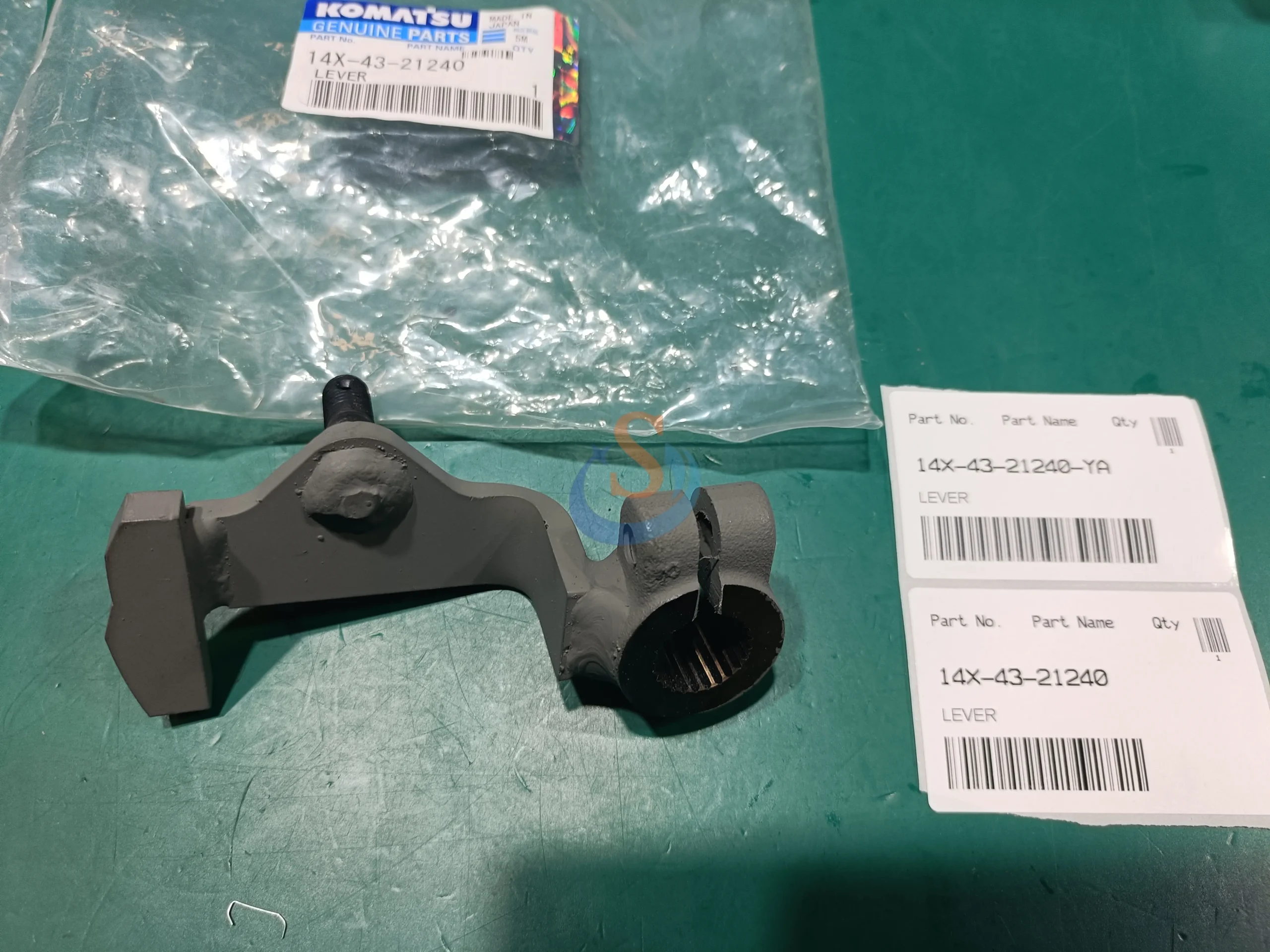
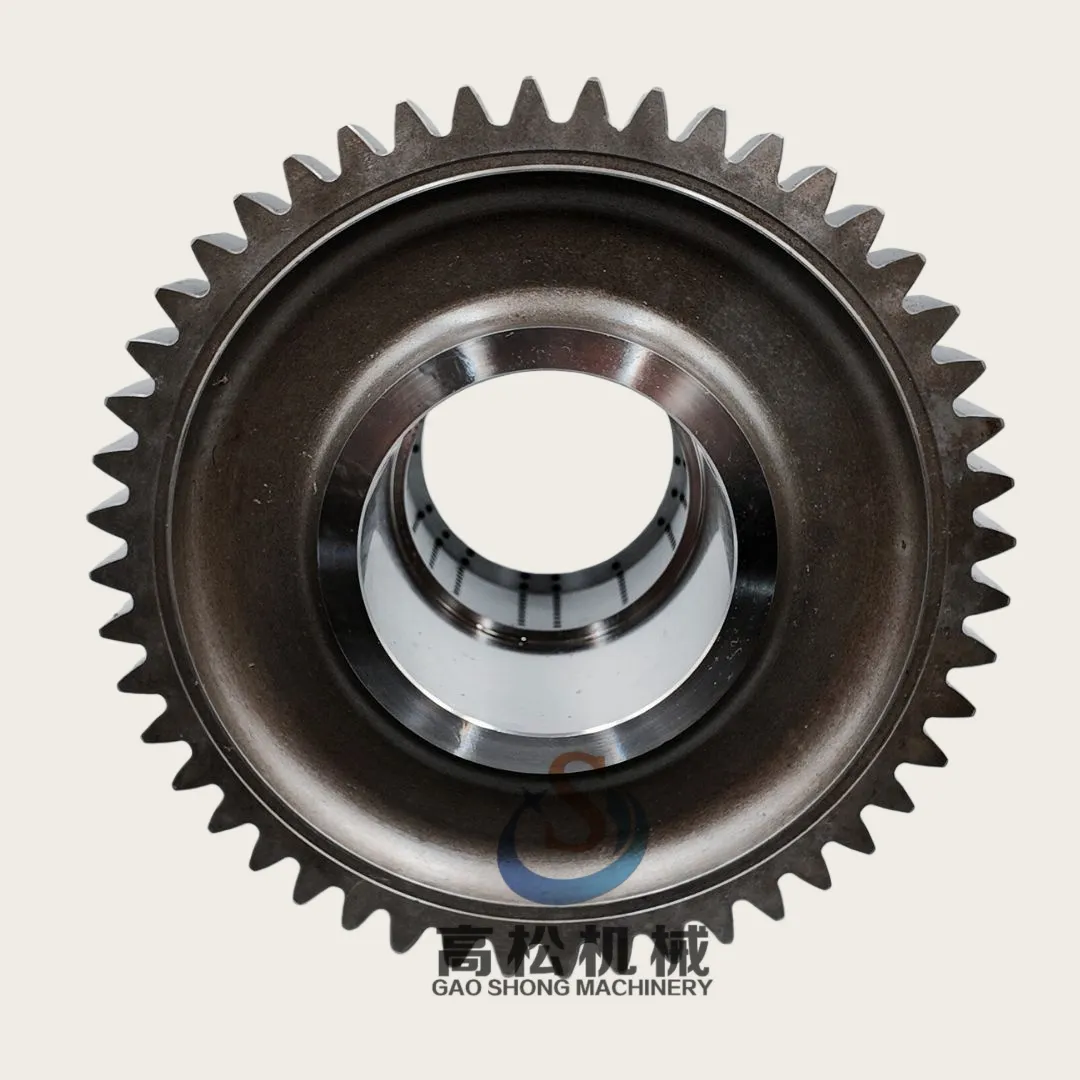
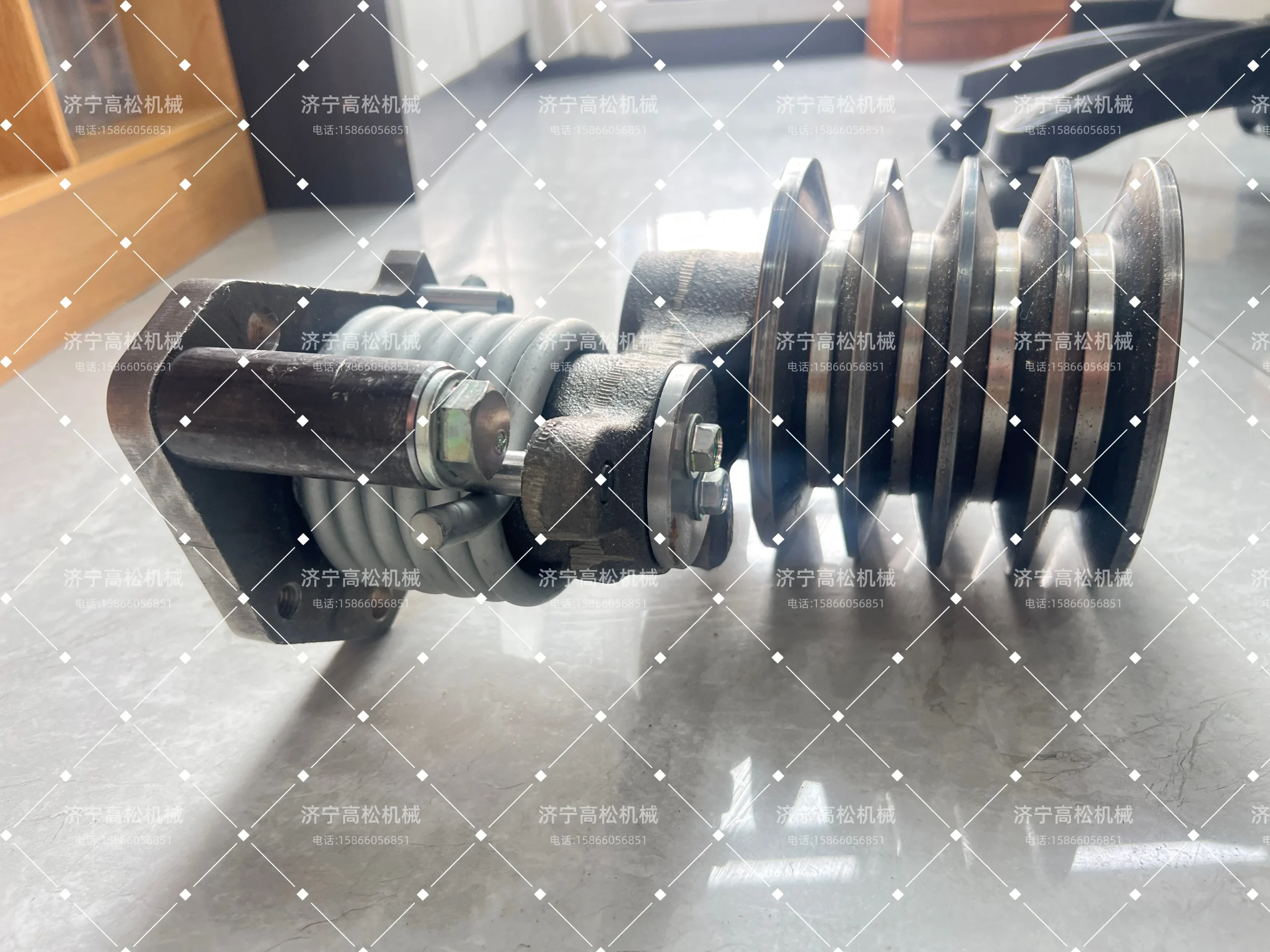
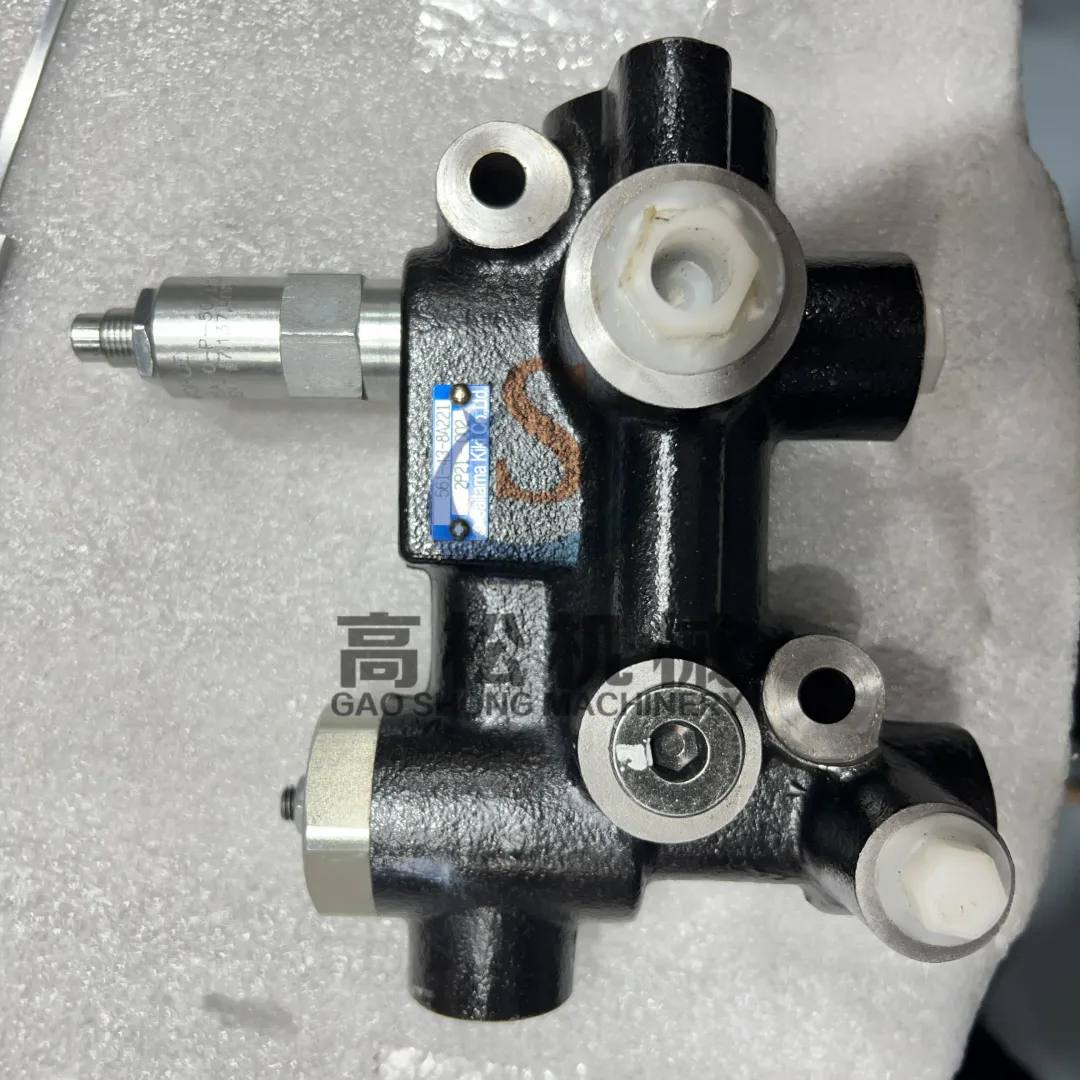
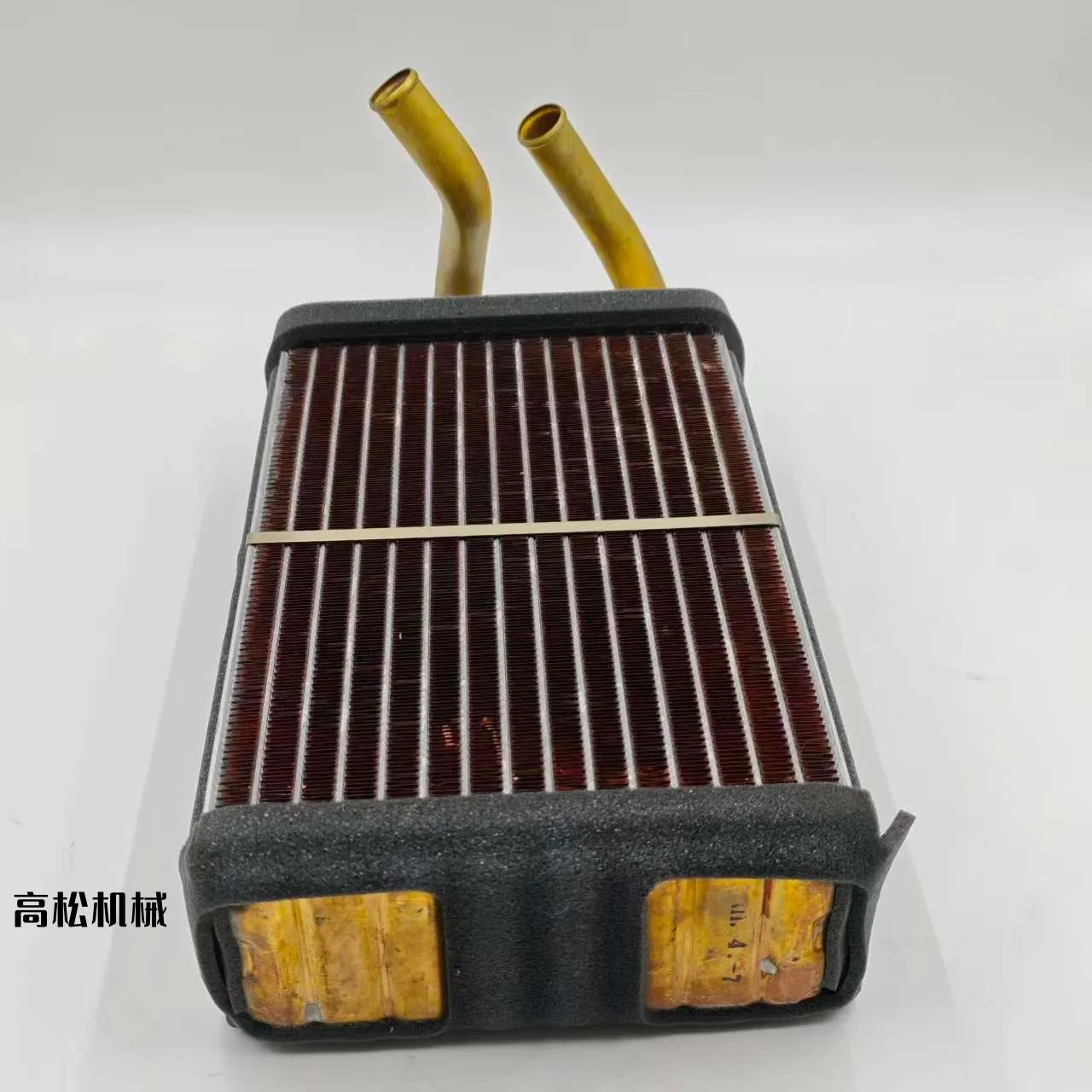
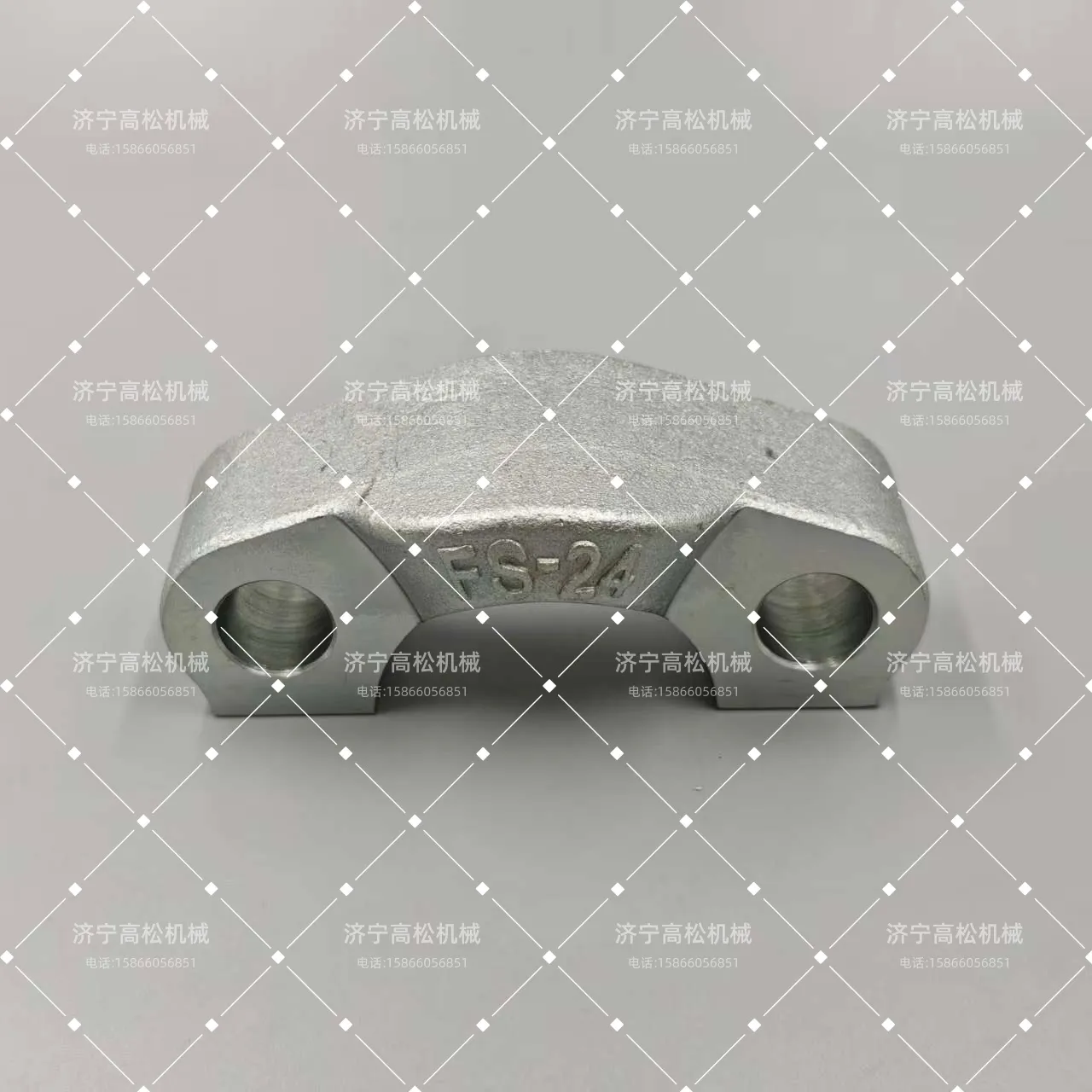
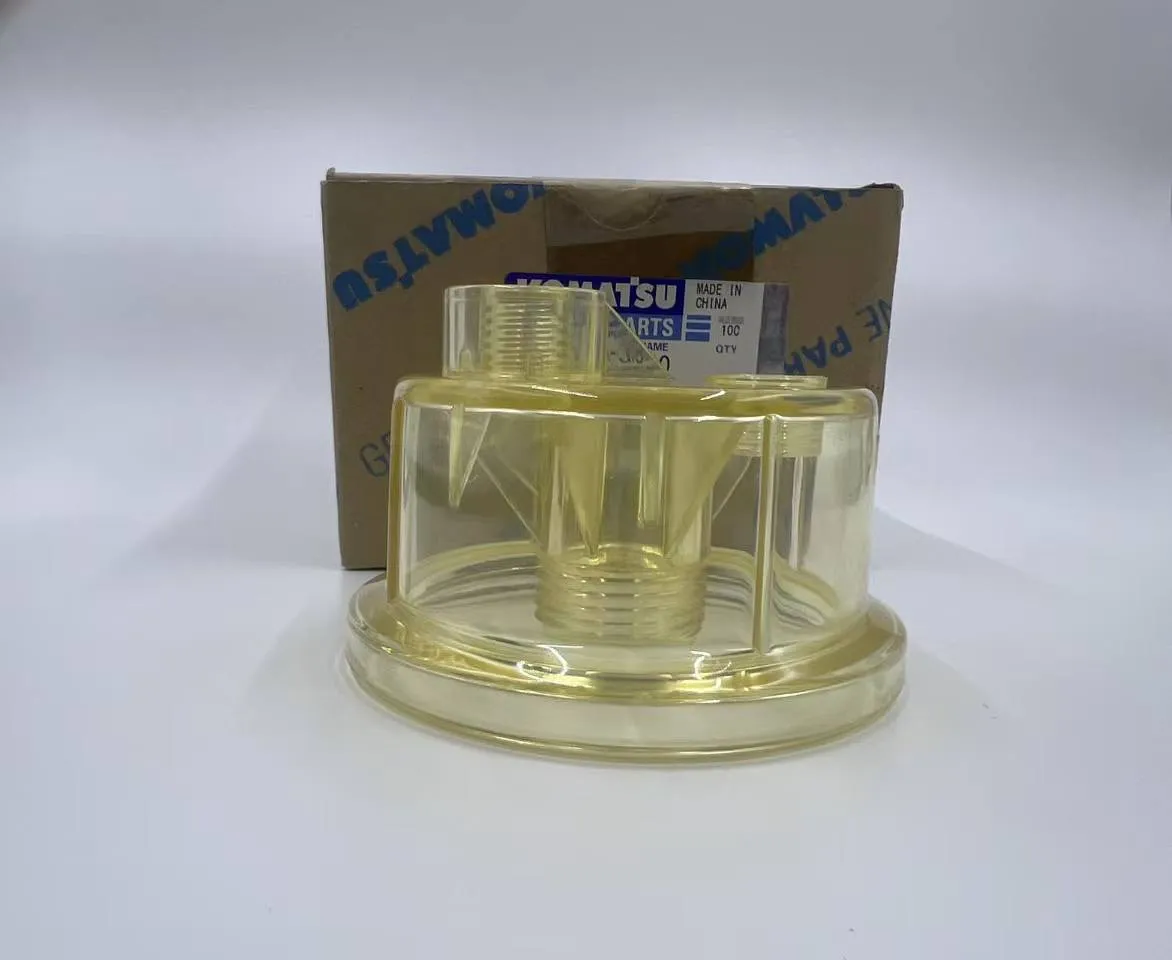
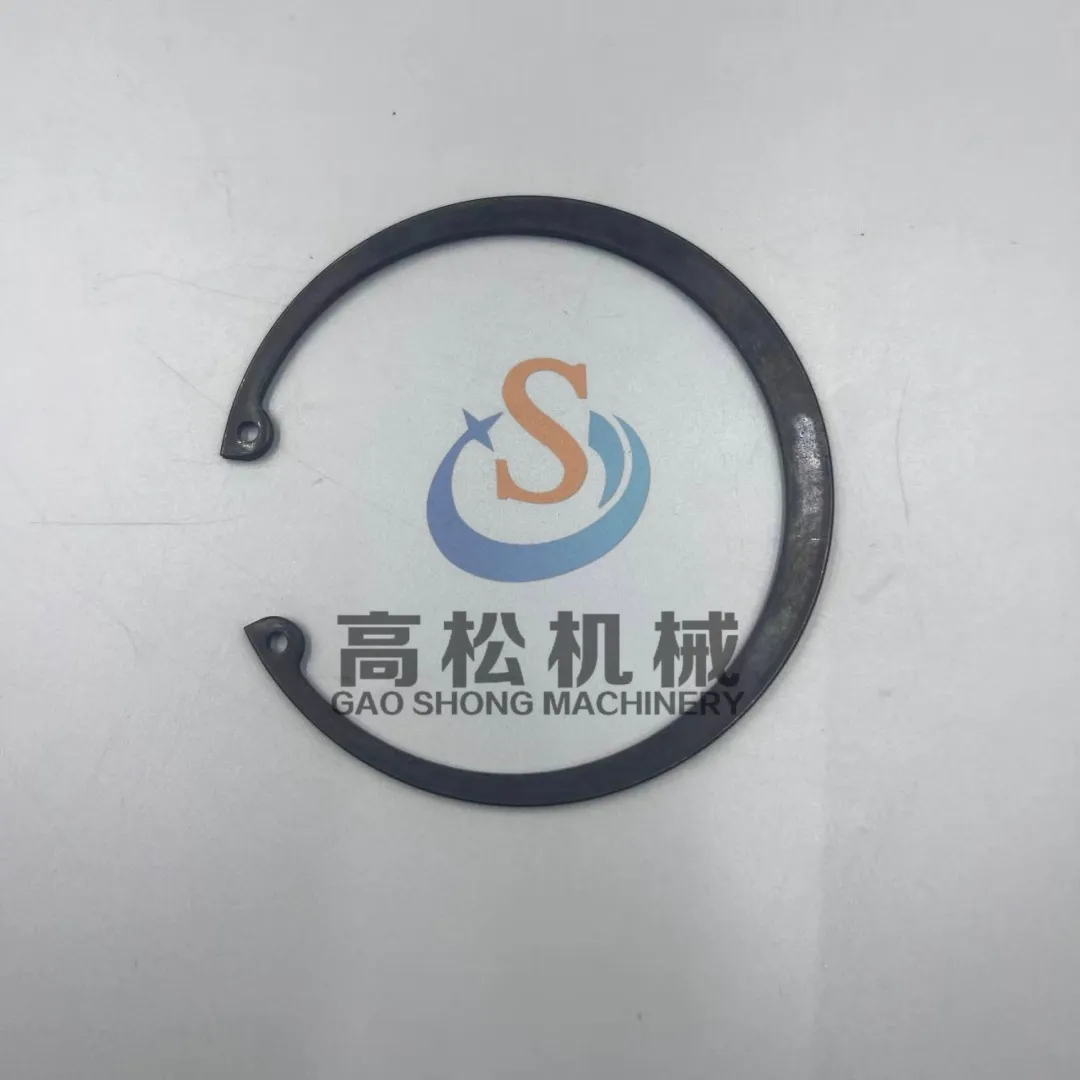

Best Selling Products
Best Selling Products-
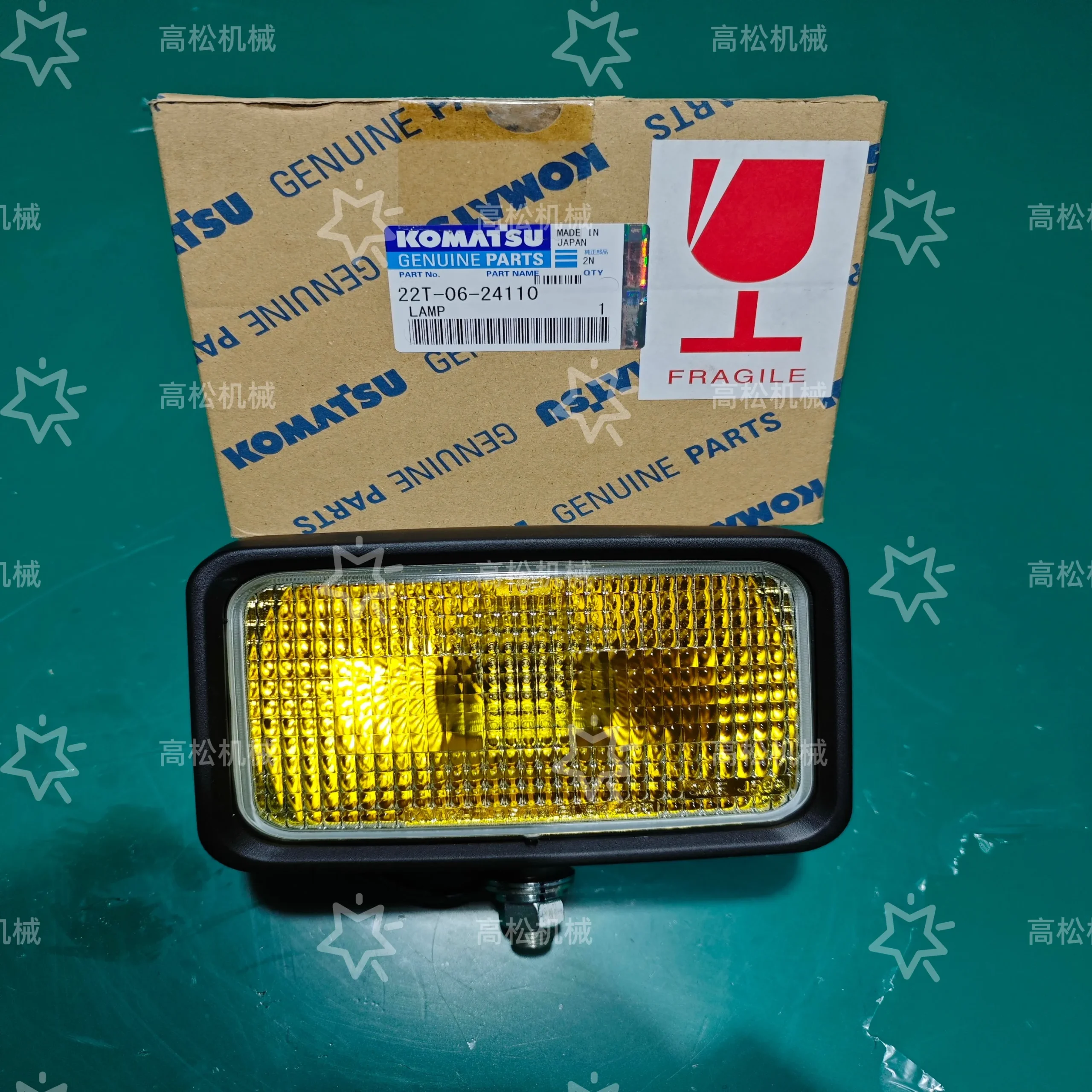 LAMP 22T-06-24110 – KOMATSU
 -
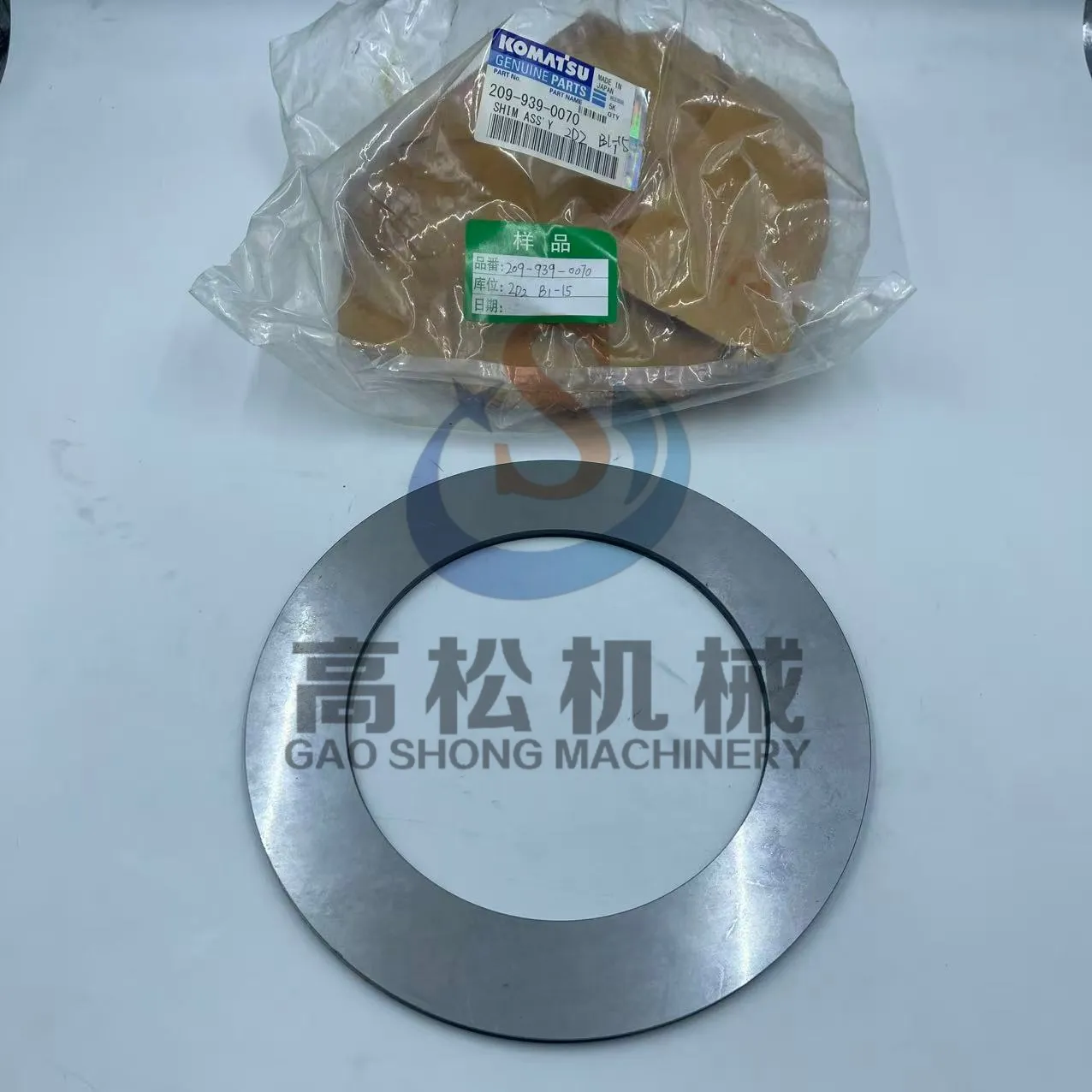 209-939-0070 Komatsu Shim Assembly
 -
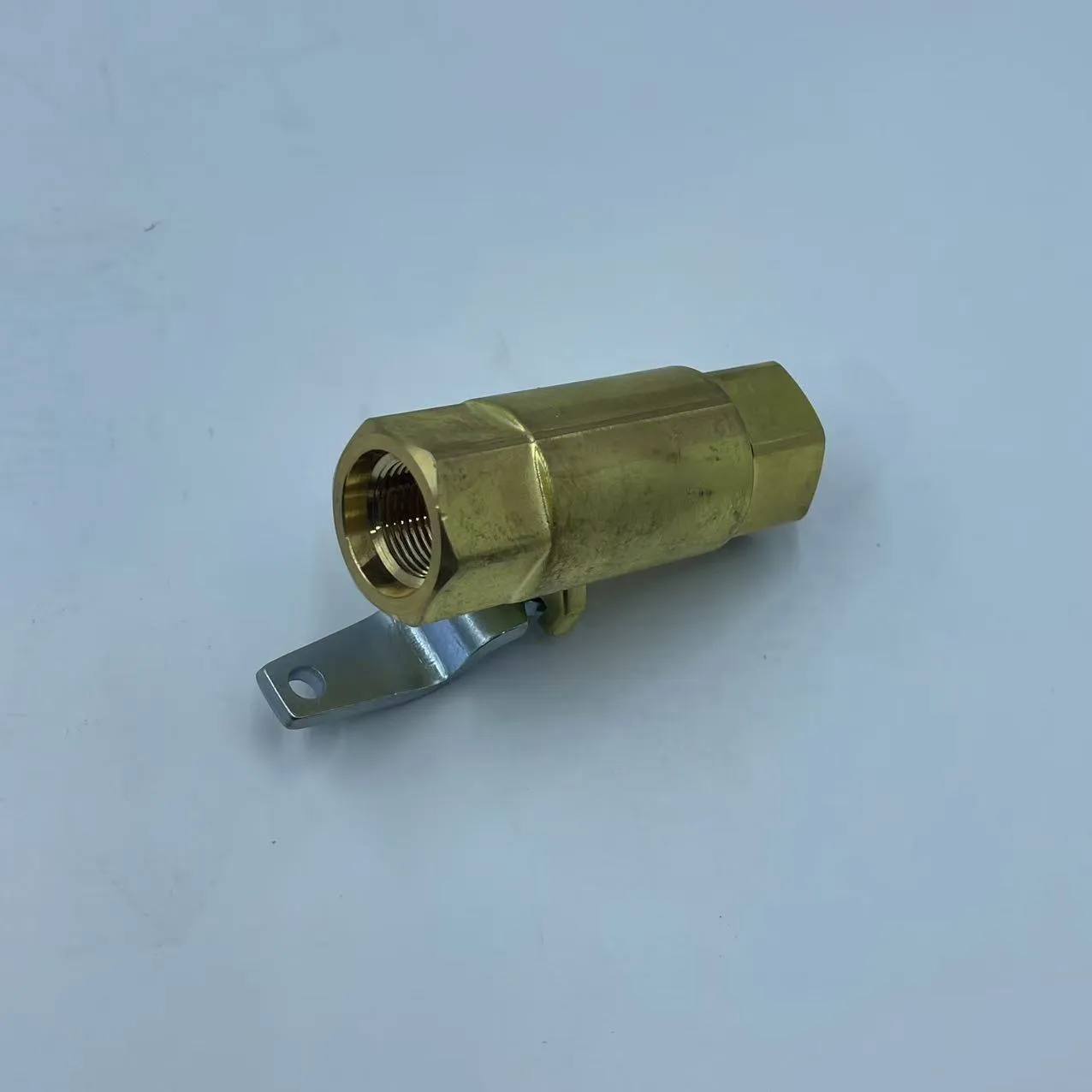 Komatsu Excavator PC200 Valve 20Y-62-15651
 -
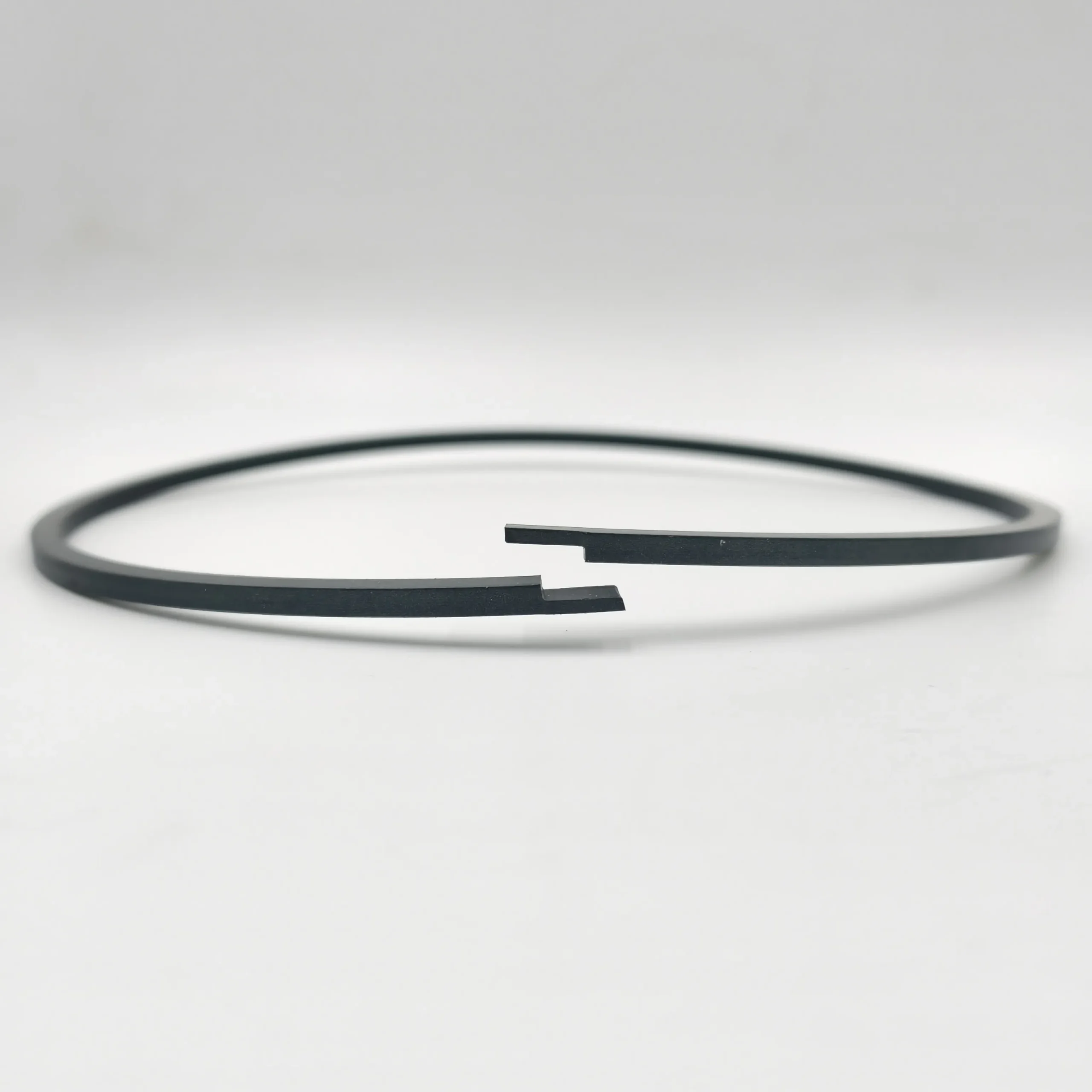 14X-15-29210 SEAL RING
 -
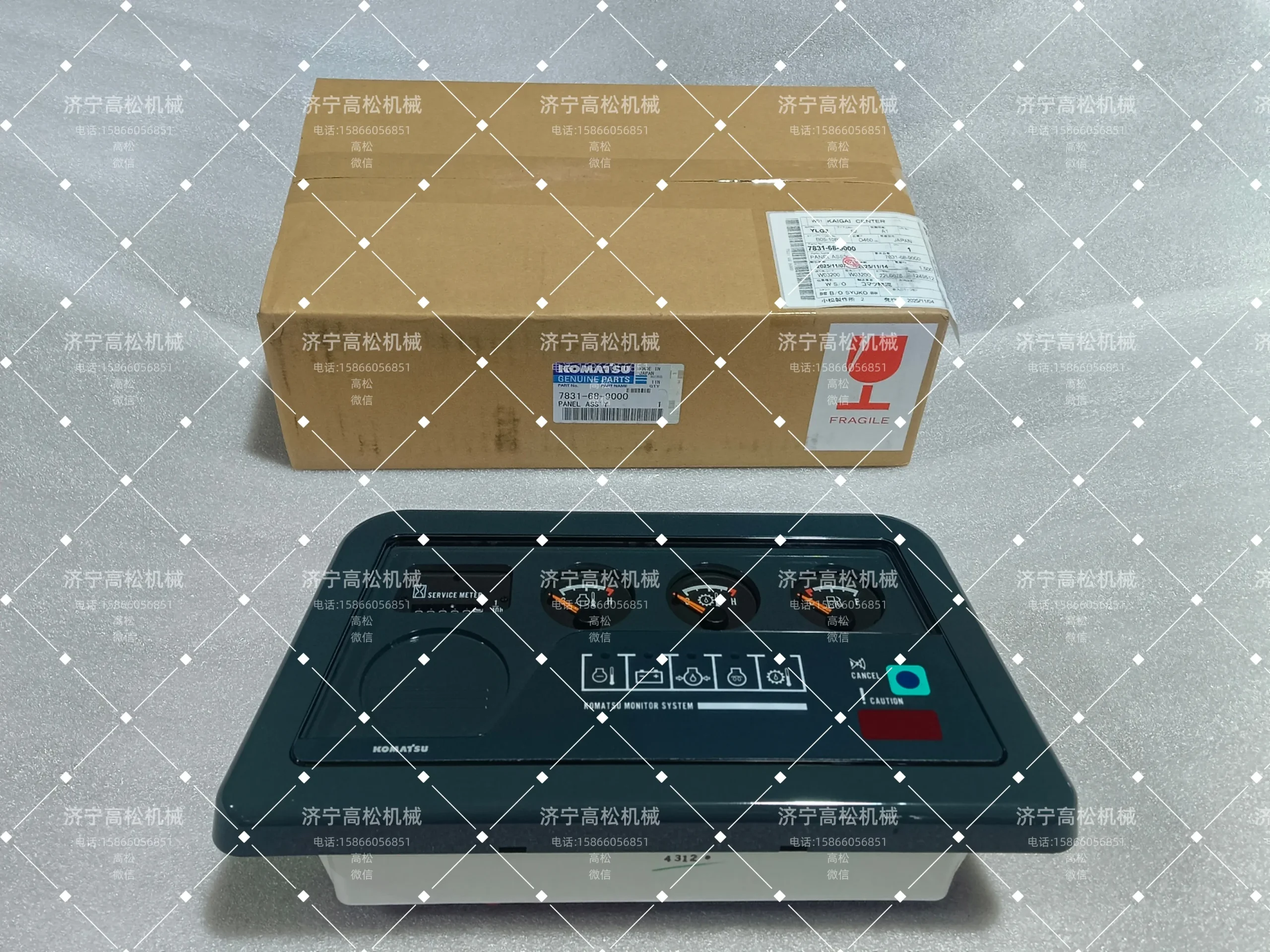 Komatsu 7831-68-9000 PANEL ASS’Y, price for… — Pricing.Parts
 -
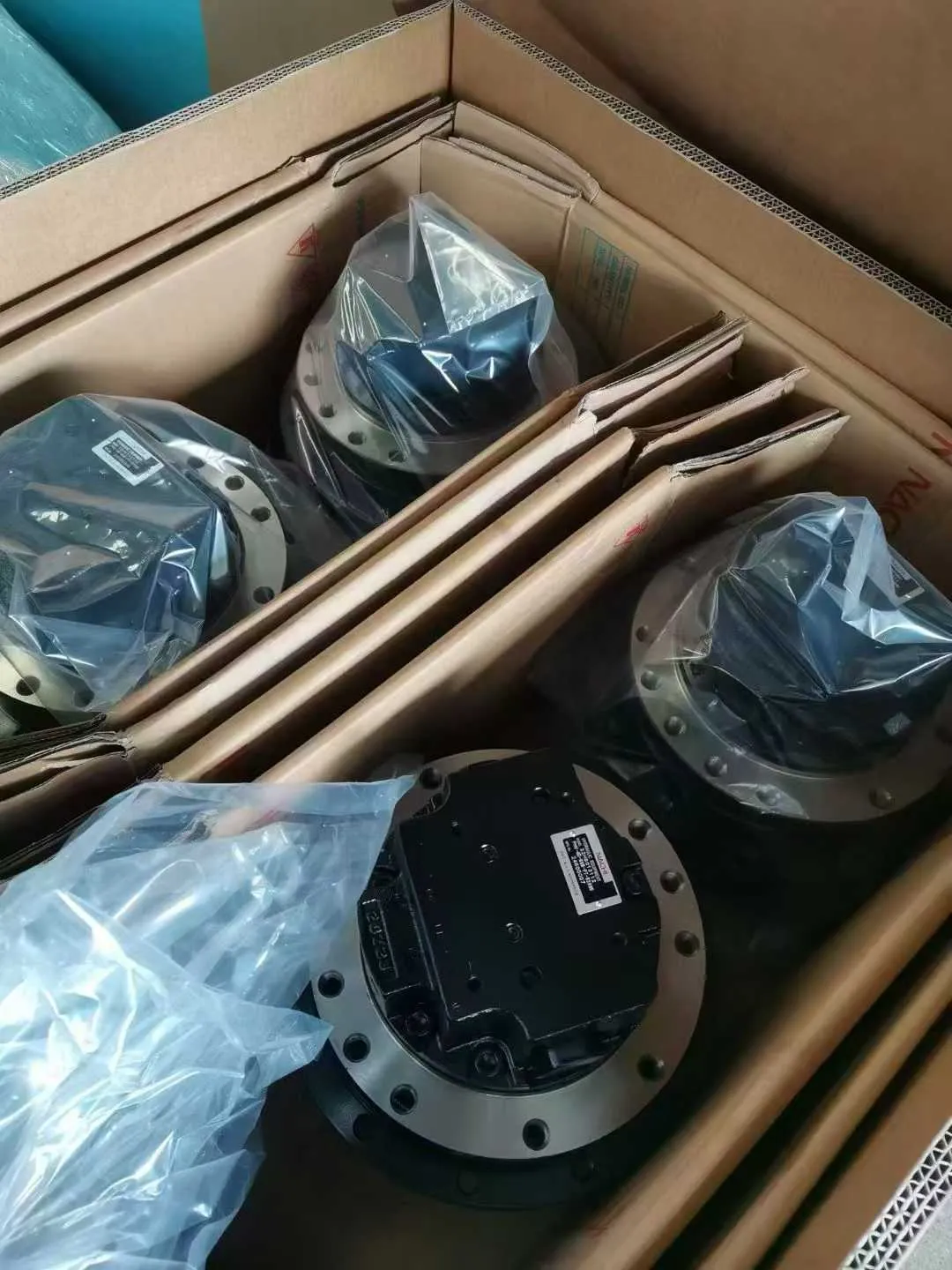 PC57-7 traveling motor assembly 22H-60-13112 in stock for sale #komatsu #komatsuparts #komatsuexcavator #pc57-7 #22H6013112
 -
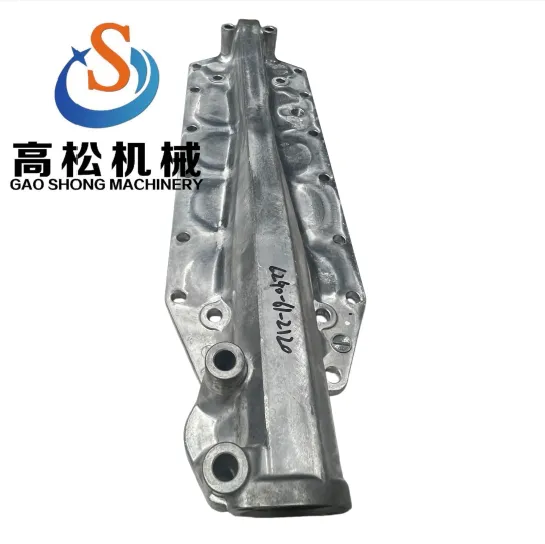 Engine Oil Cooler Cover for Cummins QSK23 SA6D170 Engine 4096006 6240-61-2120 Oil Cooler Cover 6240612120
 -
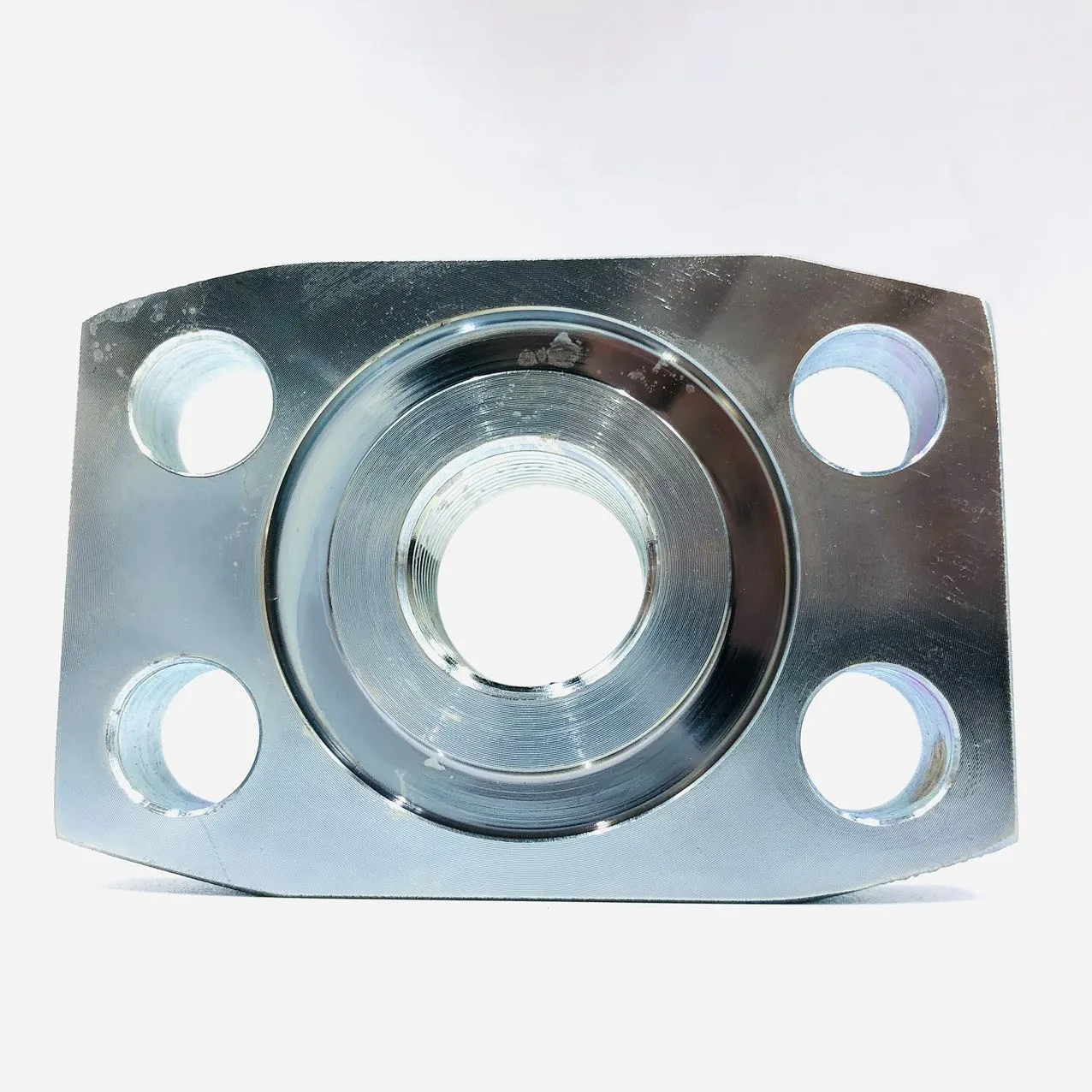 21N-38-12310 Flange (Komatsu)
 -
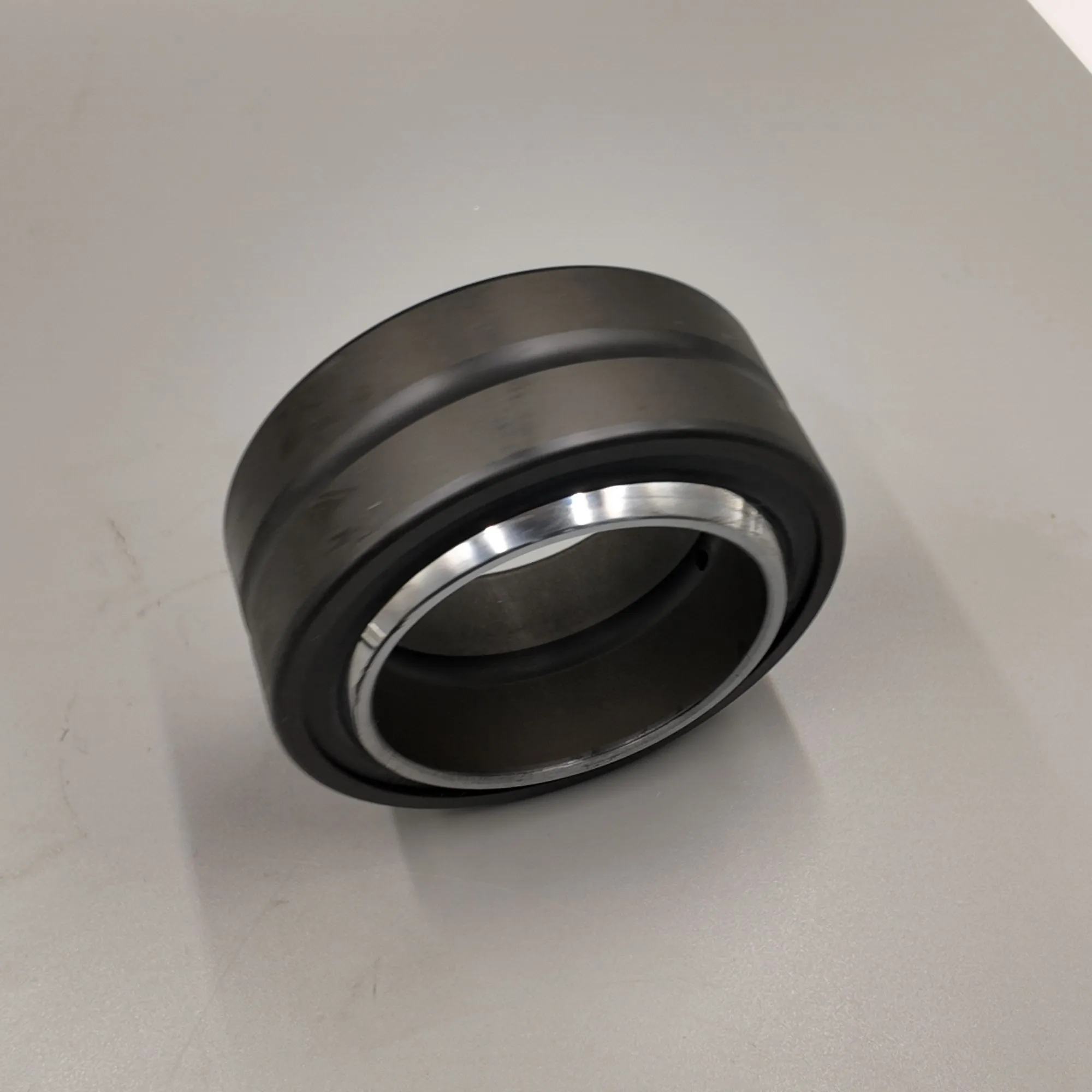 707-46-07040 • Bushing-Komatsu Original Factory
 -
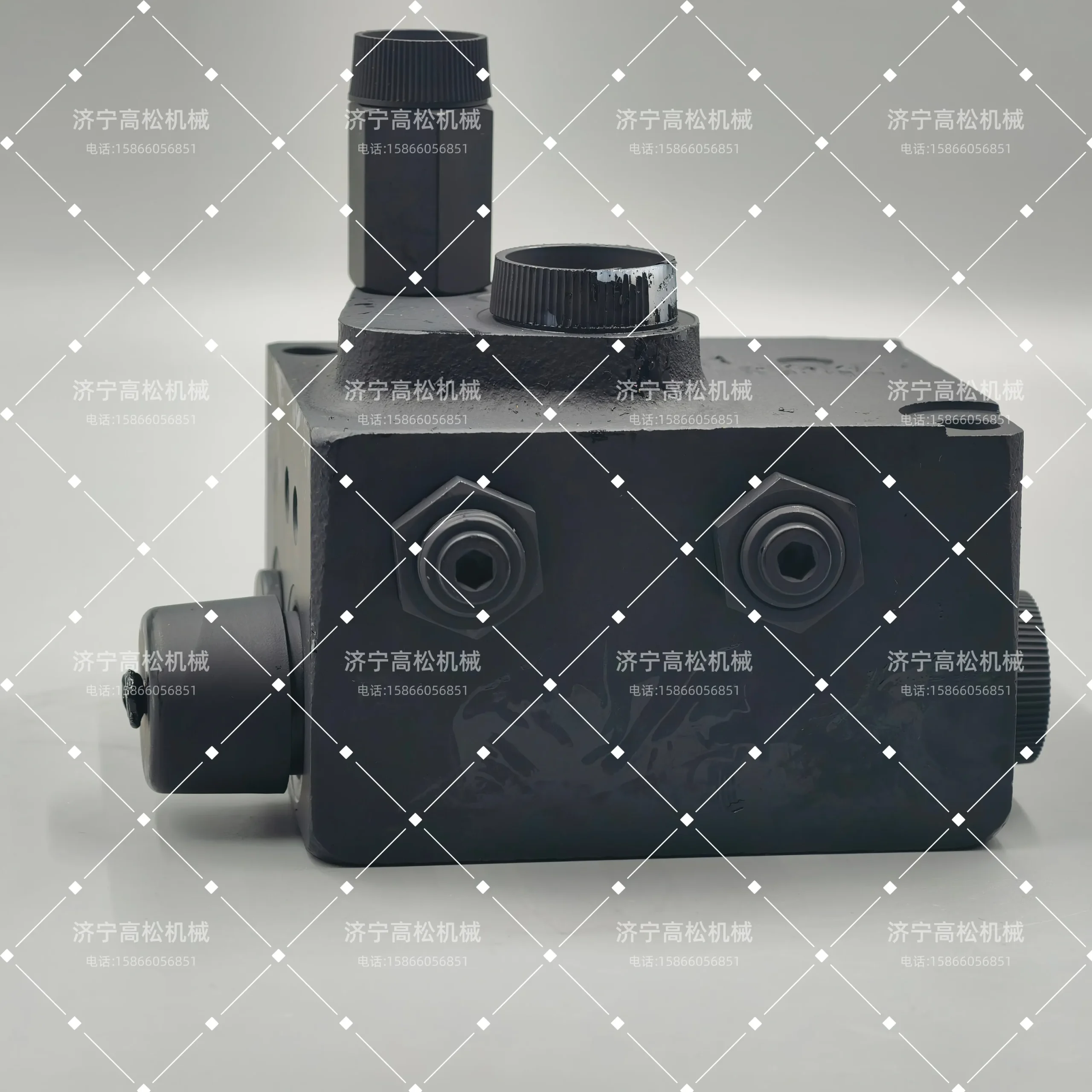 Komatsu Loader WA420-3 Charge Valve 419-43-27401 China…
 -
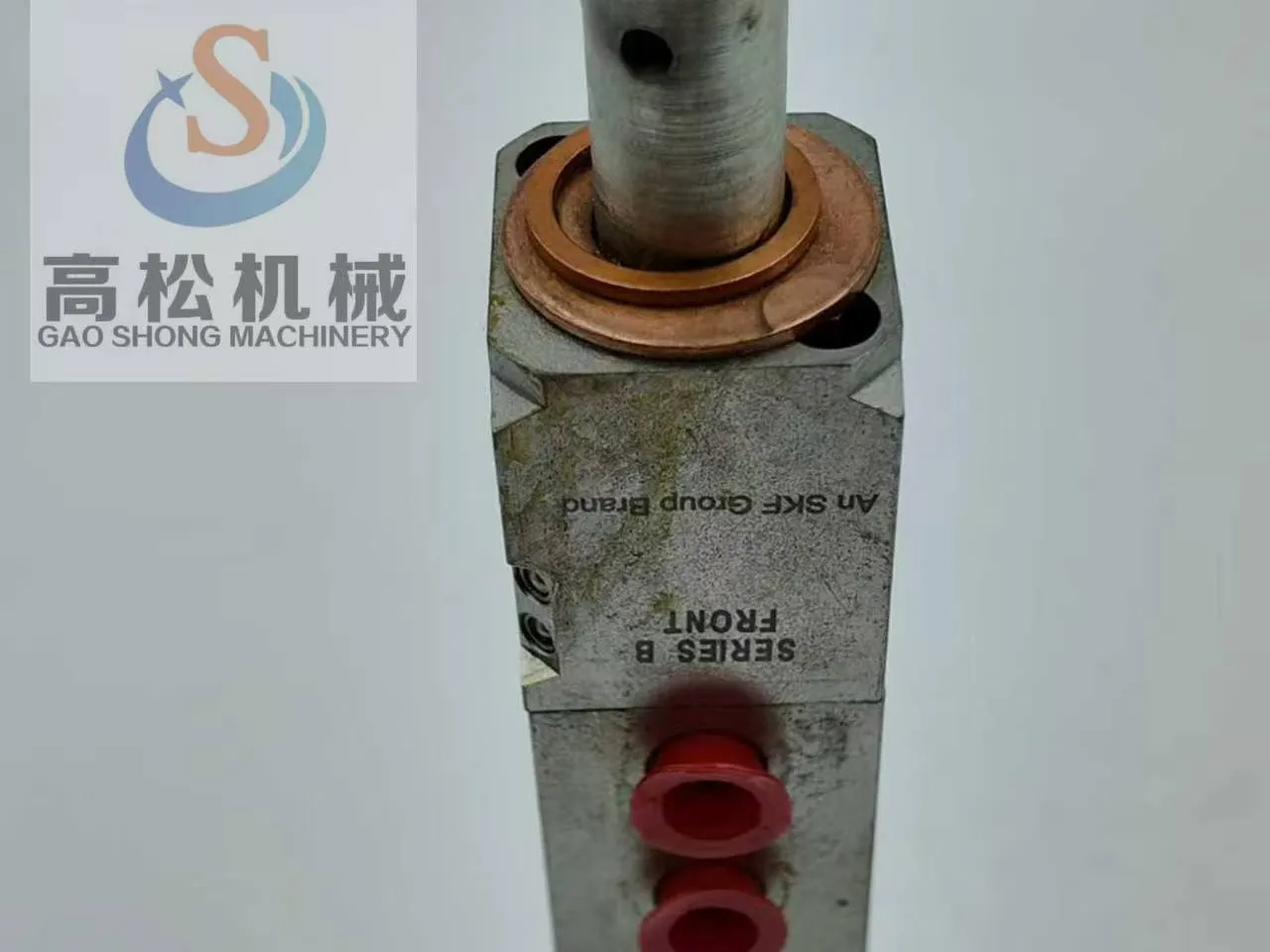 561-95-83030 561-95-84080 injector assembly for hd785-7 injectors
 -
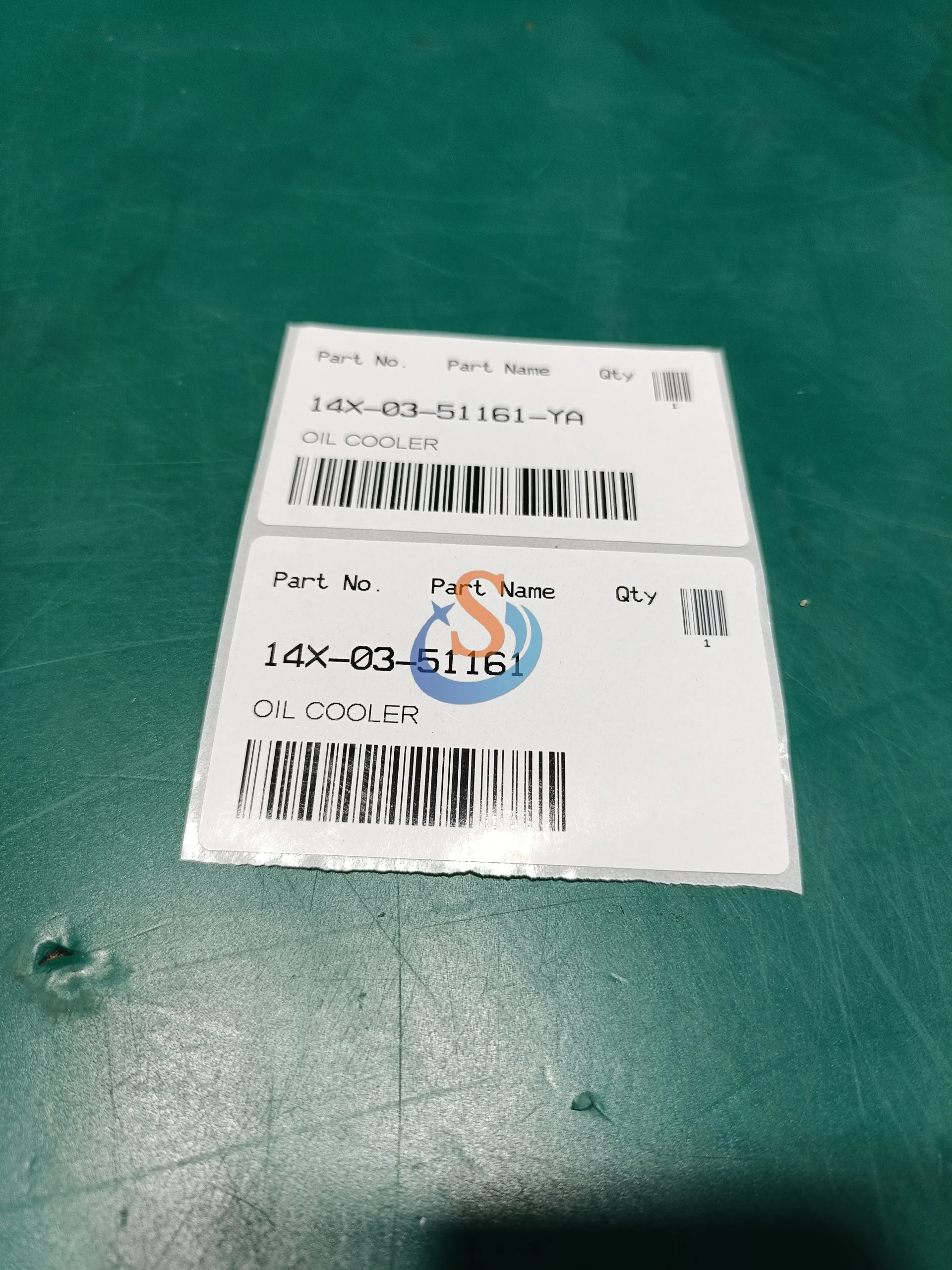 14X-03-51161 Oil Cooler-D65PX/D85ESS