
- Chinese
- French
- German
- Portuguese
- Spanish
- Russian
- Japanese
- Korean
- Arabic
- Irish
- Greek
- Turkish
- Italian
- Danish
- Romanian
- Indonesian
- Czech
- Afrikaans
- Swedish
- Polish
- Basque
- Catalan
- Esperanto
- Hindi
- Lao
- Albanian
- Amharic
- Armenian
- Azerbaijani
- Belarusian
- Bengali
- Bosnian
- Bulgarian
- Cebuano
- Chichewa
- Corsican
- Croatian
- Dutch
- Estonian
- Filipino
- Finnish
- Frisian
- Galician
- Georgian
- Gujarati
- Haitian
- Hausa
- Hawaiian
- Hebrew
- Hmong
- Hungarian
- Icelandic
- Igbo
- Javanese
- Kannada
- Kazakh
- Khmer
- Kurdish
- Kyrgyz
- Latin
- Latvian
- Lithuanian
- Luxembou..
- Macedonian
- Malagasy
- Malay
- Malayalam
- Maltese
- Maori
- Marathi
- Mongolian
- Burmese
- Nepali
- Norwegian
- Pashto
- Persian
- Punjabi
- Serbian
- Sesotho
- Sinhala
- Slovak
- Slovenian
- Somali
- Samoan
- Scots Gaelic
- Shona
- Sindhi
- Sundanese
- Swahili
- Tajik
- Tamil
- Telugu
- Thai
- Ukrainian
- Urdu
- Uzbek
- Vietnamese
- Welsh
- Xhosa
- Yiddish
- Yoruba
- Zulu
- Kinyarwanda
- Tatar
- Oriya
- Turkmen
- Uyghur






Komatsu part number search
Let's be honest, everyone who's ever tried to find a replacement part for a Komatsu machine online has typed Komatsu part number search into a box. The expectation is simple: punch in the number, get the exact part. The reality, as anyone with grease under their fingernails knows, is often a frustrating maze of dead ends, cross-references, and questionable listings. The core misconception is treating it like a retail SKU search. It's not. It's the starting point for a deeper verification process, especially when dealing with older models or machines operating in regions outside primary supply chains.
Why the Simple Search Often Falls Short
The first wall you hit is part number obsolescence. Komatsu, like all major OEMs, supersedes numbers. You might have a genuine, worn-out part with a stamped number that returns zero results on a standard parts lookup. The system might have updated it twice since that machine rolled off the line. I've spent hours with technical bulletins just to track the lineage from an old 20P-xxxxx number to a current 700-xxxx format. It's not a flaw in the search per se, but a lack of context in the query.
Then there's the issue of regional specifications. A PC200-8 operating in Southeast Asia might have subtle differences in its hydraulic pump assembly compared to one sold in North America, even if the base model is identical. The part number might be 95% the same, with a different suffix. Searching the main number might get you something that fits physically but causes performance issues or doesn't interface correctly with the local ECU settings. This is where blanket searches on generic parts platforms become risky.
And let's not forget the counterfeit market. Type in a common wear item number, like for a Komatsu excavator bucket cylinder seal kit, and you'll get pages of results. The prices are tempting, but the variance is a red flag. Many listings use the OEM part number as a keyword but are selling compatible or outright imitation parts. For critical components, that's a gamble on machine downtime and potential damage. The search result isn't the finish line; it's the first filter.
The Value of OEM-System Suppliers in the Search Chain
This is where the role of specialized suppliers becomes critical. They operate within the genuine parts ecosystem but understand the gaps. Take a company like Jining Gaosong Construction Machinery Co., Ltd.. Their position, as stated, is interesting: an OEM product supplier within the Komatsu system and a third-party sales company. In practice, this means they have access to authentic Komatsu parts streams but are also structured to solve supply challenges outside the main distributor network. When your official local channel is back-ordered for months, or simply doesn't support an older model, a supplier like this becomes a vital resource.
Their website, https://www.takematsumachinery.com, isn't just a catalog. For a professional, it's a potential portal. The key is how they handle part number inquiries. A good supplier in this space won't just have a search bar; they'll have a team that understands the cross-reference tables and can interpret what you actually need from the number you think you have. Their stated goal of helping to solve parts supply challenges in certain countries directly addresses the real pain point: availability. A successful Komatsu part number search here ends with a confirmation of fit, form, function, and crucially, a shipping date.
I've used similar channels for projects in remote areas. You learn to send the part number, the machine model and serial number, the region the machine is operating in, and photos if possible. The response from a knowledgeable supplier often includes questions like, Is this for the machine with the upgraded cooler? That level of detail tells you they're checking beyond the basic database. It turns a search into a consultation.
Practical Steps: From Search to Acquisition
So, what's a better process? First, verify the number across multiple sources. Don't just rely on the tag on the part. Check the machine's service history, the operation and maintenance manual, and even Komatsu's online parts catalogs if you have access. Cross-reference is king. Second, use the part number as your primary key when communicating with any supplier, but always provide the supporting data (model, S/N). It speeds everything up.
When evaluating a supplier's site like Takematsu Machinery, I look for signs of specialization. Do they list components for older series like the PC300-3 or the HD325-6? That's a good indicator they cater to legacy equipment. Are their product descriptions technical, mentioning OEM numbers, not just generic fits model X statements? That shows depth. A simple search box is useless if the backend knowledge isn't there.
One failed attempt I recall involved a swing motor for a PC400-5. We had the part number from a third-party manual. Ordered from a generic parts site that claimed a match. It arrived, looked similar, but the porting was off by a few millimeters. Cost us two weeks of downtime. The lesson? The number was technically correct for a PC400-5 swing motor, but not for the specific sub-series and manufacturing year of our machine. The supplier had no process to catch that discrepancy. Now, we insist on serial number verification before any major component purchase.
When Compatible is a Valid Outcome
It's worth noting that a strict Komatsu part number search for an exact OEM match isn't always the only or best goal. For non-safety-critical, non-performance-defining components—certain brackets, seals, standard bearings—a quality-compatible part from a reputable manufacturer can be a cost-effective and reliable solution. The trick is knowing the difference.
A good supplier will be transparent about this. They might say, We have the OEM part with number XYZ, but we also stock this aftermarket equivalent which meets the spec and has a lead time of 3 days instead of 12 weeks. That's a valuable service. It moves the conversation from a pure parts lookup to a solution for machine uptime. Companies operating as third-party sales companies within the Komatsu ecosystem are often well-placed to offer these pragmatic options, as they see the entire market.
However, for ECMs, hydraulic pumps, final drive components, or anything with a serialized calibration, I never deviate from the verified OEM path. The risk is too high. The initial search might be harder, the wait longer, but the total cost of ownership is lower. This is the professional judgment that separates a parts clerk from a field technician or a procurement manager.
Conclusion: Search as a Dialogue, Not a Transaction
Ultimately, treating Komatsu part number search as a one-and-done activity is a recipe for frustration and error. The number is the essential starting point, but it's the beginning of a dialogue. It requires context—machine history, operational environment, criticality of the component. Suppliers that can engage in that dialogue, like those with dual roles as OEM-system and third-party experts, add immense value.
They bridge the gap between the ideal world of perfect, instantly available OEM parts and the on-ground reality of aging fleets, tight budgets, and pressing deadlines. Your search strategy should mirror this: start with the definitive number, gather all contextual data, and then engage with a supplier whose response demonstrates system knowledge and practical problem-solving, not just inventory listing. That's how you turn a web search into a reliable repair.
The next time you run that search, remember you're not just looking for a widget. You're looking for the right widget, a reliable source for it, and a partner who understands why that distinction matters for your machine's uptime. That's the real search that matters.
Related Products
Related Products
Best Selling Products
Best Selling Products-
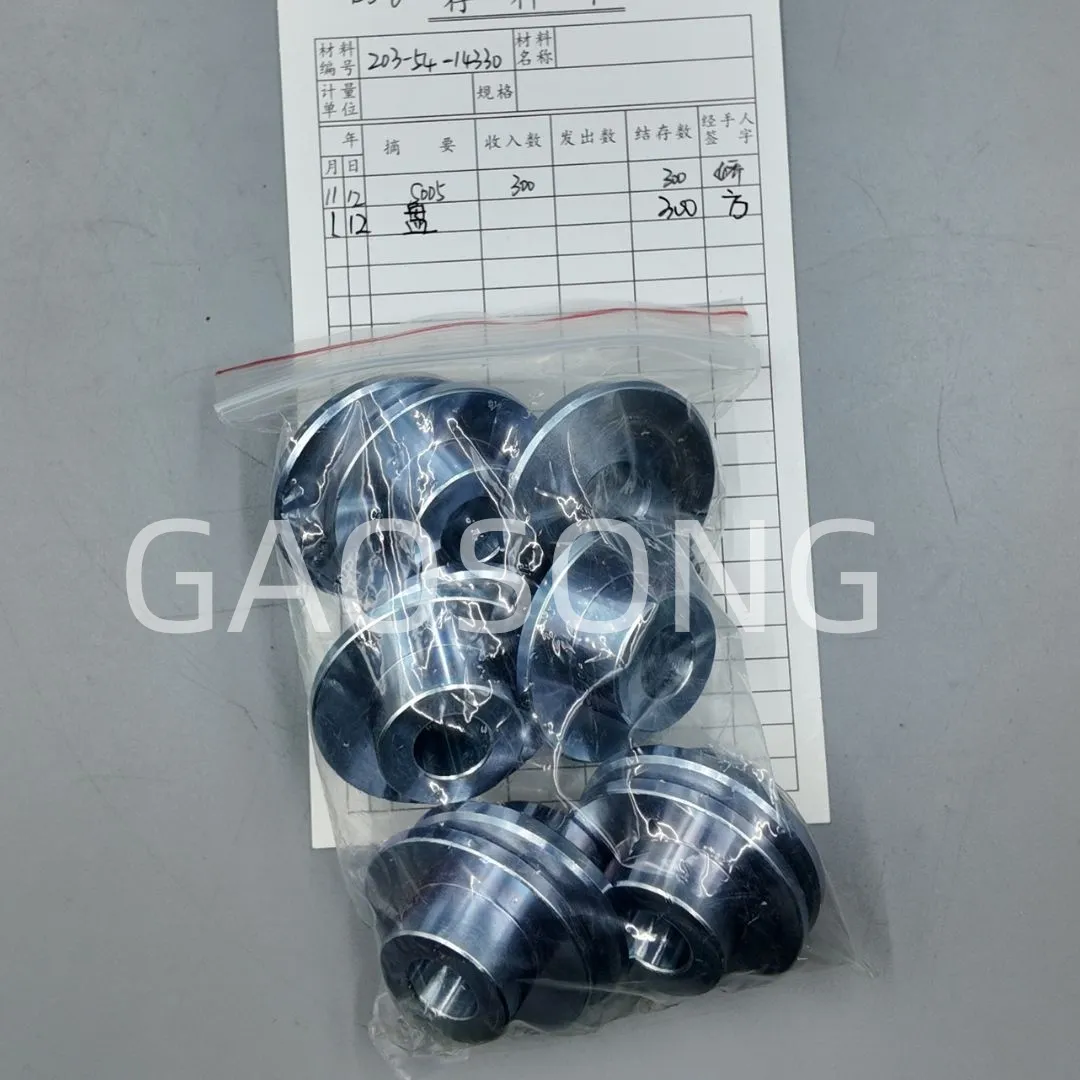 203-54-14330 Komatsu Collar
 -
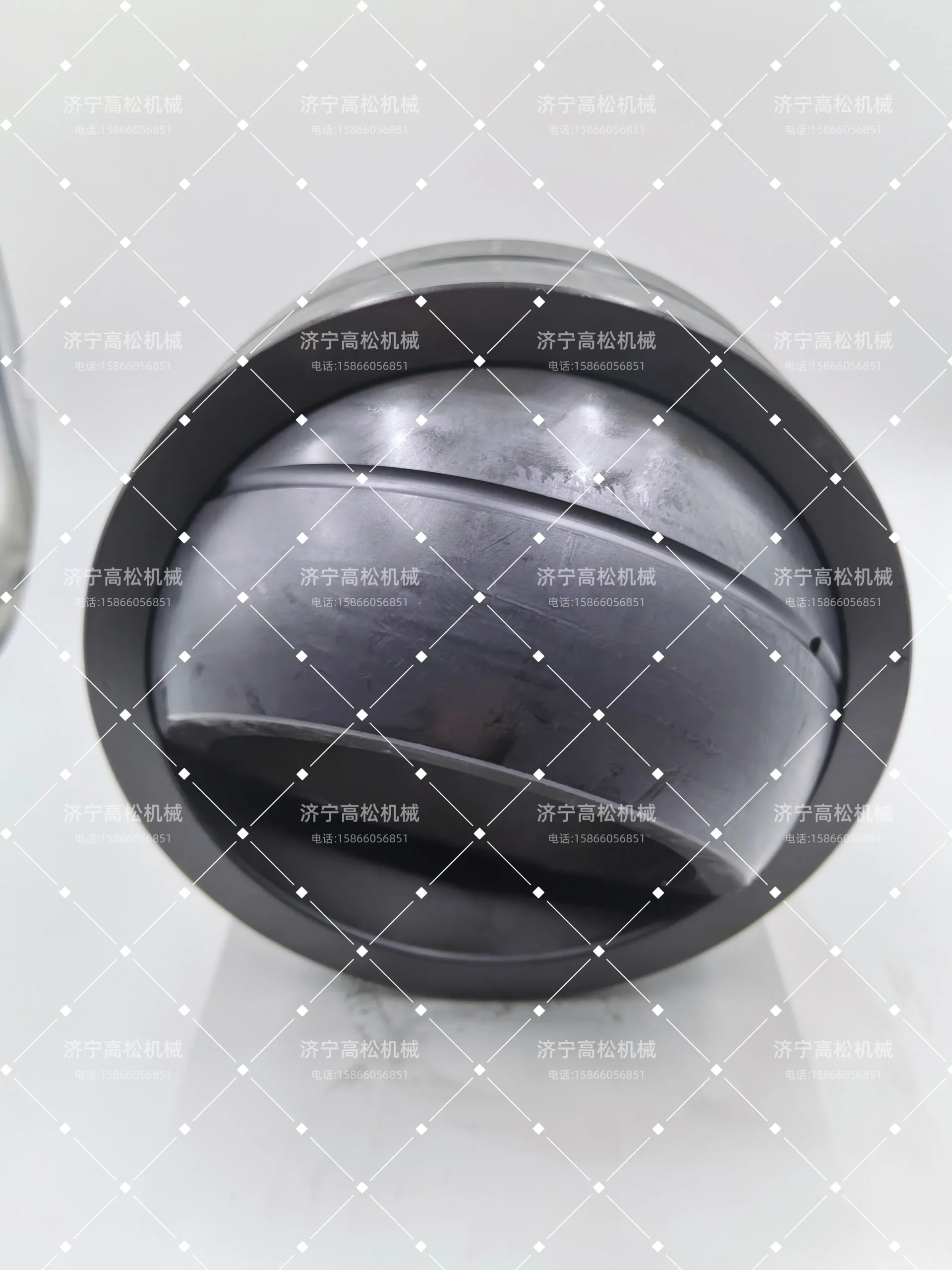 707-46-14010 Spherical Bearing for Komatsu Equipment…
 -
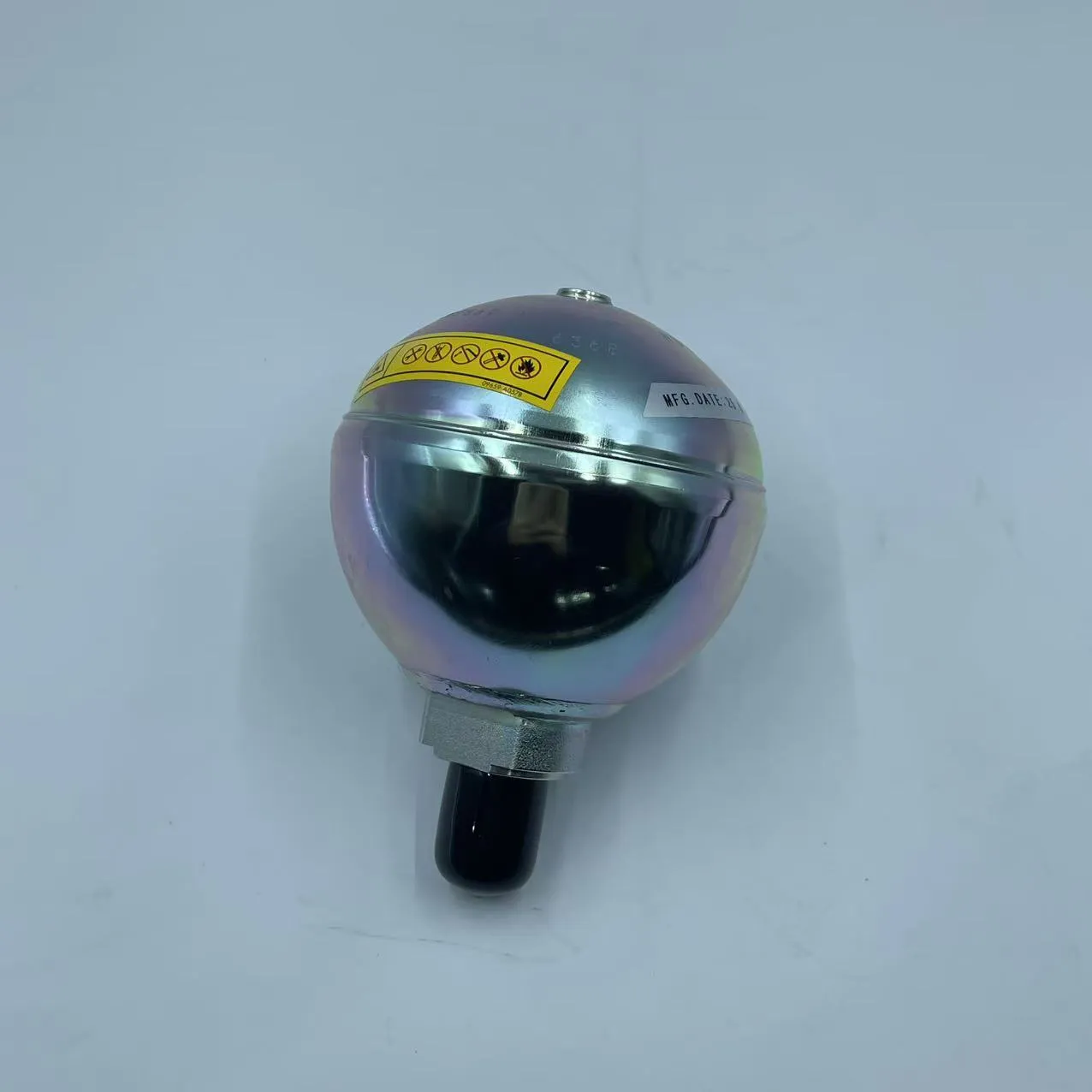 accumulator 22U-60-21331 22U-60-21330 For Komatsu PC300-8 excavator
 -
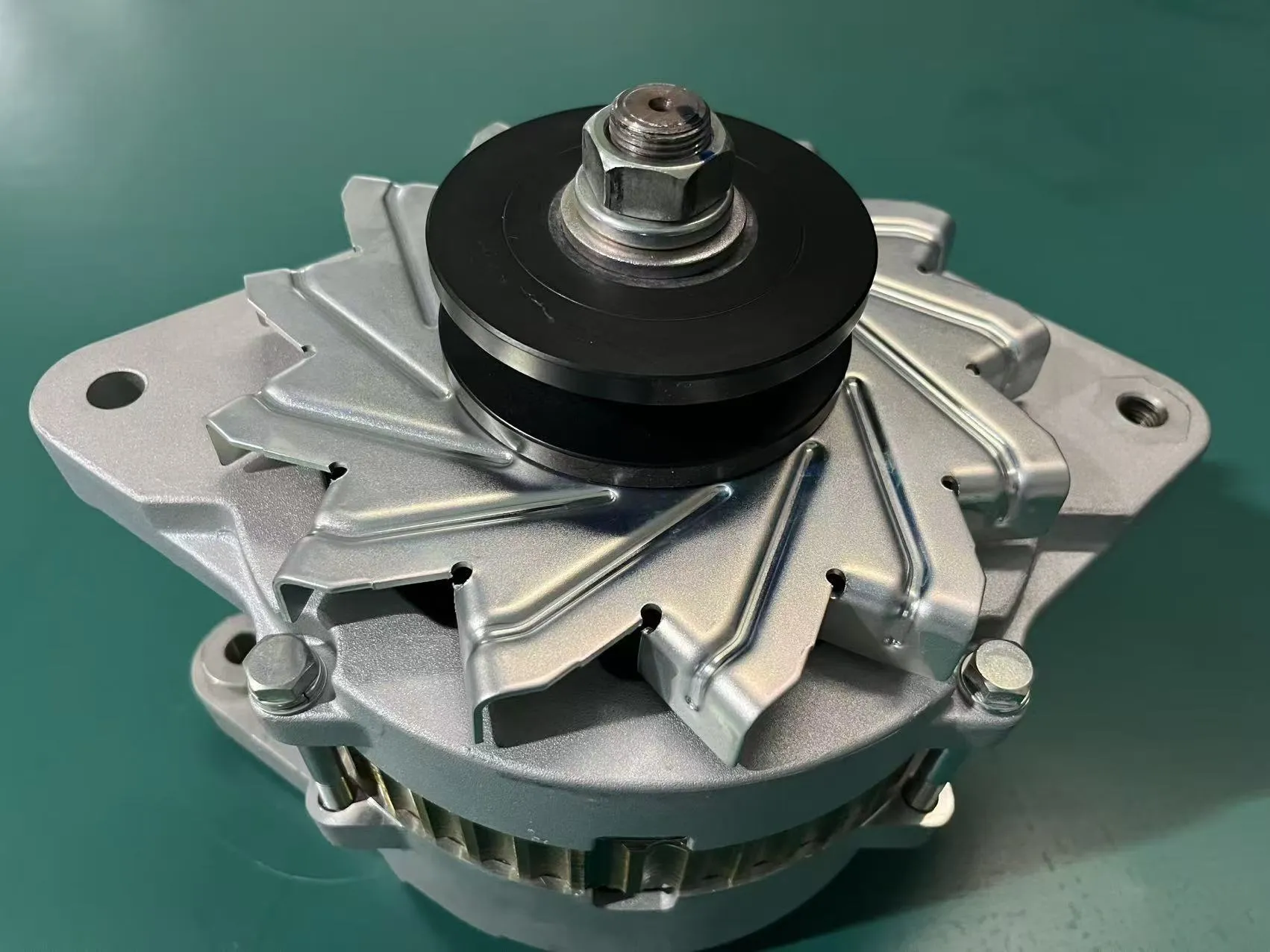 600-825-9332 Komatsu Alternator
 -
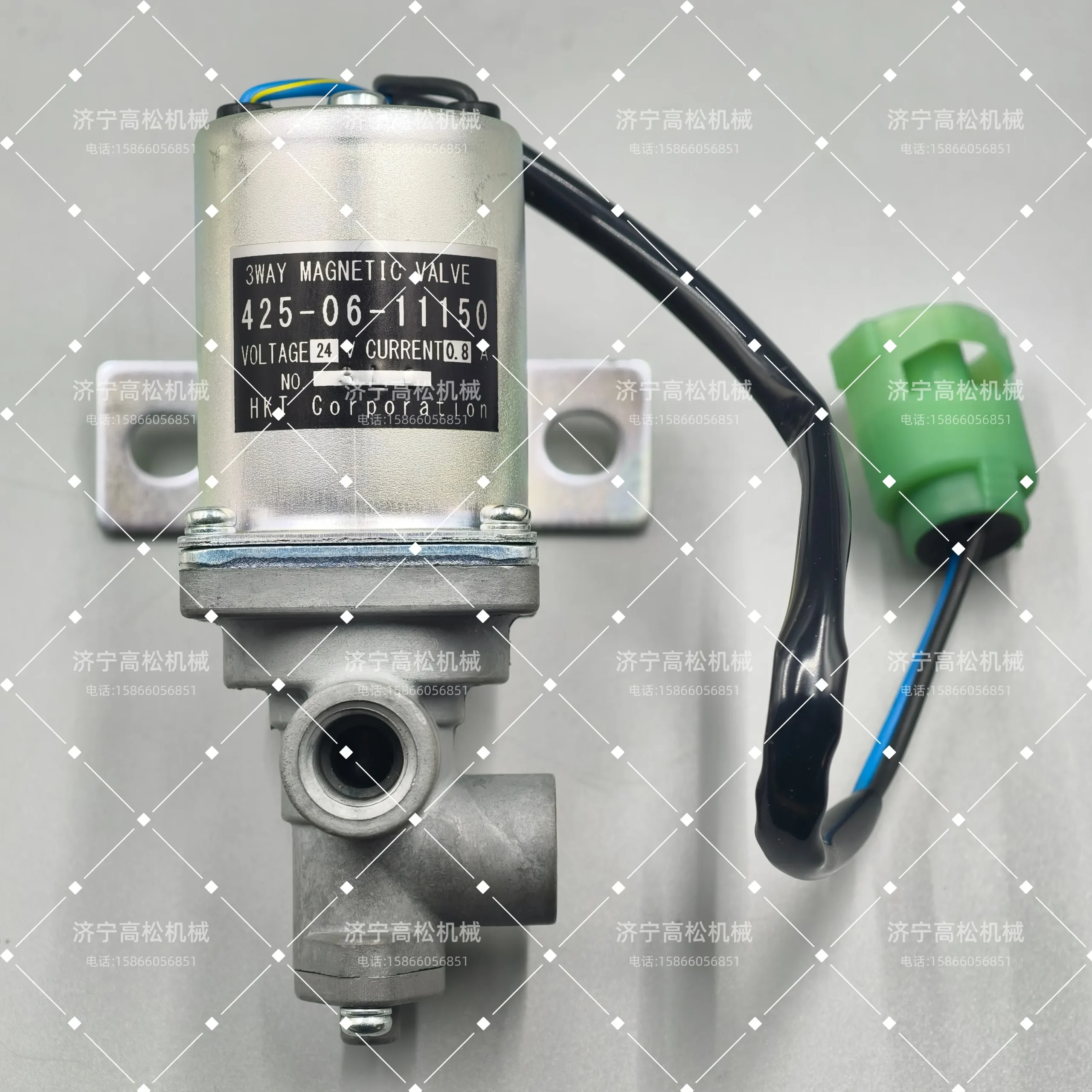 425-06-11150 Komatsu VALVE, PARKING BRAKE
 -
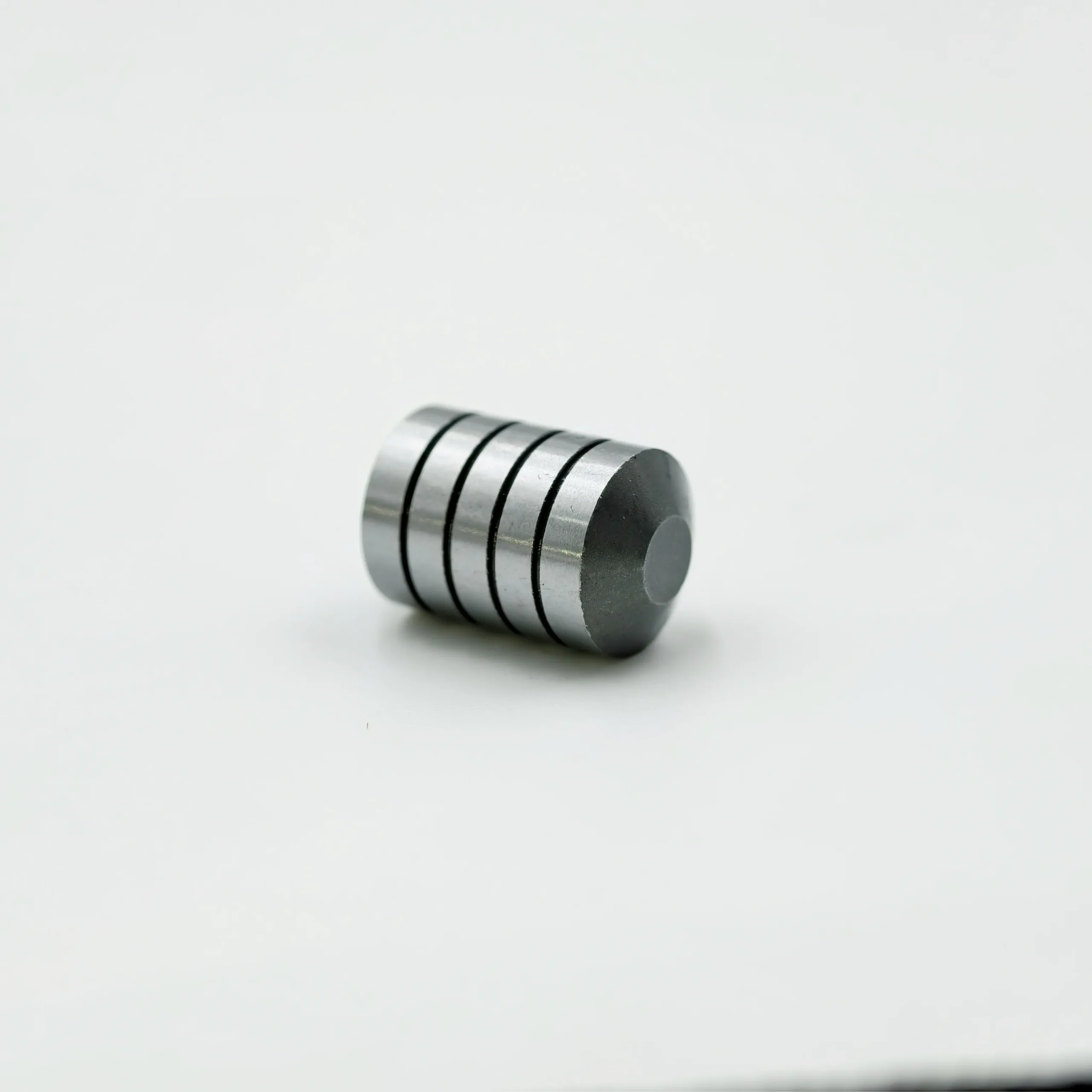 PISTON – 287-15-15360
 -
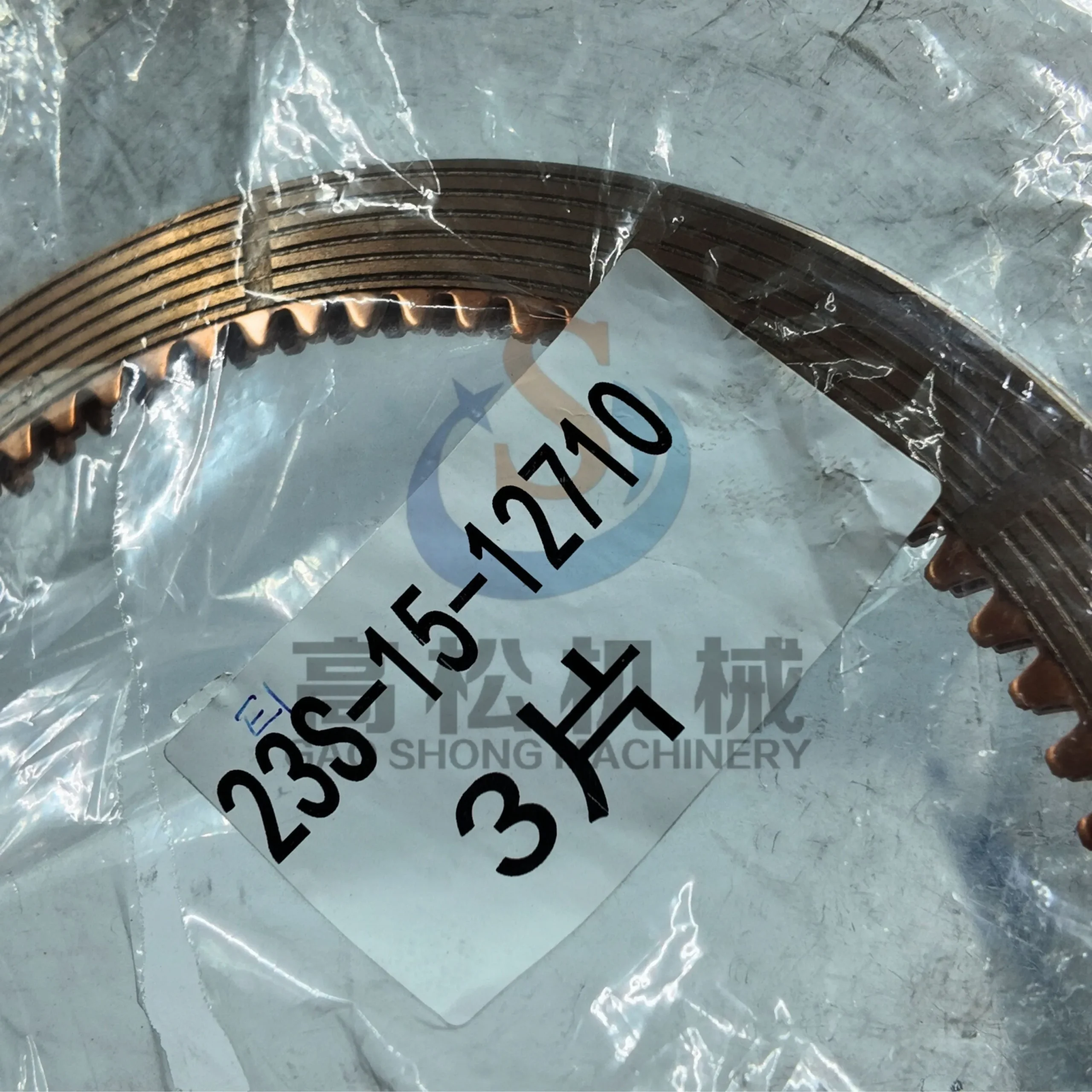 23S-15-12710 Komatsu Disc
 -
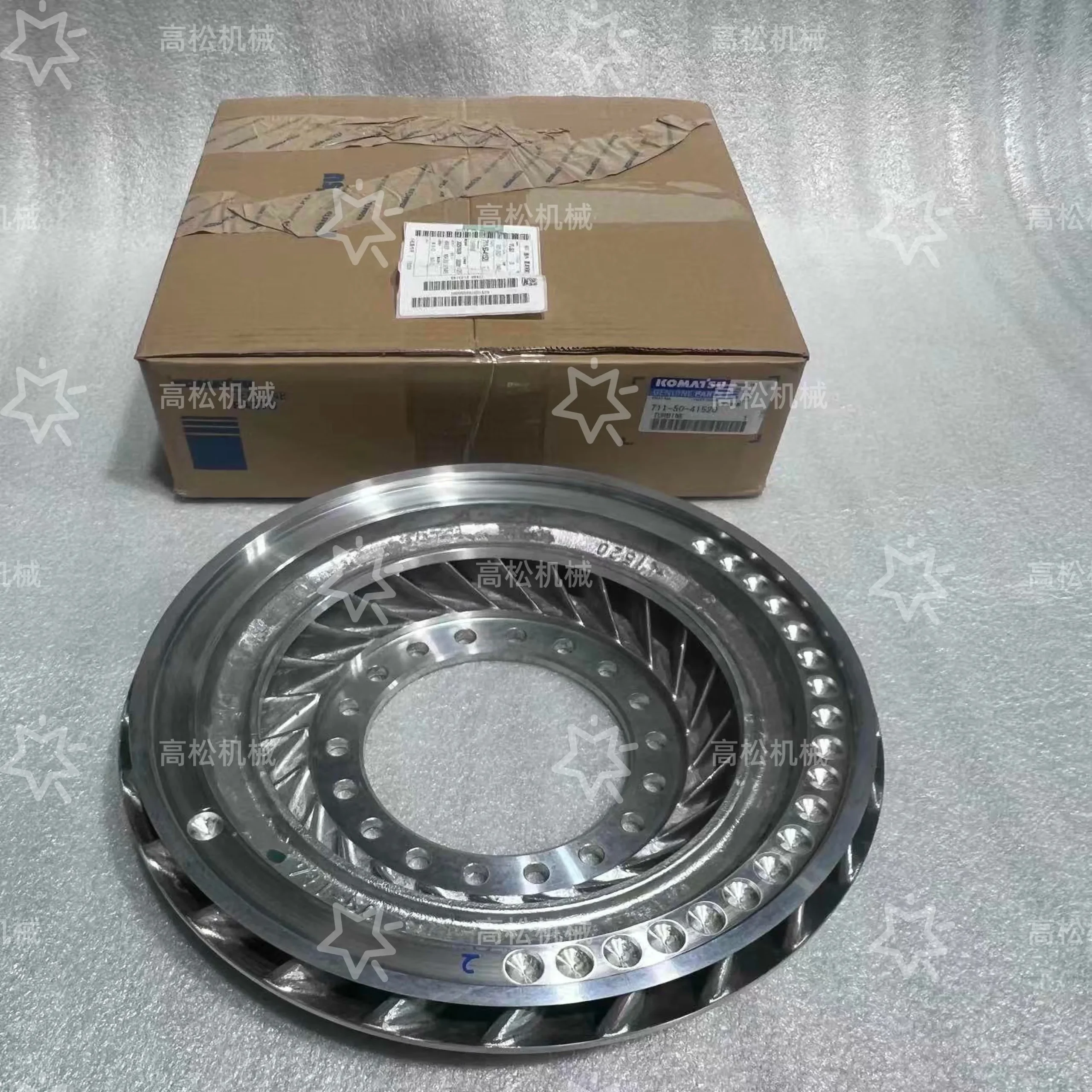 711-50-41520 TURBINE fits KOMATSU
 -
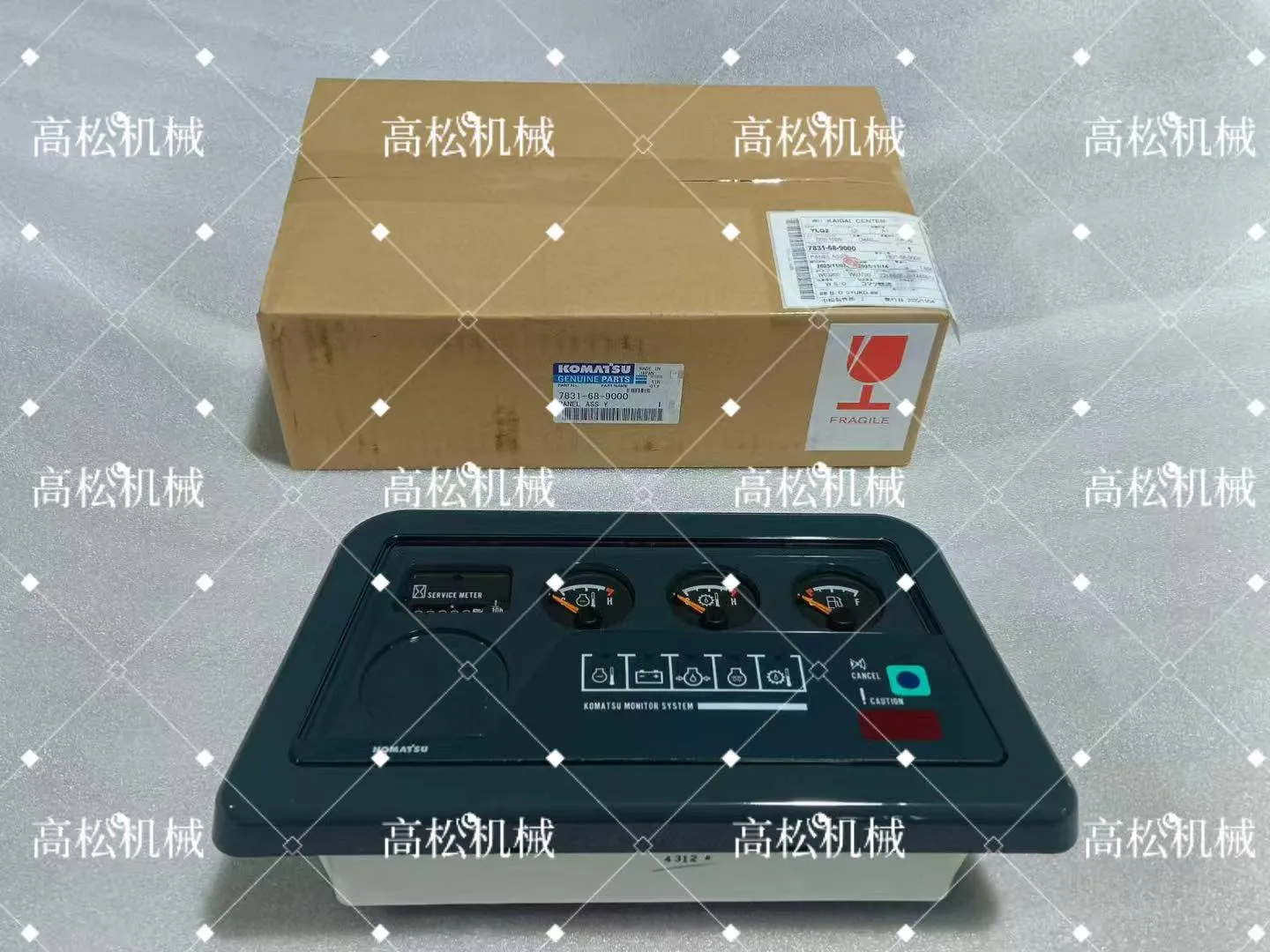 n-stock items. Part No.: 7831-68-9000. Genuine Komatsu panel. Suitable for D155 and D375 models.
 -
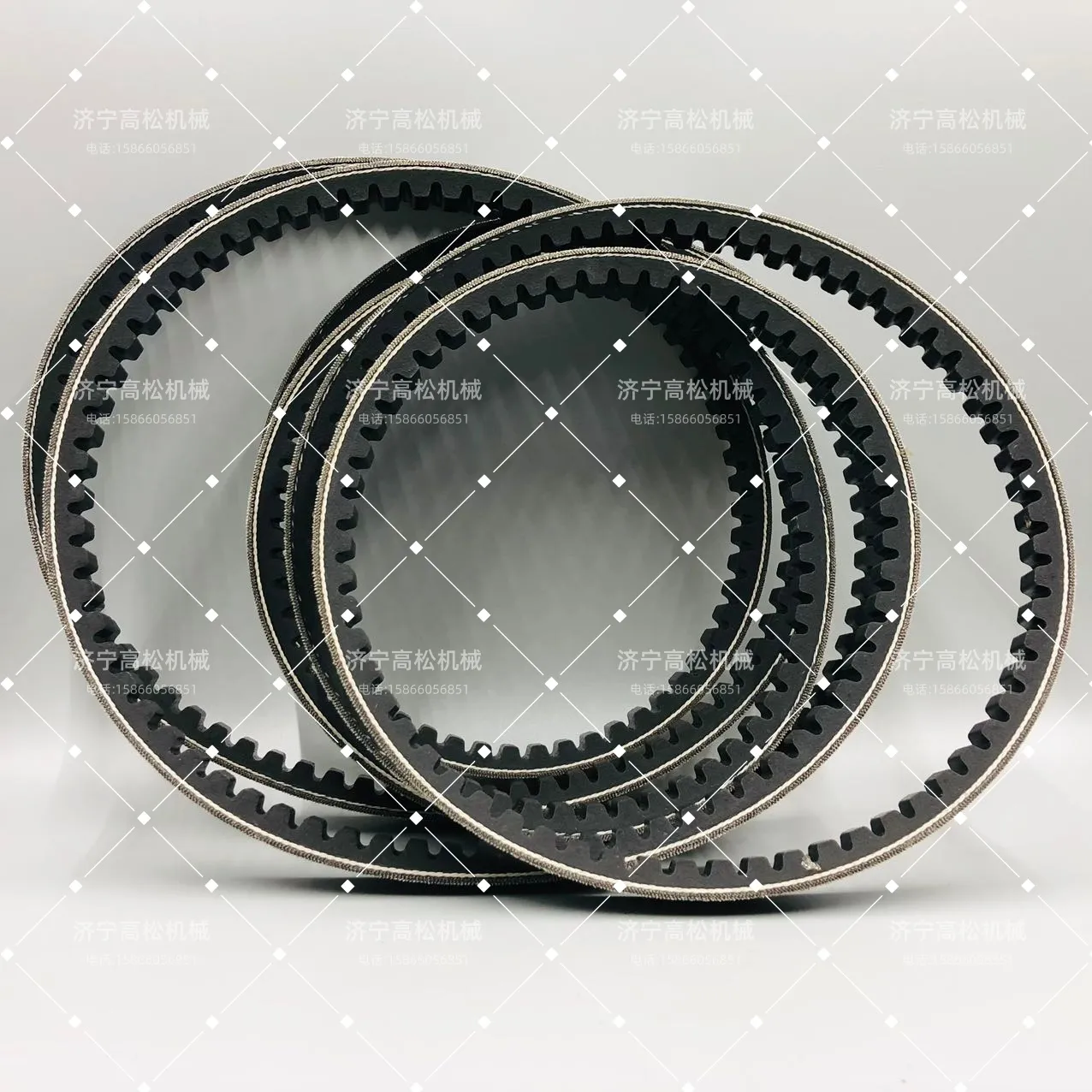 Genuine Komatsu V-Belt 6219-61-3420 for…
 -
 Water Pump 6154-61-1102 6251-61-1105 6251-61-1111 For Komatsu S6D125E PC400-6 PC450-6 New Aftermarket Parts
 -
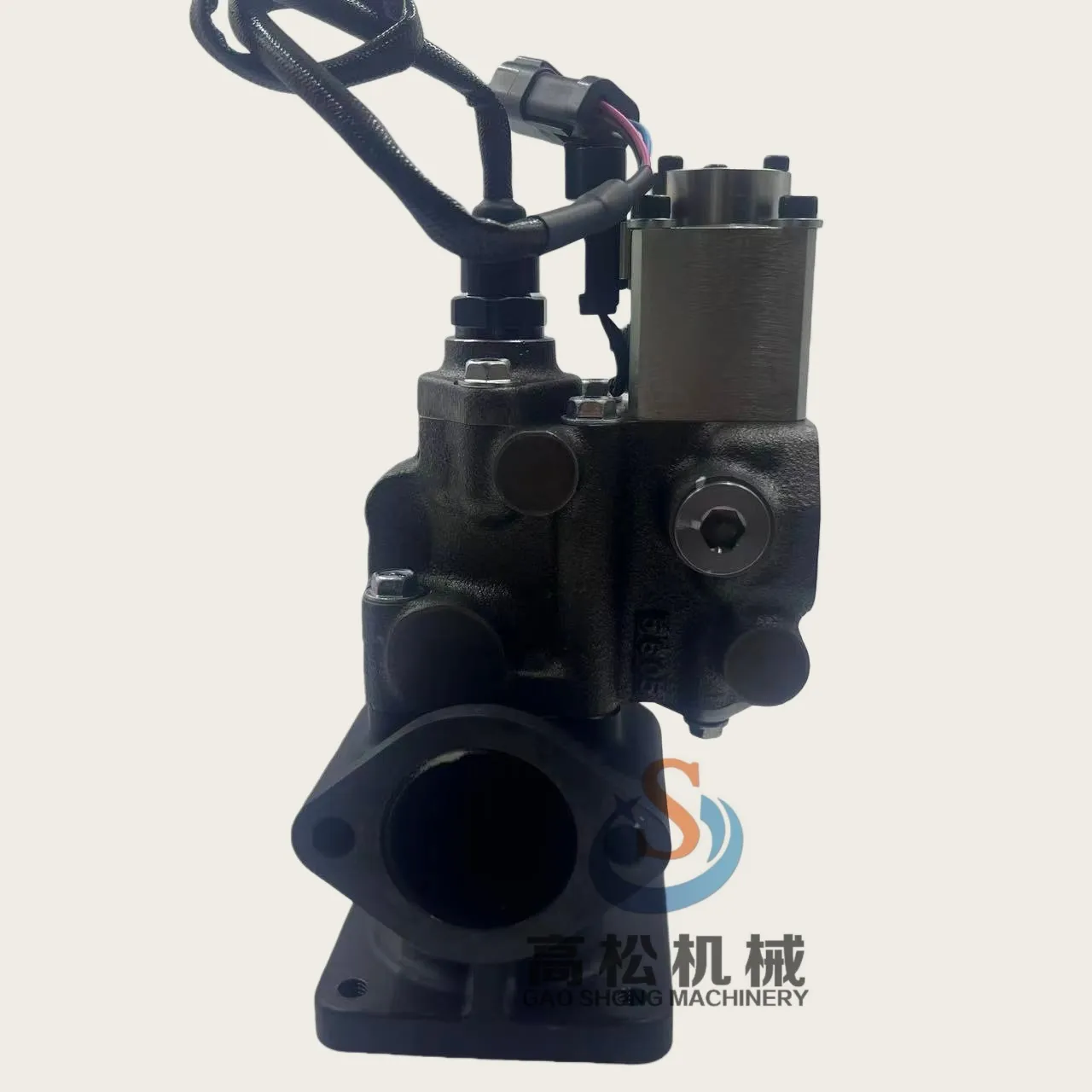 VALVE ASS’Y BYPASS 6261-41-9500 SAA6D140E-5C-01 SAA6D170E-5C EXHAUST GAS RECIRCULATION VALVE HM400-2 HM350-2 WA500-6
Related Search
Related Search- OEM AND ORIGINAL KOMATSU BUSHING 707-46-18050
- komatsu 4 cylinder engine
- OEM AND ORIGINAL KOMATSU CUSHION 198-21-32152
- OEM AND ORIGINAL KOMATSU BRACKET 17A-71-12231
- komatsu dresser parts
- Komatsu SAA6D140E engine parts
- OEM AND ORIGINAL KOMATSU COVER 195-27-34131
- 41E-72-15251
- OEM AND ORIGINAL KOMATSU SUPPORT 426-46-12173
- 175-06-37871