
- Chinese
- French
- German
- Portuguese
- Spanish
- Russian
- Japanese
- Korean
- Arabic
- Irish
- Greek
- Turkish
- Italian
- Danish
- Romanian
- Indonesian
- Czech
- Afrikaans
- Swedish
- Polish
- Basque
- Catalan
- Esperanto
- Hindi
- Lao
- Albanian
- Amharic
- Armenian
- Azerbaijani
- Belarusian
- Bengali
- Bosnian
- Bulgarian
- Cebuano
- Chichewa
- Corsican
- Croatian
- Dutch
- Estonian
- Filipino
- Finnish
- Frisian
- Galician
- Georgian
- Gujarati
- Haitian
- Hausa
- Hawaiian
- Hebrew
- Hmong
- Hungarian
- Icelandic
- Igbo
- Javanese
- Kannada
- Kazakh
- Khmer
- Kurdish
- Kyrgyz
- Latin
- Latvian
- Lithuanian
- Luxembou..
- Macedonian
- Malagasy
- Malay
- Malayalam
- Maltese
- Maori
- Marathi
- Mongolian
- Burmese
- Nepali
- Norwegian
- Pashto
- Persian
- Punjabi
- Serbian
- Sesotho
- Sinhala
- Slovak
- Slovenian
- Somali
- Samoan
- Scots Gaelic
- Shona
- Sindhi
- Sundanese
- Swahili
- Tajik
- Tamil
- Telugu
- Thai
- Ukrainian
- Urdu
- Uzbek
- Vietnamese
- Welsh
- Xhosa
- Yiddish
- Yoruba
- Zulu
- Kinyarwanda
- Tatar
- Oriya
- Turkmen
- Uyghur






Komatsu part cross reference
When you hear 'Komatsu part cross reference,' the immediate thought is often just matching numbers from one brand to another. That's where most people get it wrong from the start. It's not a simple translation exercise; it's more like detective work, where the part number is just the first clue. The real challenge is understanding the context of the application, the machine's service history, and the subtle differences that catalogs don't tell you. I've seen too many instances where a 'direct match' part failed prematurely because the cross-reference only considered dimensions, not material specs or load cycles. The industry, especially in regions with complex supply chains, often treats this process too casually, leading to downtime and unnecessary costs. It's this gap between the theoretical list and practical fitment that defines the real skill in parts sourcing.
The Core Challenge: Beyond the Number
Let's get specific. Say you have a Komatsu PC200-8 and you need a final drive seal. The Komatsu part number is clear. But when that part is unavailable with a 12-week lead time, you look for alternatives. A cross-reference database might spit out three other manufacturer's numbers. The trap here is assuming equivalence. One might be for a general industrial application, another for a different machine series with similar dimensions but different pressure ratings. I learned this the hard way years ago on a job site in Southeast Asia. We used a cross-referenced seal that looked identical. It held for about 80 hours before failing. The reason? The substitute's rubber compound wasn't formulated for the specific continuous high-temperature operation of a excavator's final drive. The catalog data was silent on that.
This is where the role of a specialized supplier becomes critical. They aren't just order-takers. A company like Jining Gaosong Construction Machinery Co., Ltd. operates in a unique space. As they note on their site https://www.takematsumachinery.com, they are an OEM product supplier within the Komatsu system and a third-party sales company. This dual position is key. It means they have access to genuine OEM specifications and timelines, but also the practical experience to navigate the aftermarket landscape when the official channel is blocked or delayed. Their work in solving parts supply challenges in certain countries isn't just about having stock; it's about having the technical validation to know which aftermarket part will actually work as a functional equivalent, not just a dimensional one.
The process isn't automated. It involves pulling service bulletins, checking engineering change notices (ECNs) that might have altered a sub-component, and sometimes even contacting the original component manufacturer that supplies Komatsu. For instance, a hydraulic pump on a Dash-7 model might share a core rotor assembly with a Kawasaki or Parker pump used in another industry. Finding that link requires deep vendor knowledge, not just a database search. This is the unglamorous, detail-heavy side of Komatsu part cross reference that separates parts clerks from parts professionals.
Real-World Application and Pitfalls
In practice, a reliable cross-reference serves two main users: the fleet manager in a remote location needing a fix now, and the procurement officer for a large dealer network looking to diversify supply. For the first, speed and accuracy are everything. A supplier's value is tested here. I recall needing a swing motor cartridge for a Komatsu SK820 skid steer. The OEM part was on backorder. A supplier, acting as a knowledgeable third-party, didn't just send an alternative number. They asked for the machine's serial number range and the symptom (loss of power in one direction). Based on that, they cross-referenced to a specific revision of a aftermarket unit that addressed a known seal wear issue in that serial range. That's applied knowledge.
However, the pitfalls are numerous. A major one is ignoring the assembly context. A bolt might cross-reference perfectly in grade and size, but if the original had a specific pre-applied thread-locking patch or a unique washer face, the generic substitute could loosen under vibration. Another common error is overlooking kit components. You might cross-reference a seal, but the OEM part came as a kit with a wear sleeve, a new O-ring, and a specific lubricant. Installing just the seal from the cross-reference leads to premature failure. The cross reference must be for the assembly or repair solution, not just the discrete part.
This is where the OEM product supplier credential of a company like Jining Gaosong matters. They understand the build-of-material for Komatsu systems. When they engage in third-party sales, that insight informs their recommendations. They're not likely to suggest a bare piston ring without asking about the cylinder liner condition, because they know how the system is designed to interact. This depth prevents the transactional, part-number-only exchanges that cause comebacks.
The Role of Documentation and Verification
Good cross-referencing leaves a paper trail. Or today, a digital one. It's not enough to say Part A fits Machine B. The supporting evidence is what builds trust. This includes side-by-side spec sheets, photos of critical interfaces (e.g., port thread patterns, spline counts), and documented performance test results where possible. For electrical components, the voltage curves and response times need to match. I've spent hours with a multimeter and an oscilloscope comparing sensors that supposedly matched, only to find a slight variance in signal damping that made the machine's controller throw a code.
Verification often happens post-installation, which is risky. A better practice, which some experienced suppliers adopt, is to maintain a registry of field feedback. If a cross-referenced turbocharger for a Komatsu SAA6D140E-3 engine has been successfully deployed in fifty units across a mining fleet with no issues, that's more valuable than any catalog claim. This feedback loop turns a static reference into a dynamic, validated database. The Komatsu part cross reference process, therefore, is never truly finished; it's continually updated with real-world results.
This approach directly supports the mission of solving supply challenges. When a supplier can confidently say, We have validated this alternative component in your specific application and it performs to OEM standards, they are providing more than a part; they are providing a certified solution. This requires investment in technical staff and a commitment to quality control that goes beyond simply stocking parts.
When Cross-Referencing Fails: The Limits
It's crucial to know when not to cross-reference. Safety-critical components, especially those involving braking, steering, or load-bearing structures, are often no-go zones. The liability is too high, and the engineering tolerances are too tight. Similarly, electronic control modules (ECMs) are notoriously difficult. Even if the pin-out matches, the software calibration inside is often machine-specific. Swapping an ECM based on hardware cross-reference alone can brick a machine or cause erratic behavior.
Another limit is in highly integrated systems. The hydraulic pumps on newer Komatsu hybrid excavators, for example, are designed to work in concert with the energy recovery system. A pump that matches the flow and pressure rating might not match the response characteristics needed for the system's efficiency algorithm. In these cases, the cross reference is virtually meaningless without deep system engineering support, which is why the OEM channel remains essential for such components.
Recognizing these limits is a mark of professionalism. A supplier who pushes a cross-reference for every part, regardless of application, is a red flag. A credible one will often advise, For this particular component, given its function and the potential impact of failure, we strongly recommend waiting for the genuine part or sourcing a Komatsu-certified remanufactured unit. This builds long-term trust.
Synthesizing the Approach for Practical Use
So, what's the practical takeaway for someone in the field? First, treat any cross-reference as a starting point for investigation, not a final answer. Gather as much context as possible: machine serial number, component location, failure mode, and even photos of the old part. Second, partner with suppliers who demonstrate technical competency. Look for those who ask detailed questions before giving an answer. A supplier profile like that of Jining Gaosong, which explicitly mentions its dual OEM/third-party role aimed at solving supply challenges, indicates a structure designed for this kind of technical mediation.
Third, build your own internal records. When a cross-referenced part works, document the supplier, the alternative part number, the machine hours on installation, and the result. This creates an institutional knowledge base that is more reliable than any public database. Finally, always weigh the cost of downtime against the risk of the alternative. Sometimes, the correct cross-reference is to expedite the genuine part at a higher cost, because the risk of a second failure is too great.
In the end, effective Komatsu part cross reference is a blend of data, experience, and judgment. It's a core competency for keeping equipment running in a global market where supply chains are fragile. It moves the conversation from Will it fit? to Will it work reliably in this specific machine under these specific conditions? That's the difference between a quick fix and a lasting solution. The goal isn't just to find a part; it's to ensure the machine returns to productive work with no unexpected comebacks. That's the real metric of success.
Related Products
Related Products

Best Selling Products
Best Selling Products-
 0700012021 Pack of 10 O-RING suitable for Komatsu
 -
 21N-26-33240 Komatsu Pin
 -
 Engine 6162-23-8010 Metal Assembly
 -
 23S-15-12710 Komatsu Disc
 -
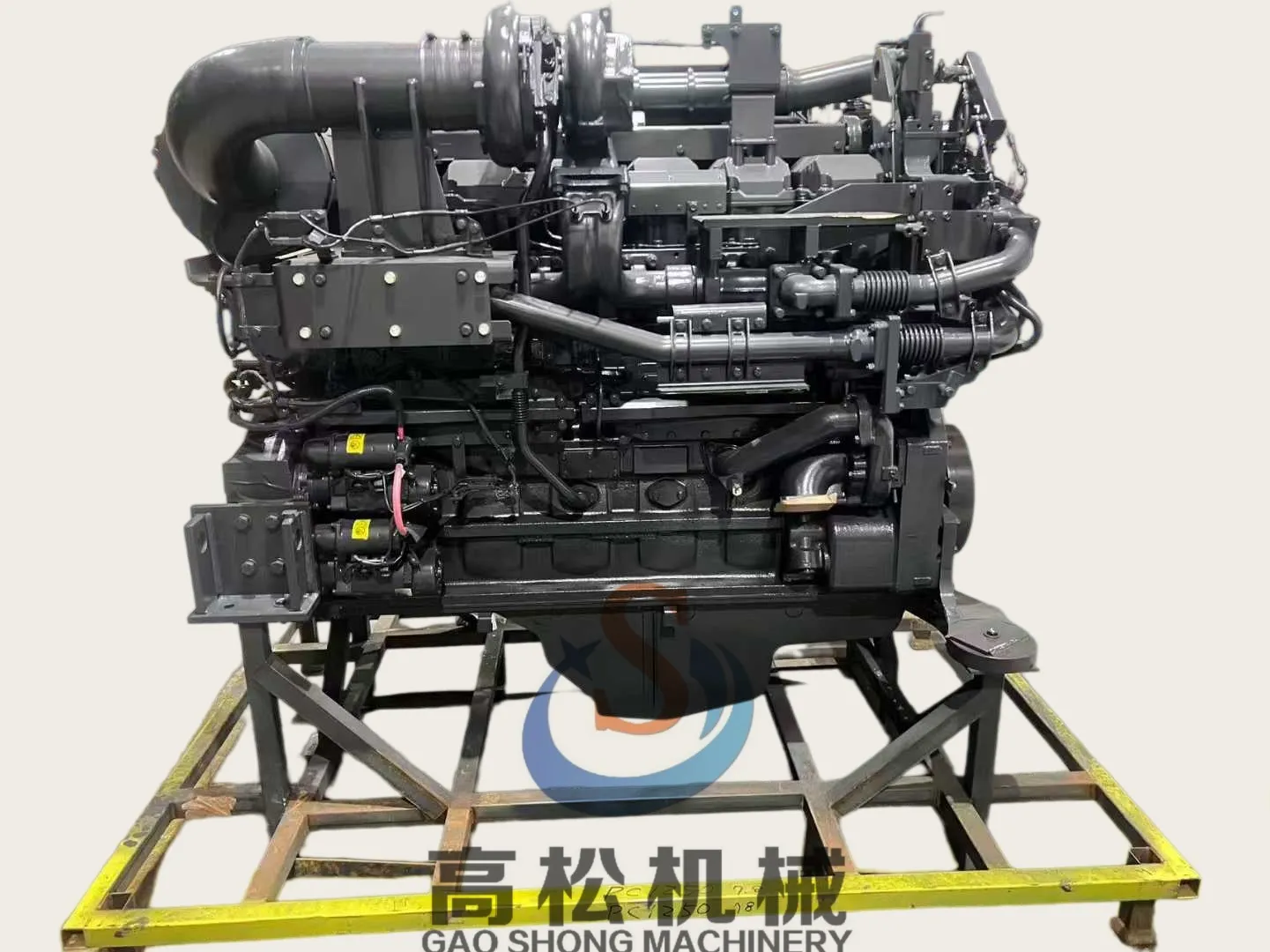 Diesel Engine Motor Engine Assembly Engine Assembly 6D170e-5 PC1250-7 PC1250-8 Complete Engine Assy Parts SAA12/140-3 SAA6D170E-5 SAA6D107E-1 SAA6D114E-3 SAA6D140E-5 SAA6D140E-5 SAA12/140-3
 -
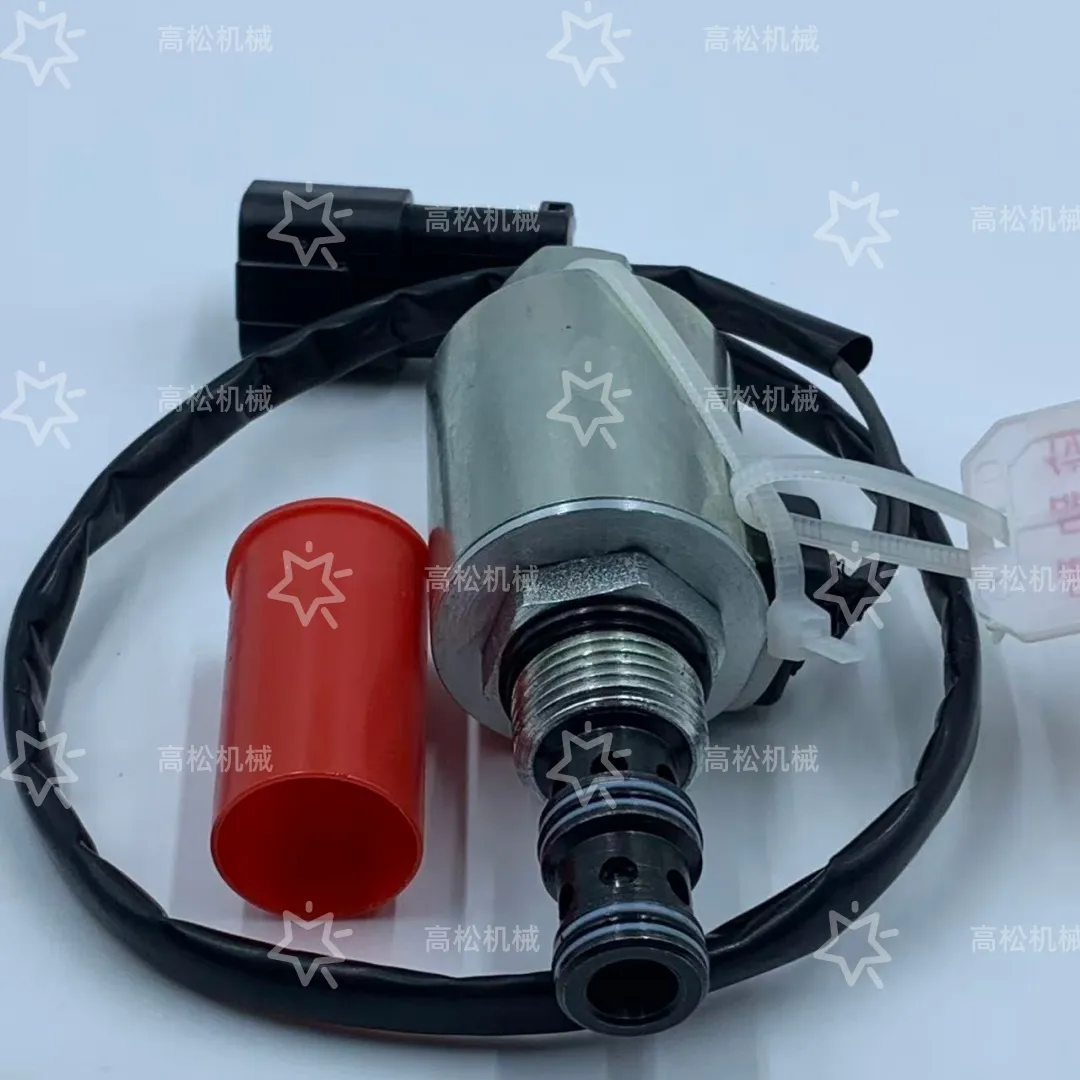 Rotary Solenoid Valve 20Y-60-11713 20Y-60-11673 Fit for Komatsu PC200-5 6D95
 -
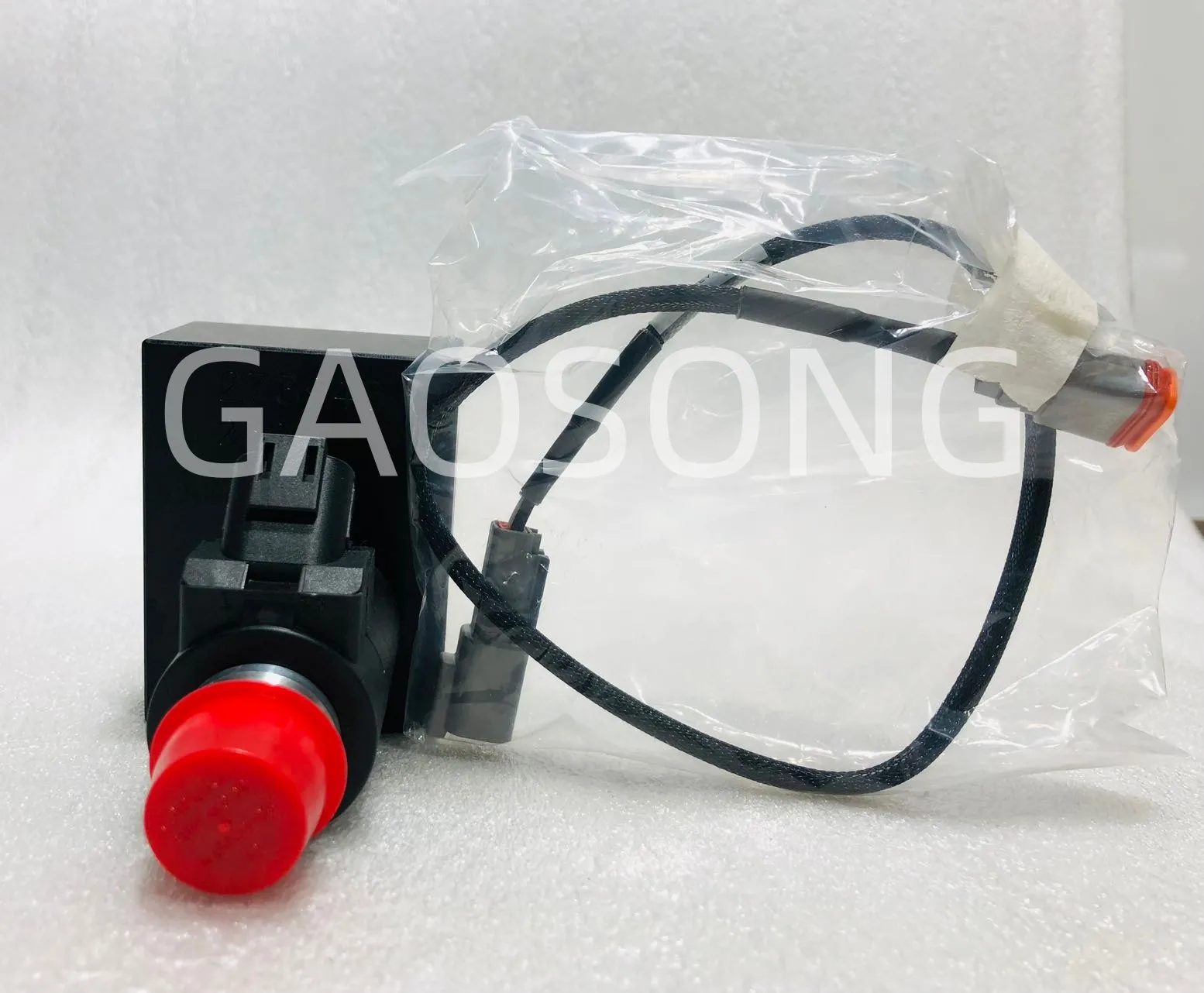 561-95-8A540 • VALVE ASSEMBLY,VENT-Komatsu Original Factory
 -
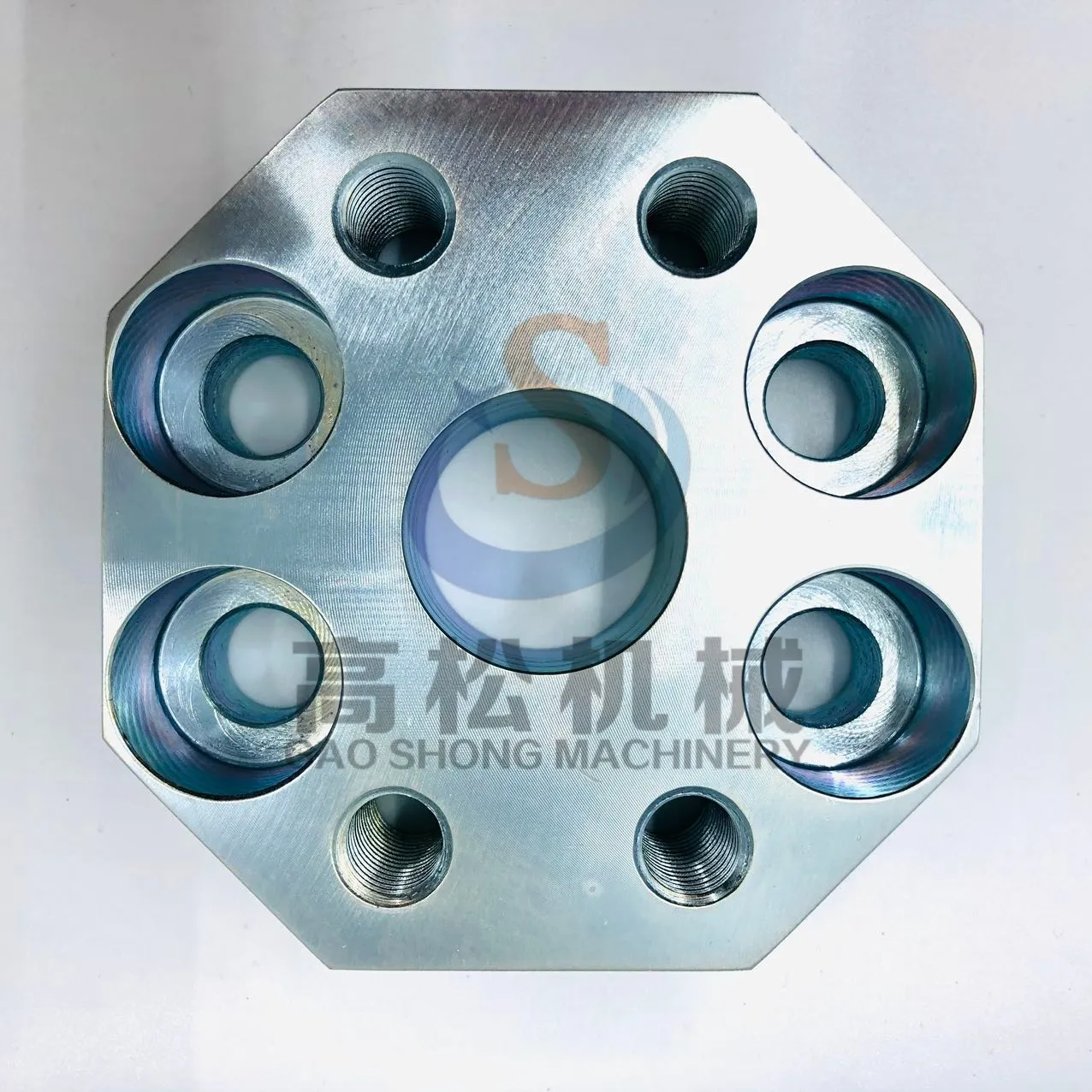 21N-62-11361 Komatsu Flange
 -
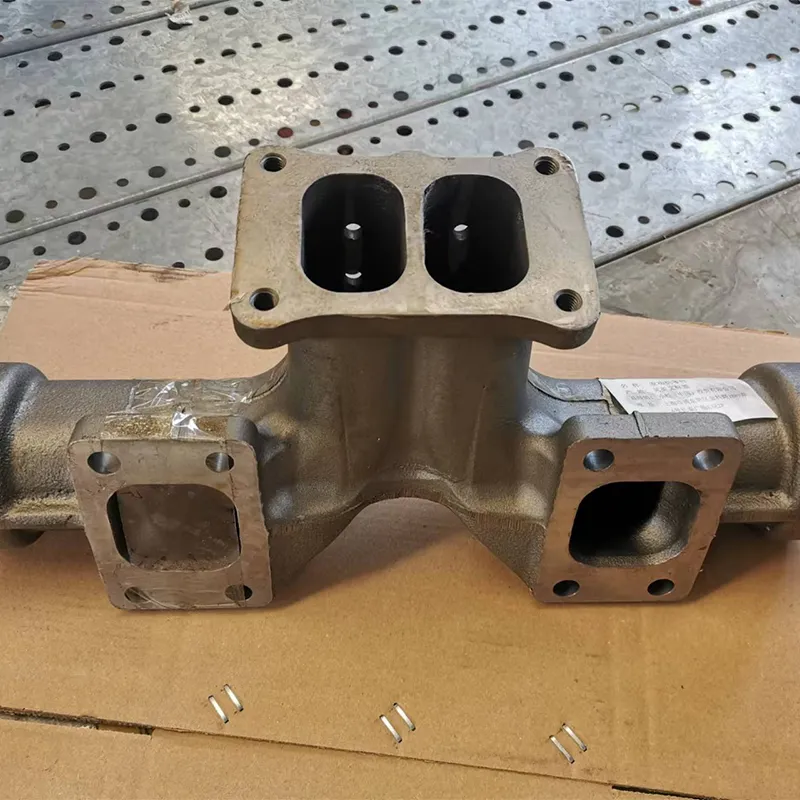 Original komatsu 6215-11-5182 HD785-7 Exhaust Manifold
 -
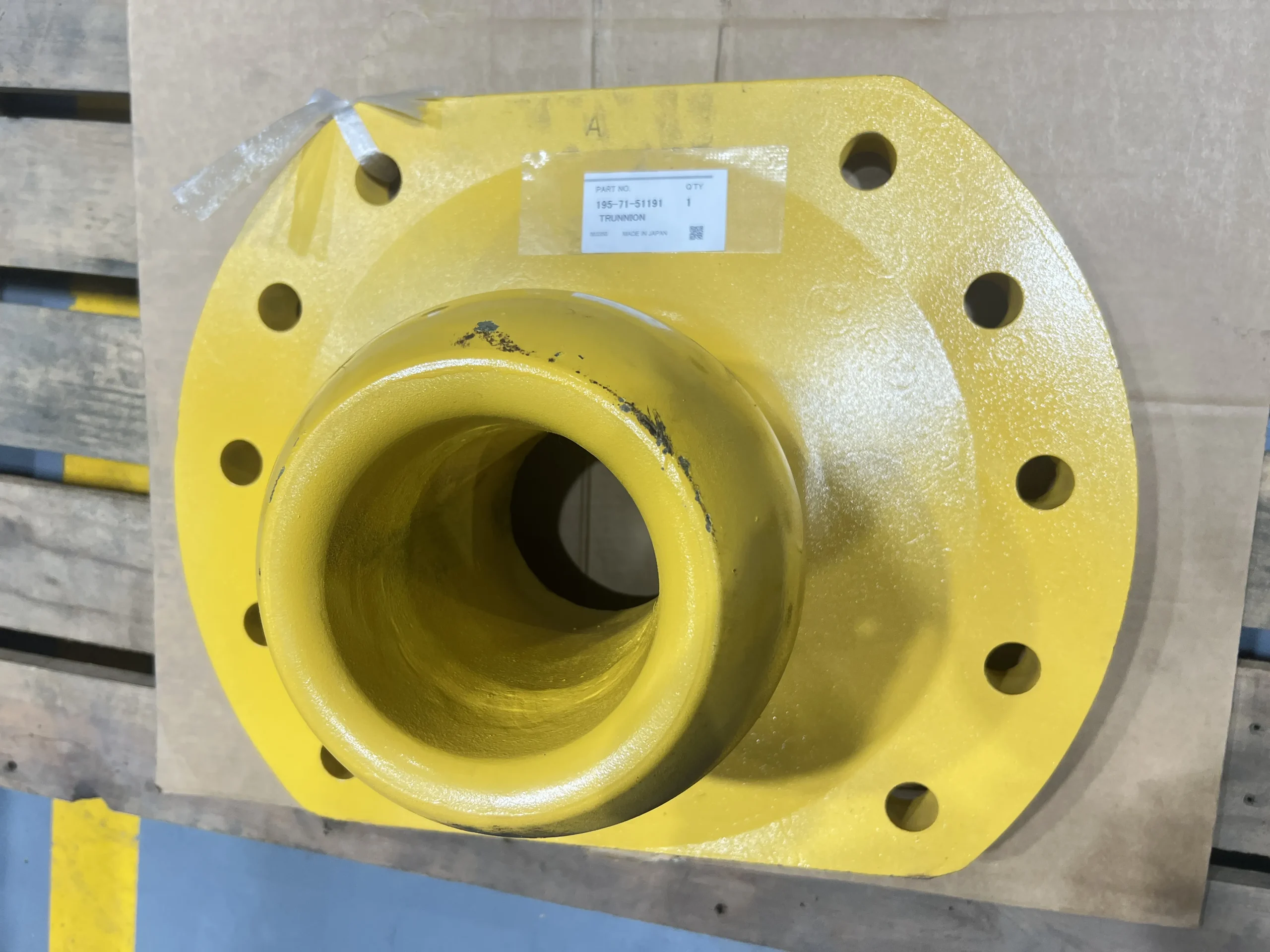 TRUNNION 195-71-51191 – KOMATSU
 -
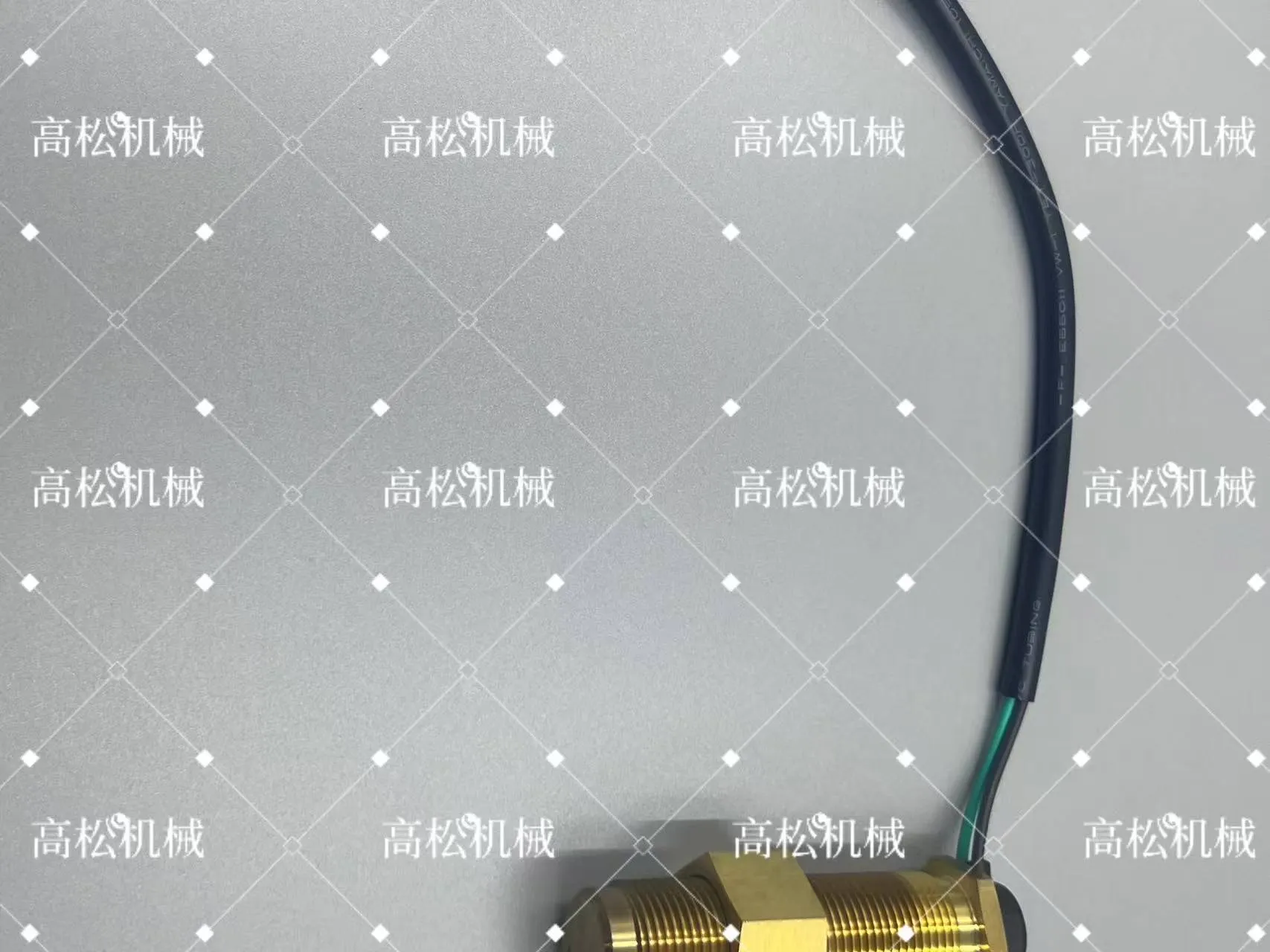 The PC300-6 tachometer sensor 7861-93-2330 is suitable for Komatsu parts
 -
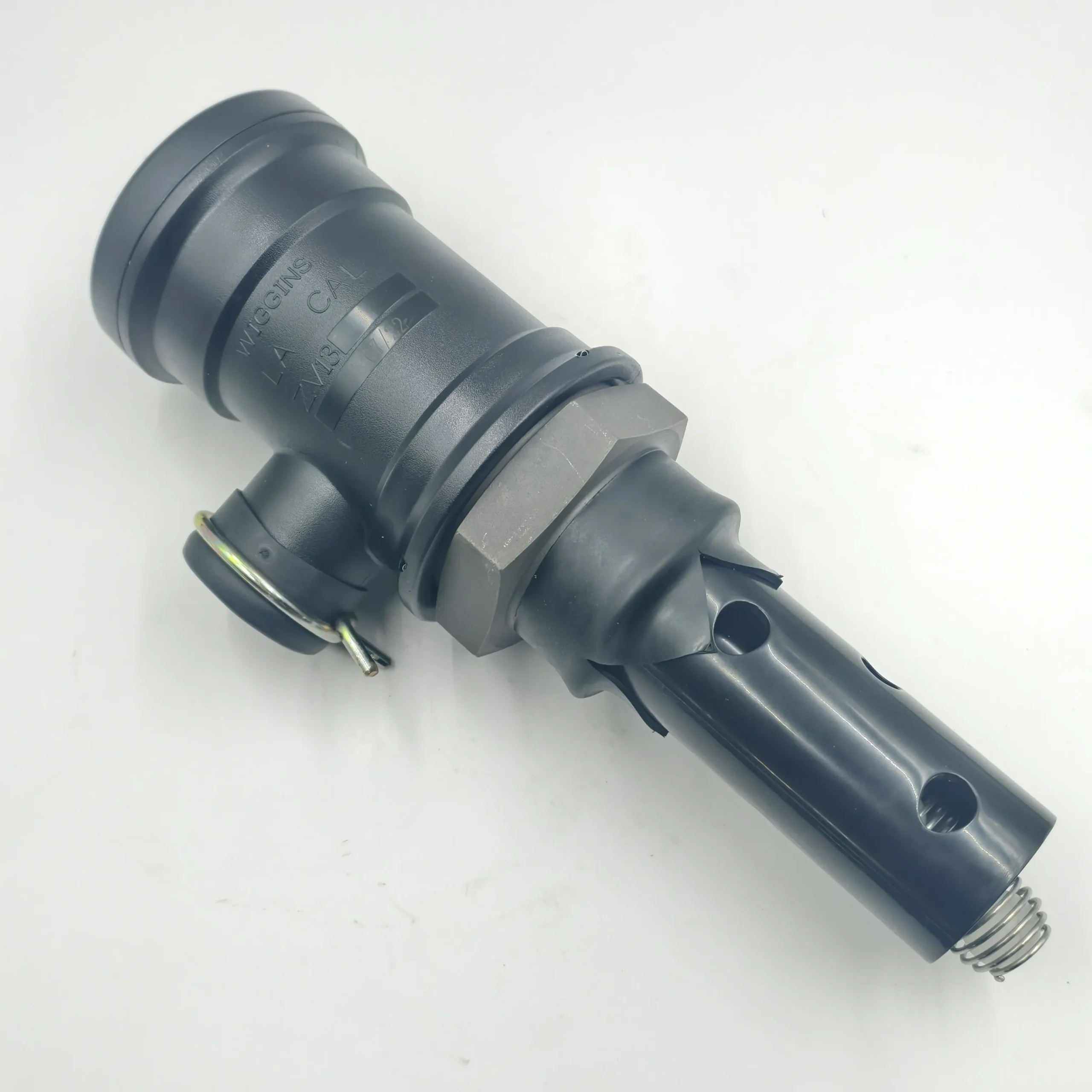 Vent 21T-04-31130
Related Search
Related Search- 235-46-11950
- OEM AND ORIGINAL KOMATSU BUSHING 707-76-16011
- 17A-30-00173
- OEM AND ORIGINAL KOMATSU BEARING 566-22-12190
- Komatsu WA380 parts
- OEM AND ORIGINAL KOMATSU ROD 195-70-51152
- komatsu wb140 engine
- OEM AND ORIGINAL KOMATSU CARRIER 421-23-32630
- OEM AND ORIGINAL KOMATSU VALVE 709-62-12101
- komatsu forklift parts