
- Chinese
- French
- German
- Portuguese
- Spanish
- Russian
- Japanese
- Korean
- Arabic
- Irish
- Greek
- Turkish
- Italian
- Danish
- Romanian
- Indonesian
- Czech
- Afrikaans
- Swedish
- Polish
- Basque
- Catalan
- Esperanto
- Hindi
- Lao
- Albanian
- Amharic
- Armenian
- Azerbaijani
- Belarusian
- Bengali
- Bosnian
- Bulgarian
- Cebuano
- Chichewa
- Corsican
- Croatian
- Dutch
- Estonian
- Filipino
- Finnish
- Frisian
- Galician
- Georgian
- Gujarati
- Haitian
- Hausa
- Hawaiian
- Hebrew
- Hmong
- Hungarian
- Icelandic
- Igbo
- Javanese
- Kannada
- Kazakh
- Khmer
- Kurdish
- Kyrgyz
- Latin
- Latvian
- Lithuanian
- Luxembou..
- Macedonian
- Malagasy
- Malay
- Malayalam
- Maltese
- Maori
- Marathi
- Mongolian
- Burmese
- Nepali
- Norwegian
- Pashto
- Persian
- Punjabi
- Serbian
- Sesotho
- Sinhala
- Slovak
- Slovenian
- Somali
- Samoan
- Scots Gaelic
- Shona
- Sindhi
- Sundanese
- Swahili
- Tajik
- Tamil
- Telugu
- Thai
- Ukrainian
- Urdu
- Uzbek
- Vietnamese
- Welsh
- Xhosa
- Yiddish
- Yoruba
- Zulu
- Kinyarwanda
- Tatar
- Oriya
- Turkmen
- Uyghur





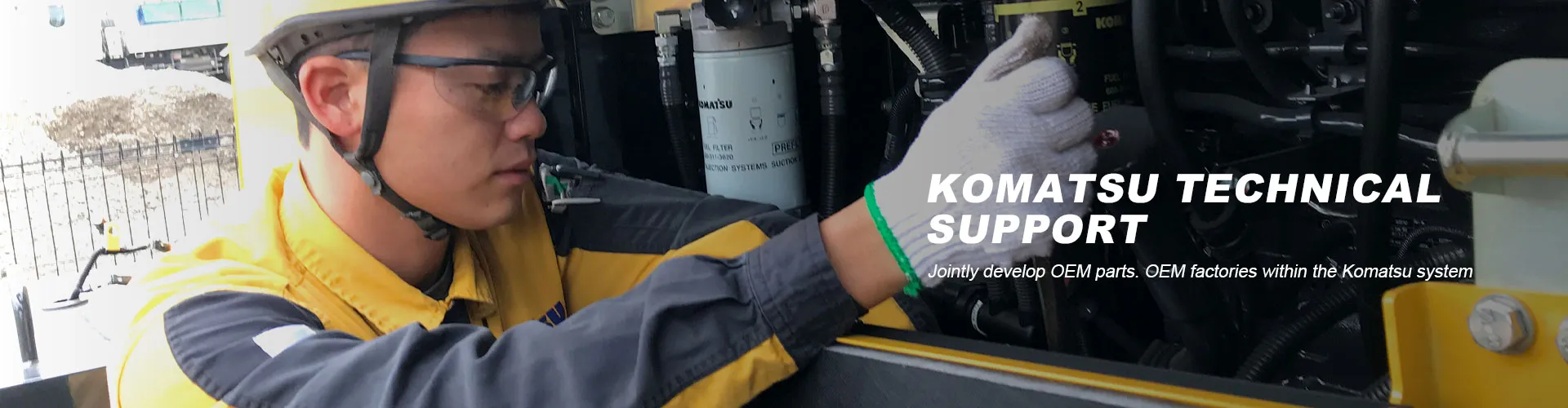
Komatsu original parts
Let's cut to the chase. When someone mentions Komatsu original parts, the first thing that comes to most minds is cost. And yeah, they're not cheap. But if you think that's the whole story, you're already missing the point. The real conversation isn't about the invoice; it's about what happens after the part is bolted on. It's about the machine's next 5,000 hours, the unexpected downtime you don't have, and the resale value that doesn't plummet. I've seen too many operations chase short-term savings with Komatsu original parts alternatives, only to pay double later in labor and lost production. The label original isn't just marketing—it's a direct line back to the engineering specs that made the machine reliable in the first place.
The OEM Promise and the On-Ground Reality
Working within the system, you get a front-row seat to the philosophy. An OEM supplier isn't just moving boxes. They are tied into Komatsu's technical updates, material specs, and quality control loops. A piston ring from them isn't just a piece of metal; it's manufactured to tolerances designed to work with the specific cylinder liner alloy and lubrication system of that engine model. I recall a D61EXi-12 where a client insisted on a non-OEM undercarriage component. The hardness was off by just a few points on the Rockwell scale. It seemed trivial. But within 800 hours, we saw accelerated wear on the sprocket, a cascade failure that cost more than the savings on the initial part.
This is where the role of a company like Jining Gaosong Construction Machinery Co., Ltd. becomes critical. They operate as an OEM product supplier within the Komatsu system. That affiliation matters. It means their supply of Komatsu original parts comes with traceability back to Komatsu's own supply chain. For a fleet manager, that traceability is your insurance policy. When you get a part from their platform, https://www.takematsumachinery.com, you're not just buying an item; you're buying the certainty that it matches the part number's intended performance profile exactly.
The on-ground reality is messy. You have a PC300-8 down at a remote site, and the nearest Komatsu depot is three days away. The pressure to get a fits-like part locally is immense. But here's the judgment call: Is the cost of three days of planned downtime waiting for the real part higher than the risk of a fits-like failing in two weeks, causing another five days of unplanned downtime? Nine times out of ten, waiting for the genuine part is the cheaper long-term play. Companies that act as authorized third-party sales channels, like the one mentioned, exist to shorten that wait in regions where direct distribution is a challenge.
Decoding the Third-Party Model in Parts Supply
There's a lot of confusion around third-party. In the aftermarket, it usually means an independent manufacturer. But in Komatsu's ecosystem, a certified third-party sales company is different. They are a logistical extension, not a manufacturing competitor. Jining Gaosong, for instance, helps solve parts supply challenges in certain countries. This isn't about selling alternatives; it's about providing authentic access. They navigate the complex customs, logistics, and local market barriers that can strangle the pipeline for Komatsu original parts.
I've dealt with situations in certain Southeast Asian markets where official channels were bottlenecked. Having a reliable, system-connected partner on the ground meant the difference between a machine being a static monument for a month and getting it back to work in a week. They handle the headaches—the documentation, the clearance, the last-mile delivery—so the maintenance crew can focus on the wrench time.
The key for end-users is verification. Not all third-party sellers have this OEM linkage. The practical step is to ask for documentation, the packing slips, the origin trails. A legitimate supplier within the system won't hesitate to provide evidence that the part came from Komatsu's authorized supply chain. If they're vague, that's your red flag.
The Hidden Cost of Good Enough
We need to talk about fit, finish, and function. A non-original hydraulic hose assembly might connect. It might even hold pressure. But the difference is in the burst pressure rating, the flexibility at low temperatures, the compatibility of the inner tube with Komatsu's specific hydraulic oil formulation. I installed a compatible hose on a WA470 wheel loader once. It looked identical. It failed not by bursting, but by the inner tube degrading and sending rubber particulate throughout the entire hydraulic system. The cleanup and valve damage cost exceeded the price of the machine's original hose by a factor of twenty.
Electronics and controllers are the most sensitive. A non-OEM sensor might send a signal, but if its response curve or tolerance is even slightly different, it can cause the main controller to make incorrect adjustments. This leads to phantom error codes, reduced efficiency, or even protective shutdowns. The diagnostic time wasted chasing these ghosts is a massive, often uncalculated, expense.
The argument for Komatsu original parts here is about system integrity. Komatsu machines are integrated systems. The parts are designed to communicate and interact with each other. Introducing an off-spec component is like putting a component from a different symphony into an orchestra—it might make sound, but the harmony is gone.
When Original Isn't on the Shelf: A Practical Strategy
So, what do you do when you need a part now and the system is quoting a long lead time? First, exhaust the official network. Use platforms like Takematsu Machinery's site to check real-time availability across their network. Their position as an OEM supplier often means they have visibility into inventory you don't.
If it's truly unavailable, then you move to contingency. This is where experience matters. For non-critical, wear-and-tear items like certain filters or grease fittings, high-quality aftermarket from reputable brands might be a calculated risk. But you must know the brand's reputation for that specific component. For anything core to the power train, hydraulics, or electronics—wait. Or source a used original part from a certified recycler, which is often a better bet than a new non-OEM part.
Building a relationship with a supplier that understands this dilemma is crucial. A good one won't just sell you what you ask for; they'll advise you. We can get that original valve body in 10 days, or I can ship a pattern part tomorrow. Here's what I've seen happen with the pattern part on that model... That's the kind of dialogue that saves money.
The Long Game: Total Cost of Ownership
Ultimately, this all circles back to Total Cost of Ownership (TCO). The initial purchase price of a machine is just the entry fee. The real cost is in running it. Komatsu original parts play a disproportionate role in managing that TCO. They preserve fuel efficiency, maintain emission compliance, ensure cycle times, and protect the health of interconnected systems.
I have clients who meticulously track TCO. Their data consistently shows that fleets standardized on genuine parts have lower cost-per-hour figures over a 15,000-hour lifecycle, despite the higher line-item cost on the parts invoice. The difference is in the unplanned events, the major overhauls that come later, and the final resale value. A machine with a fully documented history of genuine parts commands a significant premium at auction.
It's a discipline. It requires pushing back against short-term accounting pressures and educating the entire team—from the procurement officer to the mechanic on the floor. The goal isn't to buy the most expensive part; it's to buy the part that costs the least over the life of the machine. More often than not, that part comes in a Komatsu box, or from a supplier whose business is built on providing that exact box. That's the professional judgment you develop after seeing enough machines come and go over the years. It's not dogma; it's data written in oil, steel, and hours of reliable operation.
Related Products
Related Products
Best Selling Products
Best Selling Products-
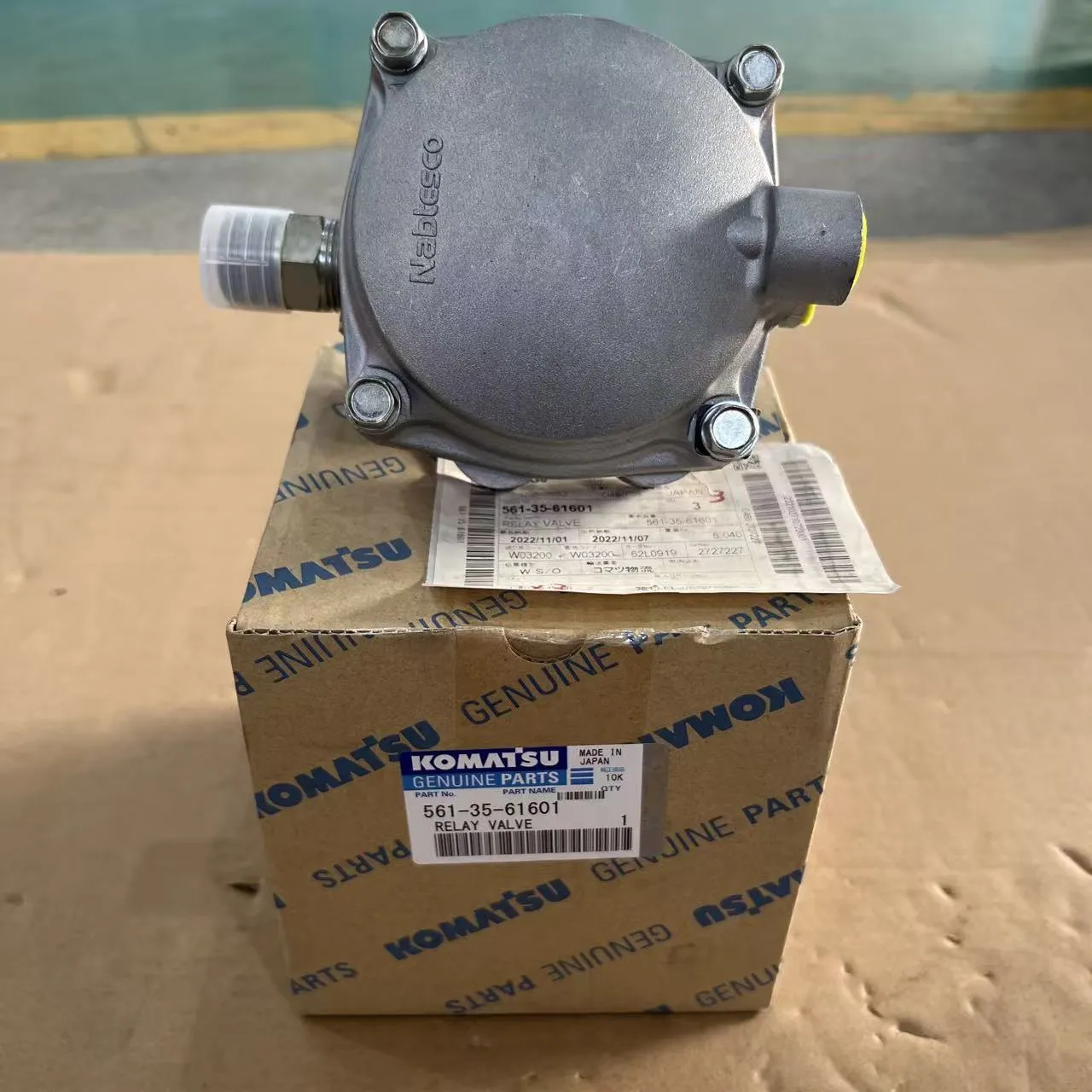 RELAY VALVE ASS’Y 561-35-61601 – KOMATSU
 -
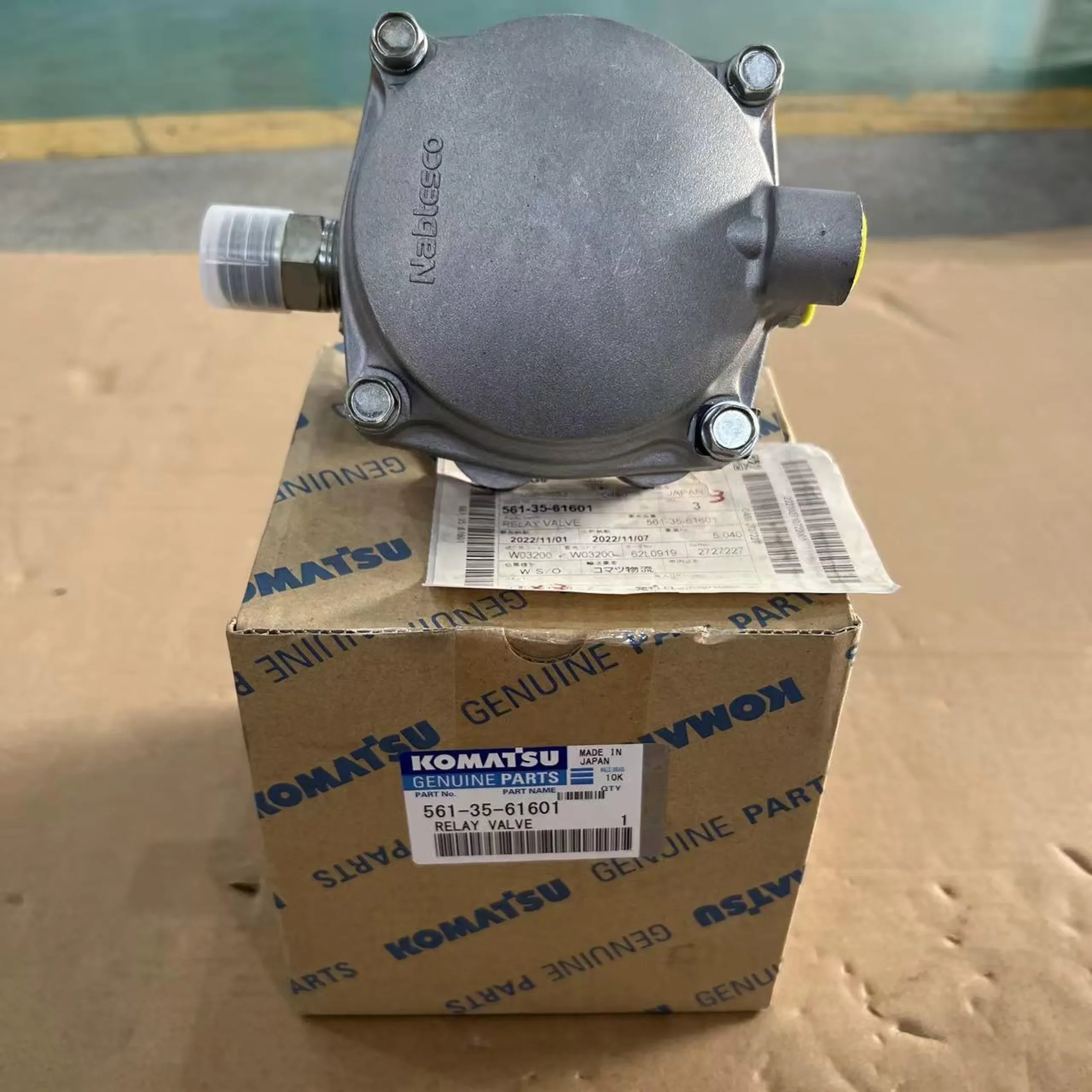 KOMATSU Relay Valve 561-35-61601 NIB
 -
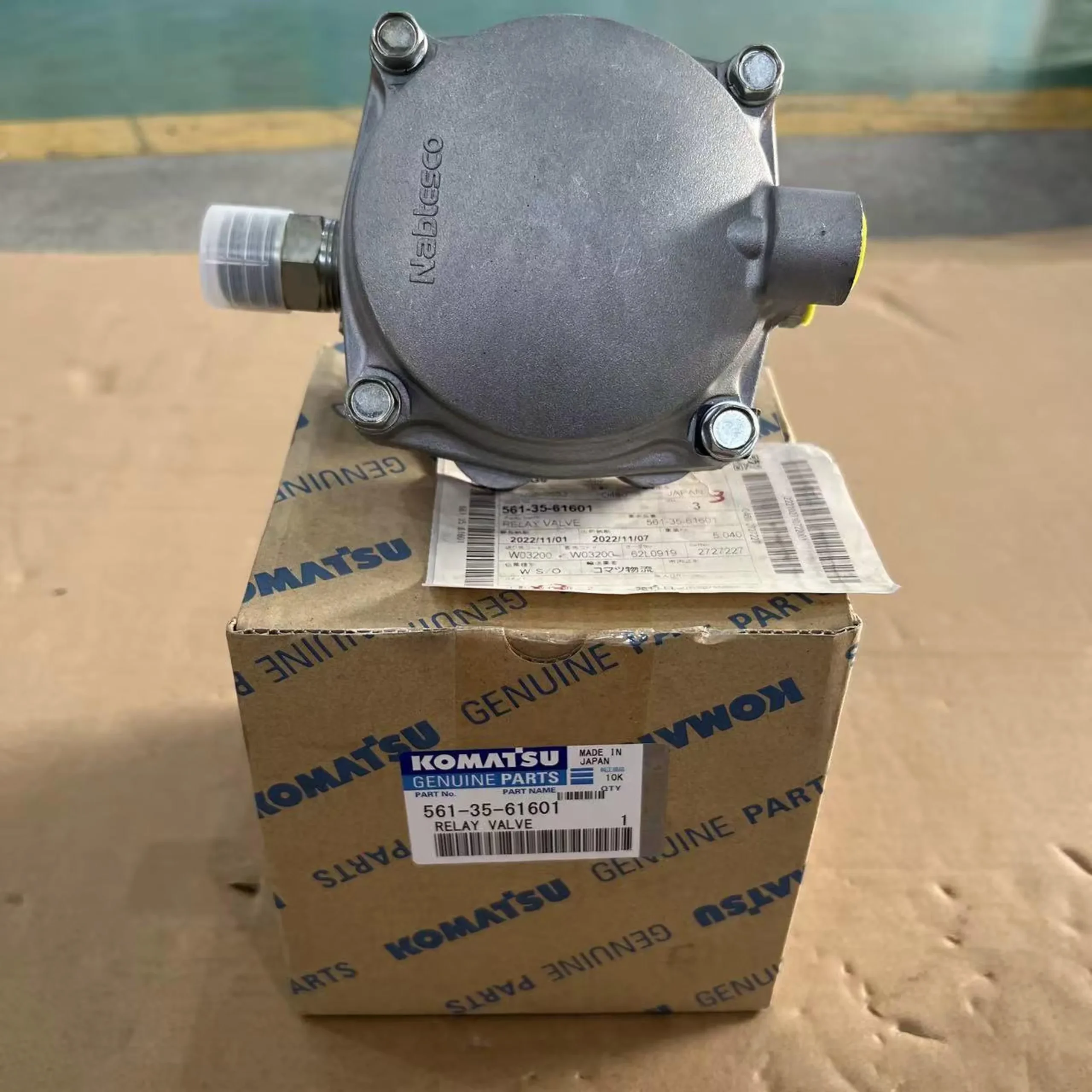 Valve 561-35-61601 for Komatsu Rigid Dumper
 -
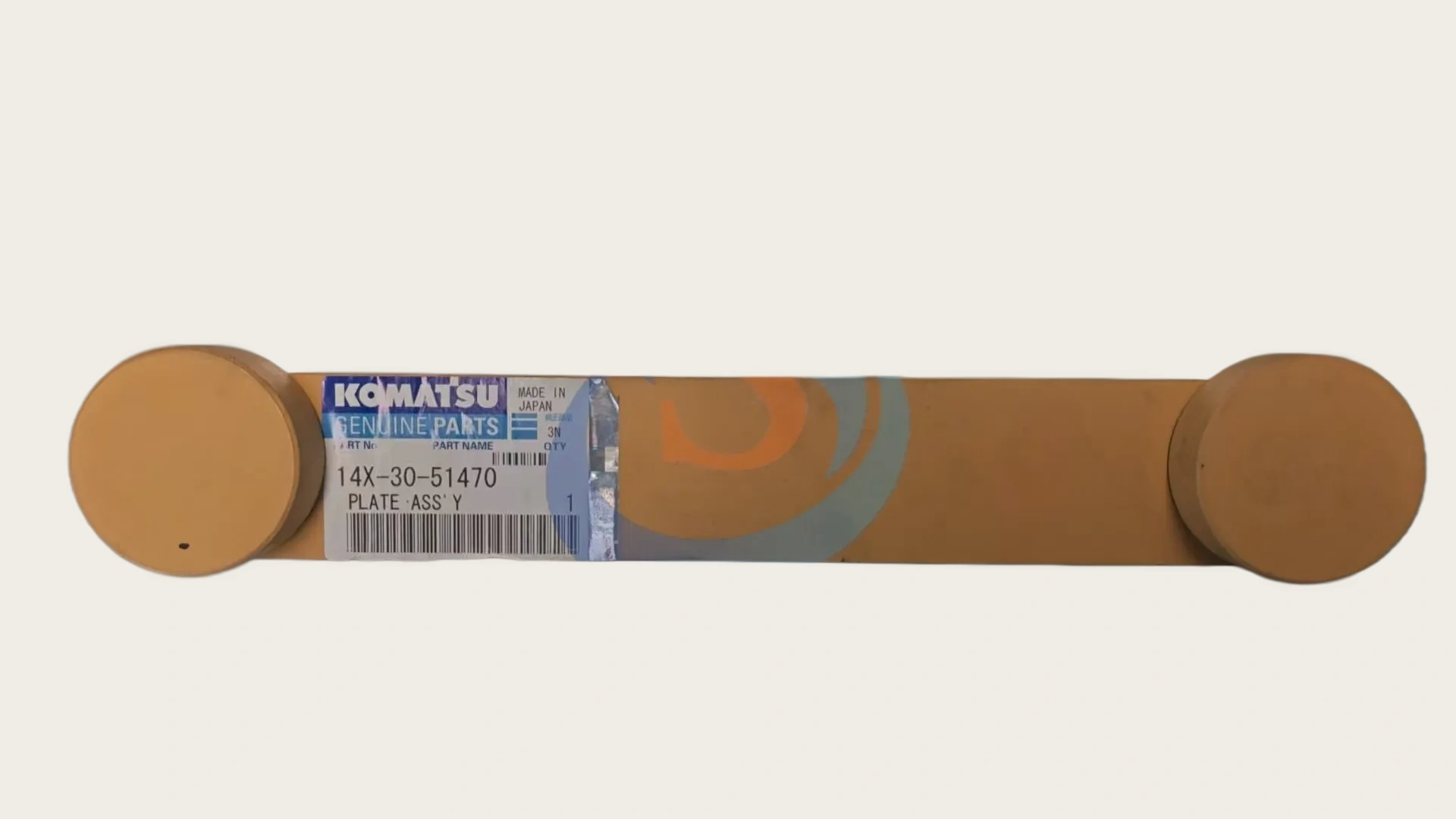 komatsu-part-14X-30-51470 Plate Assembly D65PX-16 D65WX-17 D65EXI-18 D65EX-18E0 FRONT IDLER
 -
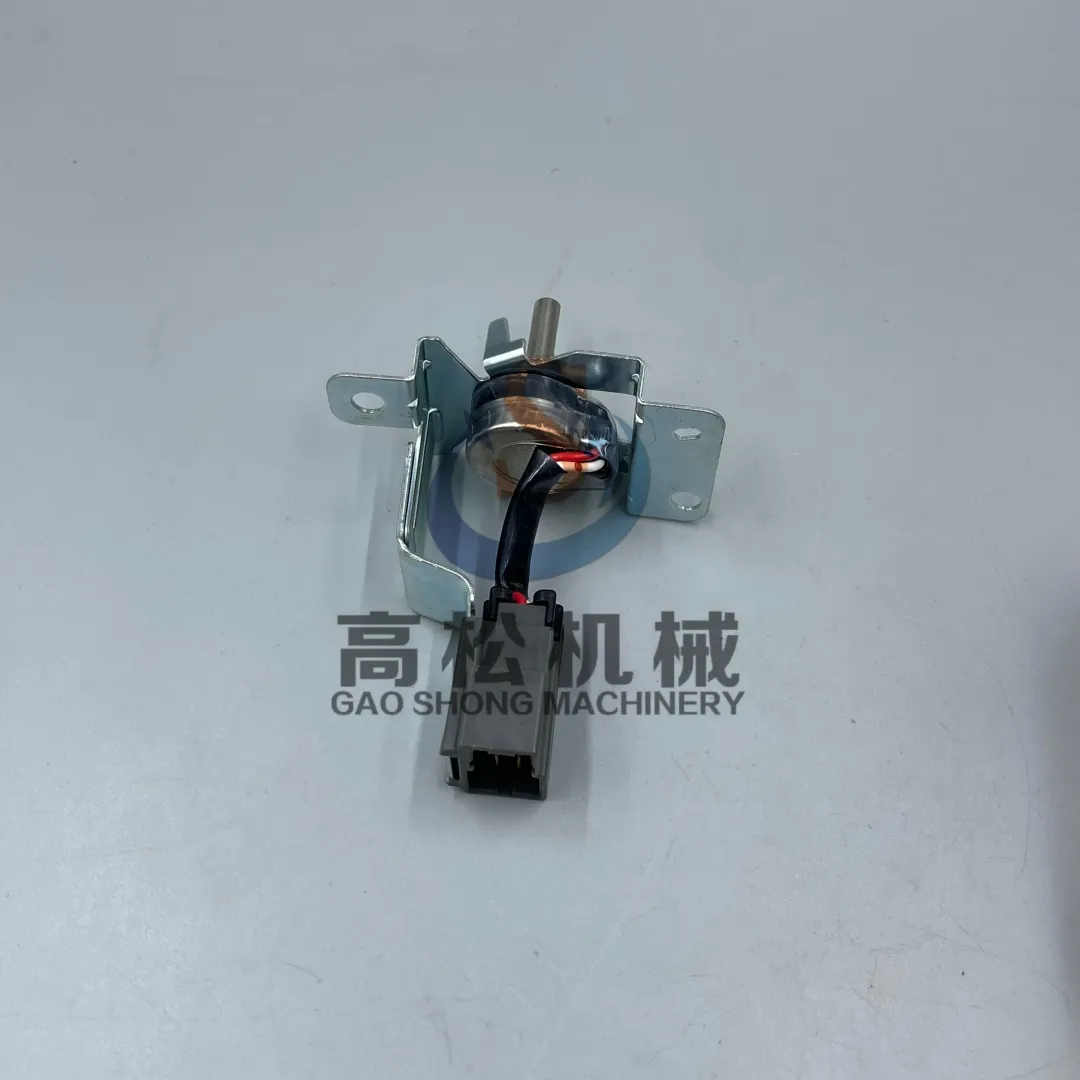 Komatsu original throttle knob 21T-26-11270 stop washer
 -
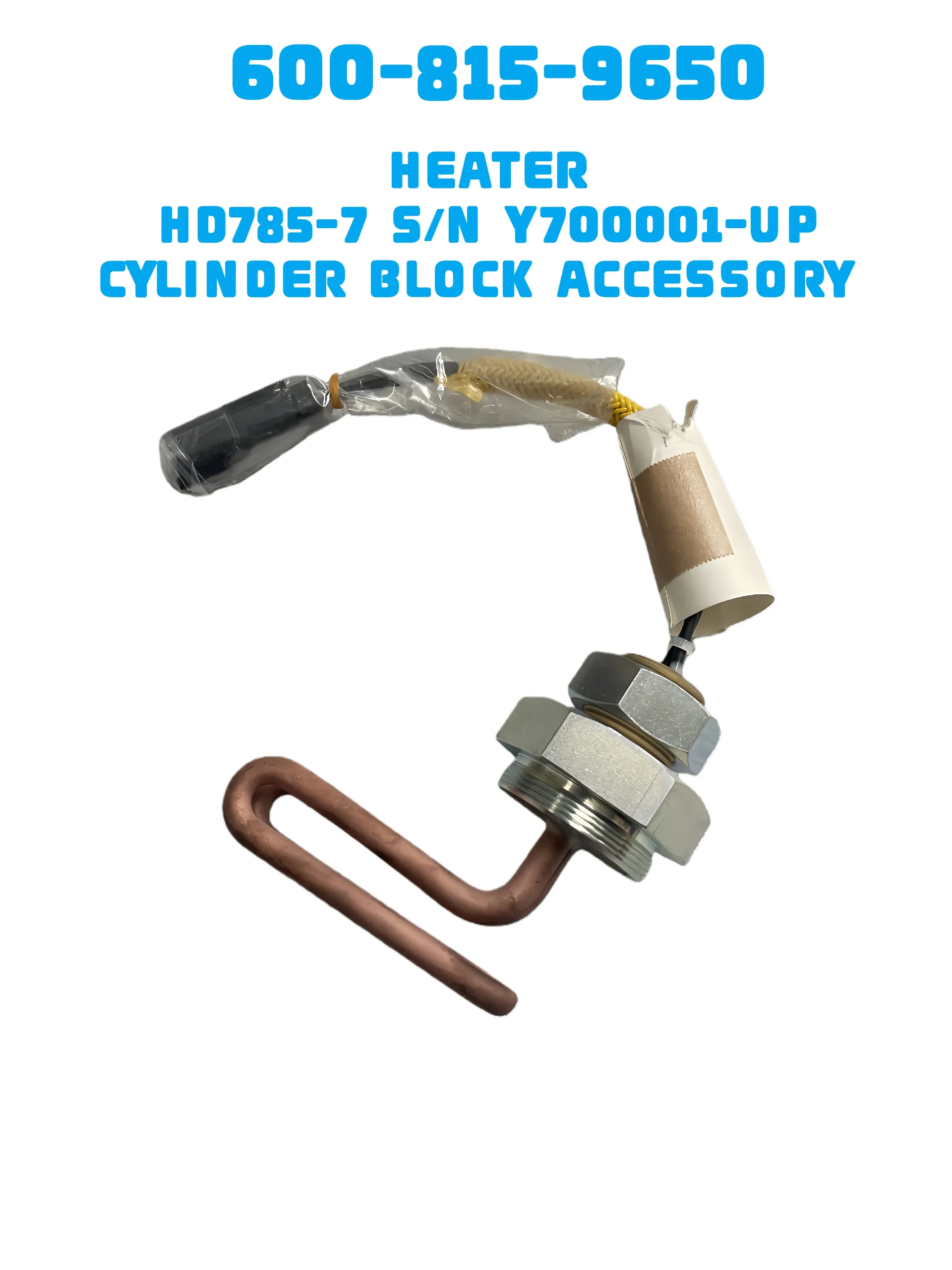 komatsu-part-600-815-9650 HEATER SAA12V140E-3B HD785-7 SAA12V140E-7 SAA12V140E-3D CYLINDER BLOCK ACCESSORY (OIL SENSOR¤ SWITCH AND WATER HEATER) OIL COOLER (COLD TERRAIN SPEC.) CYLINDER BLOCK ACCESSORY (FOR COLD AREA SPECIFICATION,ENGINE OIL PAN AND COOLANT HEATER) ENGINE OIL COOLER (FOR COLD AREA SPECIFICATION A (-30 DEG C),ENGINE OIL PAN AND COOLANT HEATER)
 -
![[Hot Item] Generator Engine Part 600-825-3151 for PC400-6-7](https://www.takematsumachinery.com/wp-content/uploads/微信图片_20251224093522_43_1619-1.webp) [Hot Item] Generator Engine Part 600-825-3151 for PC400-6-7
[Hot Item] Generator Engine Part 600-825-3151 for PC400-6-7 -
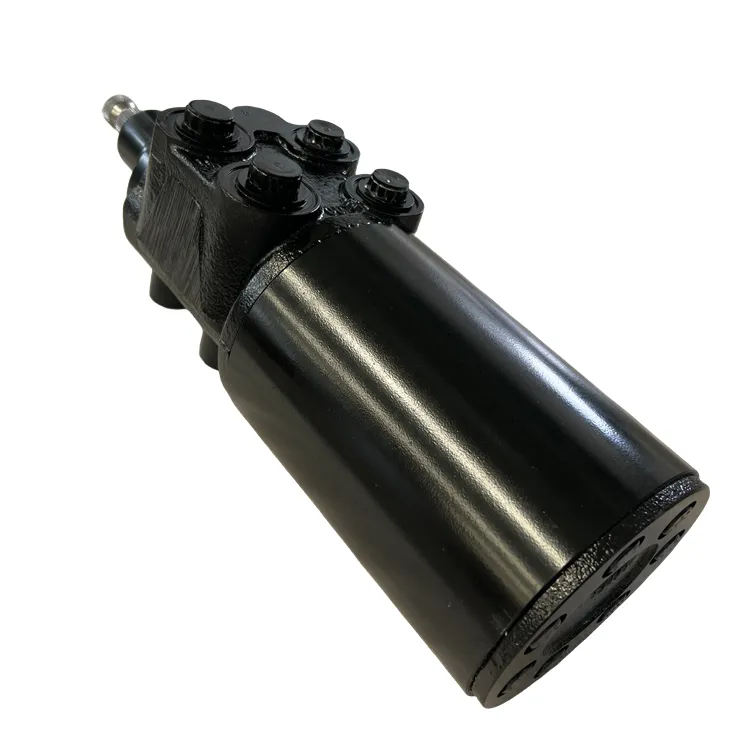 Hydraulic Steering Valve 561-40-83300 569-40-63302 for Komatsu HD785-7 HD465-7R Dump Trucks
 -
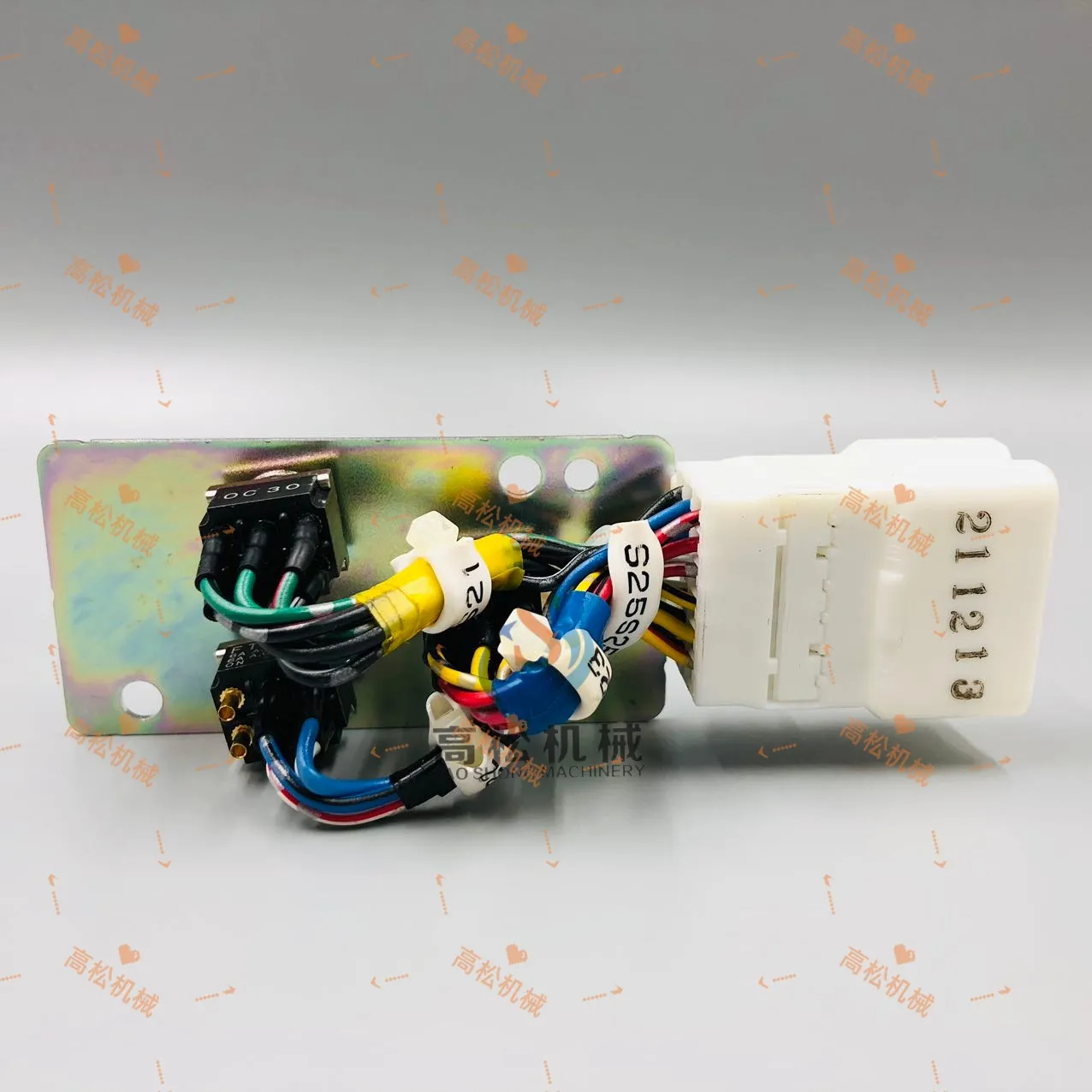 22u-06-22370 Komatsu PC228us-3 SWITCH ASS’Y submit for PC200LL, PC220LL, PC228, PC228US, PC270, PC270LL, PC300, PC300HD, PC300L, PC340, PC350, PC380
 -
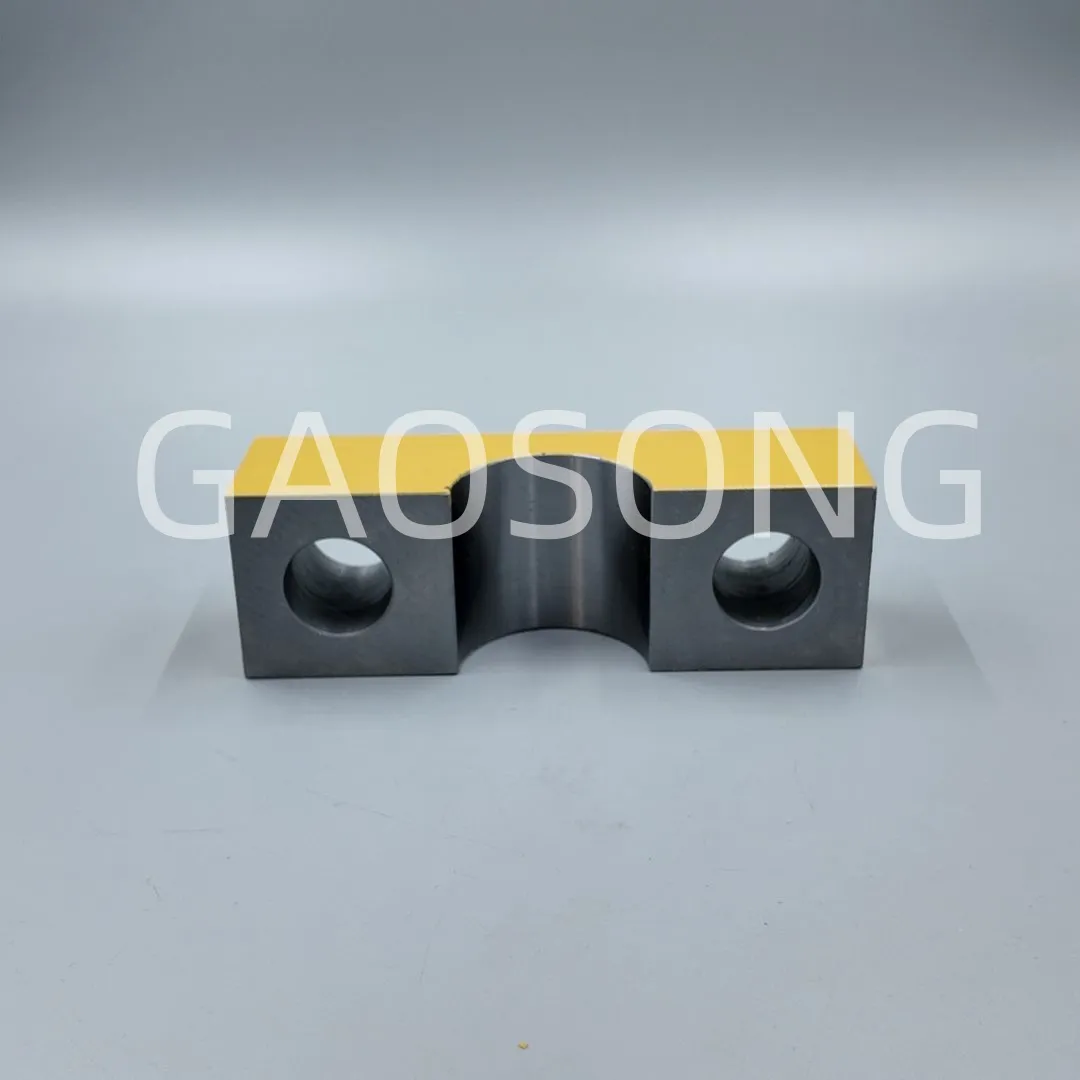 56B-50-12150 Komatsu Plate
 -
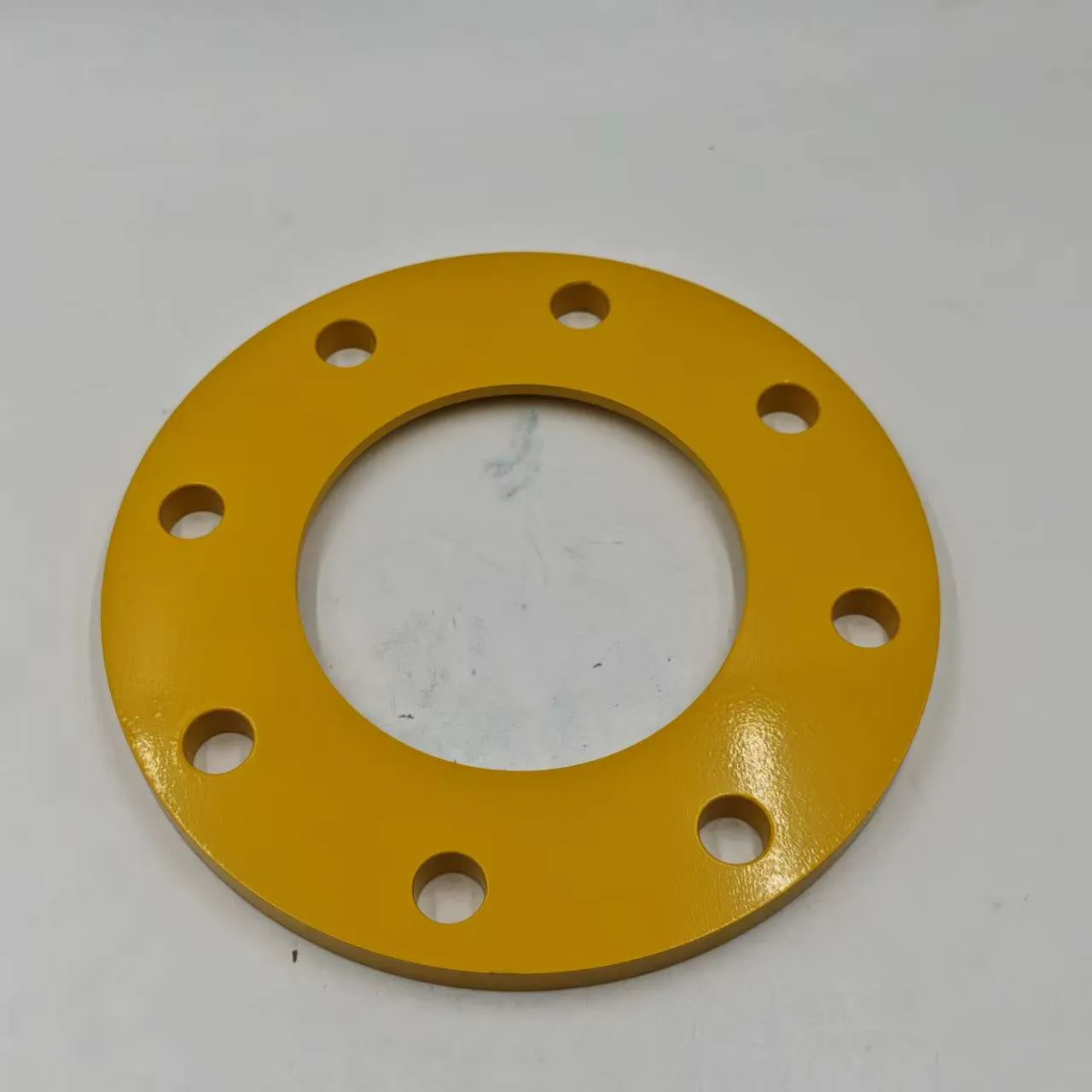 Komatsu 41E-70-15461 Plate
 -
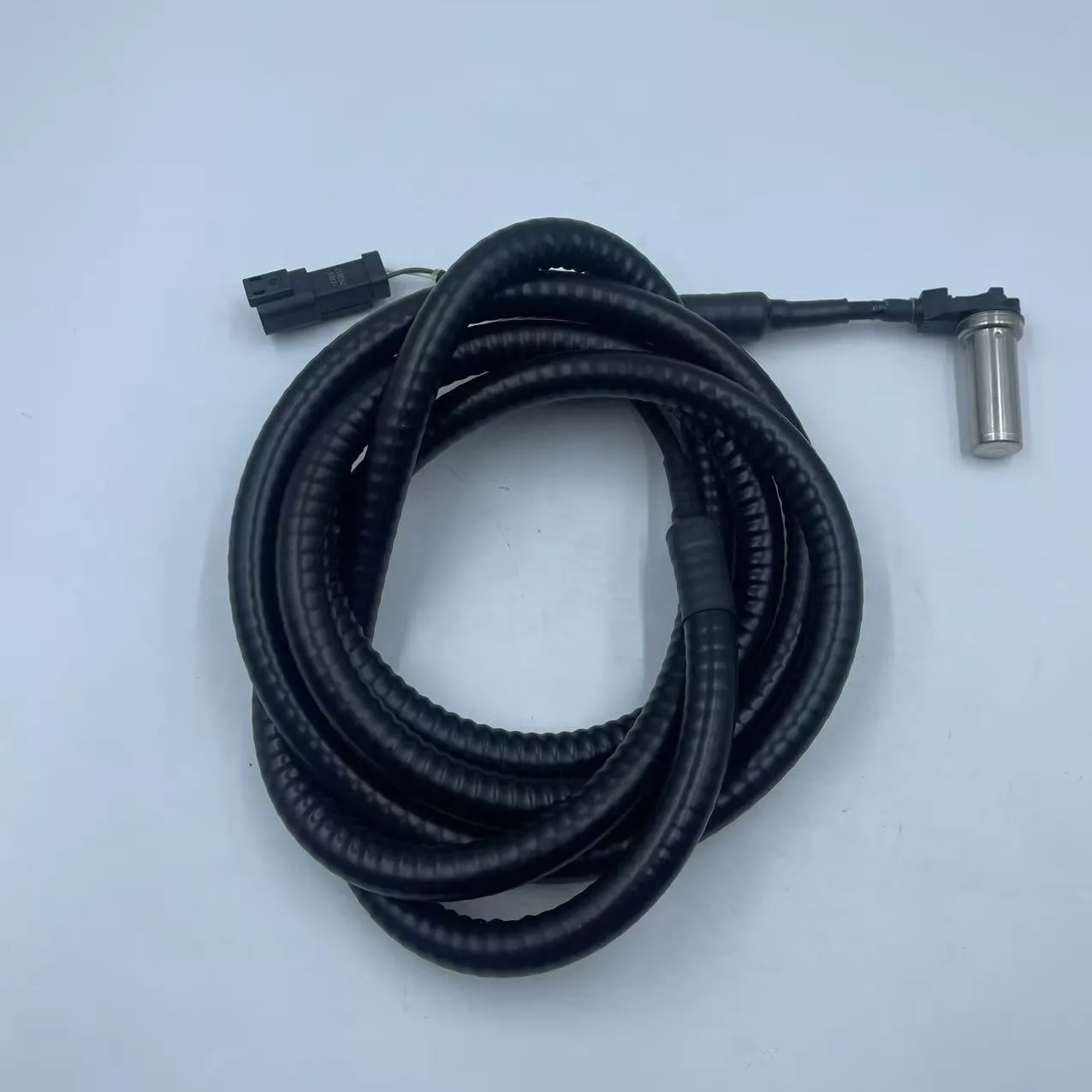 ZGZJYBL Sensor for Komatsu HD785-7 Dump Truck 566-88-66143 5668866143