
- Chinese
- French
- German
- Portuguese
- Spanish
- Russian
- Japanese
- Korean
- Arabic
- Irish
- Greek
- Turkish
- Italian
- Danish
- Romanian
- Indonesian
- Czech
- Afrikaans
- Swedish
- Polish
- Basque
- Catalan
- Esperanto
- Hindi
- Lao
- Albanian
- Amharic
- Armenian
- Azerbaijani
- Belarusian
- Bengali
- Bosnian
- Bulgarian
- Cebuano
- Chichewa
- Corsican
- Croatian
- Dutch
- Estonian
- Filipino
- Finnish
- Frisian
- Galician
- Georgian
- Gujarati
- Haitian
- Hausa
- Hawaiian
- Hebrew
- Hmong
- Hungarian
- Icelandic
- Igbo
- Javanese
- Kannada
- Kazakh
- Khmer
- Kurdish
- Kyrgyz
- Latin
- Latvian
- Lithuanian
- Luxembou..
- Macedonian
- Malagasy
- Malay
- Malayalam
- Maltese
- Maori
- Marathi
- Mongolian
- Burmese
- Nepali
- Norwegian
- Pashto
- Persian
- Punjabi
- Serbian
- Sesotho
- Sinhala
- Slovak
- Slovenian
- Somali
- Samoan
- Scots Gaelic
- Shona
- Sindhi
- Sundanese
- Swahili
- Tajik
- Tamil
- Telugu
- Thai
- Ukrainian
- Urdu
- Uzbek
- Vietnamese
- Welsh
- Xhosa
- Yiddish
- Yoruba
- Zulu
- Kinyarwanda
- Tatar
- Oriya
- Turkmen
- Uyghur





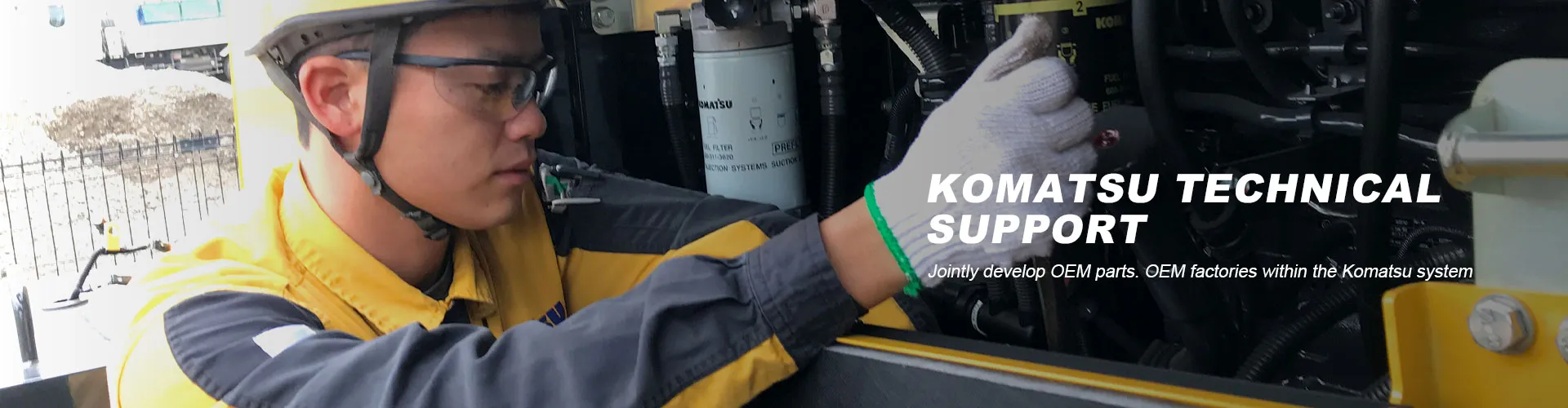
komatsu online parts lookup
When most people hear 'Komatsu online parts lookup', they picture the official portal, typing in a part number and getting a neat diagram. That's the ideal. In reality, especially for older models or in regions with supply chain gaps, that portal often hits a dead end. It shows you the part, sure, but then the status is perpetually 'backordered' or it simply doesn't recognize the regional variant of the machine. This is where the real work begins, and where companies operating in the gray areas of the genuine parts ecosystem, like Jining Gaosong Construction Machinery Co., Ltd., carve out their necessity.
The Illusion of Universal Availability
The official system is built for a perfect world: current models, major markets. Try looking up a component for a Komatsu PC200-6 that's been working in a remote quarry for two decades. The online parts lookup might still have the schematic, but cross-referencing that number with global inventory? That's a different story. The diagram becomes a frustrating map to a treasure that doesn't exist in your locale. You see the part, you know its name, but you can't touch it. This disconnect is what creates the market for specialized suppliers.
I've lost count of the hours spent with customers on the phone, both of us staring at the same official Komatsu parts page. I can see it right there! they'd say. And I'd have to explain that seeing it and sourcing it are worlds apart. The system isn't wrong; it's just incomplete for certain contexts. It doesn't account for regional production differences, long-obsolete substitute parts, or the fact that some components had multiple sourcing during manufacture.
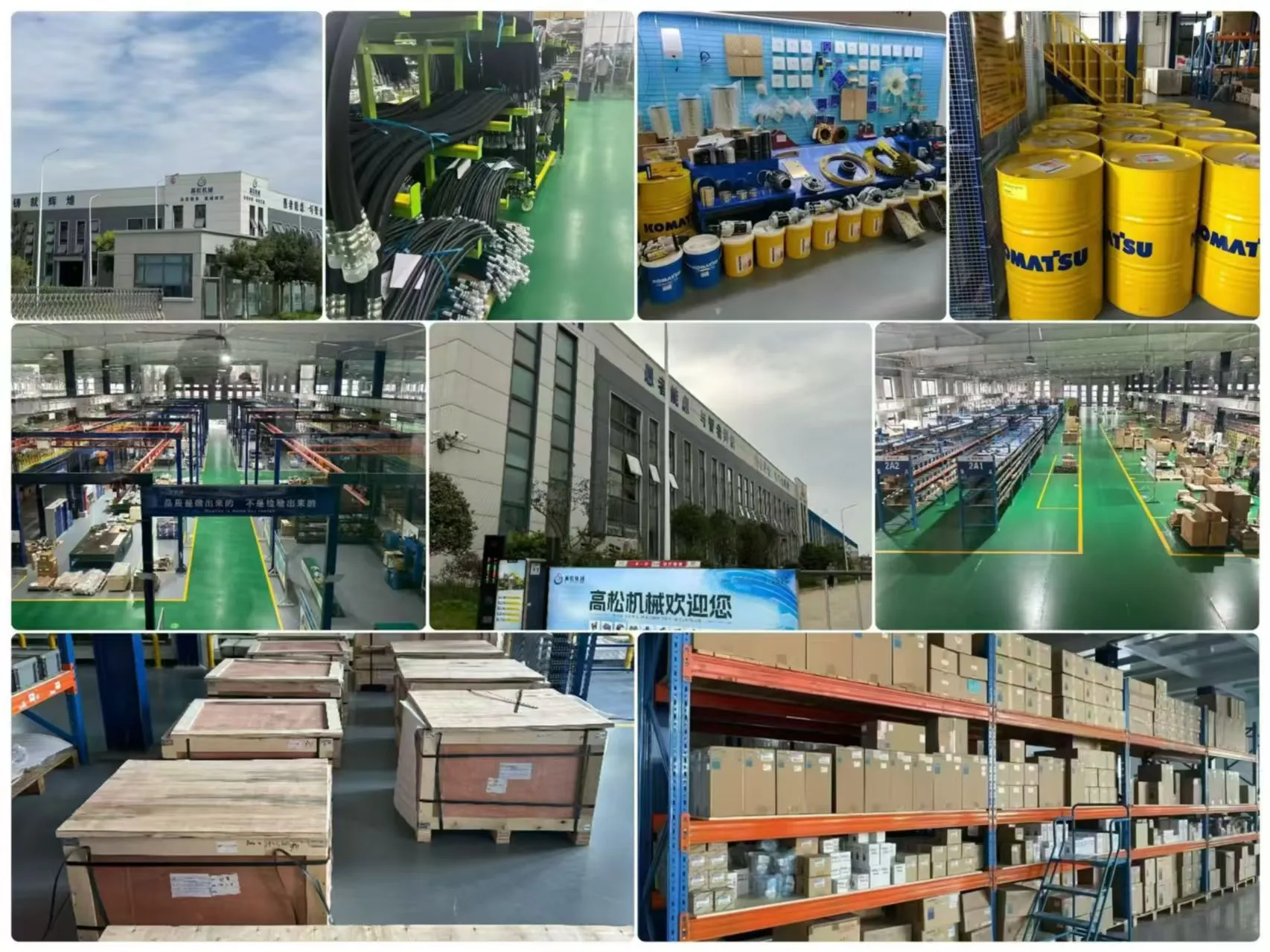
This is precisely the gap Jining Gaosong addresses. As an OEM product supplier within the Komatsu system and a third-party sales company, their value isn't in replicating the lookup—it's in what happens after the lookup fails. Their operation at https://www.takematsumachinery.com is built on the foundation of solving these specific supply challenges in certain countries, turning the no result into a procurement path.
When the Lookup is Just the Starting Point
A true test is with wear parts for older hydraulic systems. The official catalog might list a seal kit with a superceded number. You enter it, and it either redirects to a newer, incompatible kit or shows nothing. An experienced parts person doesn't stop there. They start cross-referencing—using the machine's serial number prefix, old paper manuals, even photos of the physical component. The online tool is just one data point.
I recall a case with a Komatsu D65EX dozer's steering clutch pack. The online lookup provided a parts breakdown, but the friction discs listed were discontinued. Going through a channel like Gaosong, the process was different. They asked for the serial number, then photos of the old discs, including any stamped markings. They weren't just looking up a number; they were matching specifications and dimensions against alternative OEM-grade stock or even recommending a suitable, still-in-production equivalent from a later model that could be modified to fit. That's a lookup powered by human experience, not just a database query.
This approach requires a deep, almost tactile familiarity with Komatsu's manufacturing evolution. You learn that certain pumps on late-90s excavators shared cores with a different line of machines, or that a bracket from a Dash-3 model can be adapted to a Dash-2 if you drill two new holes. This knowledge never appears in a standard Komatsu online parts search result.
The Third-Party Reality: Filling the Gaps
Let's be clear: companies like Jining Gaosong aren't just selling random compatible parts. Their positioning as an OEM supplier within the system implies access to genuine pipelines, but their role as a third-party seller is about logistics and localization. They might hold stock of parts that Komatsu's central system has de-prioritized for specific regions. Or they might facilitate the movement of parts from a market with surplus to one with a critical shortage.
I've seen them solve issues for customers in countries where import duties or certification processes make direct ordering from Komatsu's regional center prohibitively slow or expensive. The customer does their initial parts lookup on the official site to identify the component, then contacts a intermediary. The supplier uses that information, but layers on their own network intelligence: We can get that seal from a partner warehouse in Singapore, but it will take three weeks. However, we have an OEM-grade alternative from a certified Japanese manufacturer that we can ship tomorrow. Here are the spec sheets to compare.
This isn't bypassing the system; it's lubricating it. The official lookup provided the technical baseline. The third-party provider adds the layer of practical availability and logistical sense. For a downtime machine, the latter is often the only thing that matters.
The Pitfalls and Necessary Diligence
Of course, this path isn't without risk. The biggest mistake is assuming all third-party sources have the same quality rigor as the OEM. I've had my share of failures—ordering a supposedly OEM-compatible hydraulic valve bank based on a cross-reference, only to find the port threads were subtly different, causing a leak. The part looked identical in the online picture. The lesson? The lookup confirms the identity, but the procurement requires verification.
This is where a supplier's reputation is key. A company like the one behind https://www.takematsumachinery.com, by stating its OEM affiliation, is staking its credibility on a certain standard. The due diligence shifts from is this the right part number? to is this supplier's claim of OEM-grade quality accurate? You start asking for material certificates, country of origin for components, and perhaps even a sample before a bulk order. The conversation moves beyond the digital catalog into the physical realm of metallurgy and manufacturing tolerances.
You also learn to be specific in communication. Instead of just emailing a part number from the online parts lookup, you attach the screenshot of the diagram, circle the item, and include the machine serial number and a clear photo of the failed part. This triangulation of data prevents costly errors in interpretation.
Integrating Lookup with Legacy Knowledge
The future isn't about replacing these specialized suppliers with a more comprehensive online database. If anything, their role might become more nuanced. As Komatsu and other manufacturers increasingly focus on telematics and conditional monitoring for new machines, the parts ecosystem for the legacy fleet—which constitutes the majority of the global working population—remains fragmented.
The most effective model I've seen is a hybrid one. Use the official Komatsu online parts lookup for its undeniable strengths: accurate diagrams, assembly relationships, and torque specs. Use it as the source of truth for identification. Then, use established, knowledgeable third-party channels for sourcing and logistics intelligence, especially for machines in secondary markets or of a certain age.
In the end, the keyword Komatsu online parts lookup represents a promise of efficiency. But in the dirt-under-the-fingernails world of heavy equipment maintenance, that promise is only fulfilled when the digital tool is paired with human expertise and alternative supply networks. It's the difference between finding a part on a screen and getting it into a toolbox, halfway across the world, before the job site runs out of patience. That's the real lookup that matters.
Related Products
Related Products
Best Selling Products
Best Selling Products-
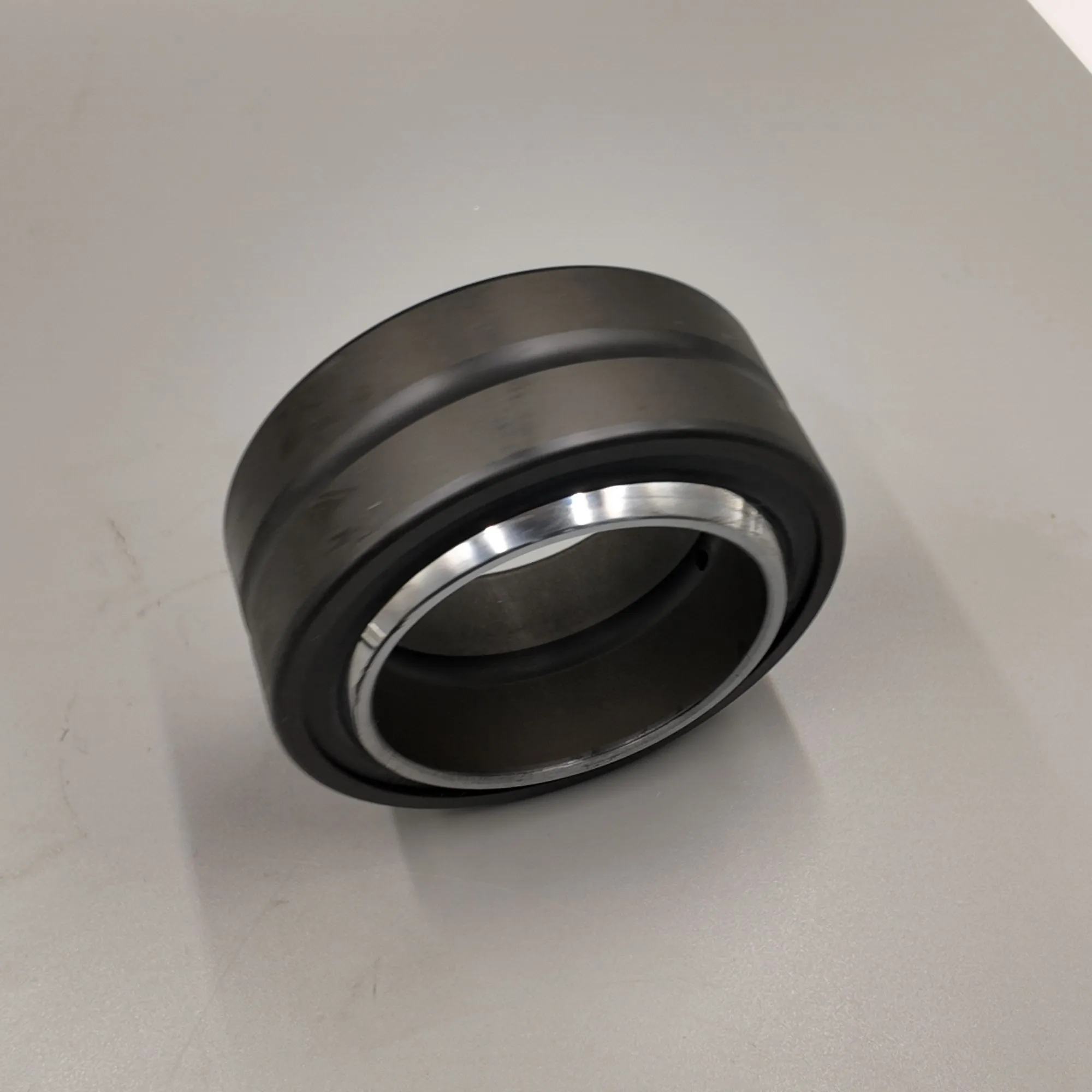 707-46-07040 • Bushing-Komatsu Original Factory
 -
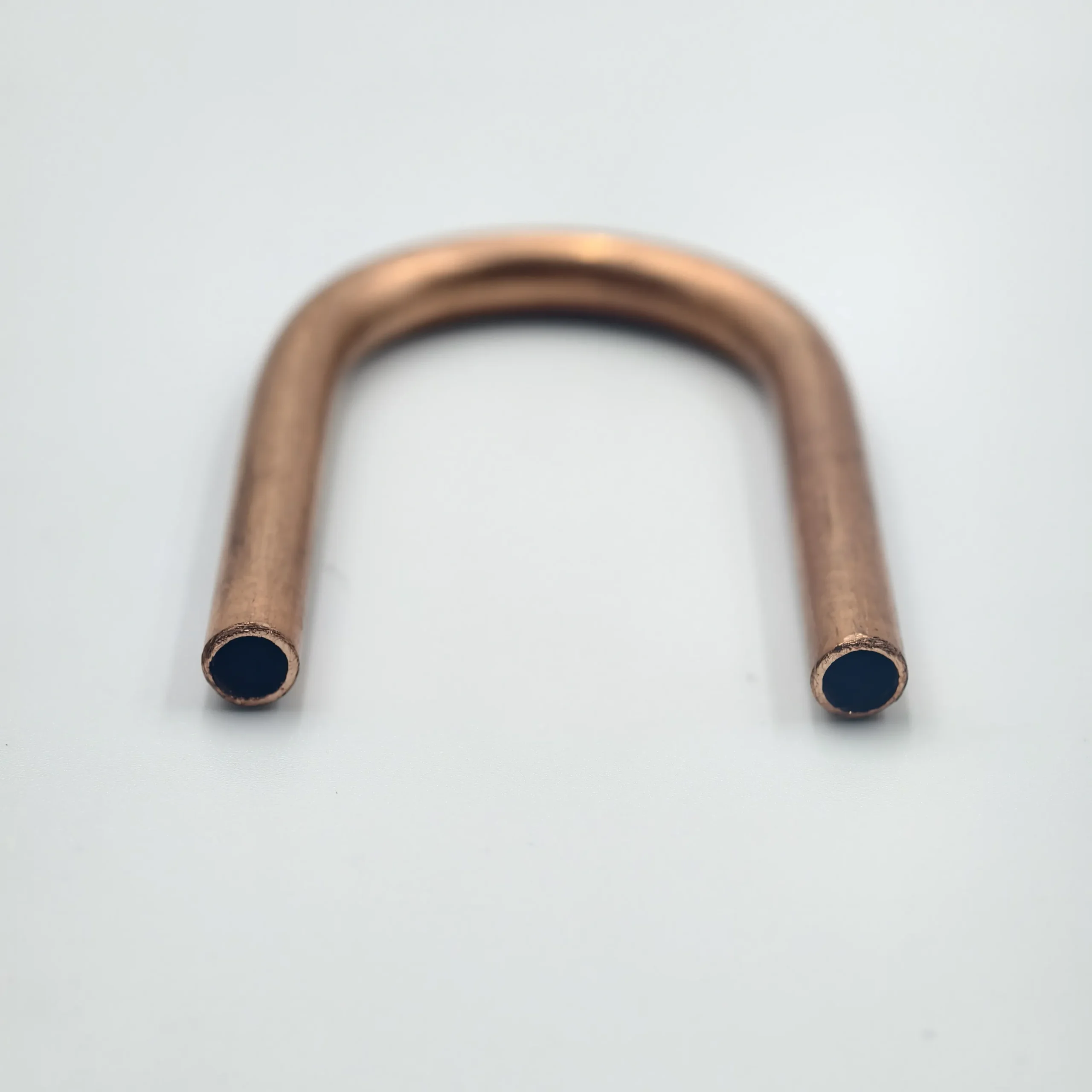 Komatsu 21N-03-32360 Connector, price for original… — Pricing.Parts
 -
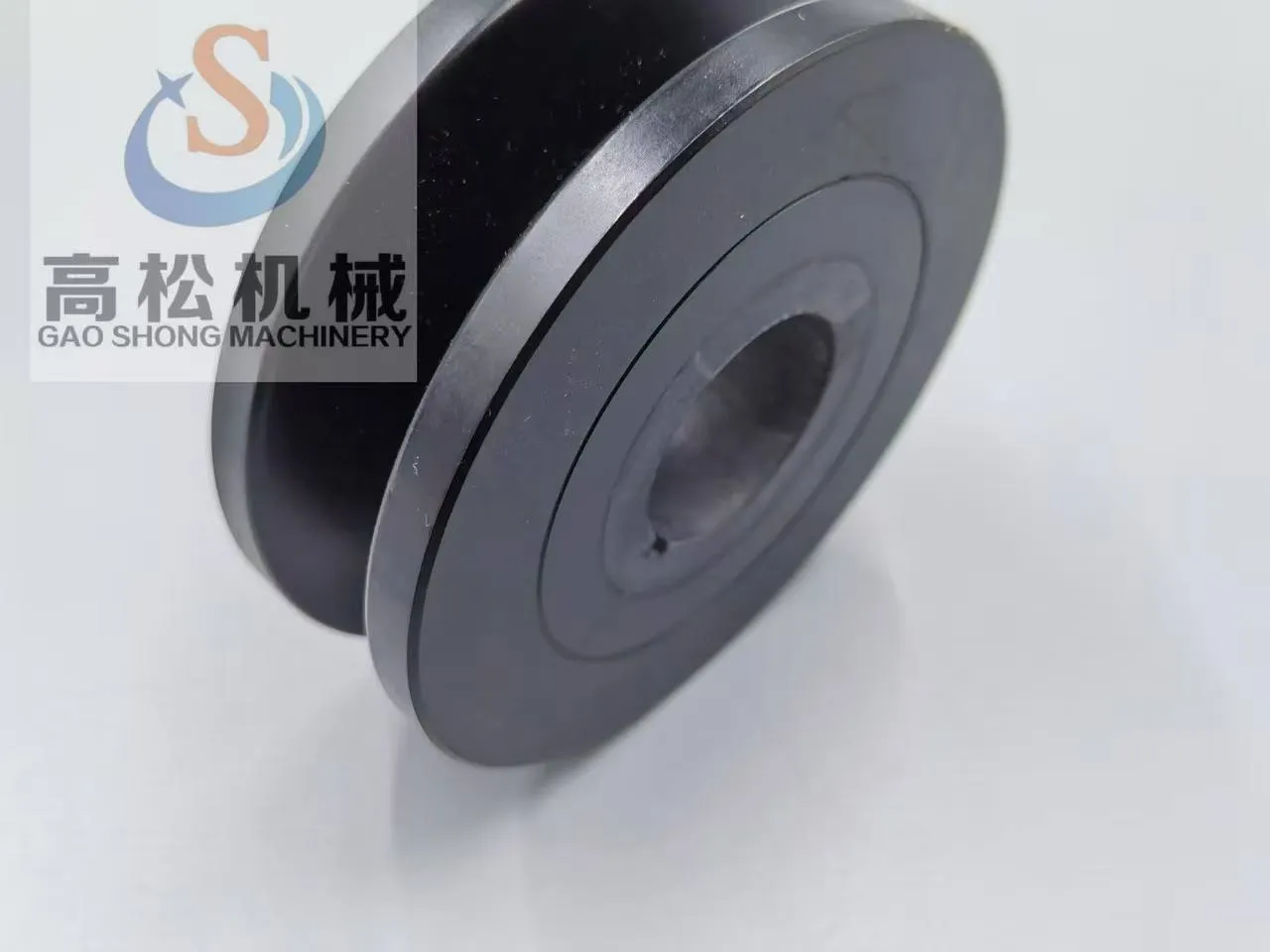 KD0-35411-0854 Komatsu pulley. Compatible with model Hd785. Available for immediate shipment.
 -
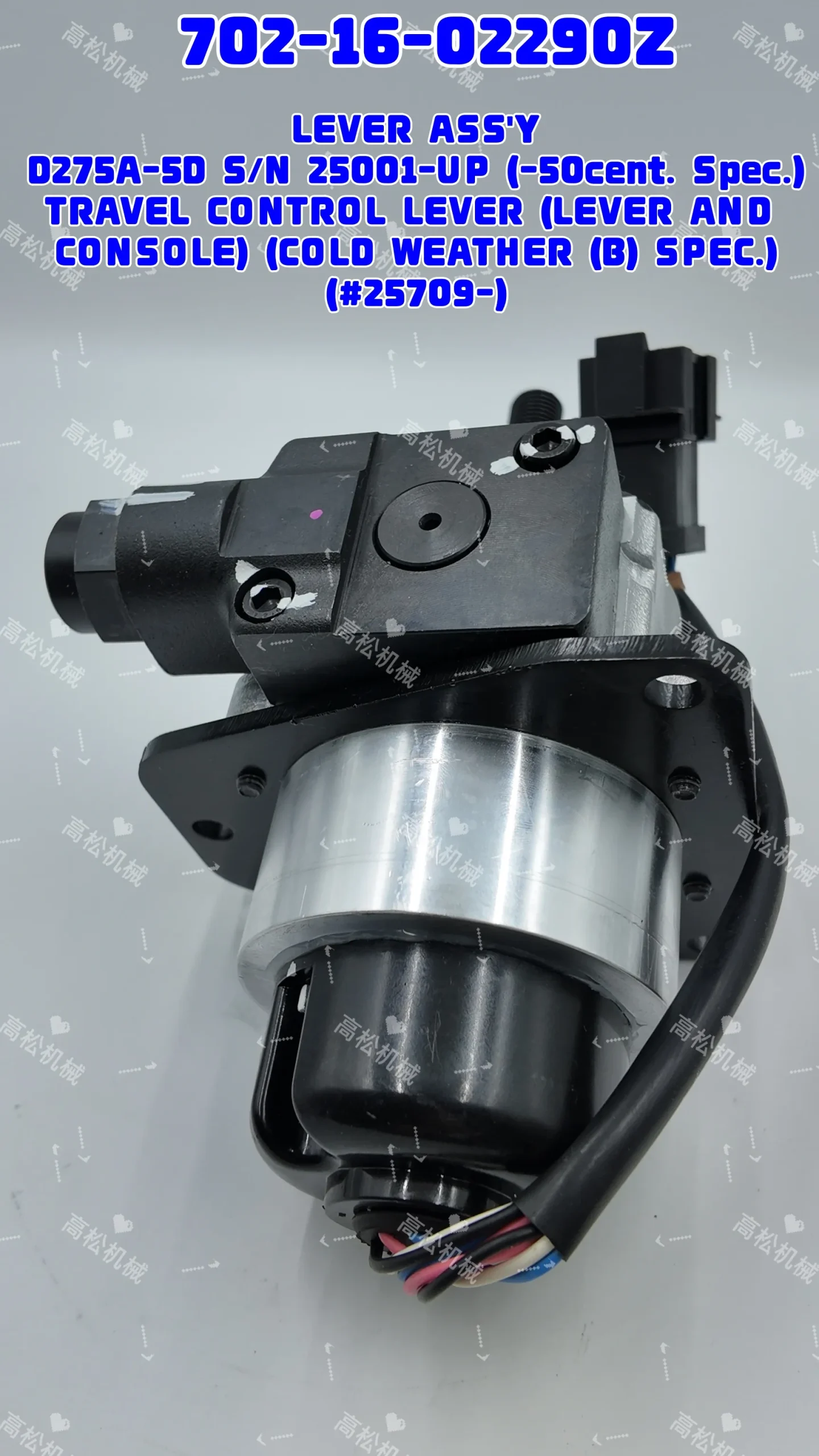 702-16-02290 Original Lever Assy for Bulldozer D275A-5r D65ex-16 D65px D155ax-6 in Stock
 -
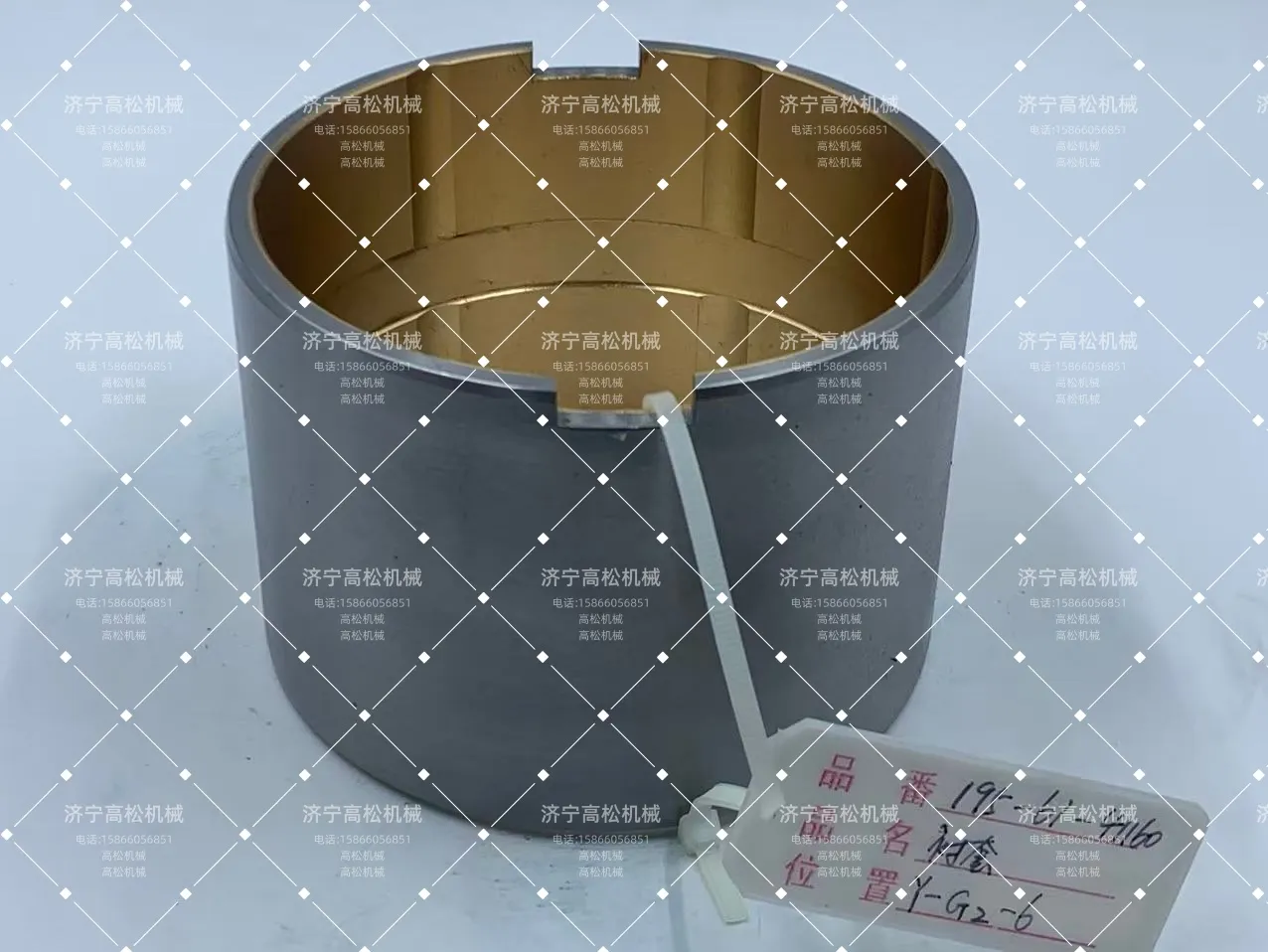 Komatsu original D375A-1 Sleeve 195-61-41160 – Jining Gaosong…
 -
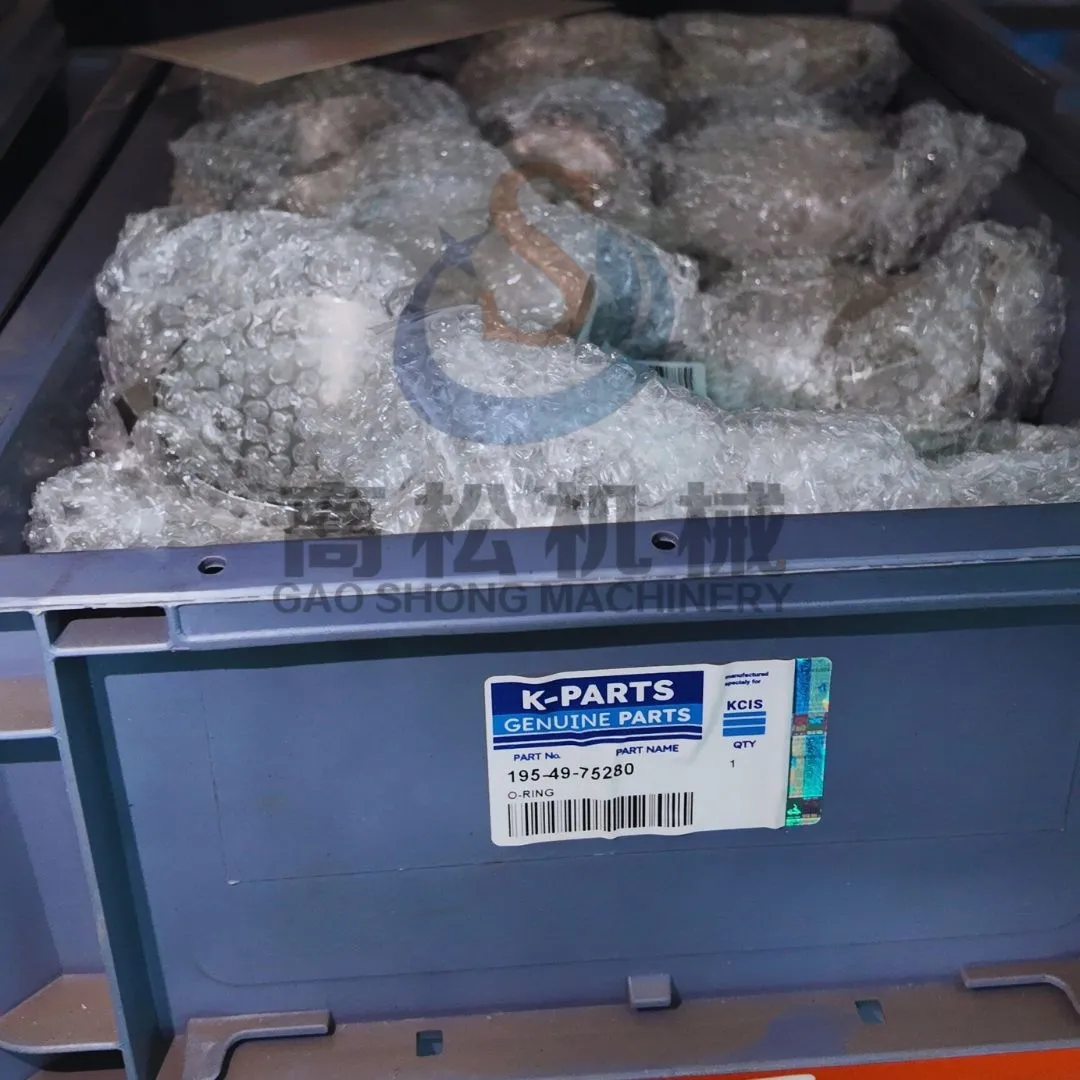 195-49-75280 Komatsu O-ring
 -
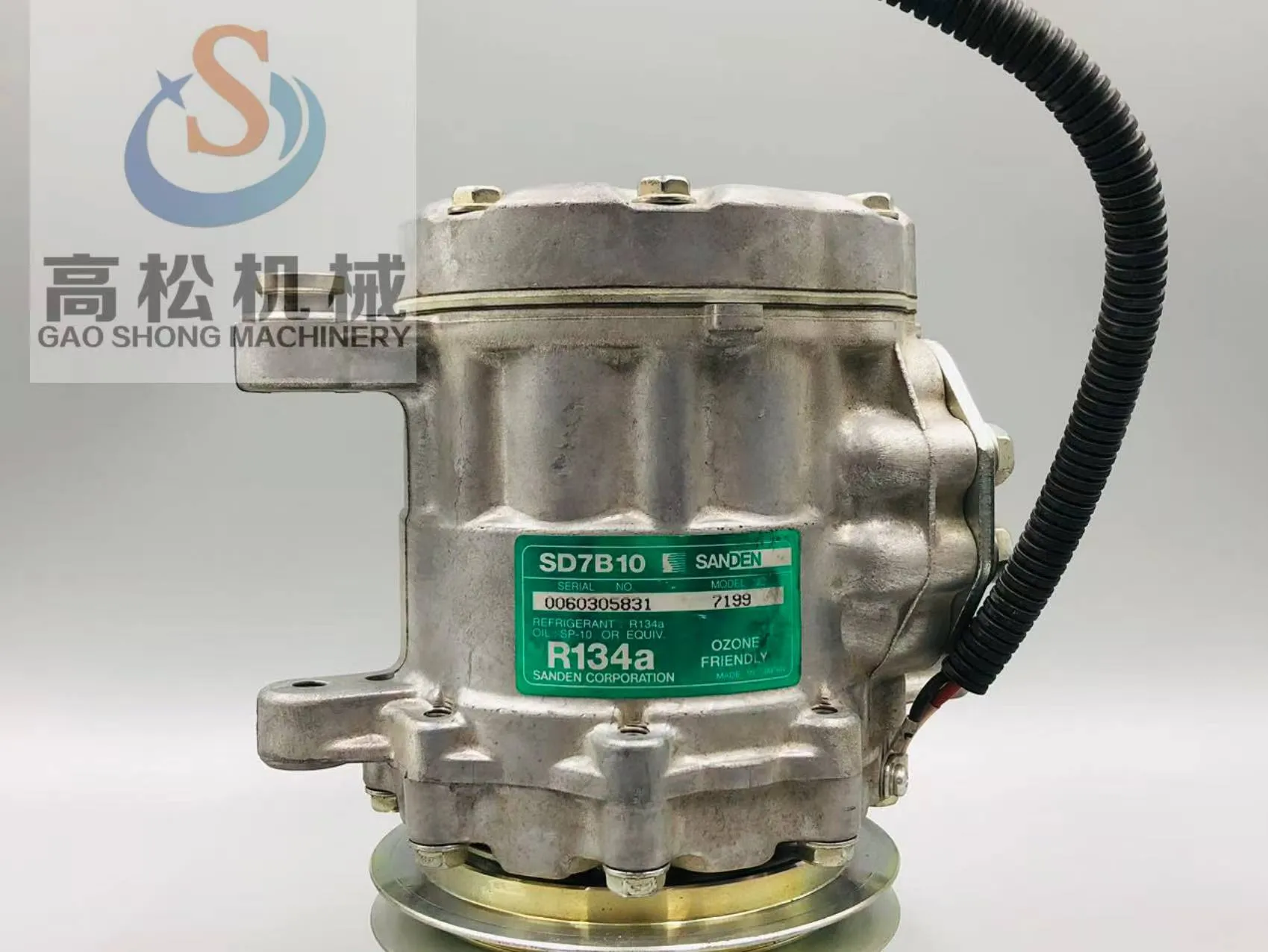 Compress0r 22L-979-2211 22l-979-2200 for Komatsu
 -
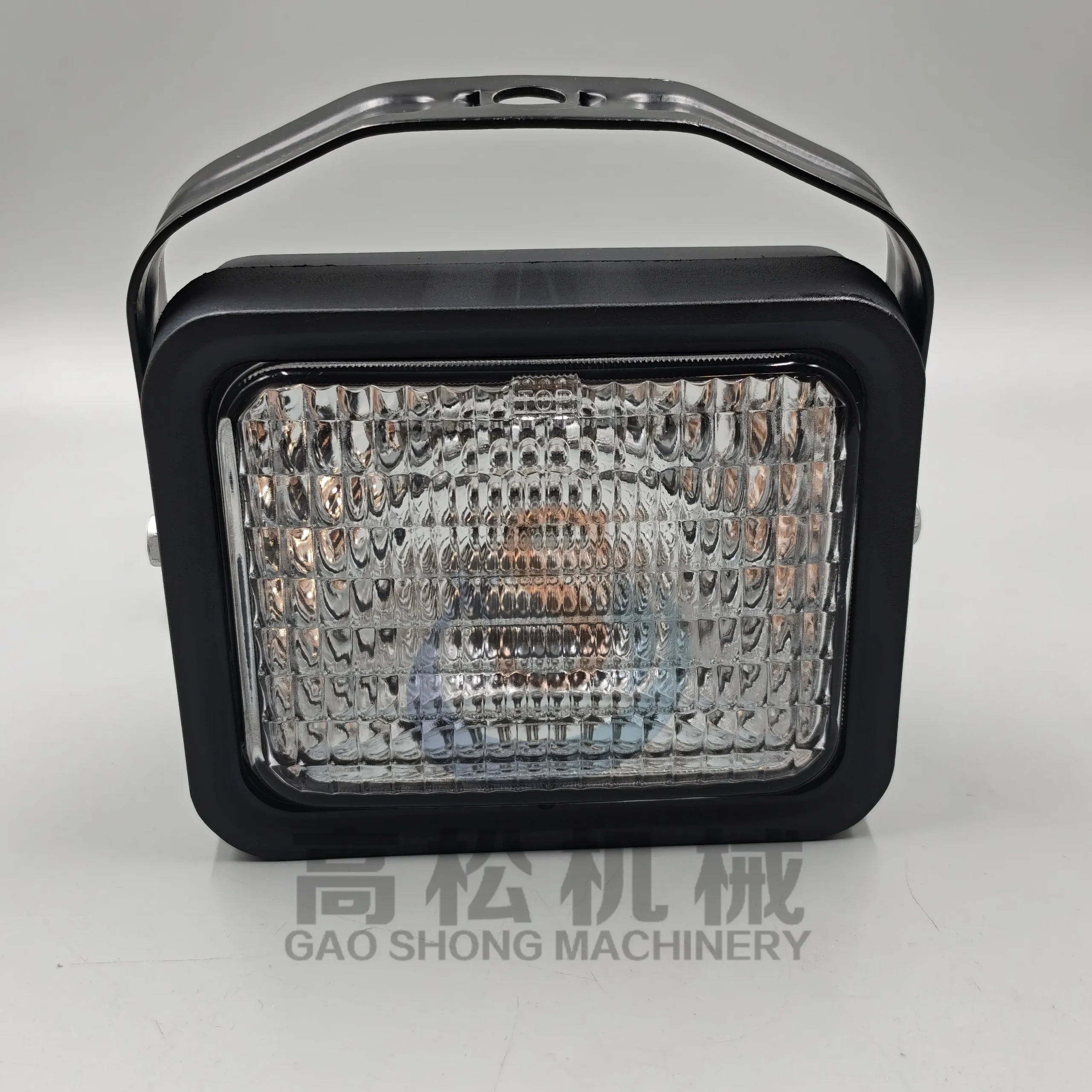 Lamp 421-06-23310 426-56-23360 Compatible for Komatsu WA500-3 WA800-3 WA420-3L HD785-7 HD325-7 HM250-2
 -
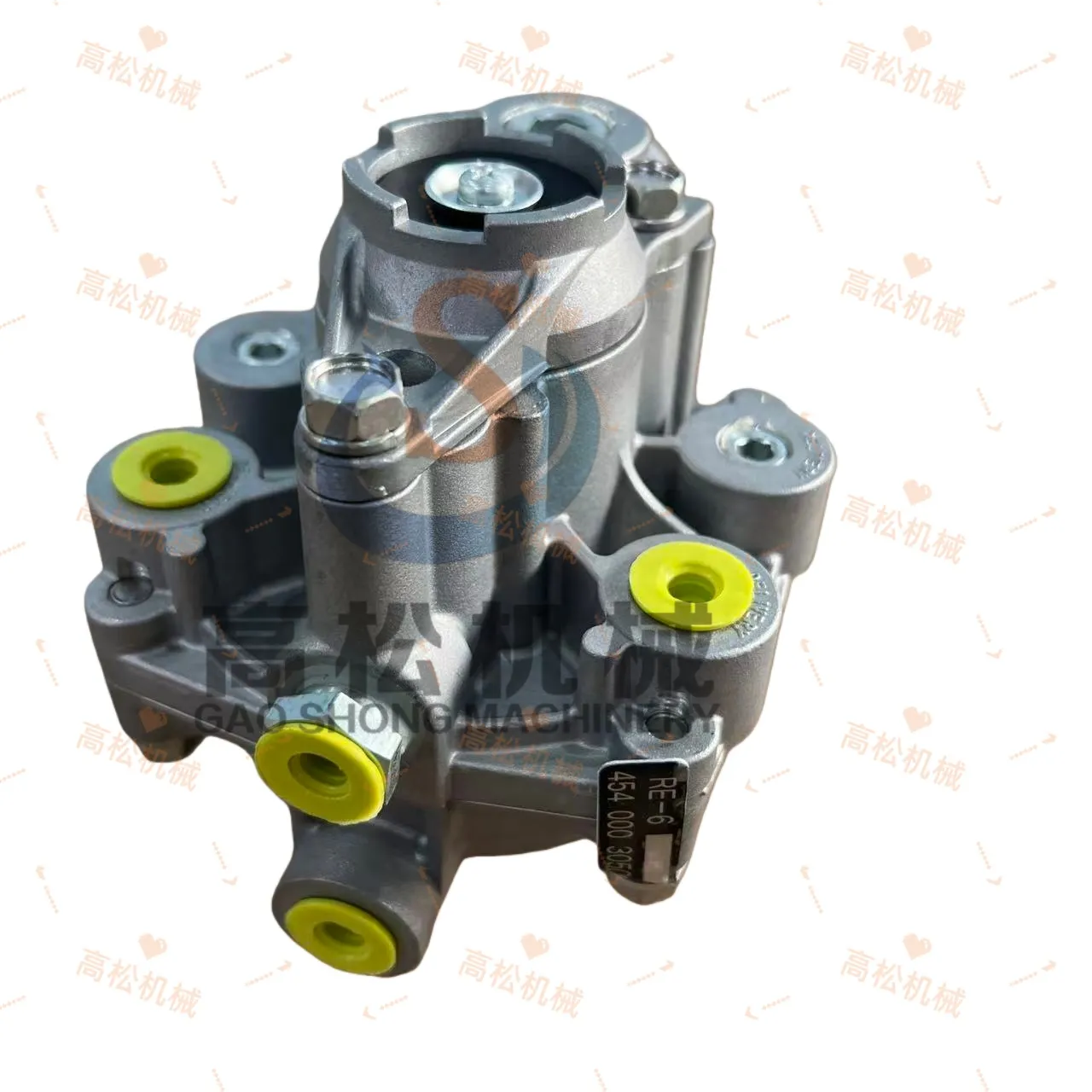 HD785 HD985HD465 HD605-5 HD255-5 561-35-61601RELAY VALVE ASS’Y
 -
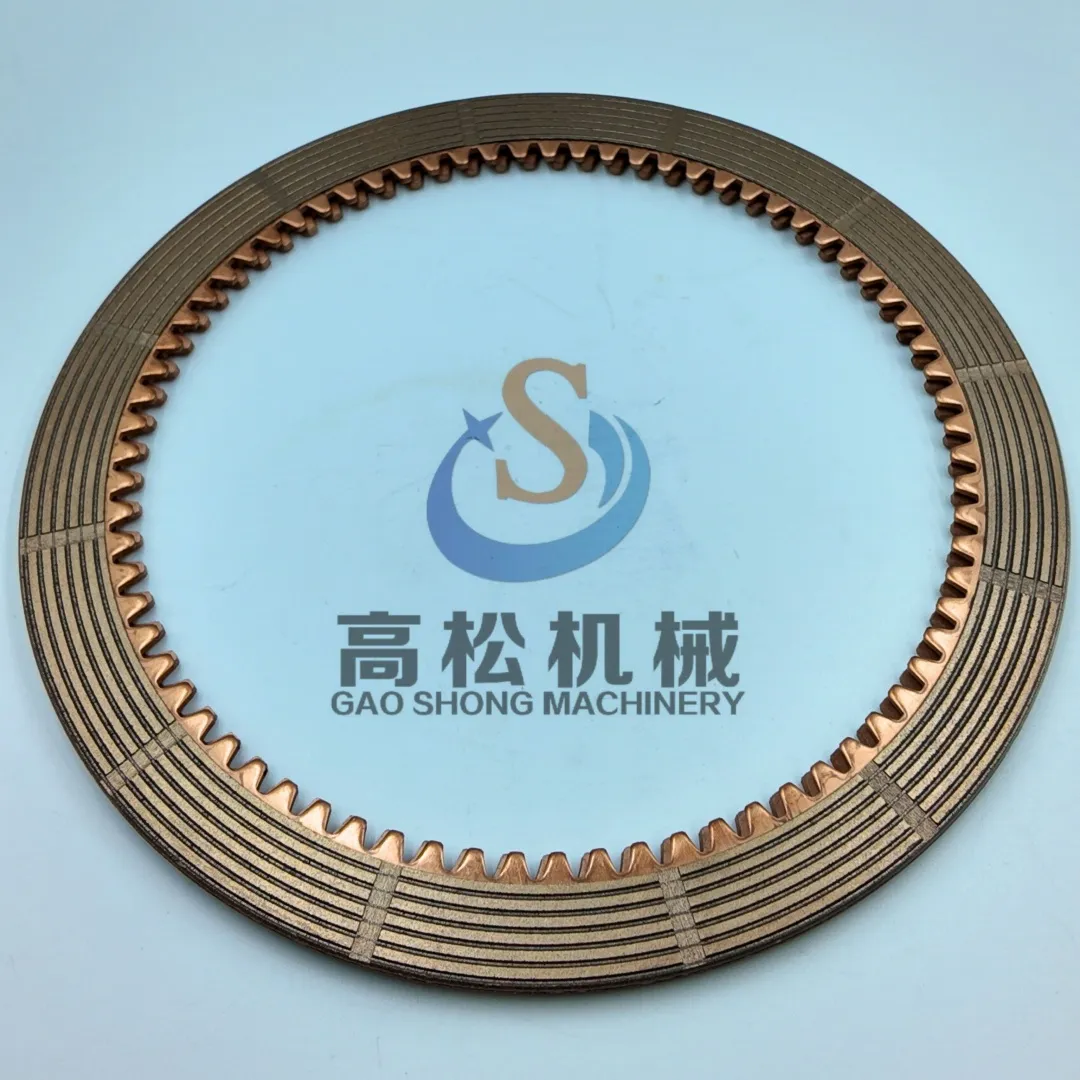 23S-15-12710 – DISC FRICTION – FITS KOMATSU
 -
 56D-15-19250 RING
 -
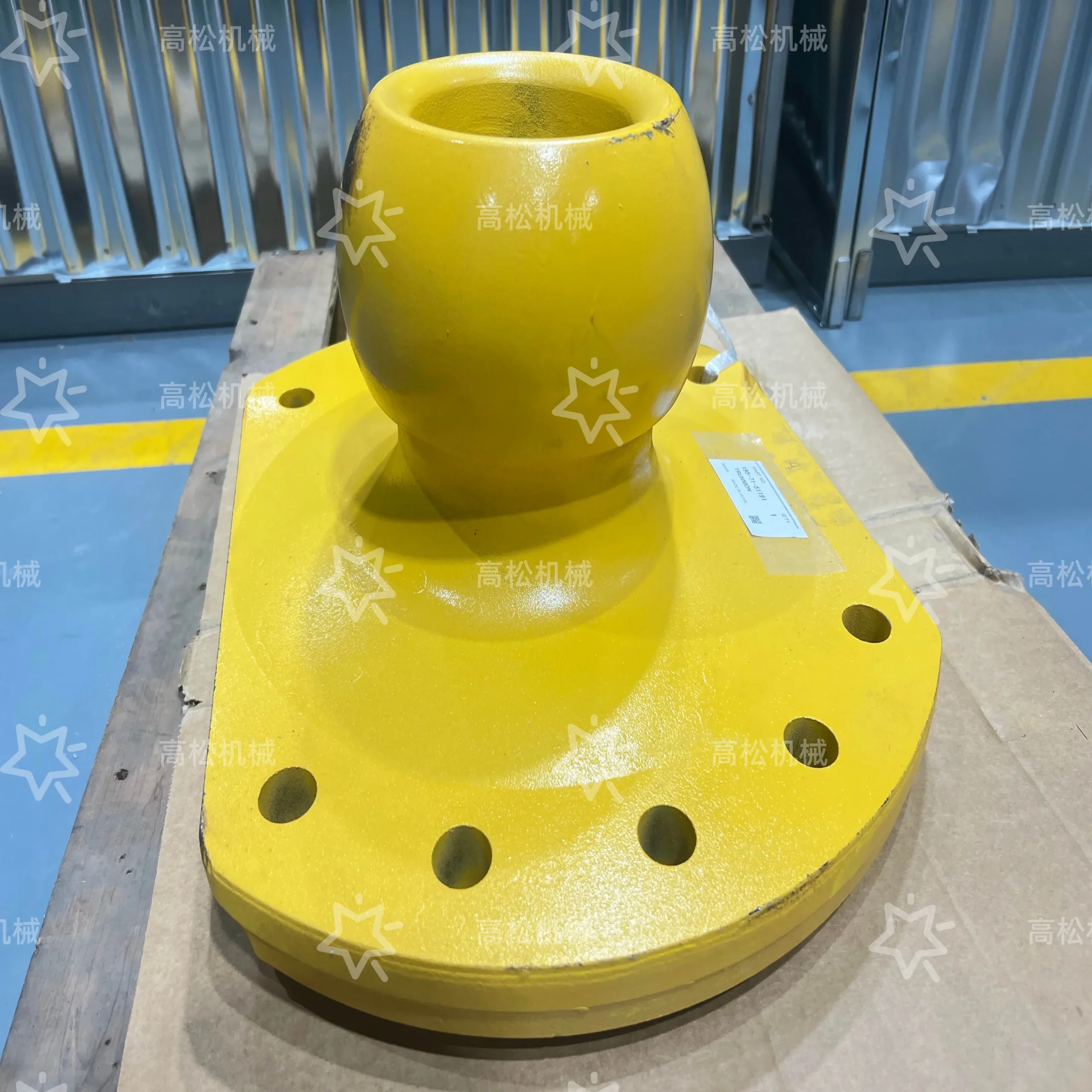 195-71-51191 TRUNNION – THIS TRUNNION HELPS MAINTAIN THE BALANCE OF THE MACHINE
Related Search
Related Search- komatsu pc50mr 2 hydraulic pump
- 195-15-19230
- OEM AND ORIGINAL KOMATSU LEVER ASSY 702-16-02290
- Komatsu tire protection chains
- 6245-71-5111
- OEM AND ORIGINAL KOMATSU BEARING 21T-27-71390
- OEM AND ORIGINAL KOMATSU BEARING 566-22-12190
- Komatsu rim
- komatsu pc200 7 parts book
- OEM AND ORIGINAL KOMATSU GEAR 208-27-61150