
- Chinese
- French
- German
- Portuguese
- Spanish
- Russian
- Japanese
- Korean
- Arabic
- Irish
- Greek
- Turkish
- Italian
- Danish
- Romanian
- Indonesian
- Czech
- Afrikaans
- Swedish
- Polish
- Basque
- Catalan
- Esperanto
- Hindi
- Lao
- Albanian
- Amharic
- Armenian
- Azerbaijani
- Belarusian
- Bengali
- Bosnian
- Bulgarian
- Cebuano
- Chichewa
- Corsican
- Croatian
- Dutch
- Estonian
- Filipino
- Finnish
- Frisian
- Galician
- Georgian
- Gujarati
- Haitian
- Hausa
- Hawaiian
- Hebrew
- Hmong
- Hungarian
- Icelandic
- Igbo
- Javanese
- Kannada
- Kazakh
- Khmer
- Kurdish
- Kyrgyz
- Latin
- Latvian
- Lithuanian
- Luxembou..
- Macedonian
- Malagasy
- Malay
- Malayalam
- Maltese
- Maori
- Marathi
- Mongolian
- Burmese
- Nepali
- Norwegian
- Pashto
- Persian
- Punjabi
- Serbian
- Sesotho
- Sinhala
- Slovak
- Slovenian
- Somali
- Samoan
- Scots Gaelic
- Shona
- Sindhi
- Sundanese
- Swahili
- Tajik
- Tamil
- Telugu
- Thai
- Ukrainian
- Urdu
- Uzbek
- Vietnamese
- Welsh
- Xhosa
- Yiddish
- Yoruba
- Zulu
- Kinyarwanda
- Tatar
- Oriya
- Turkmen
- Uyghur






Komatsu oil pump
When you hear 'Komatsu oil pump', most guys immediately think of a single, specific part number for their PC200 or D85. That's the first mistake. In reality, it's a system, and the failure you're seeing is rarely just the pump itself. I've spent years sourcing these, not from a catalog, but from the field and the factory floor. The assumption that all Komatsu pumps are created equal, or that a direct OEM replacement is the only viable path, has cost operations more downtime than bearing failures. Let's talk about what you don't see on the spec sheet.
The Core Misconception and System Reality
The part number is just the starting point. Say you need a pump for a Komatsu Dash-8 series excavator. The immediate reaction is to order the OEM kit. But if the previous failure was due to contaminated fluid—which it often is—that shiny new pump is just a countdown to the next breakdown. The real focus should be on the Komatsu oil pump as the heart of a hydraulic or lubrication circuit. Its performance is dictated by the health of the valves downstream, the cleanliness of the lines, and the spec of the fluid being used. I've seen pumps replaced three times in a year because the team kept treating the symptom, not the system.
This is where a supplier's perspective matters. A company like Jining Gaosong Construction Machinery Co., Ltd. operates in a unique space. They're an OEM product supplier within Komatsu's system, meaning they have access to the genuine manufacturing pipelines and specifications. But they're also a third-party sales channel. This dual role is critical. It means they understand the official tolerances and performance curves (the OEM side), but they also see the real-world failure modes and supply chain gaps in various markets (the third-party side). Their website, takematsumachinery.com, frames it as solving parts supply challenges, which is a diplomatic way of saying they find practical paths around regional shortages or prohibitive lead times for official channels.
For instance, a common issue isn't the pump's internal gears wearing out; it's the housing developing micro-cracks from pressure spikes or thermal stress. The OEM manual won't tell you that. But a supplier who has handled dozens of core returns from a specific region with certain climate extremes will know. They might then focus on the metallurgy of the housing or the quality of the casting when they source or recommend a unit. It's this layer of applied knowledge that separates a parts vendor from a solutions provider.
Case in Point: The Genuine vs. System-Compatible Debate
Here's a practical scenario. A mining operation in a remote location had a Komatsu oil pump fail on a key haul truck. The official distributor quoted a 12-week lead time and a sky-high price. The site manager was pressured to find a non-genuine alternative fast. This is where the danger lies. The market is flooded with copies that look right but have inferior gear machining or incorrect relief valve settings.
The alternative isn't necessarily a cheap copy. Through a channel like Gaosong, which is embedded in the Komatsu ecosystem, you might access what I call a system-compatible unit. This could be a genuine pump manufactured for a different regional market (with the same Komatsu factory stamp) or a unit built to exact OEM specs under a supply agreement. The part number on the box might be different, but the performance envelope is identical. The value of a supplier like the one mentioned is they can validate that compatibility, not just sell you a box. They help solve parts supply challenges by leveraging their position within the system to redirect available inventory or authorized production.
I learned this the hard way early on. We opted for a visibly cheaper pump from a non-authorized seller. It fit, it worked... for about 200 hours. Then the noise started. The issue was the axial clearance on the gear set was out of spec, causing premature wear and a drop in pressure under load. It wasn't a catastrophic failure, but a gradual loss of performance that led to secondary issues with the hydraulic actuators. The downtime cost for diagnosis and re-replacement dwarfed the initial savings. The lesson was that cost isn't about the unit price; it's about total lifecycle and machine uptime.
On-Site Diagnostics: What to Look For Before You Order
Before you even pick up the phone to order a Komatsu oil pump, there are checks that save weeks of headache. Pressure testing is obvious, but flow rate is king. A pump can hold decent pressure at idle but fail to deliver the required flow at high demand. We use a simple flow meter test port kit. If the flow is down more than 10-15% from spec, the pump is tired, even if pressure seems okay.
Then, cut open the old filter. I can't stress this enough. The debris tells a story. Shiny bronze flakes? That's bushing wear. Fine, silvery metallic powder? That's gear or wear plate material. Chunks of rubber? That's a seal from somewhere else in the system failing and traveling. If you see contamination, replacing the pump alone is a temporary fix. You need to flush the system, replace all filters, and find the source. A good supplier will ask you for these details. If they just take an order for a pump after hearing it's not making pressure, they're not doing their job.
Another detail often missed is the drive coupling or spline. On some Komatsu models, the pump is driven directly off the engine. I've seen cases where the pump was blamed, but the real culprit was a worn spline on the drive shaft, causing slippage under load. Inspect the mating components. It takes an extra 30 minutes but can prevent a comeback.
The Logistics of a Reliable Supply
This is where the operational reality hits. Having the right part number is one thing; getting it to a site in West Africa or central Asia in less than a month is another. This is the core challenge companies like Jining Gaosong Construction Machinery Co., Ltd. address. As an OEM supplier and third-party sales company, they aren't bound by a single regional warehouse. Their model is built on solving that logistical puzzle. They might consolidate shipments from different Komatsu-affiliated factories or hold strategic stock of high-failure-rate items like certain oil pump models for common excavators and dozers.
Their website introduction—helping to solve parts supply challenges in certain countries—is exactly that. It's not marketing fluff. It means they have the relationships and the logistics network to navigate customs, find alternate shipping routes, and provide realistic timelines. For a site manager, that transparency is worth more than a small discount. Knowing a part is genuinely en route and not stuck in administrative limbo keeps a project moving.
I recall a project in Southeast Asia where we needed a pump for an older Komatsu WA500 wheel loader. The model was phased out. Official channels said obsolete. A supplier with a broad network within the Komatsu system, however, was able to locate a compatible remanufactured core in Japan and handle the export paperwork. It wasn't the fastest option, but it was the only one that worked without a major machine modification. That's the difference between a parts seller and a partner.
Final Take: It's About Uptime, Not Just a Pump
So, when you're dealing with a Komatsu oil pump issue, step back. It's not a simple swap. Interrogate the failure. Analyze the system. Choose a supply partner that understands the engineering behind the part and the reality on the ground. The goal is machine uptime. Sometimes that means paying a premium for a genuine, traceable part with full documentation for warranty. Other times, it means a validated, system-compatible unit from a trusted intermediary that gets you running in days, not months.
The value of a supplier embedded in the OEM system, like the one discussed, is that they can guide that decision. They have the technical specs from the inside and the field data from the outside. They can tell you if a pump from a Komatsu excavator can be adapted to a similar-generation dozer with a bracket change, saving a fortune. That knowledge comes from experience, not a catalog.
In the end, it's a component, but your approach to it shouldn't be component-thinking. It's a critical node in a system. Your choice of part and partner needs to reflect that complexity. Don't just buy a pump; manage an asset. And make sure whoever is on the other end of the line understands that distinction as well as you do.
Related Products
Related Products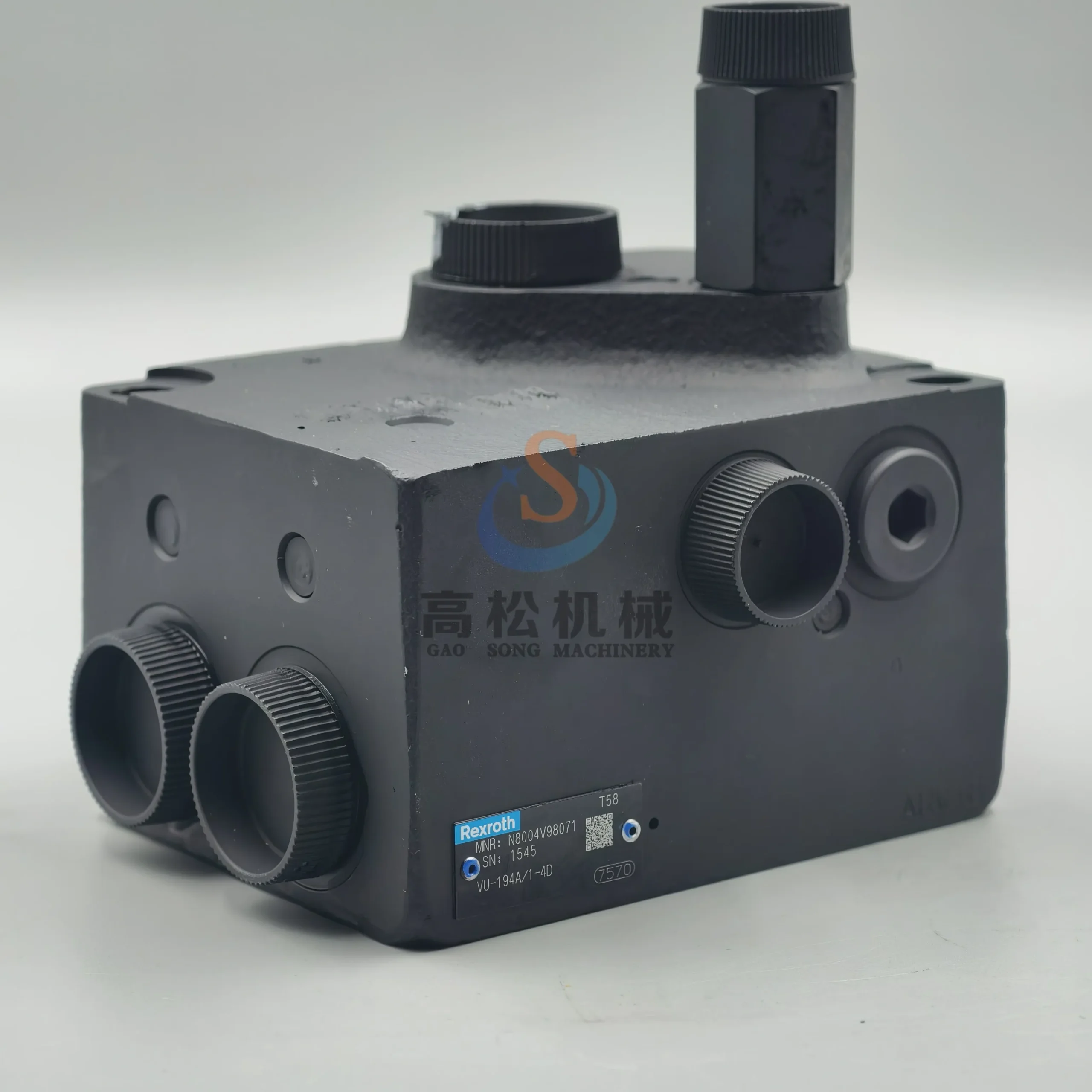
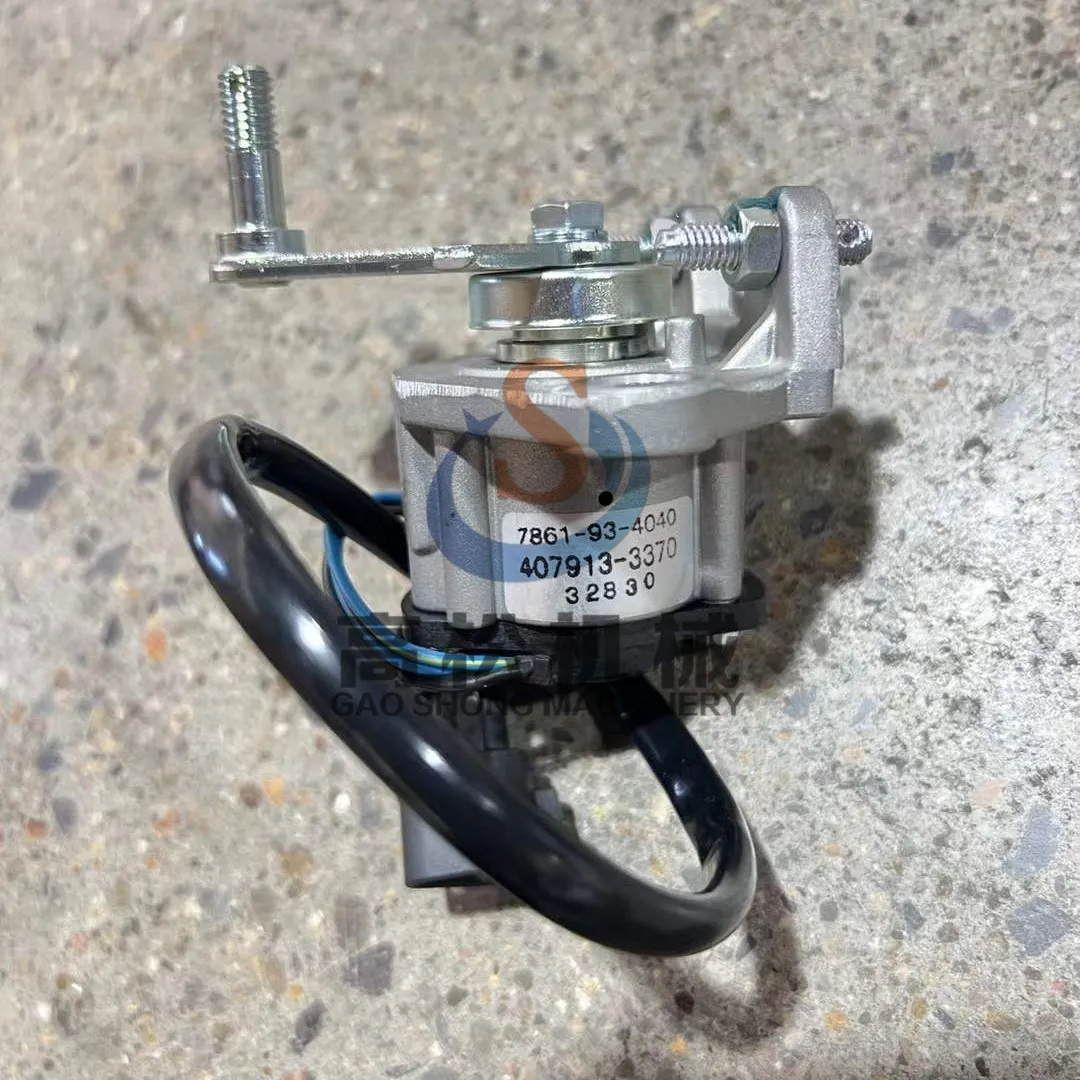
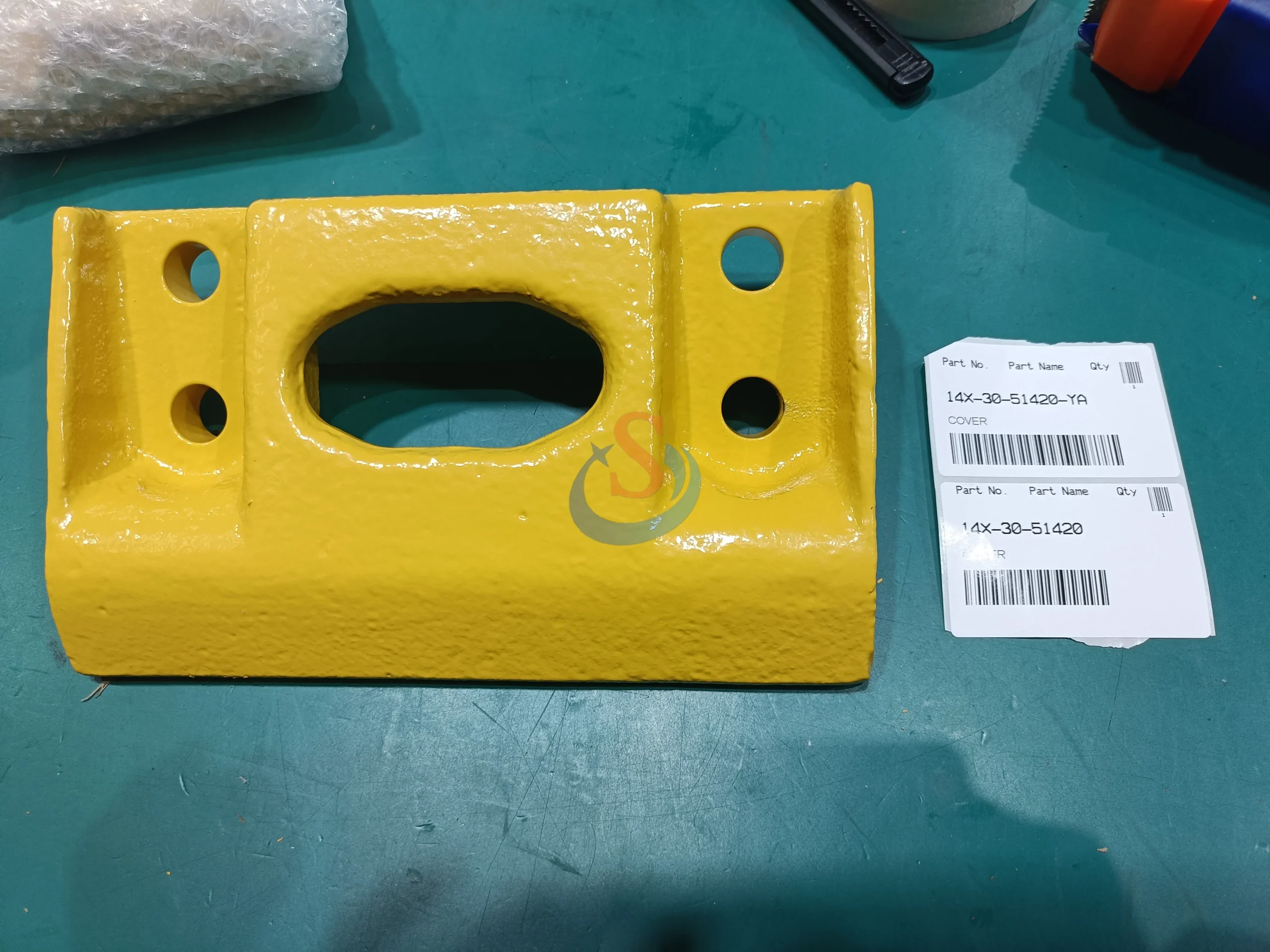
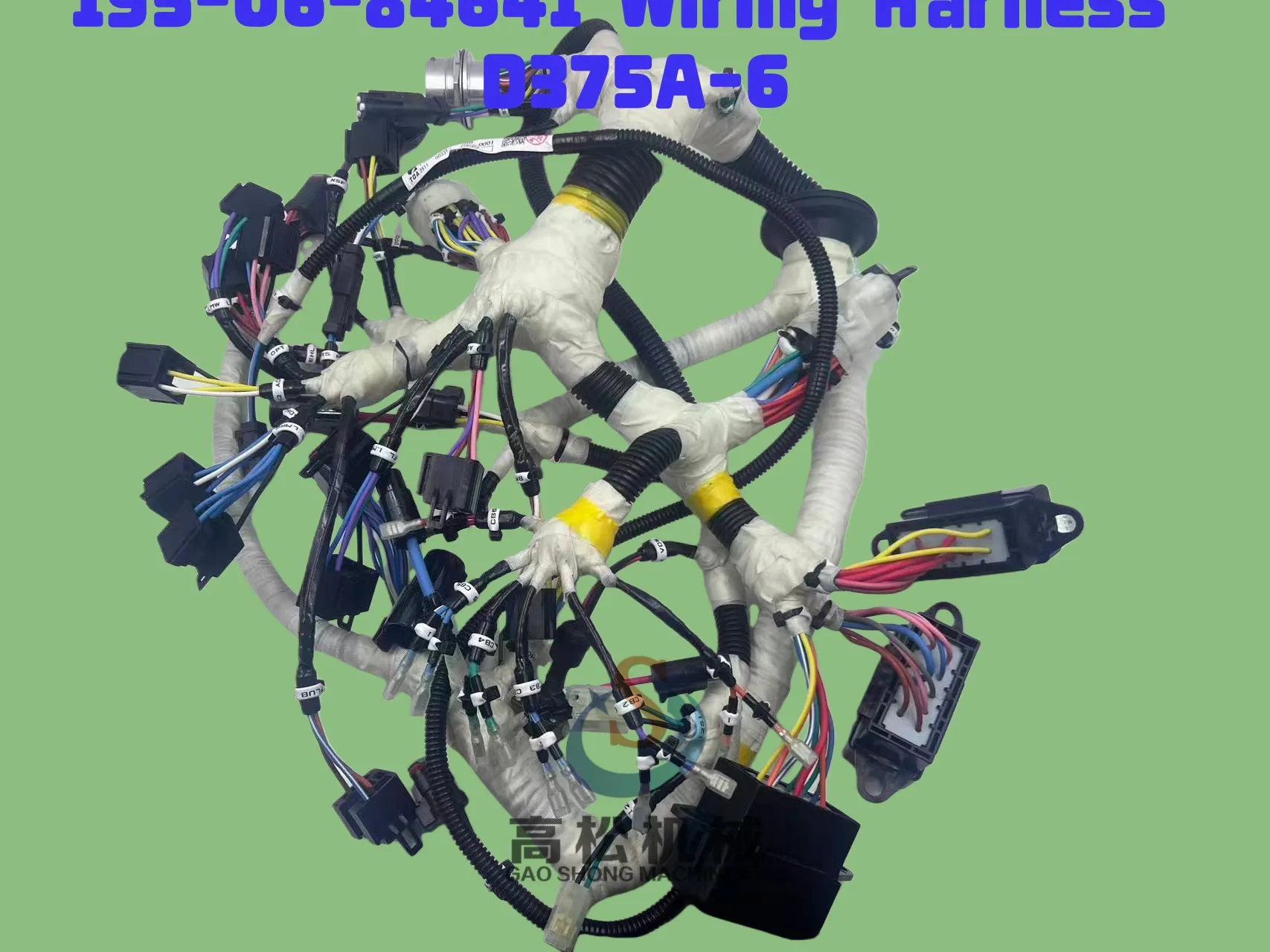
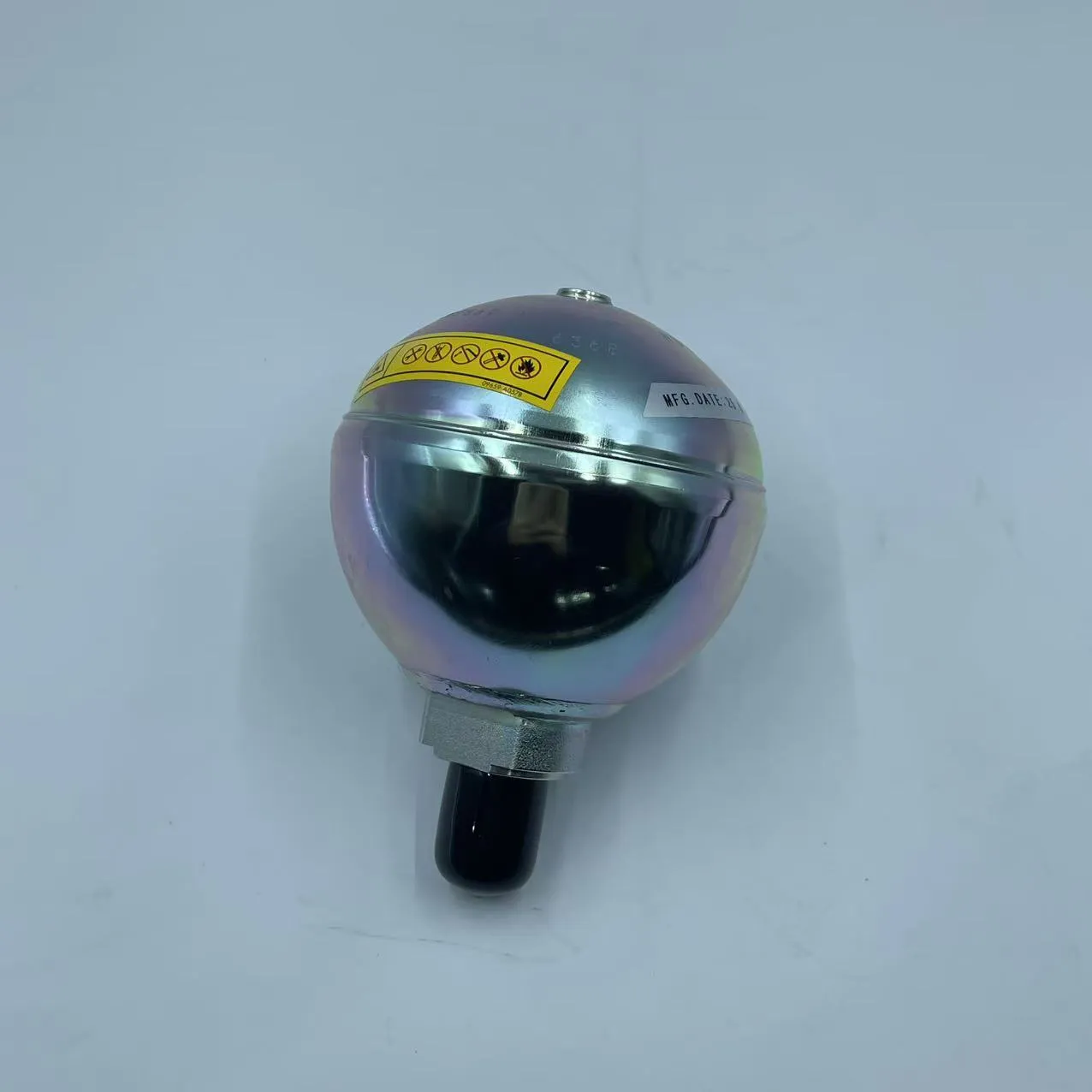

Best Selling Products
Best Selling Products-
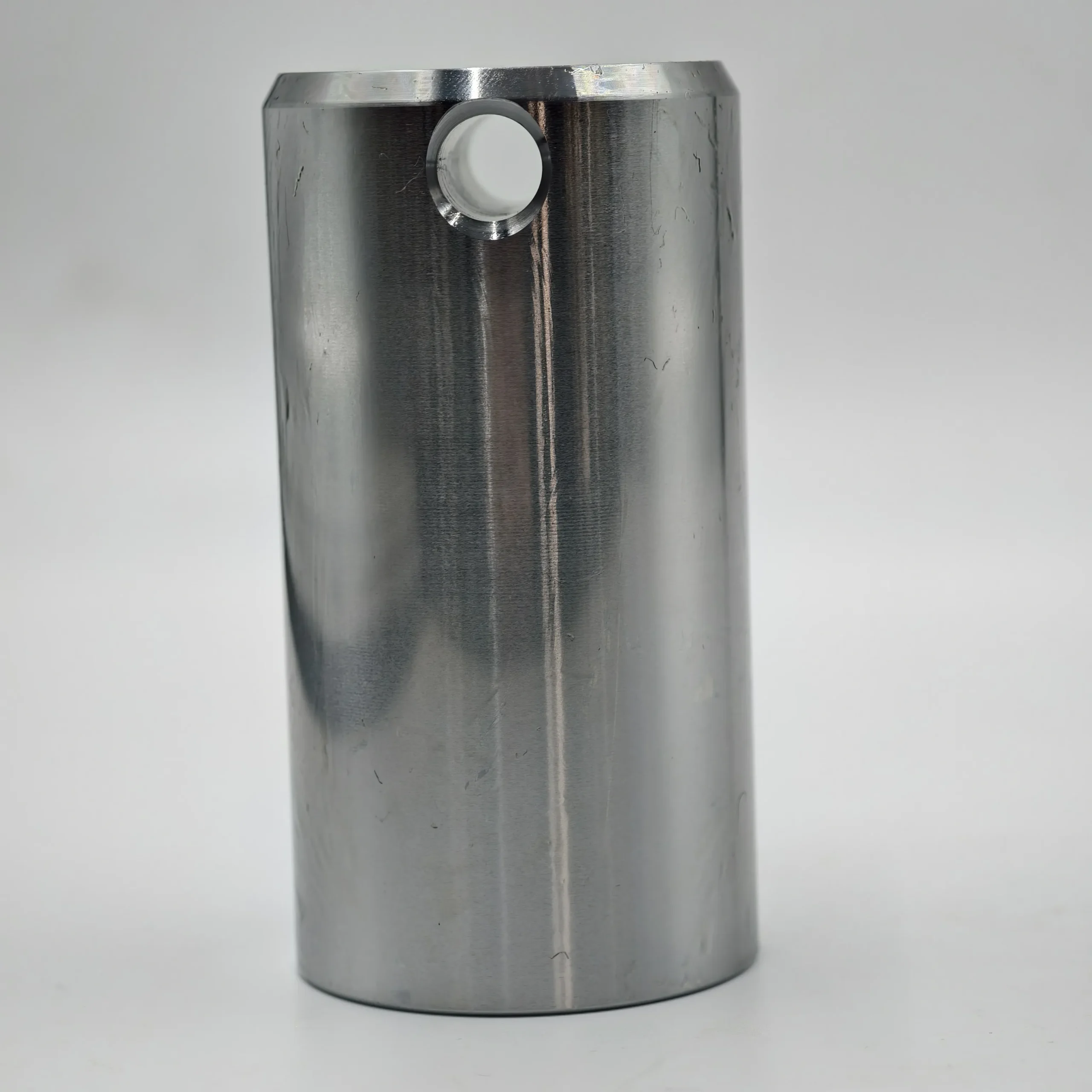 Komatsu Pin, 20Y-27-31160-We carry an extensive line of hardware for your machine. We offer bolts, nuts, washers, pins, snap rings, cap screws, keys and more.
 -
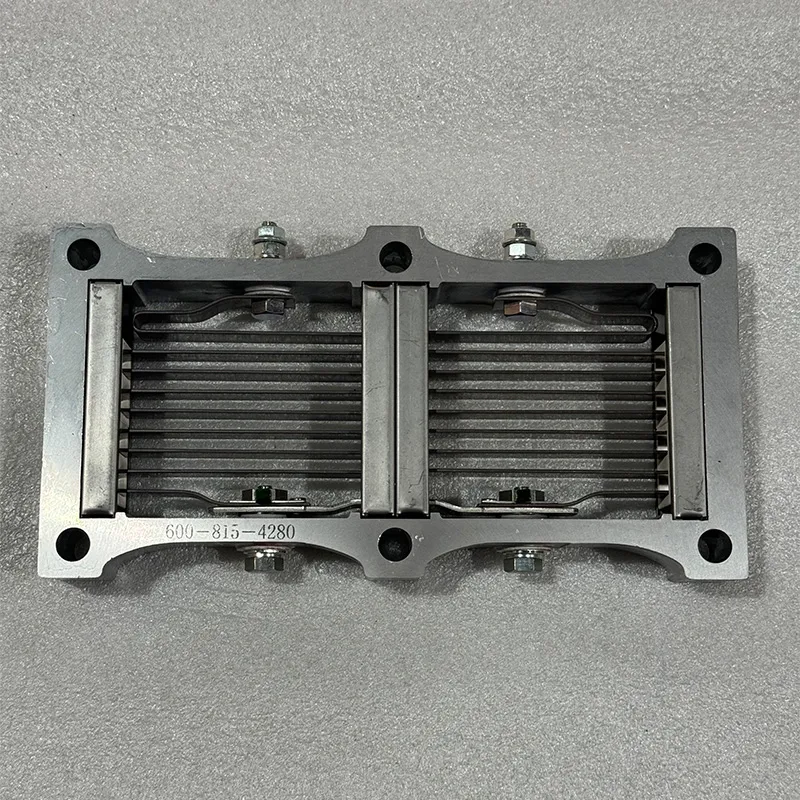 600-815-4280 Original komatsu Heater Ribbon for komatsu SAA6D engines
 -
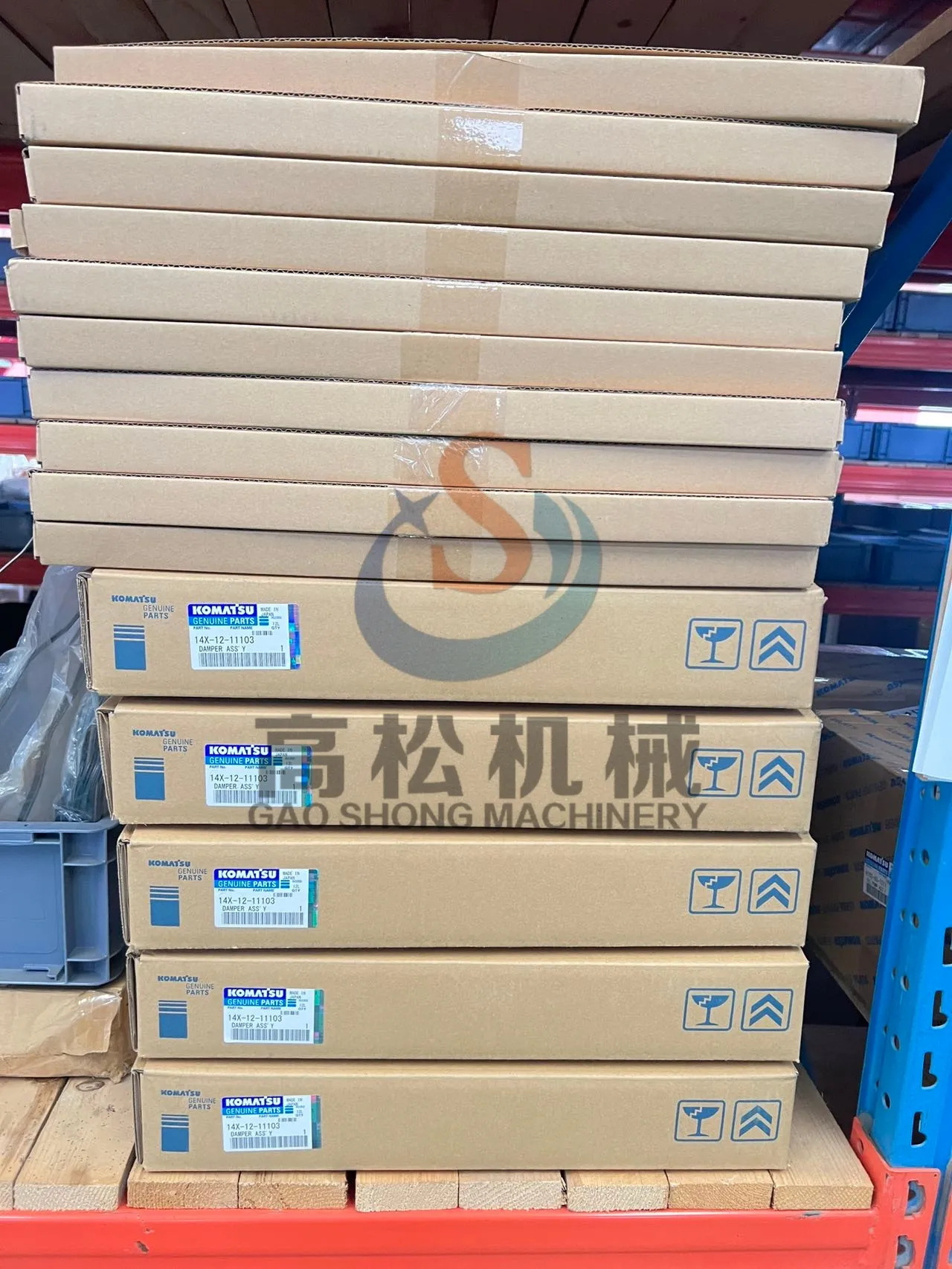 14X-12-11103 Komatsu Damper Disc Assembly
 -
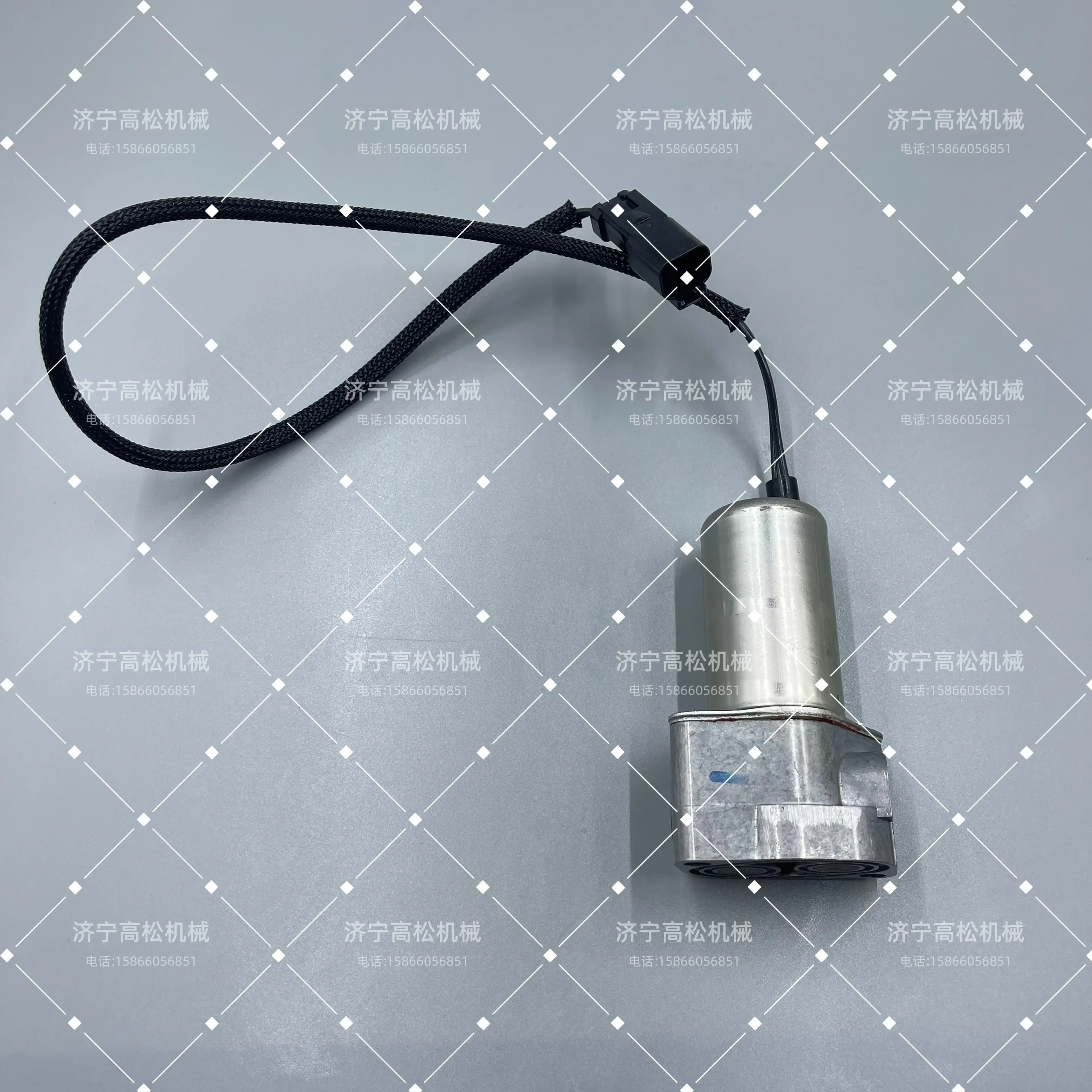 For Komatsu 702-21-07620 7022107620 High Quality Hydraulic…
 -
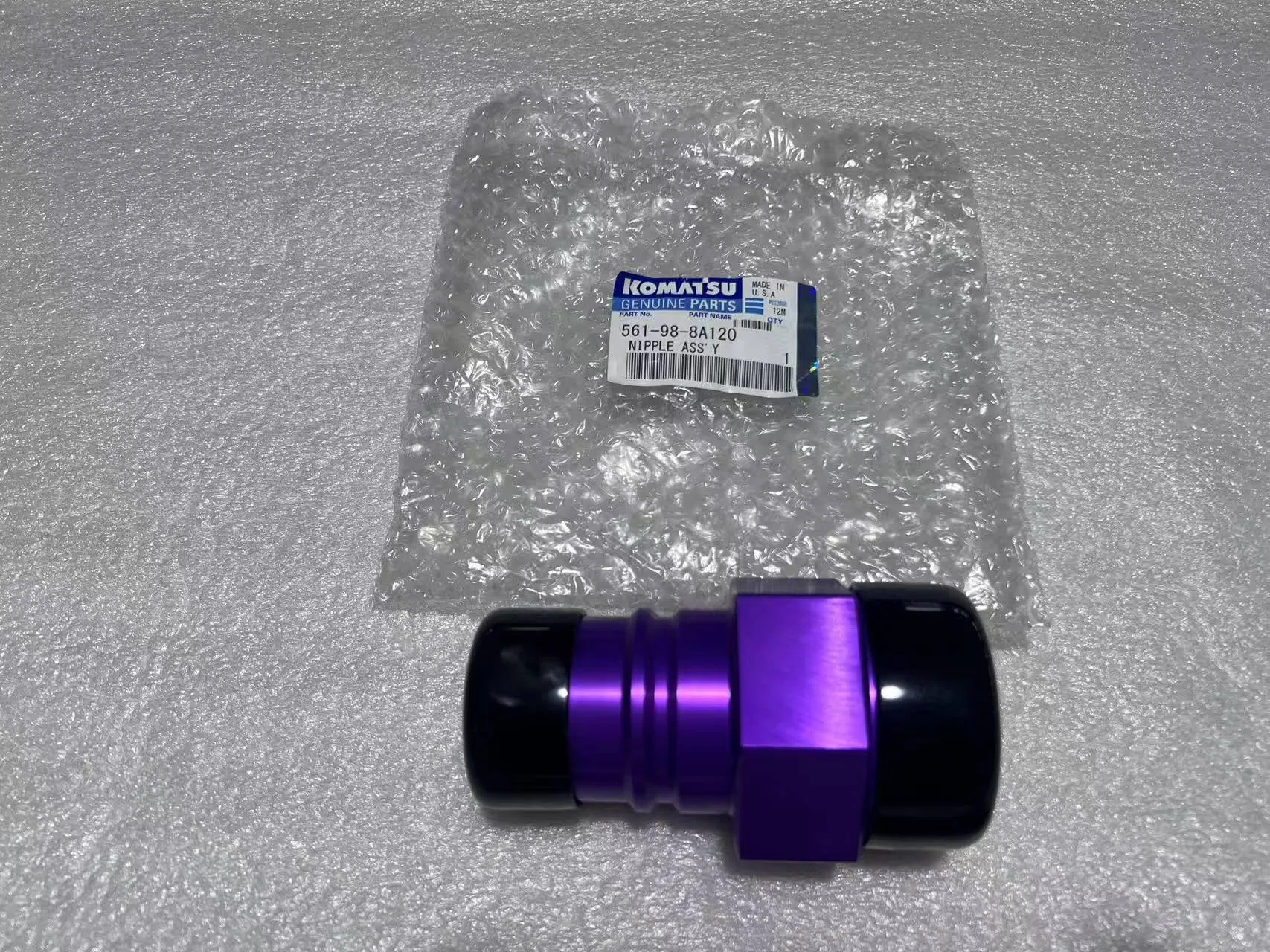 561-98-8A120 Komatsu Nipple Assembly
 -
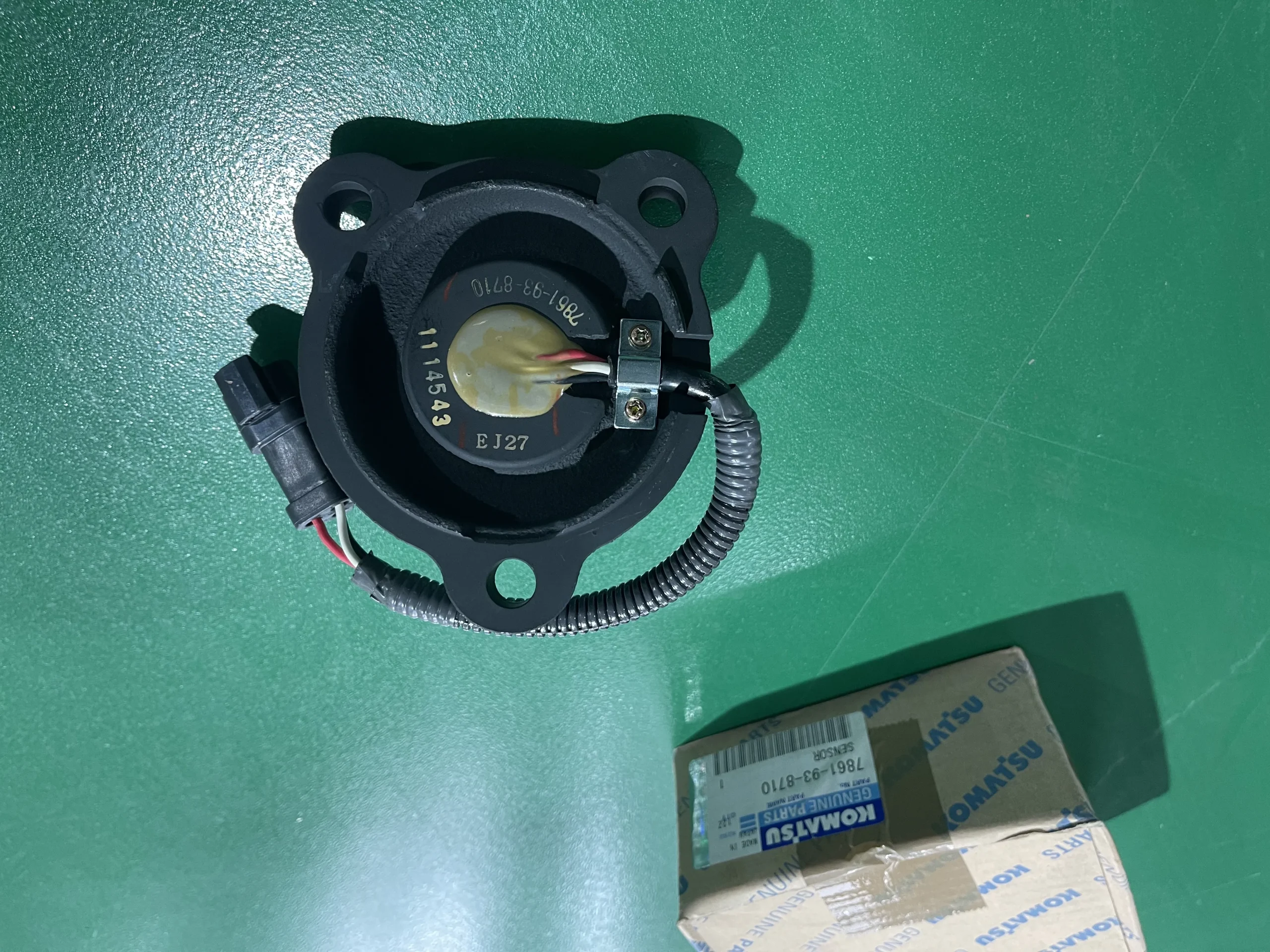 Angle Sensor 7861-93-8710 for Komatsu
 -
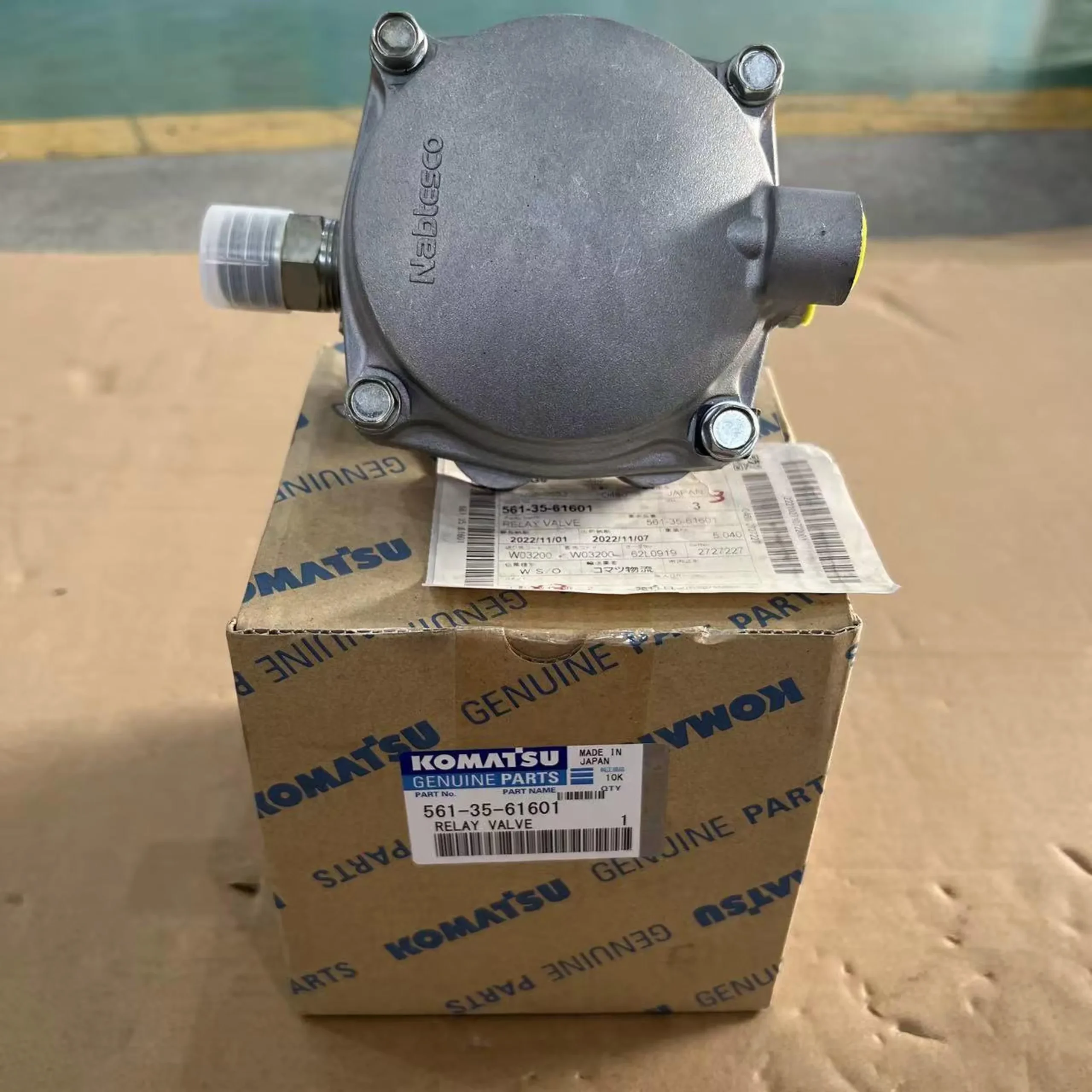 Valve 561-35-61601 for Komatsu Rigid Dumper
 -
 561-74-61540 Komatsu Shim Compatible Model: HD985. Available for immediate shipment.
 -
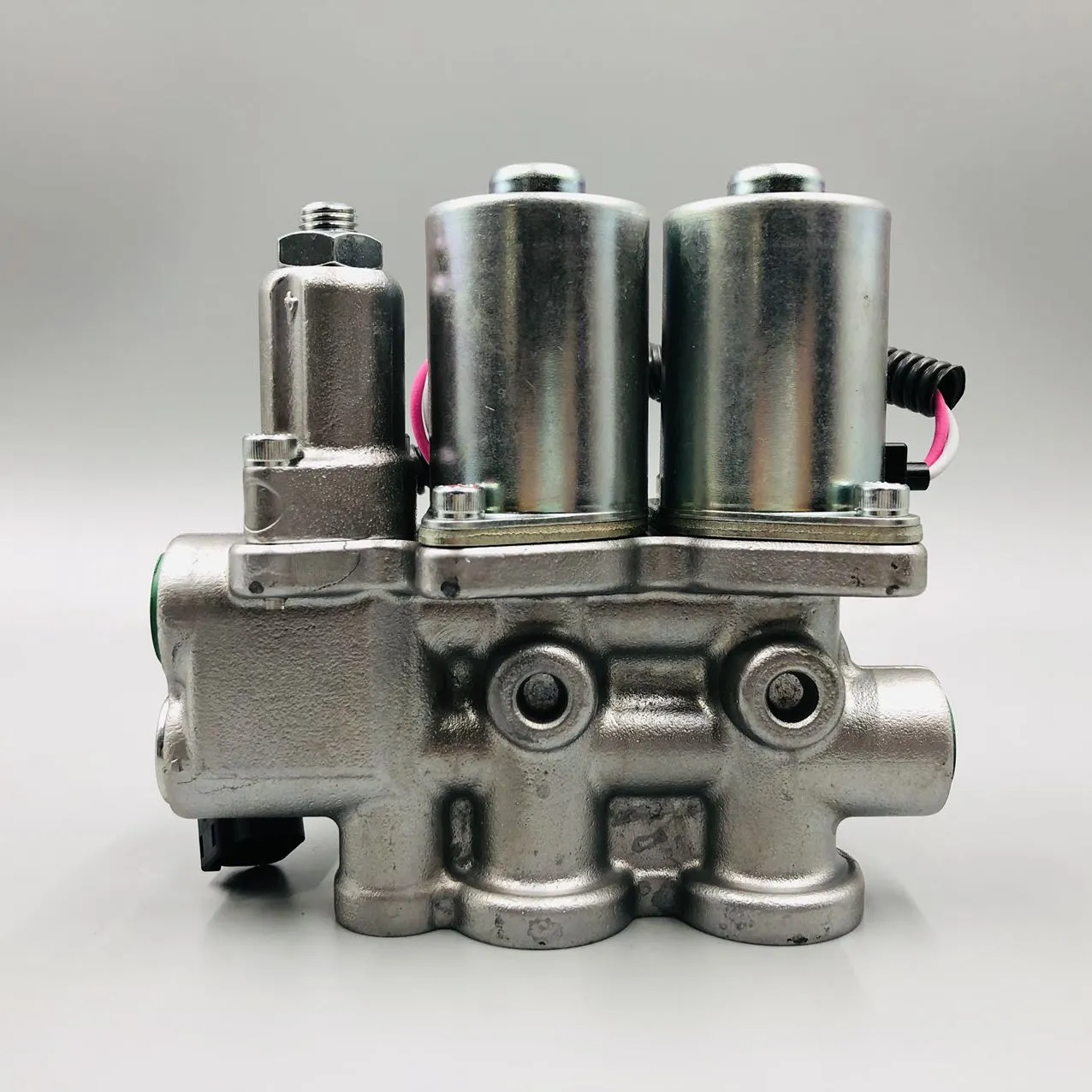 Valve Assembly22F-60-31600
 -
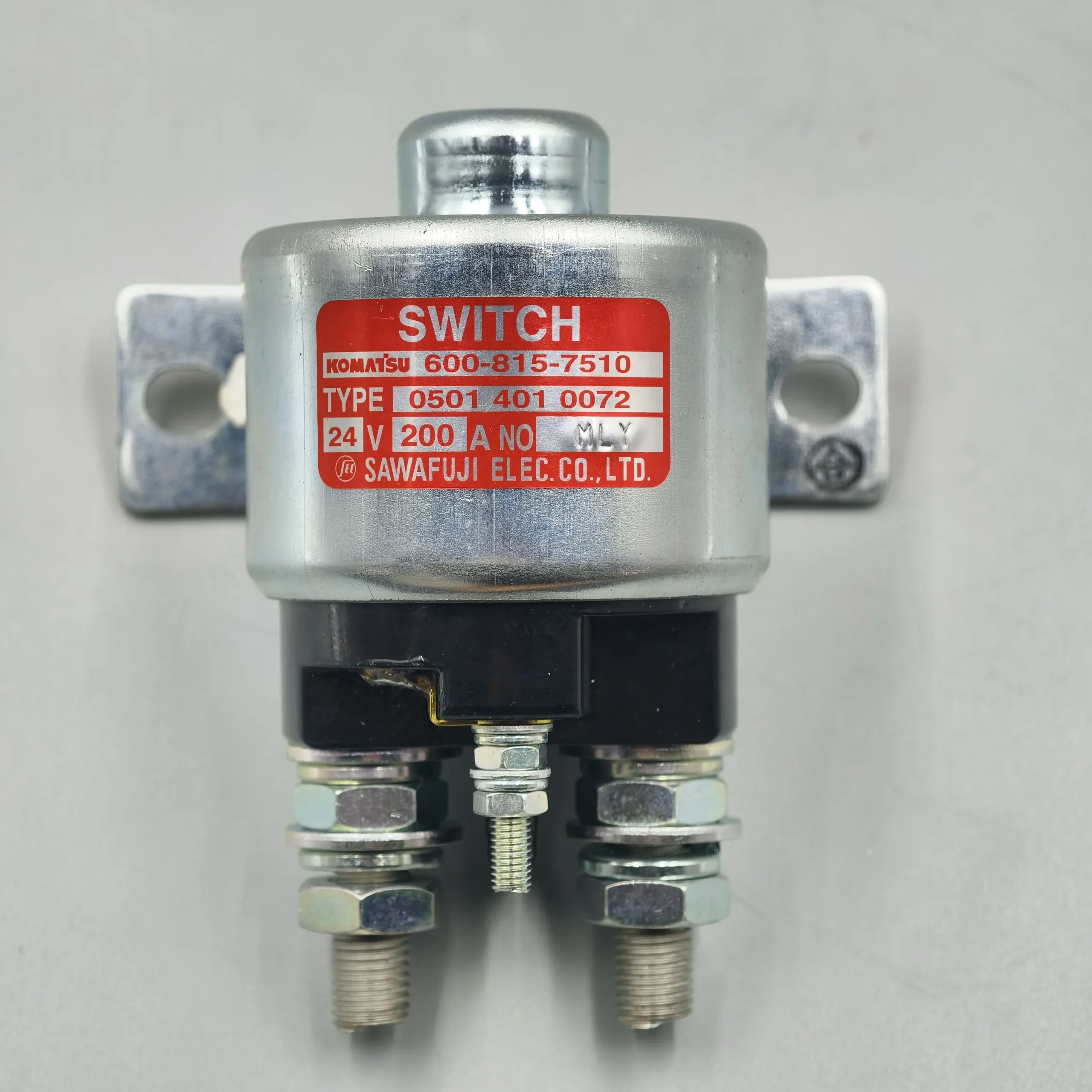 Accessories D375A-5 Switch Heater 600-815-7510 6008157510
 -
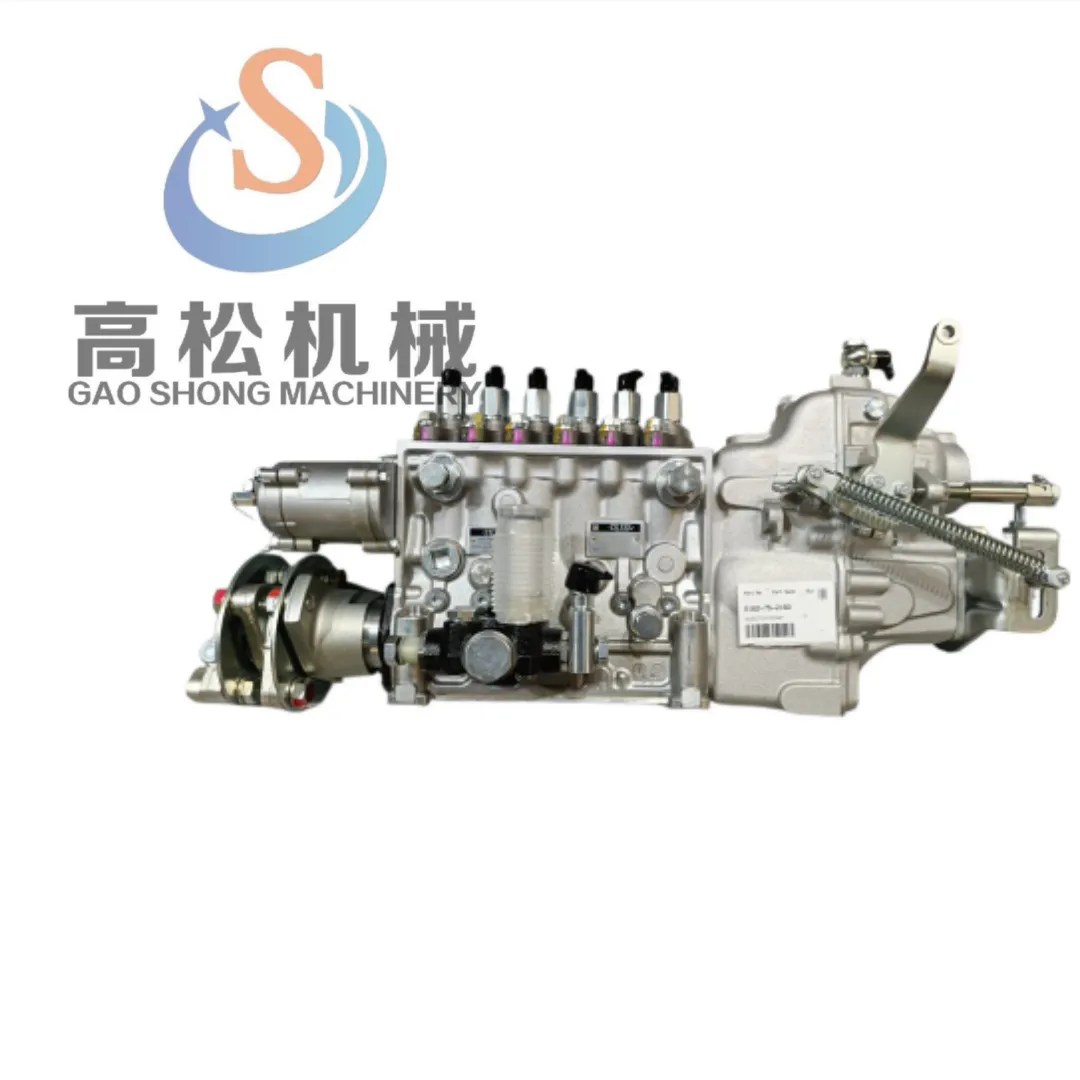 Engine Fuel Injection Pump 6162-75-2160 for SA6D170E
 -
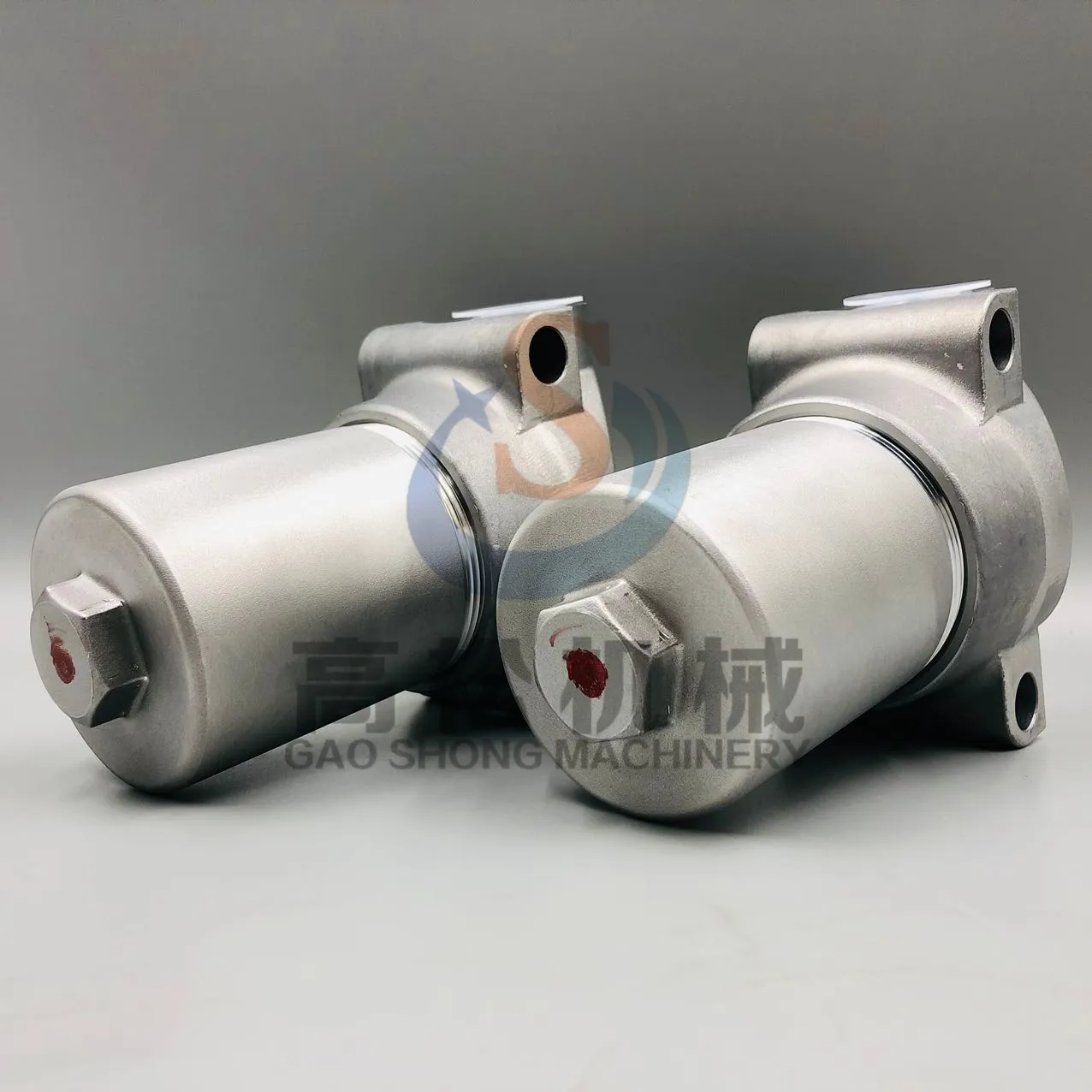 20Y-62-51681 Komatsu Filter Assembly