
- Chinese
- French
- German
- Portuguese
- Spanish
- Russian
- Japanese
- Korean
- Arabic
- Irish
- Greek
- Turkish
- Italian
- Danish
- Romanian
- Indonesian
- Czech
- Afrikaans
- Swedish
- Polish
- Basque
- Catalan
- Esperanto
- Hindi
- Lao
- Albanian
- Amharic
- Armenian
- Azerbaijani
- Belarusian
- Bengali
- Bosnian
- Bulgarian
- Cebuano
- Chichewa
- Corsican
- Croatian
- Dutch
- Estonian
- Filipino
- Finnish
- Frisian
- Galician
- Georgian
- Gujarati
- Haitian
- Hausa
- Hawaiian
- Hebrew
- Hmong
- Hungarian
- Icelandic
- Igbo
- Javanese
- Kannada
- Kazakh
- Khmer
- Kurdish
- Kyrgyz
- Latin
- Latvian
- Lithuanian
- Luxembou..
- Macedonian
- Malagasy
- Malay
- Malayalam
- Maltese
- Maori
- Marathi
- Mongolian
- Burmese
- Nepali
- Norwegian
- Pashto
- Persian
- Punjabi
- Serbian
- Sesotho
- Sinhala
- Slovak
- Slovenian
- Somali
- Samoan
- Scots Gaelic
- Shona
- Sindhi
- Sundanese
- Swahili
- Tajik
- Tamil
- Telugu
- Thai
- Ukrainian
- Urdu
- Uzbek
- Vietnamese
- Welsh
- Xhosa
- Yiddish
- Yoruba
- Zulu
- Kinyarwanda
- Tatar
- Oriya
- Turkmen
- Uyghur






Komatsu oil filter
You see a lot of guys, especially newer mechanics or fleet managers trying to cut costs, who think a filter is just a filter. They see the part number for a Komatsu oil filter, cross-reference it to some generic brand that's half the price, and slap it on a PC300 or a D65. It works, for a while. Then the pressure differential starts acting up, or you get premature wear on the turbo bearings, and the root cause gets buried in a pile of other potential issues. The real cost isn't in the filter itself; it's in the 20,000 liters of oil it's supposed to protect and the $50,000 engine it guards. That's the first misconception to clear up.
The OEM Illusion and the Supply Chain Reality
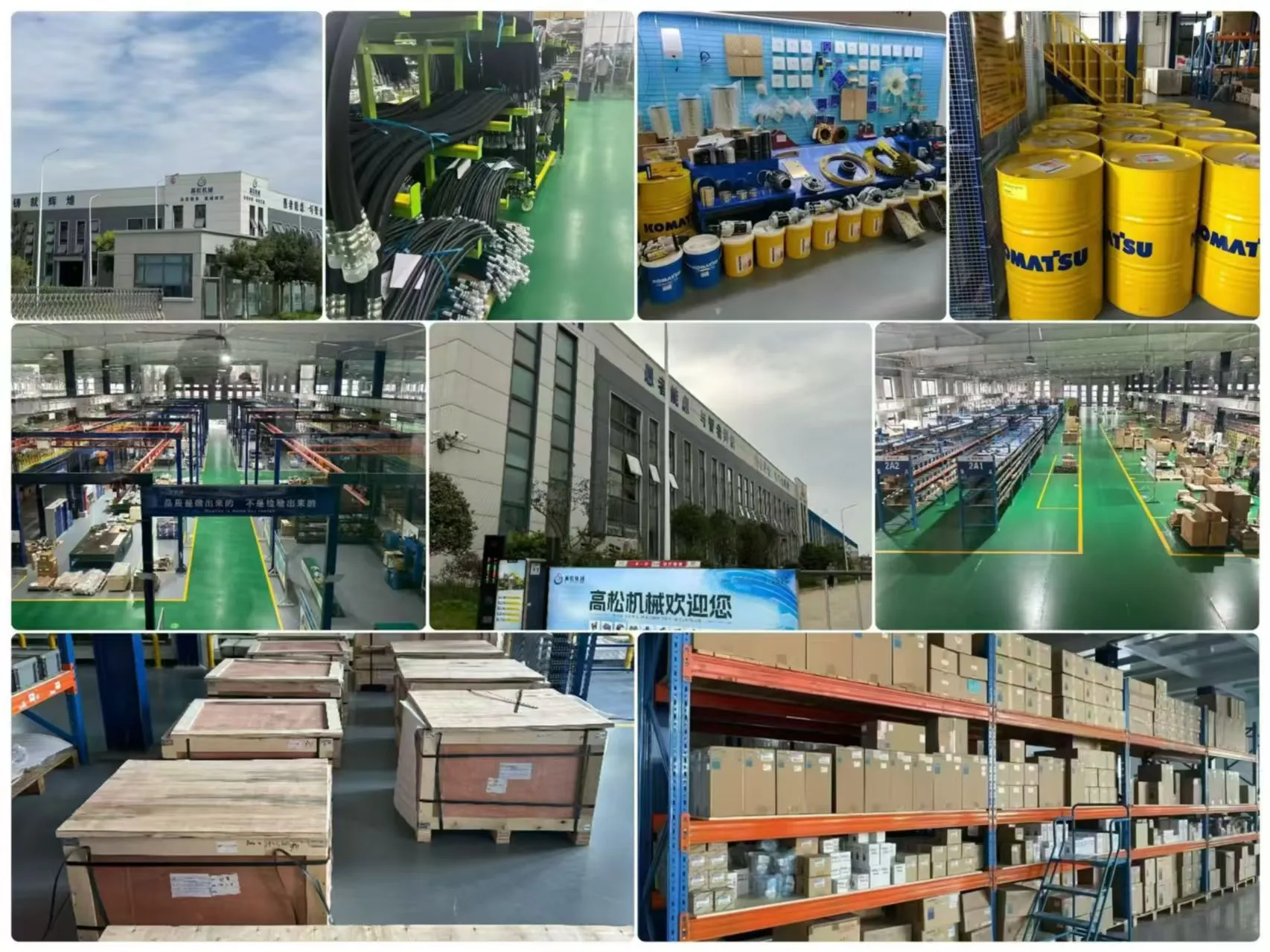
Working with Komatsu machines in markets outside Japan or the US, you quickly hit a wall with parts supply. The official channel might be perfect, but it's also slow and expensive for certain regions. That's where the whole OEM system gets interesting. A company like Jining Gaosong Construction Machinery Co., Ltd. operates in that gray, practical space. They're not just a reseller; their site, takematsumachinery.com, states they're an OEM product supplier within Komatsu's system. In practice, this often means they produce or source components, including filters, to Komatsu's specifications and supply them into the official network. But they also function as a third-party seller, which is crucial for operations in places where the official supply chain is thin.
This dual role is key. It means the Komatsu oil filter you get from such a source isn't necessarily a counterfeit or a will-fit. It might literally come off the same production line as the one in a Komatsu box, just without the final branding and markup. Or, it could be a vetted alternative that meets the spec. The problem is knowing which is which. I've ordered filters that were visually identical, down to the weld seams on the canister, to the ones I pulled off a machine at a Komatsu dealer. I've also seen ones where the bypass valve spring rate felt off—a detail you only notice when you've handled hundreds.
The company's brief about solving parts supply challenges in certain countries rings true. I recall a project in Southeast Asia where we had three D155 dozers down because the local Komatsu depot was out of stock on the main hydraulic filter for six weeks. We sourced what were supposedly OEM-spec filters from a third-party supplier, which I later learned was likely a company like Gaosong. They worked, but we started doing oil analysis at shorter intervals just to be safe. The data came back clean. That experience shifted my perspective from must have the Komatsu box to must meet the Komatsu spec. The source matters, but the pedigree and verification matter more.
Anatomy of a Failure: It's Rarely Just the Filter
Let's talk about a specific pitfall. The Komatsu oil filter for the SAA6D140E engine (common in many mid-size excavators) has a specific anti-drain back valve design. It's not just about keeping the filter full; it's about how quickly it allows oil to fill the galleries on a cold start. A cheaper alternative might use a different rubber compound for that valve. In colder climates, that rubber can become less pliable. The result? A few seconds of dry cranking or low oil pressure on startup. Most monitoring systems won't flag it as a catastrophic failure, but those seconds add up to wear.
I learned this the hard way on a fleet of PC130s in a quarry. We switched to a cost-saving filter brand for a season. No immediate issues. But during the next major service, we found higher-than-normal camshaft wear in two machines. Took us a while to trace it back to those cold morning starts and the slightly delayed pressure build-up. Was it solely the filter's fault? Probably not. It was the combination of a marginal filter and an operating condition it wasn't fully tested for. The official Komatsu part is validated for that entire operating envelope. The takeaway is that a filter is a system component, not an island.
This is where the expertise of a supplier becomes critical. A good third-party source won't just sell you a part number. They should be able to tell you why their filter matches the OEM one—the media grade, the burst pressure, the bypass valve setting. If you're talking to a sales rep from a company like the one mentioned, and they can't discuss the specs beyond it fits, that's a red flag. The useful ones can tell you the micron rating and the efficiency curve, because they've had to prove it to their own quality control.
The Verification Game: Trust but Verify
So how do you navigate this? Blind trust in either the OEM box or the cheaper alternative is a gamble. For critical machines or those under warranty, the OEM route is the only sane choice. For older fleets or in cost-sensitive, remote operations, the third-party route from a certified supplier is viable. My rule now is to always run a parallel test. If I'm introducing a new batch of filters from a new source, I'll put them on one or two lower-criticality machines first. Then, I'll cut one open at the next service interval—a brutal but effective post-mortem.
Cutting open a used Komatsu oil filter tells a story. You're looking for media integrity. Is the pleat glue holding? Is there media migration? Does the internal support structure look robust? I've seen aftermarket filters where the center tube was thinner gauge metal, which collapsed under a pressure spike during a cold start. That debris then went straight into the oil cooler. A disaster that started with saving $30.
Suppliers like Jining Gaosong Construction Machinery Co., Ltd. understand this scrutiny. Their position as an OEM-system supplier suggests their production is subject to audits. That's a level of assurance you don't get from a random parts website. When I look at their online presence at takematsumachinery.com, the focus isn't on flashy marketing but on being a solution for supply gaps. That aligns more with the conversations I have with site managers who need parts yesterday and can't afford a month of downtime.
Beyond the Can: The System View
It's easy to get hyper-focused on the filter itself. But the filter is just one part of the lubrication system. Its performance is tied to the oil you use, the service intervals you keep, and even the machine's duty cycle. A filter designed for a 500-hour interval on a Komatsu dozer doing light grading might be overwhelmed in 250 hours in a high-dust mining application. No filter, OEM or not, can compensate for wrong oil or extended intervals.
This is another area where a knowledgeable supplier adds value. They might not just sell you the Komatsu oil filter; they might ask about the operating environment and suggest a different service schedule or even a different filtration grade if they offer a range. The goal is protecting the asset, not just moving a part. In my dealings with technical reps from larger suppliers, this system-level thinking is what separates the parts peddlers from the real partners.
Ultimately, the choice comes down to risk management. For a core machine that's central to your project's profitability, the premium for the genuine Komatsu part is insurance. For secondary equipment or in markets where logistics are a nightmare, a reputable OEM-system supplier becomes a lifeline. The key is moving past the part number and understanding the specification behind it. The label on the box—whether it says Komatsu or comes from a supplier's warehouse—matters less than the engineering and quality control that went into the canister sitting on your workbench.
Related Products
Related Products

Best Selling Products
Best Selling Products-
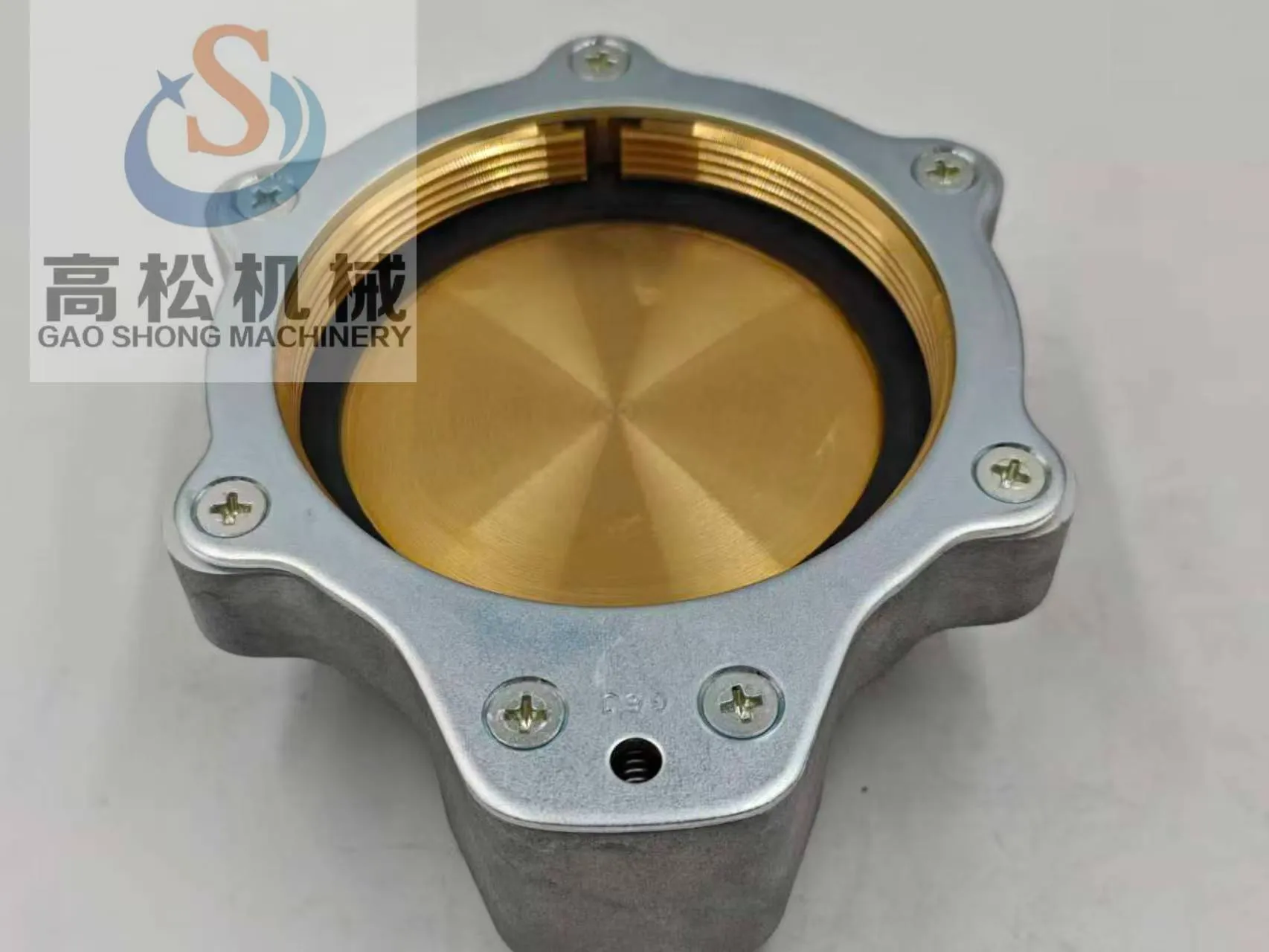 Original new water tank lid 07093-20000 lid suitable for bulldozer komatsu d85 d275
 -
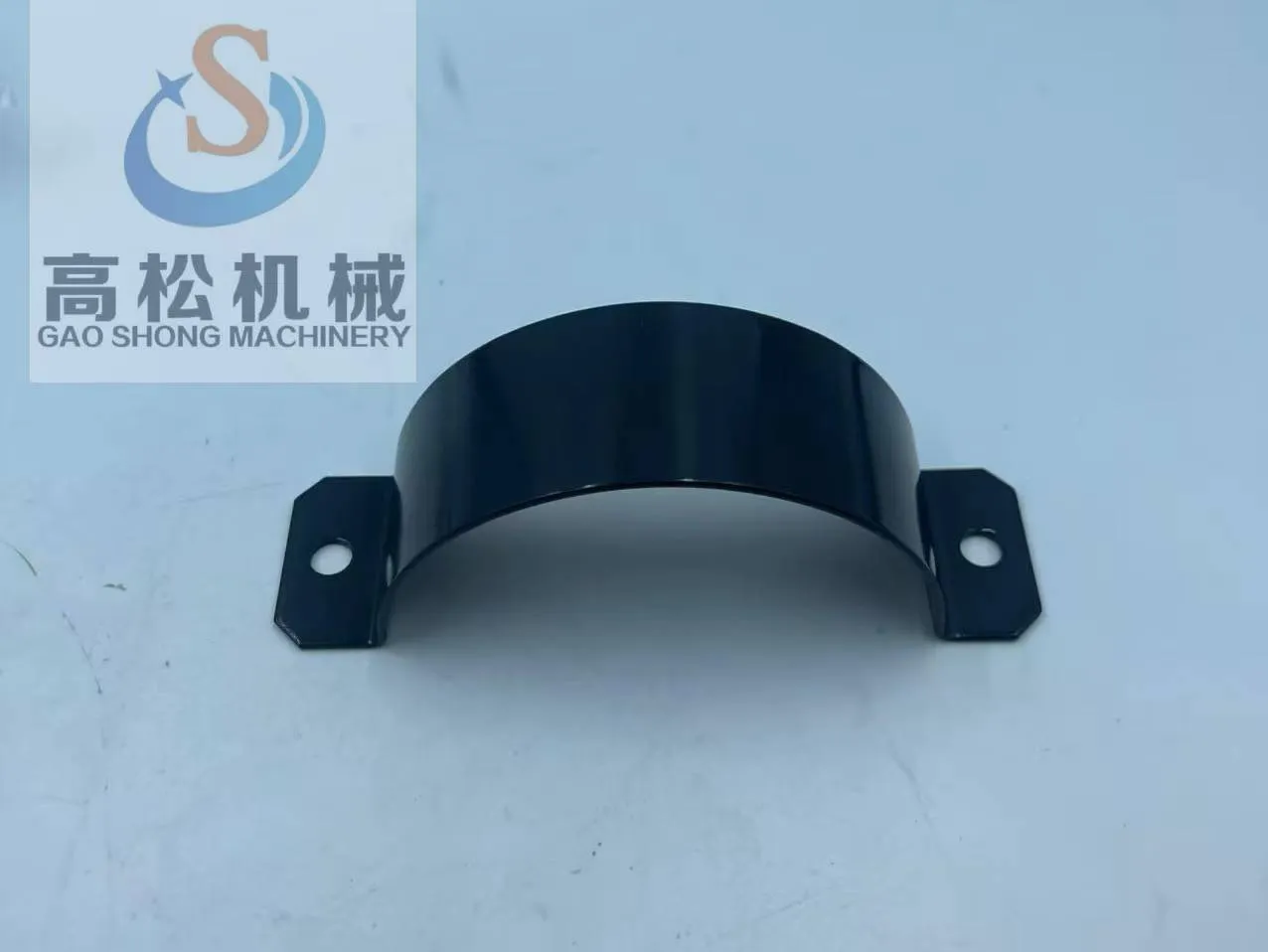 569-40-83470 Komatsu Genuine Bracket, Applicable Model: HD405-7, In-stock Promotional Price
 -
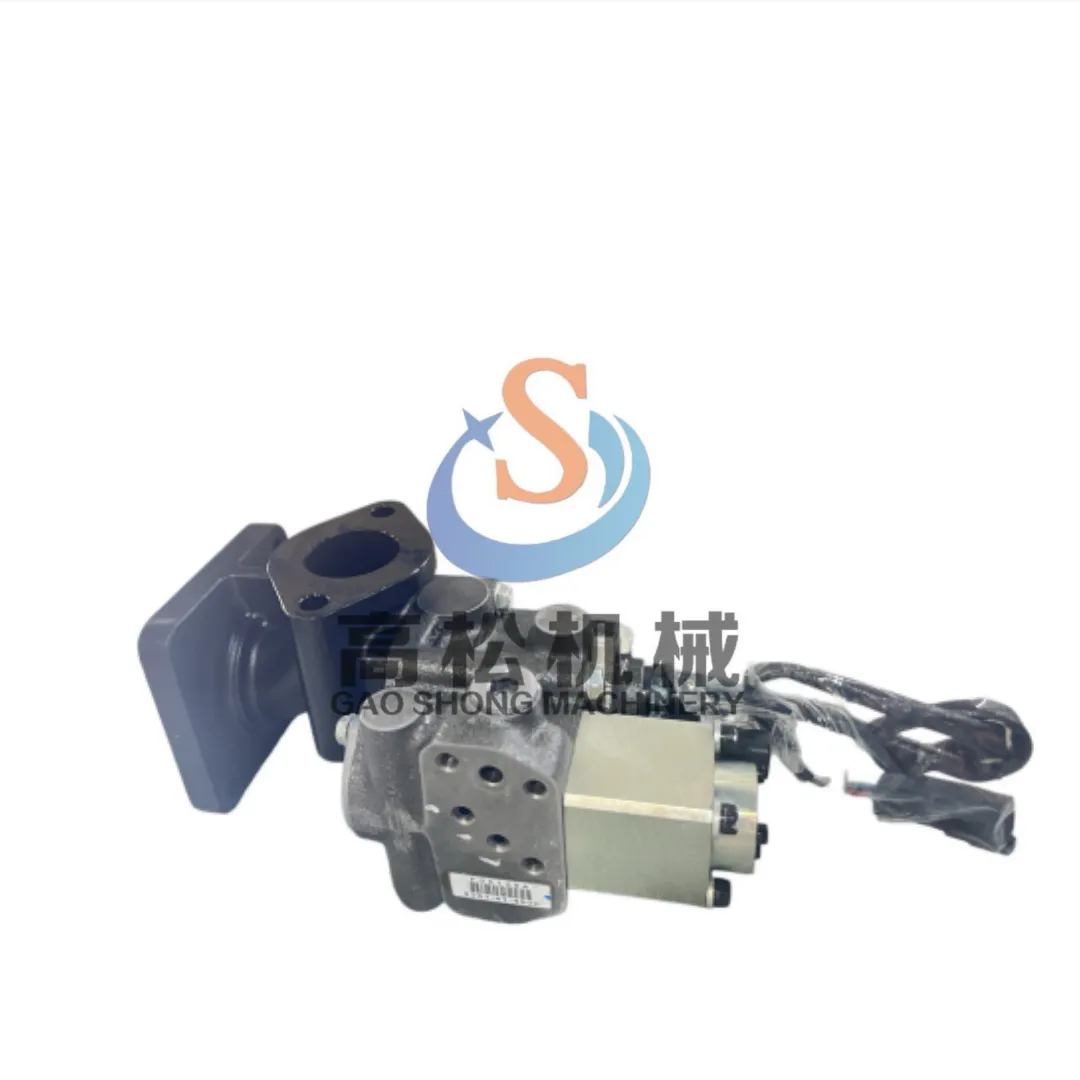 Excavator For Komatsu PC400-7 PC450-7 Control Solenoid Valve 6261-41-4900
 -
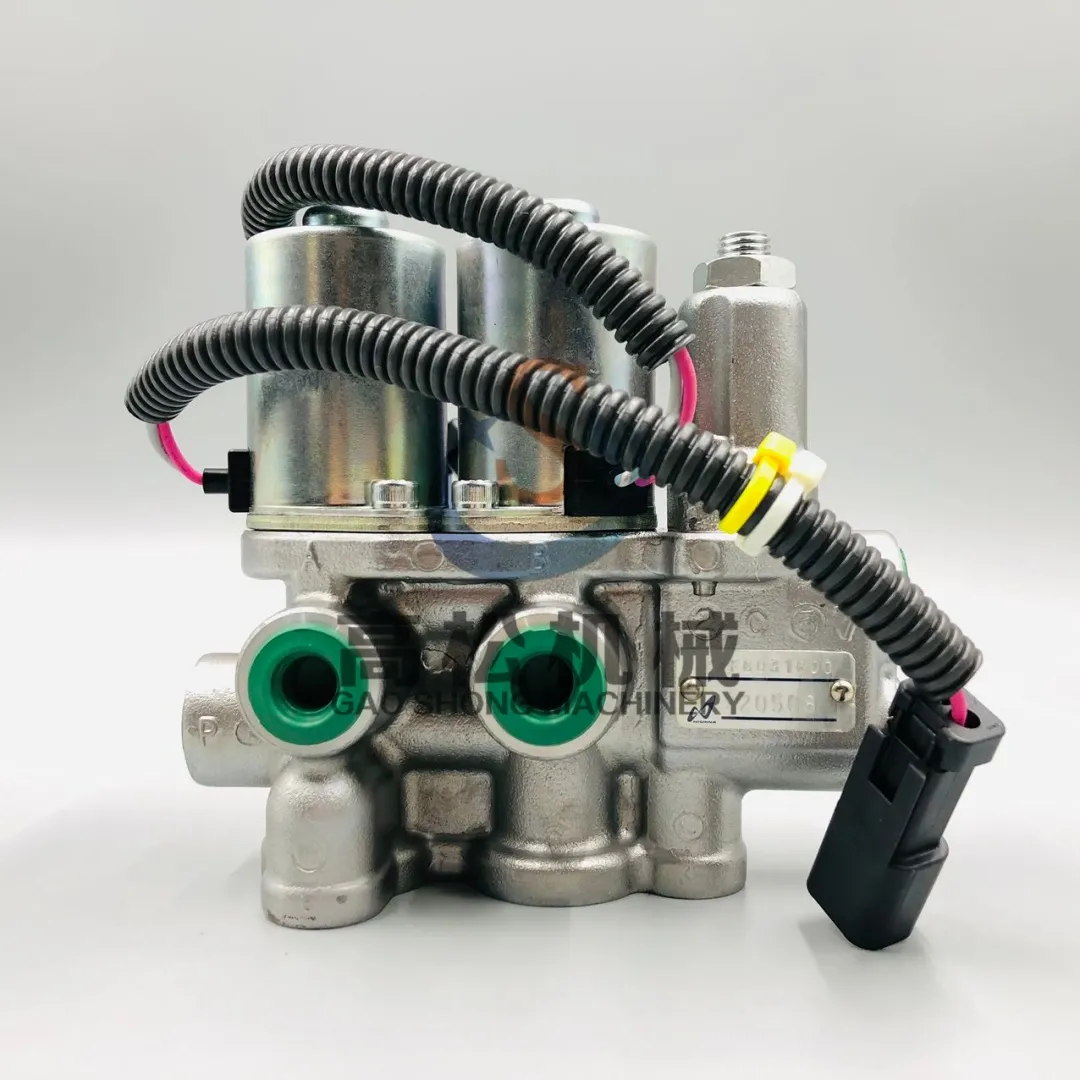 22F-60-31600 Solenoid Valve Ass’y for Komatsu PC18MR-3 PC35MR-3 PC45MR-3 PC55MR-3
 -
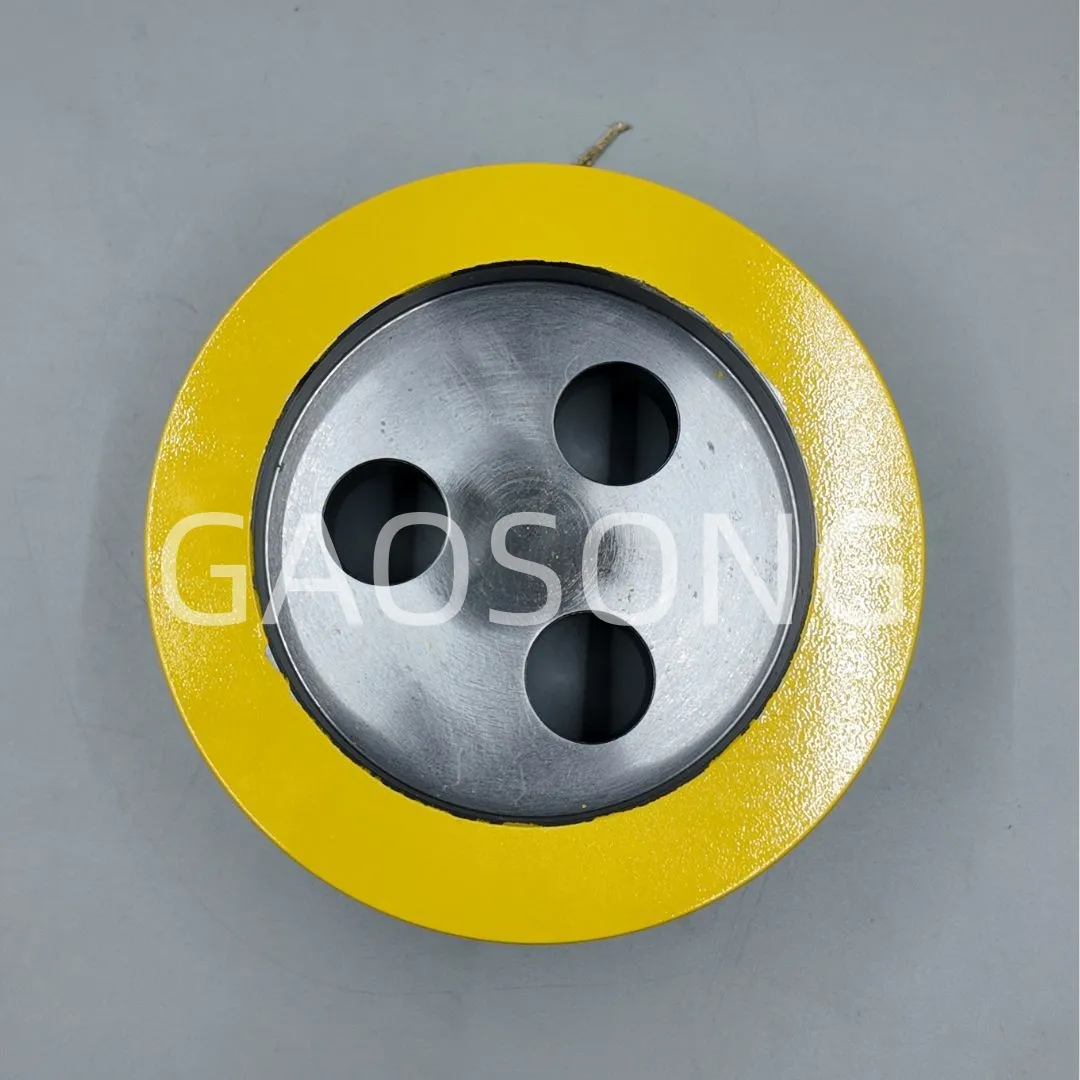 2A8-70-13570 Excavator Arm Bucket Link Cover for PC500-10 PC500-10M0
 -
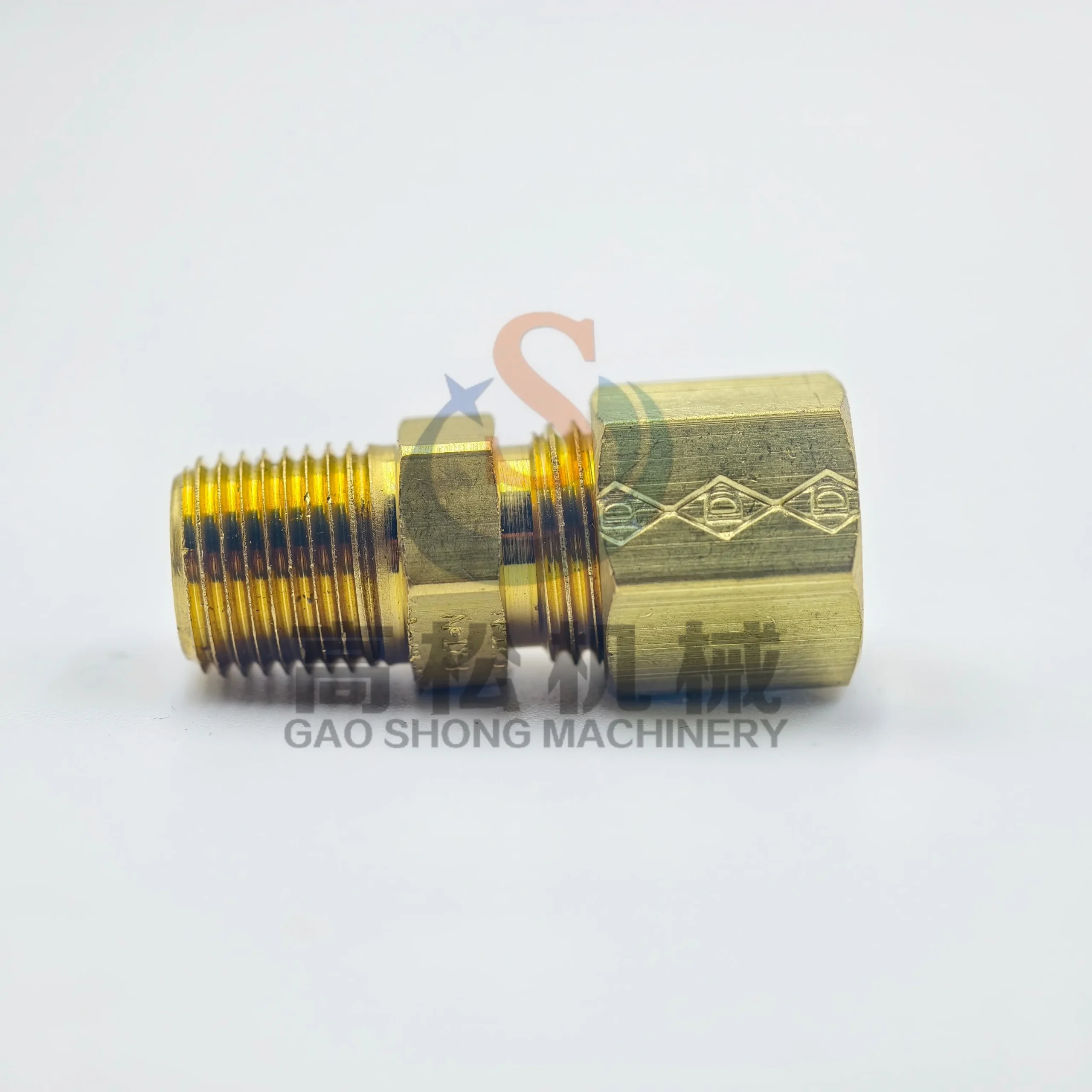 PC1250-8 Connector 21N-68-32320 For Auto Grease
 -
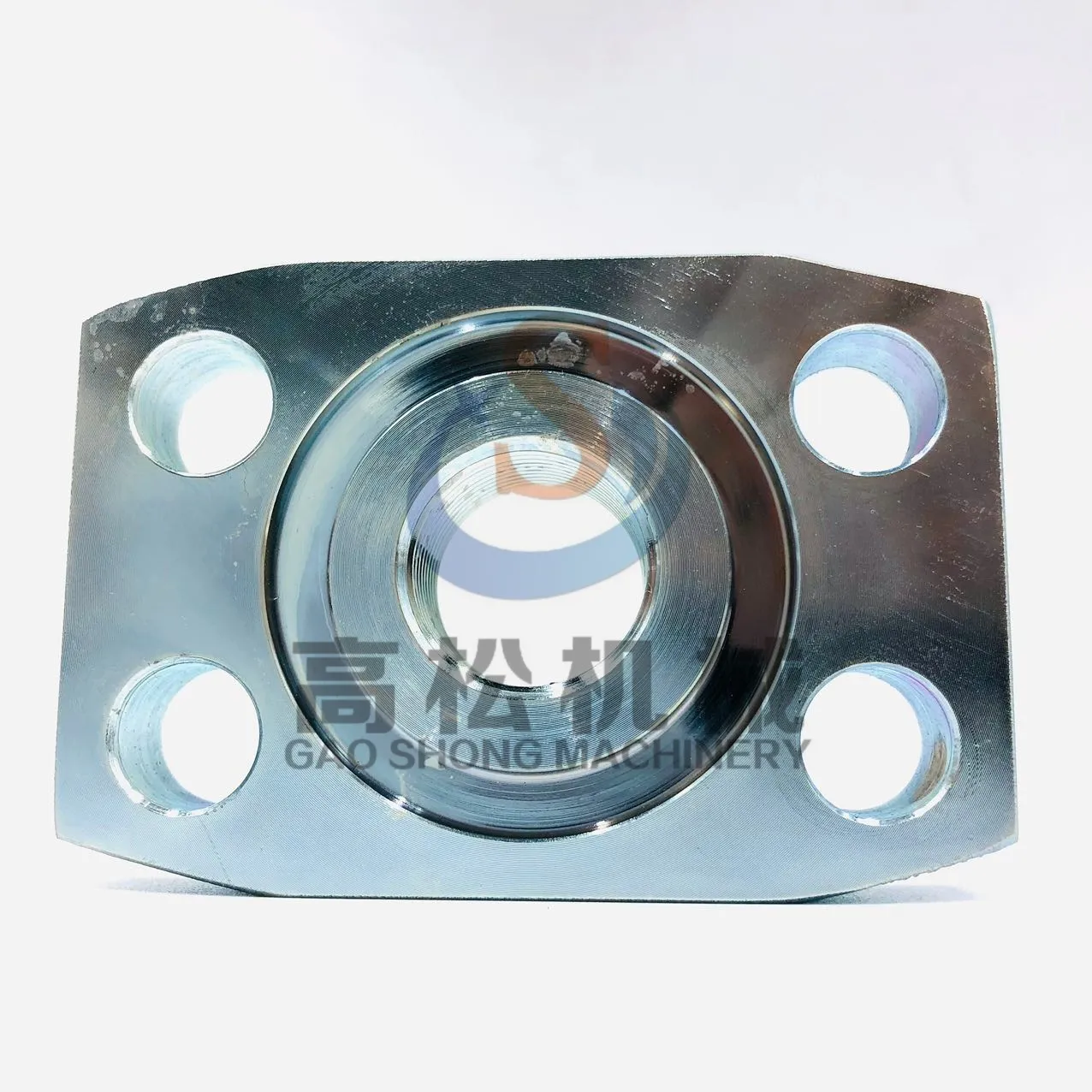 Spare part 21N-38-12310 Flange (Komatsu)
 -
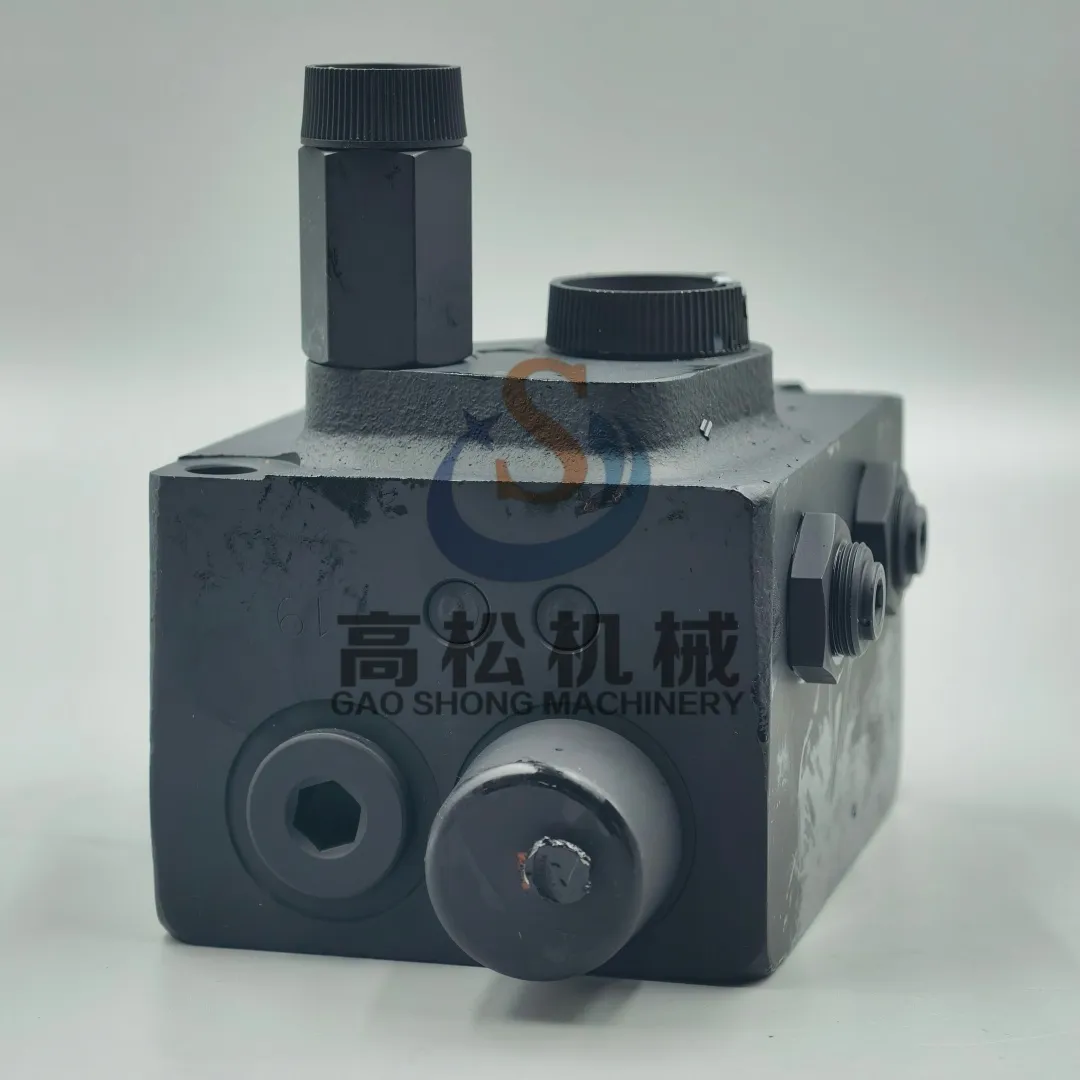 419-43-27401WA320-3 Loader Parts Charge Valve 419-43-27401
 -
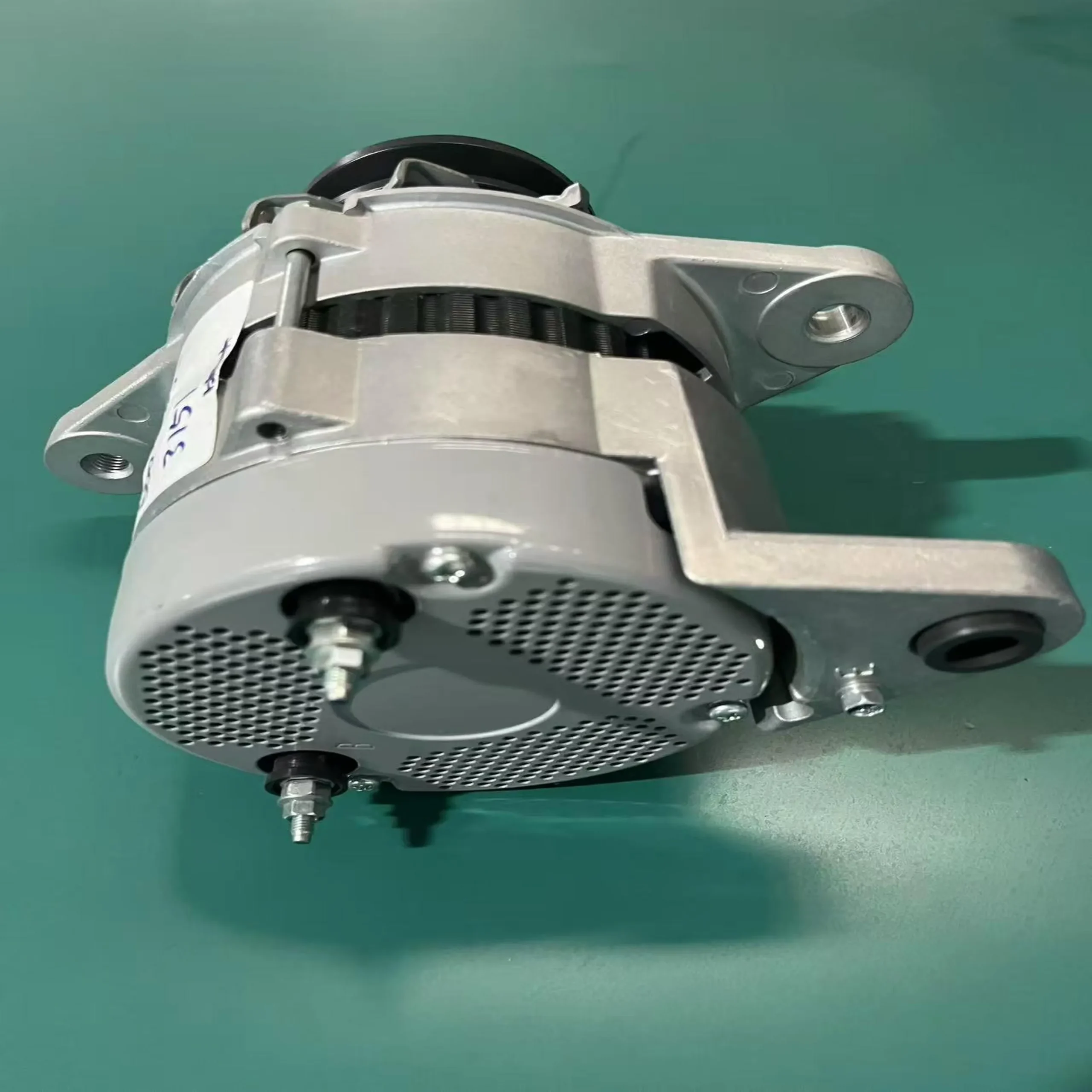 600-825-3151 Komatsu ALTERNATOR PC-400
 -
 Excavator Gear Pump 705-95-05140 Stainless Steel Vertical…
 -
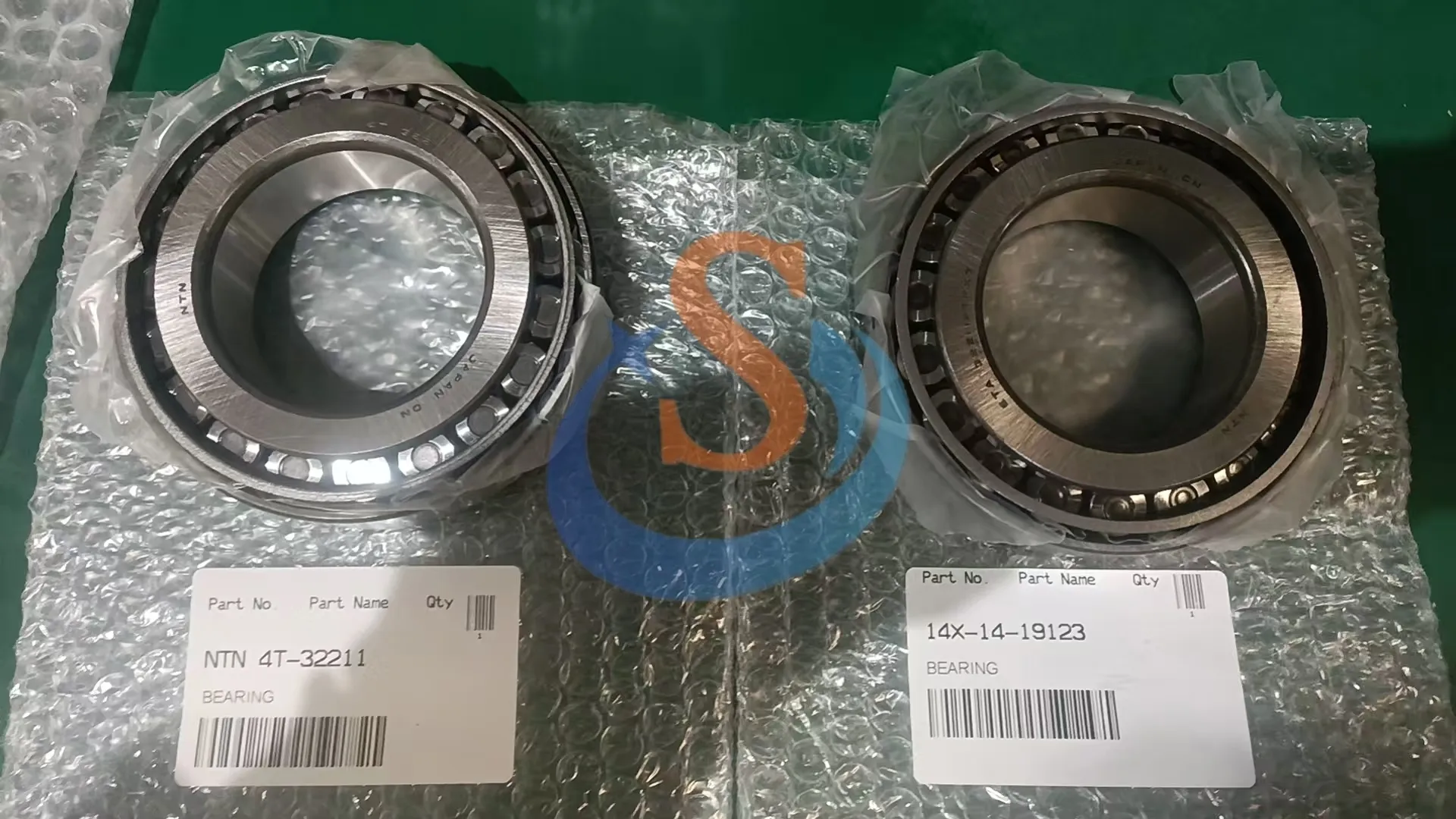 14X-14-19123 BEARING WA380/WA430/WA400
 -
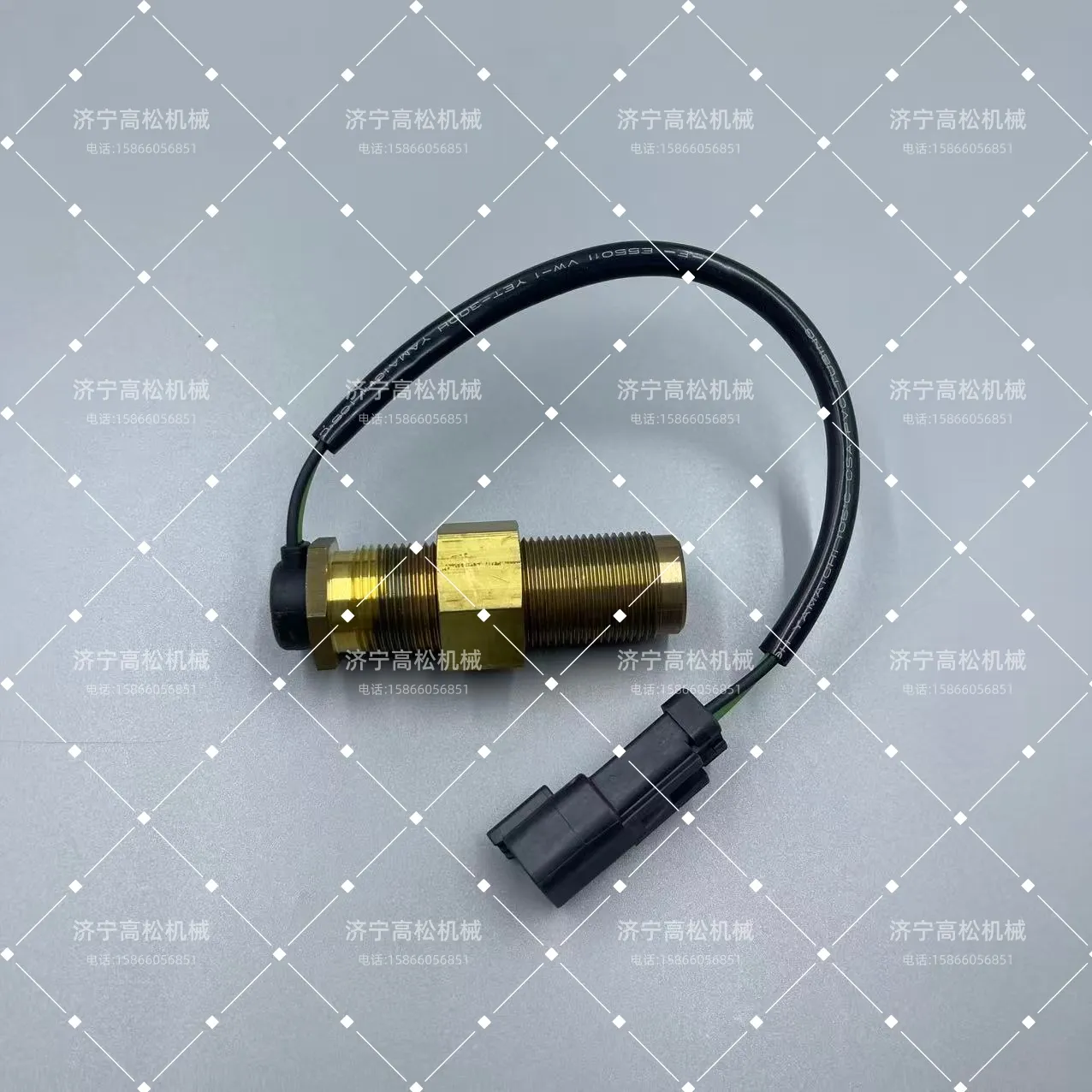 Revolution Sensor 7861-93-2330 for Bulldozer D85EX-15