
- Chinese
- French
- German
- Portuguese
- Spanish
- Russian
- Japanese
- Korean
- Arabic
- Irish
- Greek
- Turkish
- Italian
- Danish
- Romanian
- Indonesian
- Czech
- Afrikaans
- Swedish
- Polish
- Basque
- Catalan
- Esperanto
- Hindi
- Lao
- Albanian
- Amharic
- Armenian
- Azerbaijani
- Belarusian
- Bengali
- Bosnian
- Bulgarian
- Cebuano
- Chichewa
- Corsican
- Croatian
- Dutch
- Estonian
- Filipino
- Finnish
- Frisian
- Galician
- Georgian
- Gujarati
- Haitian
- Hausa
- Hawaiian
- Hebrew
- Hmong
- Hungarian
- Icelandic
- Igbo
- Javanese
- Kannada
- Kazakh
- Khmer
- Kurdish
- Kyrgyz
- Latin
- Latvian
- Lithuanian
- Luxembou..
- Macedonian
- Malagasy
- Malay
- Malayalam
- Maltese
- Maori
- Marathi
- Mongolian
- Burmese
- Nepali
- Norwegian
- Pashto
- Persian
- Punjabi
- Serbian
- Sesotho
- Sinhala
- Slovak
- Slovenian
- Somali
- Samoan
- Scots Gaelic
- Shona
- Sindhi
- Sundanese
- Swahili
- Tajik
- Tamil
- Telugu
- Thai
- Ukrainian
- Urdu
- Uzbek
- Vietnamese
- Welsh
- Xhosa
- Yiddish
- Yoruba
- Zulu
- Kinyarwanda
- Tatar
- Oriya
- Turkmen
- Uyghur






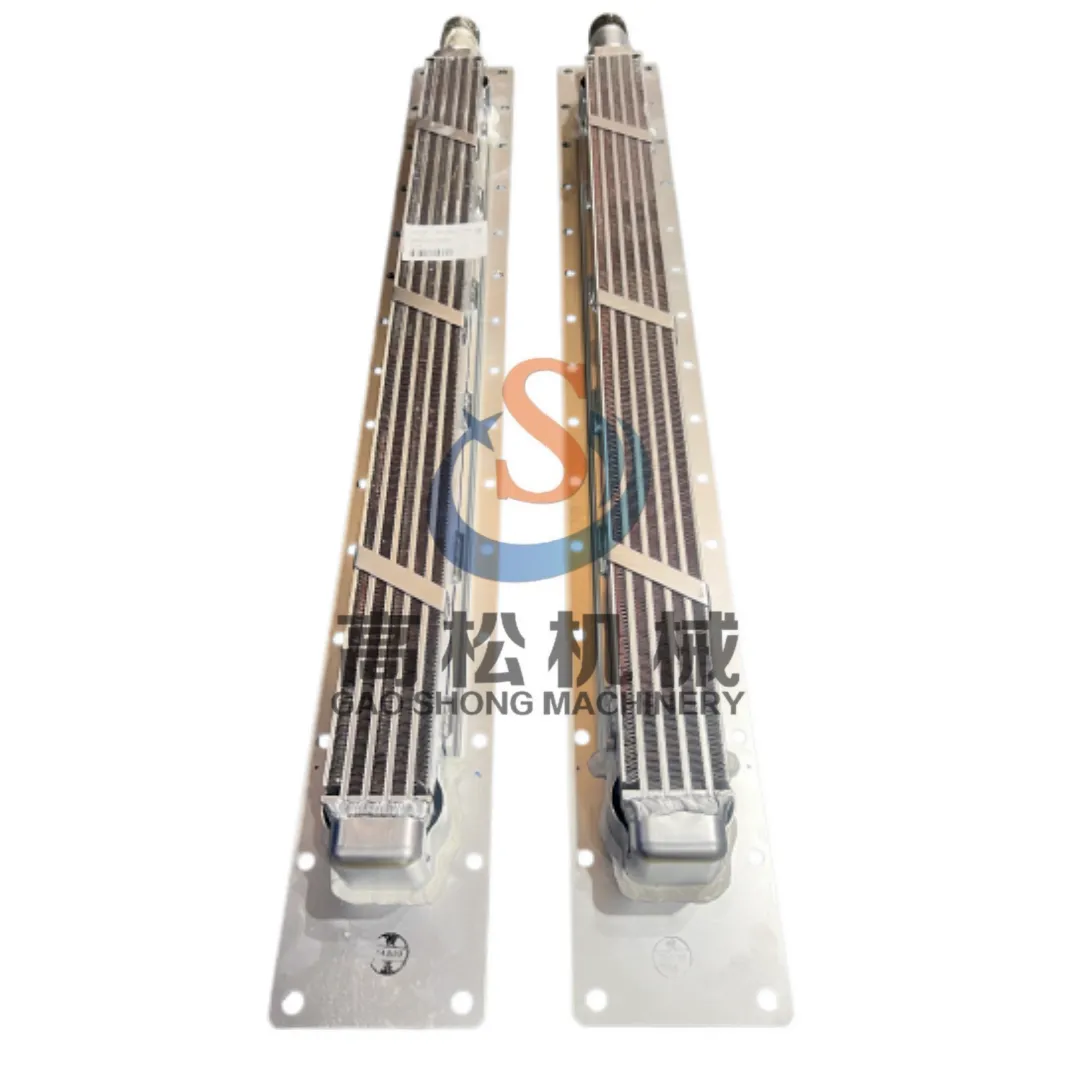
Komatsu oil cooler
When you hear 'Komatsu oil cooler', most guys immediately think of that finned aluminum block bolted to the side of the engine or transmission. That's the part, sure, but the real story is in the system—the pressure drop, the flow rate, the bypass valve logic that nobody checks until the alarm goes off. A common pitfall is treating it as a simple swap-out component. I've seen too many mechanics just slap in a new core because it's leaking, only to have the machine run hot again in three months. The issue often isn't the cooler itself, but what's passing through it or how it's being asked to perform. It's a subsystem, not a spare part.
The OEM Spec and Why It's Not Just About Price
Working with genuine Komatsu parts, you learn the specs are there for a reason. Take the Komatsu oil cooler for a D61EXi dozer, for instance. The OEM unit has a specific tube-and-fin design that balances thermal efficiency with a tolerable pressure loss. Aftermarket copies might look identical, but the internal baffling or the fin density can be off by just enough to restrict flow or reduce heat dissipation by 10-15%. That 10% is the difference between a hydraulic system running at 85°C and one creeping up to 95°C on a long push cycle. The degradation isn't instant; it's a slow burn on pump and valve life.
This is where a supplier's role gets critical. A company like Jining Gaosong Construction Machinery Co., Ltd. operates in a unique space. As they state on their site https://www.takematsumachinery.com, they're an OEM product supplier within the Komatsu system and also handle third-party sales. In practice, this means they can often source the genuine Komatsu oil cooler when the official channel is backlogged or doesn't serve a particular region. They're solving a supply chain problem, not just selling a box. I've used their channel for a PC360 project in a remote site; getting the right cooler directly from the OEM would have meant a 12-week wait. They had the genuine part, with the correct Komatsu part number stamped on it, shipped from a different regional warehouse in three. That's the practical value.
The temptation is always to go cheaper. But with a core component like this, the cost of failure is a machine down for days, contaminated oil, and potential damage to the hydraulic pump or torque converter. The OEM spec isn't marketing; it's a set of engineering parameters for reliability. If you're not using the genuine part, you better know exactly what the alternative's performance curve looks like—and most of the time, we don't.
Field Failures and the Diagnostic Rabbit Hole
Let me describe a classic misdiagnosis. A PC300-8 starts showing high hydraulic oil temperature intermittently. The first move? Clean the cooler exterior, check the fan. Maybe it helps a bit. Then the code becomes persistent. The mechanic replaces the thermostat, the sensors. Finally, they replace the oil cooler. Problem solved for two weeks, then it's back. Why? Because the root cause was a failing seal on the hydraulic pump suction side, letting in a tiny amount of air. The aerated oil doesn't transfer heat as effectively in the cooler. The cooler was the symptom, not the cause. It took a seasoned tech with a laser thermometer to spot a 5-degree differential across the cooler core that shouldn't have been there, pointing to an oil flow issue, not a heat exchange issue.
Another gritty detail: external contamination. In dusty environments, the cooler fins get packed. Blowing them out from the engine side often just drives the dirt deeper. You need to flush from the outside in with low-pressure water or specific cleaner. I've seen coolers declared blocked and replaced when they were just filthy. But there's a catch: if the fins are bent from high-pressure washing (a common sin), you've permanently reduced efficiency. It's a maintenance balance.
Then there's the internal contamination. A failed bearing sends metallic debris through the system. It can lodge in the cooler tubes, acting like a partial blockage. Just replacing the cooler without a full system flush is a recipe for killing the new one. Sometimes, the cooler isn't serviceable after such an event; it becomes a contaminant sink. You have to make the call: try to flush it with specialized solvents or just condemn it. On a critical machine, I usually condemn it. The risk isn't worth the part cost savings.
The Bypass Valve: The Silent Governor
This is a component inside or near the cooler assembly that everyone ignores. Its job is to open if the oil is too cold (high viscosity) or if the cooler gets partially blocked, allowing oil to bypass the core to prevent excessive backpressure. Sounds smart, right? The problem is when it gets weak or sticks. A stuck-open valve means your oil never gets cooled. A stuck-shut valve can cause high pressure and potentially blow a seal or even crack the cooler header.
I remember a case with a WA470 wheel loader. Intermittent high temp, no obvious cause. We tested everything. Finally, on a hunch, we pulled the bypass valve from the Komatsu oil cooler housing. There was a tiny, almost invisible sliver of RTV sealant from a previous repair lodged in it, causing it to stick occasionally. Cleaning it out fixed the issue. The lesson? The cooler's health isn't just about the core. The ancillary components in that circuit are part of the unit's function. A supplier that understands this will often ask about the failure mode before just shipping a new part. It adds a layer of technical support that's invaluable.
For a company like Jining Gaosong, their position within the Komatsu ecosystem likely gives them access to technical bulletins and failure mode analyses that a pure third-party seller wouldn't. When you're describing a symptom, they might ask, Did you check the bypass valve pressure? That question alone can save a site thousands in misdirected labor and parts.
Material and Construction: Not All Aluminum is Equal
The core material seems straightforward—aluminum. But the alloy and the braze material matter immensely for corrosion resistance, especially with today's blended hydraulic oils and varying coolant chemistries. A genuine Komatsu oil cooler is built for the specific chemical environment of Komatsu-approved fluids. I've seen aftermarket coolers develop pinhole leaks at the tube-to-header joints after a year in a humid, salty environment where the OEM unit lasted five. The difference was in the brazing flux and process, something you can't see from the outside.
There's also the issue of mounting brackets and port threads. The OEM part will have threads that match the Komatsu hose ends or block fittings perfectly. A copy might have metric threads that are almost the same, leading to cross-threading or the need for adapters, which are just more potential leak points. It's these minute details that separate a part that fits from a part that functions seamlessly for 10,000 hours.
When you're sourcing from a specialist supplier, you're not just buying a product; you're buying their filter on quality. Their reputation depends on not selling junk that fails prematurely. For a critical component, that filter is worth paying for. Their company intro says they help solve parts supply challenges. In my experience, the bigger challenge isn't availability, it's availability of the right part that won't cause downstream issues. That's the real solve.
Integration and the Bigger Picture
Ultimately, the oil cooler doesn't work in isolation. Its performance is tied to the radiator (for engine oil coolers), the hydraulic system's cleanliness, the fan speed and shroud integrity, and even ambient temperature. On a machine like a Komatsu HD785 truck, the transmission oil cooler is a beast, and its efficiency directly impacts transmission life. Replacing it requires more than just unbolting and rebolting. You have to ensure the new unit sits perfectly within the airflow path. A misaligned seal on the shroud can let air bypass the core, cutting efficiency by 30%.
This is where practical experience trumps the manual. The manual says install cooler. It doesn't say, check the airflow pattern with a ribbon after installation. But that's what you learn to do. You also learn to pressure test the new cooler before installing it—not because they often leak new, but because you've been burned once by a freight-damaged unit and now it's a non-negotiable step.
So, when you're looking at a Komatsu oil cooler, you're really looking at a nexus of fluid dynamics, heat transfer, mechanical integrity, and system integration. Sourcing it from a knowledgeable partner who understands the machinery it goes into, like an OEM-linked supplier, changes the transaction from a simple purchase to a technical procurement. It's the difference between hoping the part works and knowing it will, because the source understands the consequences if it doesn't. That's the level you need for keeping iron running.
Related Products
Related Products

Best Selling Products
Best Selling Products-
 Original Stock Engine Parts Core 6212-61-6121 Is Suitable for Komatsu SA6D140-1 Engine – Image 2 Original Stock Engine Parts Core 6212-61-6121 Is Suitable for Komatsu SA6D140-1 Engine – Image 3 Original Stock Engine Parts Core 6212-61-6121 Is Suitable for Komatsu SA6D140-1 Engine – Image 4 Original Stock Engine Parts Core 6212-61-6121 Is Suitable for Komatsu SA6D140-1 Engine – Image 5 Original Stock Engine Parts Core 6212-61-6121 Is Suitable for Komatsu SA6D140-1 Engine – Image 6 Original Stock Engine Parts Core 6212-61-6121 Is Suitable for Komatsu SA6D140-1 Engine
 -
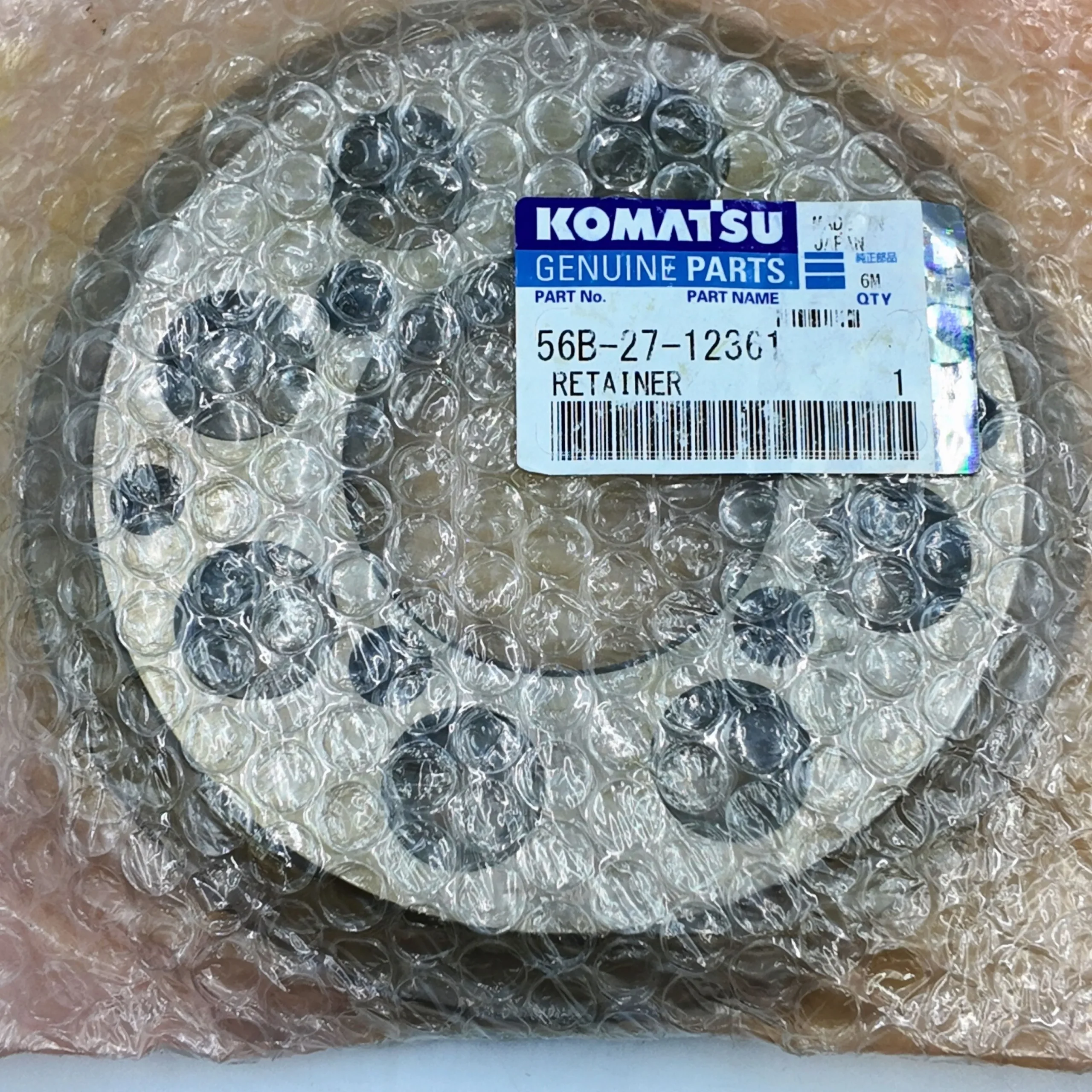 56B-27-12361•• RETAINER-Komatsu Original Factory
 -
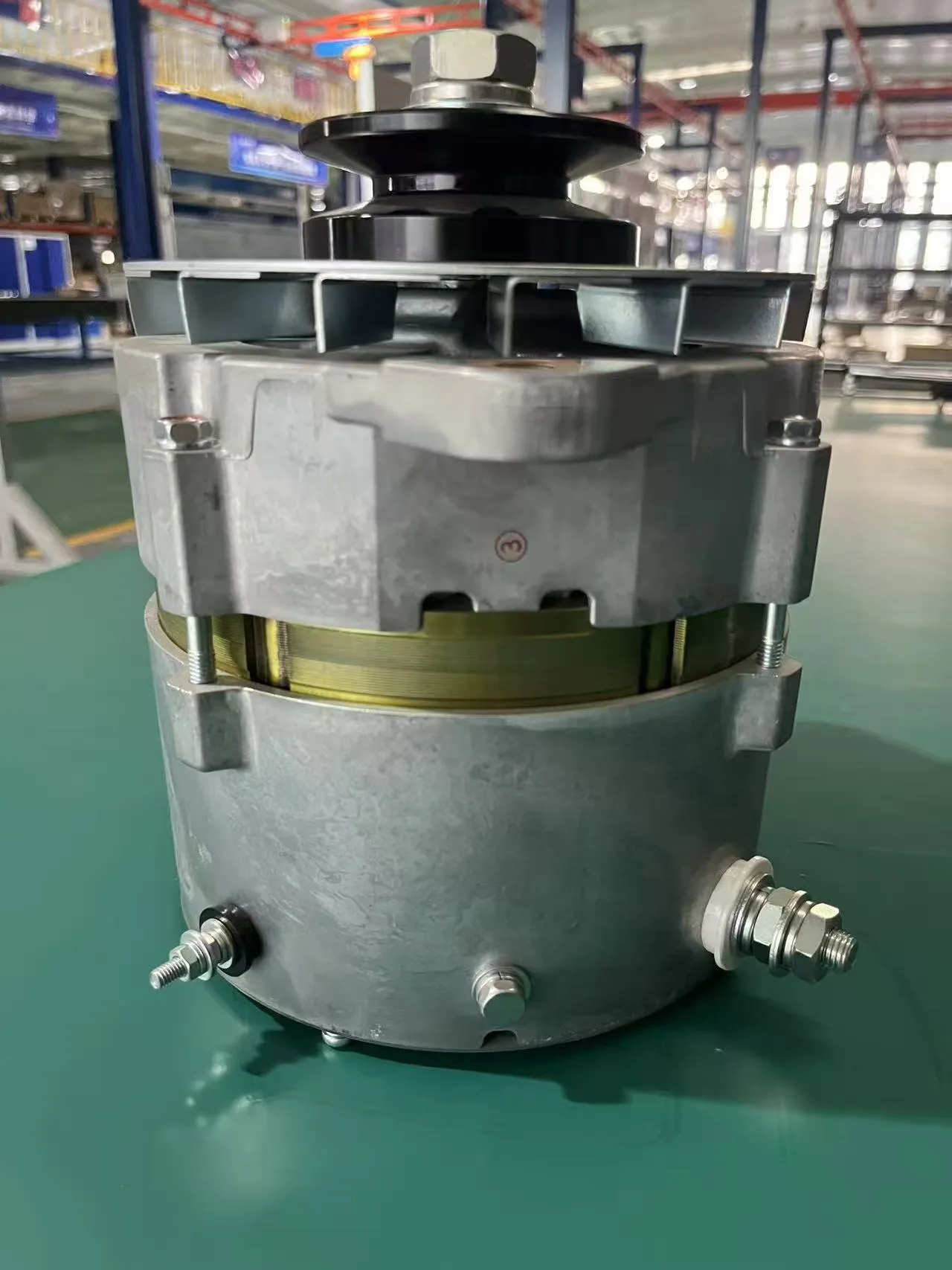 Hd 6d170 12v140 Engine Alternator Parts 600-821-9631…
 -
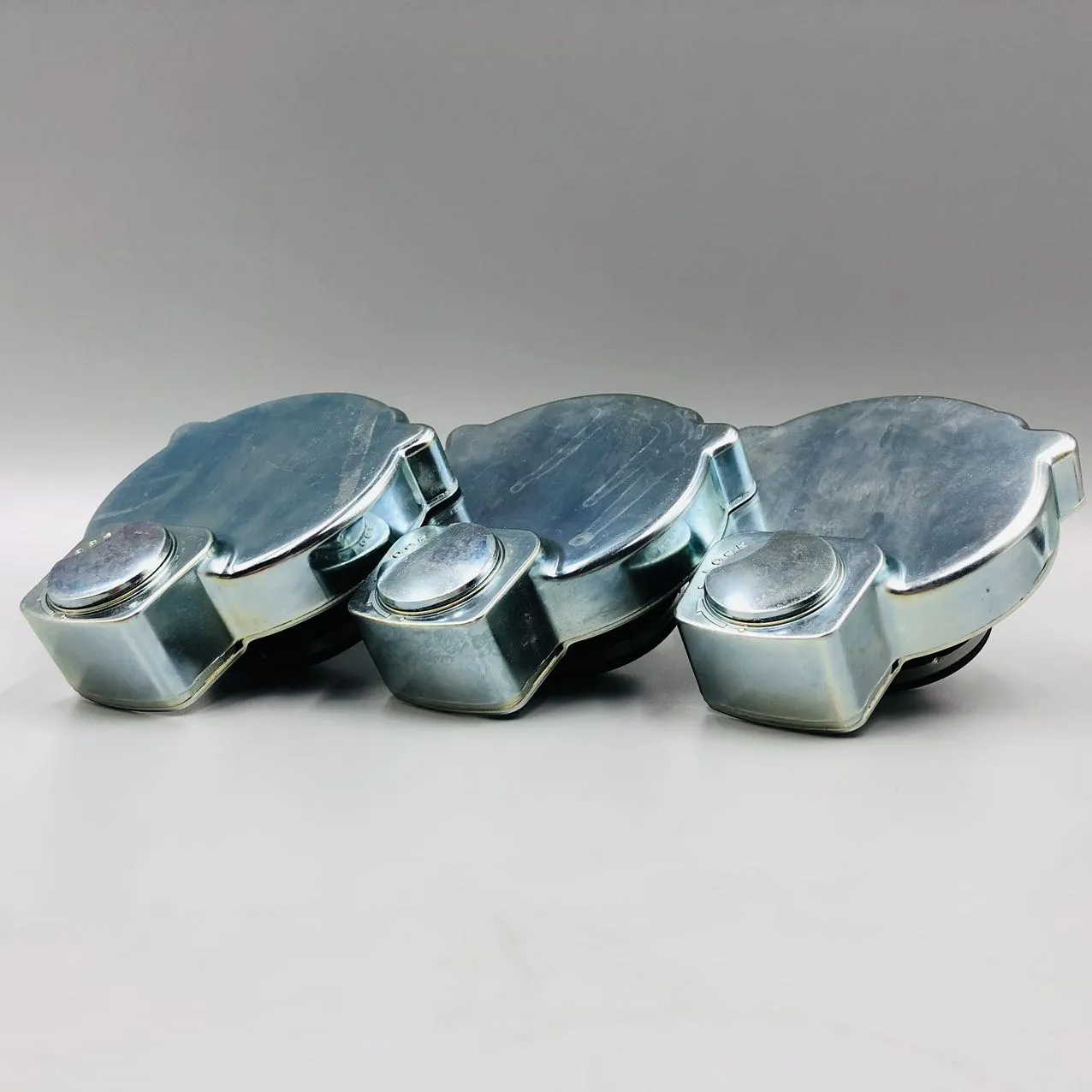 Hydraulic Oil Tank Cap 17A-60-11310 For Komatsu PC200-6 PC220-6 Parts
 -
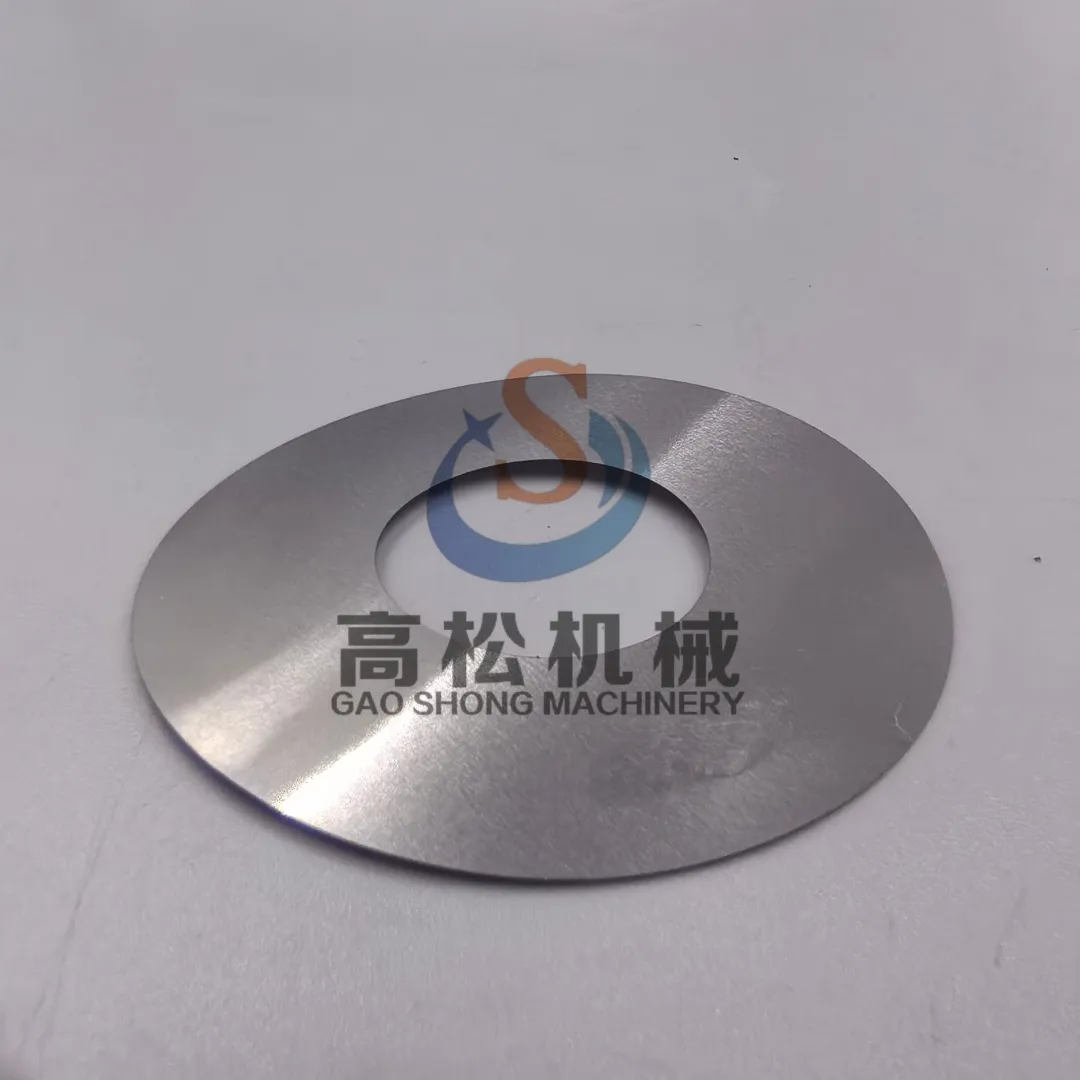 Spare part 23W-22-21560 SHIM 0.05MM Komatsu
 -
 BRACKET 14Y-62-31411 – KOMATSU
 -
 CUSHION 56B-16-11211 ORIGINAL (56B1611211) – Neopart…
 -
 7861-93-1430 SENSOR,SWITCH-Komatsu Original Factory
 -
 22B-54-17612 komatsu LAMP-PC200/PC300/PC400
 -
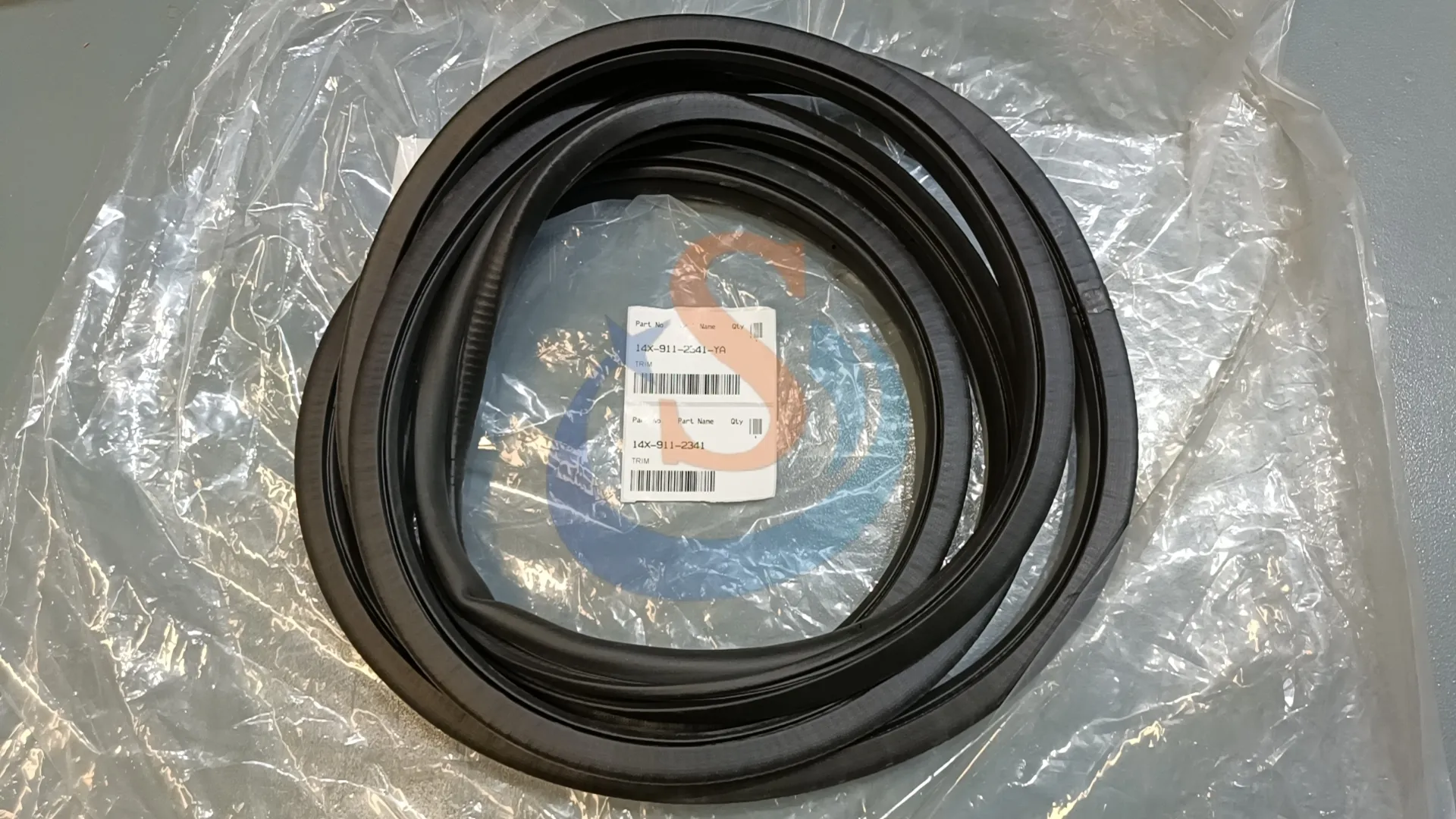 14X-911-2341,TRIM,D155A,D375A,D61EX
 -
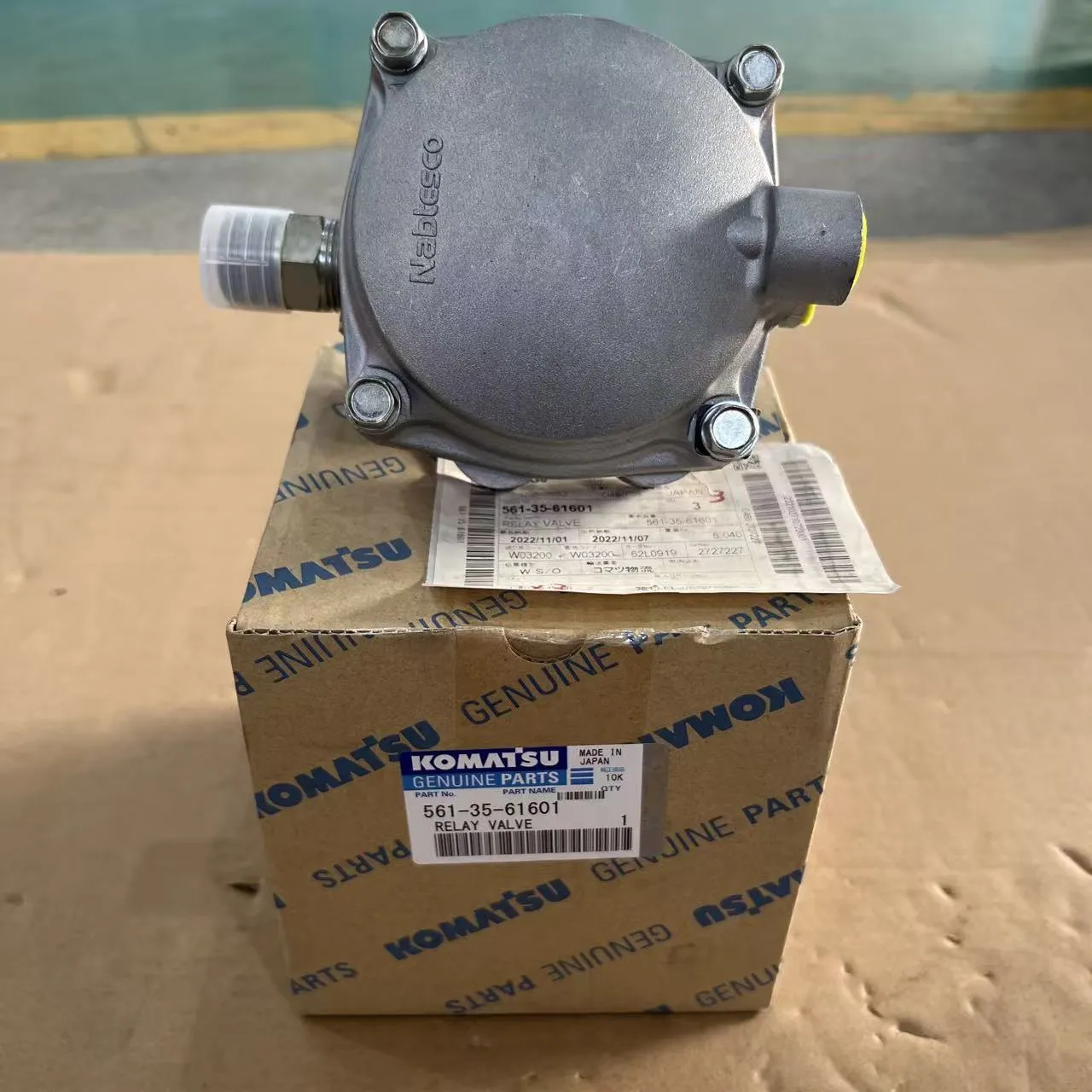 RELAY VALVE ASS’Y 561-35-61601 – KOMATSU
 -
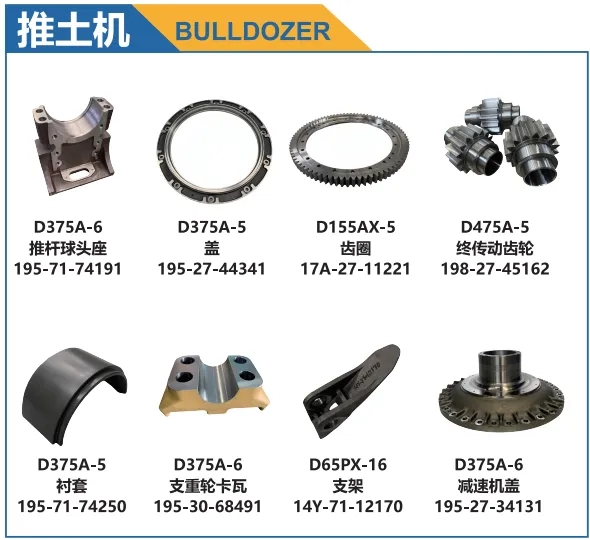 GAOSONG-Komatsu Full Range Parts Supply