
- Chinese
- French
- German
- Portuguese
- Spanish
- Russian
- Japanese
- Korean
- Arabic
- Irish
- Greek
- Turkish
- Italian
- Danish
- Romanian
- Indonesian
- Czech
- Afrikaans
- Swedish
- Polish
- Basque
- Catalan
- Esperanto
- Hindi
- Lao
- Albanian
- Amharic
- Armenian
- Azerbaijani
- Belarusian
- Bengali
- Bosnian
- Bulgarian
- Cebuano
- Chichewa
- Corsican
- Croatian
- Dutch
- Estonian
- Filipino
- Finnish
- Frisian
- Galician
- Georgian
- Gujarati
- Haitian
- Hausa
- Hawaiian
- Hebrew
- Hmong
- Hungarian
- Icelandic
- Igbo
- Javanese
- Kannada
- Kazakh
- Khmer
- Kurdish
- Kyrgyz
- Latin
- Latvian
- Lithuanian
- Luxembou..
- Macedonian
- Malagasy
- Malay
- Malayalam
- Maltese
- Maori
- Marathi
- Mongolian
- Burmese
- Nepali
- Norwegian
- Pashto
- Persian
- Punjabi
- Serbian
- Sesotho
- Sinhala
- Slovak
- Slovenian
- Somali
- Samoan
- Scots Gaelic
- Shona
- Sindhi
- Sundanese
- Swahili
- Tajik
- Tamil
- Telugu
- Thai
- Ukrainian
- Urdu
- Uzbek
- Vietnamese
- Welsh
- Xhosa
- Yiddish
- Yoruba
- Zulu
- Kinyarwanda
- Tatar
- Oriya
- Turkmen
- Uyghur






Komatsu OEM truck parts
When someone mentions 'Komatsu OEM truck parts,' there's an immediate assumption of uniformity and easy availability. That's the first misconception. In reality, the supply chain for genuine, system-approved parts is a labyrinth, especially outside major markets. Many buyers think sourcing is just about finding the part number, but the real challenge is verifying the provenance and ensuring it fits the specific iteration of the truck—like the difference between a PC7000-11 and a -11SE, or the nuances in the dump body hydraulics for a 930E. It's not just a part; it's a part for a specific machine in a specific context. My experience has been that the label 'OEM' gets thrown around too loosely, often conflating genuine Komatsu parts with aftermarket or even counterfeit ones that simply mimic the original specs. That's where the real work begins.
The OEM Ecosystem and the Gray Gaps
Being an OEM supplier within the Komatsu system, like the role Jining Gaosong Construction Machinery Co., Ltd. describes, isn't about just stocking shelves. It's about having the formal pipeline and the technical validation to move parts that Komatsu itself would approve for its assembly lines or its official service networks. But here's the practical gap: Komatsu's primary distribution often prioritizes large, direct customers or key regions. What about a mine in a country with import restrictions or a contractor with a fleet of older 785s? The official channels can be slow or prohibitively expensive. That's where the 'third-party sales' function becomes critical. It's not about bypassing Komatsu, but about supplementing the system to solve real-world downtime crises. I've seen operations halted for weeks waiting for a simple hydraulic valve block because the local distributor didn't have it and the lead time from Japan was 90 days.
This is where a company's operational depth is tested. For instance, their site at https://www.takematsumachinery.com positions them in this niche. The key isn't just having a catalog; it's about having the logistics and relationships to navigate Komatsu's regional depots, understand cross-compatibility, and sometimes even facilitate the movement of parts from a market with surplus to one with a deficit. It's a puzzle. A part for a Komatsu HD605-7 truck might be available in Southeast Asia but on backorder in South America. Bridging that gap requires more than a website; it requires insider knowledge of inventory levels and freight corridors that aren't public knowledge.
I recall a specific case trying to source a final drive planetary set for an 830E. The OEM part number was clear, but the price and lead time from the conventional channel were a non-starter. The alternative was a third-party supplier claiming 'OEM-equivalent.' We took a risk on one, and the failure was catastrophic—not immediately, but after about 800 hours. The metallurgy was off, leading to premature spalling. The cost of the part was dwarfed by the downtime and secondary damage. That experience cemented a rule: if it's a core, high-stress component like engine, transmission, or final drive parts, the risk of deviating from the verified OEM supply chain is almost never worth it. For other components, like certain sensors, hoses, or seals, the calculation can be different.
Verification: More Than a Part Number
So, how do you verify a true Komatsu OEM truck part? The part number is just step one. Genuine parts have specific packaging, labeling, and often, subtle casting marks or surface finishes that are hard to replicate. A reliable supplier in this space should be able to provide the Komatsu Materials Management (KMM) code or trace the batch to a known production run. They should also be upfront about the part's origin—is it from Komatsu's factory, from a licensed OEM subcontractor, or from surplus inventory? Transparency here is everything. A red flag is a supplier who can't or won't explain the provenance beyond it's OEM.
In practice, we've developed a checklist. First, physical inspection upon arrival: the Komatsu logo, the part number etching, the quality of the machining. Second, documentation: the packing list, any certificates of conformity, and the commercial invoice that details the origin. Third, and most importantly, fit and function. Even with all boxes checked, we'd install the part on a lower-priority machine first for a monitored trial period. For example, we once received a set of injectors for an SAA6D170E engine that looked perfect on paper and in hand. But the spray pattern test revealed a minor deviation. The supplier, a reputable one, worked with us to cross-reference the sub-component batch and found it was from a transitional production period. They replaced them without question.
This process highlights why the supplier's role is technical, not just transactional. A company like the one mentioned, which explicitly focuses on solving parts supply challenges in certain countries, must have this level of technical engagement. It's not just about selling a pump; it's about knowing which pump serial number range had a design tweak in 2019 and ensuring the replacement is compatible with the truck's existing control system software. This knowledge often comes from direct feedback loops with field technicians, something you don't get from a pure e-commerce parts store.
The Economics of Genuine vs. Downtime
Let's talk cost. The biggest pushback against insisting on verified OEM parts is always price. Yes, a genuine Komatsu swing cylinder seal kit can cost 2-3 times more than a pattern part. The financial decision seems simple on a spreadsheet. But that spreadsheet rarely accurately values downtime. In a mining operation, an ultra-class haul truck like a 960E generates revenue measured in thousands of dollars per hour. A failure from a subpar part that takes 48 hours to diagnose and repair isn't just the cost of the part and labor; it's the lost production. I've sat in meetings where the maintenance manager insisted on aftermarket filters to save $200, only to have a $40,000 turbocharger fail six months later due to micron-level contamination the filter didn't catch. The calculus changes completely.
This is the value proposition of a dedicated OEM-focused supplier. They aren't selling on being the cheapest; they're selling on reliability and total cost of ownership. Their business, as their description suggests, is built on being a problem-solver for supply challenges, not a discount warehouse. They might help a client by offering a remanufactured Komatsu exchange transmission core with a full warranty, which is a cost-effective middle ground between brand-new and untested aftermarket. Or they might have access to new-old-stock for a legacy model, providing a genuine solution where the main distributor has discontinued support.
A practical example: we had a client with a fleet of older Komatsu HD325-6 trucks. The OEM brake calipers were officially obsolete. The aftermarket options were unreliable. A supplier with deep OEM links managed to locate a cache of genuine calipers from a dealer network in another region that was liquidating old inventory. They weren't new in the sense of recent production, but they were unused, genuine Komatsu parts. It extended the life of the fleet by years at a fraction of the cost of a full brake system retrofit. That's the kind of solution that defines this niche.
Logistics and the Real-World Hurdles
Having the part is one thing; getting it to the machine is another. This is where the rubber meets the road. For countries with complex customs or volatile import regulations, the supplier's logistics capability is as important as their technical knowledge. I've dealt with shipments of Komatsu truck parts stuck in customs for a month over incorrect harmonized system (HS) codes. A proficient supplier will have this down to a science—knowing which codes to use, how to prepare certificates, and even which ports in certain countries are more efficient for heavy machinery parts.
Air freight is often the default for urgent needs, but for large components like a differential carrier or a complete radiator assembly, sea freight is the only viable option. The planning horizon changes completely. A good supplier provides realistic timelines and tracks shipments proactively. There's nothing worse than being told two weeks, only to find the container missed the sailing and is now on a vessel arriving in six weeks. Transparency in logistics builds as much trust as transparency in part quality.
We learned this the hard way. We ordered a critical engine head for a Komatsu SDA16V160 engine. The supplier confirmed it was in stock. What they didn't clarify was that it was in stock in a warehouse on another continent. The shipping and customs process took nearly seven weeks. We had to cannibalize parts from another, lower-utilization truck to keep the primary unit running, which created a cascading maintenance backlog. Now, our first question is always, Where is the part physically located right now, and what is the door-to-door transit time to our job site?
Building a Relationship, Not Just a Transaction
Ultimately, sourcing Komatsu OEM parts reliably is about relationships. It's about finding a partner like Jining Gaosong that understands both the technical and the practical sides of the business. You need someone who will tell you, Look, the genuine Komatsu part for that is on a 4-month backorder, but we have a Komatsu-approved remanufactured unit from a certified workshop that we can ship next week, and here's the warranty documentation. That honesty is worth more than any discount.
The relationship allows for proactive planning. A good supplier will analyze your fleet data (if you share it) and warn you about common failure points for your specific truck models and applications. They might suggest holding a strategic spare of a high-failure-rate component, like a particular transmission solenoid valve for the 730E, based on what they've seen fail across other similar operations. This moves the interaction from reactive to predictive.
In this line of work, the goal is to make the machine invisible. The truck should just work. The endless hunt for parts, the anxiety over quality, the downtime—these are the things that keep fleet managers up at night. A reliable, knowledgeable supplier in the Komatsu OEM ecosystem becomes a critical part of the solution, turning a potential crisis into a managed, routine process. It's less about selling a product and more about providing certainty in an inherently uncertain environment of heavy equipment operation. That's the real value behind those three letters: OEM.
Related Products
Related Products


Best Selling Products
Best Selling Products-
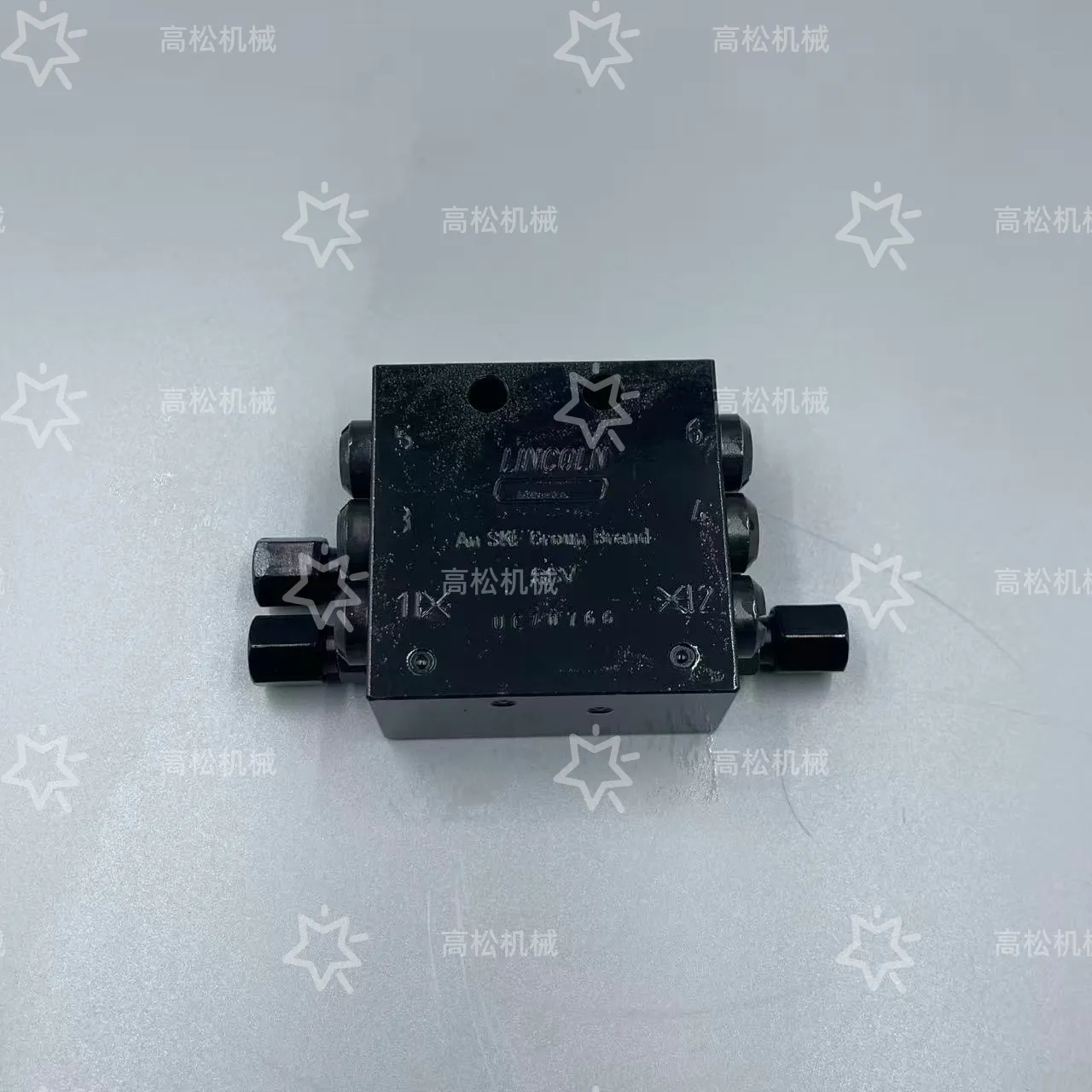 21T-68-67940 Komatsu Valve Assembly
 -
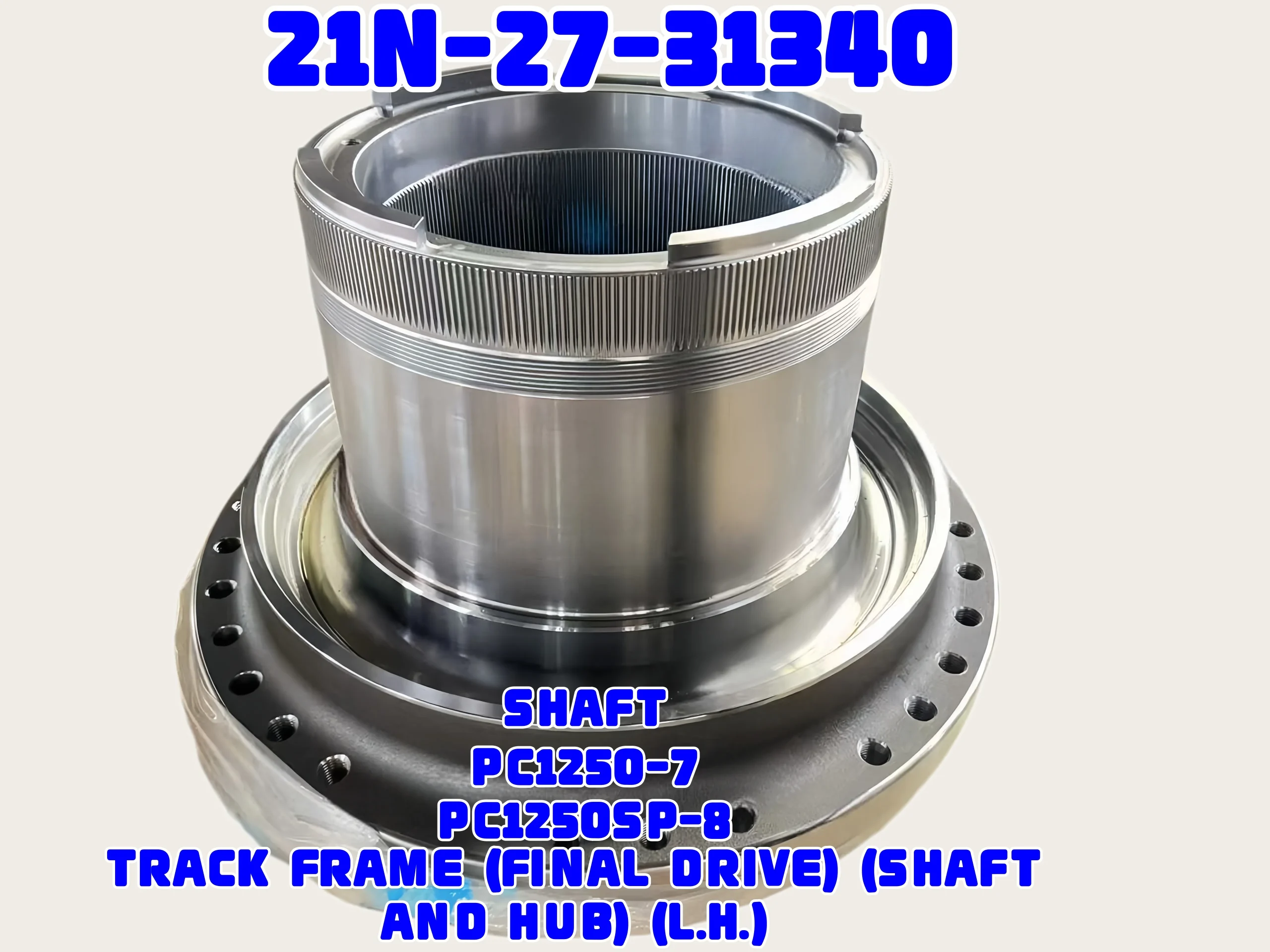 komatsu-part-21N-27-31340 SHAFT PC1250-7 PC1250LC-8 PC1250-8R PC1250-11 TRACK FRAME, FINAL DRIVE L.H. TRACK FRAME, FINAL DRIVE R.H. FINAL DRIVE ASSEMBLY, SHAFT AND HUB, L.H., R.H.
 -
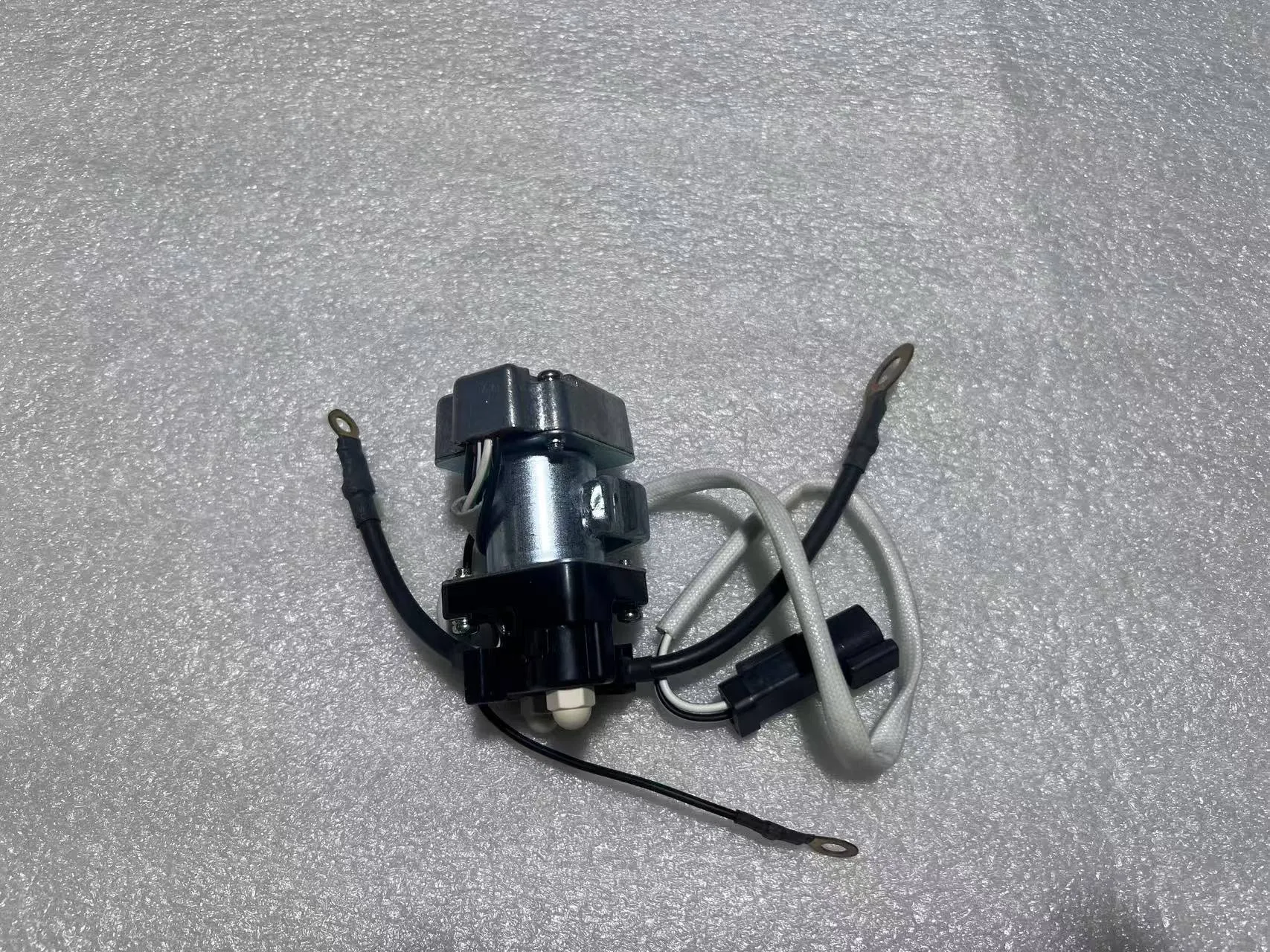 BREAKER 421-06-11440 – KOMATSU
 -
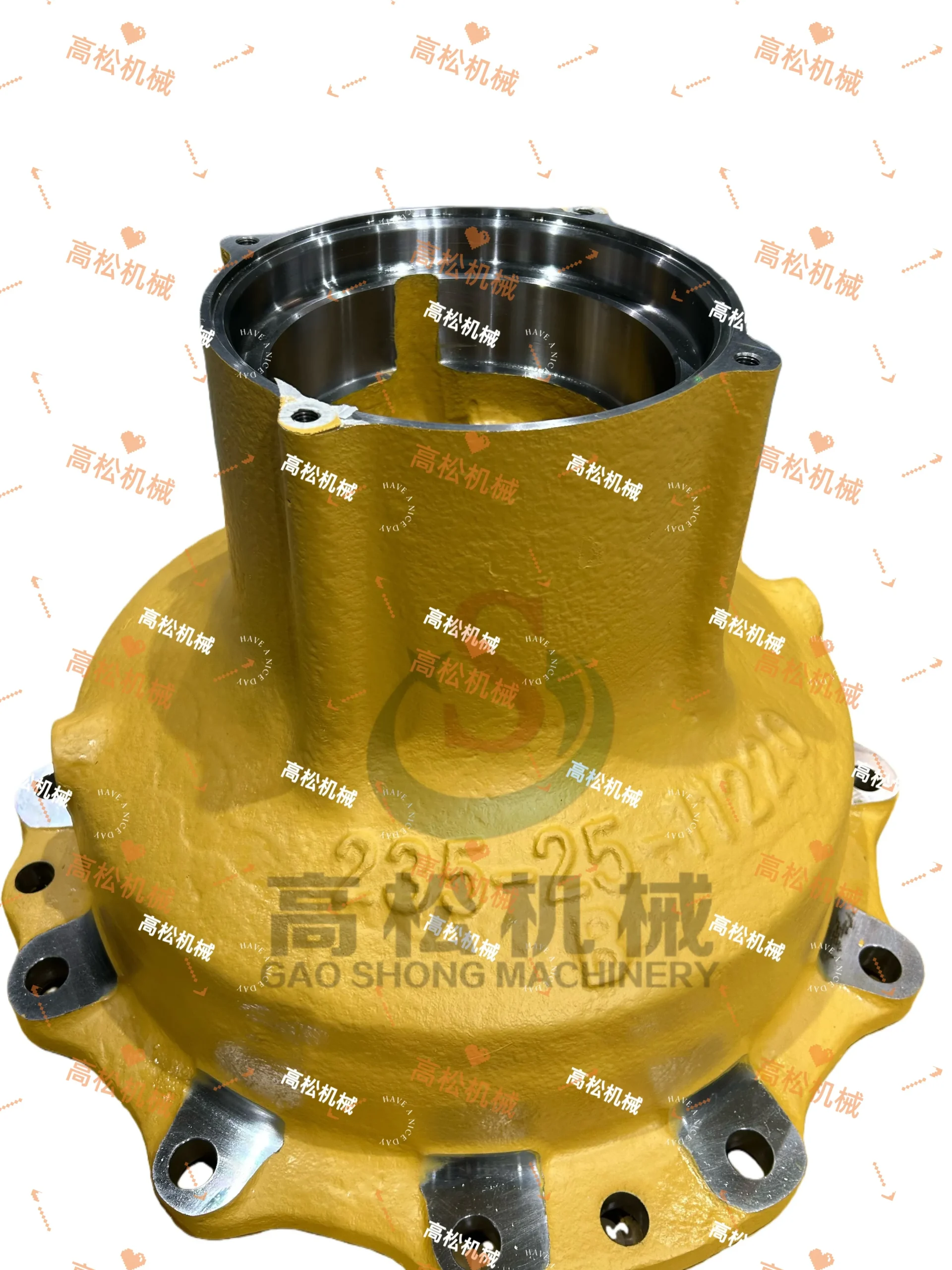 CAGE 235-25-11220 CAGE GD825A-2 S/N 11001-UP TANDEM DRIVE GEAR AND CHAIN
 -
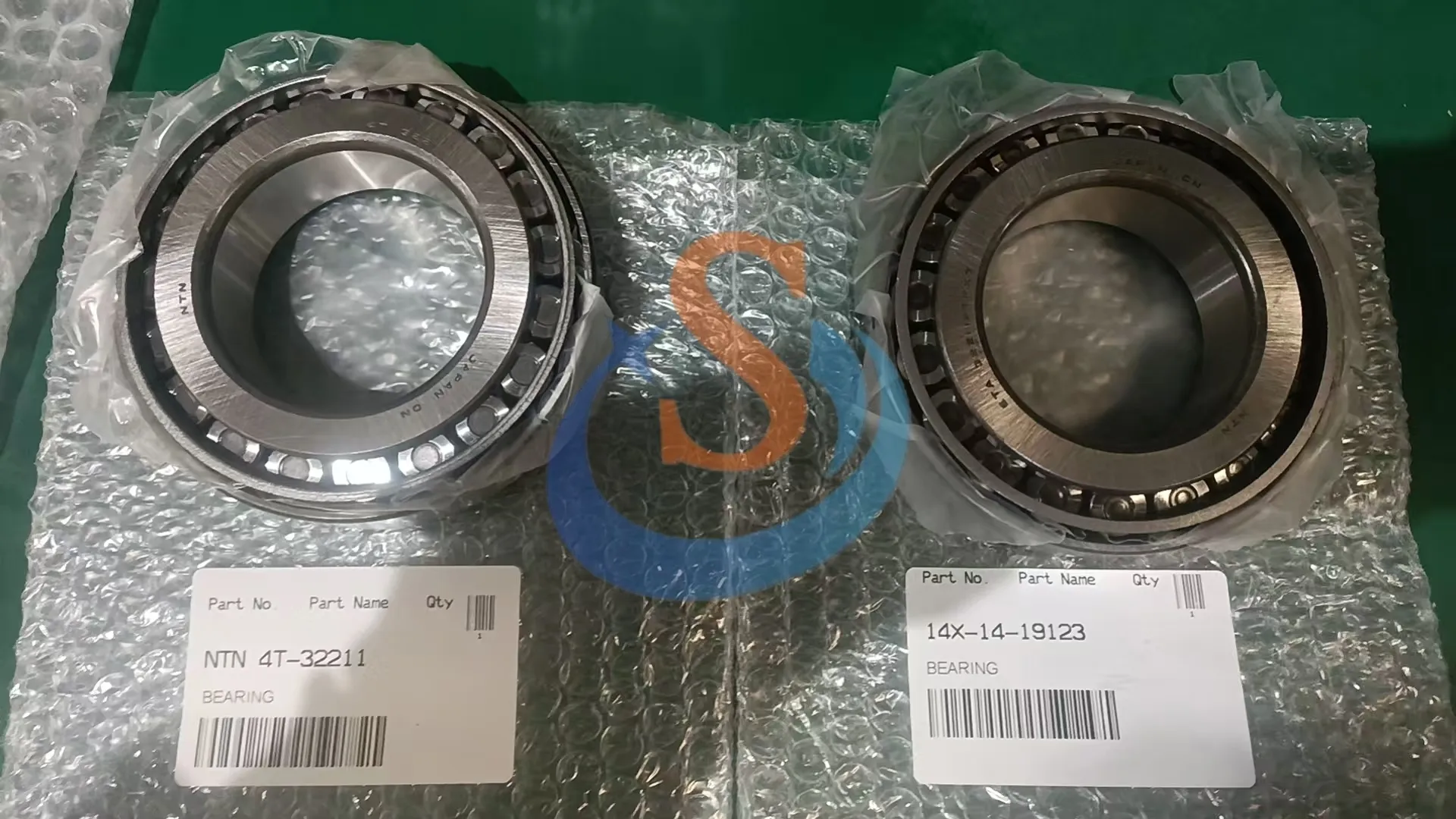 14X-14-19123 BEARING WA380/WA430/WA400
 -
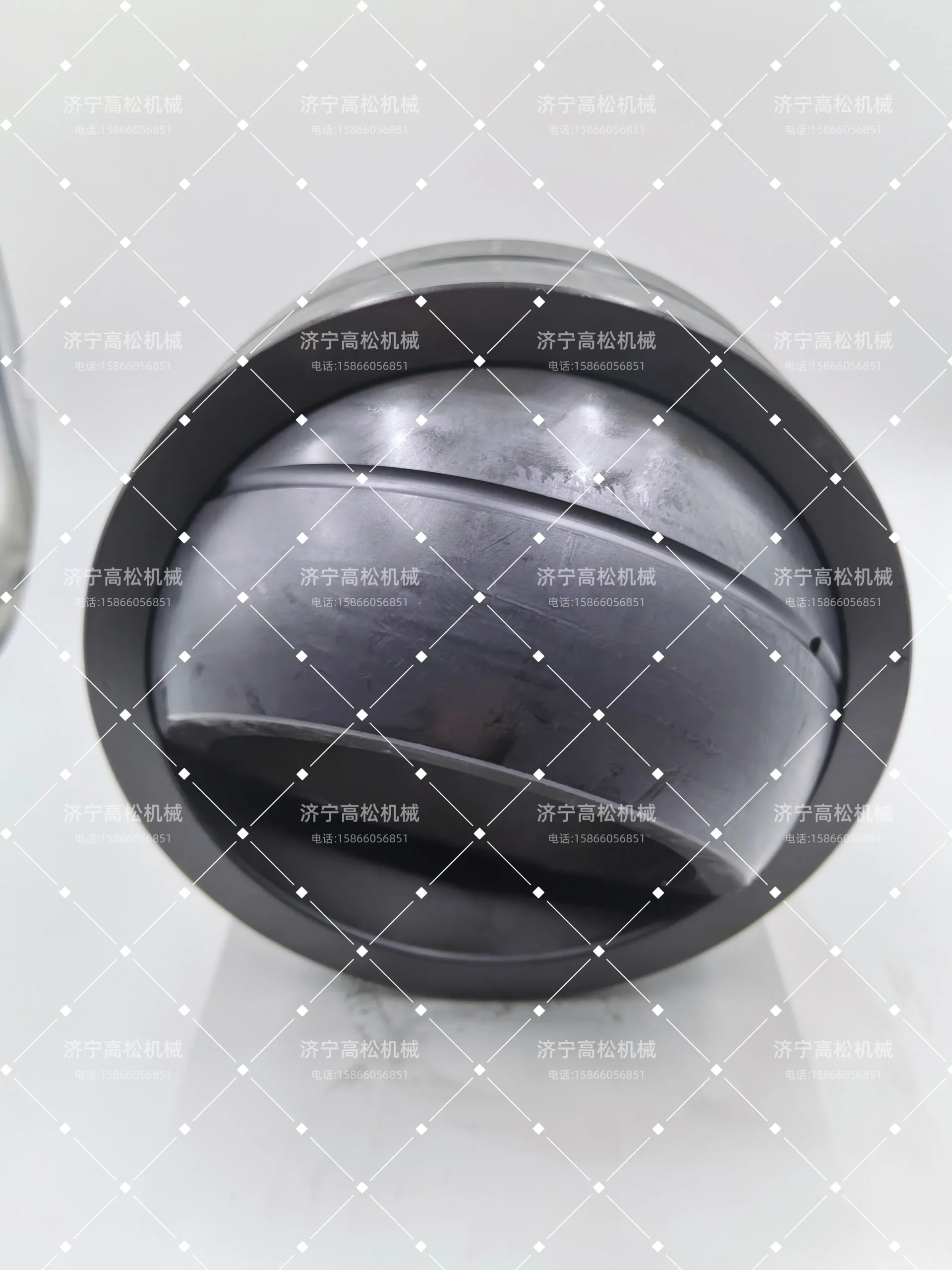 707-46-14010 Spherical Bearing for Komatsu Equipment…
 -
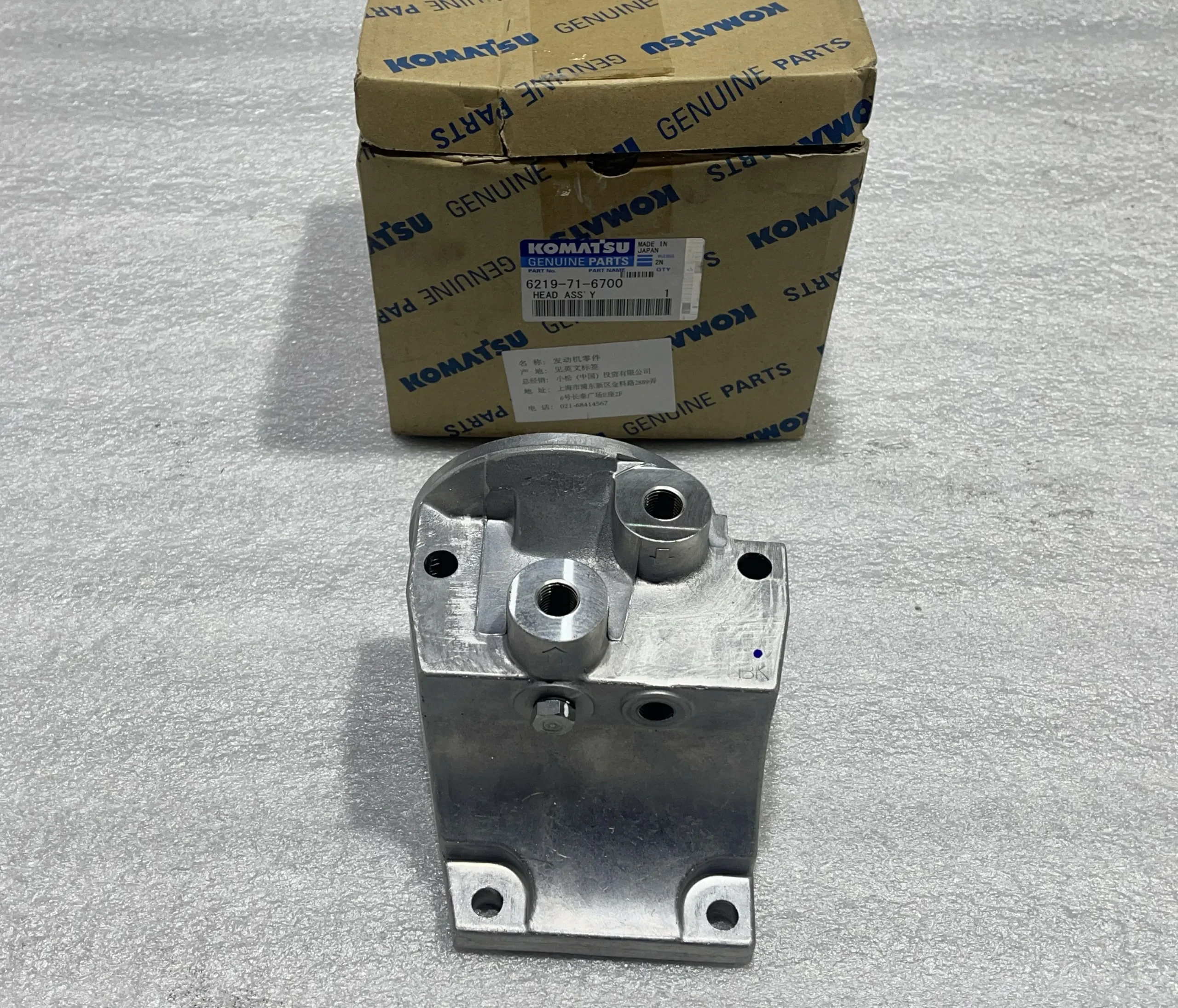 6219-71-6700 HEAD ASS’Y,FUEL FILTER-Komatsu Original Factory Accessories
 -
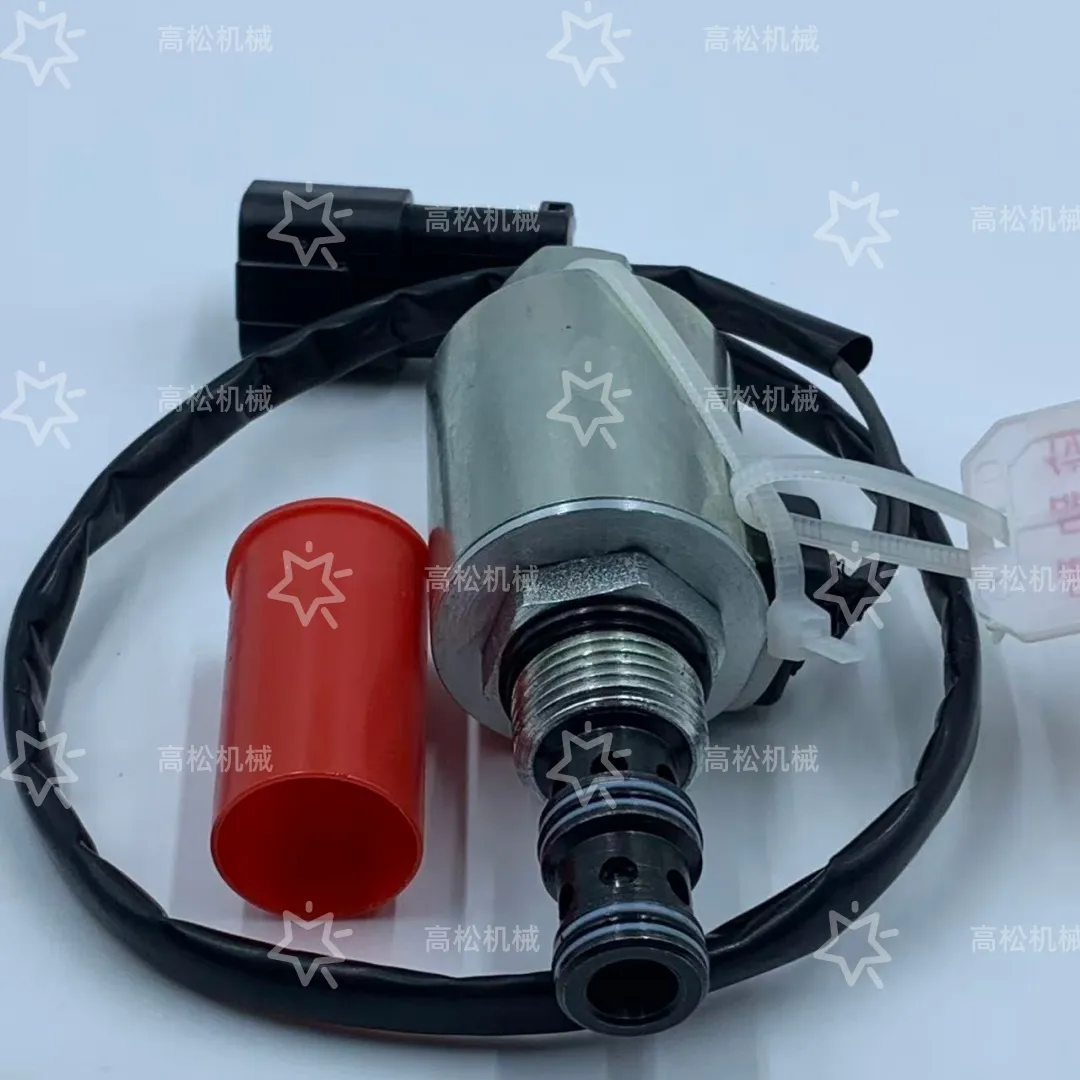 Rotary Solenoid Valve 20Y-60-11713 20Y-60-11673 Fit for Komatsu PC200-5 6D95
 -
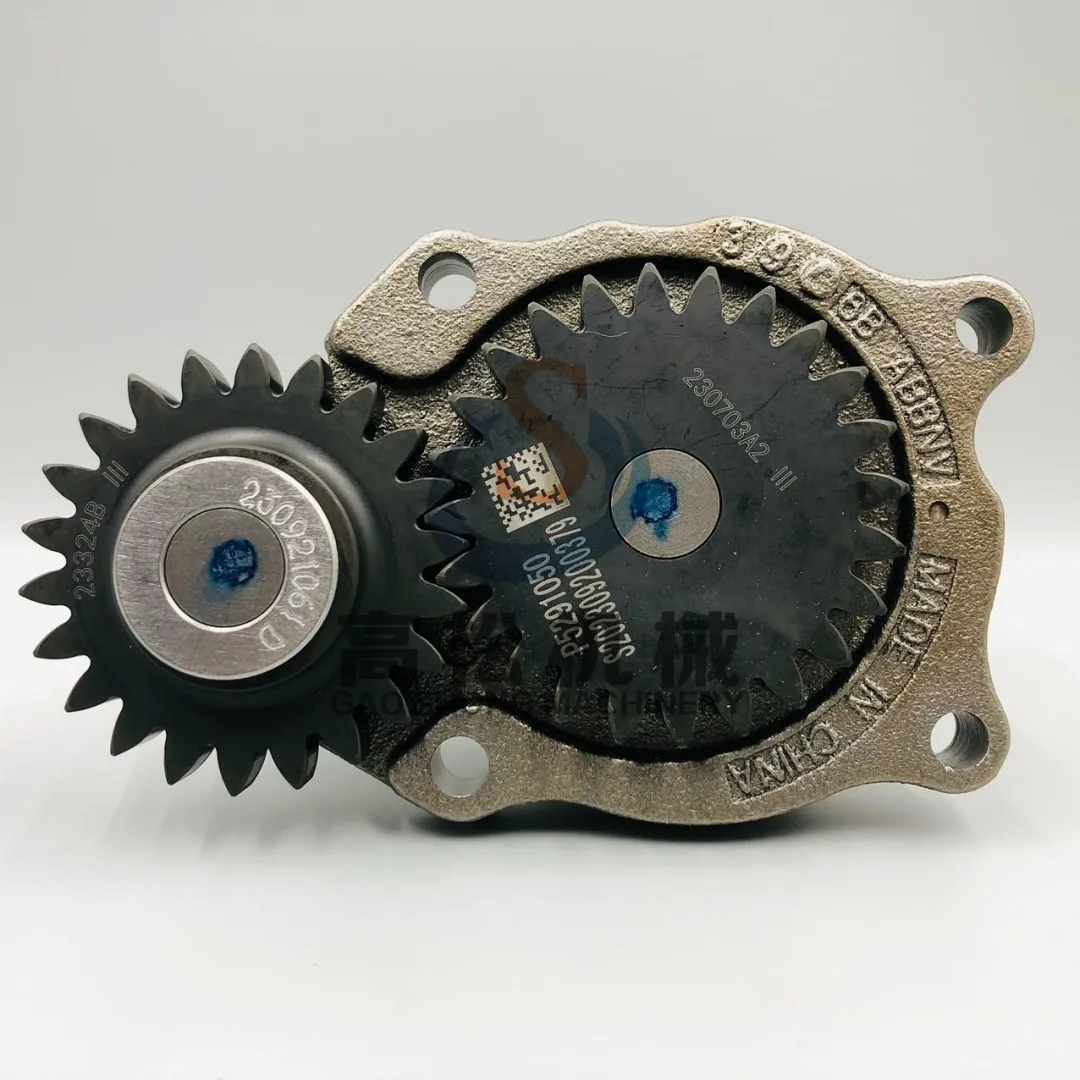 6754-51-1111 6754511111 Fuel Transfer Pump for Komatsu
 -
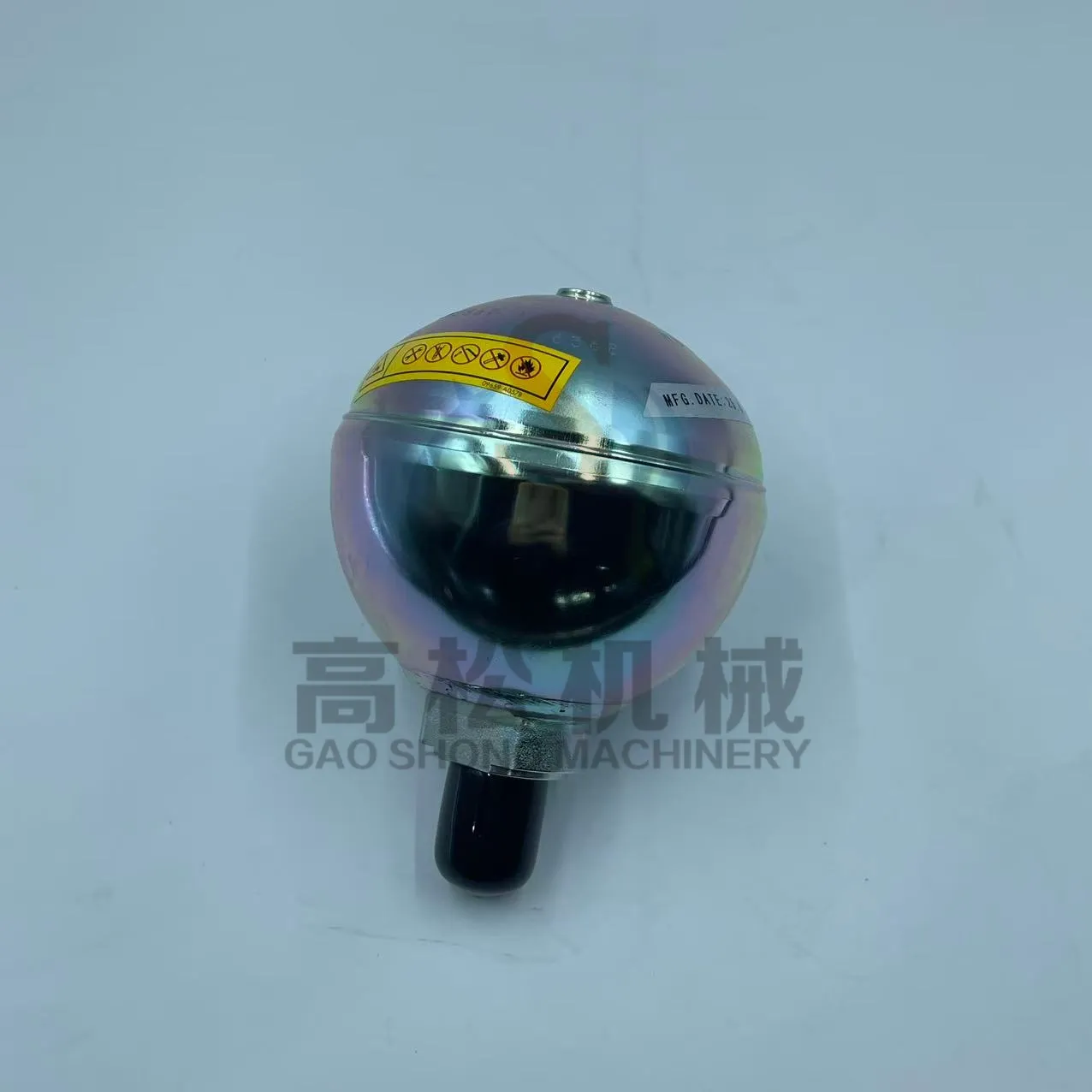 22u-60-21331 Accumulator
 -
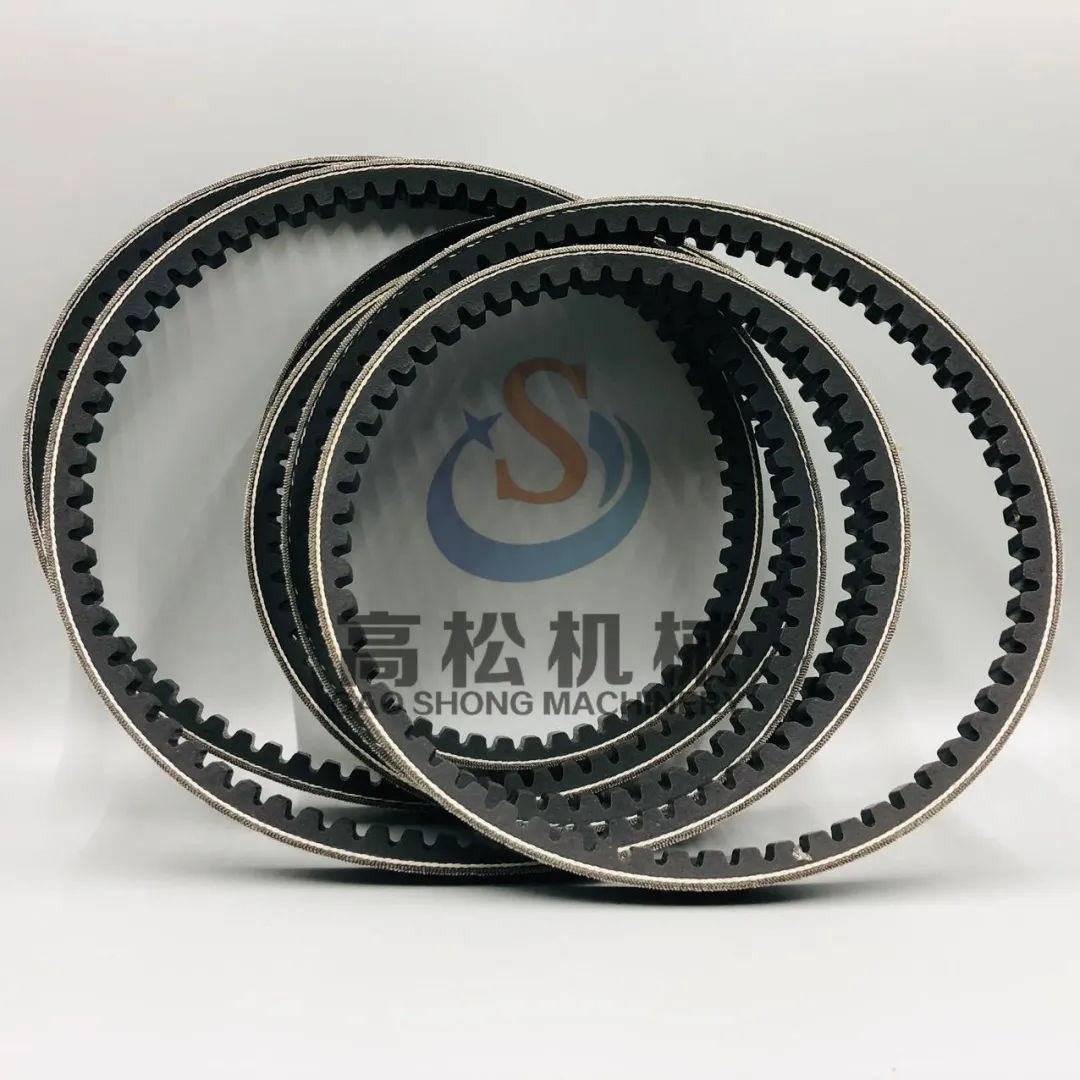 Genuine KOMATSU V-Belt for KOMATSU/SA12V140E-3/D375A-5/HD785-7 | P/N 6219-61-3420
 -
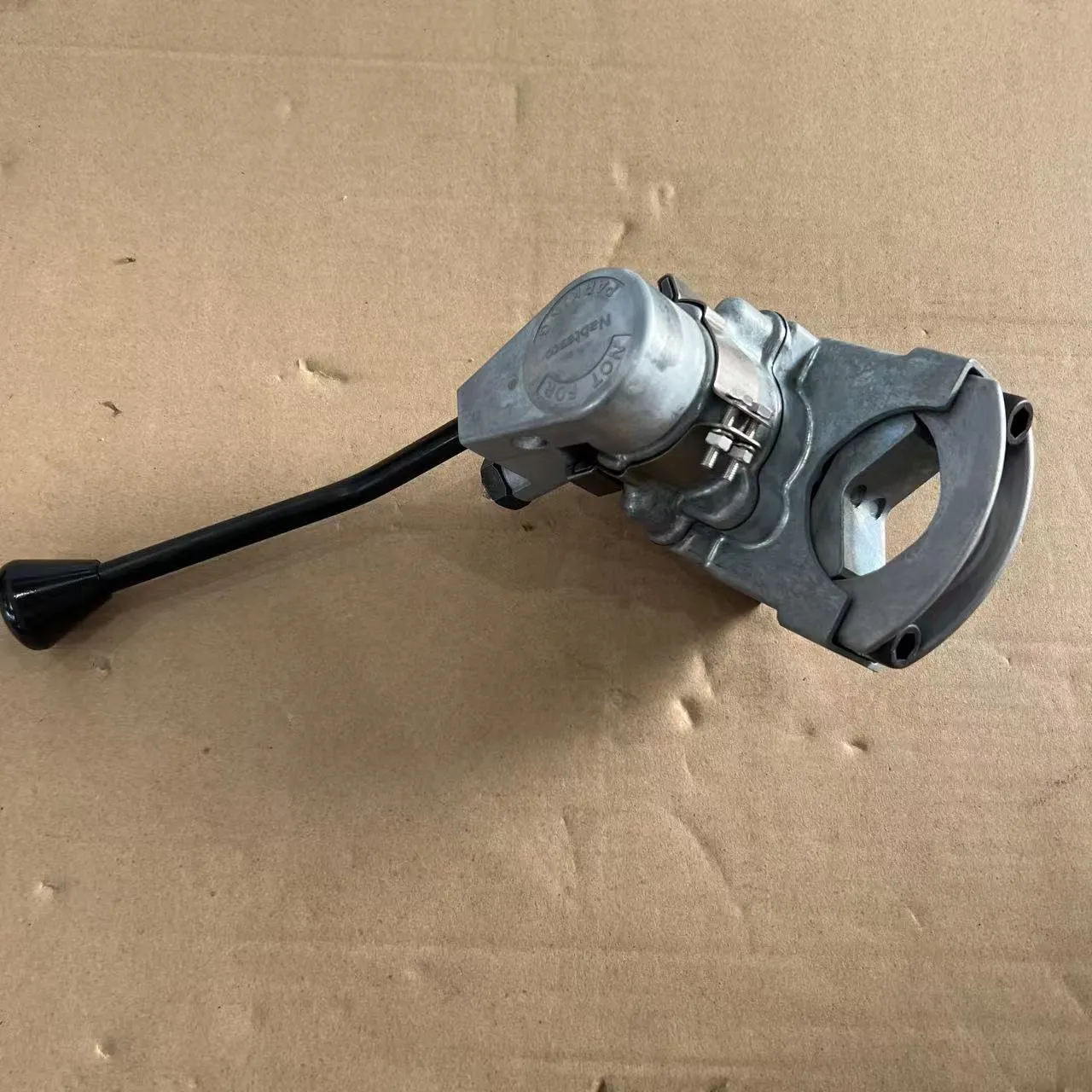 Hd785-5 Retarder 561-35-62203 For Dump Truck Original Parts, High…