
- Chinese
- French
- German
- Portuguese
- Spanish
- Russian
- Japanese
- Korean
- Arabic
- Irish
- Greek
- Turkish
- Italian
- Danish
- Romanian
- Indonesian
- Czech
- Afrikaans
- Swedish
- Polish
- Basque
- Catalan
- Esperanto
- Hindi
- Lao
- Albanian
- Amharic
- Armenian
- Azerbaijani
- Belarusian
- Bengali
- Bosnian
- Bulgarian
- Cebuano
- Chichewa
- Corsican
- Croatian
- Dutch
- Estonian
- Filipino
- Finnish
- Frisian
- Galician
- Georgian
- Gujarati
- Haitian
- Hausa
- Hawaiian
- Hebrew
- Hmong
- Hungarian
- Icelandic
- Igbo
- Javanese
- Kannada
- Kazakh
- Khmer
- Kurdish
- Kyrgyz
- Latin
- Latvian
- Lithuanian
- Luxembou..
- Macedonian
- Malagasy
- Malay
- Malayalam
- Maltese
- Maori
- Marathi
- Mongolian
- Burmese
- Nepali
- Norwegian
- Pashto
- Persian
- Punjabi
- Serbian
- Sesotho
- Sinhala
- Slovak
- Slovenian
- Somali
- Samoan
- Scots Gaelic
- Shona
- Sindhi
- Sundanese
- Swahili
- Tajik
- Tamil
- Telugu
- Thai
- Ukrainian
- Urdu
- Uzbek
- Vietnamese
- Welsh
- Xhosa
- Yiddish
- Yoruba
- Zulu
- Kinyarwanda
- Tatar
- Oriya
- Turkmen
- Uyghur






Komatsu OEM parts
When you hear 'Komatsu OEM parts', what comes to mind? For many, it's a simple equation: genuine, direct-from-Komatsu, end of story. But that's where the first major industry misconception lies. In the real world of keeping machines running, especially outside primary markets, the supply chain for these parts is far more nuanced. It's not just about the box with the logo; it's about understanding the ecosystem Komatsu itself fosters, which includes authorized OEM product suppliers within its system. This distinction is crucial, yet often overlooked until you're in a pinch, waiting on a critical component that's stuck in a six-month backorder.
The OEM Supplier Reality vs. Common Perception
Let's get specific. Komatsu doesn't manufacture every single seal, hose clamp, or bracket in-house. They rely on a network of certified manufacturers—true OEMs—who produce components to exact specifications. These parts are, for all functional purposes, Komatsu OEM parts. The catch? They often flow through different channels before reaching the end user. I've seen countless maintenance managers reject a perfectly valid part because it didn't come in the classic Komatsu-branded packaging, opting instead for a genuine part at a 40% premium and a 12-week lead time. That's a costly misunderstanding.
This is where companies operating within Komatsu's authorized framework become critical. Take Jining Gaosong Construction Machinery Co., Ltd., for instance. They position themselves precisely in this space. From my dealings and cross-referencing their claims, they are an OEM product supplier within the Komatsu system. This isn't a grey market claim; it implies a formal relationship where they source or supply components that meet the OEM standard. Their website, https://www.takematsumachinery.com, explicitly states this role, and in our field, such a stated specialization is a signal worth investigating, not dismissing.
The practical value here is in solving acute supply gaps. Their parallel role as a third-party sales company for Komatsu isn't contradictory; it's complementary. It means they can often navigate inventory pools or logistical pathways that a local dealer might not access for a niche market. I recall a project in West Africa where we needed a final drive assembly for a PC300-8. The local dealer's network quoted a 4-month wait. We sourced an identical OEM-spec assembly through a channel similar to Gaosong's model, verified the part numbers and manufacturing stamps, and had it on-site in 3 weeks. The machine earned revenue for an extra 3 months. That's the tangible impact.
Verifying OEM Equivalency in the Field
So, how do you move from blind faith in a branded box to confident use of OEM-spec parts? It comes down to verification, not just paperwork. The certificate of conformity is a start, but it's the physical details that don't lie. We developed a simple checklist: casting numbers, metallurgy stamps, supplier codes molded into plastic components, and the quality of sealing surfaces. A true Komatsu OEM parts component, even unbranded, will have these traceable features. I've held a valve block from a known system supplier next to one from a Komatsu box; the only difference was the grease on the threads and the price tag.
This process isn't foolproof. We had a failure once with a hydraulic pump claimed to be OEM-spec. It looked right, but the performance curve was off, leading to overheating. Post-mortem showed a slight deviation in the tolerances of the swash plate. The lesson? Even with good verification, you need a trusted partner who stands behind the supply chain. This is why the distinction of being within the Komatsu system matters—it suggests a level of accountability and access to technical specifications that a pure aftermarket rebuilder might not have.
Jining Gaosong's stated mission of helping to solve parts supply challenges in certain countries rings true to this pain point. The challenge isn't just availability; it's verified availability. A supplier in this space earns trust by providing not just the part, but the lineage and technical data that allows a fleet manager to sign off on it. This often involves sharing engineering drawings or material certifications upon request, something a generic parts trader can't do.
Cost, Availability, and the Total Cost of Downtime
The financial argument is obvious but worth breaking down. A 20-30% cost saving on a major component is significant, but it's meaningless if the part fails prematurely. The real calculation is Total Cost of Downtime (TCD). An OEM-spec part from a reliable channel like an authorized system supplier offers a middle ground. It's not the cheapest aftermarket option, but it's also not the premium-priced, branded genuine part with a long lead time.
Let's talk about a D65 dozer track roller. The genuine part might be $1200 with a 10-week lead time. A dubious aftermarket copy might be $400, available now, but lasts 2000 hours instead of 5000. The OEM-spec equivalent, sourced through a proper channel, might land at $850 with a 2-week lead time and 4800 hours of life. When you factor in the cost of machine downtime, secondary damage from failure, and labor for repeated changes, the OEM-spec option often wins the TCD battle hands down. This is the niche where specialized suppliers operate.
This is precisely the value proposition hinted at by companies like Jining Gaosong. By being embedded in the system yet operating with third-party flexibility, they can target those specific, painful supply challenges—like a country facing trade sanctions or port delays—and offer a viable, reliable alternative that keeps assets working.
When to Stick with Branded Genuine Parts
All this isn't to say you should bypass the official dealer for everything. There are clear exceptions. Electronic control modules (ECMs), proprietary software-loaded components, and certain high-precision hydraulic valves with factory-calibrated settings are areas where I rarely deviate. The risk of incompatibility or losing machine warranty is too high. The dealer network also provides irreplaceable support: firmware updates, fault code history, and technical bulletins.
The key is strategic sourcing. Use the official channel for intelligence-sensitive and warranty-covered items. For mechanical, wear-and-tear components—cylinder kits, pins and bushings, gear sets, filters—exploring the OEM-spec supply chain is not just prudent, it's necessary for operational efficiency. A good procurement strategy maps parts to sourcing channels. We ended up creating a triage list: Must be Genuine, OEM-Spec Accepted, and Price-Driven Commodity. It brought clarity and saved us nearly 18% on annual parts spend without increasing failure rates.
Suppliers that understand this dichotomy are more useful. Their focus on being an OEM product supplier within the Komatsu system suggests they aren't trying to sell you an ECM; they're likely focused on those mechanical wear items and assemblies where their value proposition is strongest.
Building a Relationship with a Specialized Supplier
Engaging with a supplier in this space isn't a one-click online order. It starts with a conversation. You need to probe their technical knowledge. Ask them about the OEM manufacturer code for a specific Komatsu swing bearing. Inquire about the interchangeability of a part number from a PC200-7 to a PC200-8. Their ability to answer quickly and accurately is the first test.
Start small. Place a pilot order for a non-critical but identifiable component—something like a track link or a cabin filter. Inspect it against your known-good sample. Check the packaging, documentation, and most importantly, install it and monitor its performance. This due diligence is how you separate the real Komatsu OEM parts specialists from the catalog resellers. A company like Jining Gaosong, by virtue of its stated focus, should welcome this kind of scrutiny. It's in their interest to prove their claims through product.
The goal is to build a shortlist of reliable partners for different regions or part categories. The landscape of parts supply is fragmented, and having a go-to resource for OEM-spec components in regions with supply challenges is a strategic advantage. It turns a constant headache—parts availability—into a managed process. In the end, it's about keeping the iron moving, and sometimes, that means looking past the branded box to the identical part that came off the same OEM production line, just delivered through a smarter, more responsive channel.
Related Products
Related Products

Best Selling Products
Best Selling Products-
 21N-01-11120 21T-01-11150 Komatsu PC600-8 PC1250-7 PC750-7
 -
Kubota Excavator Receiver Drier 20Y-979-3120
-
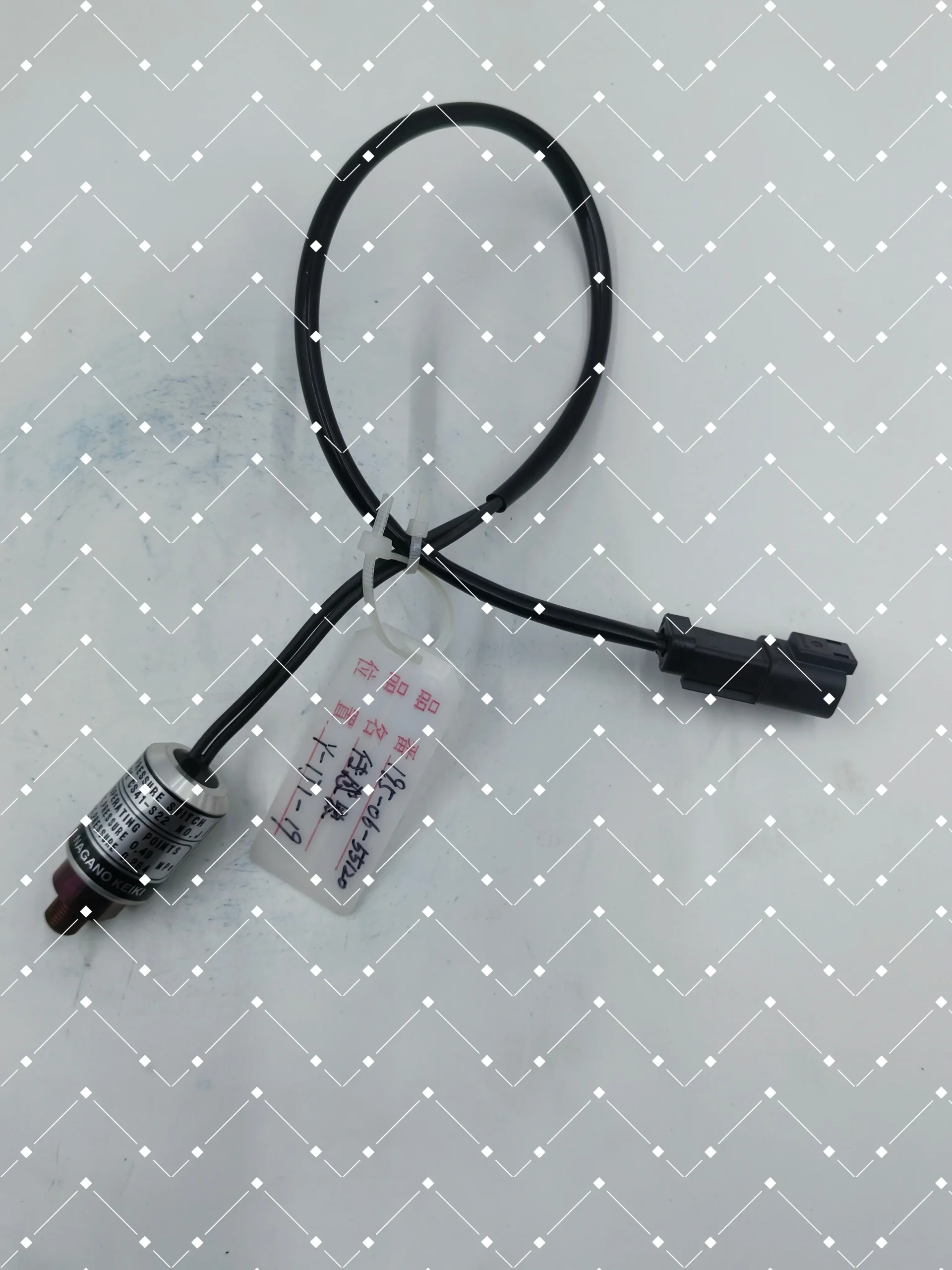 Komatsu 195-06-55120 Switch, price for original and… — Pricing.Parts
 -
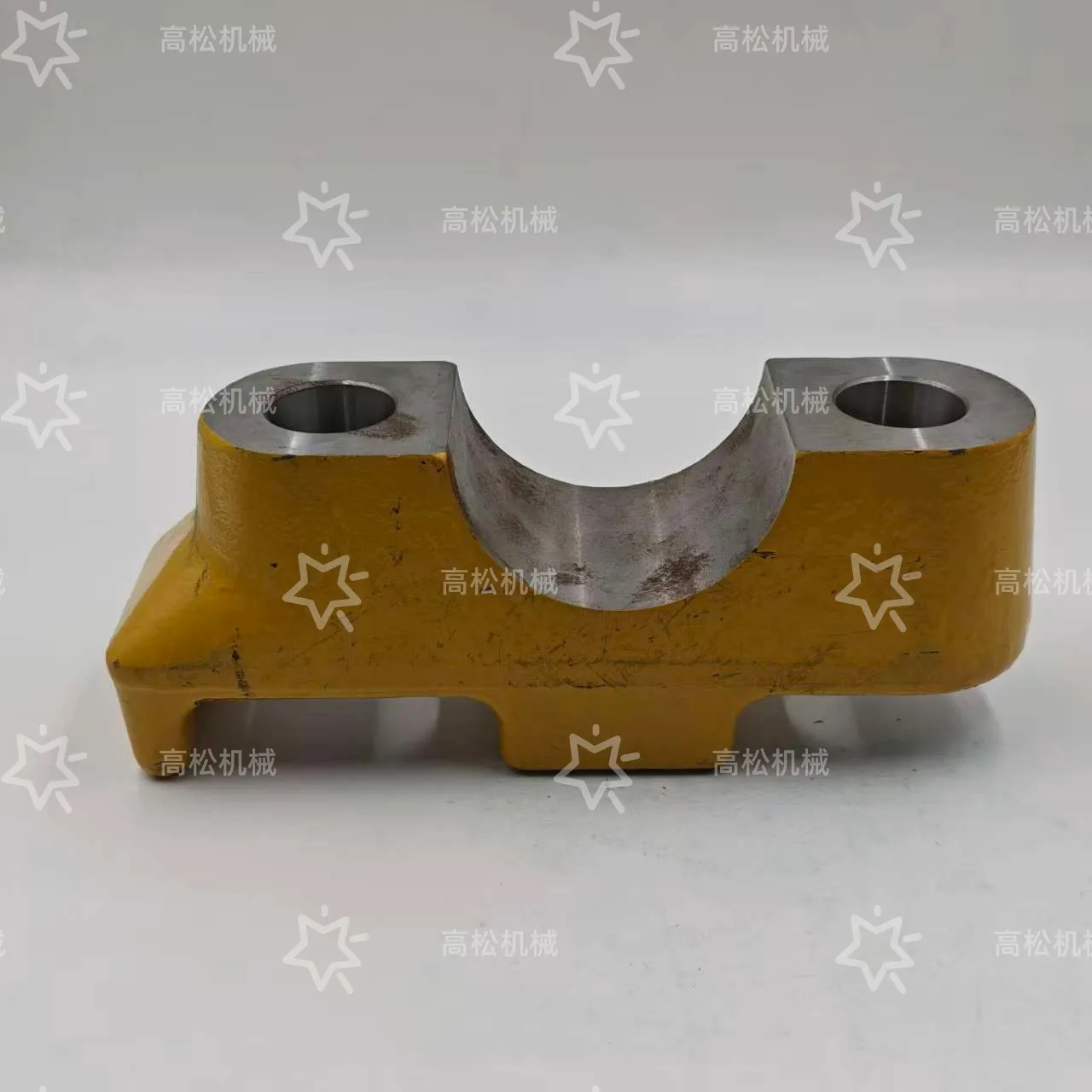 195-30-62141Komatsu Cap 195-30-62141
 -
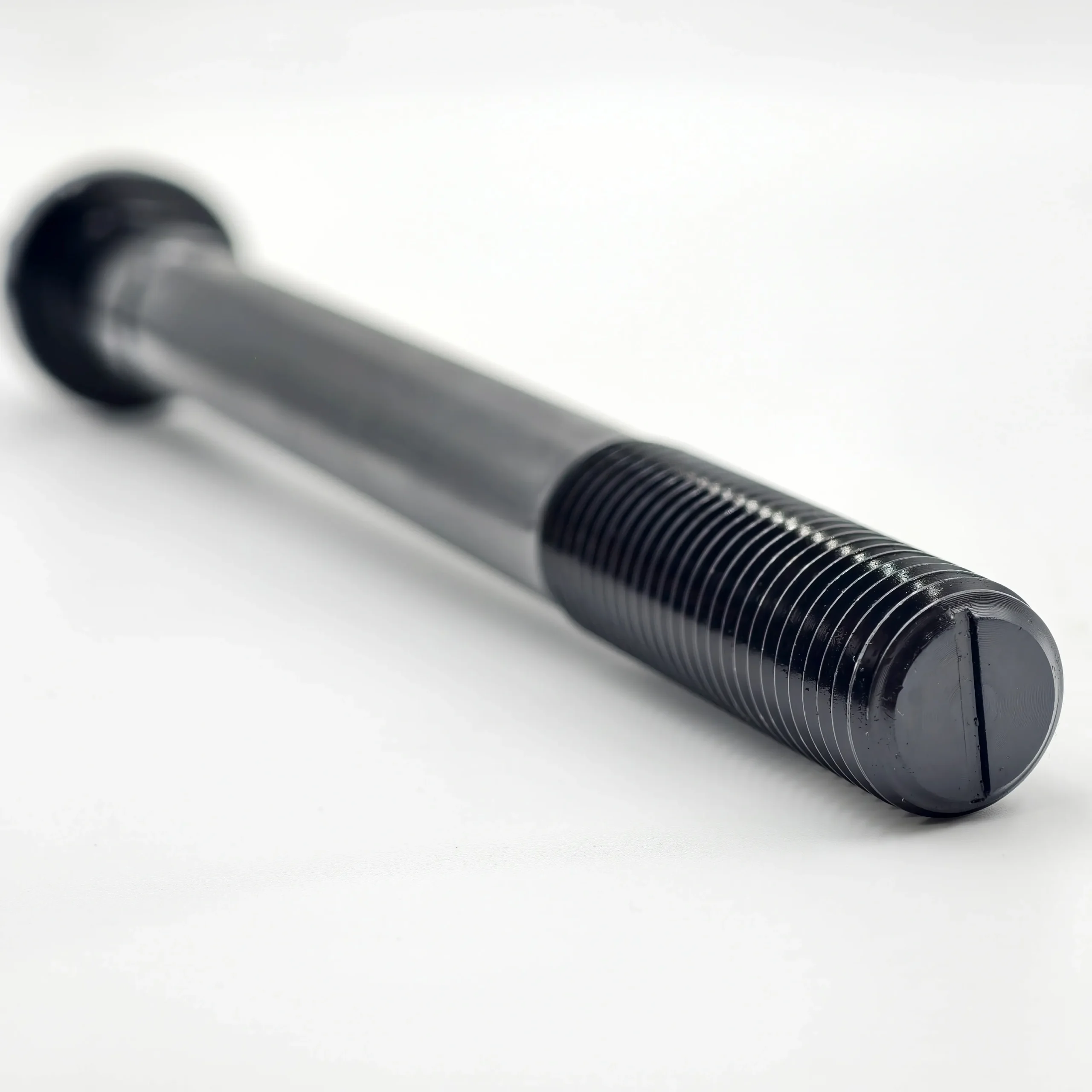 6217-11-1610-BOLT,HEAD- Komatsu Original Factory
 -
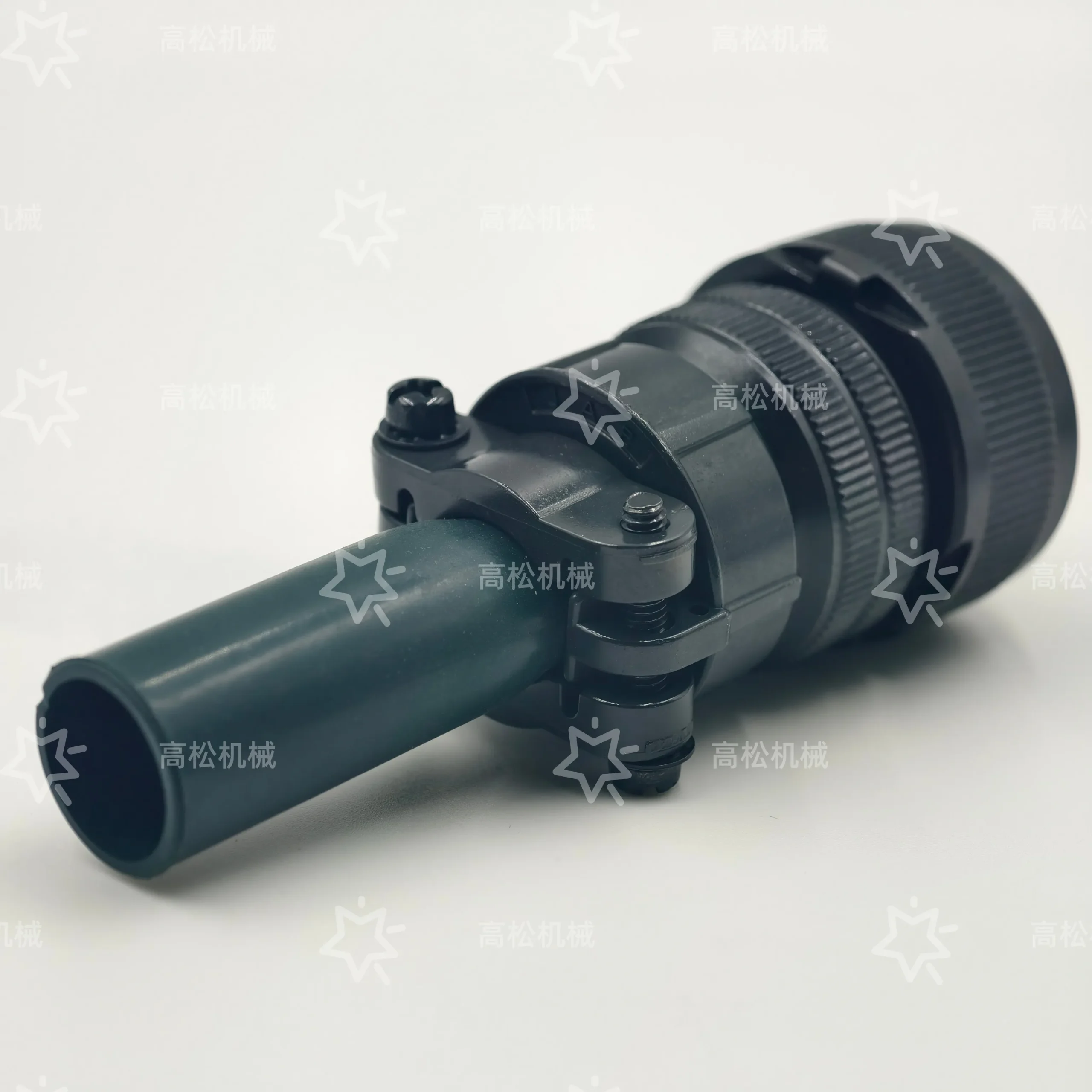 175-06-37871 Komatsu Plug
 -
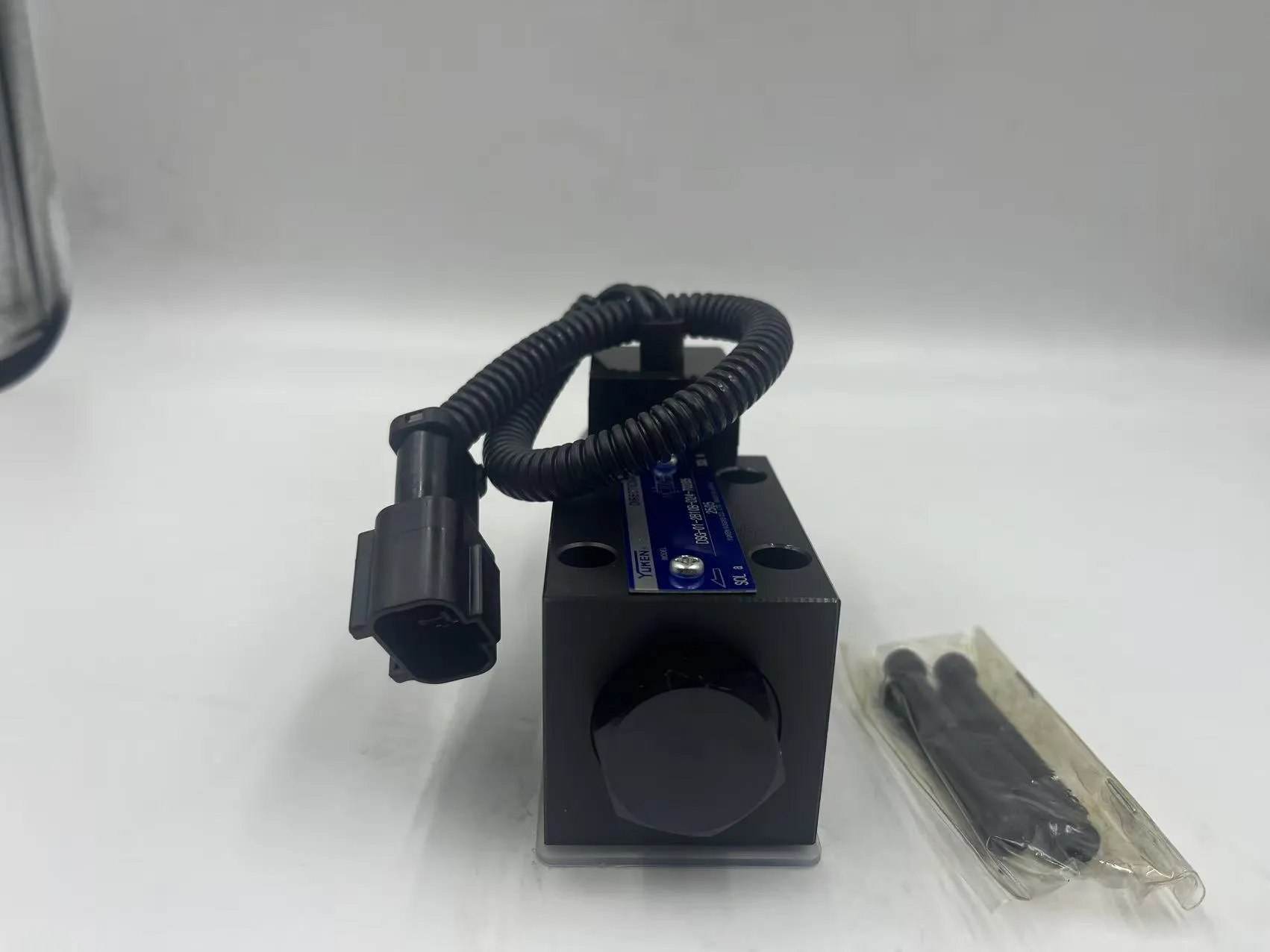 23W-60-28230Valve assembly
 -
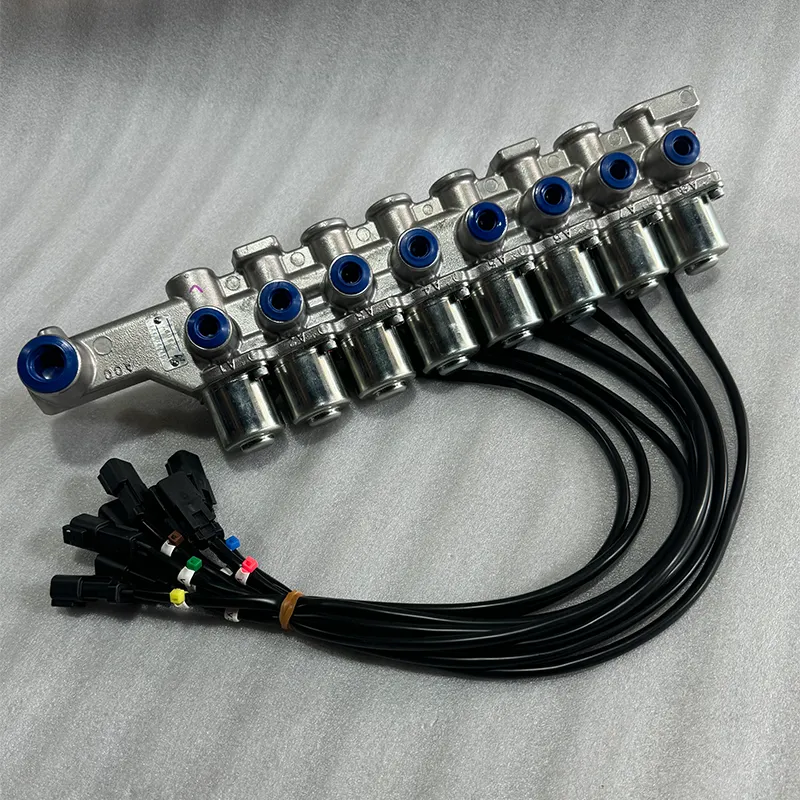 Original komatsu PC800-8 Solenoid Valve Assembly 209-60-41310
 -
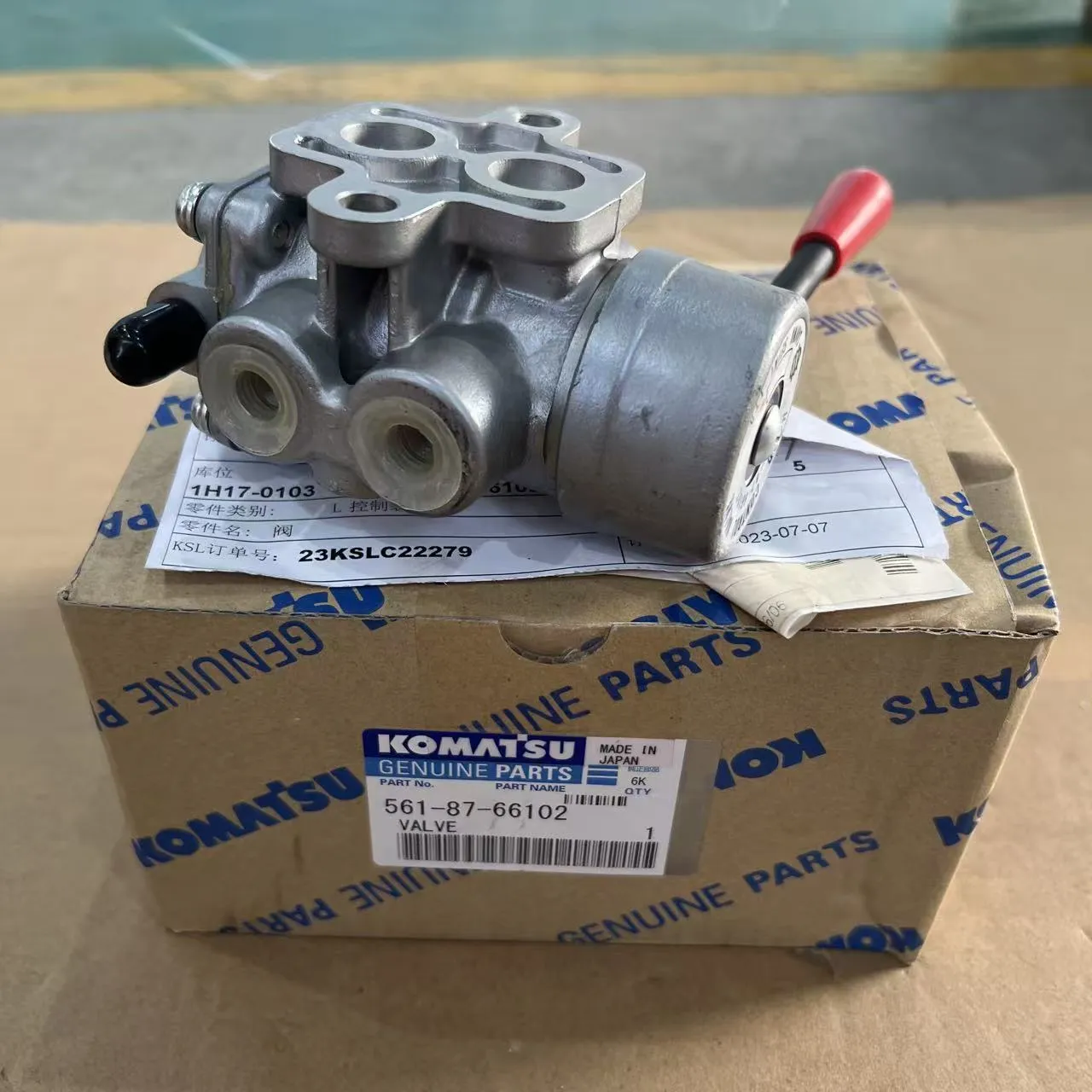 VALVE ASS’Y 561-87-66102 – KOMATSU
 -
 17M-50-24360 Seal (Komatsu)
 -
 HD785-7 Oil Level Sensor 7861-93-4550
 -
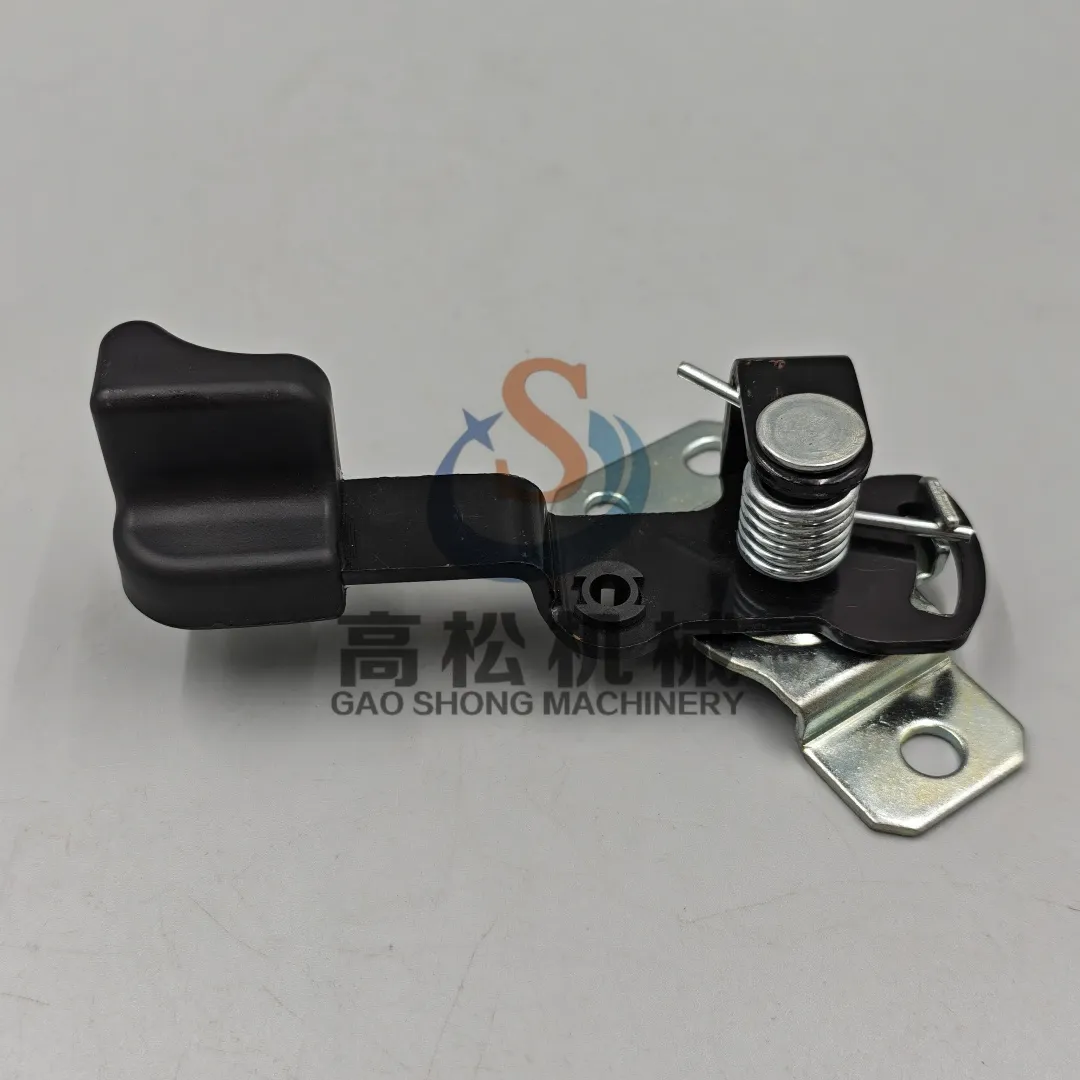 Door Lock Assembly 20Y-54-52820 Latch 20Y-53-12201 Handle Ass’s 20Y-54-52300 for Komatsu PC220-8