
- Chinese
- French
- German
- Portuguese
- Spanish
- Russian
- Japanese
- Korean
- Arabic
- Irish
- Greek
- Turkish
- Italian
- Danish
- Romanian
- Indonesian
- Czech
- Afrikaans
- Swedish
- Polish
- Basque
- Catalan
- Esperanto
- Hindi
- Lao
- Albanian
- Amharic
- Armenian
- Azerbaijani
- Belarusian
- Bengali
- Bosnian
- Bulgarian
- Cebuano
- Chichewa
- Corsican
- Croatian
- Dutch
- Estonian
- Filipino
- Finnish
- Frisian
- Galician
- Georgian
- Gujarati
- Haitian
- Hausa
- Hawaiian
- Hebrew
- Hmong
- Hungarian
- Icelandic
- Igbo
- Javanese
- Kannada
- Kazakh
- Khmer
- Kurdish
- Kyrgyz
- Latin
- Latvian
- Lithuanian
- Luxembou..
- Macedonian
- Malagasy
- Malay
- Malayalam
- Maltese
- Maori
- Marathi
- Mongolian
- Burmese
- Nepali
- Norwegian
- Pashto
- Persian
- Punjabi
- Serbian
- Sesotho
- Sinhala
- Slovak
- Slovenian
- Somali
- Samoan
- Scots Gaelic
- Shona
- Sindhi
- Sundanese
- Swahili
- Tajik
- Tamil
- Telugu
- Thai
- Ukrainian
- Urdu
- Uzbek
- Vietnamese
- Welsh
- Xhosa
- Yiddish
- Yoruba
- Zulu
- Kinyarwanda
- Tatar
- Oriya
- Turkmen
- Uyghur






Komatsu OEM excavator parts
When you hear 'Komatsu OEM excavator parts', what comes to mind? For a lot of guys in the field, it's either the official dealer's counter with sky-high prices, or a sea of 'compatible' parts of dubious origin. There's this persistent myth that genuine OEM parts only flow through one official channel. That's not entirely accurate, and that gap between perception and reality is where the real business—and the real headaches—happen.
The OEM Reality Behind the Badge
Let's be clear: Komatsu doesn't manufacture every seal, hose, and pin in-house. They rely on a network of certified suppliers who produce to their exact specifications. These are the true Komatsu OEM excavator parts. The key is that these components are produced under Komatsu's engineering and quality control umbrella, often bearing the Komatsu part number directly. I've seen operations shut down for days waiting for a genuine hydraulic pump assembly, only to discover the one finally shipped was from the same foundry in Japan that supplies Komatsu's line, just without the final paint and logo. It was, for all functional purposes, an OEM part.
This is where entities operating within the system, like Jining Gaosong Construction Machinery Co., Ltd., come into play. From what I've gathered and verified through orders, they position themselves as an OEM product supplier within the Komatsu system. That's a specific and important distinction. It suggests they have access to components from that certified supplier network, not just the finished, branded boxes. Their website, https://www.takematsumachinery.com, frames their role as helping solve supply challenges in certain markets. In practice, this often means providing those foundational OEM components, sometimes with different packaging or documentation, to bypass regional distribution bottlenecks.
The nuance here is critical. It's not about selling counterfeits. It's about understanding the tiered nature of manufacturing. A swing drive gear might come off the same production line; one batch gets a Komatsu sticker and goes into the official parts network, another batch might go to a system supplier. The metallurgy, the tolerances, the performance? Identical. The paperwork and the path to your workshop? Different. That's the reality we work with.
On-the-Ground Challenges and Failures
It's not all smooth sailing. Sourcing through these alternative channels requires a sharp eye. I learned this the hard way years ago with a PC300-8 main control valve. We got a part that was OEM-spec, looked perfect, but had a slight port thread difference from the regional specification model. The supplier wasn't wrong—it was an OEM part for a different market variant. Our failure was assuming OEM meant plug-and-play for our specific serial number. It was a costly week of downtime. Now, the first thing we do is cross-reference the exact part number and provide the machine serial number, even when dealing with system suppliers.
Another persistent issue is the grey area of after-sales support. If you buy a Komatsu-branded part from a dealer and it fails (rare, but it happens), warranty is straightforward. If you buy an OEM-equivalent component from a third-party system supplier and it fails, the path is murkier. The supplier, like Gaosong in their stated role as a third-party sales company, becomes your point of contact. Their credibility hinges on standing behind the supply. We've had good experiences where such companies facilitated a replacement directly with the upstream factory, but it requires building a relationship, not just a one-time transaction.
Then there's the challenge of completeness. Sometimes you need a full kit—say, for a final drive rebuild. An official dealer sells a complete kit with every gasket, seal, and bolt. An OEM system supplier might provide the core planetary gear set and bearings (the true OEM items) but recommend you source the peripheral seals locally. It's more work for the mechanic, but the cost saving on the core components can be 40% or more. You have to weigh the labor against the part cost.
Identifying True Value vs. Just Low Price
Price is the obvious hook, but it's a trap if it's your only metric. A real OEM excavator parts channel, even an alternative one, will have traceability. They should be able to tell you the manufacturing lot or provide material certificates for critical components. If they balk at that, red flag. I use a simple test: ask for a technical drawing or spec sheet for a specific pin or bushing. A parts reseller won't have it. A supplier embedded in the OEM system often can, because their engineers need those docs.
Look at the product range depth. A company that's just buying surplus will have a random, spotty inventory. A company acting as a systemic supplier tends to have deep coverage in certain categories—like undercarriage groups, hydraulic cylinders, or engine components for specific Komatsu models like the popular Dash-8 or Dash-10 series. Their focus is on solving supply for high-wear items, not stocking every single knob and light bulb.
Communication style is also a tell. When you talk to a real industry player, the conversation is about machine hours, application (rock, clay, demolition), and failure modes. They might ask, Is the sprocket wearing evenly, or is it just the bushings turning? That practical, diagnostic-level chat is worth more than a glossy brochure. It shows they've seen these parts fail in the field and know what matters.
The Logistics and Risk Calculus
Dealing with international suppliers adds layers. Lead time is the big one. An official dealer might have a part air-freighted in 3 days. An OEM system supplier might ship by sea, taking 5 weeks. For a planned overhaul, that's fine. For a critical breakdown, it's a disaster. You have to plan your inventory strategy around this. We now keep one critical unit (like a hydraulic pump) as a spare, sourced via the OEM-alternative channel for cost, and use it as a rotatable unit. It turns capital expense into an operational strategy.
Customs and import duties are the hidden cost killers. A genuine part imported through Komatsu's network often has those costs baked in and smoothed out. When you import directly, you're on the hook. A reliable supplier should have experience with this and be able to advise on HS codes and realistic landed cost, not just FOB price. A vague answer here usually means you'll be in for a nasty surprise when the crate arrives at the port.
Ultimately, it's a risk management game. For non-safety-critical, high-wear items like bucket teeth, link assemblies, or track pads, sourcing high-quality OEM-spec parts from a verified system supplier is a no-brainer. The savings are massive with minimal risk. For complex, electronically integrated components like an engine ECU or a main controller, the calculus shifts. The premium for the full dealer support, warranty, and guaranteed compatibility might be justified. There's no one-size-fits-all answer.
Closing the Loop: A Practical Stance
So, where does this leave us with Komatsu OEM parts? The landscape is more nuanced than genuine vs. aftermarket. There's a legitimate, quality-driven tier in between: the OEM system suppliers. Companies like Jining Gaosong, by stating they are within the Komatsu system, are targeting that precise niche. They're not selling to the guy who needs one filter; they're selling to the fleet manager or the rebuild shop that needs ten cylinder assemblies and can handle some of the logistical heavy lifting.
The value proposition isn't just cheaper parts. It's sustained equipment uptime in regions where the official supply chain is thin, slow, or prohibitively expensive. It's about having an alternative when the dealer is back-ordered for three months. It requires more diligence from the buyer—verifying specs, understanding logistics, building a relationship with the supplier.
In the end, the goal is the same: keep the machine running reliably. Sometimes that path goes directly through the Komatsu dealer. Sometimes it goes through a knowledgeable partner in the supply network who can provide the same core component without the branded markup. Knowing when to use which path, and how to navigate the second one effectively, is what separates a parts buyer from a true equipment manager. It's not about bypassing quality; it's about understanding the entire map of where quality truly comes from.
Related Products
Related Products

Best Selling Products
Best Selling Products-
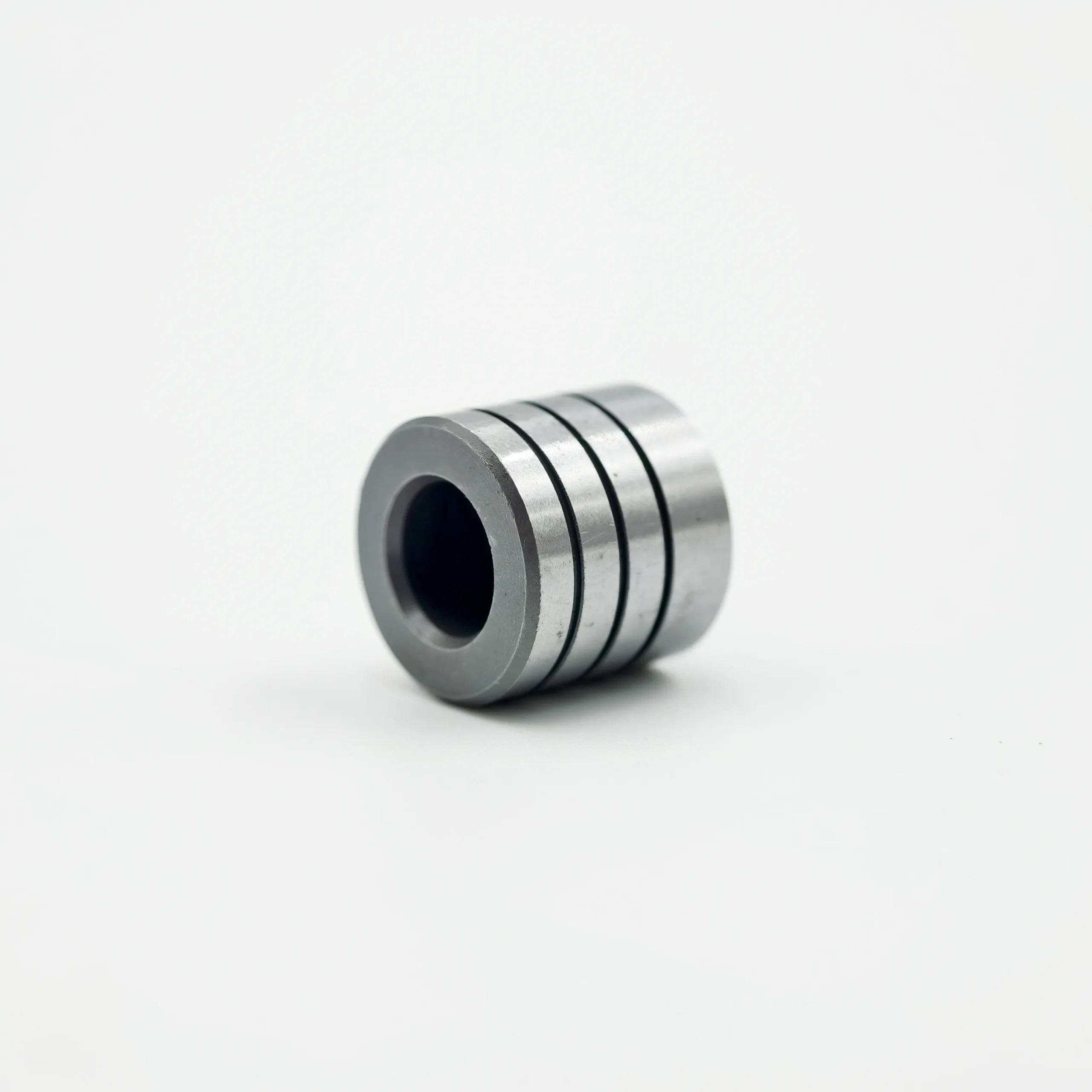 Valve 104-15-25480 – KOMATSU
 -
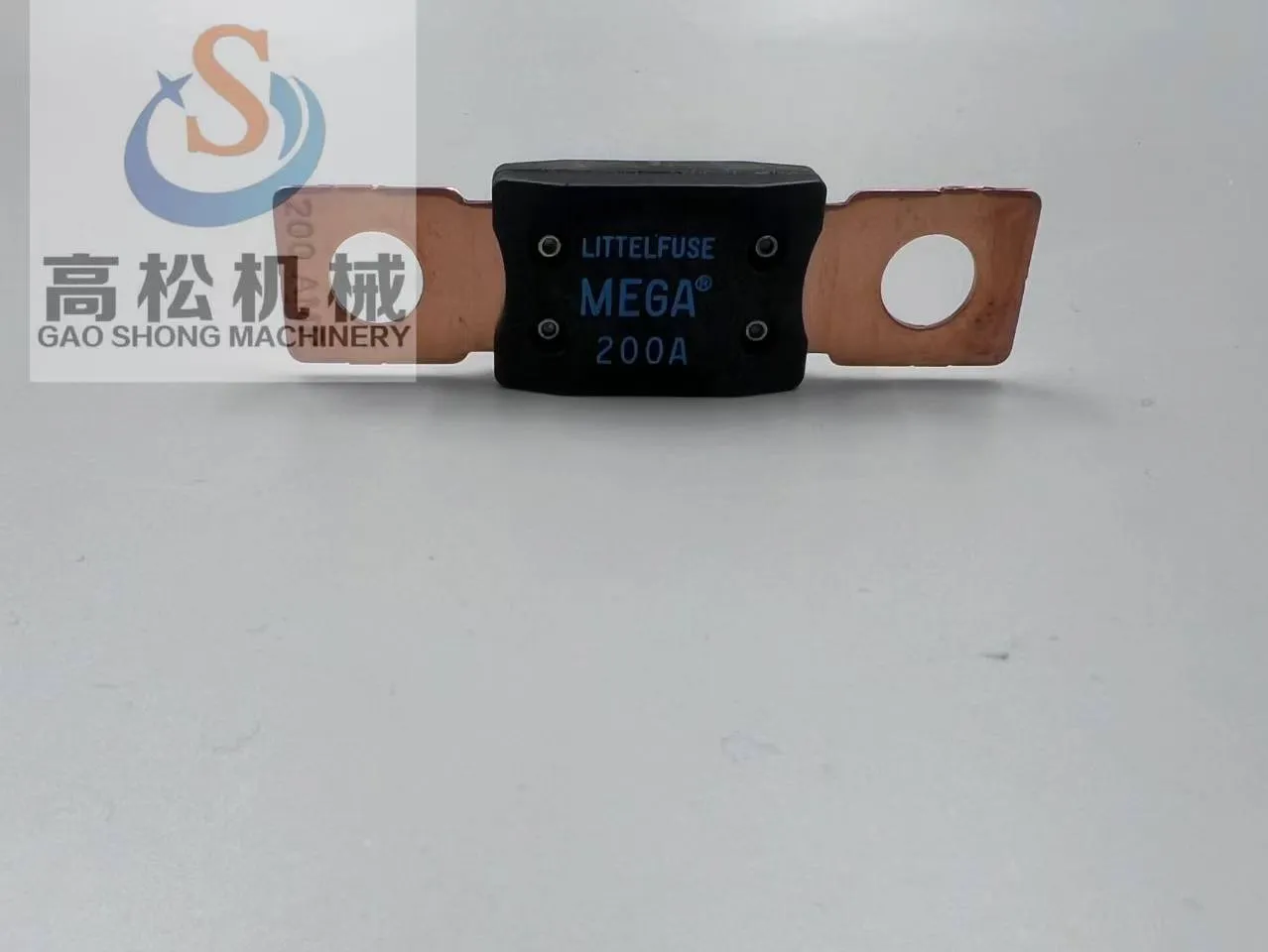 Original original fuse 561-06-81610 for hd785-7 wheel loaders wa500-6 bulldozer parts bulldozer parts ass ‘y
 -
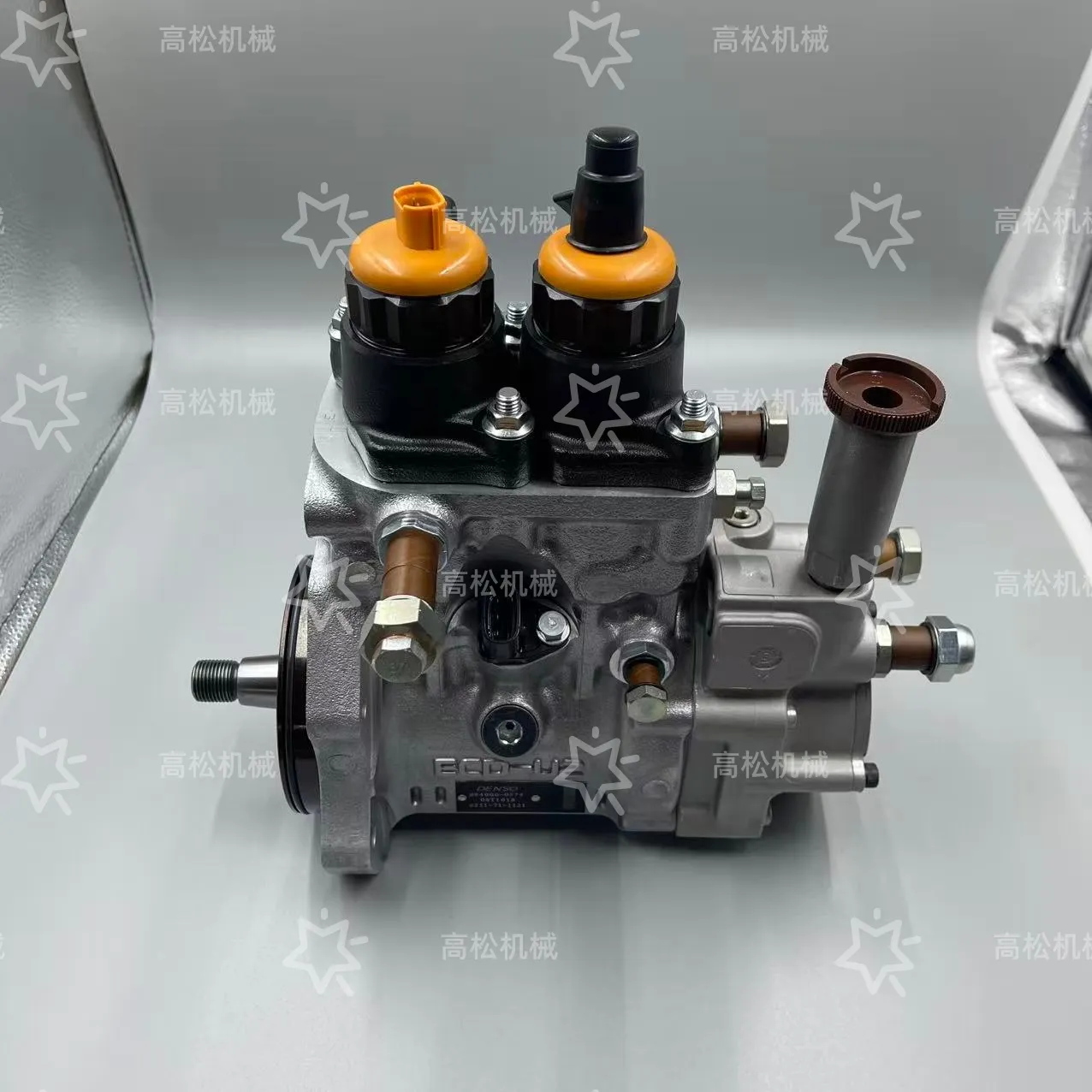 Fuel Injection Pump For Komatsu PC400-8 6251-71-1120 6251-71-1121 094000-057
 -
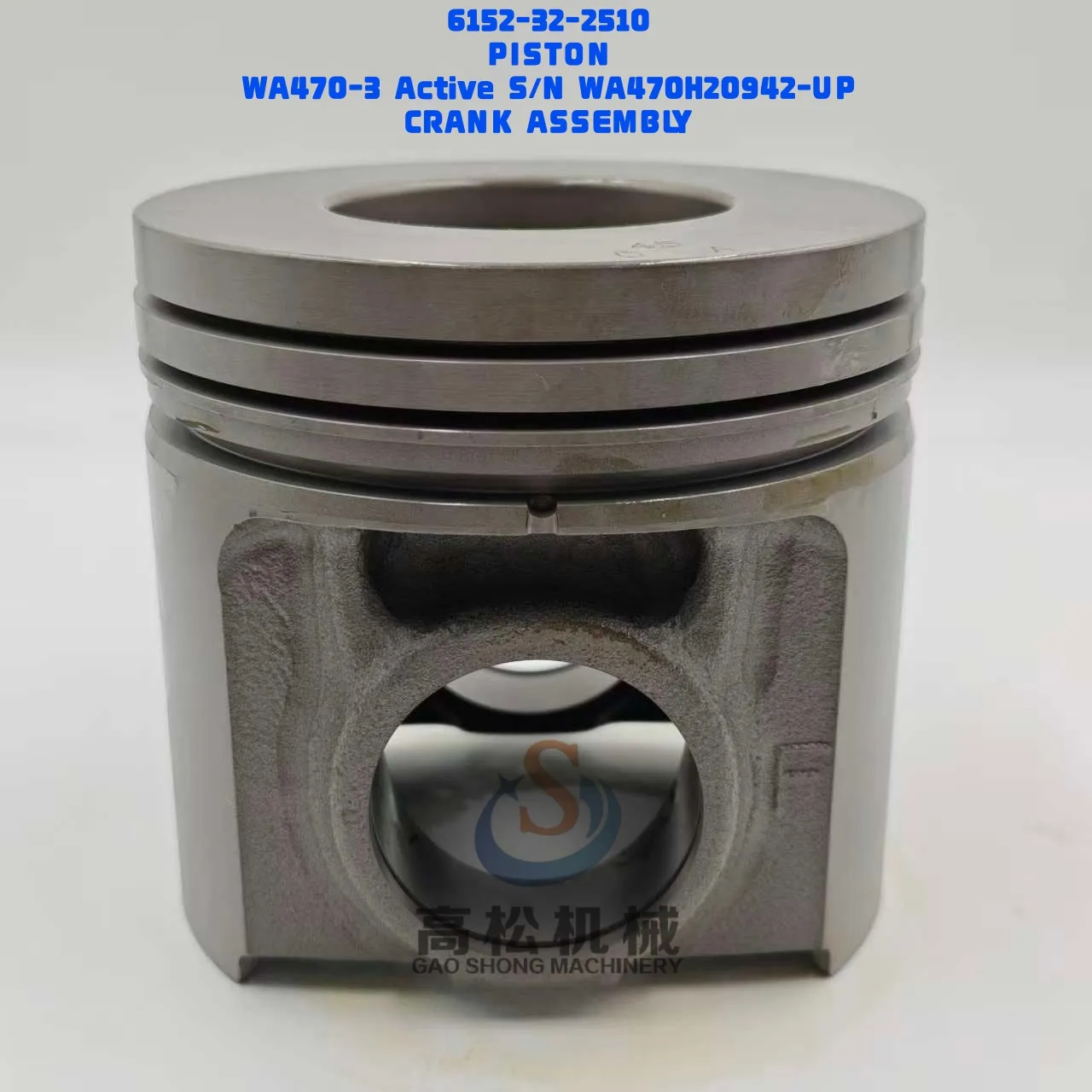
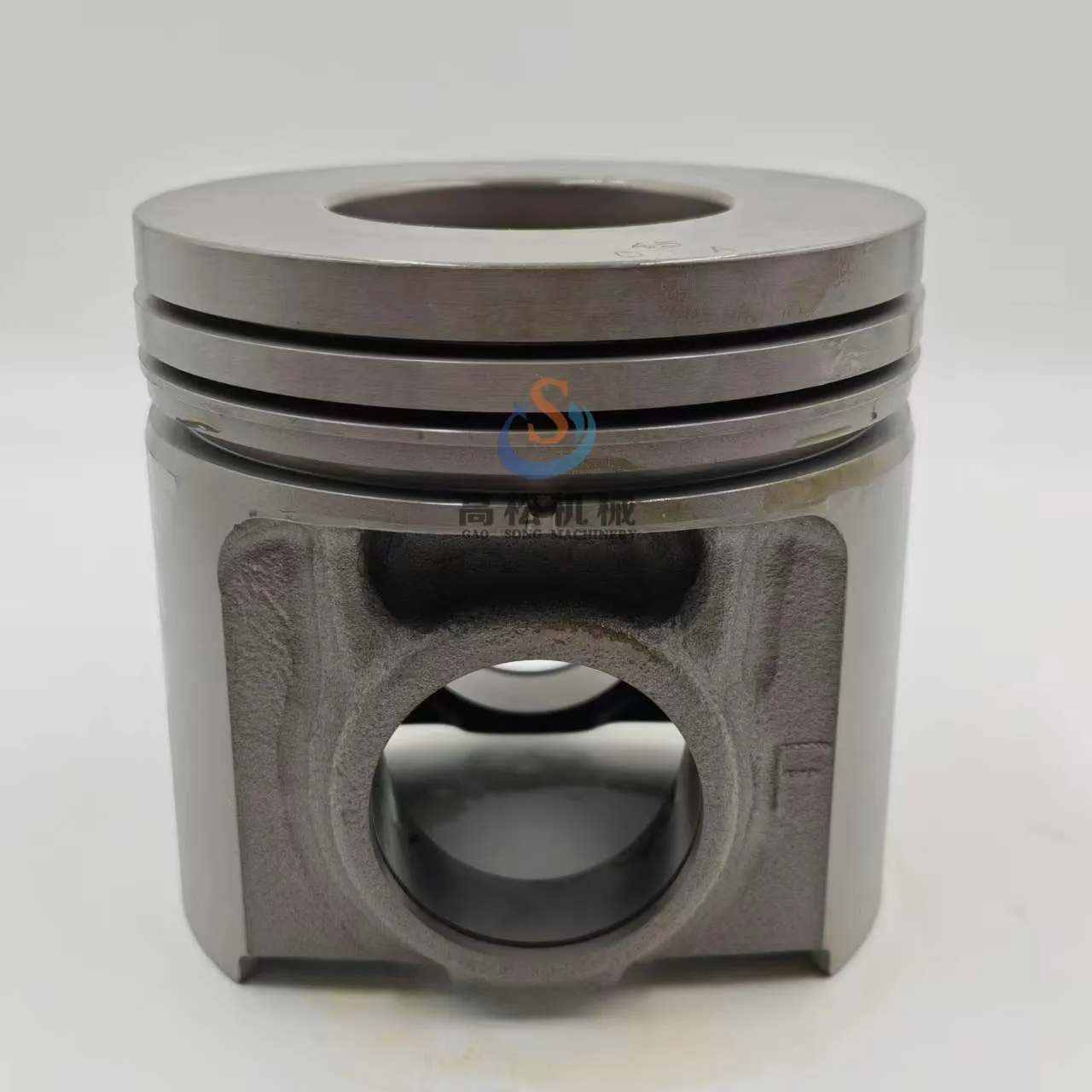 6152-32-2510 komatsu-parts piston
 -
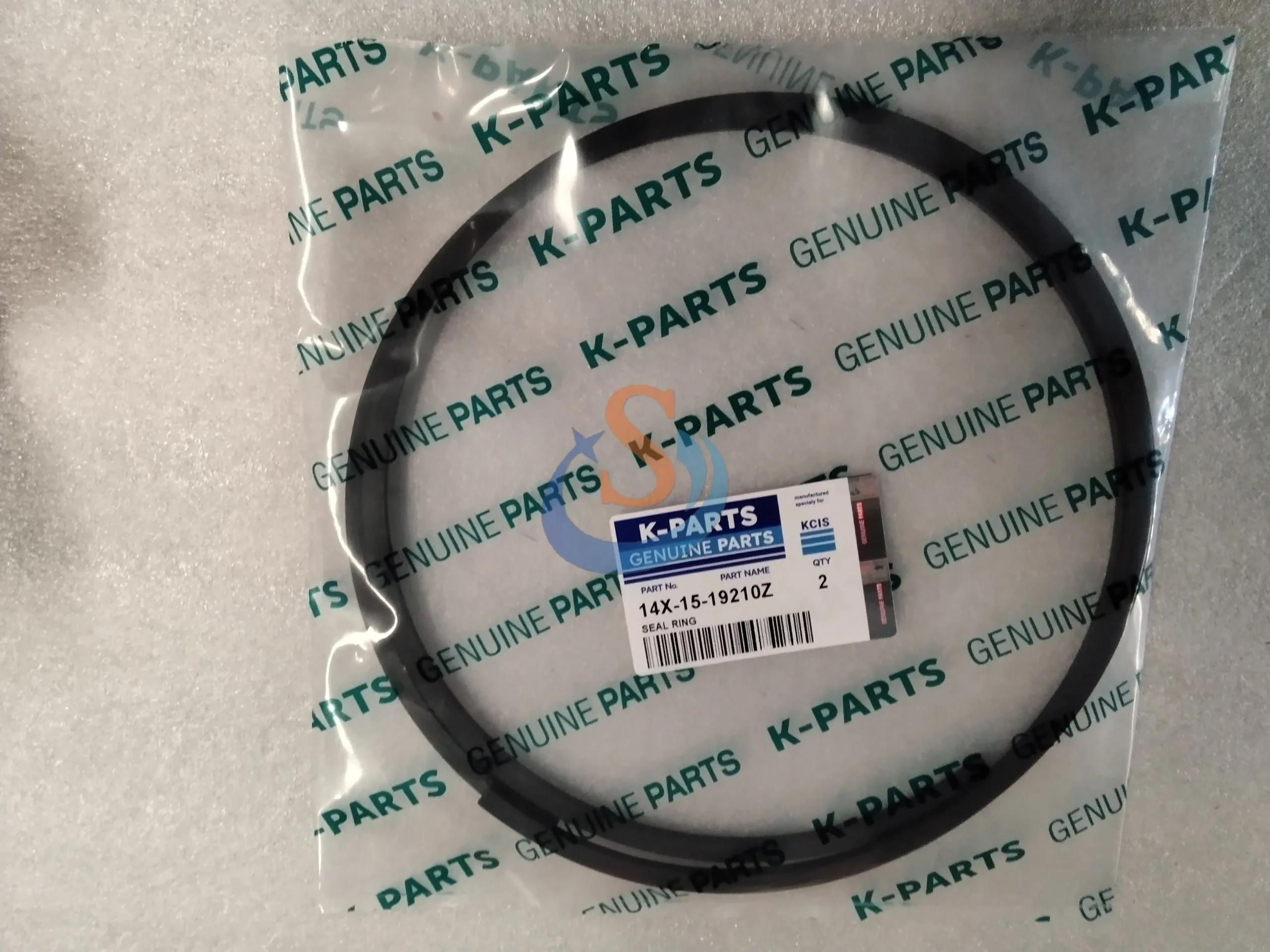 14X-15-19210 SEAL RING D65/WA500/D85
 -
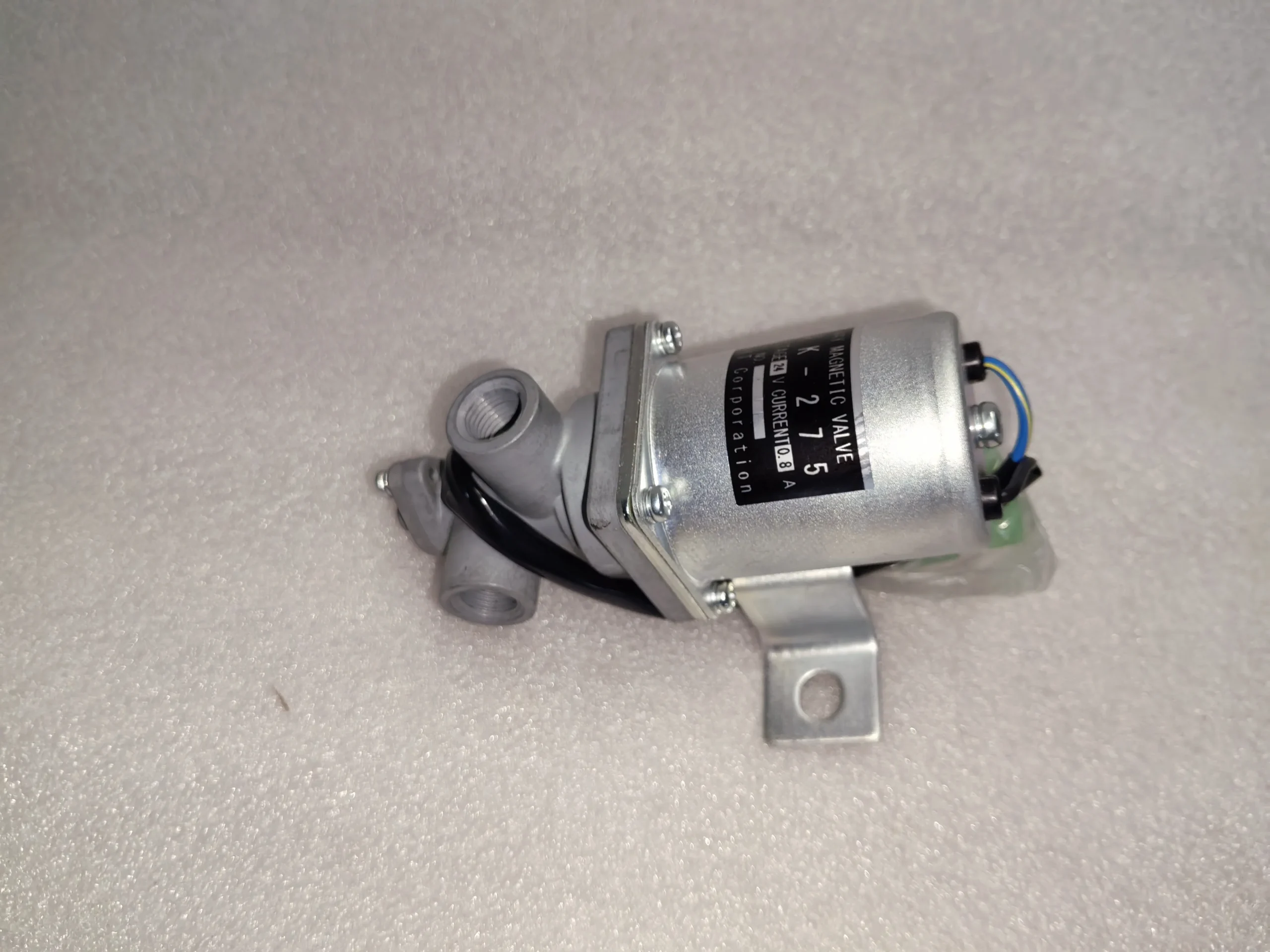 425-06-11150 VALVE Komatsu Original Factory
 -
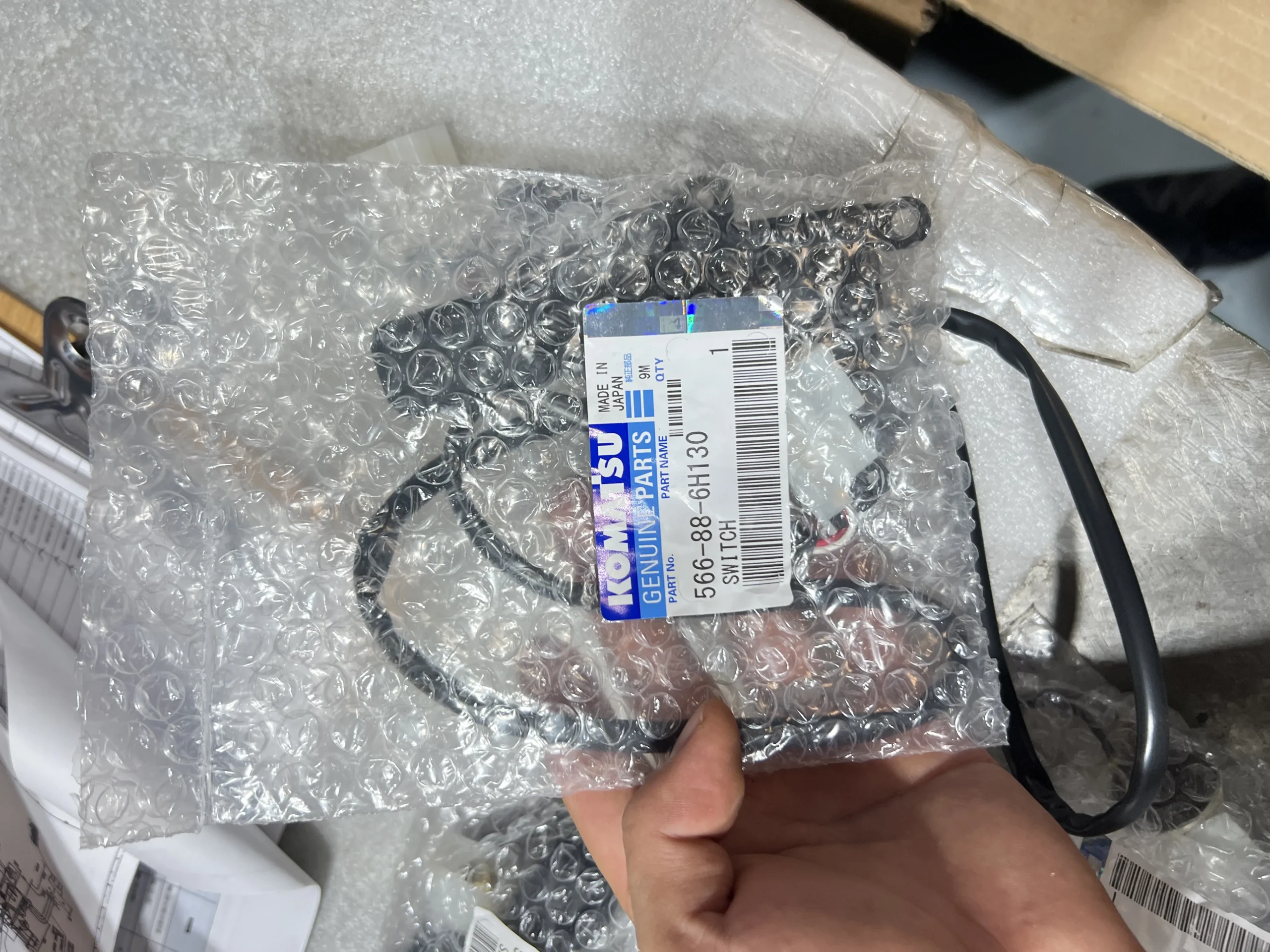 566-88-6H130 Komatsu Switch, Retarder
 -
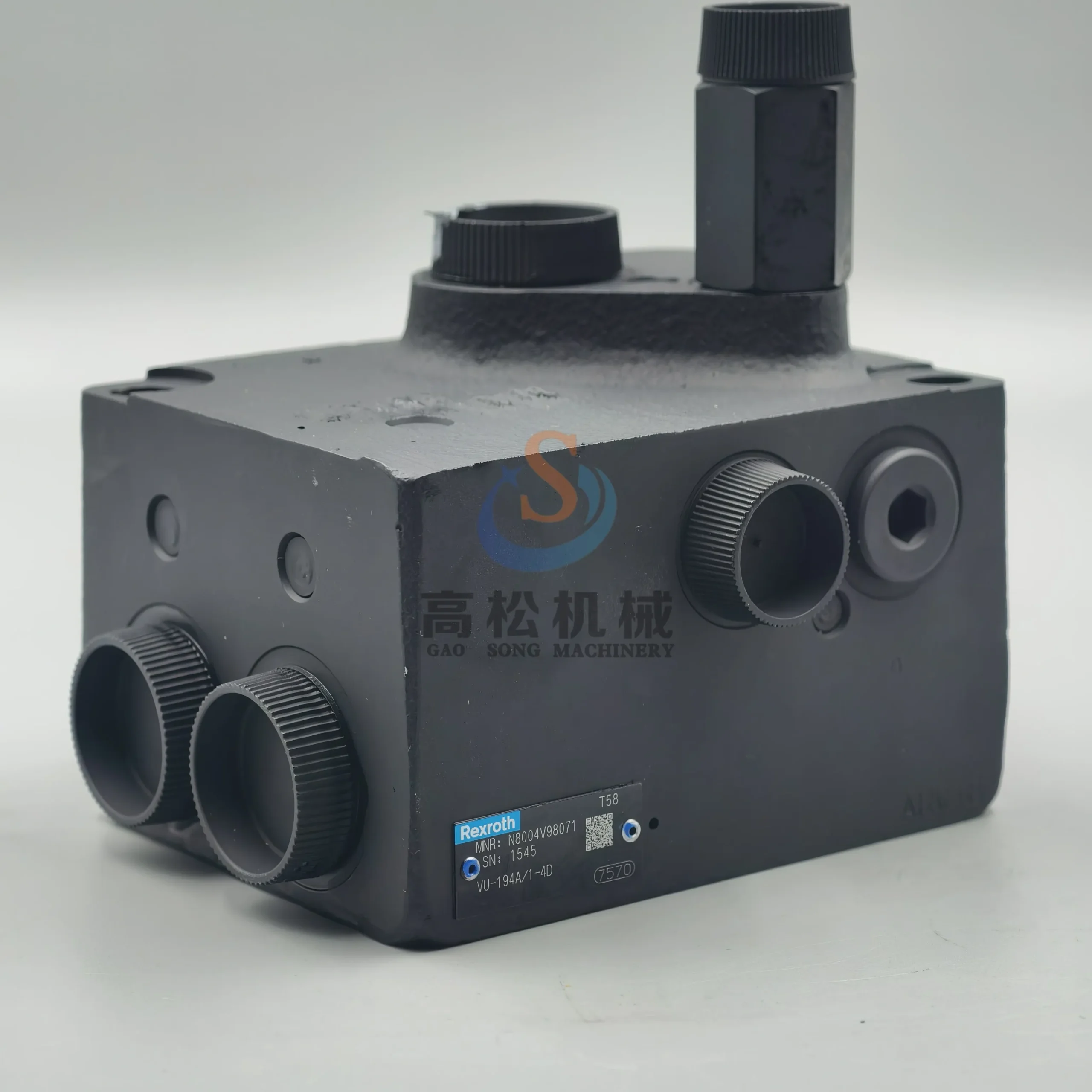 419-43-27401 komatsu vavle-WA400/WA300
 -
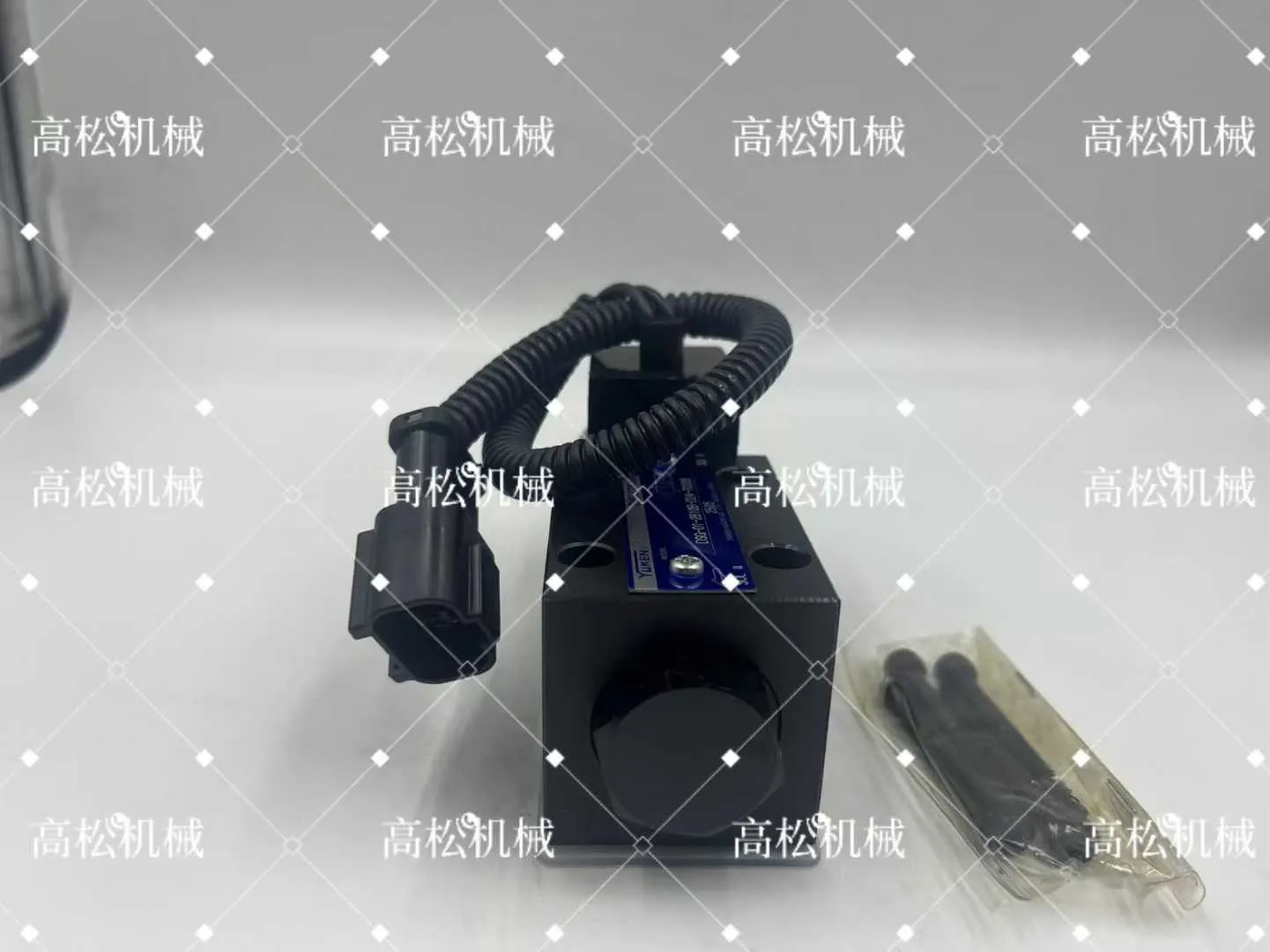 23W-60-28230 Valve Assembly, Komatsu. Applicable Model: WA600-3. In stock.
 -
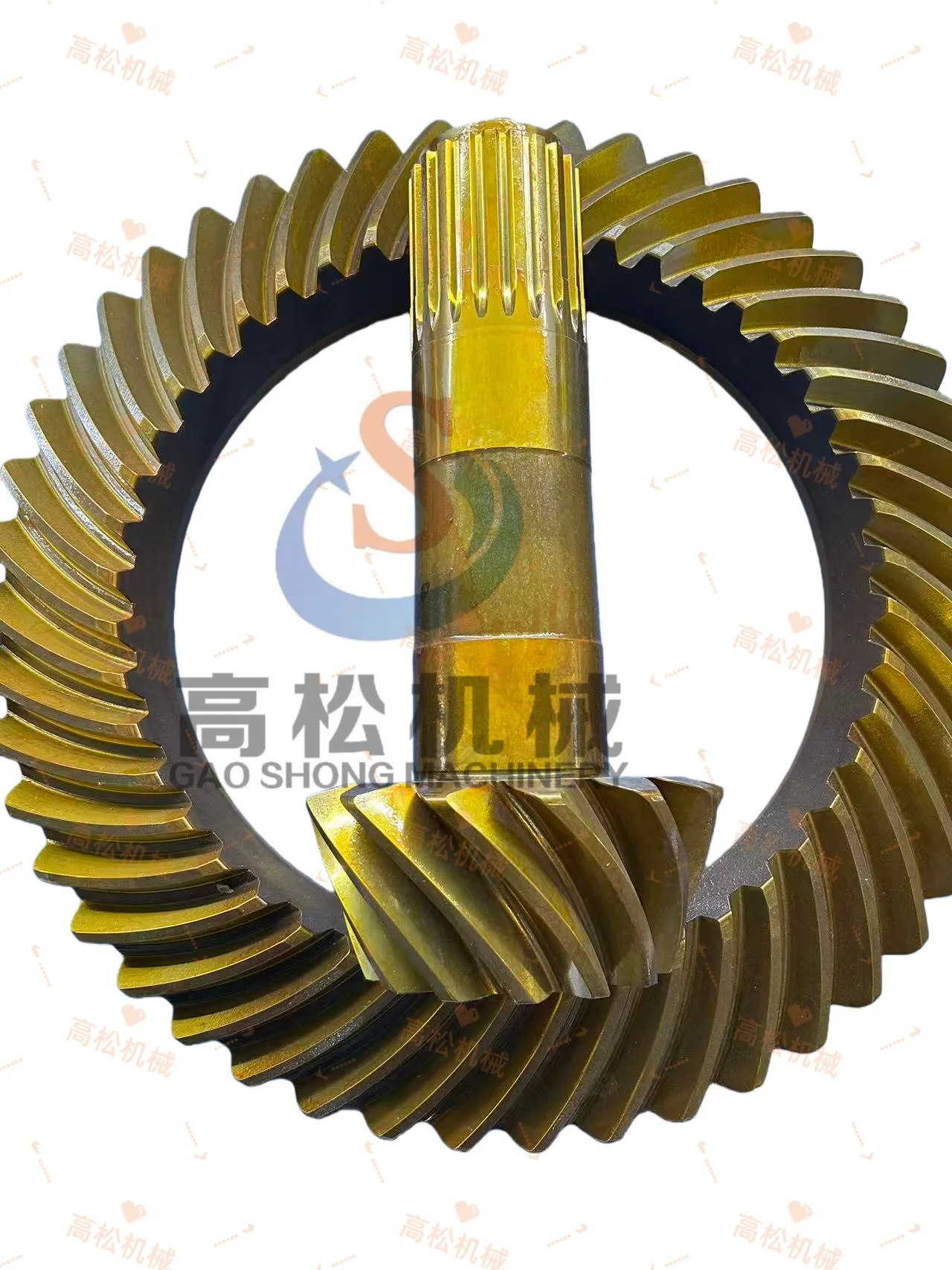 561-22-71207 561-22-71203 PINION GEAR ASS’Y HD785-7 REAR AXLE
 -
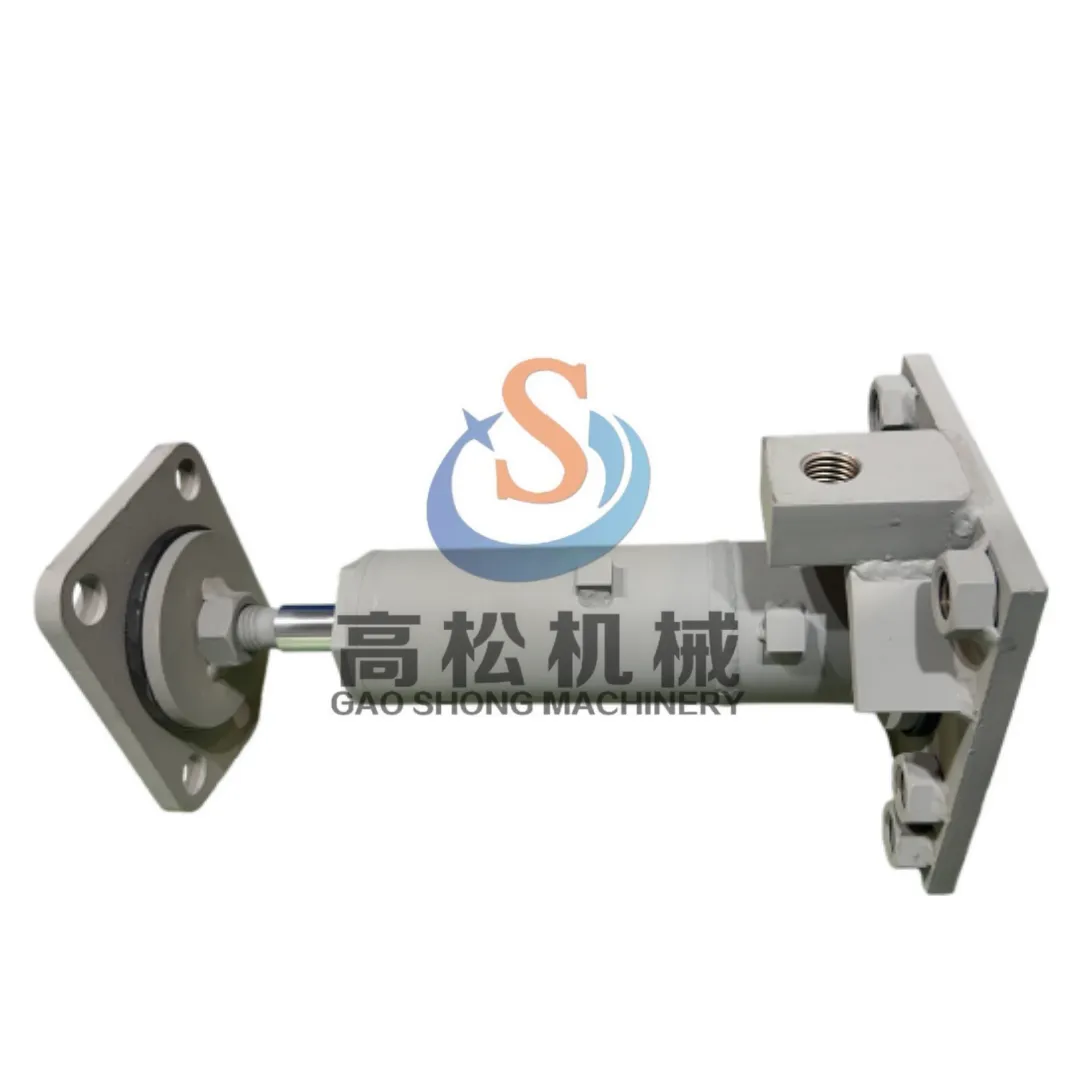 suspension ass’y 17a-54-16201 – komatsu
 -
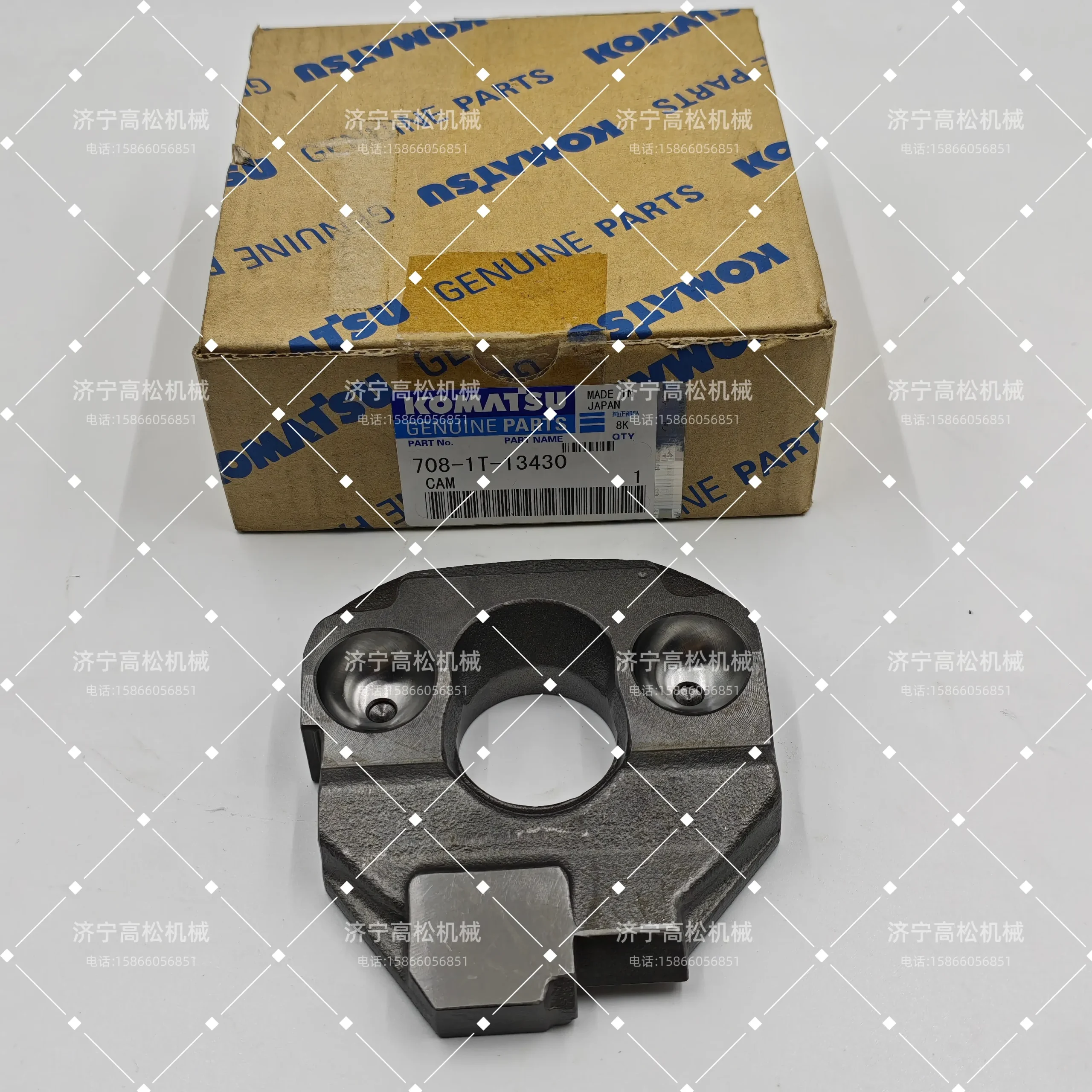 708-1T-13430 Komatsu Cam, Rocker