
- Chinese
- French
- German
- Portuguese
- Spanish
- Russian
- Japanese
- Korean
- Arabic
- Irish
- Greek
- Turkish
- Italian
- Danish
- Romanian
- Indonesian
- Czech
- Afrikaans
- Swedish
- Polish
- Basque
- Catalan
- Esperanto
- Hindi
- Lao
- Albanian
- Amharic
- Armenian
- Azerbaijani
- Belarusian
- Bengali
- Bosnian
- Bulgarian
- Cebuano
- Chichewa
- Corsican
- Croatian
- Dutch
- Estonian
- Filipino
- Finnish
- Frisian
- Galician
- Georgian
- Gujarati
- Haitian
- Hausa
- Hawaiian
- Hebrew
- Hmong
- Hungarian
- Icelandic
- Igbo
- Javanese
- Kannada
- Kazakh
- Khmer
- Kurdish
- Kyrgyz
- Latin
- Latvian
- Lithuanian
- Luxembou..
- Macedonian
- Malagasy
- Malay
- Malayalam
- Maltese
- Maori
- Marathi
- Mongolian
- Burmese
- Nepali
- Norwegian
- Pashto
- Persian
- Punjabi
- Serbian
- Sesotho
- Sinhala
- Slovak
- Slovenian
- Somali
- Samoan
- Scots Gaelic
- Shona
- Sindhi
- Sundanese
- Swahili
- Tajik
- Tamil
- Telugu
- Thai
- Ukrainian
- Urdu
- Uzbek
- Vietnamese
- Welsh
- Xhosa
- Yiddish
- Yoruba
- Zulu
- Kinyarwanda
- Tatar
- Oriya
- Turkmen
- Uyghur






Komatsu OEM engine components
When you hear 'Komatsu OEM engine components', the immediate thought is genuine parts from Komatsu's own supply chain. That's correct, but it's also where the first common industry pitfall lies: assuming that's the only viable path. In reality, especially in markets with complex supply logistics, the definition of 'OEM' within the Komatsu ecosystem can have more layers. I've seen operations grind to a halt waiting for a single, officially routed gasket or a fuel injection pump, while functionally identical parts meeting Komatsu's original specs were available through authorized alternative channels. The key isn't just the Komatsu logo on the box; it's the adherence to the original engineering specifications and the quality assurance that backs it up. This distinction is crucial and often overlooked until you're in a bind.
The Nuance of OEM Within the System
This is where companies like Jining Gaosong Construction Machinery Co., Ltd. come into the picture. Their positioning as an OEM product supplier within the Komatsu system is specific. It doesn't mean they are Komatsu Manufacturing; it means they operate under agreements to produce or supply components that are built to Komatsu's original design and material specifications. I've dealt with similar suppliers for cylinder liners and valve train components. The parts often come without the branded packaging but with certification documents that trace the production batch back to the approved technical drawings. For a fleet manager, this is the critical paperwork, sometimes more important than the cosmetic branding.
The practical advantage here is supply chain resilience. Take the website takematsumachinery.com – their stated role in solving parts supply challenges in certain countries rings true from experience. I recall a project in a Southeast Asian port where the lead time for an official Komatsu SAA6D140E-3 engine turbocharger cartridge was quoted at 11 weeks. A supplier with a similar within the system status provided a certified alternative that was air-freighted in 7 days. The component performed to the expected 8,000-hour service life. It wasn't about circumventing the OEM, but accessing the same quality through a different, more agile logistical node.
However, this requires a disciplined verification process. Not all claims hold water. We once tested a set of piston rings from a new vendor claiming OEM equivalence. The metallurgy seemed off on paper, and indeed, they showed accelerated wear in a high-sulfur fuel environment that the genuine Komatsu rings handled fine. The lesson was that OEM spec must include the full material chemistry and treatment process, not just dimensional accuracy. This is the judgment call you constantly make.
Third-Party Sales: Bridging Gaps, Managing Risk
Jining Gaosong's dual role as a third-party sales company for Komatsu is the other side of the coin. This often involves distributing genuine, packaged Komatsu parts, but also extends to managing surplus or supporting discontinued models. This channel is vital for older machines, like the PC300-6 or HD785-5, where Komatsu's main depots may have phased out support. I've sourced original Komatsu engine components like camshafts for a D375A-5 dozer this way, parts that were officially listed as obsolete.
The risk in the third-party space is authenticity dilution. The term gets used loosely. A true third-party sales company for Komatsu will have a direct commercial agreement, not just a pile of parts bought on the open market. You develop an eye for the tell-tales: consistent batch numbering, proper security seals on packages, and documentation that aligns with Komatsu's parts numbering system. When it's right, it's a lifeline. When it's wrong, you get remanufactured parts passed off as new, or worse, counterfeits that fail catastrophically.
A practical scenario: we needed a complete Komatsu OEM fuel rail assembly for a newer SAA6D125E-5 engine. The official channel was backlogged. A reputable third-party sales agent provided the genuine part from another region's stock, with full traceability. It worked seamlessly. But another time, a third-party vendor offered us a genuine water pump at a suspiciously low price. The casting was rougher, and the bearing seal design was subtly different. We declined. It later turned out to be a high-grade imitation. Trust, built on verified transactions and technical cross-checks, is the currency here.
On-the-Ground Challenges and Component-Specific Stories
Let's get specific about engine components. It's rarely about the entire engine block. It's about the high-wear or high-stress items: fuel injectors, piston assemblies, cylinder heads, EGR coolers. For Komatsu engines, the calibration of fuel injectors is proprietary and critical. Using a non-validated injector can throw off the entire engine management system, killing fuel efficiency and triggering fault codes. I always insist on either genuine Komatsu injectors or units recalibrated on Komatsu-approved test benches with the correct software. There's no shortcut.
Another headache is the gasket sets. A full OEM engine components gasket kit for a mid-sized excavator engine is a complex bundle. Aftermarket kits often substitute inferior material for the head gasket or valve stem seals to cut cost. The failure mode is slow – oil seepage, compression loss over time – not immediate, making it a sneaky source of downtime and increased operating cost. We learned to audit kit contents against the genuine parts list, material by material.
Then there's the electronics. Sensors for coolant temperature, boost pressure, crankcase pressure. These are increasingly integrated Komatsu OEM parts. A faulty aftermarket sensor might read in range but be slow to respond, causing the ECU to make poor adjustments. We had a case of persistent derating on a wheel loader; it turned out to be a non-OEM boost pressure sensor with a 0.5-second lag. Swapped it for the proper part, problem vanished. These are the details that separate a parts changer from a technician.
The Verification Protocol: How We Decide
So how do we navigate this? It's not a simple always genuine rule because cost and availability are real constraints. We developed a tiered protocol. For safety-critical and calibration-critical components (fuel system, major bearings, engine ECU), we push for genuine Komatsu or the certified within the system alternative from a partner like the mentioned Jining Gaosong, whose model is built on this niche. The premium is insurance.
For components like certain gaskets (excluding head gaskets), seals, bolts, and non-critical brackets, we might consider high-grade aftermarket, but only from suppliers with a proven track record and full material disclosure. We destructively test samples first – cut open a seal, test a bolt's tensile strength. It's extra work, but it builds a reliable secondary supply list.
The company's website intro, stating they help solve parts supply challenges, is exactly the problem they address. Our protocol aligns with that. When a critical part is unavailable, they become a potential source for the certified OEM-spec part, not just a generic alternative. The decision matrix then shifts from genuine vs. aftermarket to which certified channel can deliver the spec-compliant part fastest. This is the real-world application of their value proposition.
Concluding Without a Perfect Bow
There's no one-size-fits-all conclusion. Running a fleet on pure genuine Komatsu parts is ideal but often economically or logistically impossible in many regions. The ecosystem of Komatsu OEM engine components is therefore broader than the official price book. It includes these authorized producers and specialized third-party sales entities that provide authenticity and agility.
The core of it is technical due diligence. Whether it's a part sourced through a company's portal like takematsumachinery.com or through a local dealer, the questions remain: Can you verify its provenance against Komatsu's engineering spec? Does the supplier understand the difference between a dimensional copy and a functional equivalent? The failures I've seen always trace back to a lapse in asking these questions, usually under time pressure.
So, the keyword Komatsu OEM engine components points to a technical standard, not just a procurement source. Finding reliable partners who can navigate that standard's practical implementation, especially under constraint, is the real task. It's less about buying a part and more about buying the assurance that comes with it. That assurance is what keeps engines running beyond the next service interval.
Related Products
Related Products

Best Selling Products
Best Selling Products-
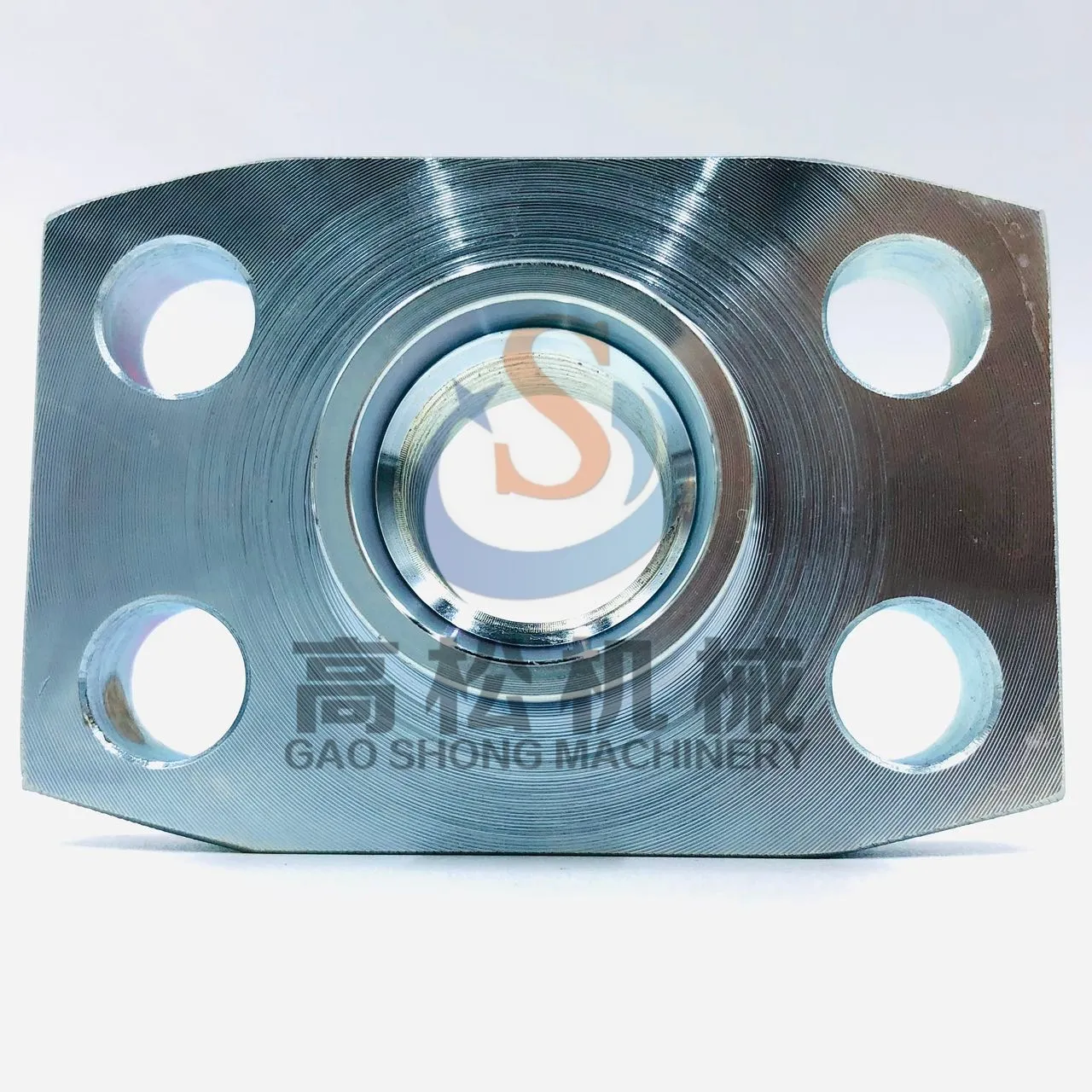 Komatsu excavator PC1250 flange 21N-38-12310
 -
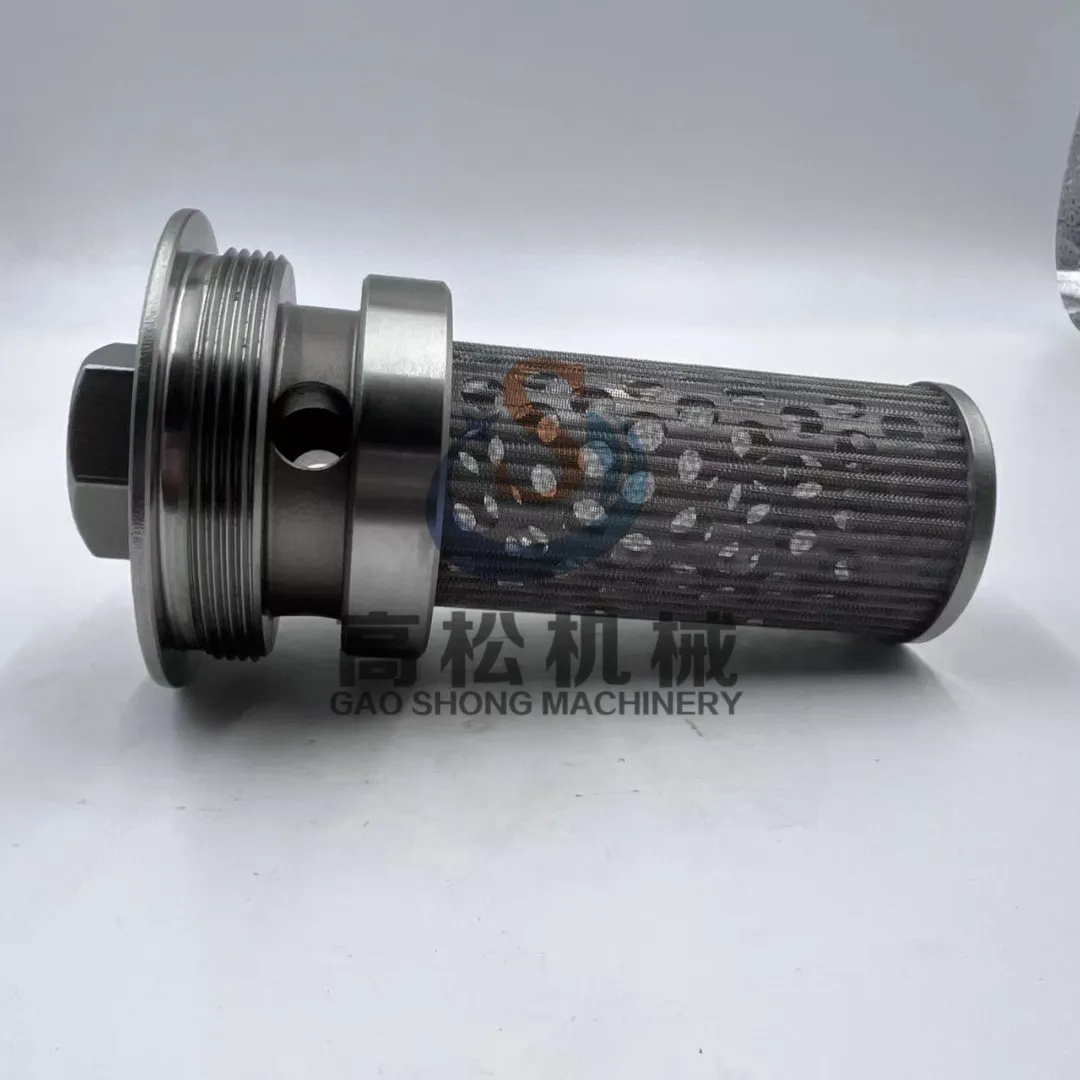 Komatsu 195-04-11150 Strainer 195041150
 -
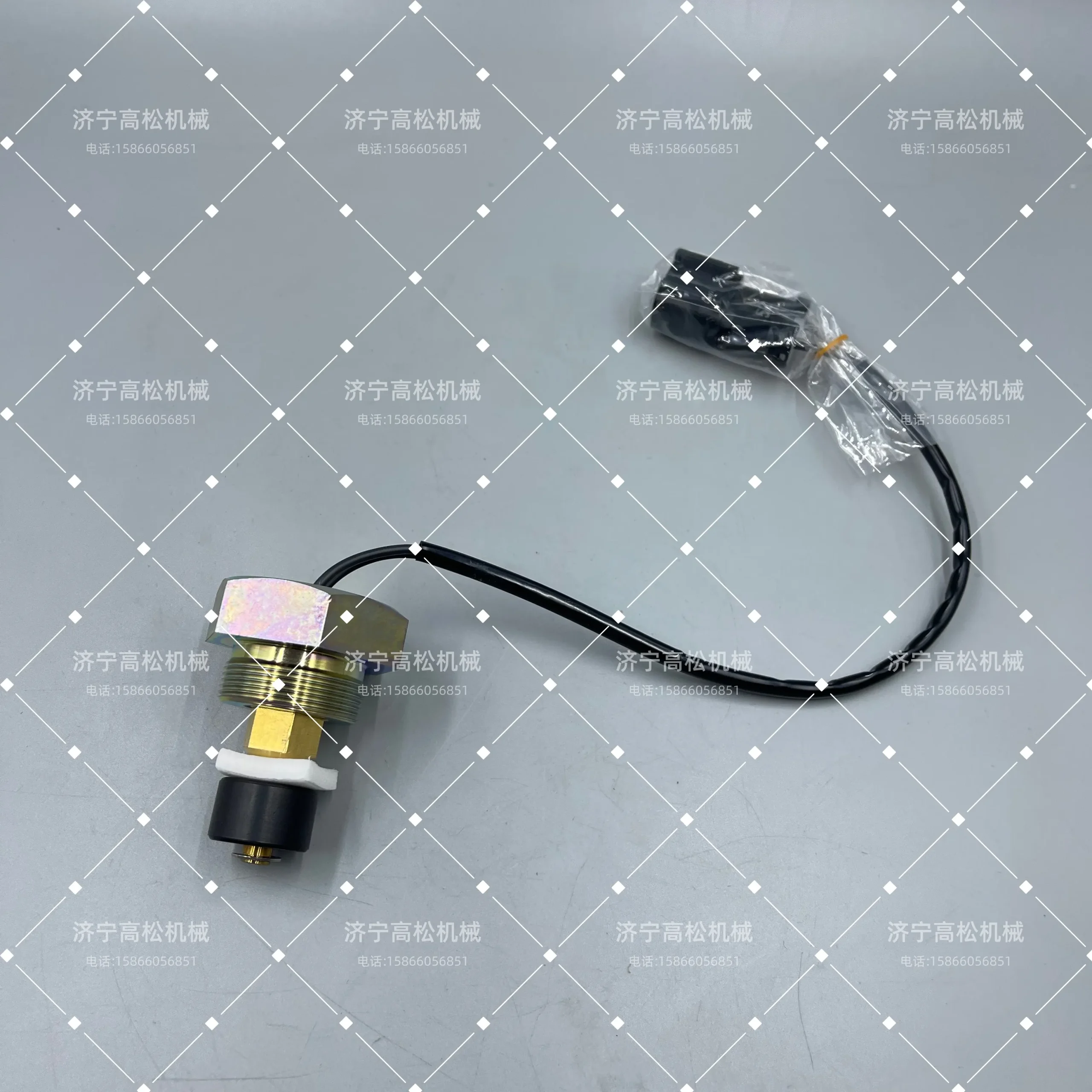 Sensor 7861-92-4500 for KOMATSU WA350-3A-S China…
 -
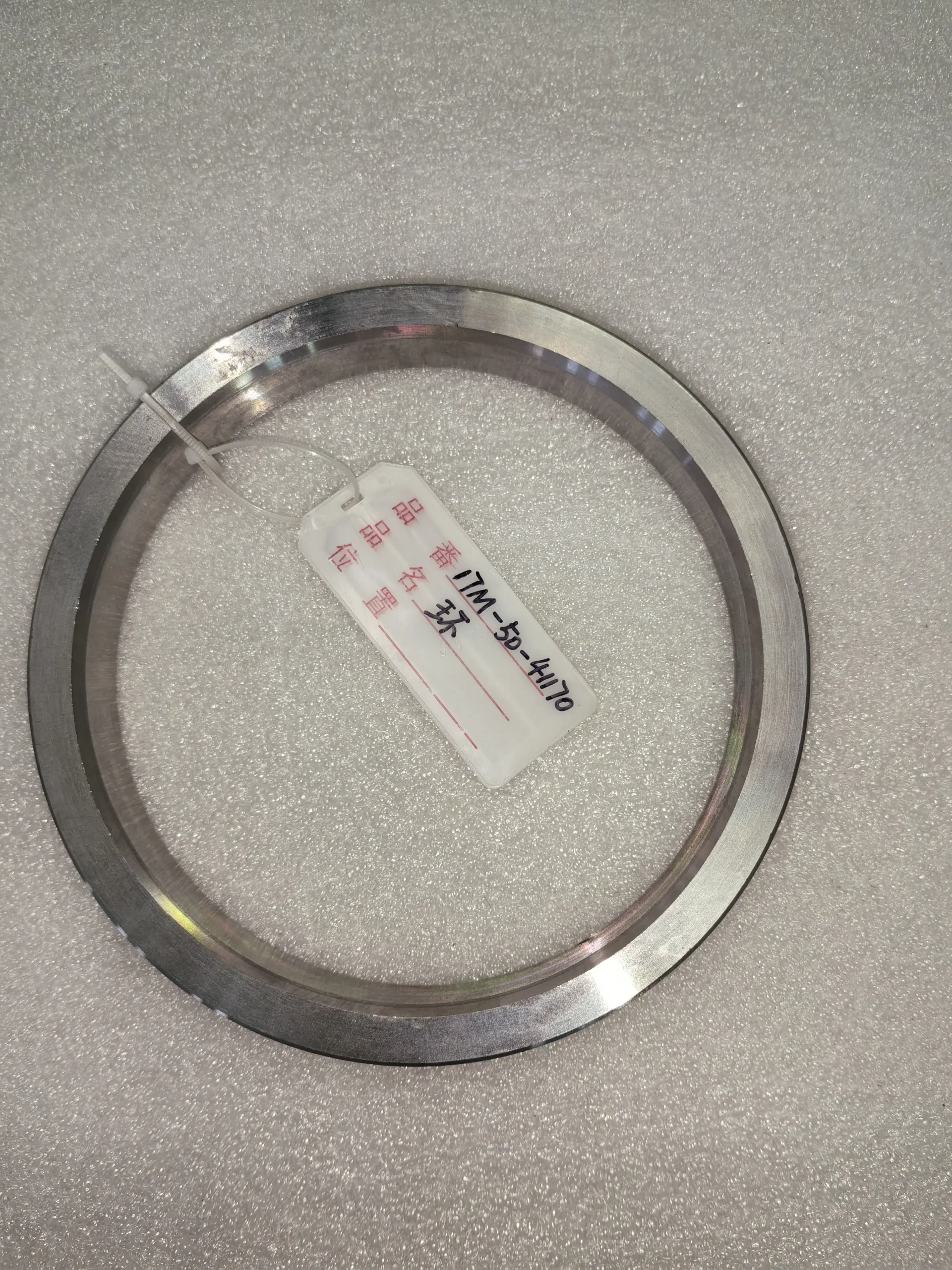 RING 17M-50-41170 – KOMATSU
 -
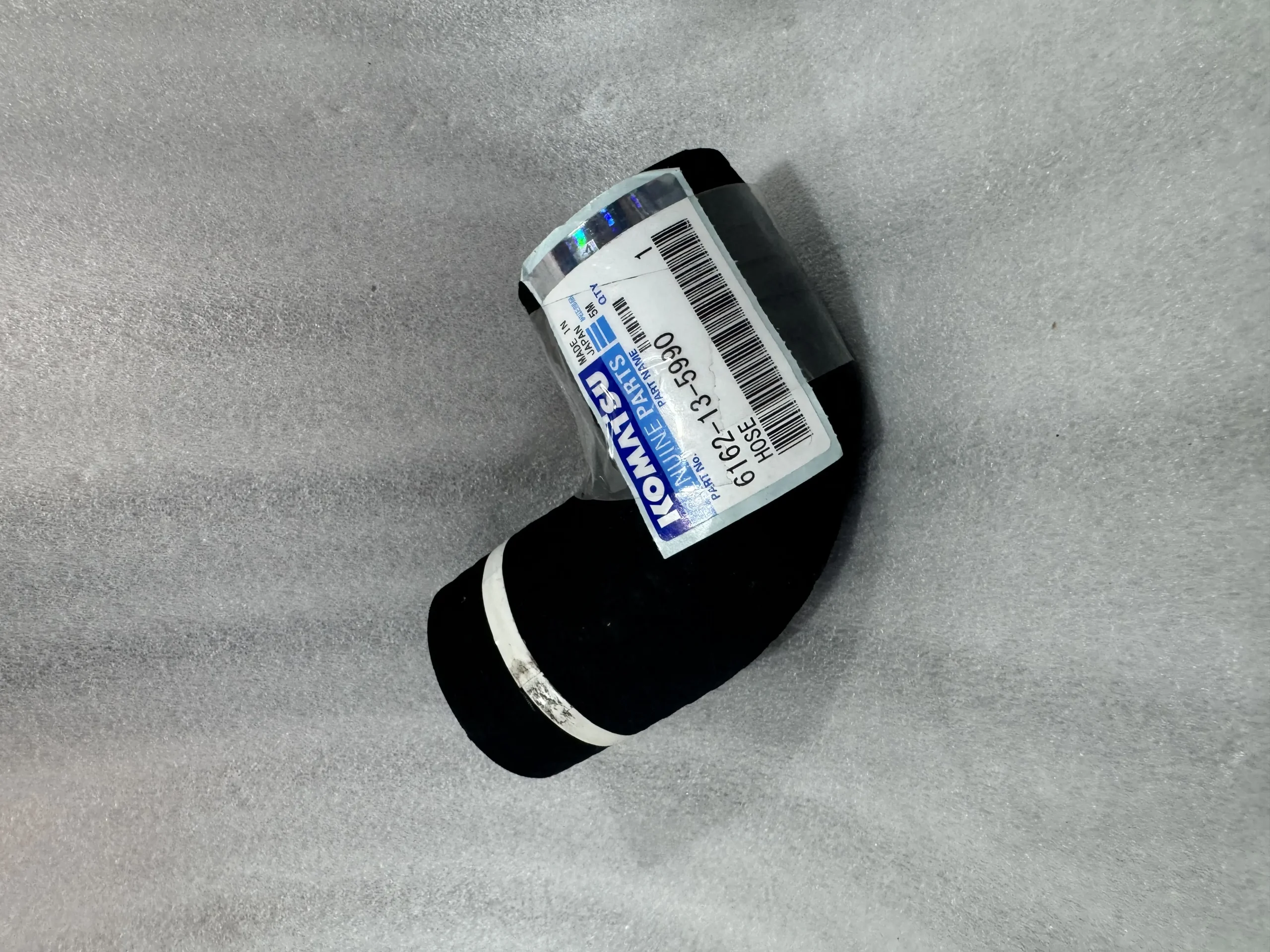 6D170-2 Hose 6162-13-5990
 -
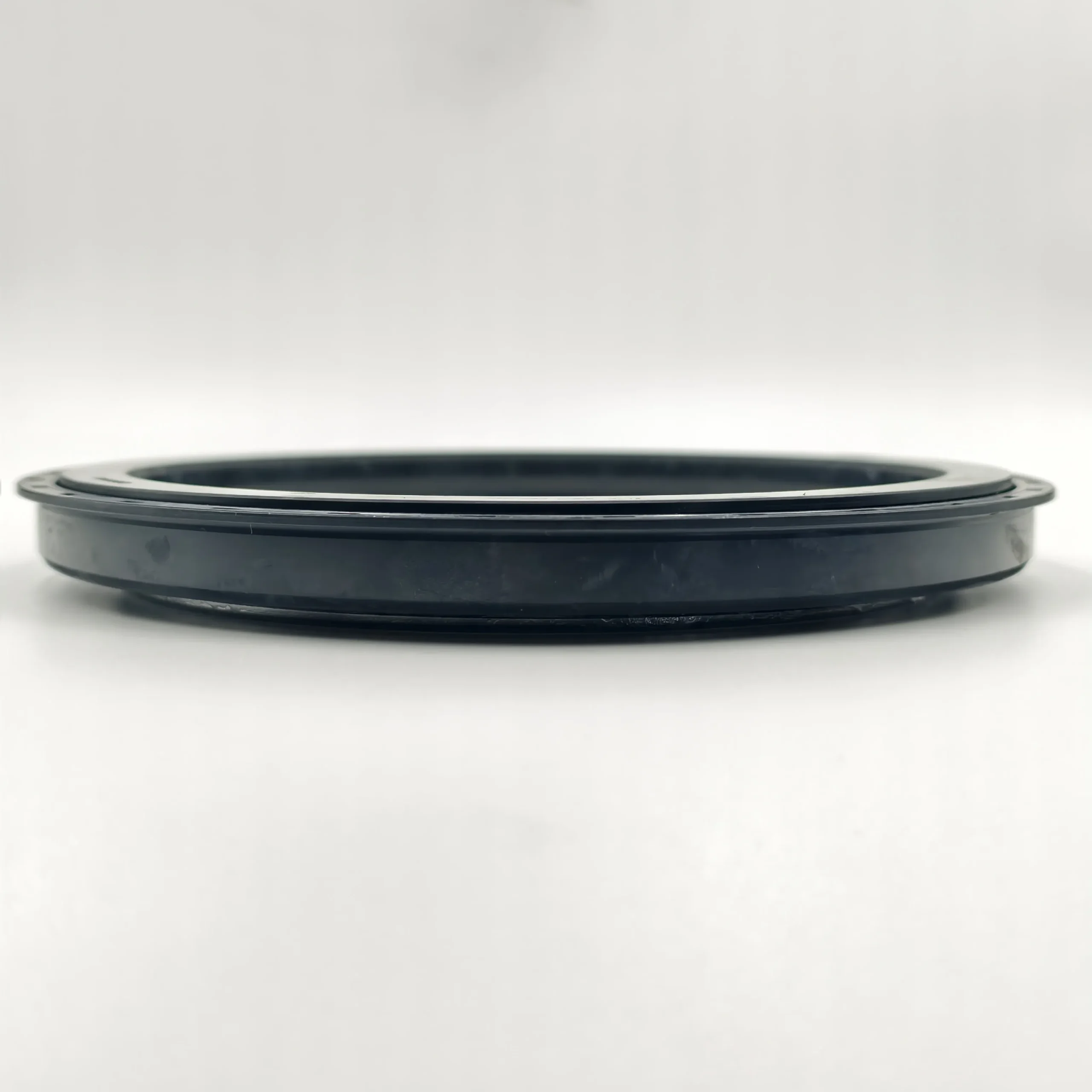 SEAL,OIL 235-25-11310 – KOMATSU
 -
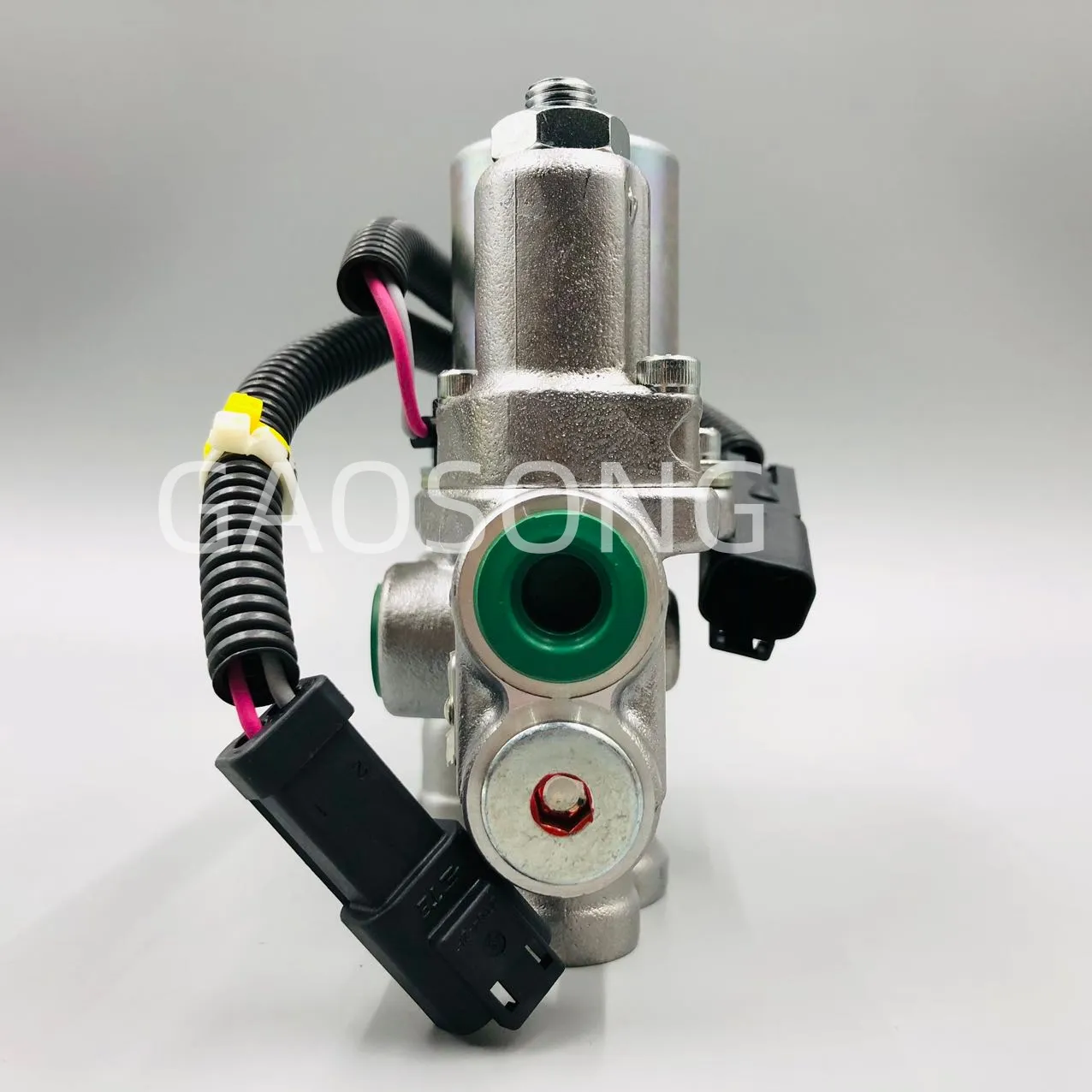 22F-60-31600 VALVE ASS’Y,(SEE FIG.Y1681-01A0).-Komatsu Original Factory
 -
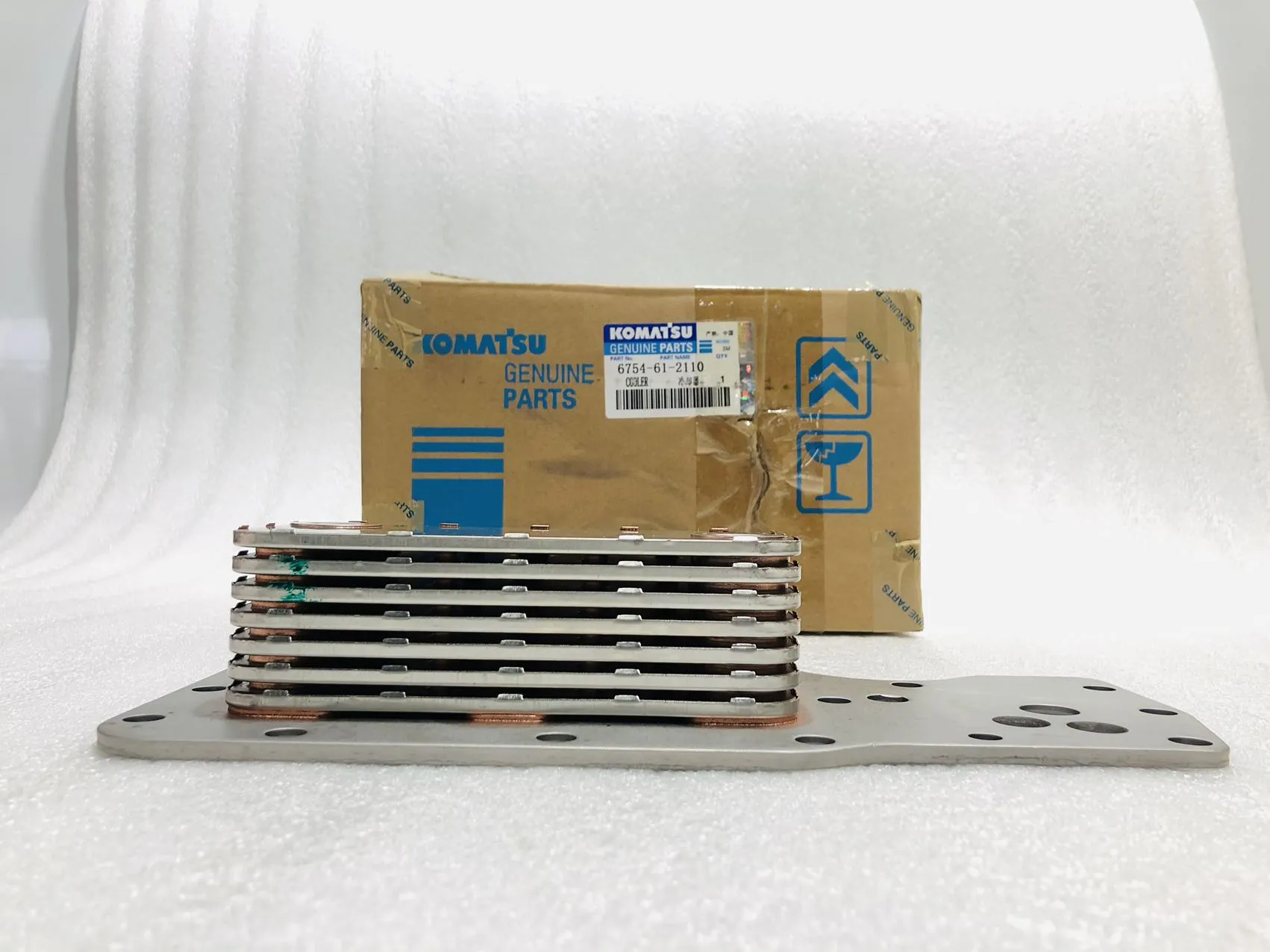 OIL COOLER 6754-61-2110 For Komatsu Engine SAA6D107E PC200-8
 -
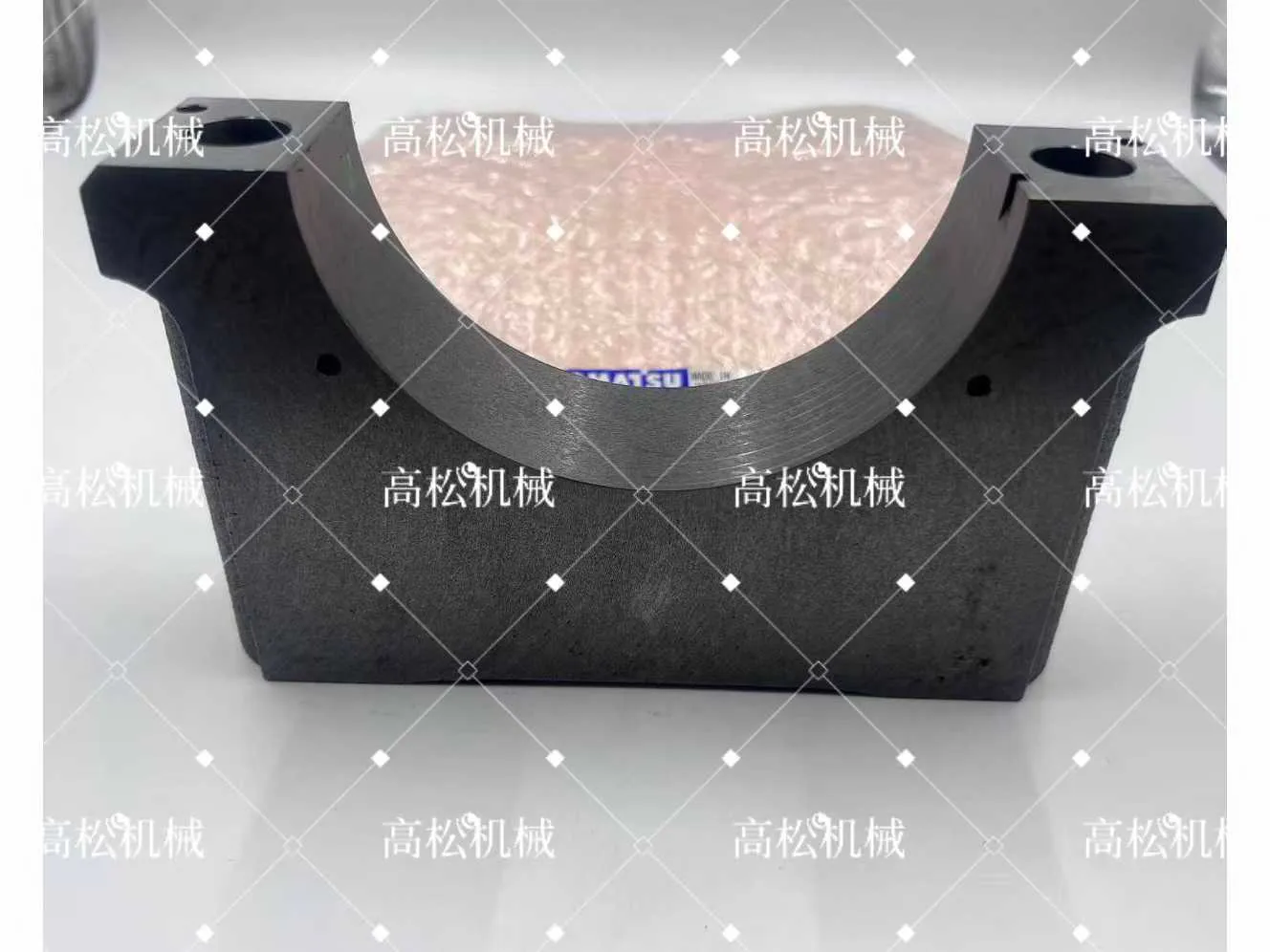 Komatsu Genuine CAP, MAIN METAL, WA470-3, 6150-29-1210
 -
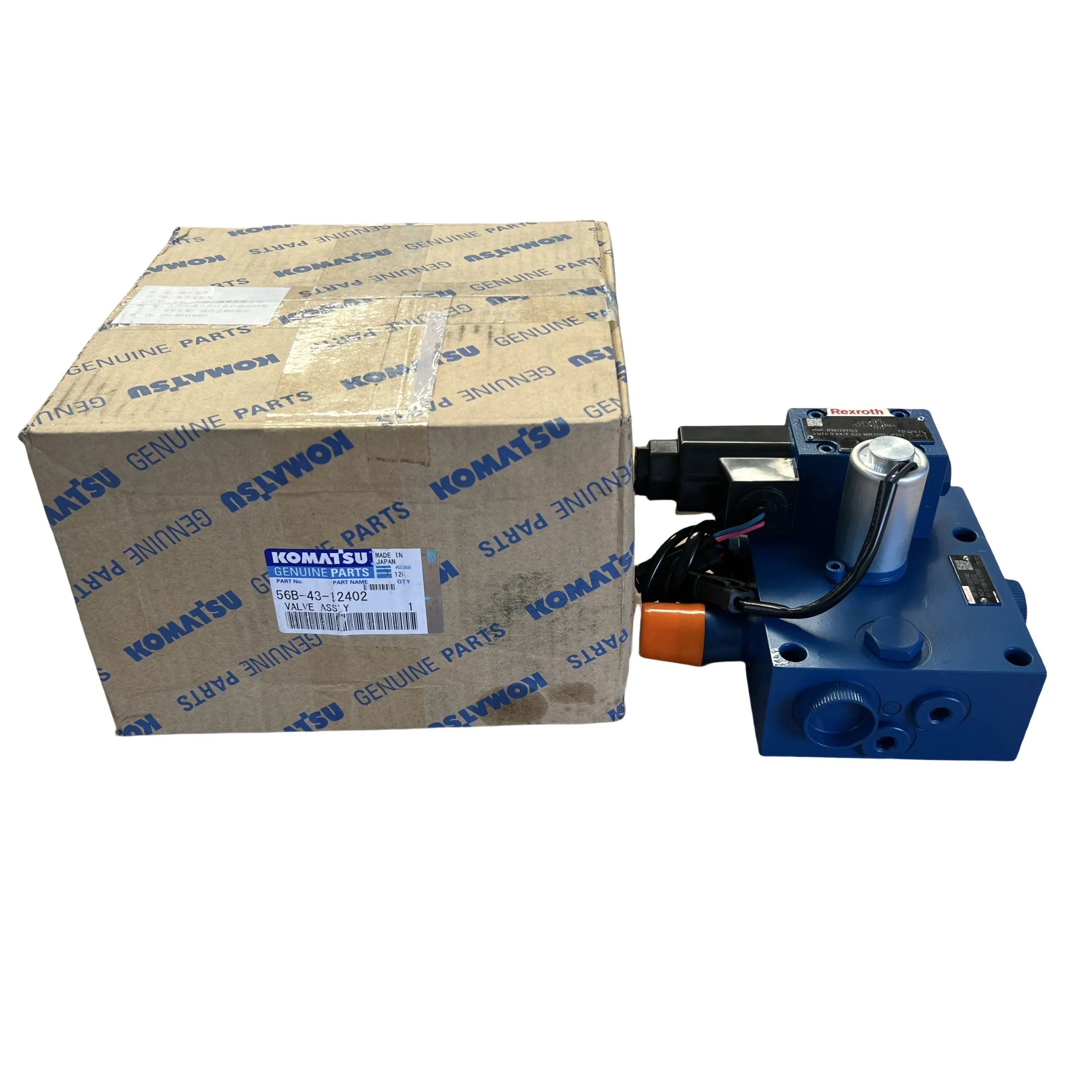 EPC valve 56B-43-120402 for Komatsu HD465-7
 -
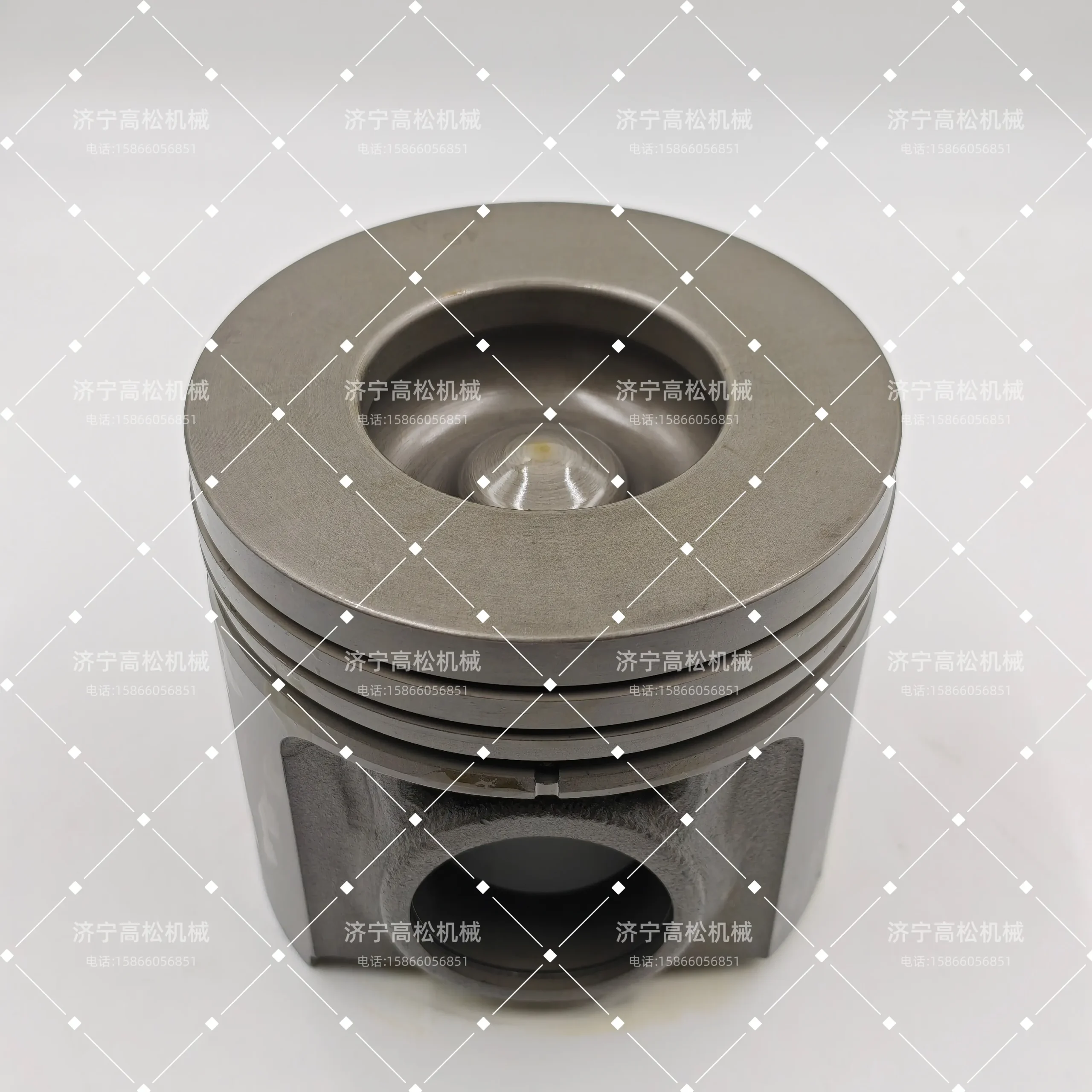 6152-32-2510 Piston for.
 -
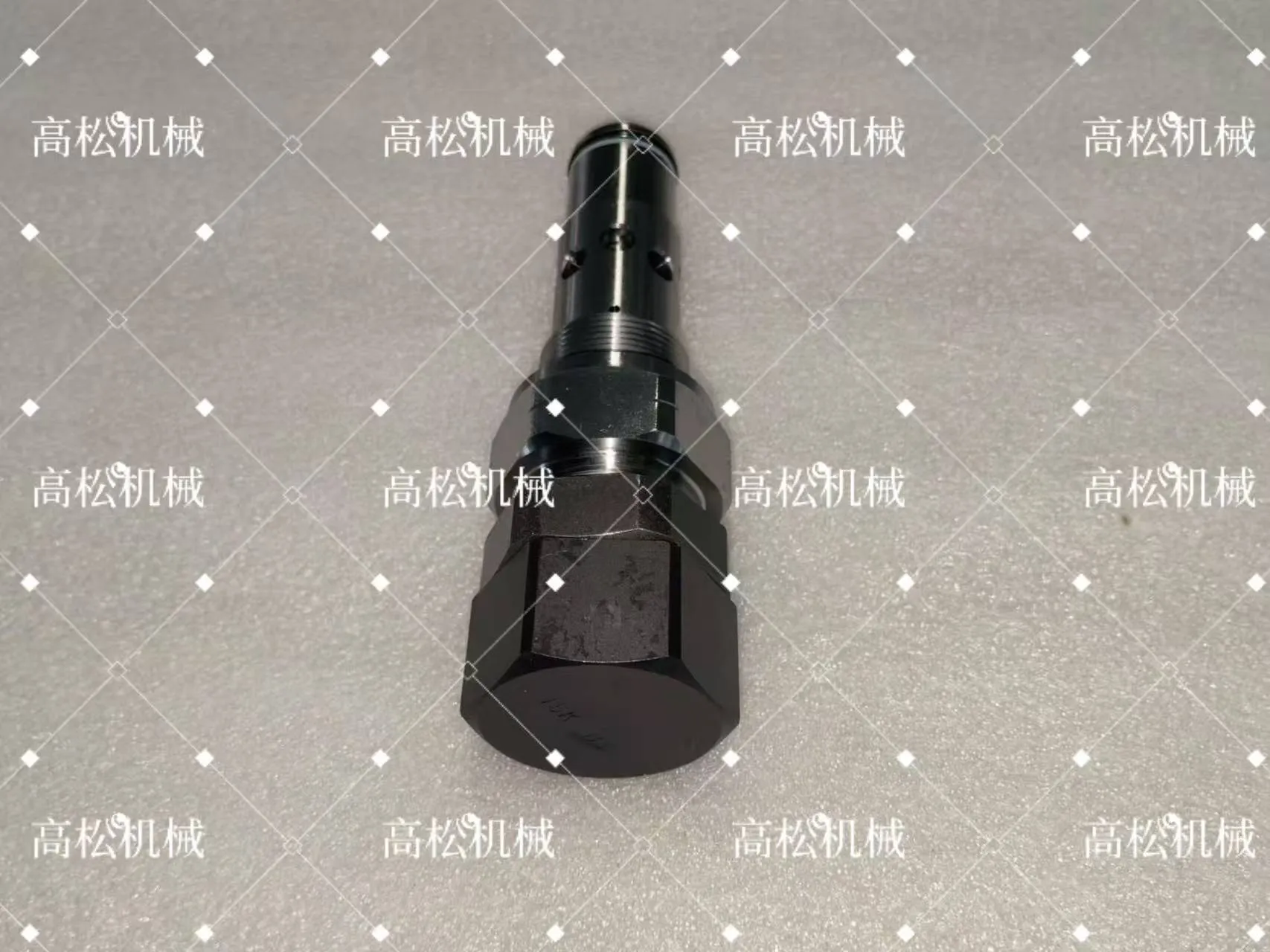 Komatsu original valve assembly, part no.702-75-01900, fits model PC750SE-7