
- Chinese
- French
- German
- Portuguese
- Spanish
- Russian
- Japanese
- Korean
- Arabic
- Irish
- Greek
- Turkish
- Italian
- Danish
- Romanian
- Indonesian
- Czech
- Afrikaans
- Swedish
- Polish
- Basque
- Catalan
- Esperanto
- Hindi
- Lao
- Albanian
- Amharic
- Armenian
- Azerbaijani
- Belarusian
- Bengali
- Bosnian
- Bulgarian
- Cebuano
- Chichewa
- Corsican
- Croatian
- Dutch
- Estonian
- Filipino
- Finnish
- Frisian
- Galician
- Georgian
- Gujarati
- Haitian
- Hausa
- Hawaiian
- Hebrew
- Hmong
- Hungarian
- Icelandic
- Igbo
- Javanese
- Kannada
- Kazakh
- Khmer
- Kurdish
- Kyrgyz
- Latin
- Latvian
- Lithuanian
- Luxembou..
- Macedonian
- Malagasy
- Malay
- Malayalam
- Maltese
- Maori
- Marathi
- Mongolian
- Burmese
- Nepali
- Norwegian
- Pashto
- Persian
- Punjabi
- Serbian
- Sesotho
- Sinhala
- Slovak
- Slovenian
- Somali
- Samoan
- Scots Gaelic
- Shona
- Sindhi
- Sundanese
- Swahili
- Tajik
- Tamil
- Telugu
- Thai
- Ukrainian
- Urdu
- Uzbek
- Vietnamese
- Welsh
- Xhosa
- Yiddish
- Yoruba
- Zulu
- Kinyarwanda
- Tatar
- Oriya
- Turkmen
- Uyghur






komatsu nissan engine
When you hear 'Komatsu Nissan engine', most people outside the parts and service trenches immediately think of a single, unified powerplant. That's the first misconception. In reality, it's a legacy term that points to a specific era of collaboration, primarily the 6D series and similar models from the 80s and 90s. These were essentially Nissan-designed diesels, built to Komatsu's specifications and fitted into a huge range of Komatsu equipment—excavators, dozers, wheel loaders. The confusion starts because they're not 'pure' Komatsu, nor are they the standard Nissan truck engines you'd find on the road. They're a hybrid, and that has massive implications for sourcing, maintenance, and long-term machine viability today.
The OEM Reality and the Aftermarket Gap
Working with an OEM supplier like Jining Gaosong Construction Machinery Co., Ltd. gives you a clear view into this complexity. Their role, as outlined on their site https://www.takematsumachinery.com, is dual: an OEM product supplier within the Komatsu system and a third-party sales company. This is crucial. For these older Komatsu Nissan engine models, the official OEM supply from Komatsu can dry up or become prohibitively expensive for certain components, especially in regions not considered primary markets. That's where the third-party function comes in. They're not just selling random parts; they're providing an alternative supply chain for genuine or OEM-equivalent components that Komatsu's main channels might not prioritize.
I've seen this firsthand. A client had a Komatsu PC300-3 with the 6D95 engine. The turbo was shot. The official dealer quote for a genuine Komatsu part had a lead time of 12 weeks and a price that nearly scrapped the machine. We went through a supplier like Gaosong. The part wasn't in a Komatsu box, but it was the same manufacturer that supplied Komatsu originally. It fit perfectly, performed to spec, and got the machine back to work in 10 days. The takeaway? Genuine sometimes means the brand on the box, but OEM-quality means the same factory, the same blueprint, just a different route to your workshop.
The challenge, and where real expertise comes in, is verification. The aftermarket for these engines is flooded with copies. A piston for a 6D105 might look identical, but the alloy composition or the ring groove tolerances can be off by just enough to cause catastrophic failure 500 hours later. A reliable supplier's value isn't just in having the part, but in having the traceability and the technical knowledge to confirm it's the right one. You learn to ask for casting numbers, supplier codes, not just part numbers.
Common Failure Points and Field Diagnostics
These engines are robust, but they have their age-related quirks. The fuel injection pump on the 6D series—often a Bosch VE type—is a classic trouble spot. After 15,000 hours, the internal seals and plungers wear. The symptom isn't always a no-start; it's often poor low-idle performance, black smoke under low load, or a gradual loss of power. I've wasted time chasing injectors when the pump was the root cause. The lesson? Always test injection pressure and volume at the pump outlet first on these older systems.
Another frequent issue is head gasket failure between cylinders. The design, especially on the earlier models, can be prone to this under overheating conditions. It doesn't always show as coolant in the oil (milkshake). More often, you get compression leakage, misfiring, and bubbles in the coolant overflow tank when the engine is at operating temperature. A simple leak-down test is more revealing than a compression test in these cases.
Then there's the ancillary stuff. The water pump and fan hub assembly. It's a simple component, but failure leads to rapid overheating. The problem is, the OEM unit is often a complete, expensive assembly. Third-party suppliers frequently break this down, offering just the bearing kit or the seal kit, which is a perfectly viable repair for a seasoned mechanic. It's this kind of component-level support that makes companies filling that parts supply challenge role so valuable on the ground.
The Will It Fit? Conundrum
This is a major headache with the Komatsu Nissan engine legacy. A 6D95 from a 1990 PC200-5 is not necessarily a direct swap for a 6D95 from a 1992 WD600-1 wheel loader. The core block might be identical, but the accessory mounts, the flywheel housing, the PTO connections, and the engine mounting points can be model-specific. I learned this the hard way early on, assuming same engine model number meant direct compatibility. It resulted in a three-day re-engineering job to make an engine fit.
This is where detailed communication with your parts source is critical. You need to provide the complete machine model, serial number, and the engine serial number stamped on the block. A good technical team, like what you'd expect from an OEM-aligned supplier, will cross-reference this against their interchange databases. They should be asking you for these details, not just taking an order for a 6D95 engine.
The other layer is emissions and control updates. Some later models of these engines had early electronic governors or different fuel settings to meet Tier 0 or Tier 1 standards. Swapping in an earlier mechanical engine might work, but you could face drivability issues or non-compliance in regulated areas. It's a detail often overlooked in a rush to get a machine running.
The Economic Case for Repair vs. Replace
Facing a major failure on a 25-year-old machine with a Komatsu Nissan engine, the first question is always: rebuild or repower? A complete OEM-remanufactured long block from Komatsu is often financially out of the question. A brand-new alternative engine (like a Cummins swap) involves massive fabrication and control integration work.
The most common, sensible path is a meticulous in-frame or out-of-frame rebuild using a combination of sources. This is where a partner like Jining Gaosong shows its worth. You might get the cylinder liner kit from them (OEM-spec), source the main bearings from another specialist, and have the crankshaft ground locally. Their role as a third-party sales company for Komatsu parts means they can often access the specific, hard-to-find items—like the correct head gasket variant or the oil cooler core—that keep the rebuild authentic and reliable.
I've done calculations for clients. A full rebuild with quality parts might cost 40-50% of a machine's residual value, but it extends its life another 8-10,000 hours. A cheap, copy-part rebuild might only cost 25%, but if it fails in 1500 hours, you've lost everything. The investment is in known-quality components and the knowledge to put them together right.
Looking Ahead: The Legacy Lives in the Parts Bin
These engines aren't being made new anymore. But the machines they power are still out there in huge numbers, especially in developing markets and secondary industries. Their continued operation is entirely dependent on the integrity of the parts supply chain. It's not a glamorous business; it's about gaskets, valve guides, fuel transfer pumps, and thermostat housings.
The companies that succeed in this space, the ones that genuinely help to solve parts supply challenges, do so by combining deep technical archives with practical logistics. It's not just about having a website like https://www.takematsumachinery.com; it's about what happens when you send them a blurry photo of a cracked manifold and a serial number. Can they identify it? Can they get the right one, and get it to a port in West Africa or South America without it getting lost in customs for months?
So, when we talk about Komatsu Nissan engine today, we're really talking about sustainment. It's a test of the industrial ecosystem's ability to support its older assets. The knowledge isn't just in repair manuals; it's in the shared experience of mechanics and the reliability of suppliers who bridge the gap between the original manufacturer and the machine's last day on the job site. That's the real story behind the keyword.
Related Products
Related Products

Best Selling Products
Best Selling Products-
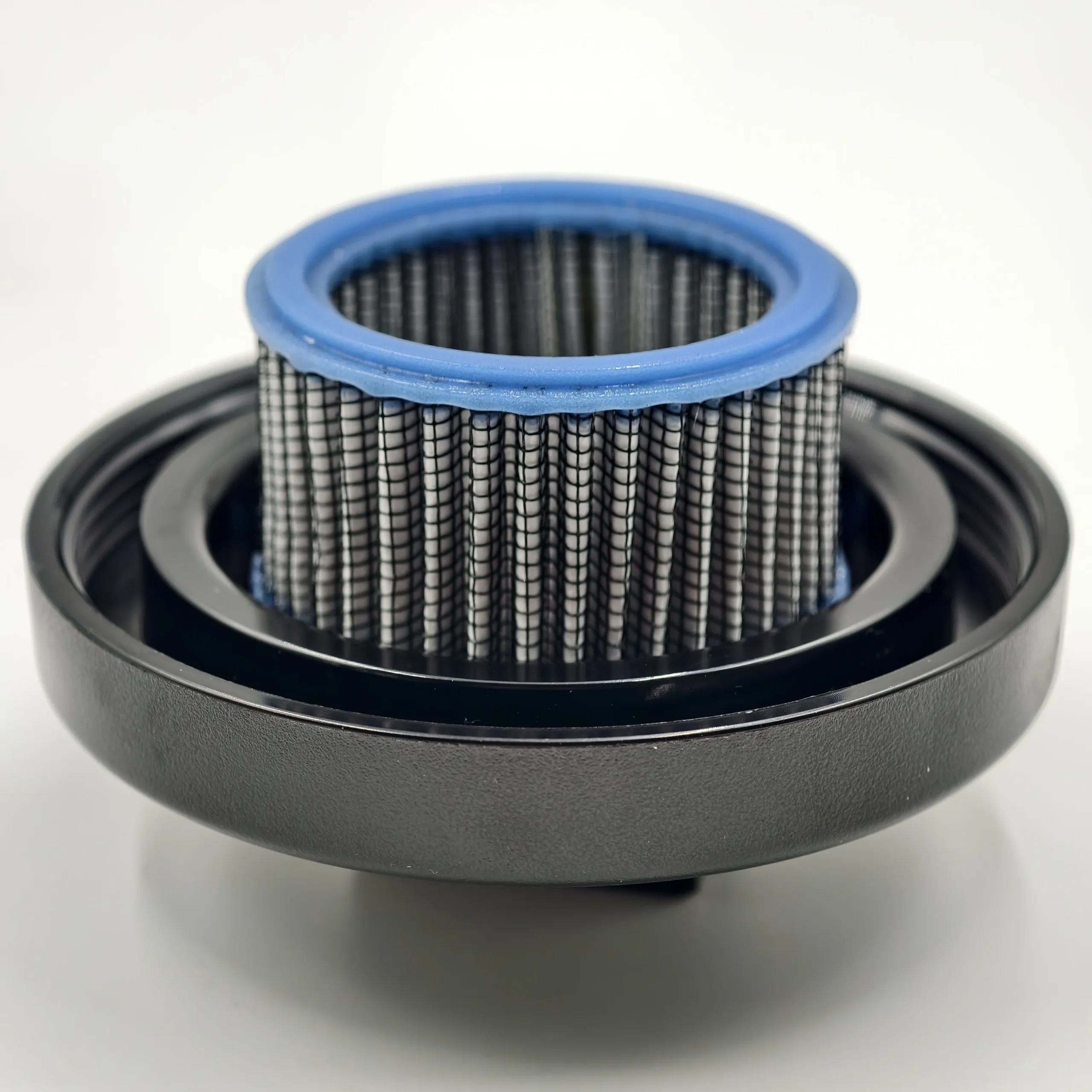 Komatsu21T-04-31170 Cap Assembly
 -
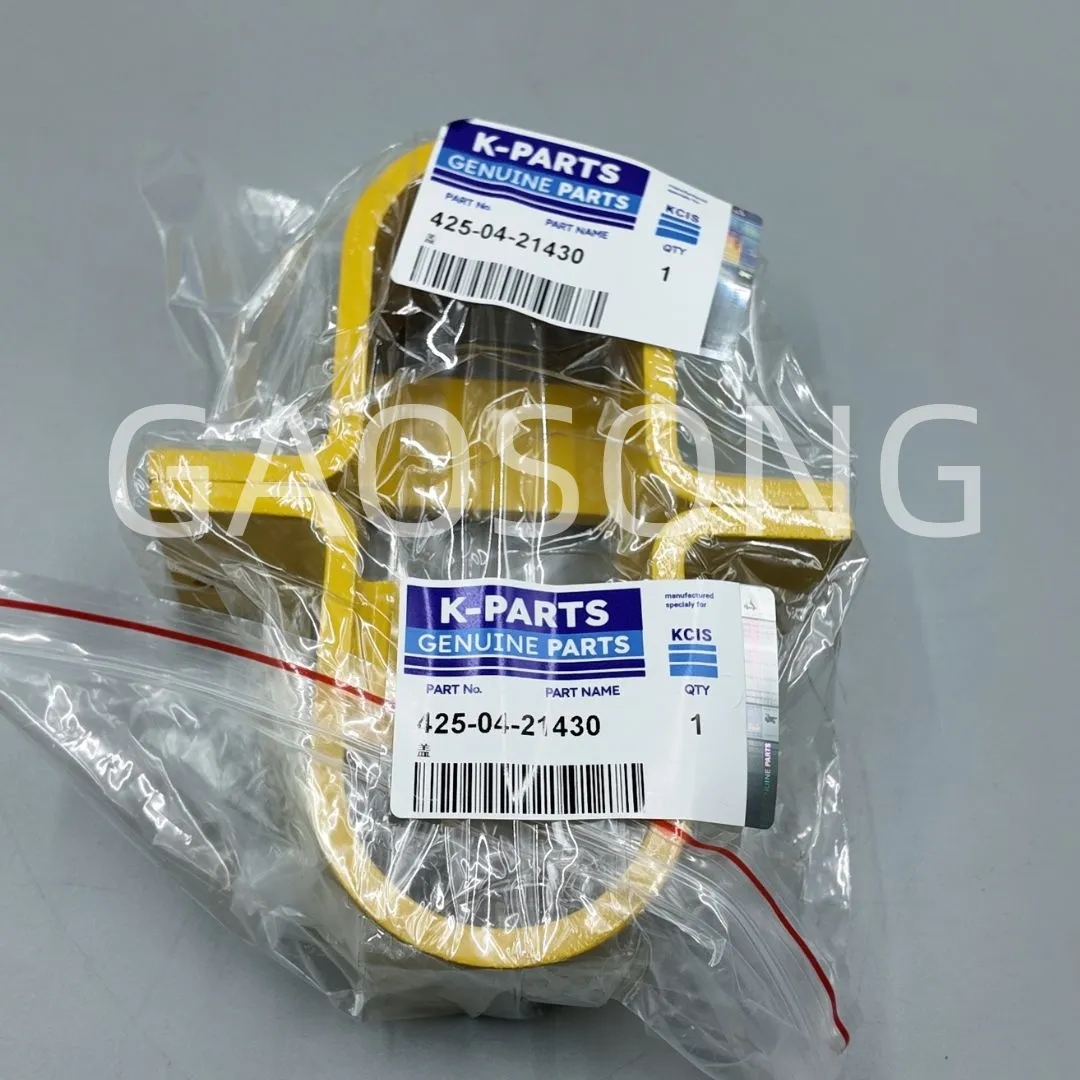 425-04-21430 COVER-Komatsu Original Factory
 -
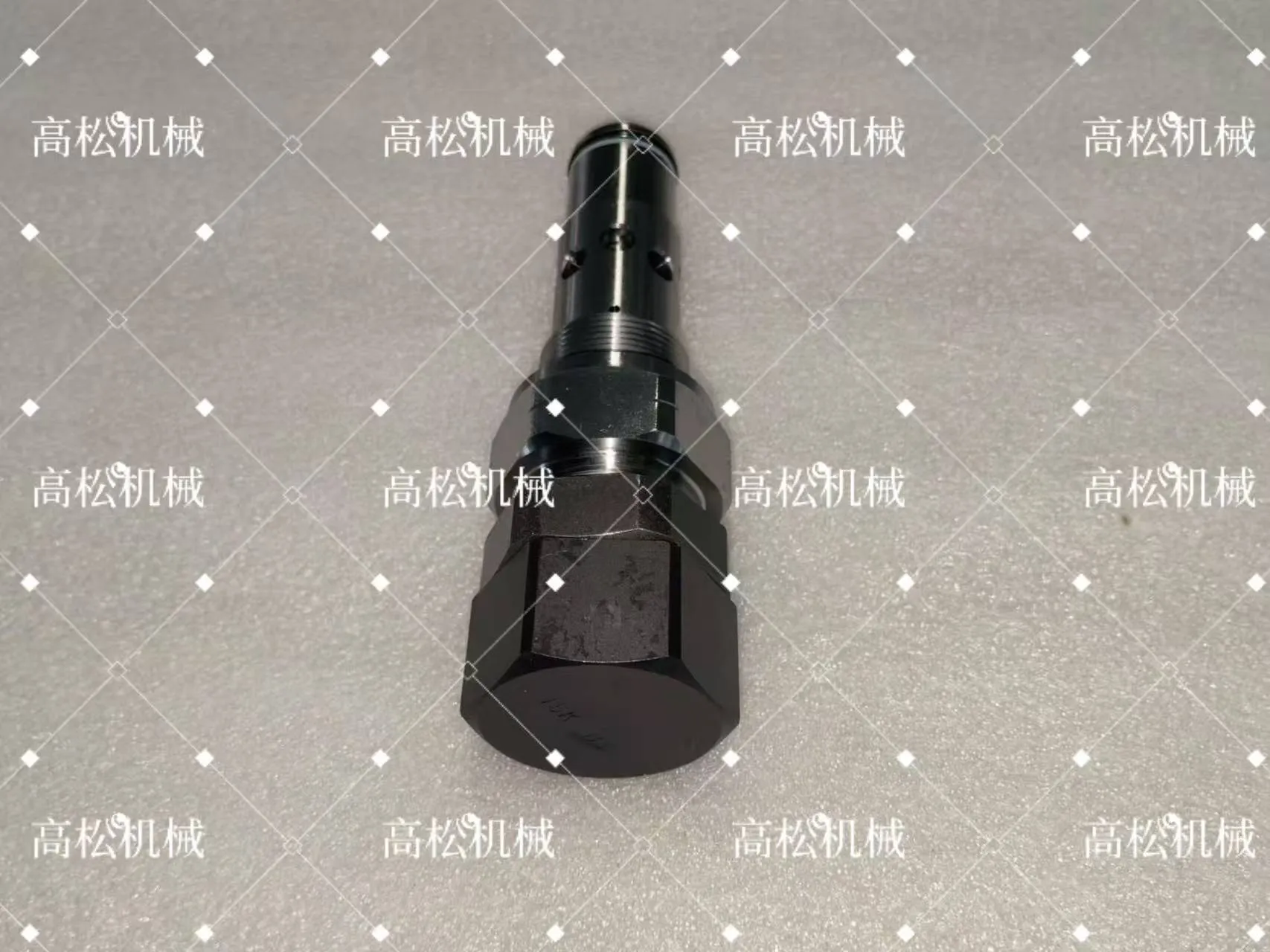 Komatsu original valve assembly, part no.702-75-01900, fits model PC750SE-7
 -
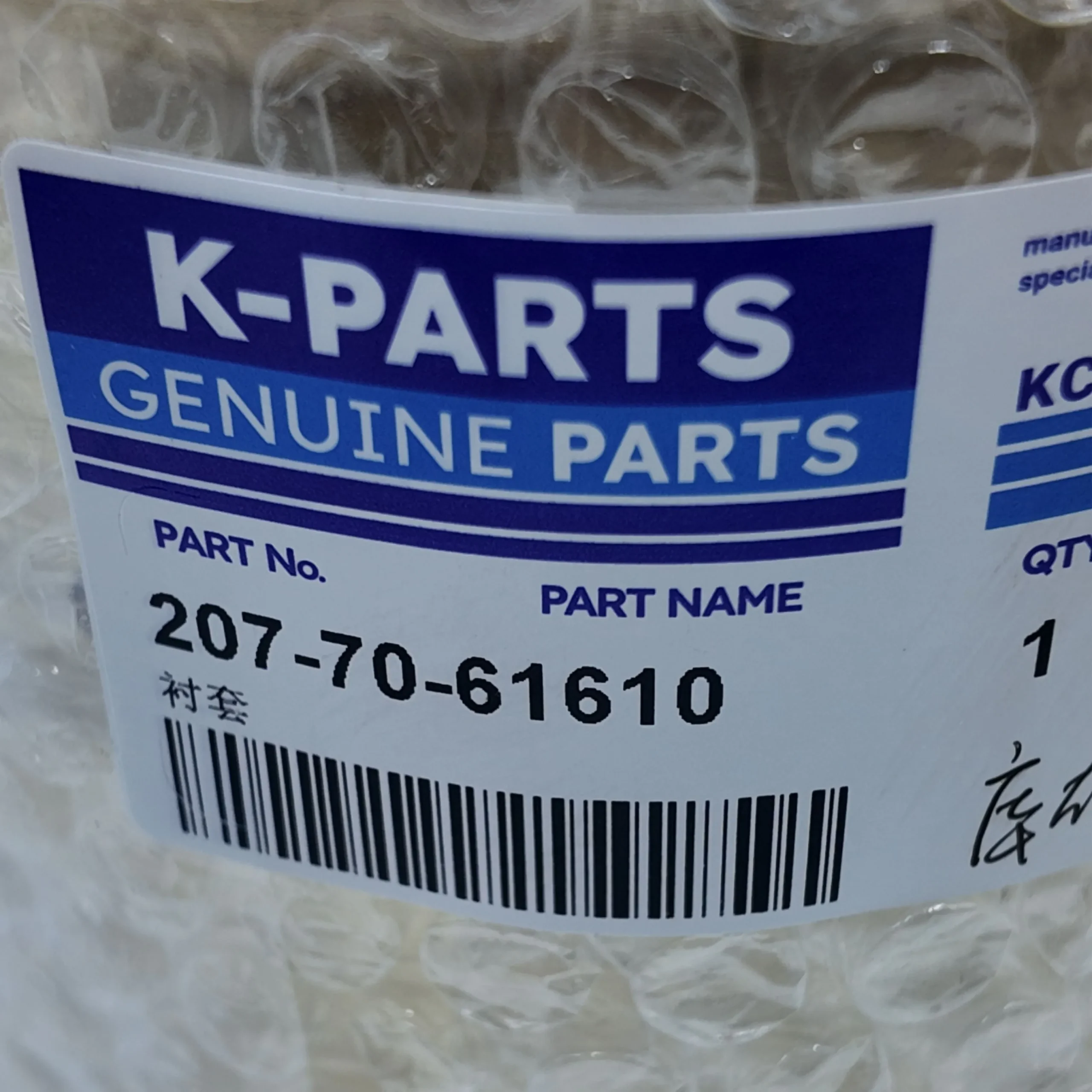 207-70-61610• BUSHING Komatsu Original Factory
 -
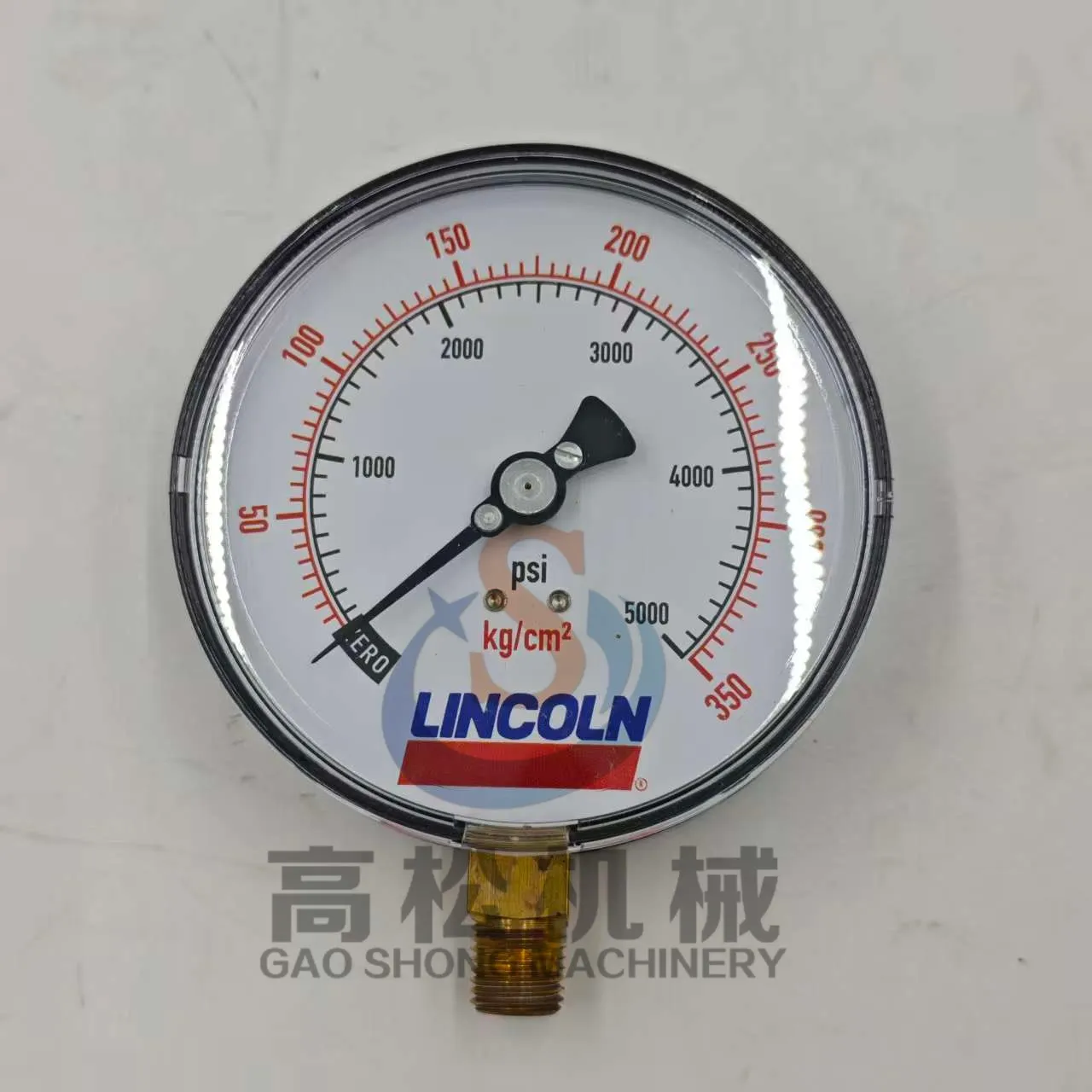 427-S95-2410 Komatsu Gauge, Pressure
 -
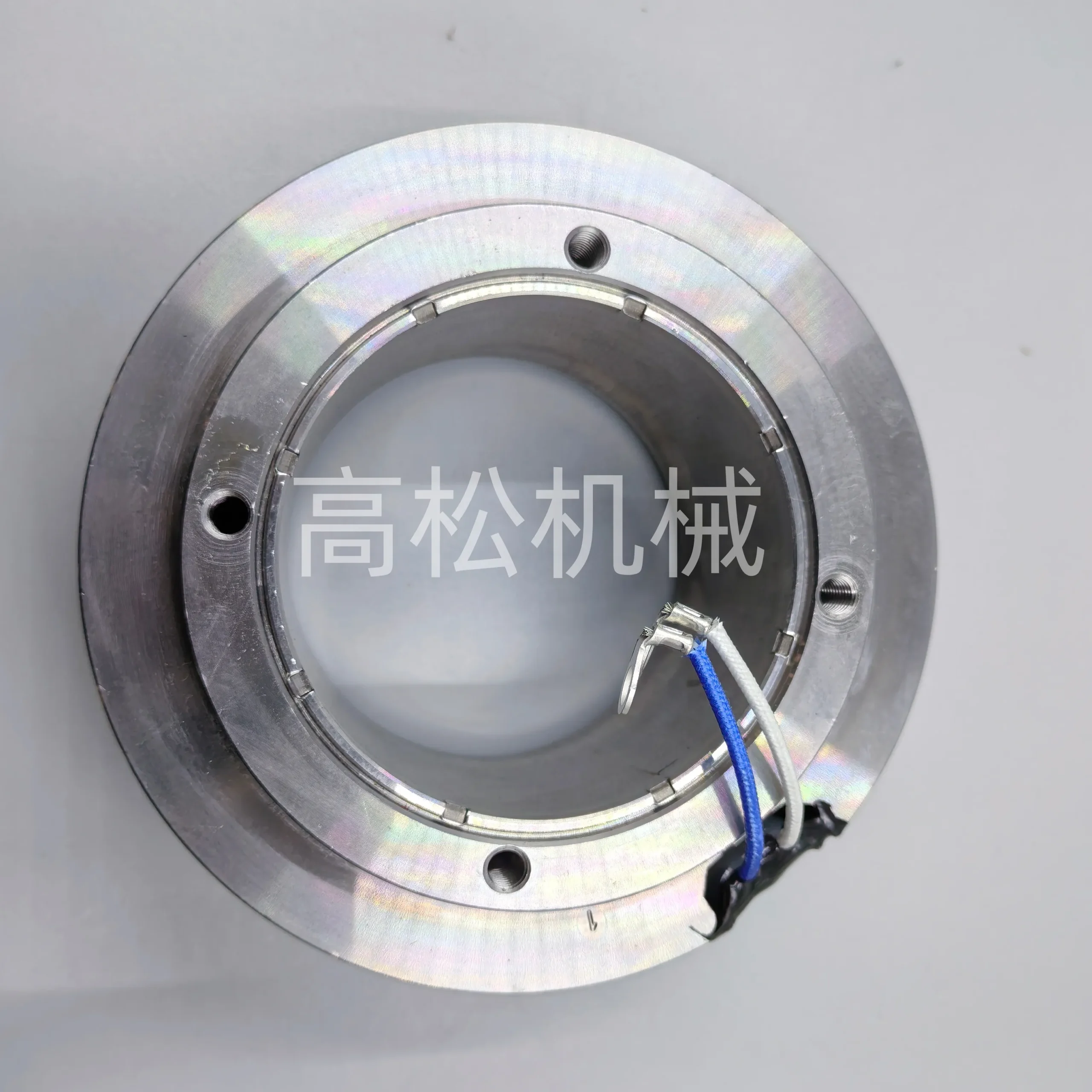 KD0-35120-0250 • FIELD COIL ASS’Y-Komatsu Original Factory
 -
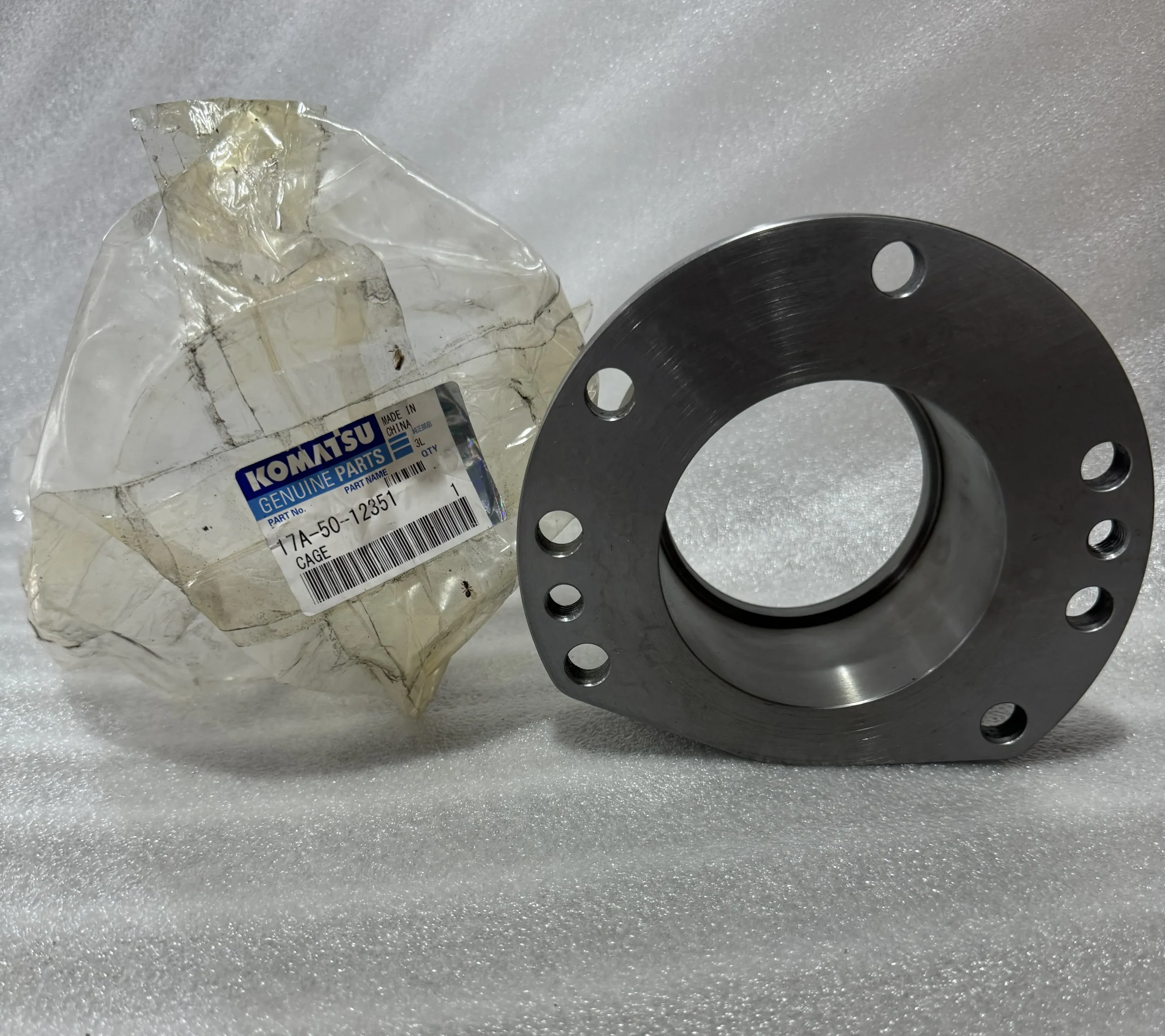 D155AX-3 Bearing Housing 17A-50-12351
 -
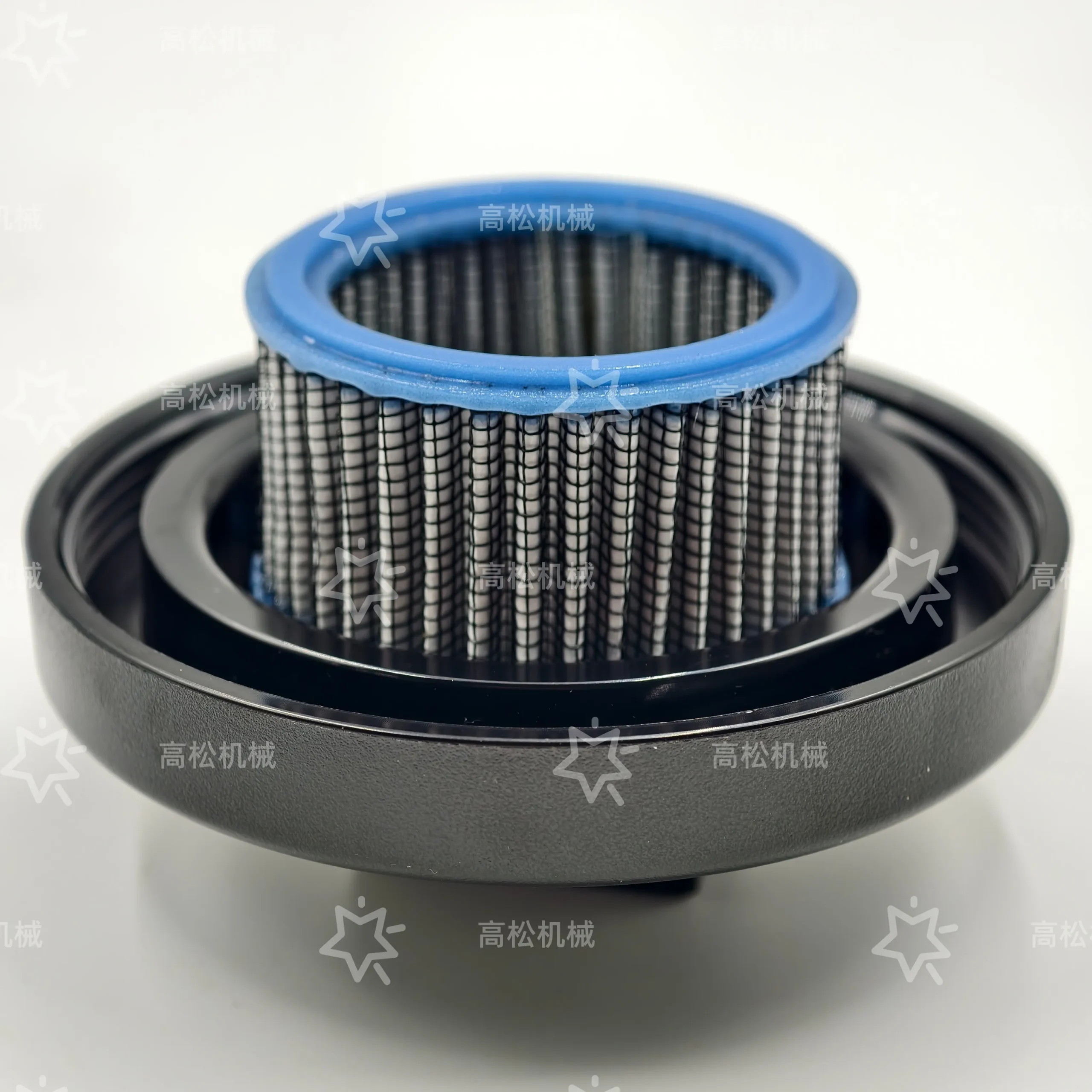 21T-04-31170 Komatsu Cap Assembly
 -
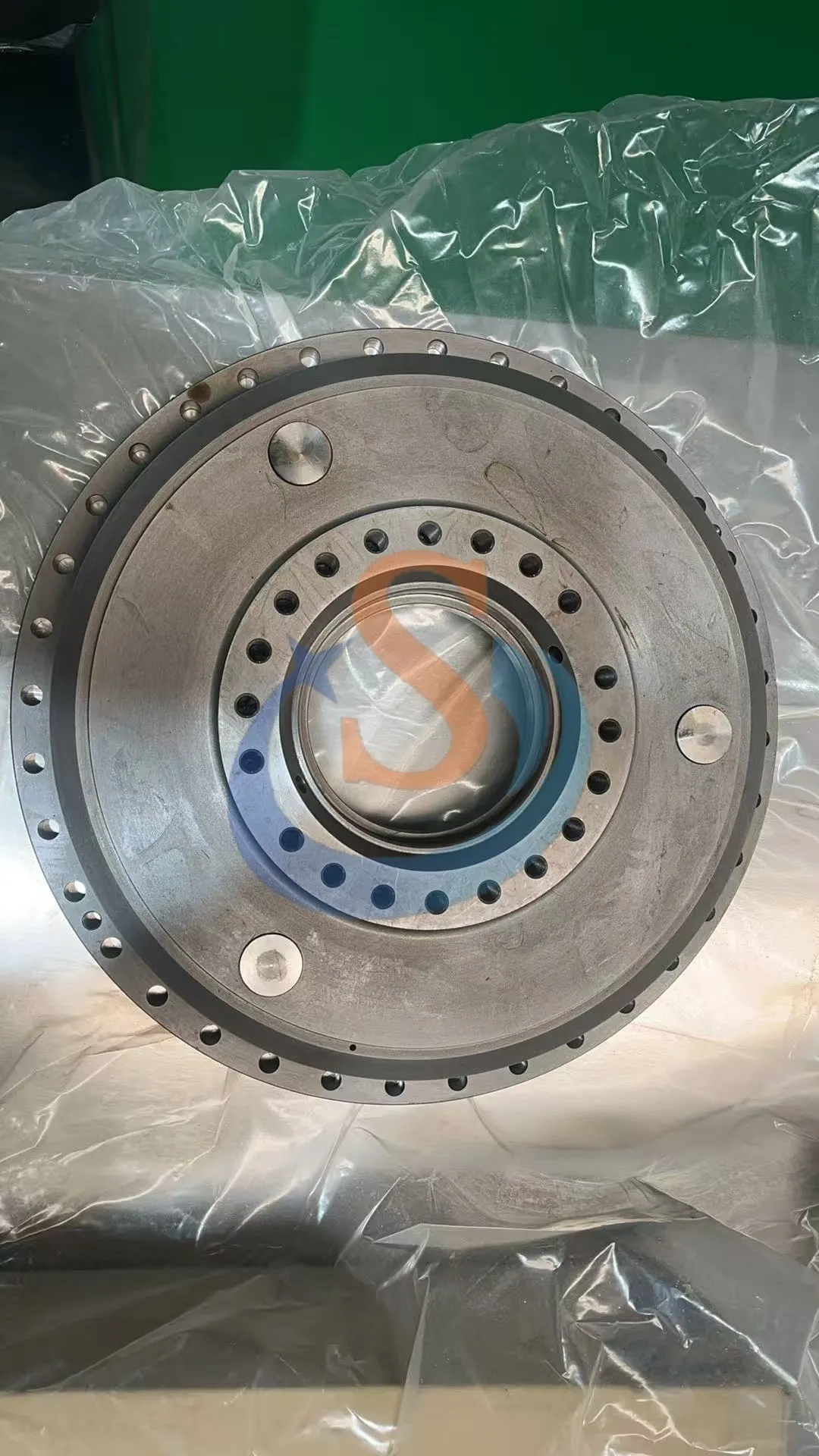 14X-13-57111 komatsu Housing D65
 -
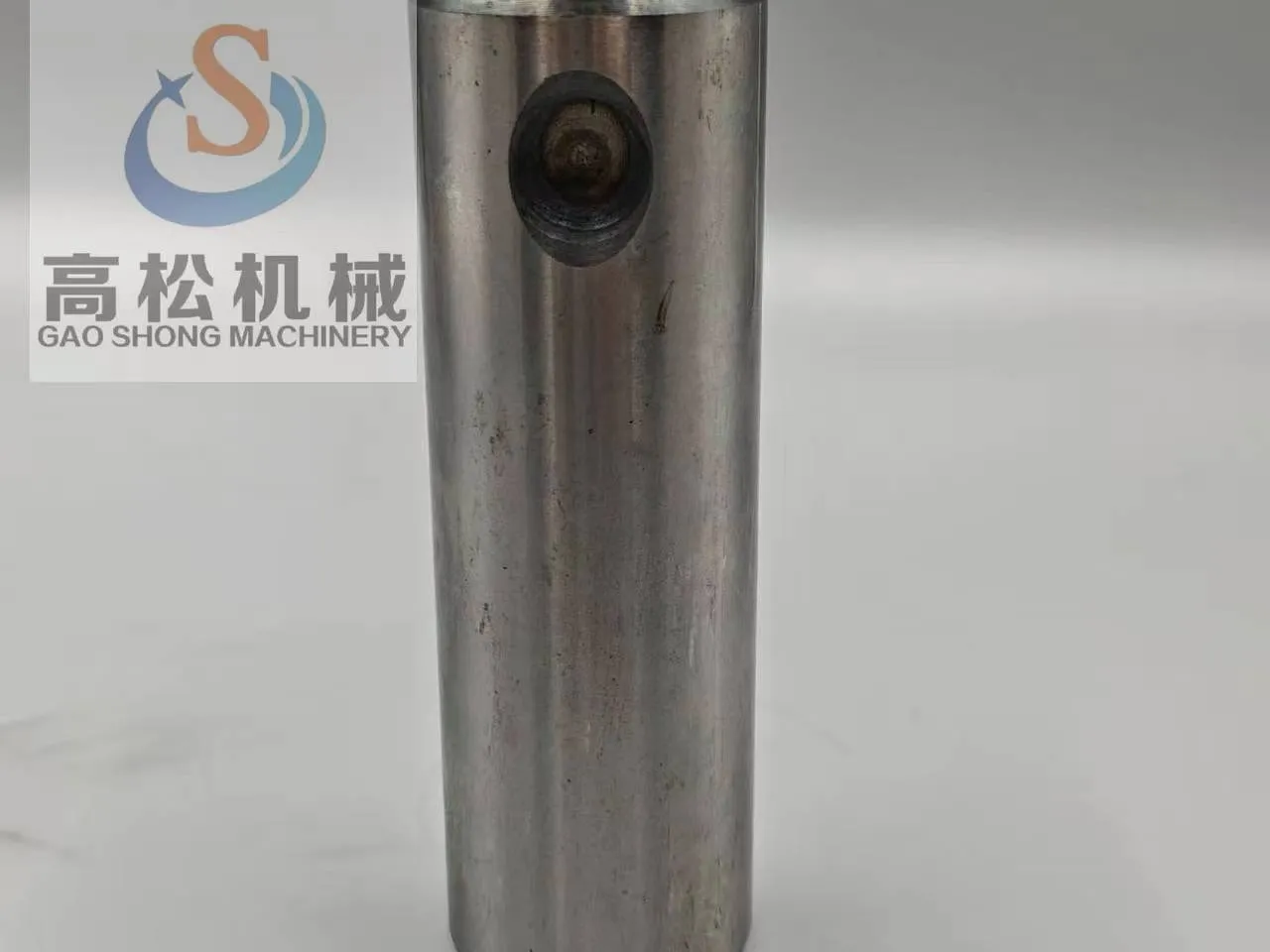 Komatsu Pin, 20Y-27-31160 Komatsu Sales, 20Y-27-31160
 -
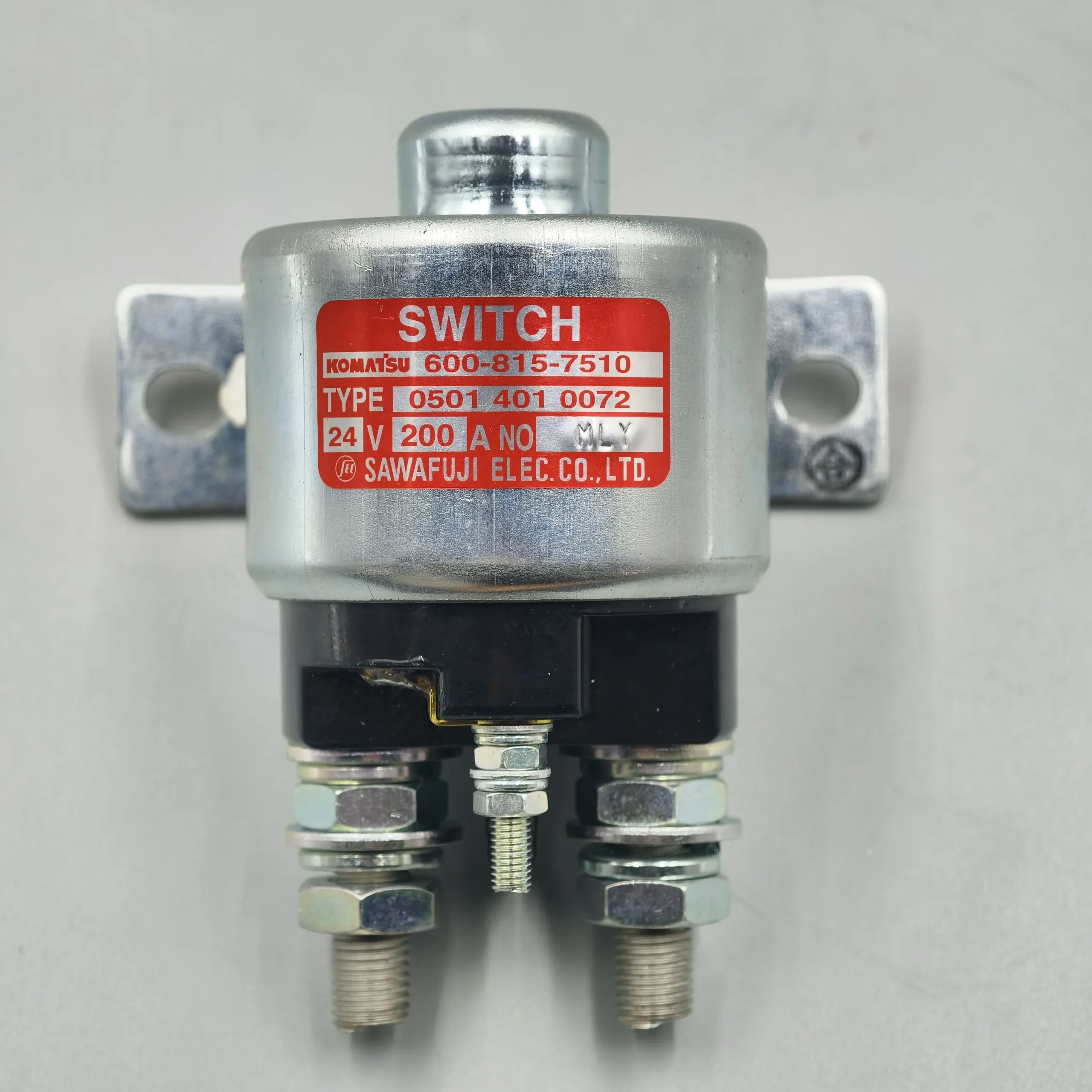 Accessories D375A-5 Switch Heater 600-815-7510 6008157510
 -
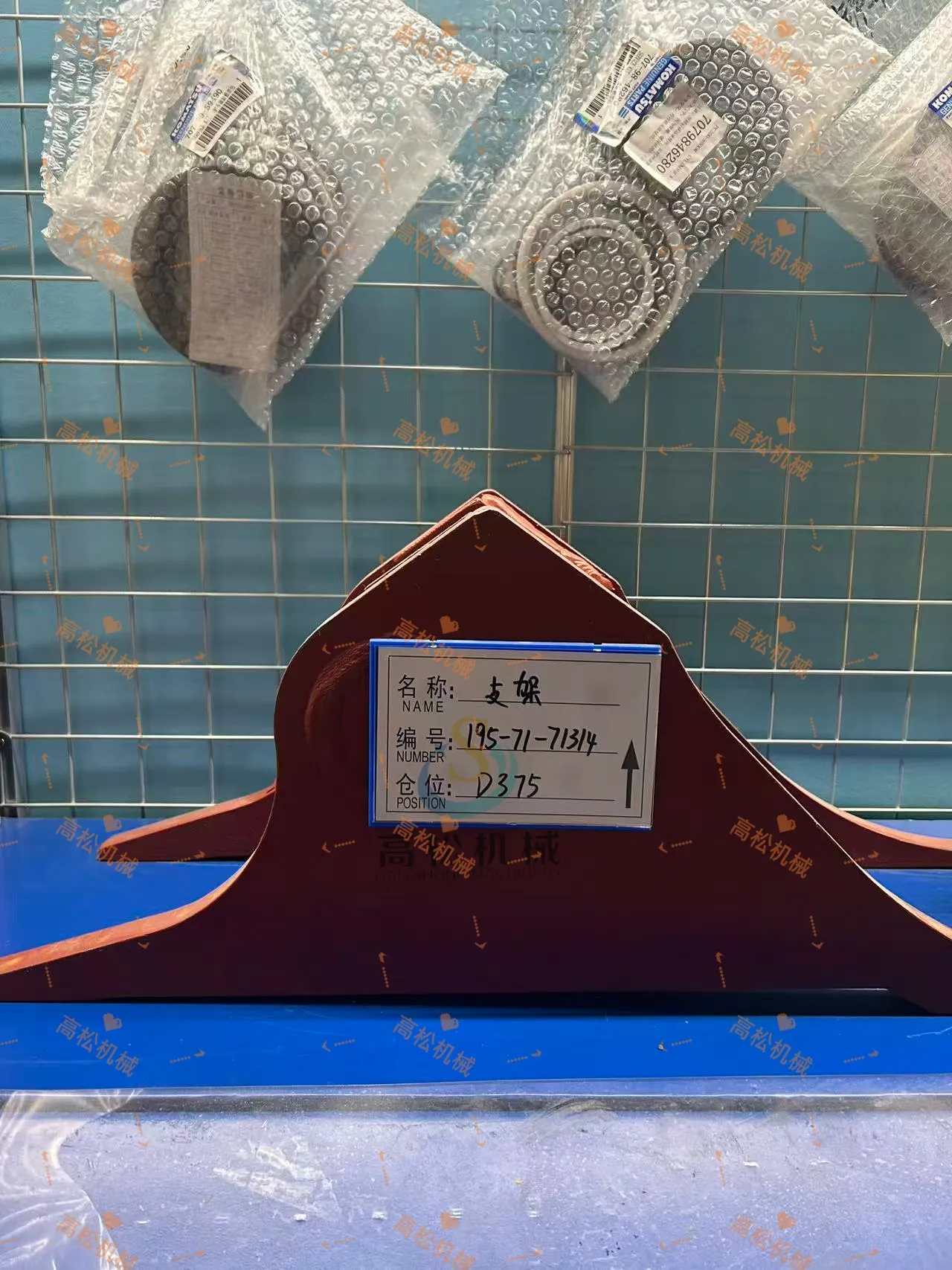 195-71-71314 BRACKET (WELDED) D375A-5 S/N 55001-UP (W/O EGR) BLADE