
- Chinese
- French
- German
- Portuguese
- Spanish
- Russian
- Japanese
- Korean
- Arabic
- Irish
- Greek
- Turkish
- Italian
- Danish
- Romanian
- Indonesian
- Czech
- Afrikaans
- Swedish
- Polish
- Basque
- Catalan
- Esperanto
- Hindi
- Lao
- Albanian
- Amharic
- Armenian
- Azerbaijani
- Belarusian
- Bengali
- Bosnian
- Bulgarian
- Cebuano
- Chichewa
- Corsican
- Croatian
- Dutch
- Estonian
- Filipino
- Finnish
- Frisian
- Galician
- Georgian
- Gujarati
- Haitian
- Hausa
- Hawaiian
- Hebrew
- Hmong
- Hungarian
- Icelandic
- Igbo
- Javanese
- Kannada
- Kazakh
- Khmer
- Kurdish
- Kyrgyz
- Latin
- Latvian
- Lithuanian
- Luxembou..
- Macedonian
- Malagasy
- Malay
- Malayalam
- Maltese
- Maori
- Marathi
- Mongolian
- Burmese
- Nepali
- Norwegian
- Pashto
- Persian
- Punjabi
- Serbian
- Sesotho
- Sinhala
- Slovak
- Slovenian
- Somali
- Samoan
- Scots Gaelic
- Shona
- Sindhi
- Sundanese
- Swahili
- Tajik
- Tamil
- Telugu
- Thai
- Ukrainian
- Urdu
- Uzbek
- Vietnamese
- Welsh
- Xhosa
- Yiddish
- Yoruba
- Zulu
- Kinyarwanda
- Tatar
- Oriya
- Turkmen
- Uyghur






Komatsu motor grader genuine parts
When you search for 'Komatsu motor grader genuine parts', you're immediately thrown into a world of promises and pitfalls. The biggest misconception? That 'genuine' is a universal guarantee of quality and fit. In reality, the supply chain is fragmented. You have Komatsu's direct channels, which are impeccable but often come with lead times and costs that can stall a project. Then you have the aftermarket, a wild west of quality. But there's a crucial, often overlooked layer in between: authorized OEM suppliers and third-party distributors within the Komatsu system itself. This is where the real operational knowledge separates the pros from those just throwing parts at a machine.
The OEM Layer: More Than Just a Stamp
Many contractors think if it's not in a Komatsu-branded box, it's a risk. That's not entirely true. Komatsu doesn't forge every bolt in-house. They rely on a network of certified OEM (Original Equipment Manufacturer) suppliers who produce components to exact specifications. These parts are, for all functional purposes, Komatsu motor grader genuine parts. The difference is the route to market. A company like Jining Gaosong Construction Machinery Co., Ltd. operates within this space. As an OEM product supplier within the Komatsu system, they have access to these specification-compliant components. This isn't about copying a design; it's about being part of the original manufacturing ecosystem.
I've seen graders down for weeks waiting for a specific hydraulic valve block from the primary channel. We eventually sourced an identical unit through a supplier like Gaosong, who clarified it came from the same OEM line, just without the final Komatsu logistics packaging. The fit and performance were perfect. The cost was better, but more importantly, the machine was back earning money in days, not weeks. This experience shifted my entire procurement strategy.
The key is verification. OEM within the system means traceability. You should be able to get manufacturing batch data, material certifications, and crucially, the understanding of which grader models and serial number ranges the part is compatible with. If a supplier can't or won't provide that level of detail, walk away. They might be selling a quality aftermarket part, but it's not in this genuine OEM tier.
The Third-Party Role in Solving Real-World Gaps
Here's where it gets practical. Komatsu's official distribution is robust, but it's not omnipresent. In certain regions—think remote mining sites in Africa or specific markets in Southeast Asia—getting a genuine seal kit or a final drive assembly through standard channels can be a logistical nightmare. This is the supply challenge that companies positioned as third-party sales partners for Komatsu aim to solve.
Their value isn't just in having a warehouse. It's in having the legal and commercial agreements with Komatsu to source and distribute genuine or OEM-equivalent parts to fill these geographical or bureaucratic gaps. Checking a site like https://www.takematsumachinery.com, you see this dual identity: an OEM supplier and a third-party sales company. For a site manager in a challenging location, this isn't just a vendor; it's a potential lifeline to keep the GD825-5 or GD535-5 moving.
I recall a project in Mongolia where a grader's circle gear cracked. The local Komatsu dealer quoted an 8-week lead time. Through a network contact, we were directed to a third-party sales company with Komatsu affiliations. They had the gear, confirmed it was from a Komatsu-authorized foundry, and air-freighted it in 10 days. Was it in a Komatsu box? No. Did it have the same metallurgical report and machining tolerances? Yes. The machine ran for another 12,000 hours without issue. This is the on-the-ground reality.
Identifying the Non-Negotiables: Beyond the Part Number
Blindly trusting any supplier claiming genuine is a recipe for downtime. You develop a checklist. First, material certifications. A genuine Komatsu blade cutting edge has a specific hardness profile and alloy composition. A reputable supplier should provide a mill certificate. Second, dimensional integrity. This sounds obvious, but I've received genuine pins and bushings that were a few microns off, leading to rapid wear. Now, we spot-check with micrometers on delivery.
Third, and most critical for complex components, is the performance history. An OEM supplier like Jining Gaosong isn't just selling a part; they're selling the assurance that this component has been validated in the Komatsu engineering feedback loop. If there was a running change in the casting design of a motor grader radiator tank in 2022, they know about it. An anonymous aftermarket seller won't.
The packaging is a tell, but not the only one. Faded manuals or slightly different grease on a bearing doesn't automatically mean it's counterfeit. It might mean it's OEM stock that's been sitting in a different climate-controlled warehouse. The devil is in the technical documentation that accompanies the part.
Cost vs. Value: The Total Lifecycle Calculation
The upfront price difference between a primary-channel Komatsu part and an OEM-sourced one can be 15-30%. The temptation to go for the cheaper, unknown aftermarket option can be 50%+. This is where operational experience dictates the decision. For a non-critical, wear-and-tear item like a filter or a standard hose, a high-quality aftermarket might suffice. But for drivetrain, hydraulic, and structural components, the calculus changes.
We tried a non-OEM final drive planet carrier on a GD655-3 once. Saved nearly 40%. It failed catastrophically in 400 hours, taking the sun gear and pinions with it. The total repair bill was triple the cost of just buying the proper OEM-sourced part initially, not counting the three weeks of lost machine rental. The value of Komatsu motor grader genuine parts from the system isn't in the logo; it's in the predictable, engineered service life and the avoidance of cascading failures.
The value proposition from a company operating in both the OEM and third-party sales spaces is this: they offer the engineering assurance closer to the price point of the aftermarket, with a supply chain flexibility that the primary channel sometimes lacks. It's a middle path that maximizes uptime.
A Practical Sourcing Workflow
So, what does this look like day-to-day? When a part is needed, my first call is still to the official dealer for a quote and lead time. Simultaneously, I reach out to trusted suppliers in the OEM/third-party network, like Gaosong, whose company profile explicitly states they help solve parts supply challenges. I provide the exact part number, serial number, and a photo of the failed component.
The response I'm looking for isn't just a price. It's: Yes, we have that. It's from [X OEM factory], here is the current lead time. We also note your serial number falls within the range that had the updated seal design, so the kit we ship will include part number Y, not Z. That level of detail shows system knowledge. It also builds the trust that they're not just parts pickers; they're technical partners.
Finally, you build a roster. Your official dealer is for warranty work and major component exchanges. Your OEM/third-party partners are for the bulk of your proactive maintenance and breakdown emergencies, especially when geography or time is a constraint. It's about having multiple validated channels to the same pool of quality parts. Relying on a single source, even if it's the manufacturer, is itself a risk in this business. The goal is keeping the grader working, and that often means understanding the genuine parts ecosystem in its entirety, not just the branded storefront.
Related Products
Related Products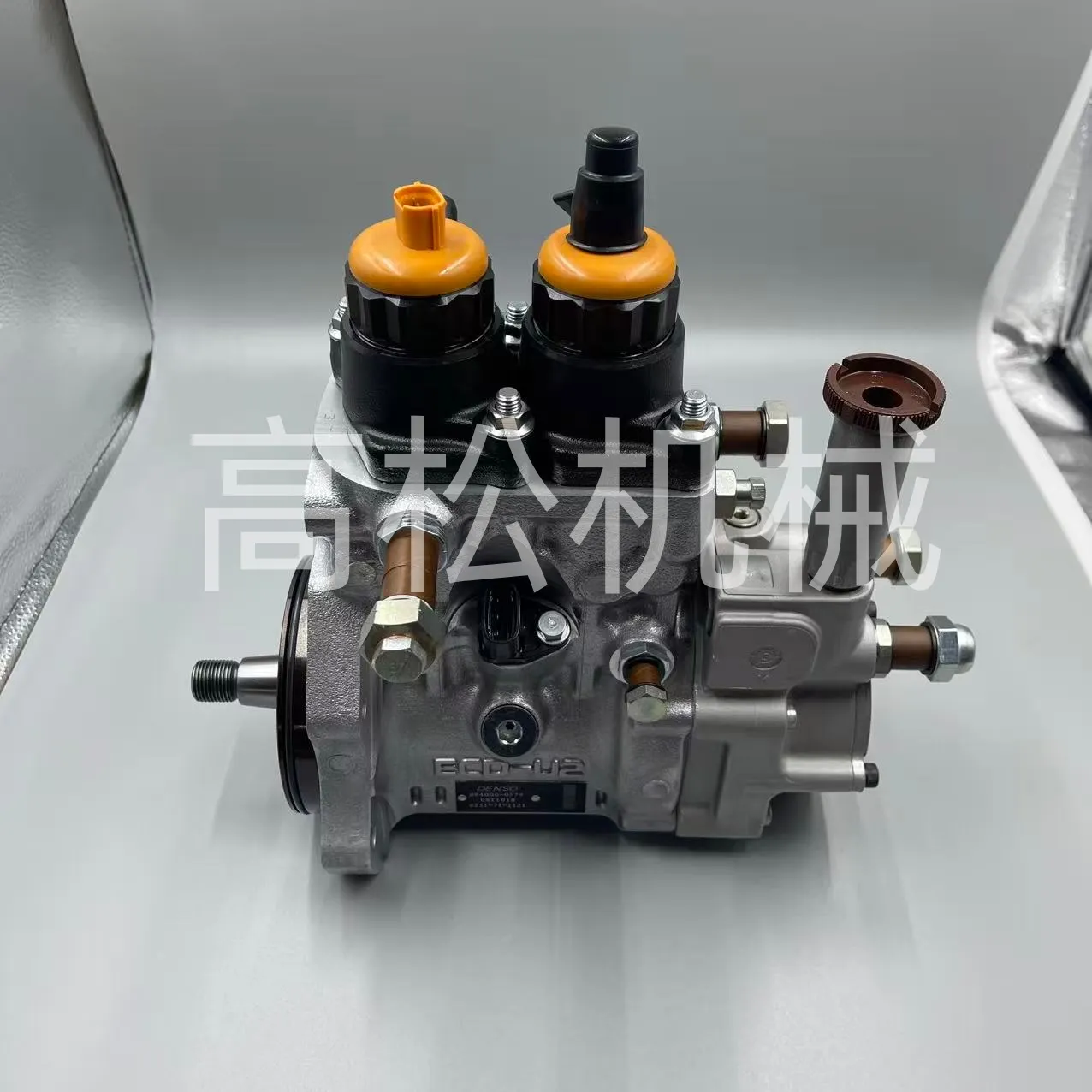
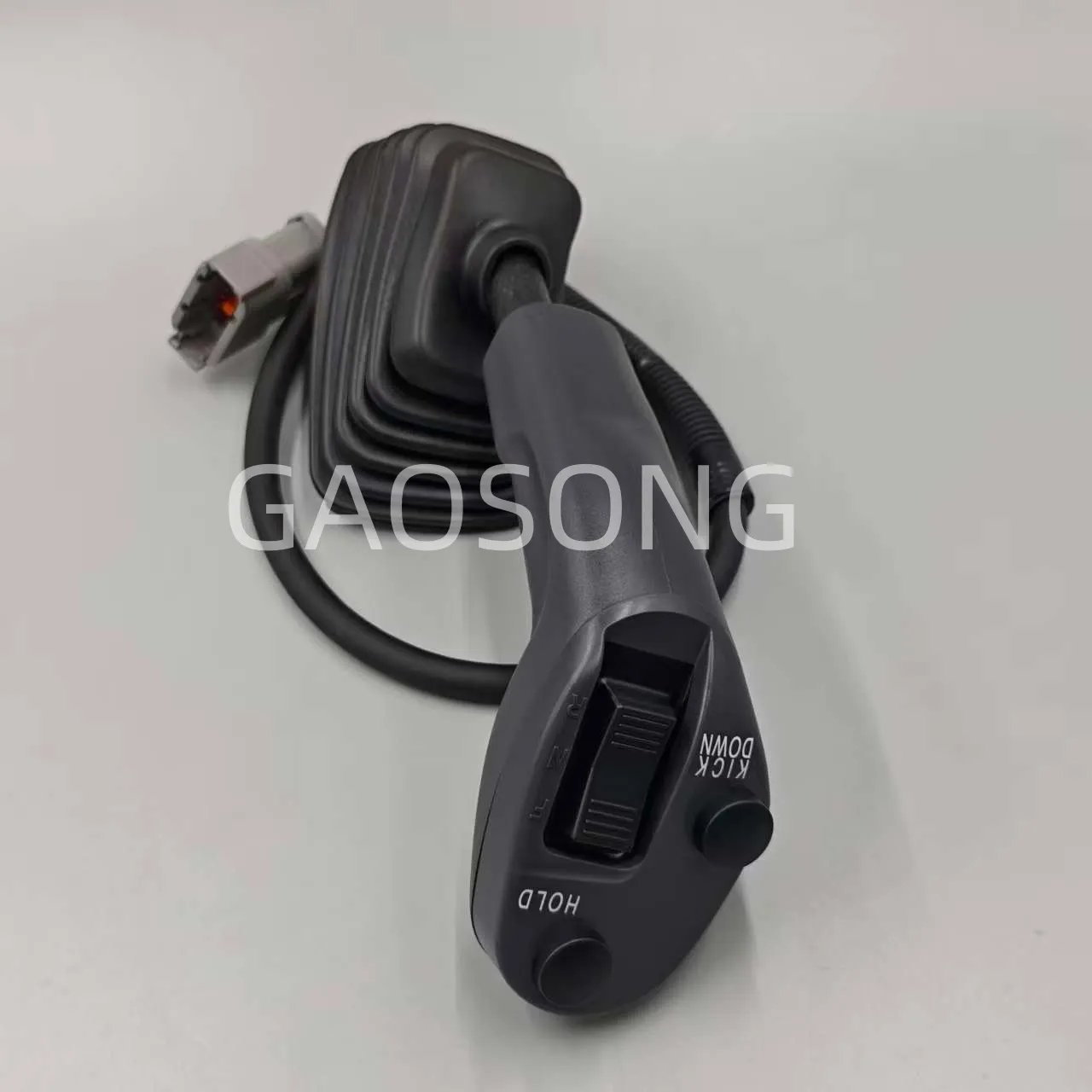
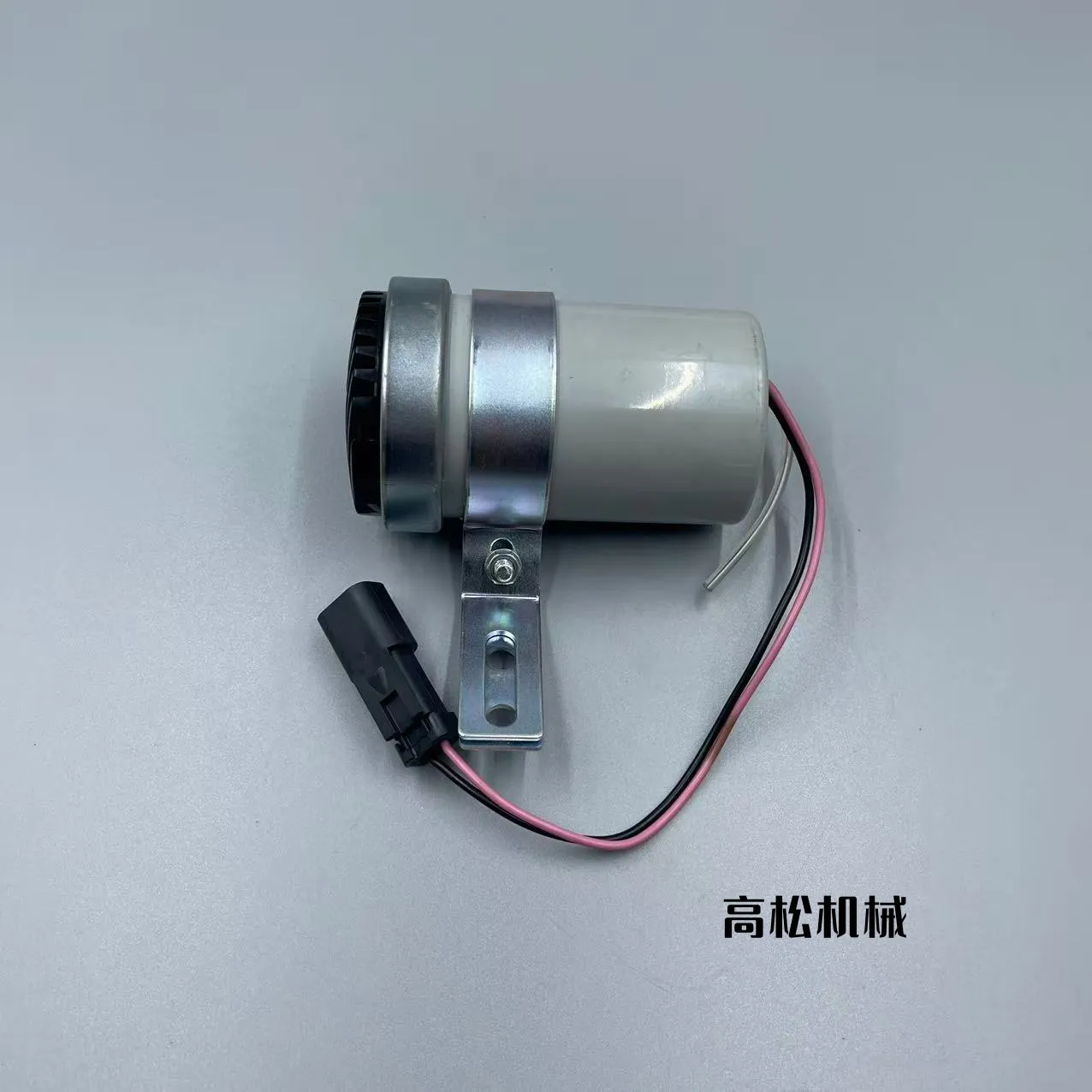
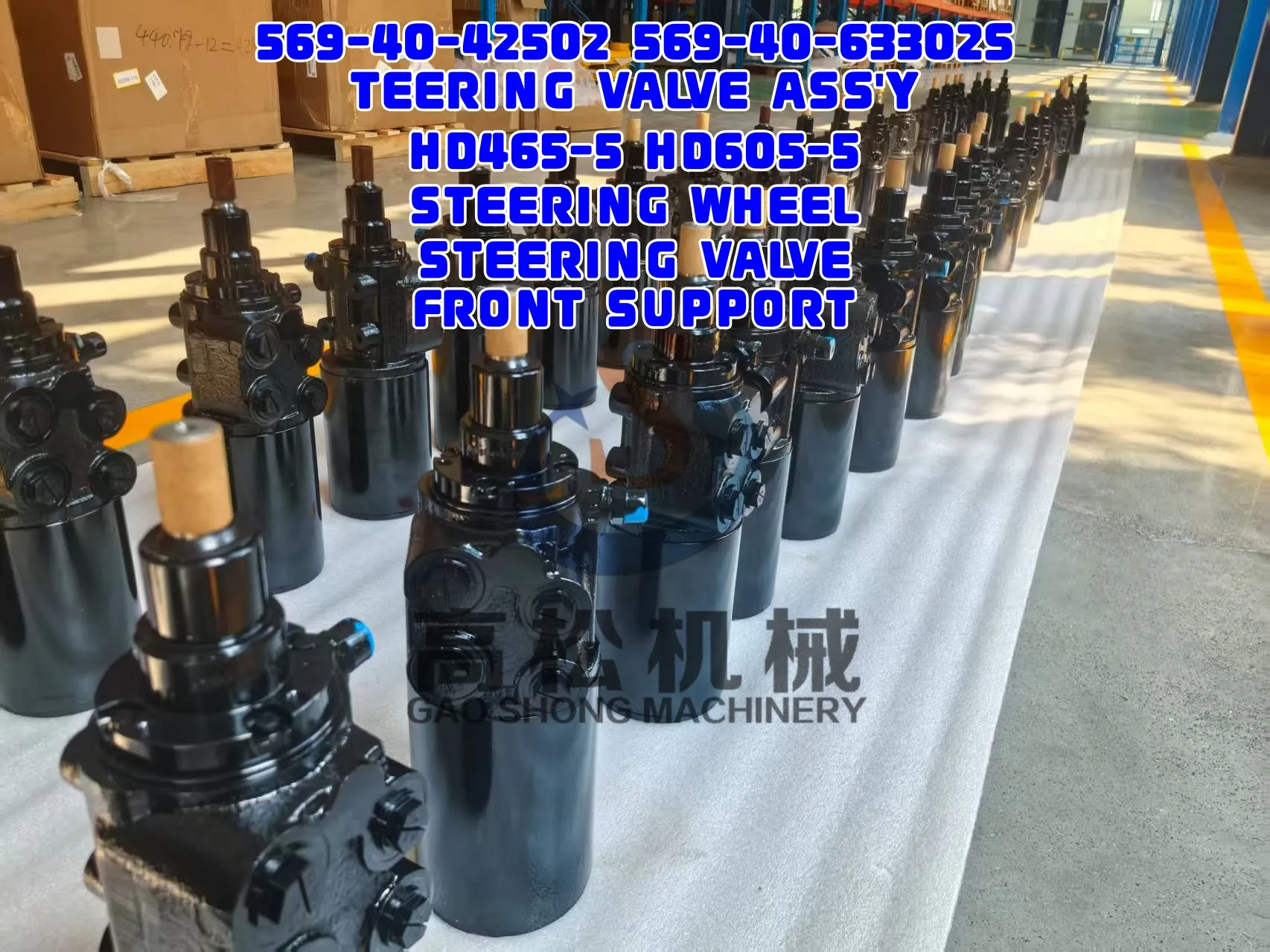

Best Selling Products
Best Selling Products-
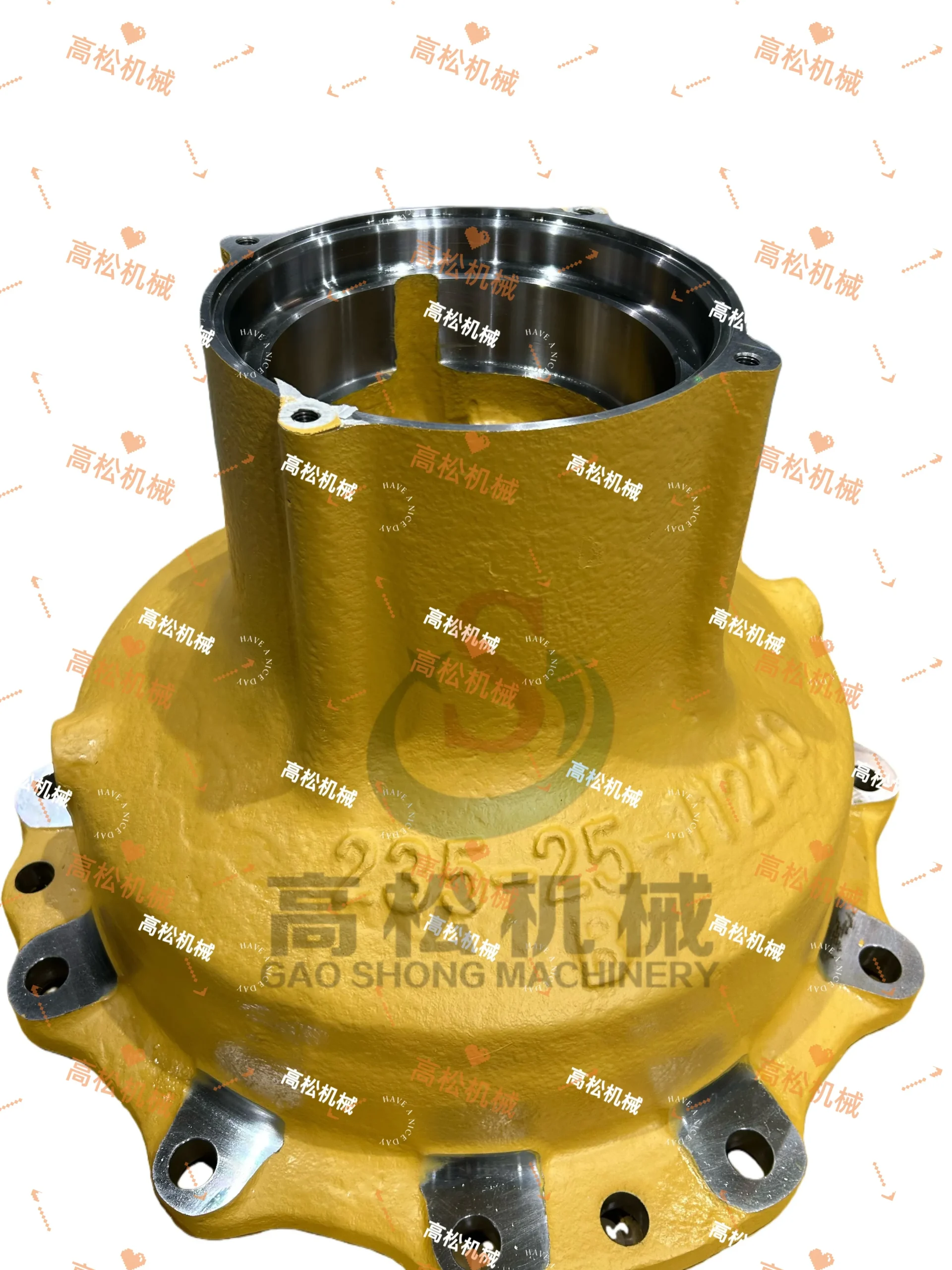 CAGE 235-25-11220 CAGE GD825A-2 S/N 11001-UP TANDEM DRIVE GEAR AND CHAIN
 -
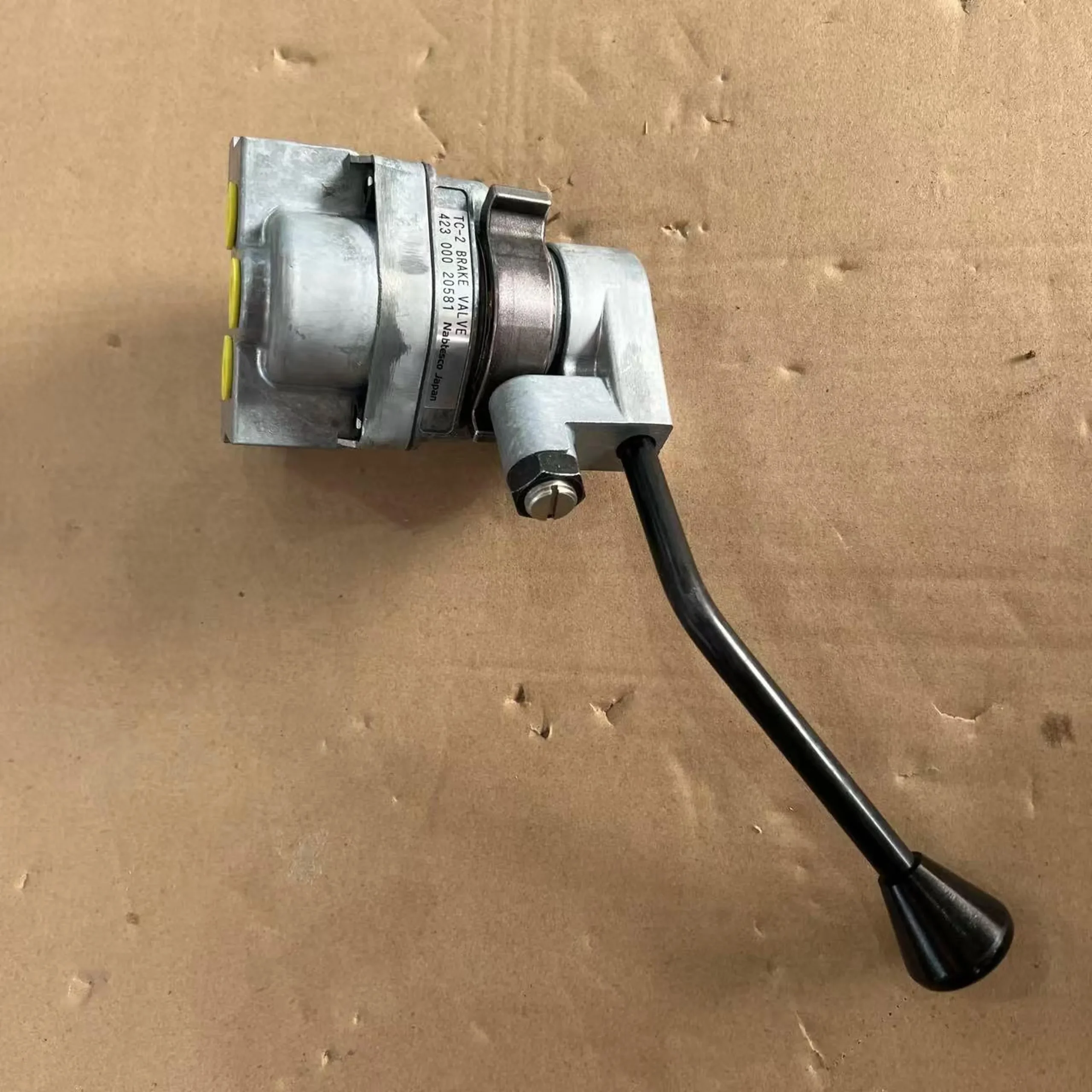 Brand New and Original RETARDER VALVE ASS’Y 561-35-62203 Valve Assembly for komatsu HD605-5 HD465-5 HD405-6 Dump Trucks
 -
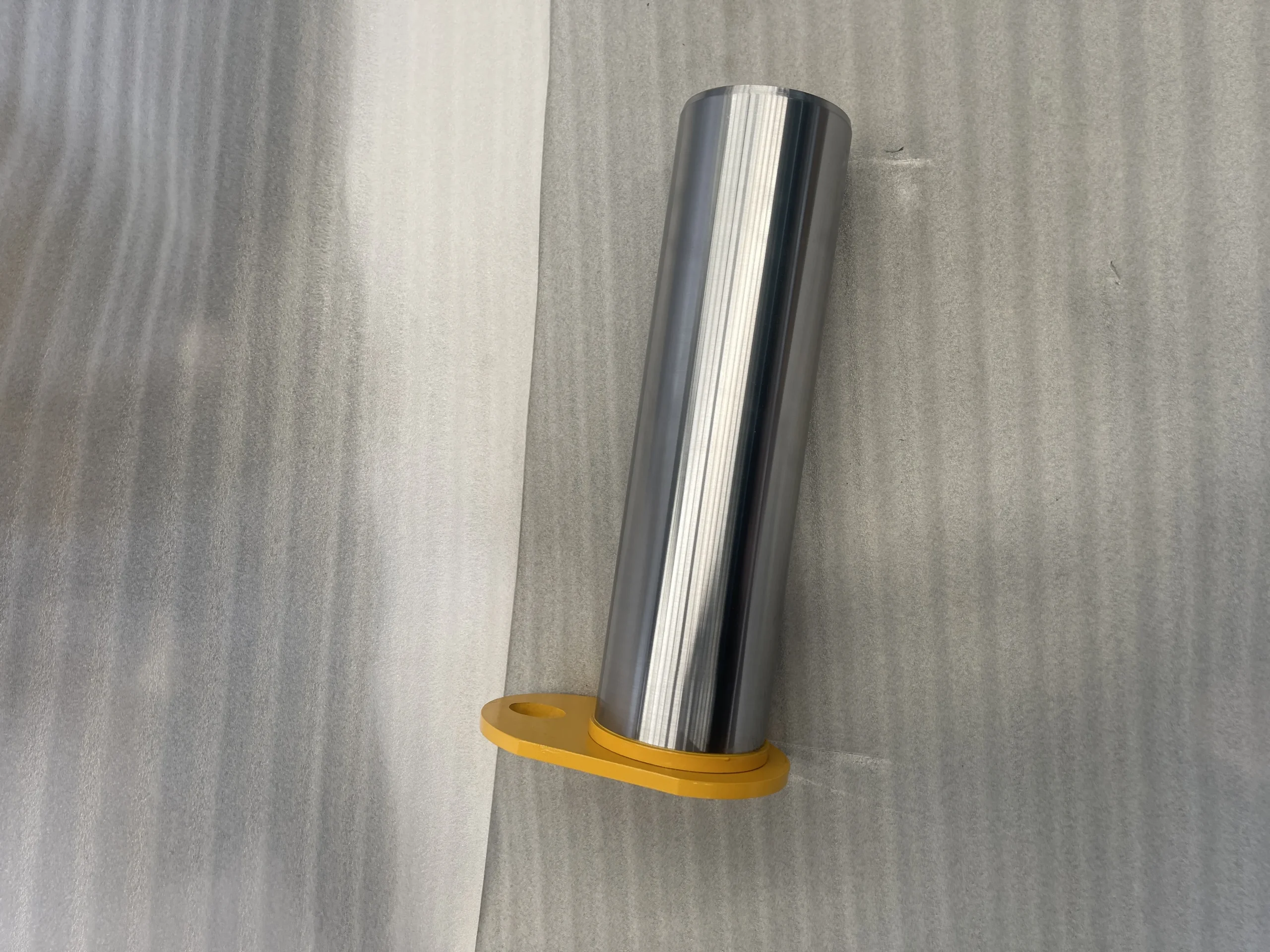 WA600-6 pin 426-70-31960
 -
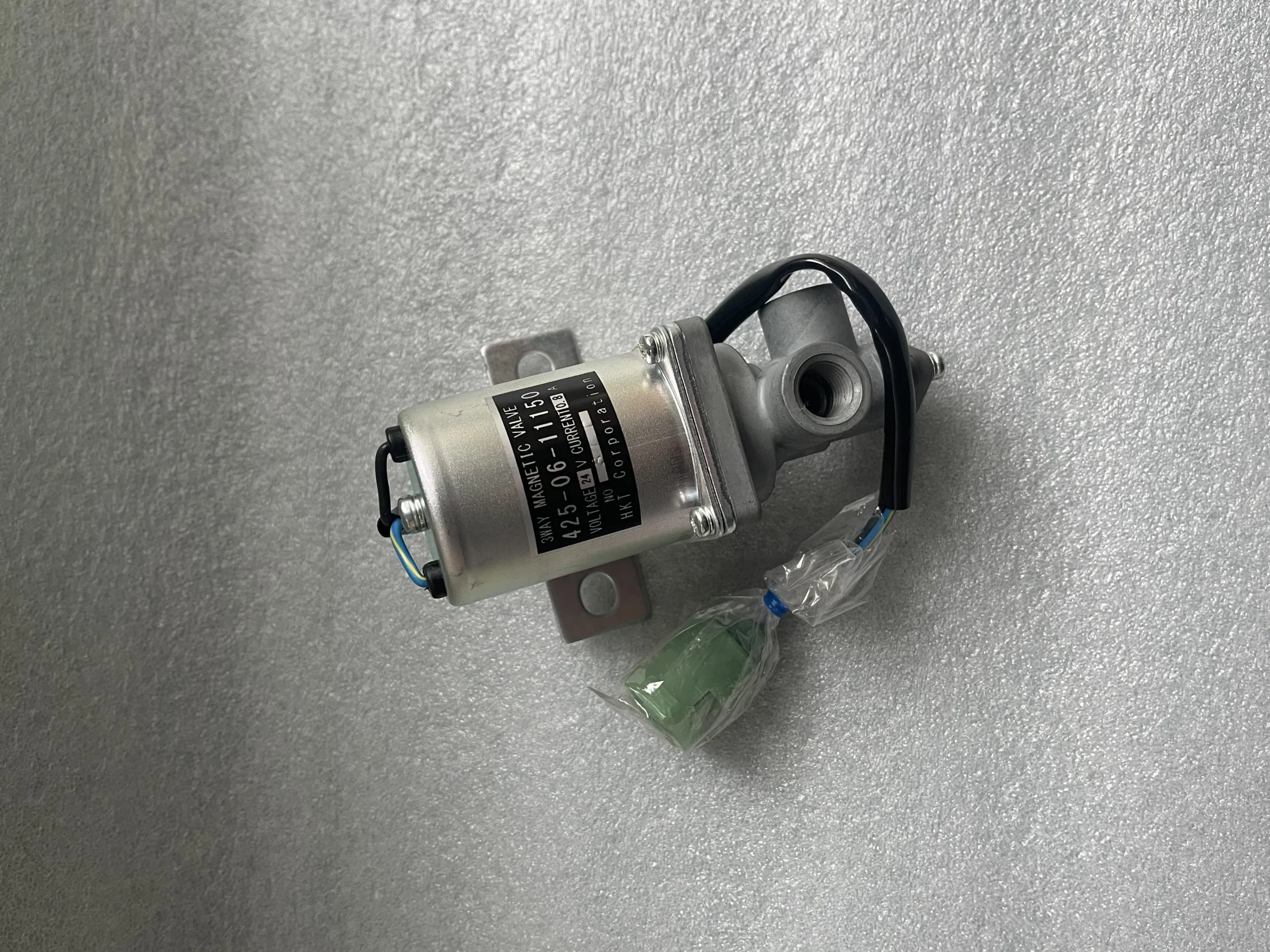 Valve,Parking brake425-06-11150
 -
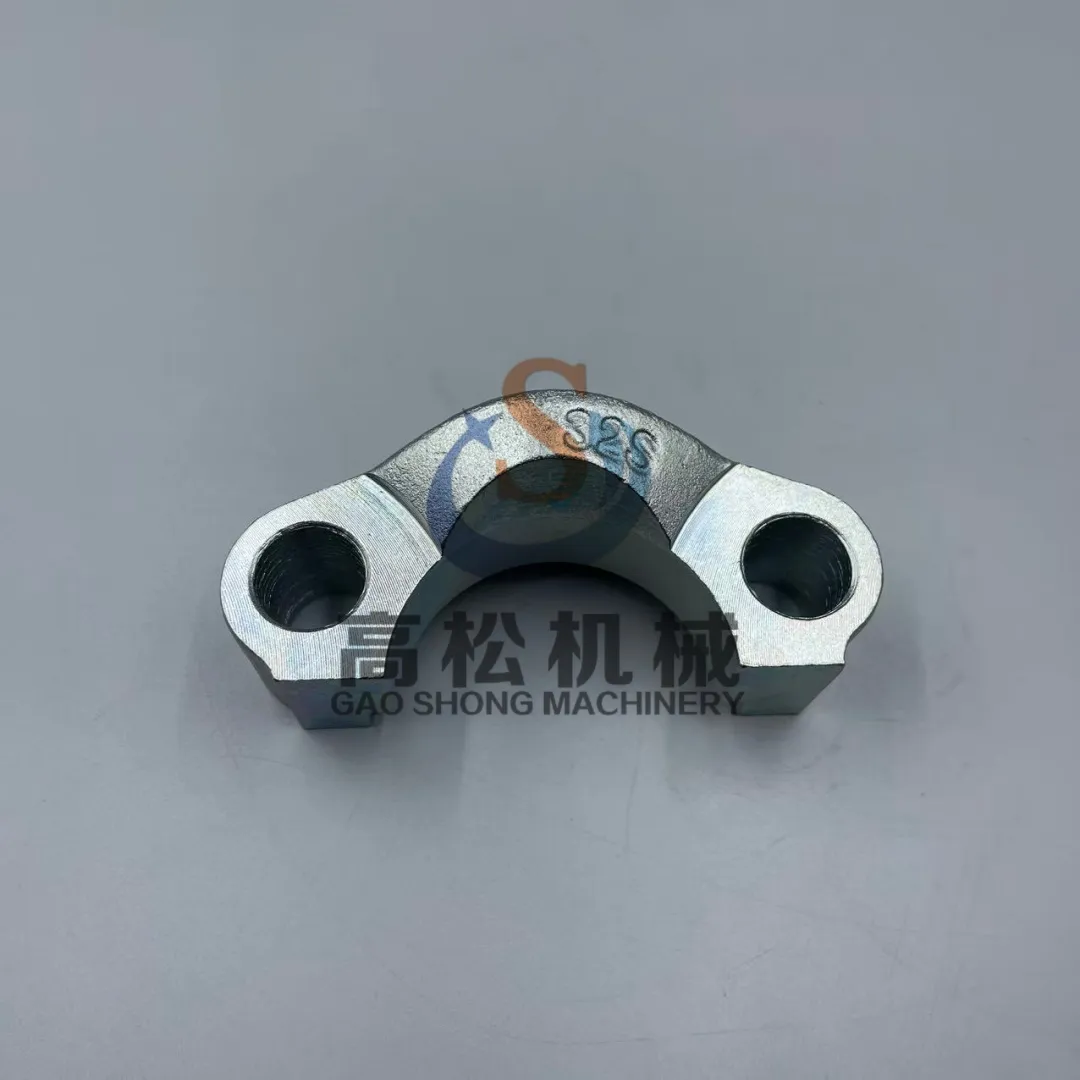 FLANGE 07371-52080 – KOMATSU Part
 -
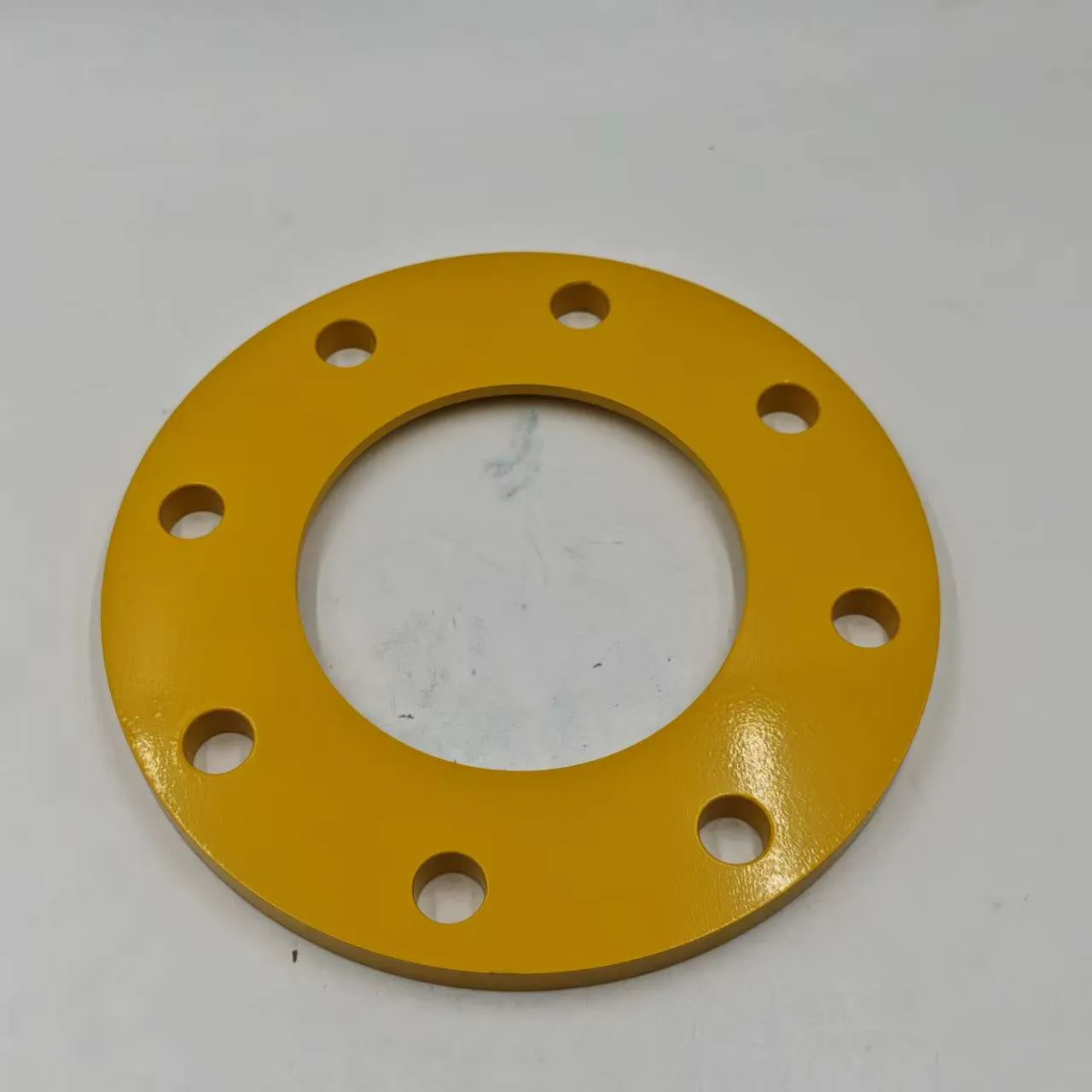 Komatsu 41E-70-15461 Plate
 -
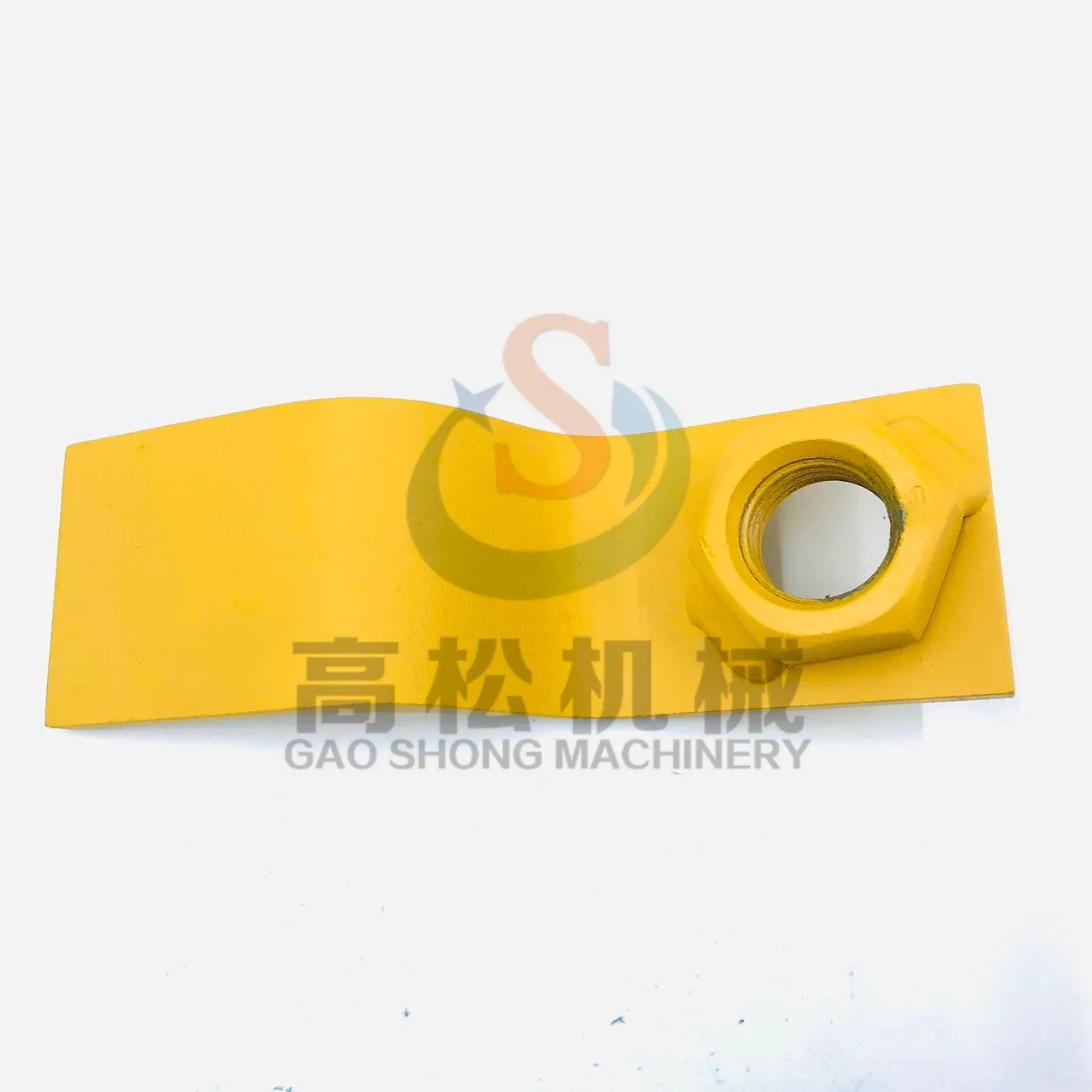 21T-00-67330 Plate (Komatsu)
 -
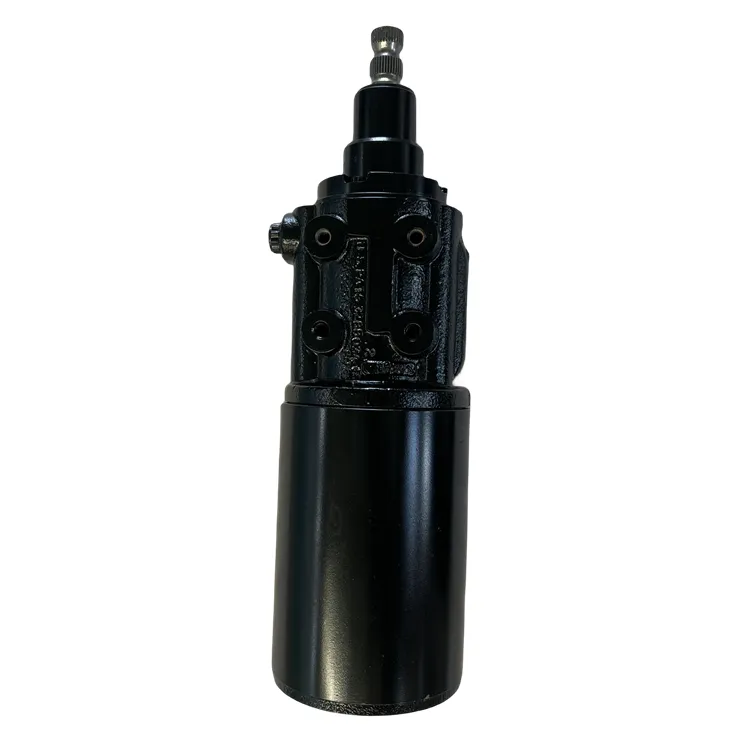 HD785-7 steering valve 561-40-83300
 -
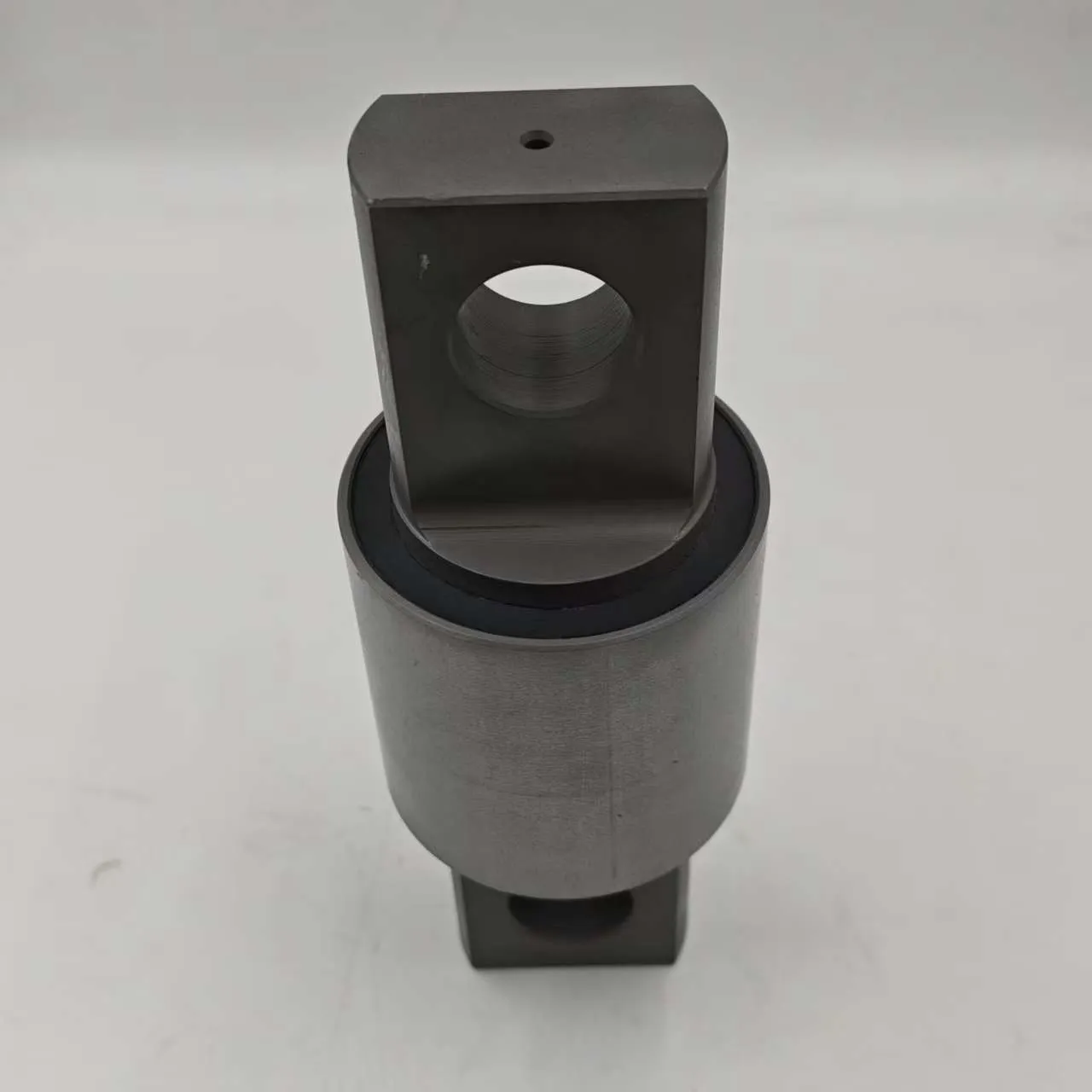 Komatsu hinge card HM350 shock absorber 56B-16-11211
 -
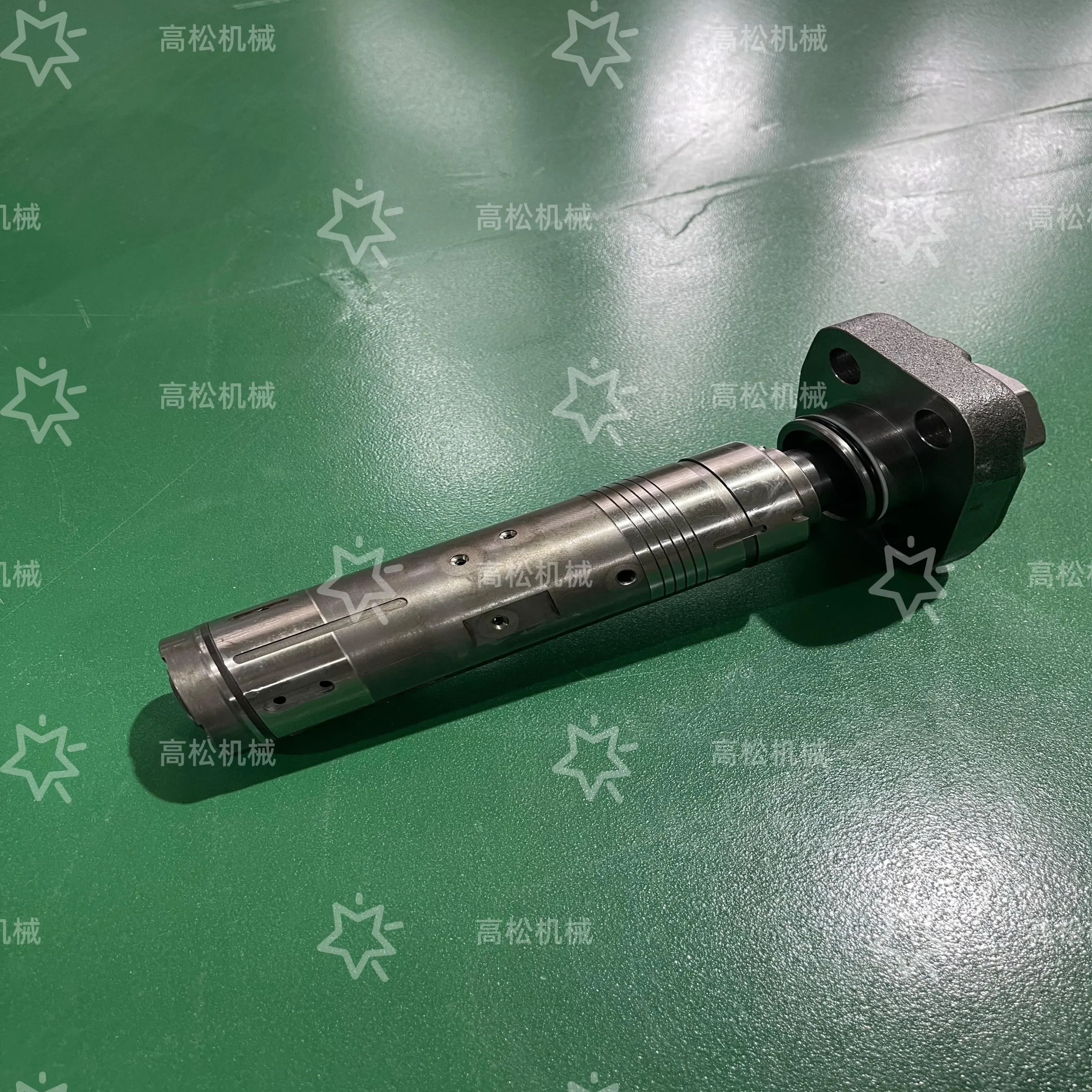 708-2H-03411valve ass’y,pc 708-2h-03411 – komatsu
 -
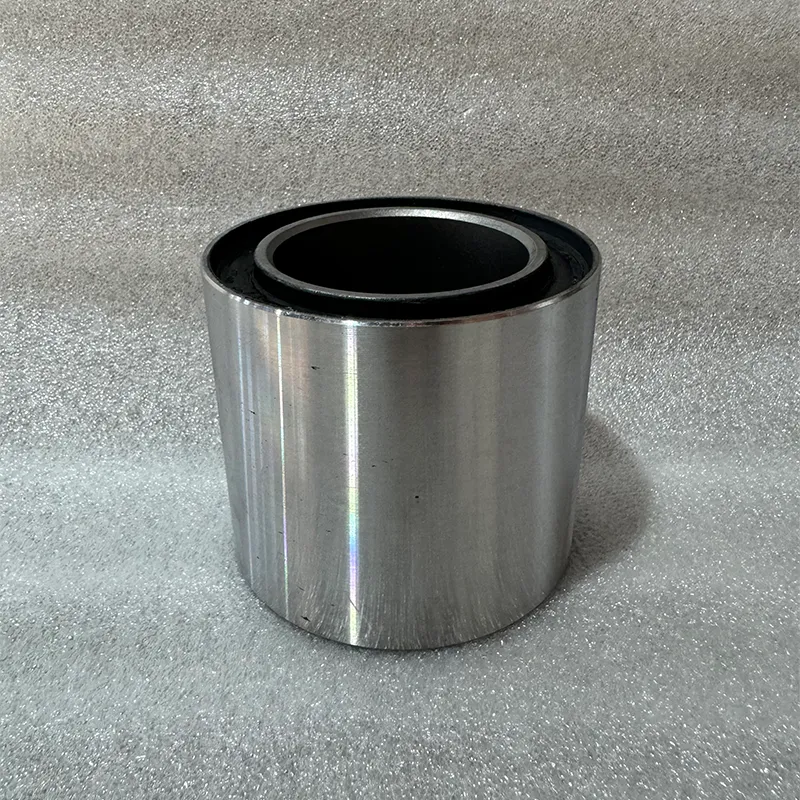 Original komatsu WA900-3 pad 569-14-41130
 -
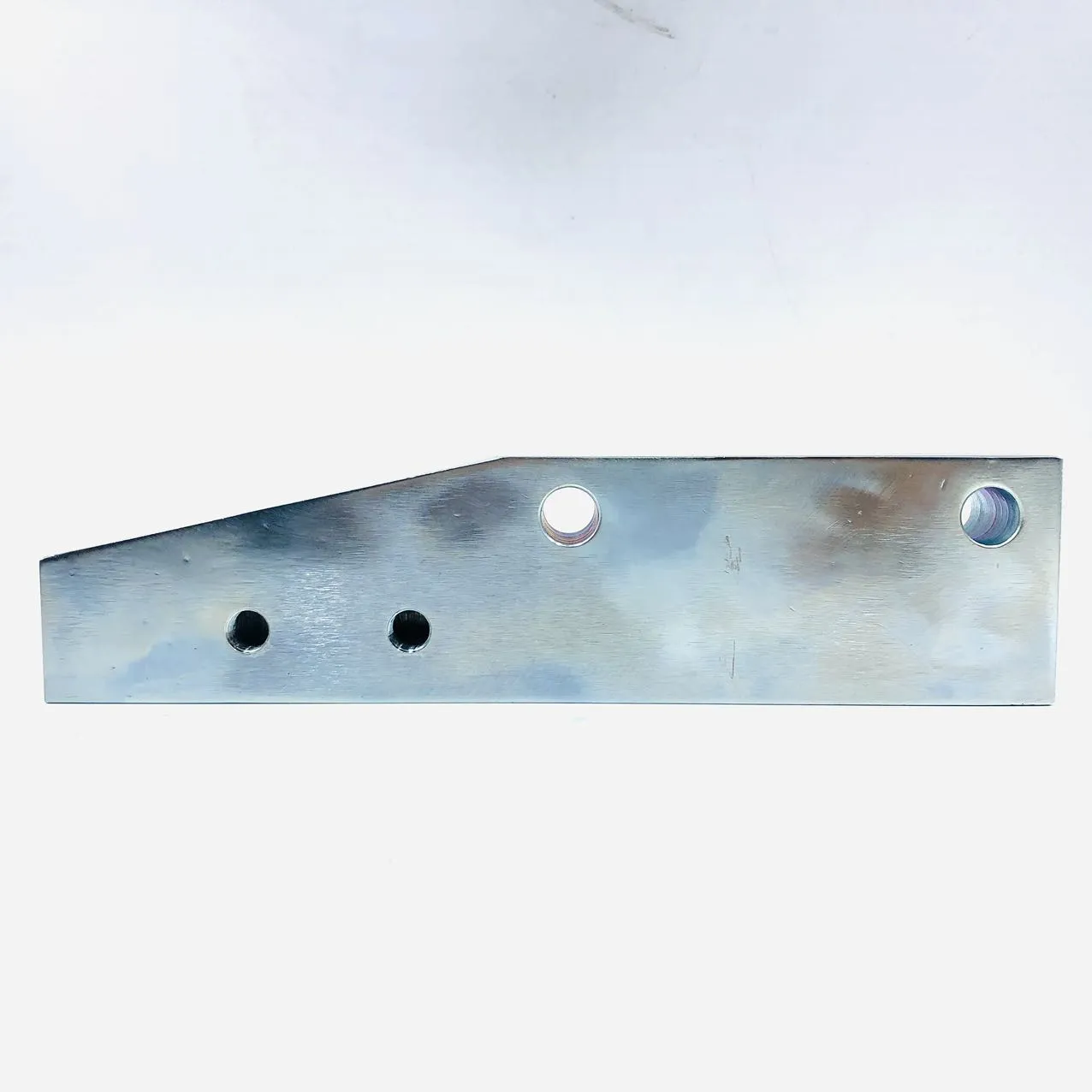 209-38-73281-BLOCK Komatsu Original Factory