
- Chinese
- French
- German
- Portuguese
- Spanish
- Russian
- Japanese
- Korean
- Arabic
- Irish
- Greek
- Turkish
- Italian
- Danish
- Romanian
- Indonesian
- Czech
- Afrikaans
- Swedish
- Polish
- Basque
- Catalan
- Esperanto
- Hindi
- Lao
- Albanian
- Amharic
- Armenian
- Azerbaijani
- Belarusian
- Bengali
- Bosnian
- Bulgarian
- Cebuano
- Chichewa
- Corsican
- Croatian
- Dutch
- Estonian
- Filipino
- Finnish
- Frisian
- Galician
- Georgian
- Gujarati
- Haitian
- Hausa
- Hawaiian
- Hebrew
- Hmong
- Hungarian
- Icelandic
- Igbo
- Javanese
- Kannada
- Kazakh
- Khmer
- Kurdish
- Kyrgyz
- Latin
- Latvian
- Lithuanian
- Luxembou..
- Macedonian
- Malagasy
- Malay
- Malayalam
- Maltese
- Maori
- Marathi
- Mongolian
- Burmese
- Nepali
- Norwegian
- Pashto
- Persian
- Punjabi
- Serbian
- Sesotho
- Sinhala
- Slovak
- Slovenian
- Somali
- Samoan
- Scots Gaelic
- Shona
- Sindhi
- Sundanese
- Swahili
- Tajik
- Tamil
- Telugu
- Thai
- Ukrainian
- Urdu
- Uzbek
- Vietnamese
- Welsh
- Xhosa
- Yiddish
- Yoruba
- Zulu
- Kinyarwanda
- Tatar
- Oriya
- Turkmen
- Uyghur






Komatsu monitor
When most people hear Komatsu monitor, they think of that LCD panel in the cab. That's the surface. The real story is the data pipeline and the machine health it represents—or fails to. A common pitfall is treating it as a simple display unit. It's not. It's the primary interface for the machine's vital signs, and misunderstanding that leads to costly misdiagnoses.
The Core Function and Common Misreads
In the field, the monitor is your first point of contact for diagnostics. But the codes it throws—like E101 or P008—are just starting points. I've seen mechanics swap out a Komatsu monitor because it was showing erratic fuel level readings, only to find the issue was a corroded sender unit harness. The monitor was just reporting the fault accurately. The real skill is interpreting the symptom versus the system error.
There's also a generational divide. The older models, think the Dash-5 series, had more rudimentary displays. The newer ones, like in the Dash-8 or -9 machines, are essentially ruggedized computers. The shift isn't just in resolution; it's in how deeply integrated the monitor is with the controller area network (CAN). A flicker on a new model might indicate a communication protocol hiccup, not a screen failure.
This is where a supplier's role gets critical. A company like Jining Gaosong Construction Machinery Co., Ltd. (https://www.takematsumachinery.com) understands this nuance. As an OEM product supplier within the Komatsu system, they see the full spectrum, from the physical screen assembly to the software that drives it. Their value isn't just in having the part; it's in knowing which iteration of the monitor is compatible with which controller software version—a mismatch that can brick a system.
Practical Challenges in Sourcing and Integration
Sourcing a genuine replacement is one hurdle; integrating it correctly is another. The plug-and-play dream often hits a snag with parameter settings. Each monitor needs to be matched to the machine's serial number profile in the main controller. I recall a job on a PC360LC-8 where we installed a new monitor, but the hydraulic pressure graphs wouldn't populate. The unit was genuine, but it hadn't been initialized with the specific machine's software profile. We had to use the service tool to download the configuration—a step that's easy to overlook.
This is the parts supply challenge that third-party specialists aim to solve. A supplier acting as a third-party sales company for Komatsu, like the one mentioned, often bridges the gap between official channels and urgent field needs. They might have access to cross-reference databases or compatible refurbished units that are pre-configured for specific models, which can cut downtime from weeks to days.
The aftermarket is flooded with look-alike monitors. Some are decent, but many lack the proper shielding against electromagnetic interference common on a busy site. The result? Glitchy readings when the hydraulic system is under high load. It’s a false economy. The genuine Komatsu monitor is built for that environment, with a higher-grade chipset for thermal stability. The cost difference is in the reliability, not just the logo.
Case in Point: A Failure to Communicate
Let me walk through a real headache. A PC700-8 was brought in with a monitor that was intermittently going blank. The local dealer's diagnosis was a faulty monitor. We got a replacement unit through a channel that included support from a technical liaison at a company like Gaosong. Before installing, we checked the communication logs via the service port. The logs showed repeated time-out errors on the CAN bus just before each blackout.
The new monitor was installed, and the problem persisted. This pointed away from the monitor itself. We traced it back to a damaged section of the CAN wiring loom near the swing bearing, where insulation had worn through, causing a short that reset the communication module. The monitor was the messenger failing, not the source. This case underscores that the monitor is a node in a network. Replacing it without network diagnostics is guesswork.
The takeaway? Always run a full system comms check with the service tool before condemning the monitor. A good technical partner won't just sell you the part; they'll ask for the error code history and the machine's behavior leading up to the fault. That consultative approach saves far more than the part's cost.
Beyond the Display: The Data Gateway
Increasingly, the monitor's role is expanding into telematics. It's the conduit for Komatsu's KOMTRAX and similar systems. The data on fuel consumption, idle time, and system alerts all funnel through it. A faulty monitor can mean a machine goes dark, losing fleet management visibility. For an owner, that's operational blindness.
I've advised clients to consider monitor health as part of their data integrity strategy. A flickering screen might seem like a minor nuisance, but if it corrupts the data stream to the server, your monthly utilization reports could be off, affecting maintenance scheduling and costing projections. It's a small component with a large ripple effect.
Suppliers who operate within the Komatsu ecosystem are adapting to this. Their support now often includes verifying that a replacement monitor can properly handshake with the telematics gateway unit. It's another layer of complexity that separates a parts seller from a solutions provider.
Final Thoughts on Sustainable Support
The lifecycle of these monitors is another practical concern. For older, still-productive machines, finding a new OEM monitor can be impossible. This is where the third-party role is essential. Companies that help solve parts supply challenges in certain countries often support these legacy systems by offering repaired or compatible units that keep machines running. It's not always about the latest part, but the right part for the machine's service life.
My own view has evolved. I used to see the monitor as a commodity item. Now, I see it as a system-critical component. Its health is diagnostic of both the machine's electronics and the quality of your technical support chain. Choosing a supplier isn't just about price and availability; it's about their depth of system knowledge and their ability to provide the correct technical context for the part.
So, next time a Komatsu monitor acts up, look past the glass. Think about the data, the network, and the communication it facilitates. And partner with suppliers who understand that difference—the ones who ask questions before they send an invoice. That's what turns a simple replacement job into a reliable fix.
Related Products
Related Products

Best Selling Products
Best Selling Products-
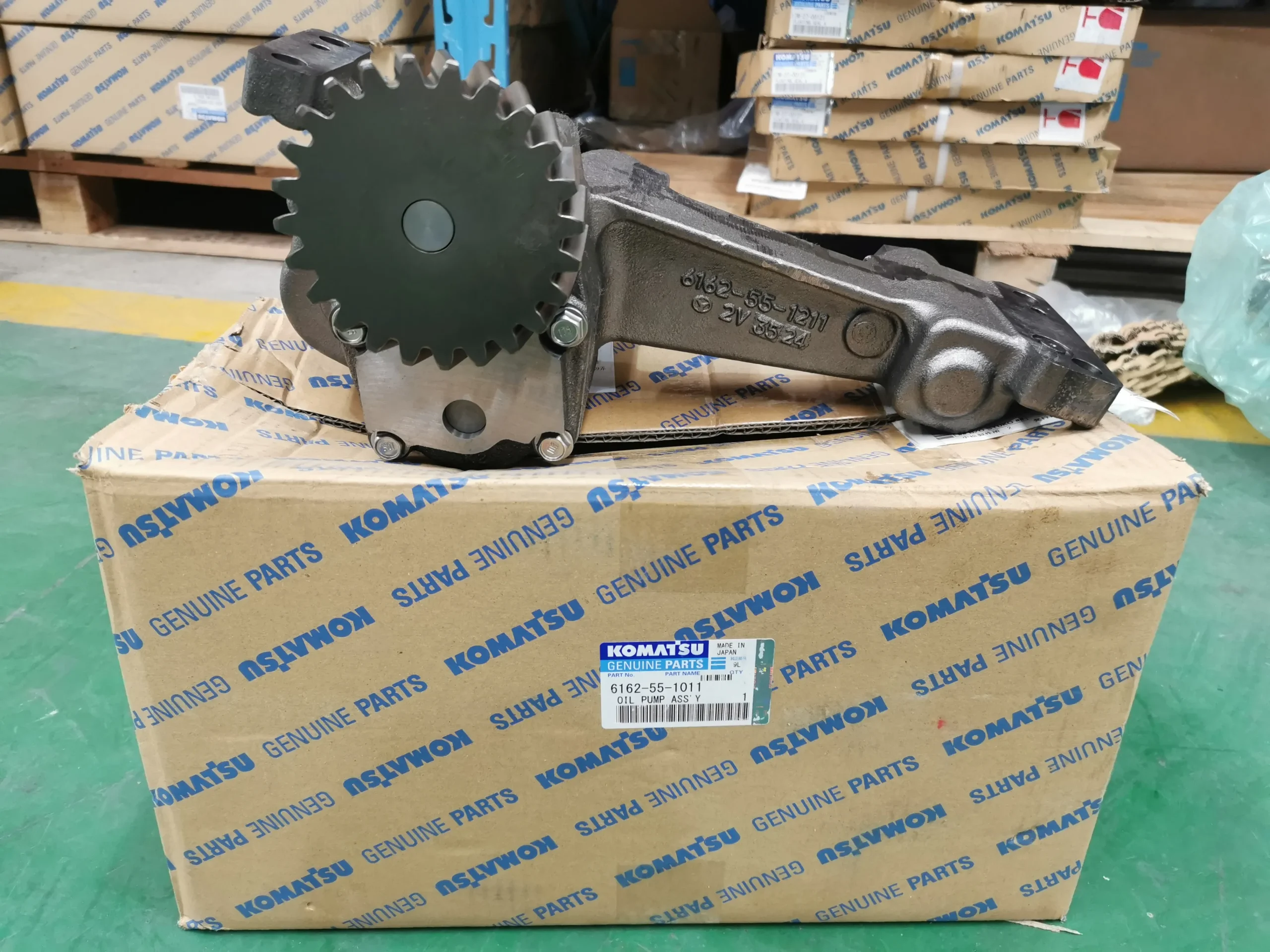 S6D170E-2A Oil Pump 6162-55-1011
 -
 561-03-81550 High Quality Parts For Komatsu Hd465/hd785, High…
 -
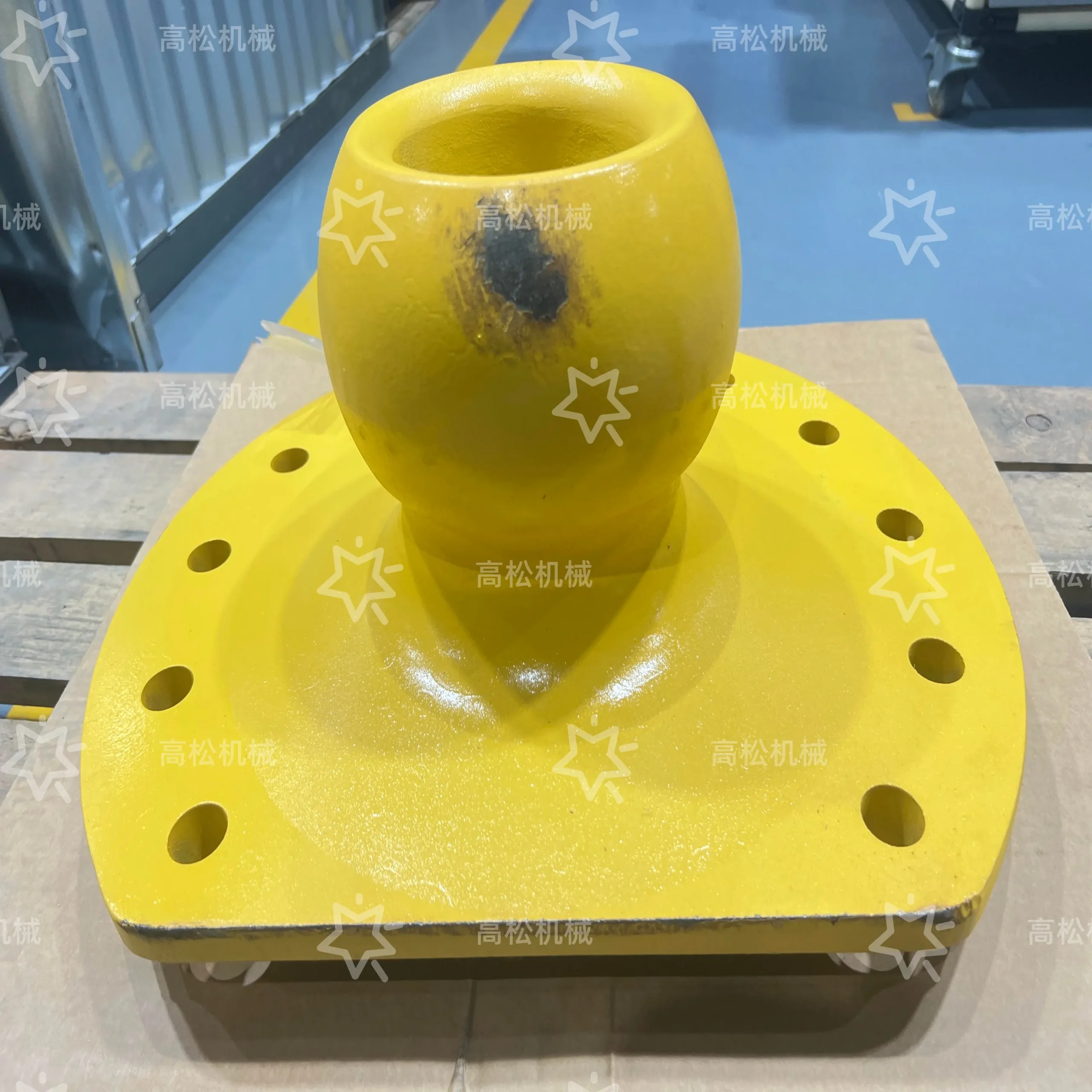 Trunnion 195-71-51191 for Bulldozer D375A-1/3/5/6
 -
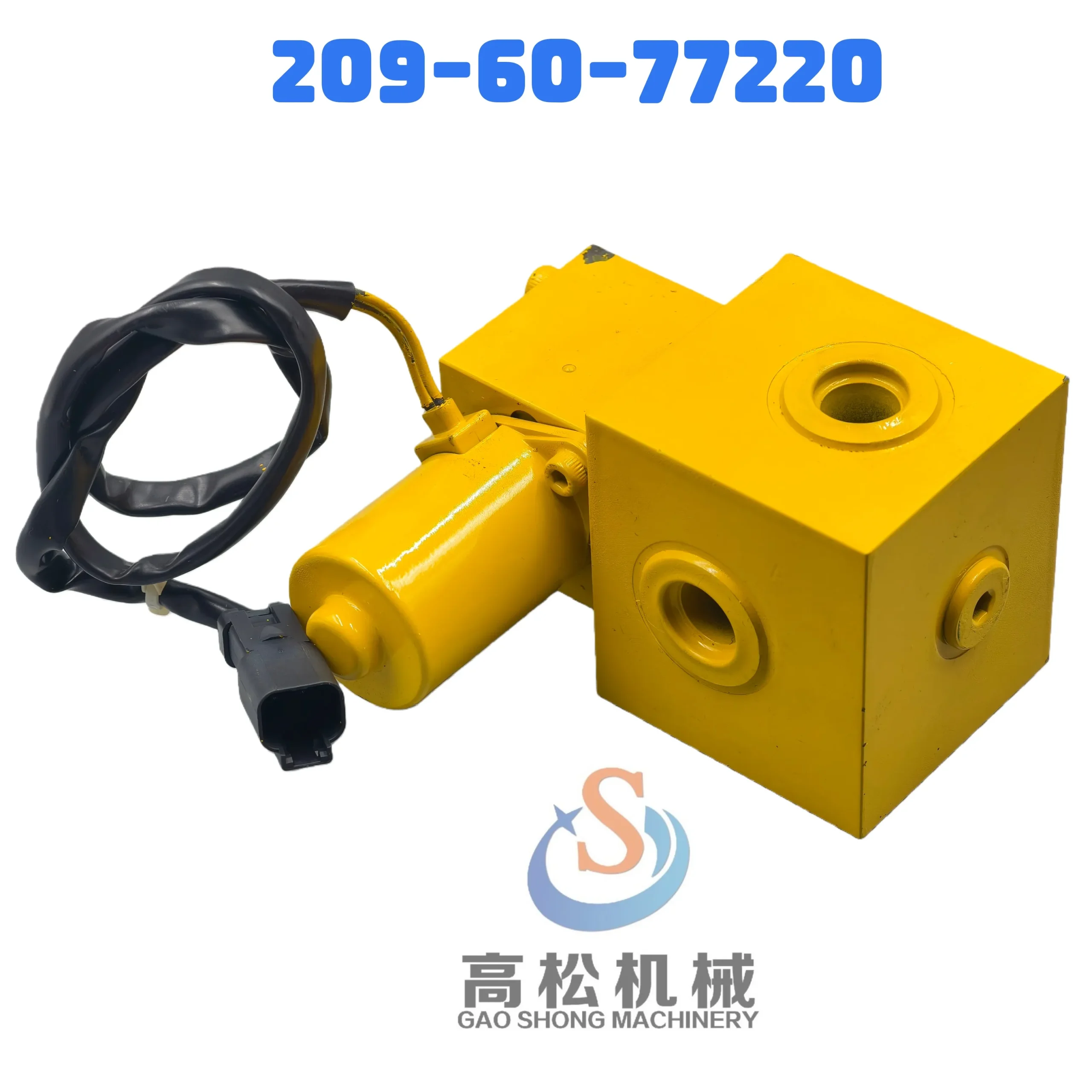 209-60-77220 VALVE ASS’Y KOMATSU parts BOTTOM, COOLANT, PC1250, PC1250SP, PC2000, PC600, PC650, PC700, PC800, PC800SE, PC850, PC850SE, TRAVEL
 -
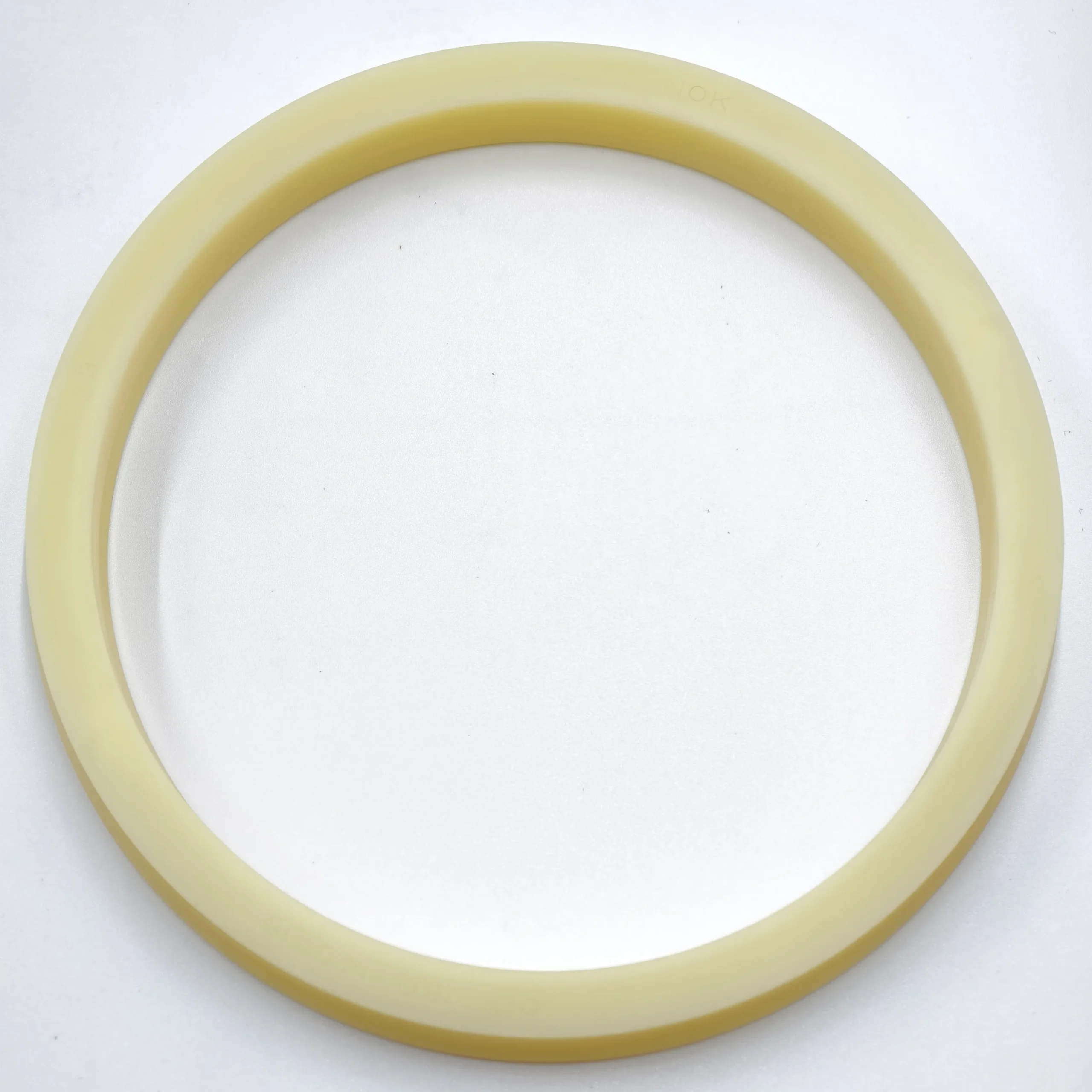 Komatsu 21N-30-14160 PACKING, price for original… — Pricing.Parts
 -
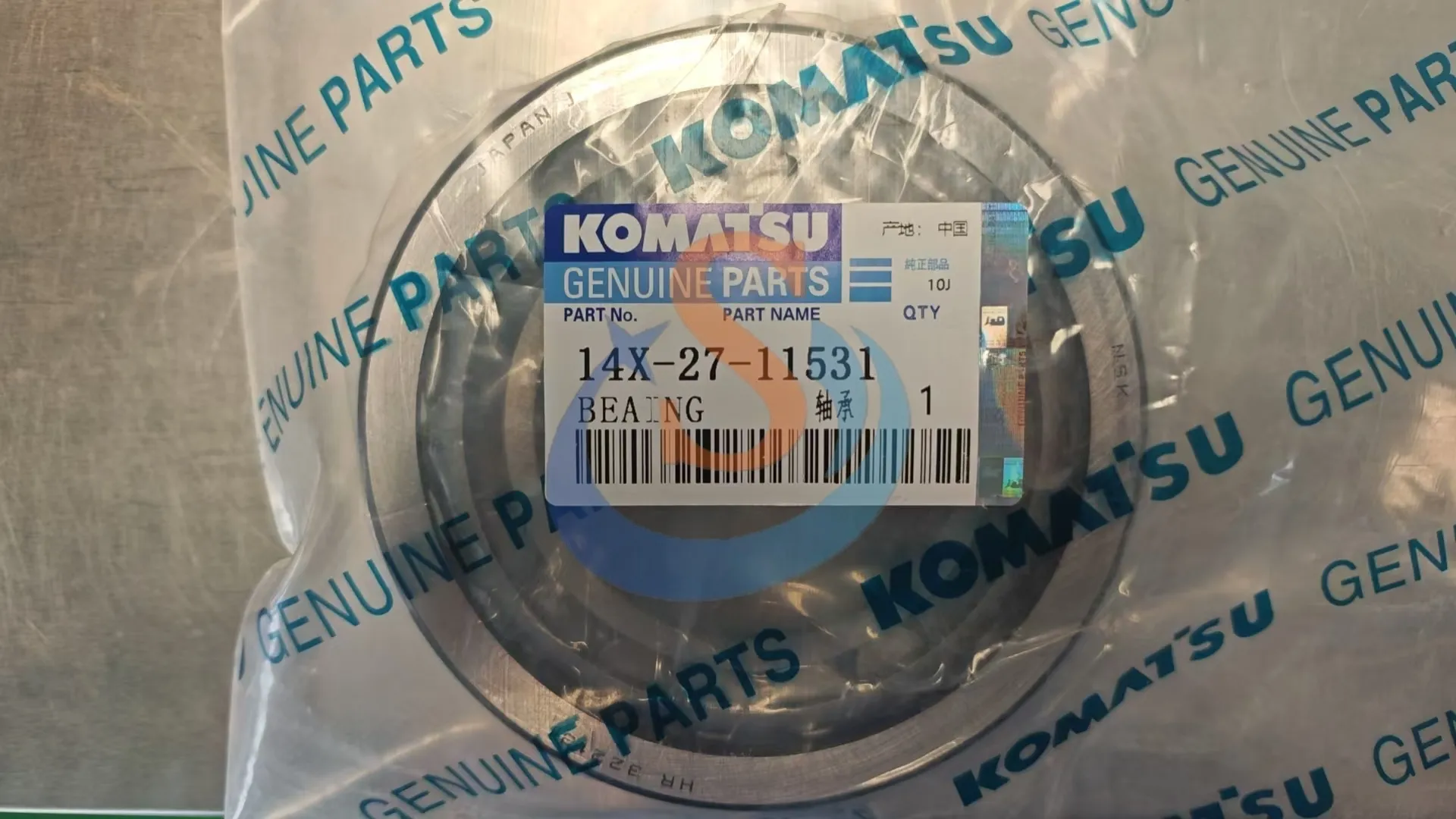 14X-27-11531,BEARING,D65P,D65EX,D65WX
 -
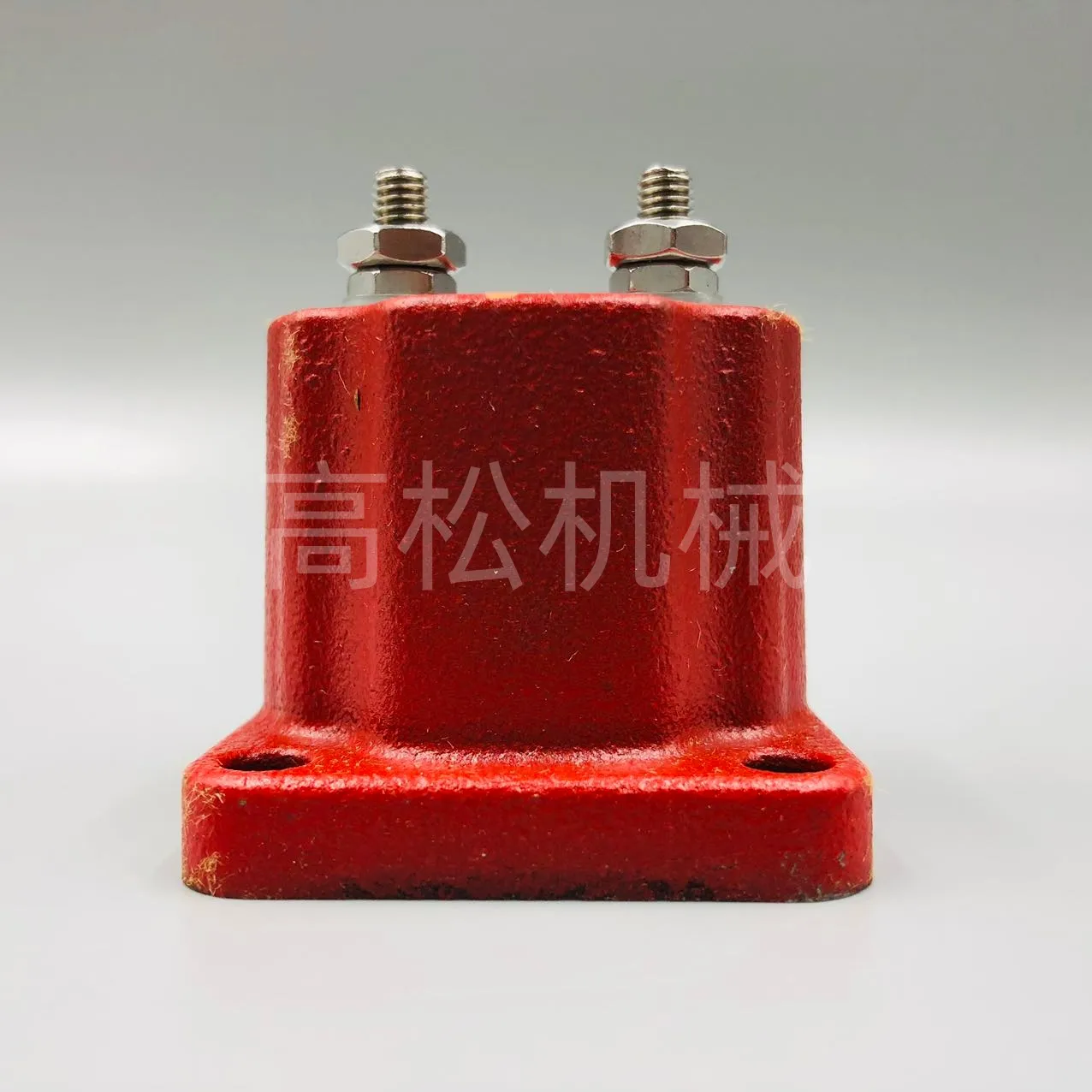 6560-51-1510 • SOLENOID-Komatsu Original Factory
 -
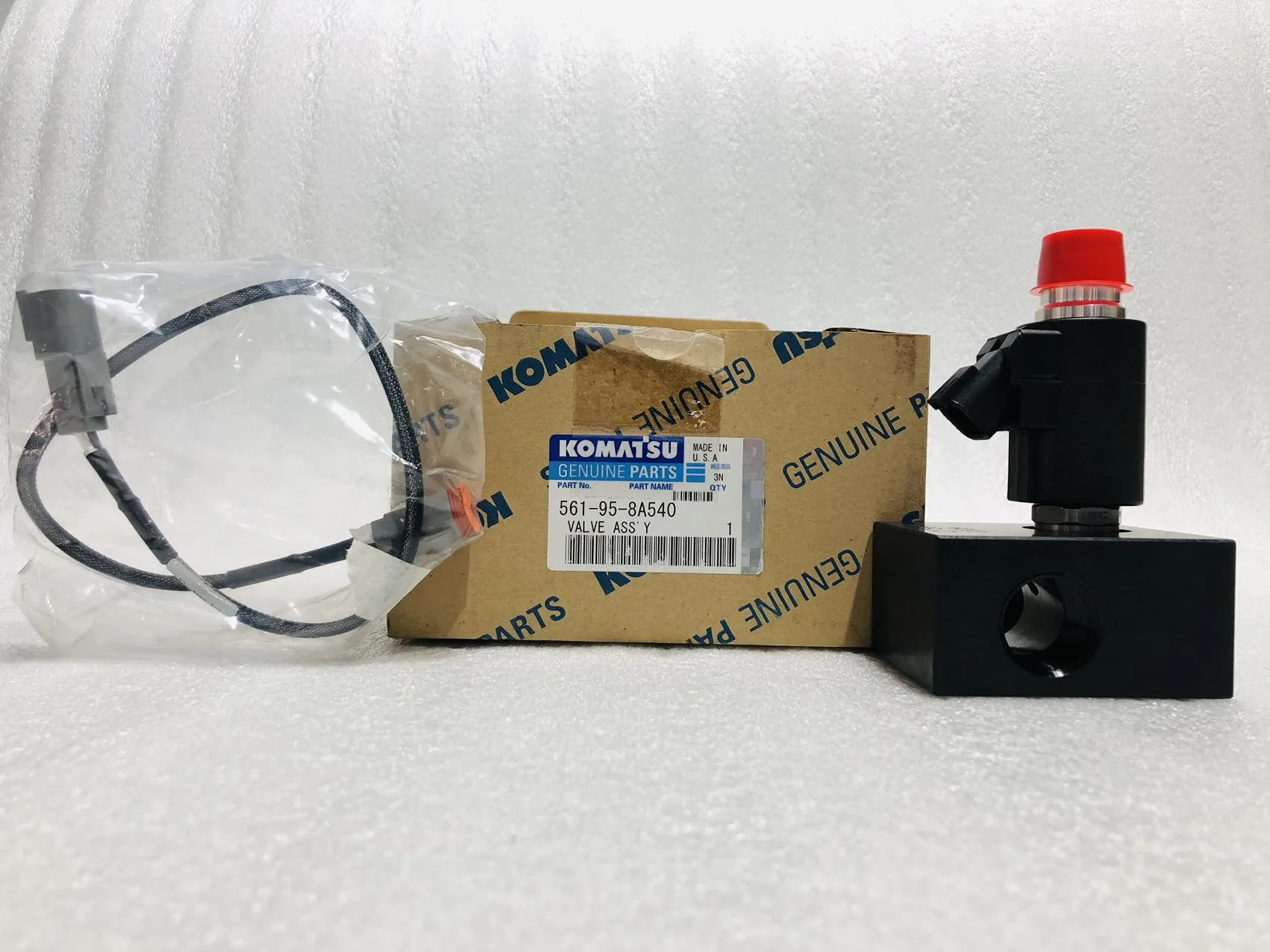 Komatsu 561-95-8A540 VALVE ASS’Y
 -
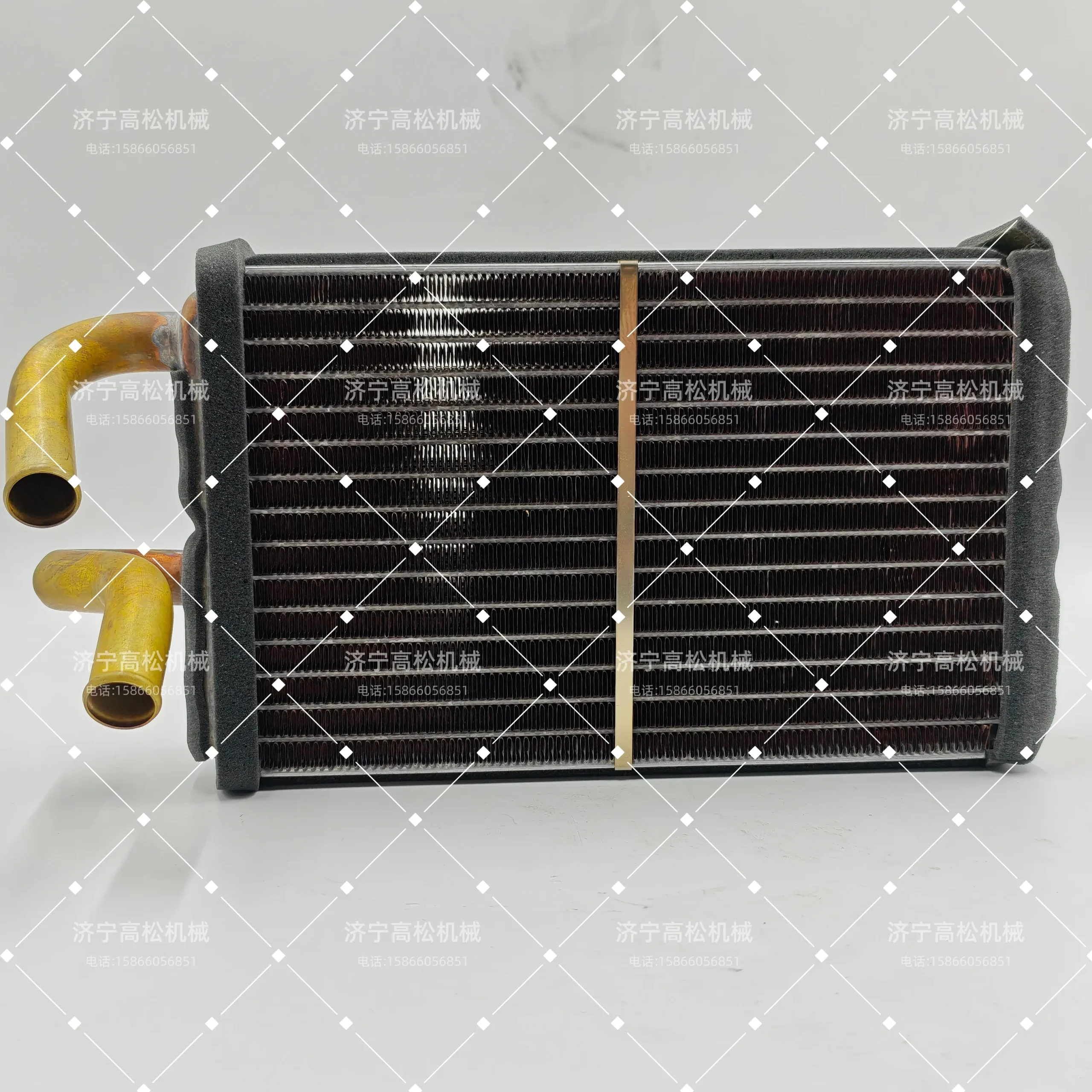 Genuine ND116410-9681 Unit Sub Assy for HD255, HD465, HD605
 -
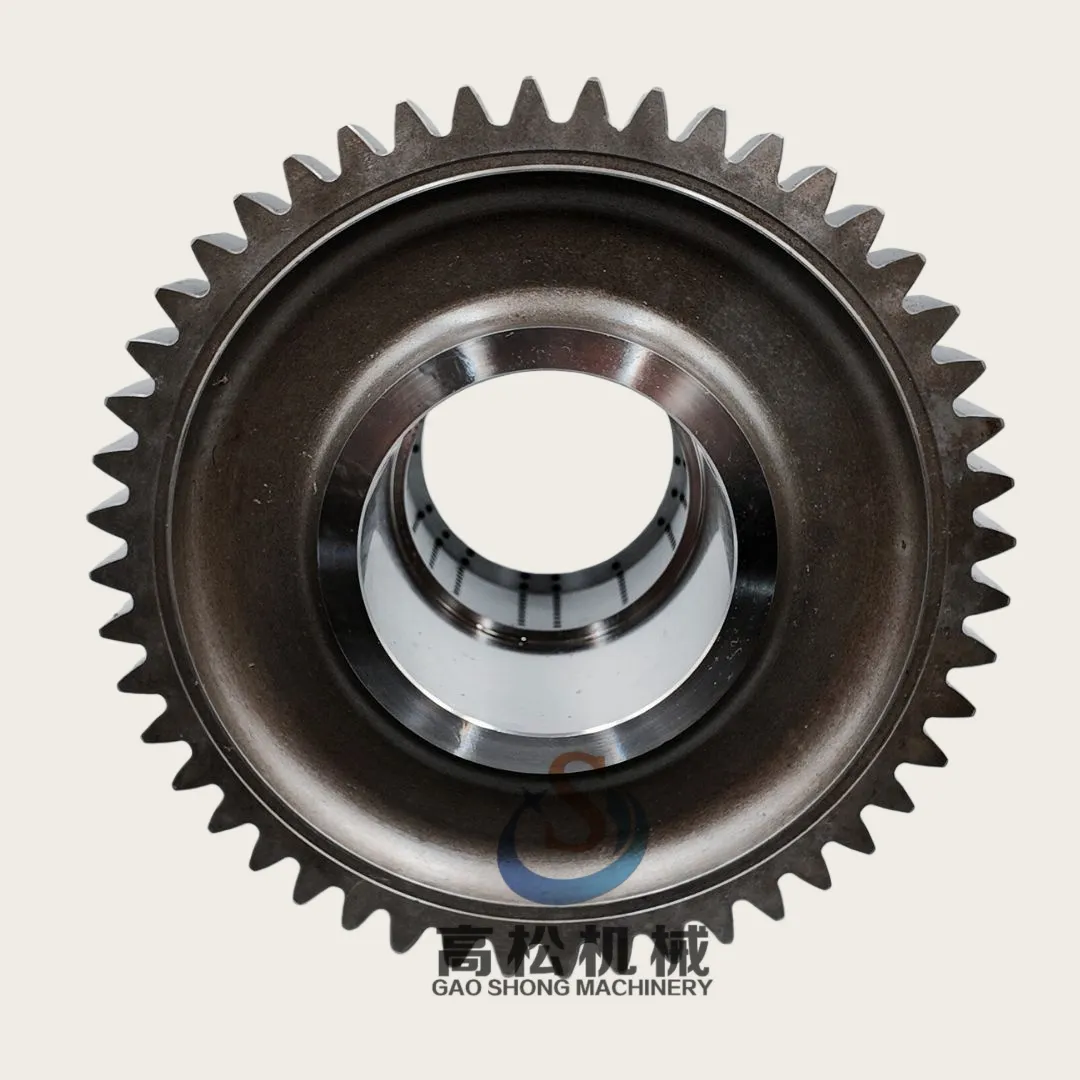 GEAR, 48 TEETH,FORWARD WA470-3 714-07-12420 GEAR, 48 TEETH,FORWARD WA450-3 S/N 53001-UP (For Taiwan / Tunnel Spec.) TRANSMISSION (FORWARD AND 1ST CLUTCH) (FOR EMERGENCY STEERING)
 -
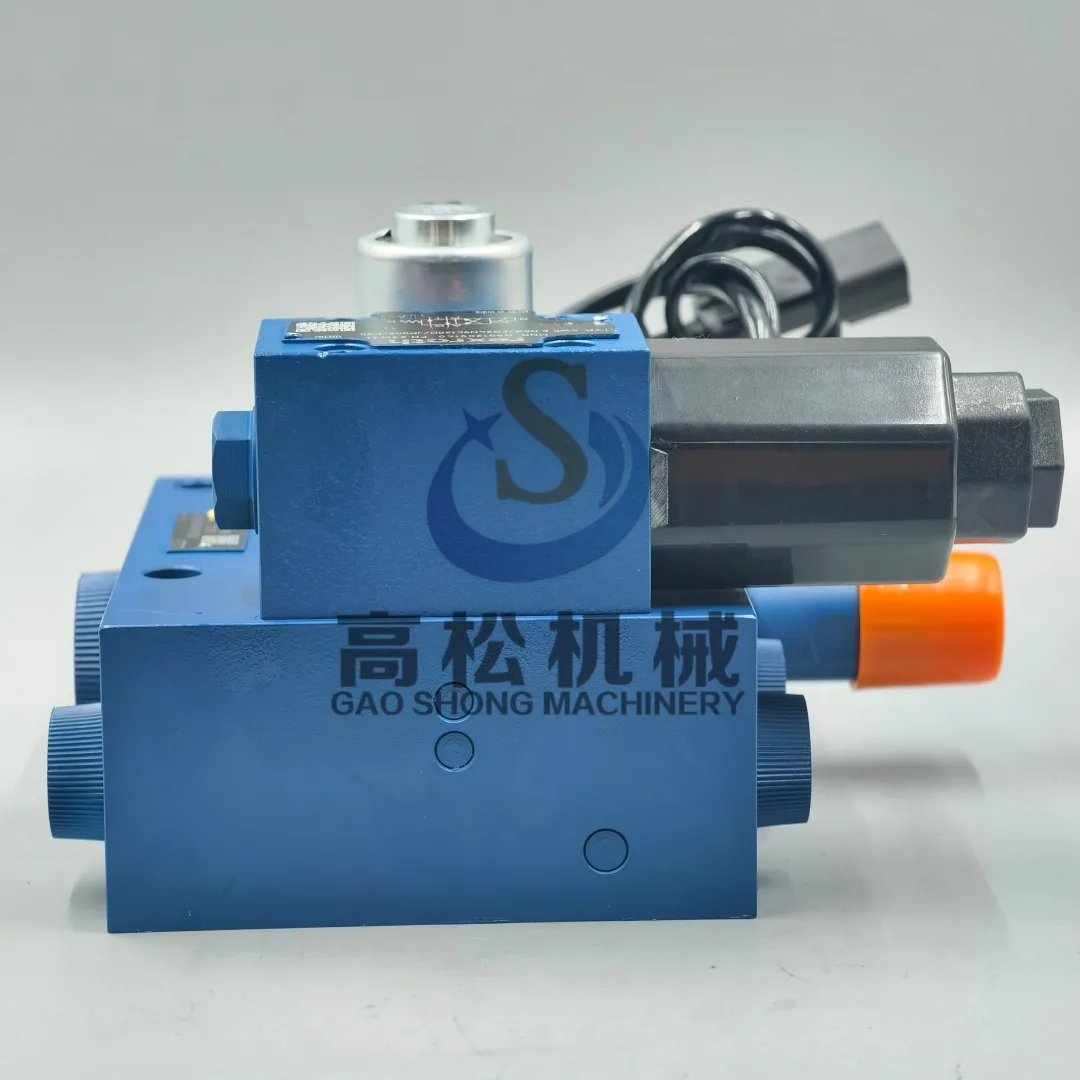 Komatsu 56B-43-12402 Valve for machines model HD405-7
 -
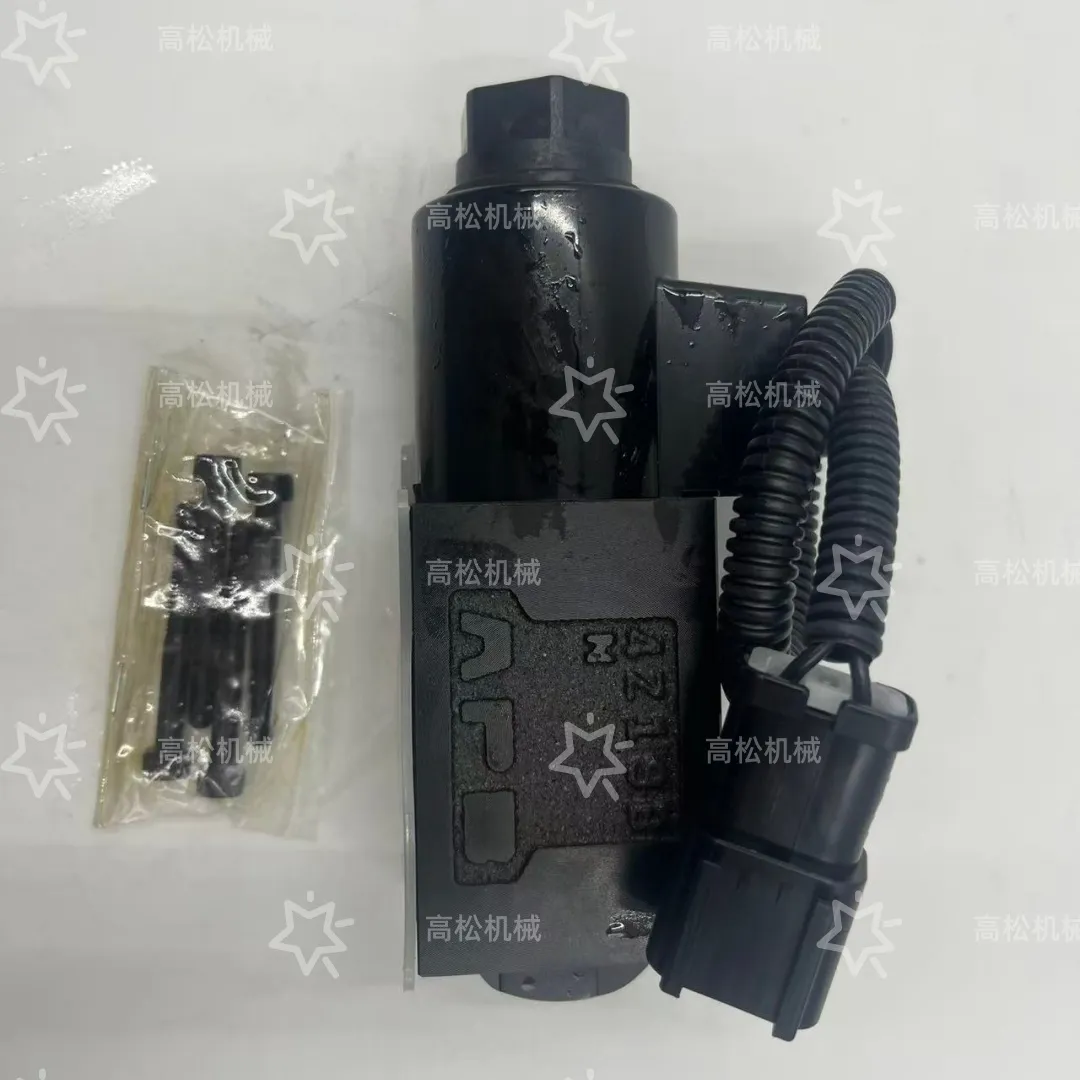 23W-60-28230 VALVE ASSEMBLY,SOLENOID – Komatsu